Keep up to date
Keep up to date with all things Trade Classics, along with new cars.
Curated Auction

1957 Land Rover Series 1

At a Glance

Body-Off Restoration | 2.25-Litre Conversion | Overdrive | 7.5-Year Ownership | Keen Reserve

  • Mileage~57,112 on clock
  • TransmissionManual
  • Engine2.25-Litre
  • LocationHarlow, Essex

Curated Auction

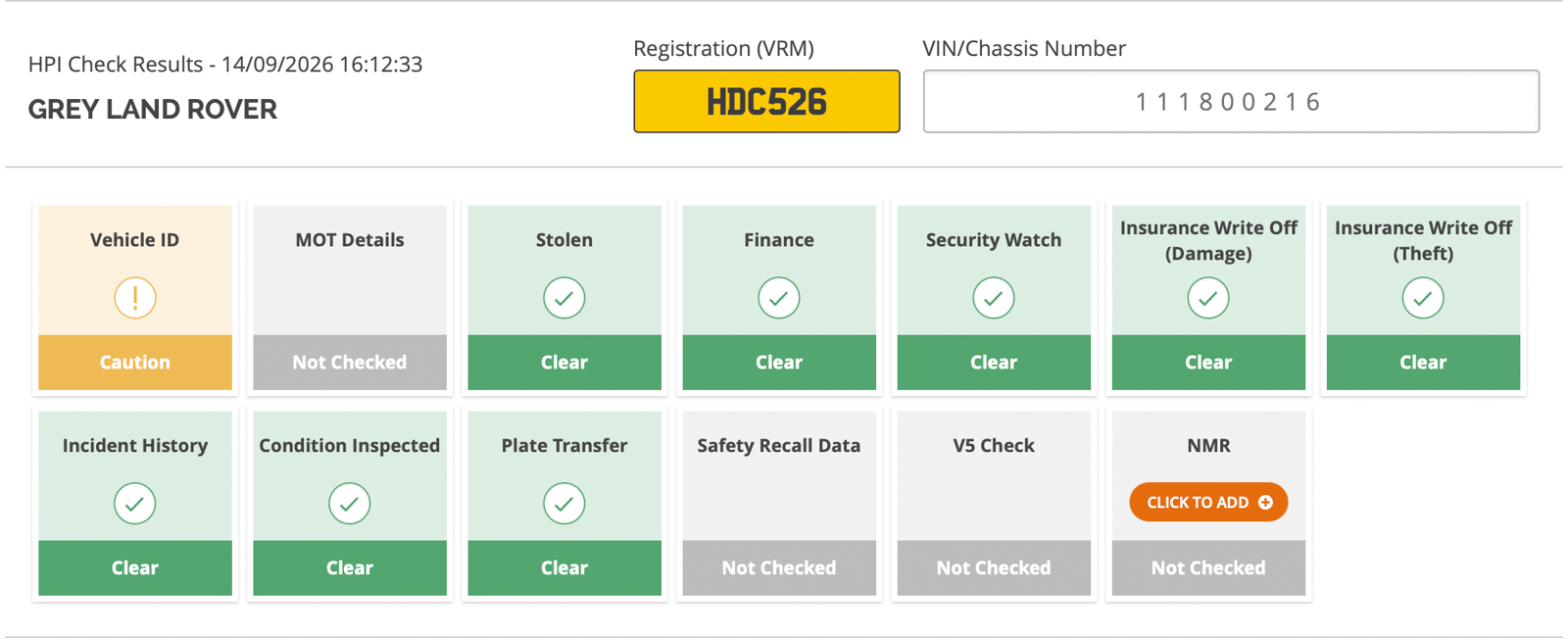
We’ve visited this car, taken the images and written the description below – we’ve also verified the seller’s ID and actioned a HPi report – learn more


Curated Auction

We’ve visited this car, taken the images and written the description below – we’ve also verified the seller’s ID and actioned a HPi report – learn more

CURATED AUCTION

Days
HRS
MIN
SEC
CURRENT BID£8,000
See Bidding

AUCTION LIVE

ENDS IN: 56 Days 12 Hr 51 Min 51 Sec

CURRENT BID

£8,000

Introduction

Dom Ginn
Professional Consigner

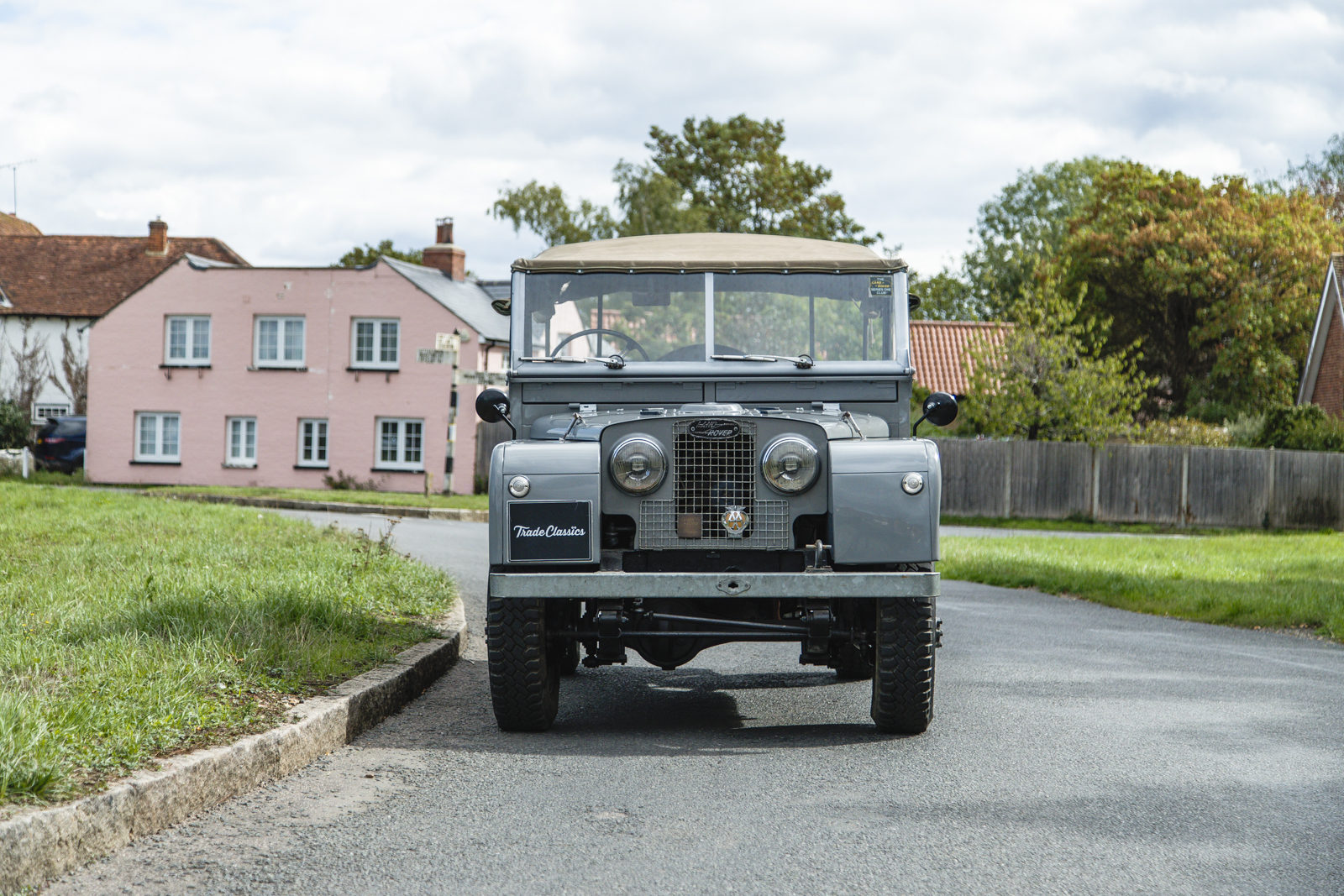
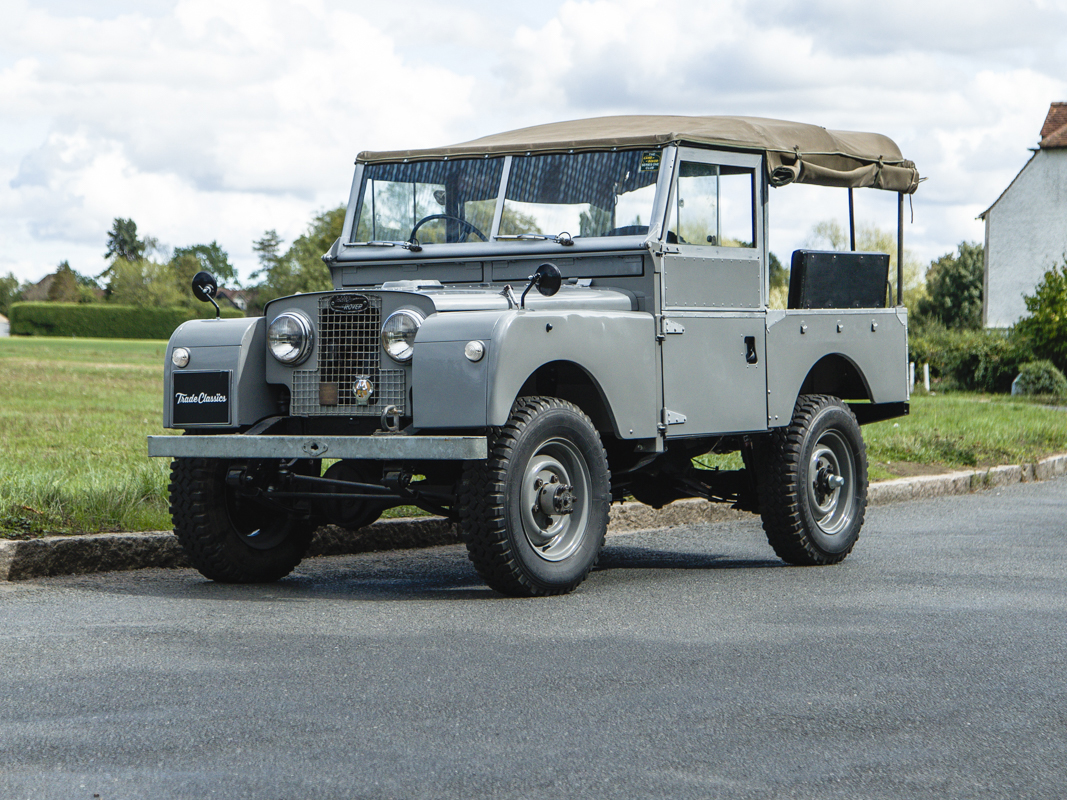
A particularly attractive and highly usable Land Rover Series I, combining the unmistakable appearance of an early 88-inch model with several carefully chosen mechanical upgrades.

The original Land Rover was introduced in 1948 as a simple, versatile four-wheel-drive utility vehicle. Its aluminium-alloy body panels, steel chassis and straightforward mechanical construction allowed it to operate in environments where conventional vehicles would struggle.

The short-wheelbase model evolved considerably during its first decade of production. Initially built with an 80-inch wheelbase, it progressed through the 86-inch version before the 88-inch model appeared during 1956. The Series I name was applied retrospectively following the arrival of the Series II in 1958.

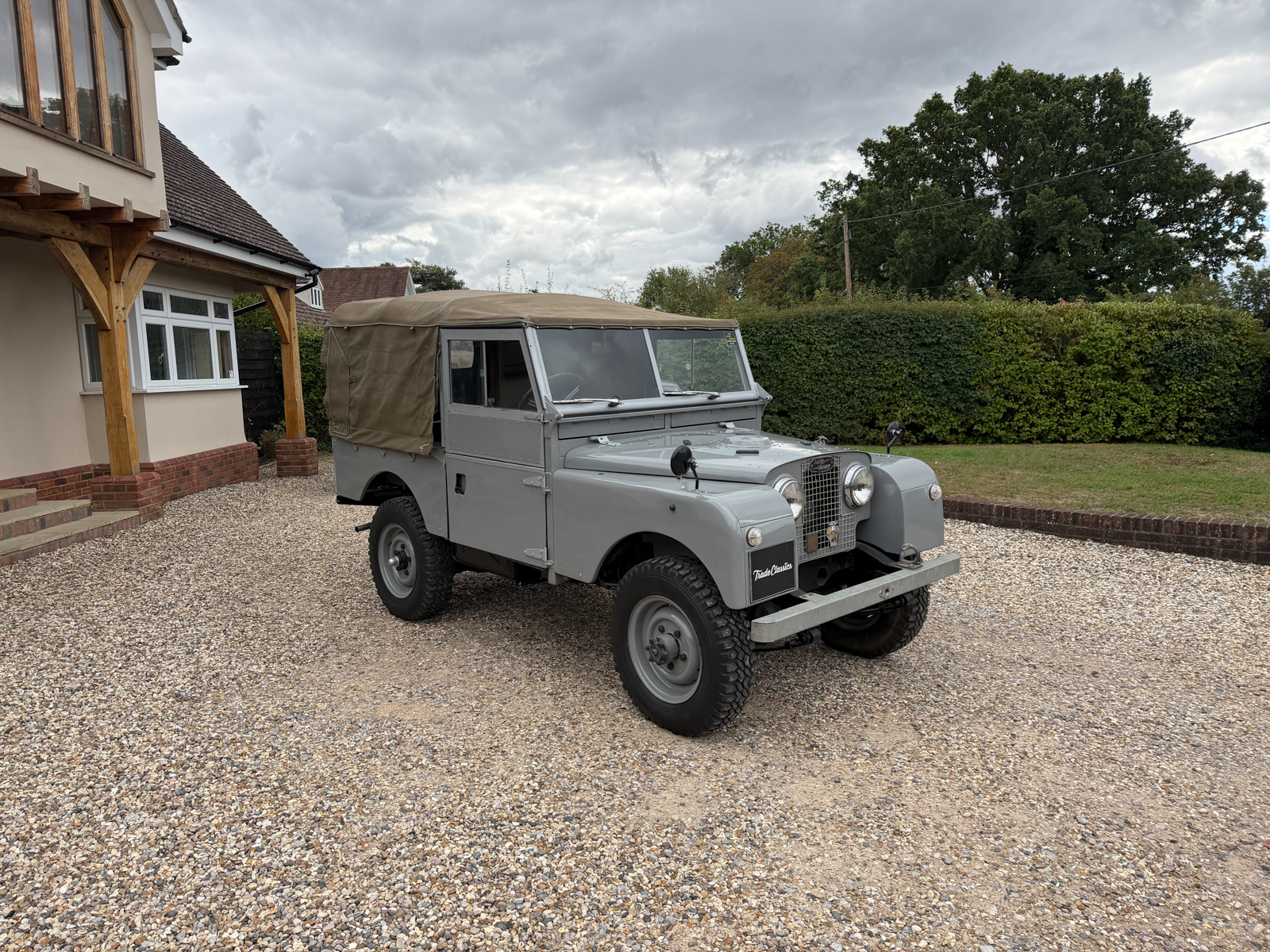
Coming to market after ~7.5 years with our vendor, this 1957 example therefore comes from the final development of the original Land Rover design. It retains the compact dimensions, inset headlamps, flat body panels, upright grille and wonderfully functional interior associated with the earliest models.

During the 1990s, the Land Rover underwent a body-off restoration - its colour was changed as part of that work, resulting in the smart grey finish it wears today.

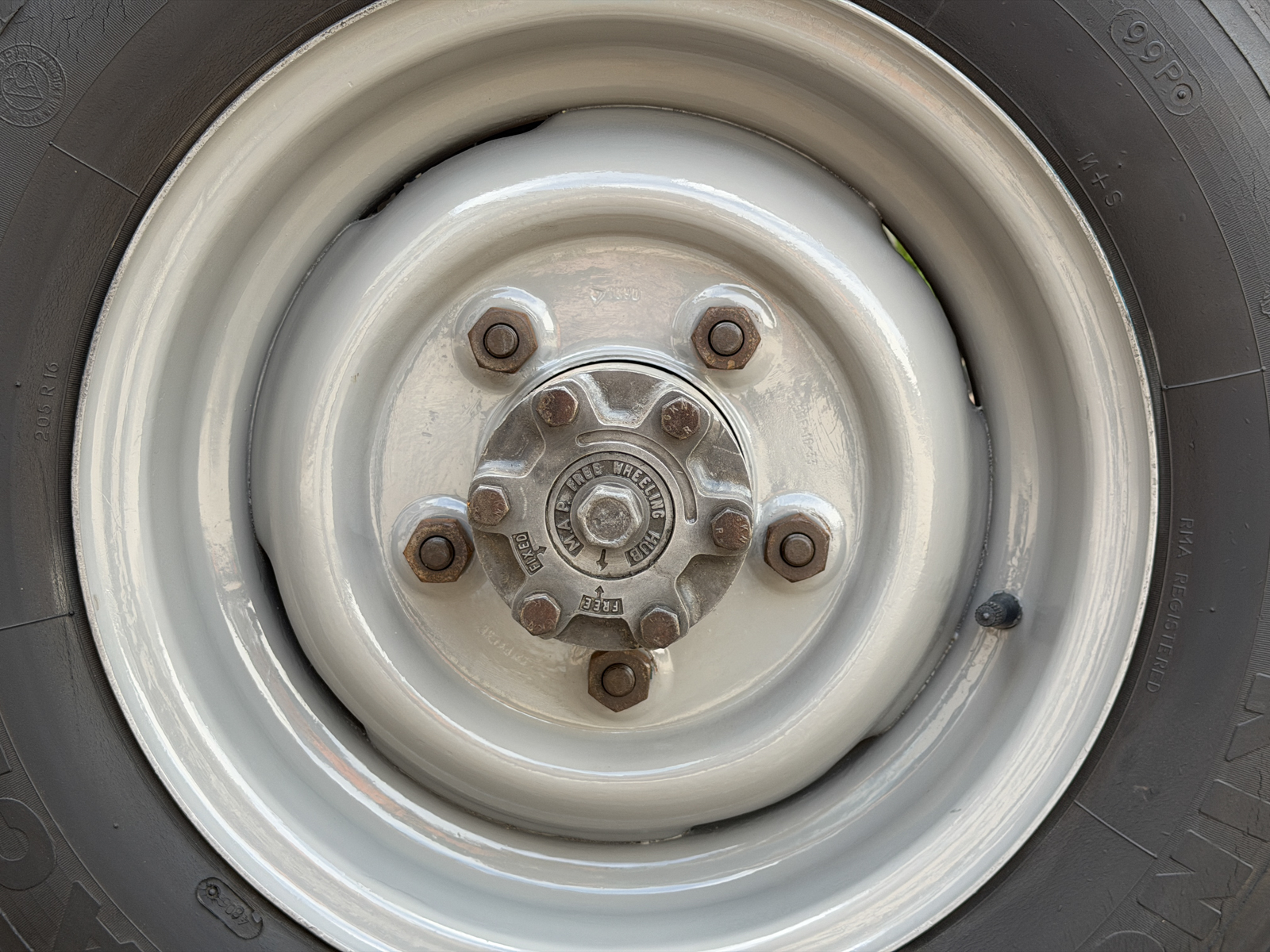
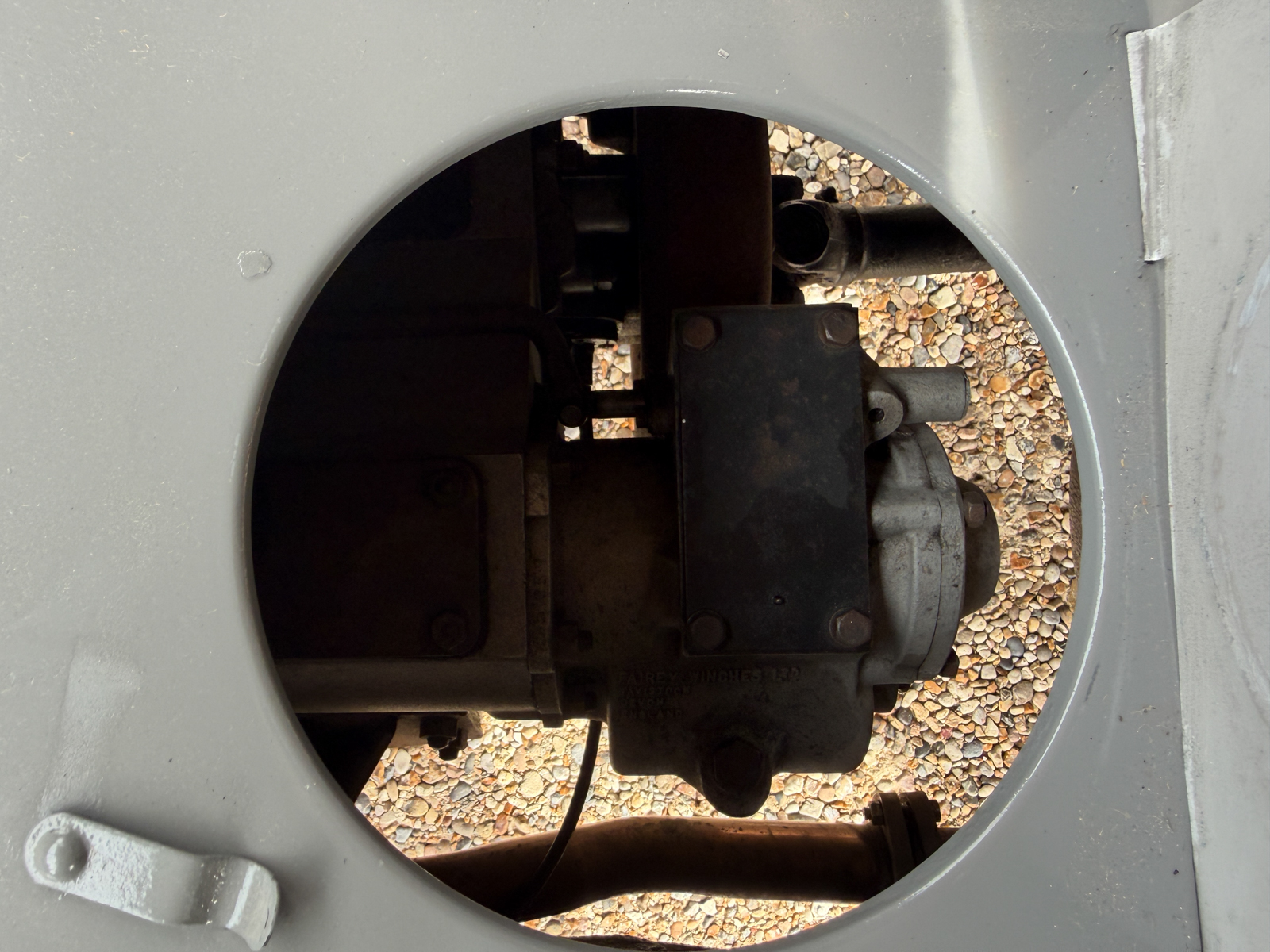
The restoration also included the installation of a 1967 Series IIA drivetrain. A later 2.25-litre petrol engine was fitted together with its associated gearbox and driveline including period correct Mann free wheeling hubs. An overdrive was also incorporated, making the vehicle better suited to longer journeys.

This listing was written from information supplied by Dom after meeting Steve the owner, and having visited and photographed the vehicle.

Secure Auctions

We verify all our sellers and buyers to keep our community safe whilst also providing the highest levels of website security.

Full Transparency

8 out of 10 people that buy cars via our service don’t feel the need to visit due to the transparency and thoroughness of our listings.

Vehicle Delivery

We're there every step of your buying journey and will even arrange pick-up and delivery of your new vehicle.

Secure Auctions

We verify all our sellers and buyers to keep our community safe whilst also providing the highest levels of website security.

Full Transparency

8 out of 10 people that buy cars via our service don’t feel the need to visit due to the transparency and thoroughness of our listings.

Vehicle Delivery

We're there every step of your buying journey and will even arrange pick-up and delivery of your new vehicle.
Meet the owner

The engine is good, the gearbox and clutch are excellent and the overdrive makes a noticeable difference on longer journeys.

Steve purchased the Land Rover after searching specifically for a grey short-wheelbase Series I fitted with both period correct Mann free-wheeling hubs and an overdrive.

The vehicle had already undergone a body-off restoration during the 1990s. Its colour was changed during that work, and the original drivetrain was replaced with an engine, gearbox and associated components taken from a 1967 Series IIA.

The replacement engine is a 2.25-litre petrol four-cylinder. Although this means the Land Rover is no longer mechanically factory-original, the later engine provides a useful improvement in everyday performance while remaining entirely in keeping with the character of a traditional Series Land Rover.

Steve has greatly enjoyed driving the Land Rover and describes it as performing particularly well for an early Series model. However, it is now being used less frequently than he would like, prompting the decision to offer it for sale.

Steve would be happy to answer any questions in the comments section.

Steve
Vehicle Owner

Ask Questions

CONTACT OWNER

Exterior

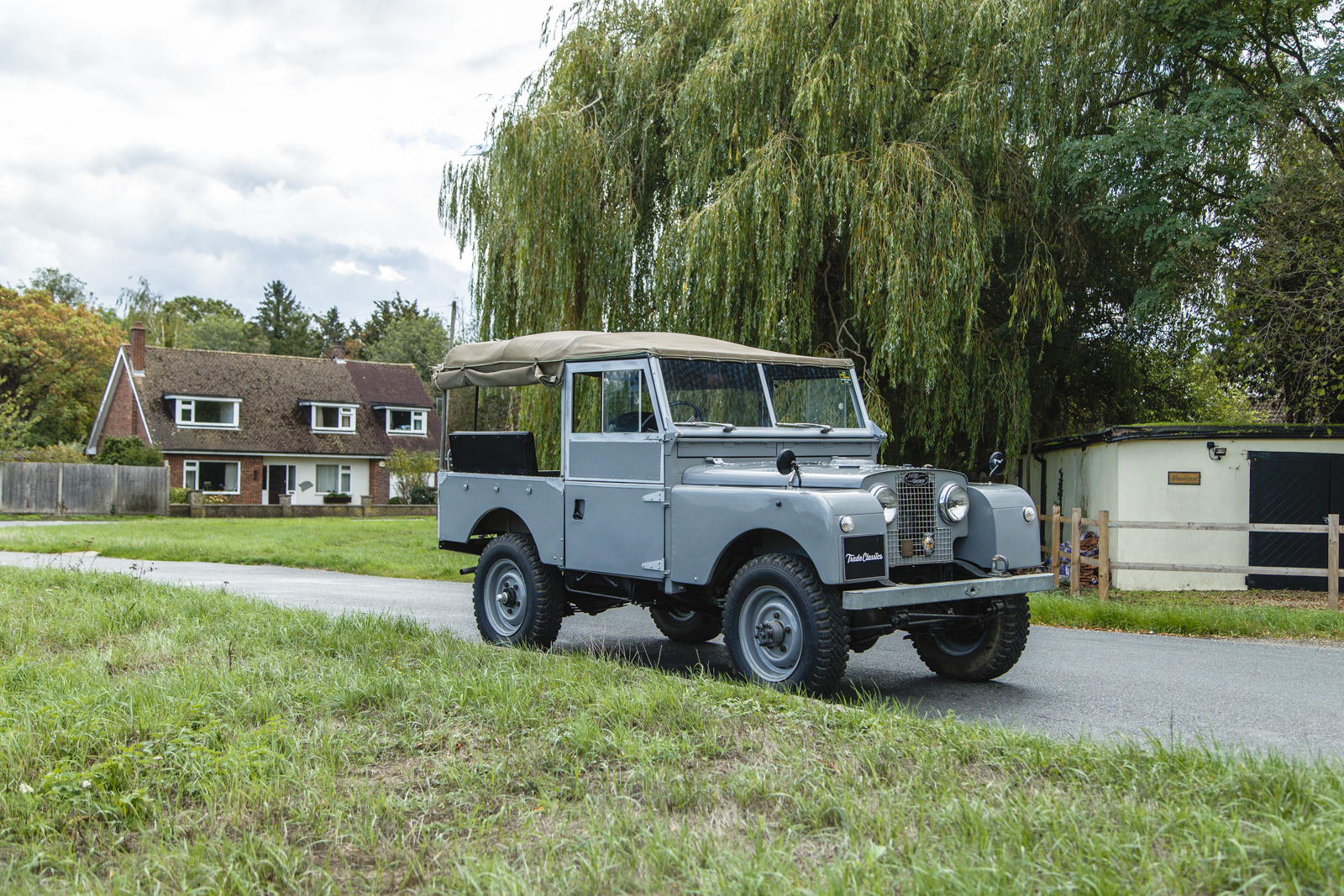
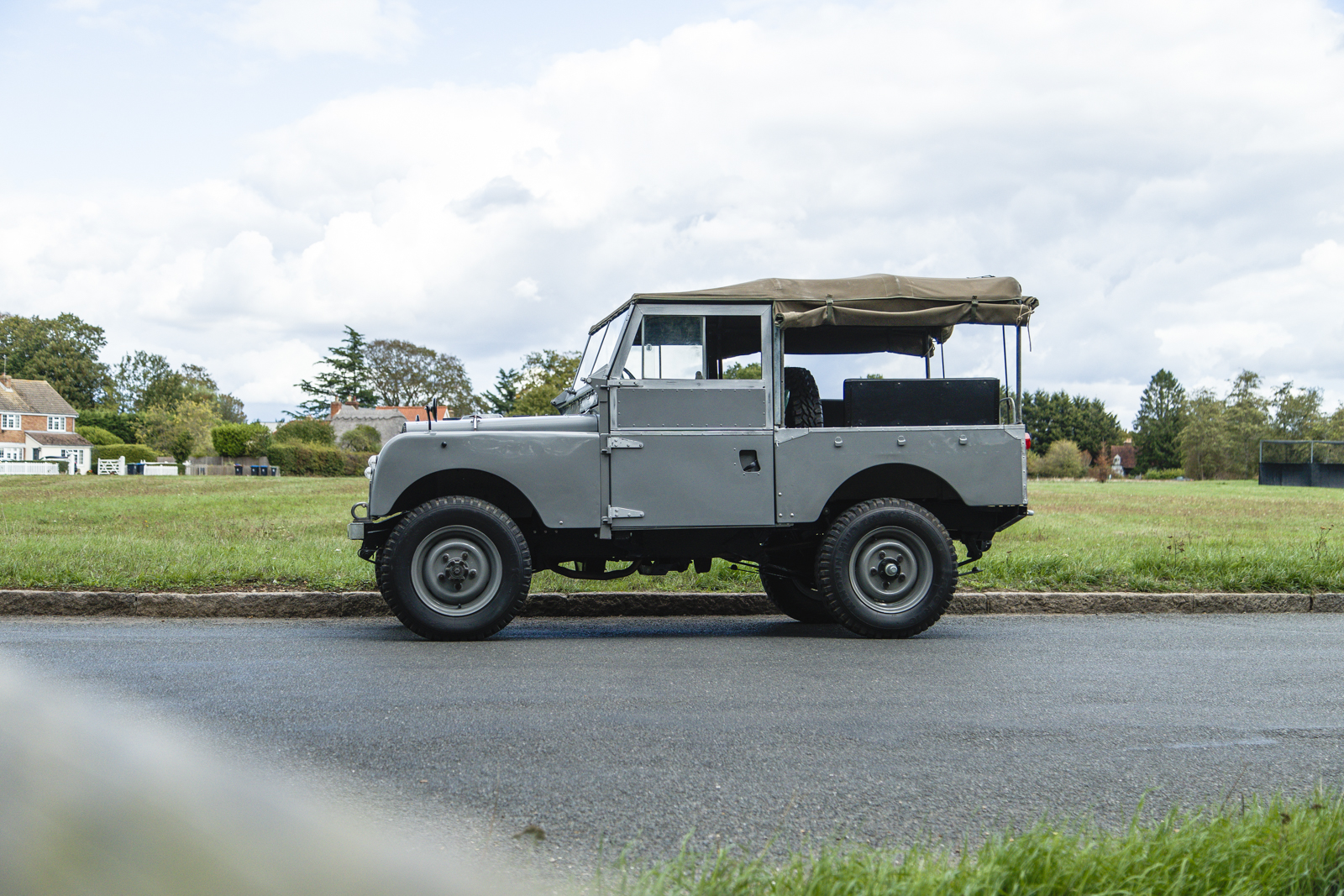
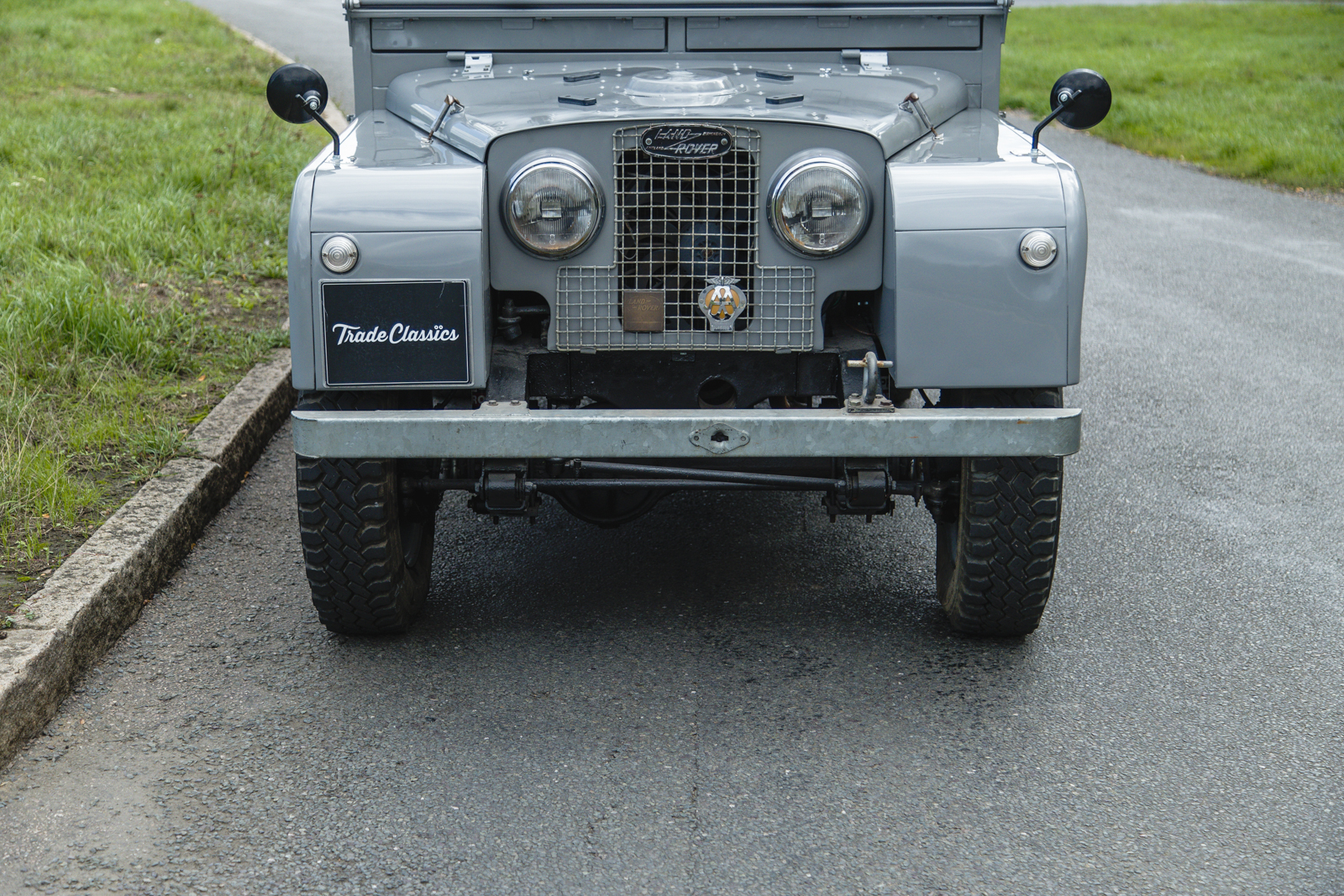
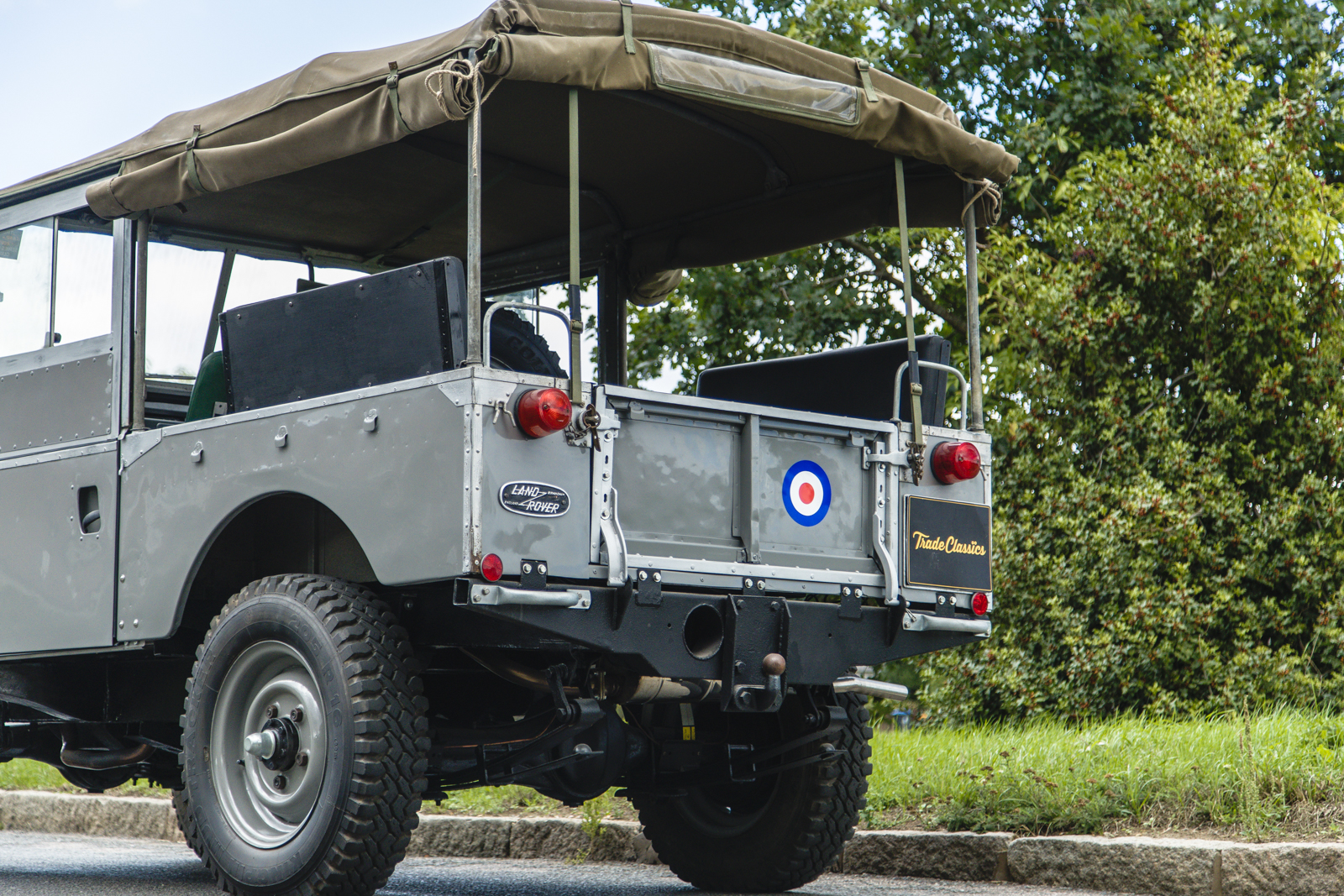
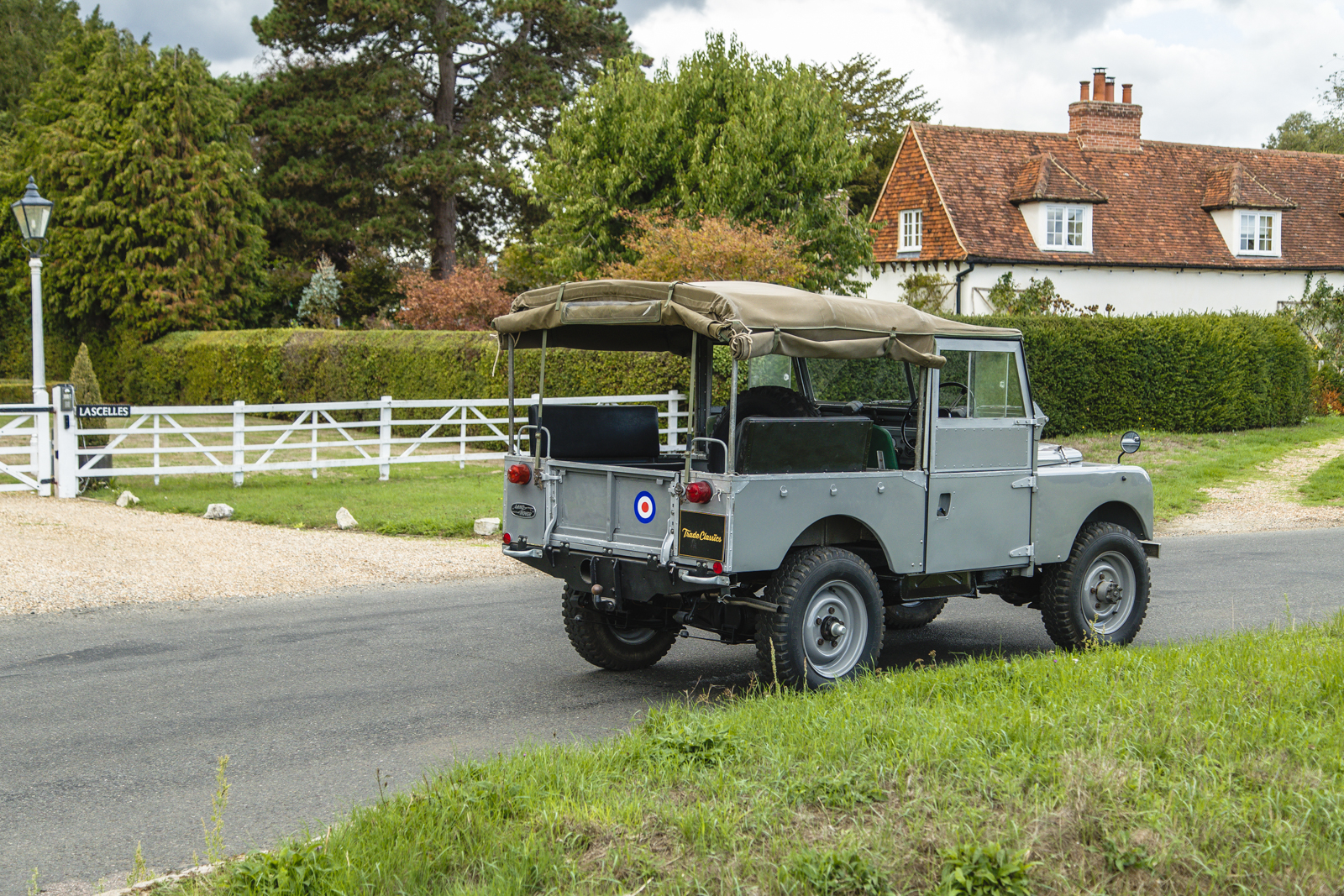
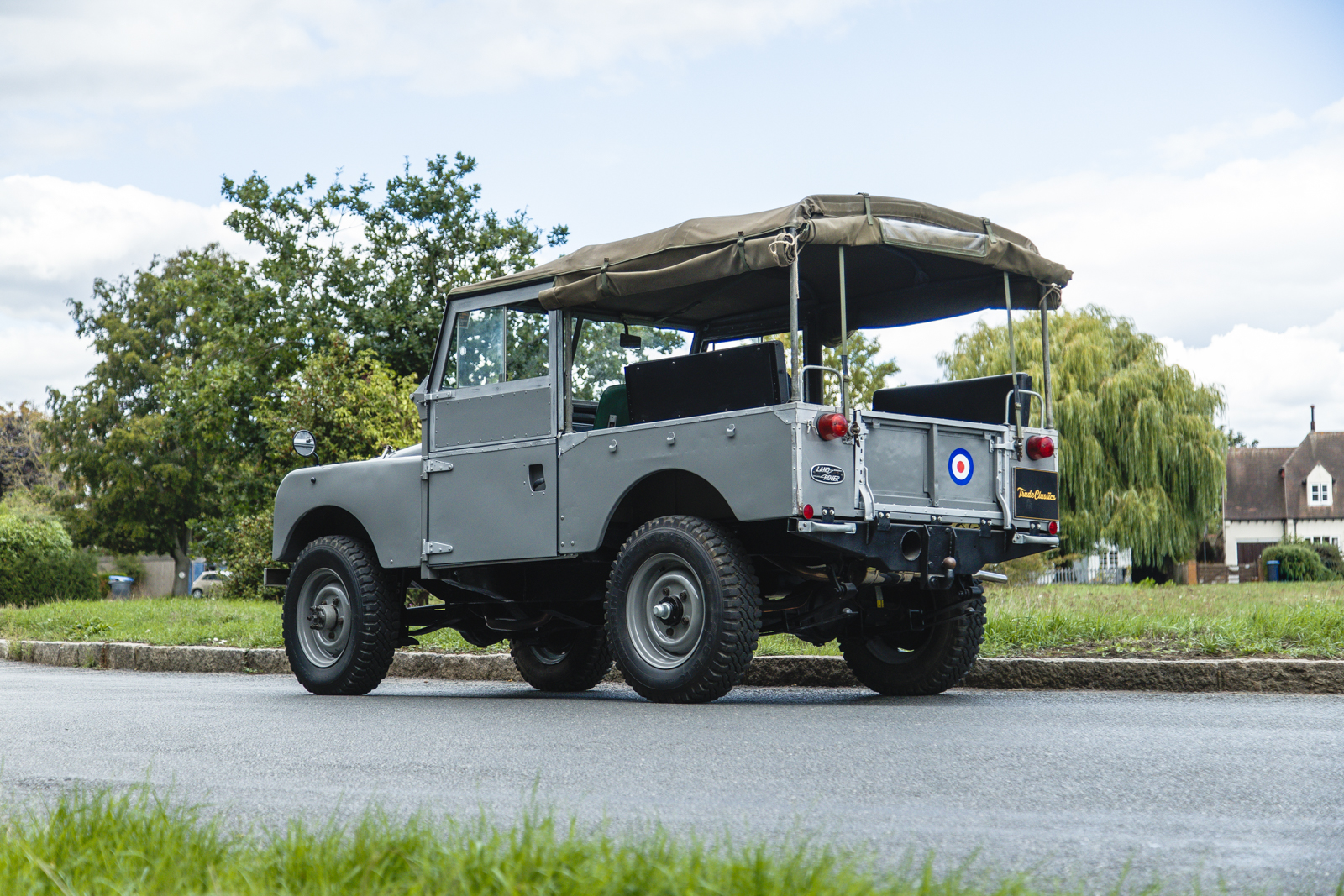
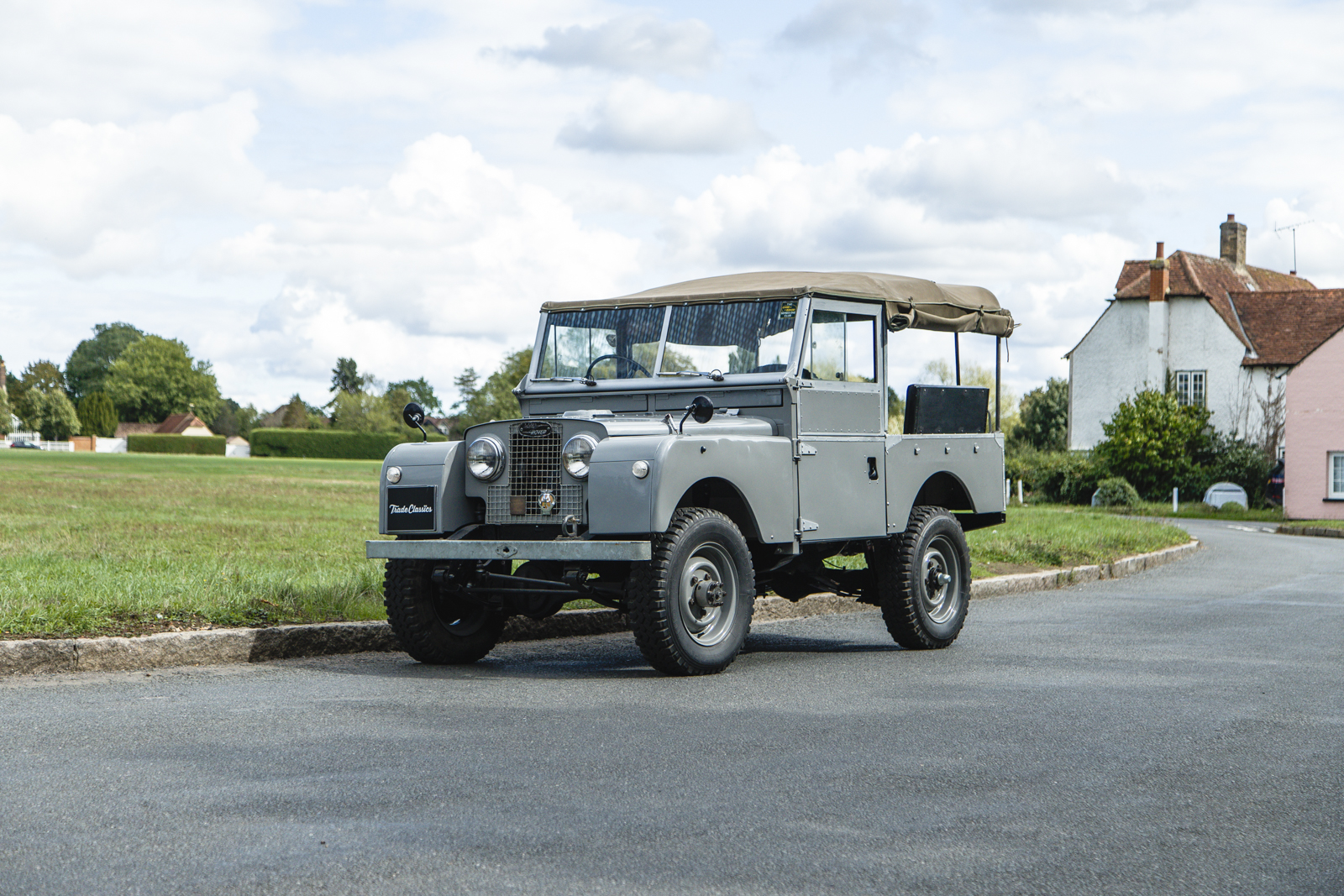
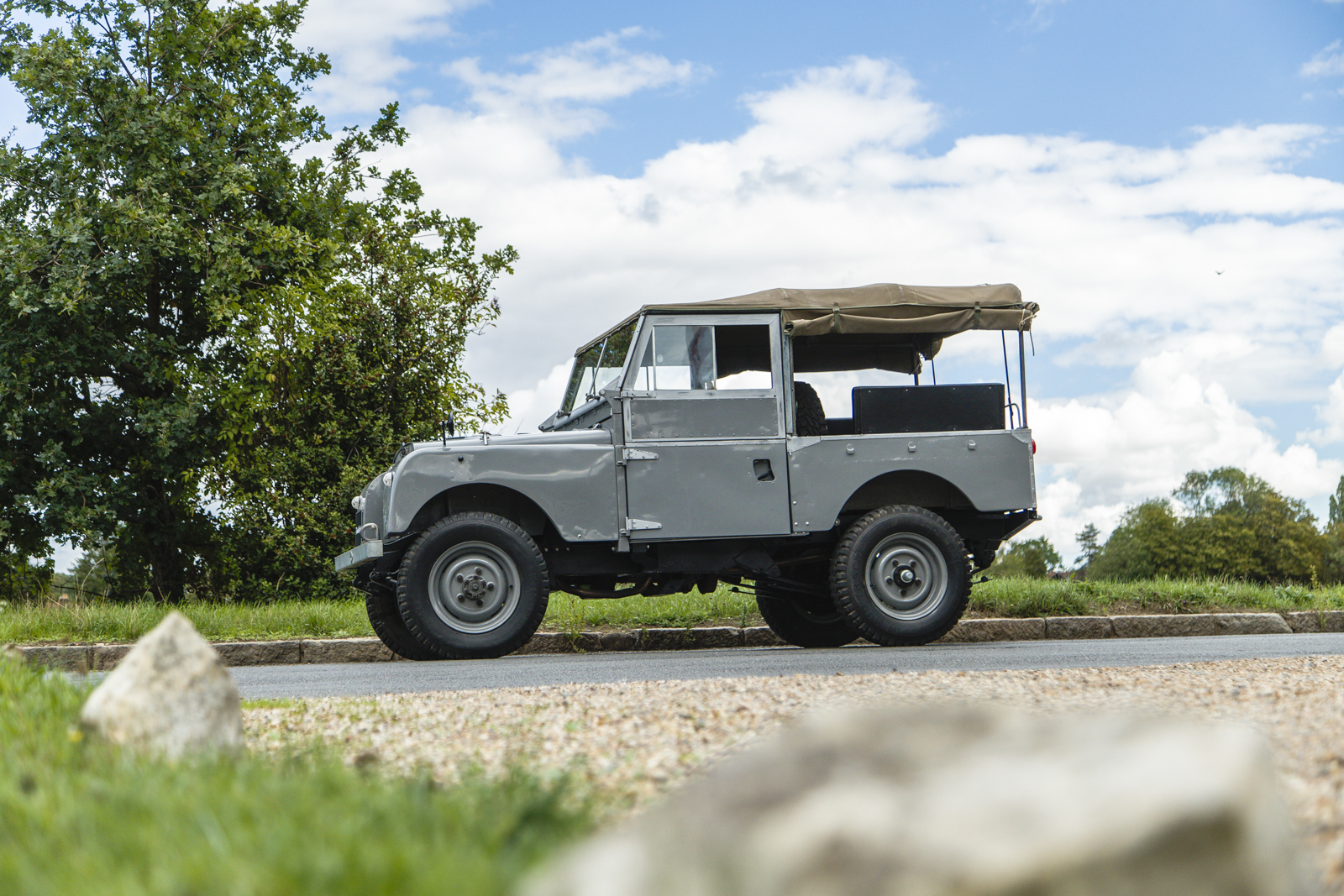
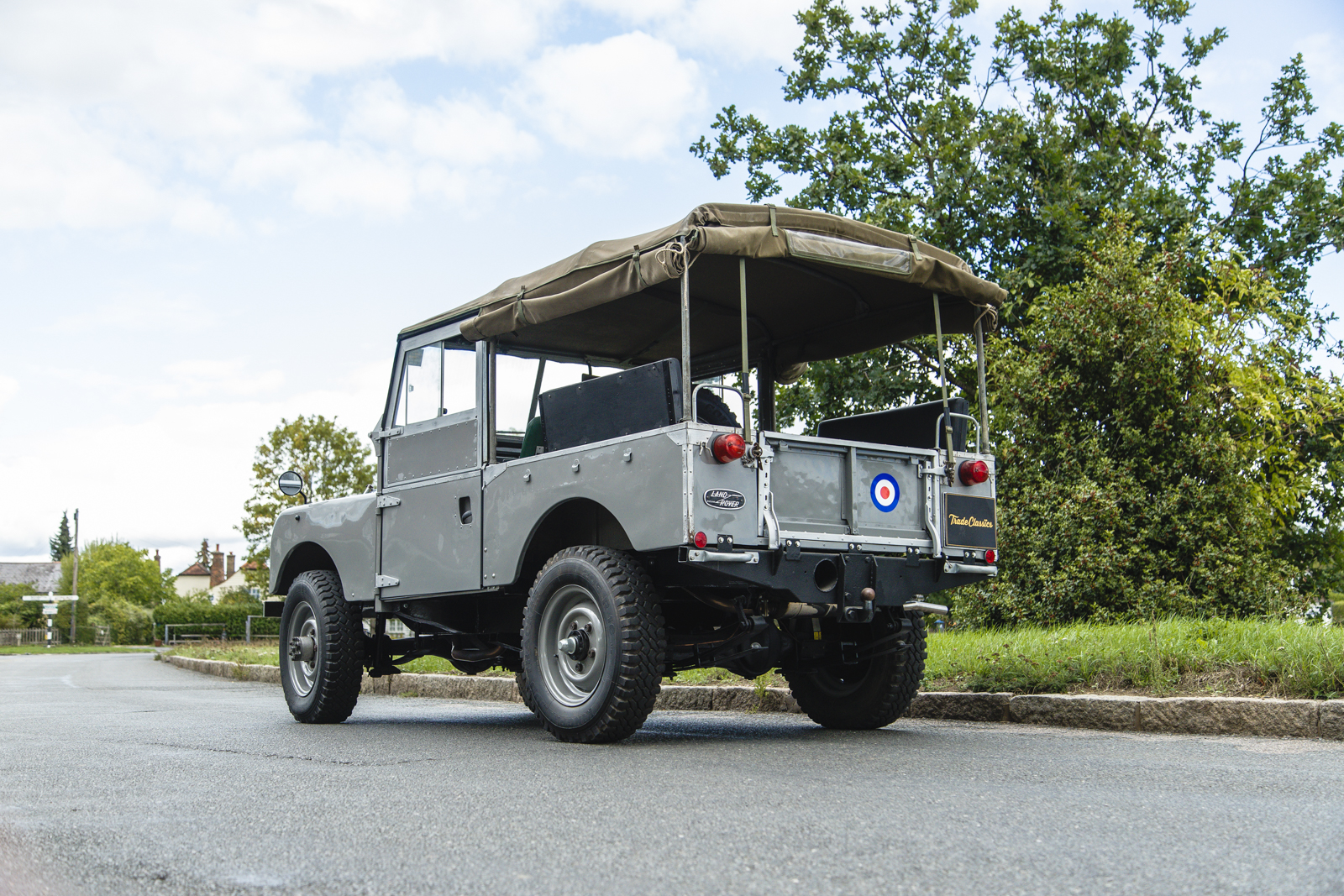
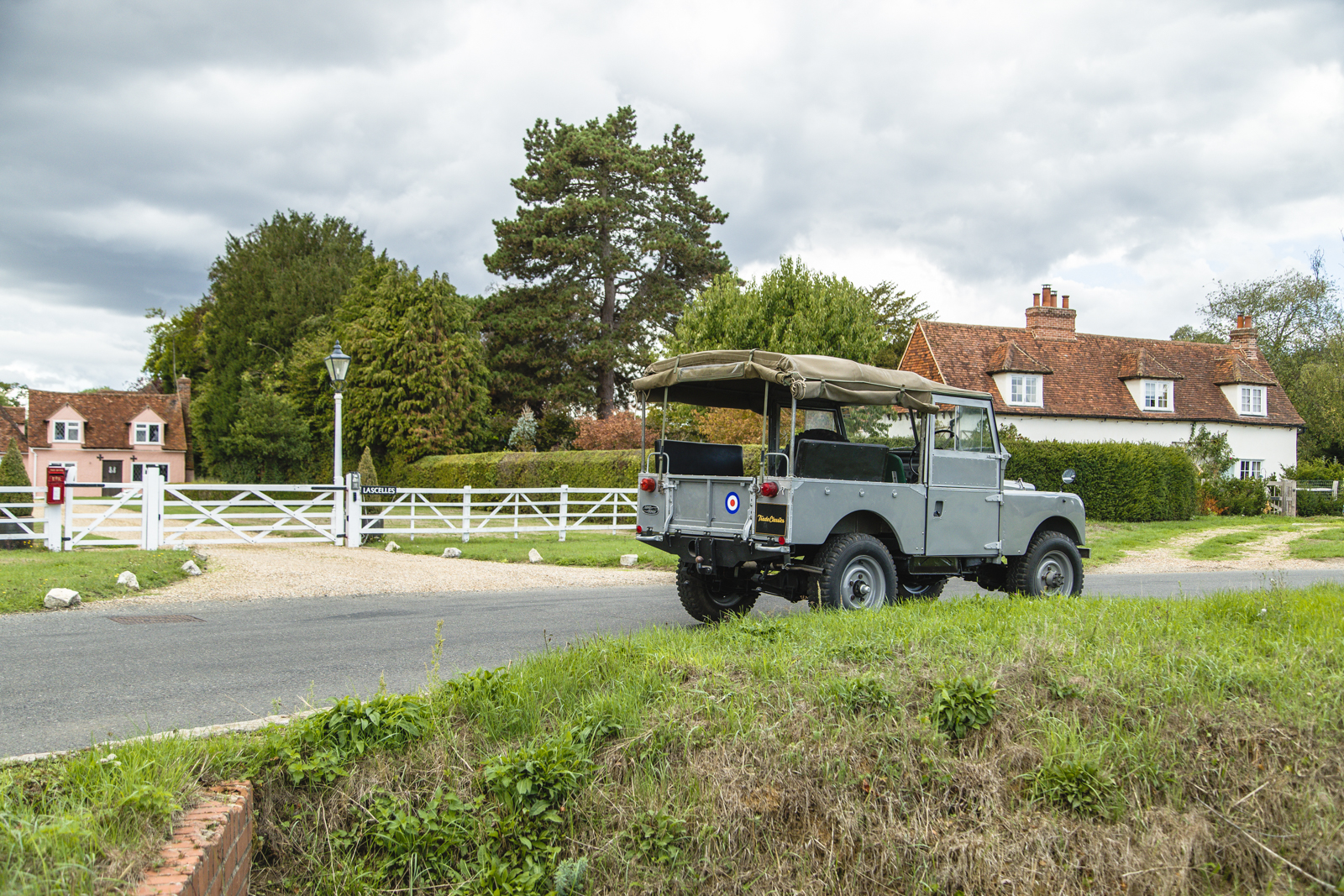
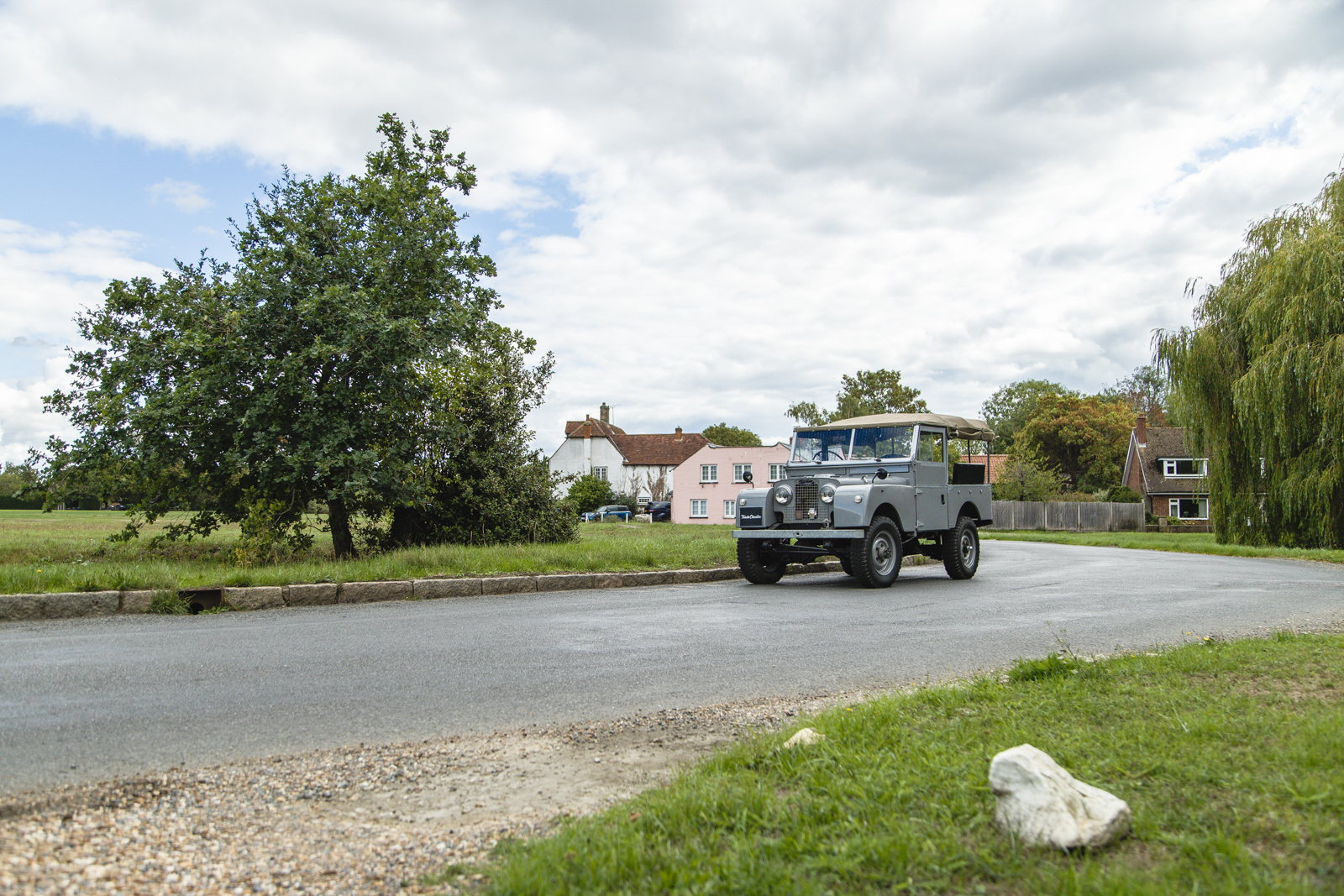
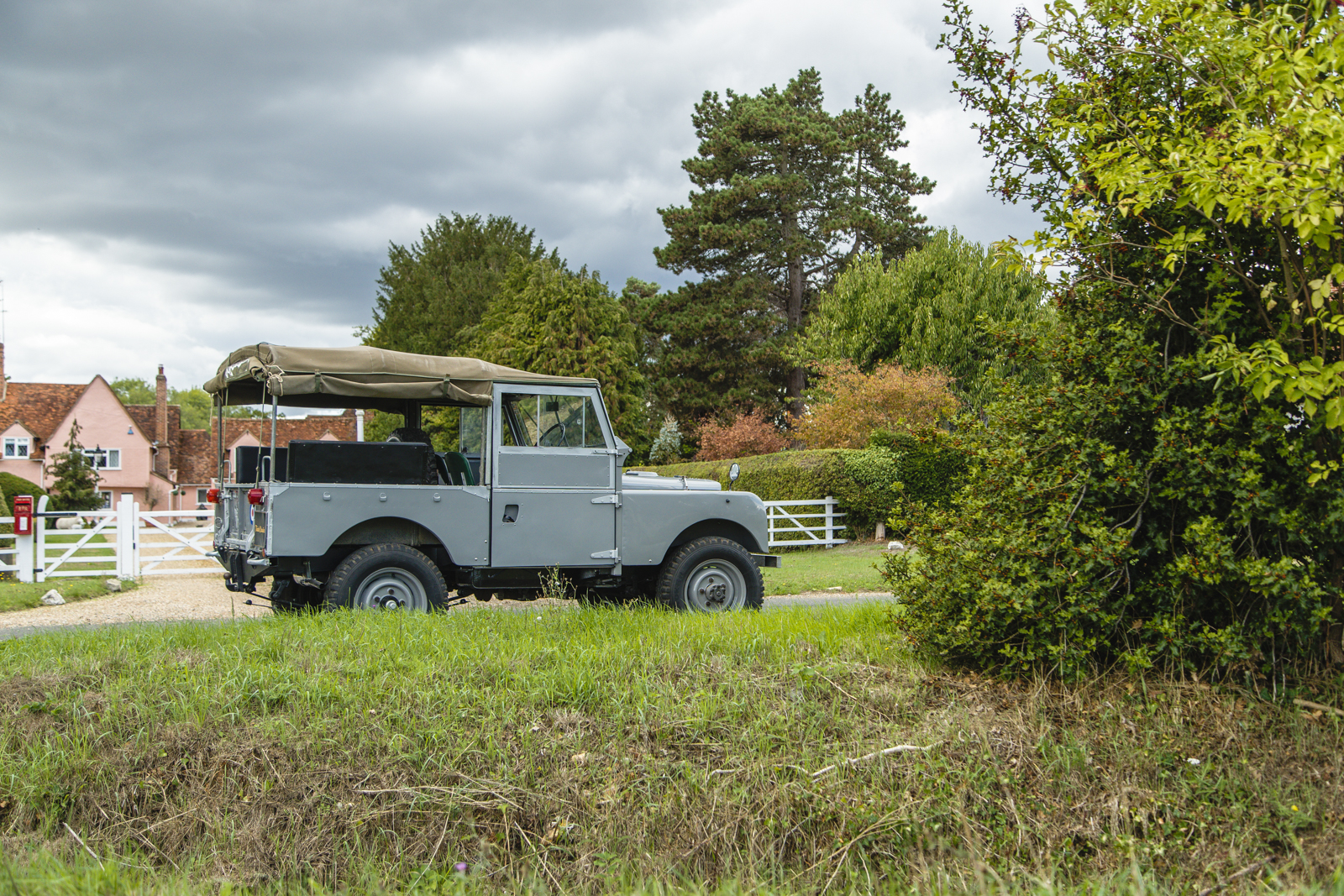
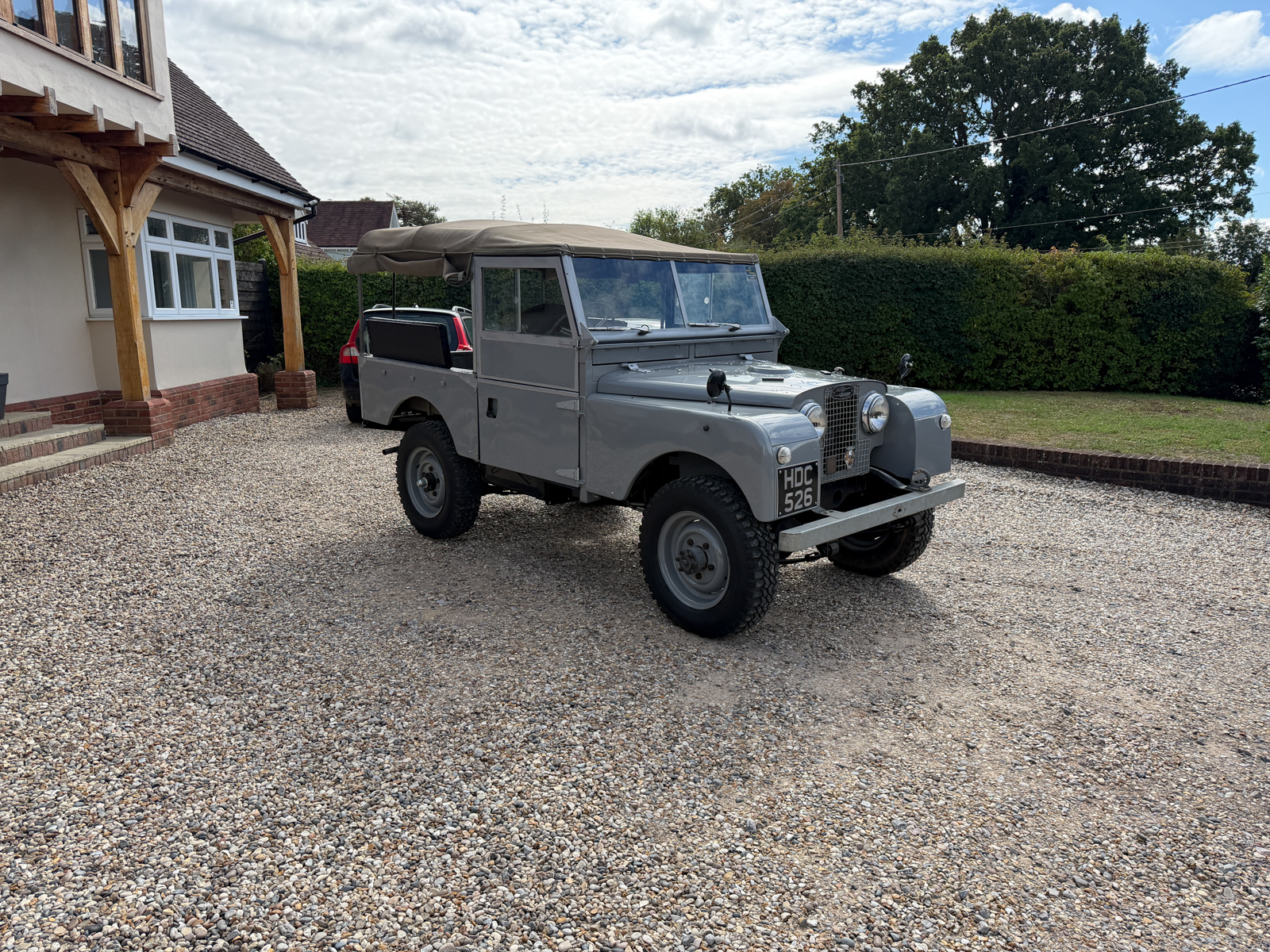
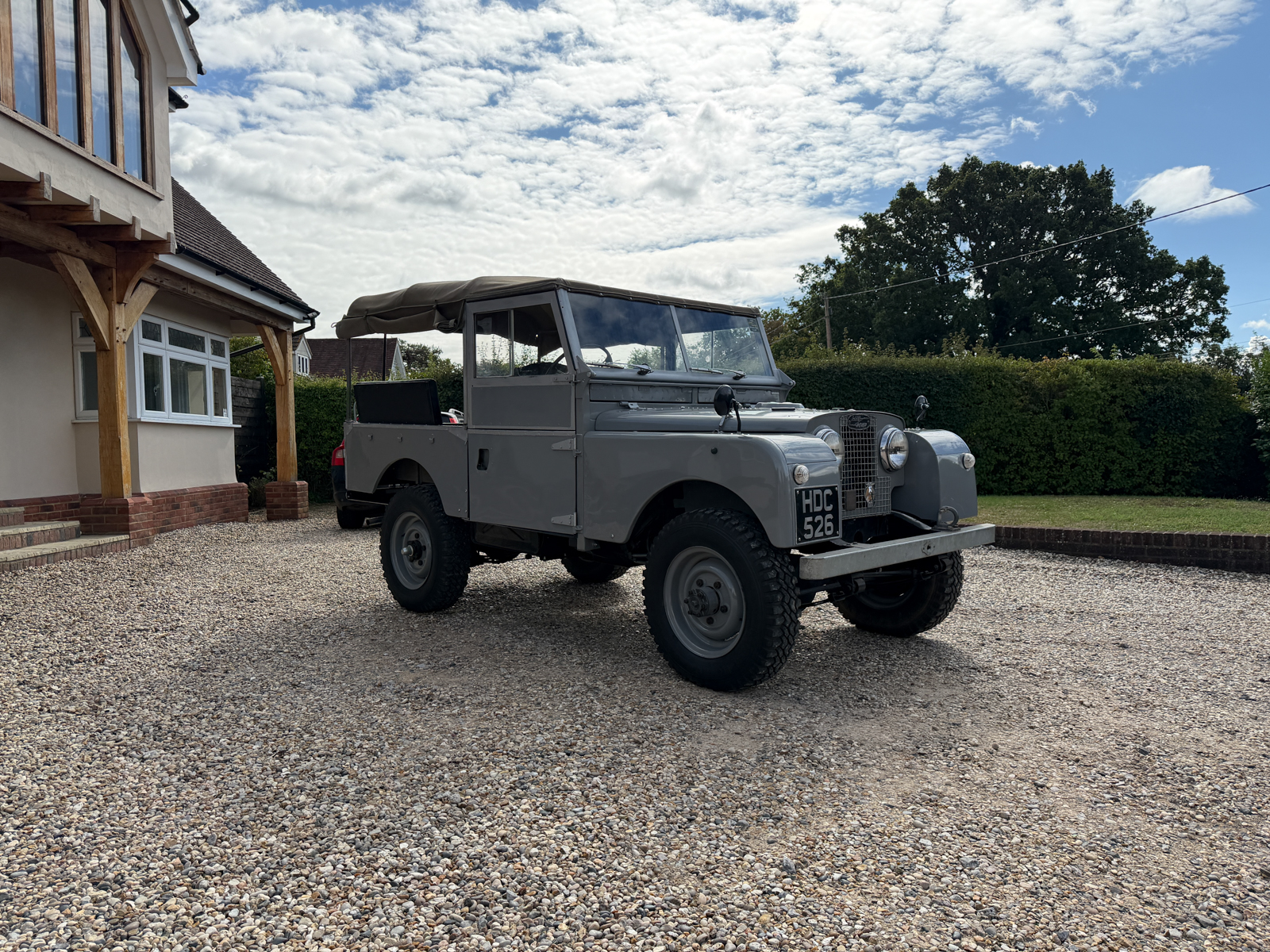
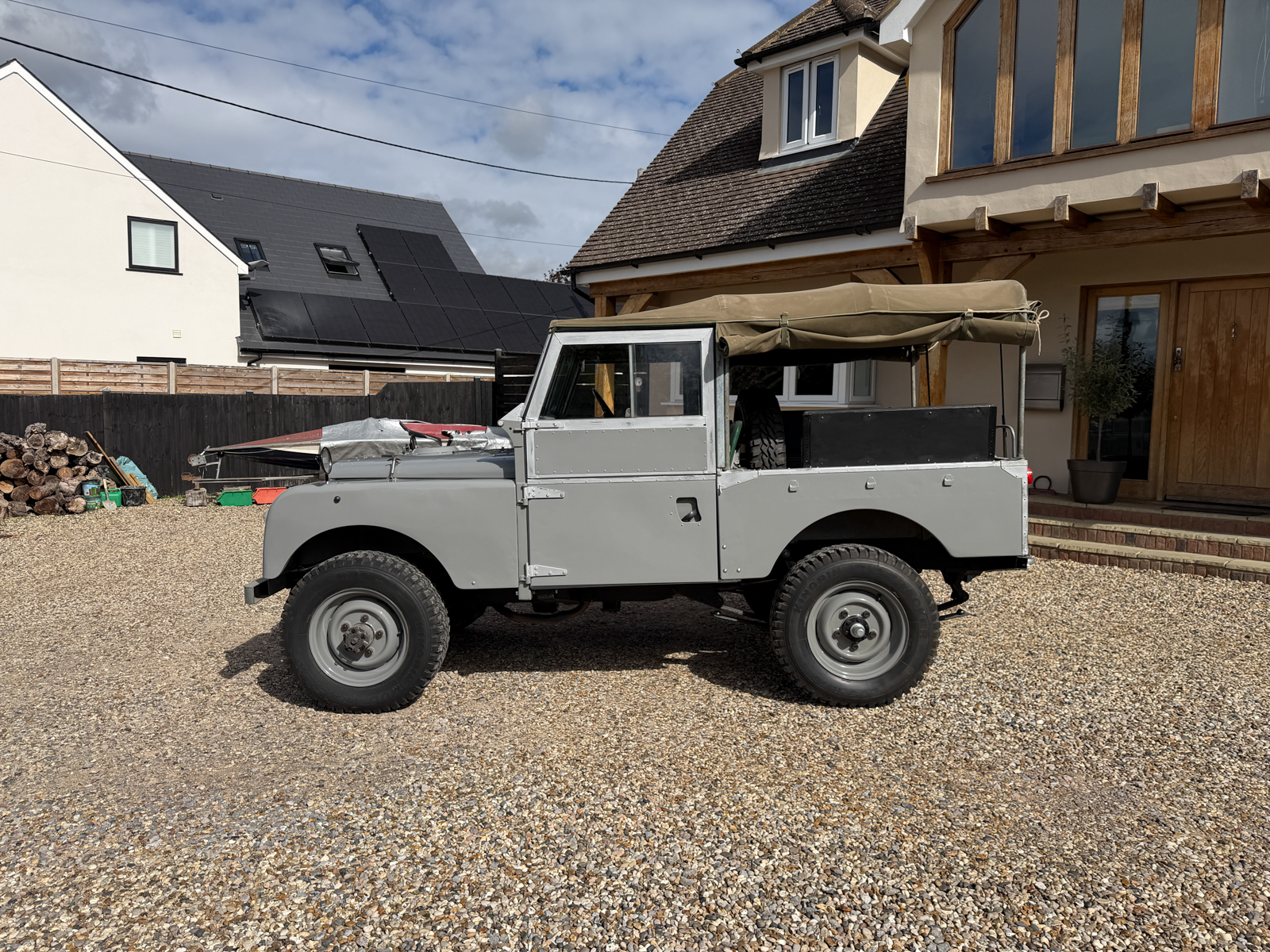
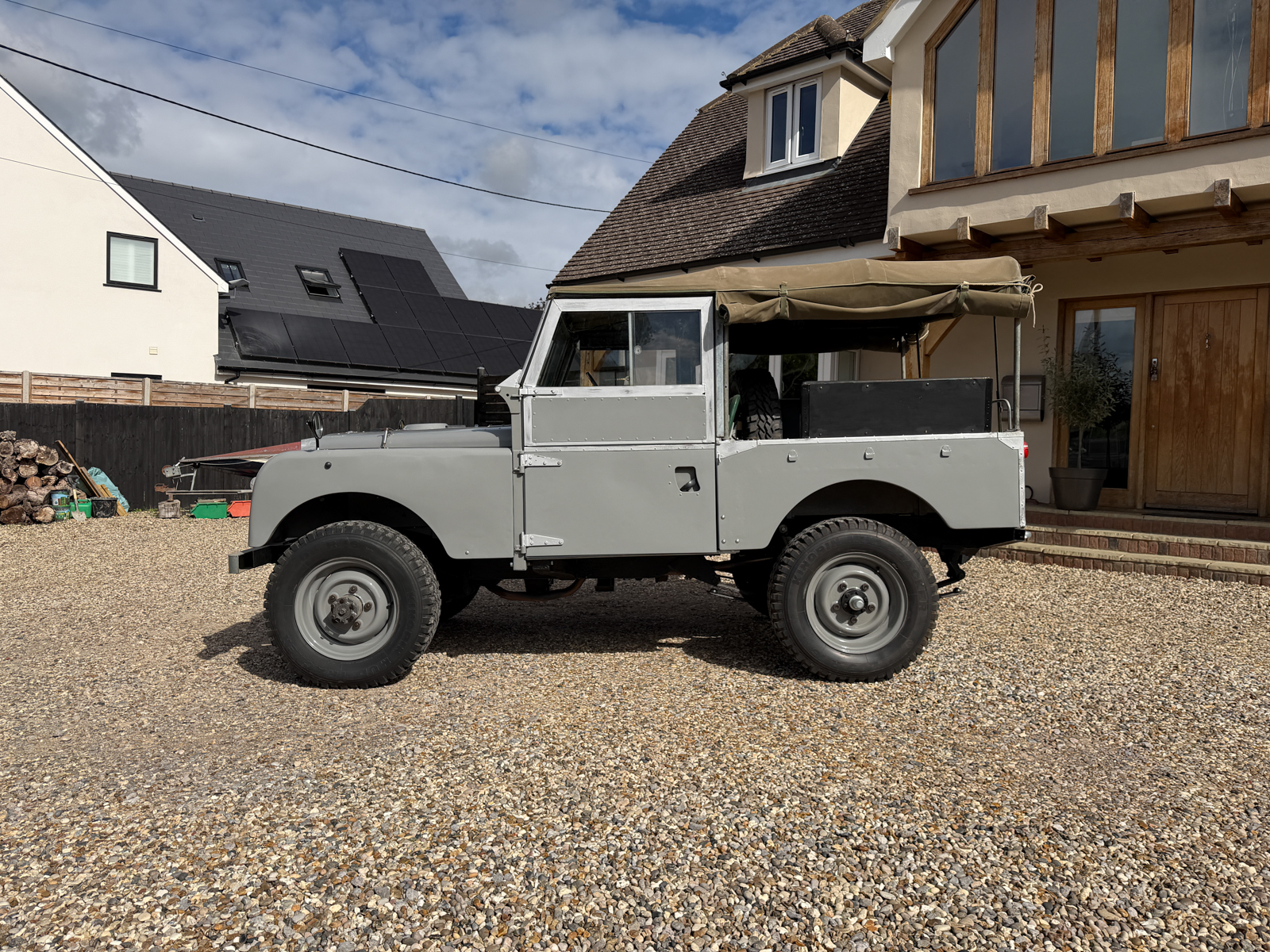
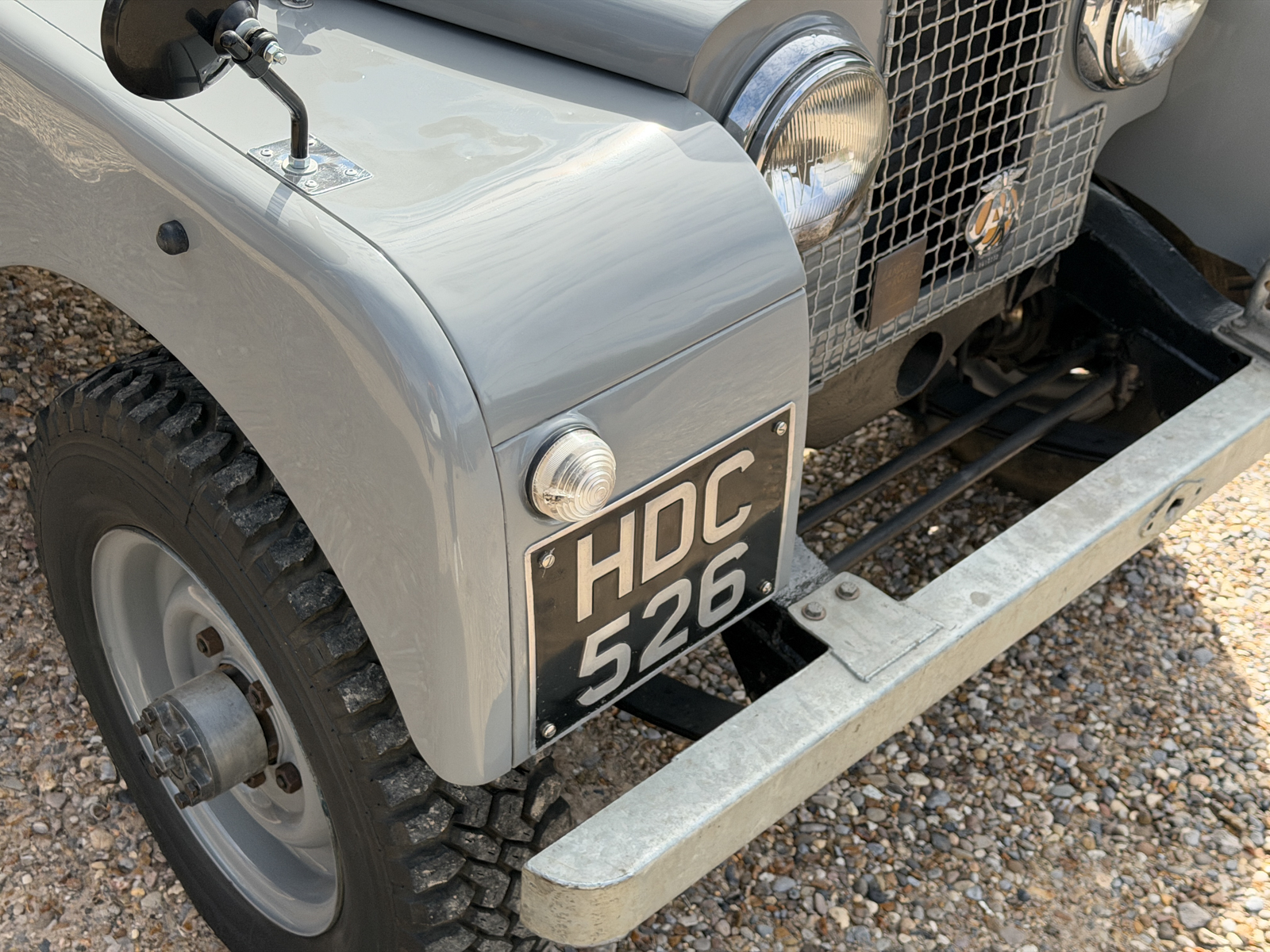
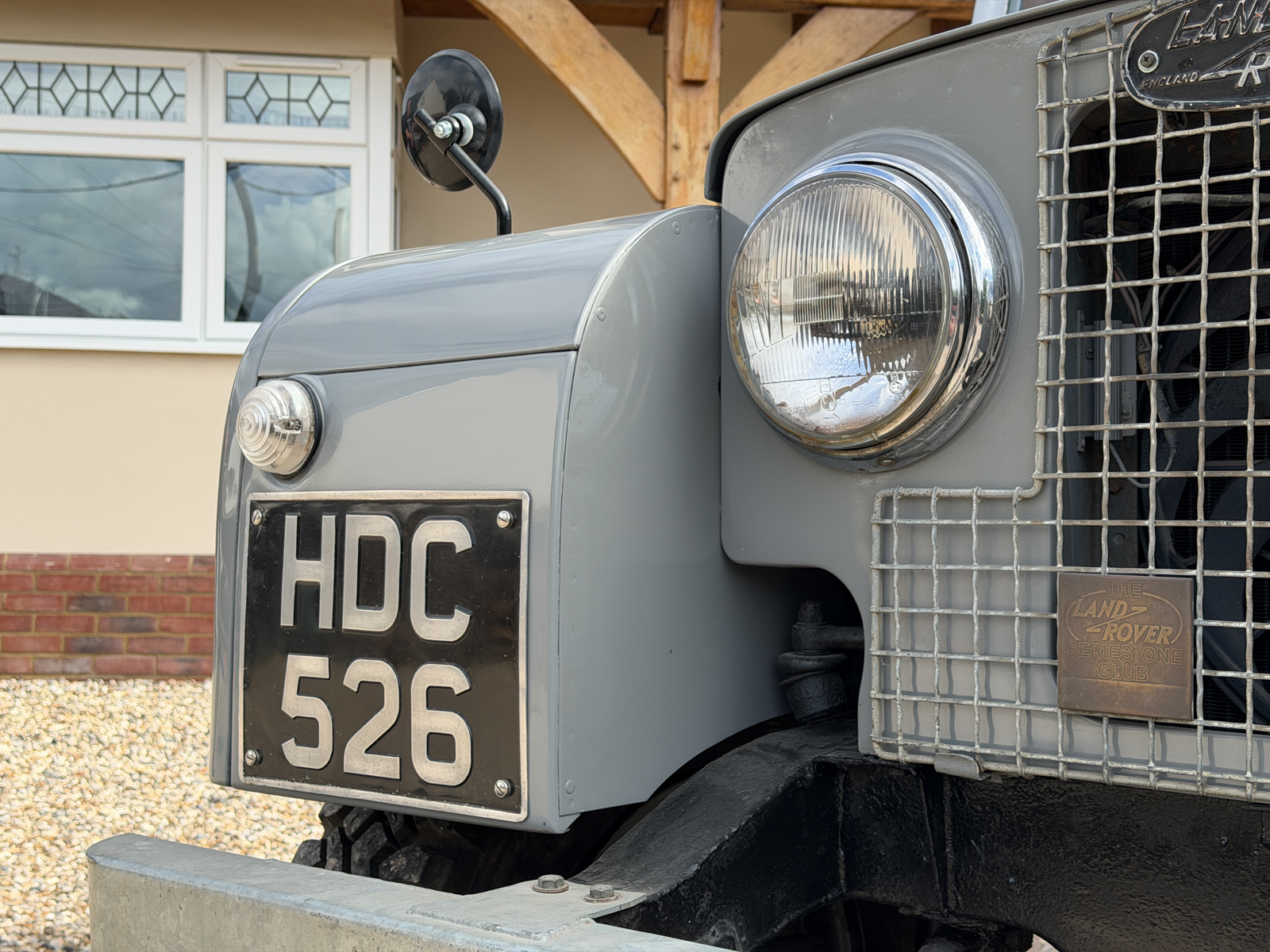
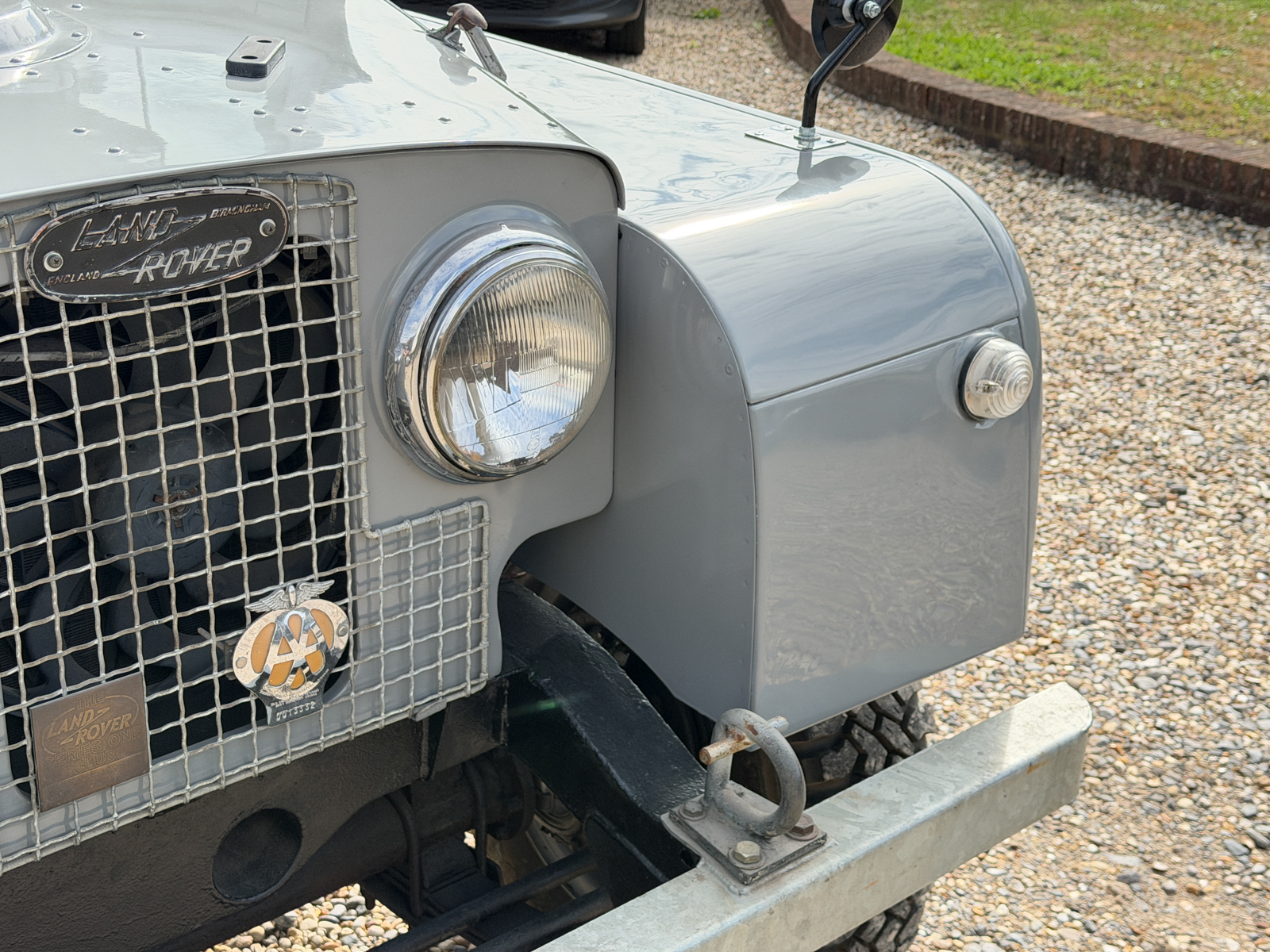
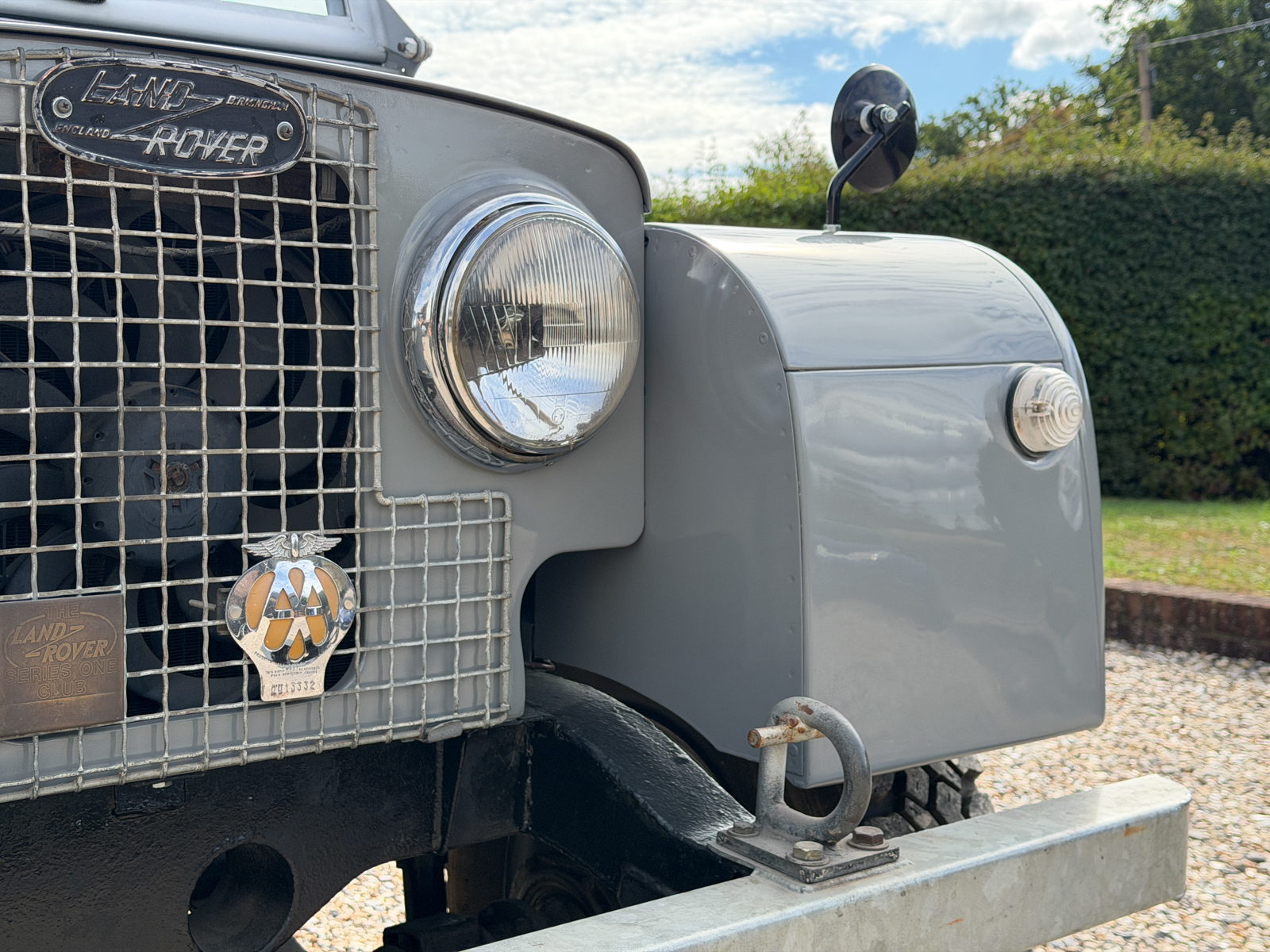
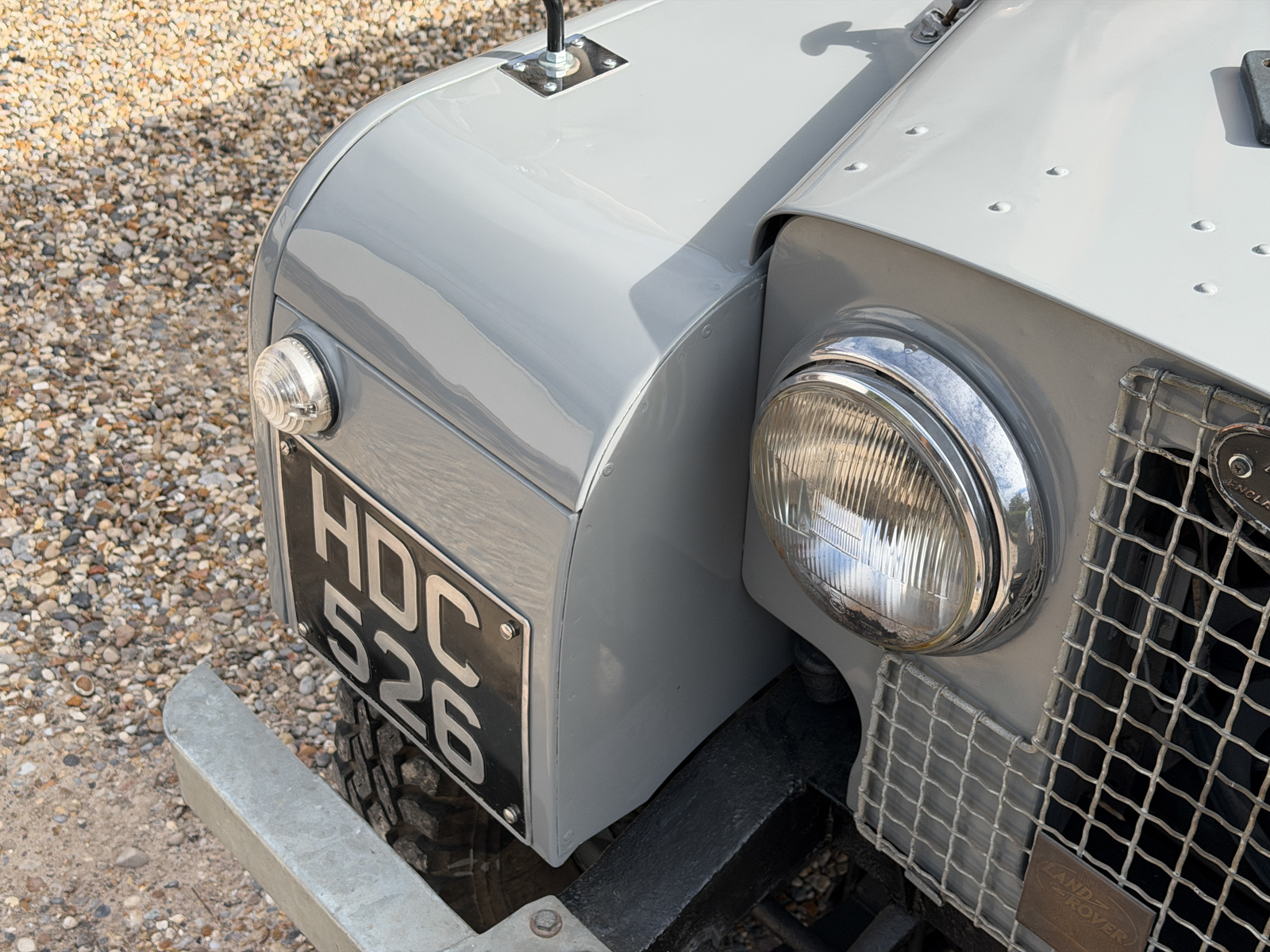
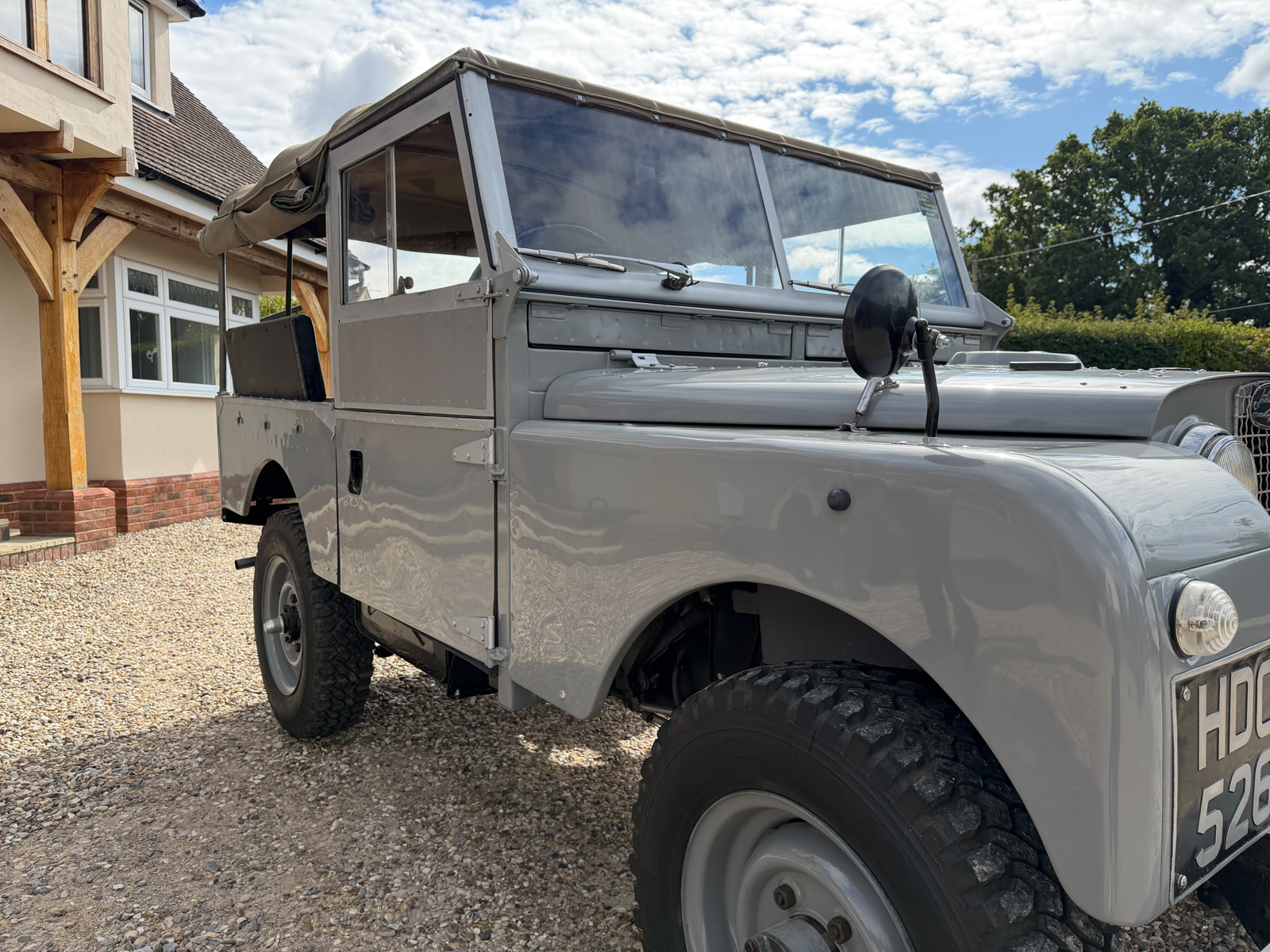
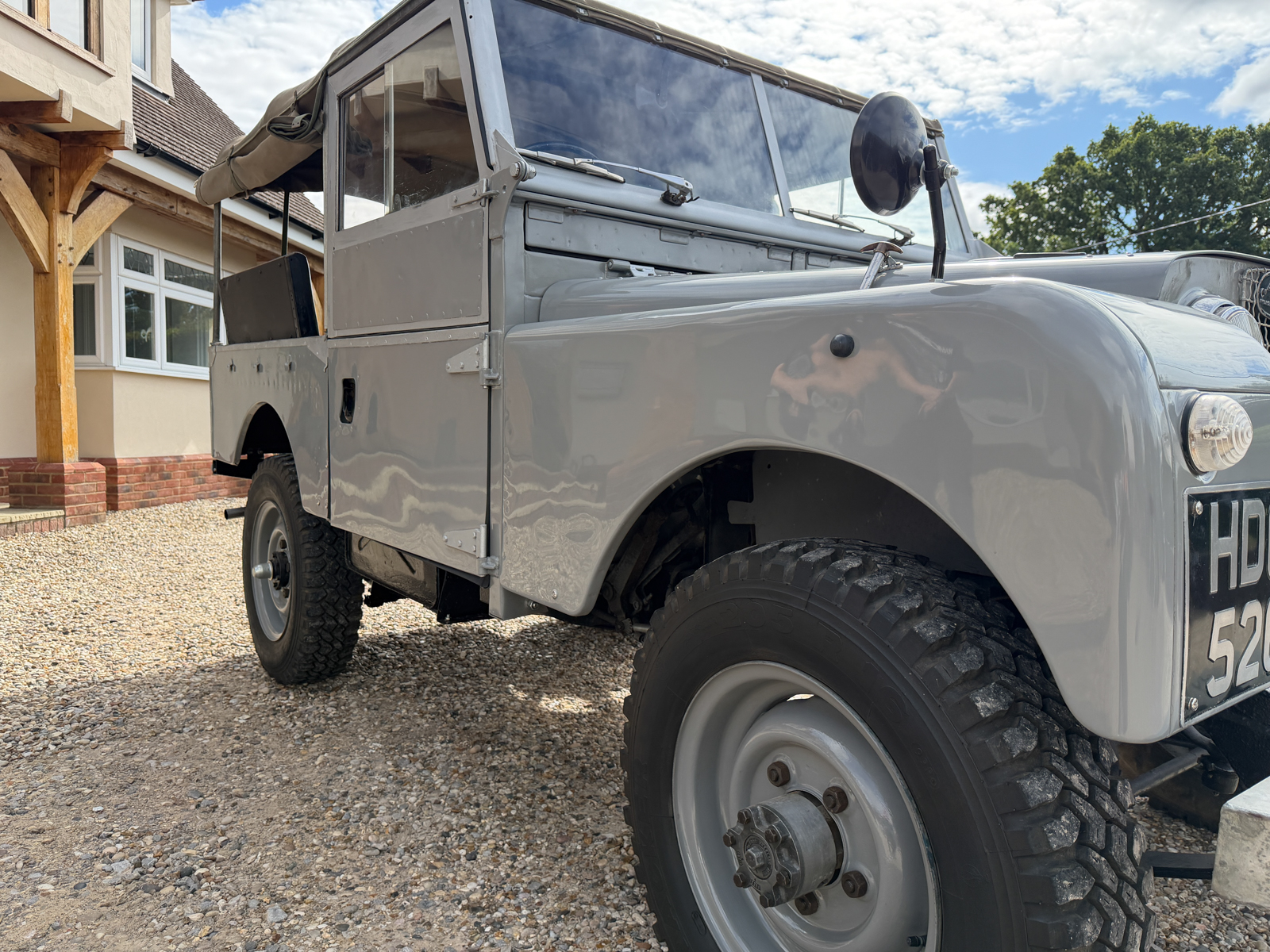
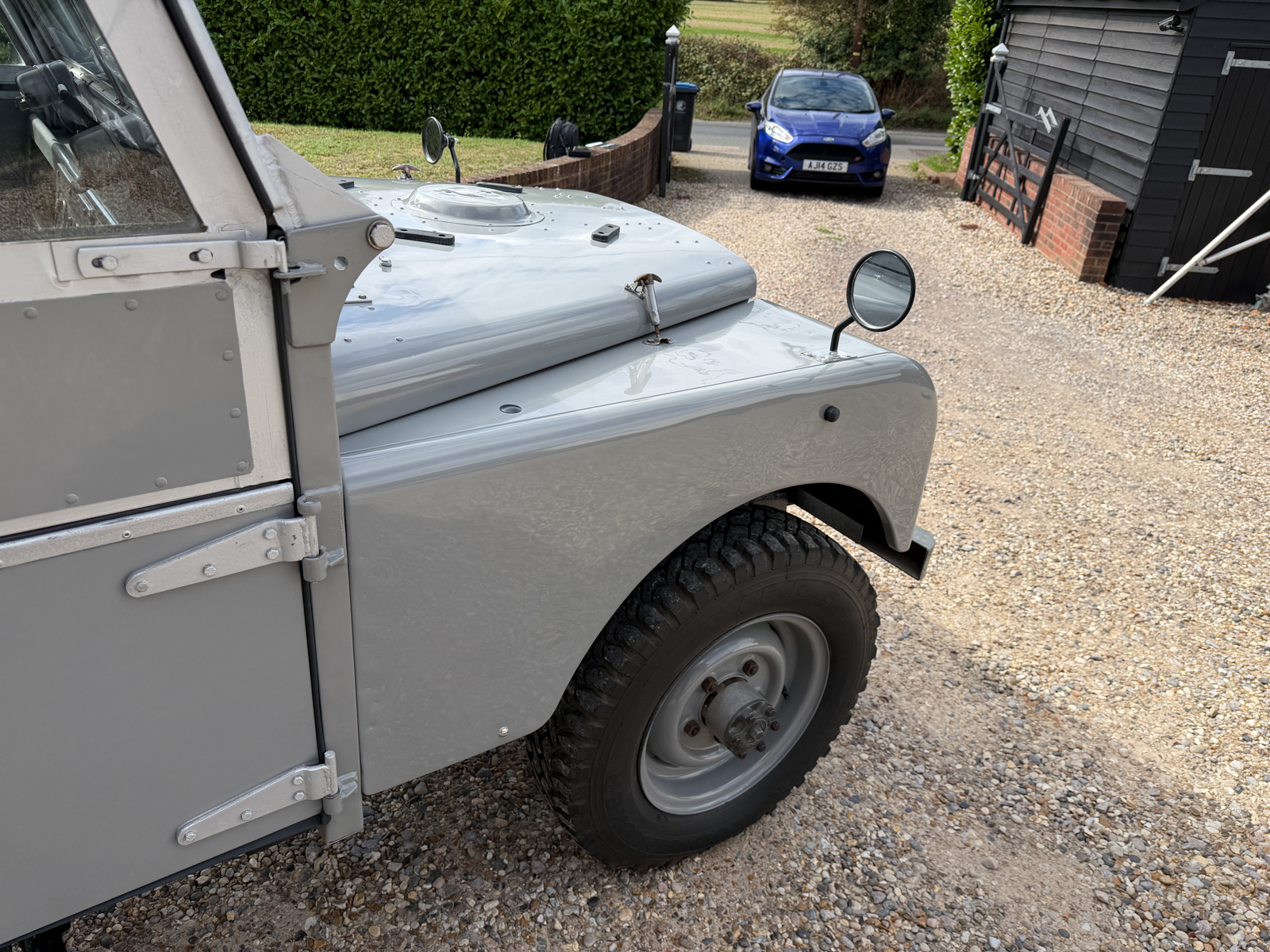
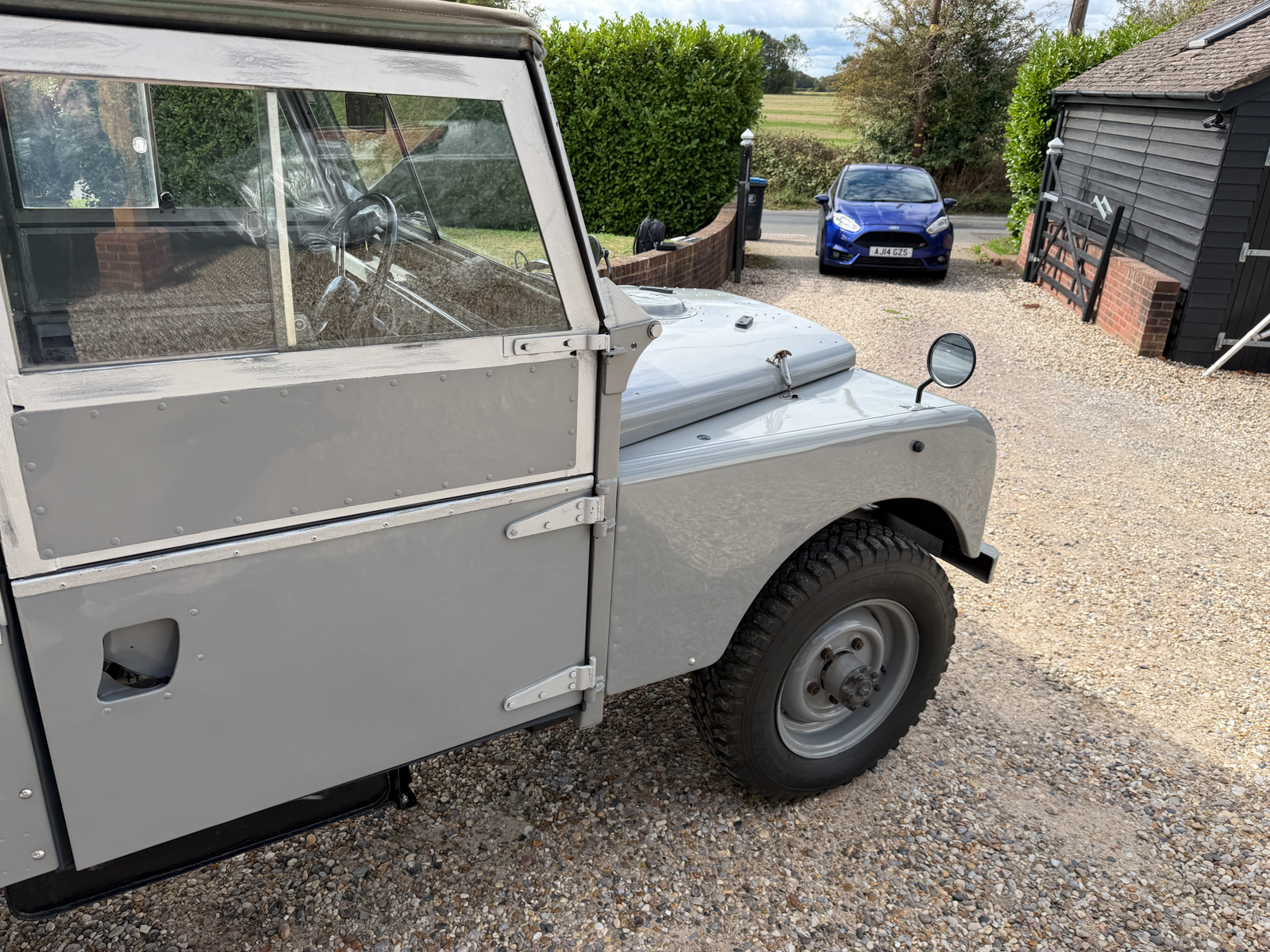
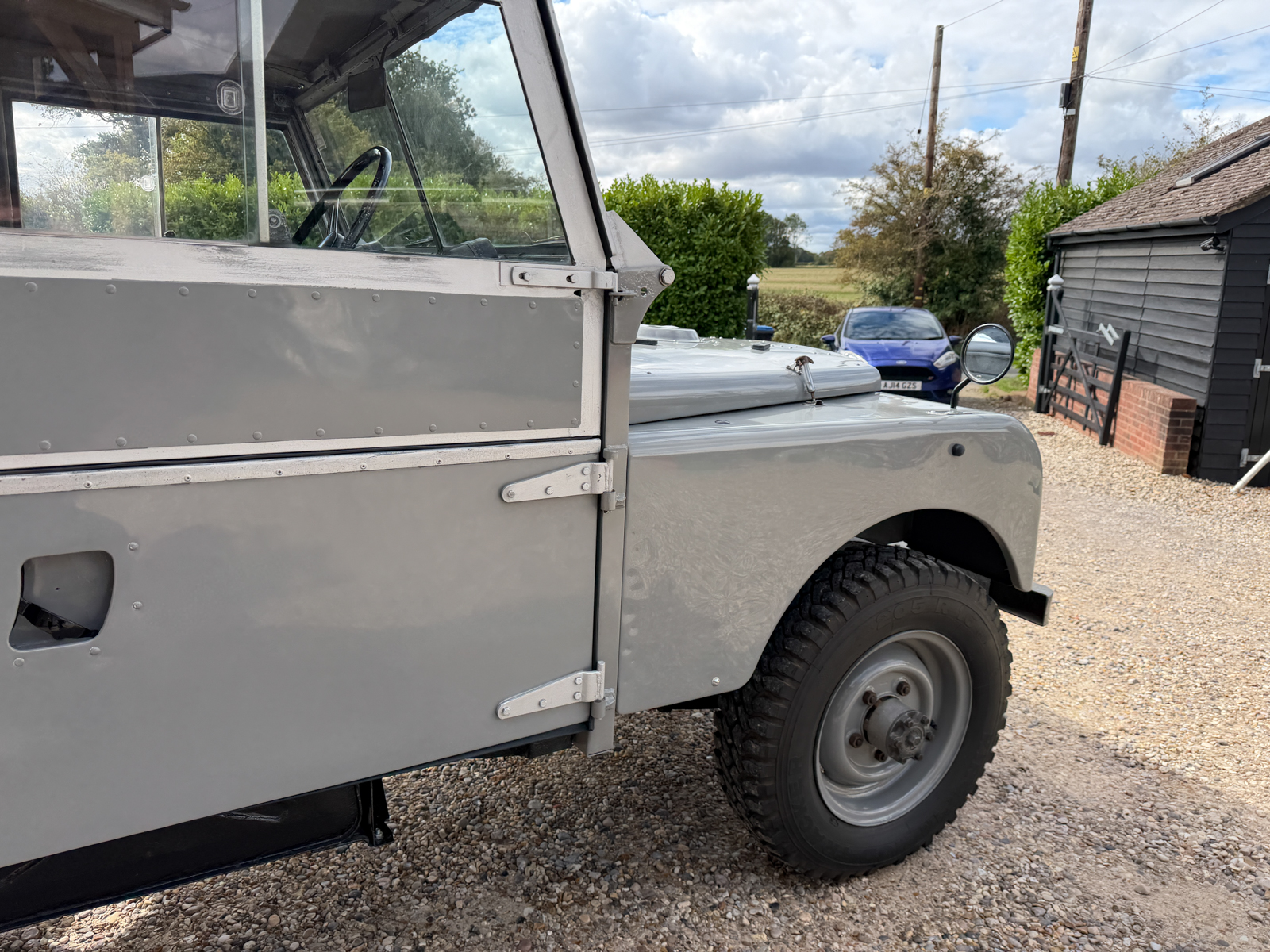
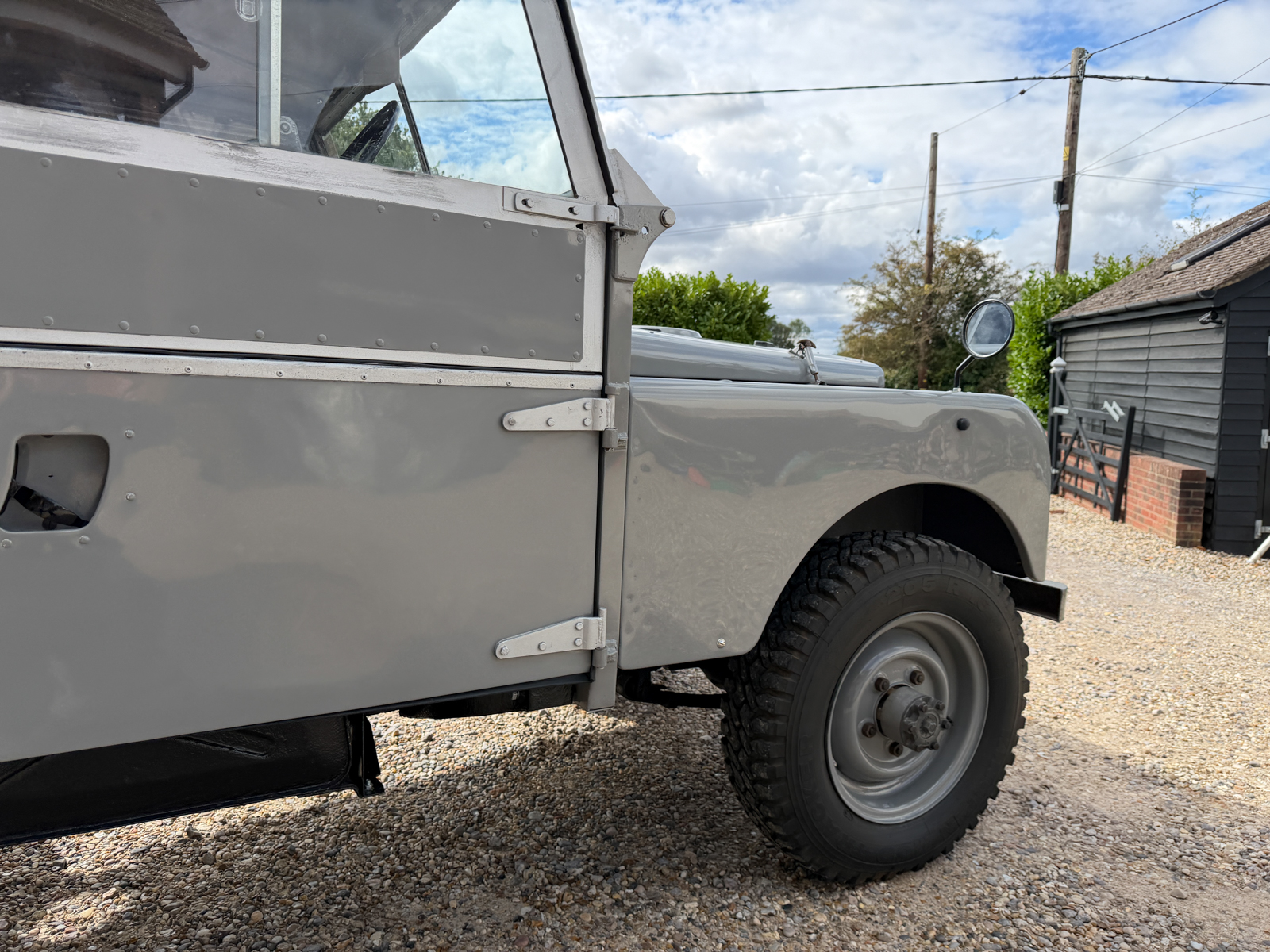
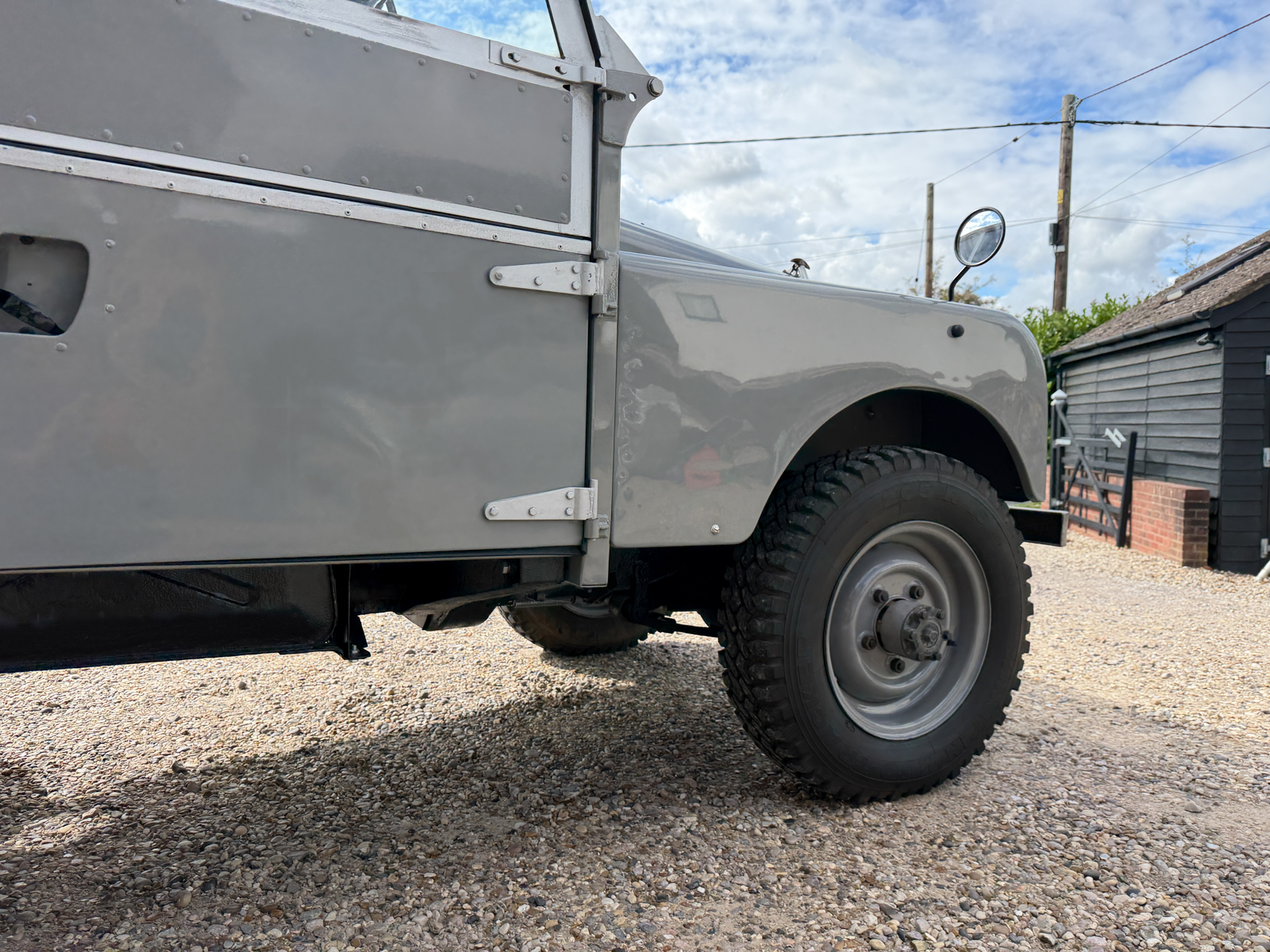
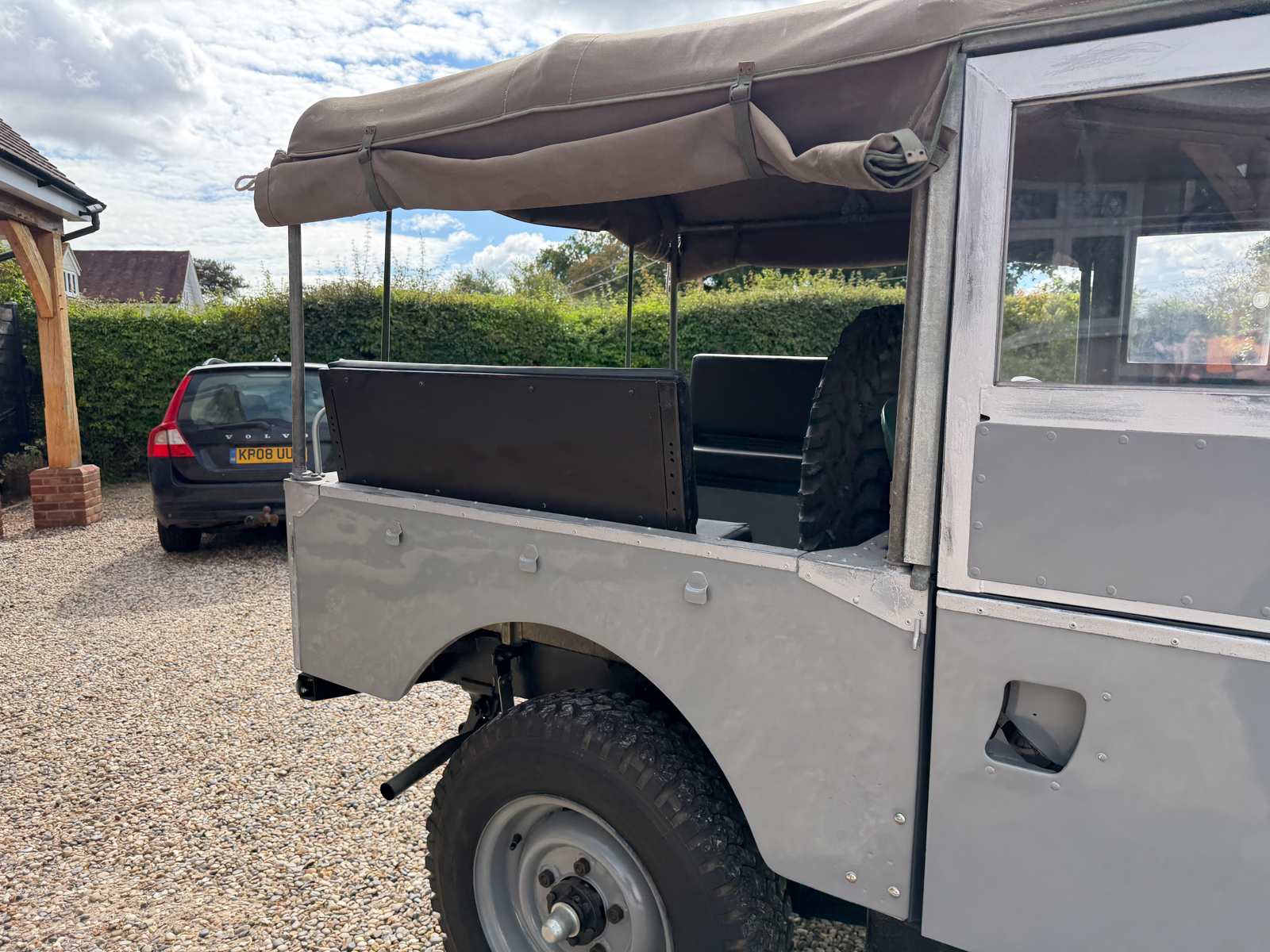
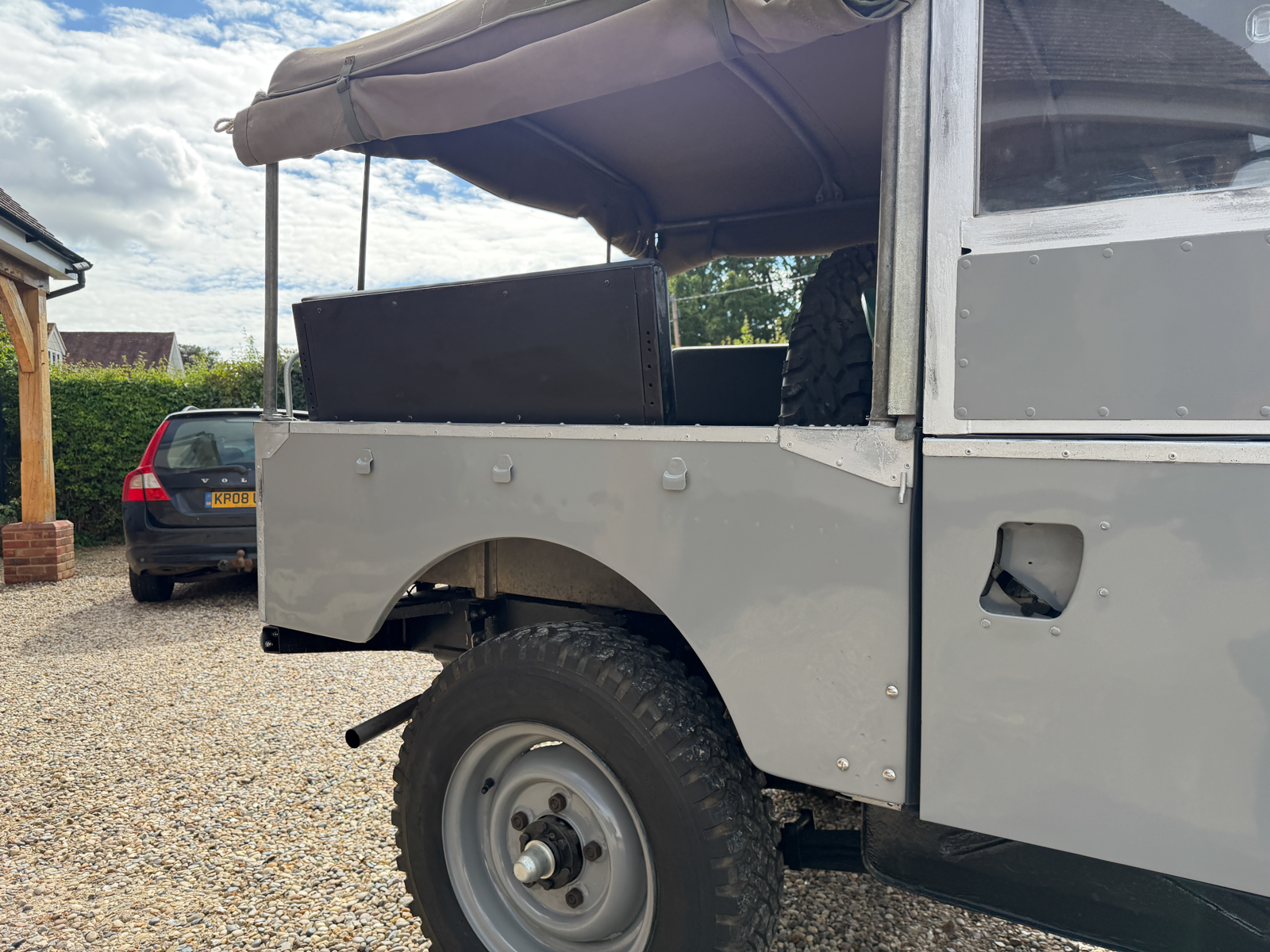
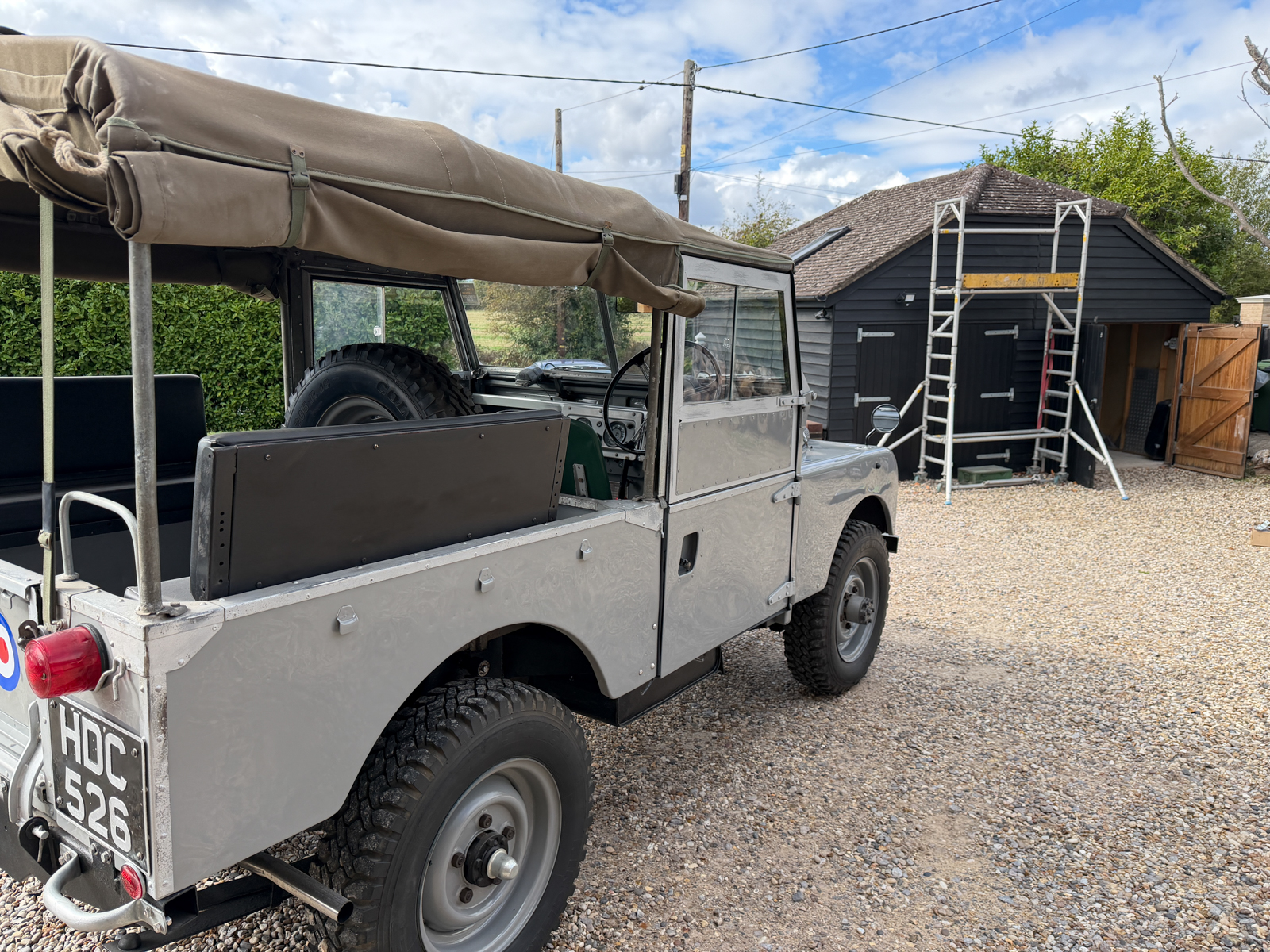
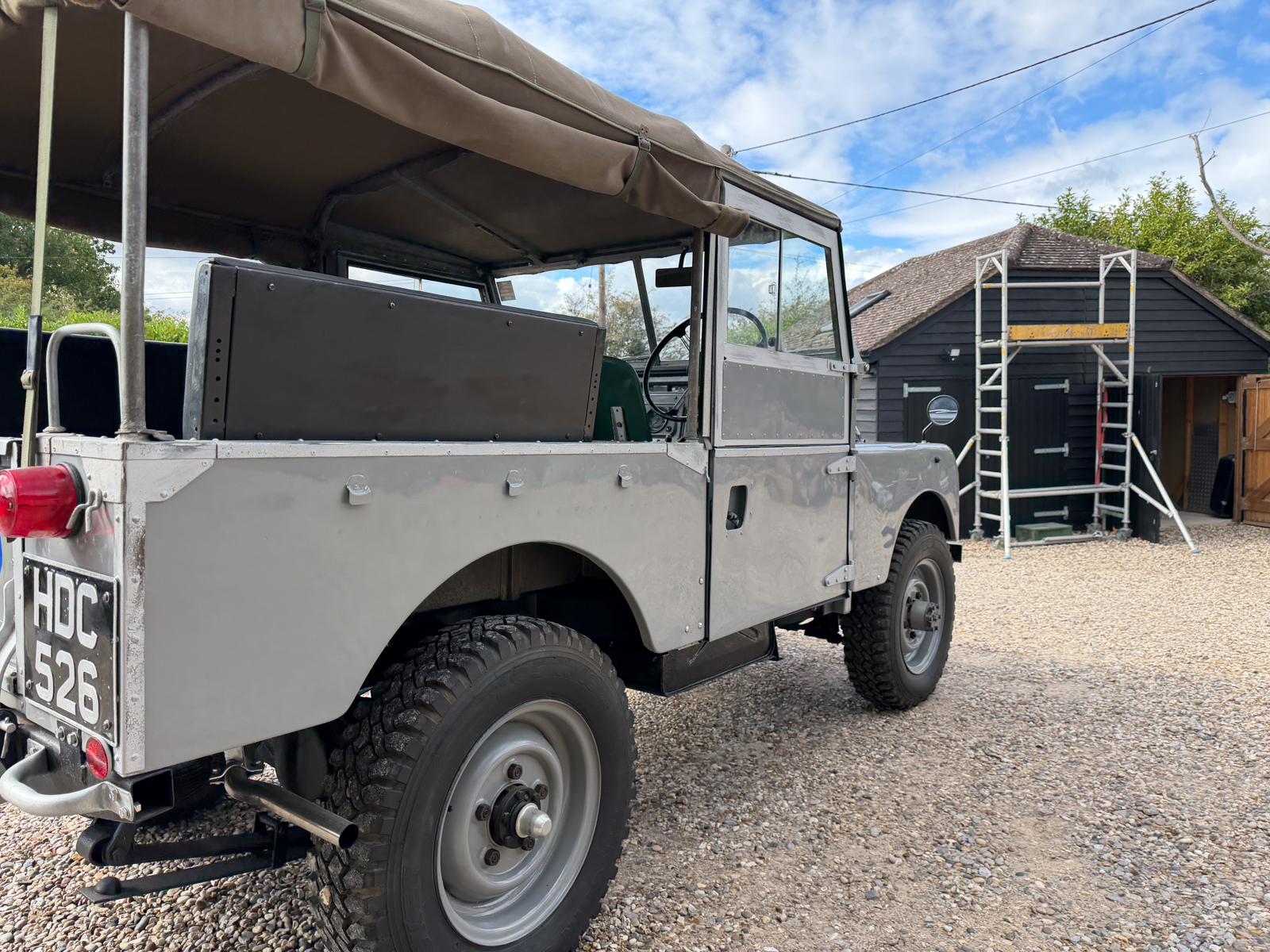
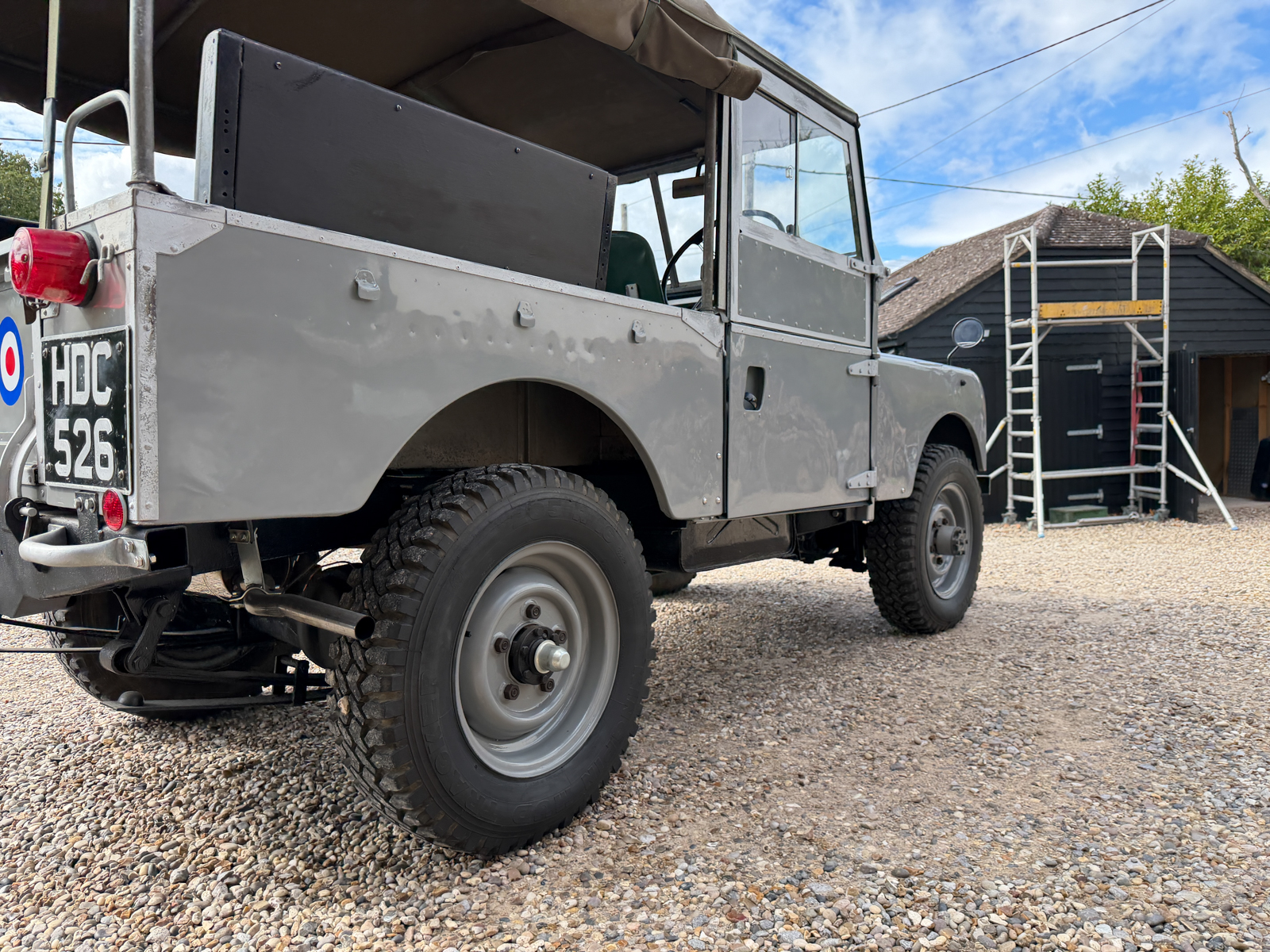
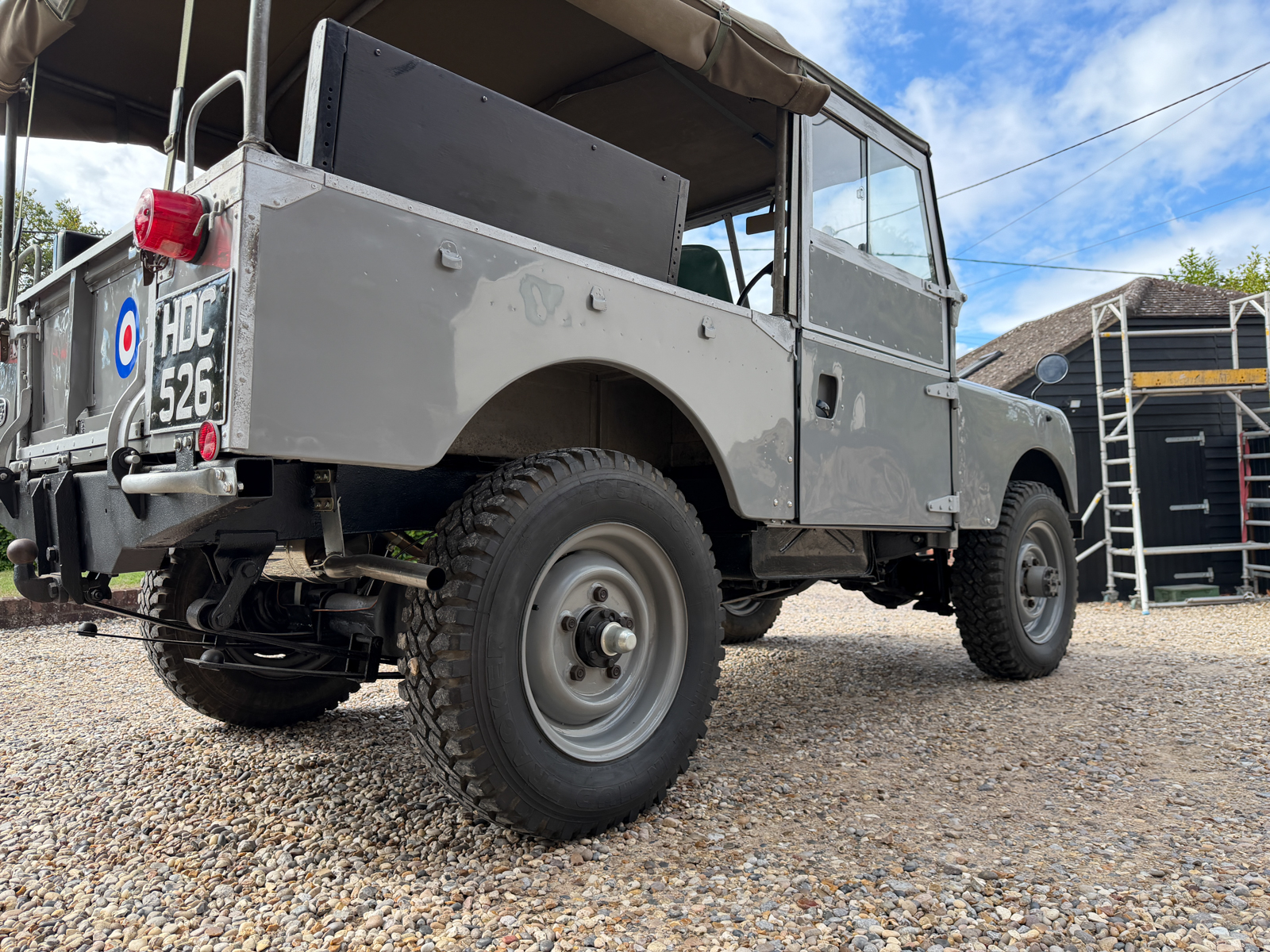
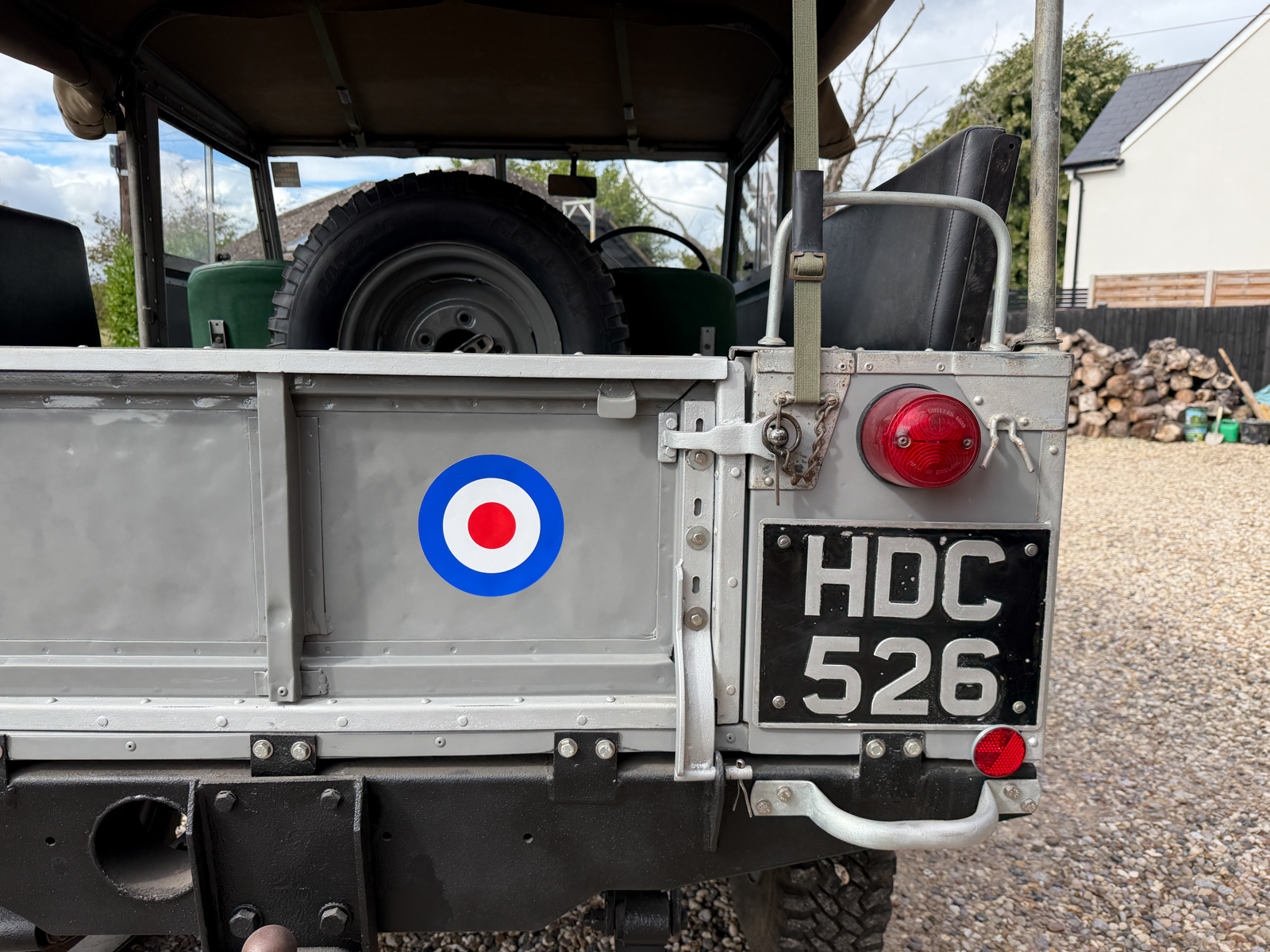
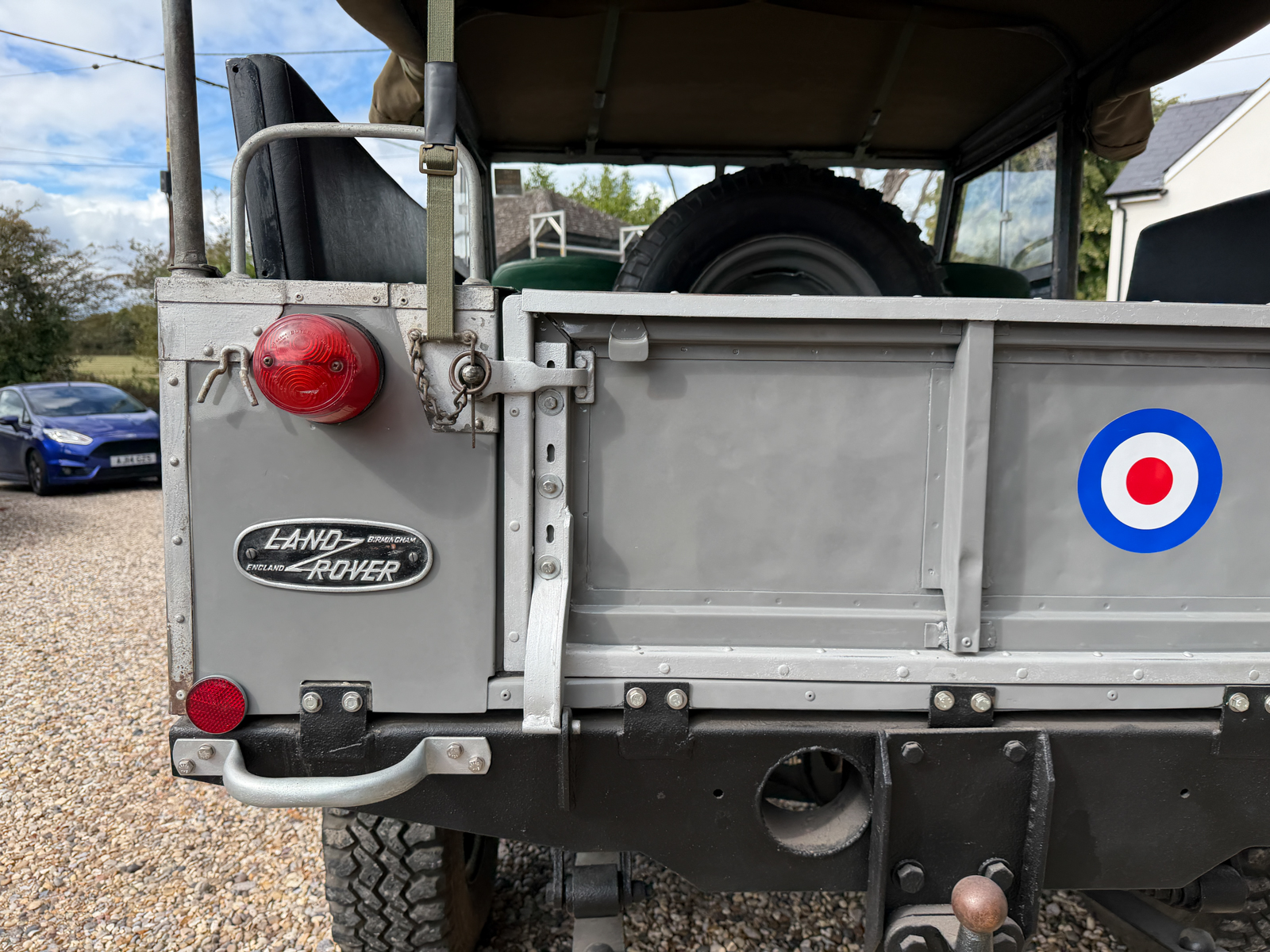
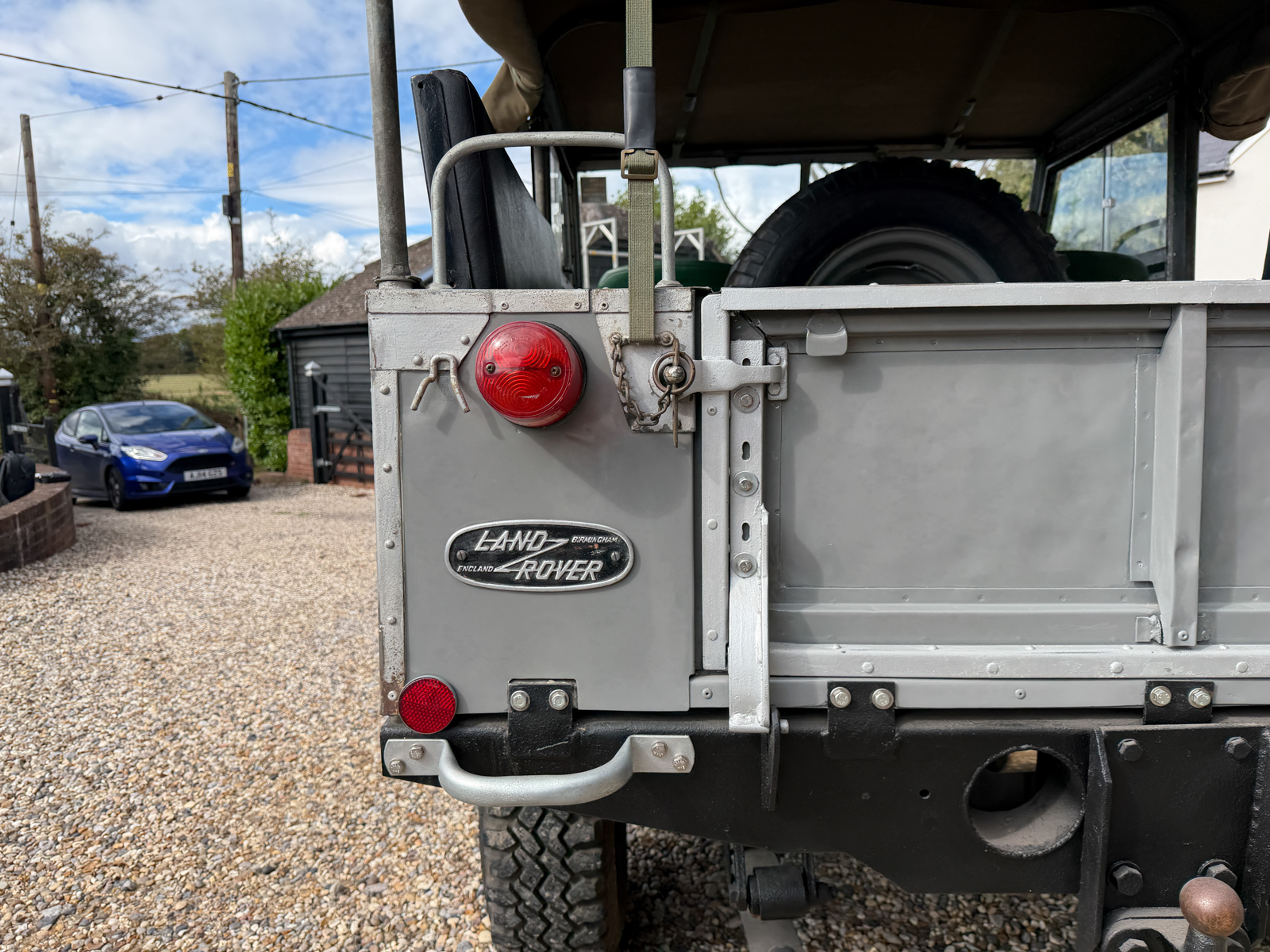
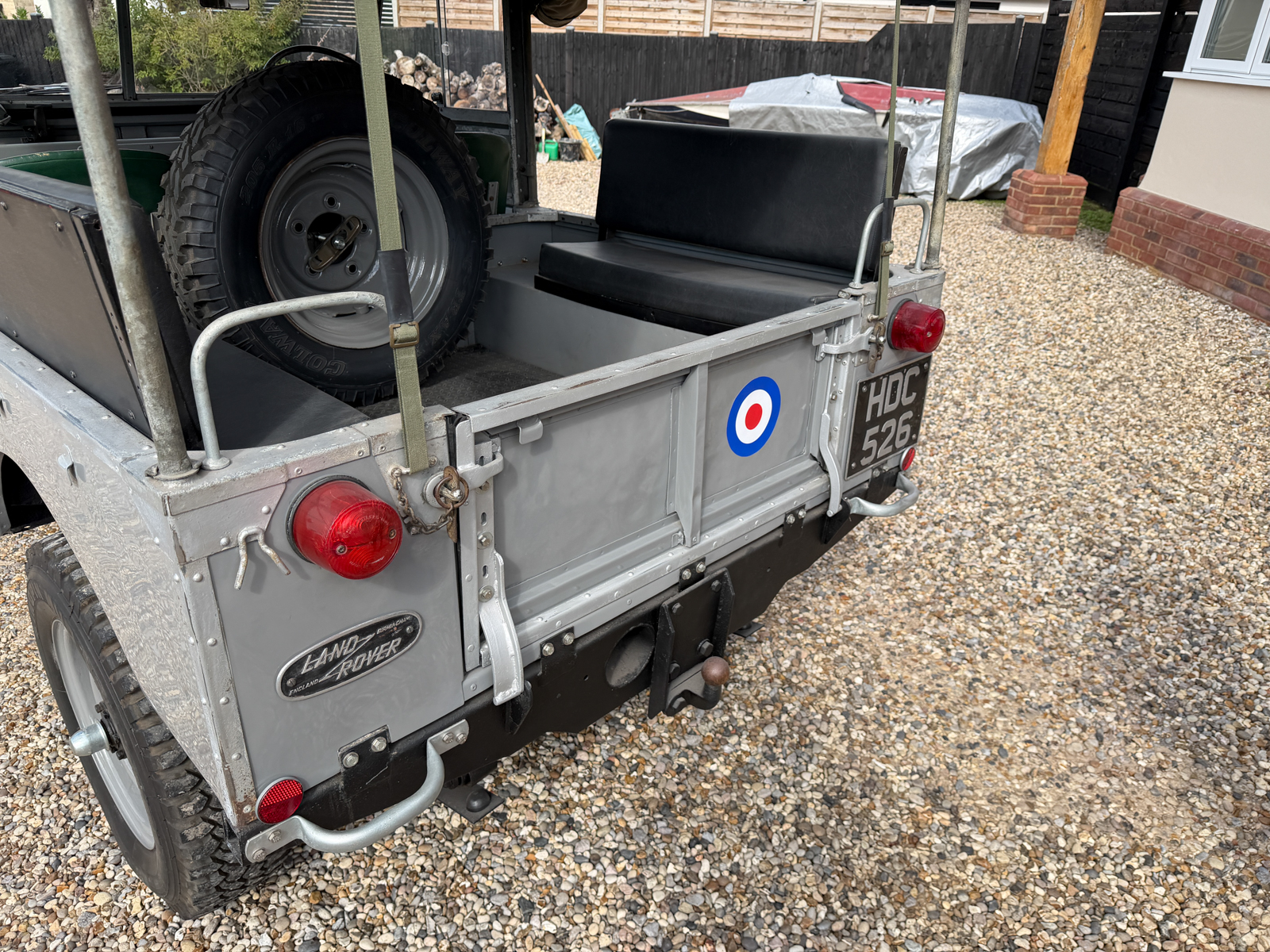
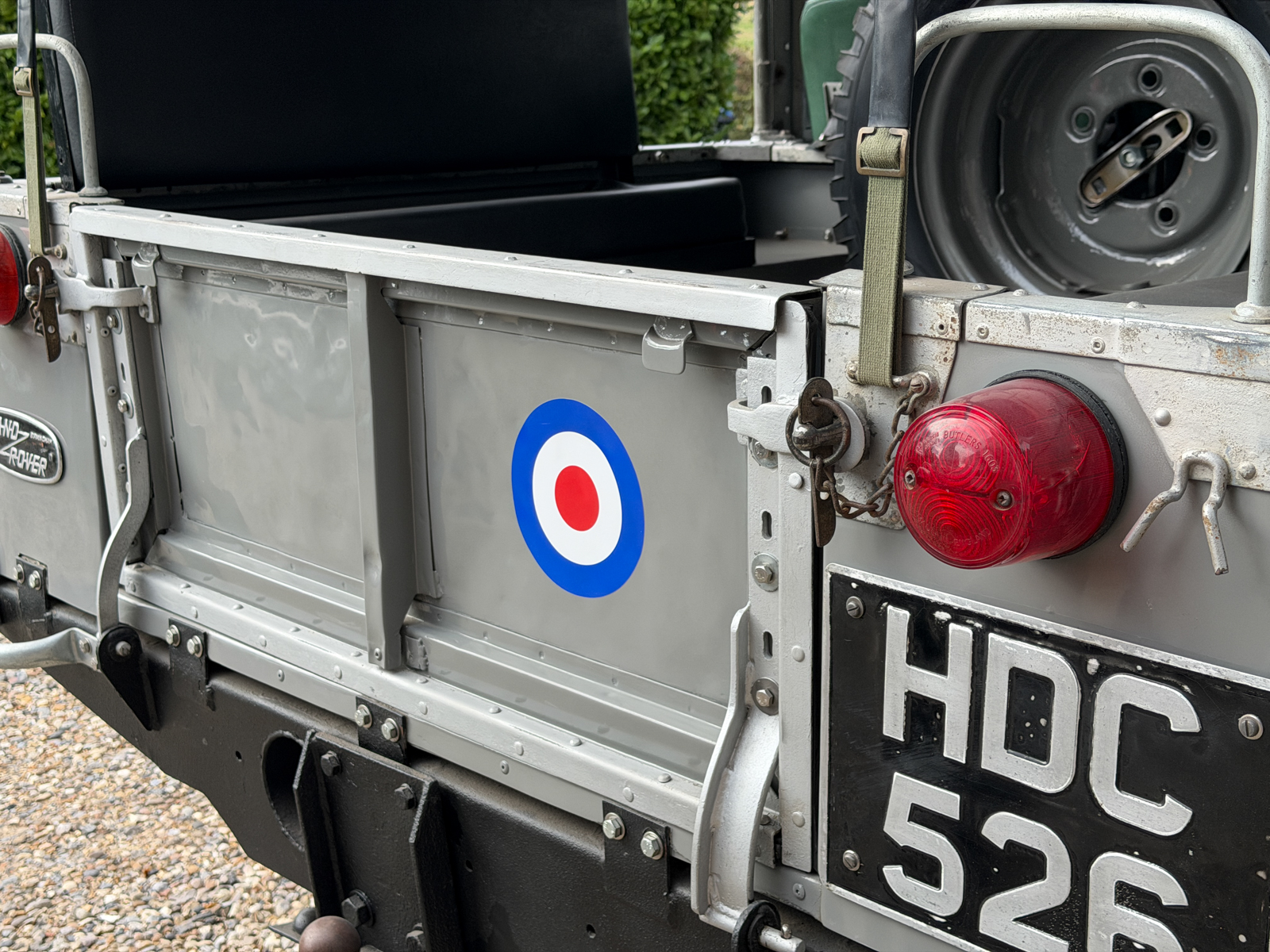
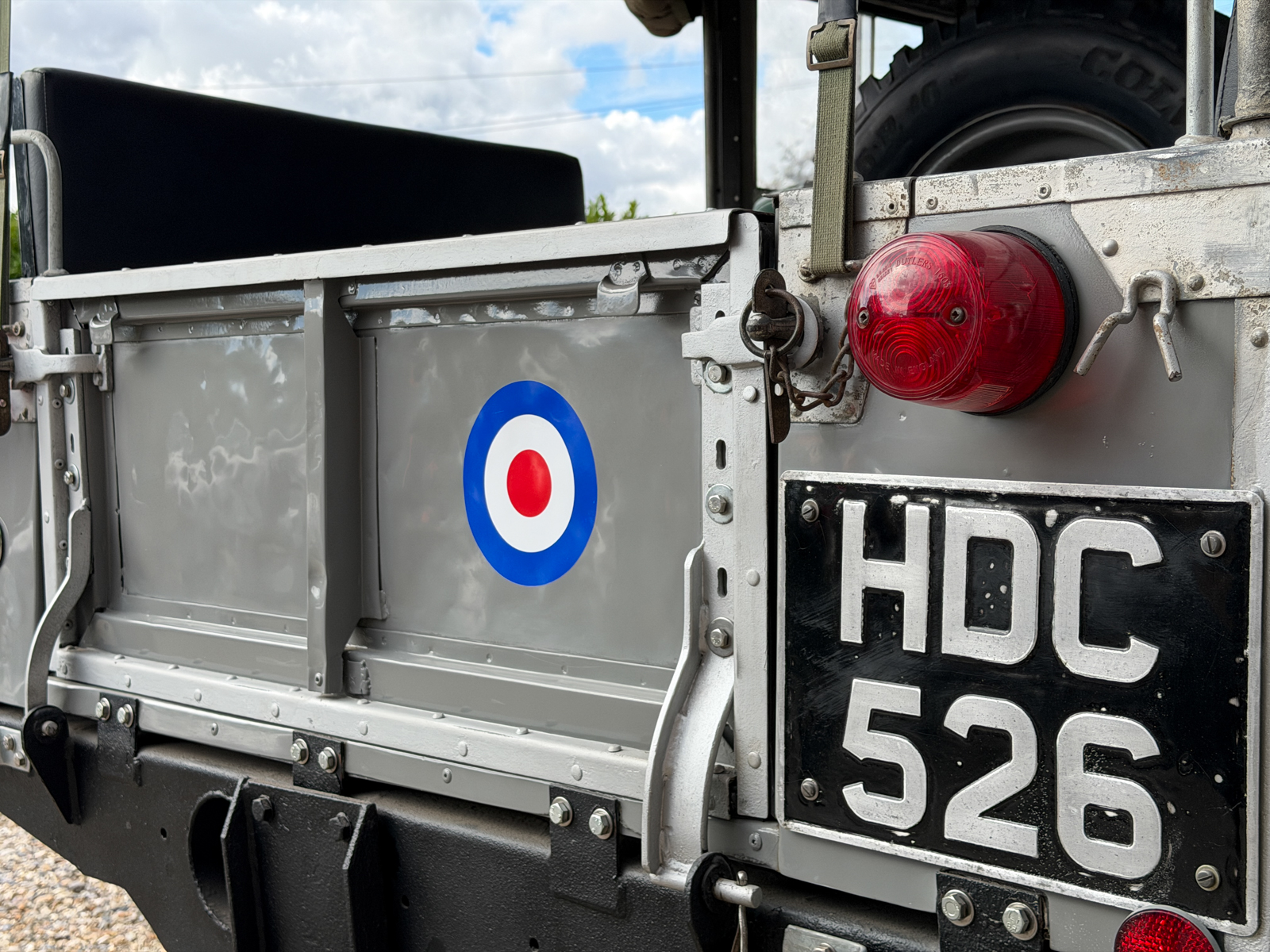
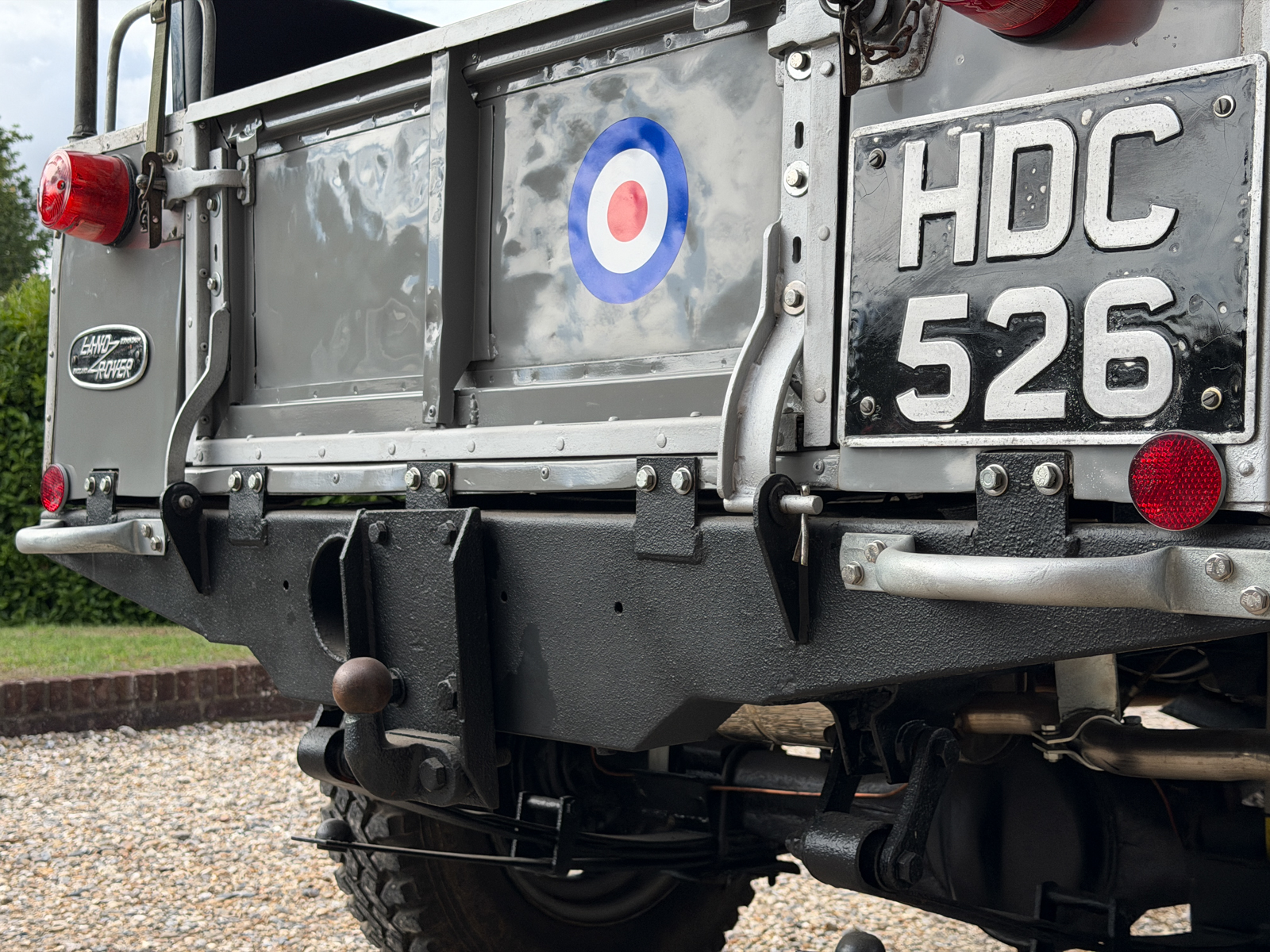
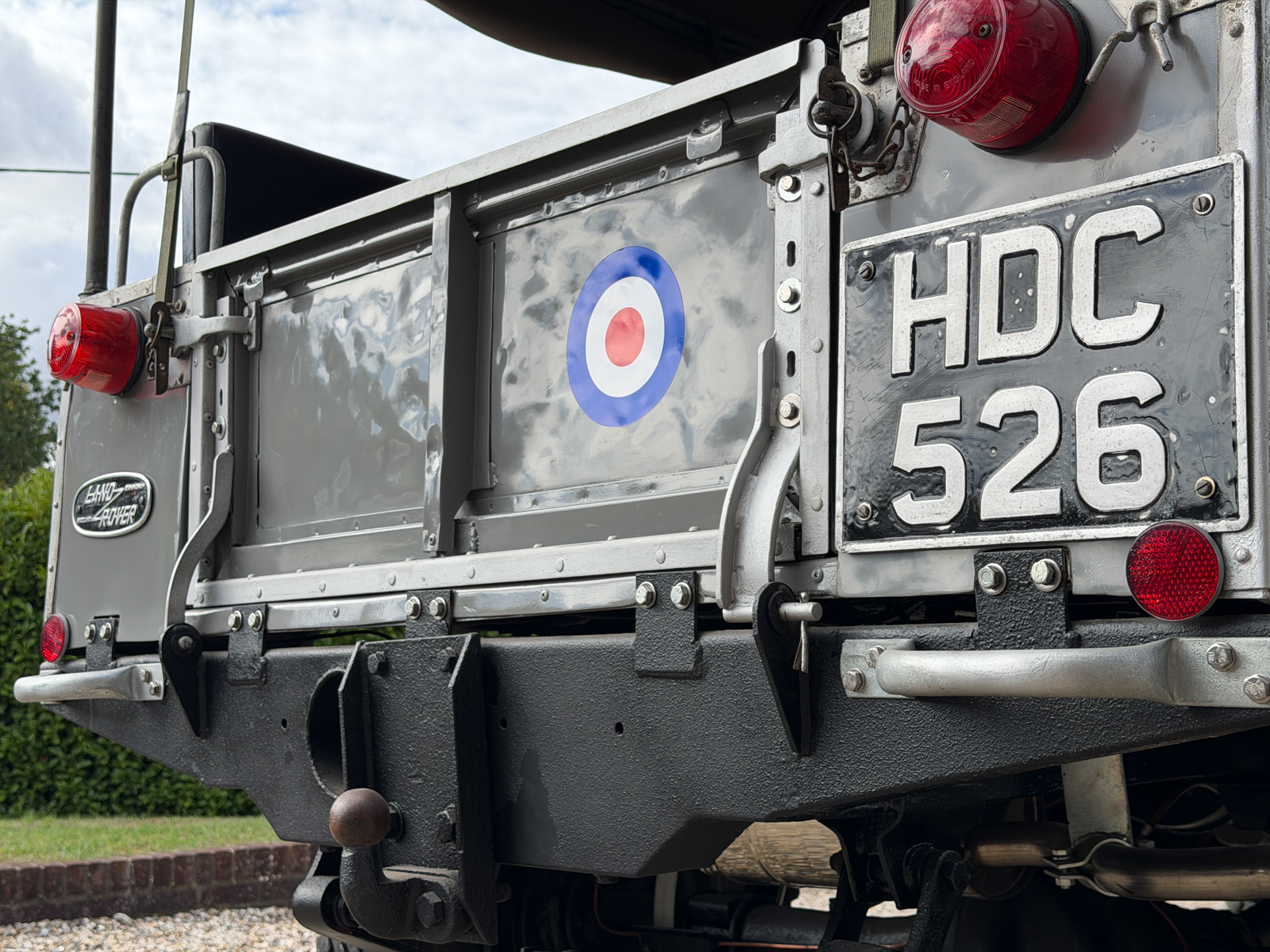
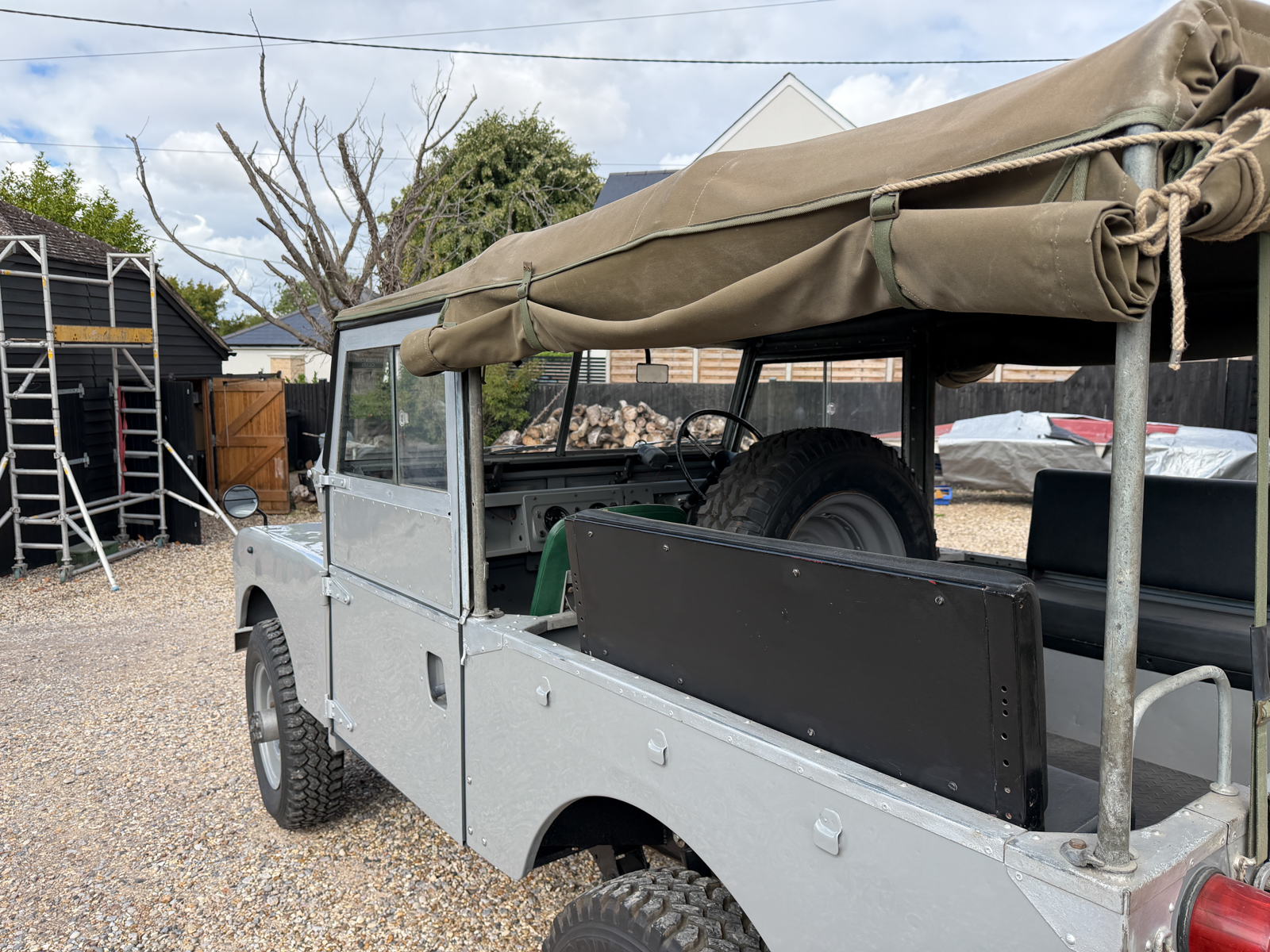
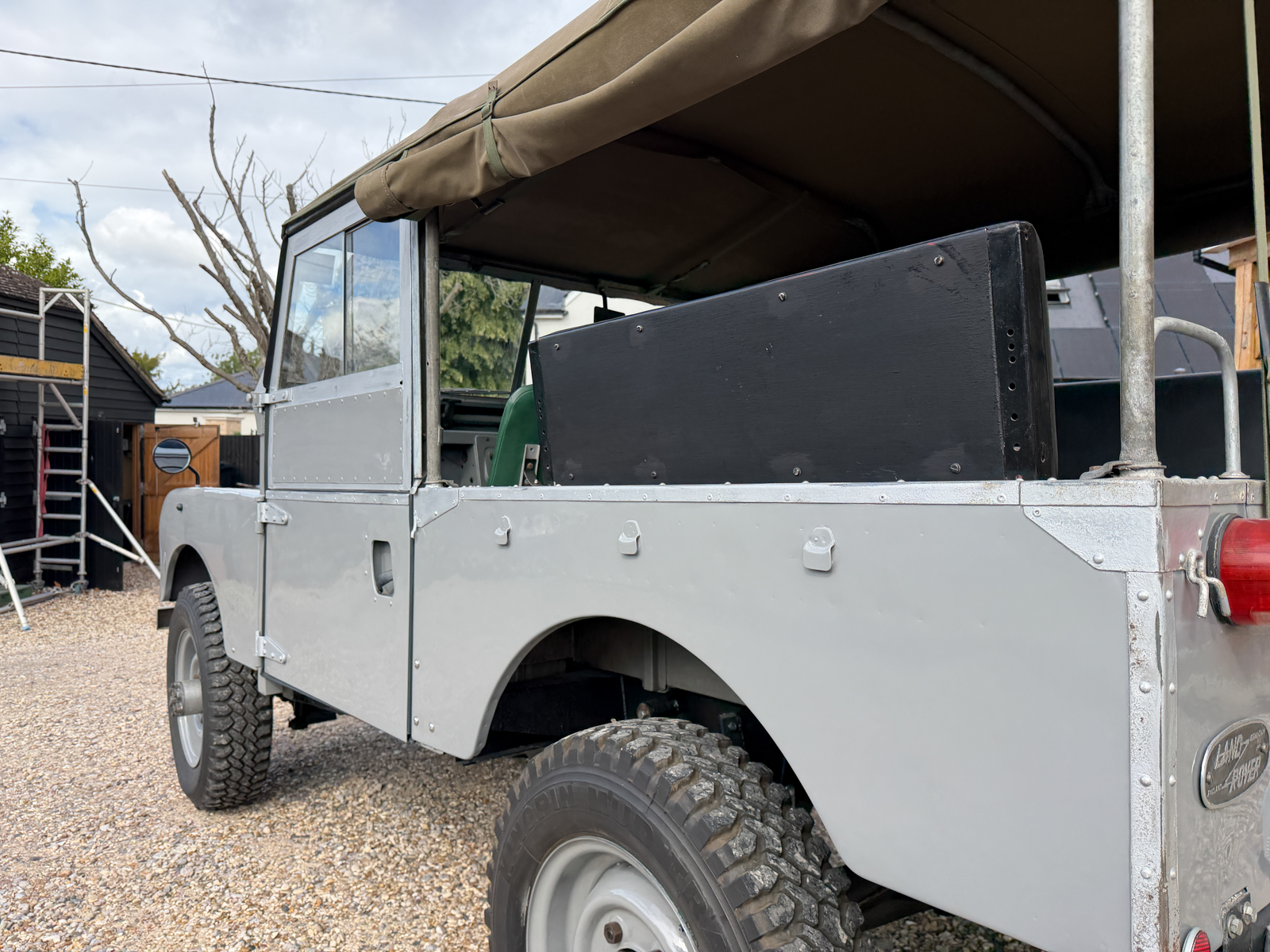
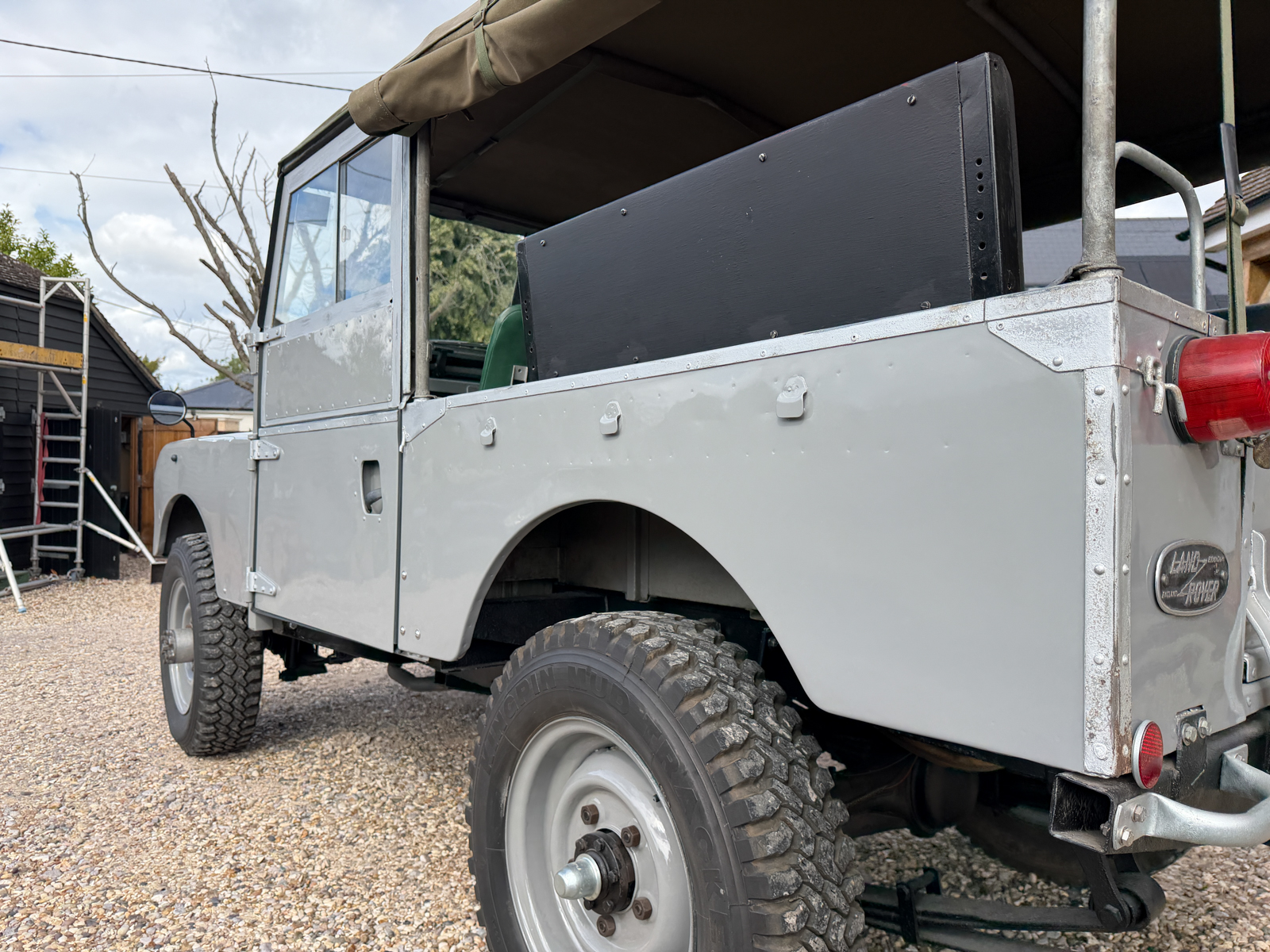
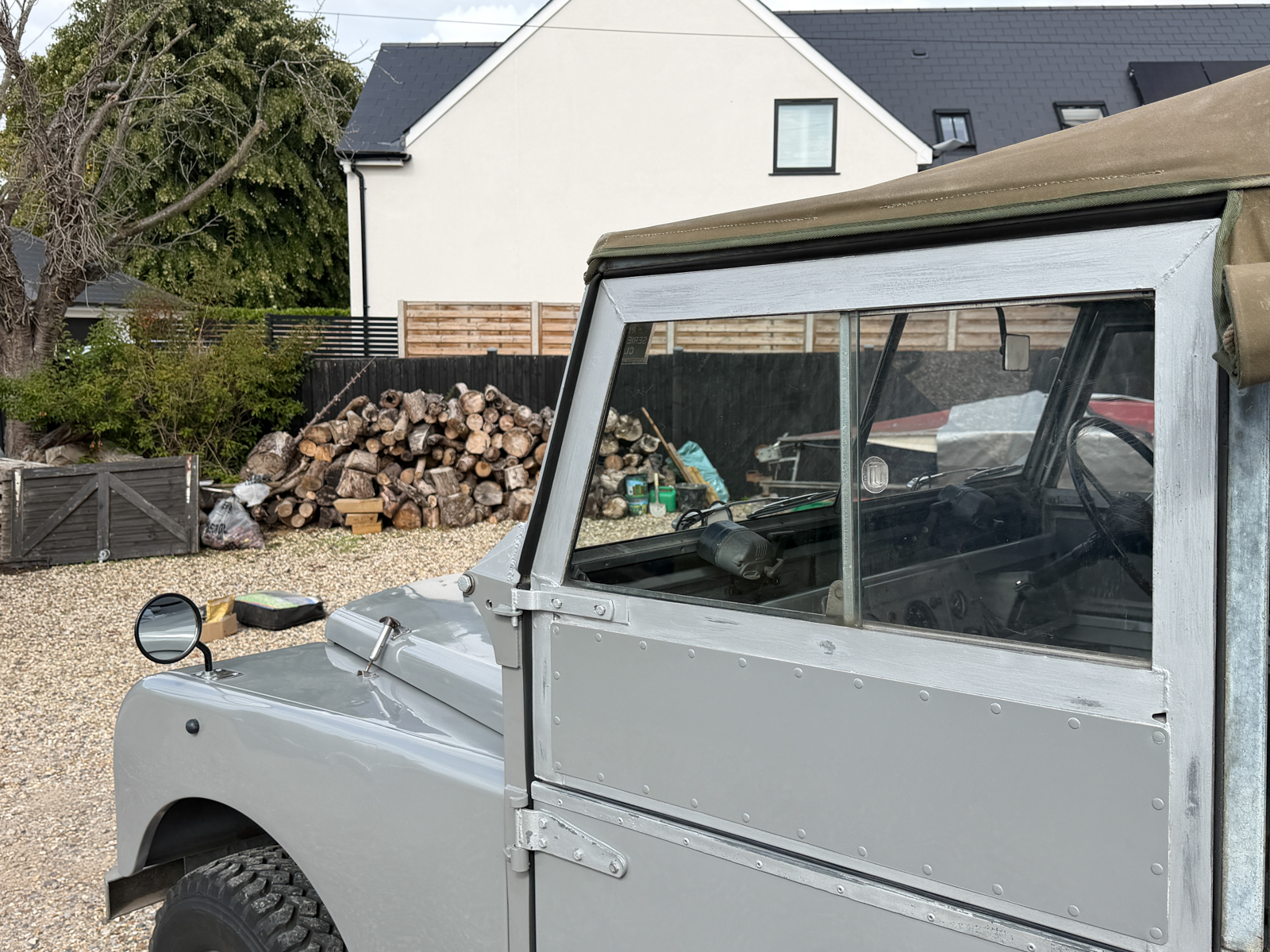
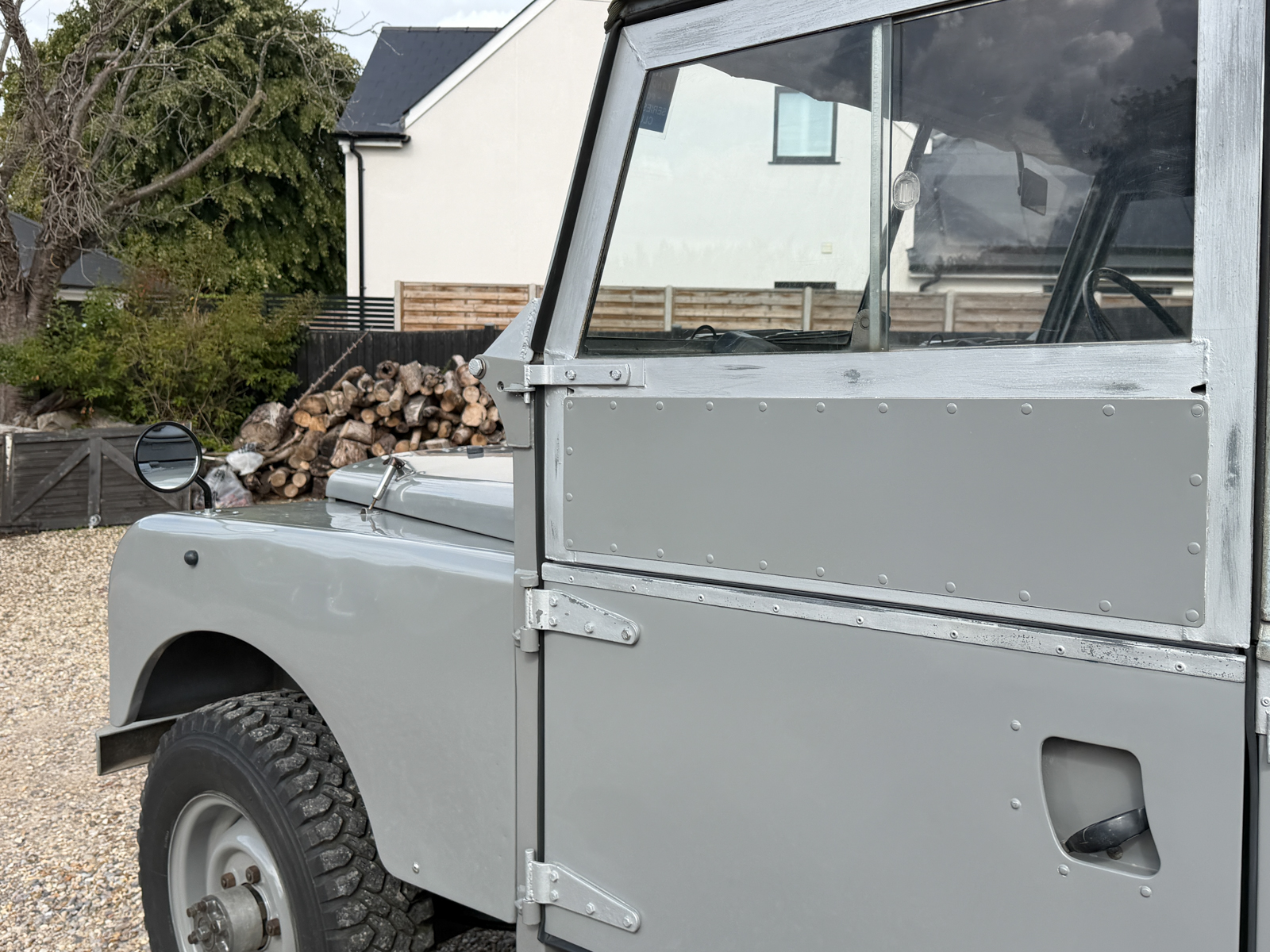
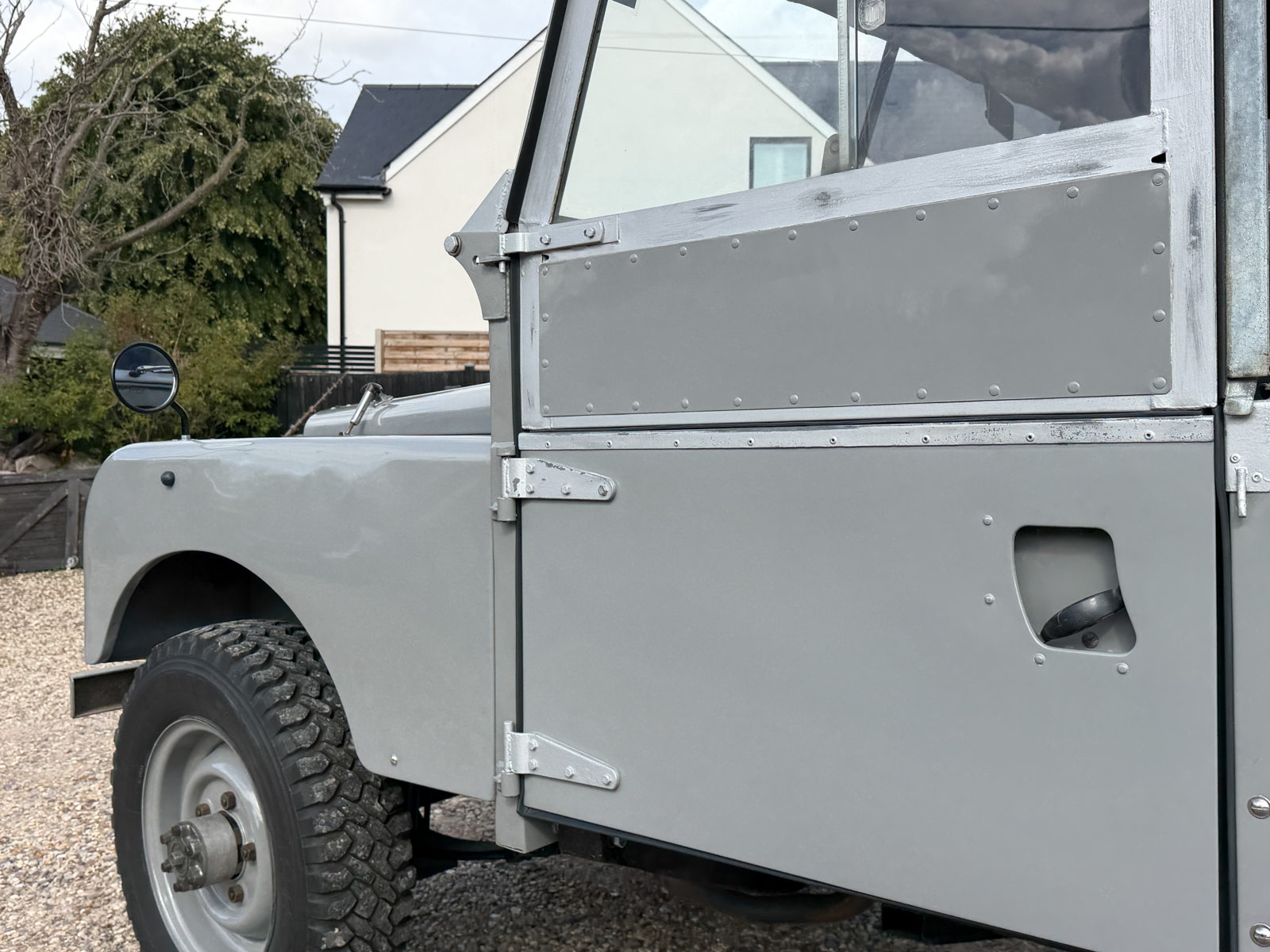
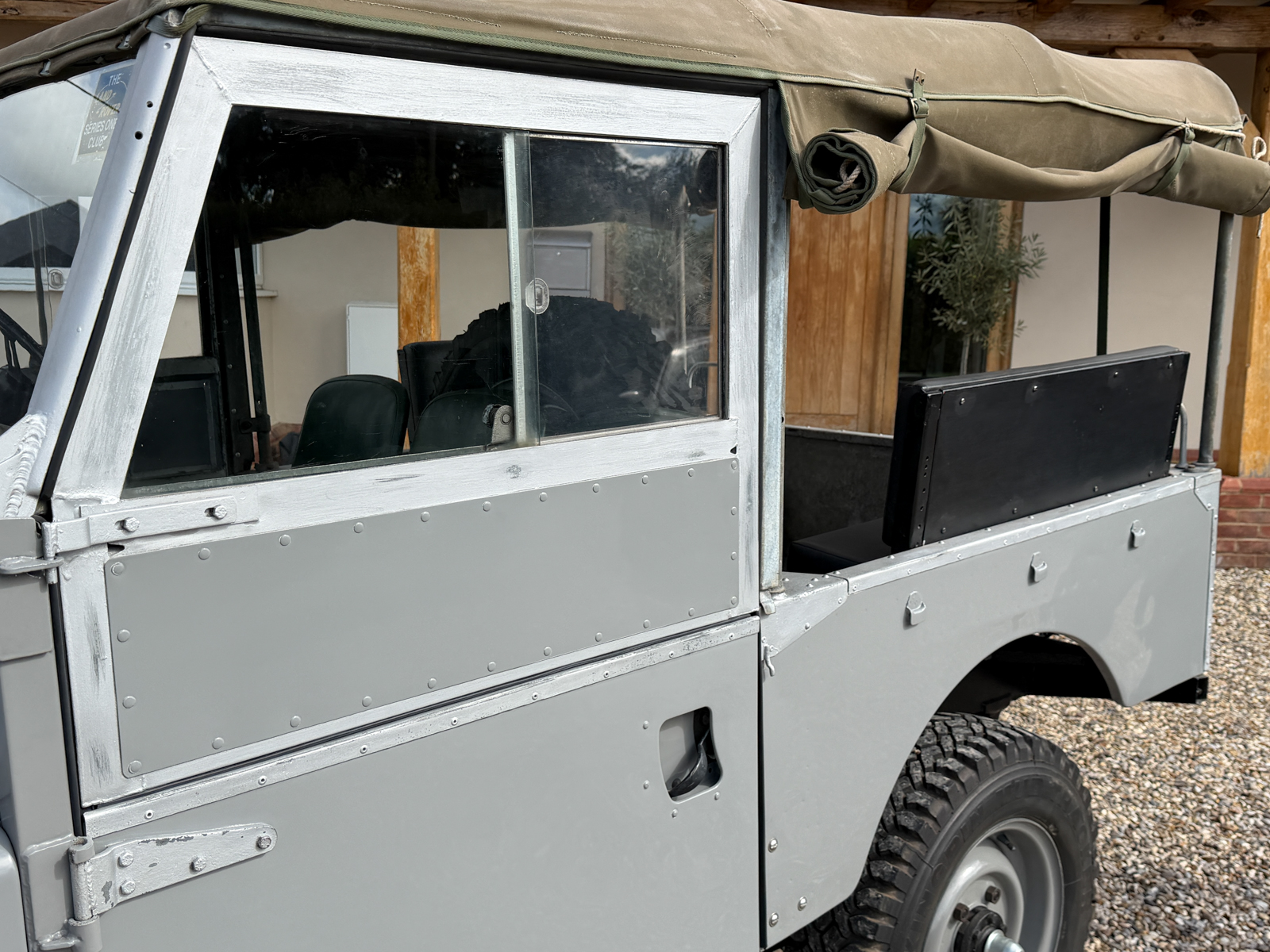
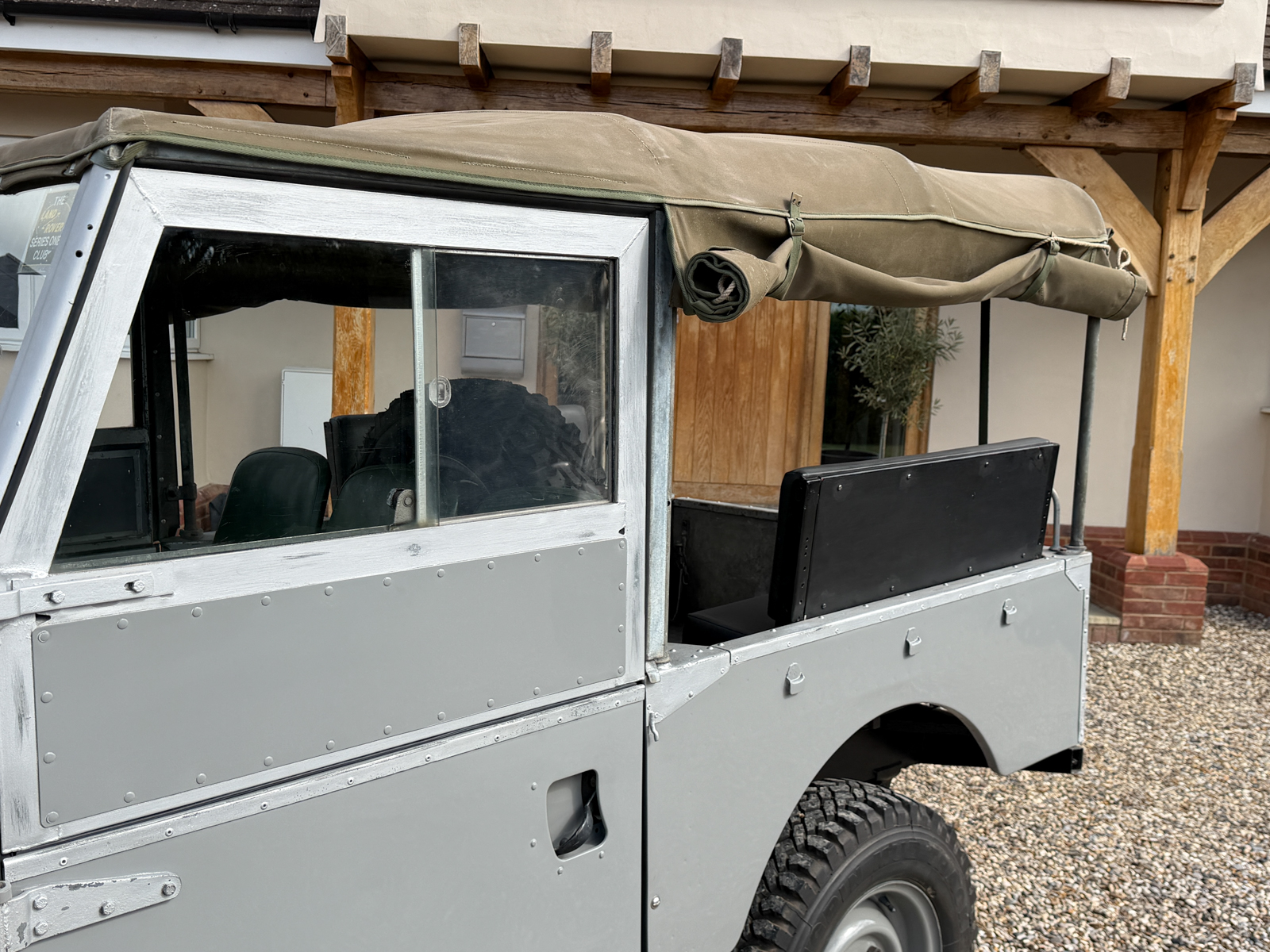
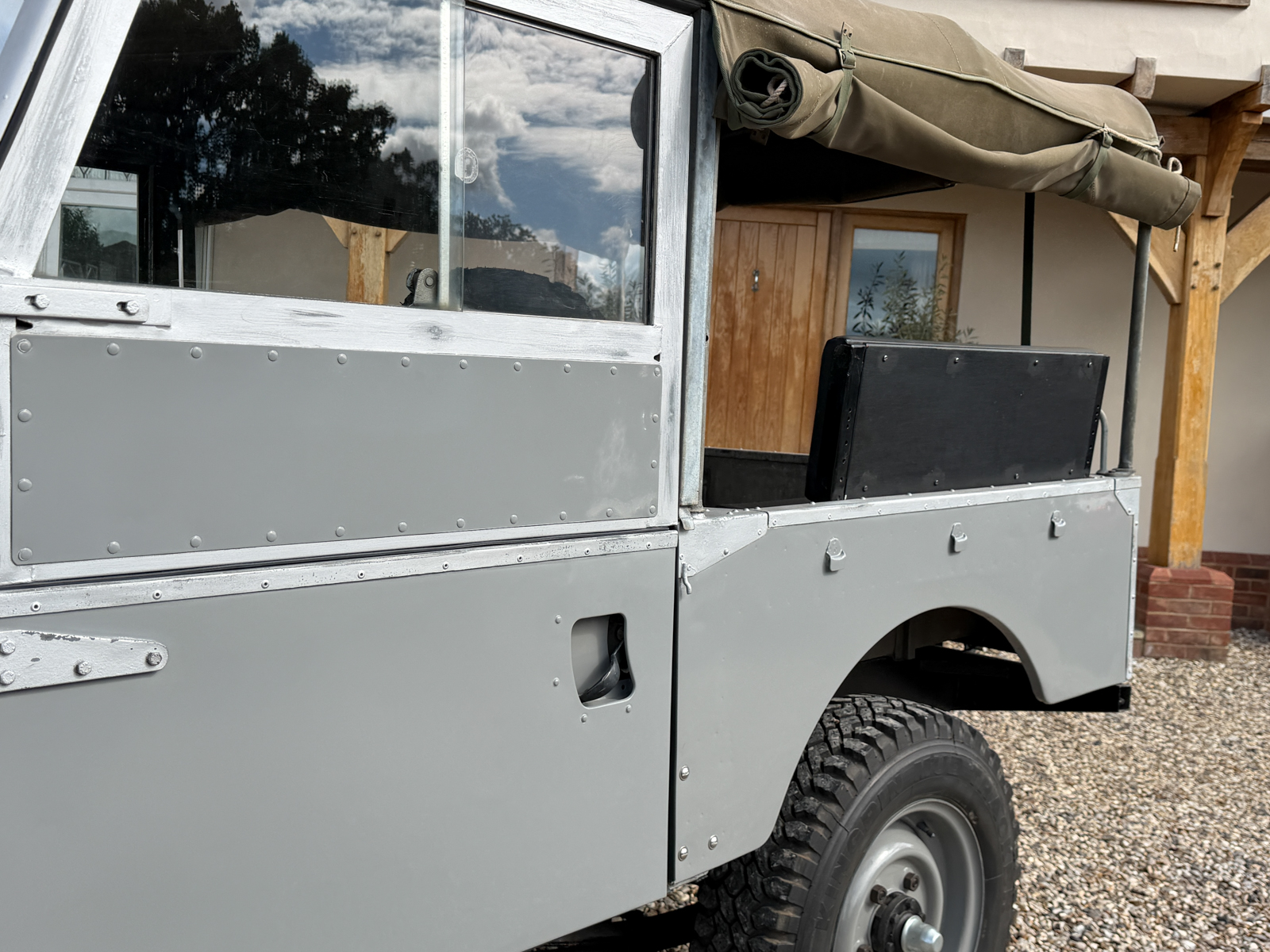
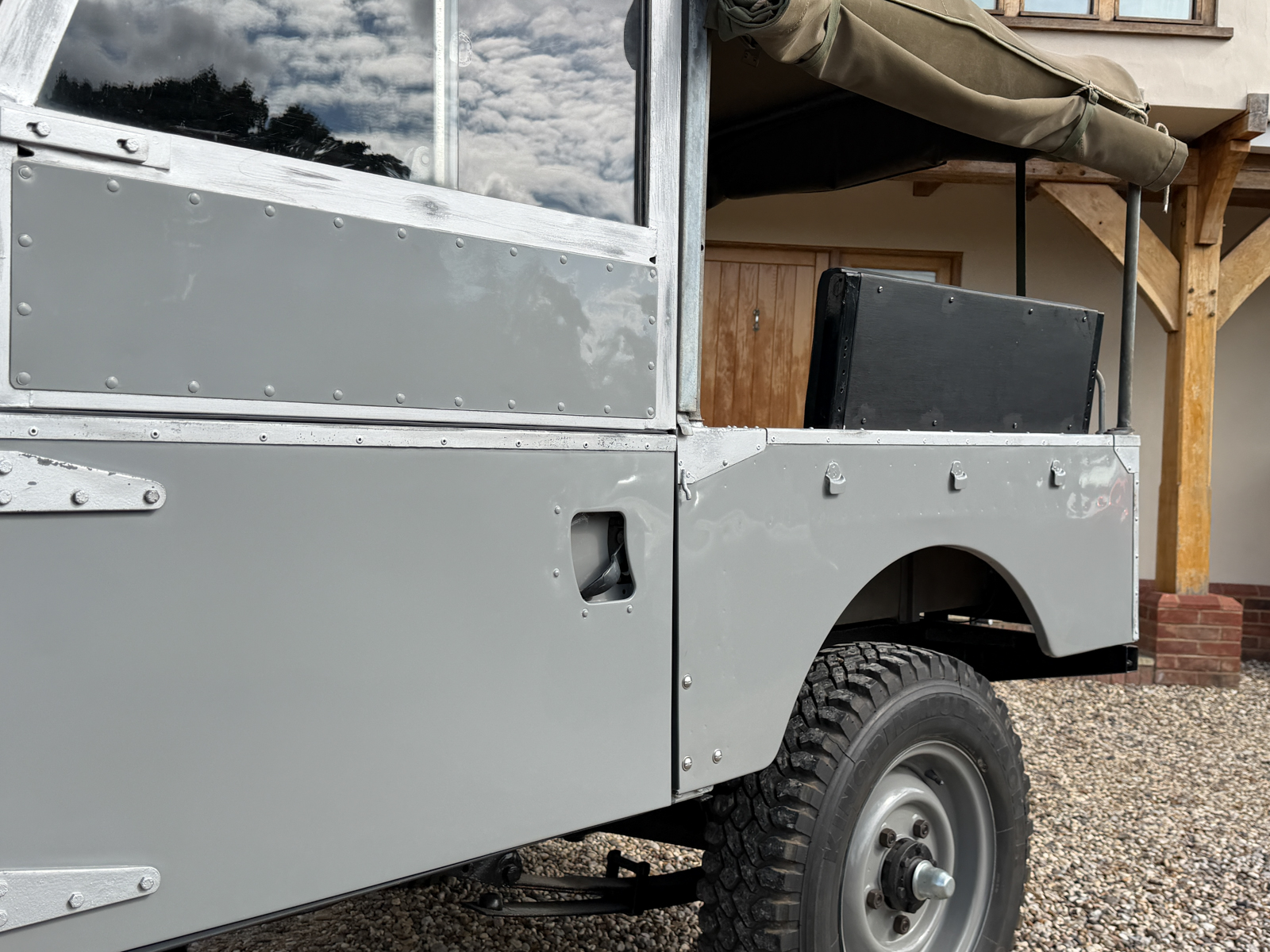
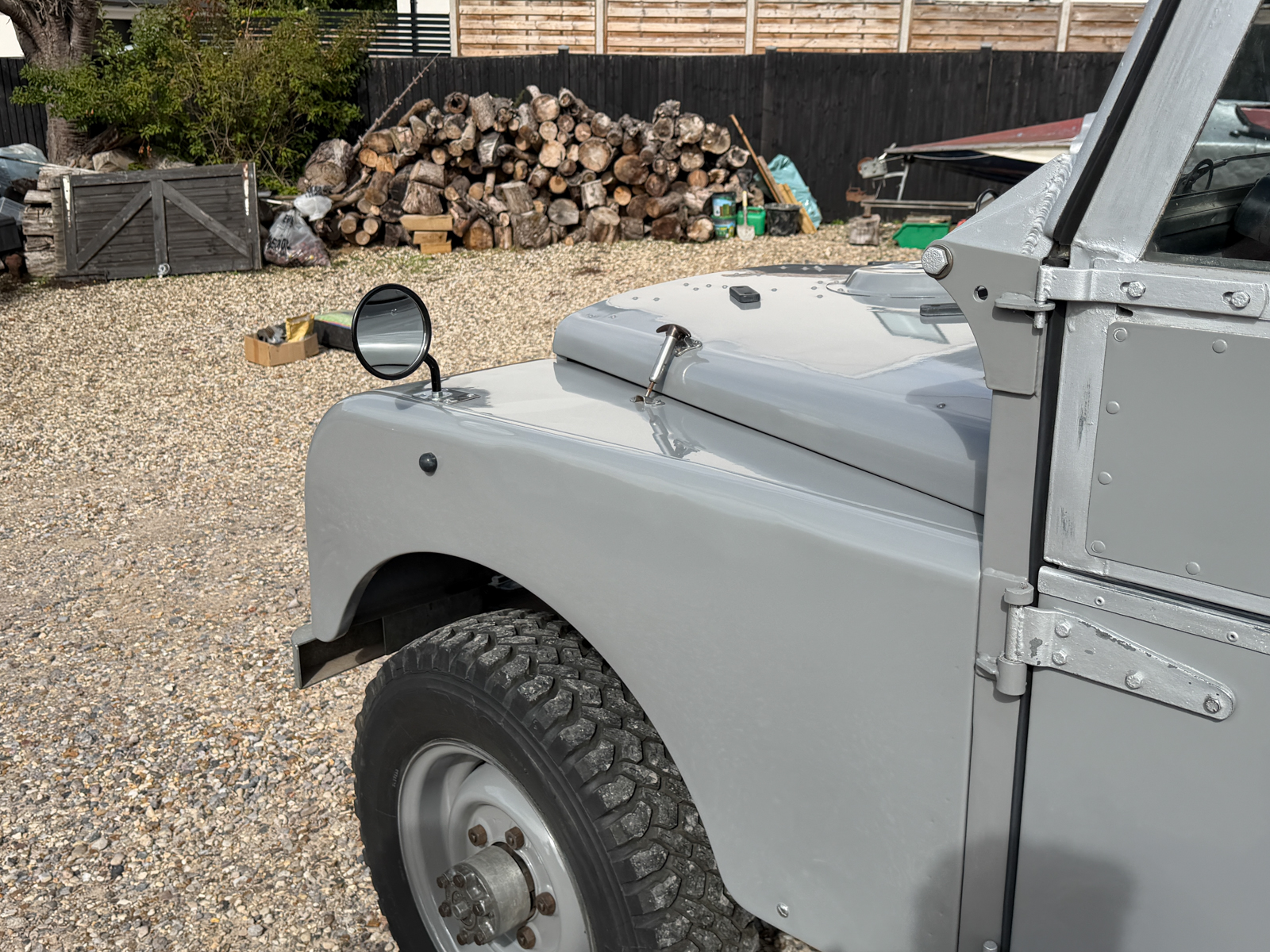
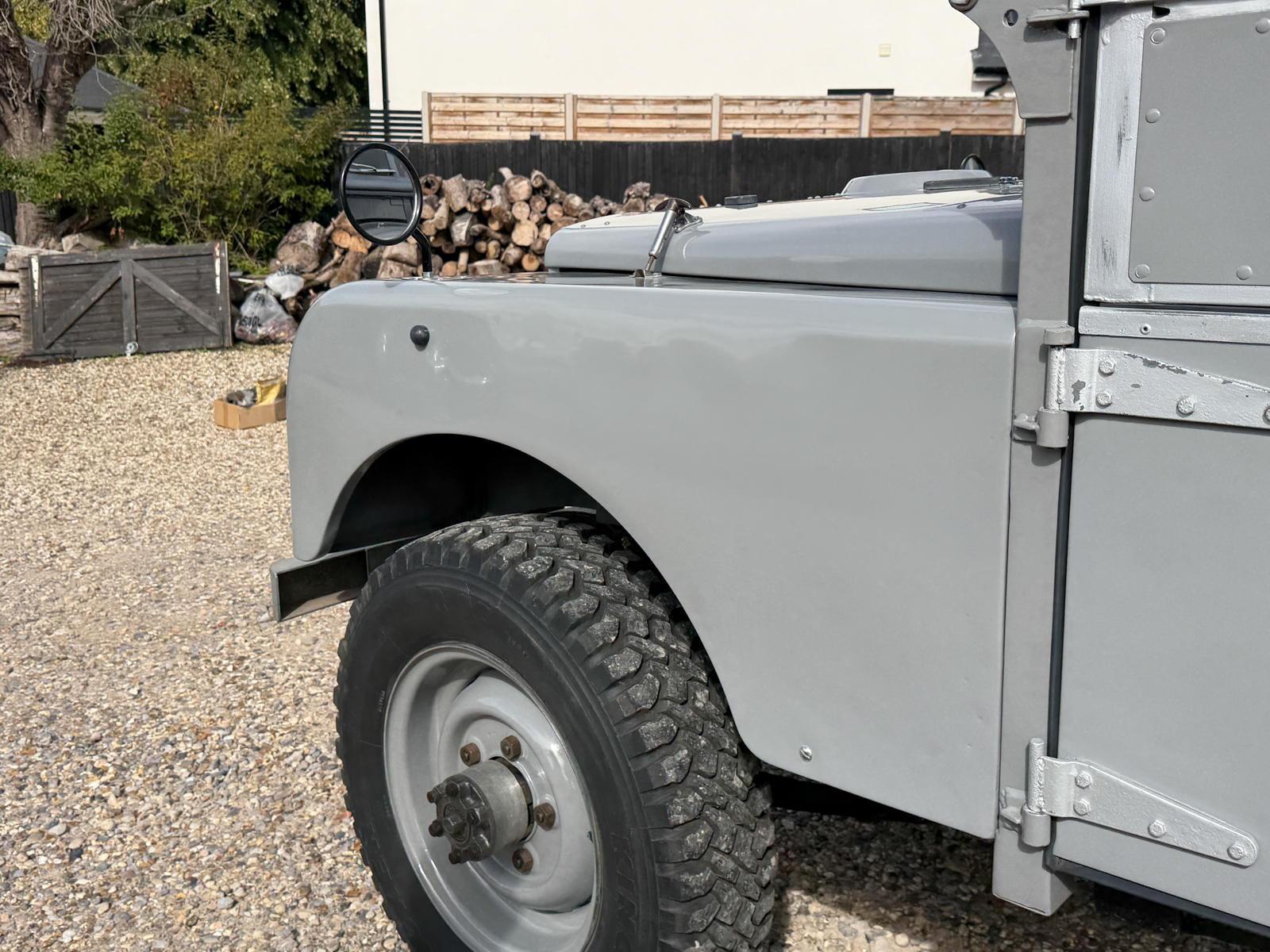
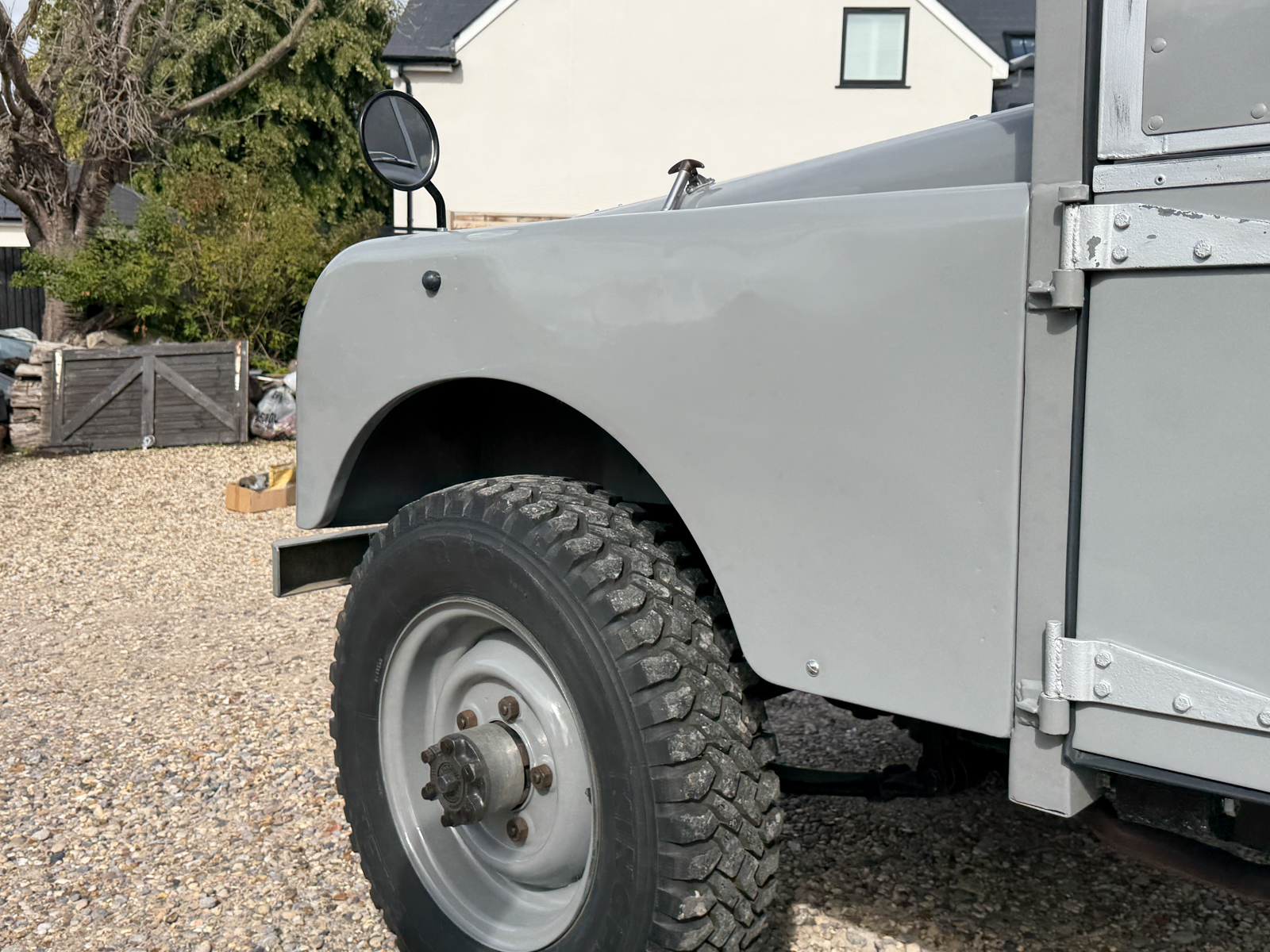
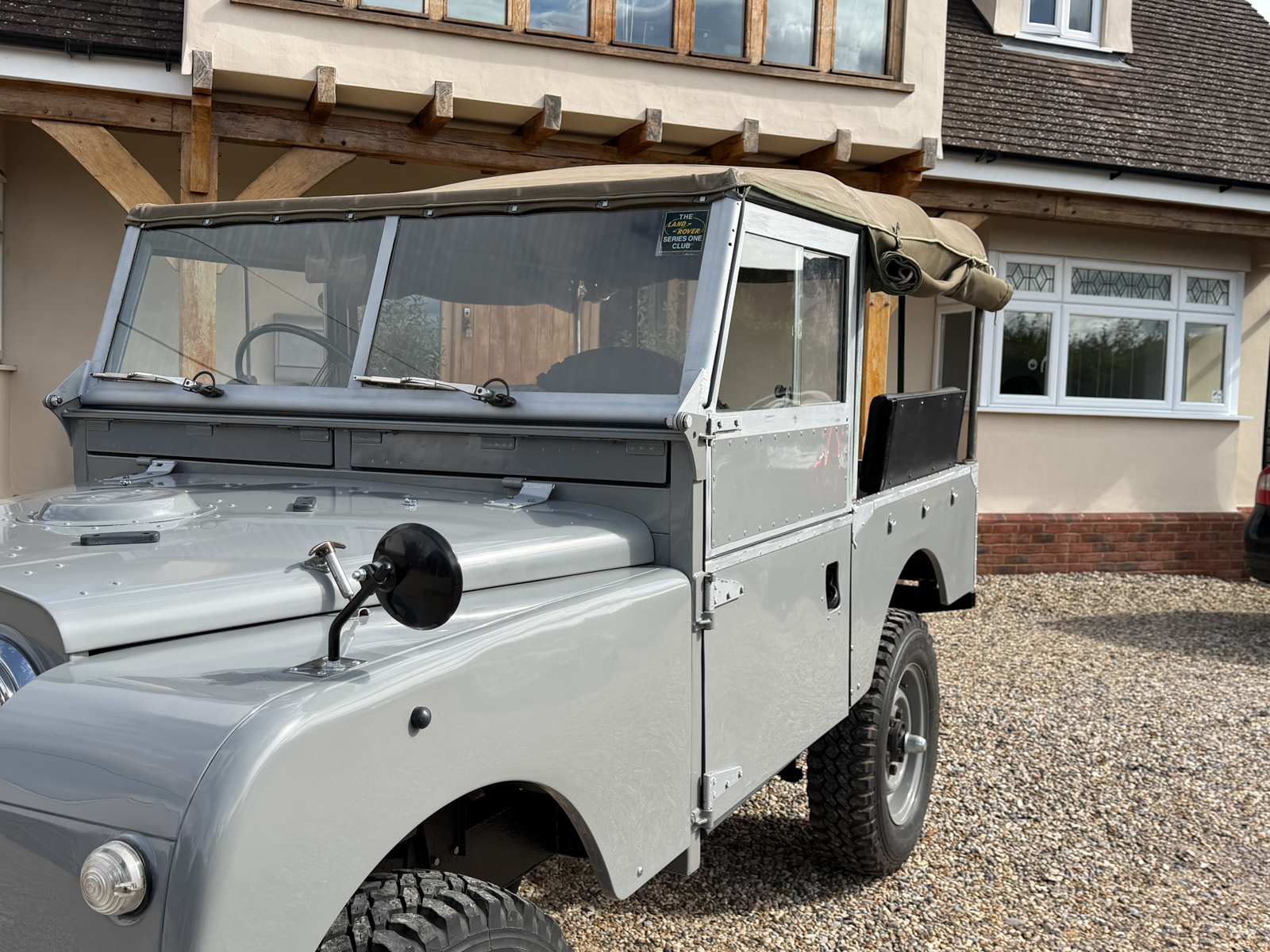
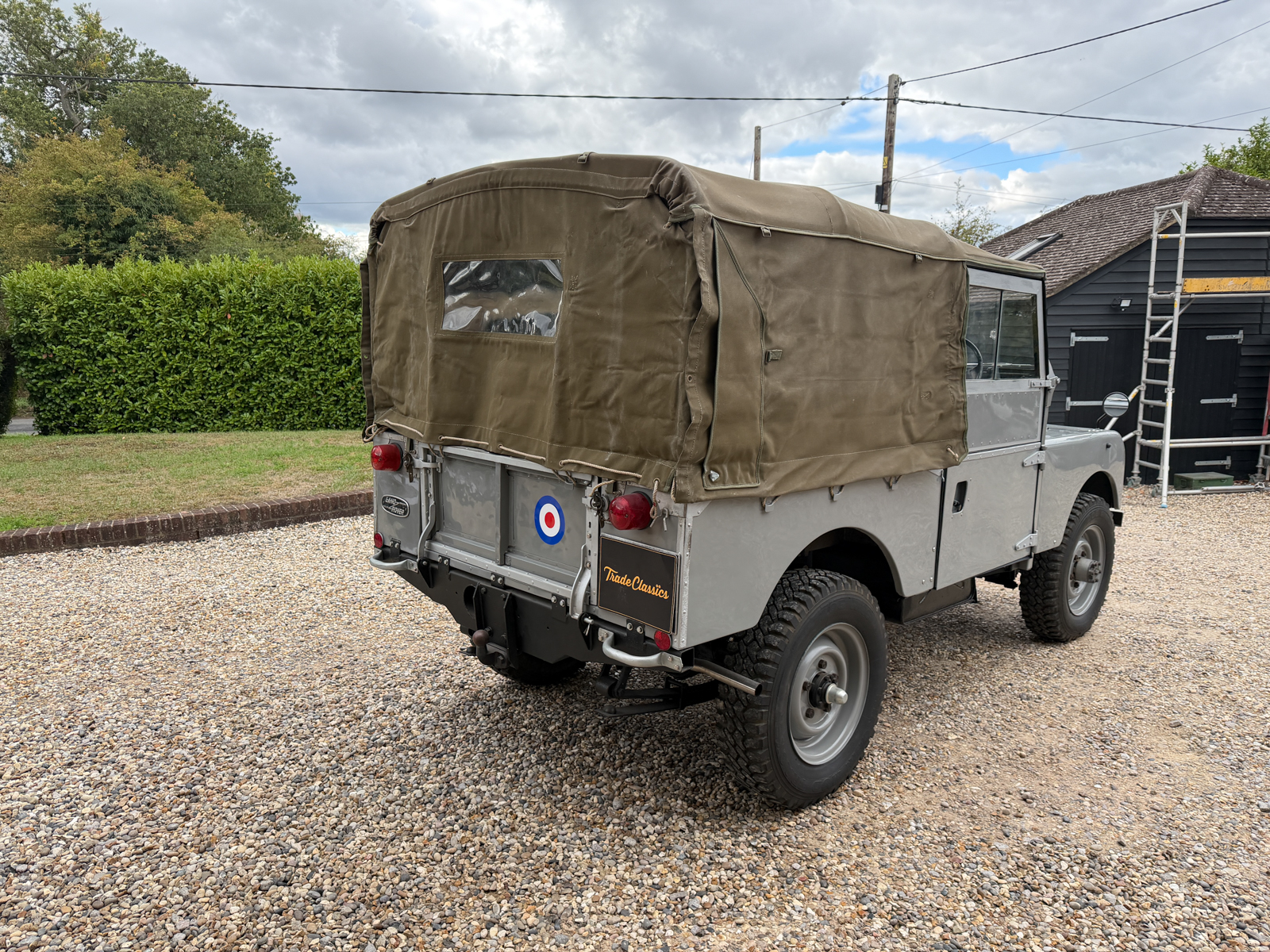
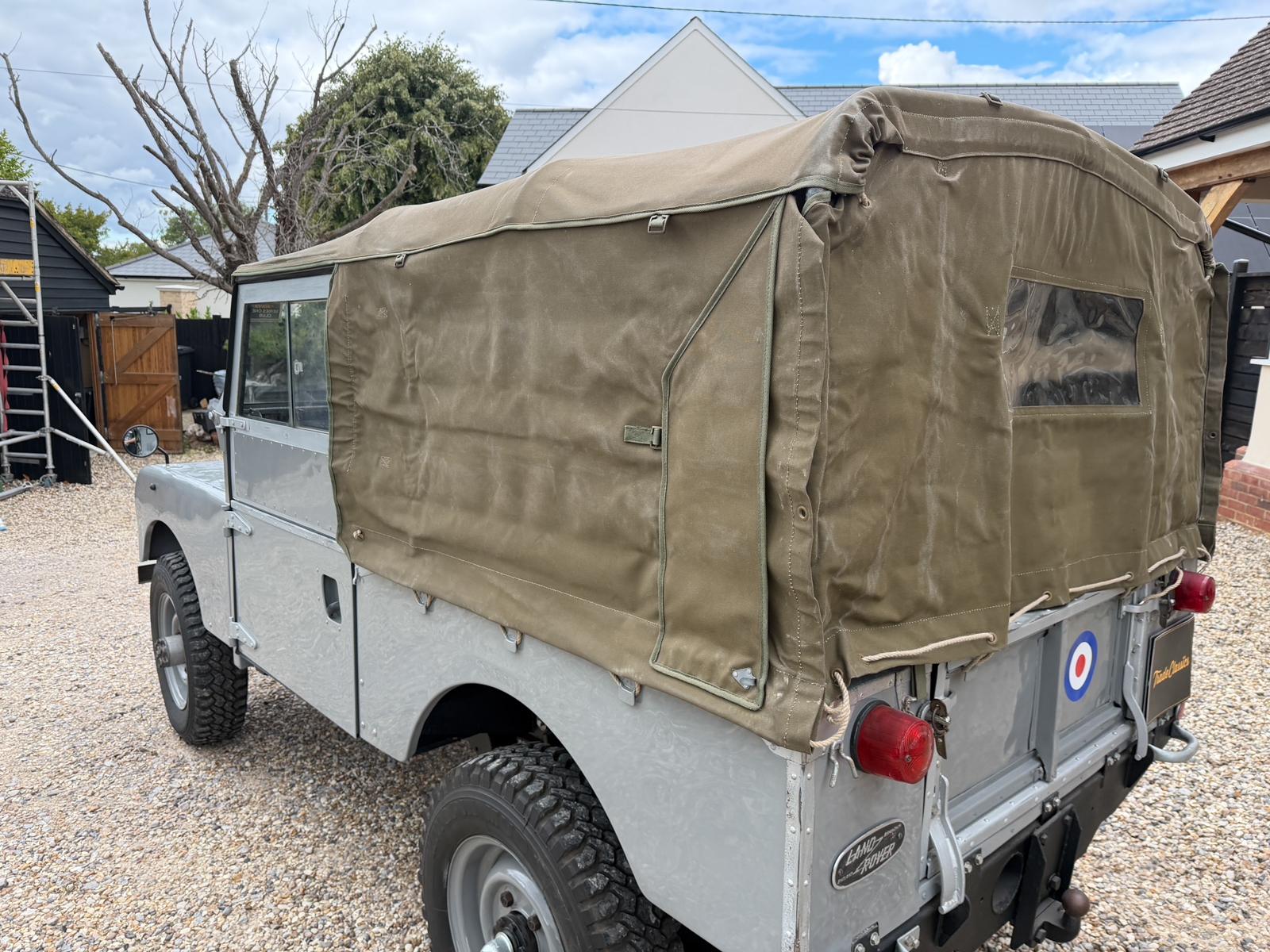
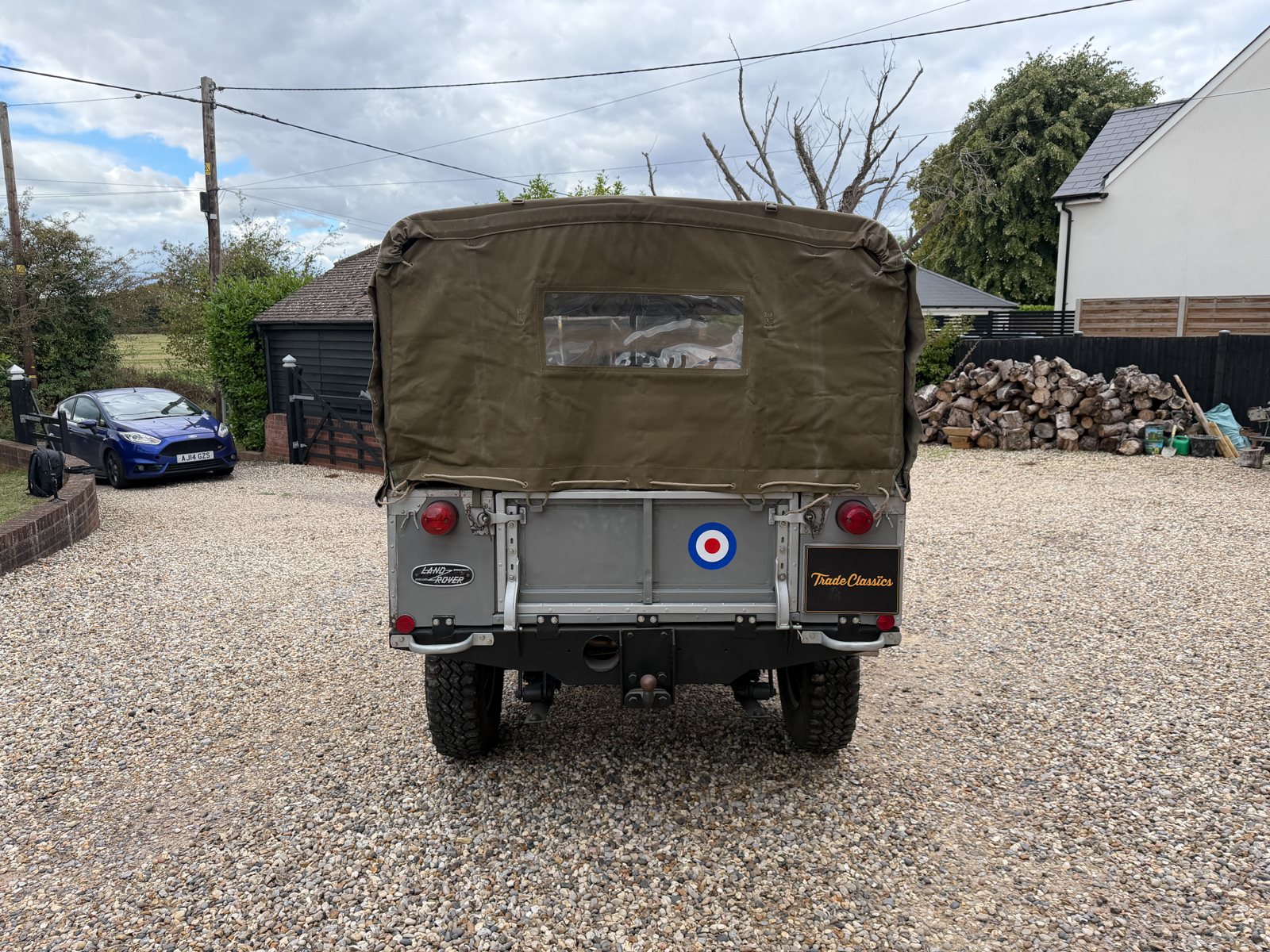
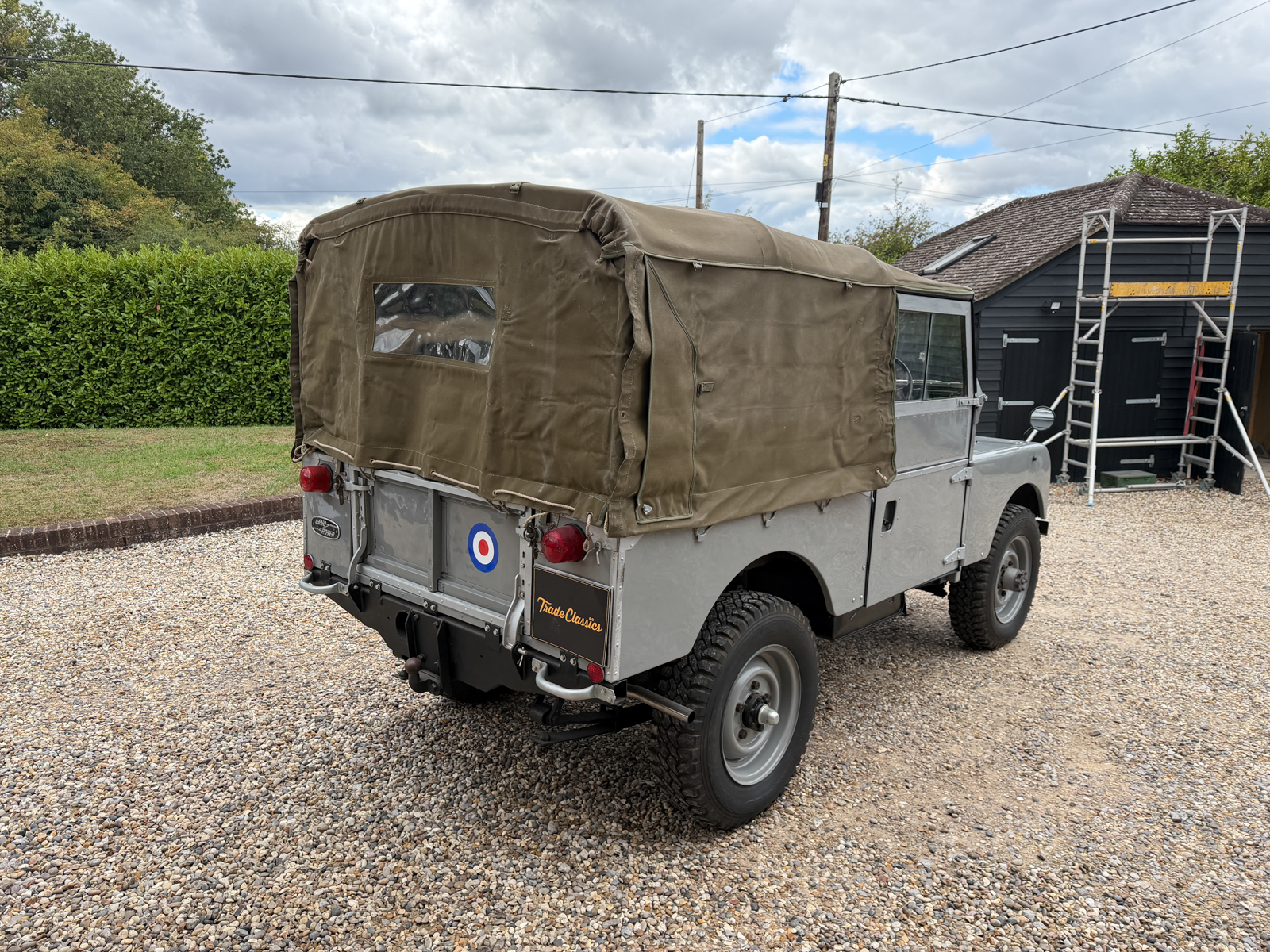
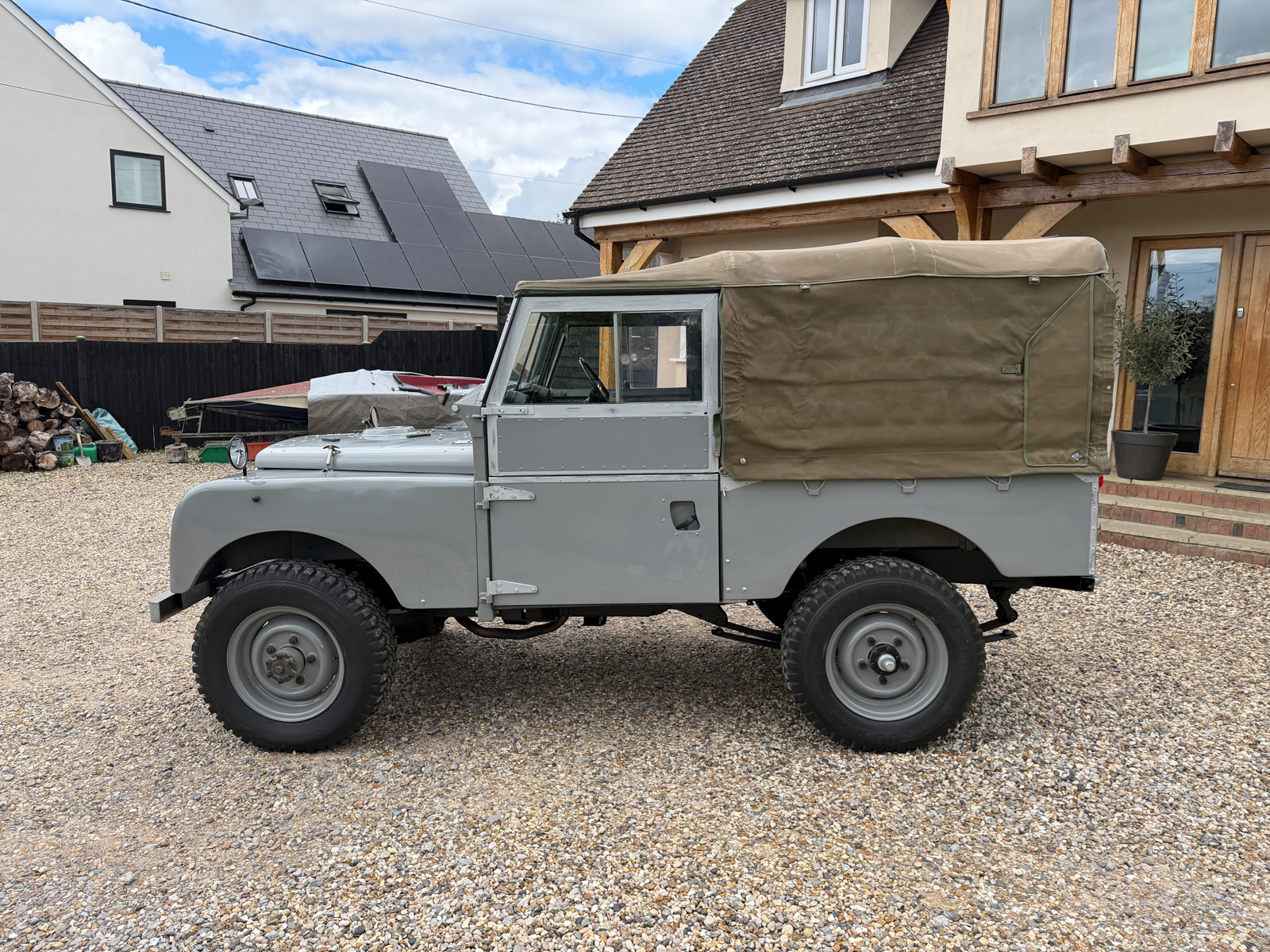
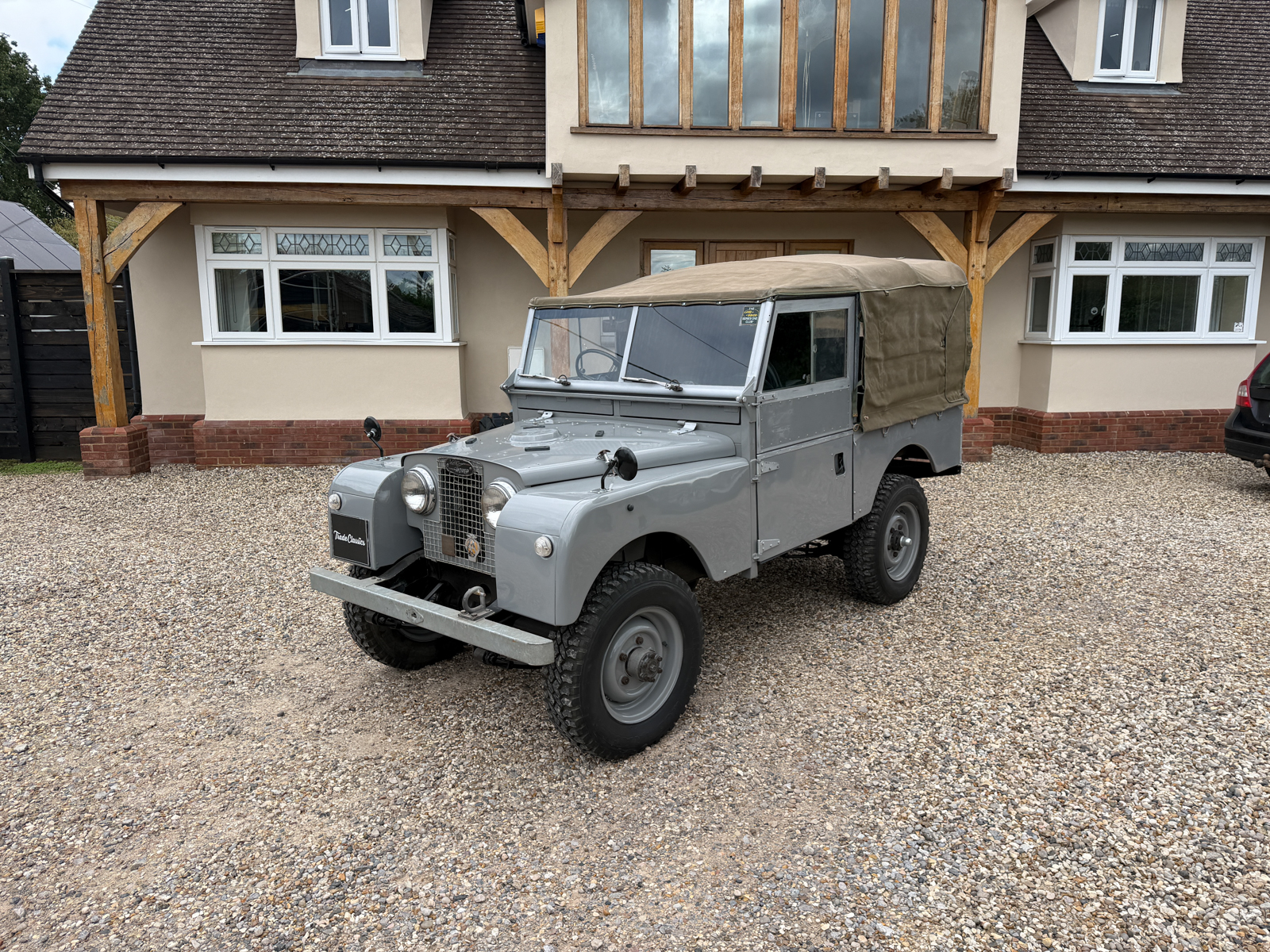
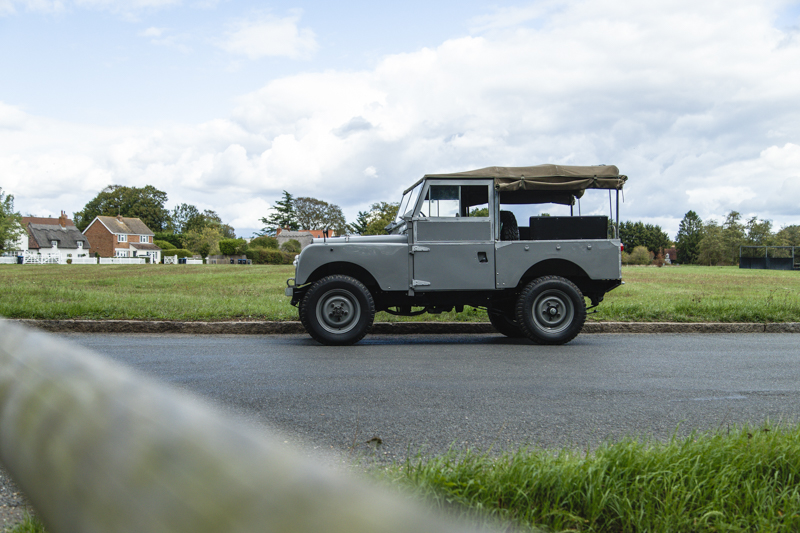
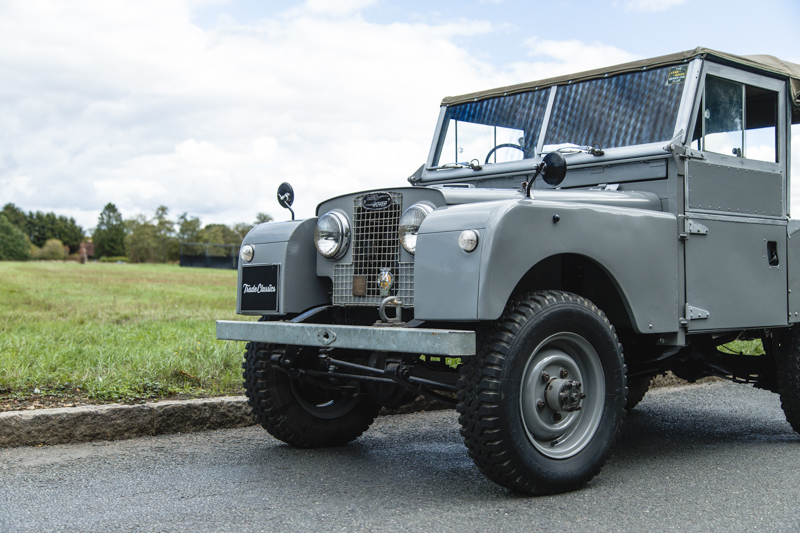
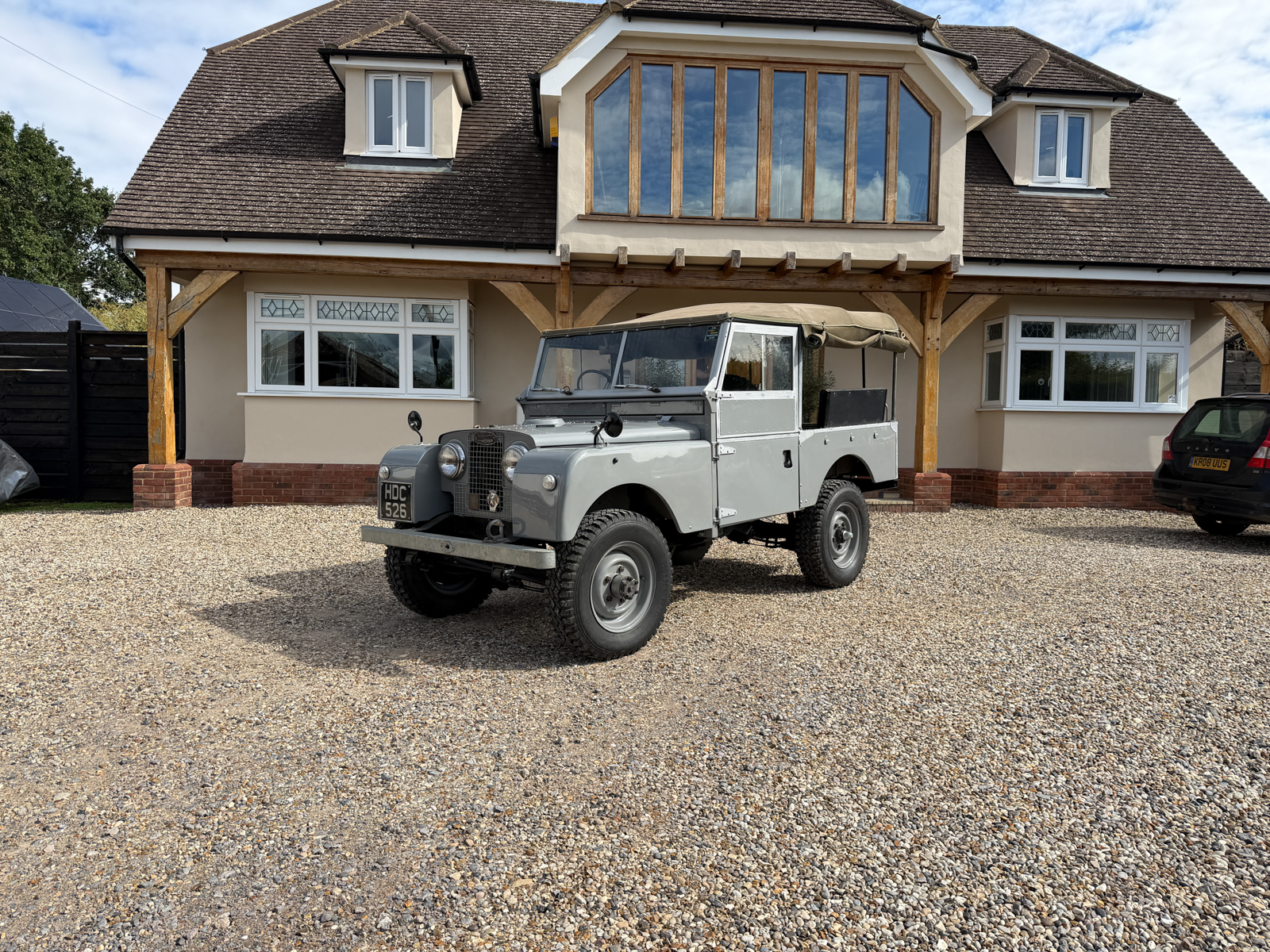
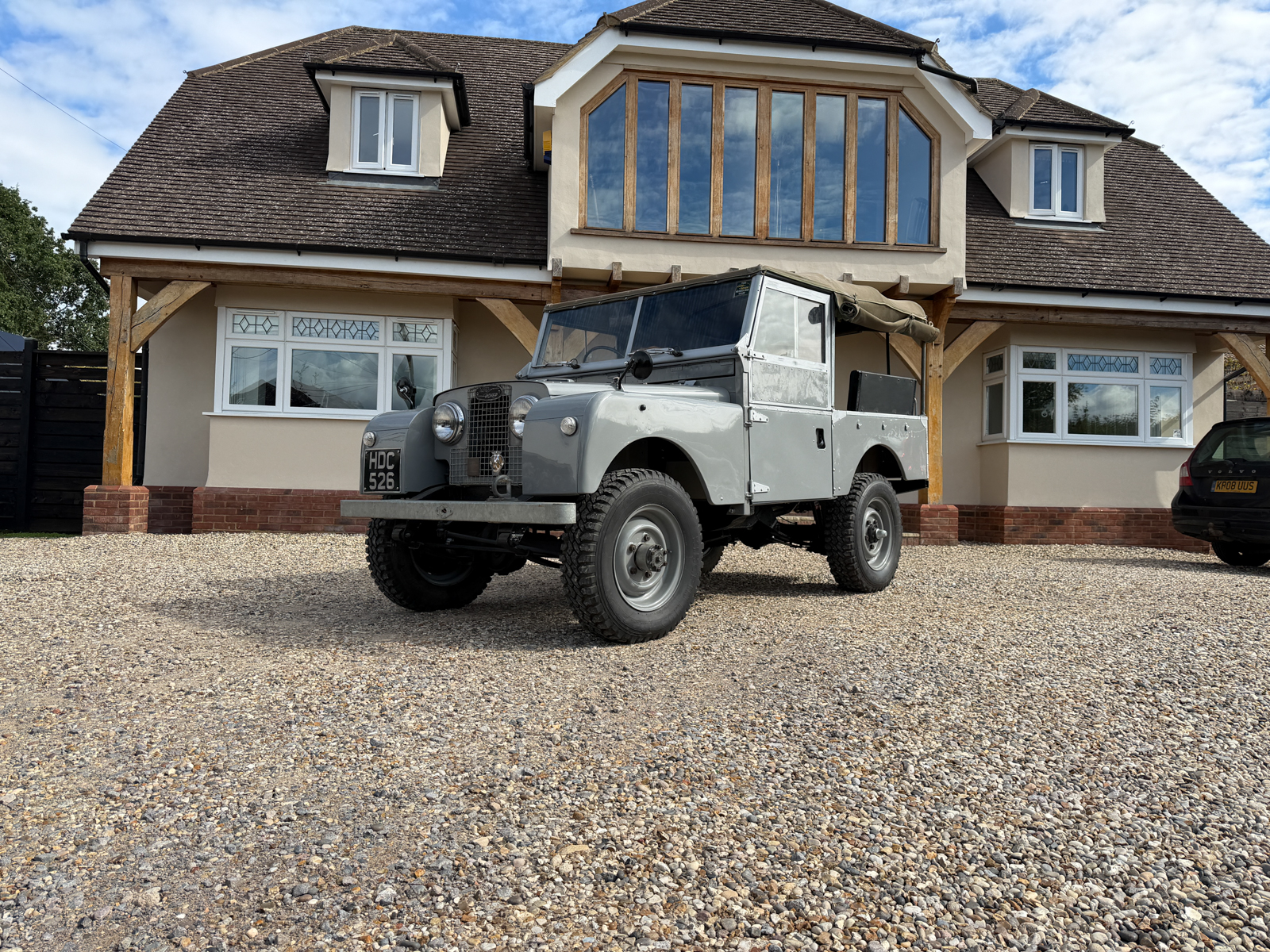
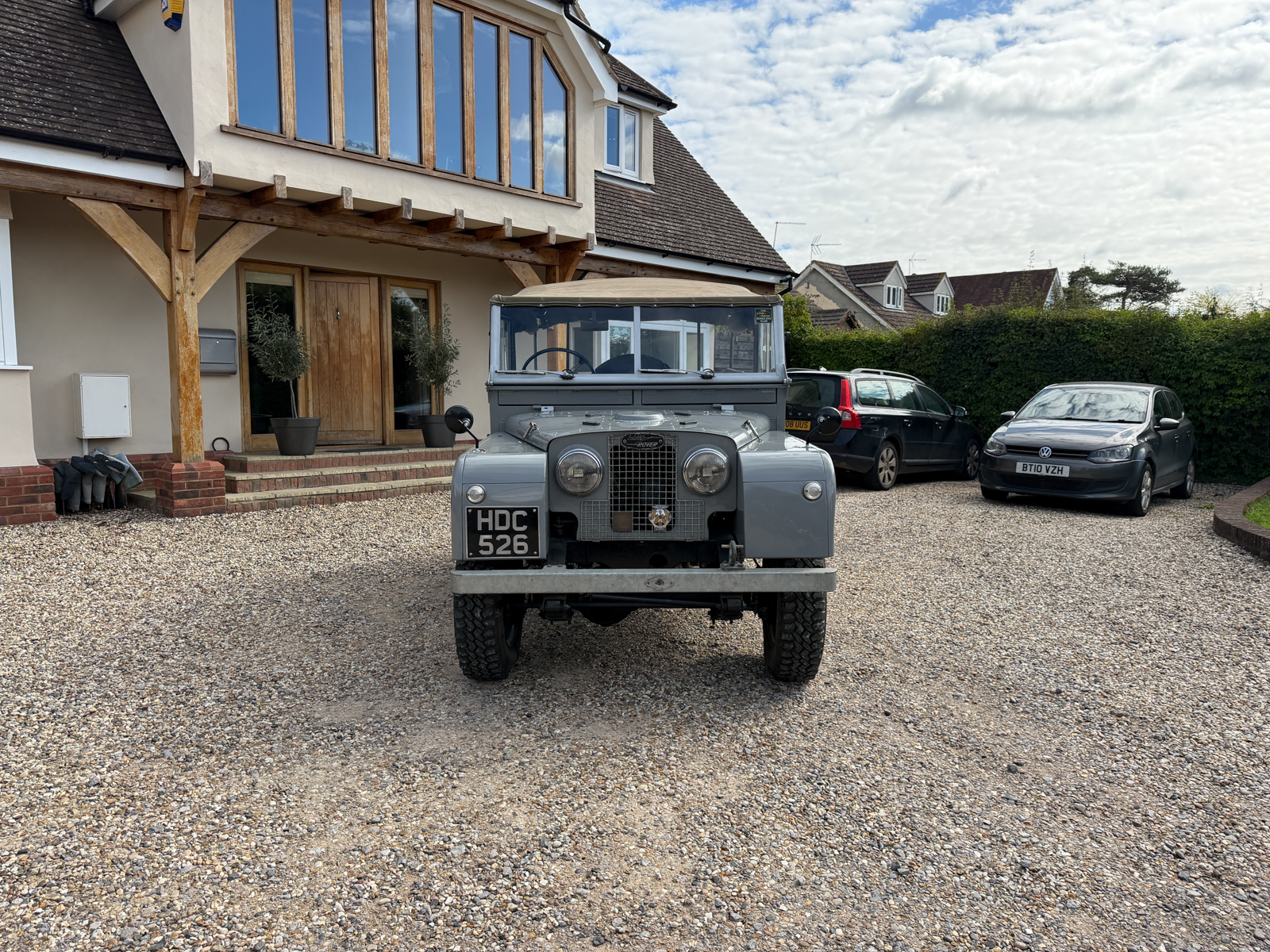
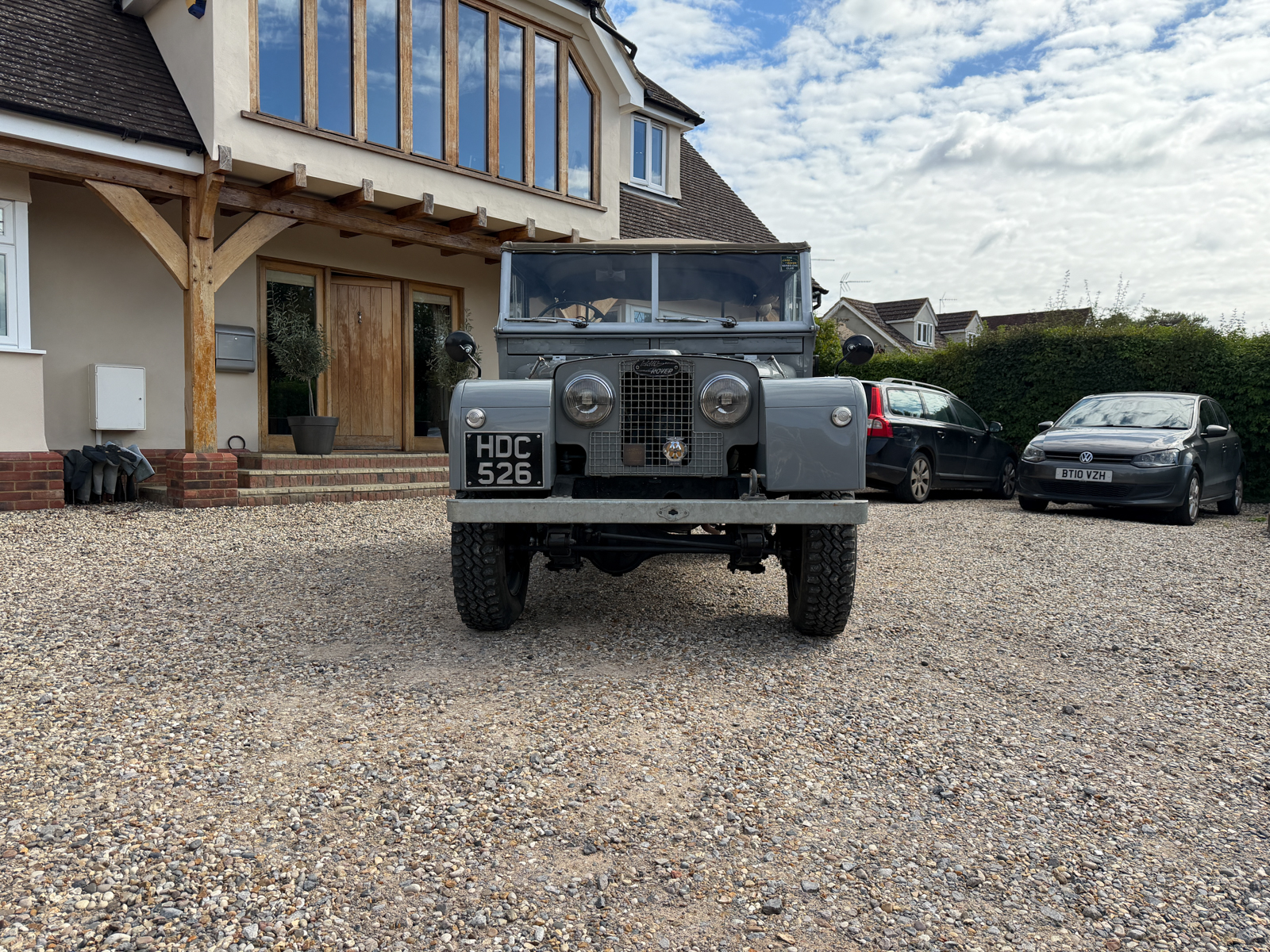
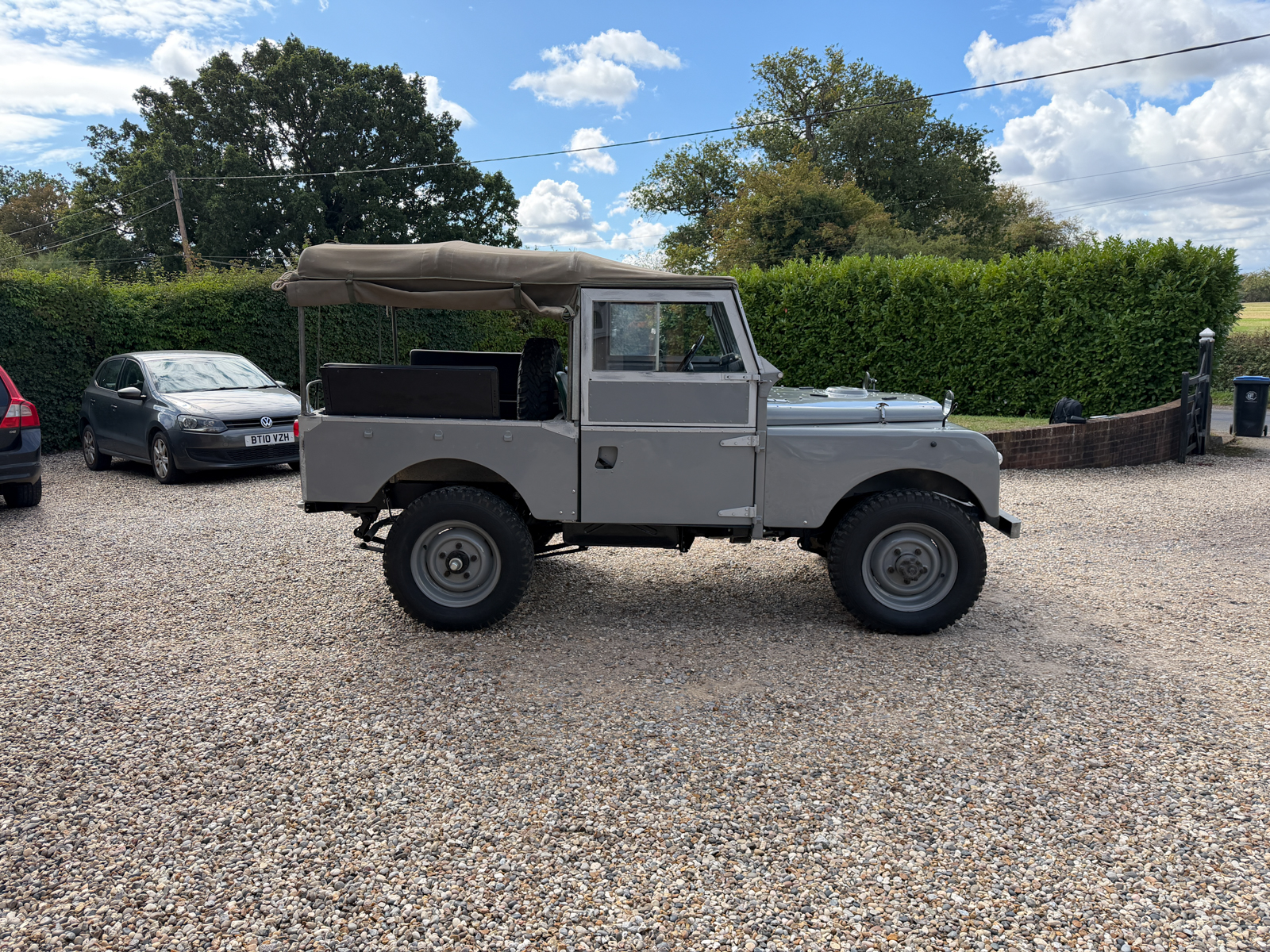
Finished in grey with a khaki canvas hood, this 88-inch Series I has a wonderfully purposeful appearance and presents to an impressive standard.

Wheels and Tyres

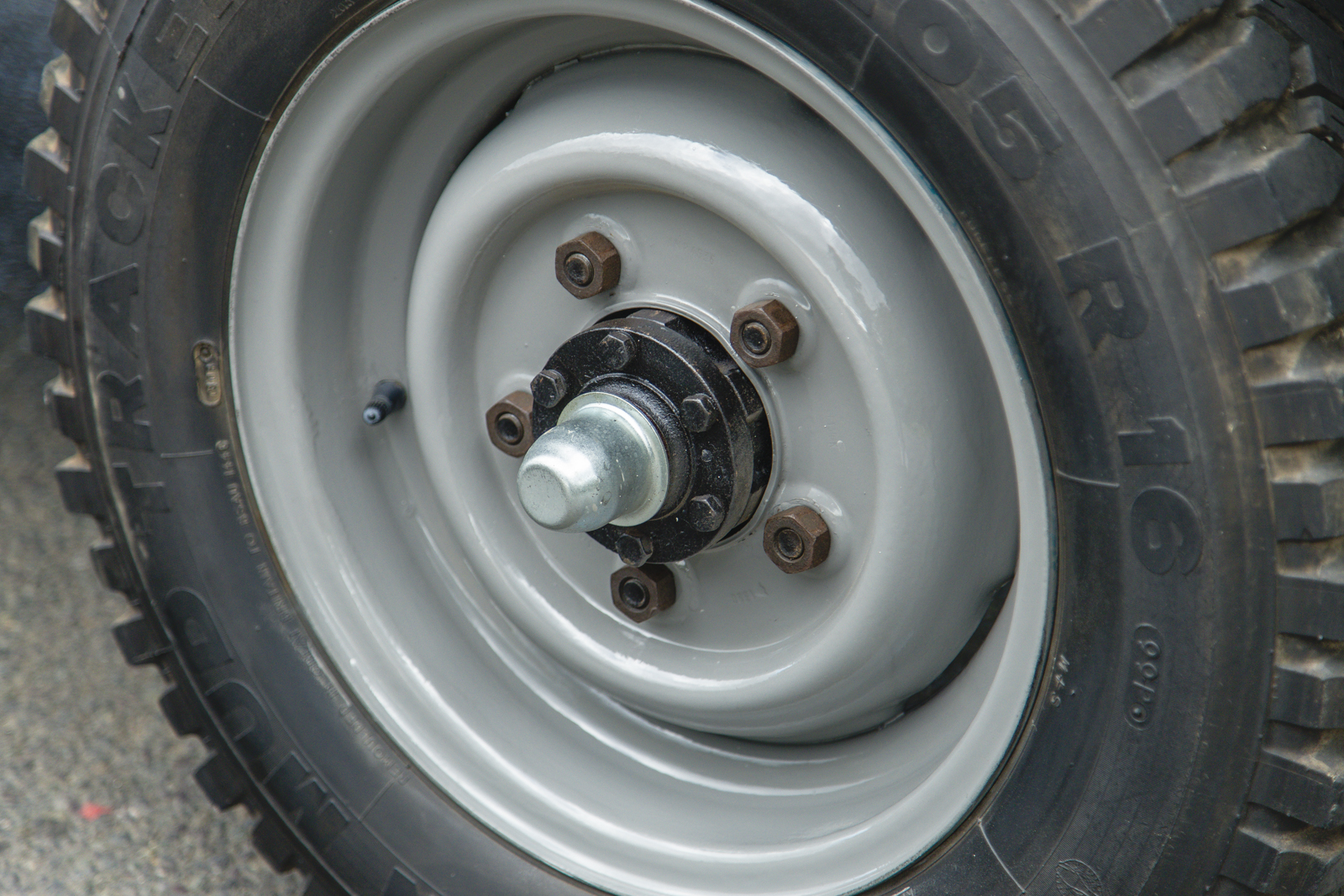
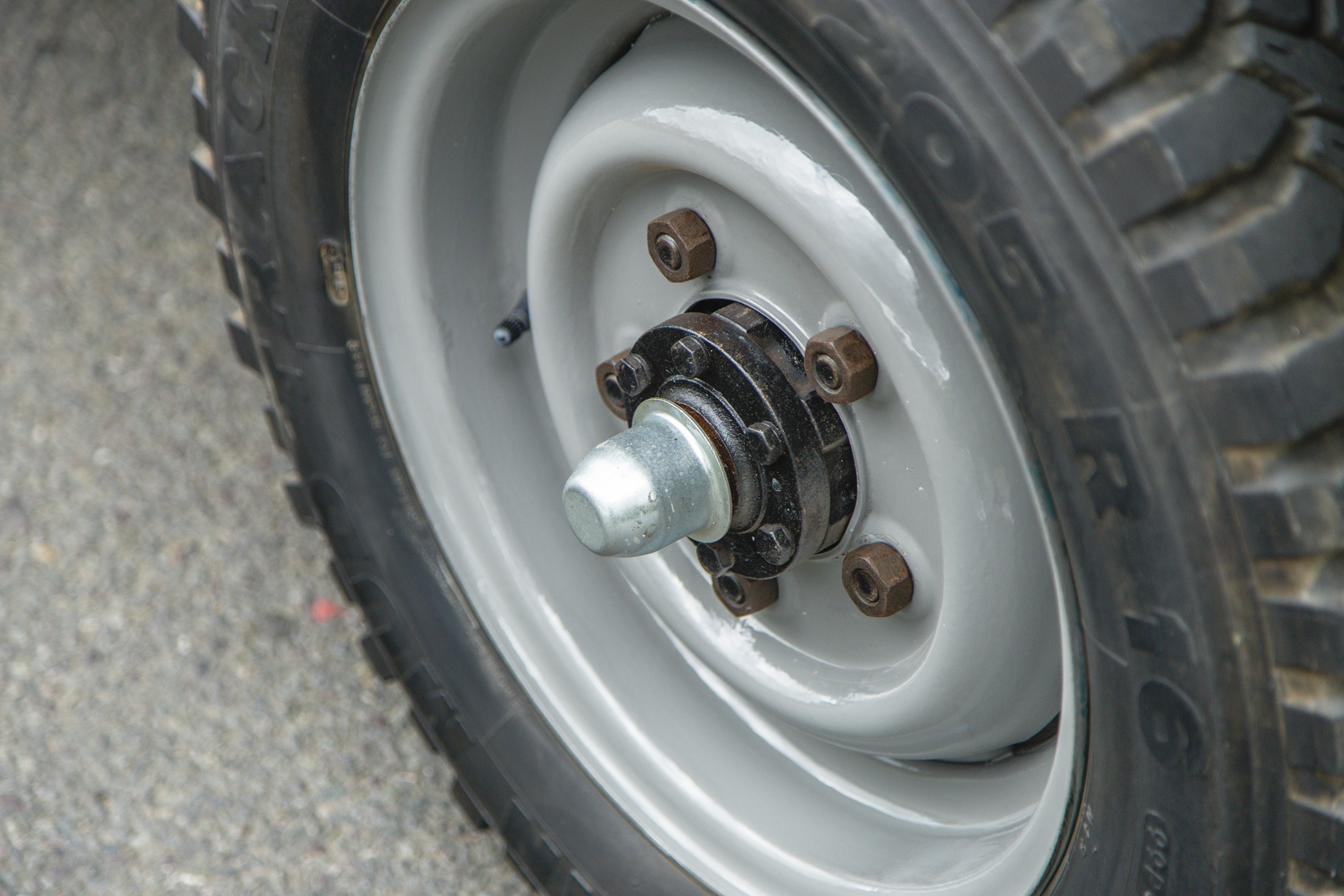
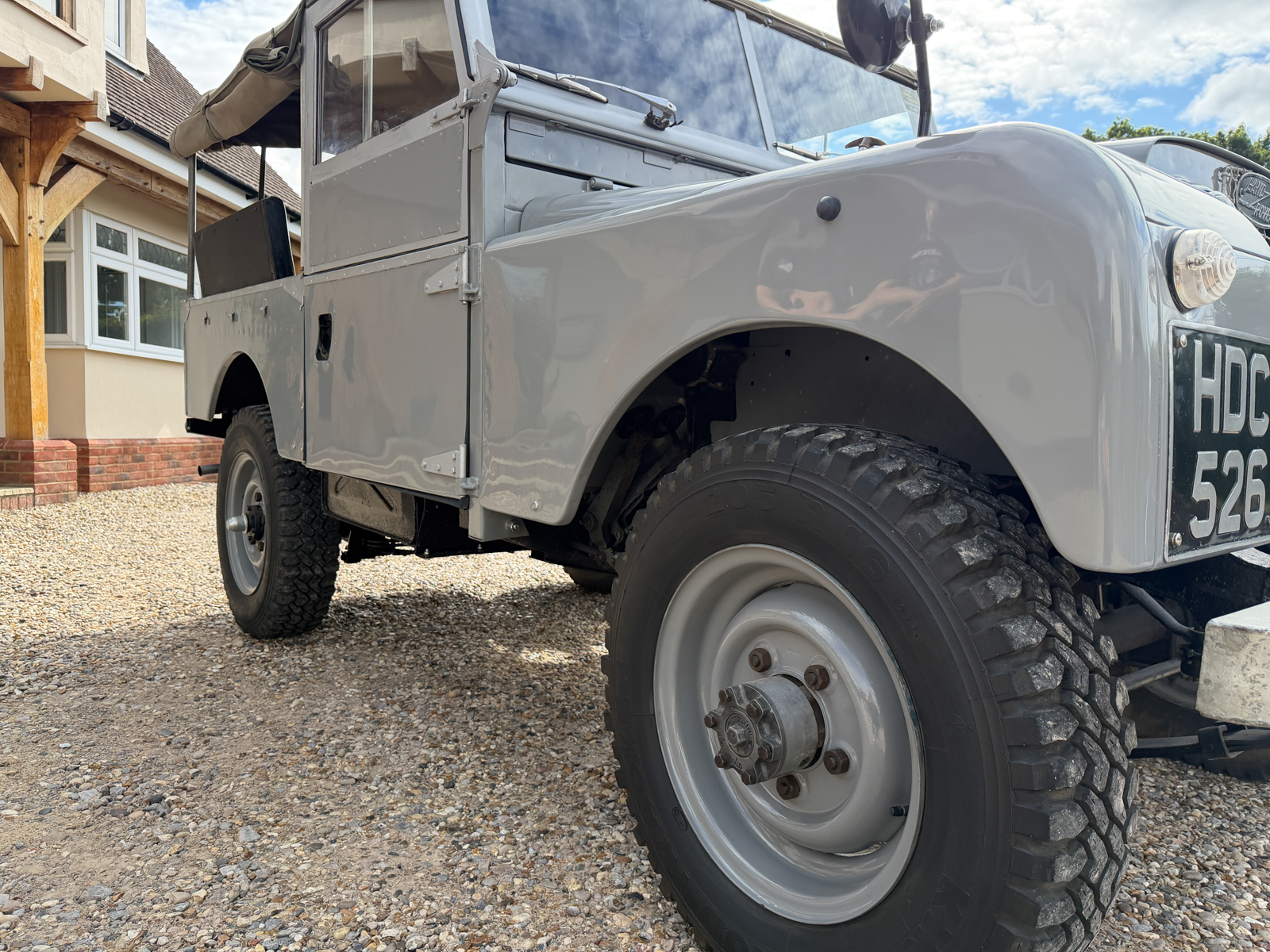
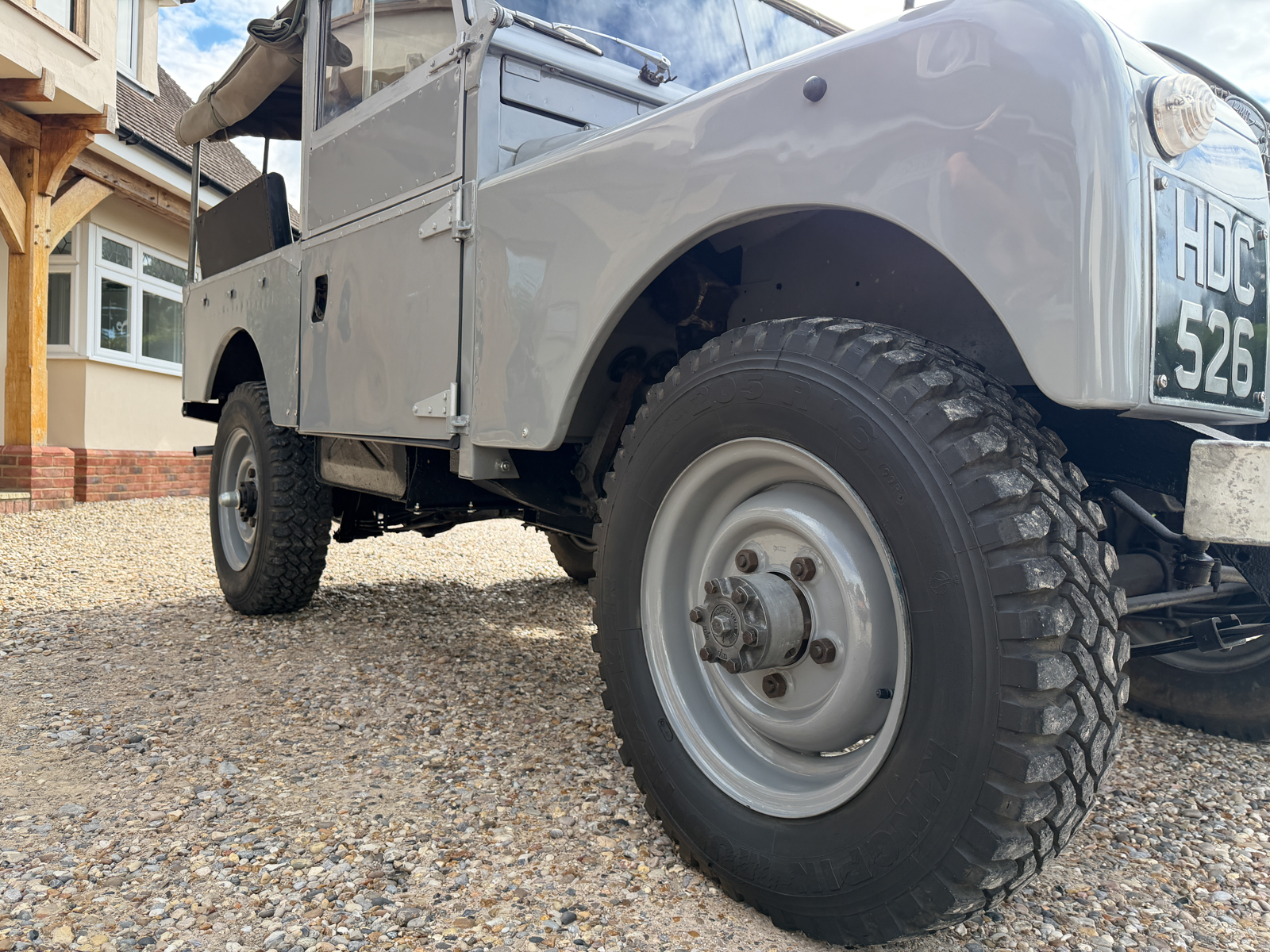
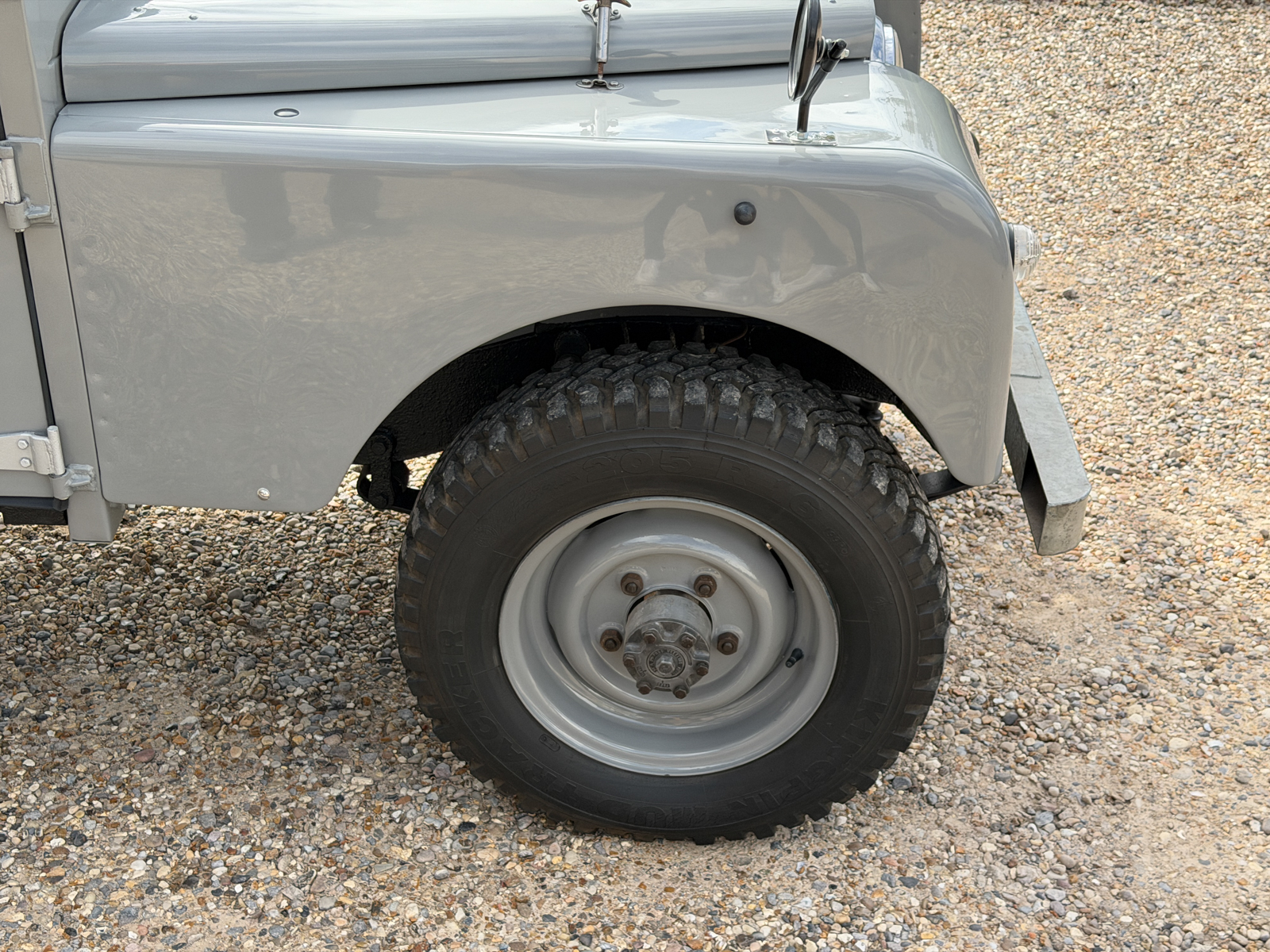
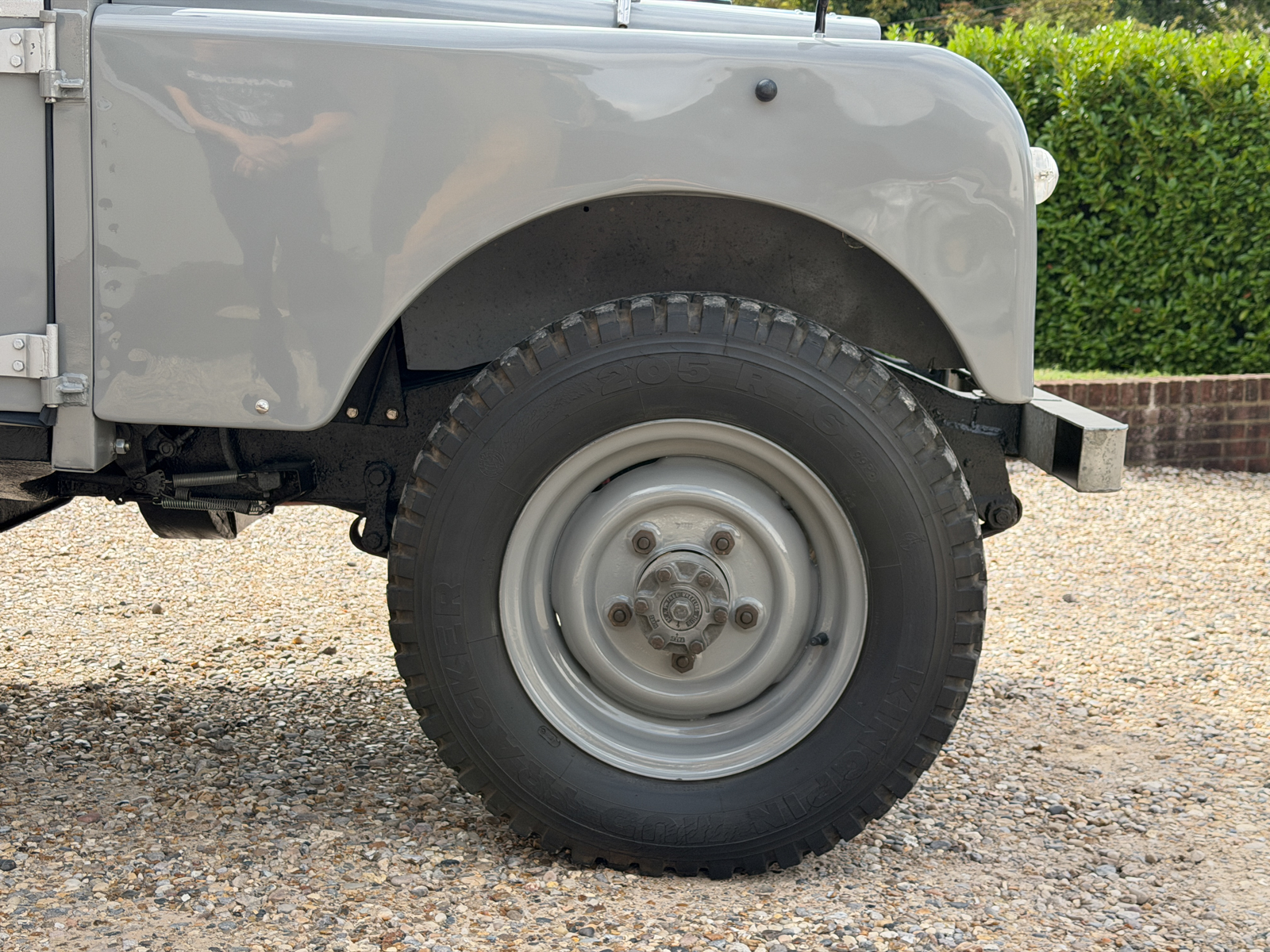
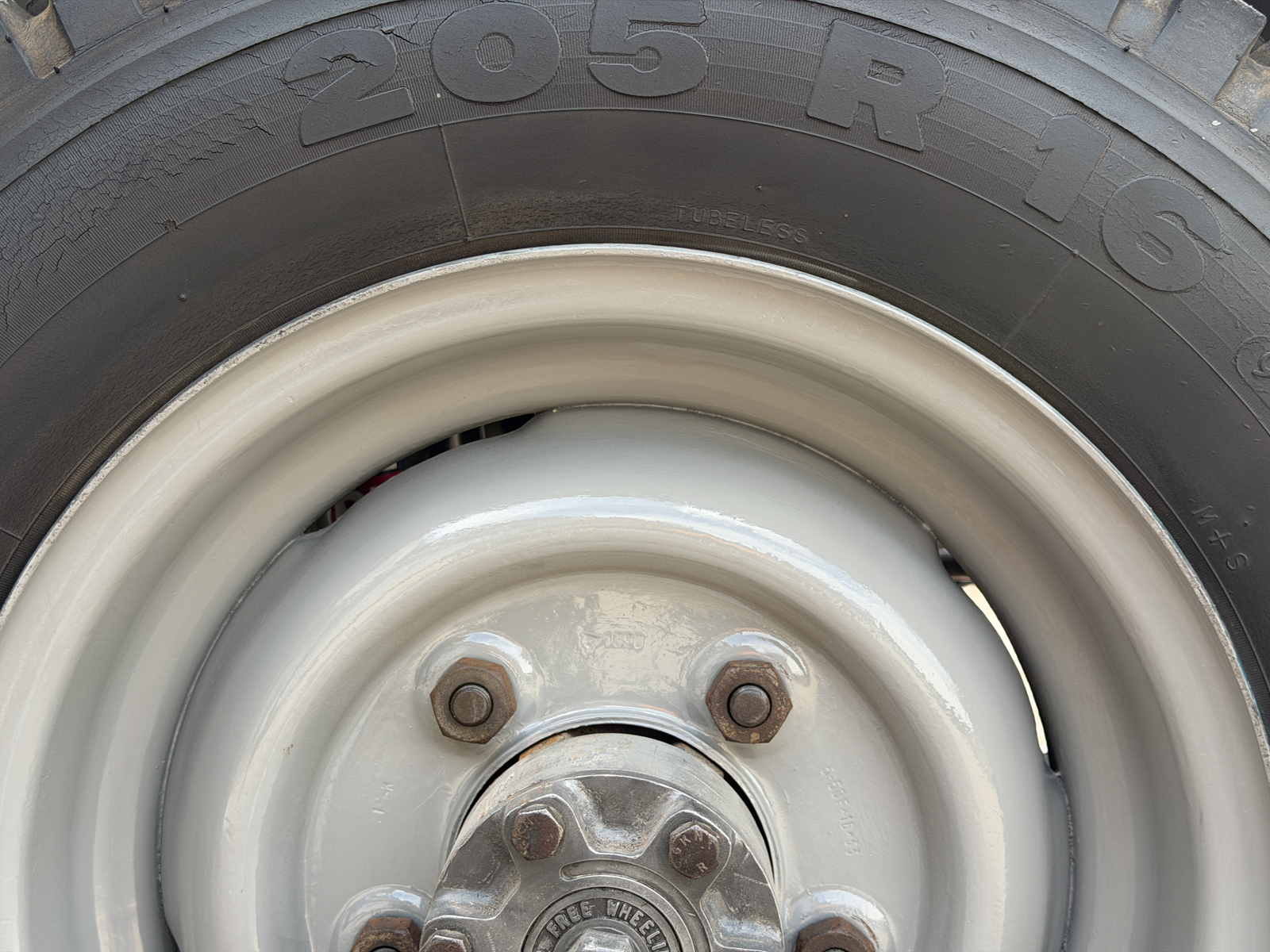
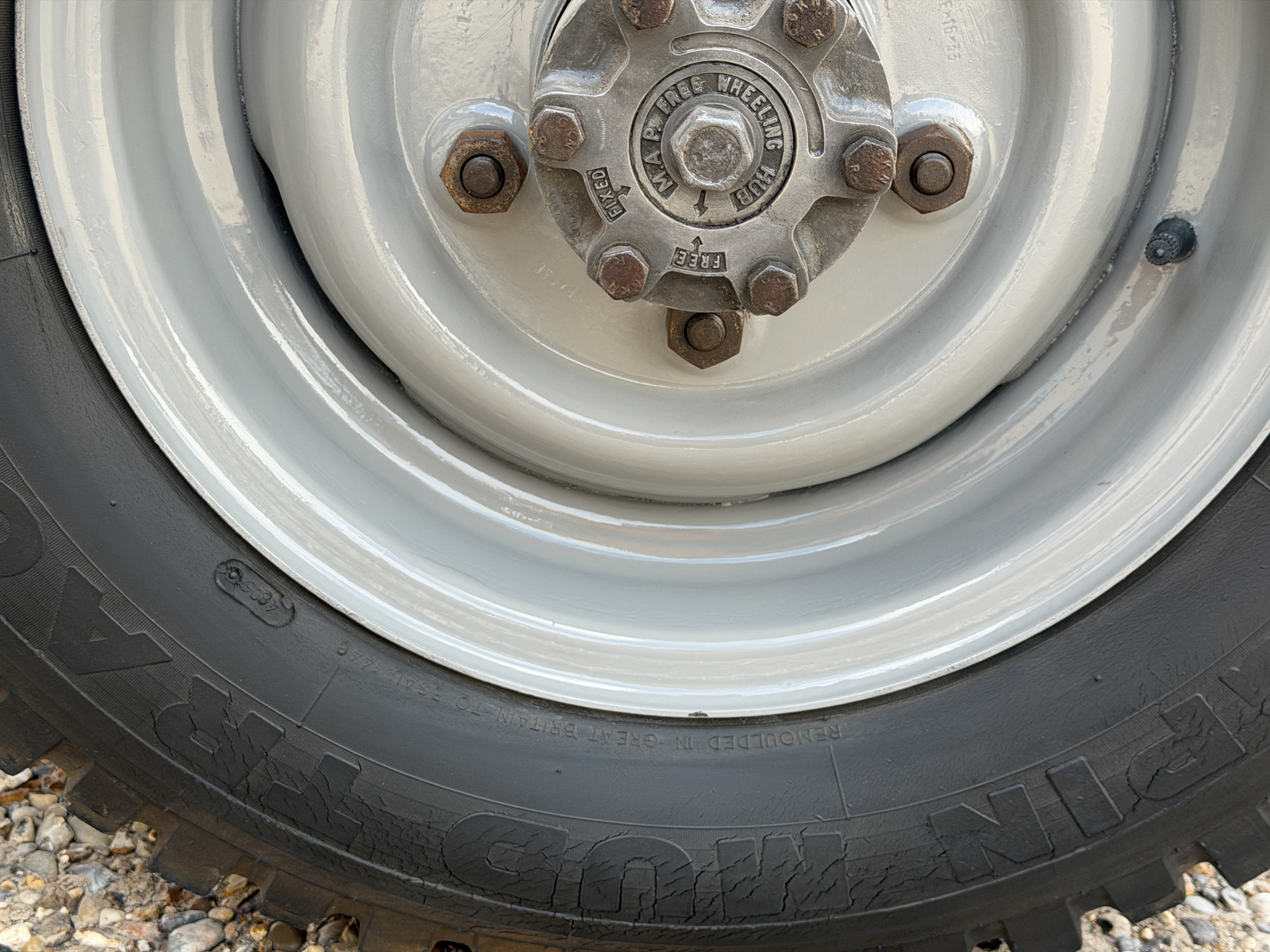
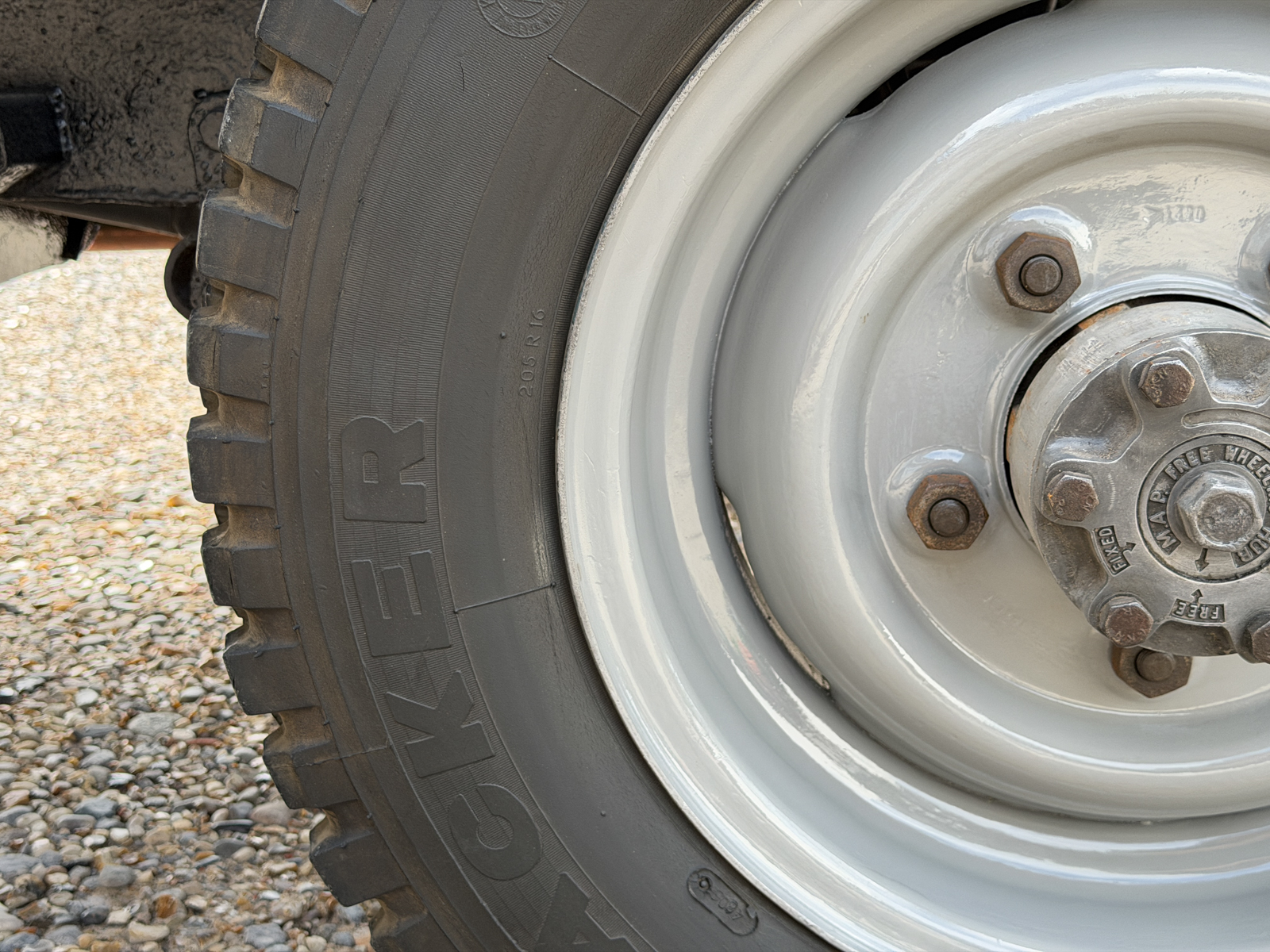
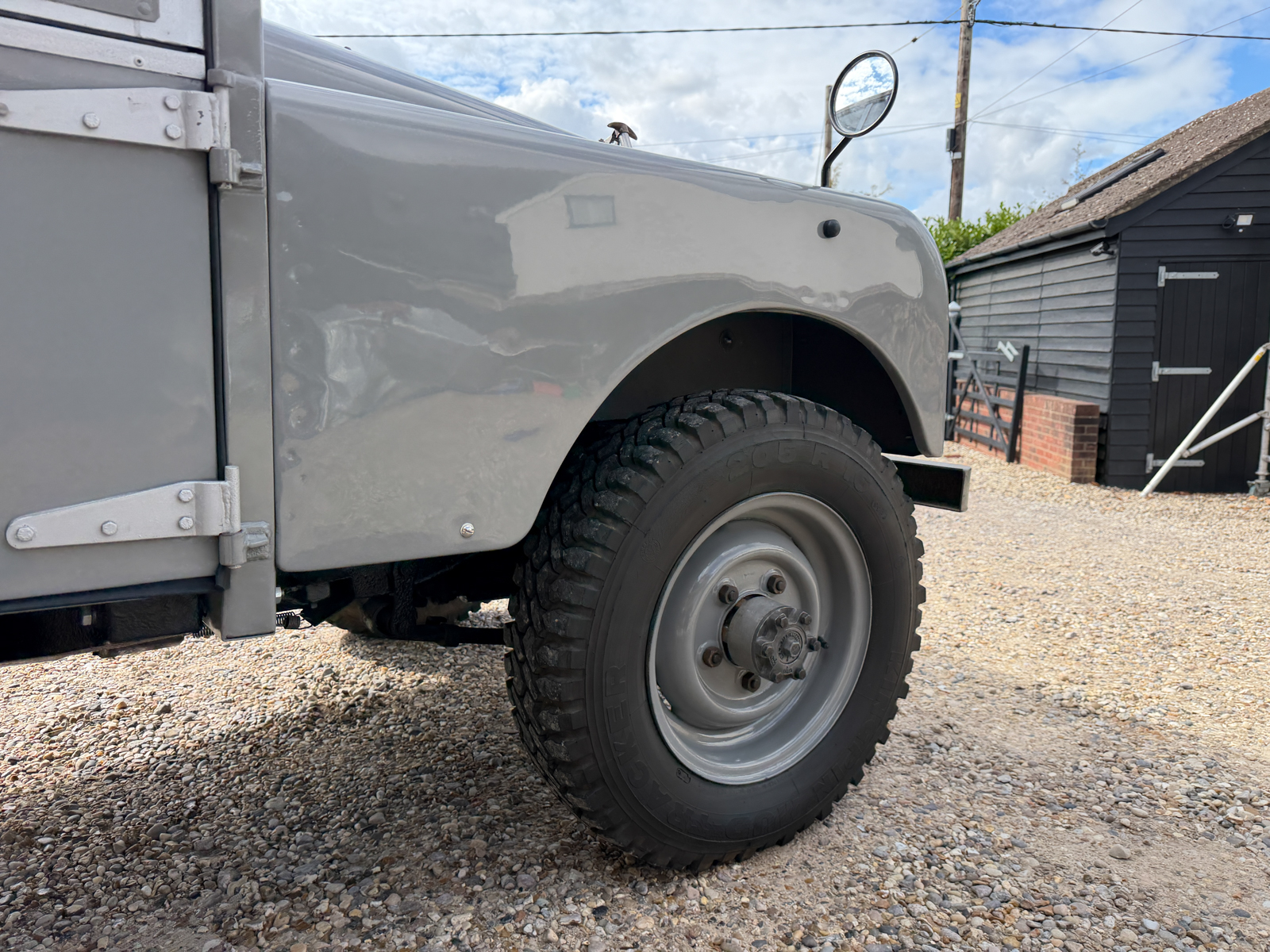
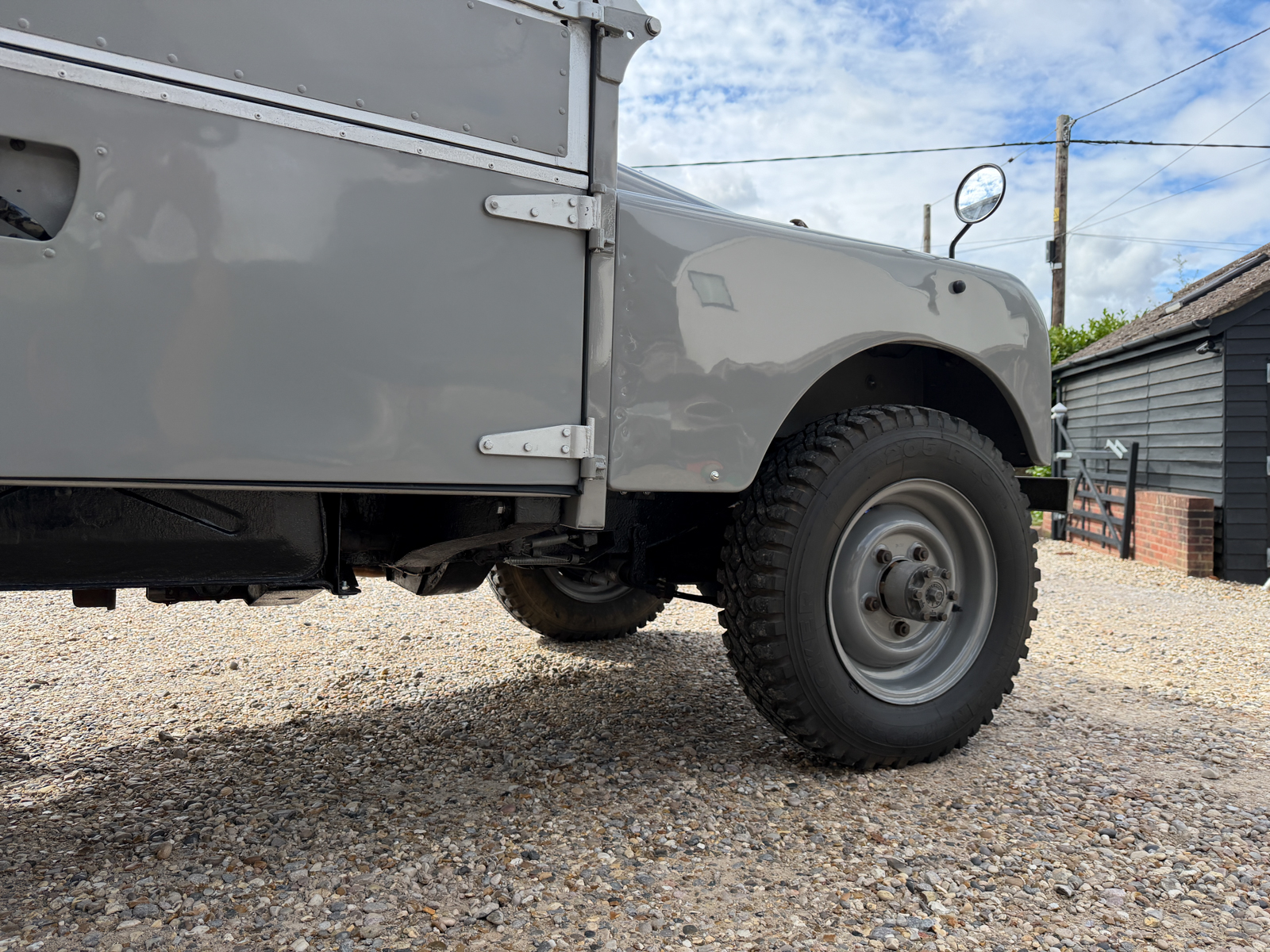
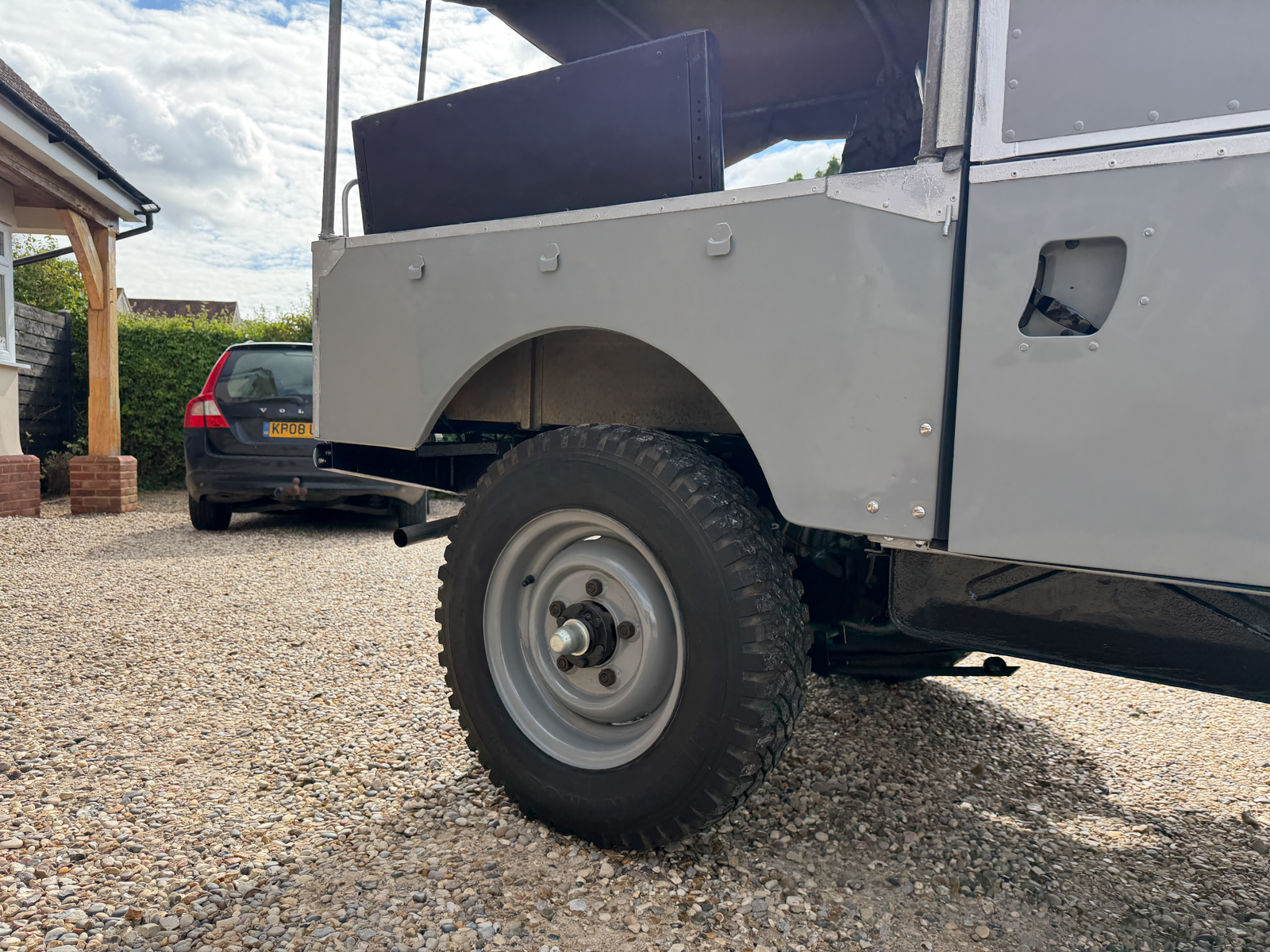
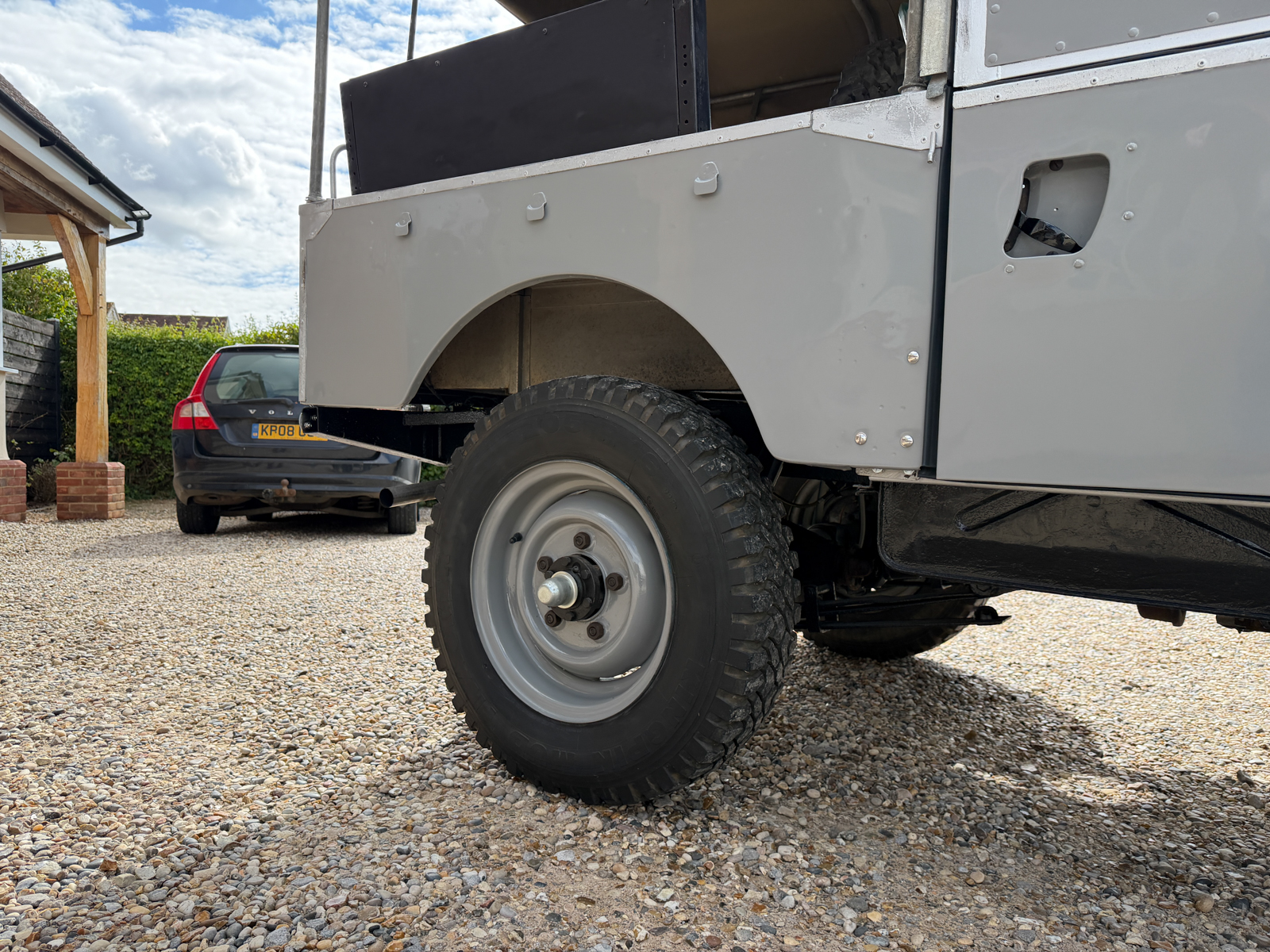
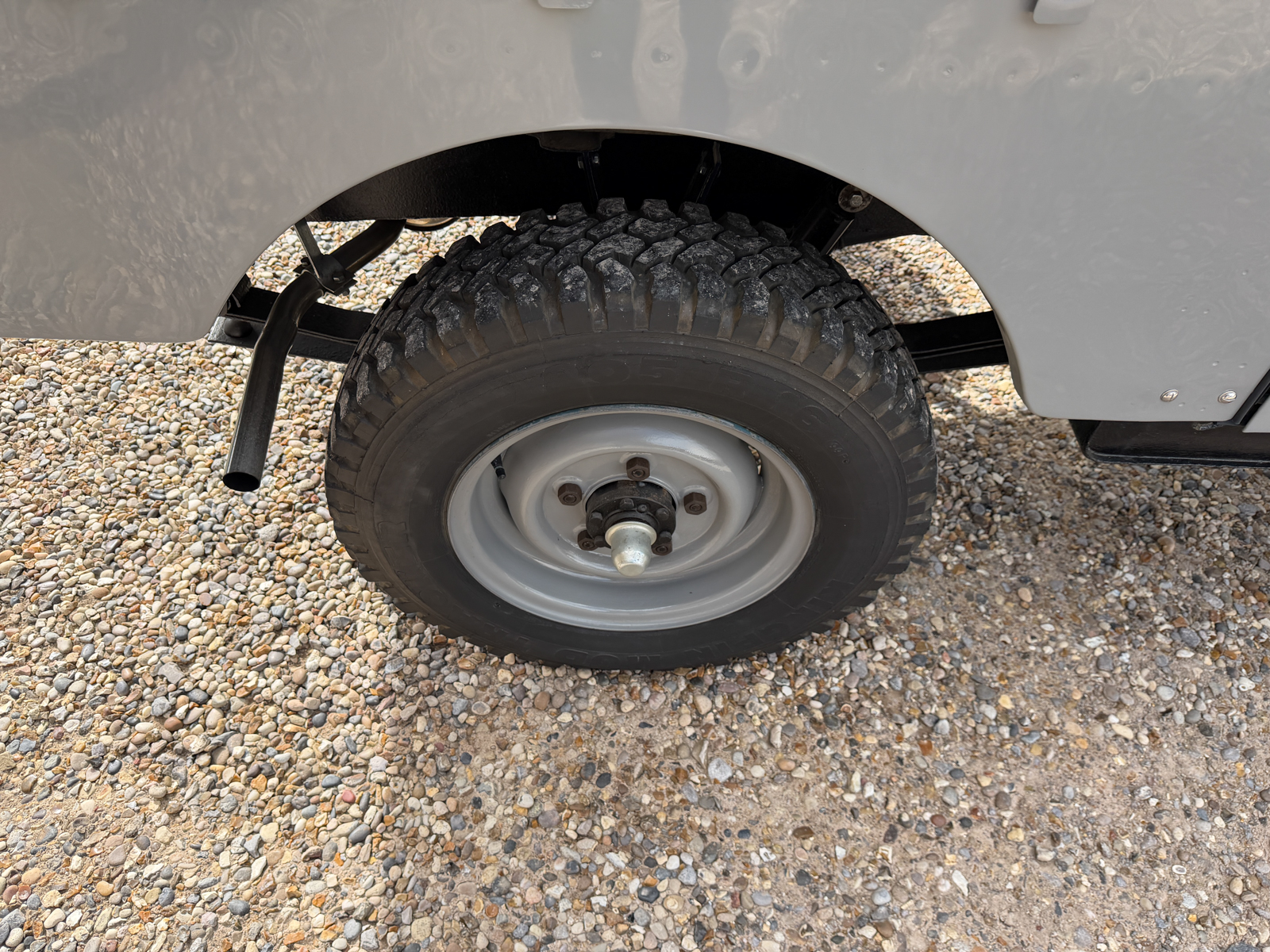
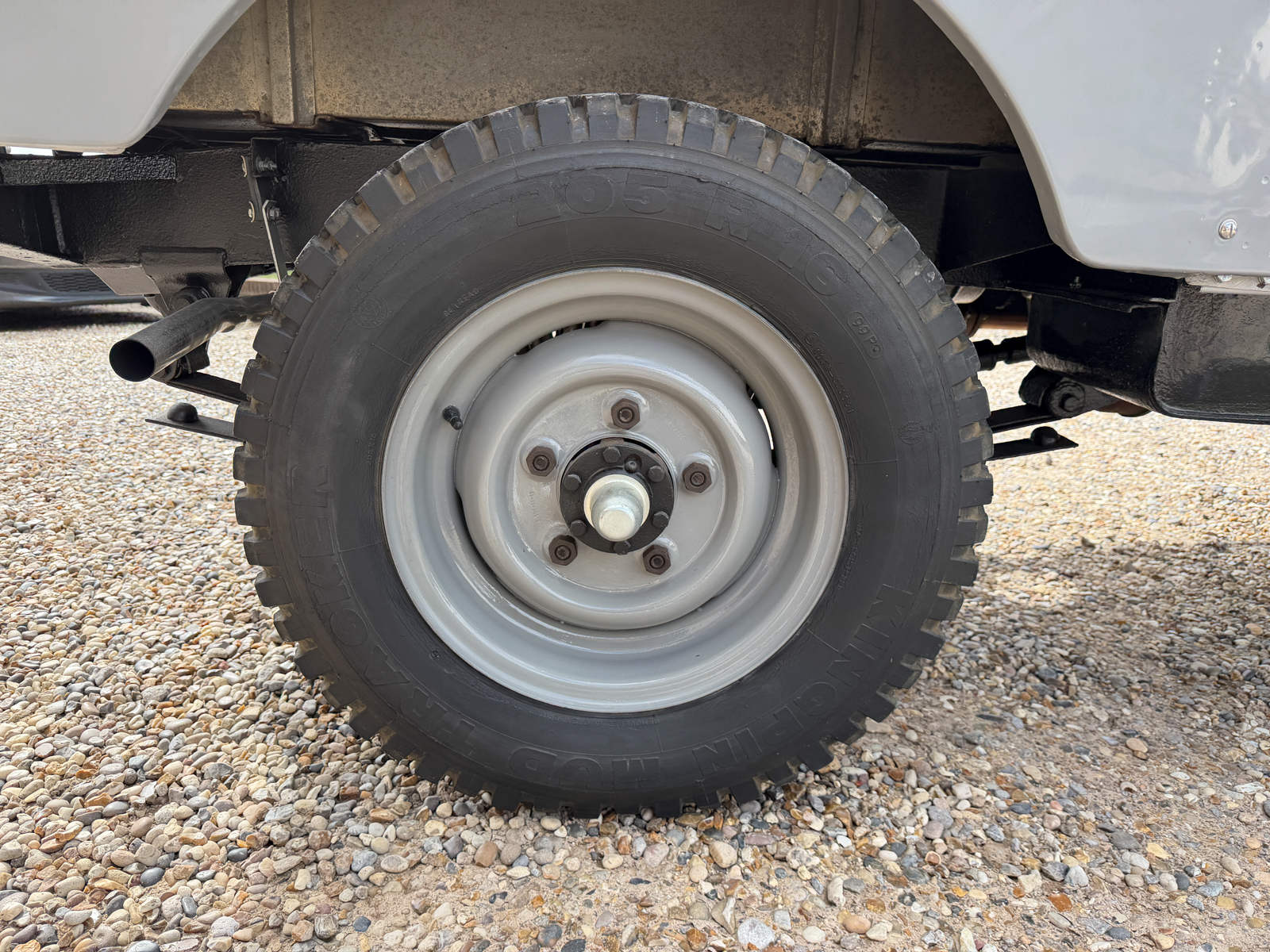
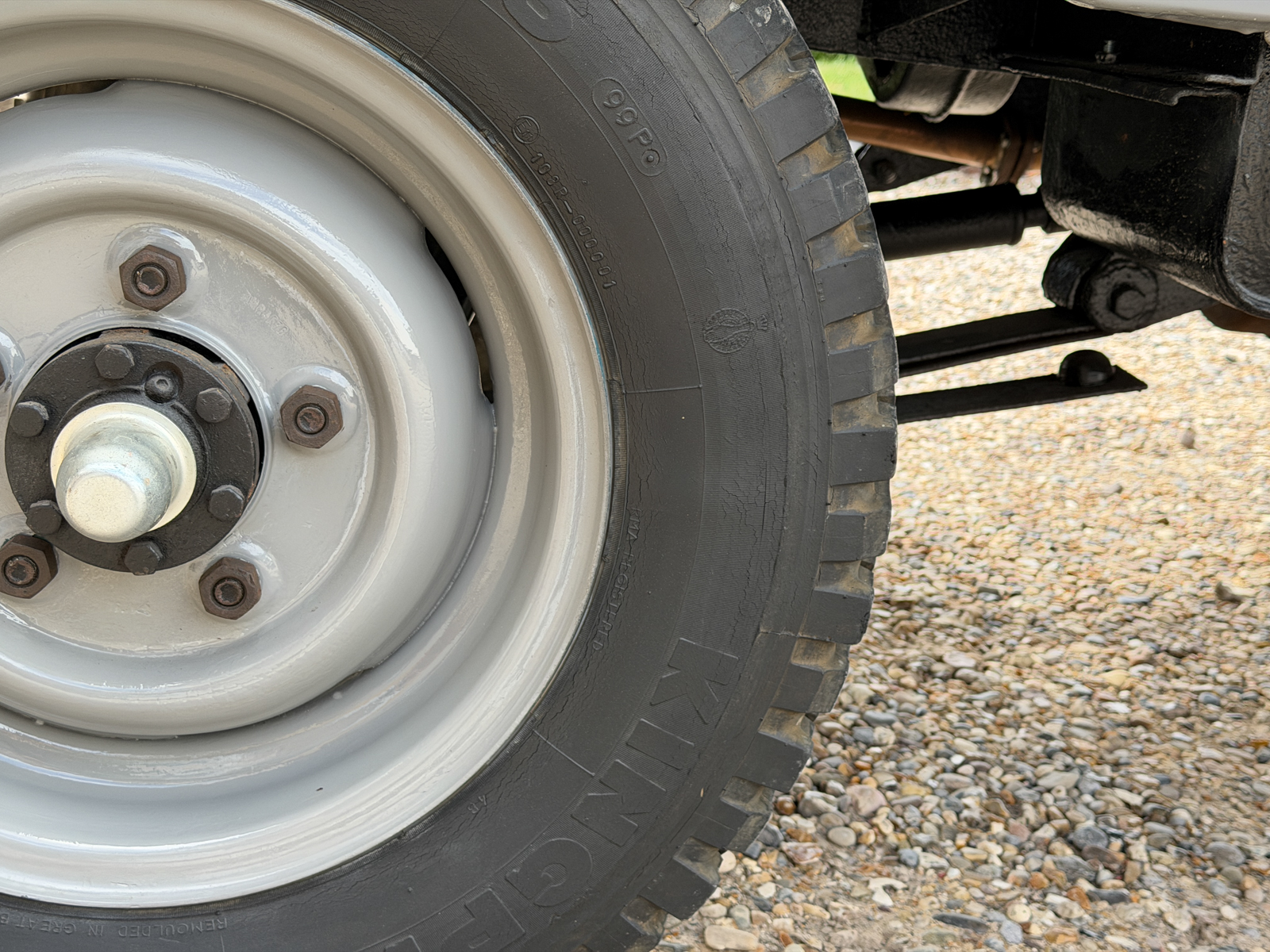
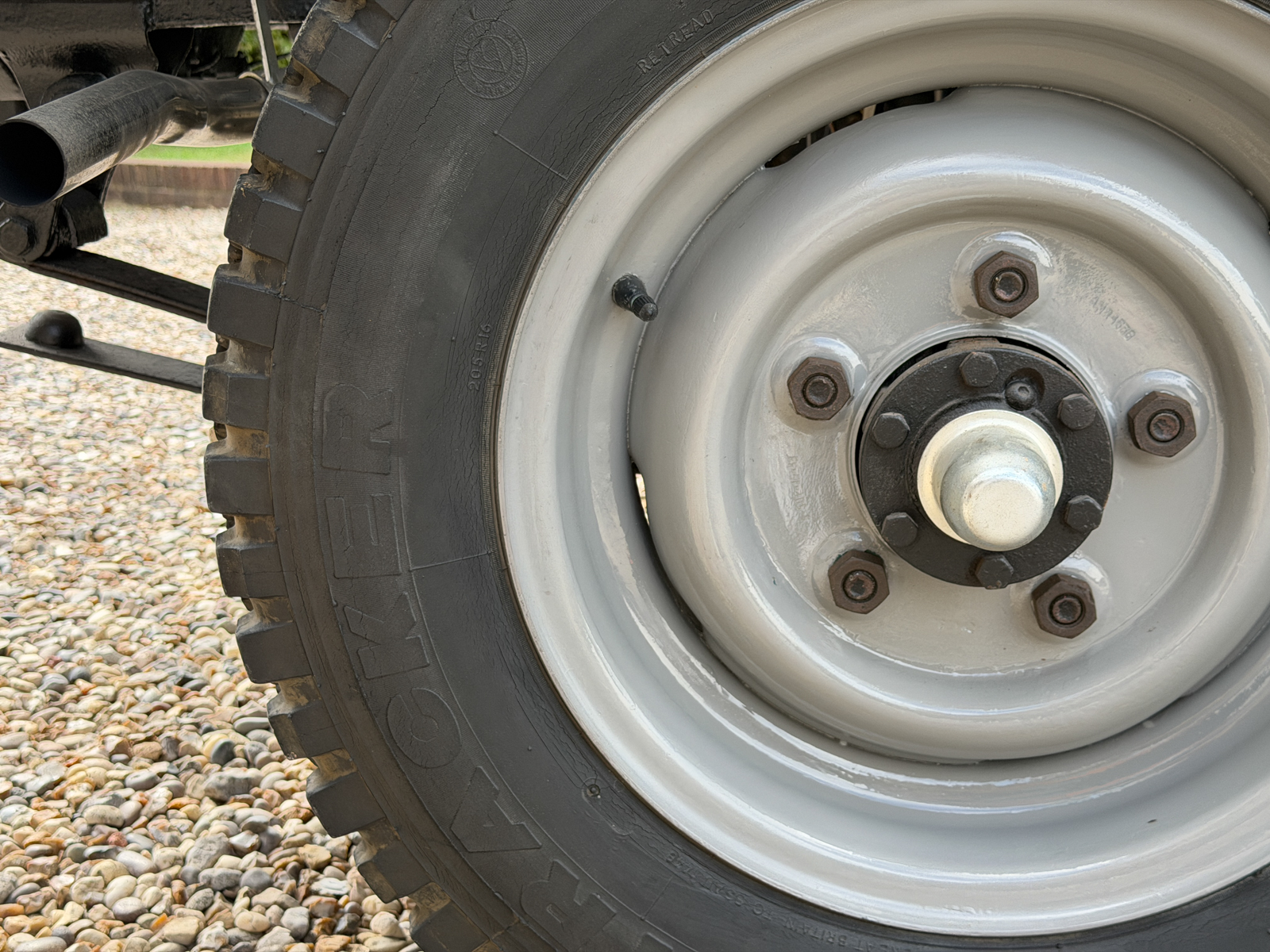
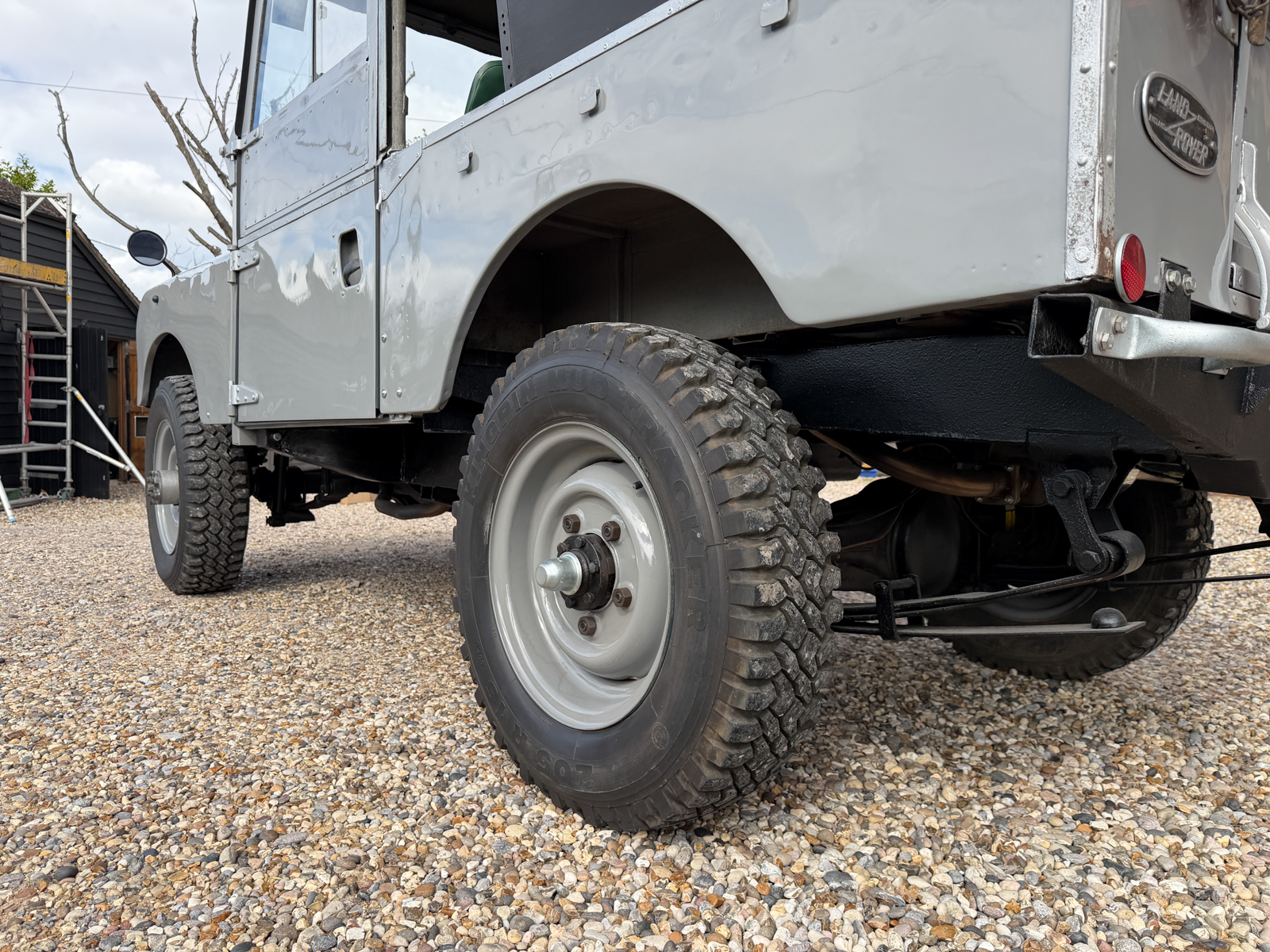
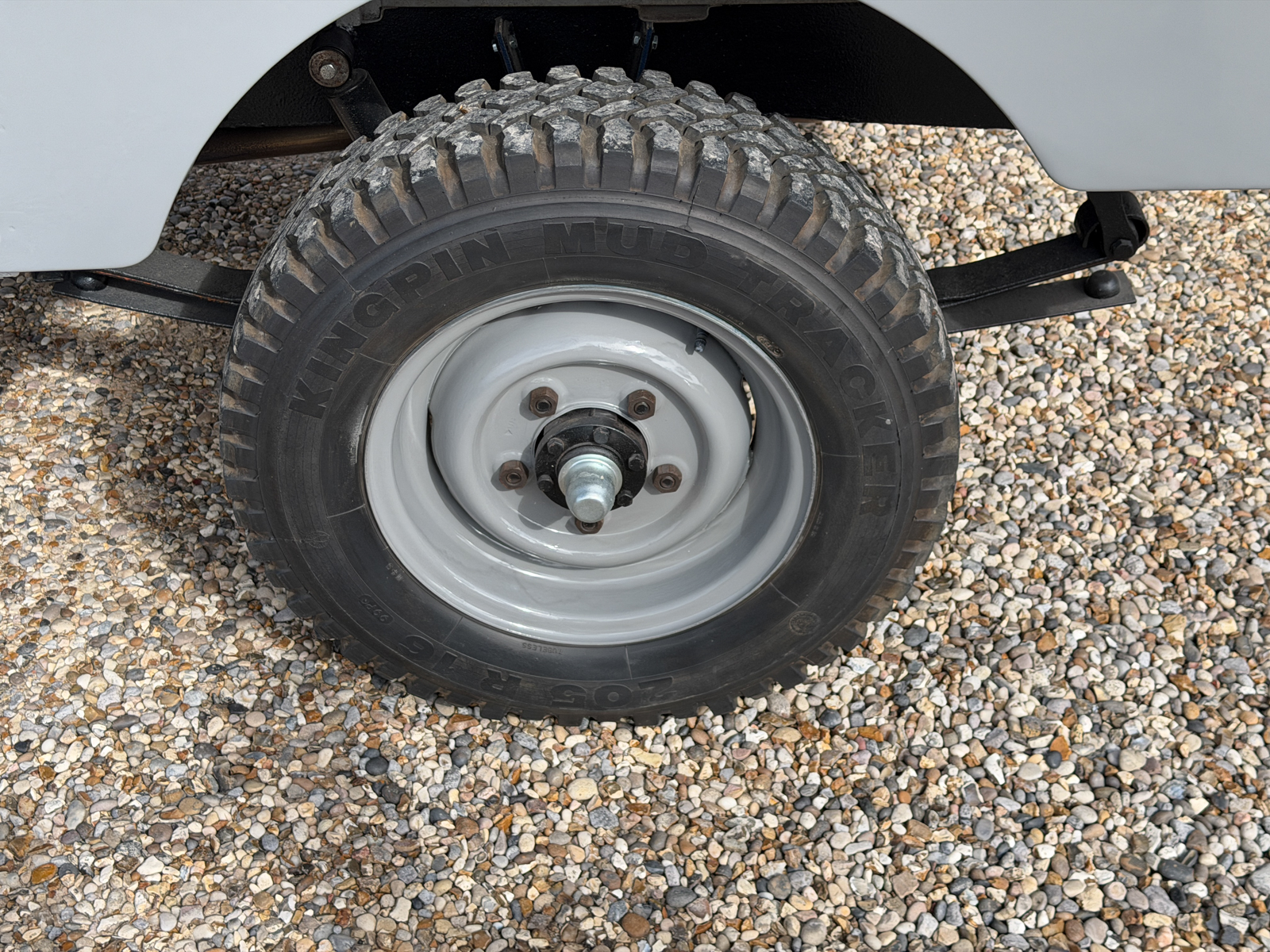
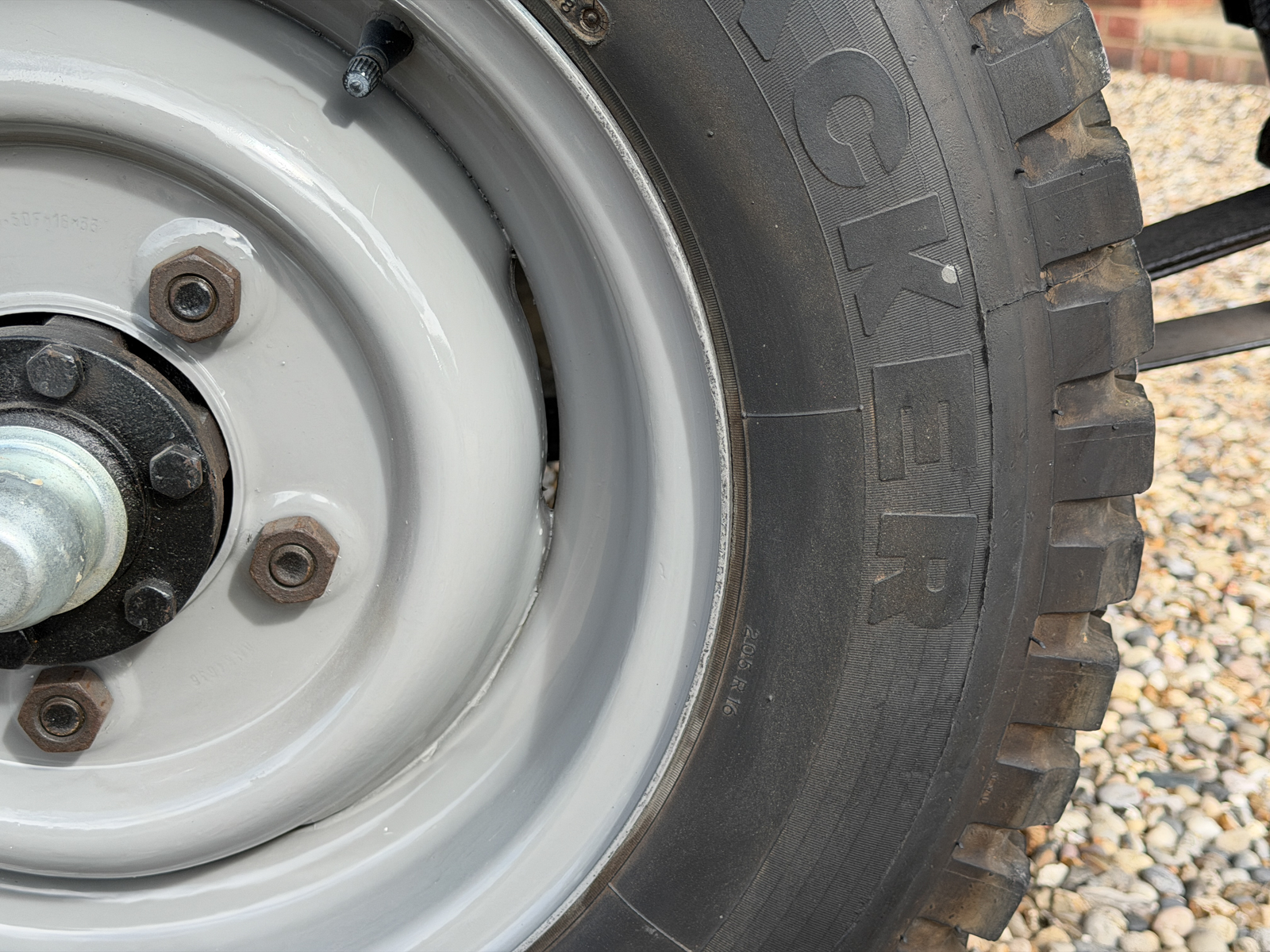
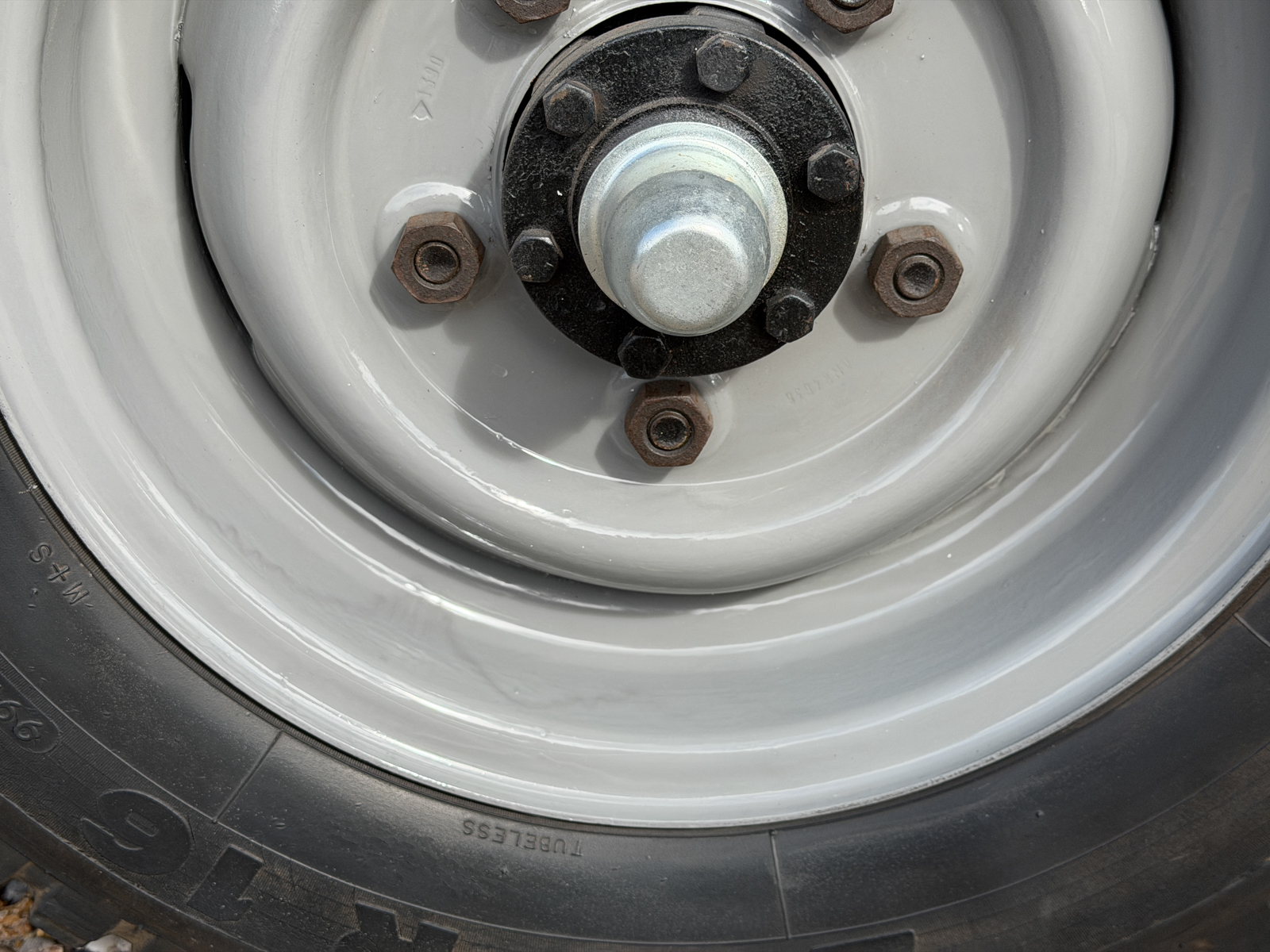
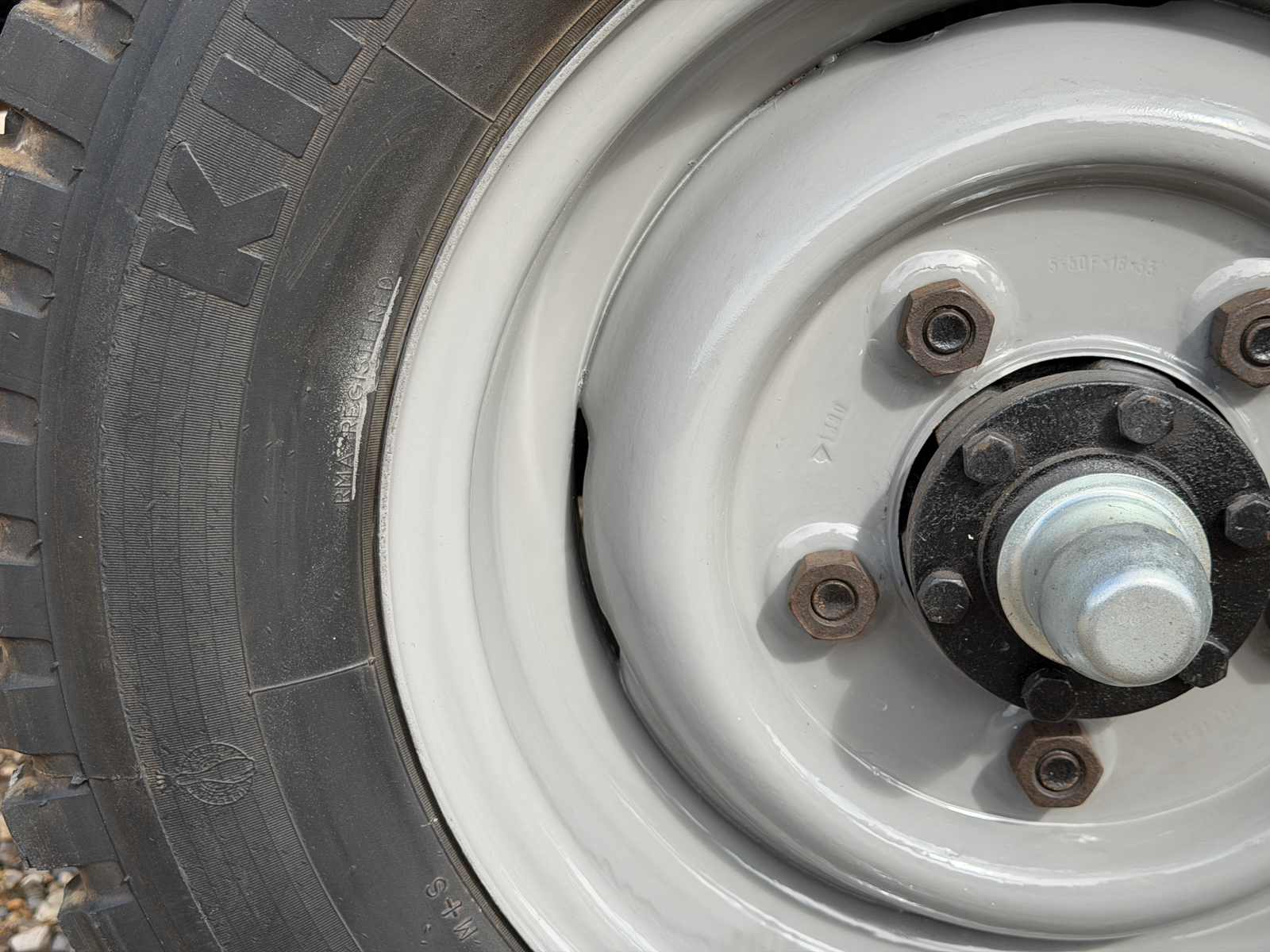
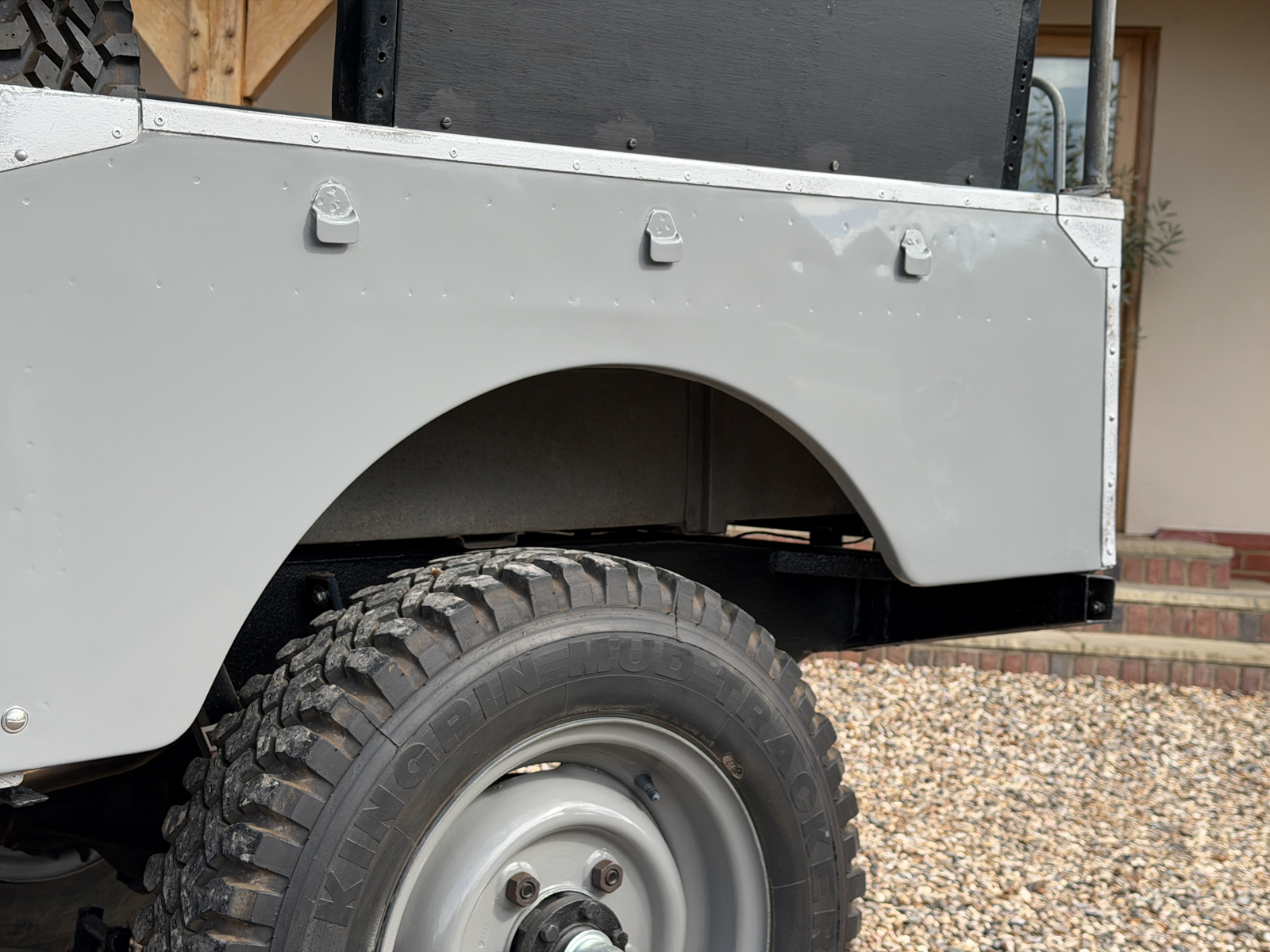
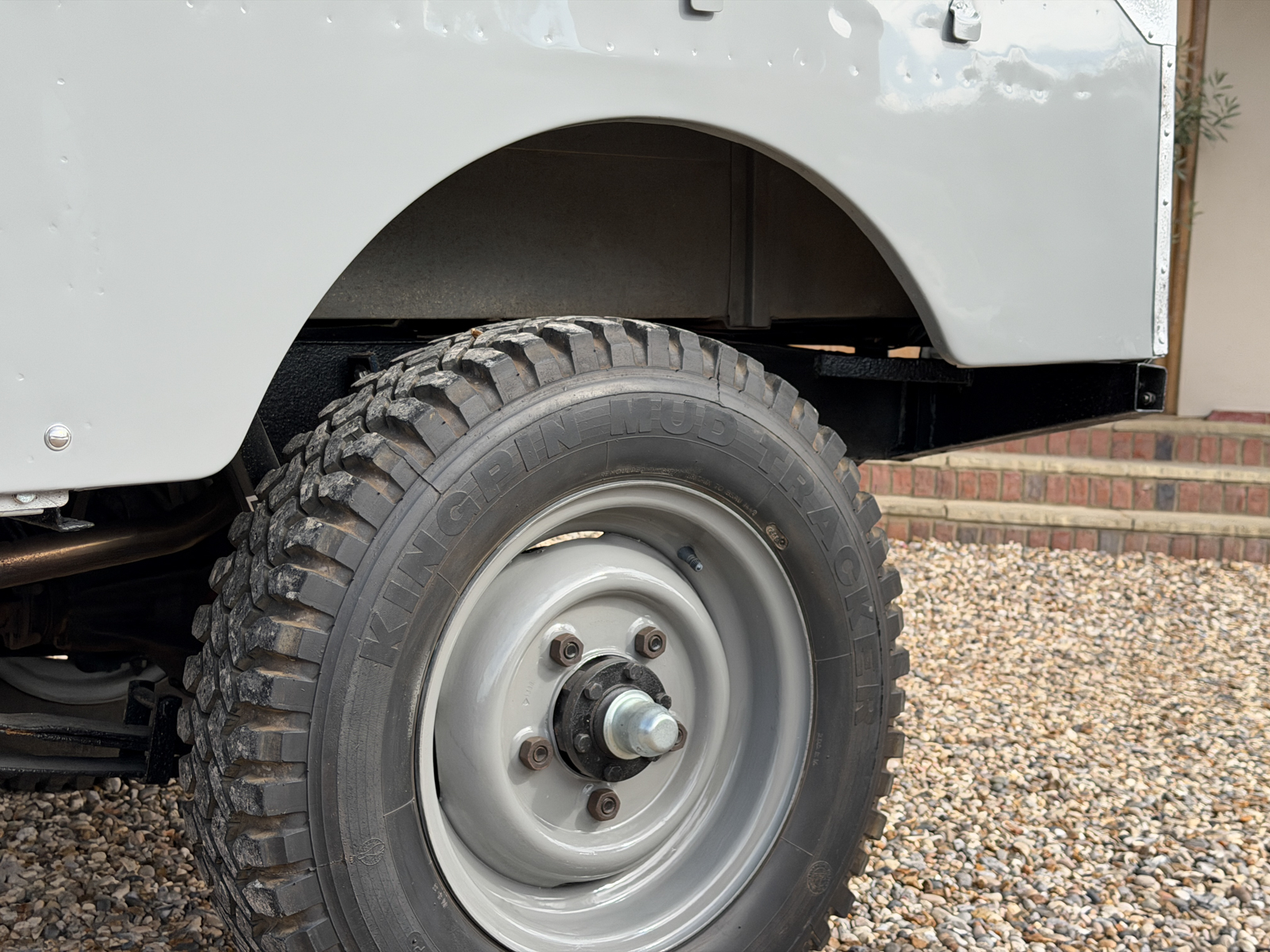
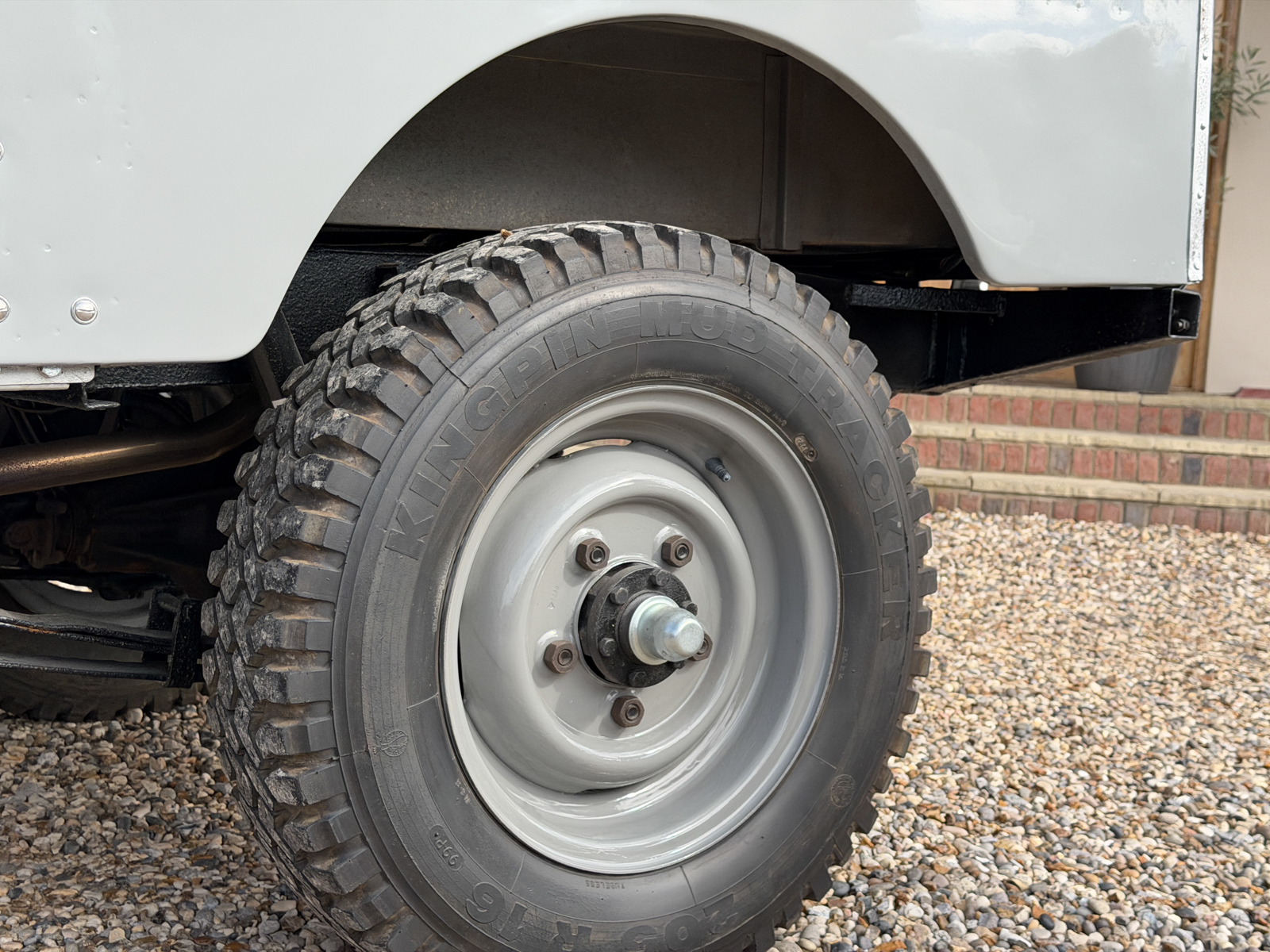
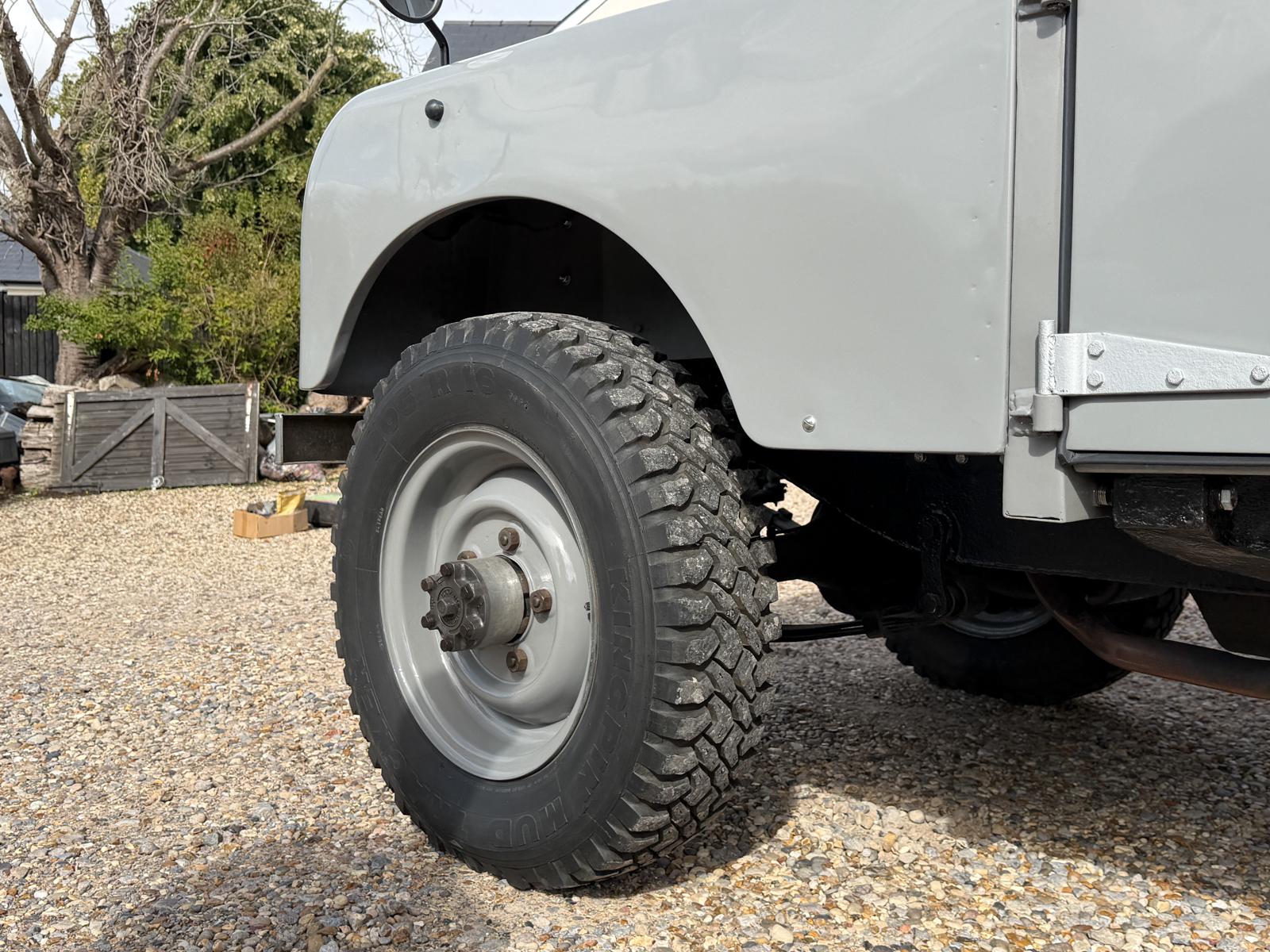
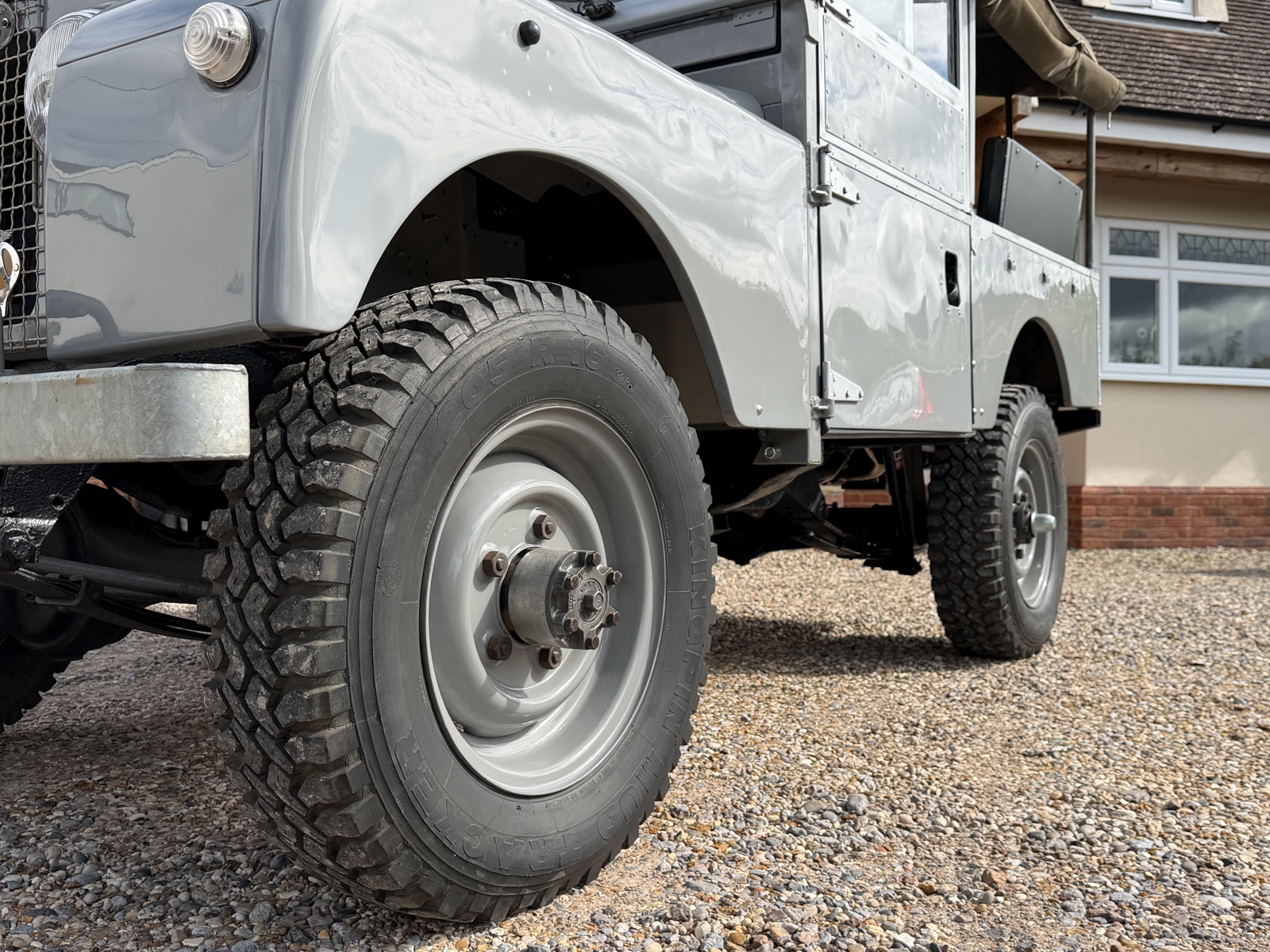
The Land Rover is fitted with traditional body-coloured steel wheels, which complement the simple and functional appearance of the vehicle perfectly.

The wheels present well overall, retaining an attractive painted finish.

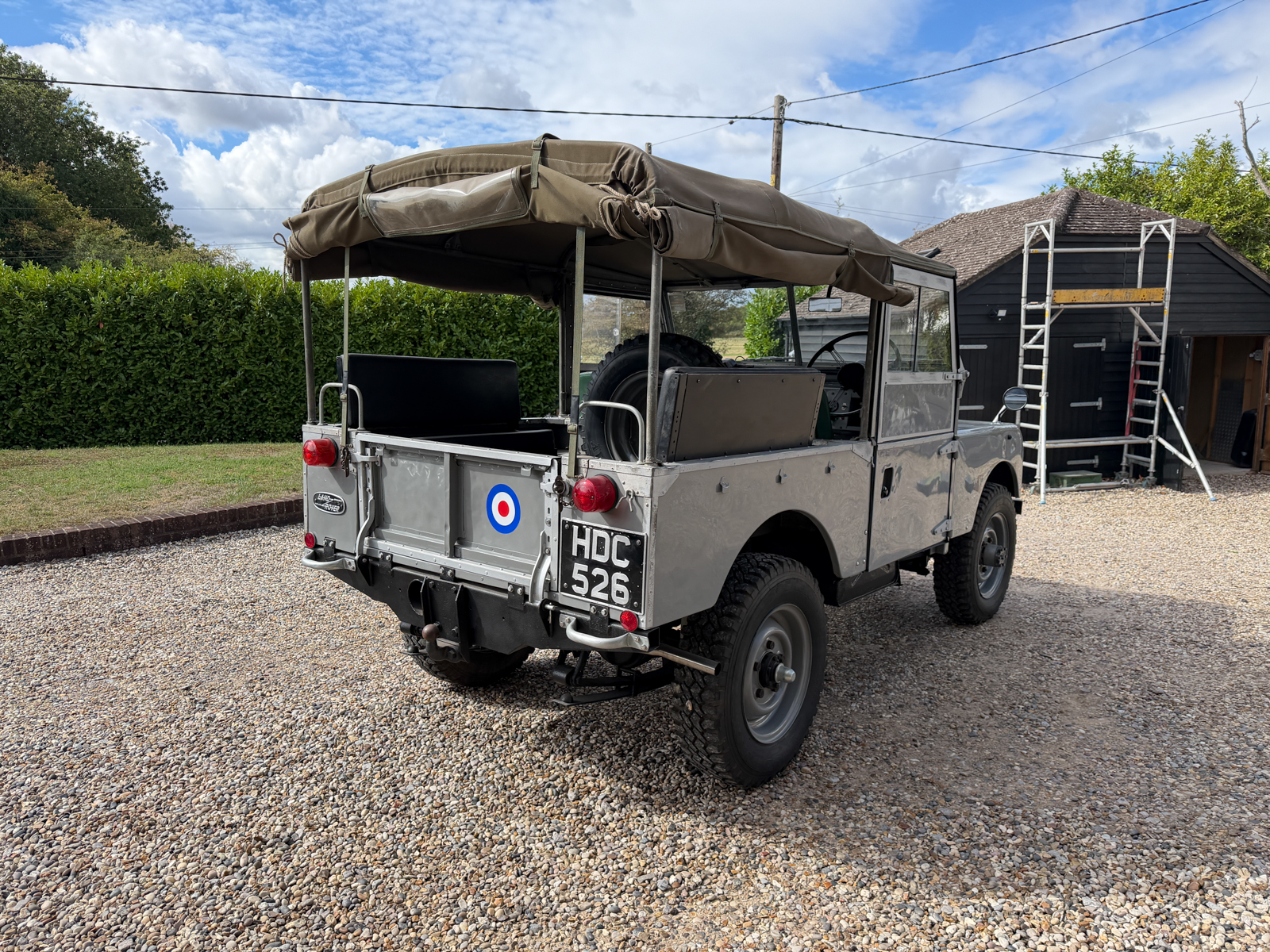
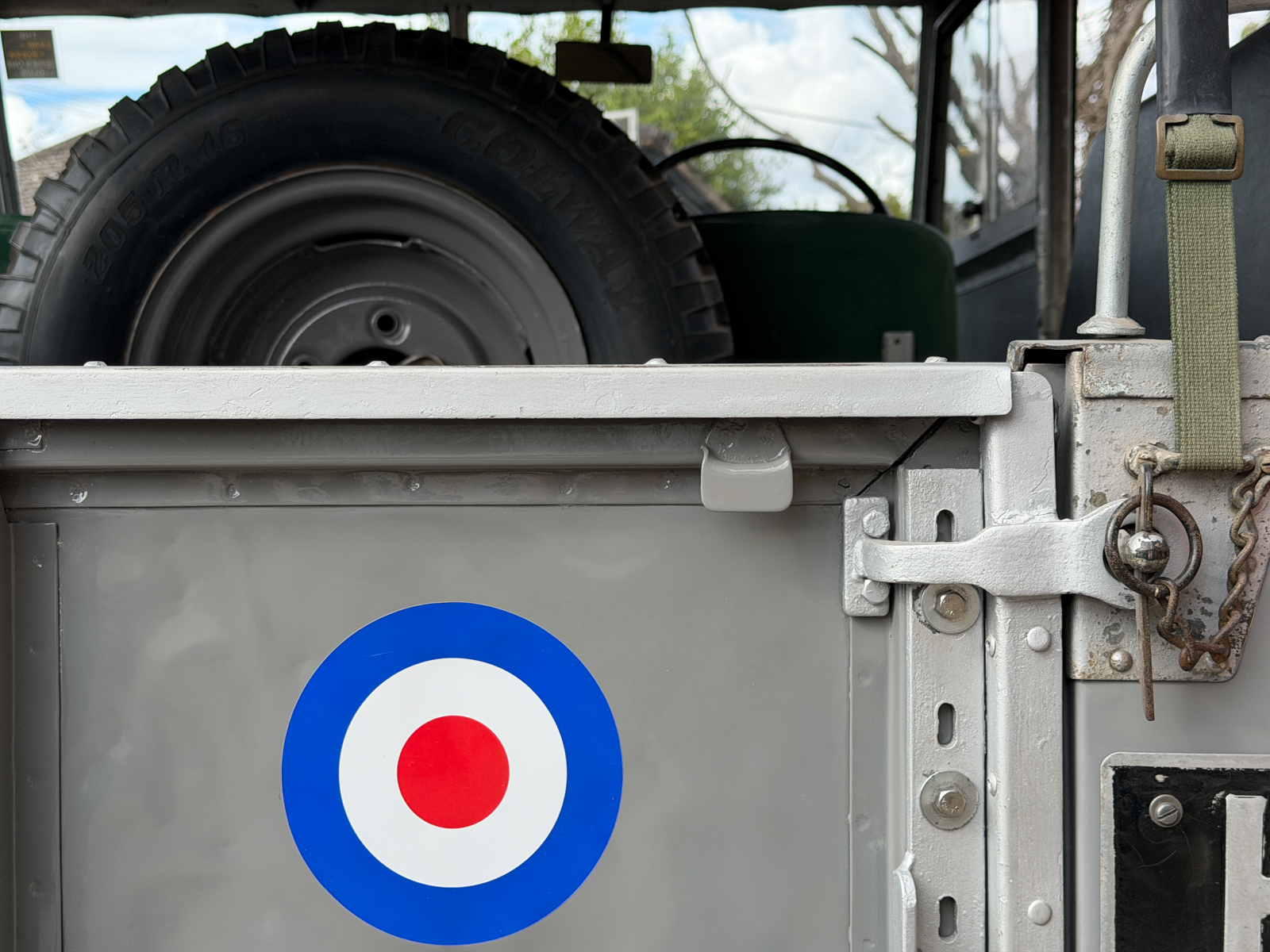
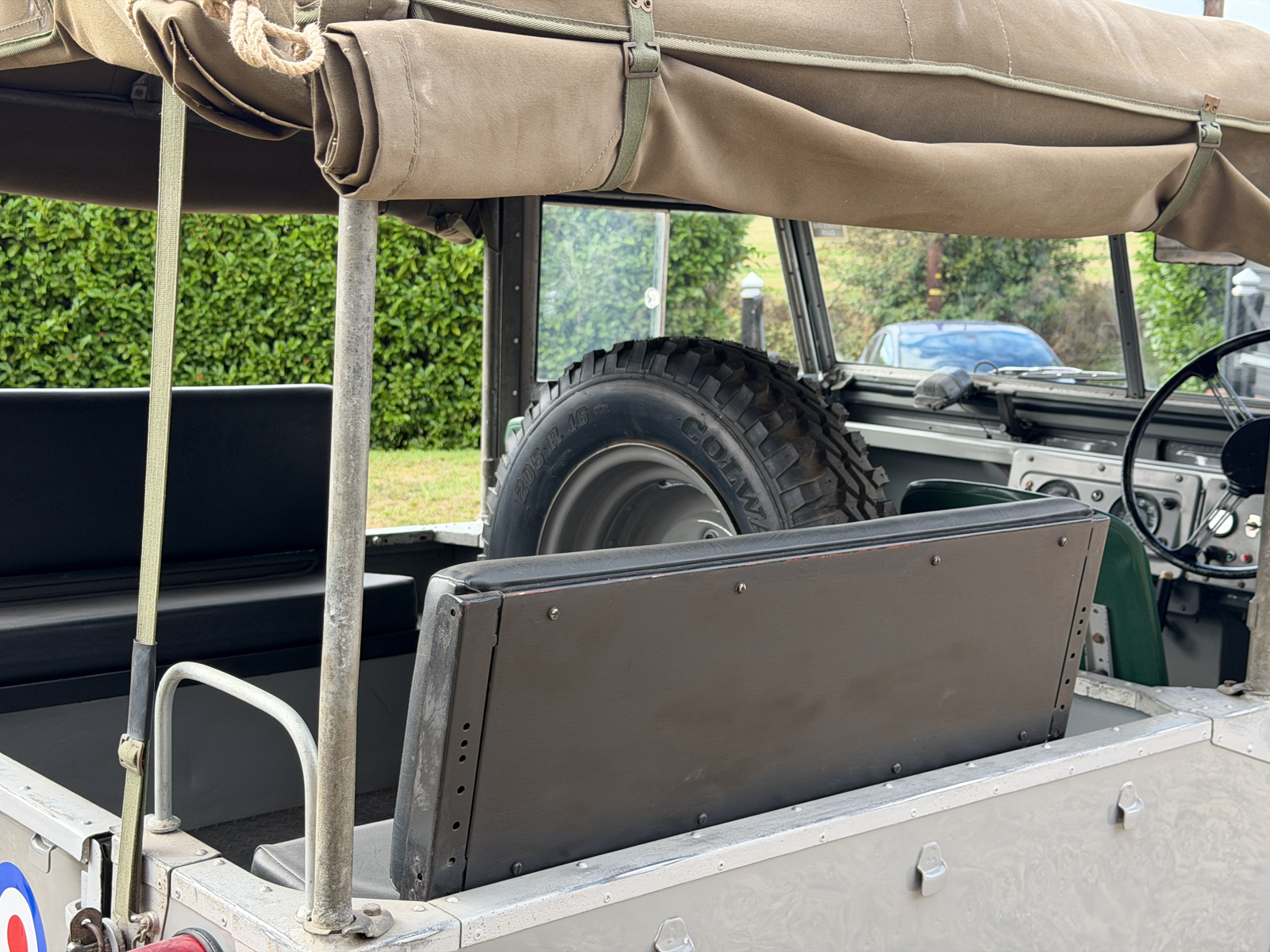
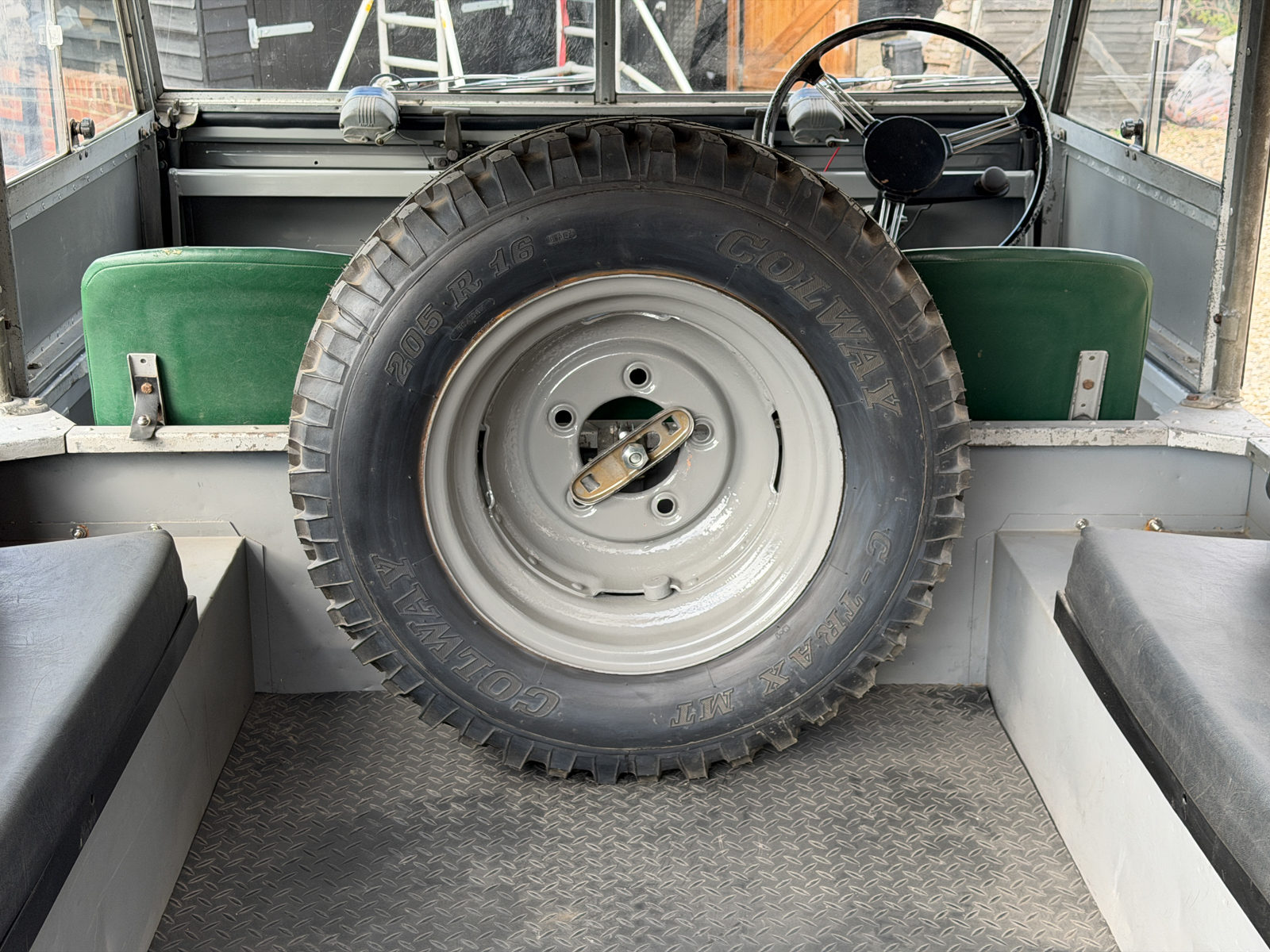
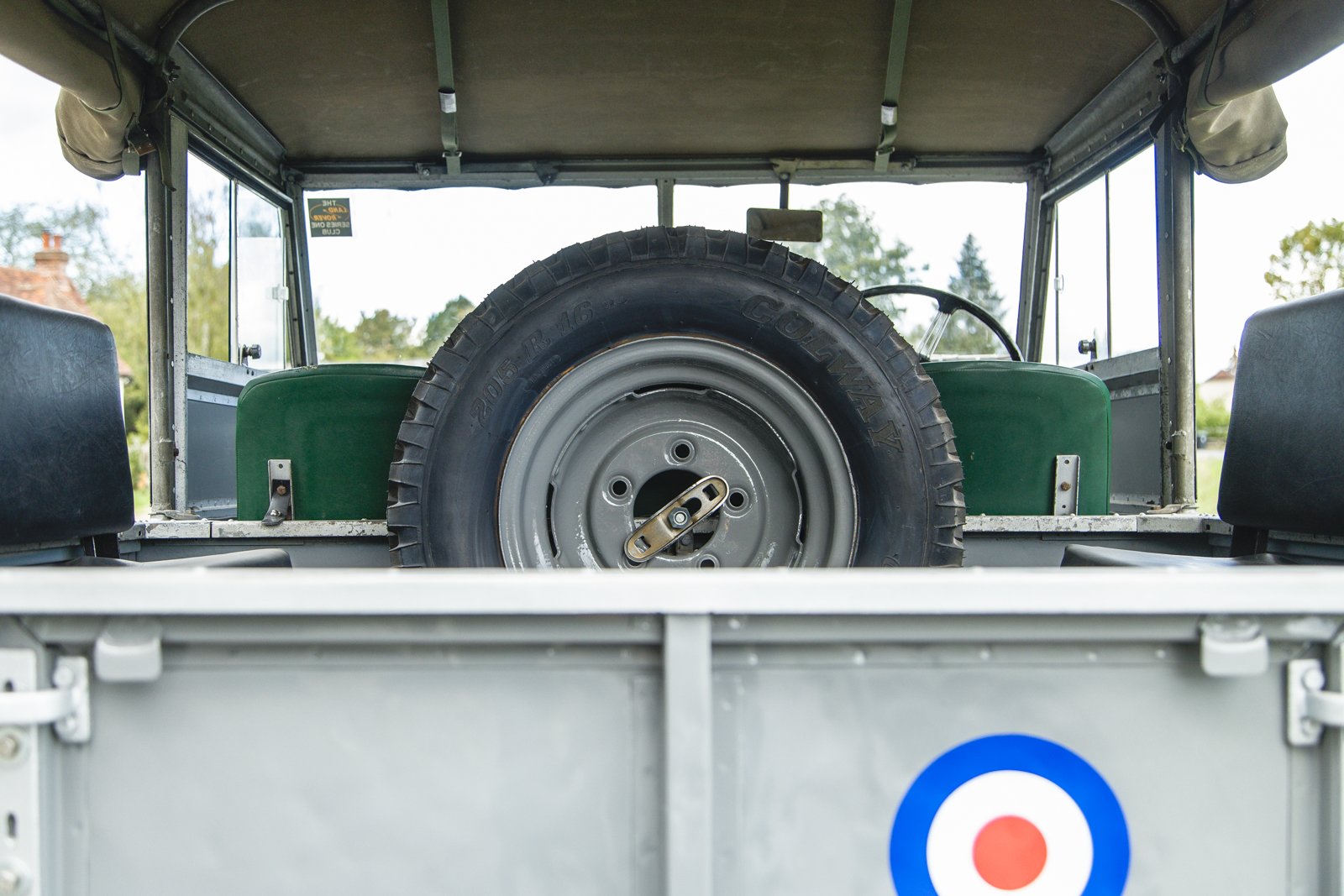
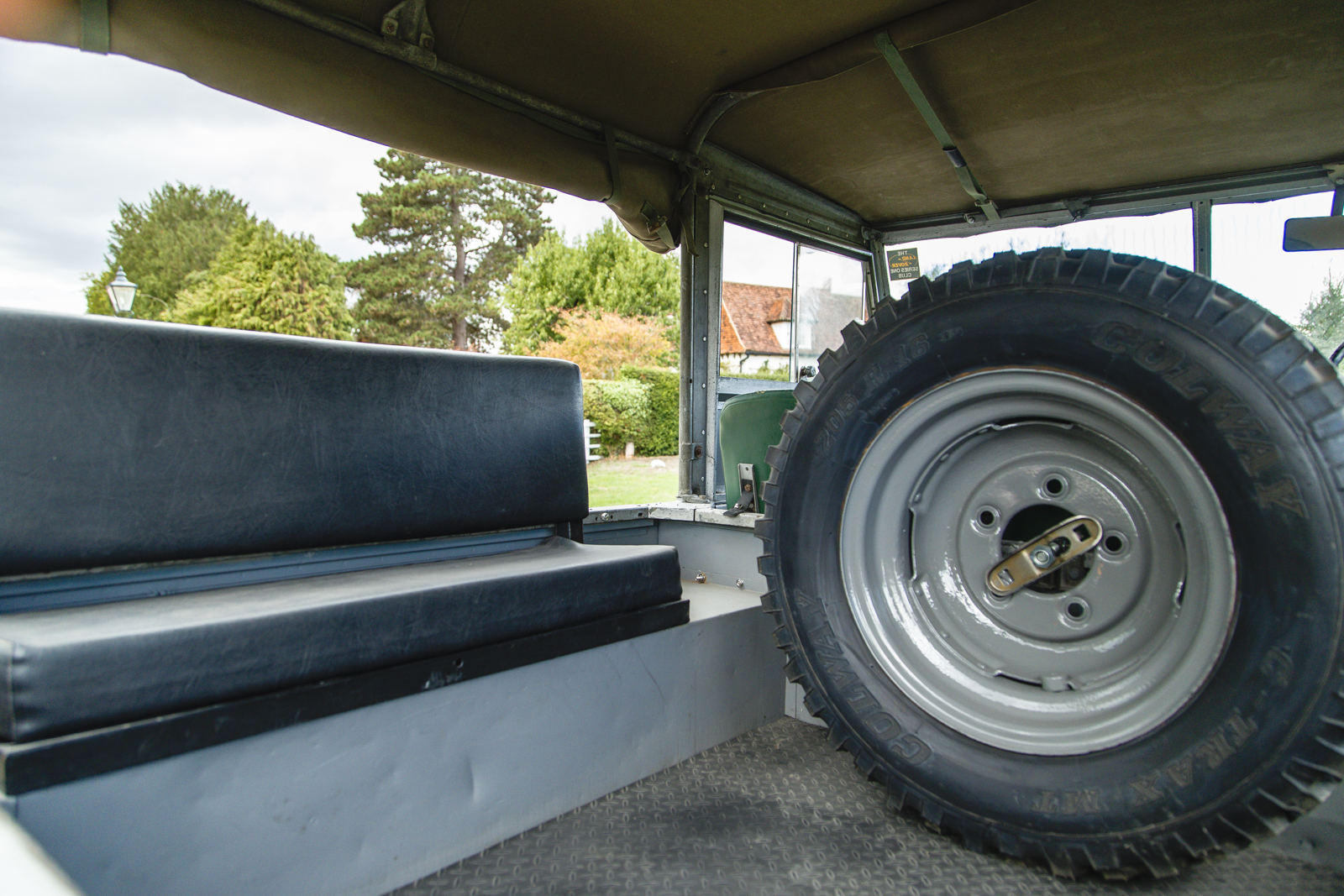
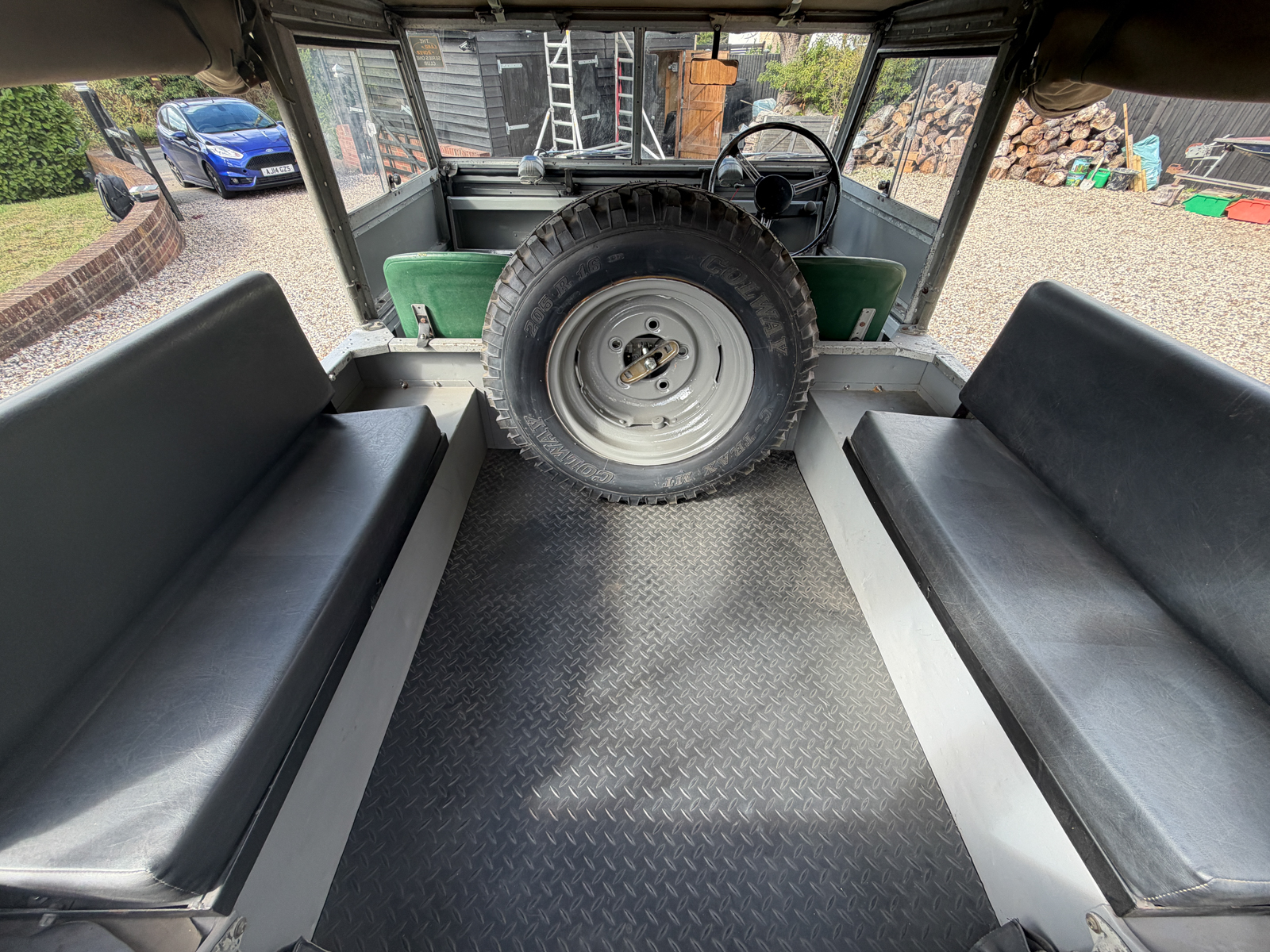
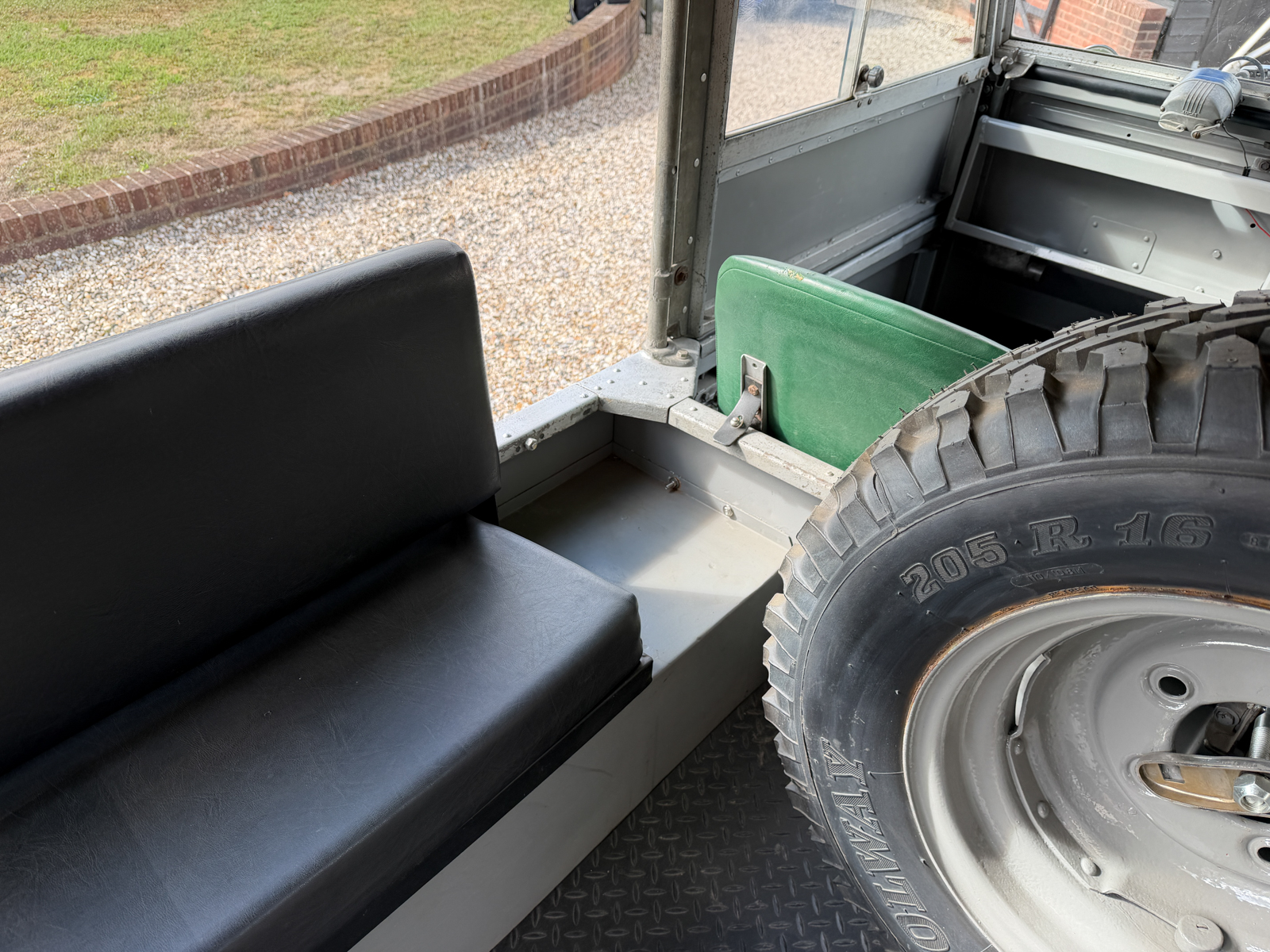
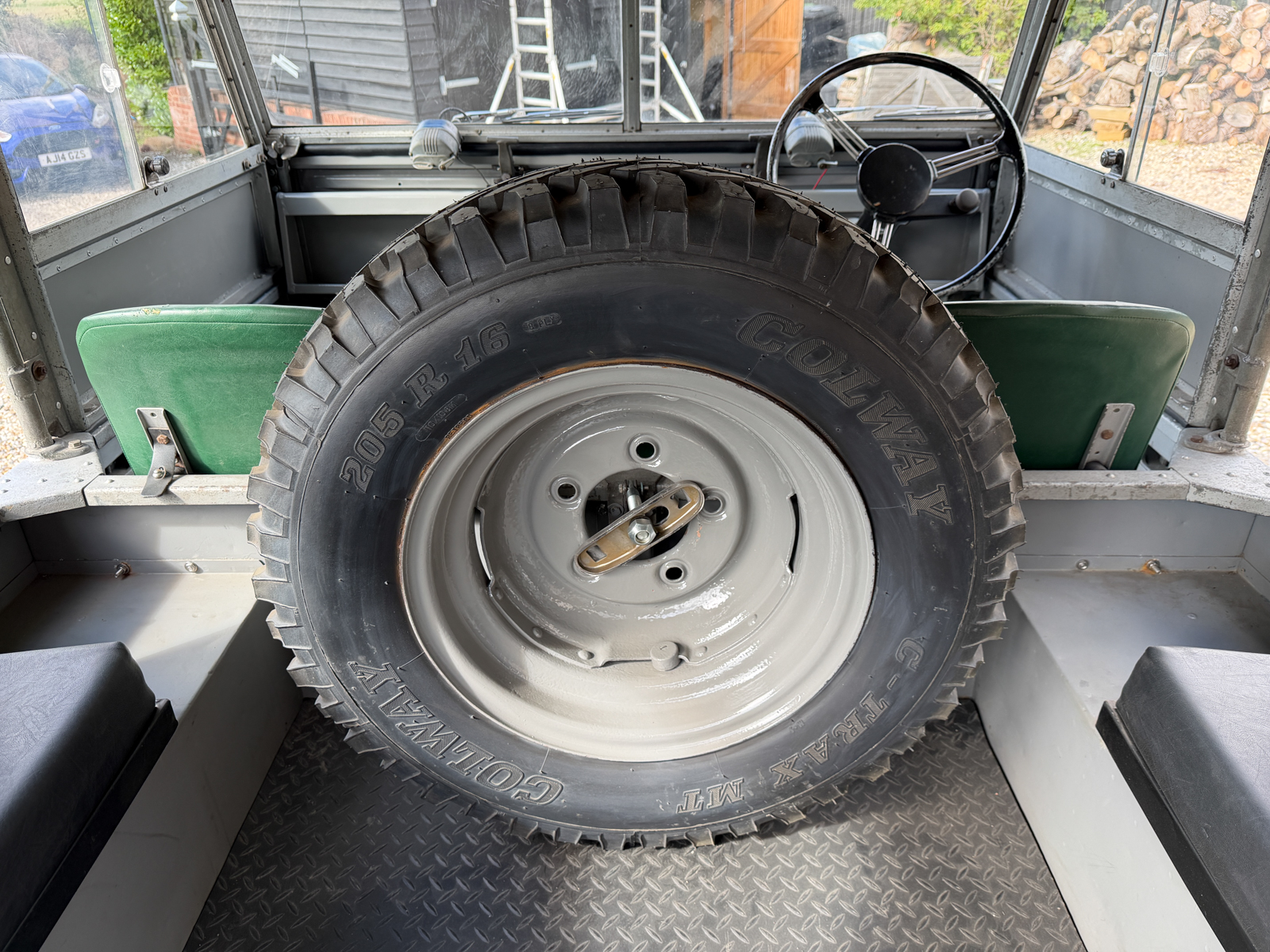
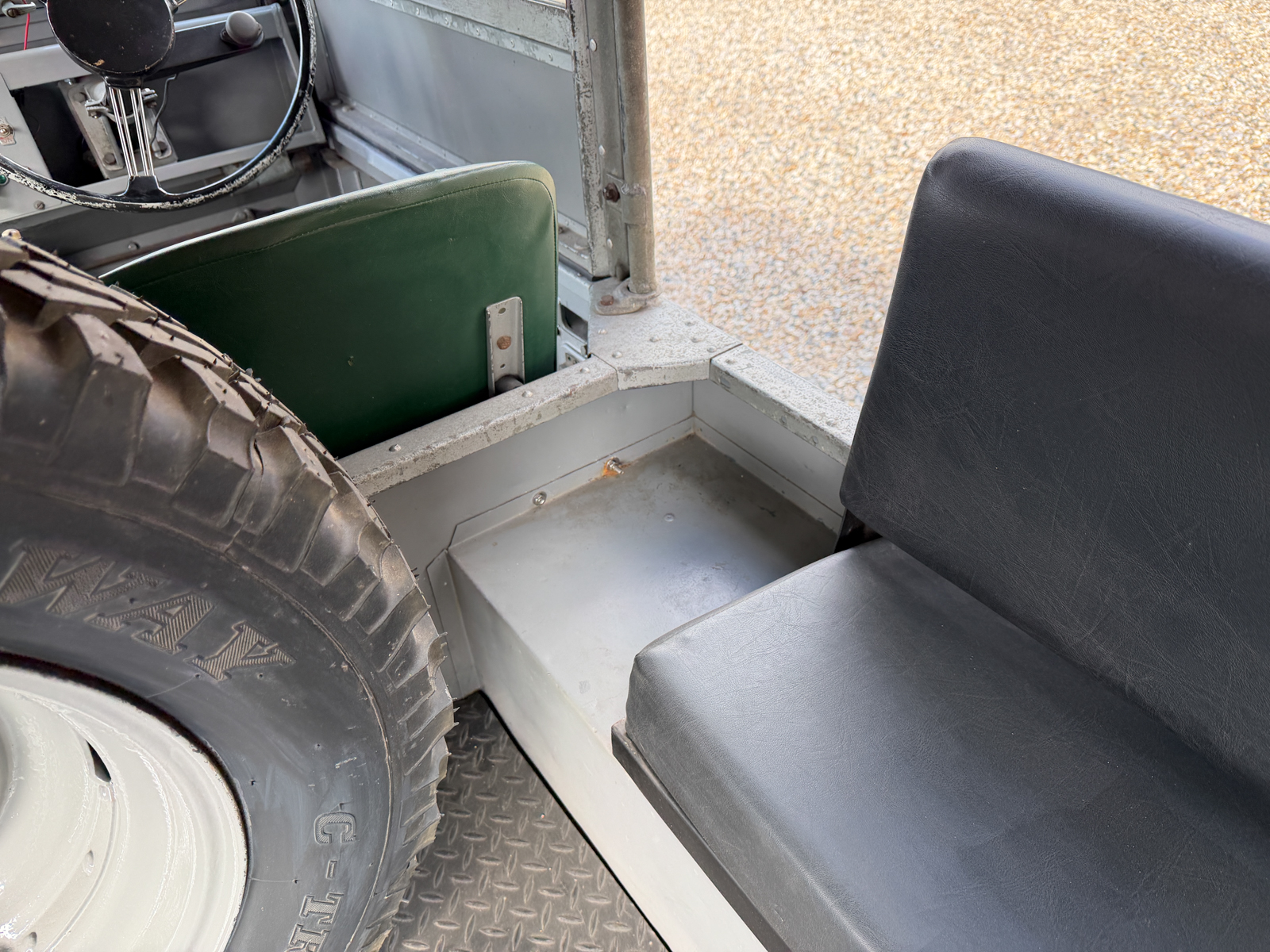
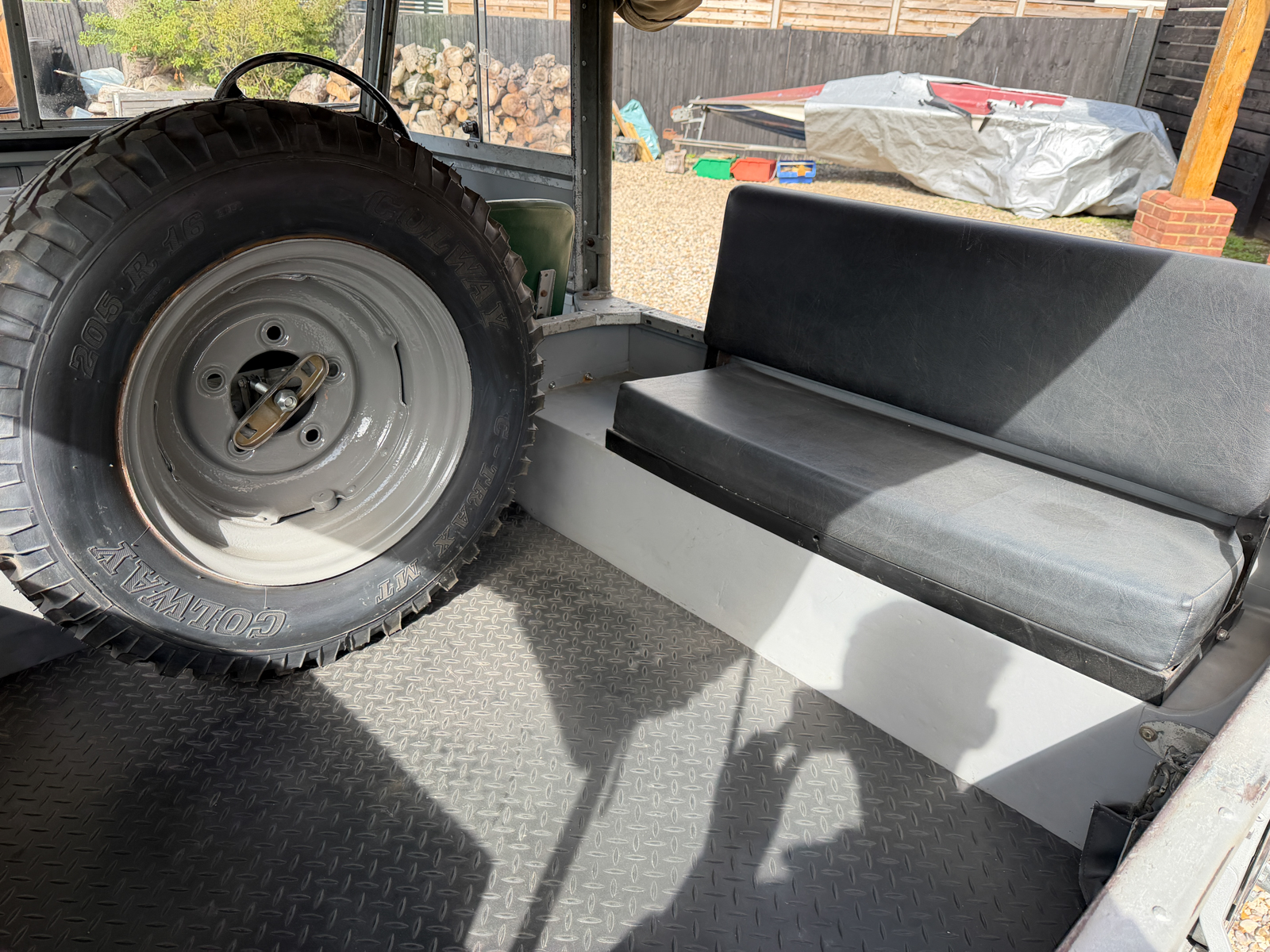
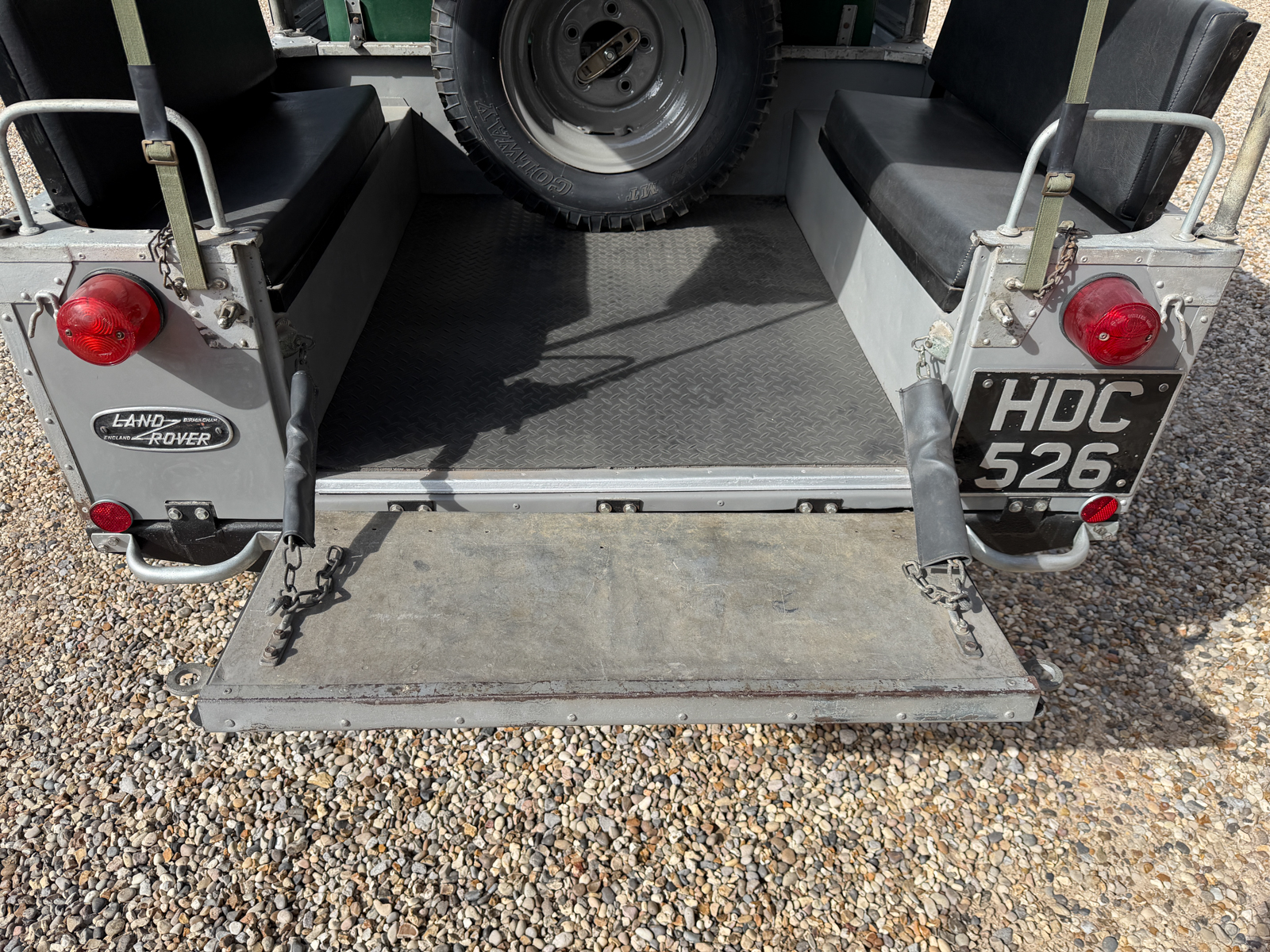
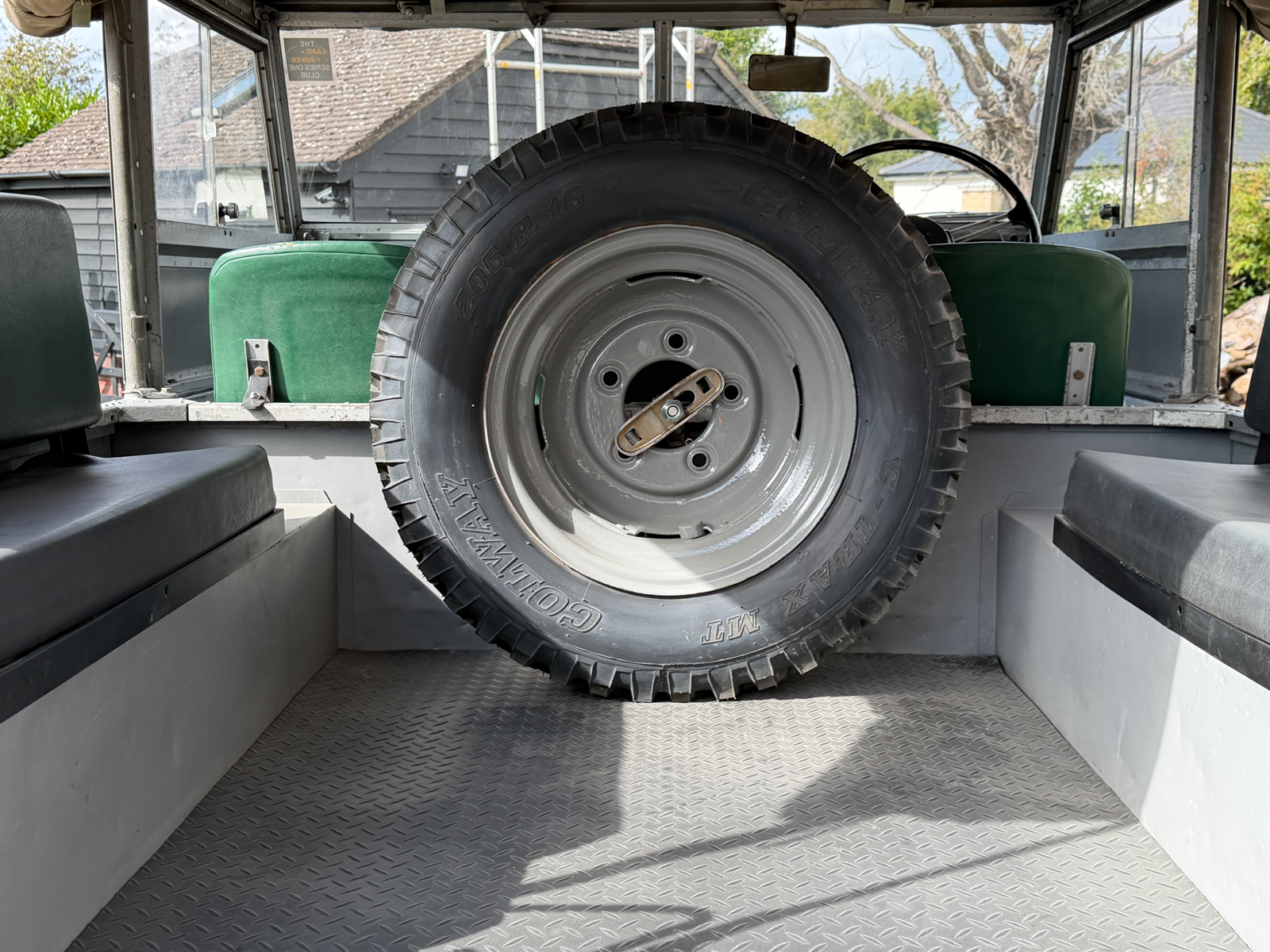
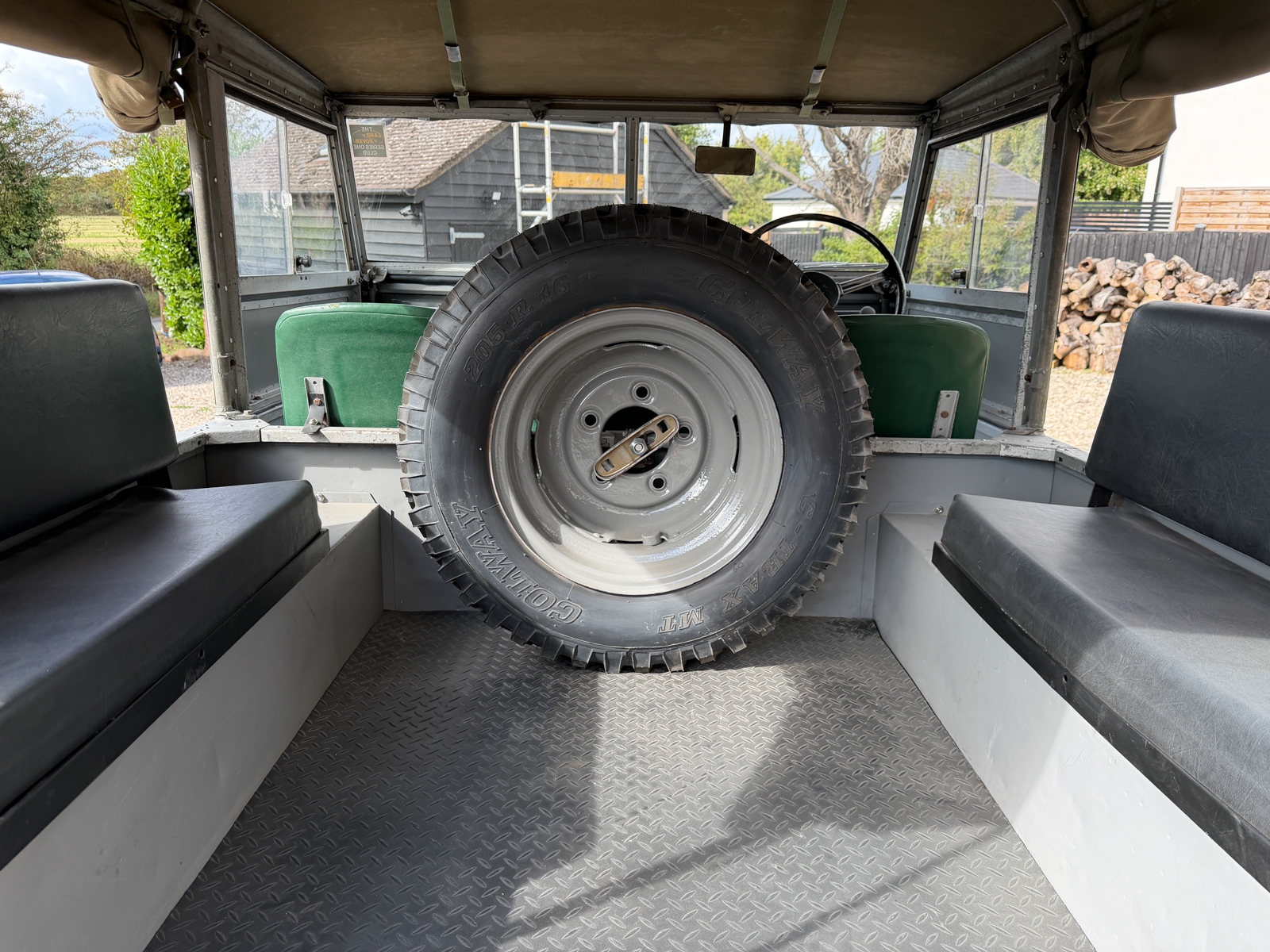
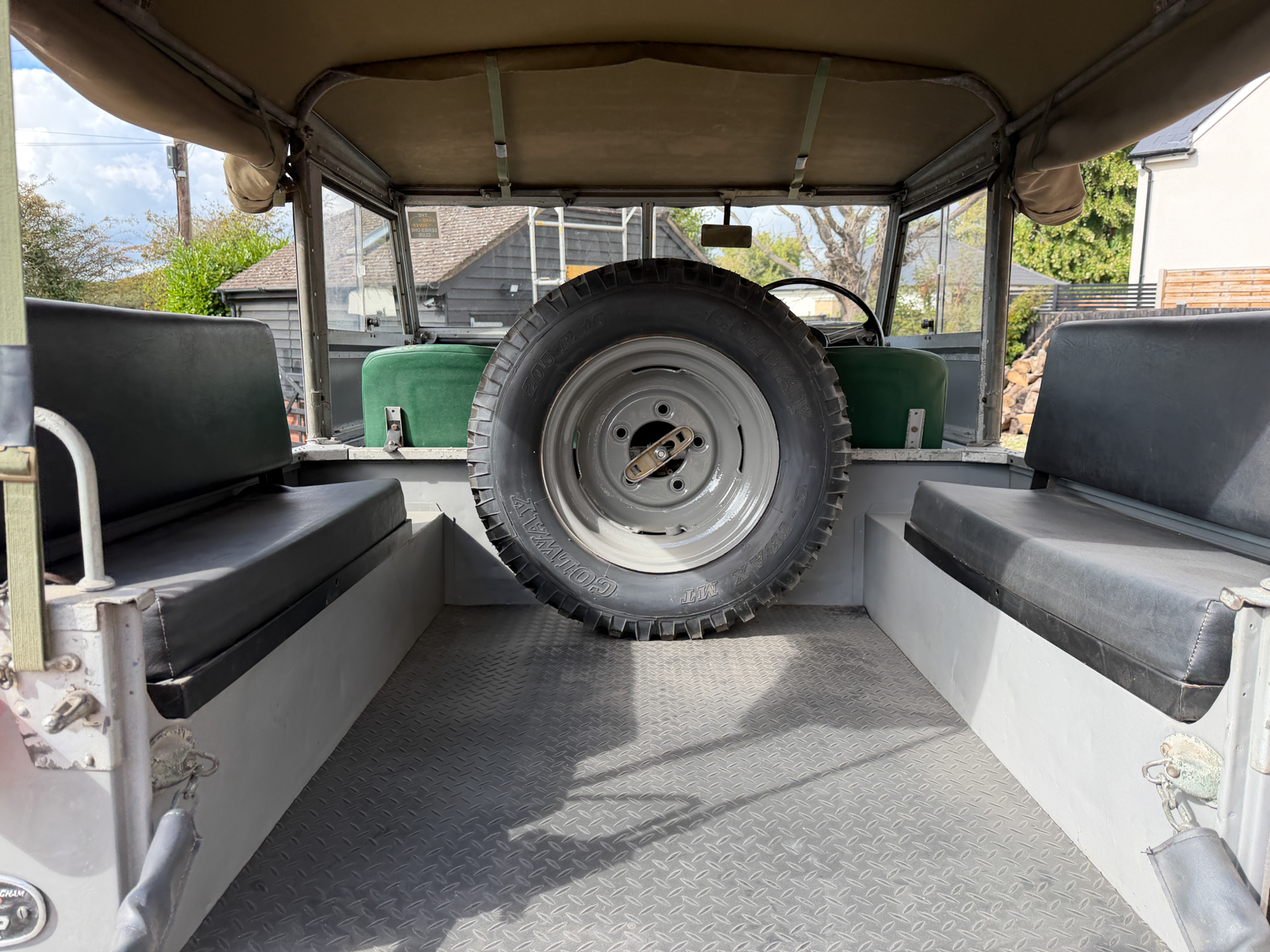
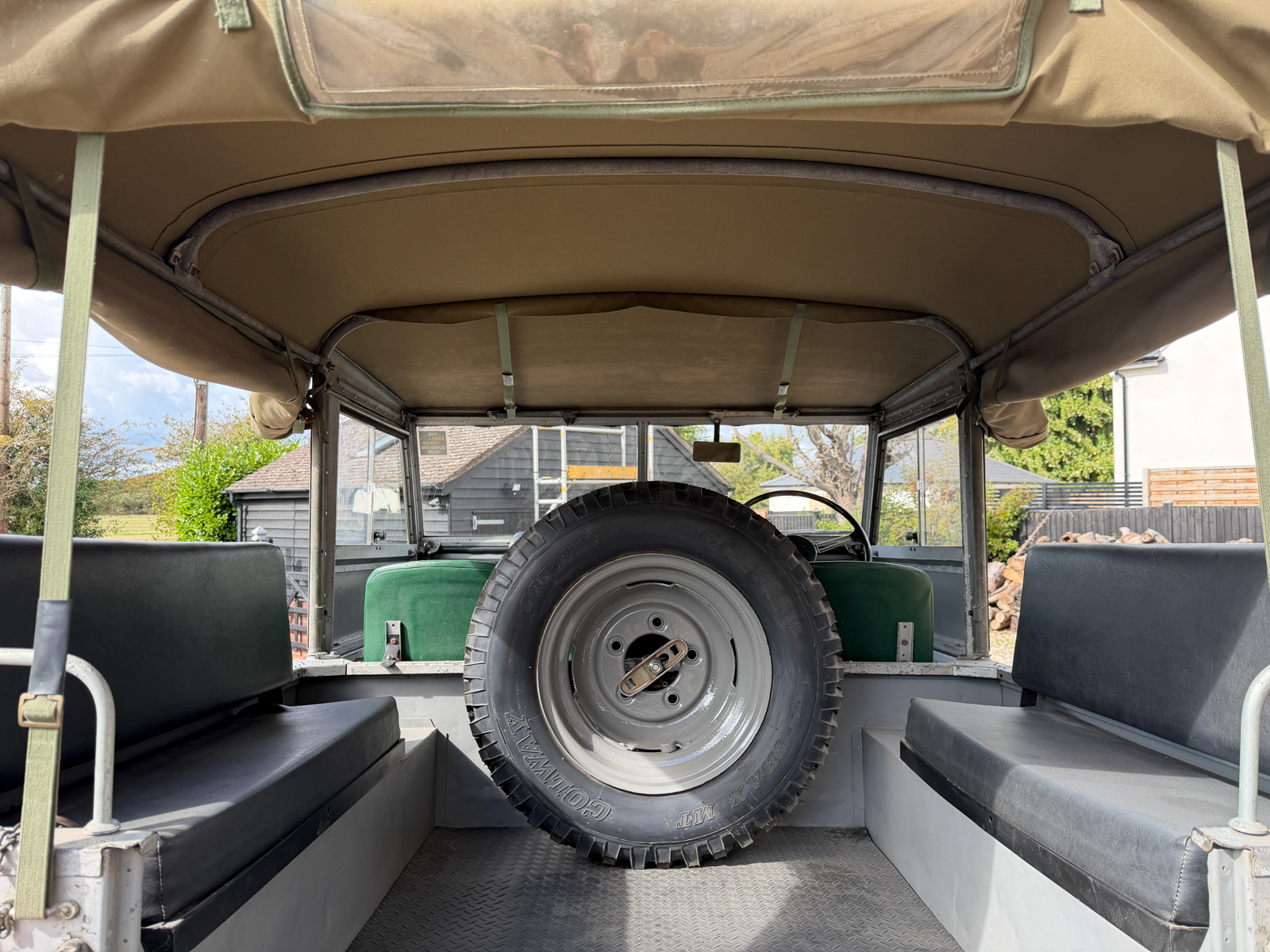
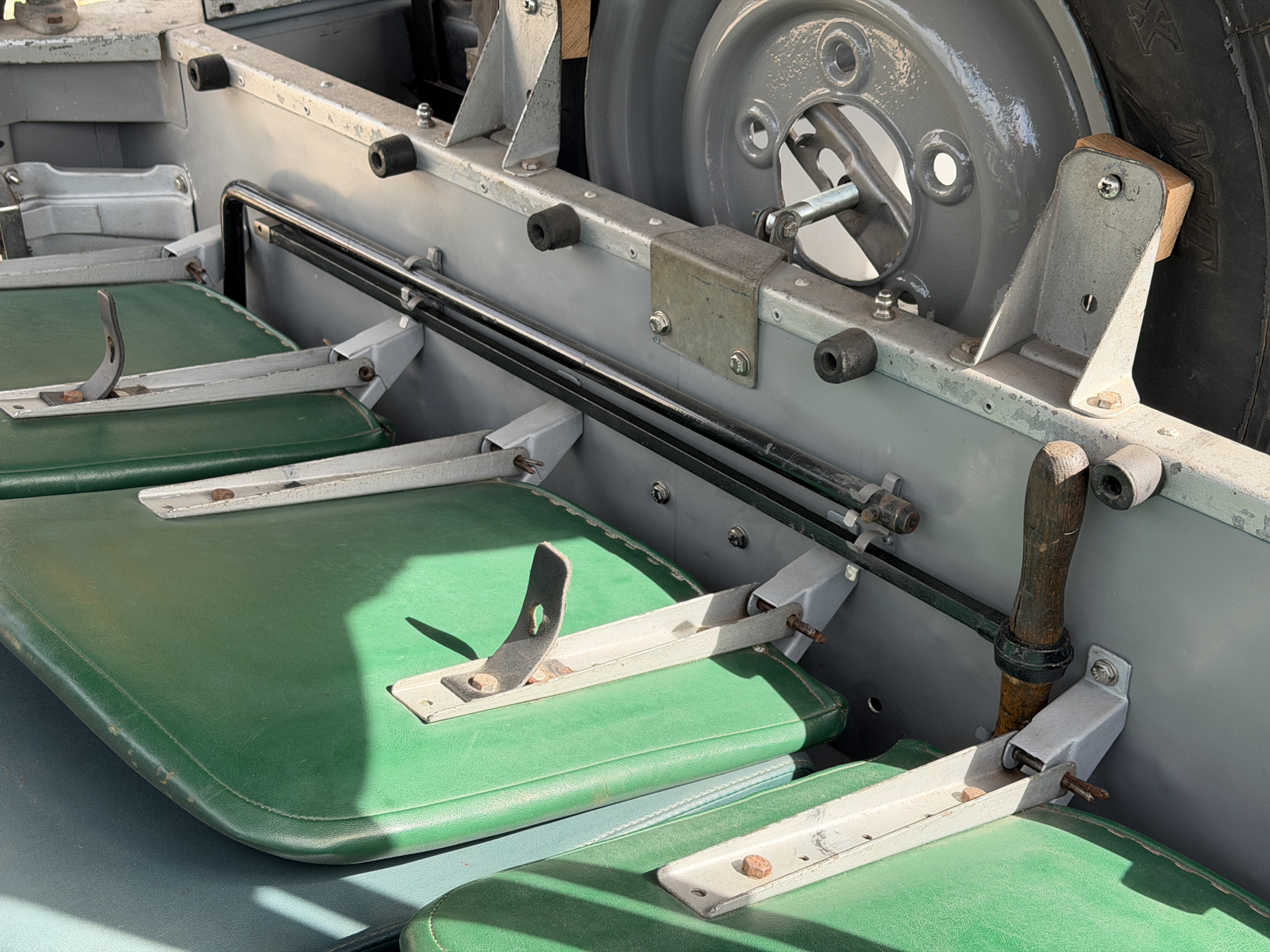
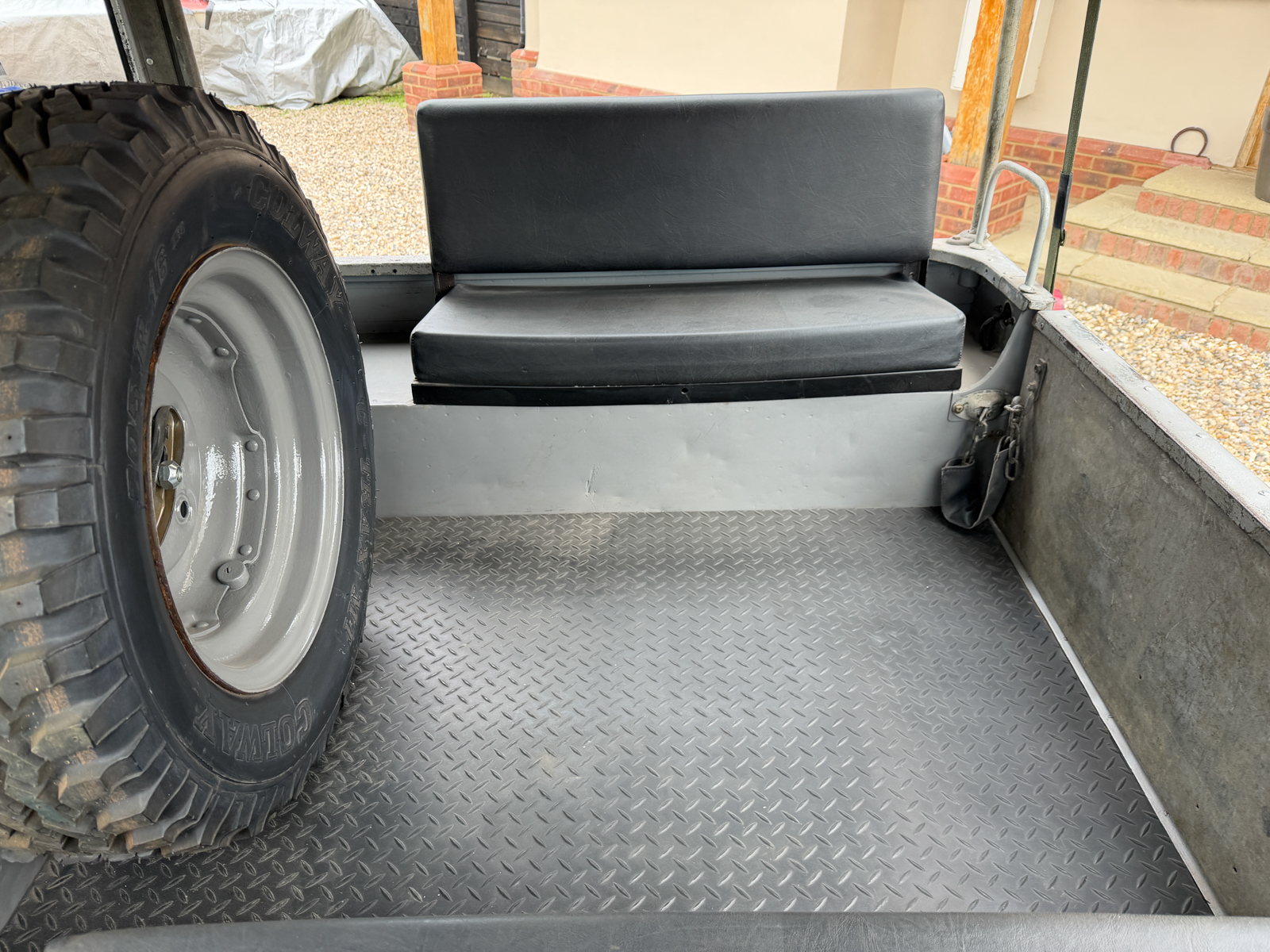
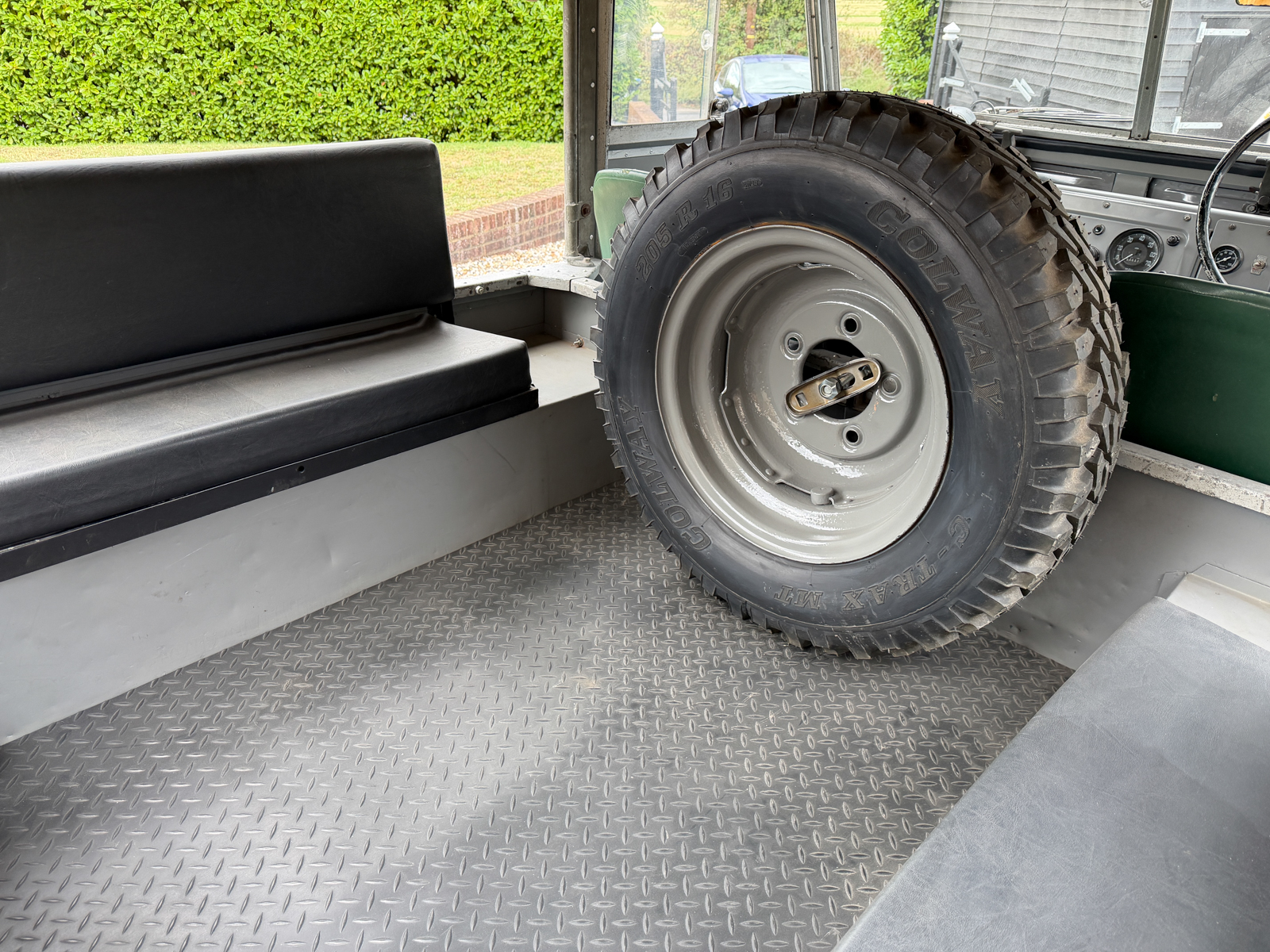
A matching spare wheel is mounted vertically within the rear load area, where it remains readily accessible without interrupting the exterior lines of the vehicle.
The Land Rover is equipped with chunky all-terrain tyres.

Please take time to review the photos and videos for a detailed view of the exterior, wheels, and tyres so you can make your own assessment of their condition. Tyres are a key safety item, and you should consider replacing any that are cracked, perished, unevenly worn, or over 10 years old.

image

Bodywork

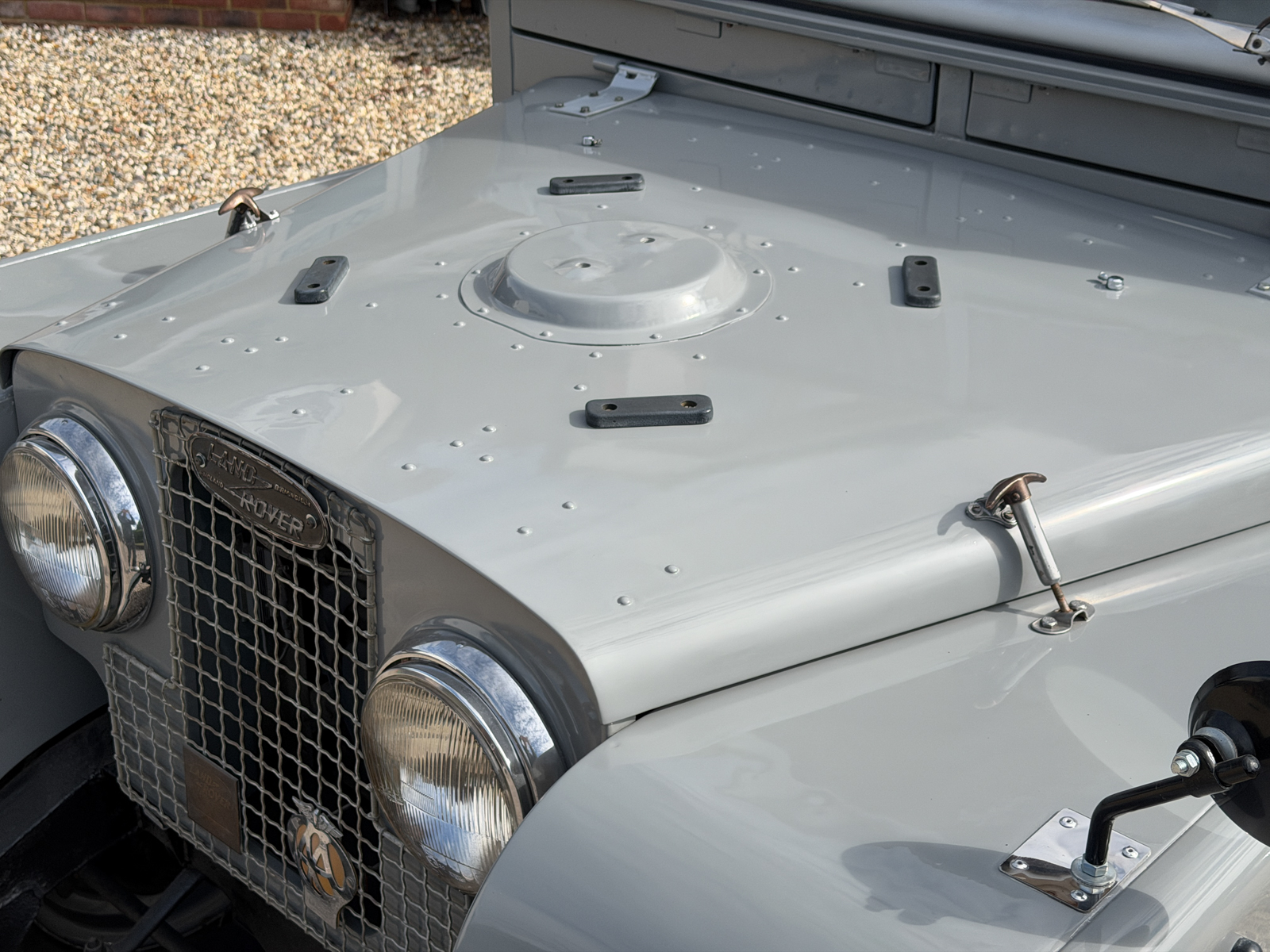
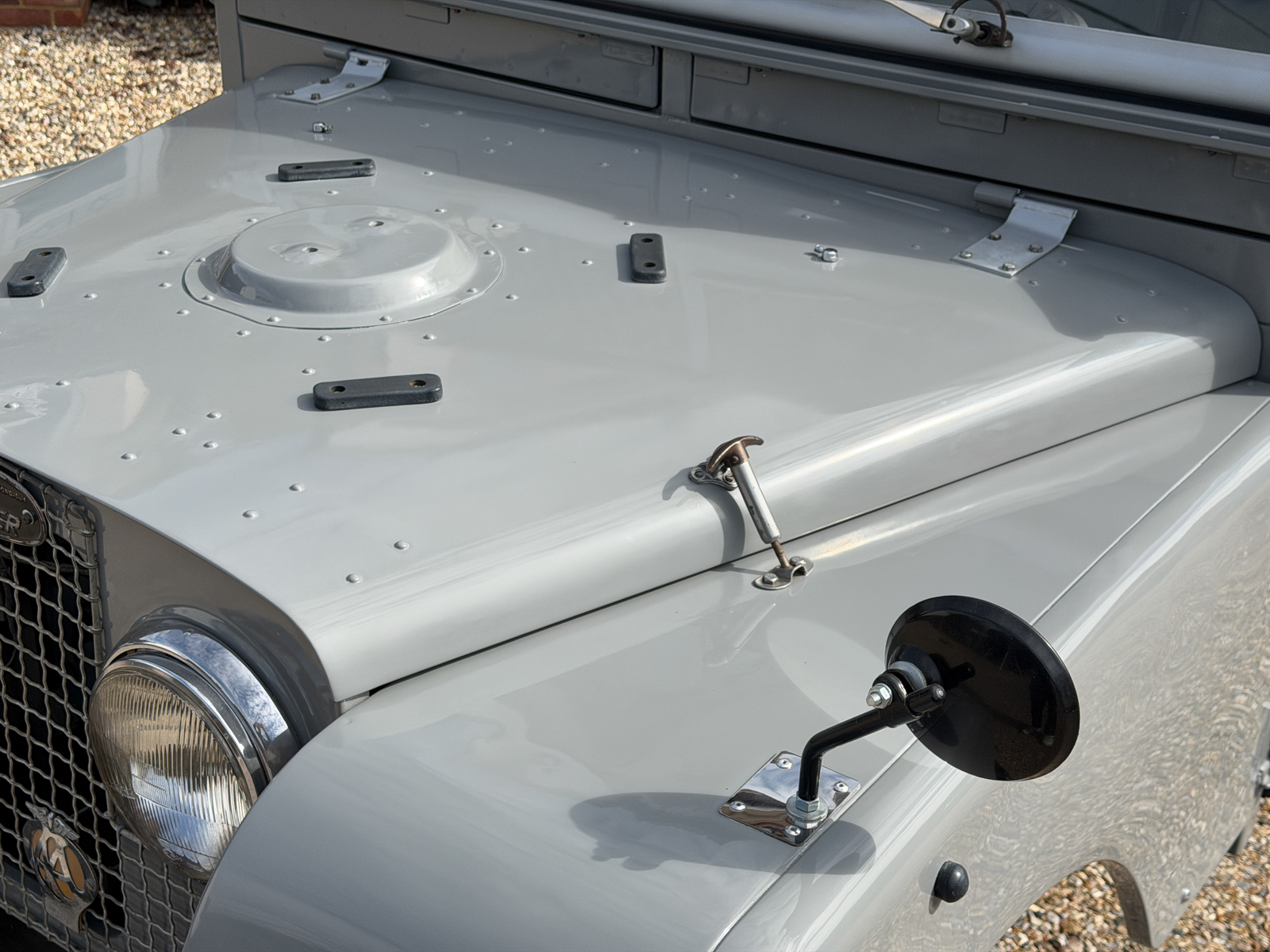
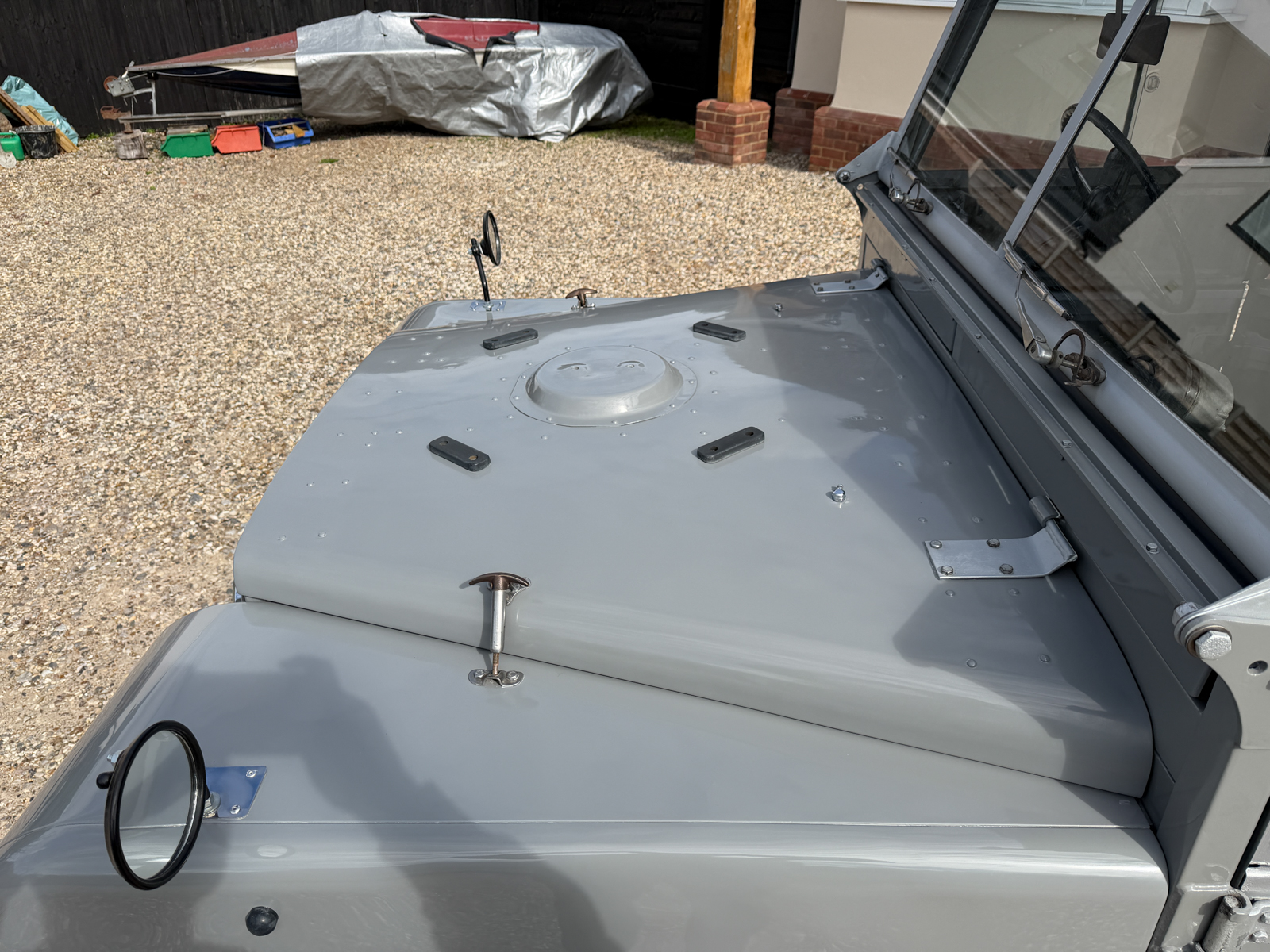
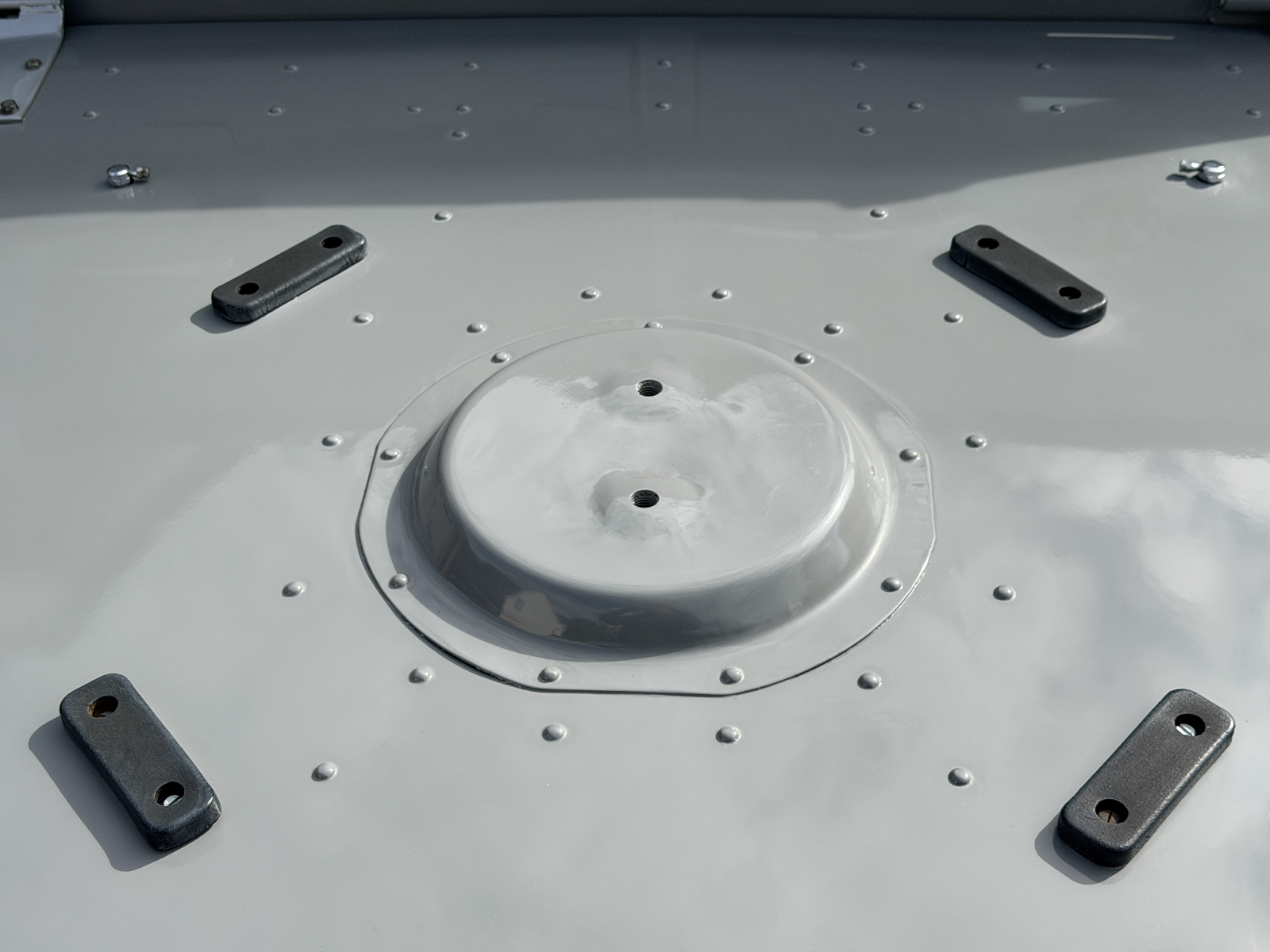
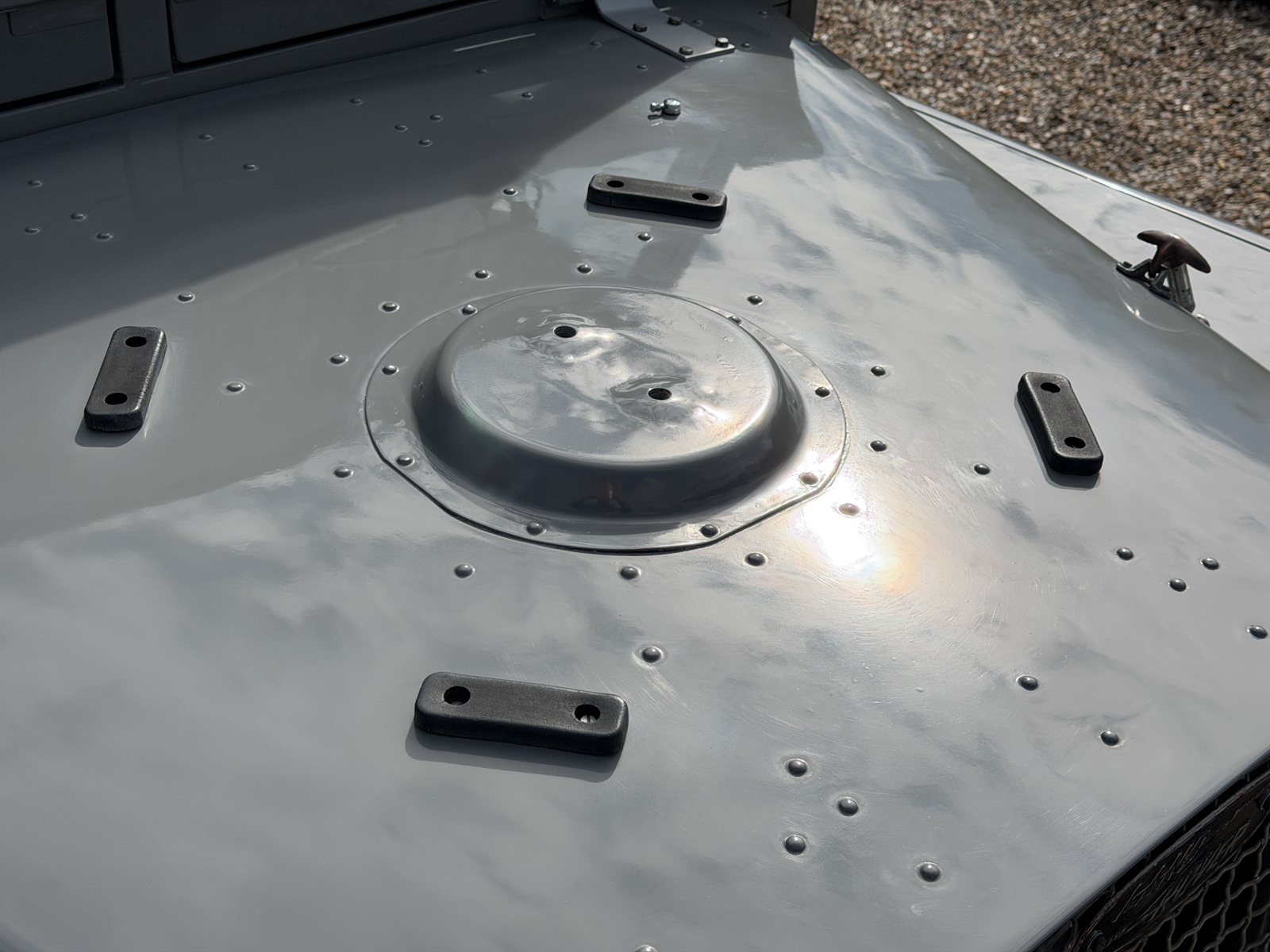
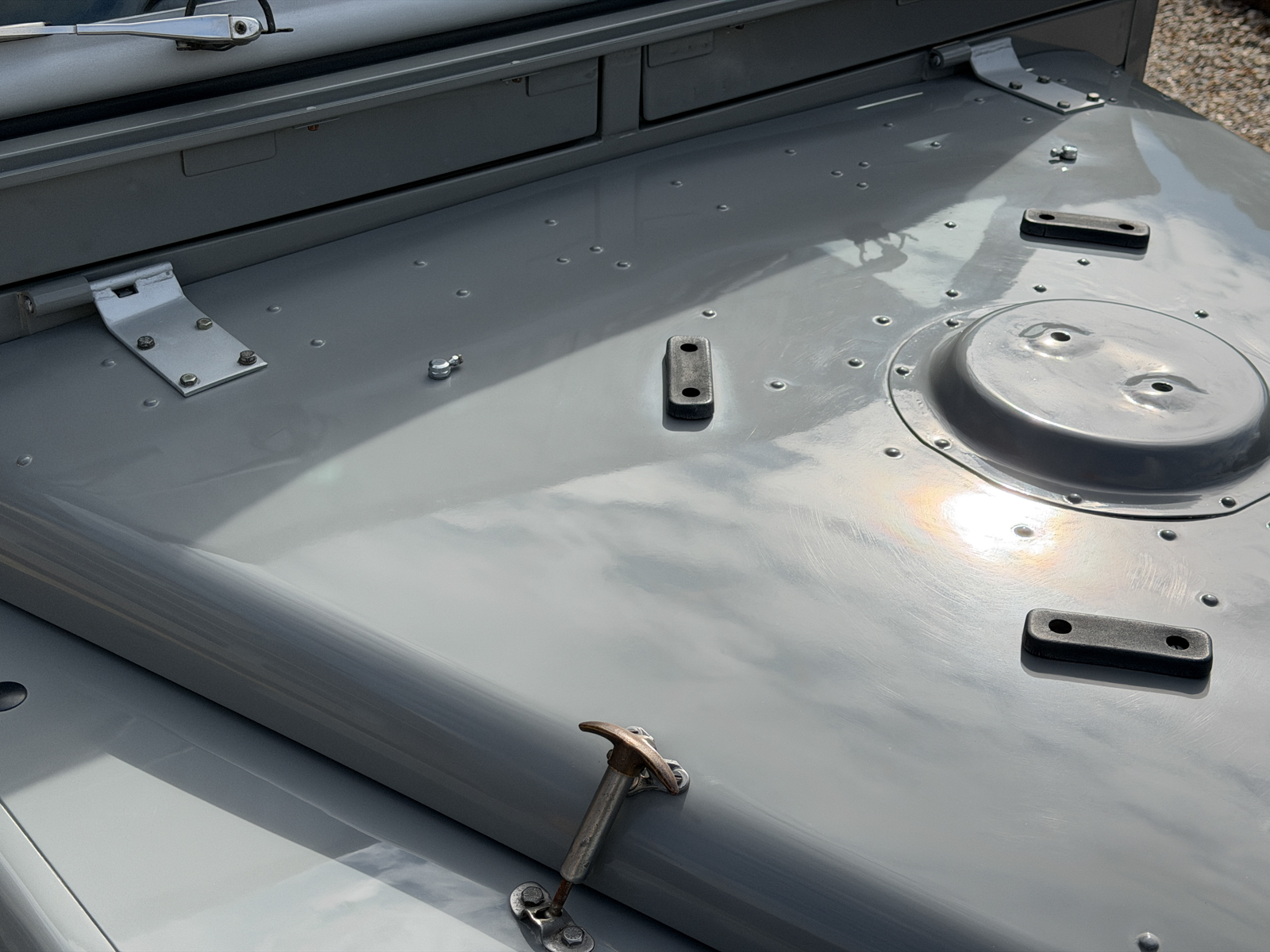
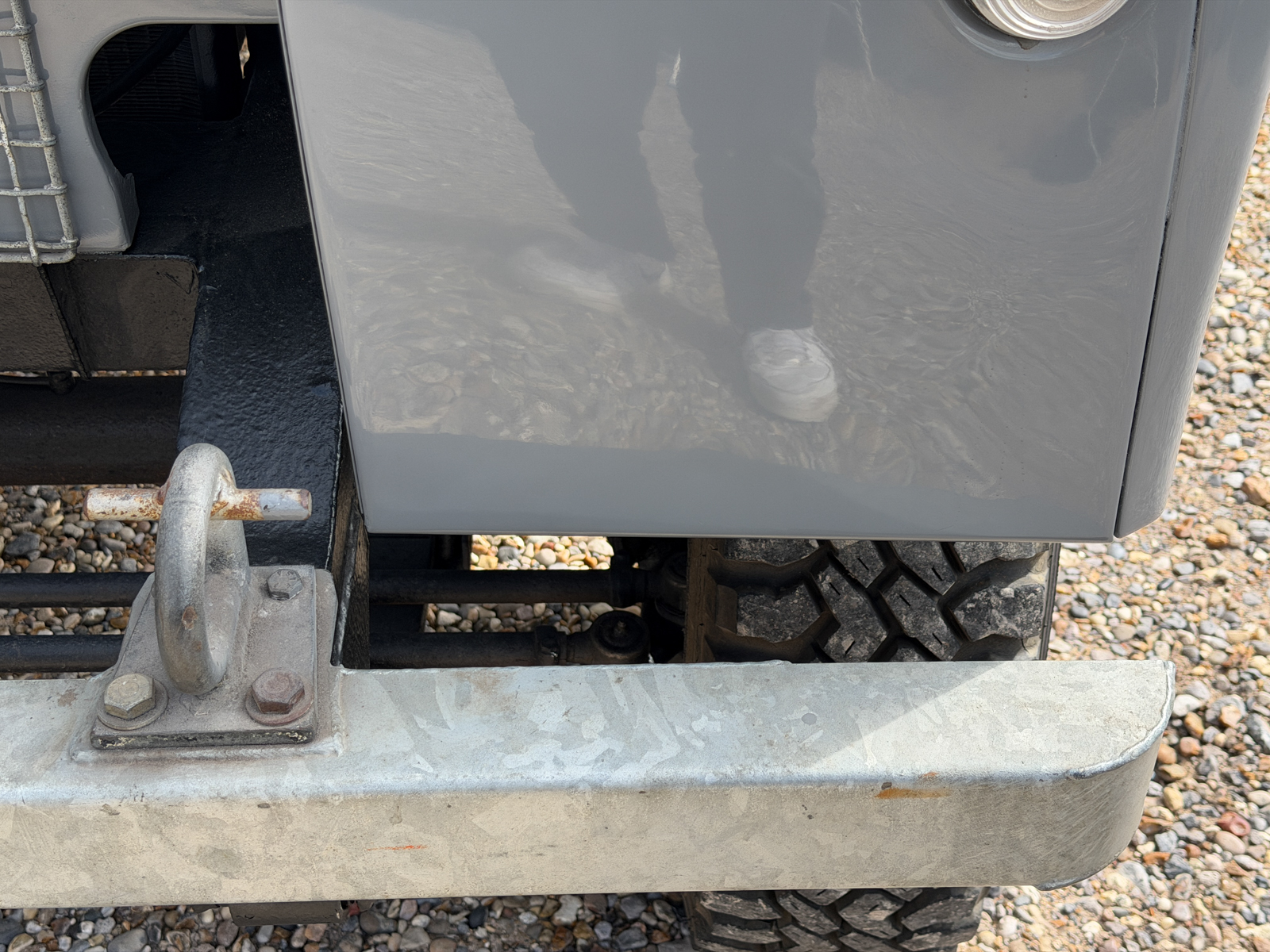
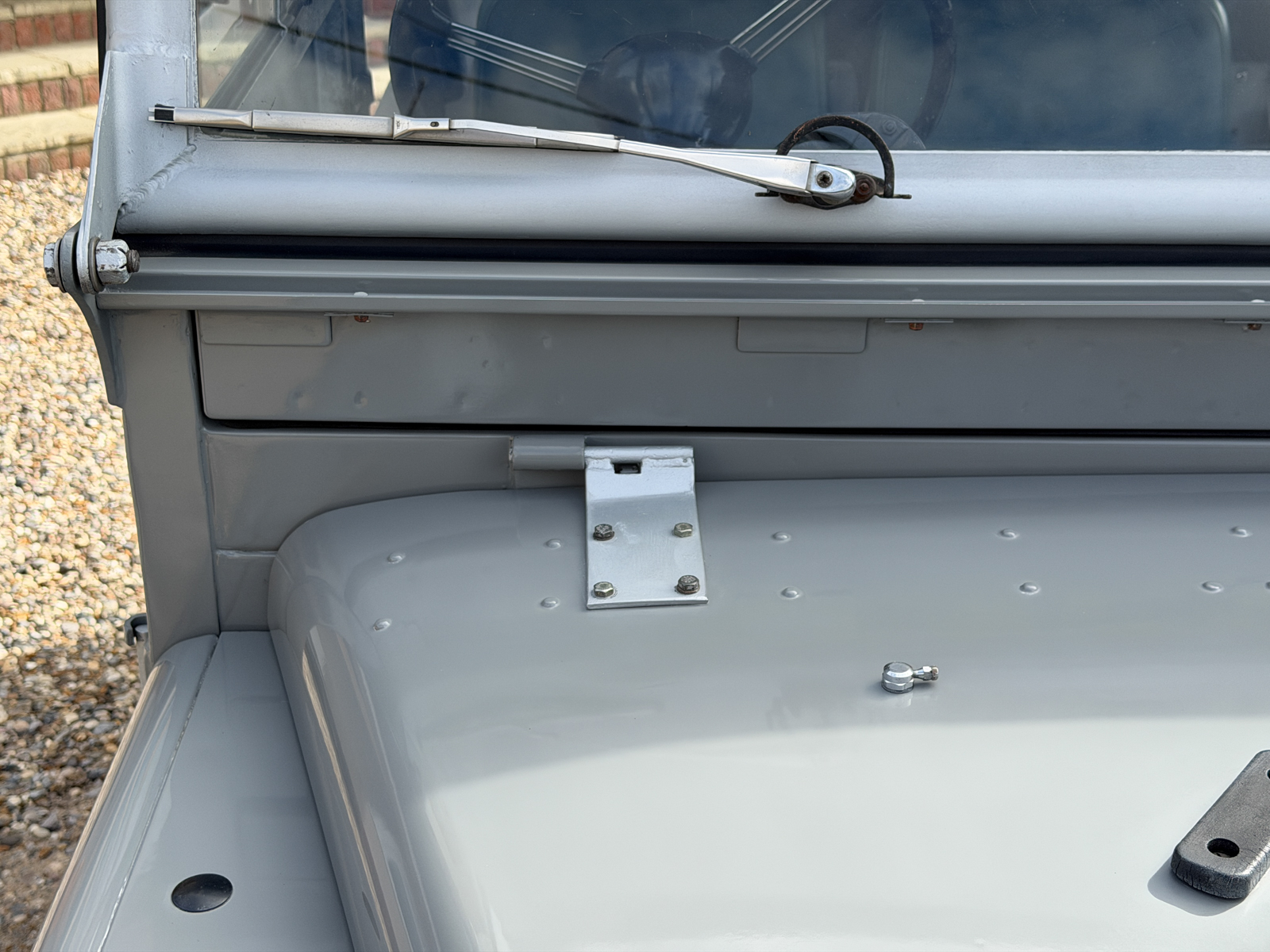
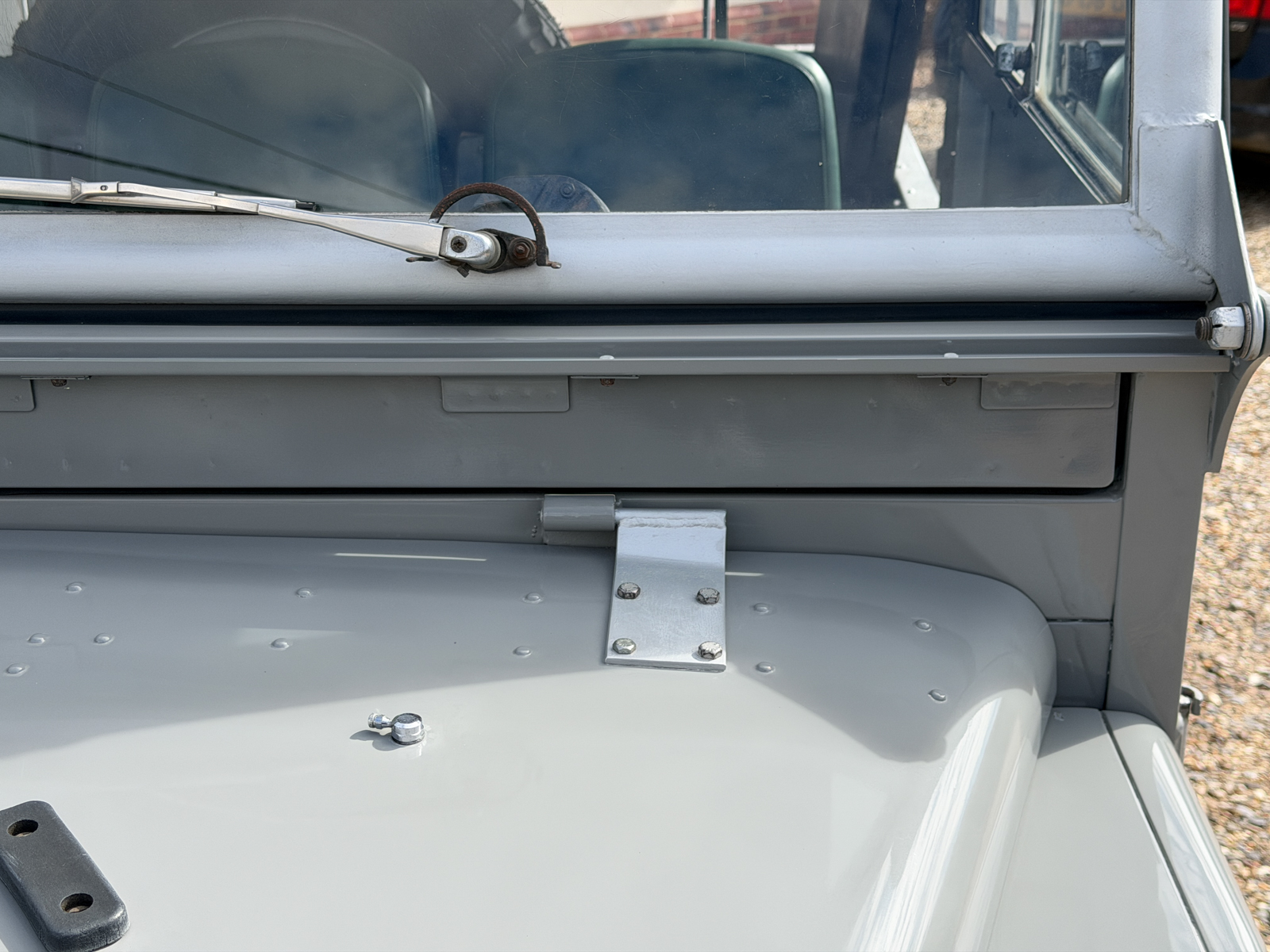
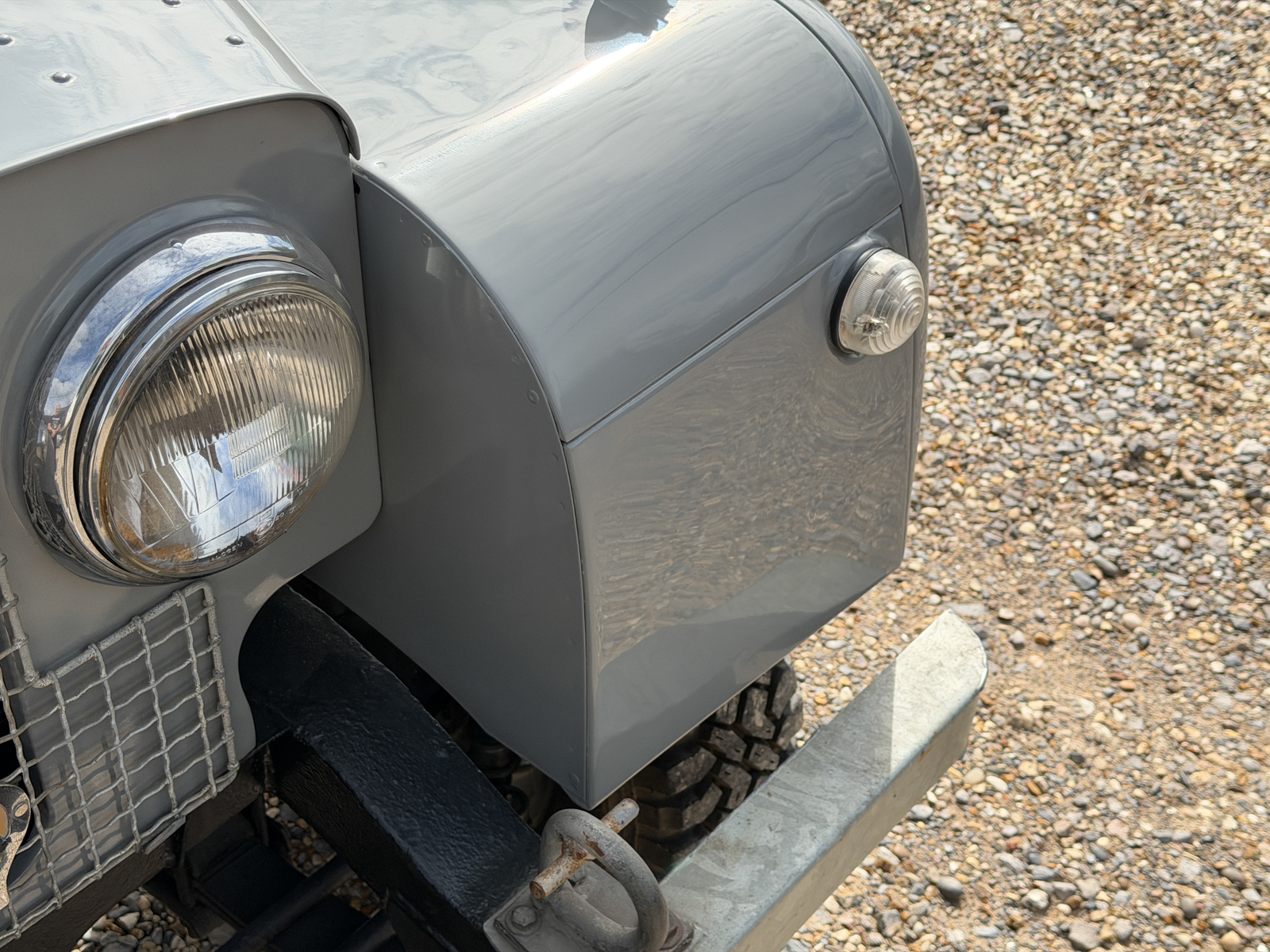
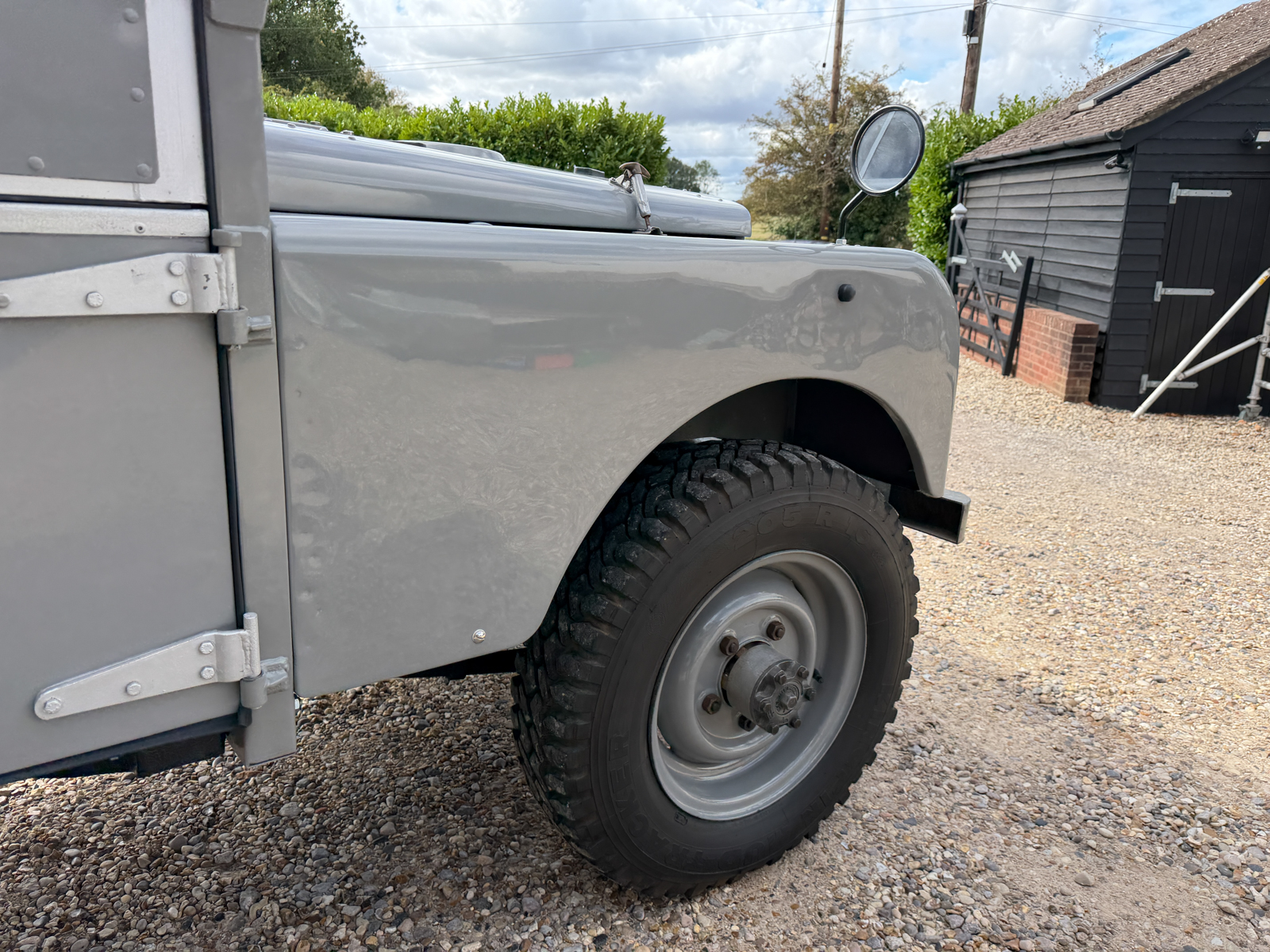
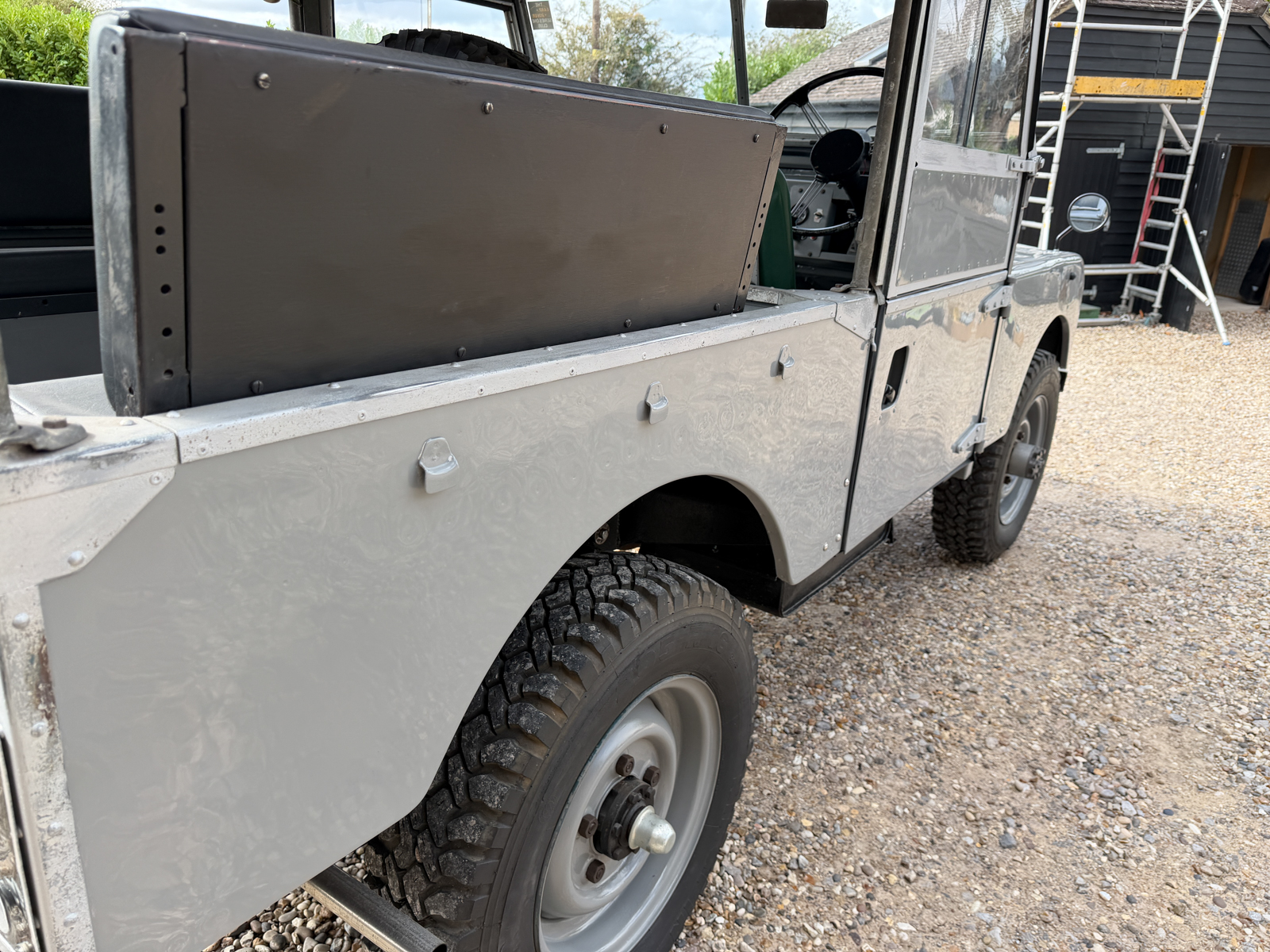
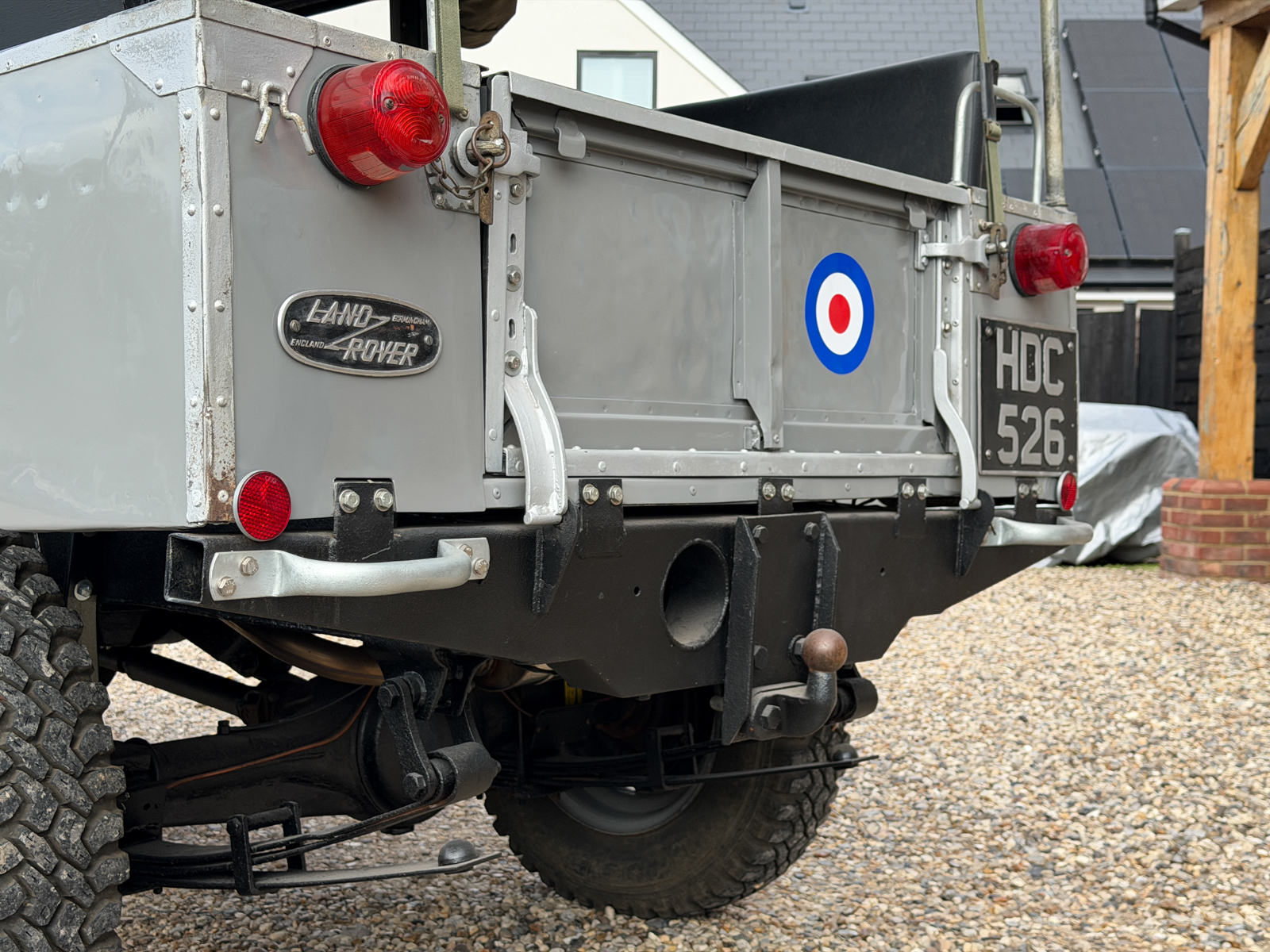
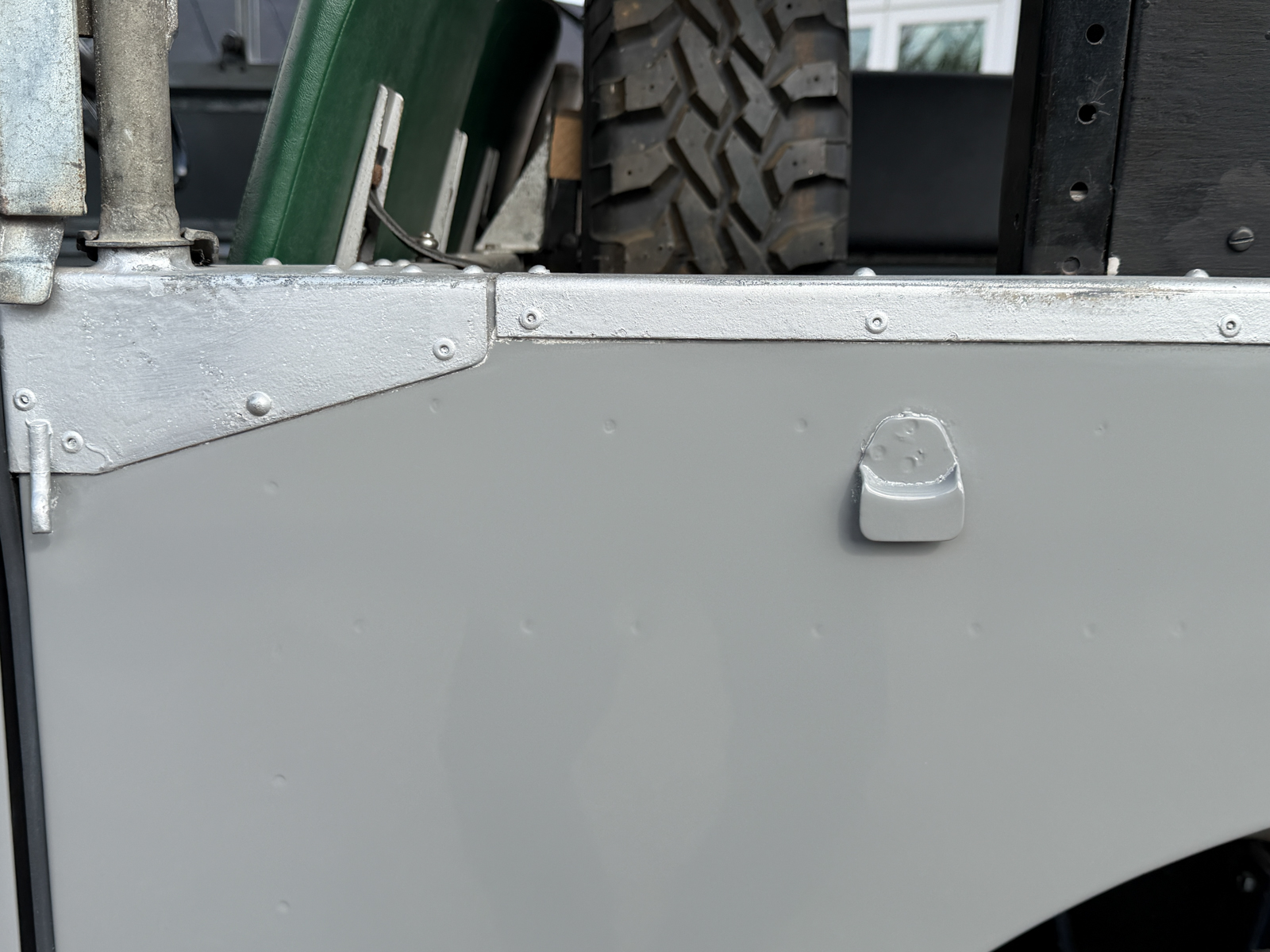
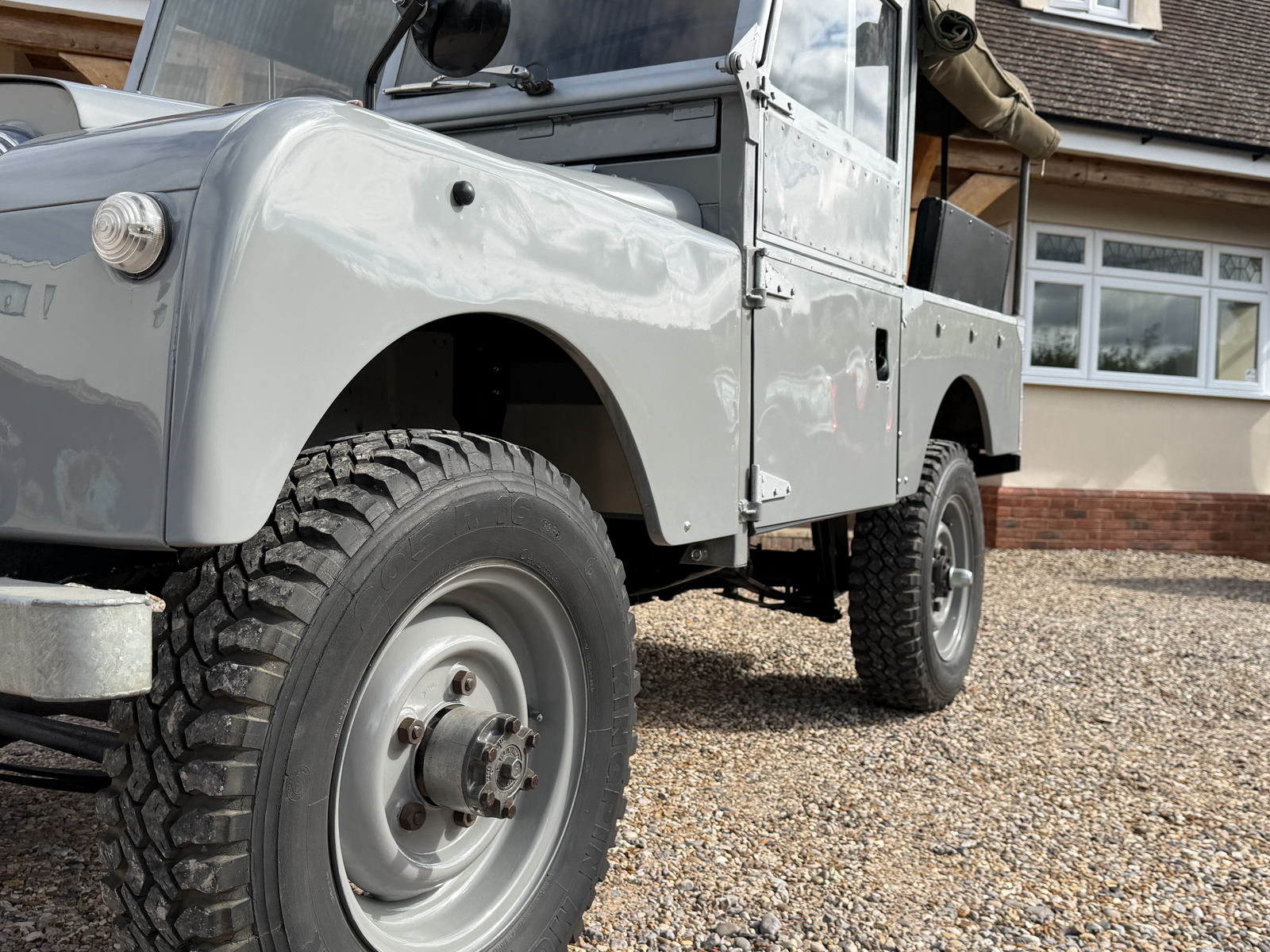
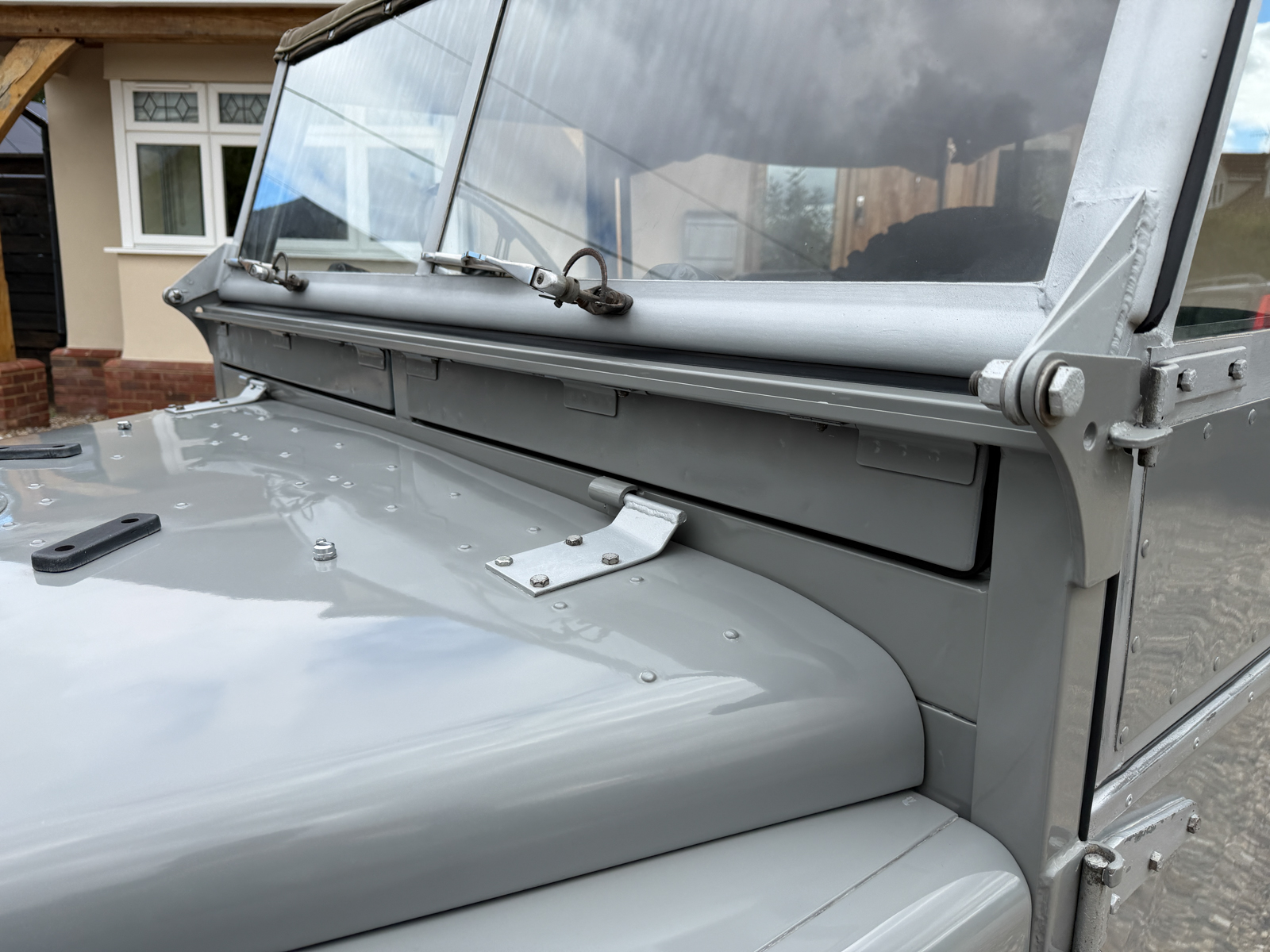
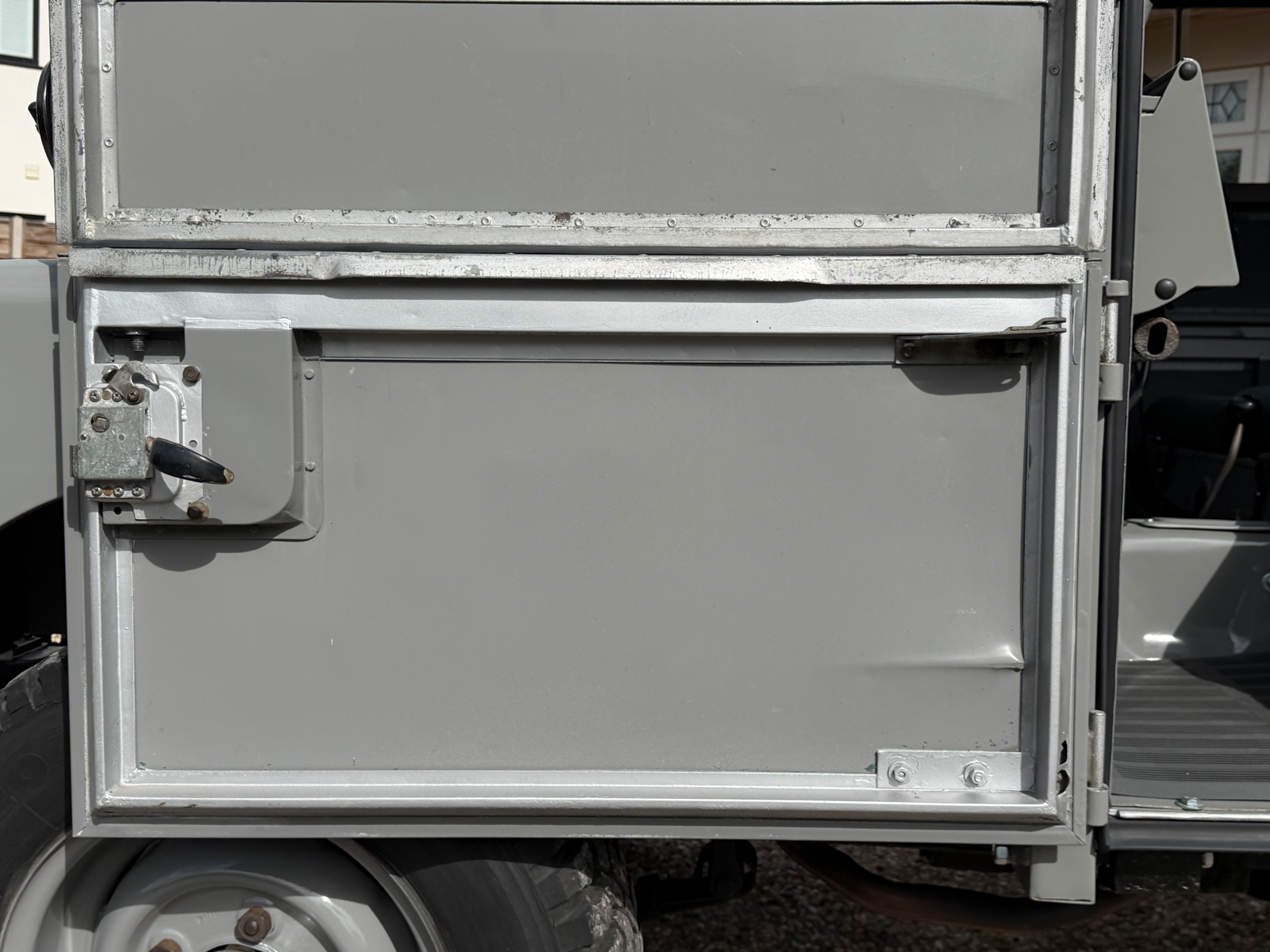
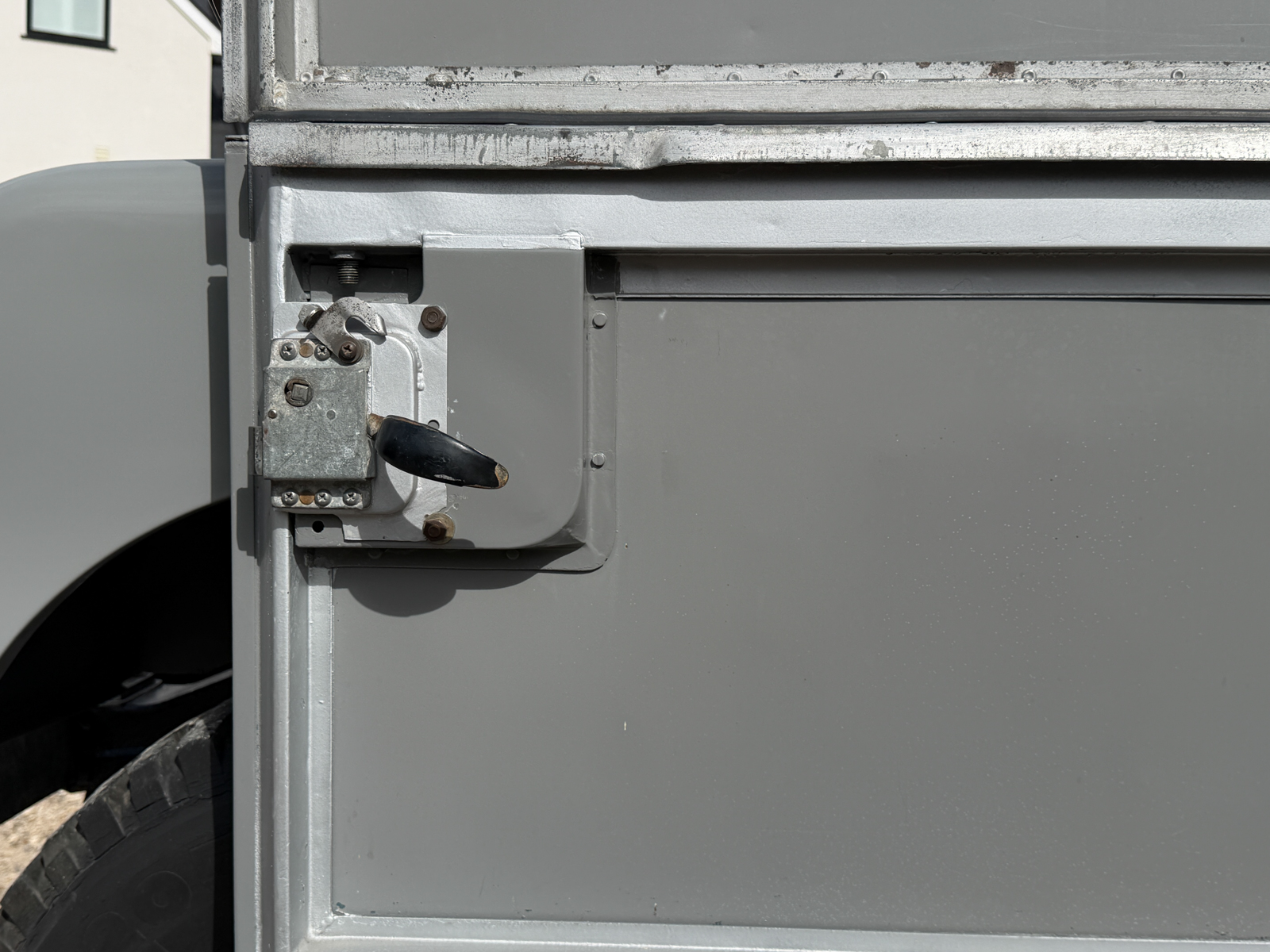
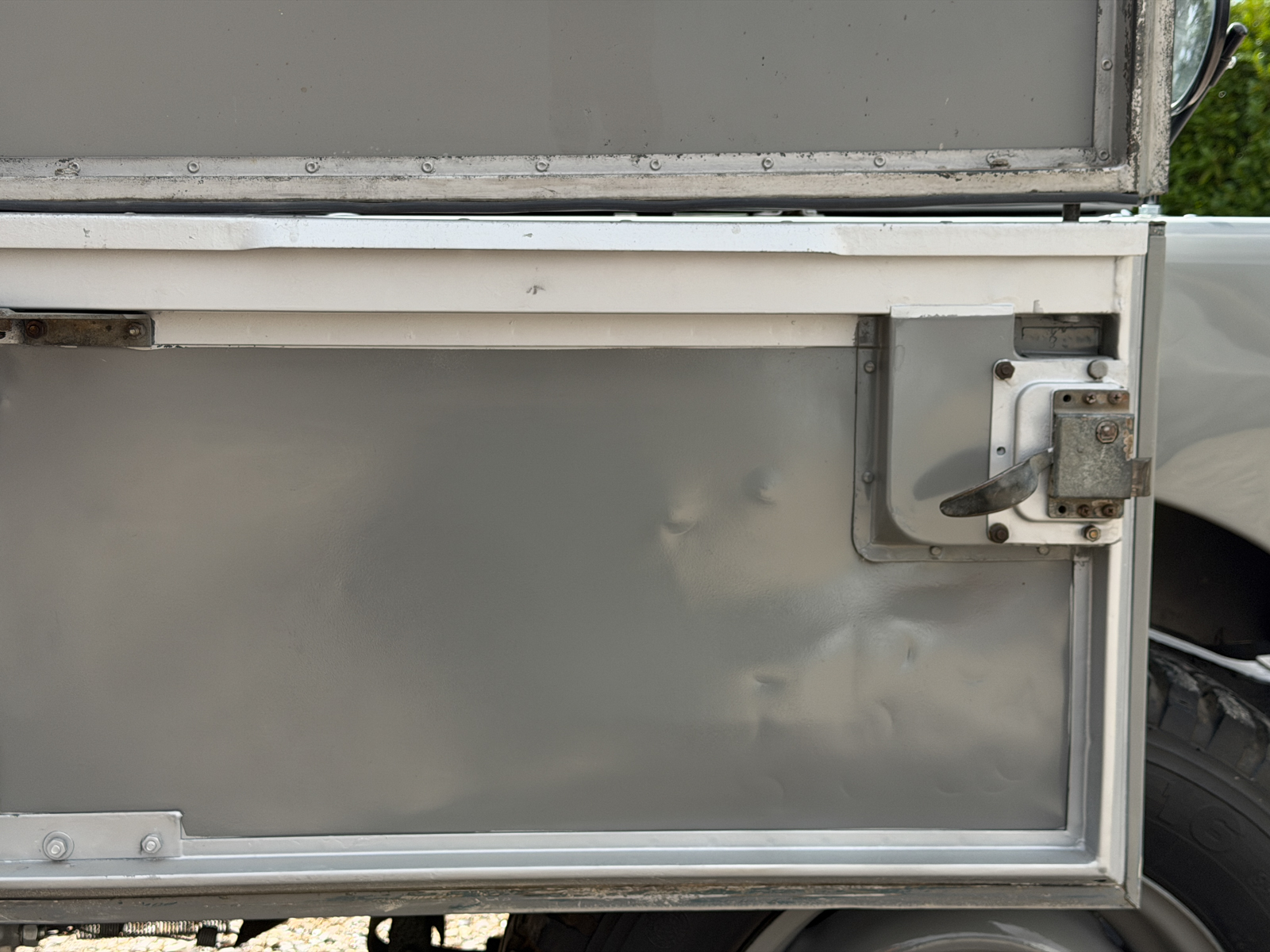
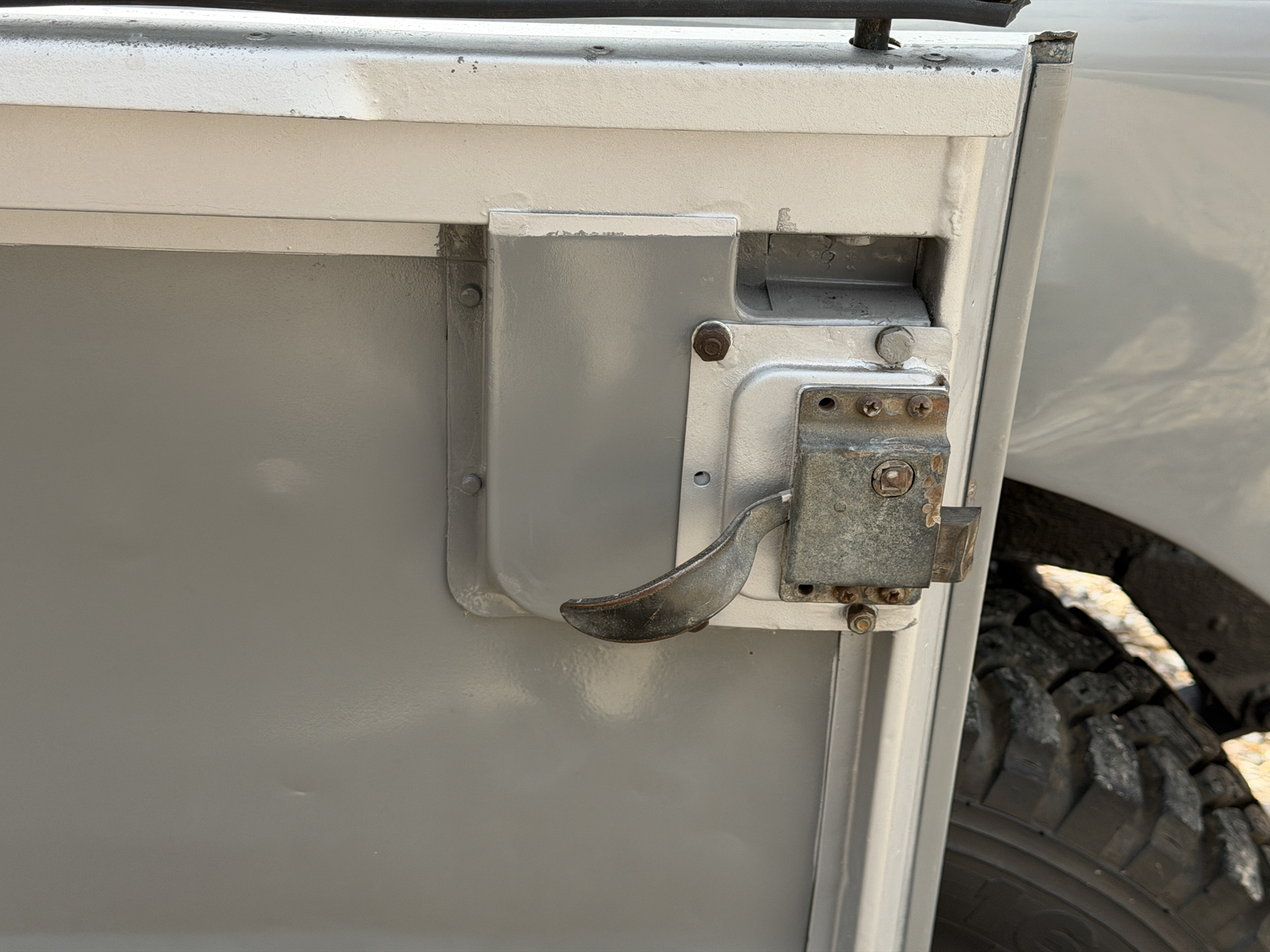
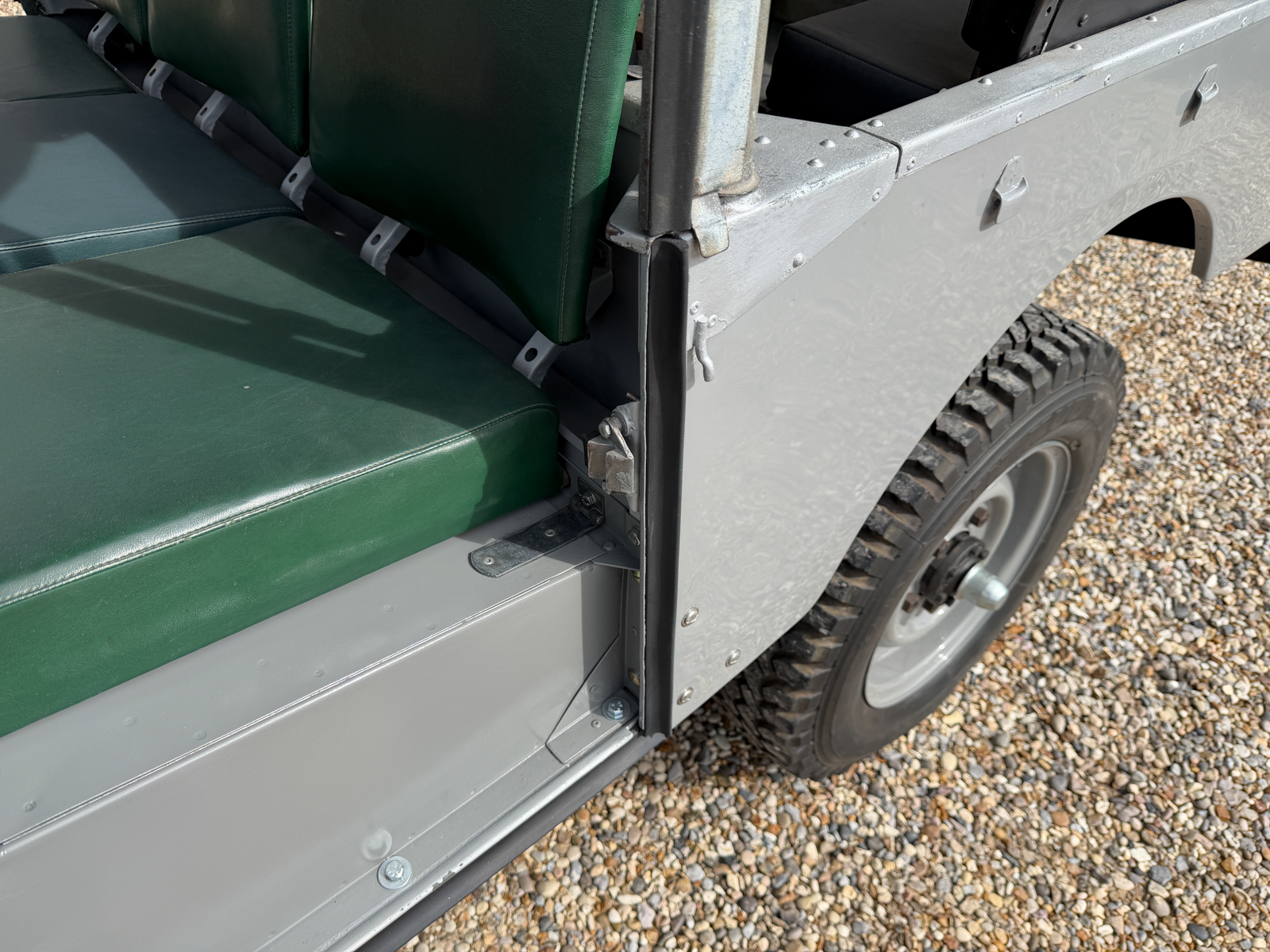
The Series I’s bodywork is one of its strongest features and presents extremely well for a vehicle of this age.

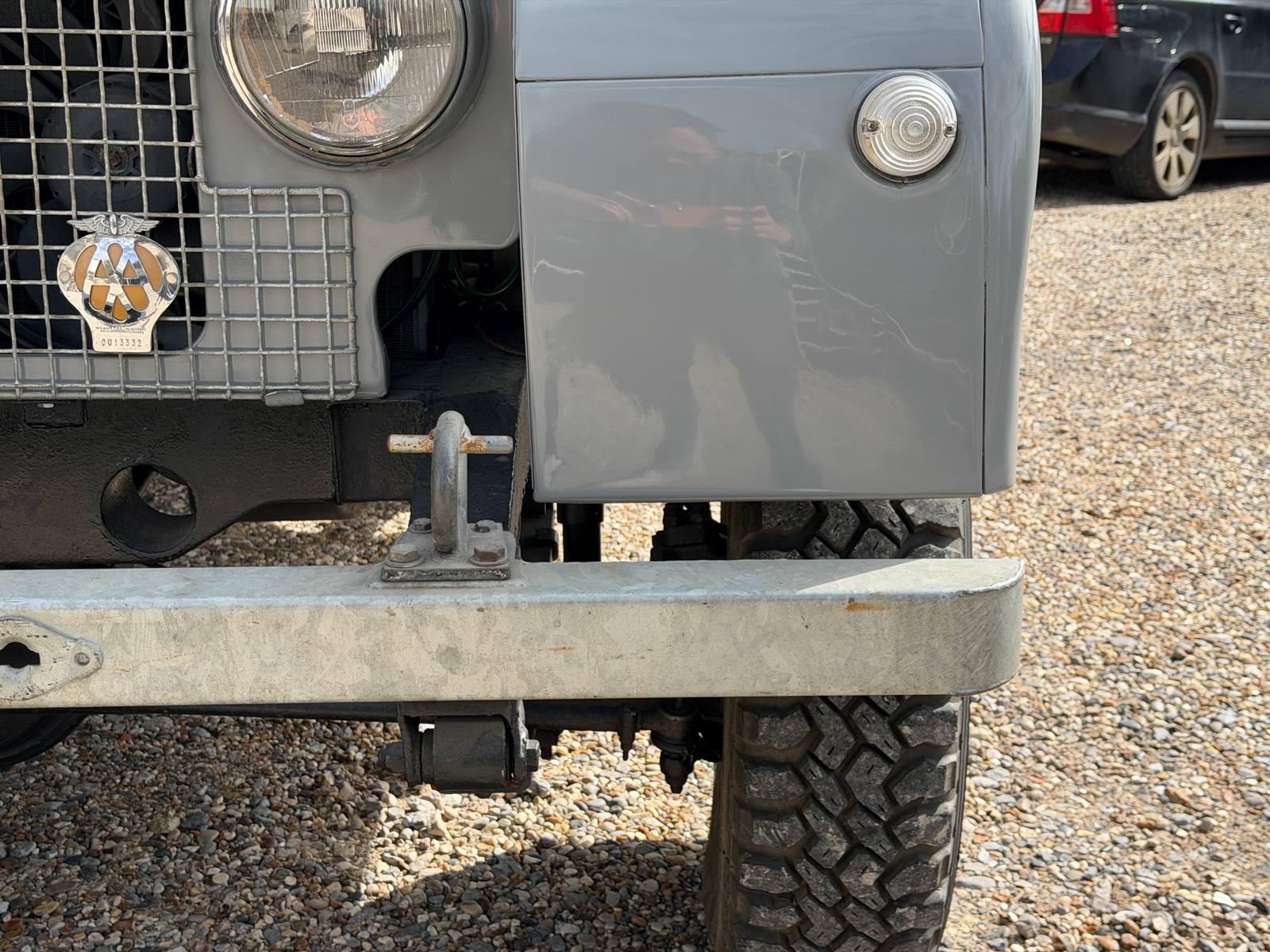
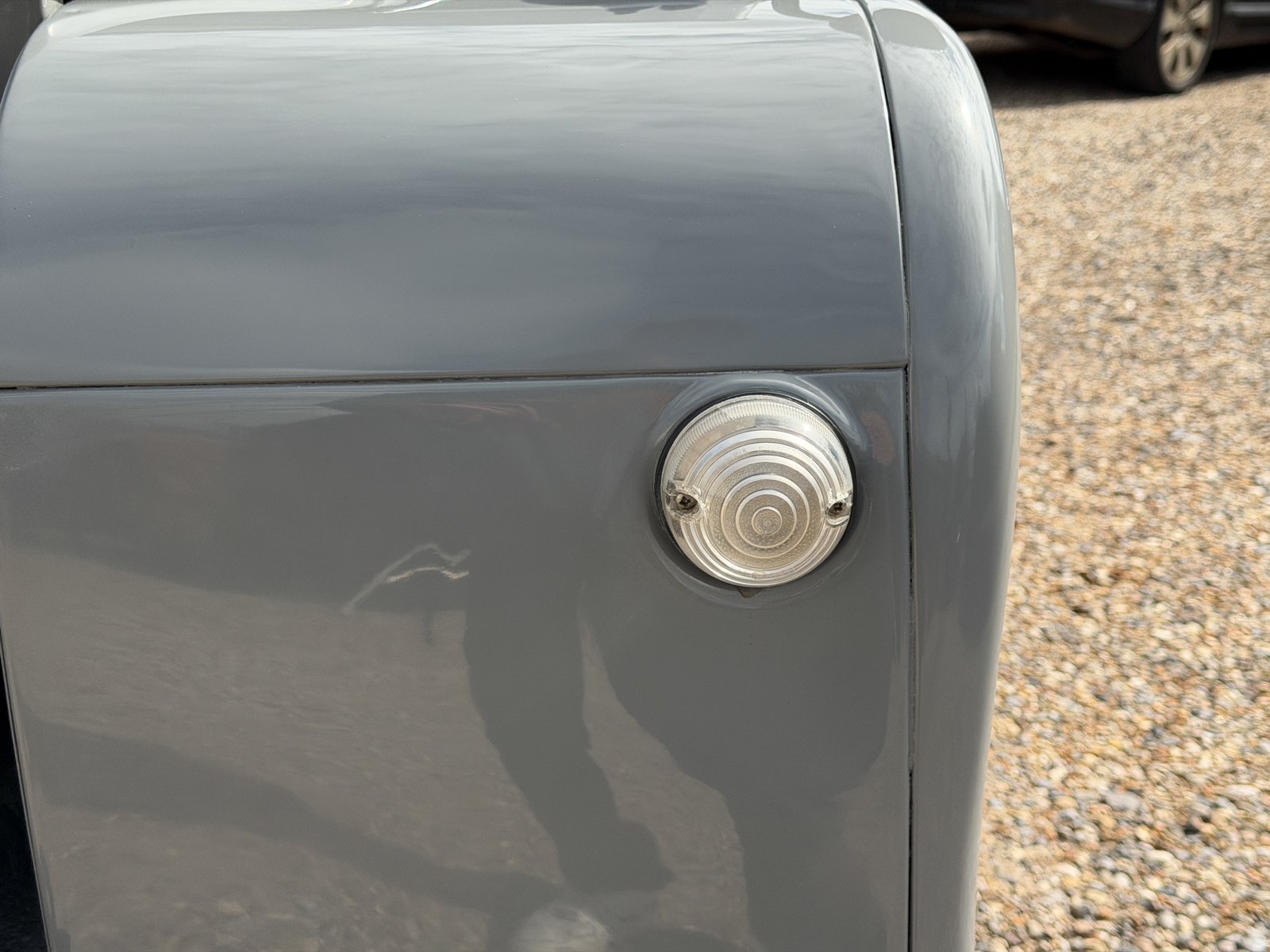
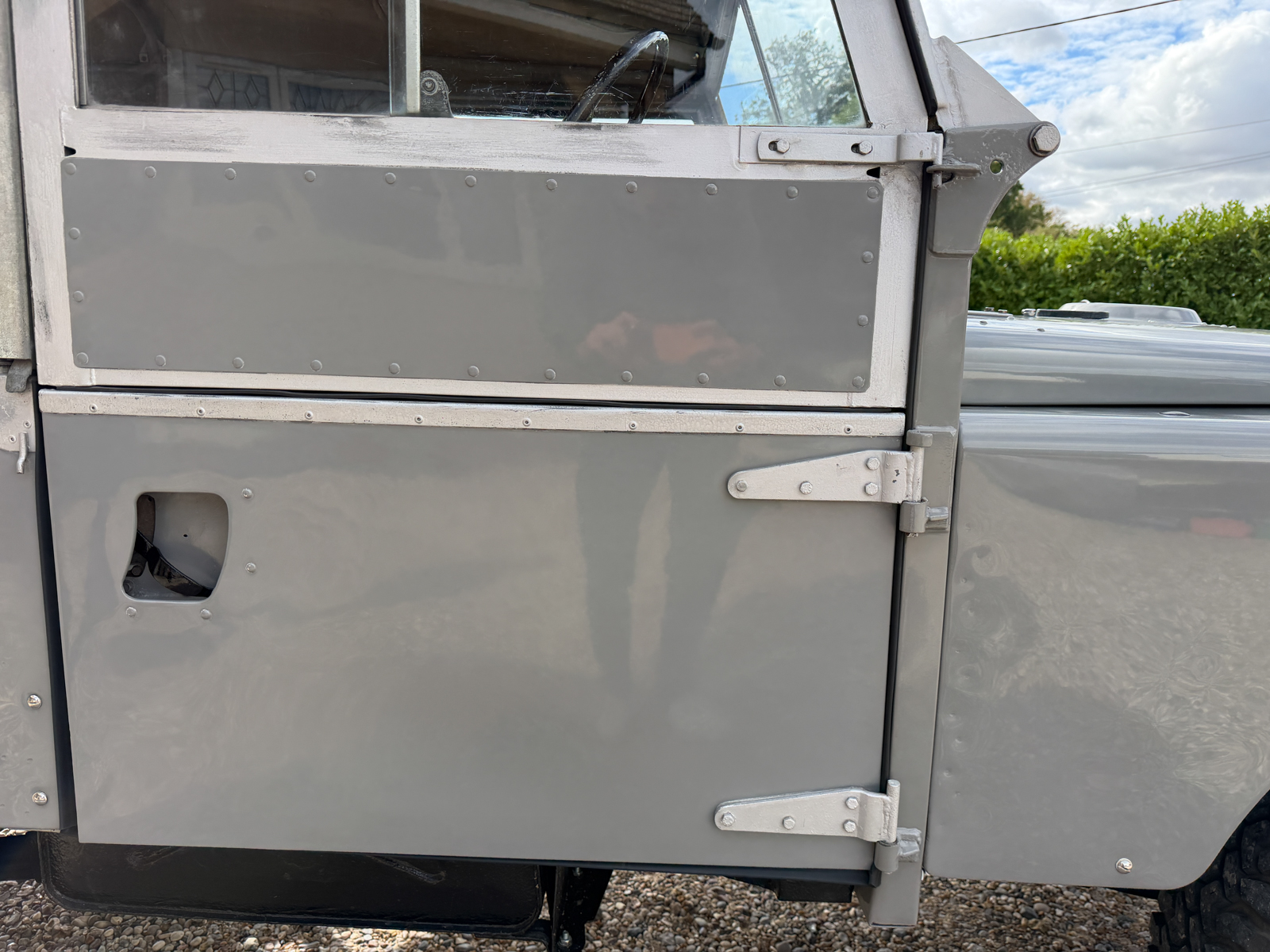
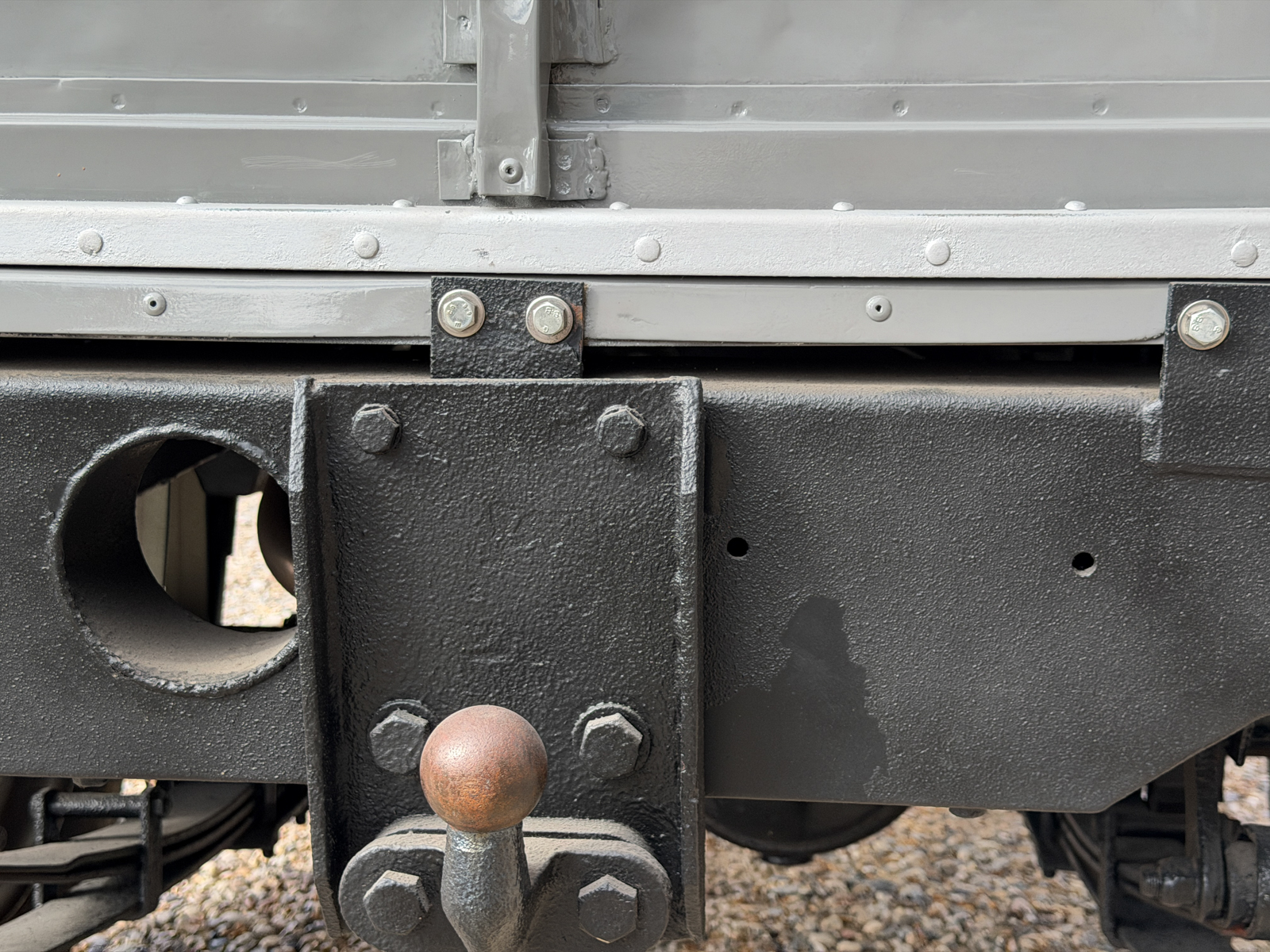
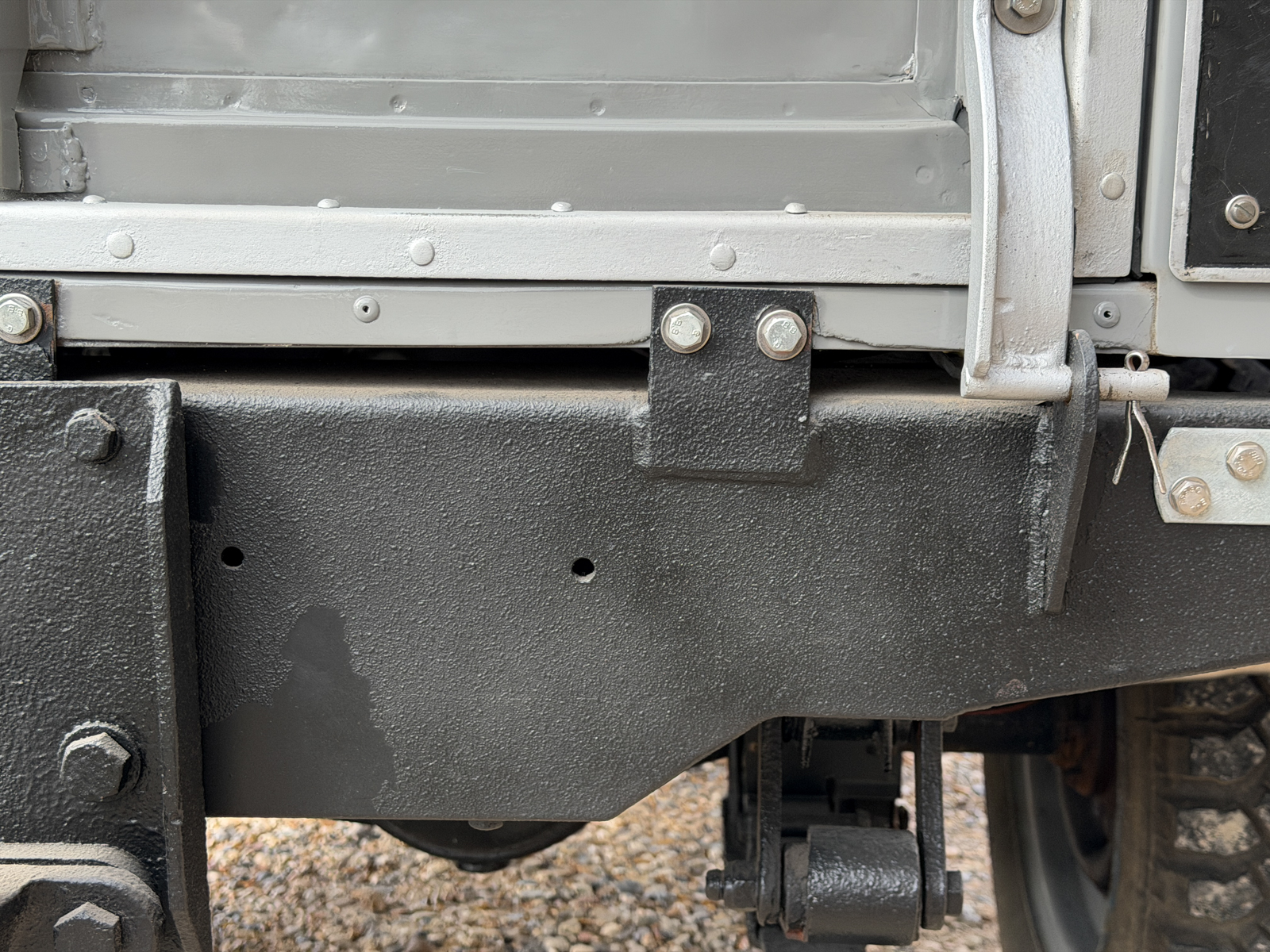
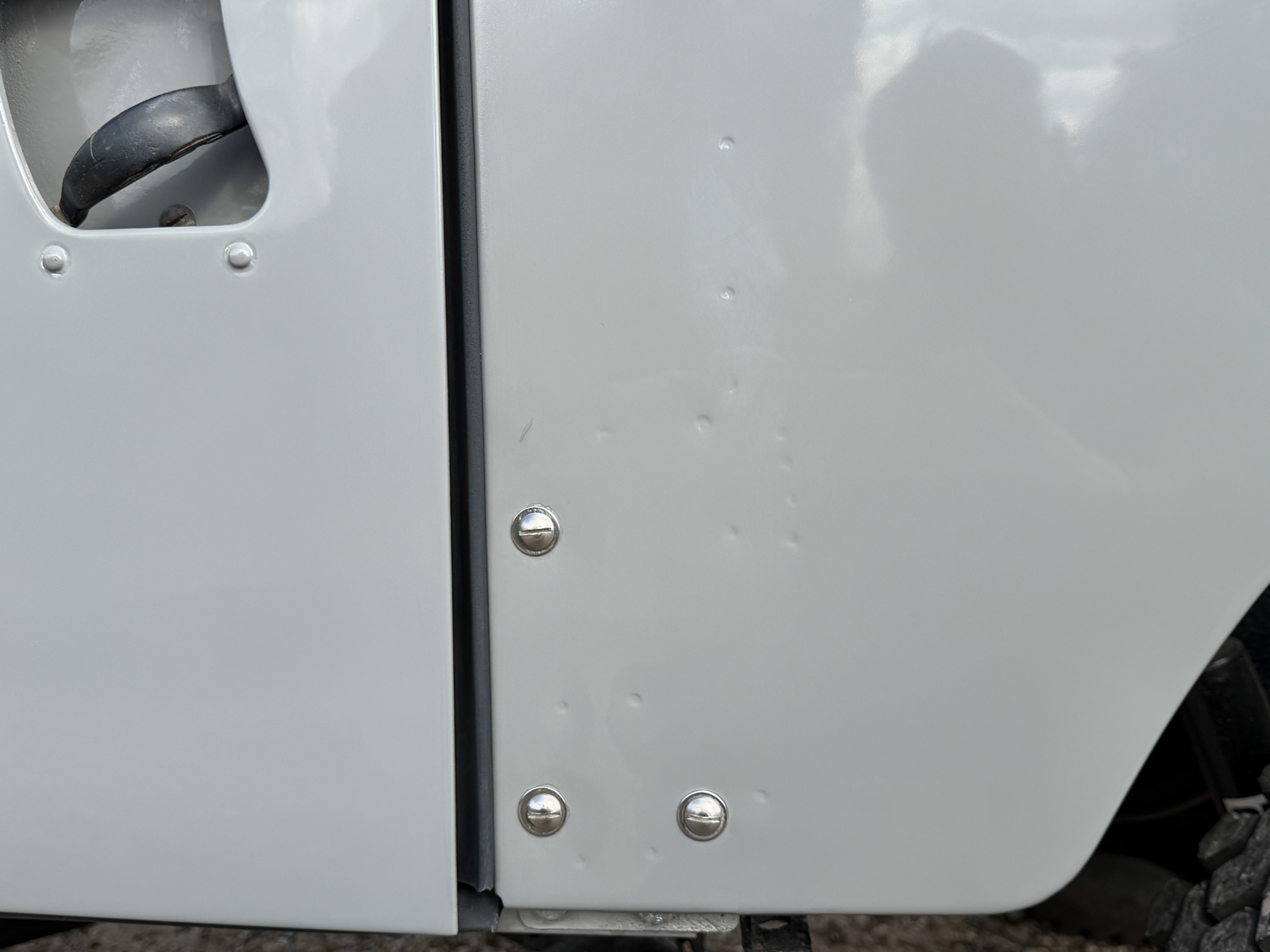
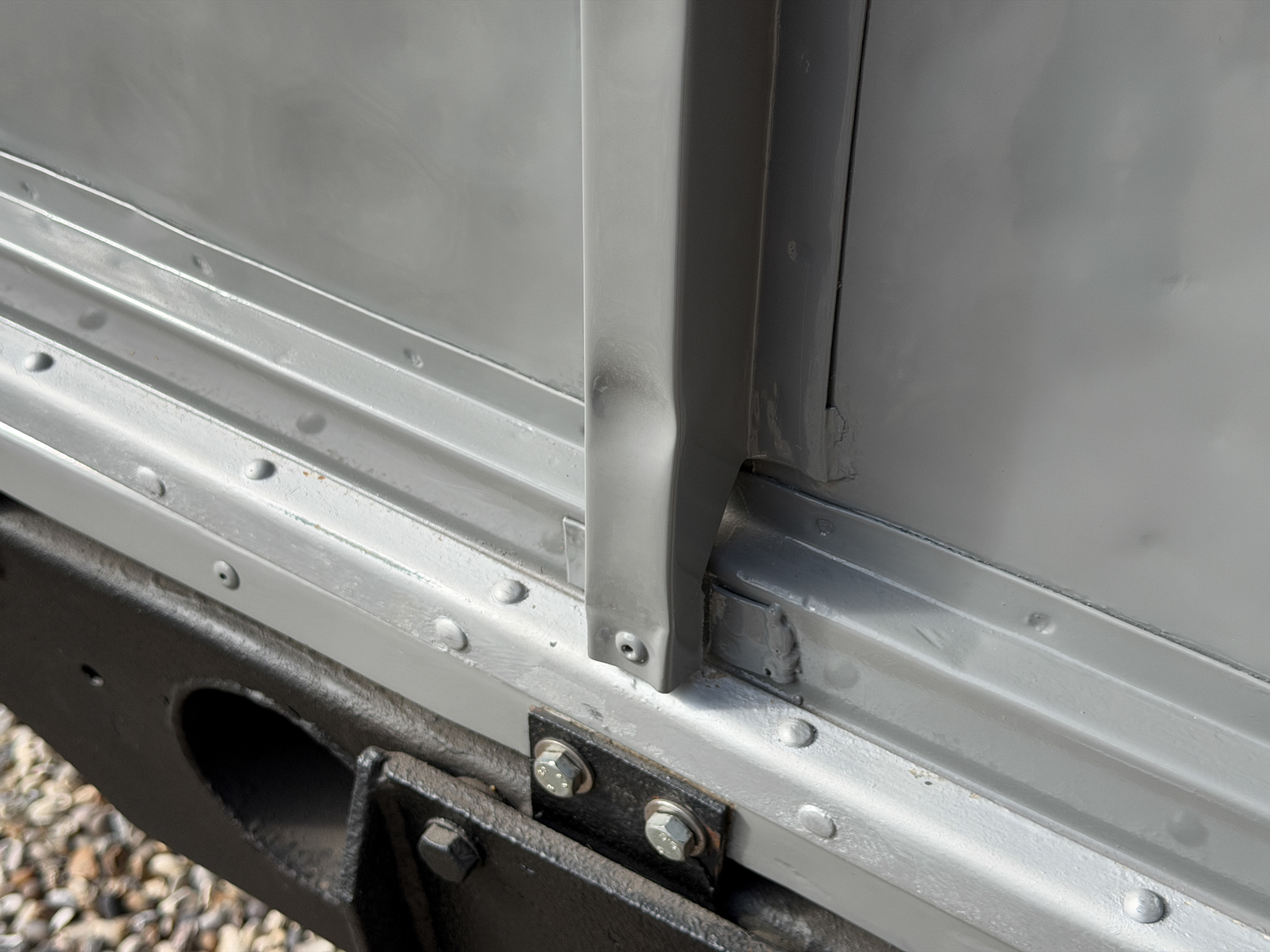
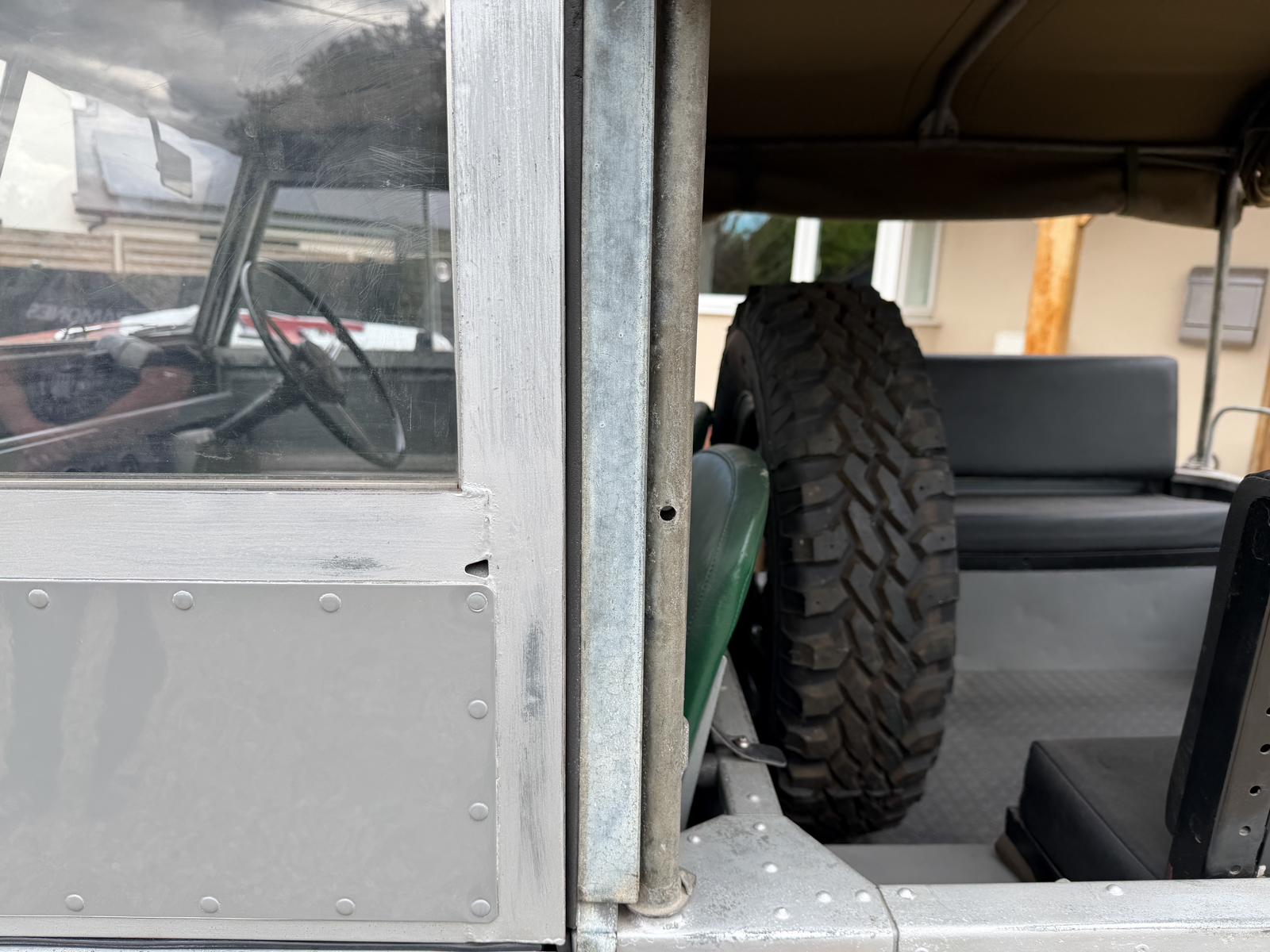
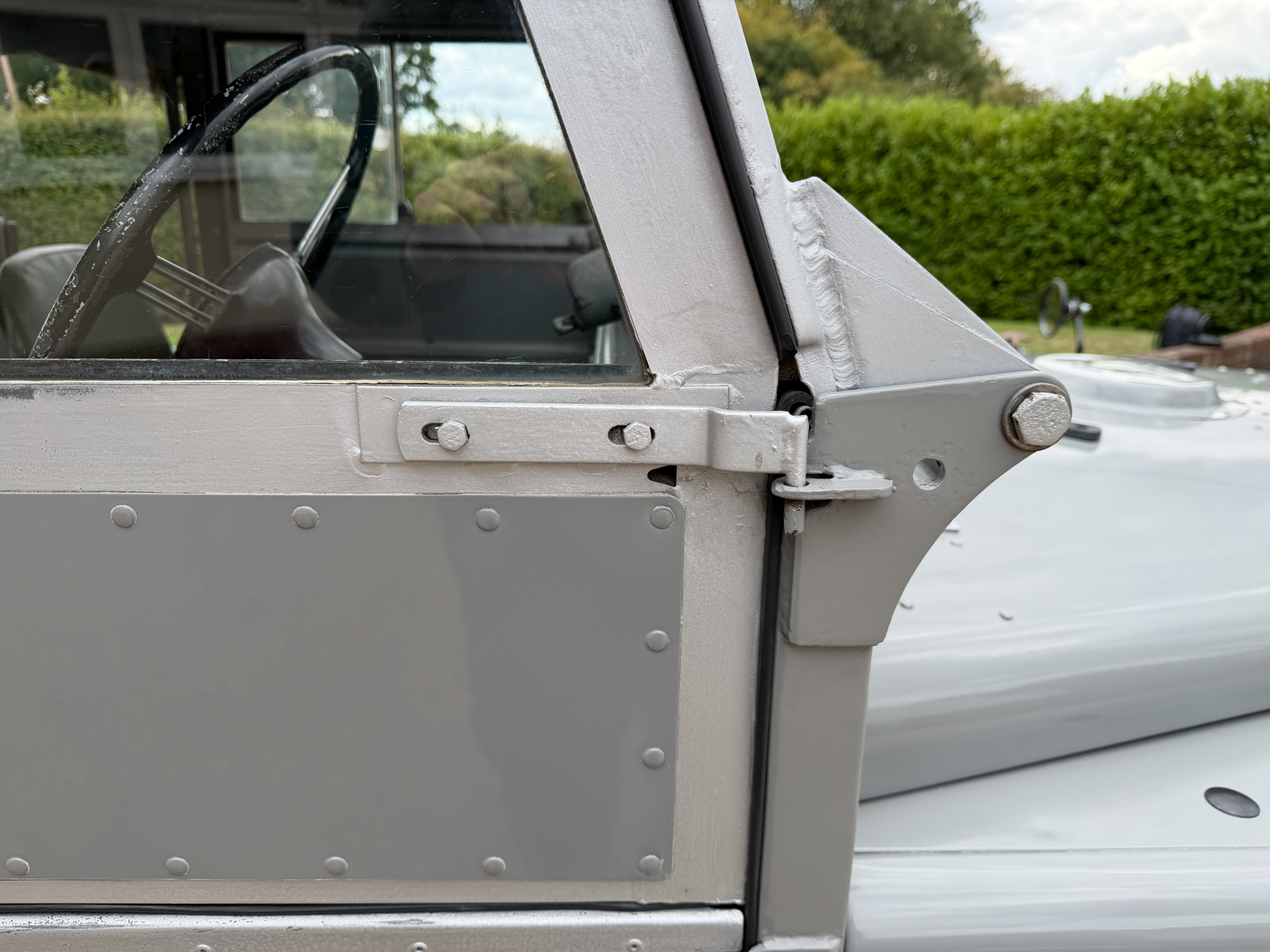
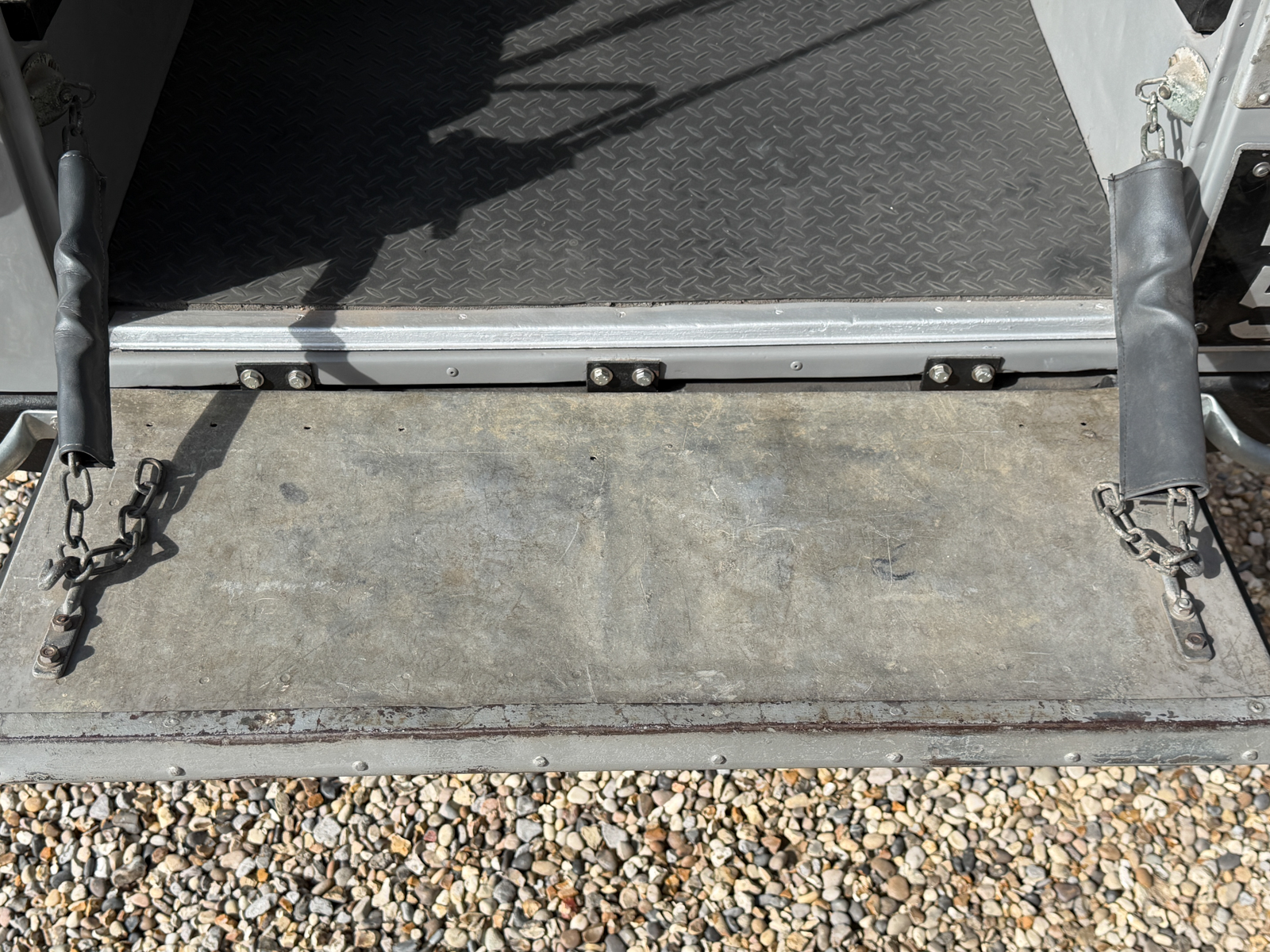
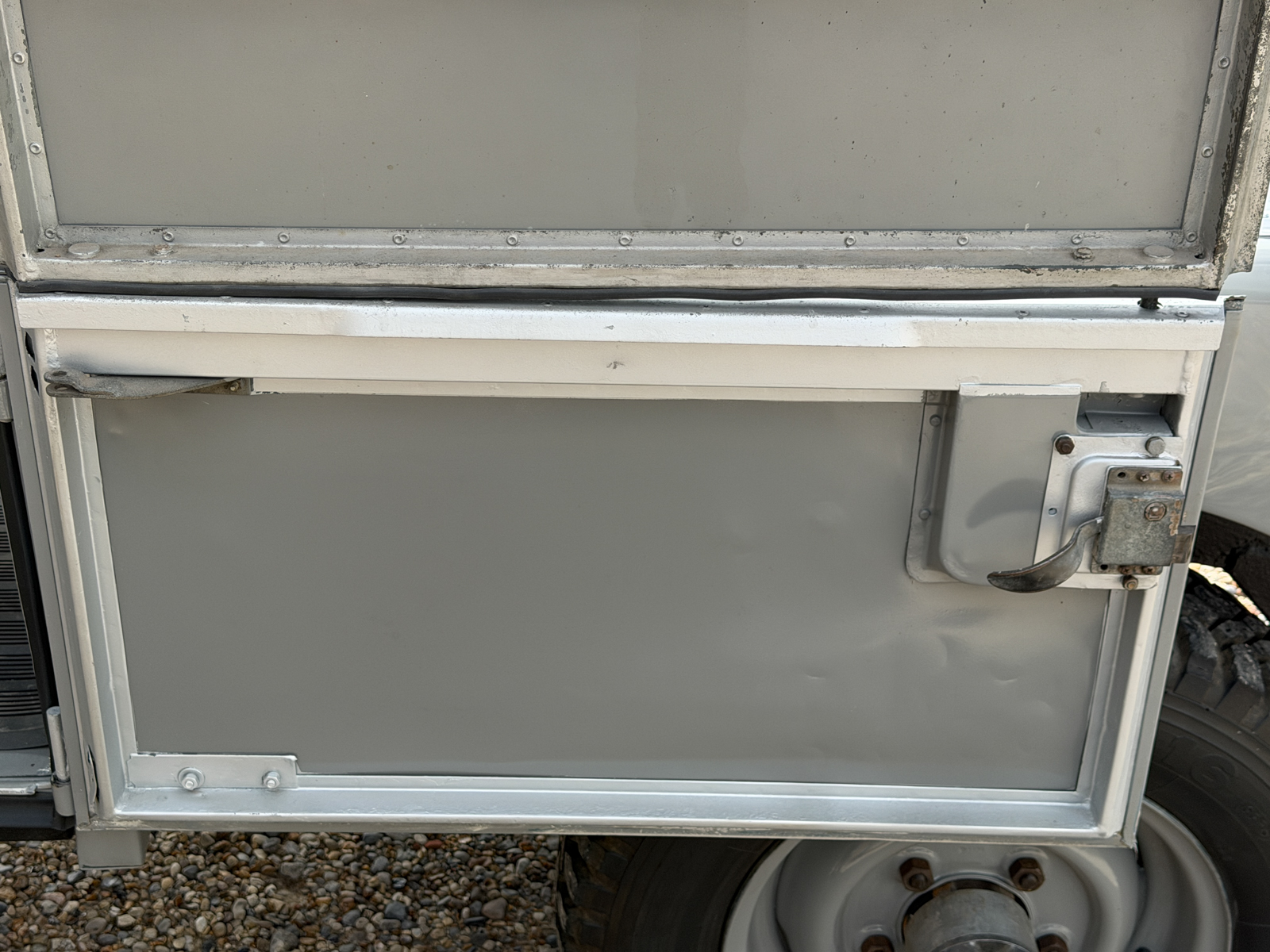
The aluminium-alloy panels appear straight overall, with particularly good-looking shut lines around the bonnet, doors and tailgate. We did not notice any significant dents or obvious areas of bodywork damage during our visit.

The bonnet, front doors and rear tailgate all appear to sit correctly.

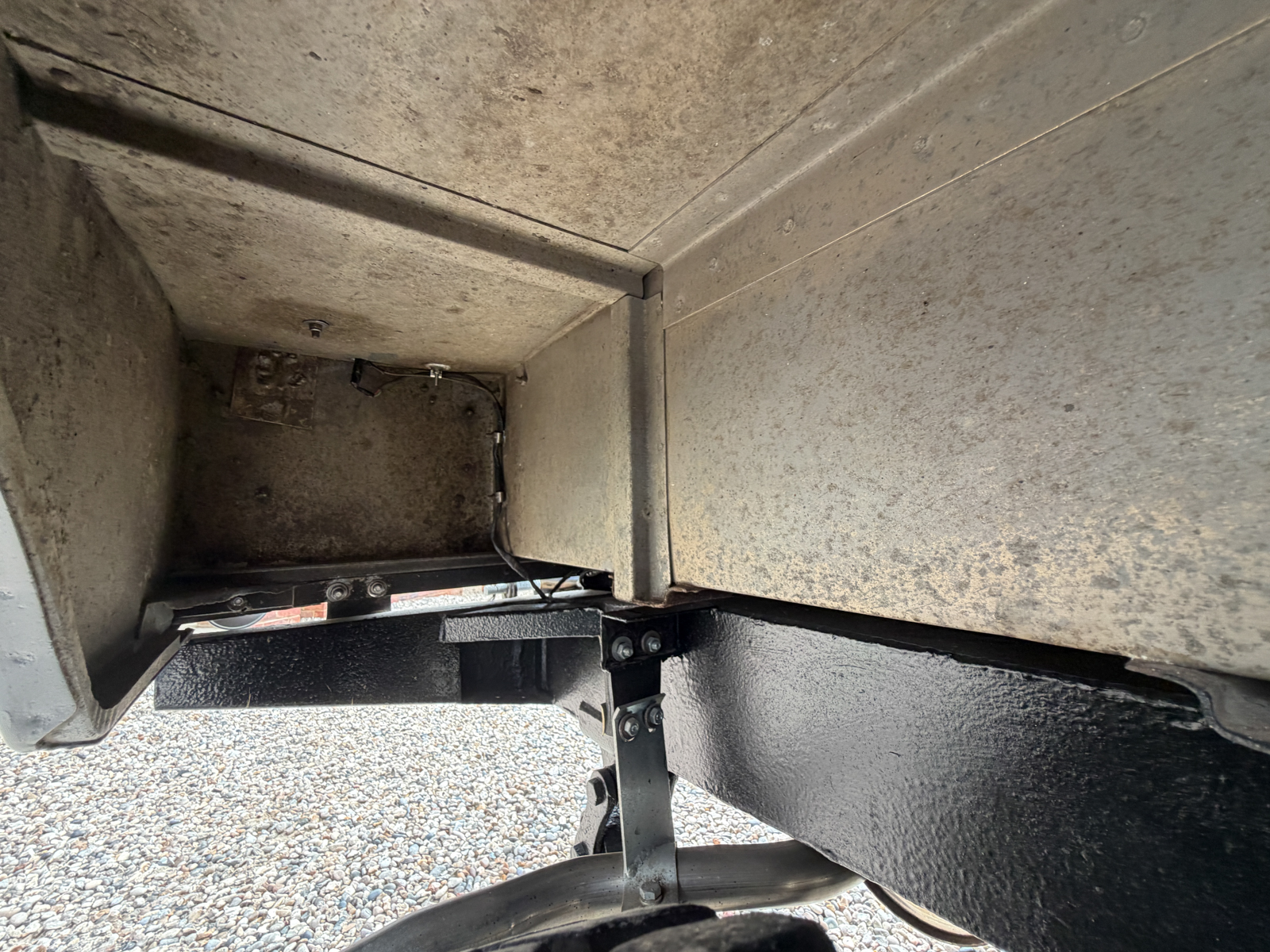
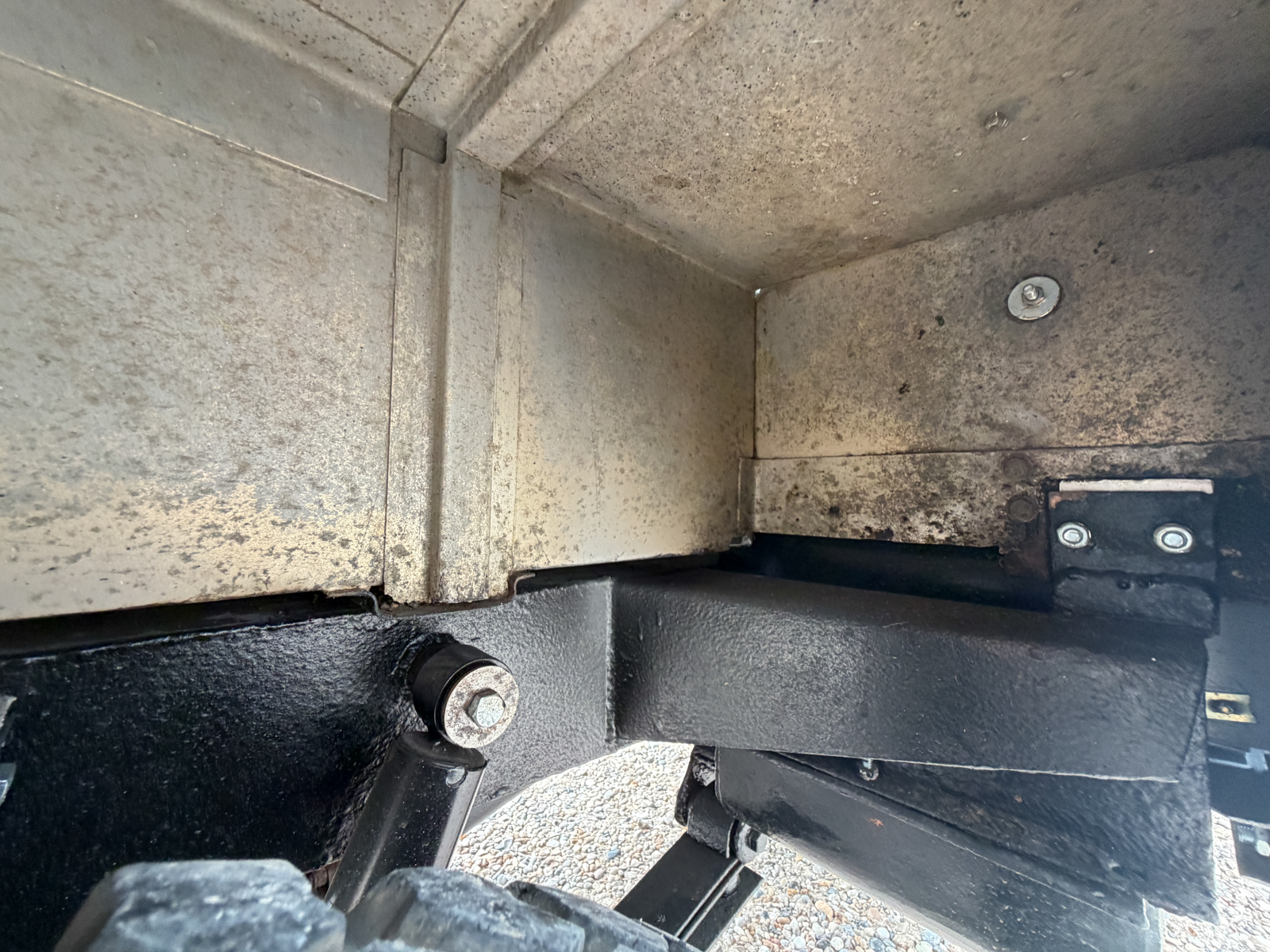
The body was removed from the chassis during the restoration undertaken in the 1990s. The panel fit achieved during that work remains notably good today.

We've highlighted in more detail our observations through our hi-resolution images and videos, so please take time to look through all the media files for a detailed view at what’s on offer, and for you to assess the condition of the car for yourselves.

image

Paint

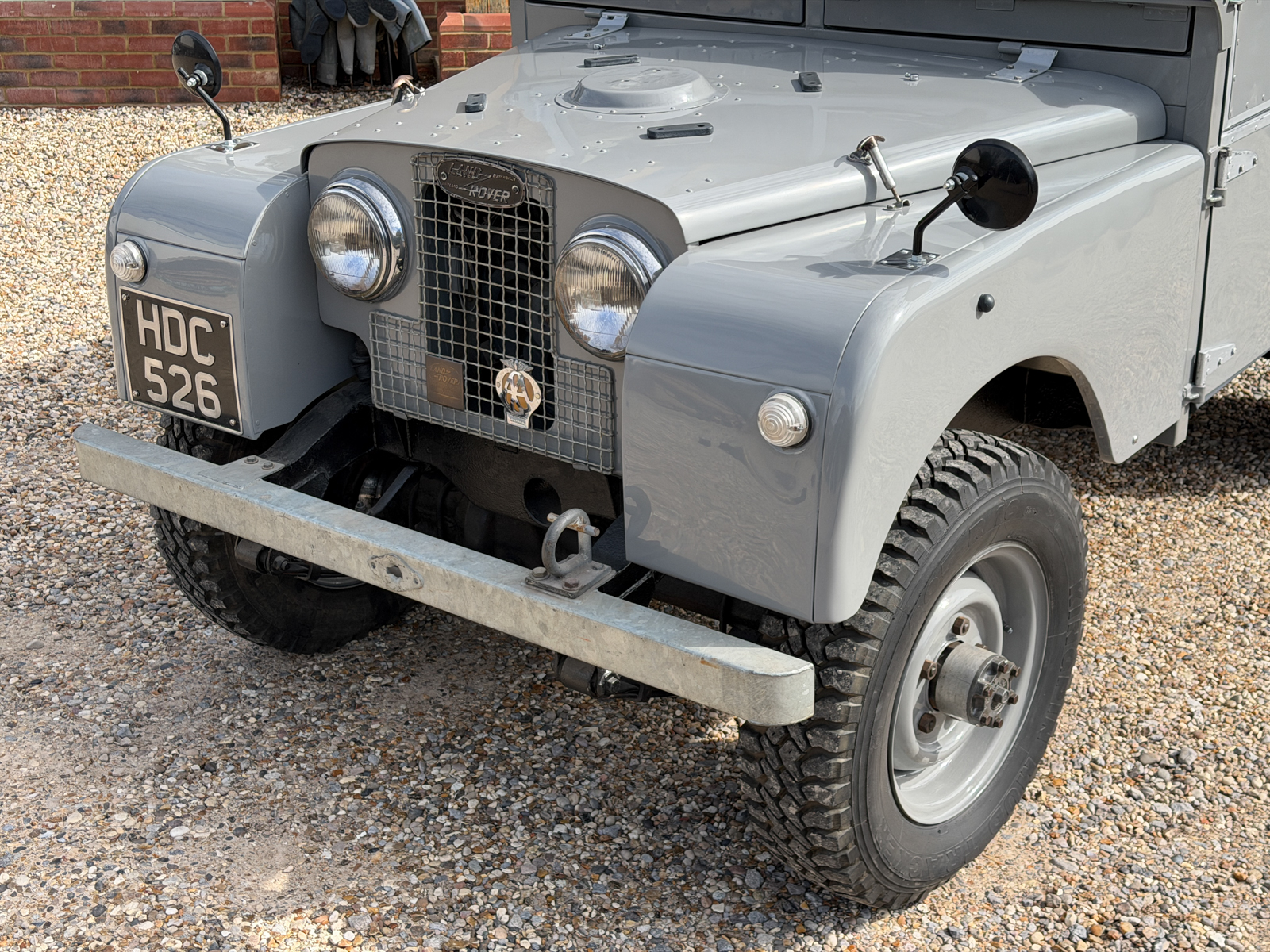
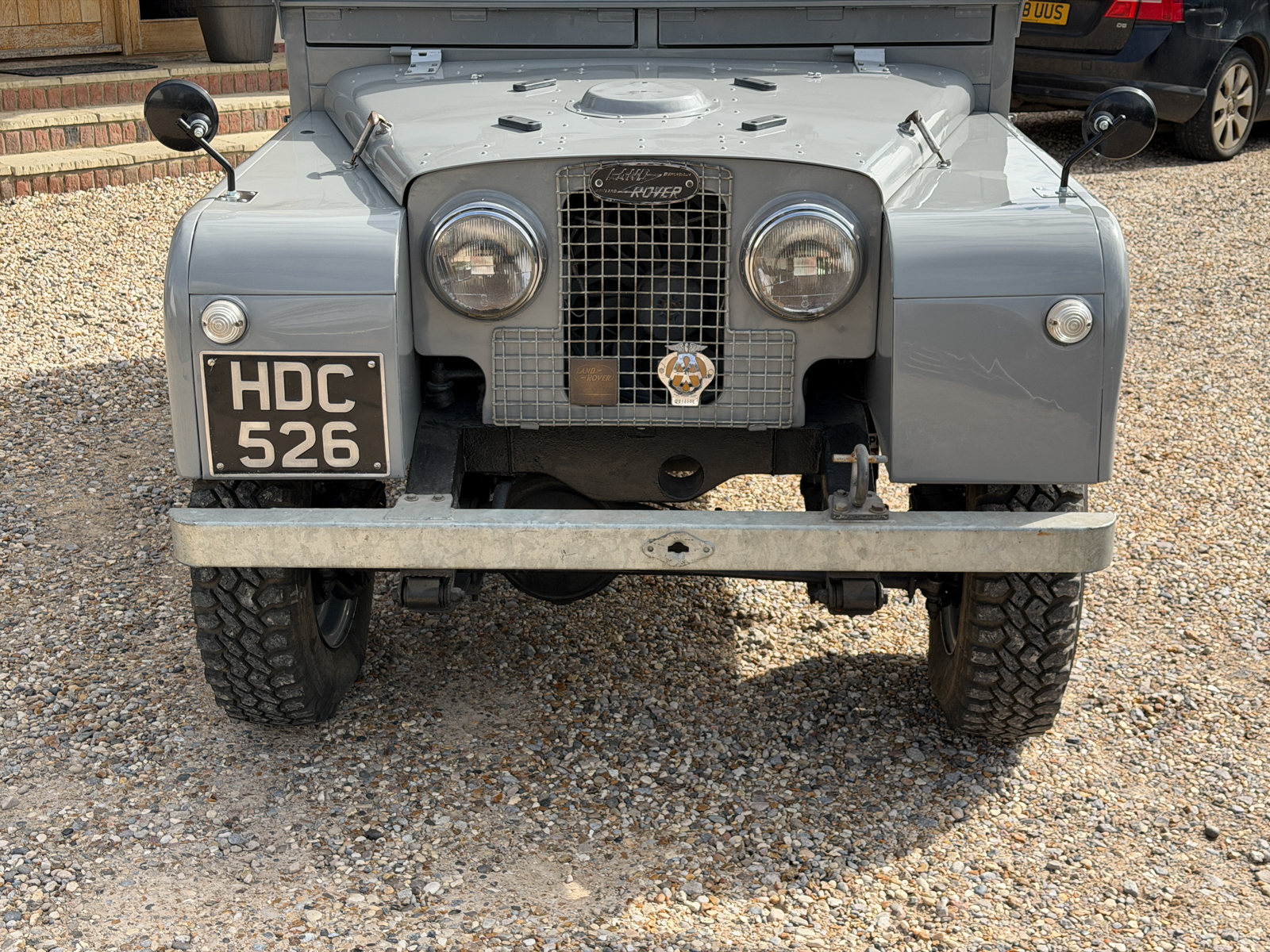
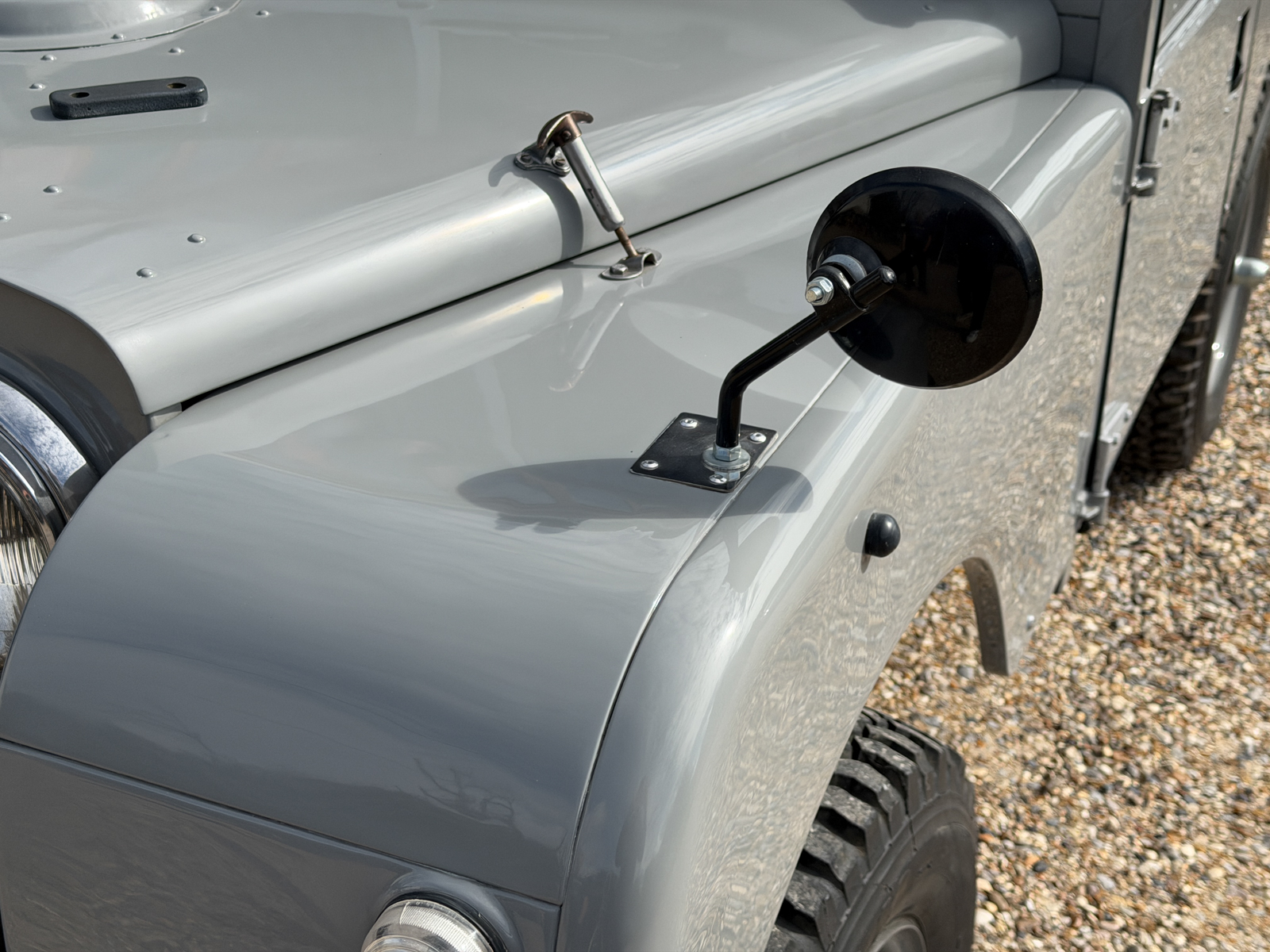
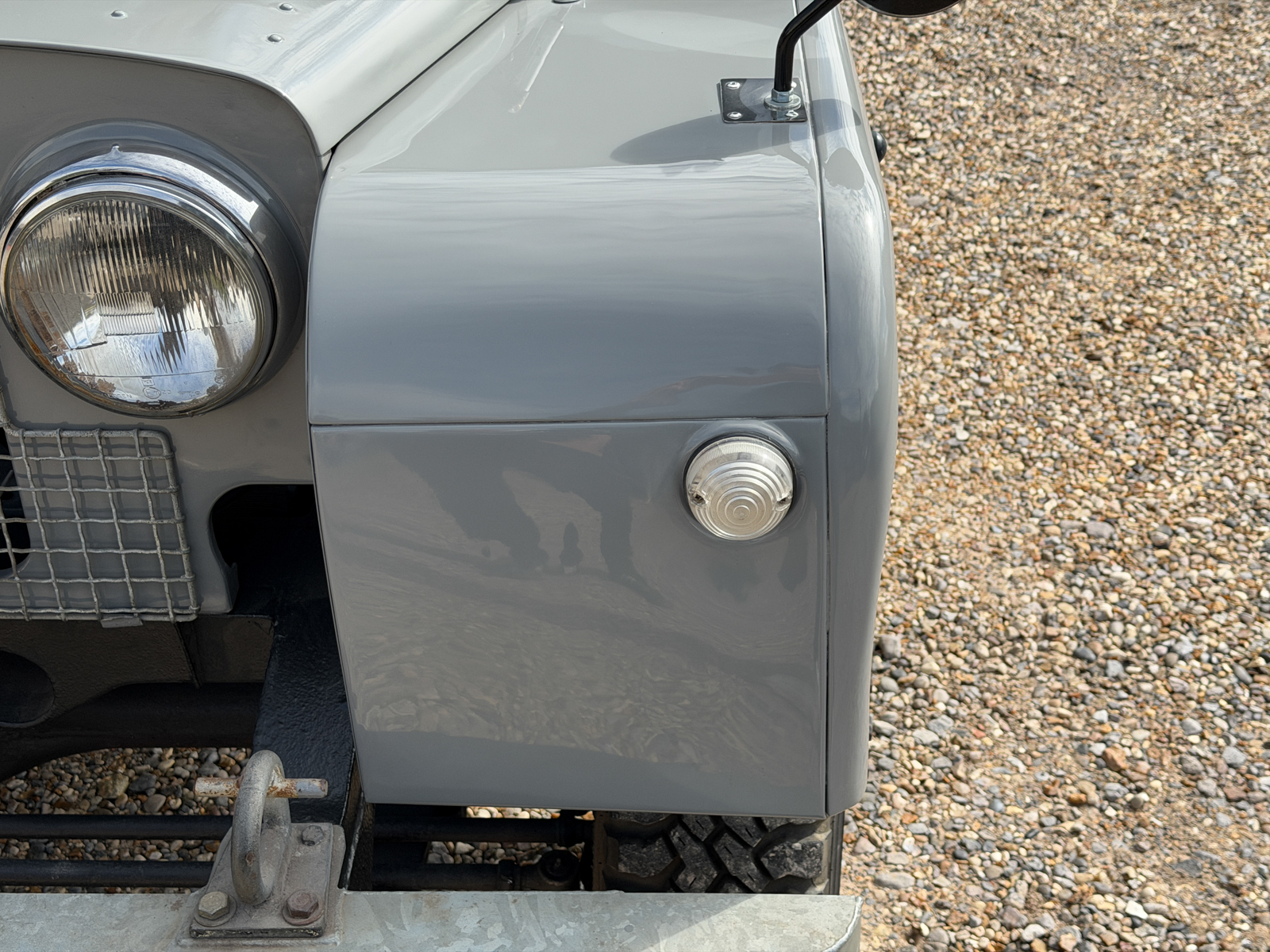
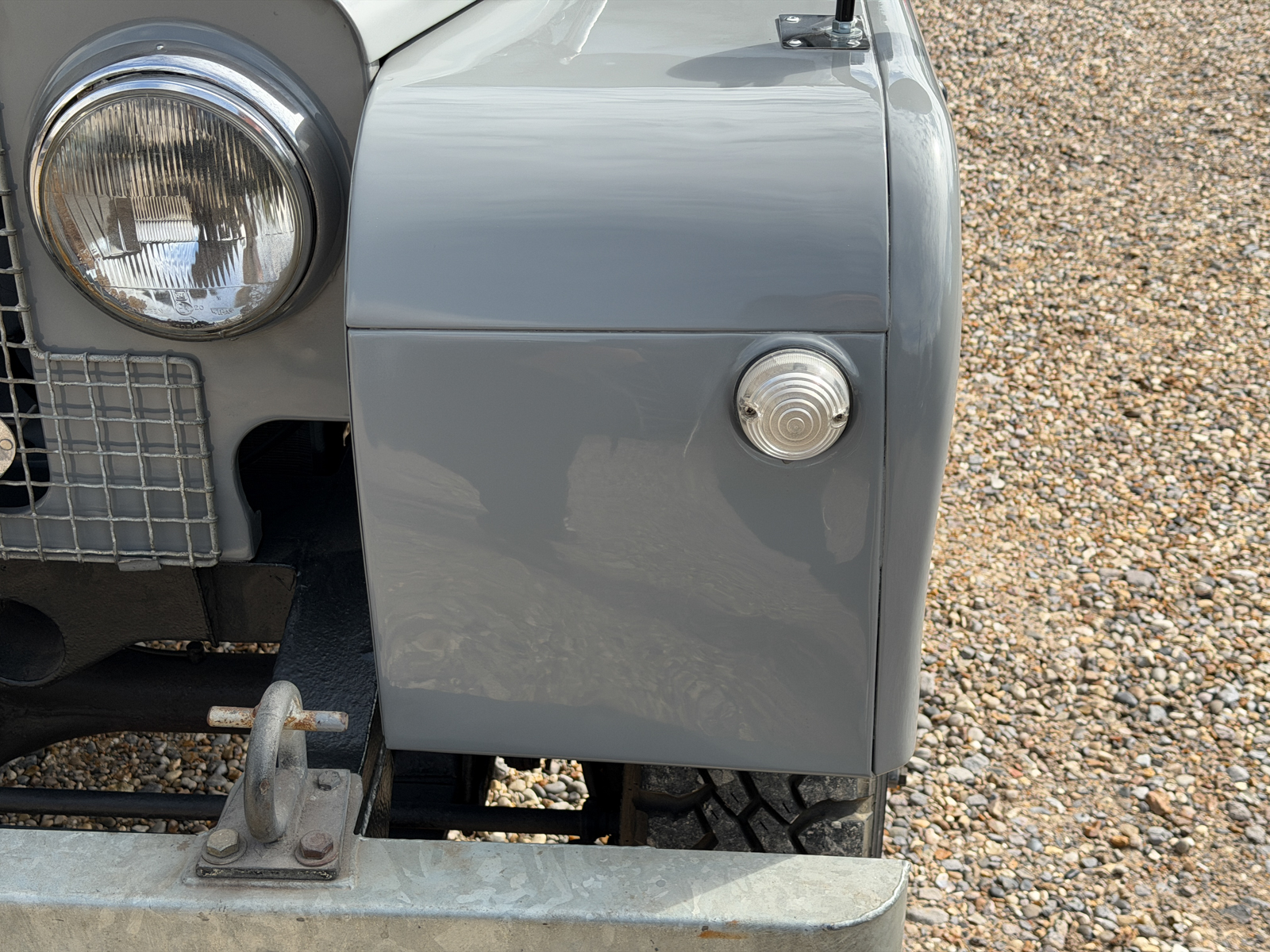
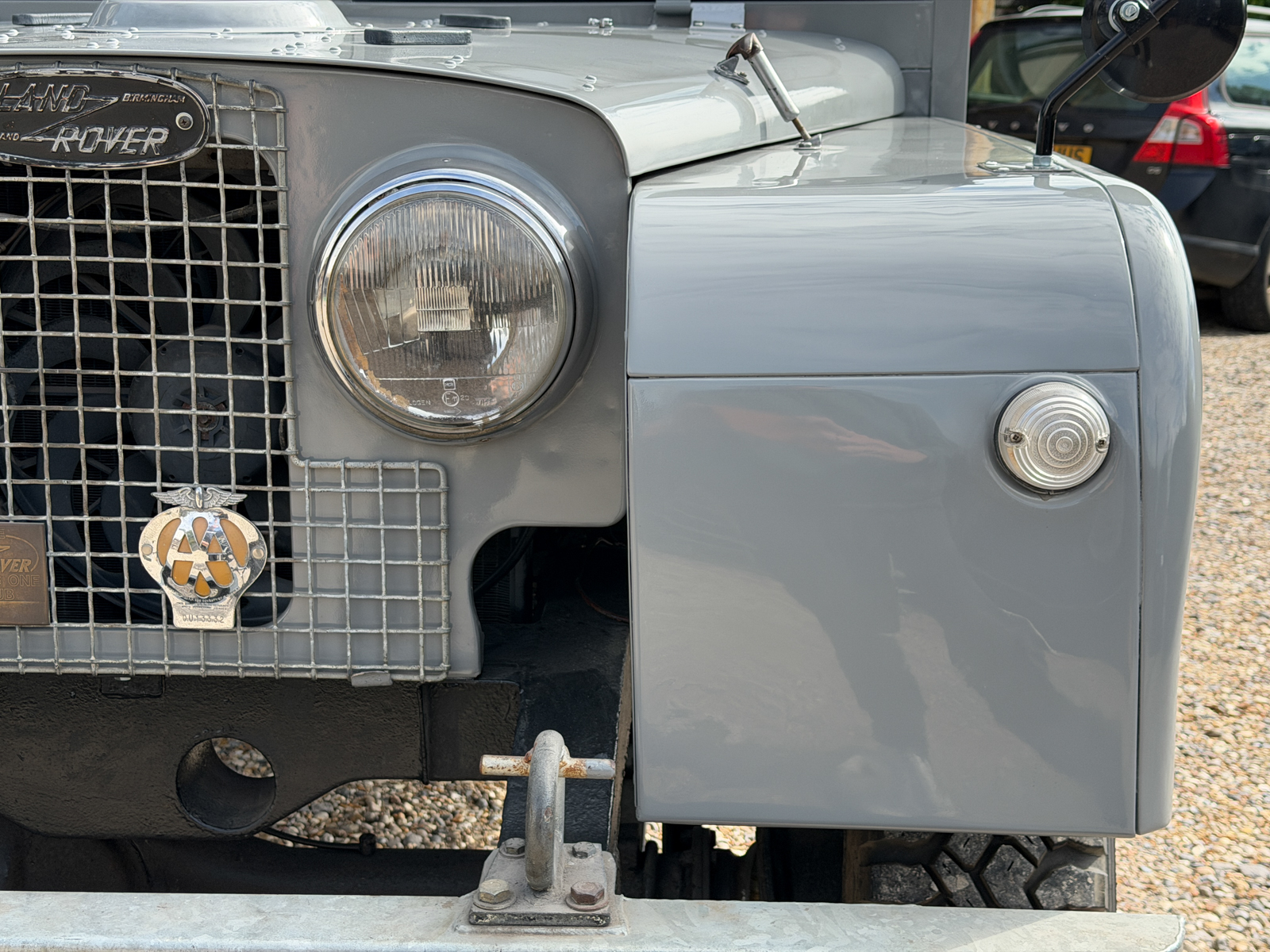
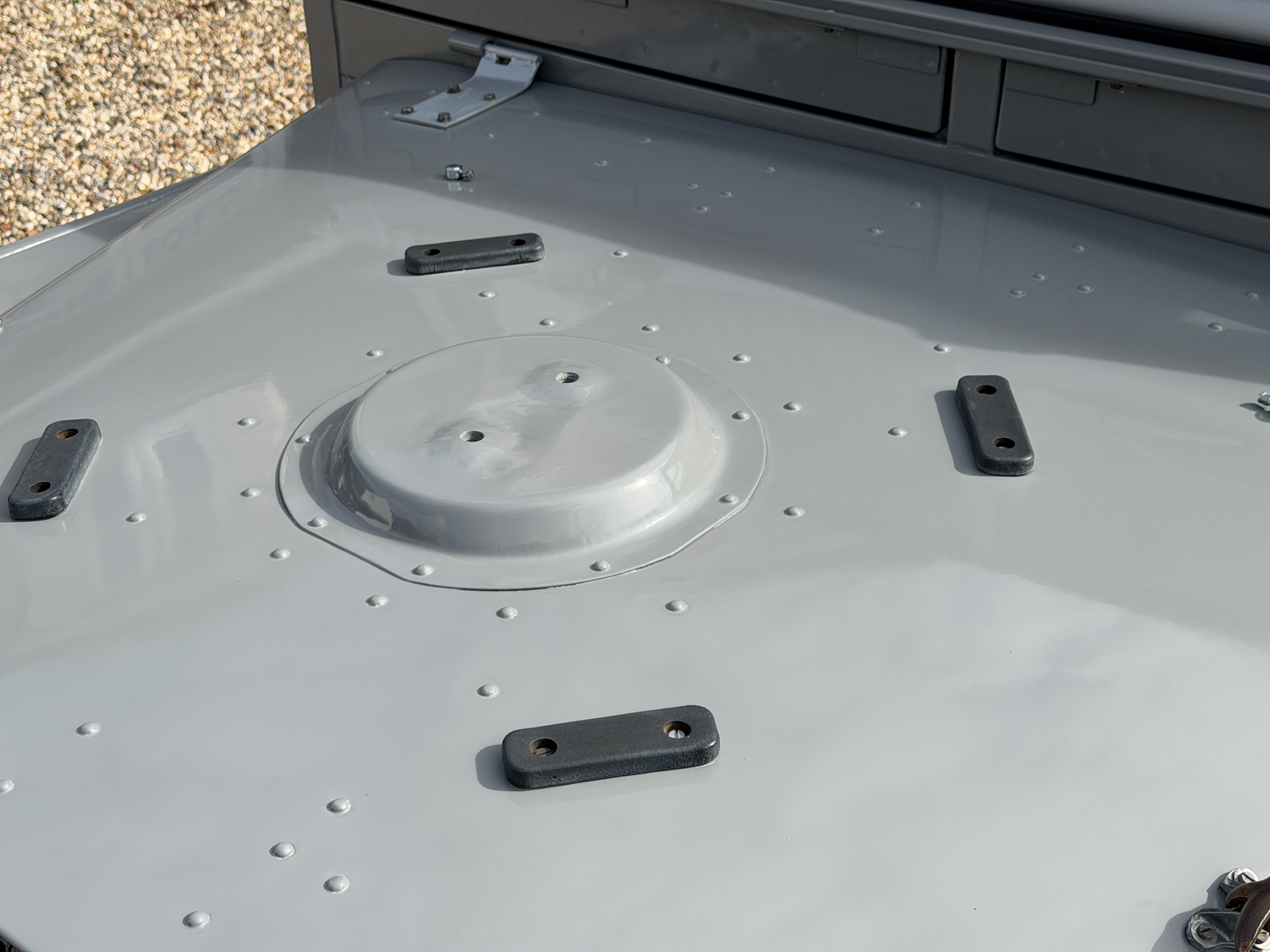
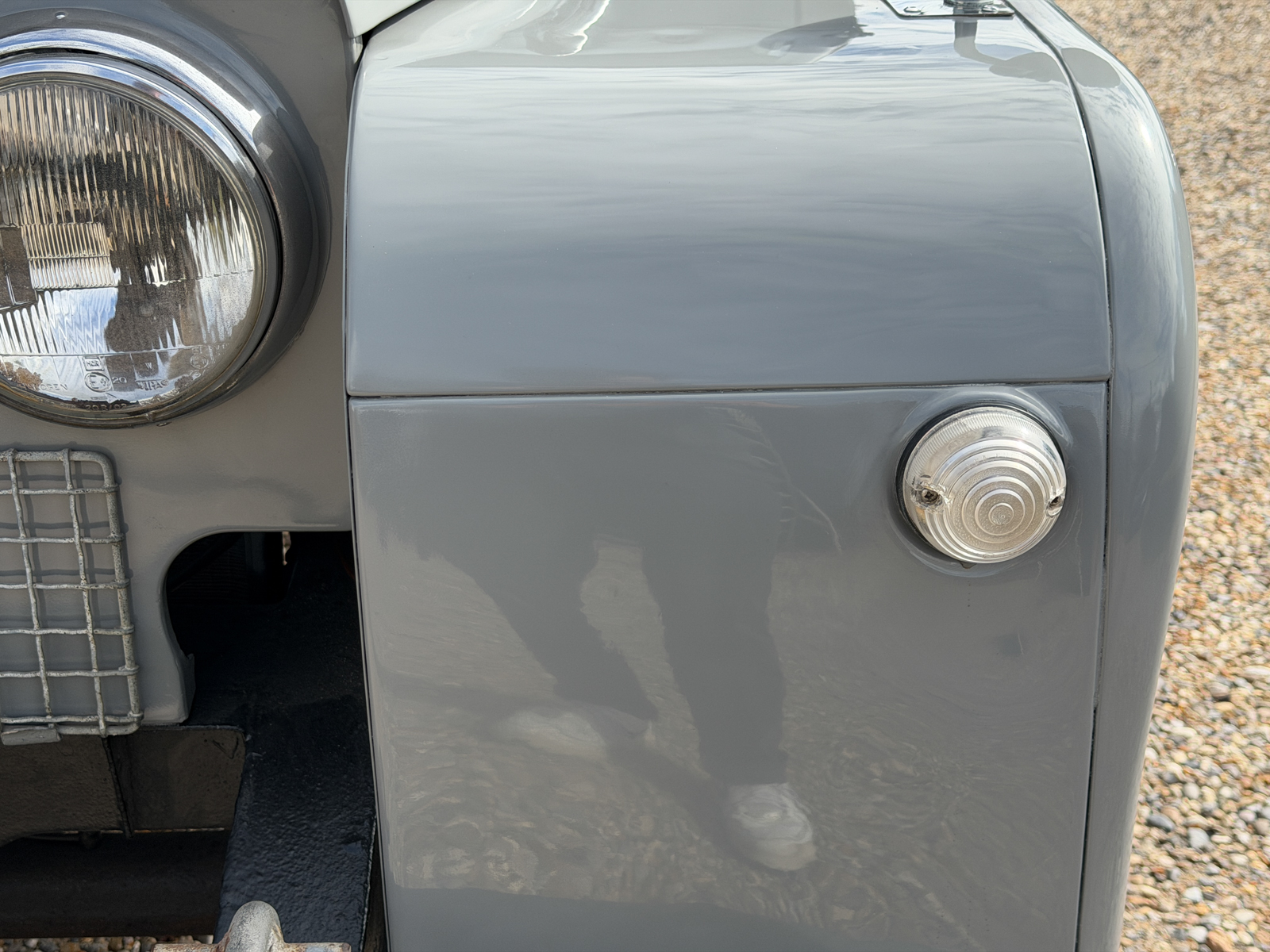
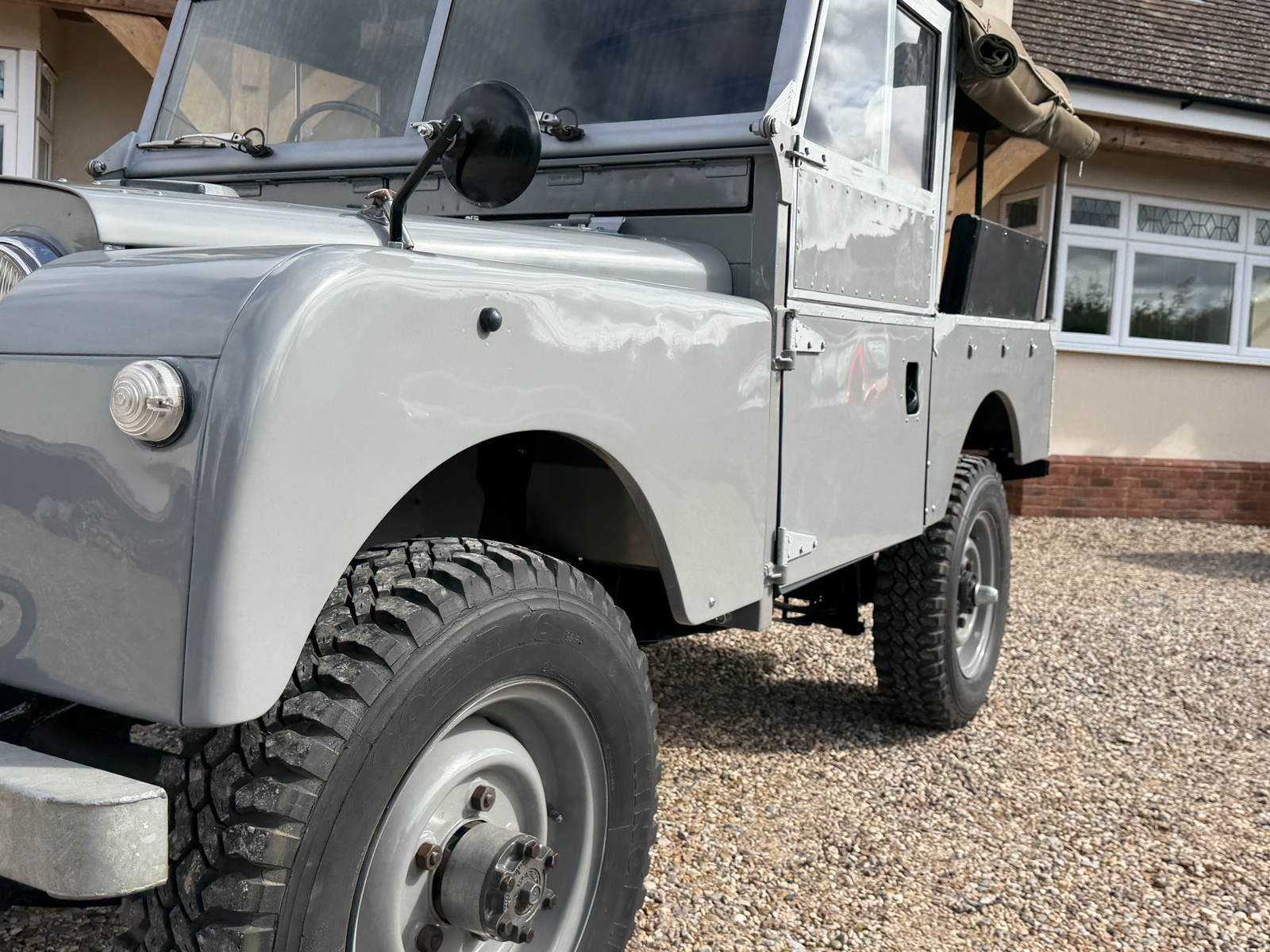
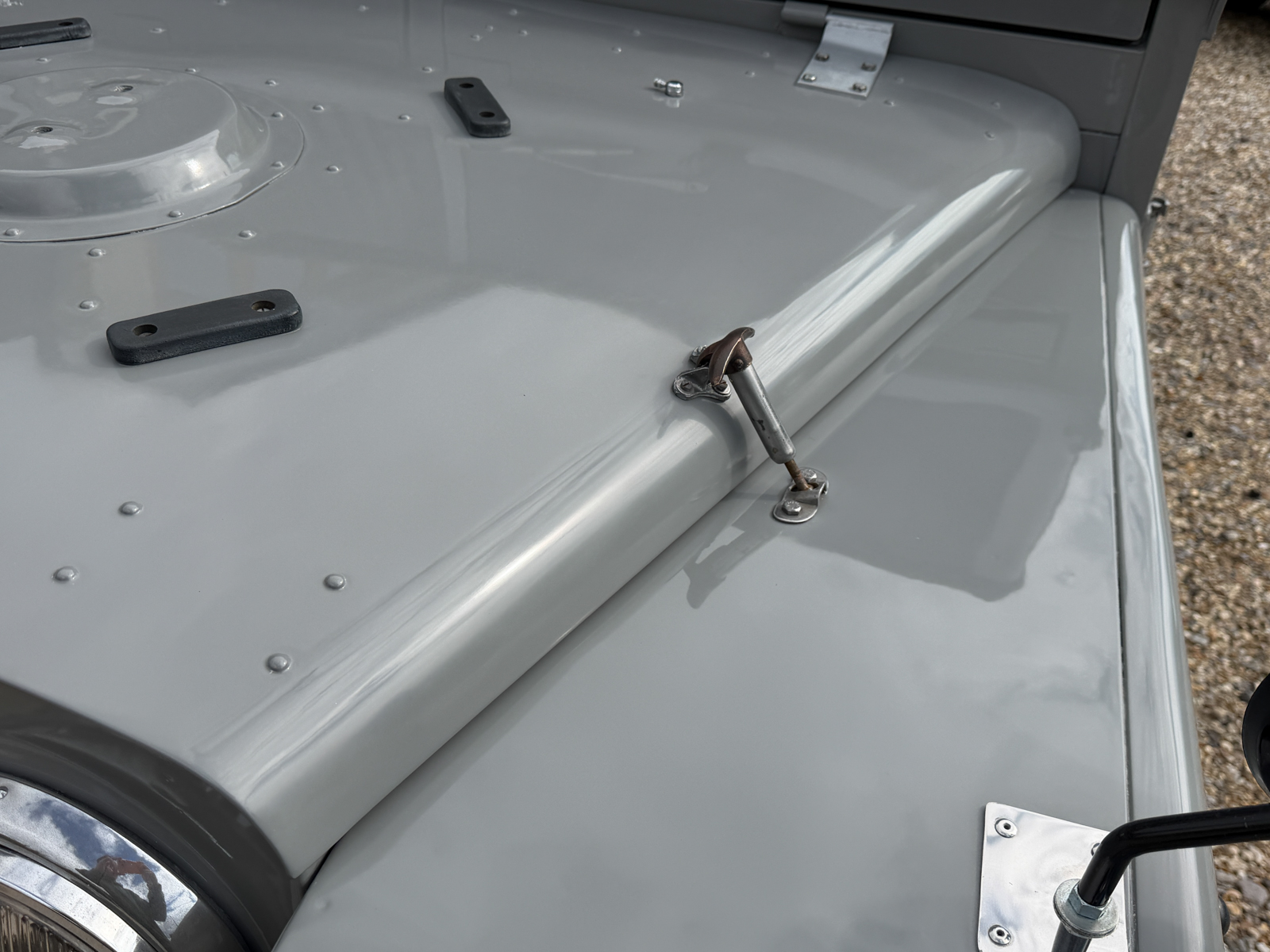
The grey paintwork presents to an excellent overall standard and suits the utilitarian shape of the Series I extremely well.

The Land Rover was refinished in its current colour during the body-off restoration completed in the 1990s. Although this is not understood to be its original shade, it gives the vehicle a particularly smart and purposeful appearance.

The colour remains consistent across the main body panels and retains an attractive gloss.

Considering the age of both the vehicle and its restoration, the finish has been preserved extremely well. There may naturally be occasional small marks, chips and other localised imperfections upon close inspection, but these are limited and do not detract from the overall presentation.

The images are taken from a few different angles to show off the car as you would see it if you were standing there for yourselves. So please take the time to fully assess these hi-resolution images and videos of the car, for you to make up your own minds about the condition of the paint.

image

Glass and Trim

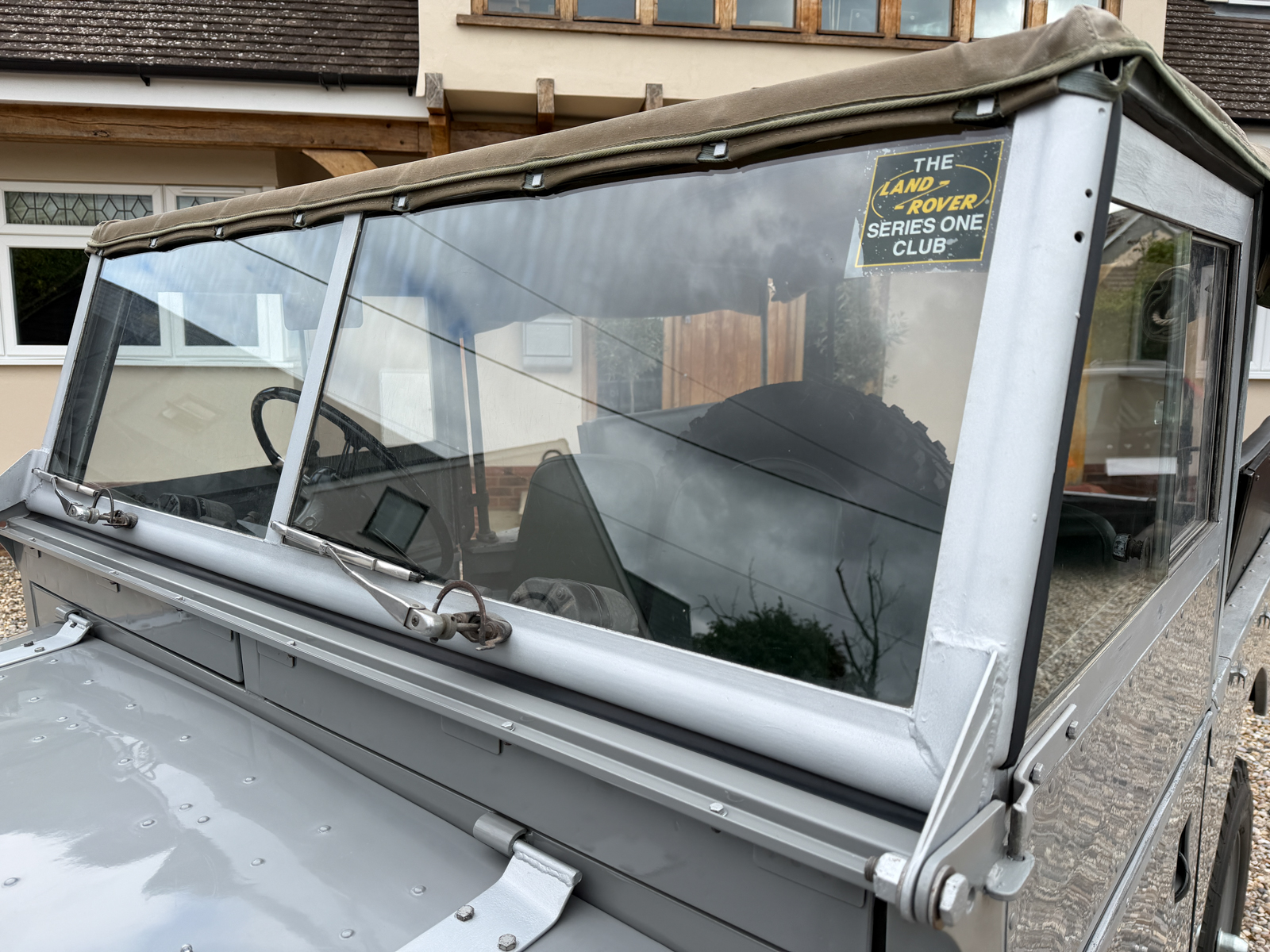
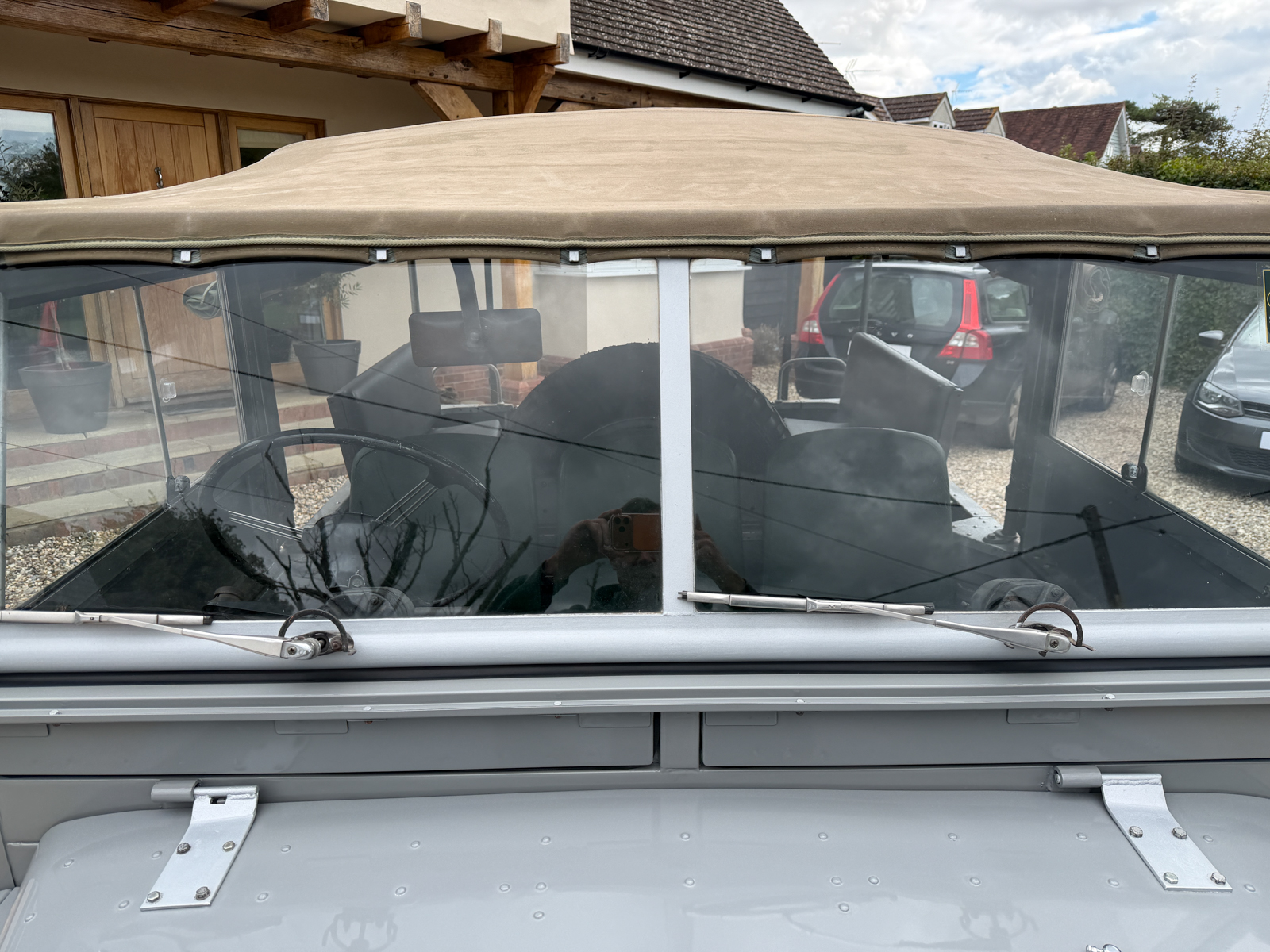
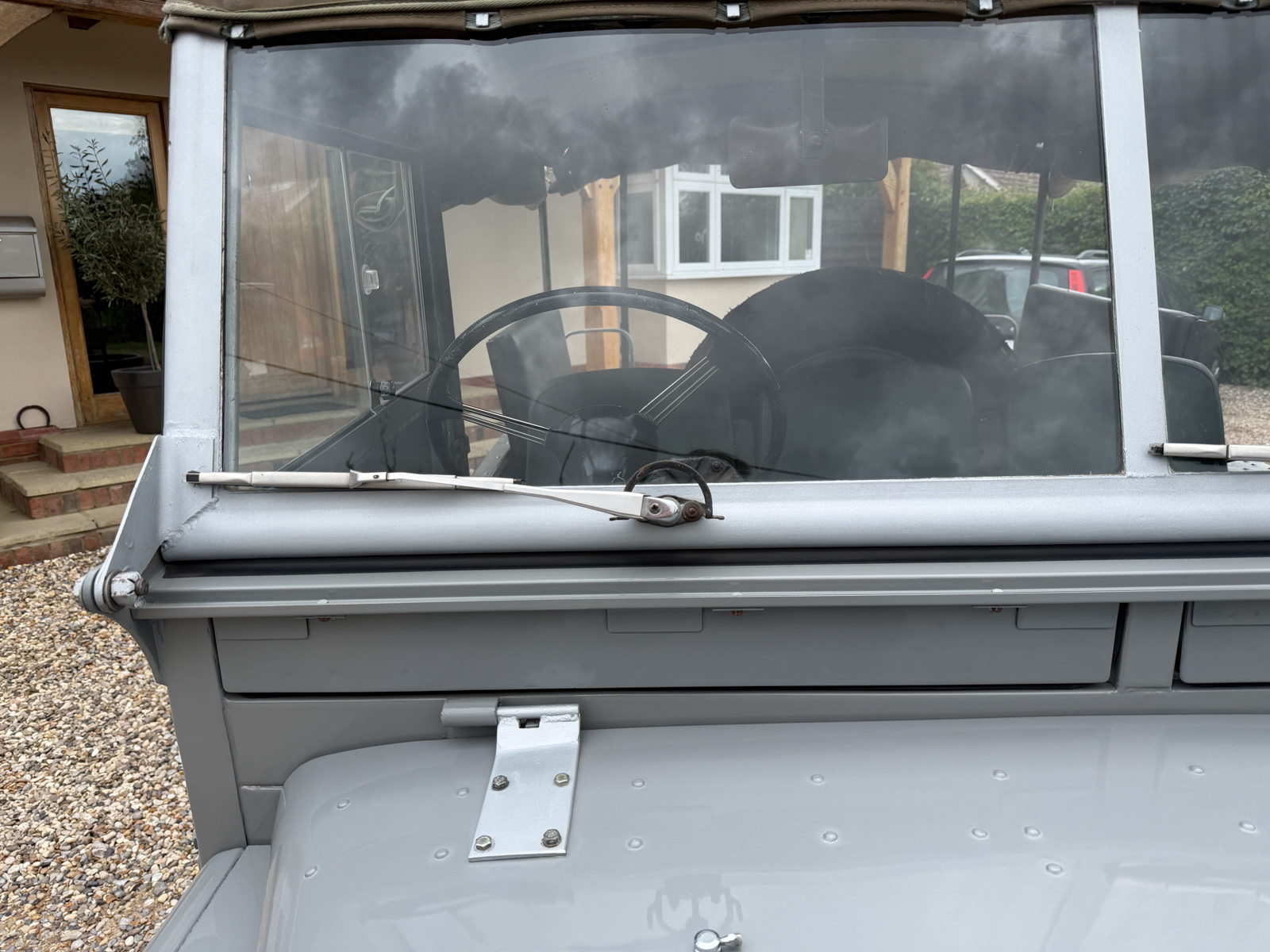
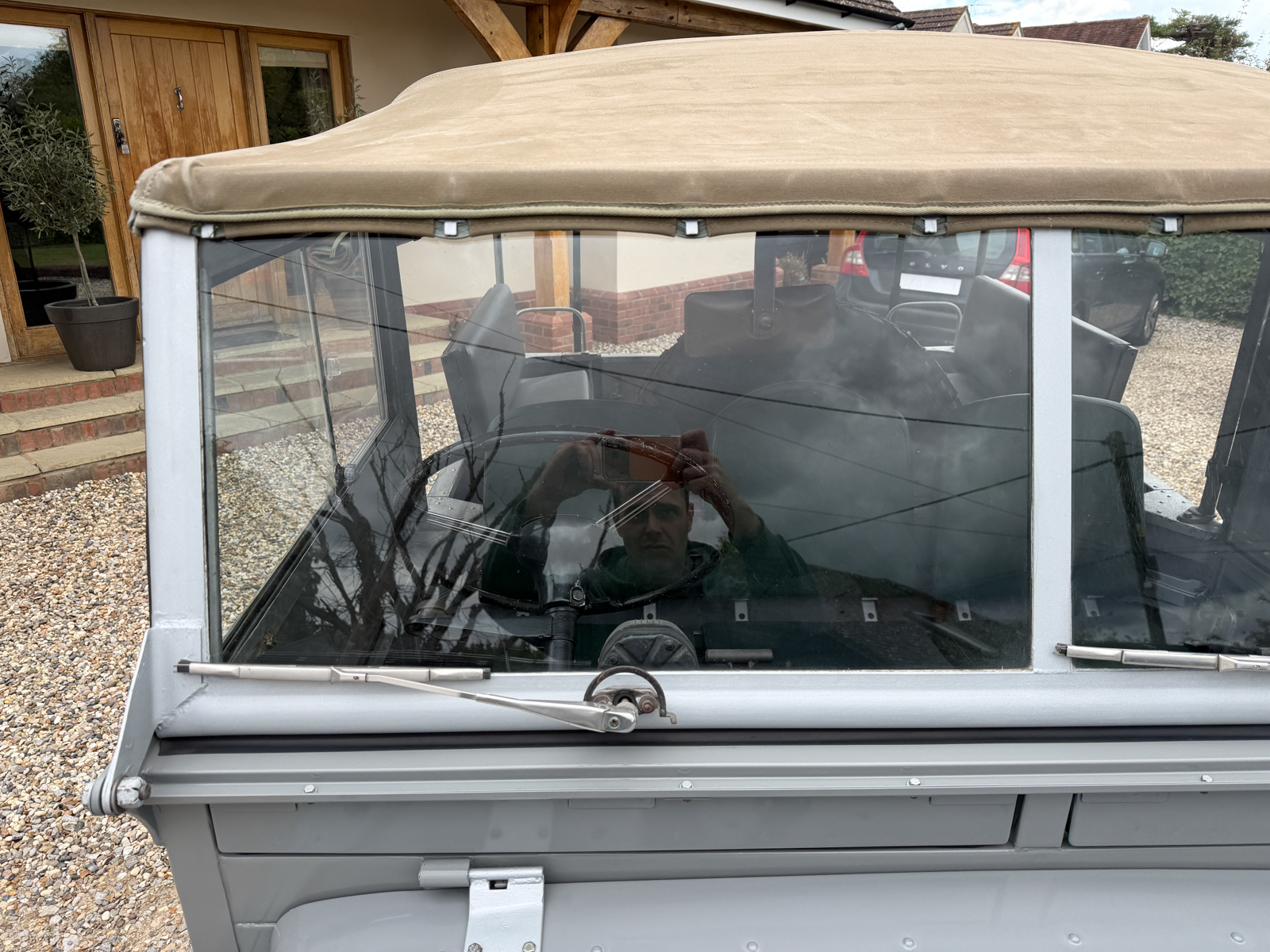
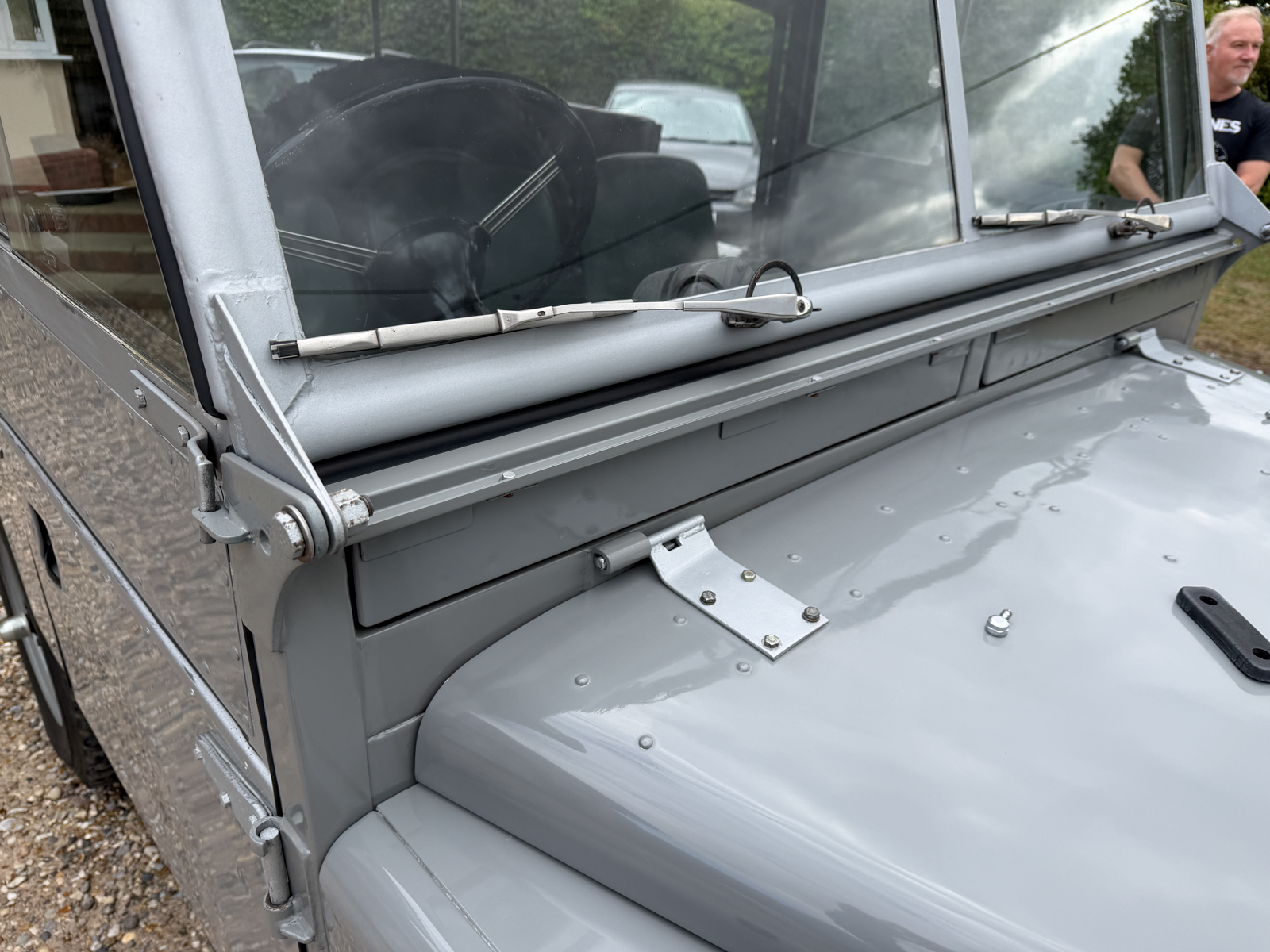
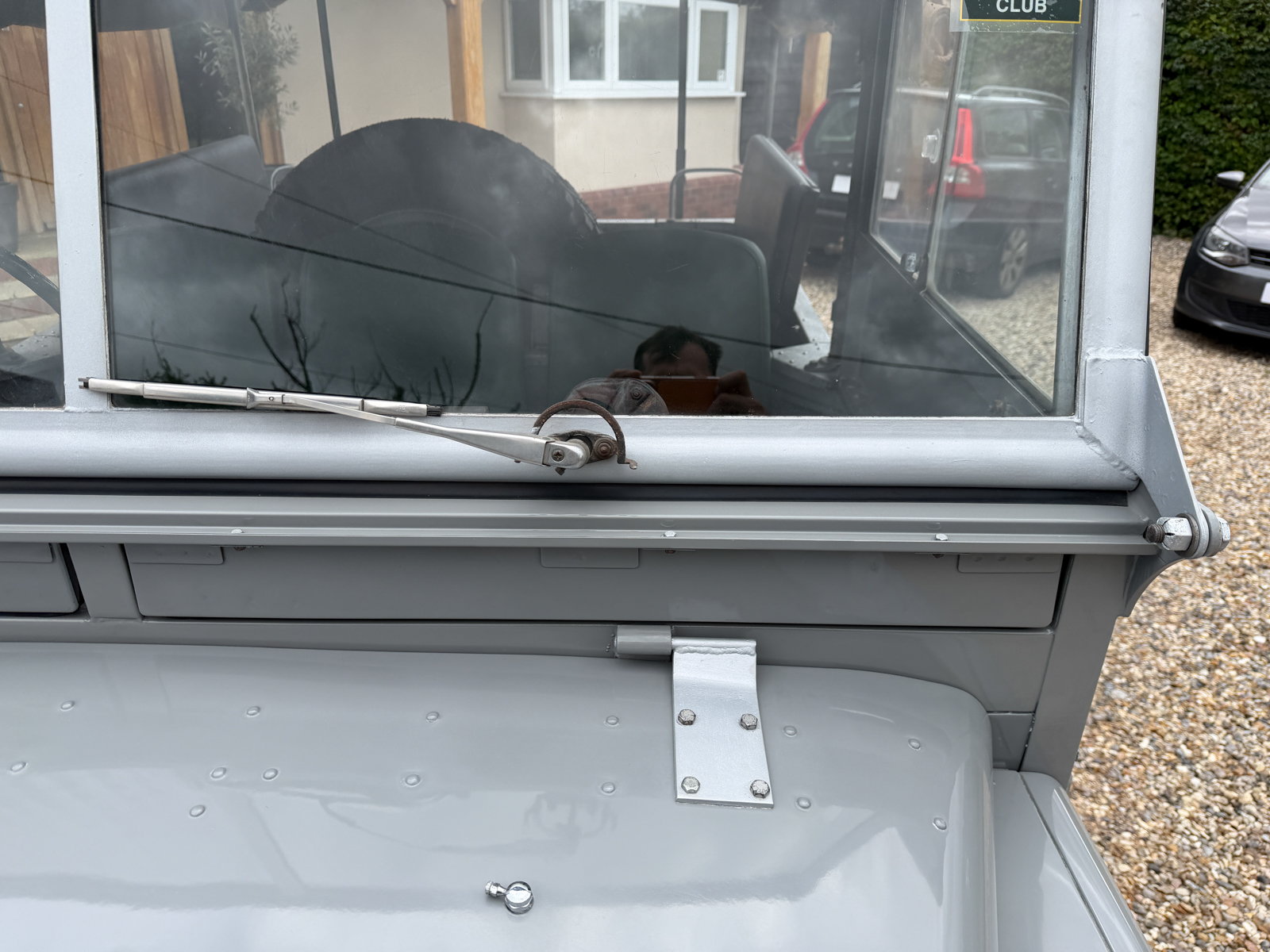
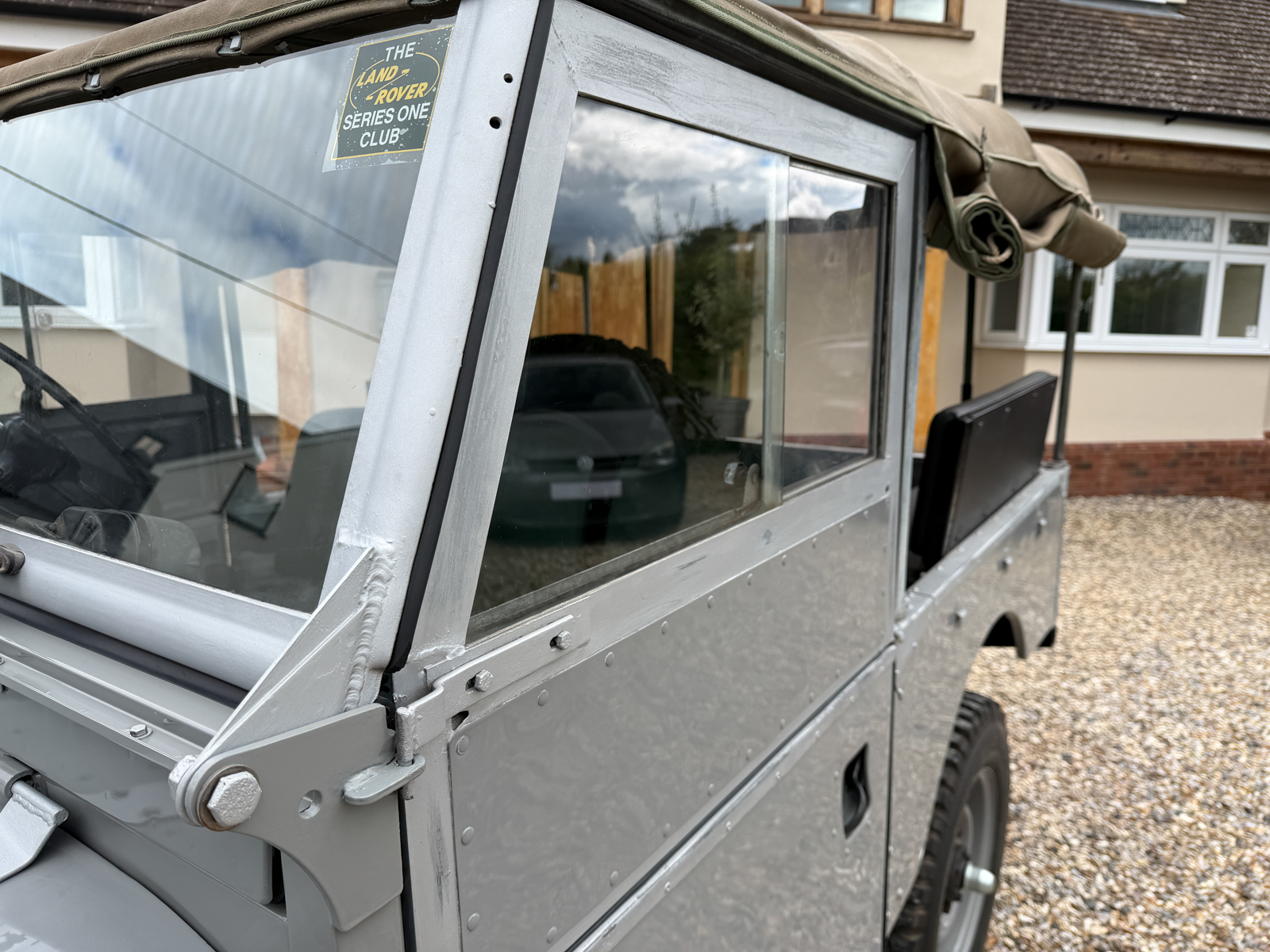
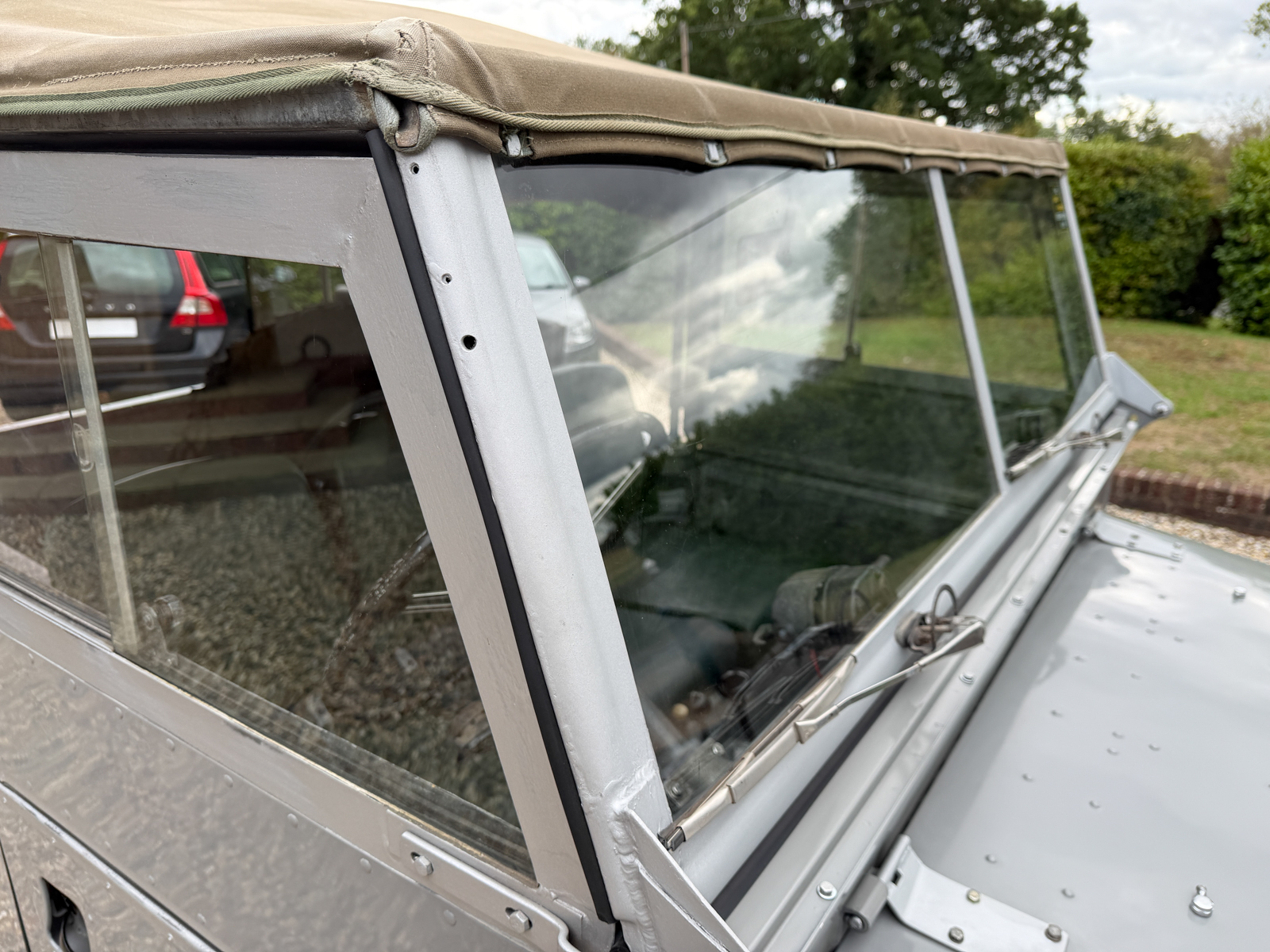
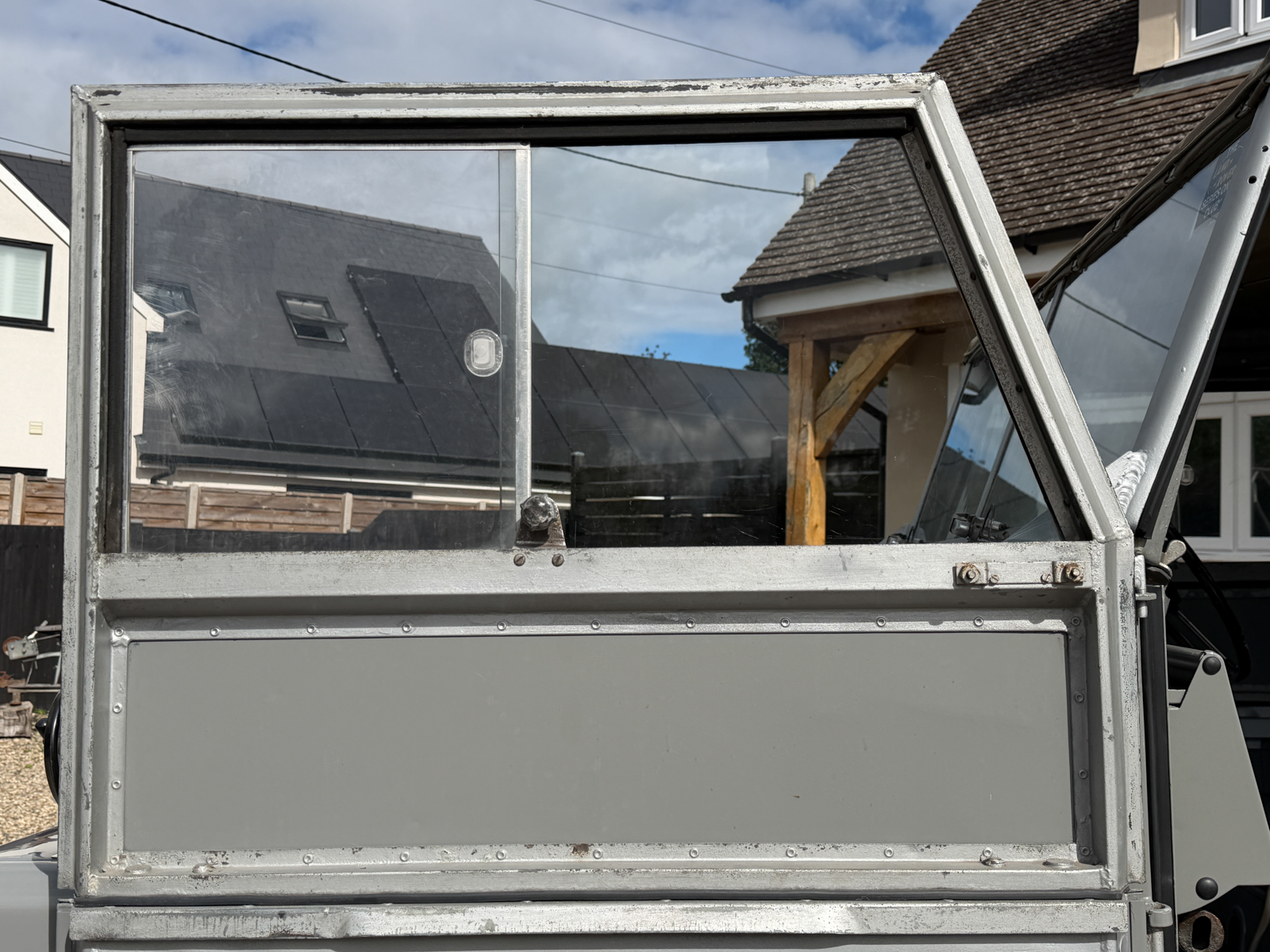
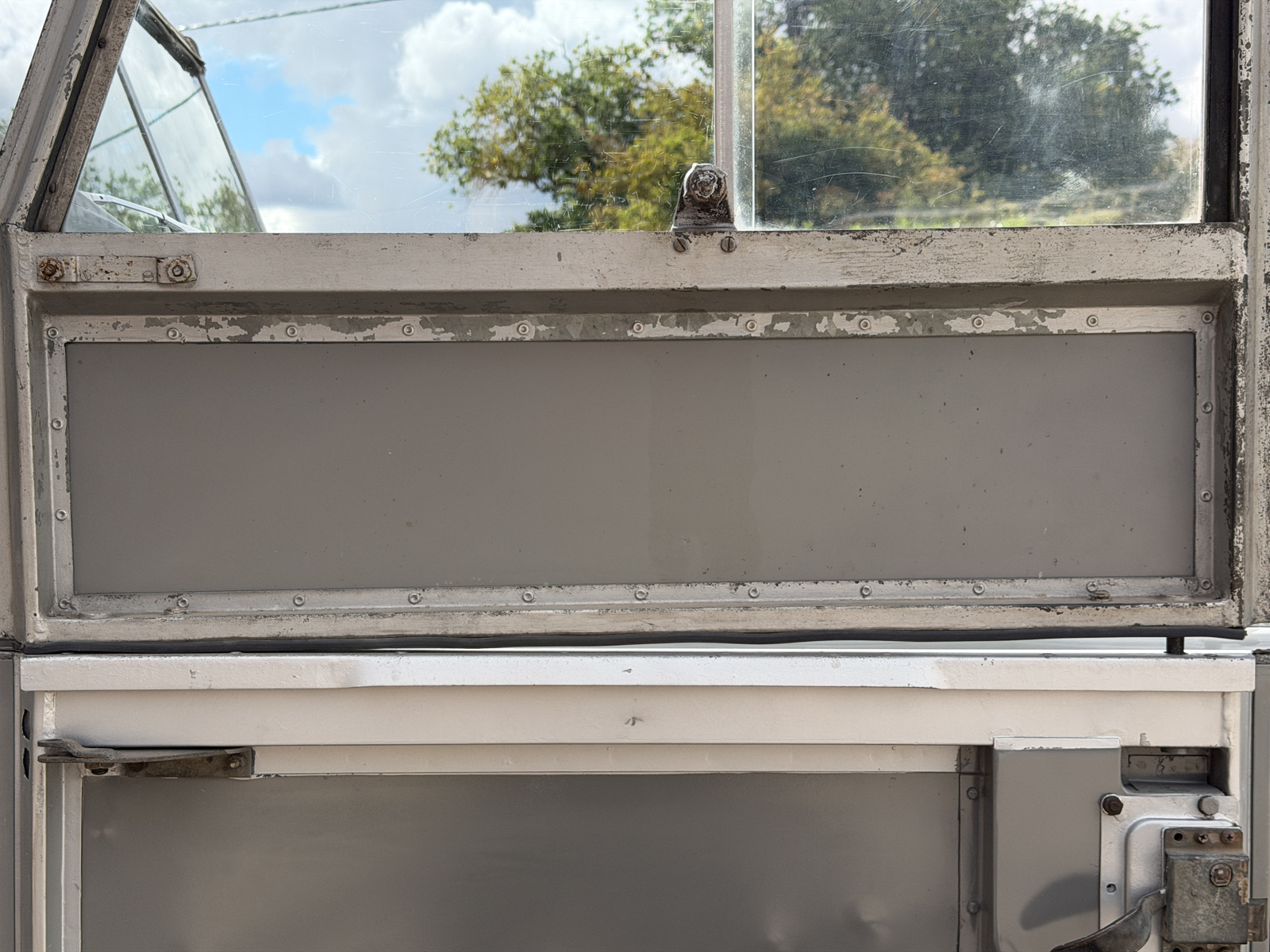
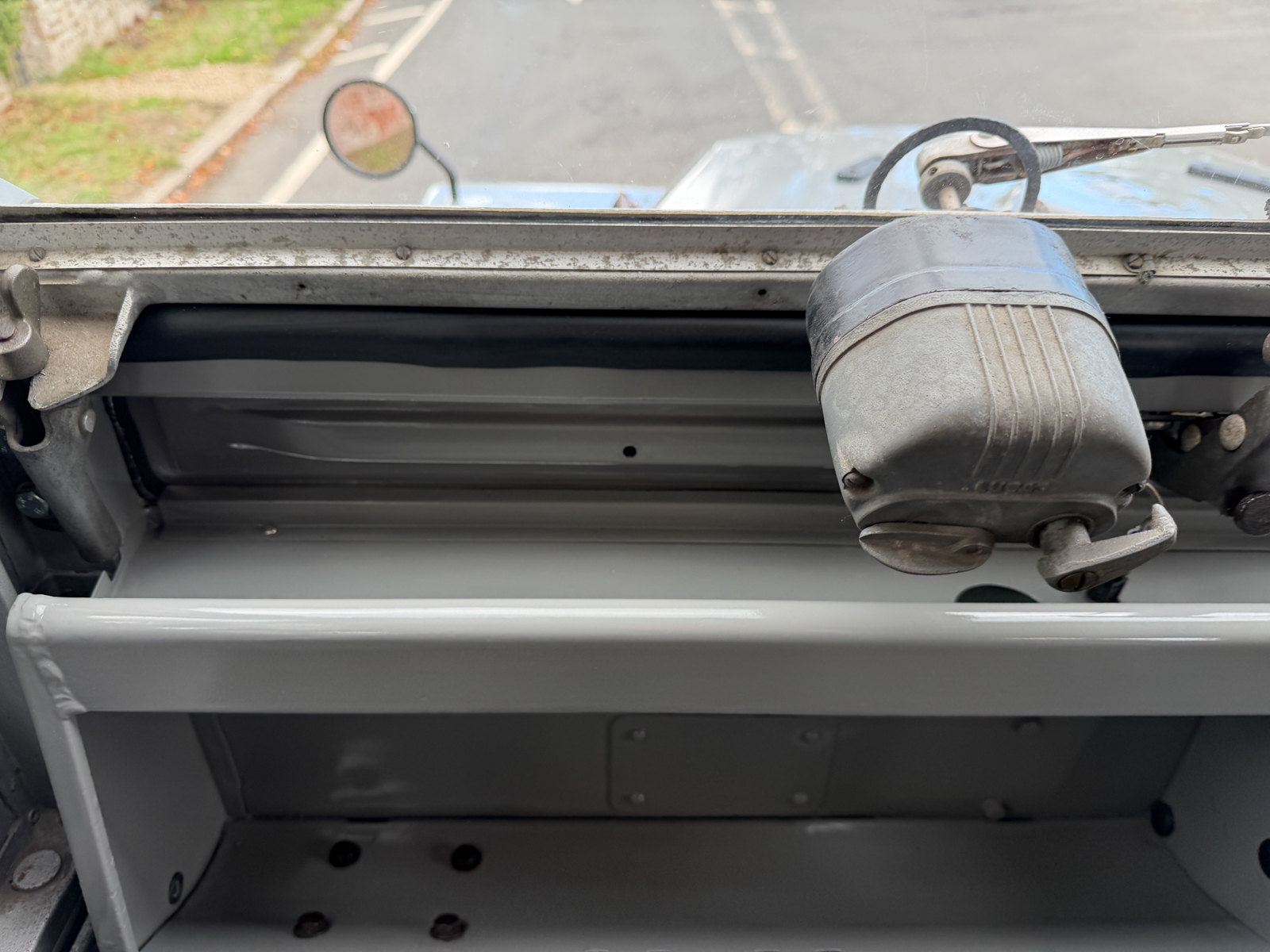
The two-piece flat windscreen is one of the defining features of the Series I and presents well.

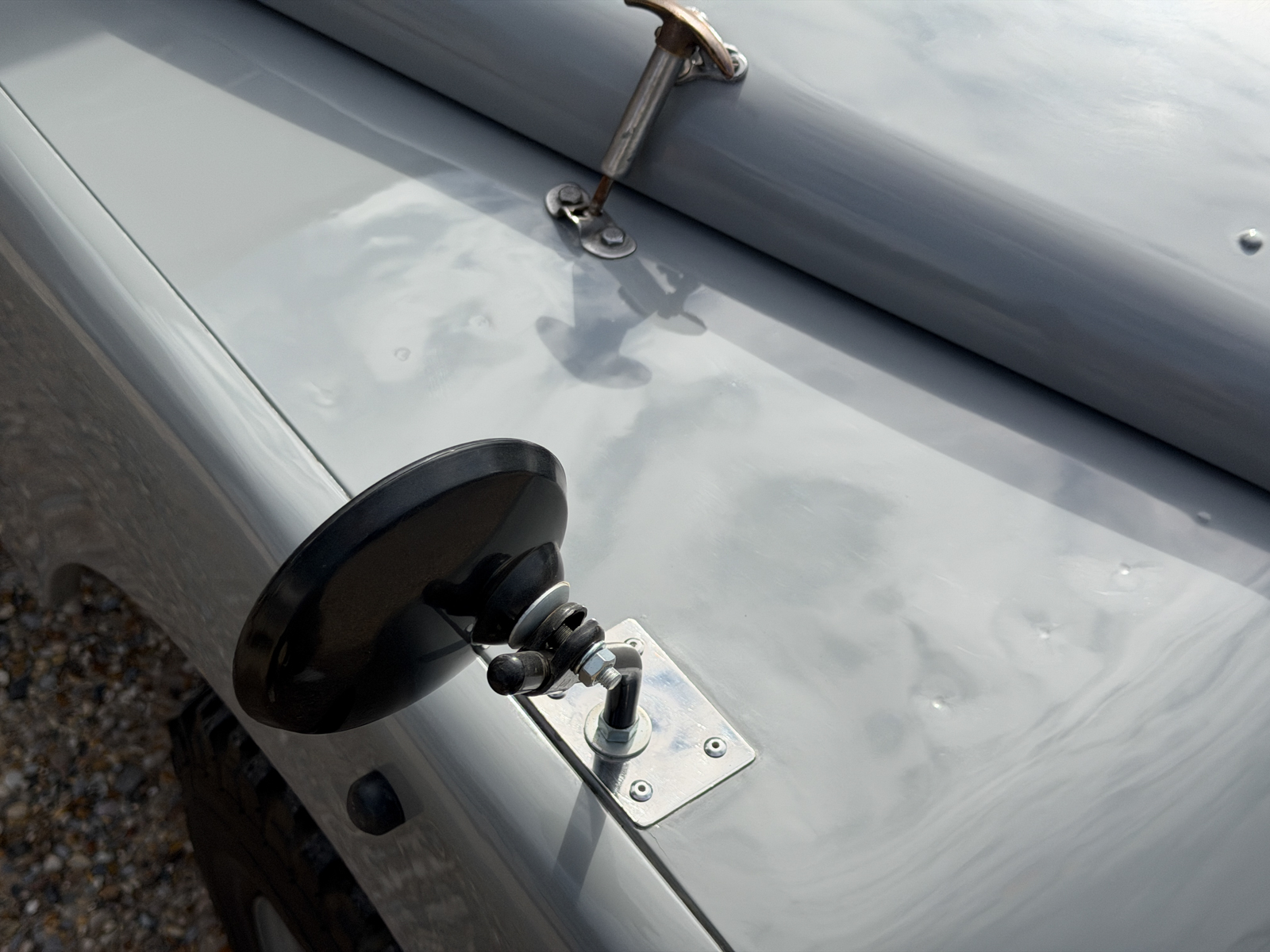
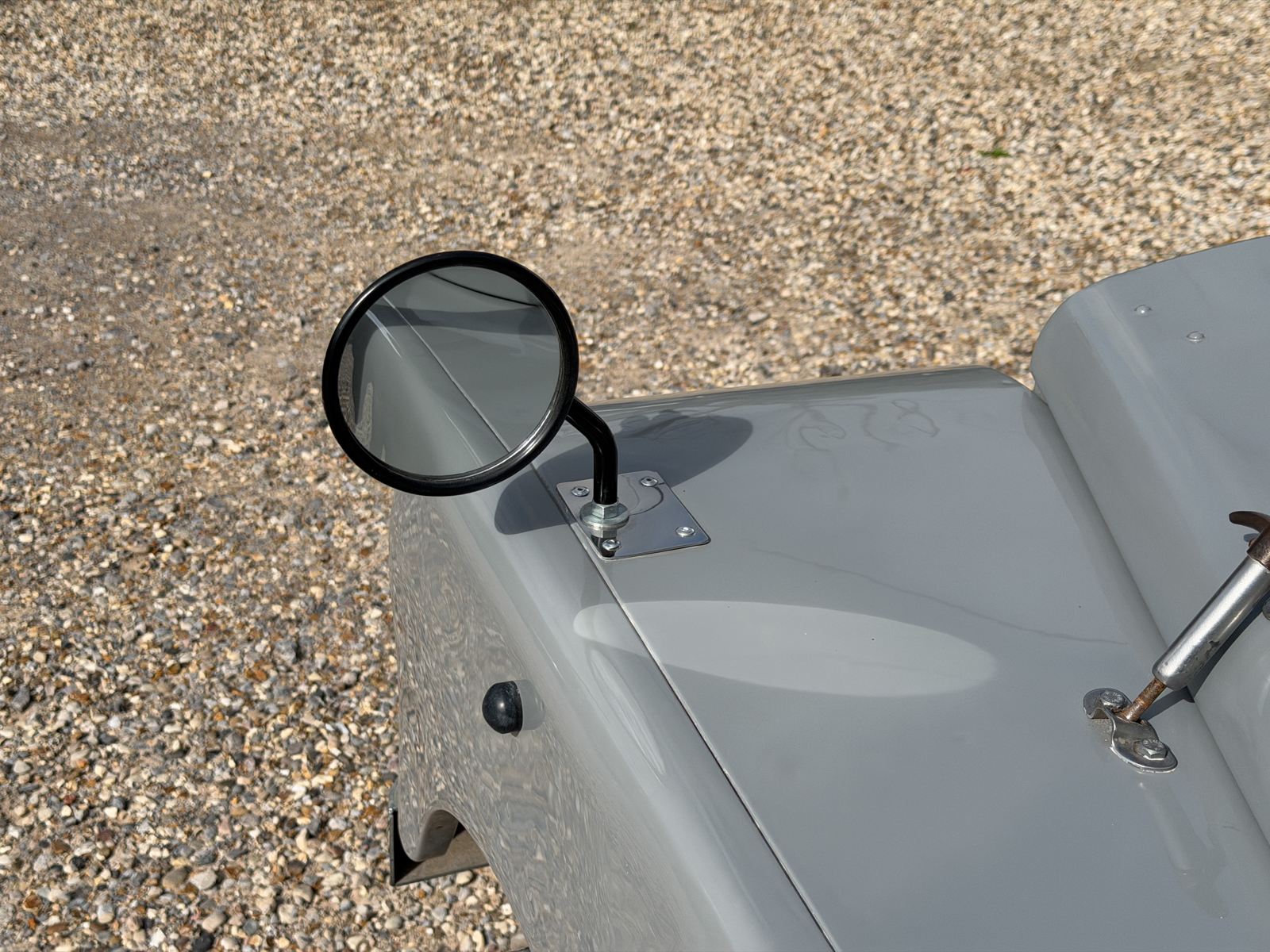
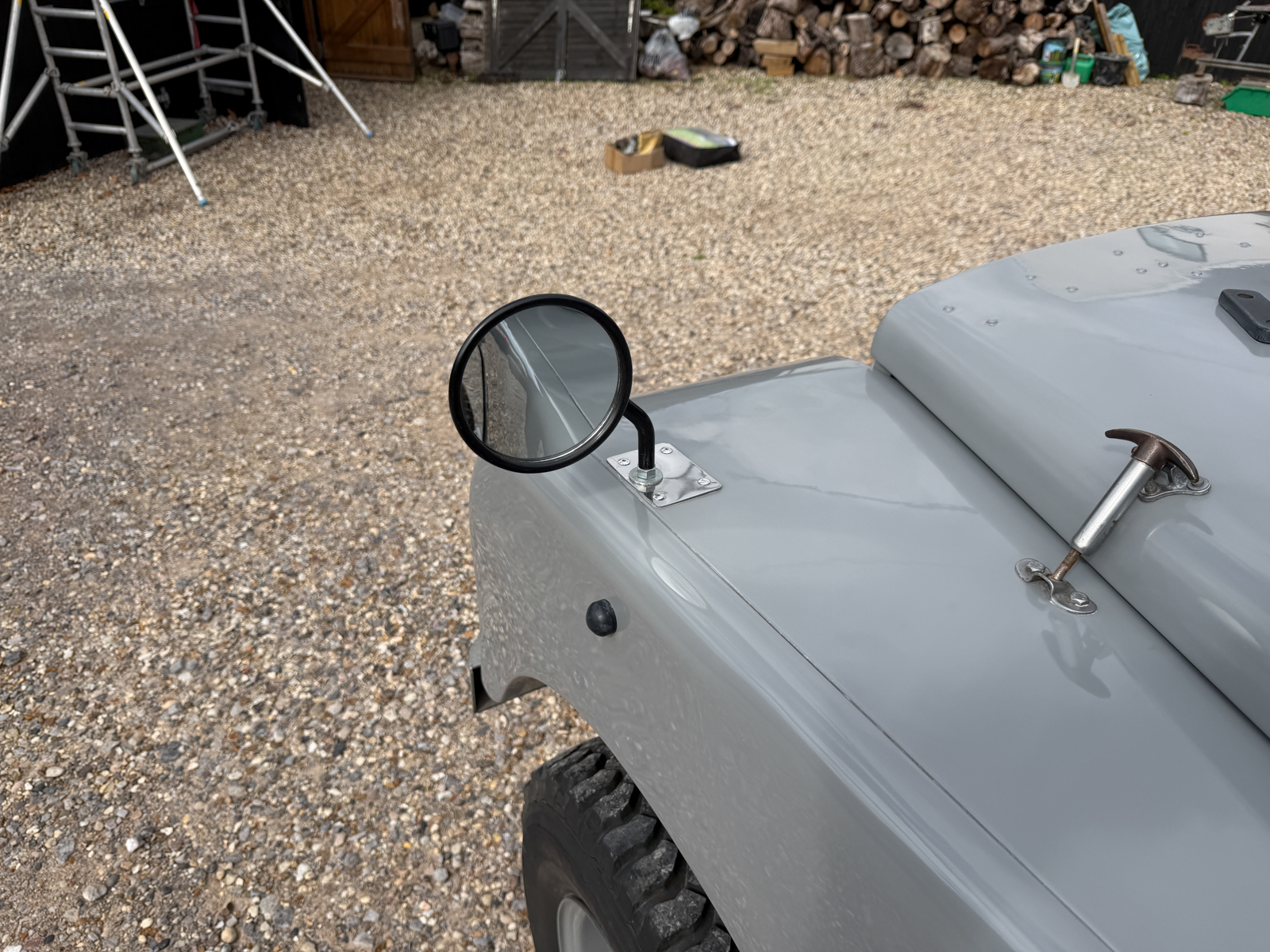
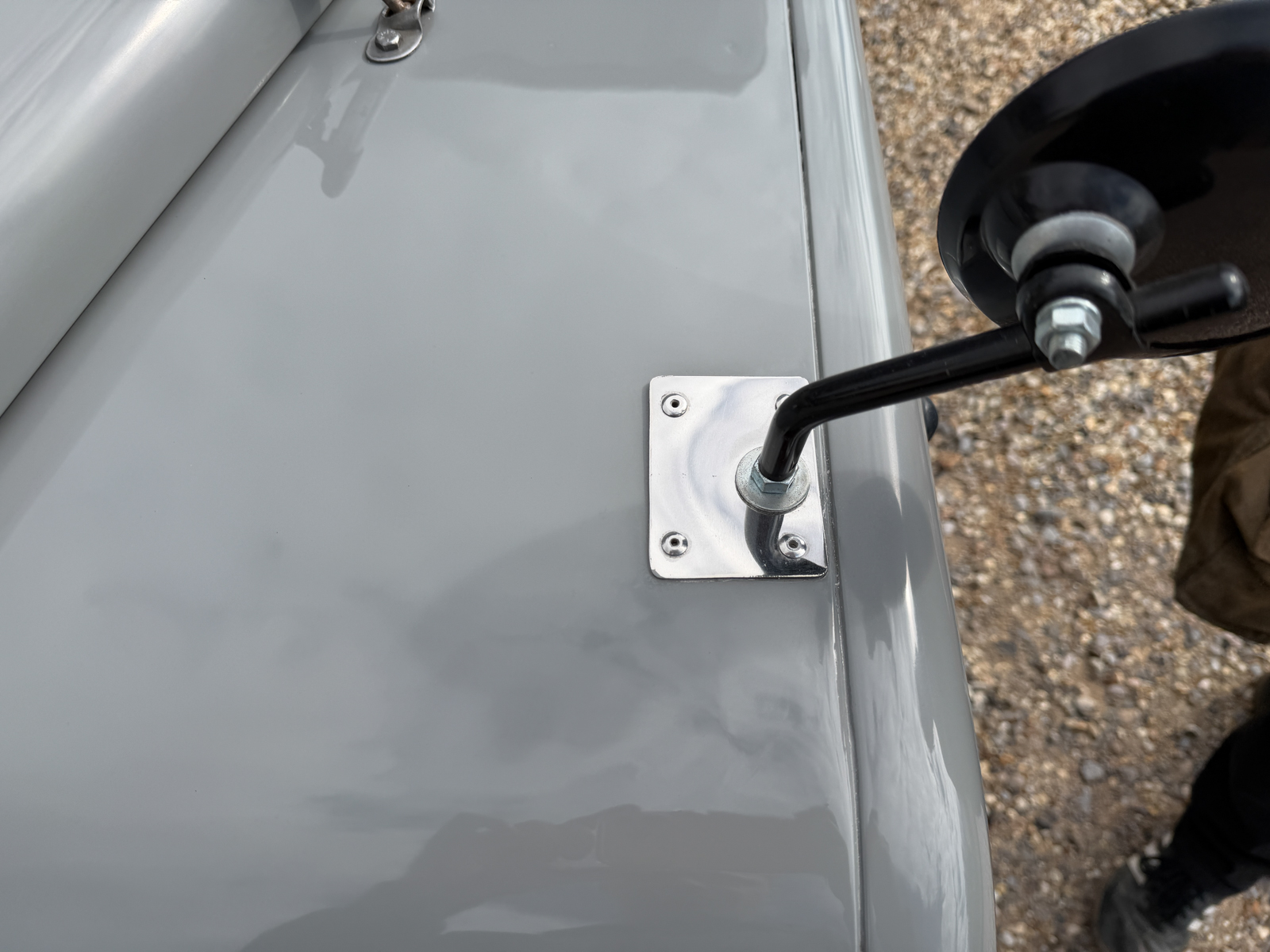
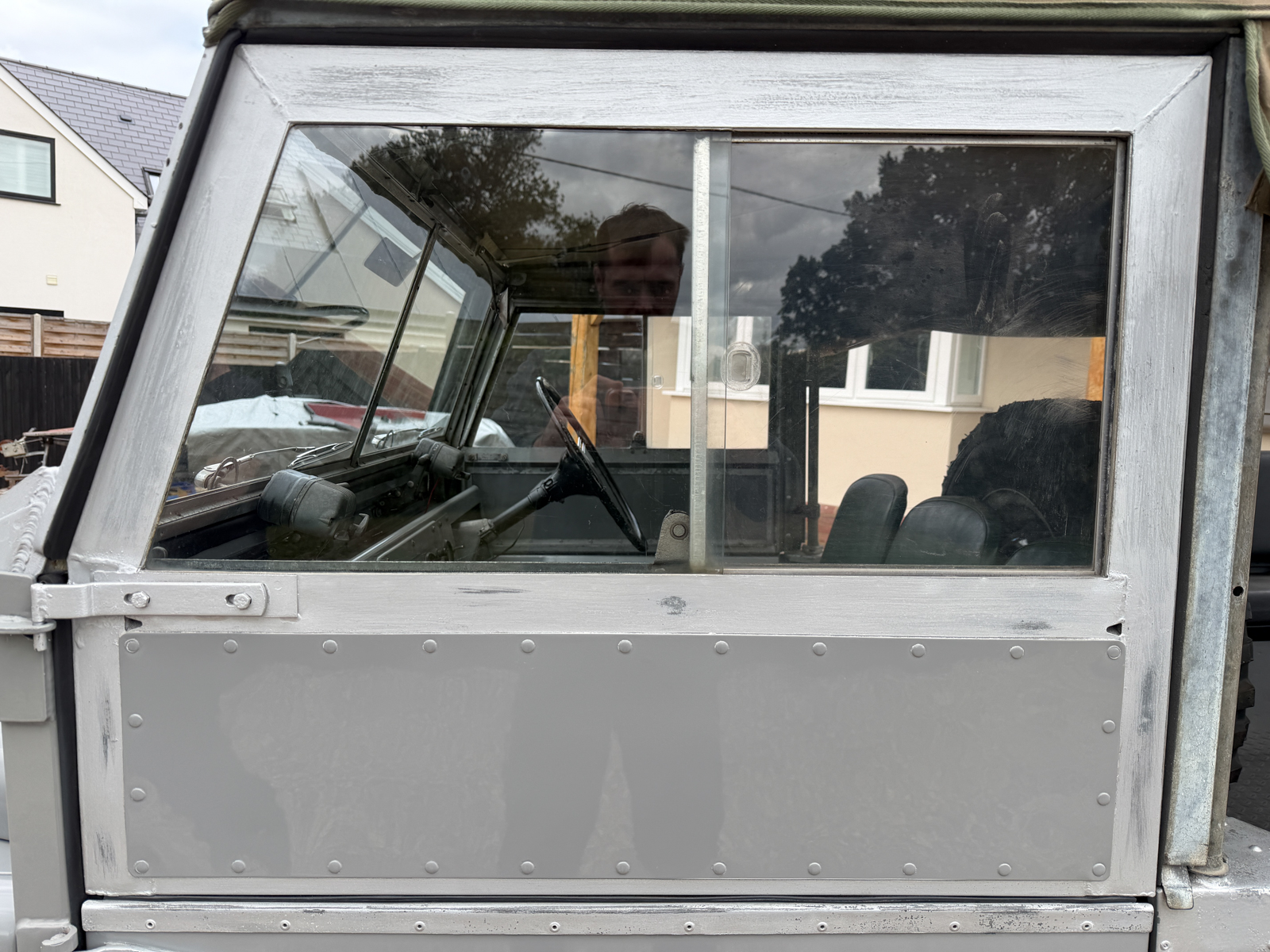
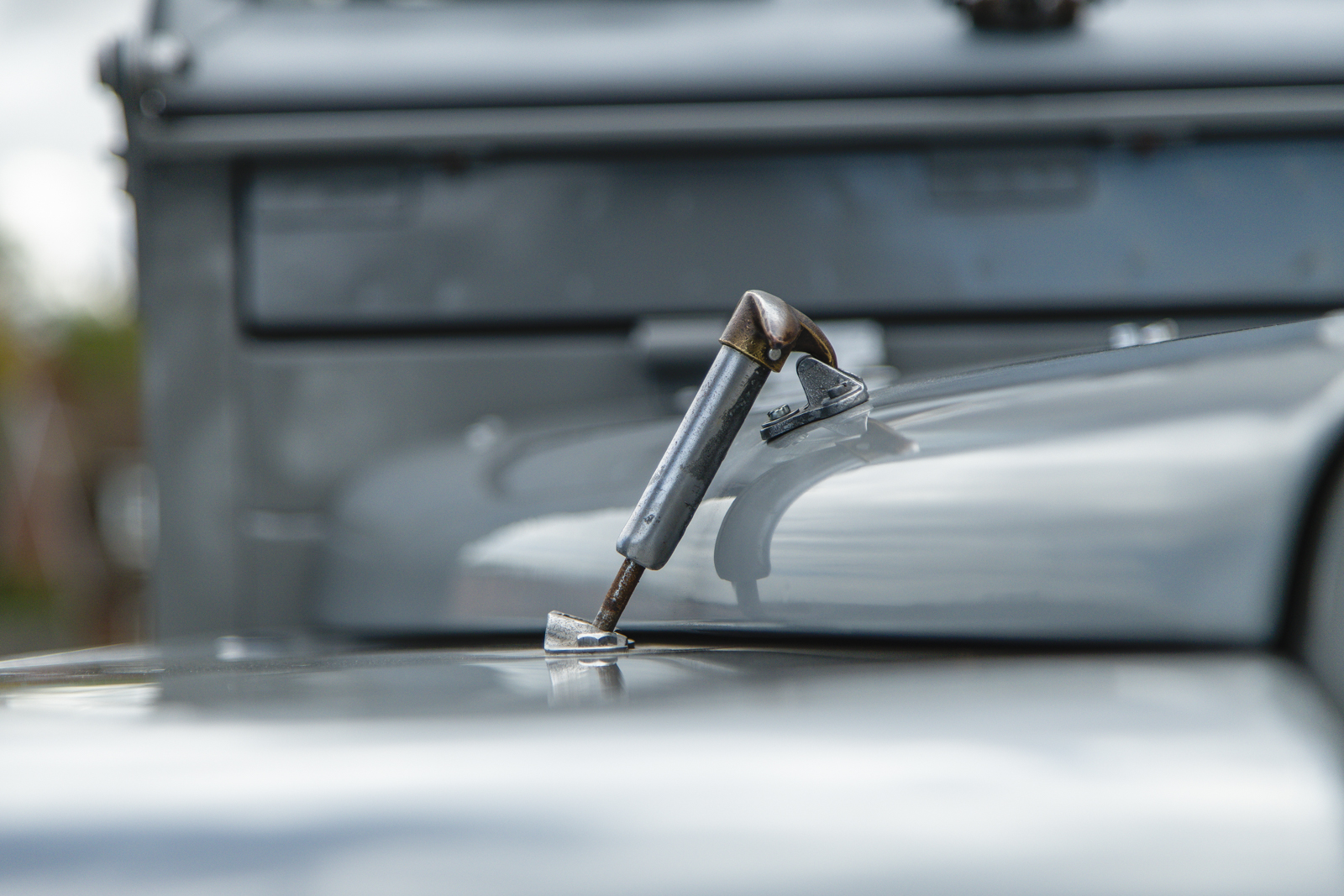
The windscreen glass and sliding door windows appear clear overall, while their simple metal frames retain the slightly aged character expected from an early utility vehicle. The externally mounted mirrors also look presentable and provide useful visibility along the sides of the narrow body.
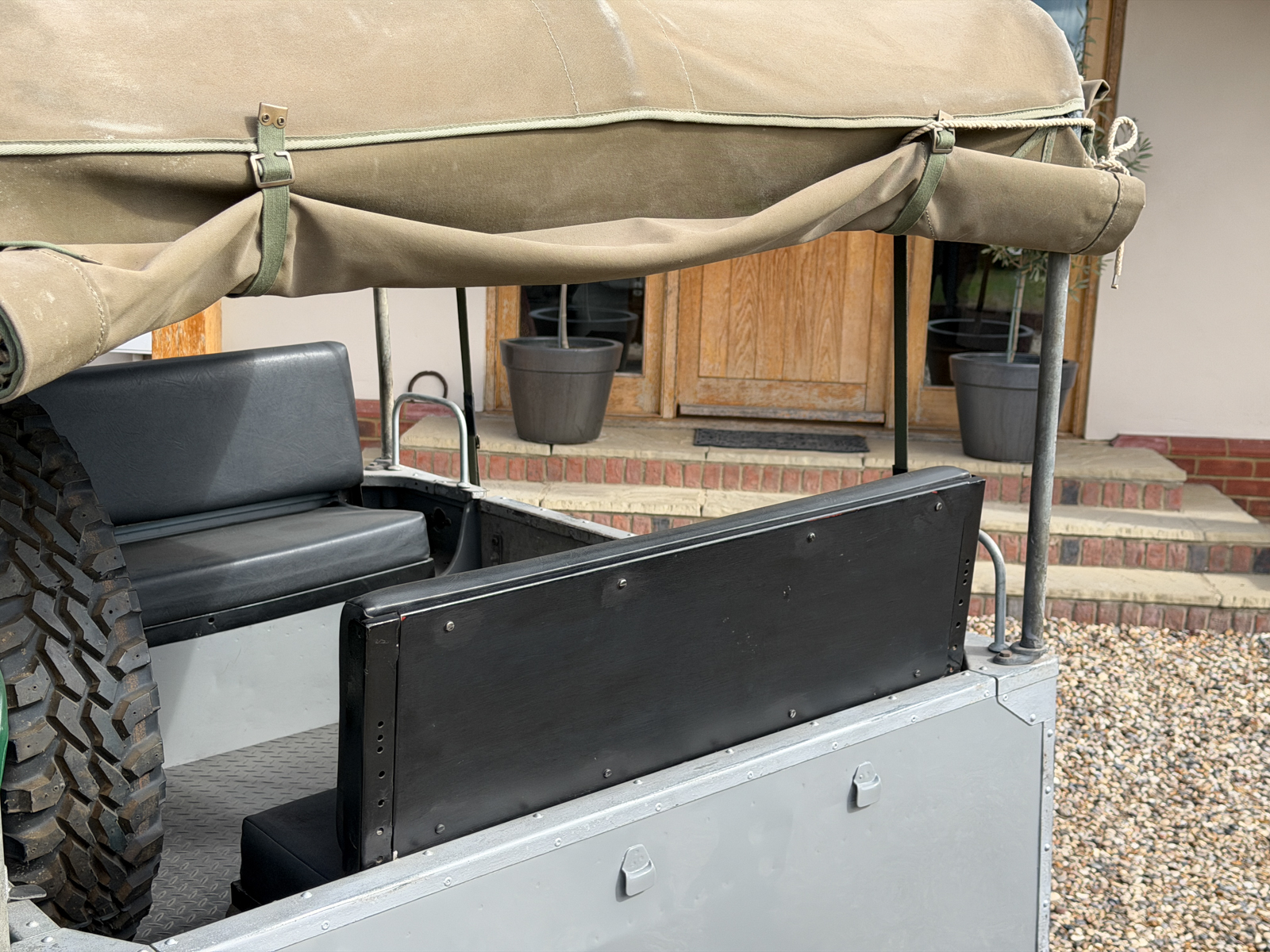
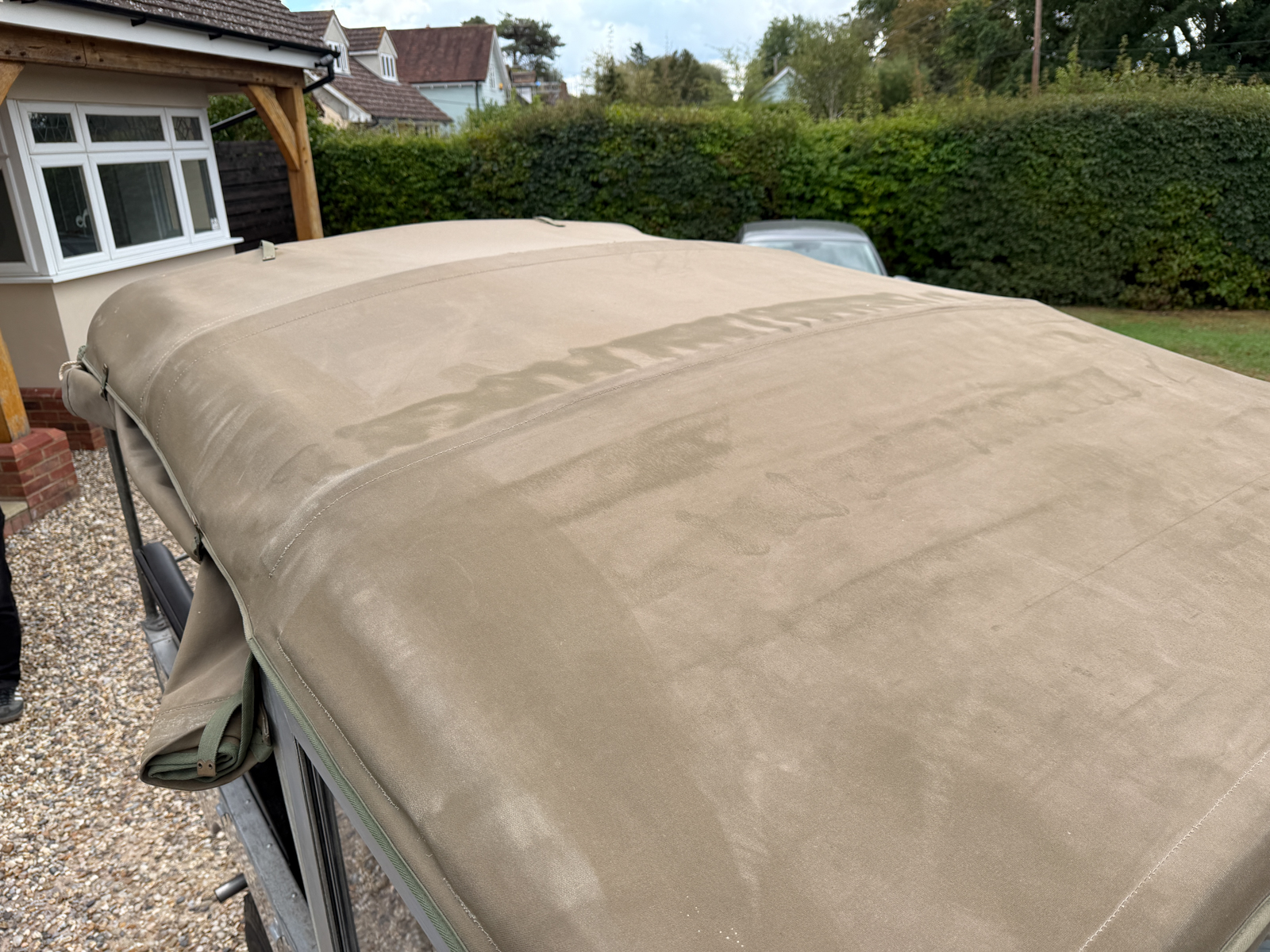
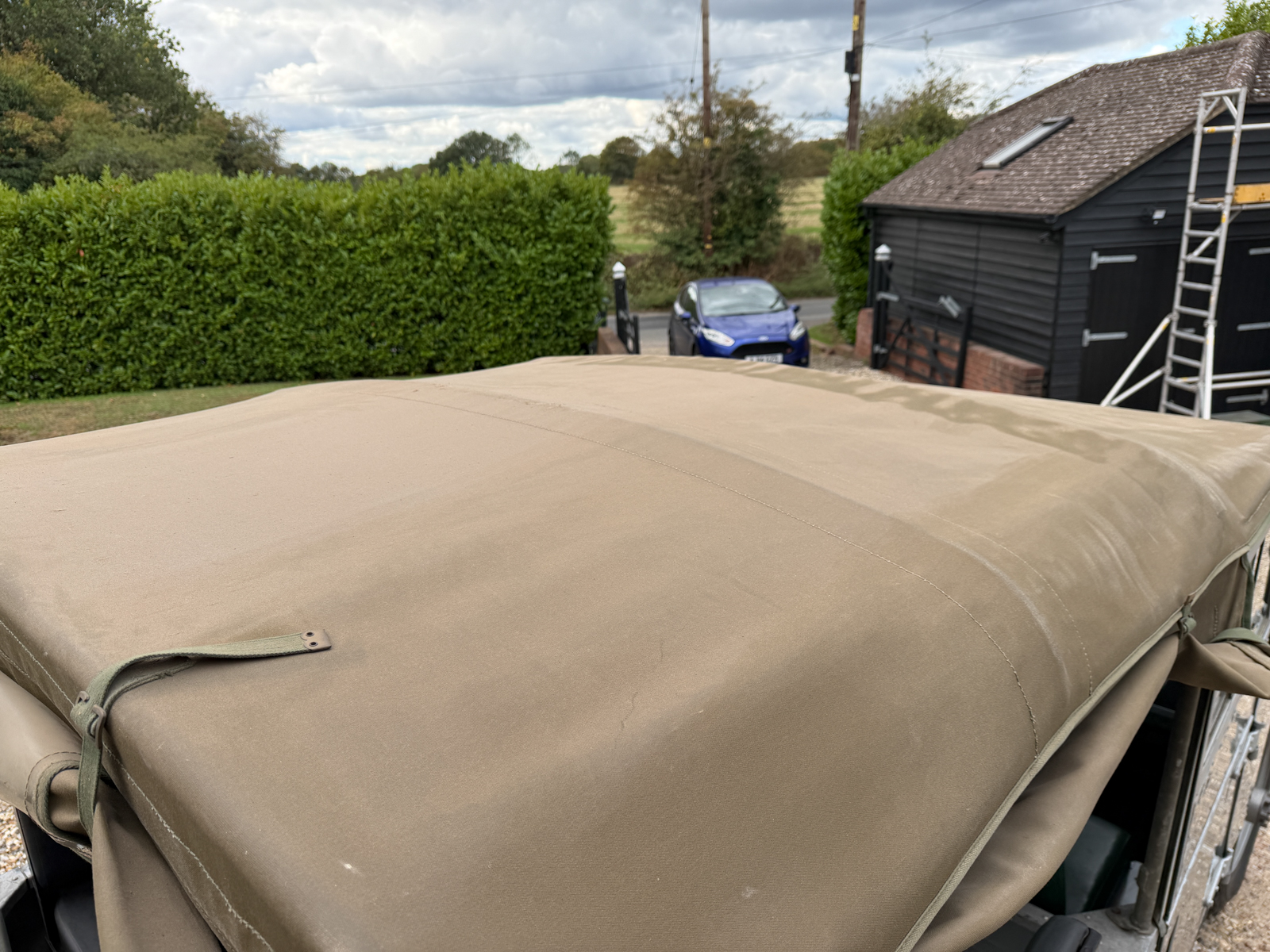
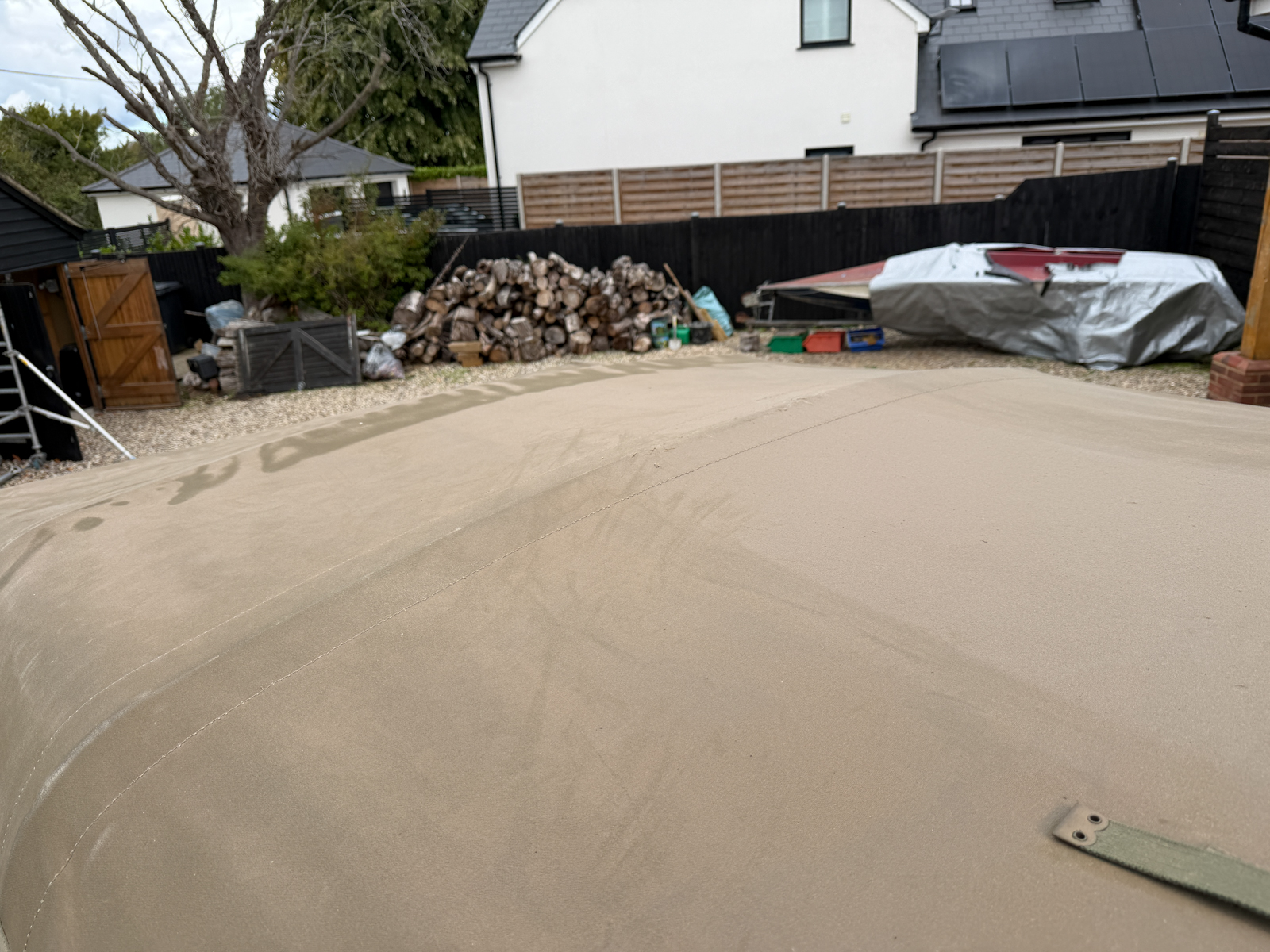
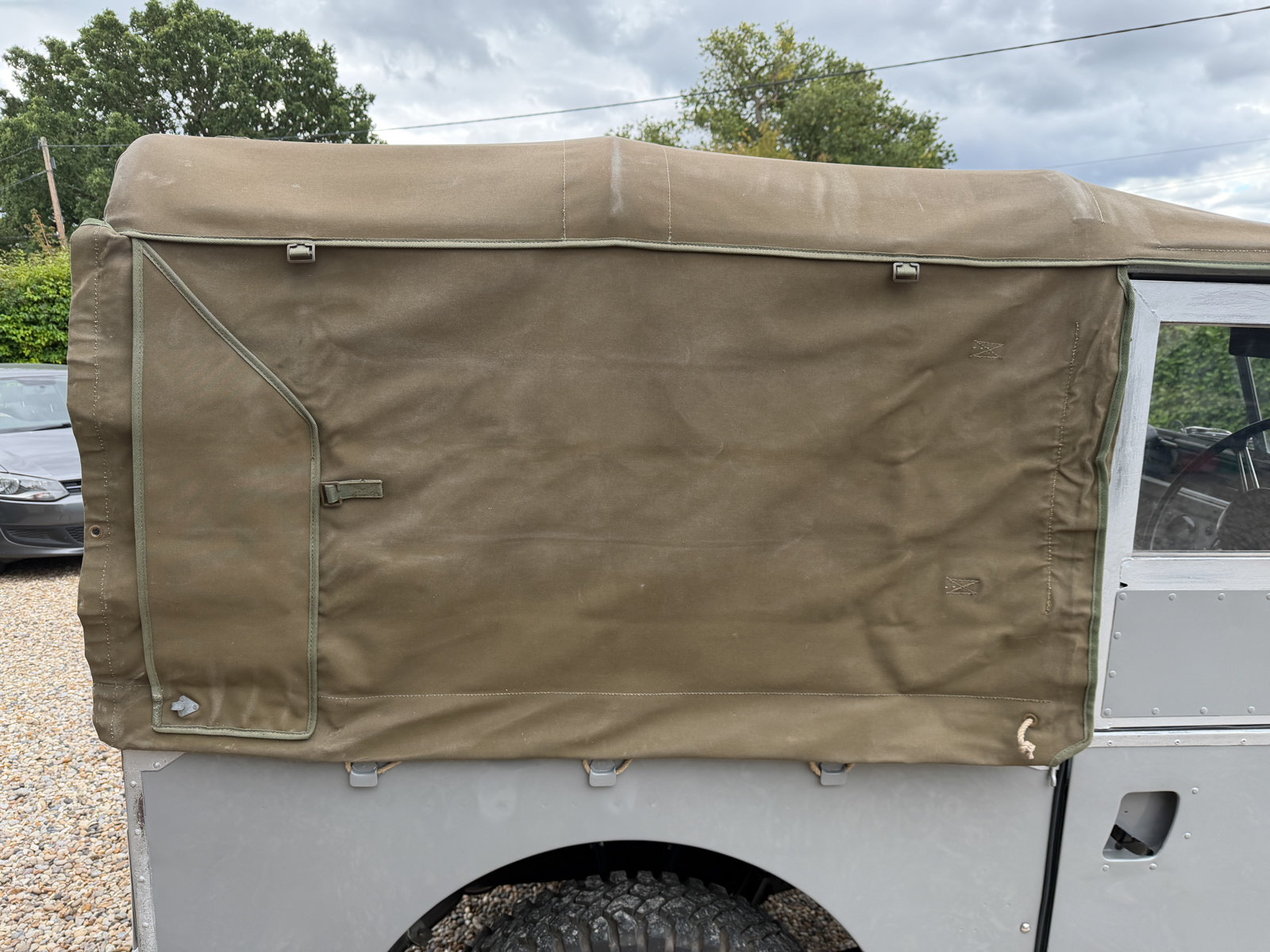
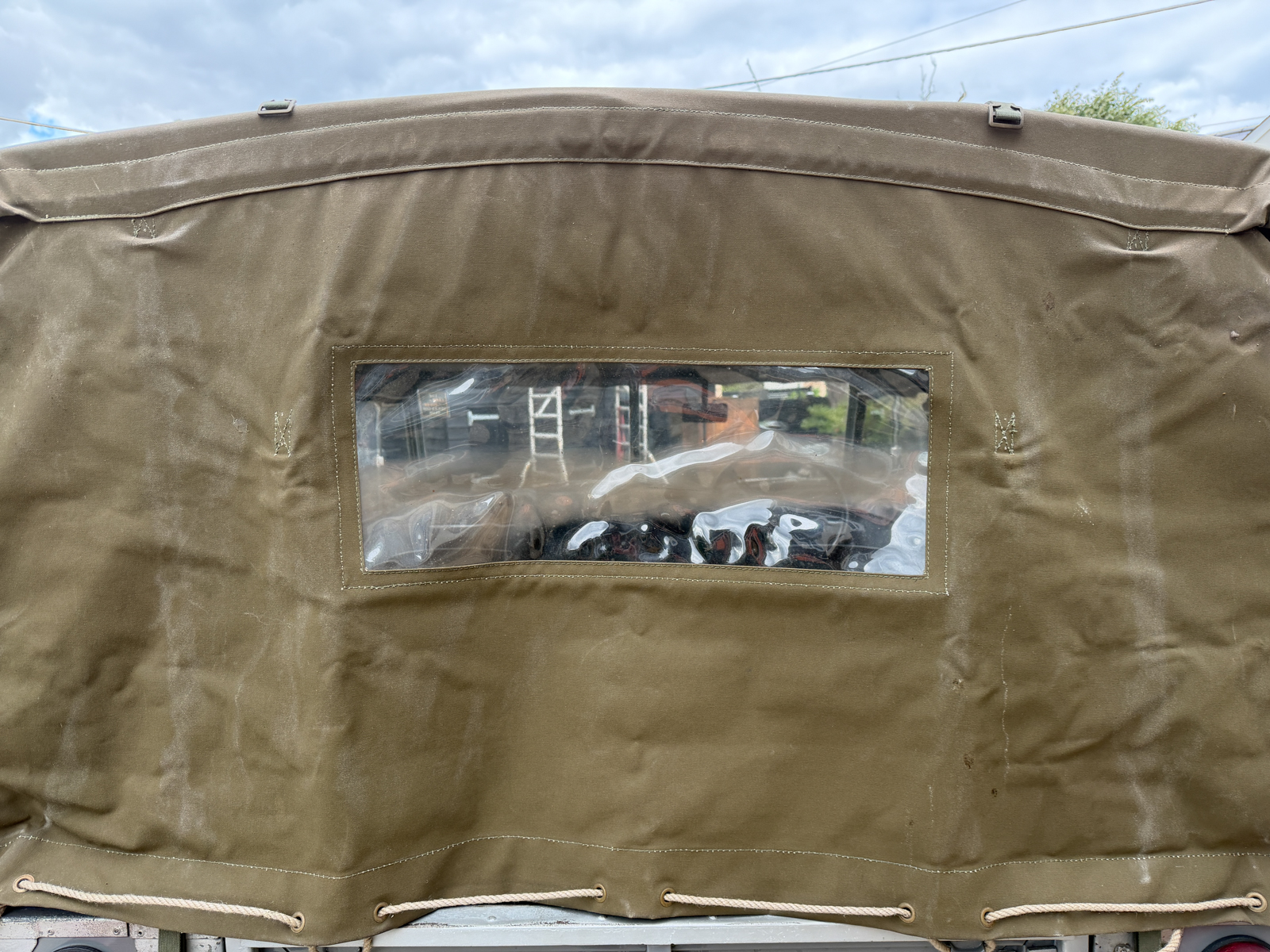
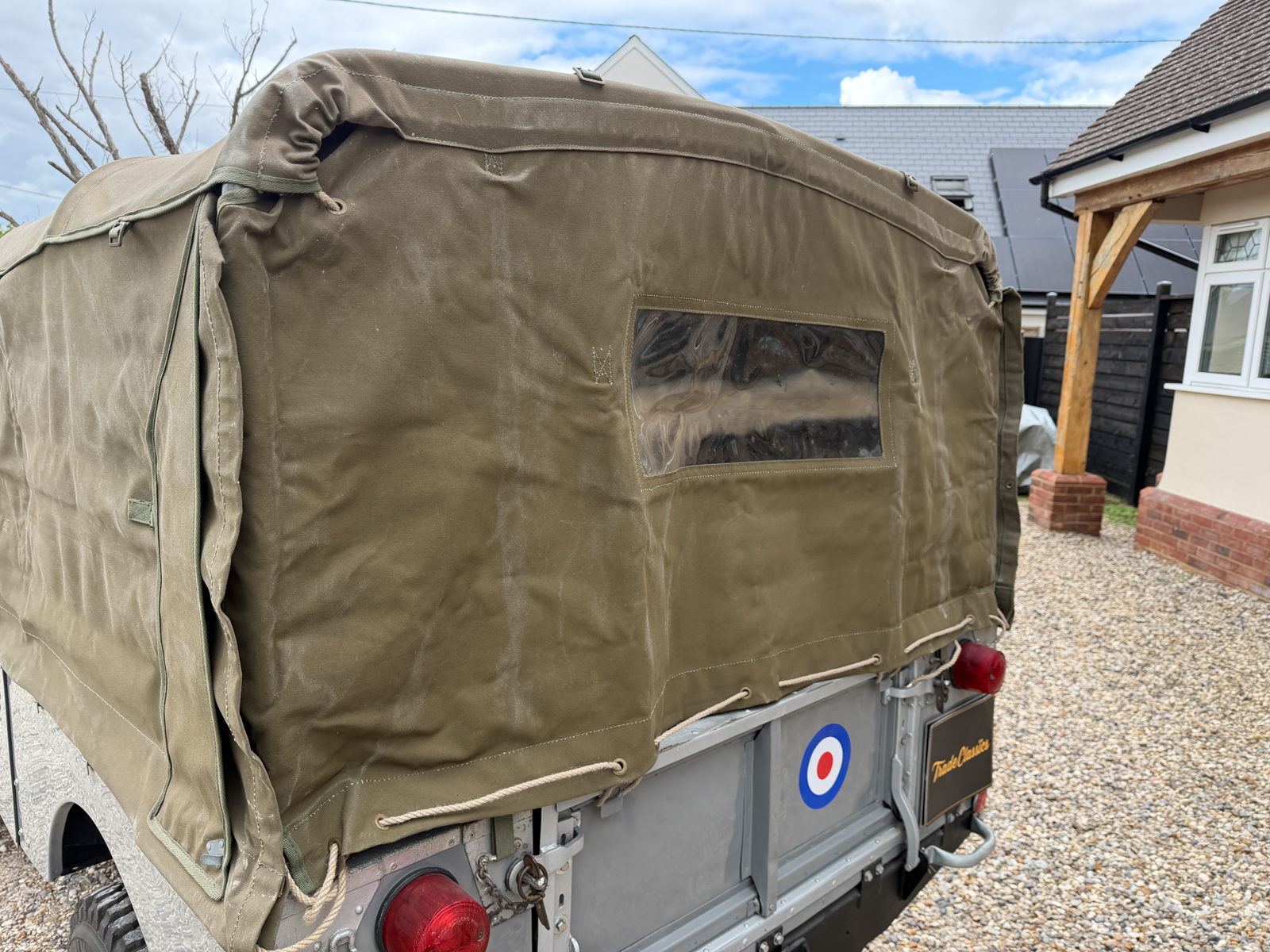
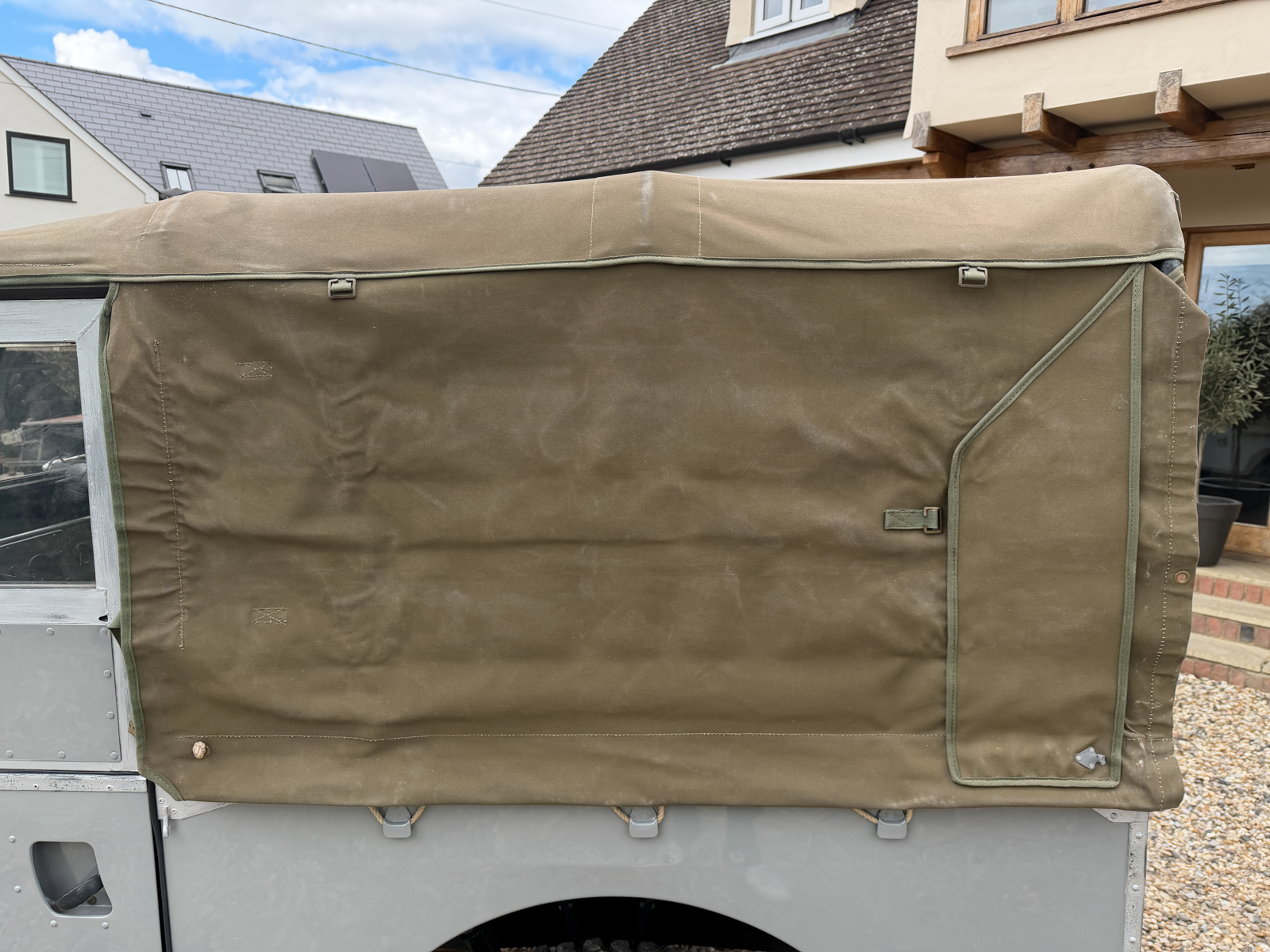
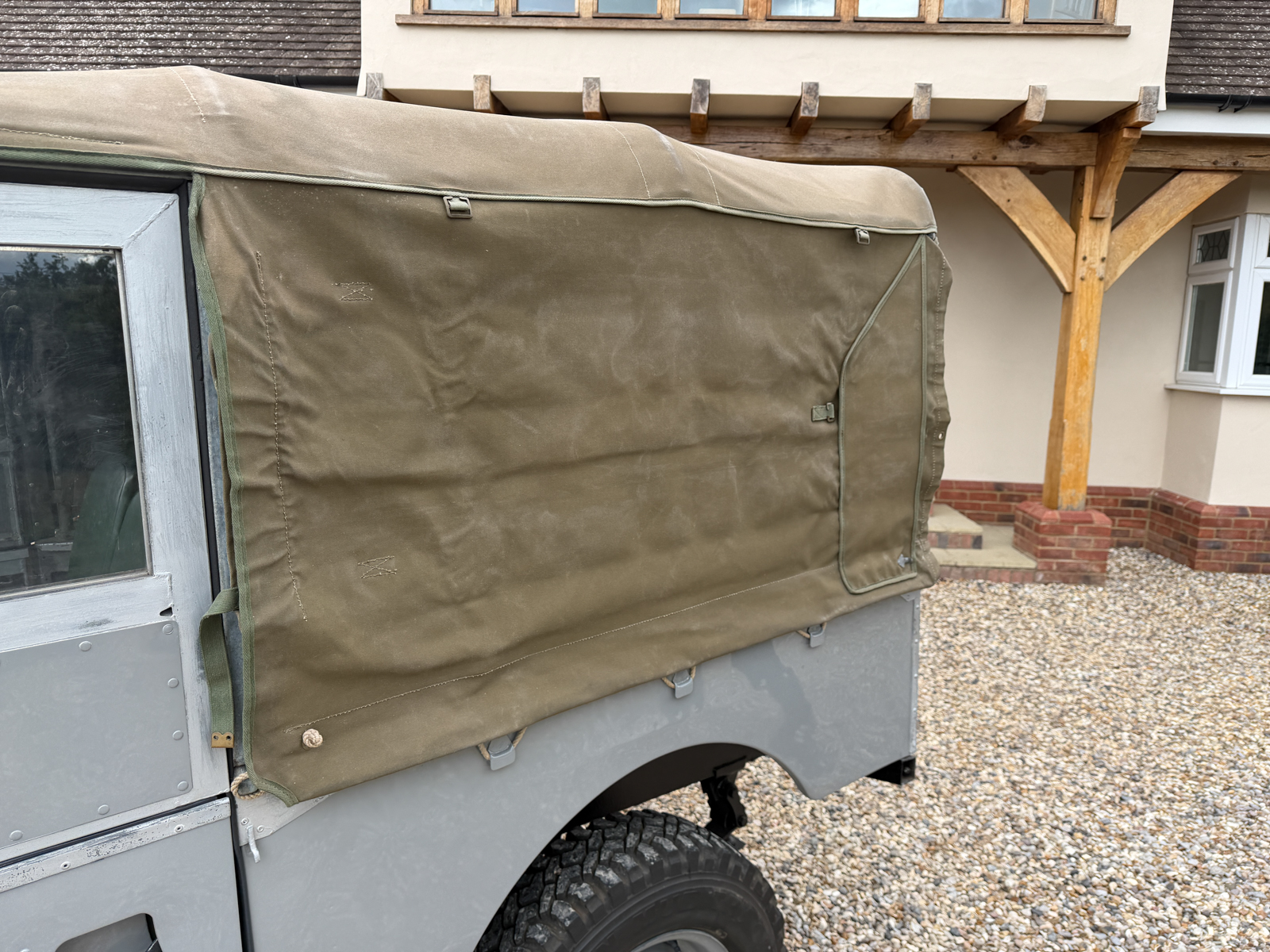
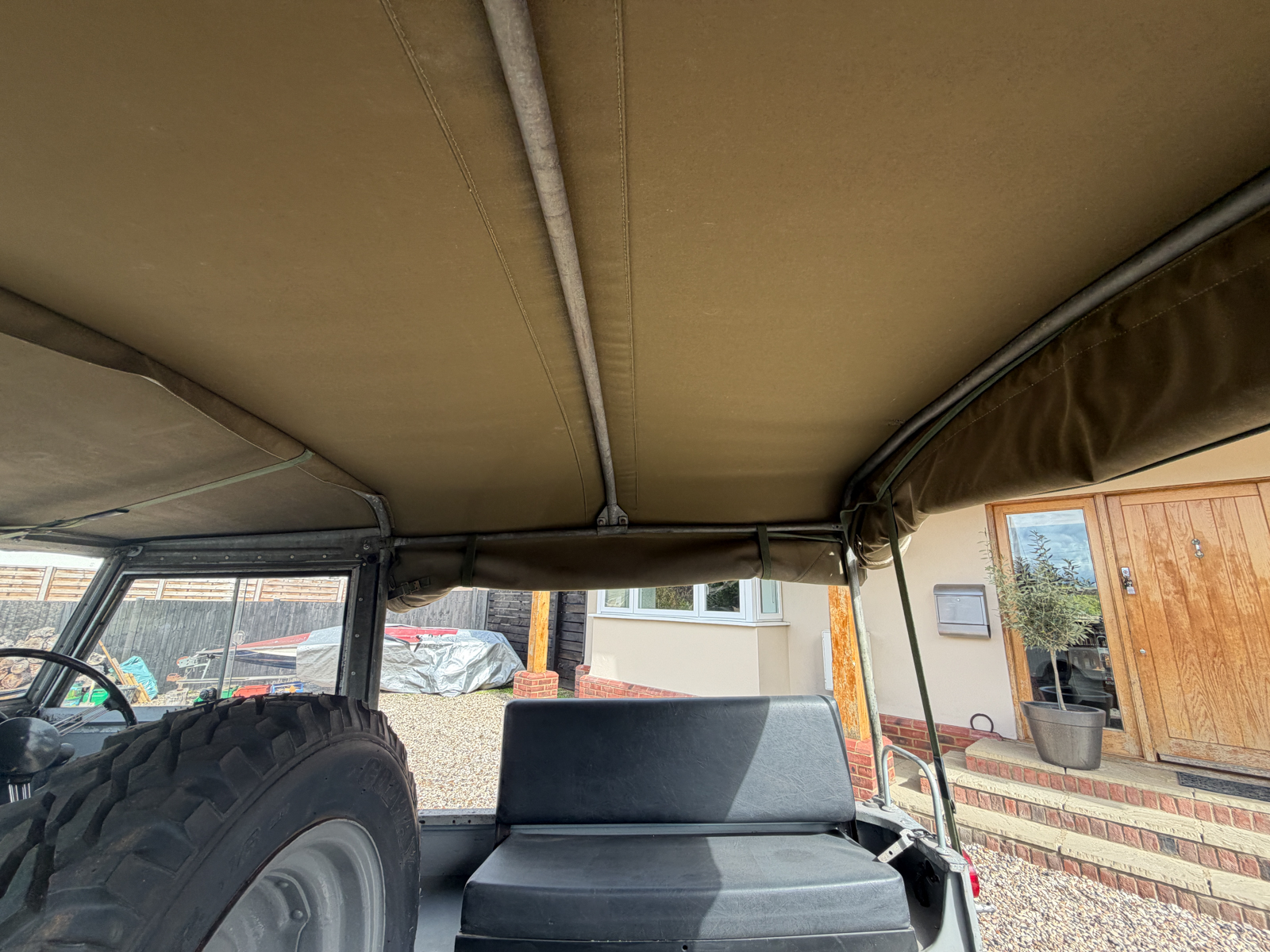
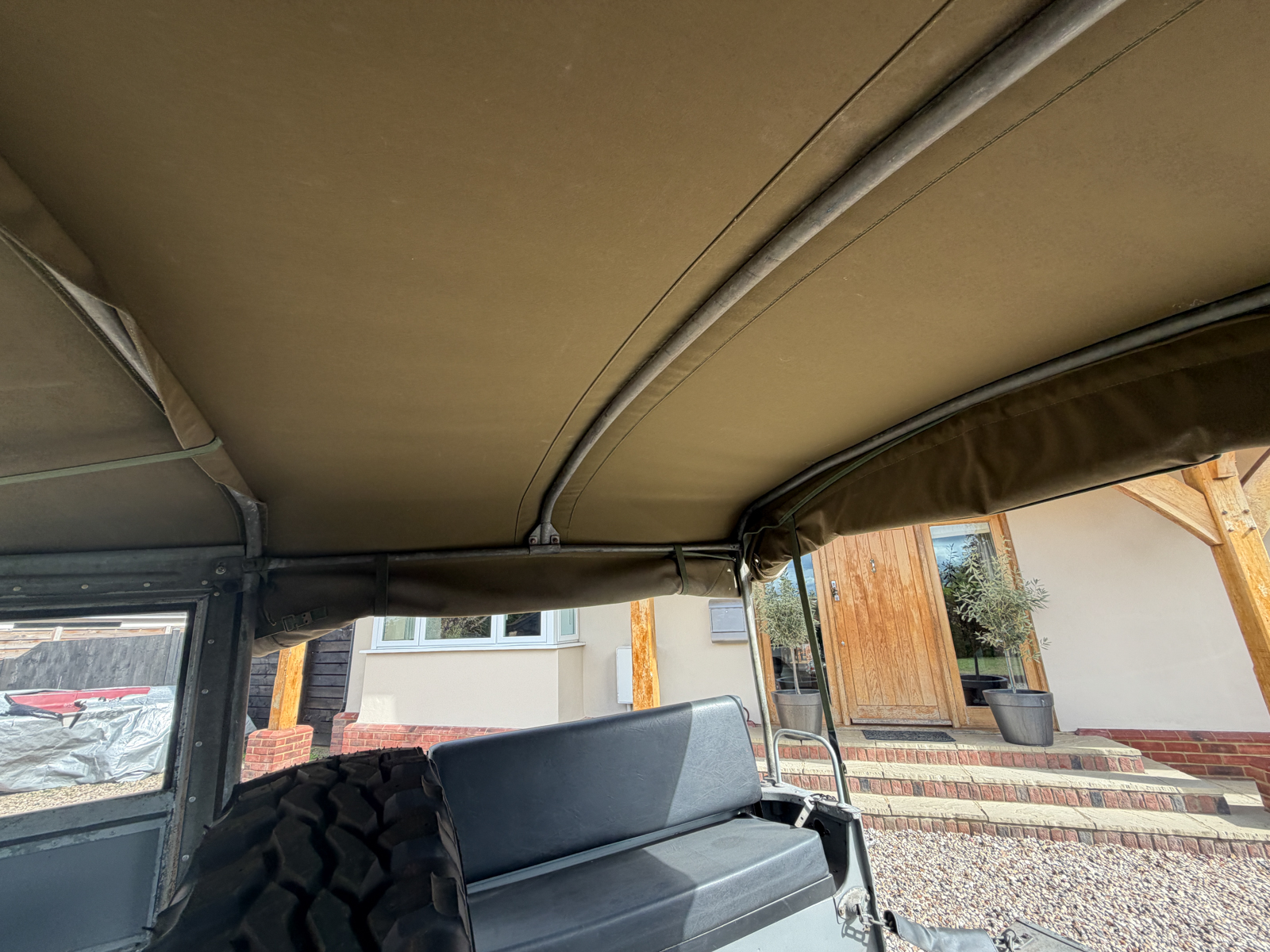
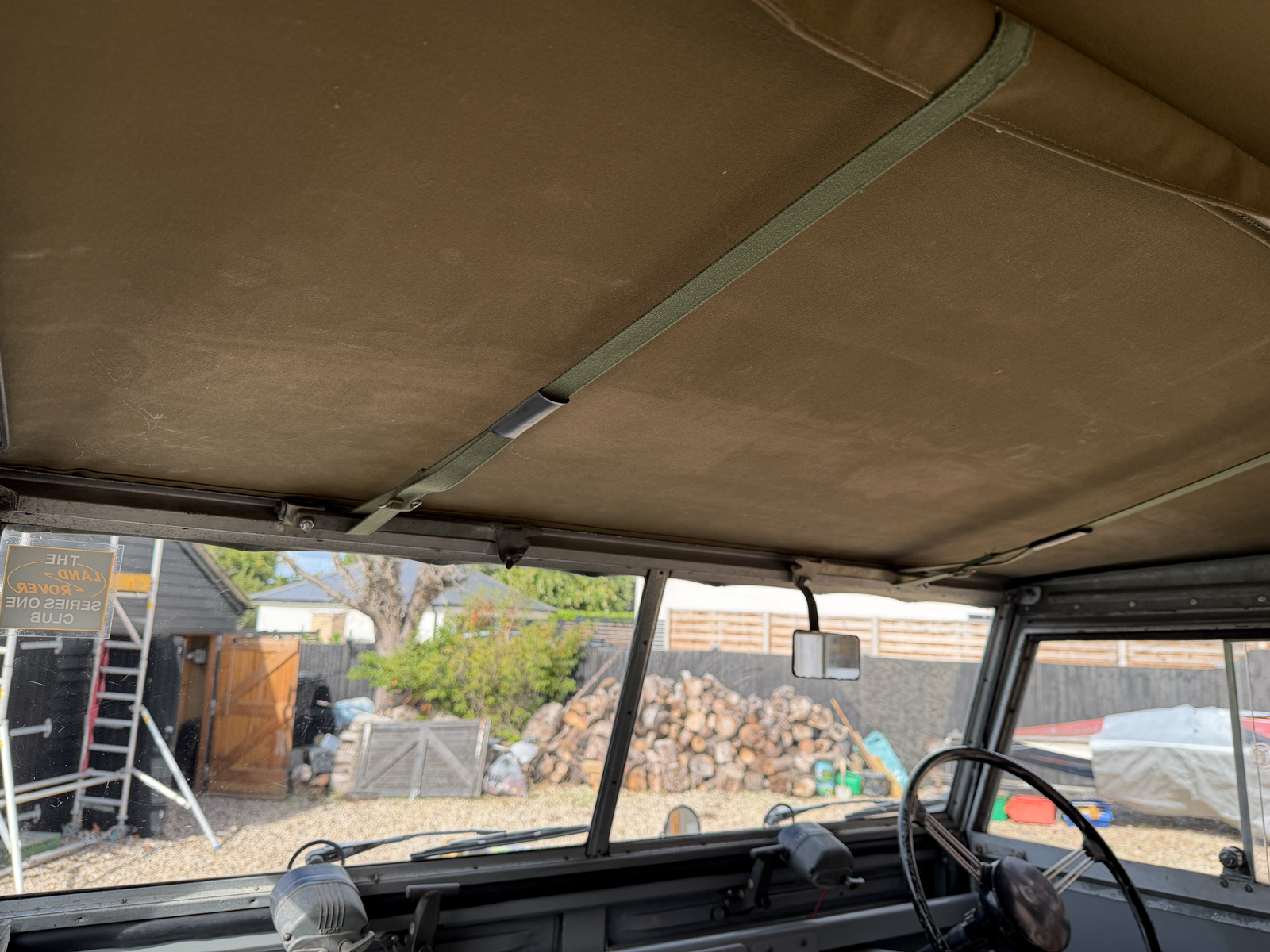
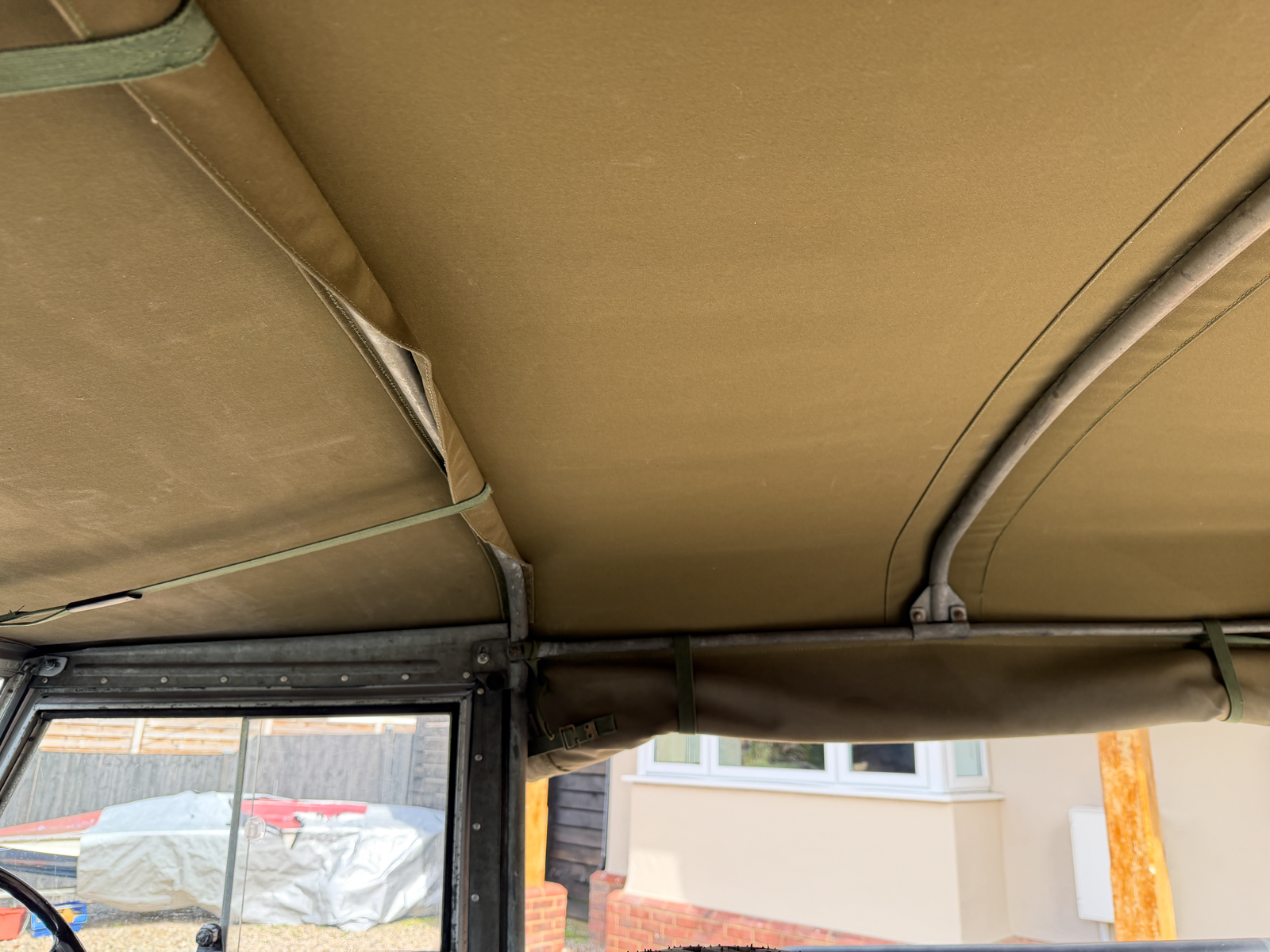
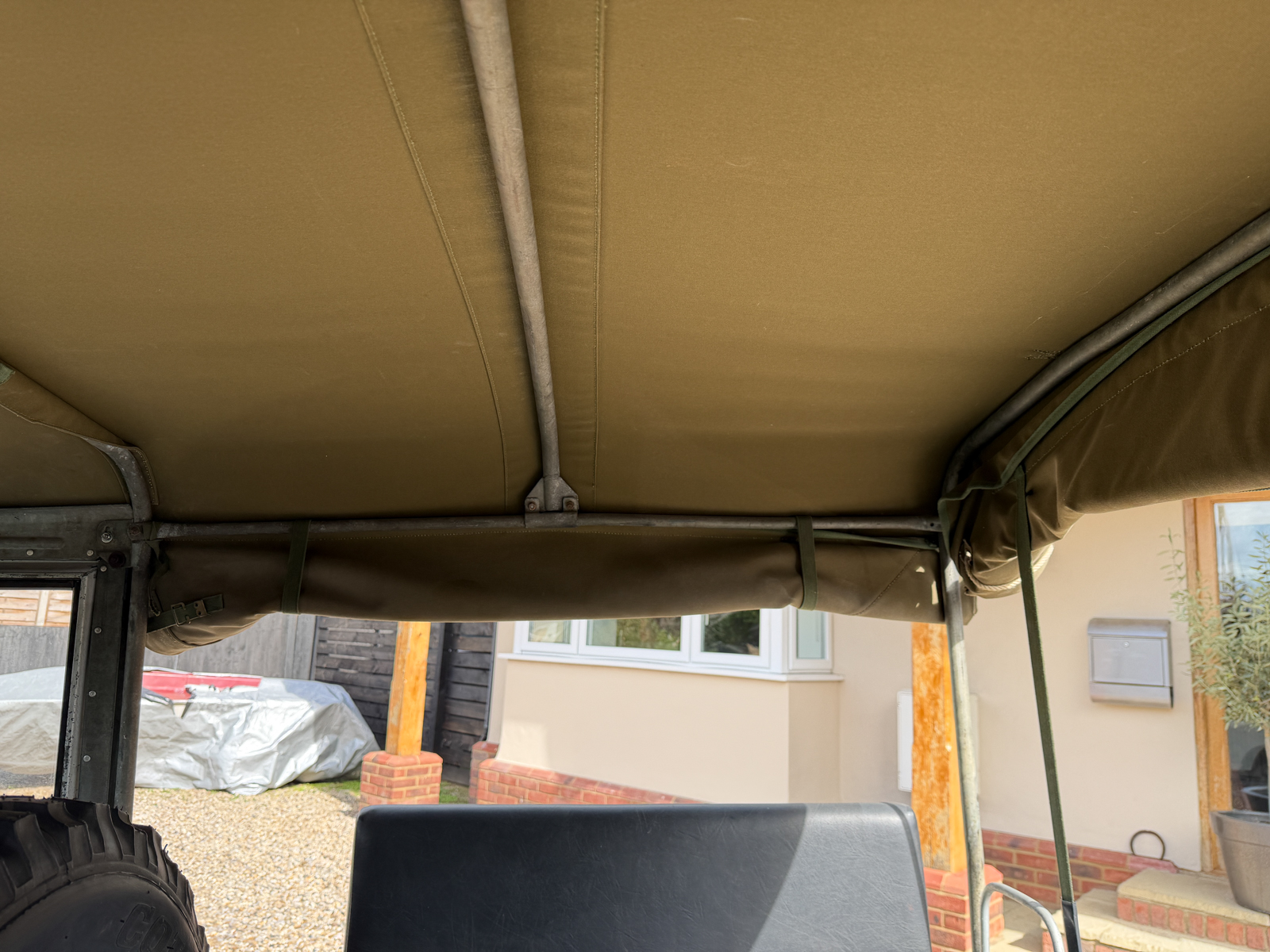
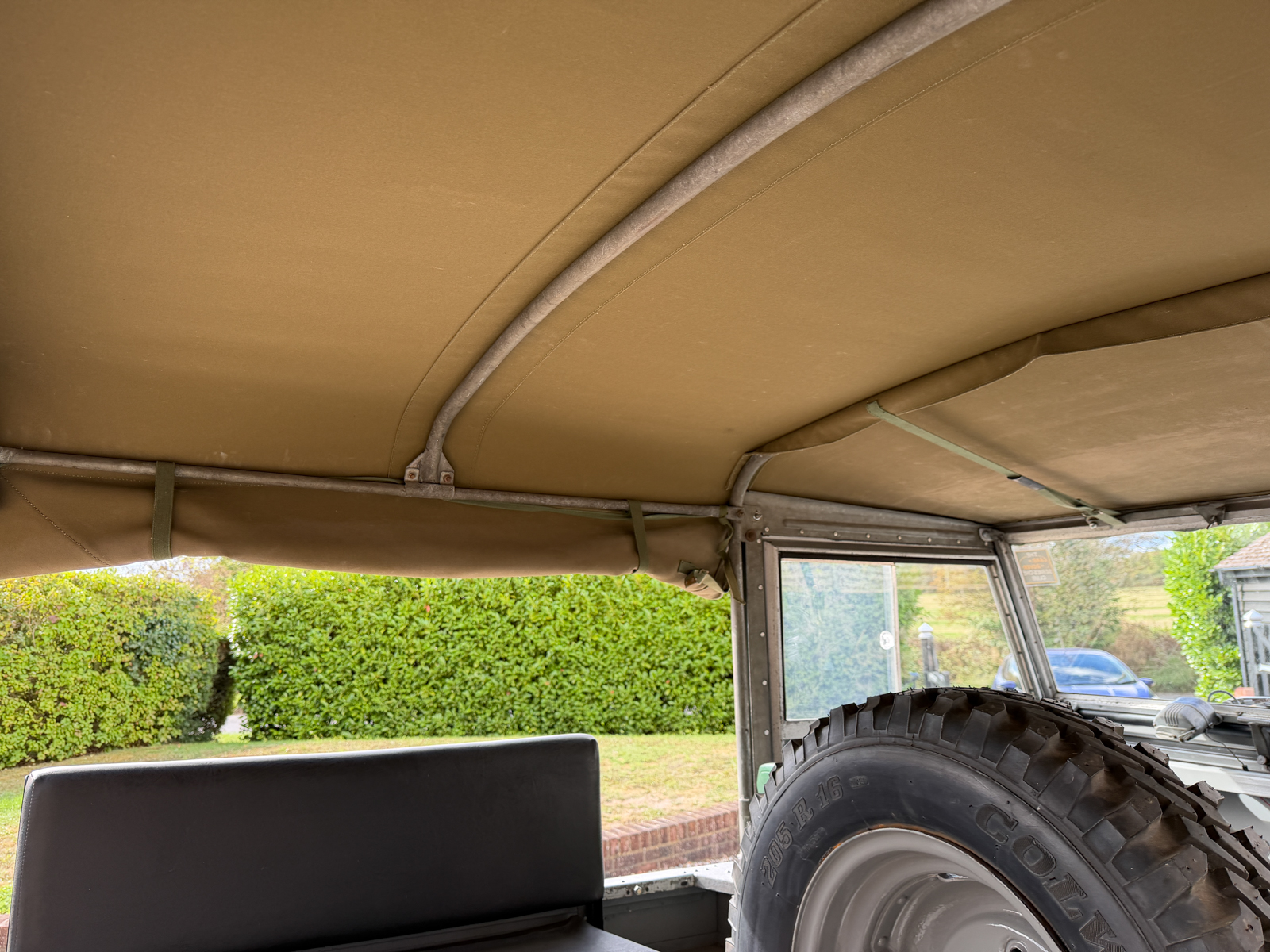
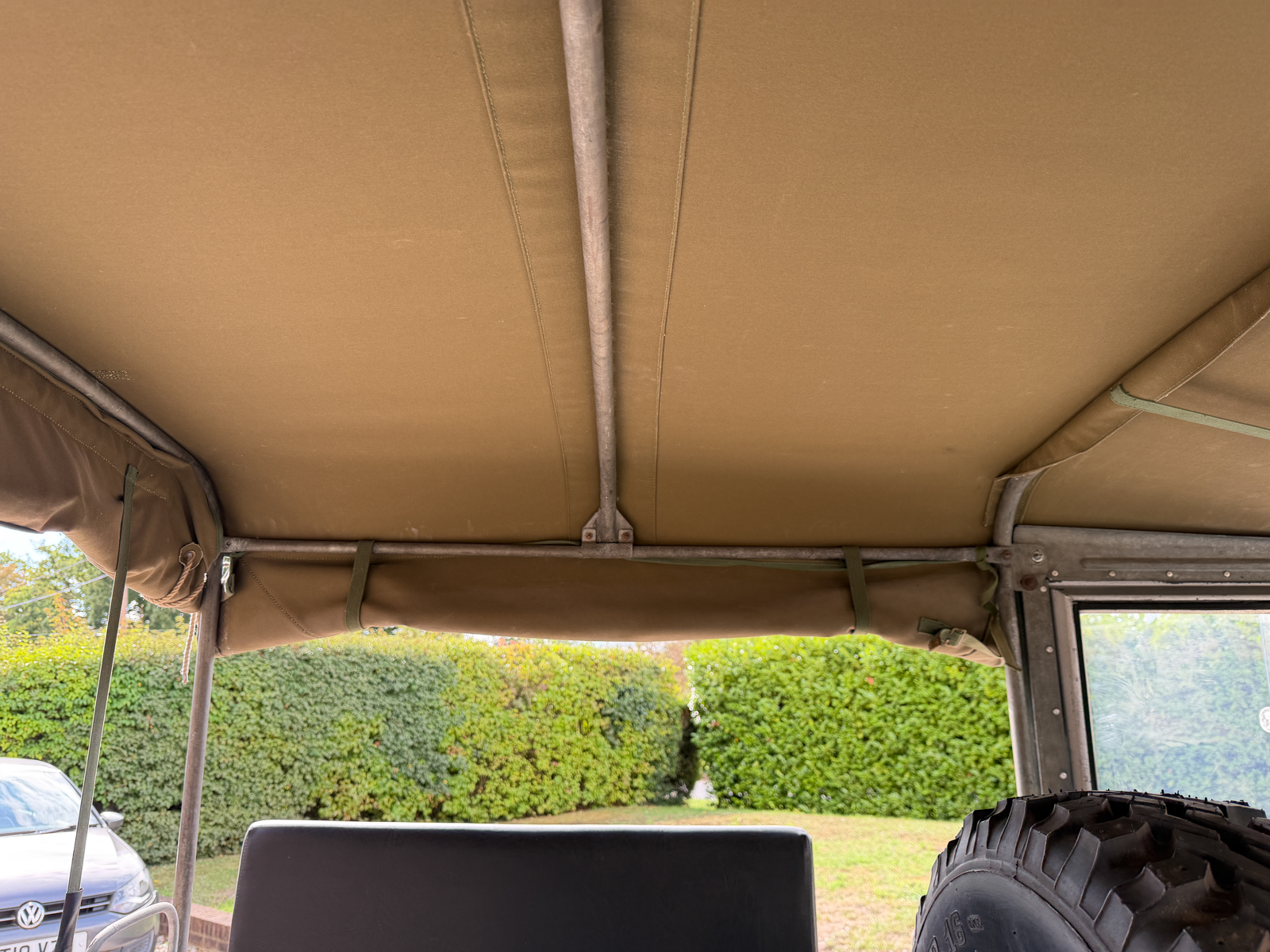
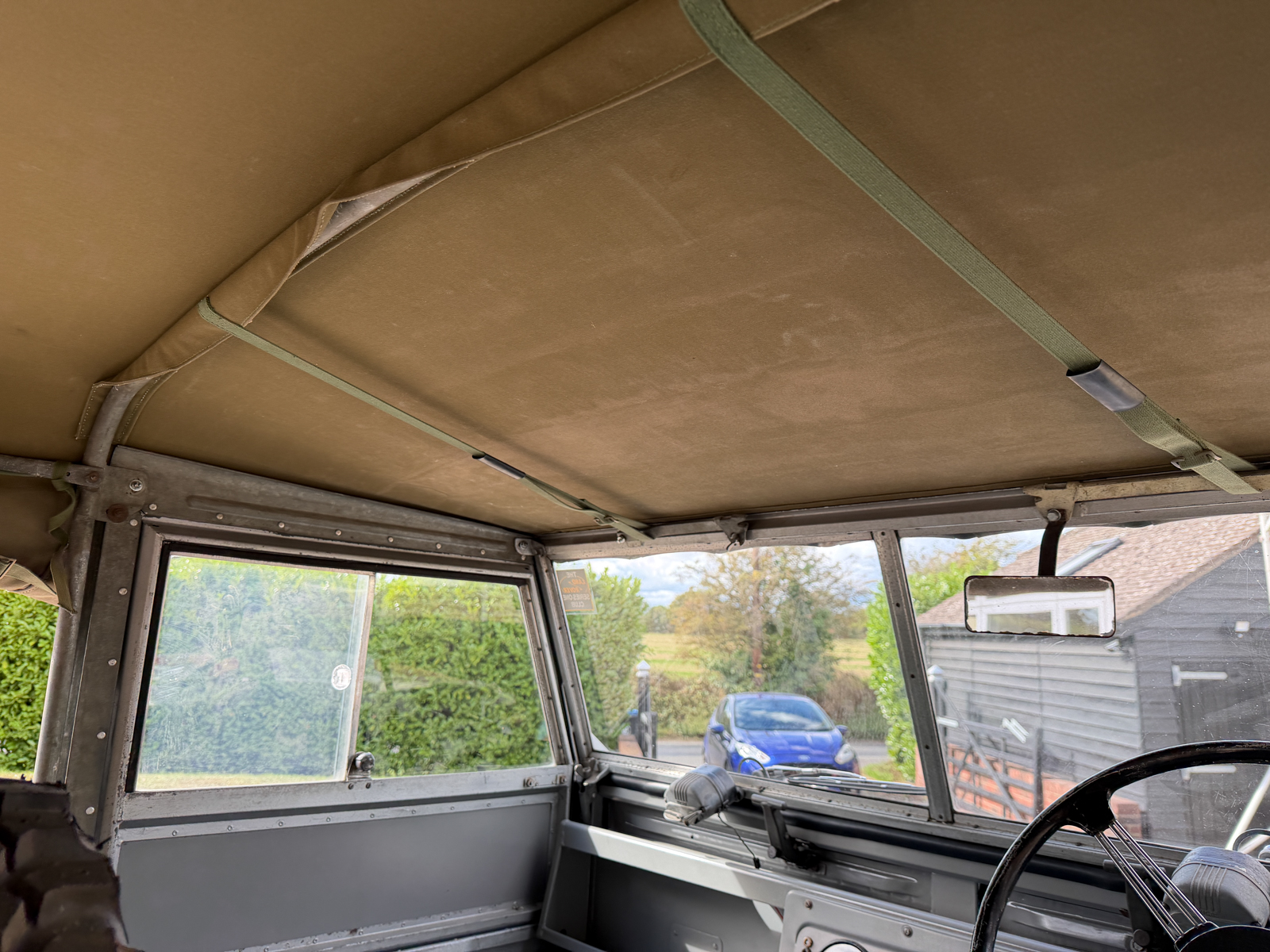
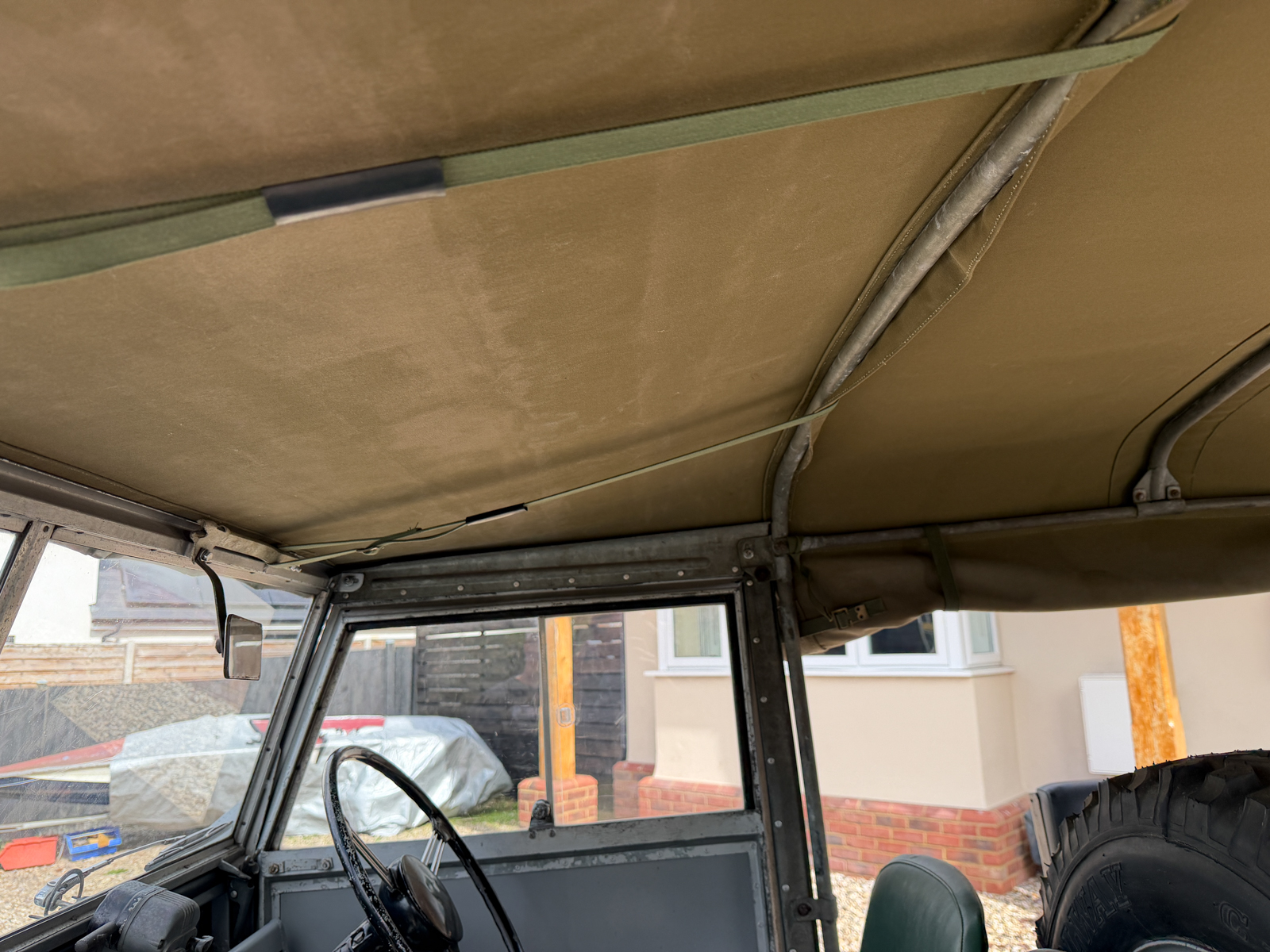
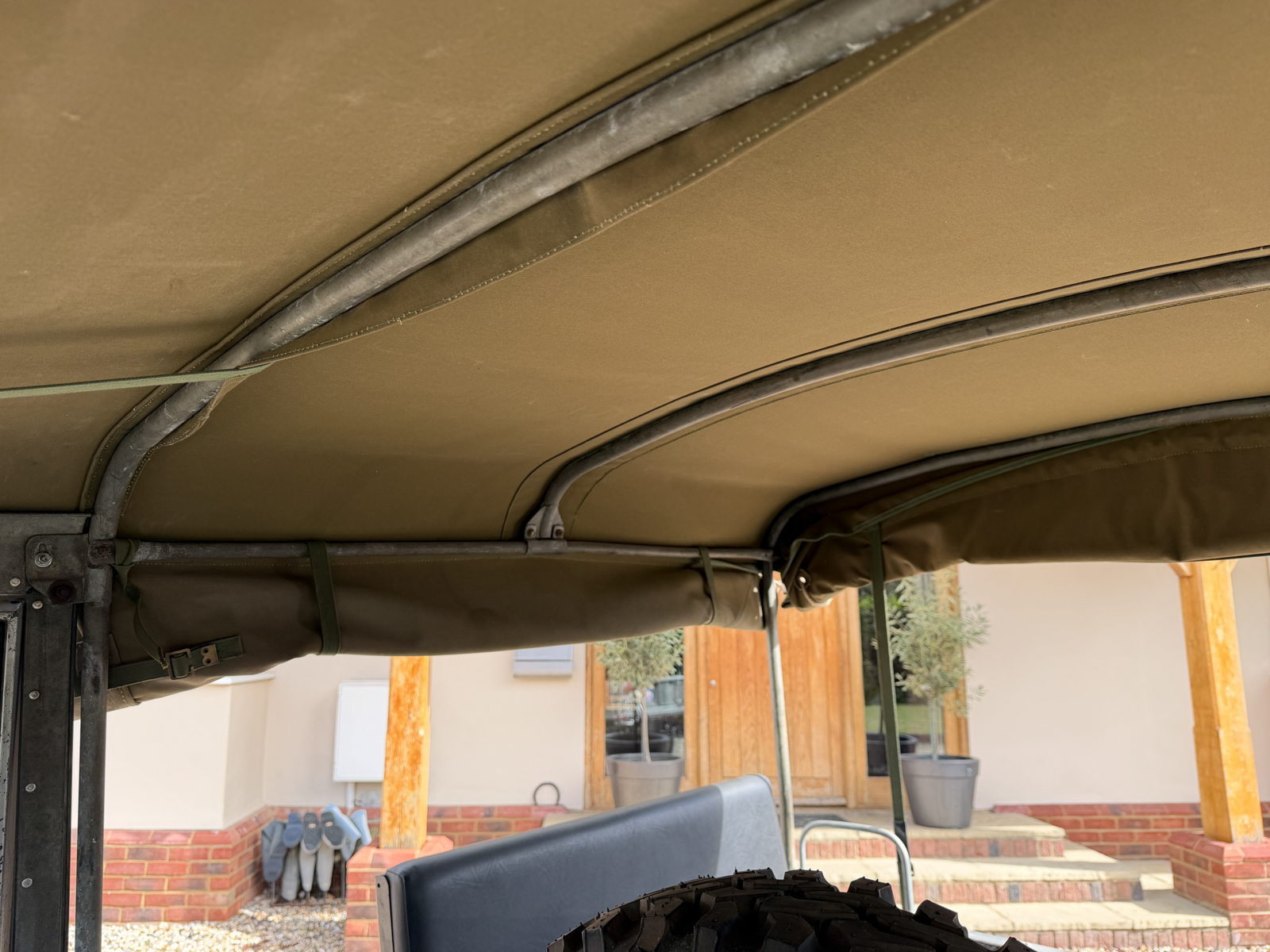
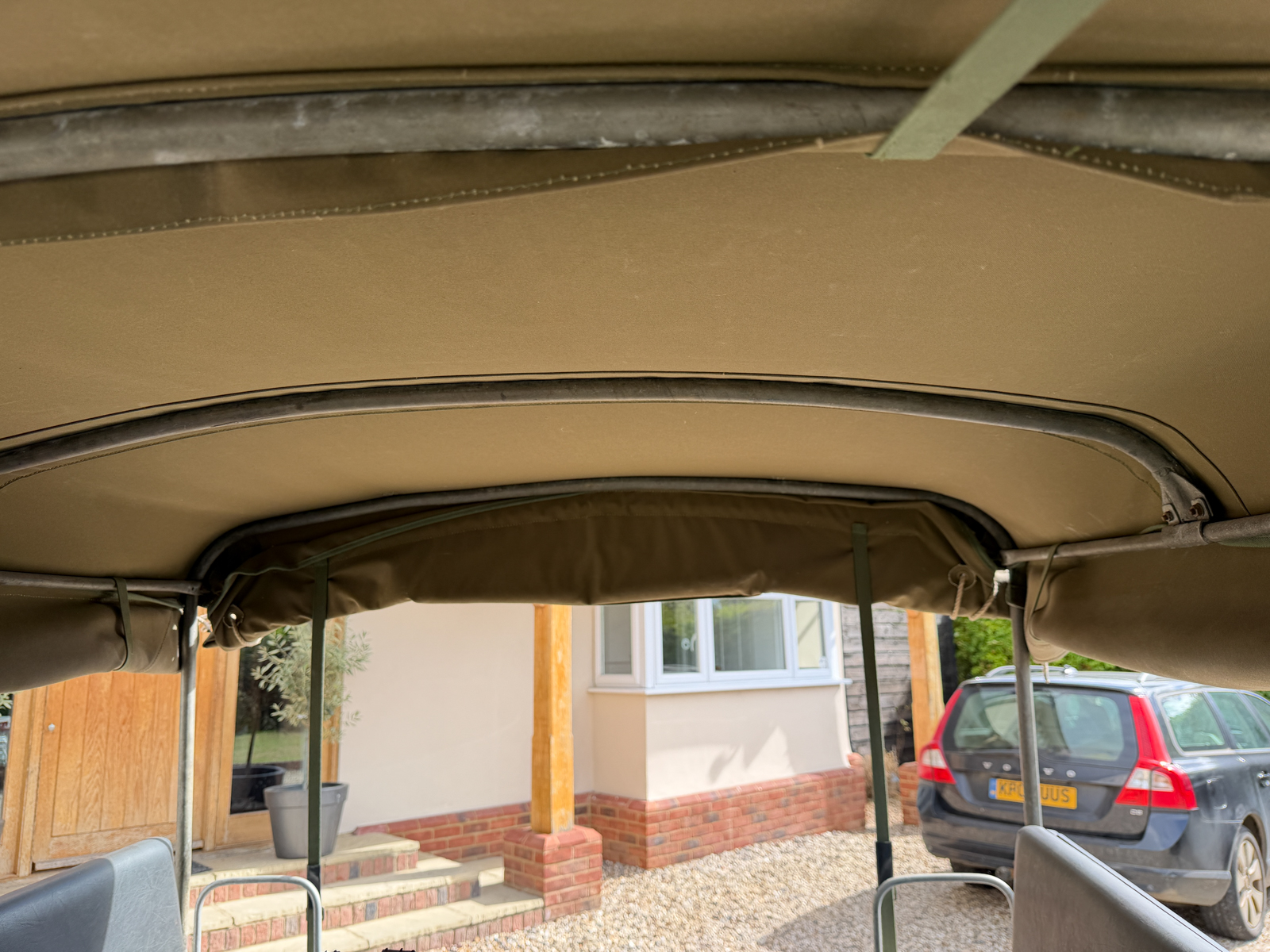
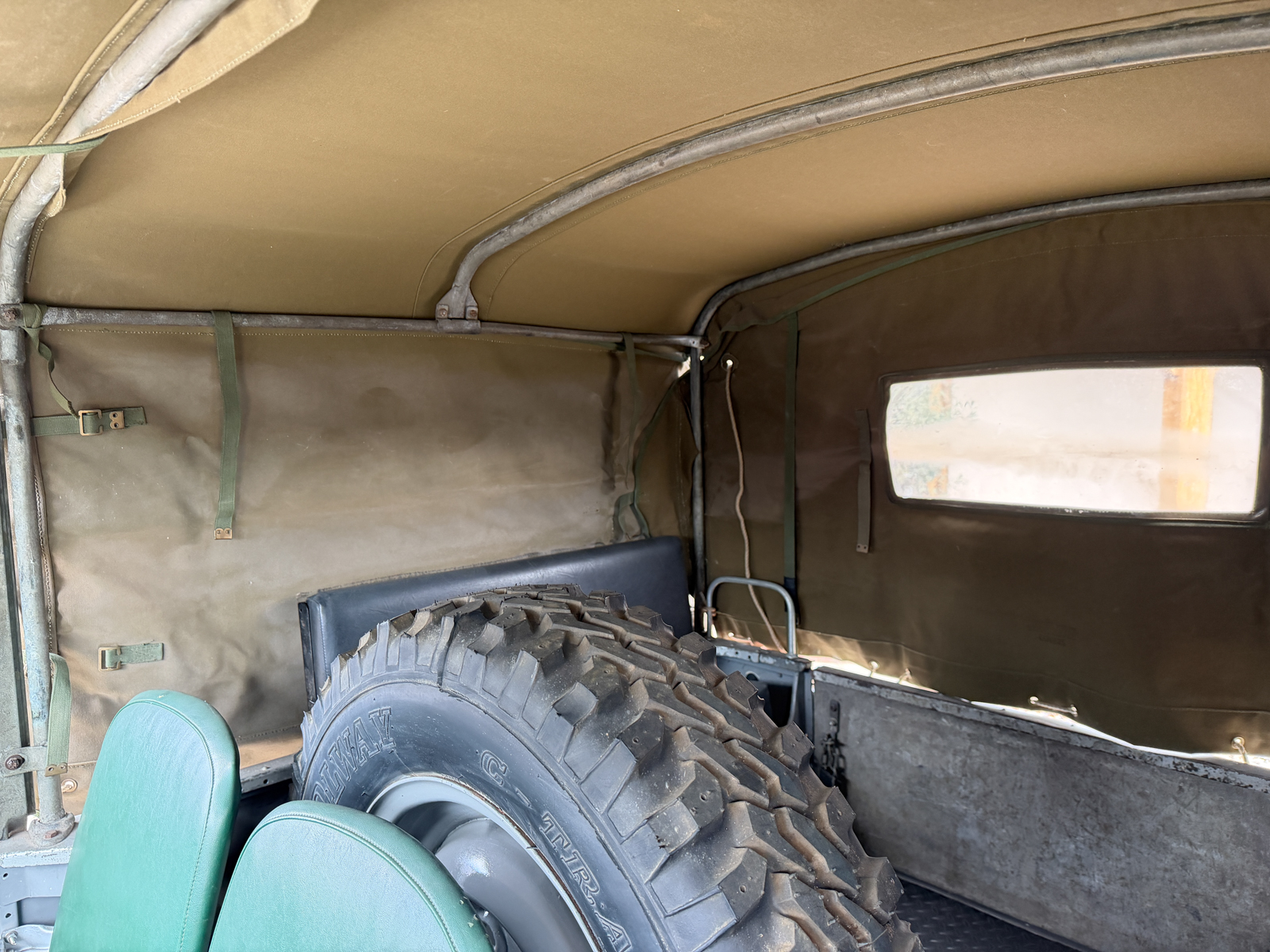
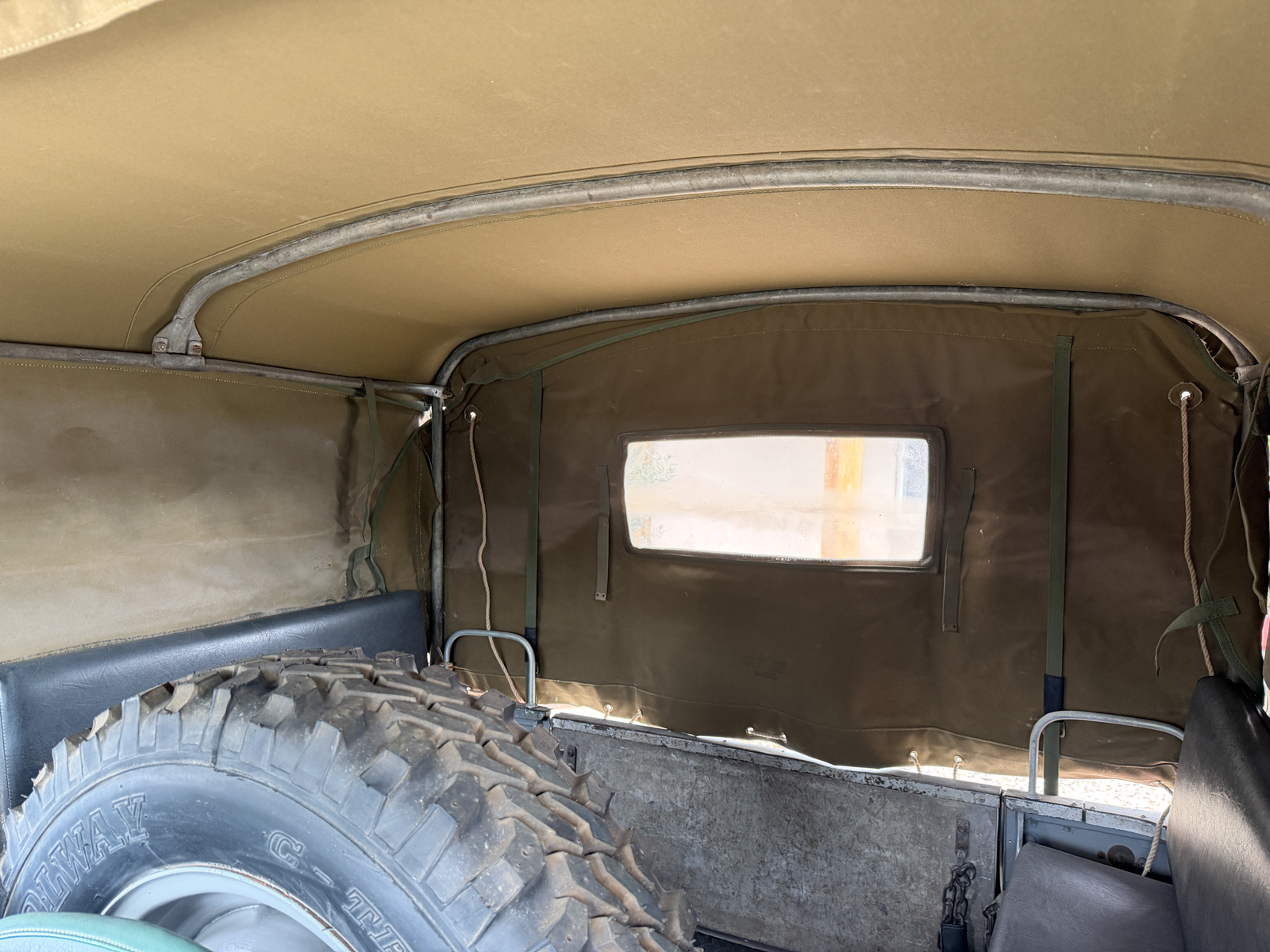
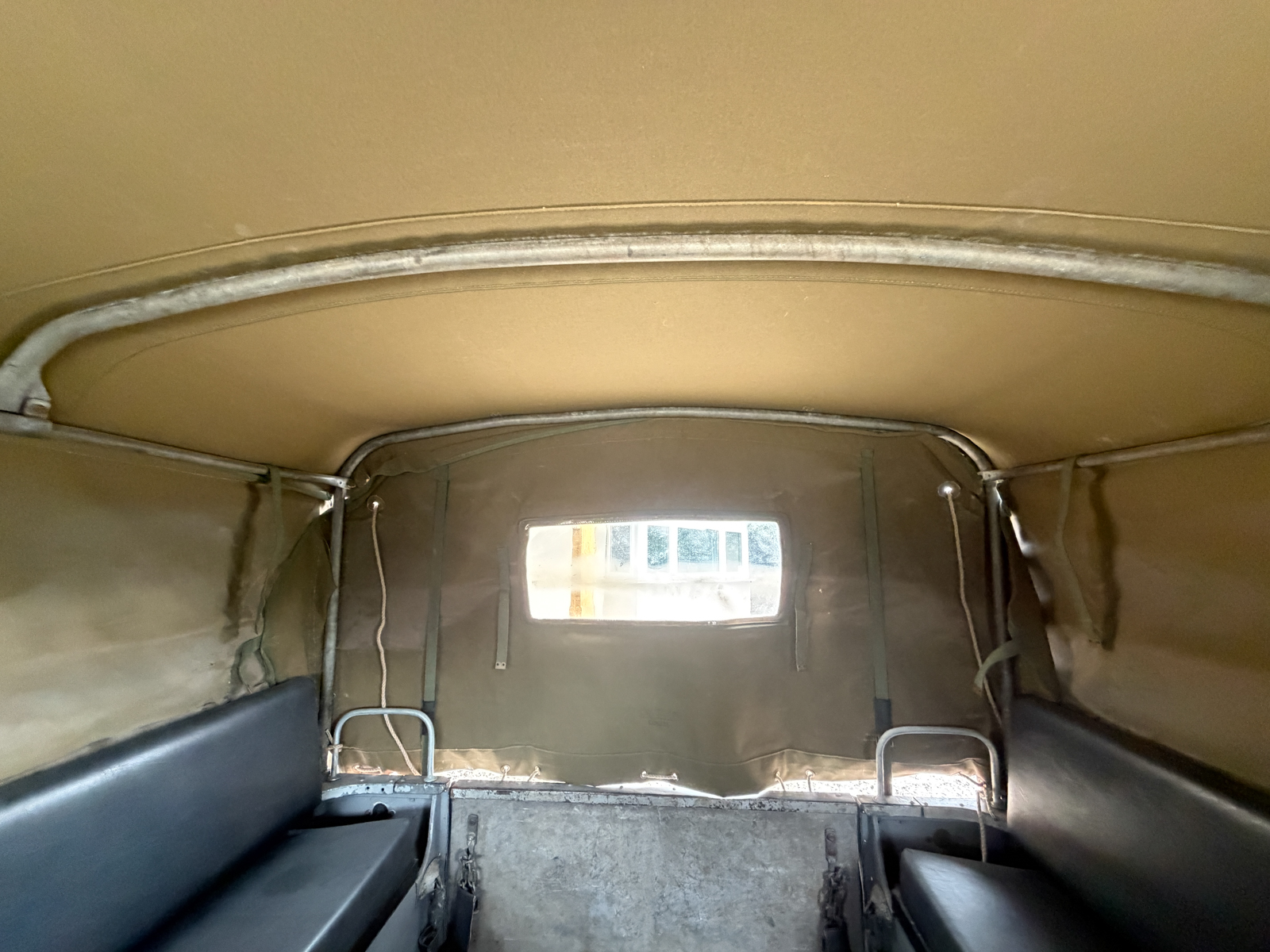
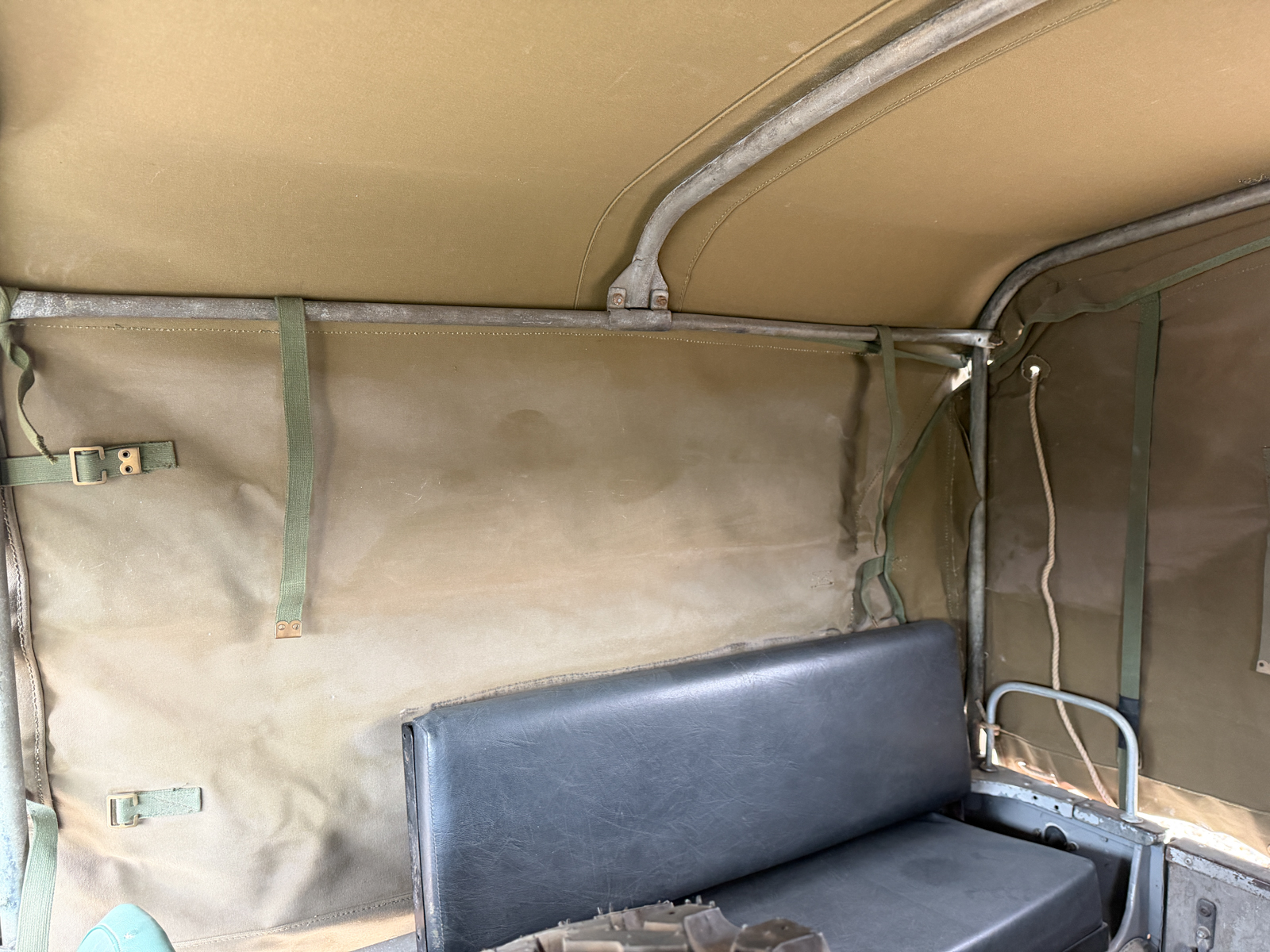
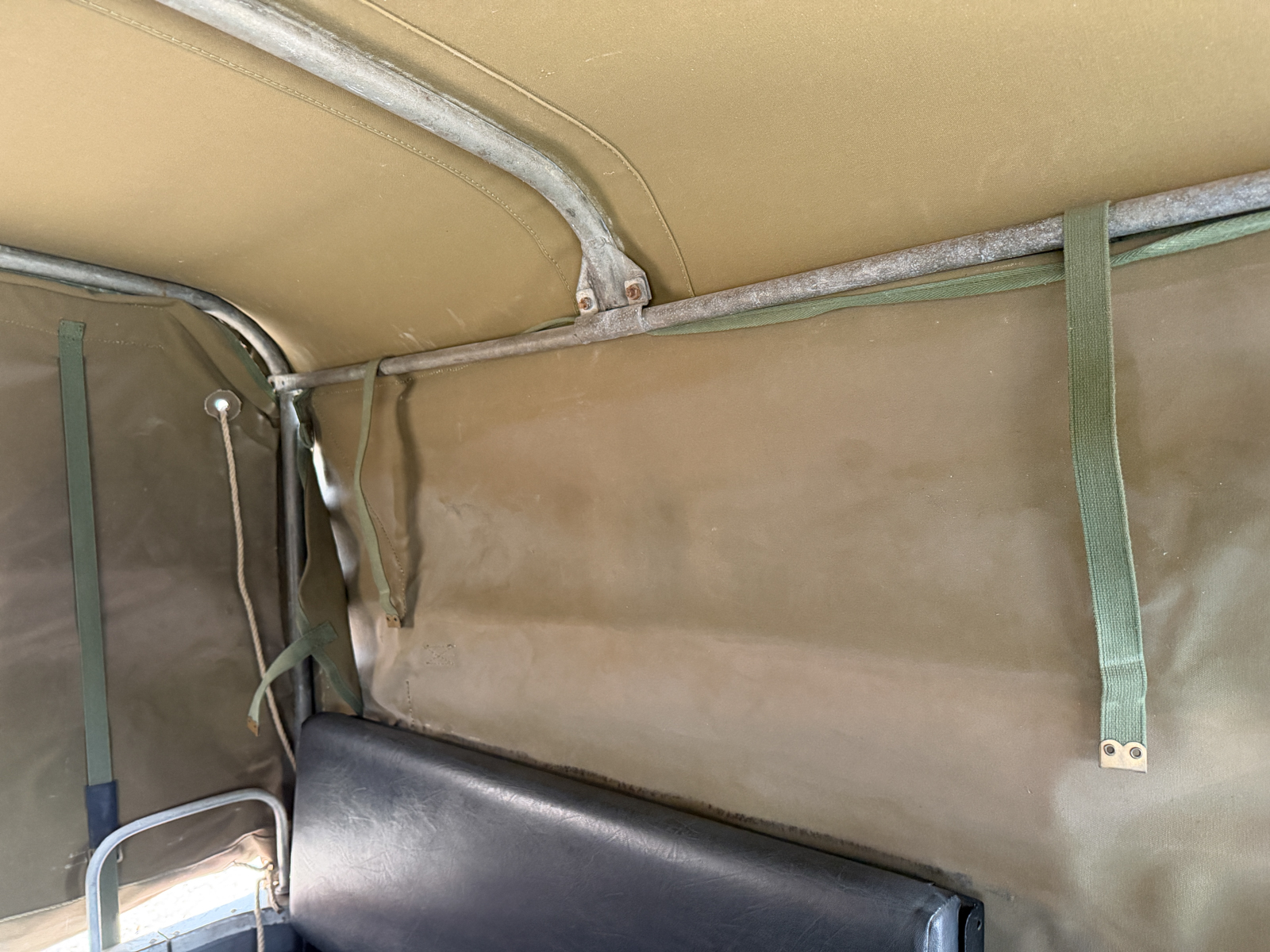
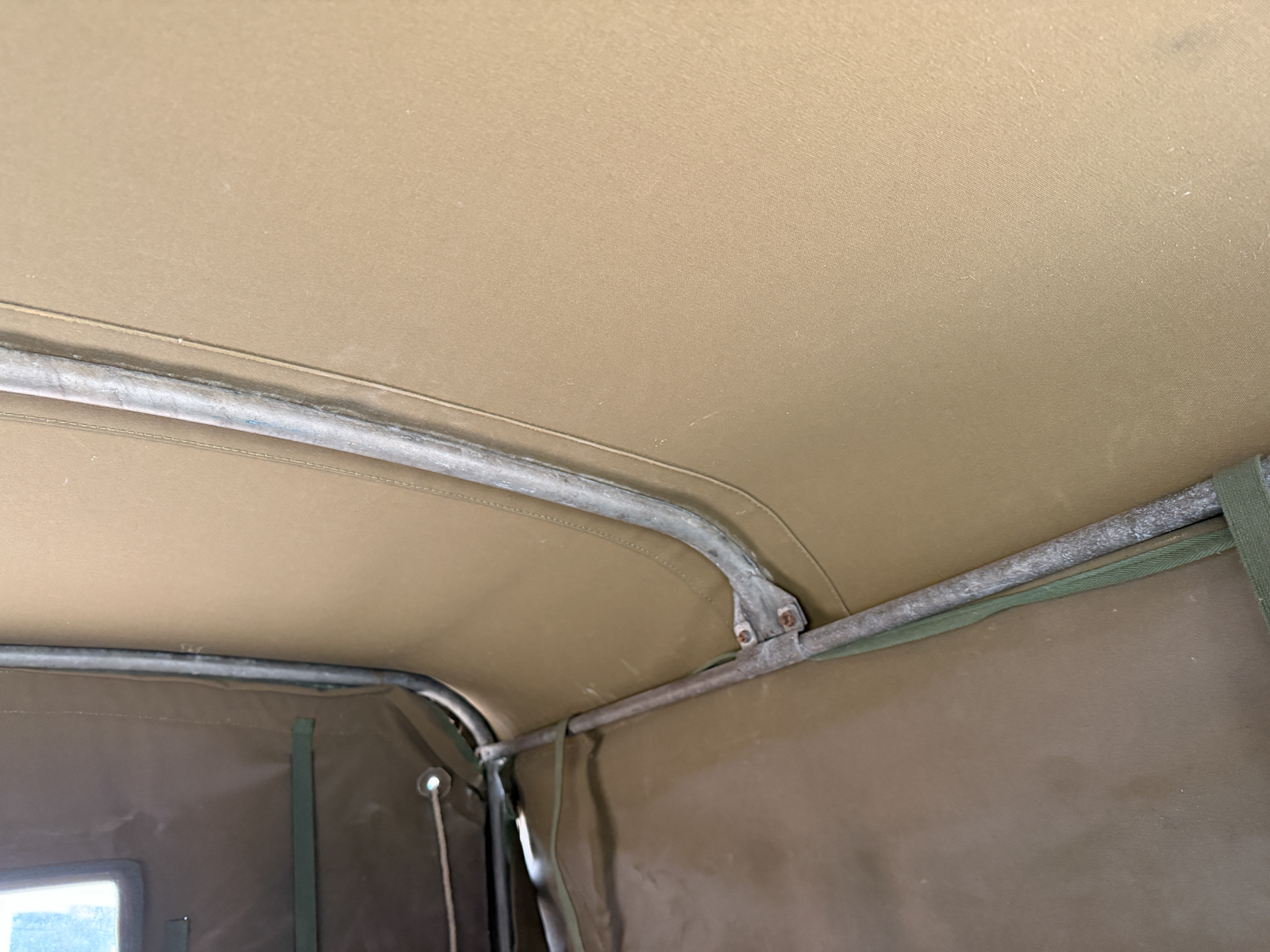
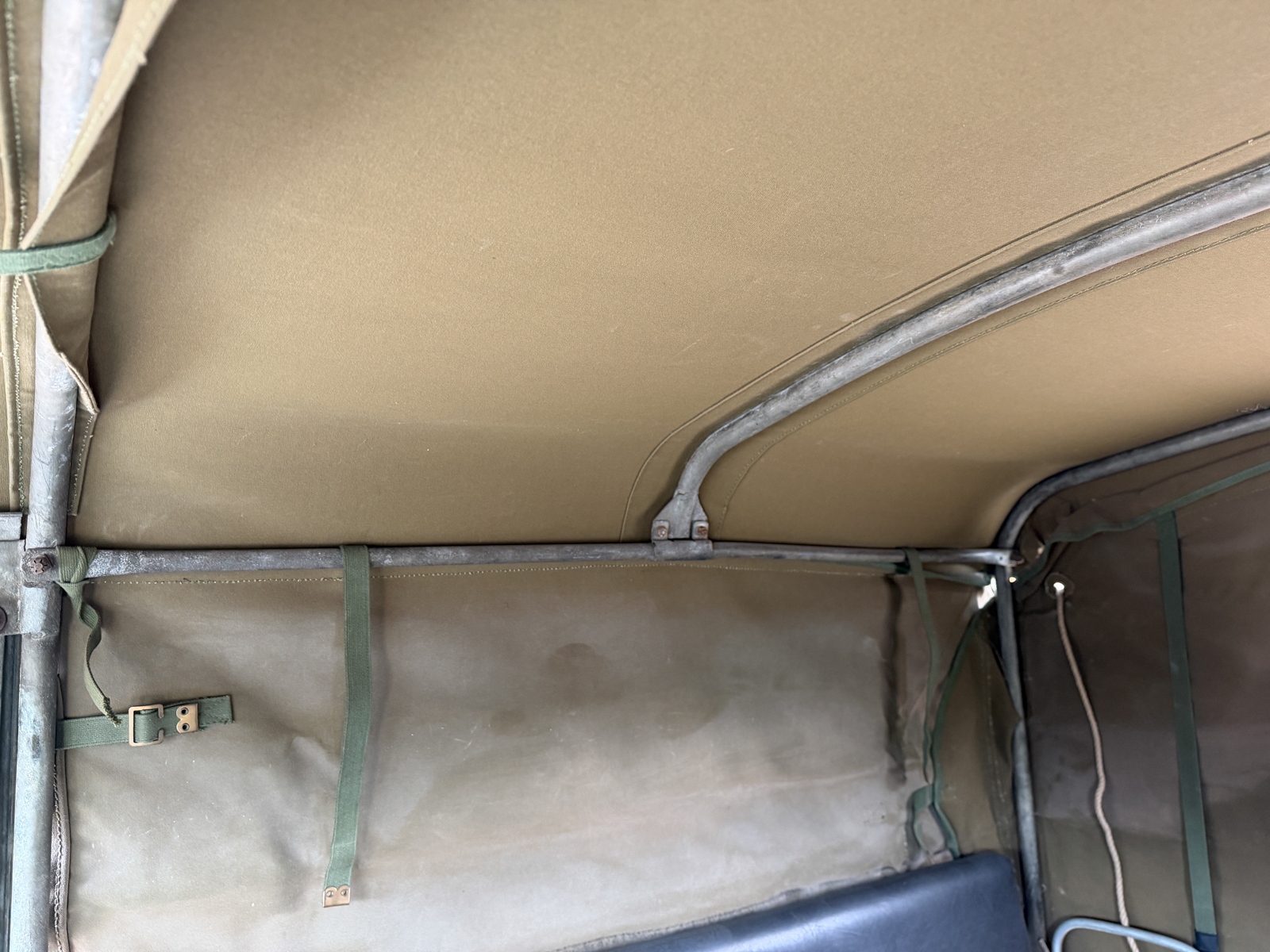
A full-length khaki canvas hood is fitted over the front cabin and rear load area.

The canvas presents well overall, showing natural creasing, light discolouration and other minor evidence of age and use. Its supporting frame appears complete and holds the hood in the correct position.

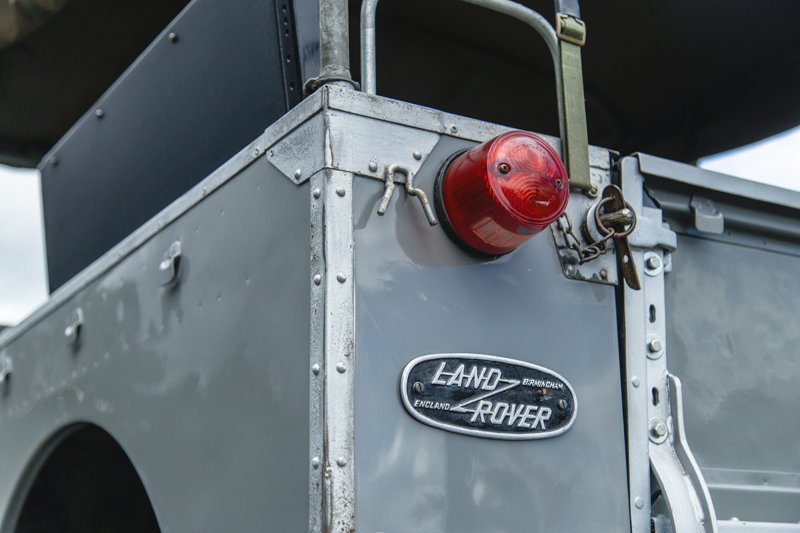
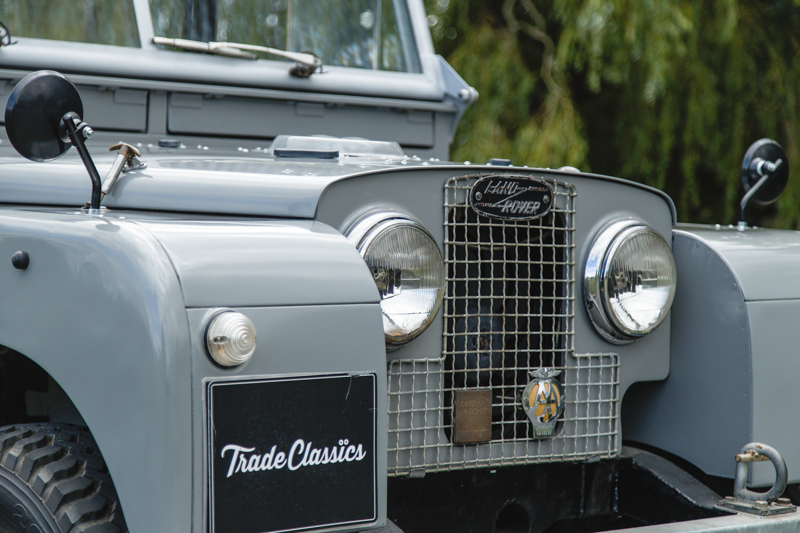
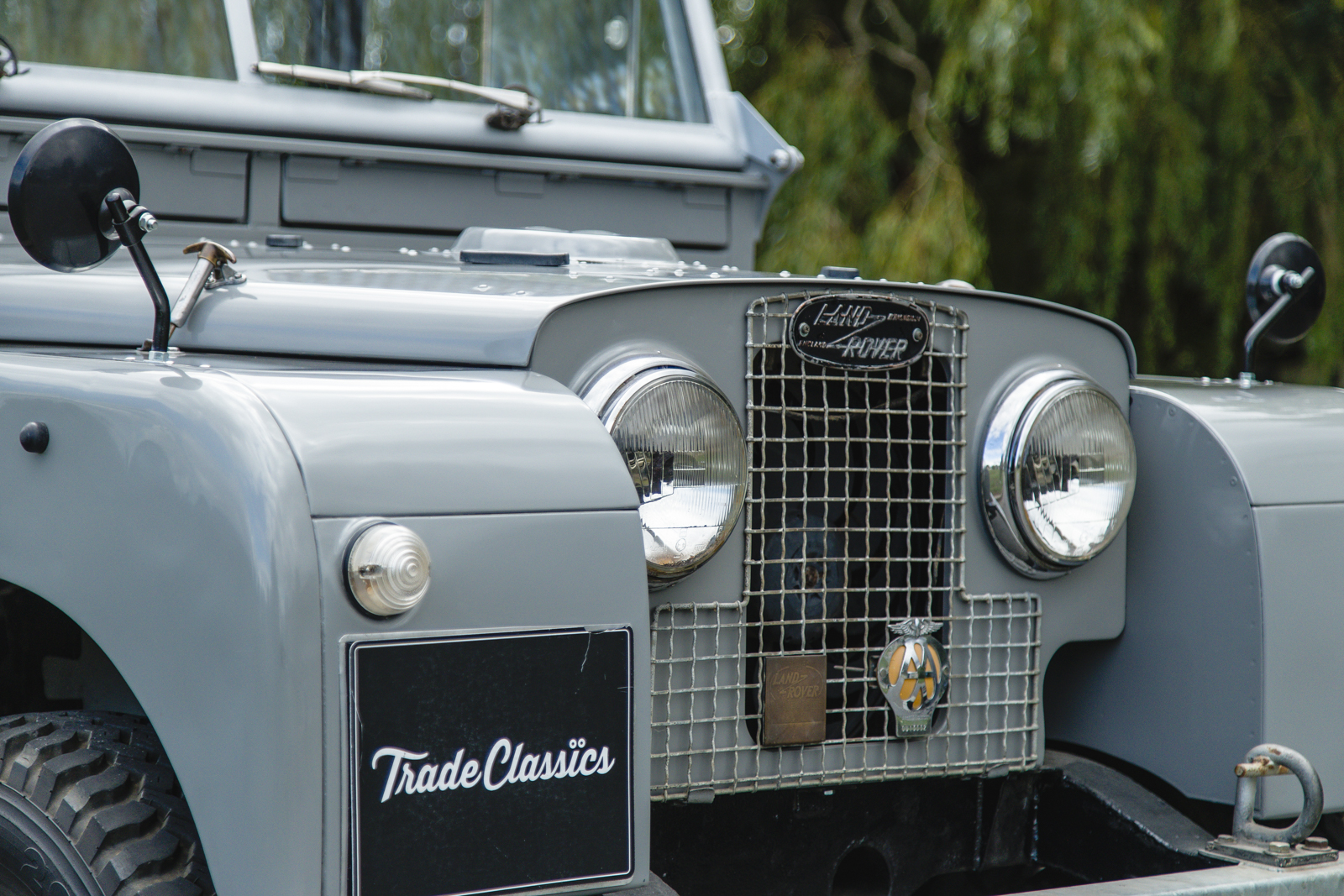
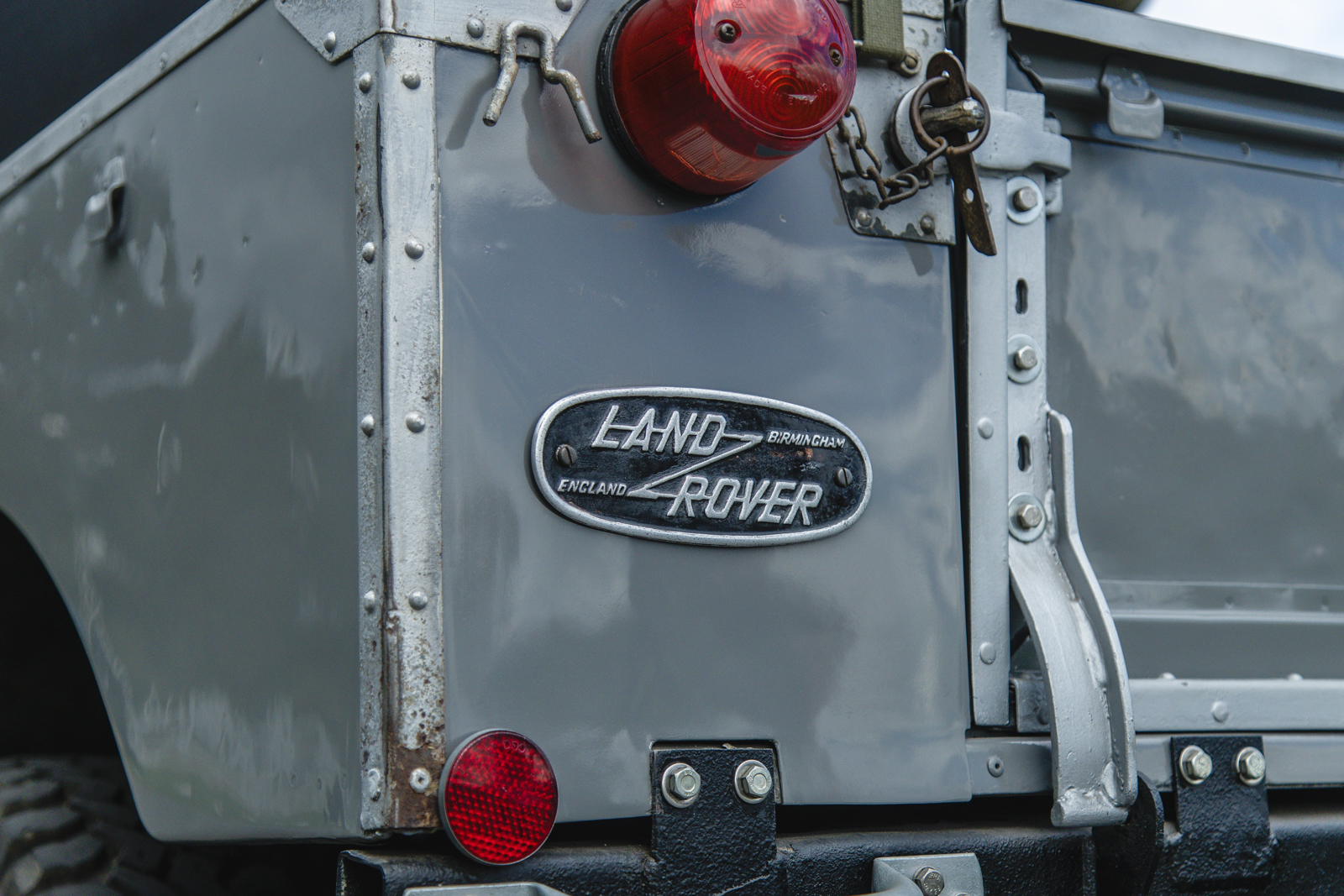
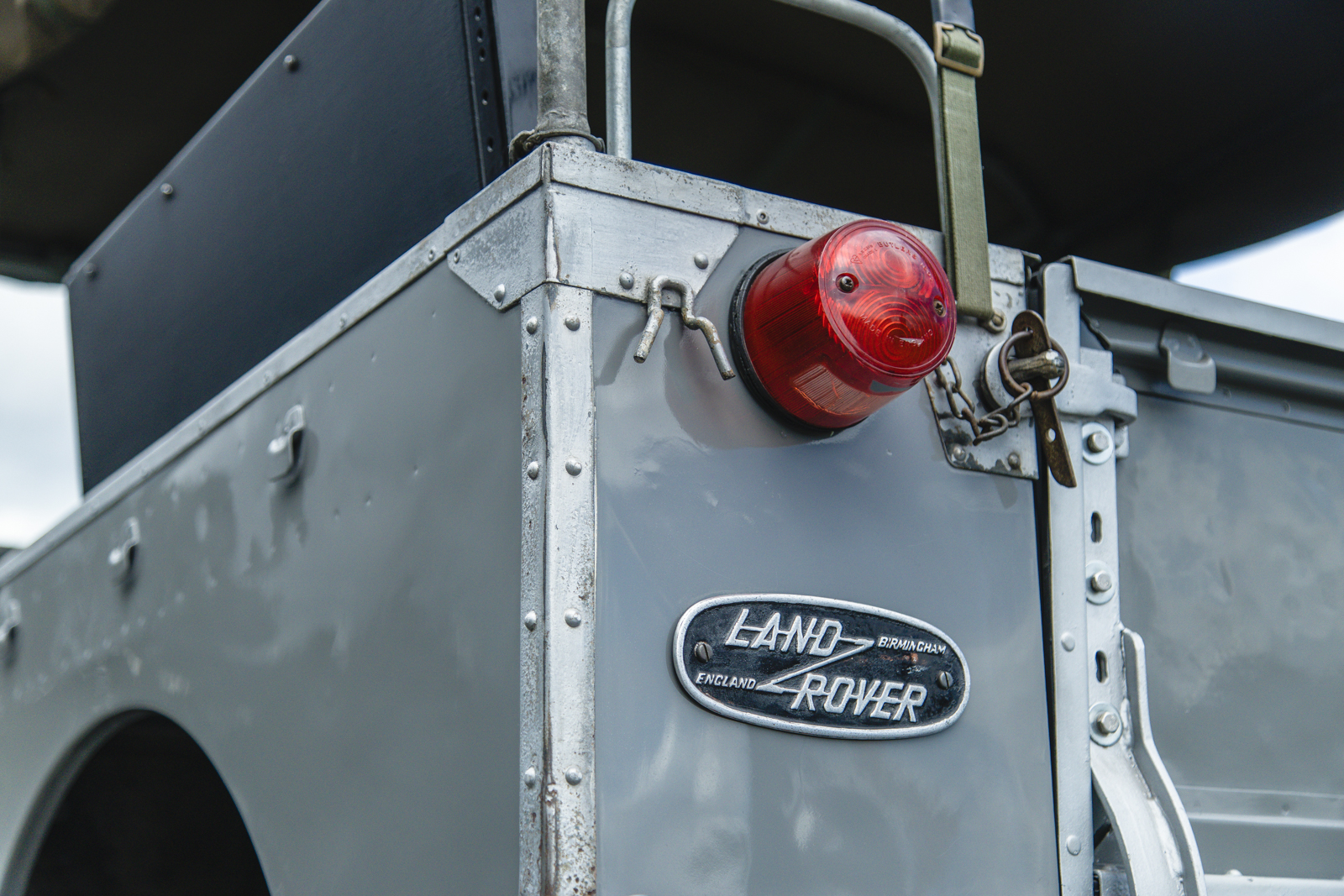
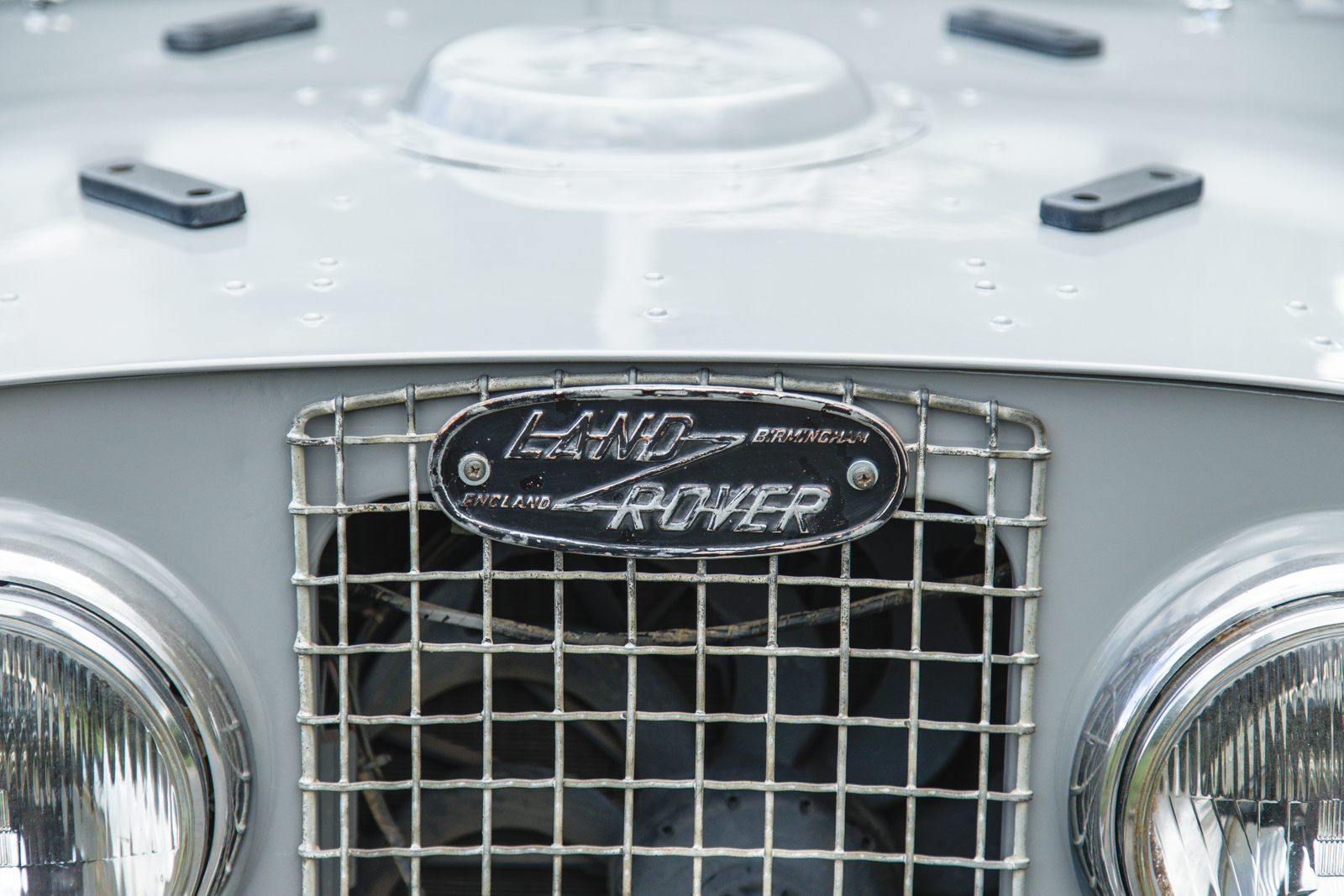
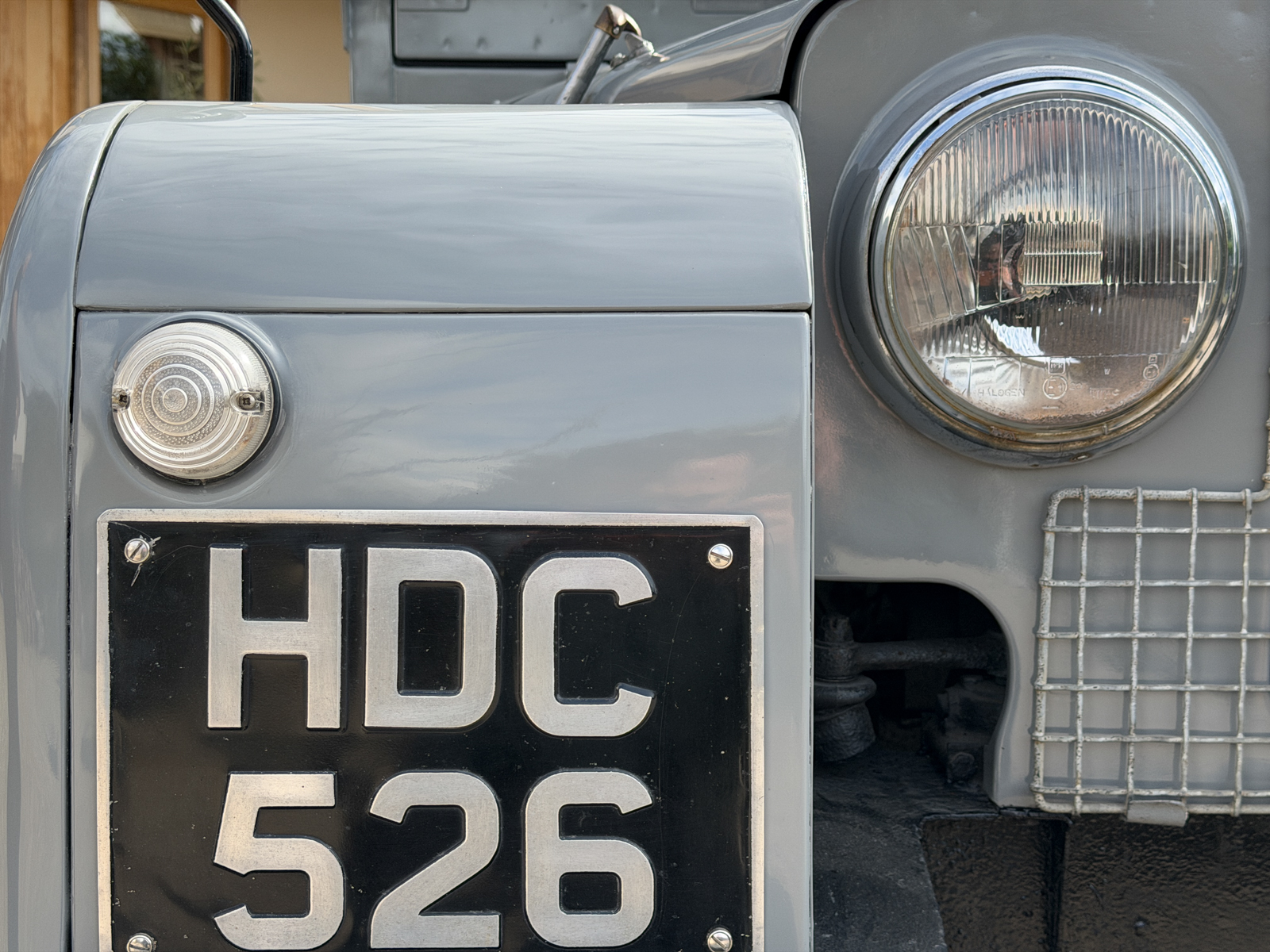
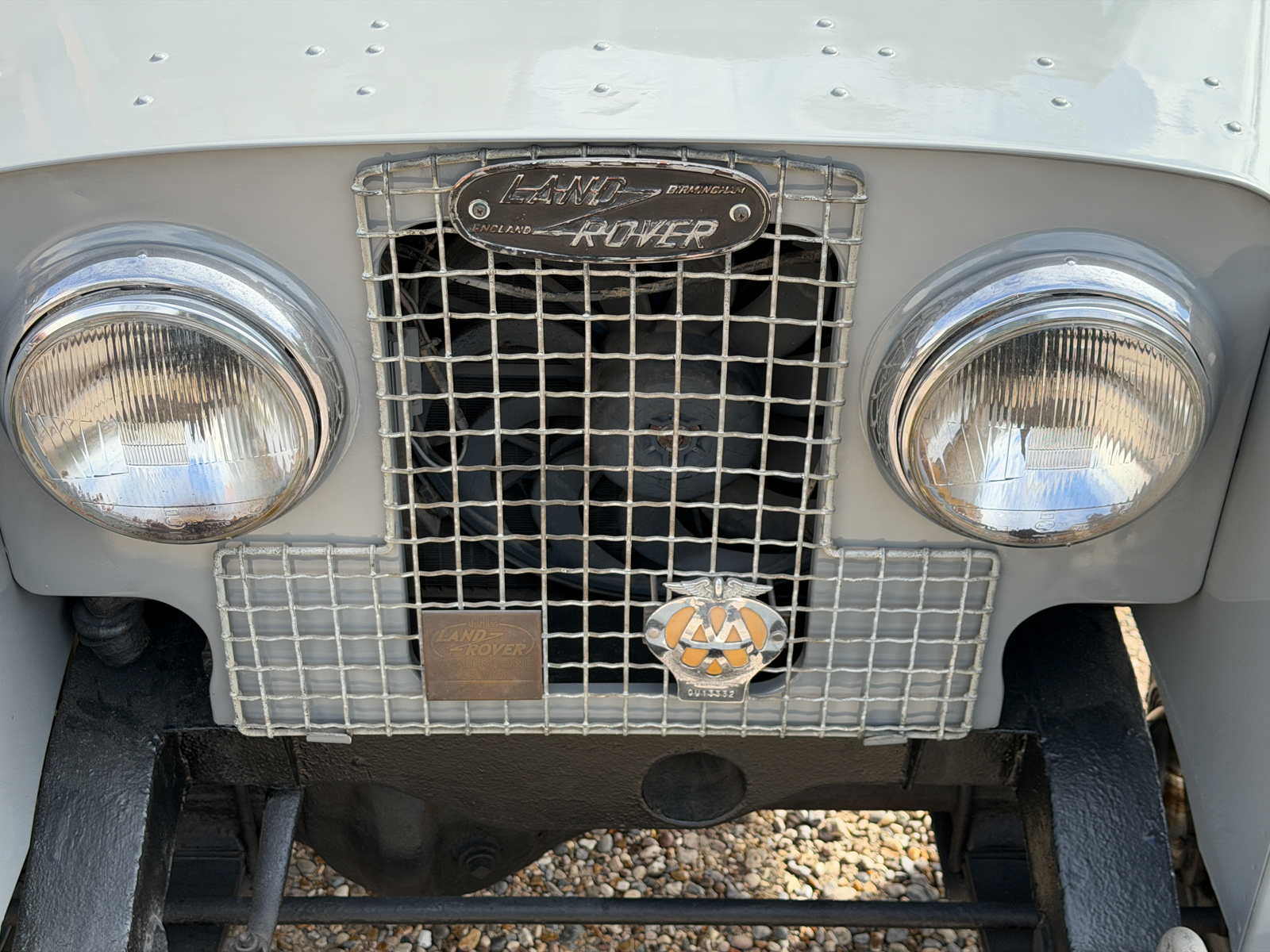
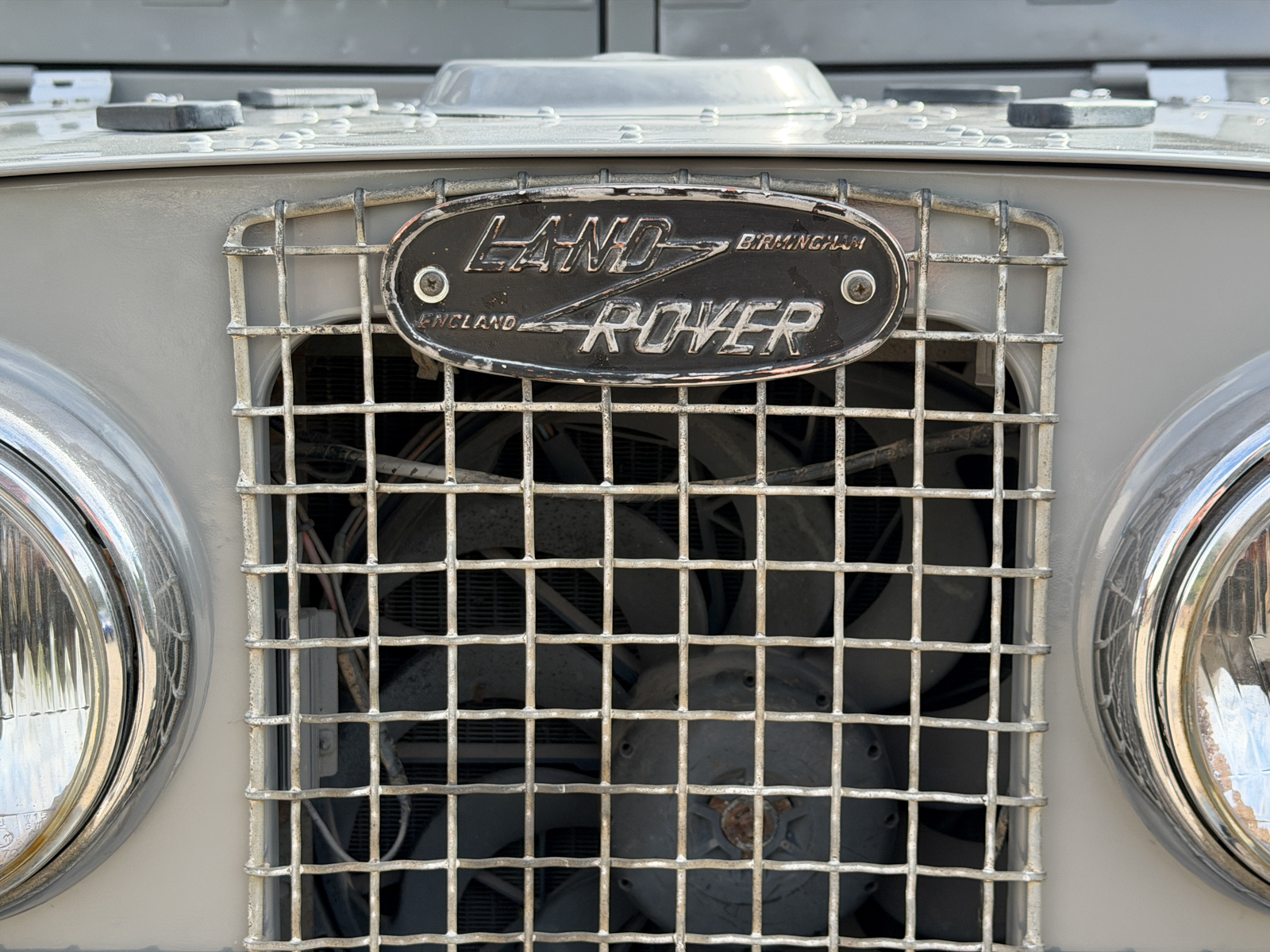
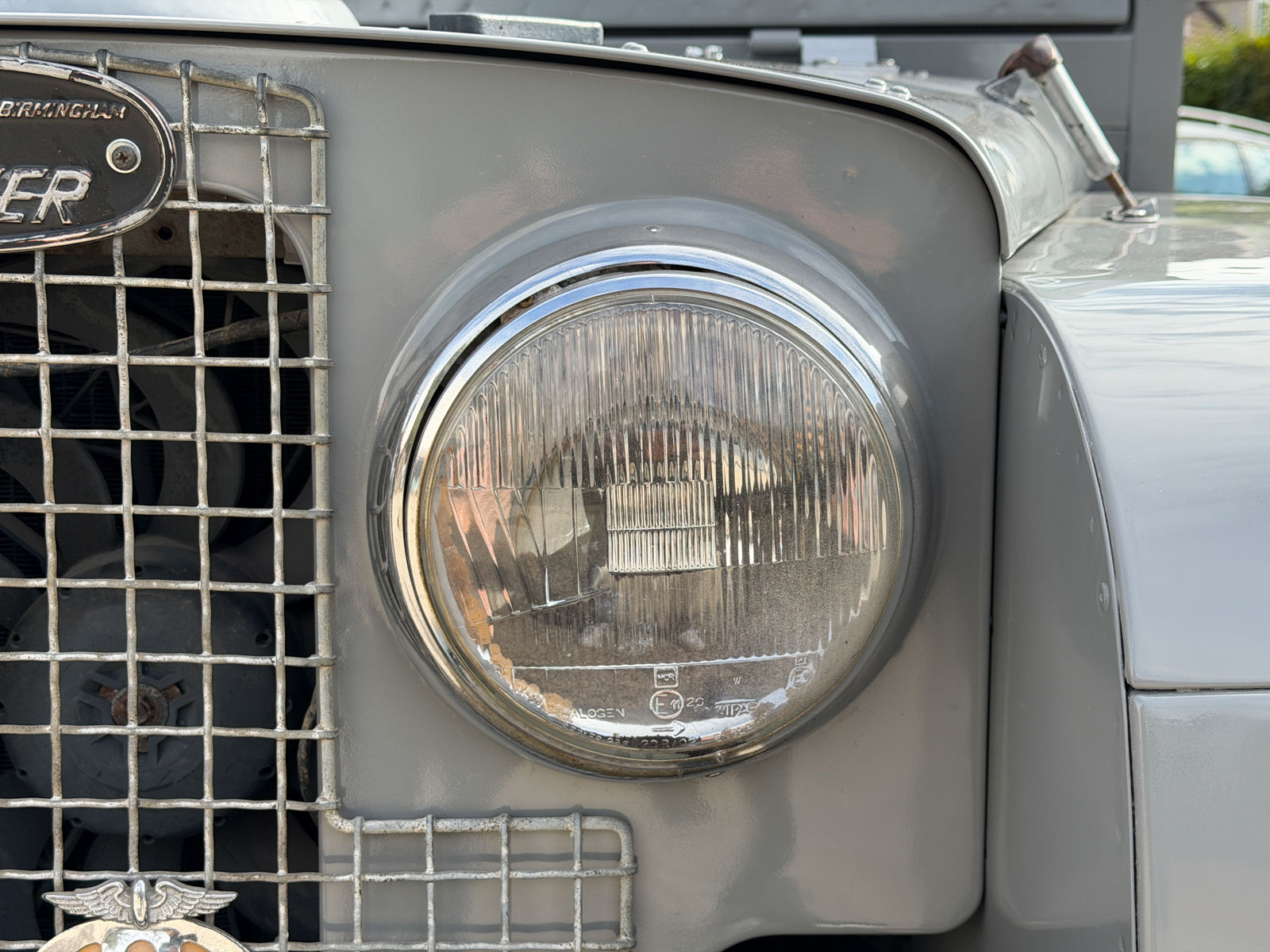
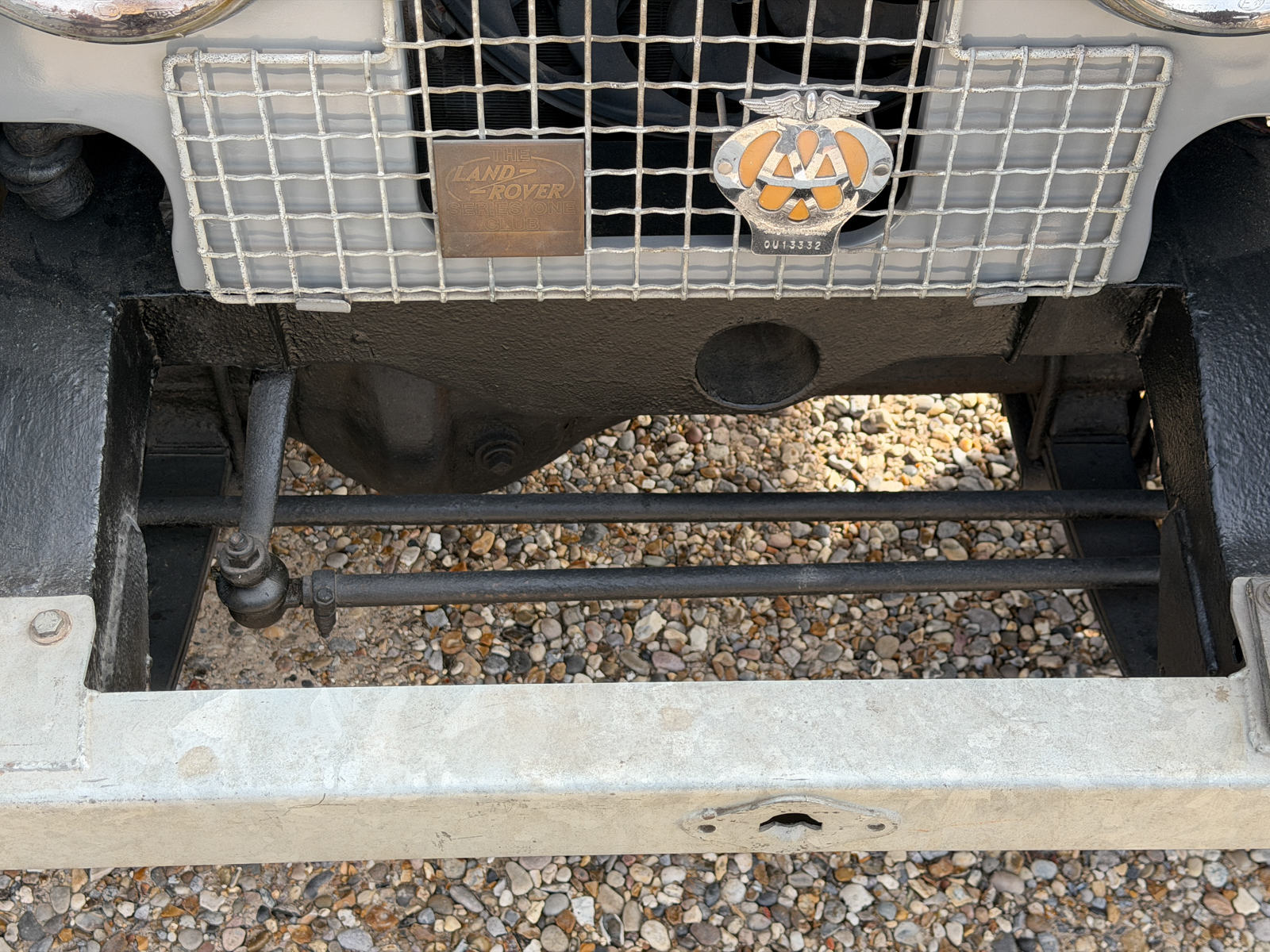
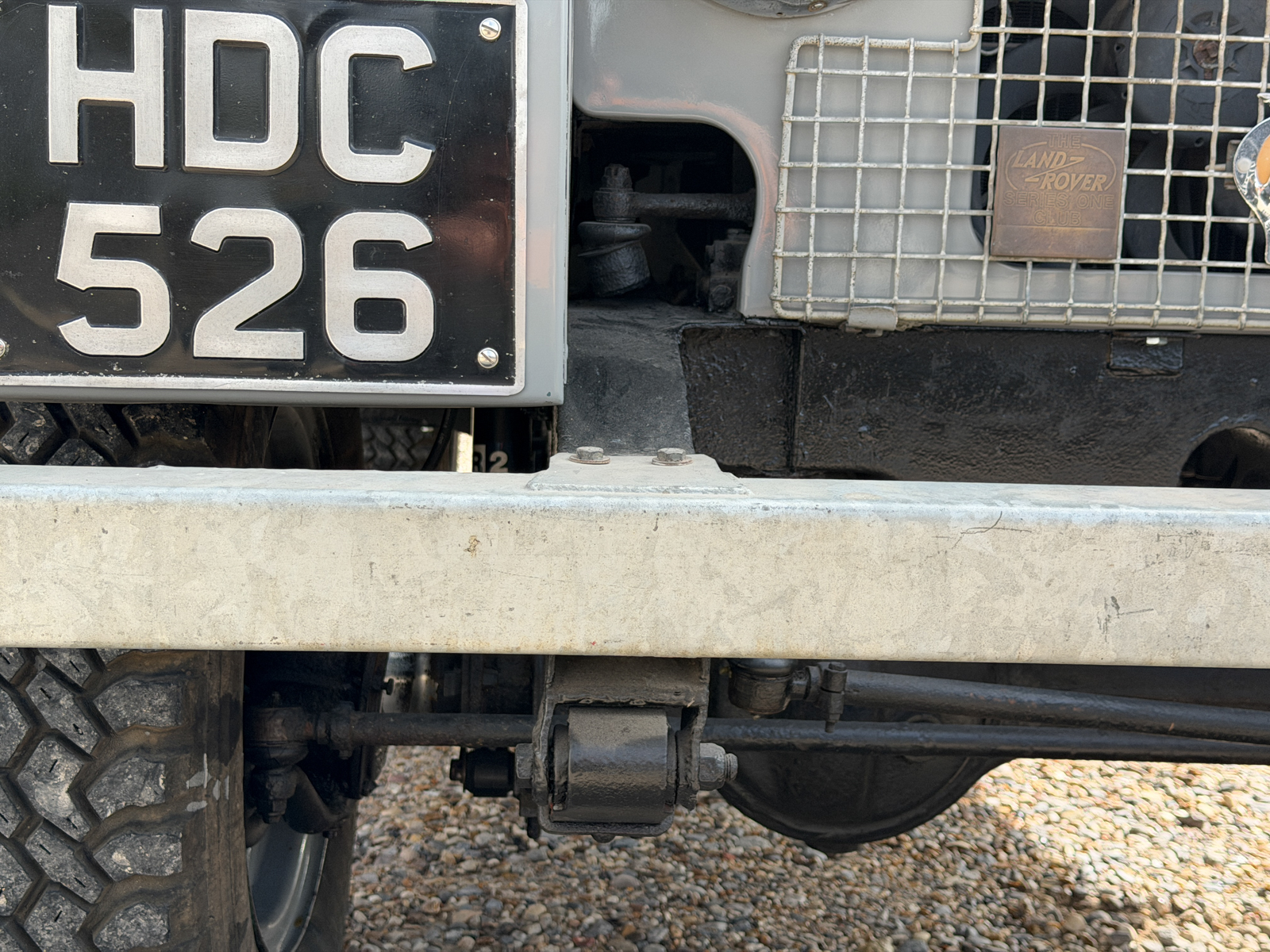
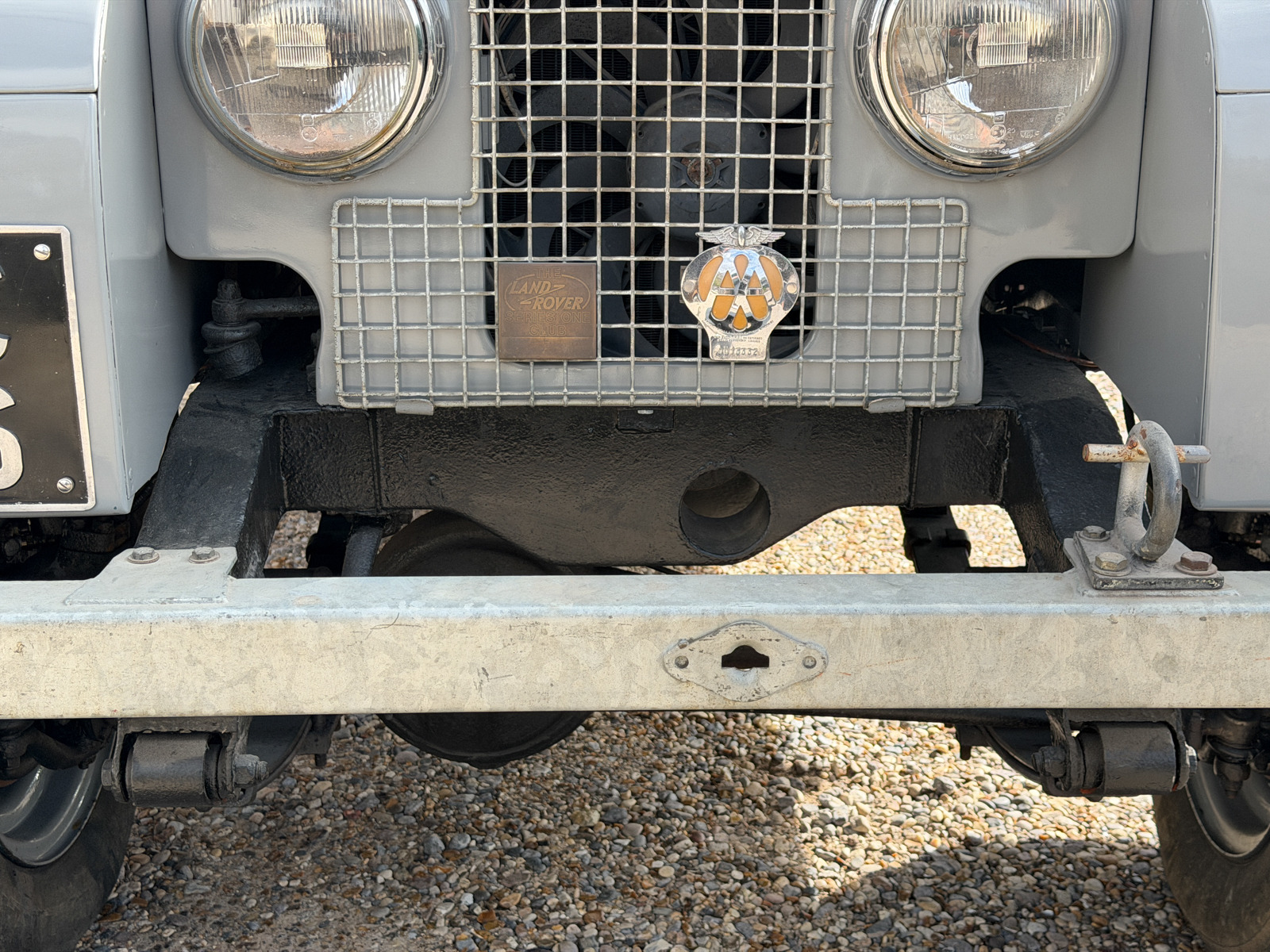
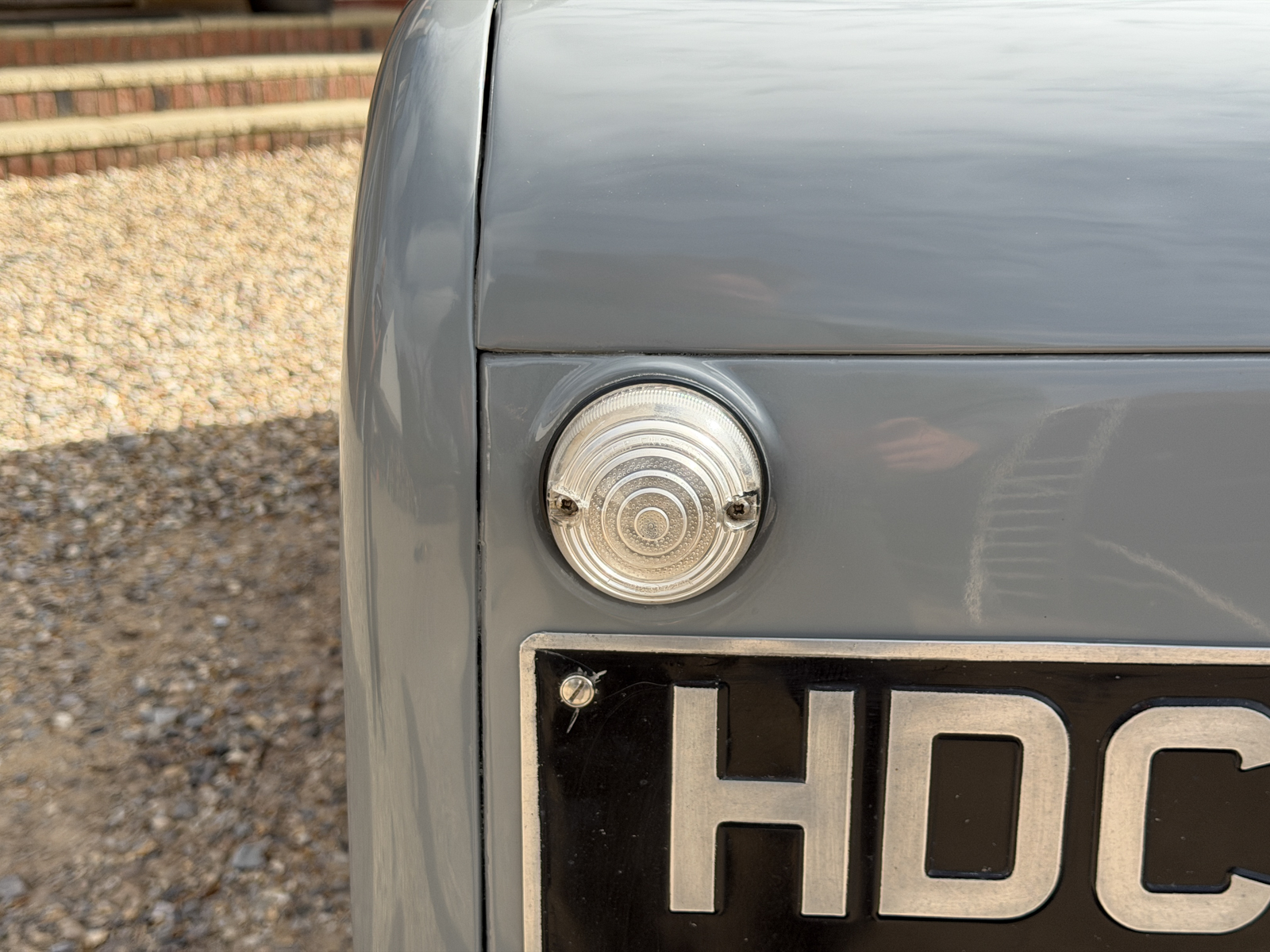
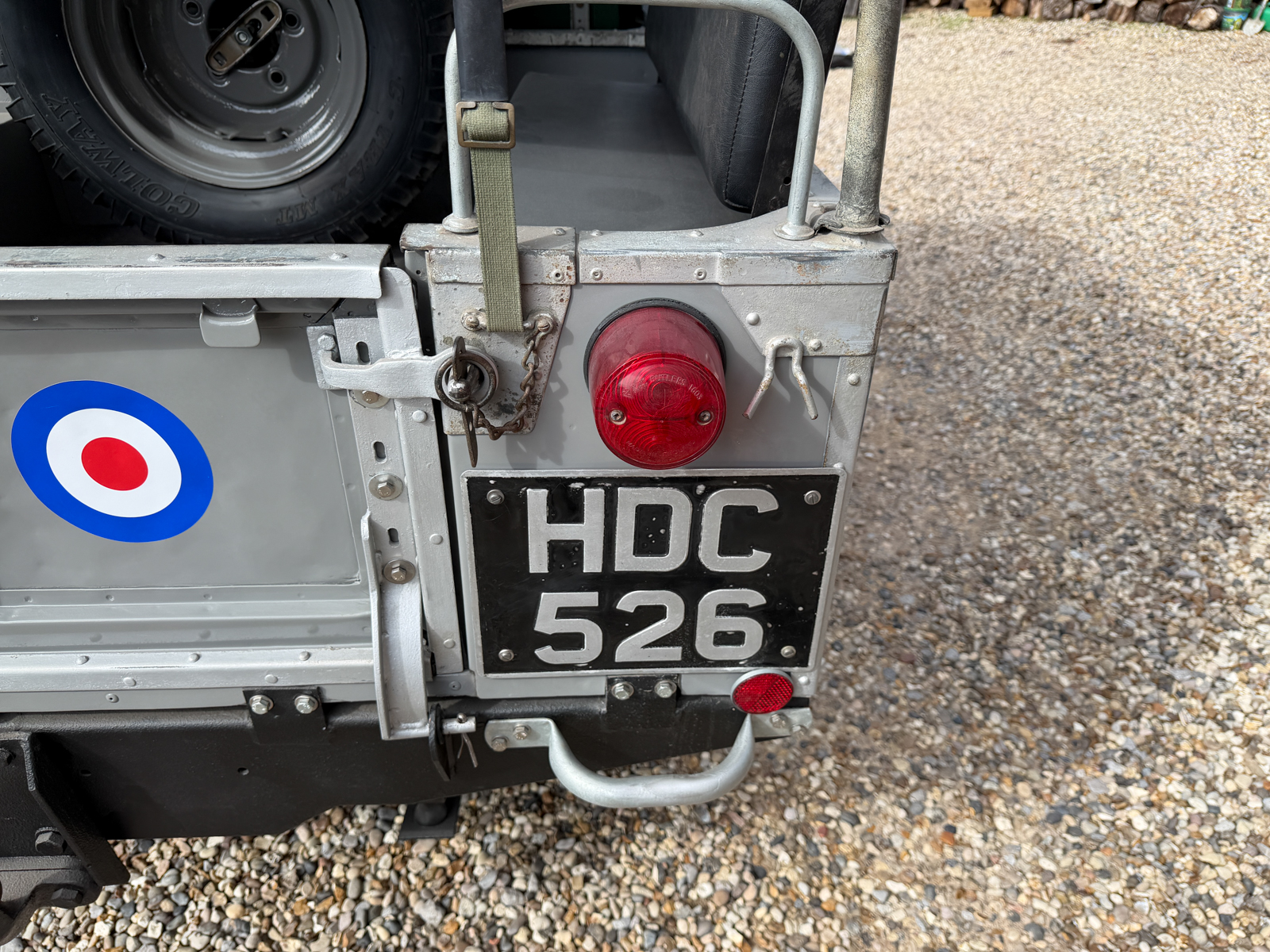
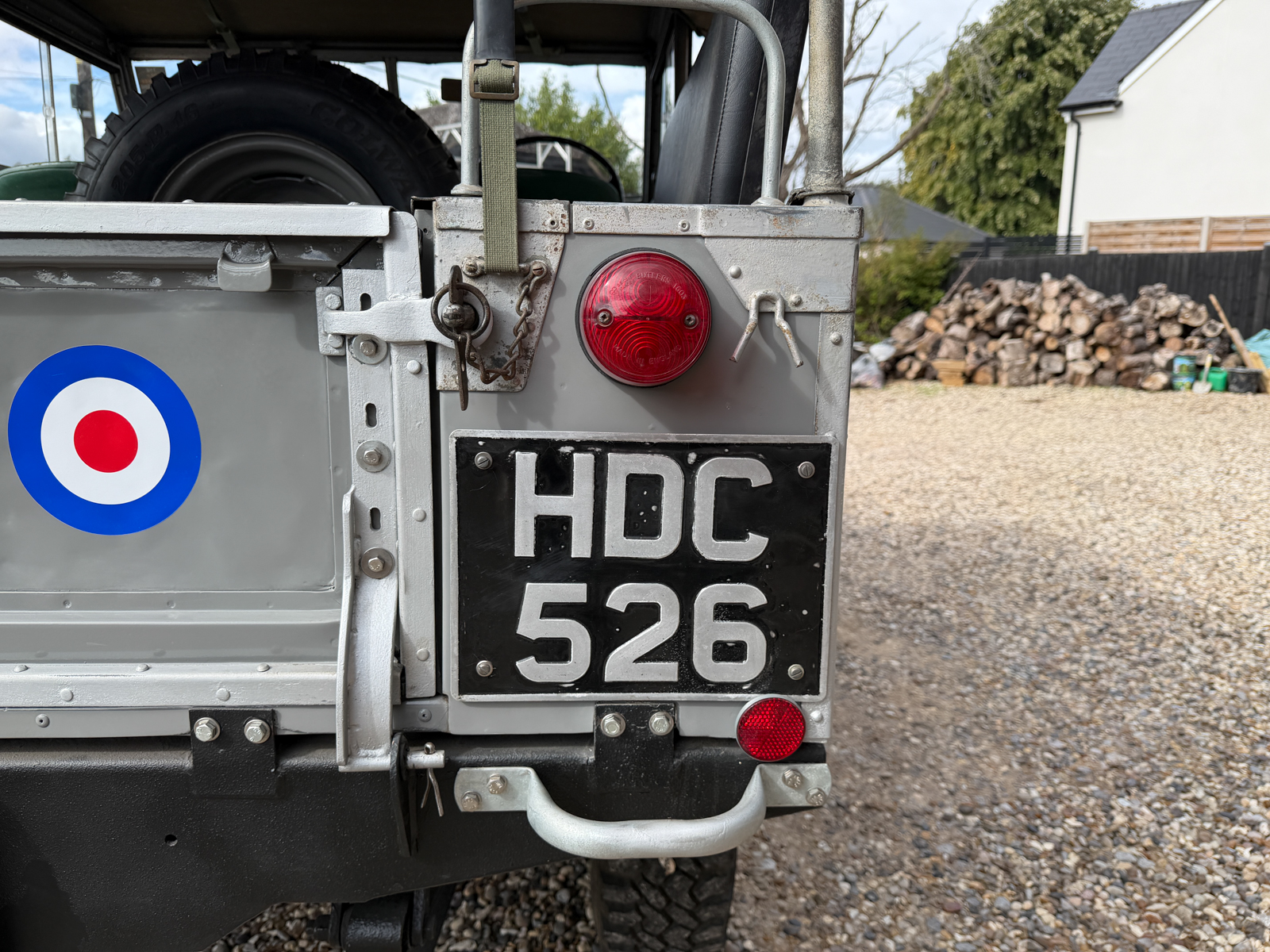
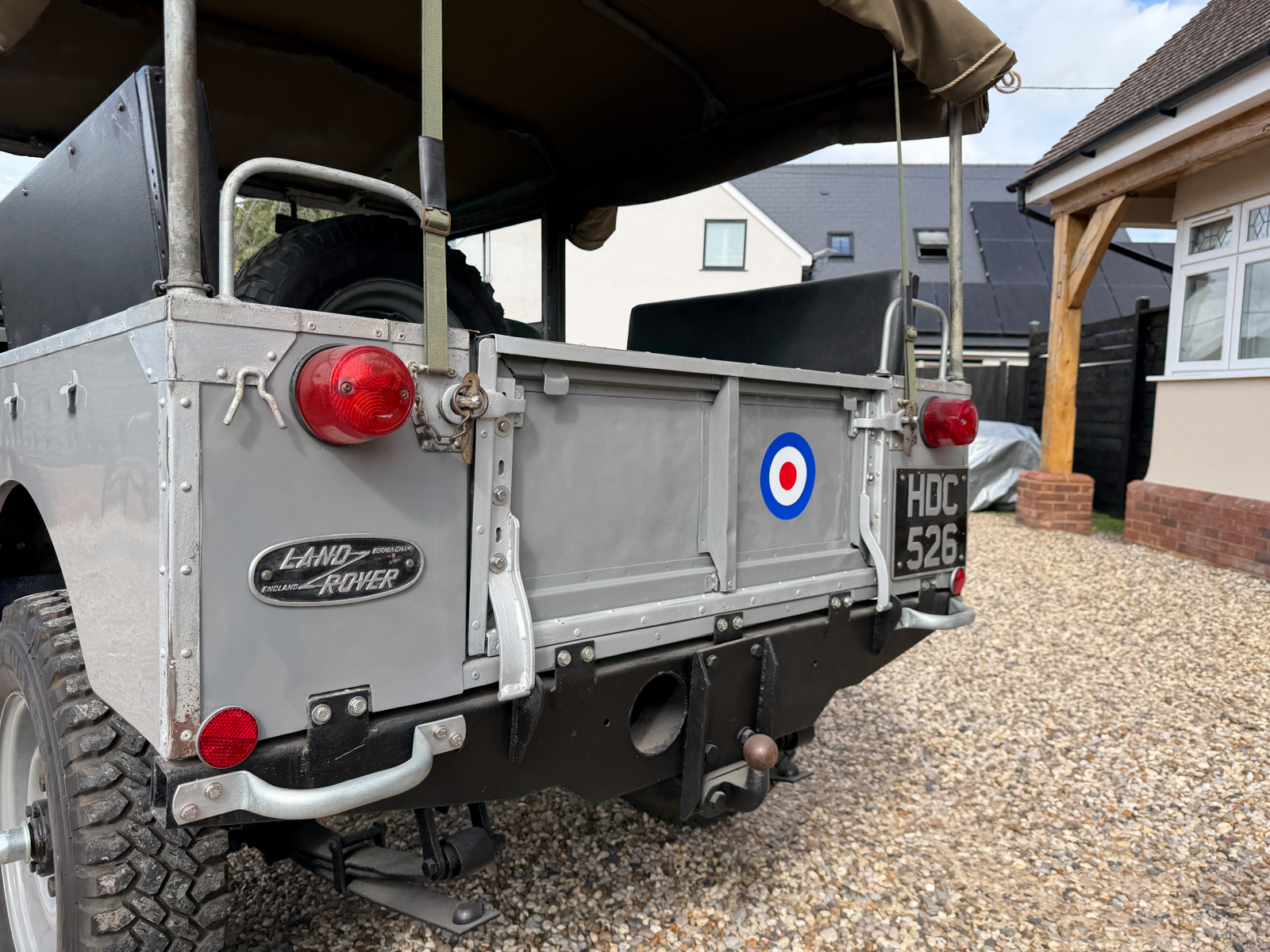
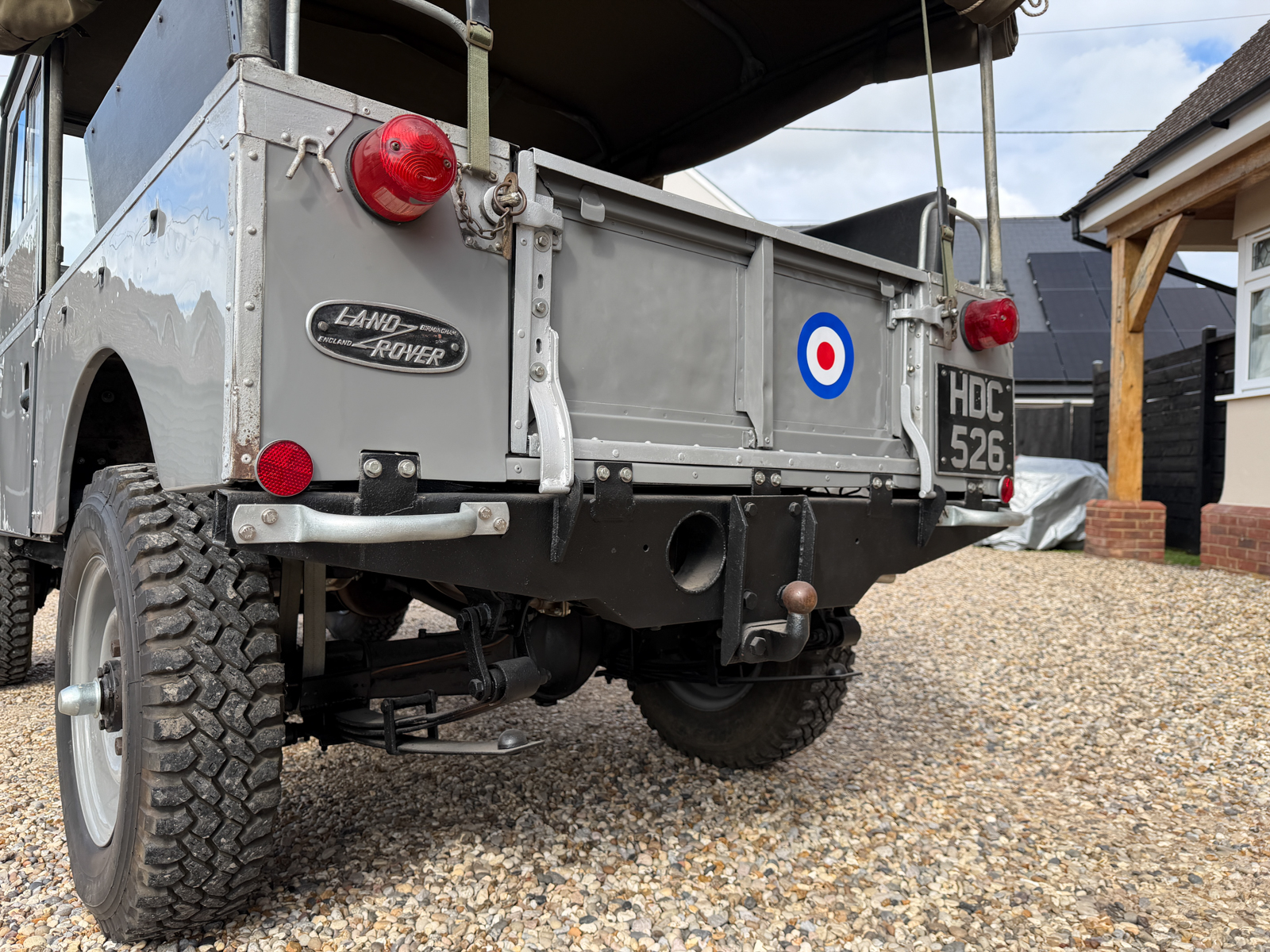
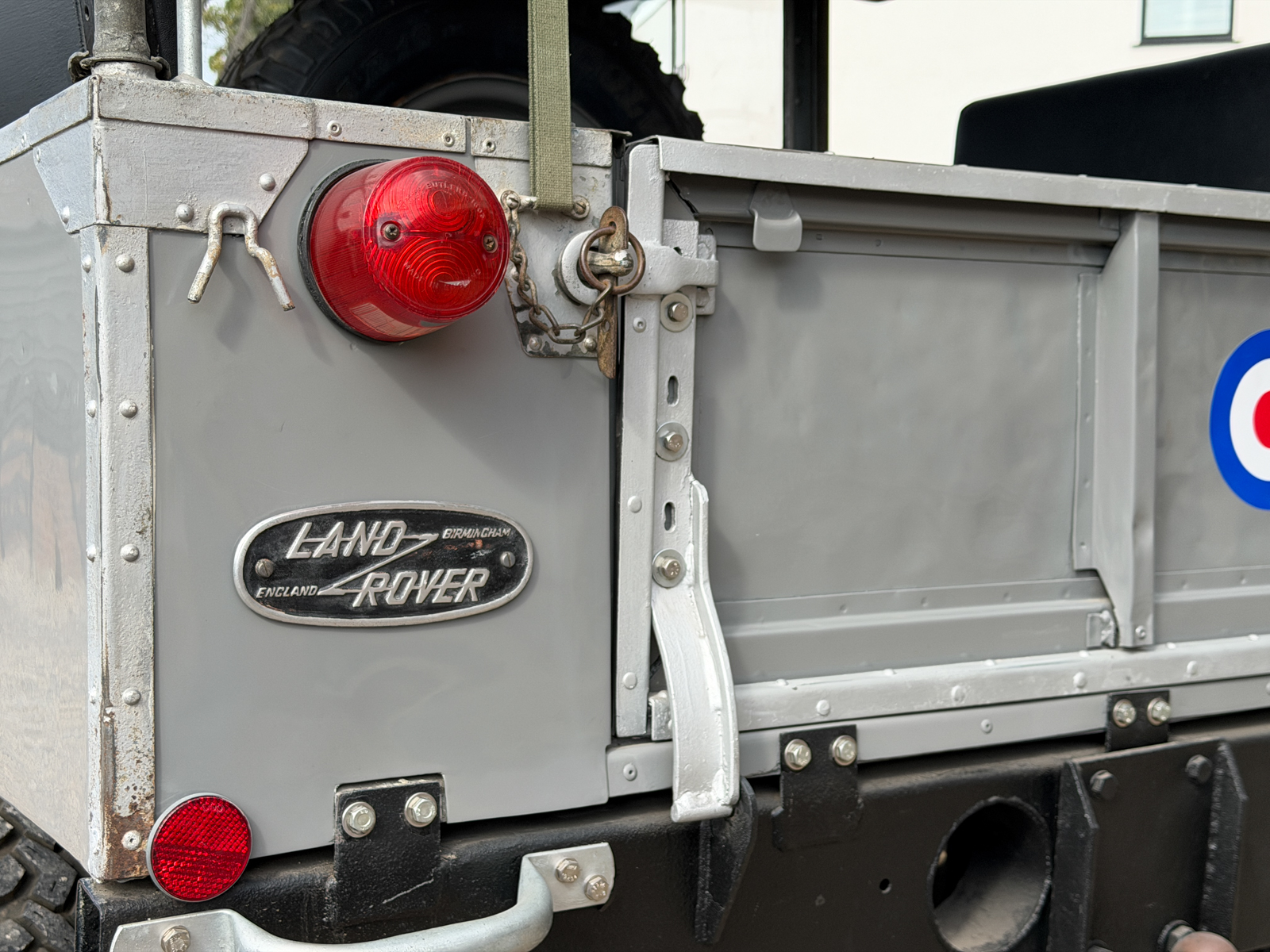
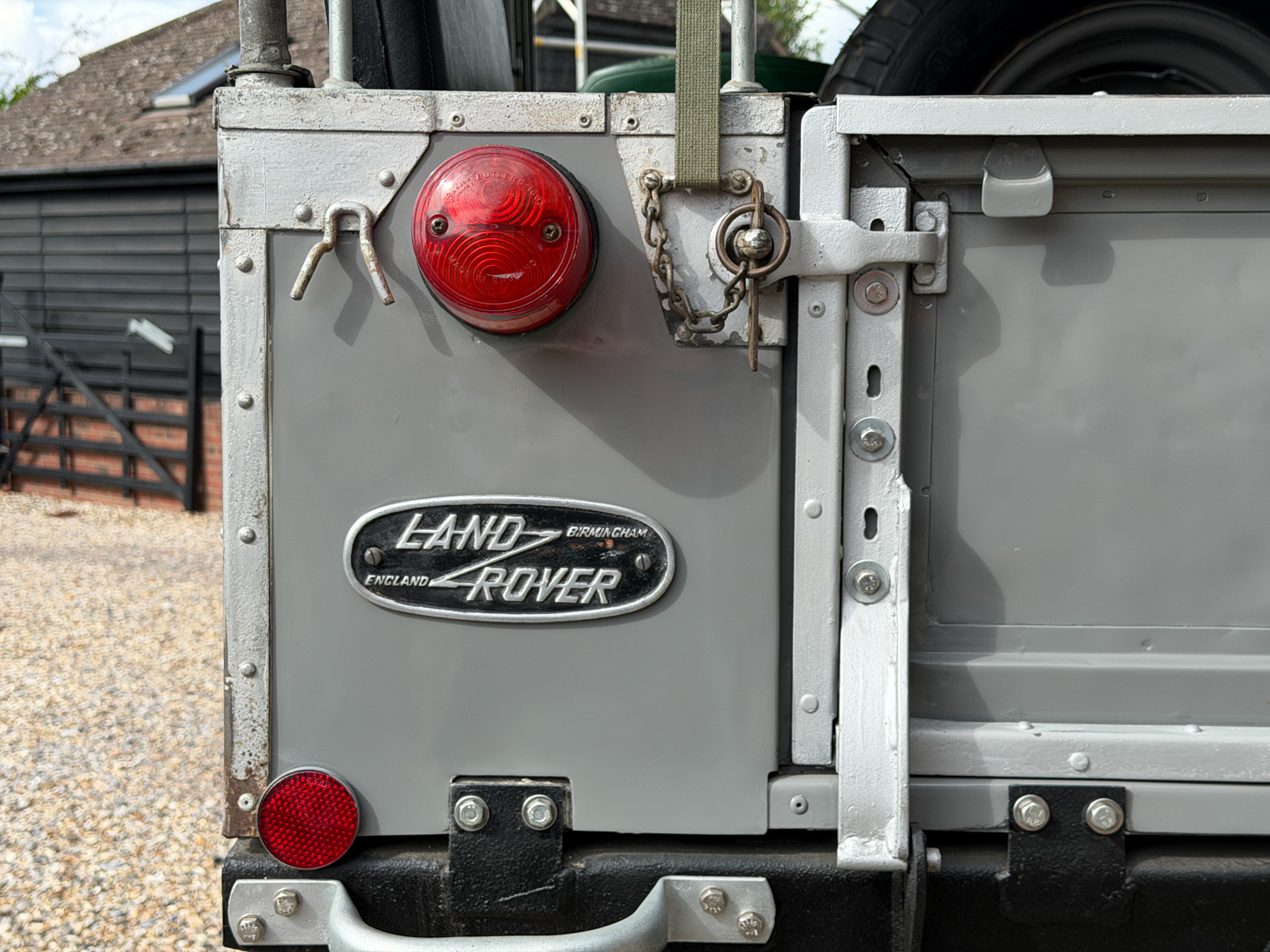
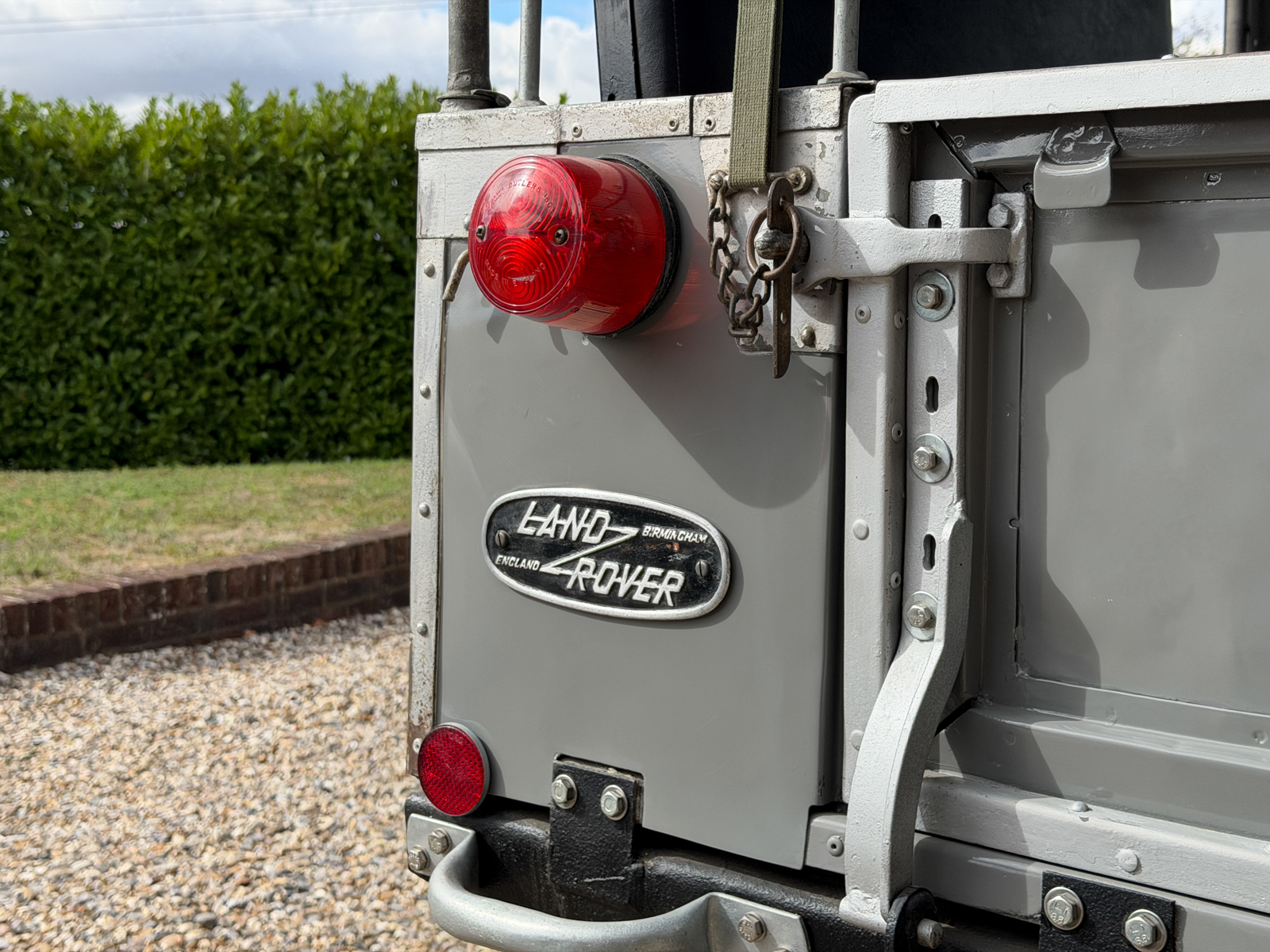
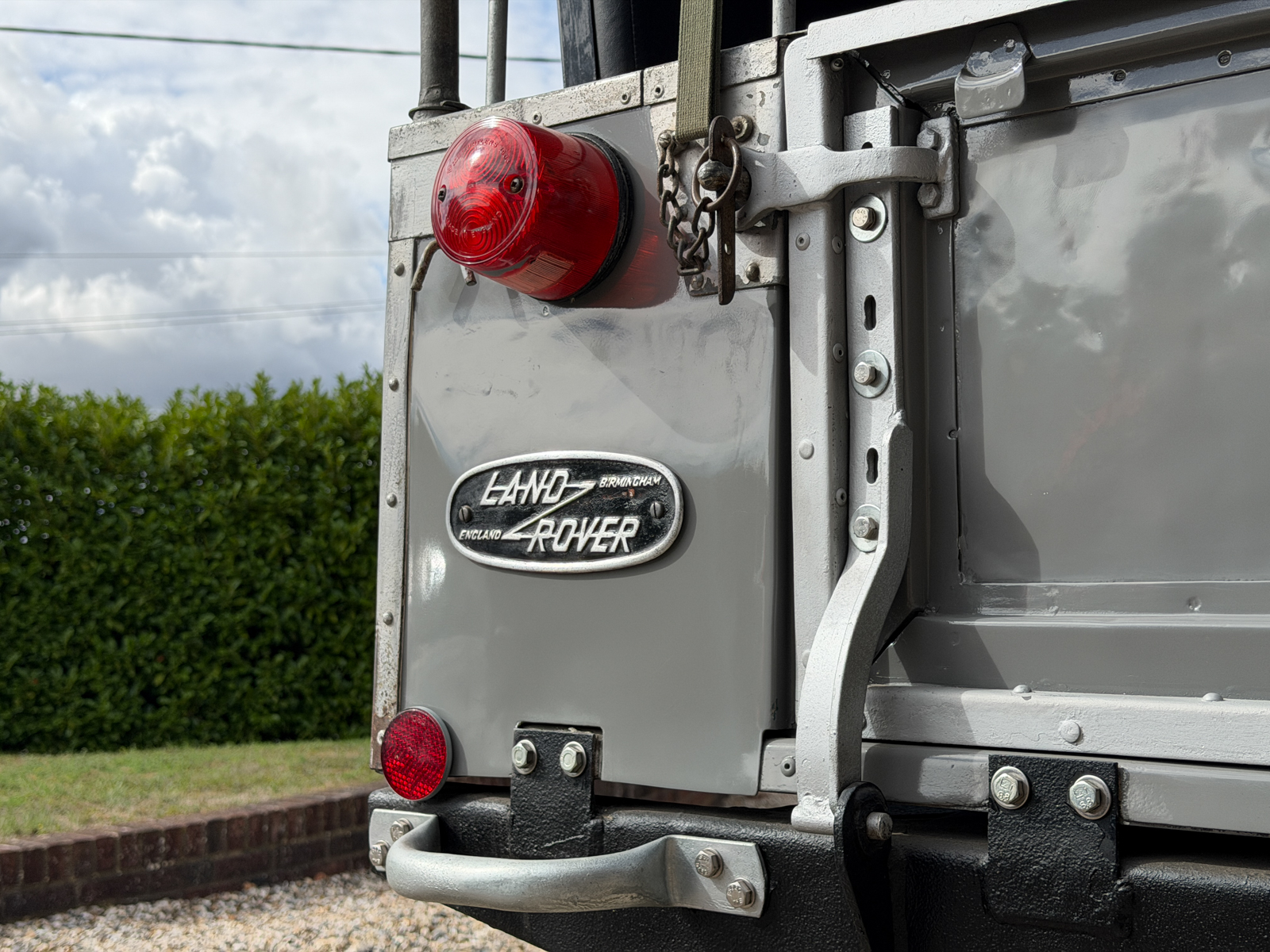
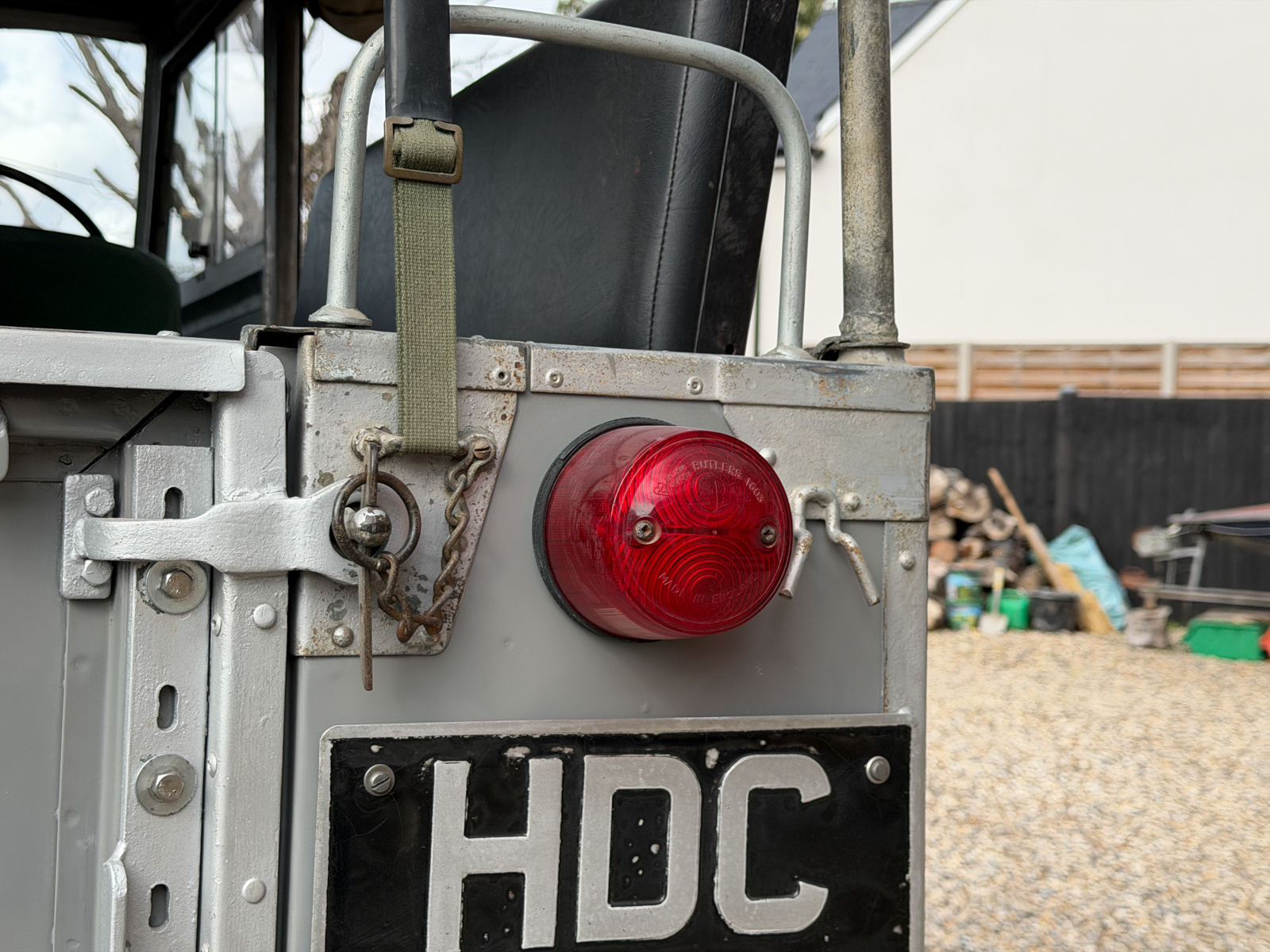
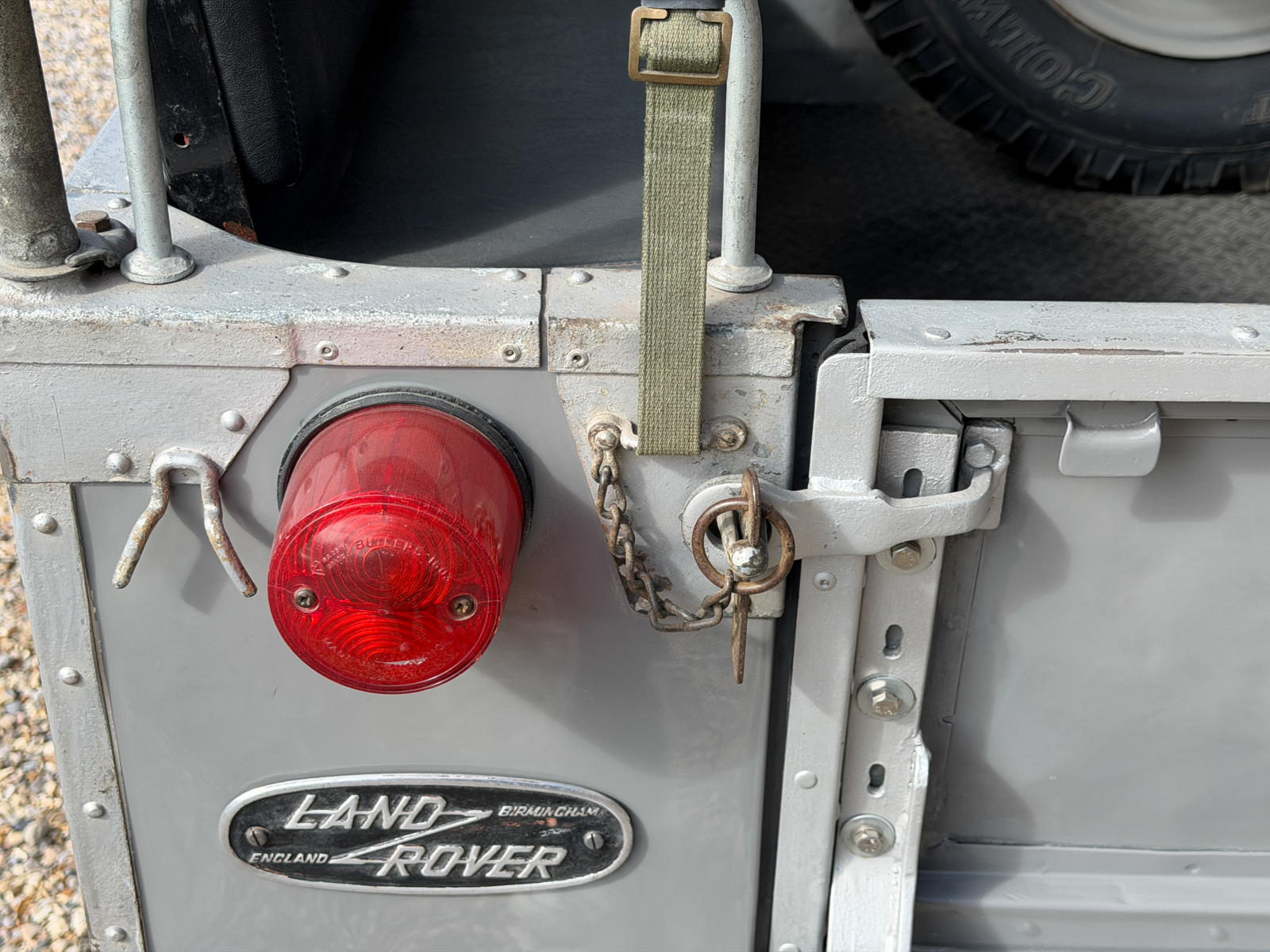
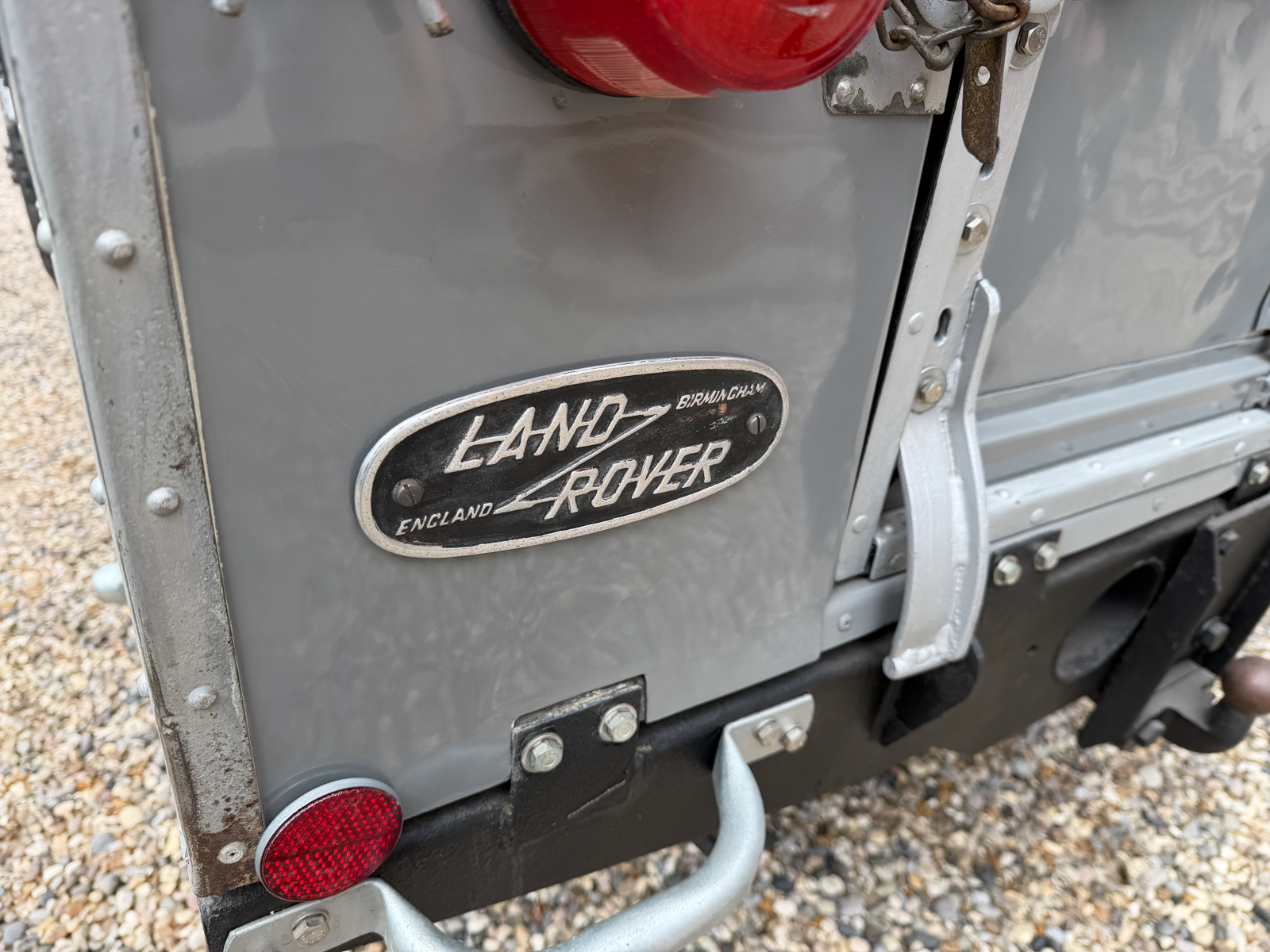
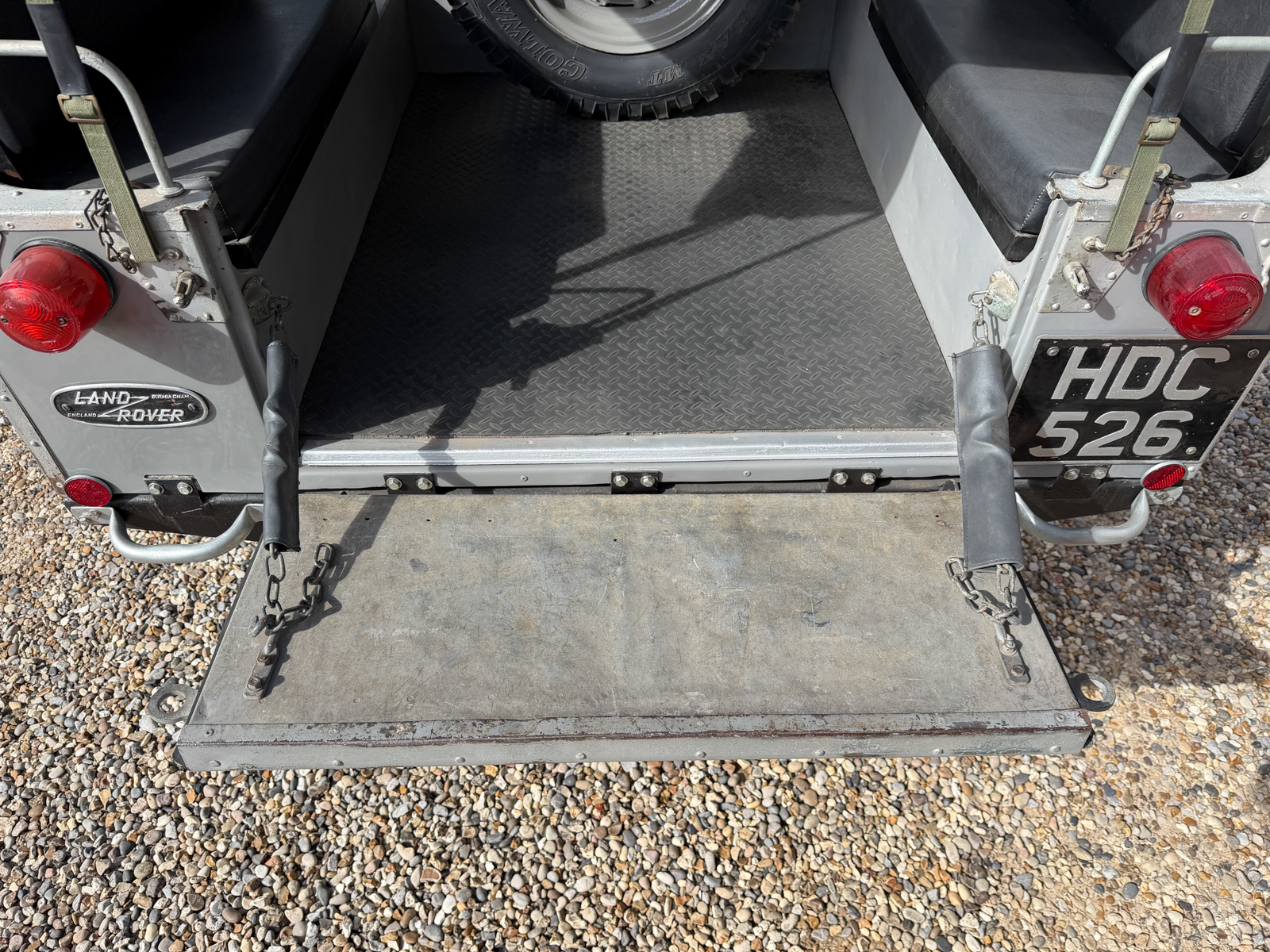
The central wire grille, Land Rover badging, inset headlamps, sidelights and rear lamps all appear complete.

Please view the photos and video below to review the condition of the glass and trim for yourself.

image

Interior

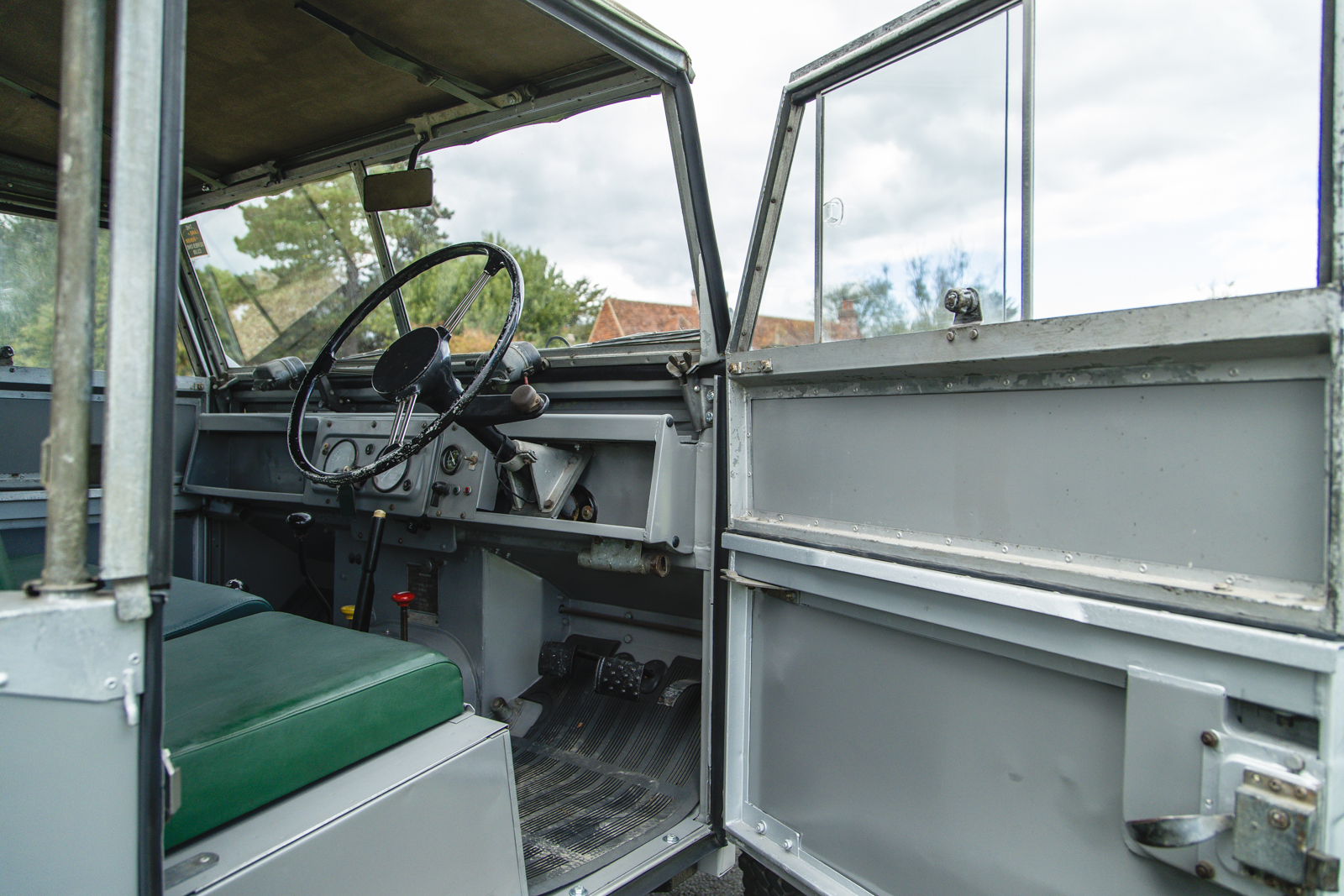
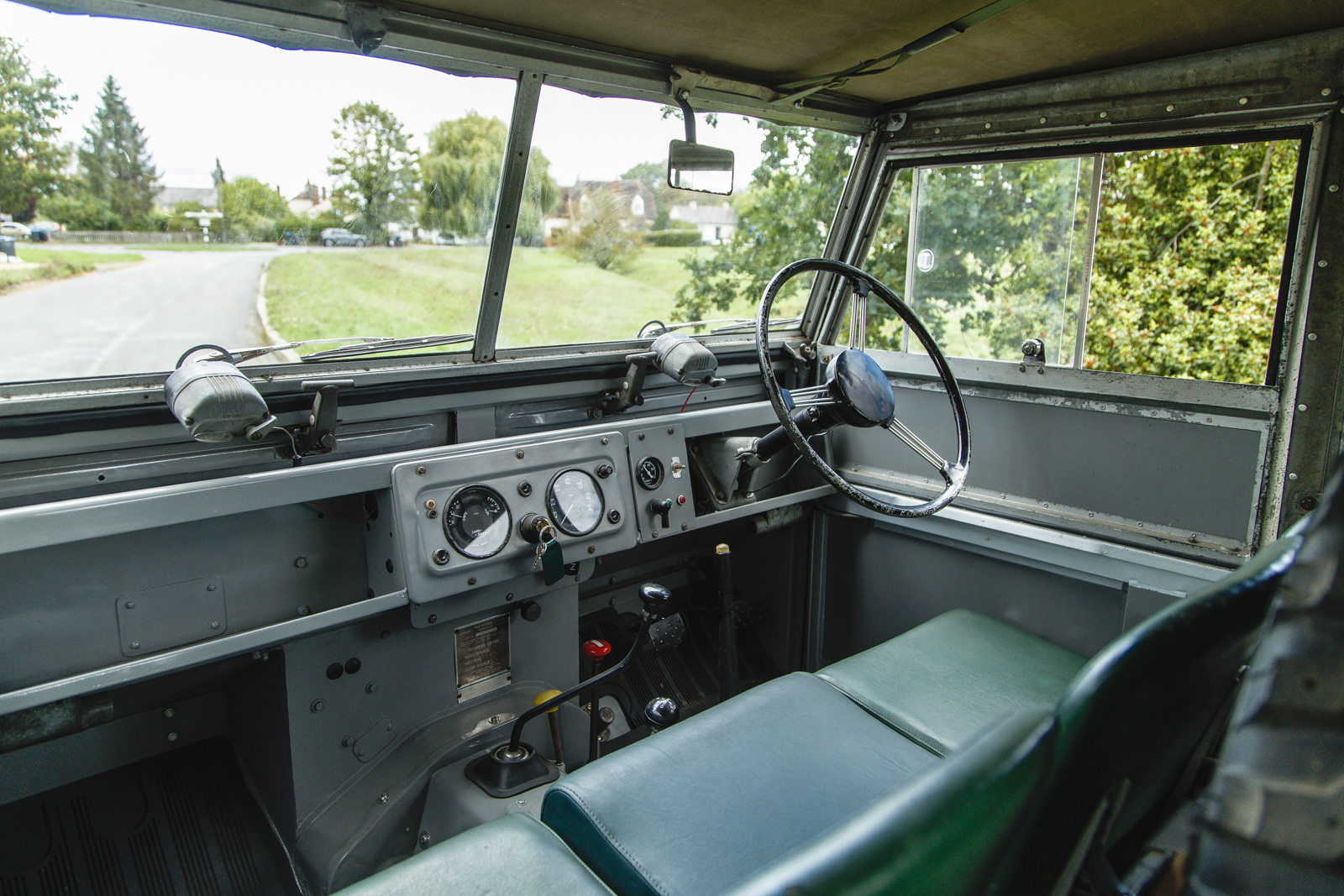
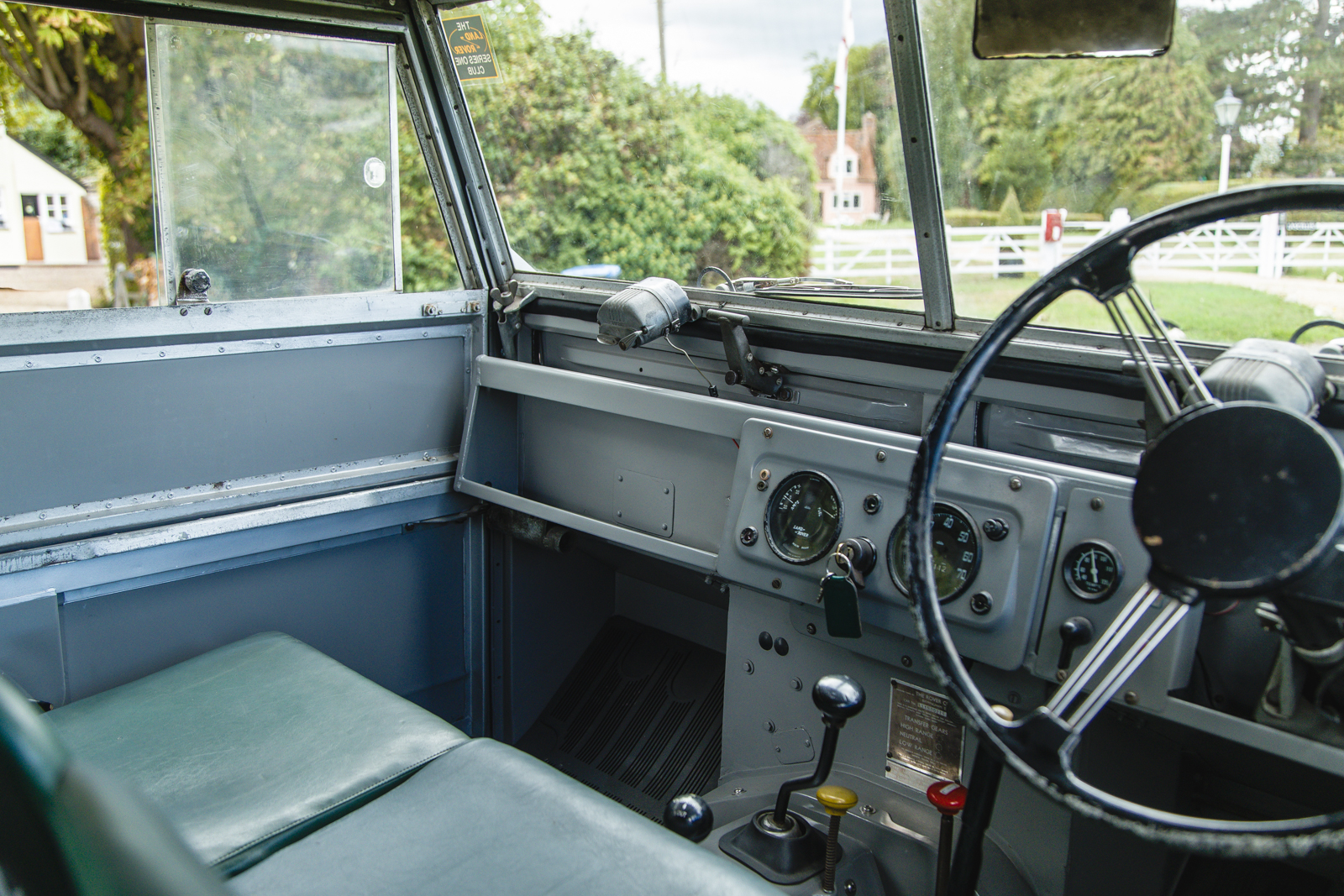
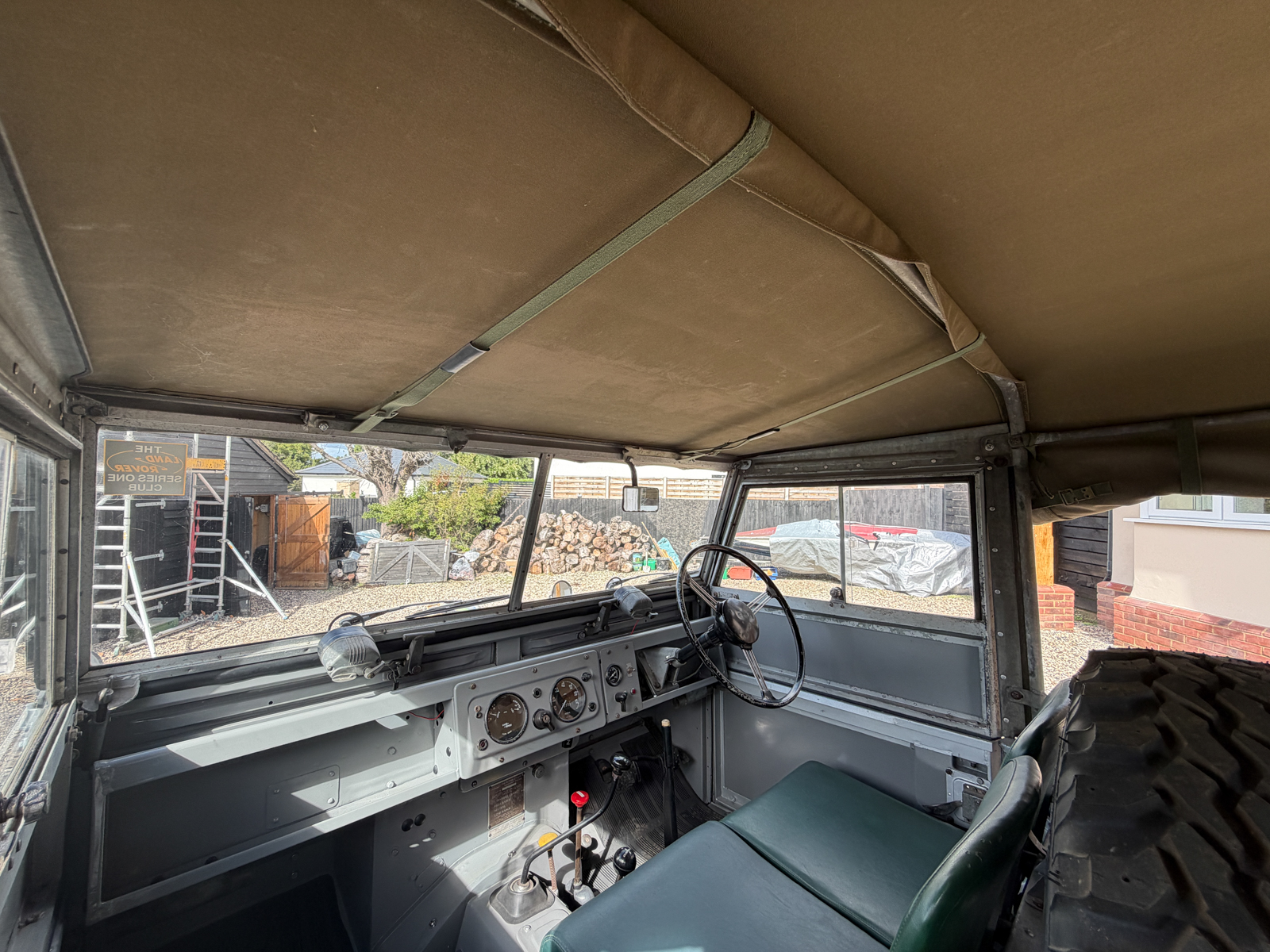
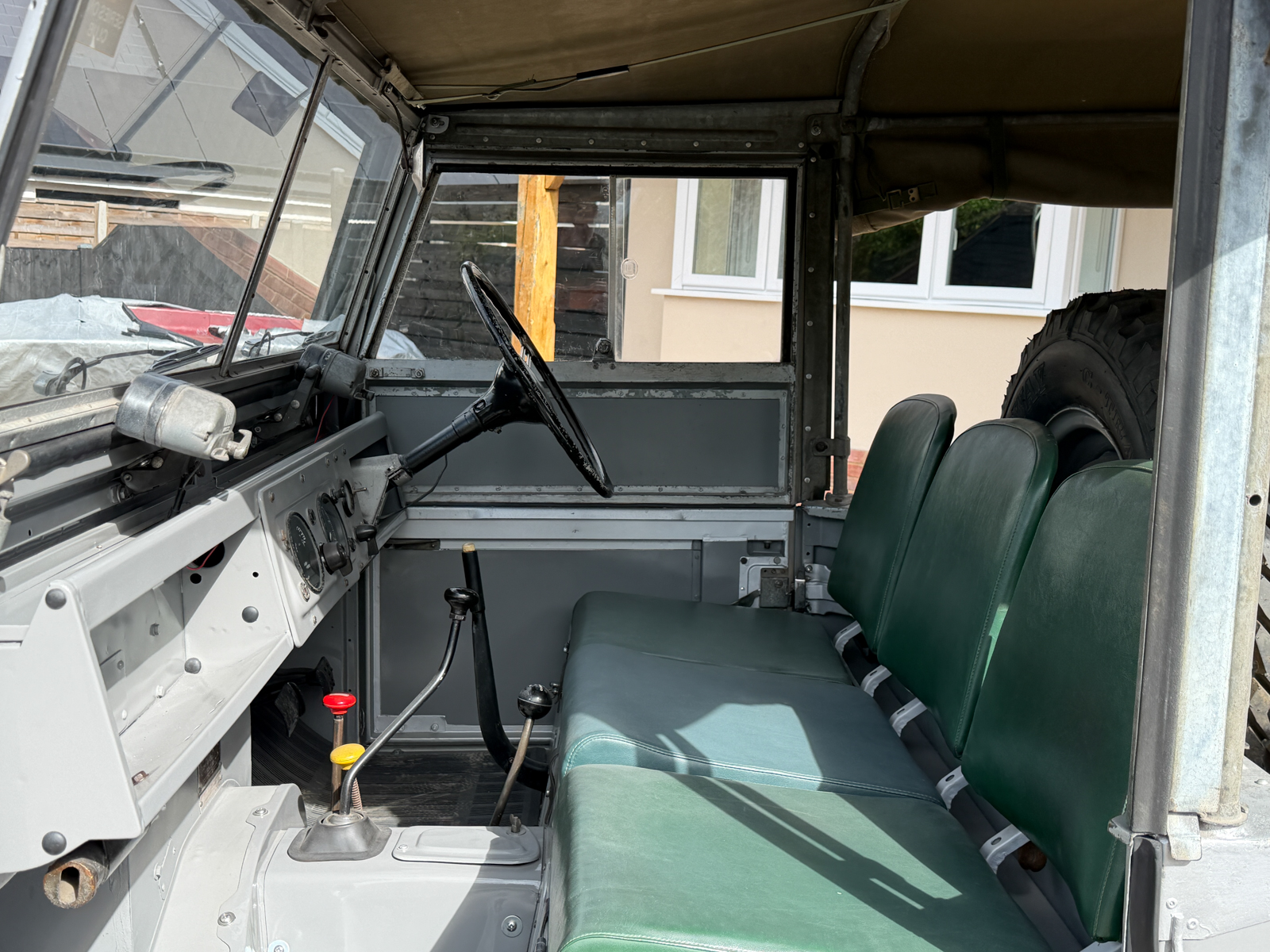
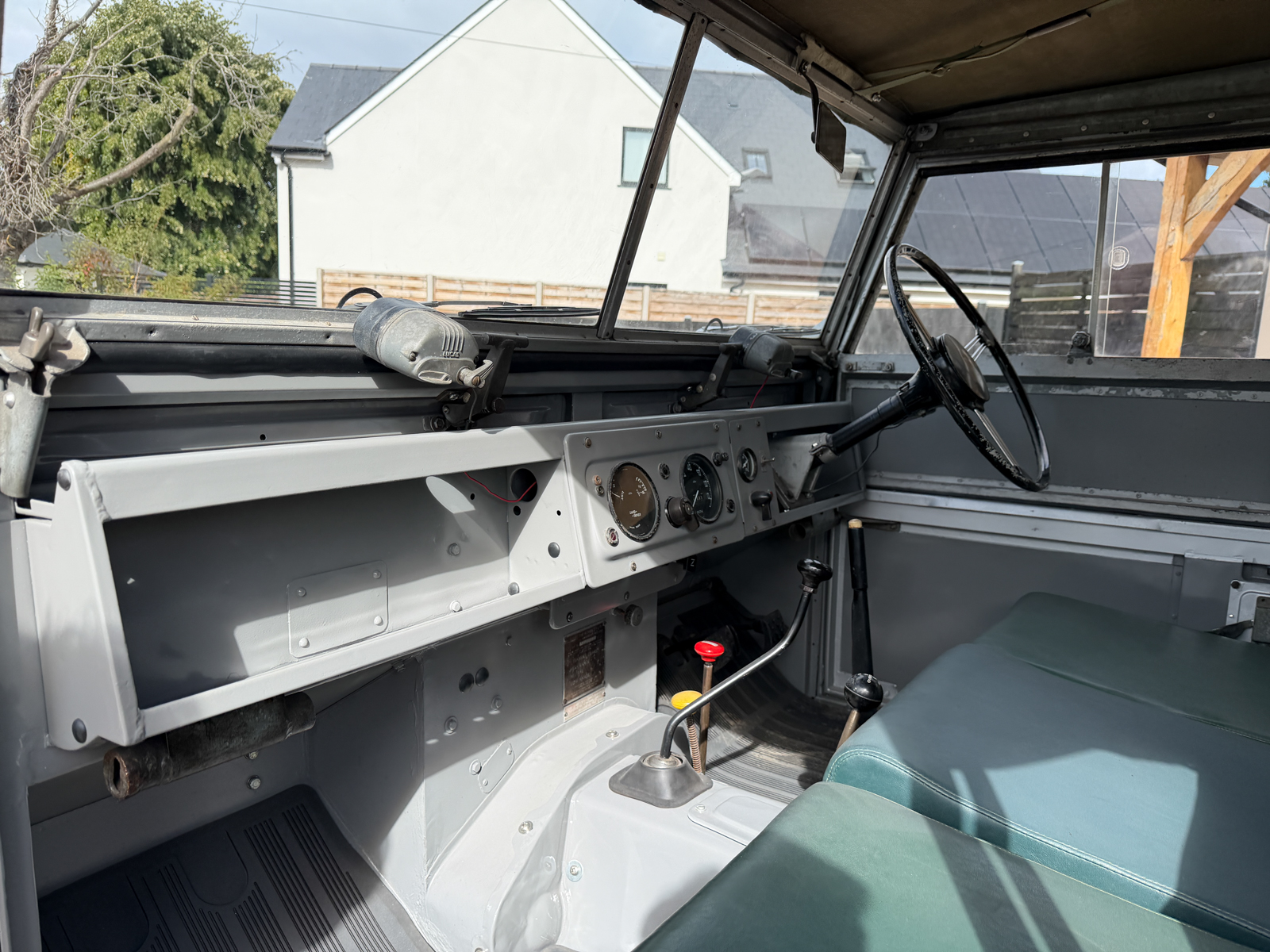
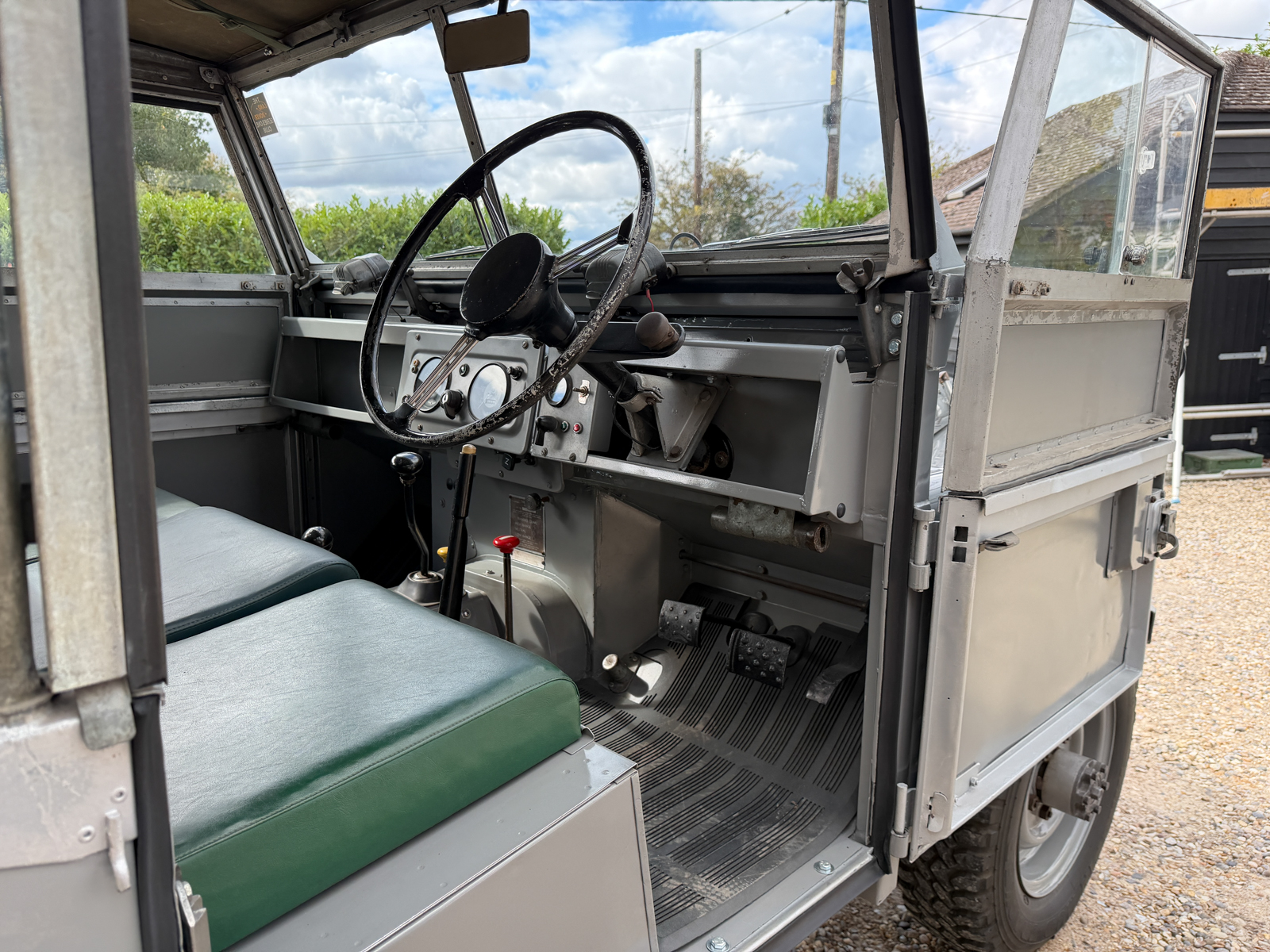
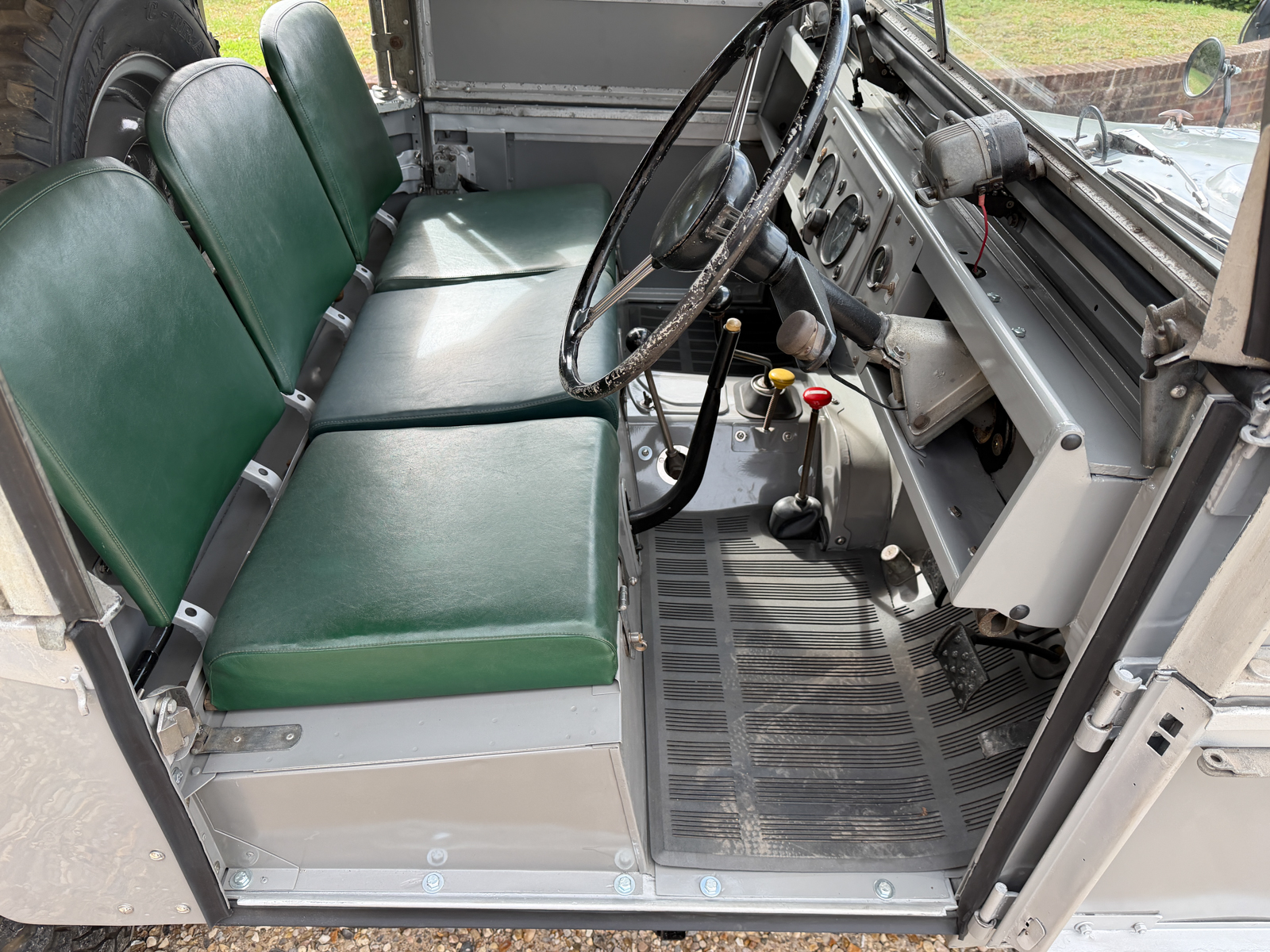
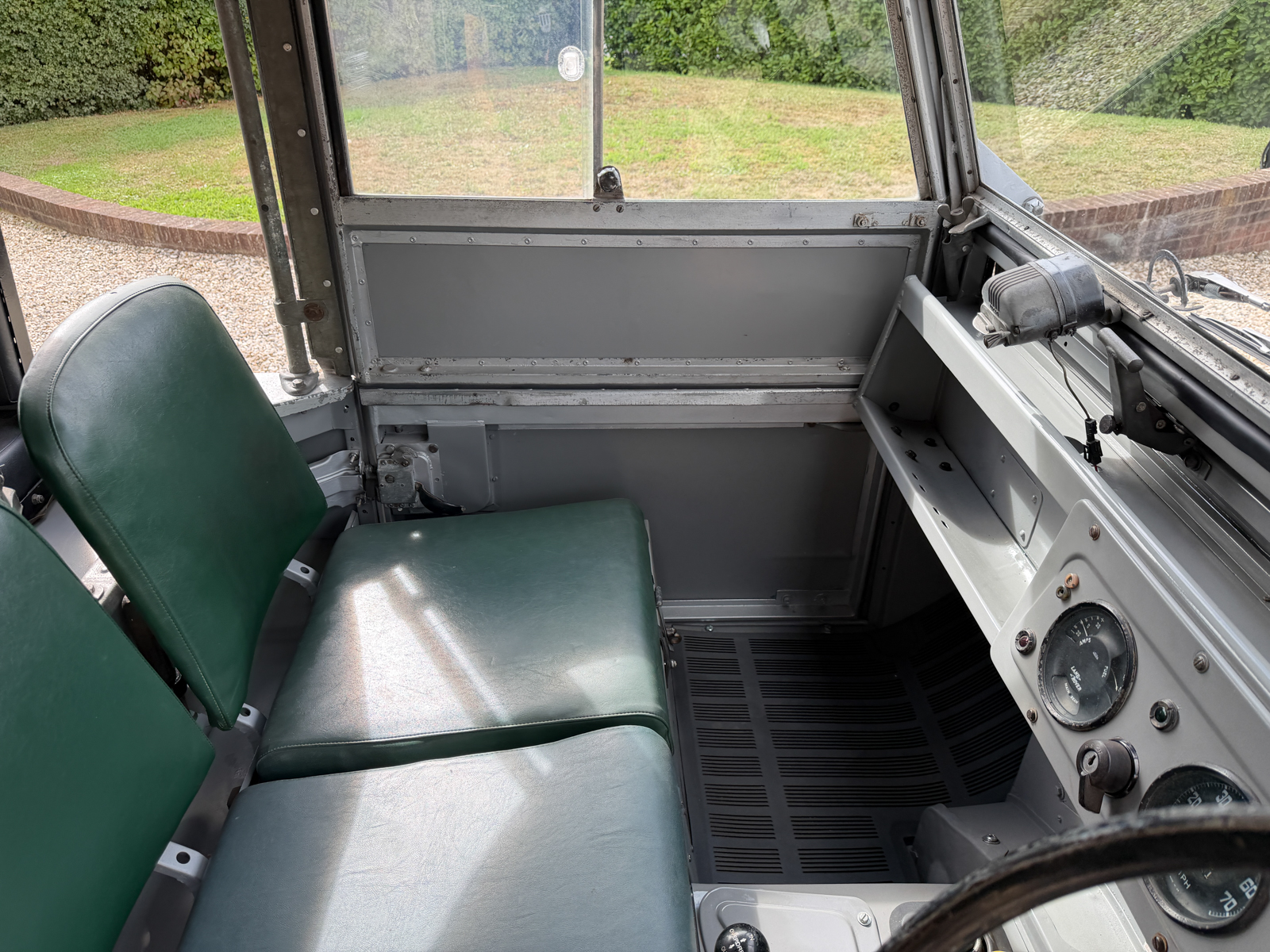
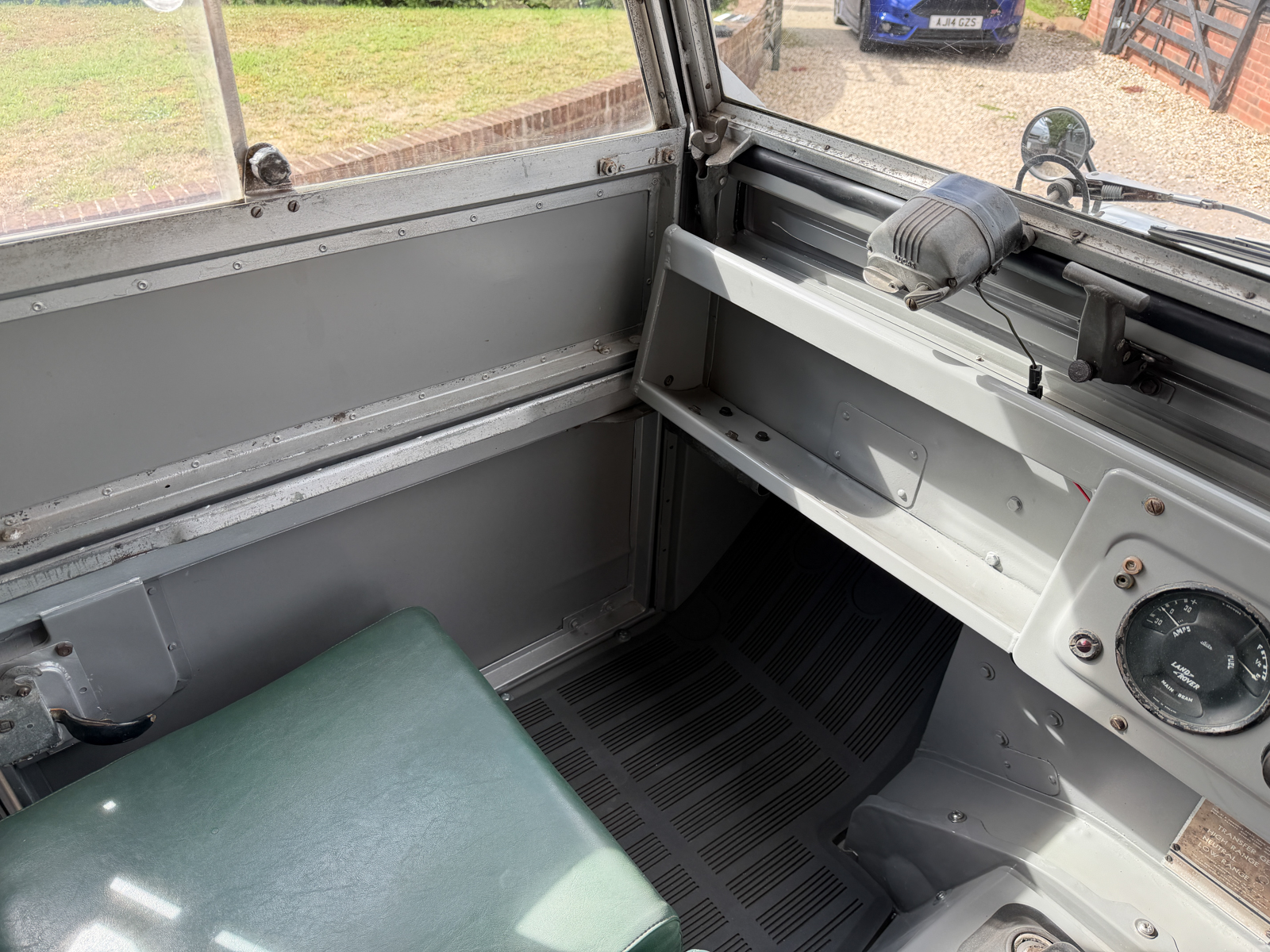
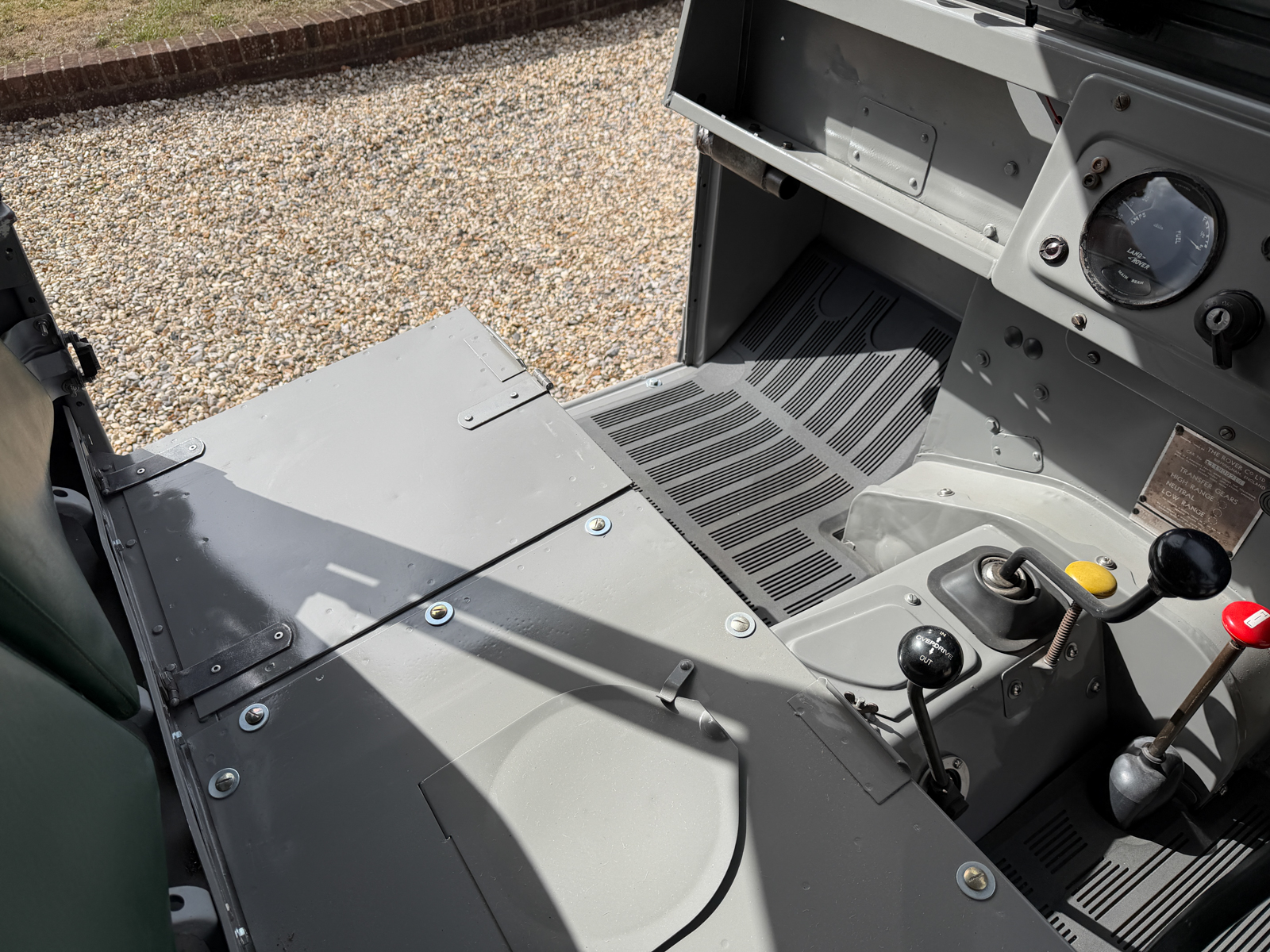
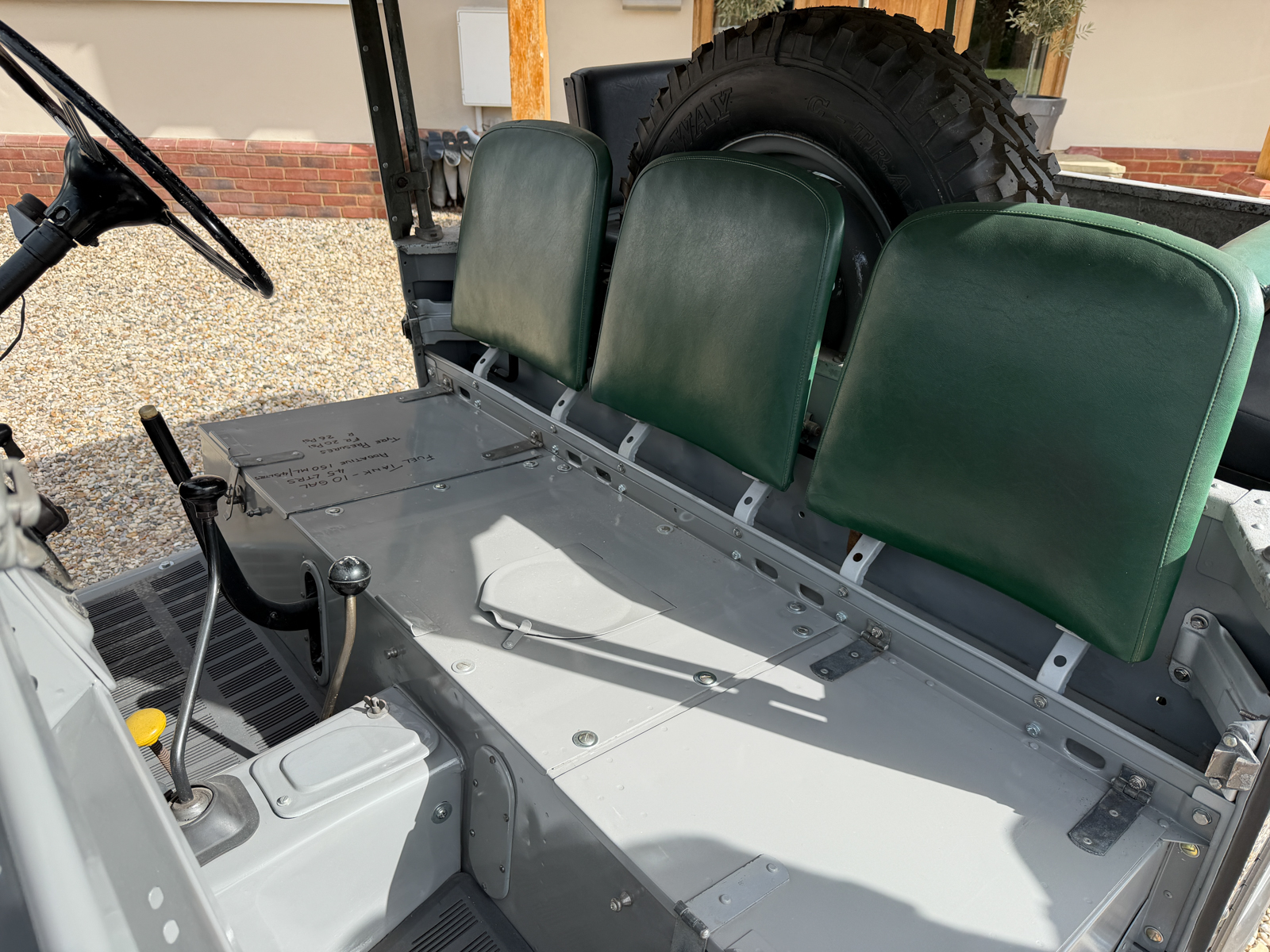
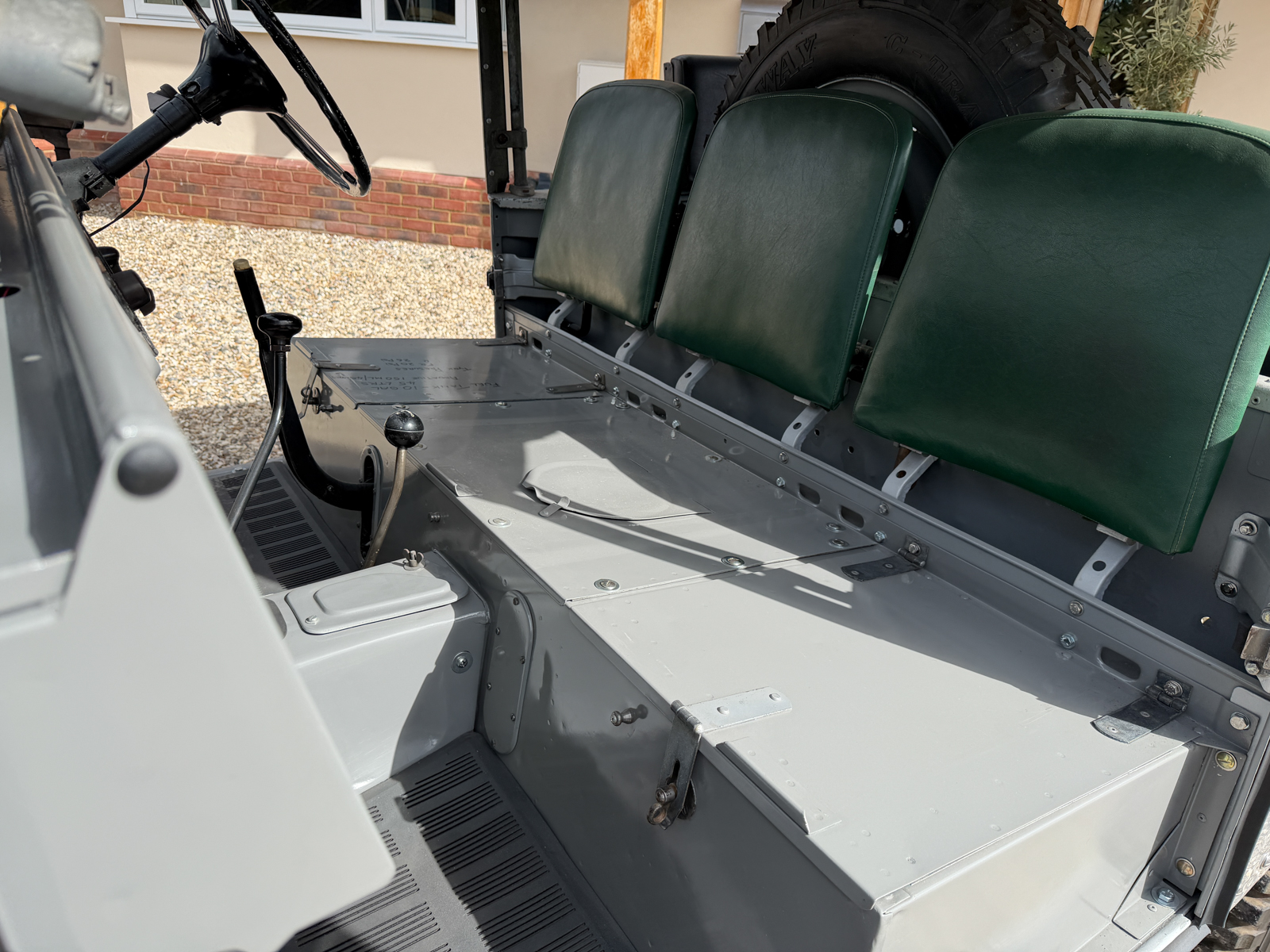
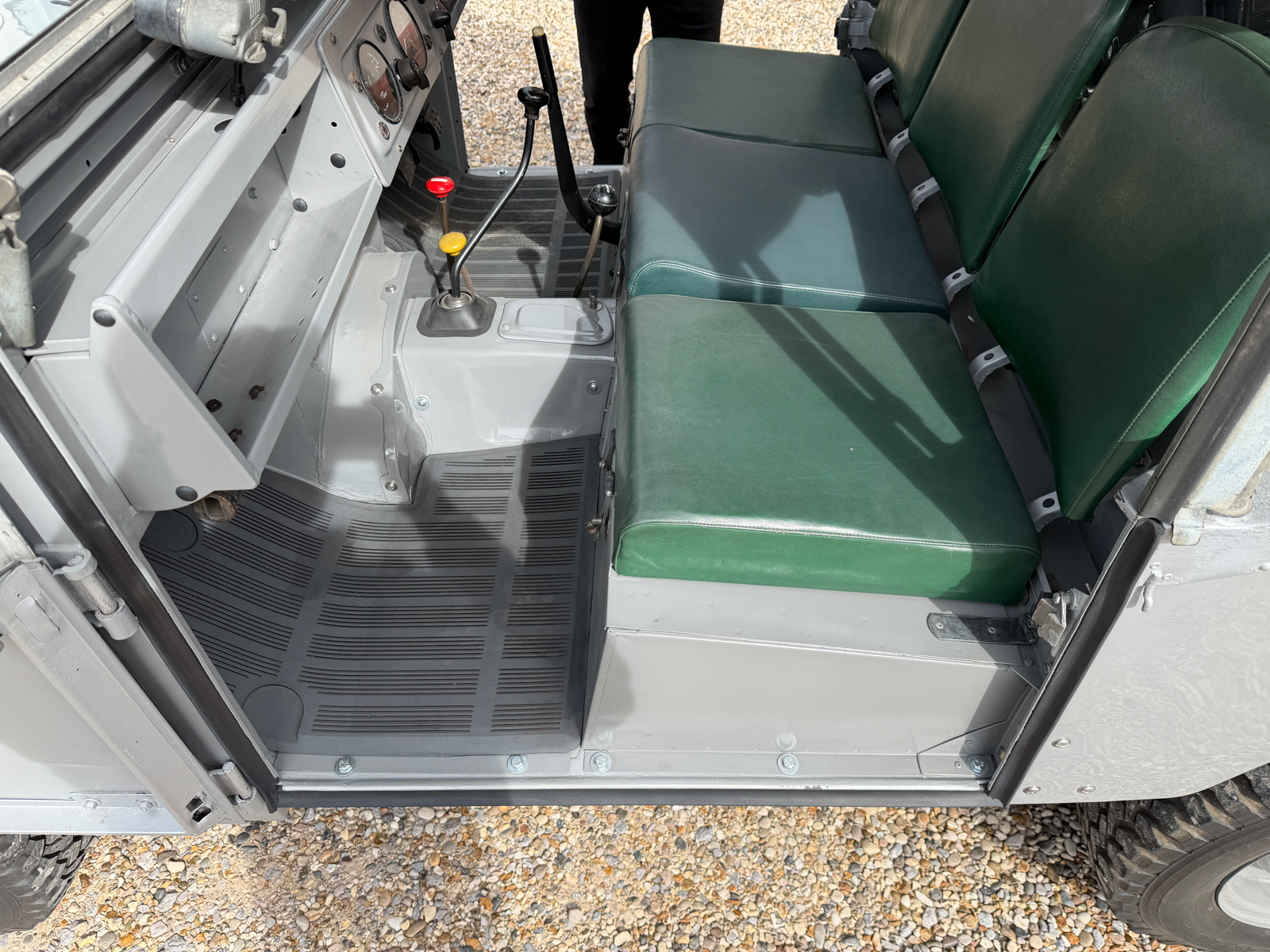
The cabin remains appropriately simple and functional, combining painted metal surfaces, basic instruments and durable vinyl seating.

Seats and Carpets

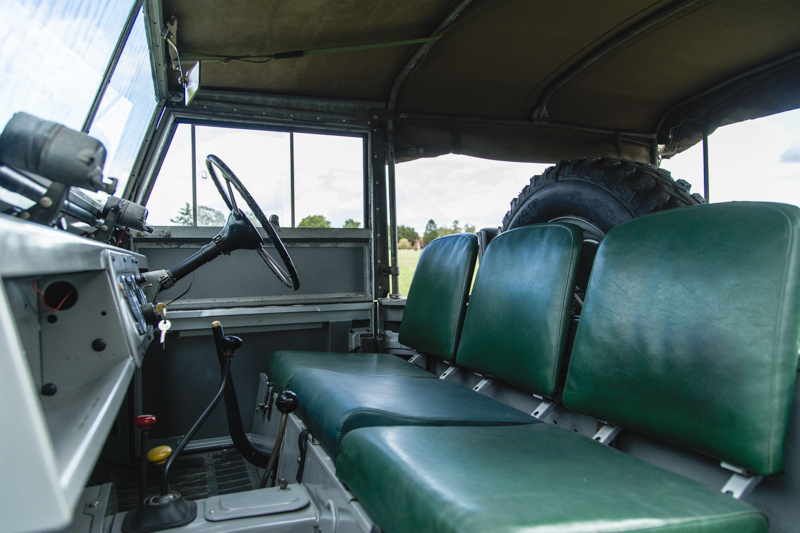
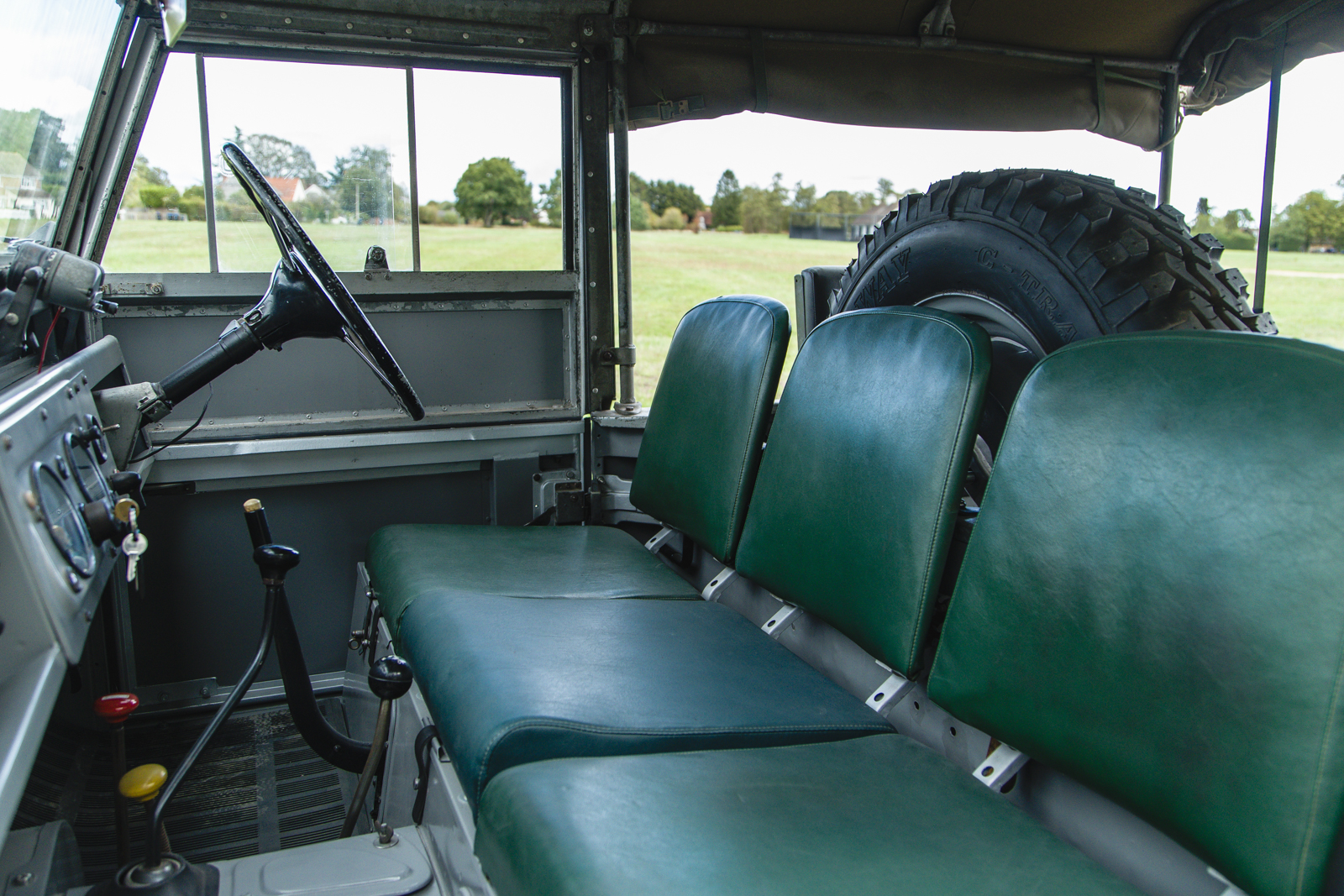
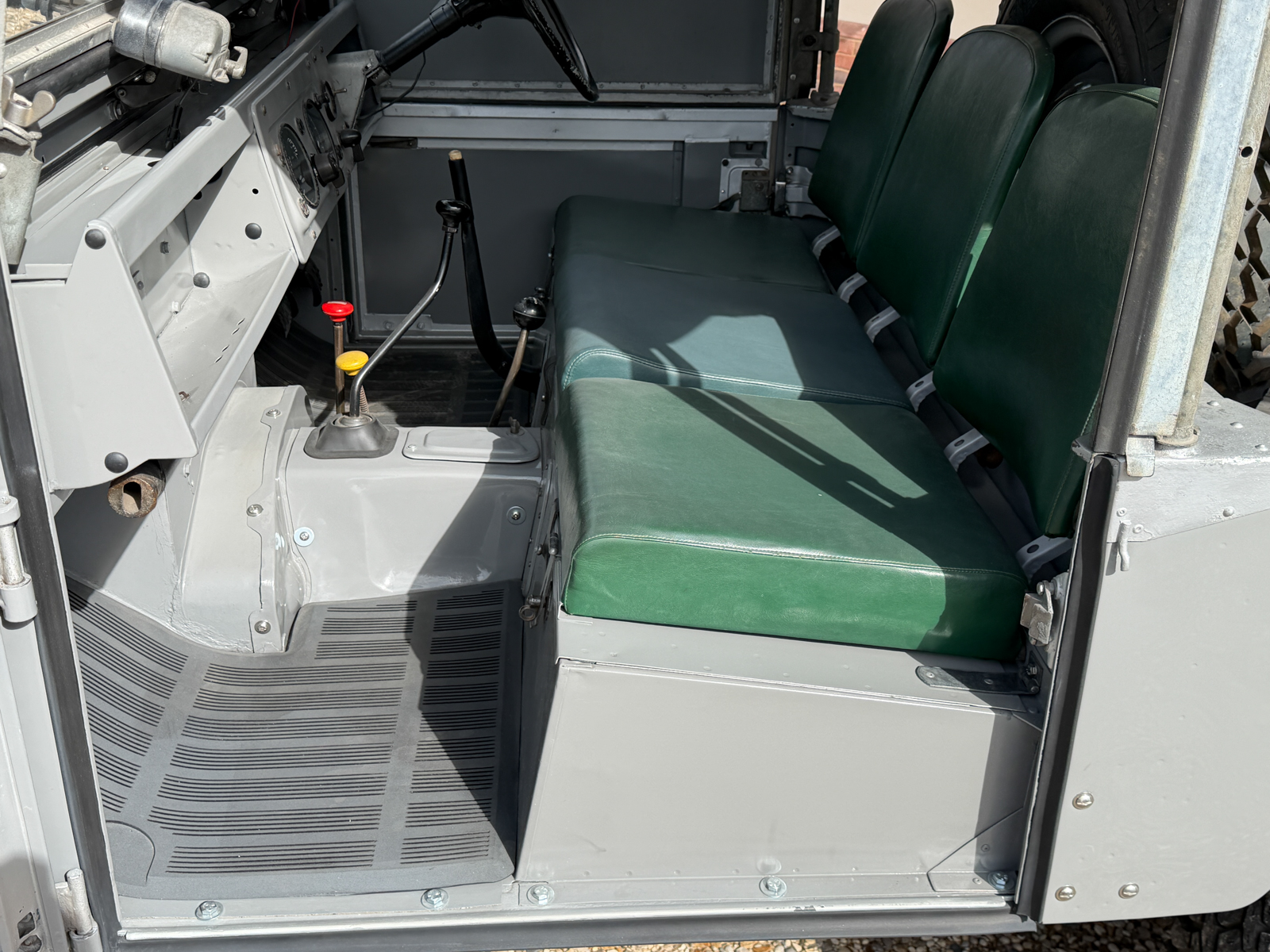
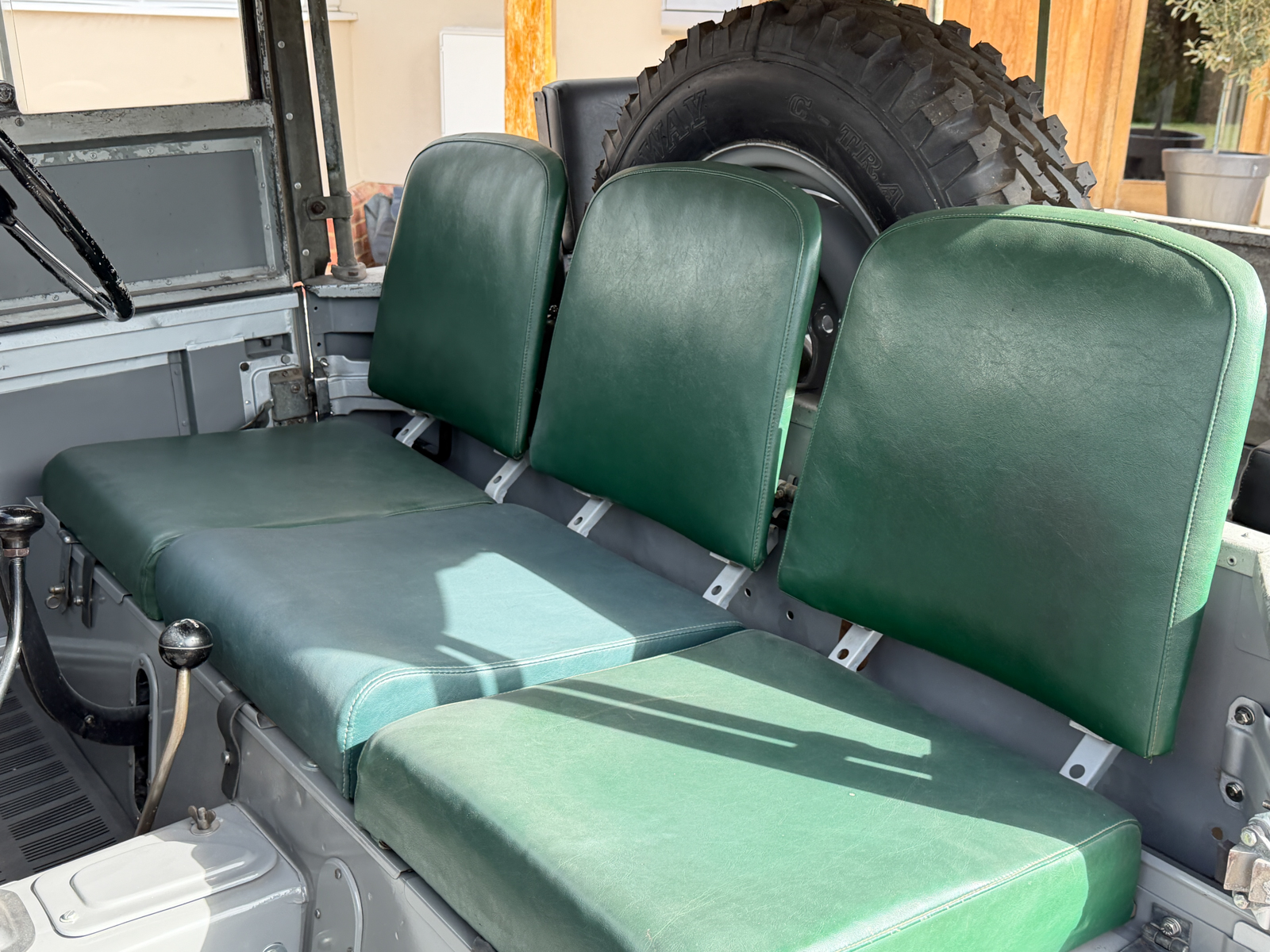
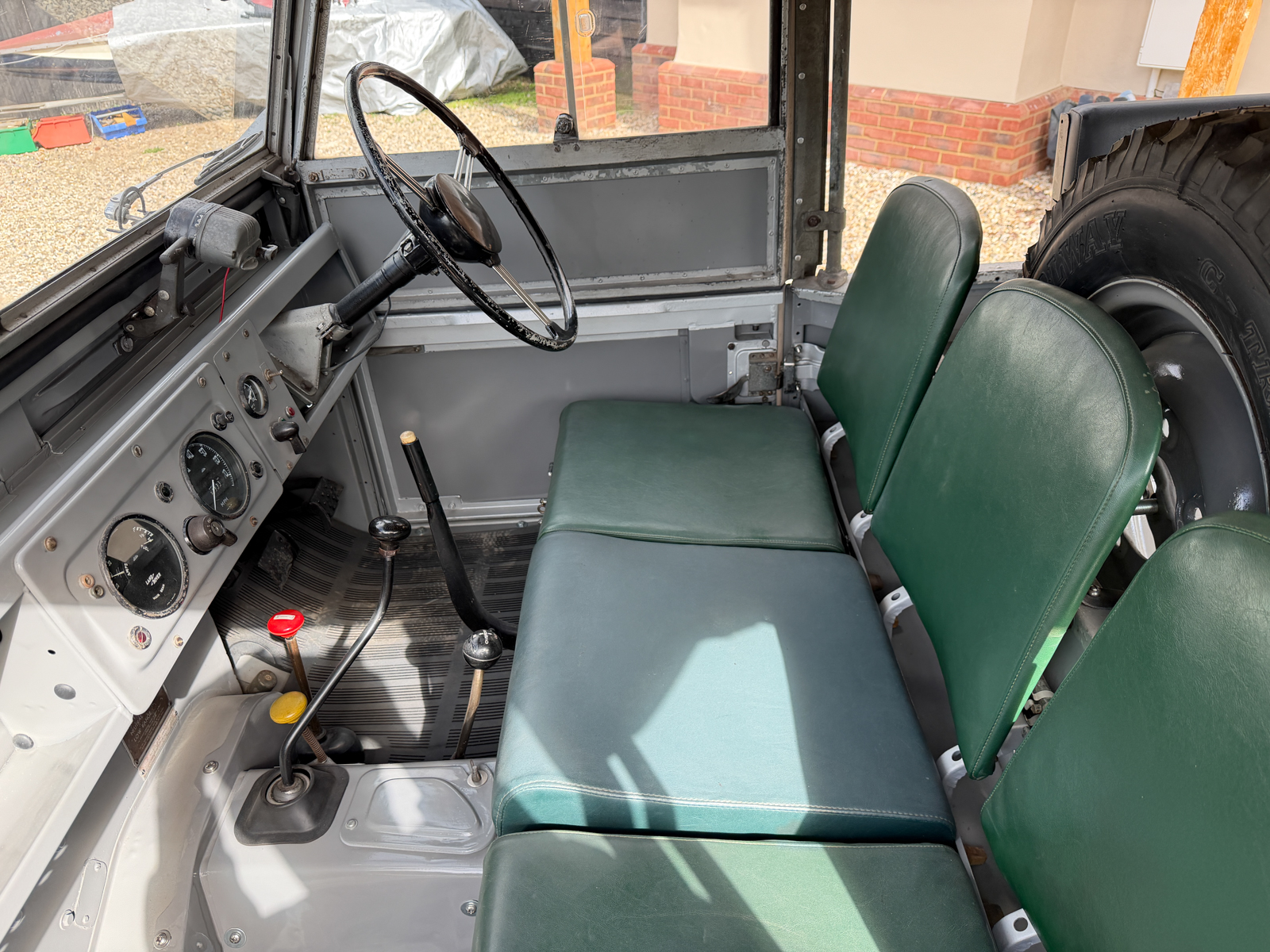
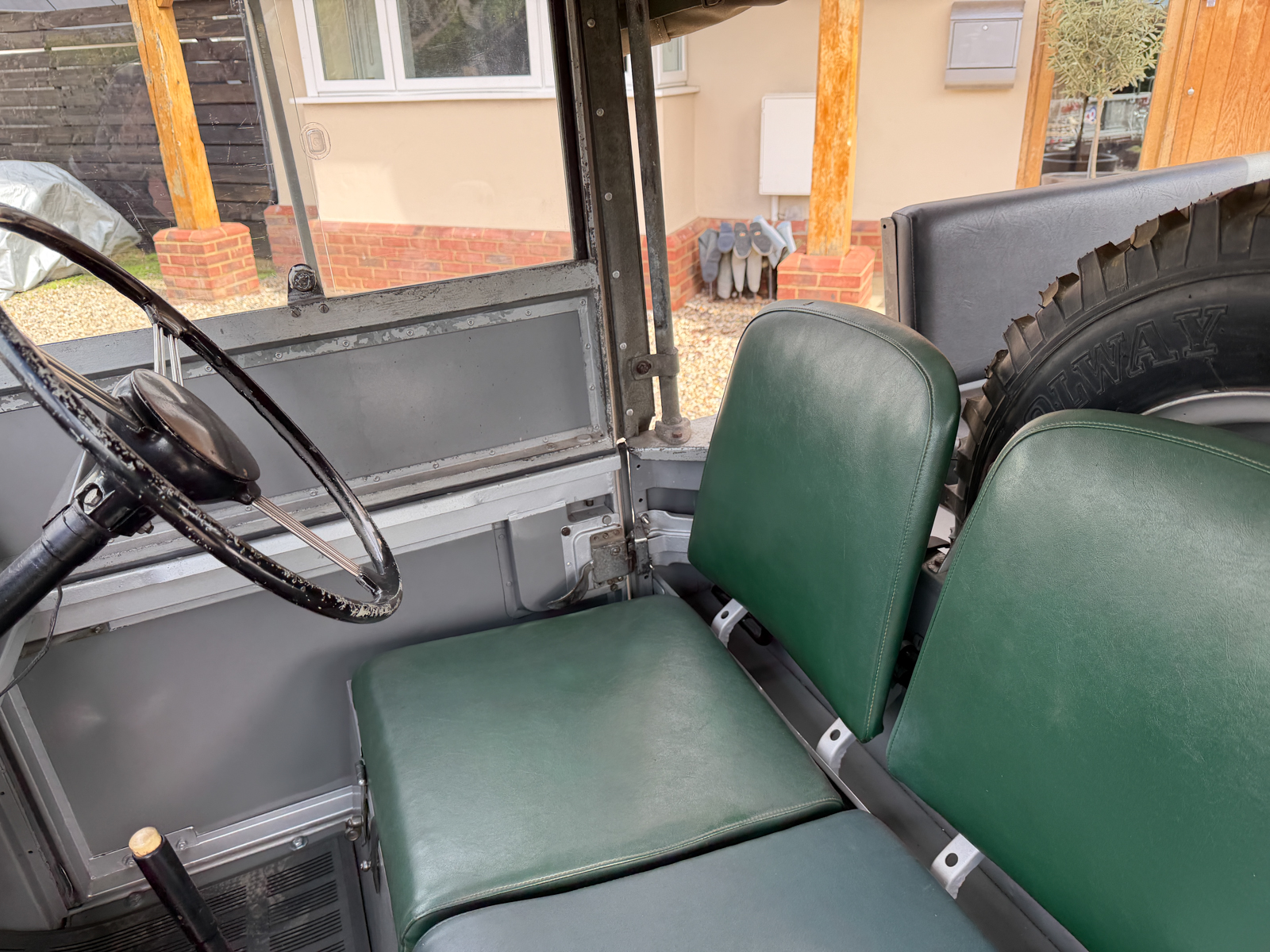
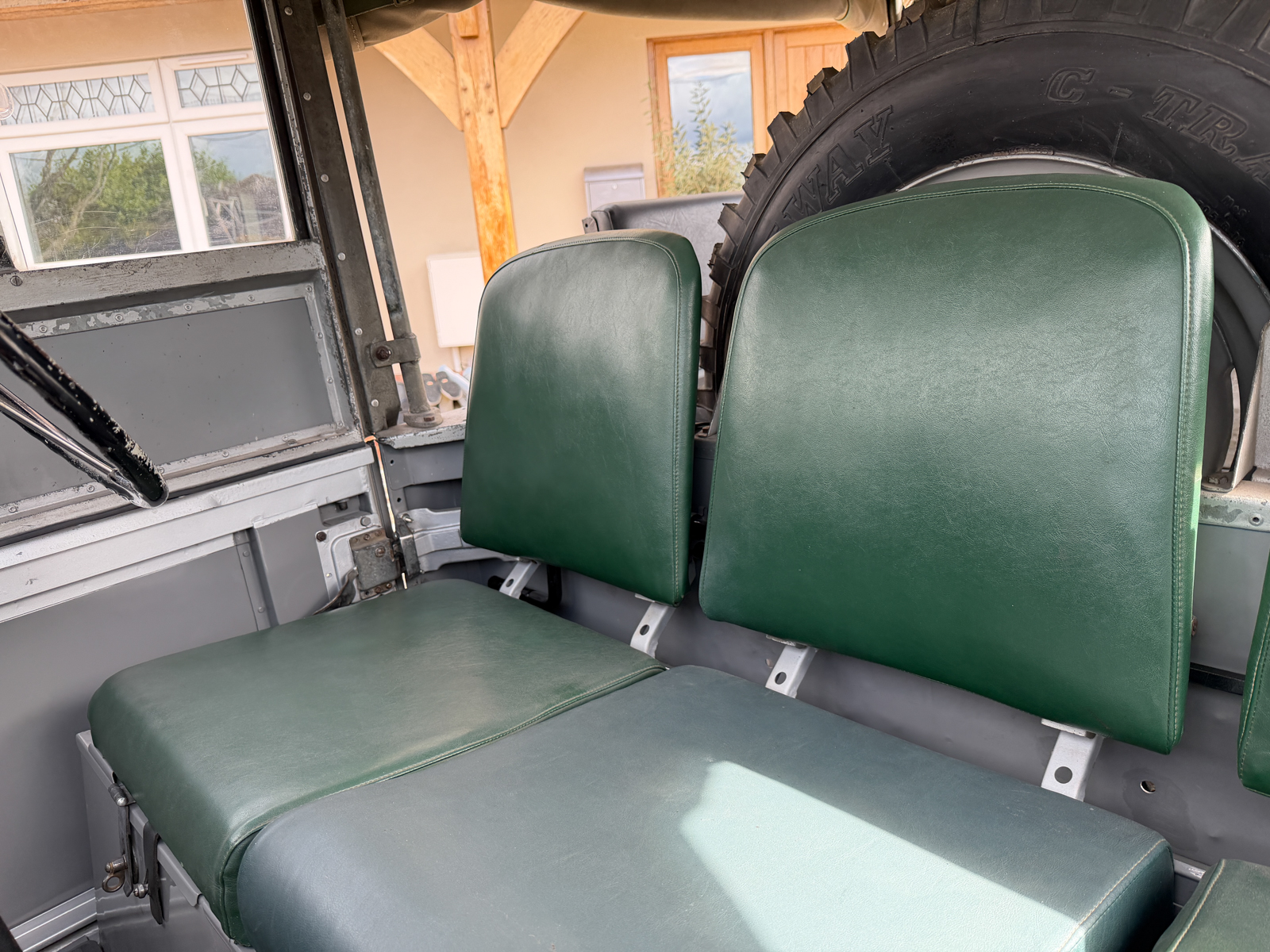
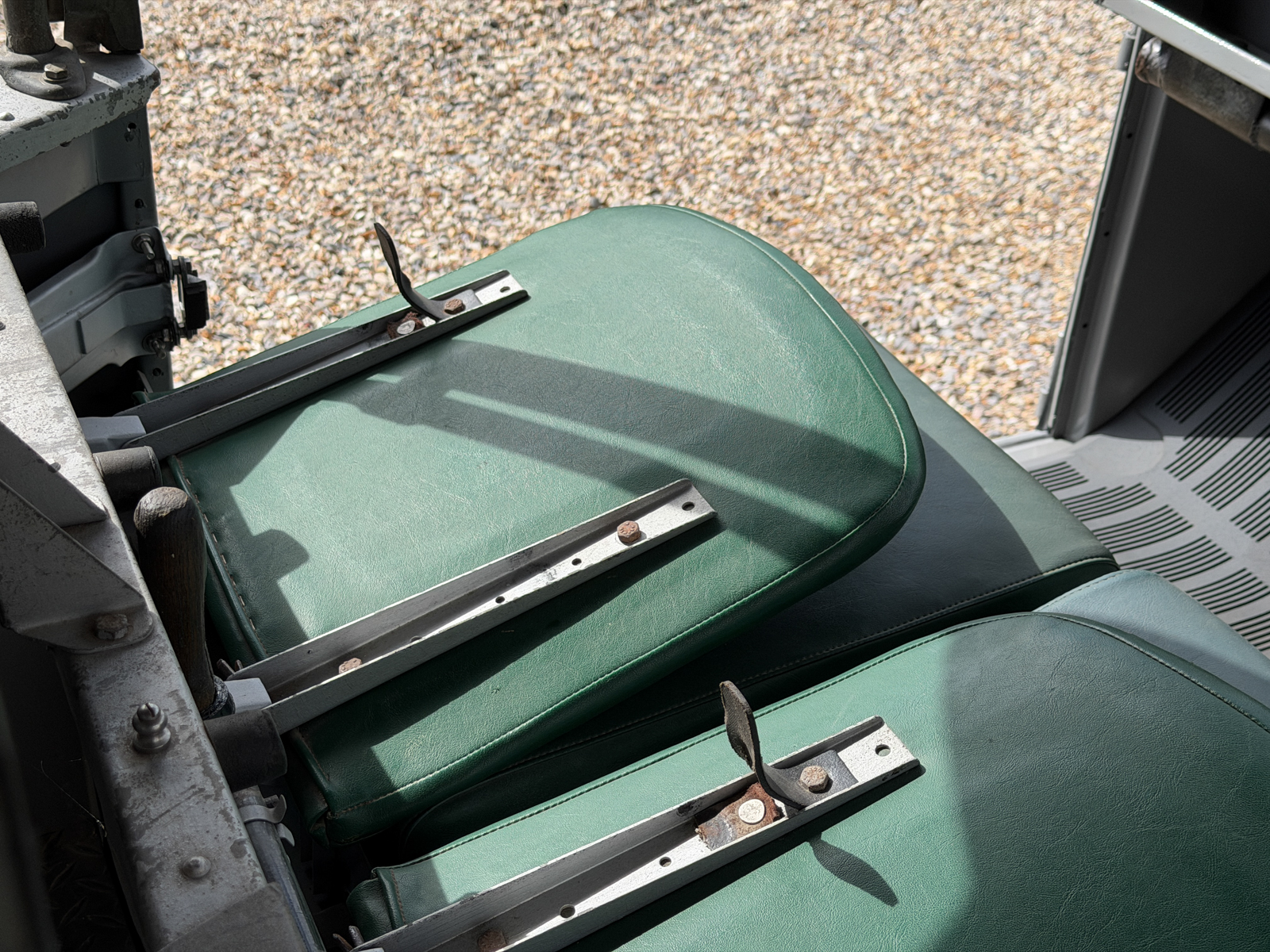
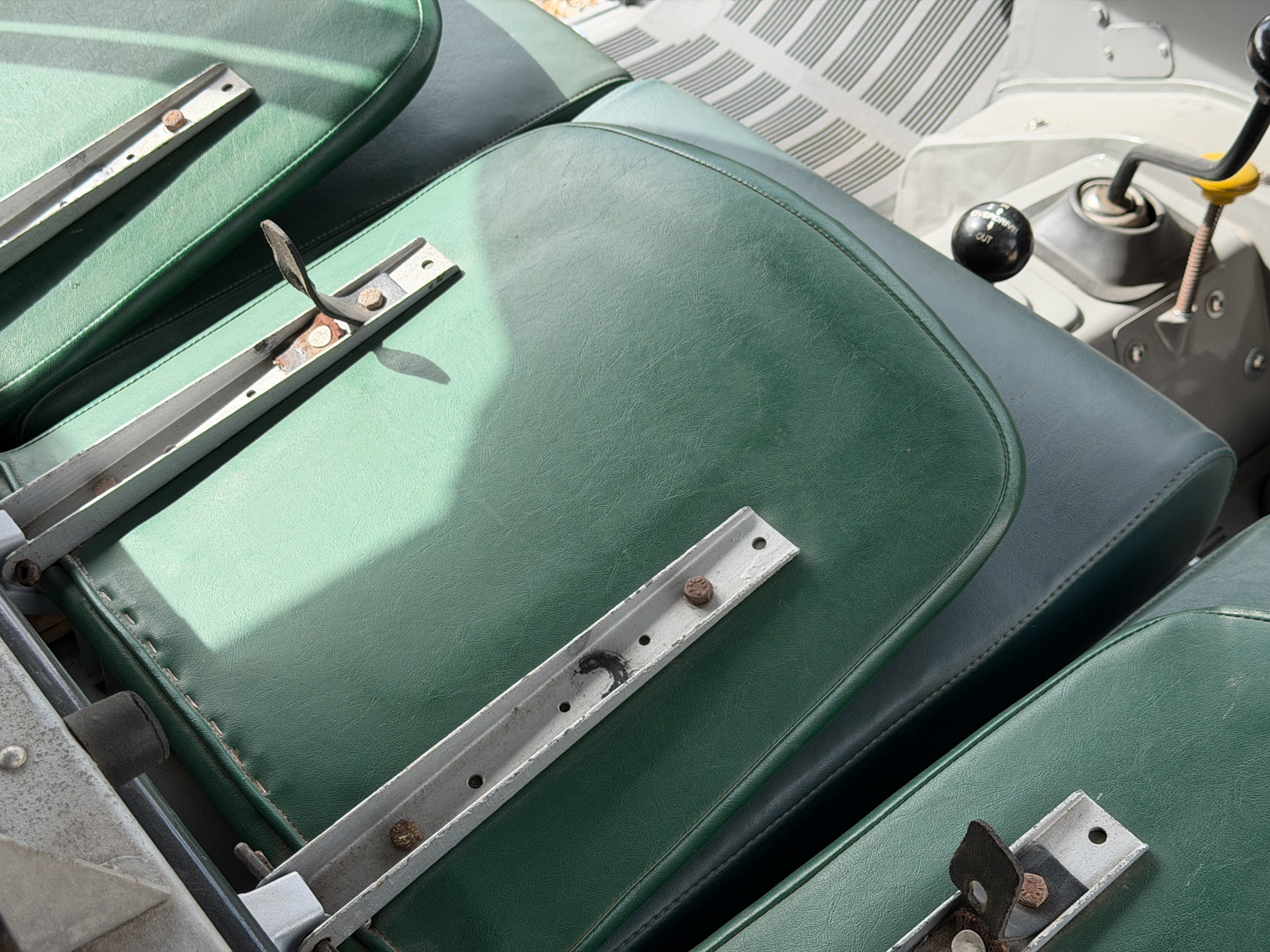
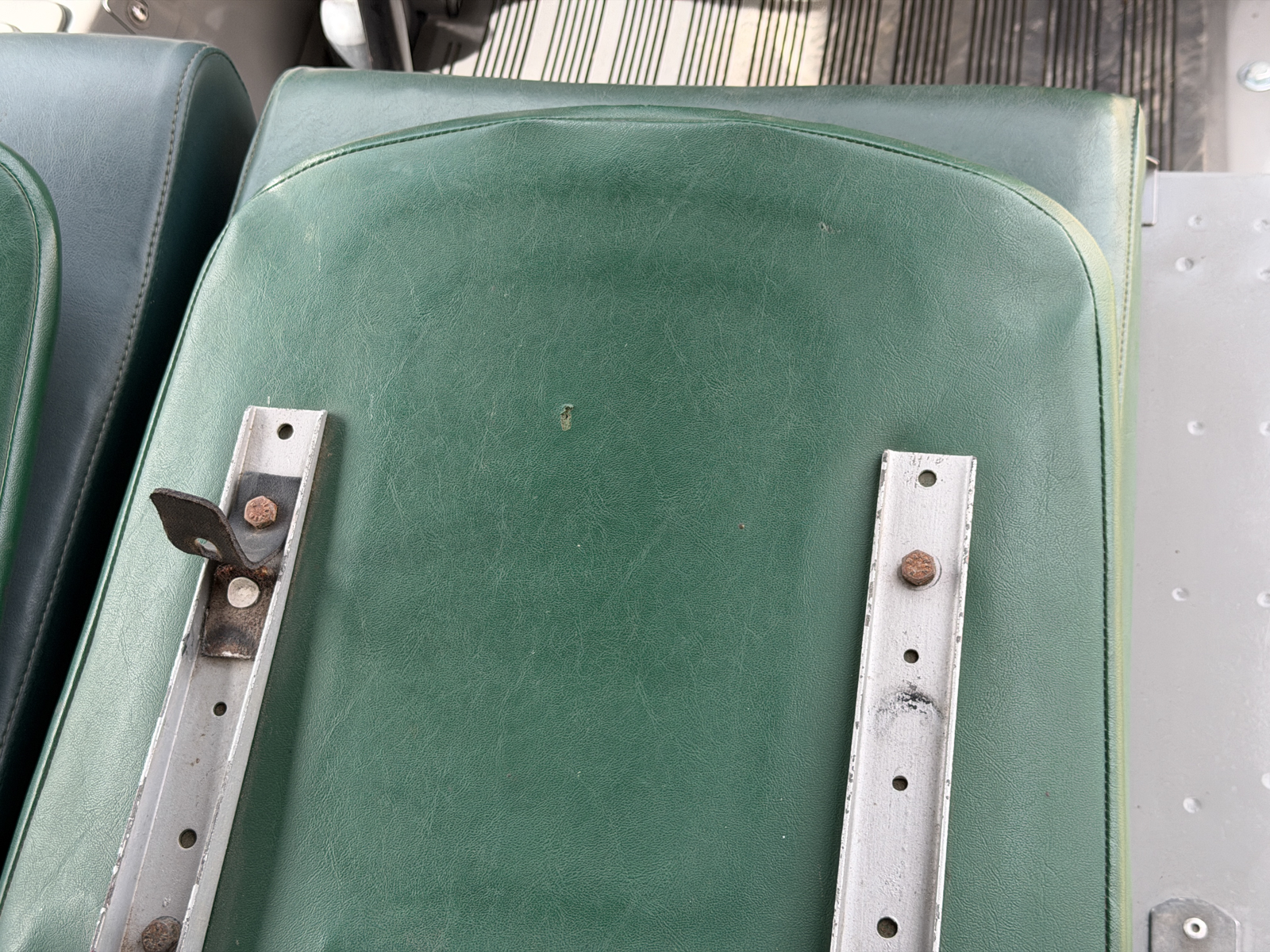
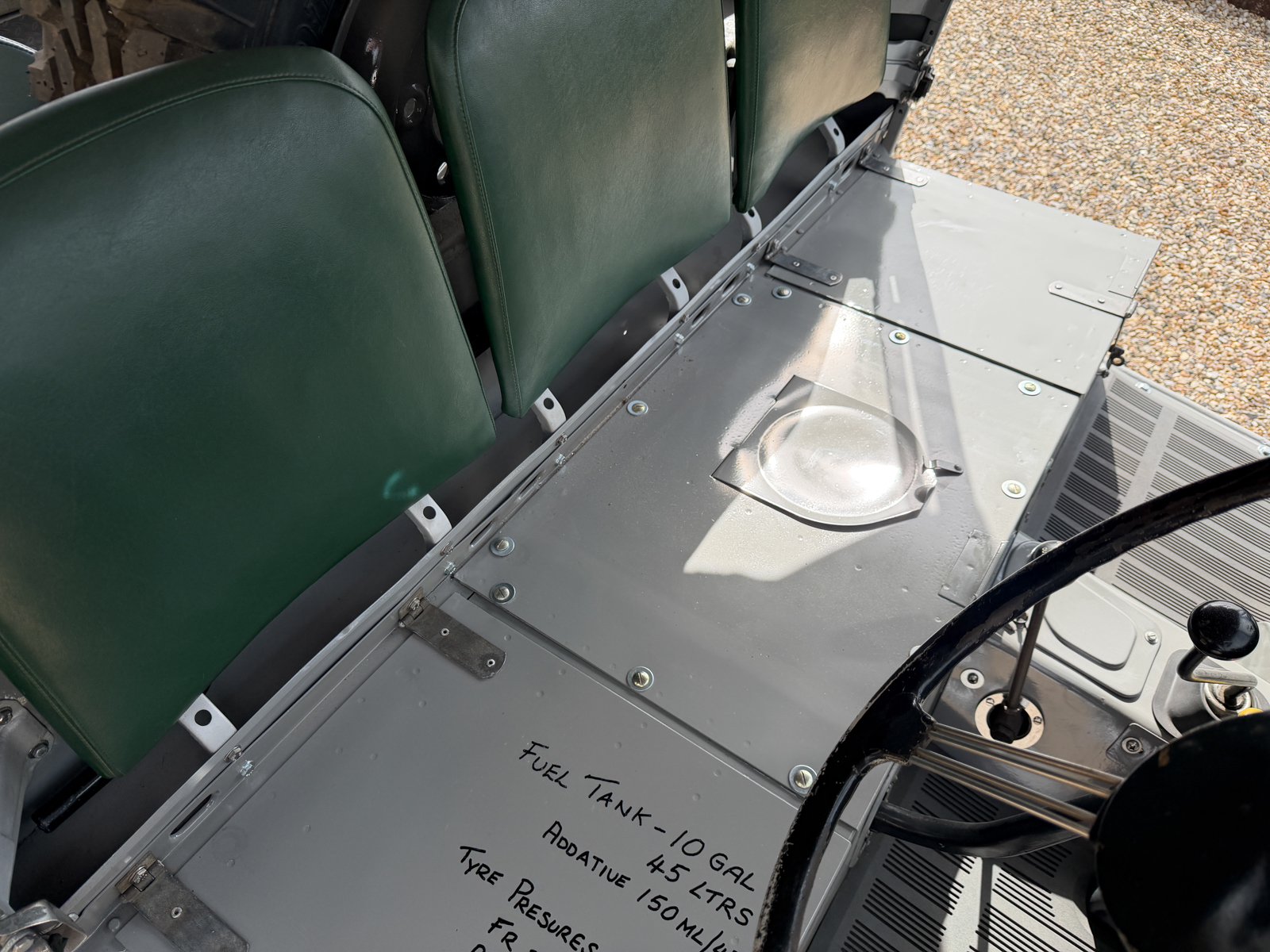
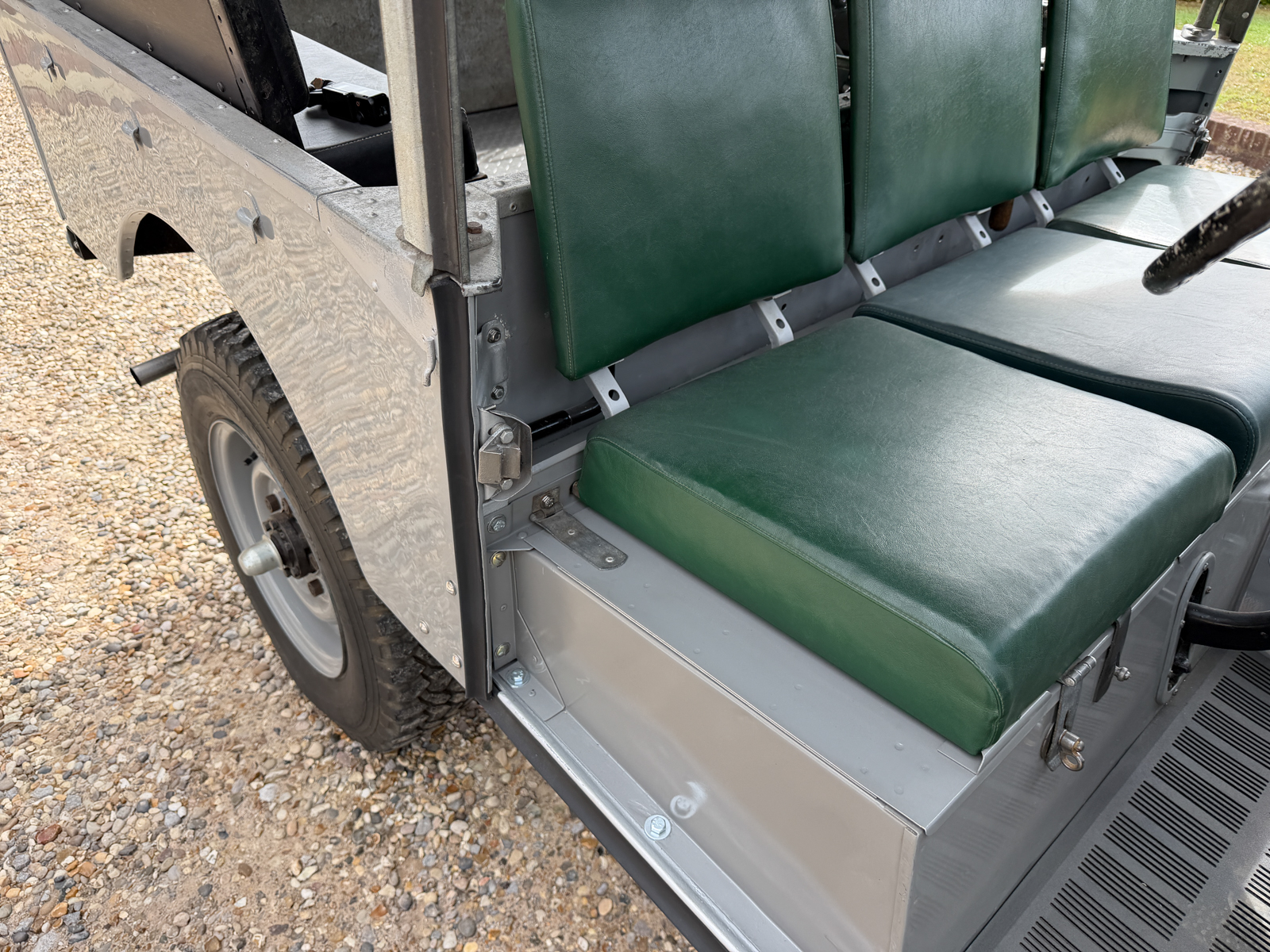
The front seats are trimmed in dark-green vinyl and present well.

The upholstery retains a clean and appropriately period appearance, with only light creasing and minor signs of use. The cushions appear to retain their shape and provide the upright driving position expected from a Series I.

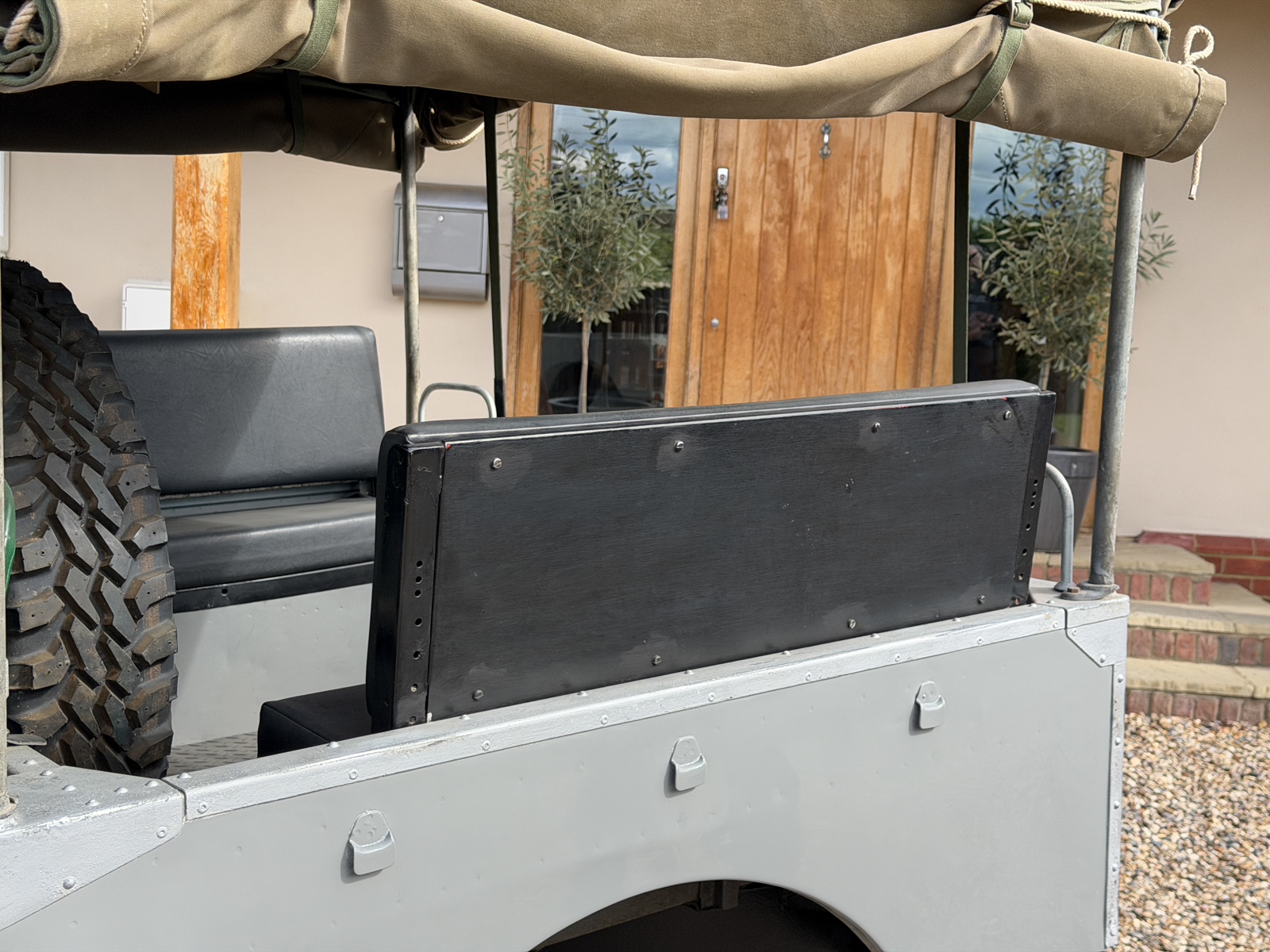
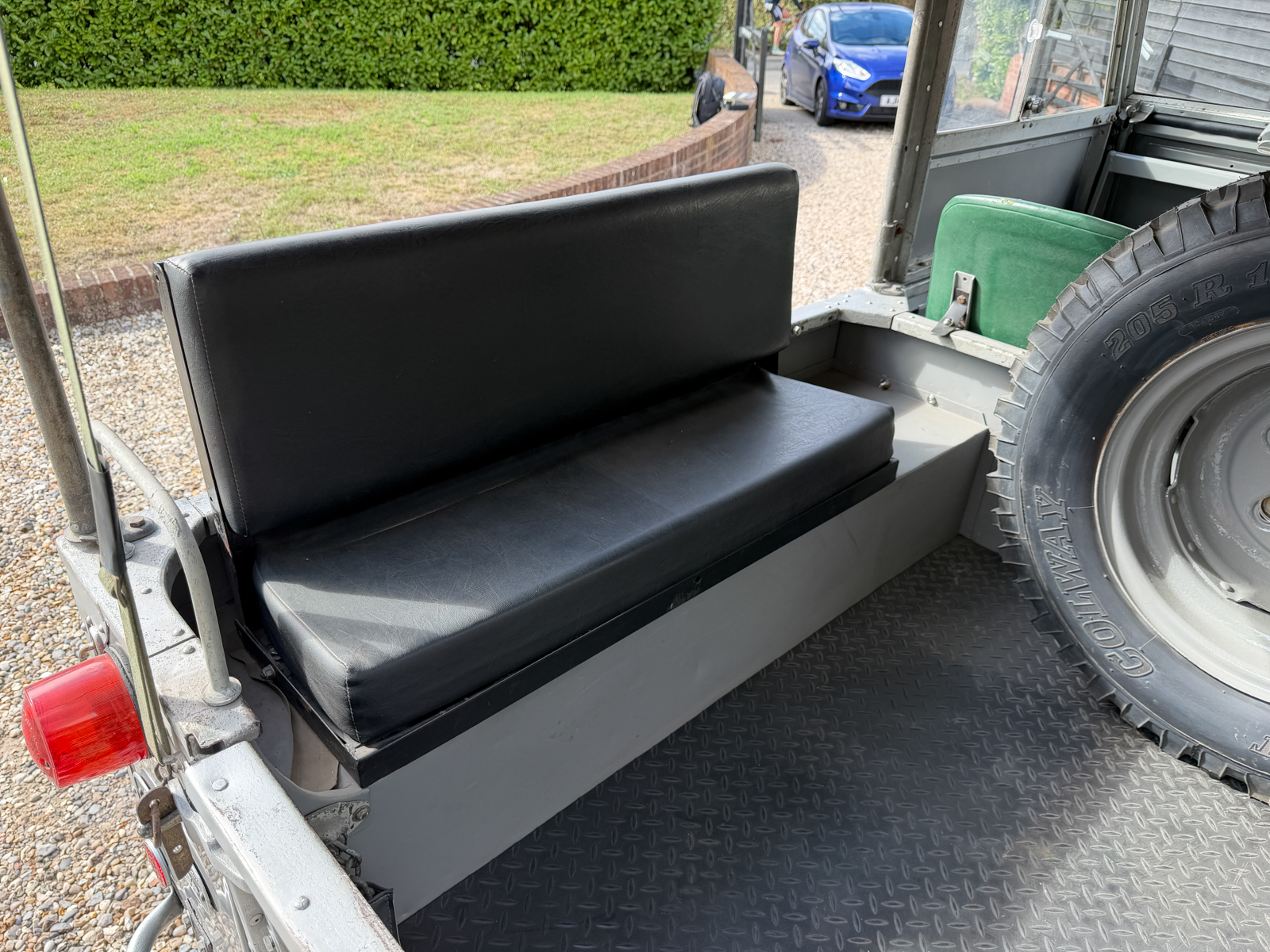
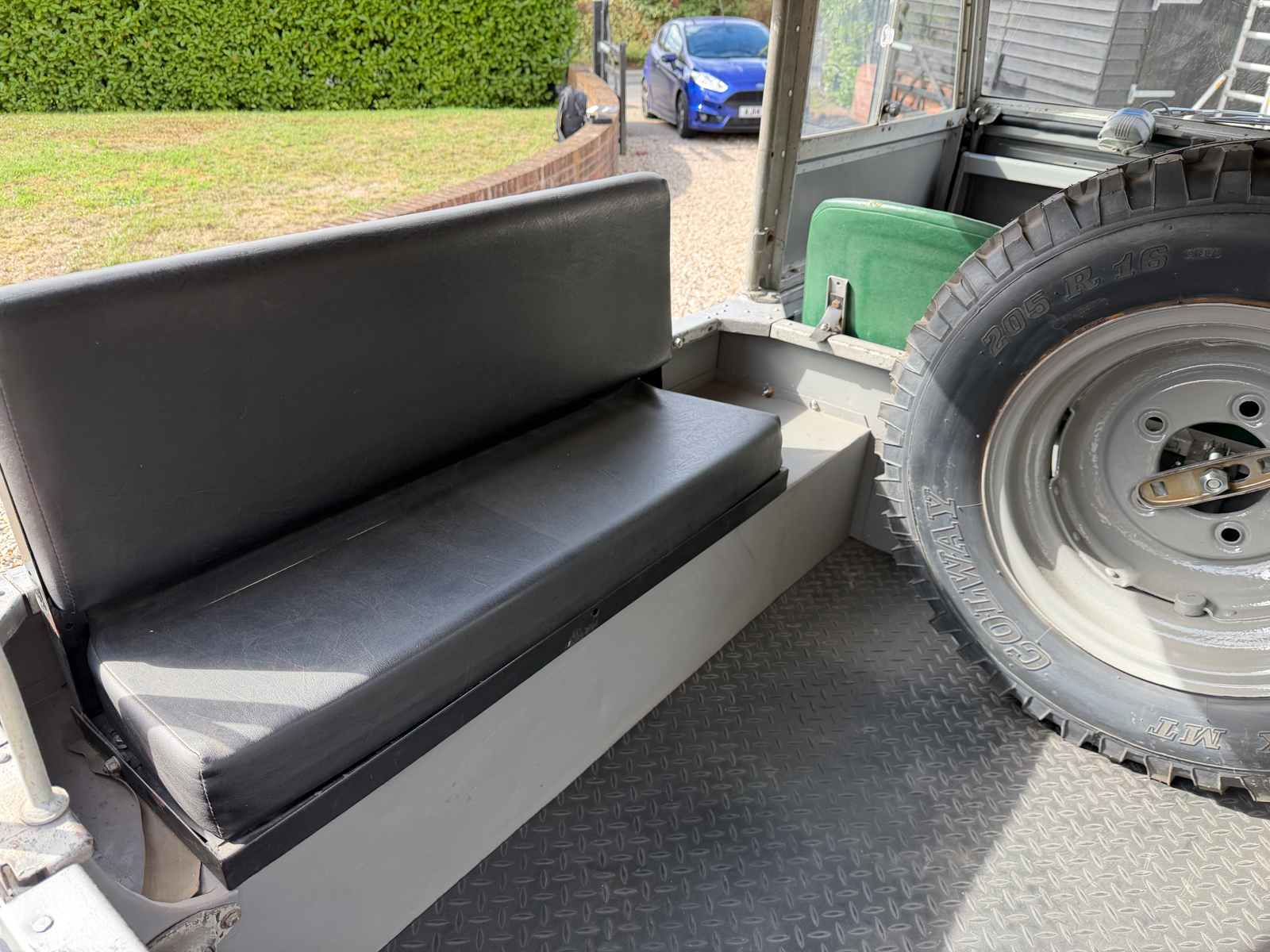
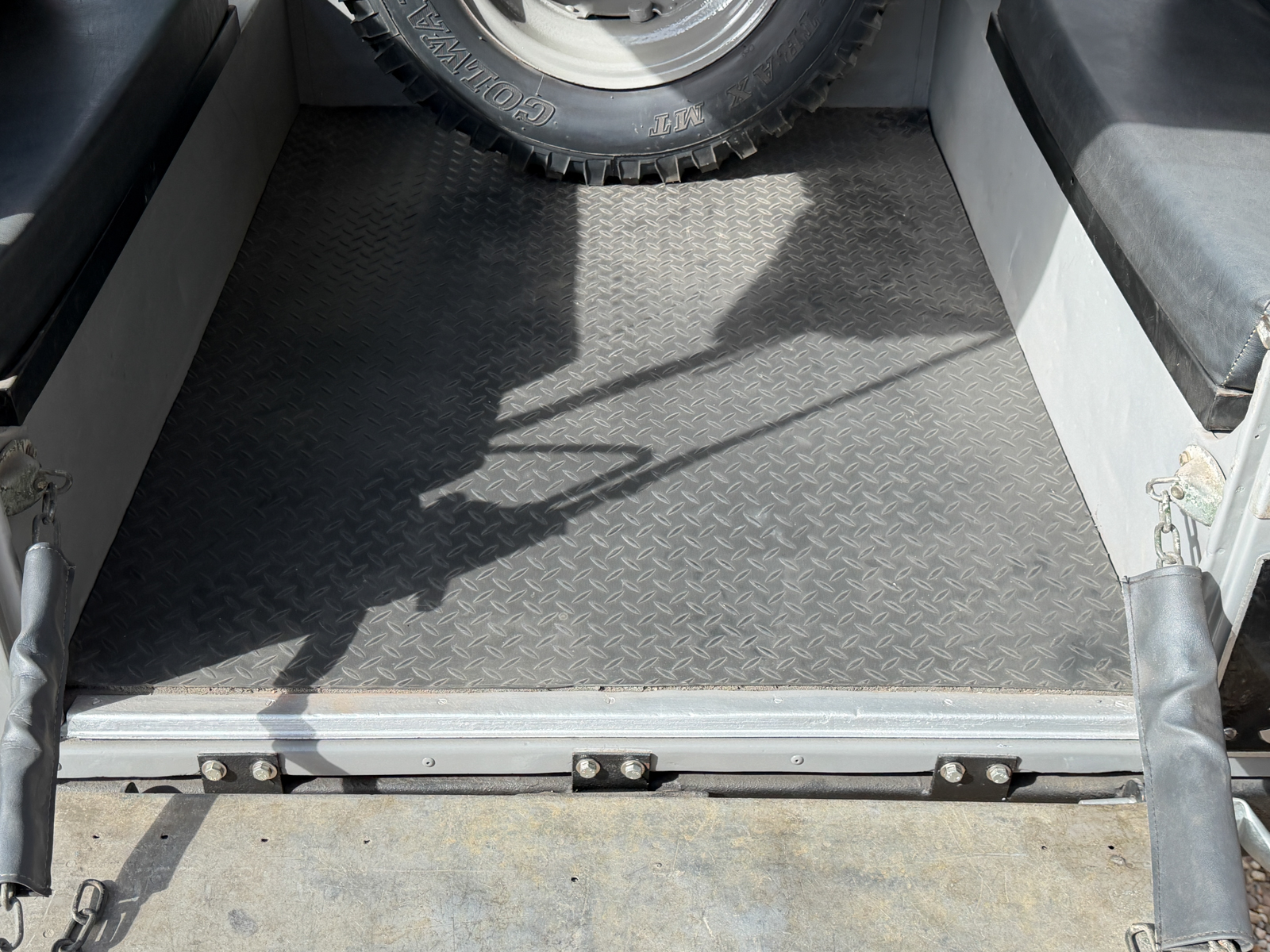
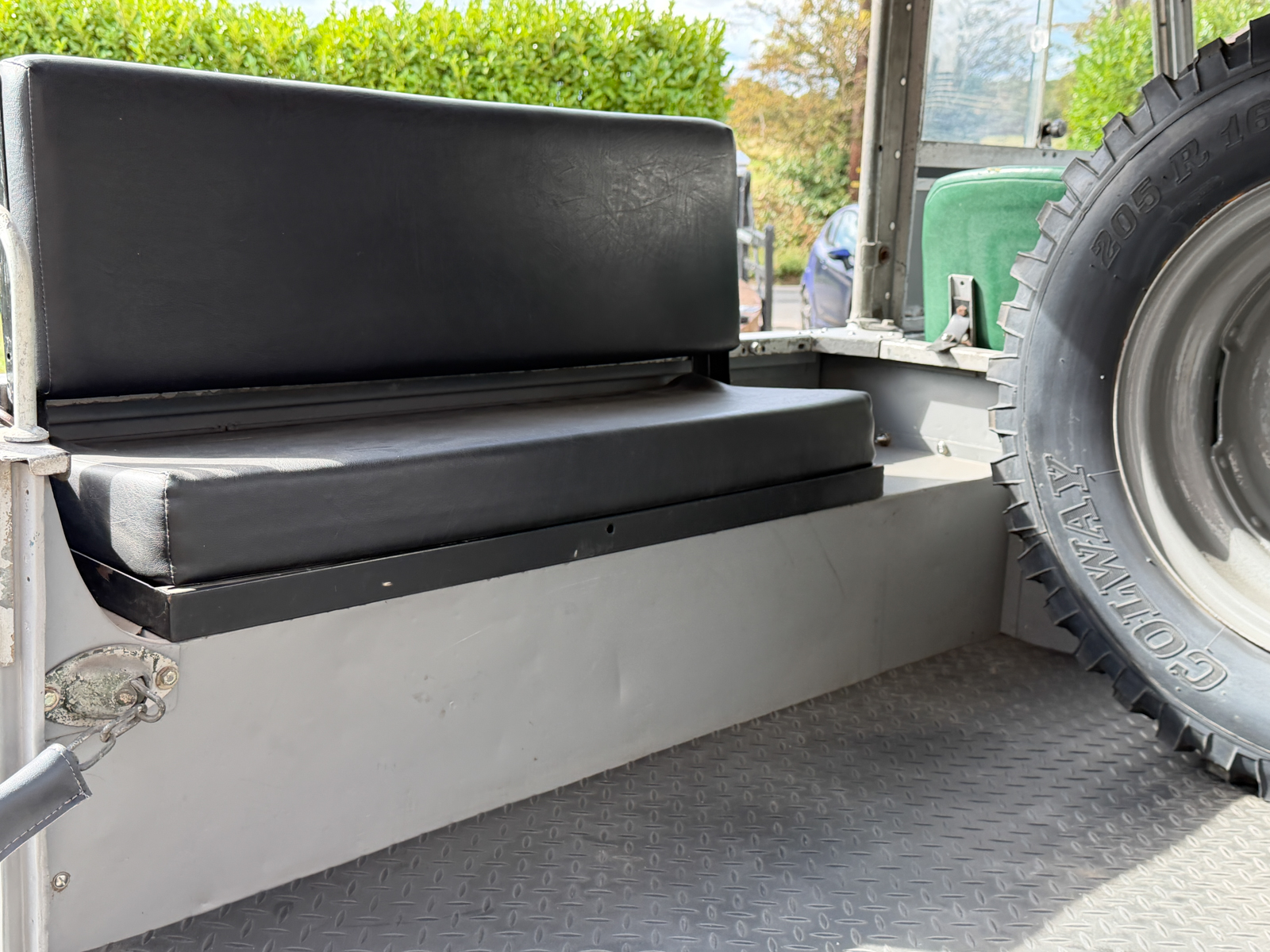
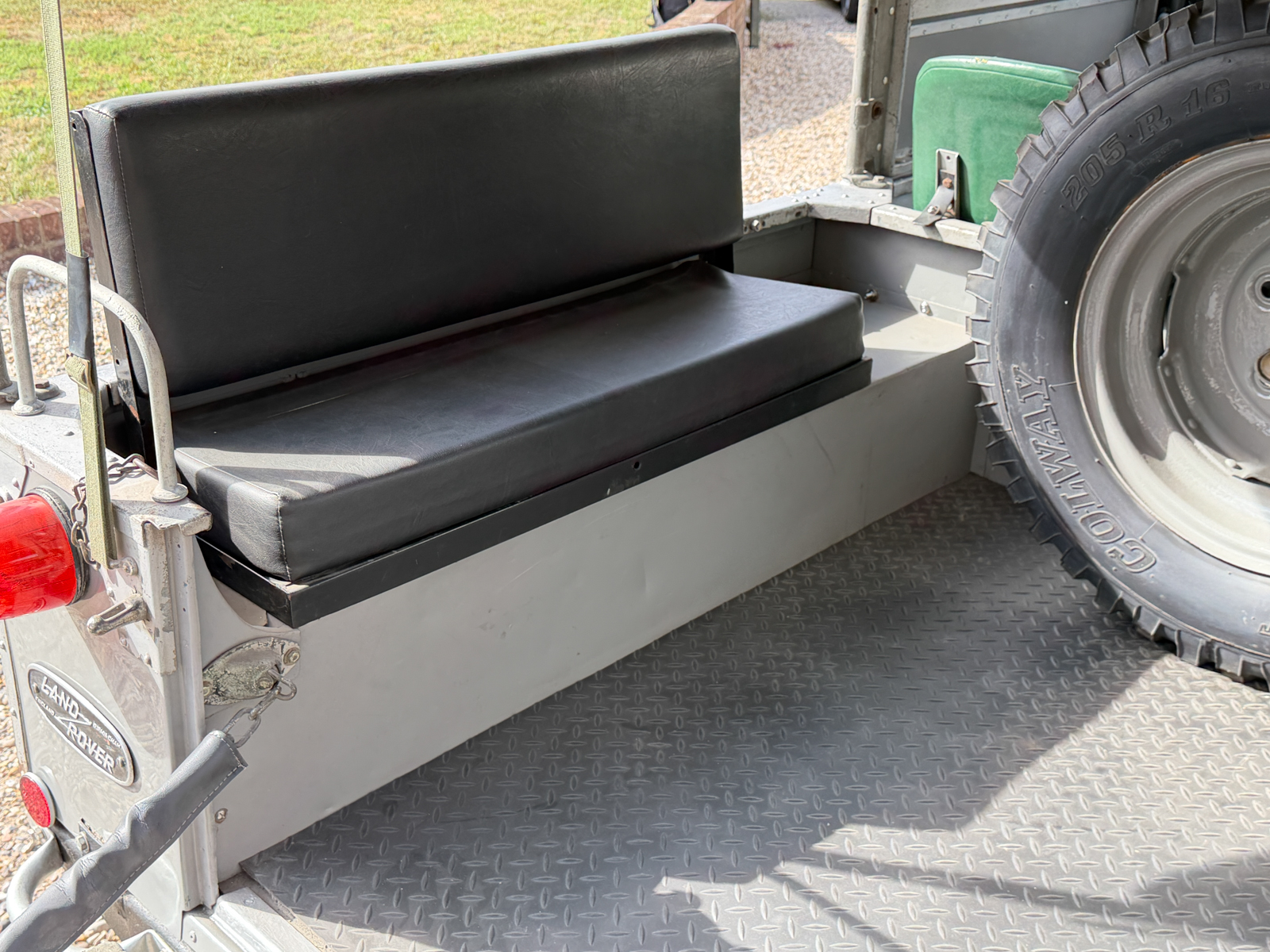
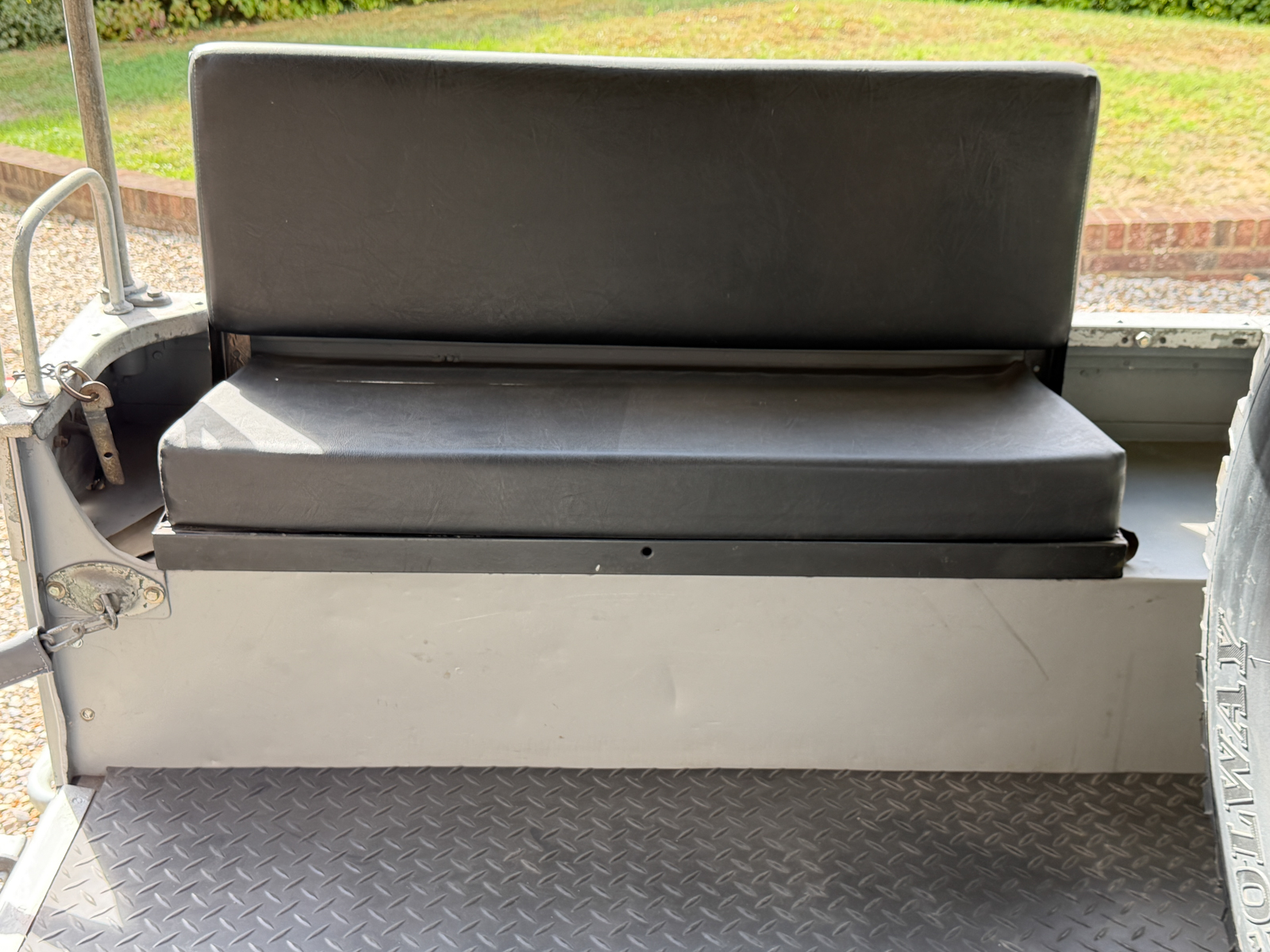
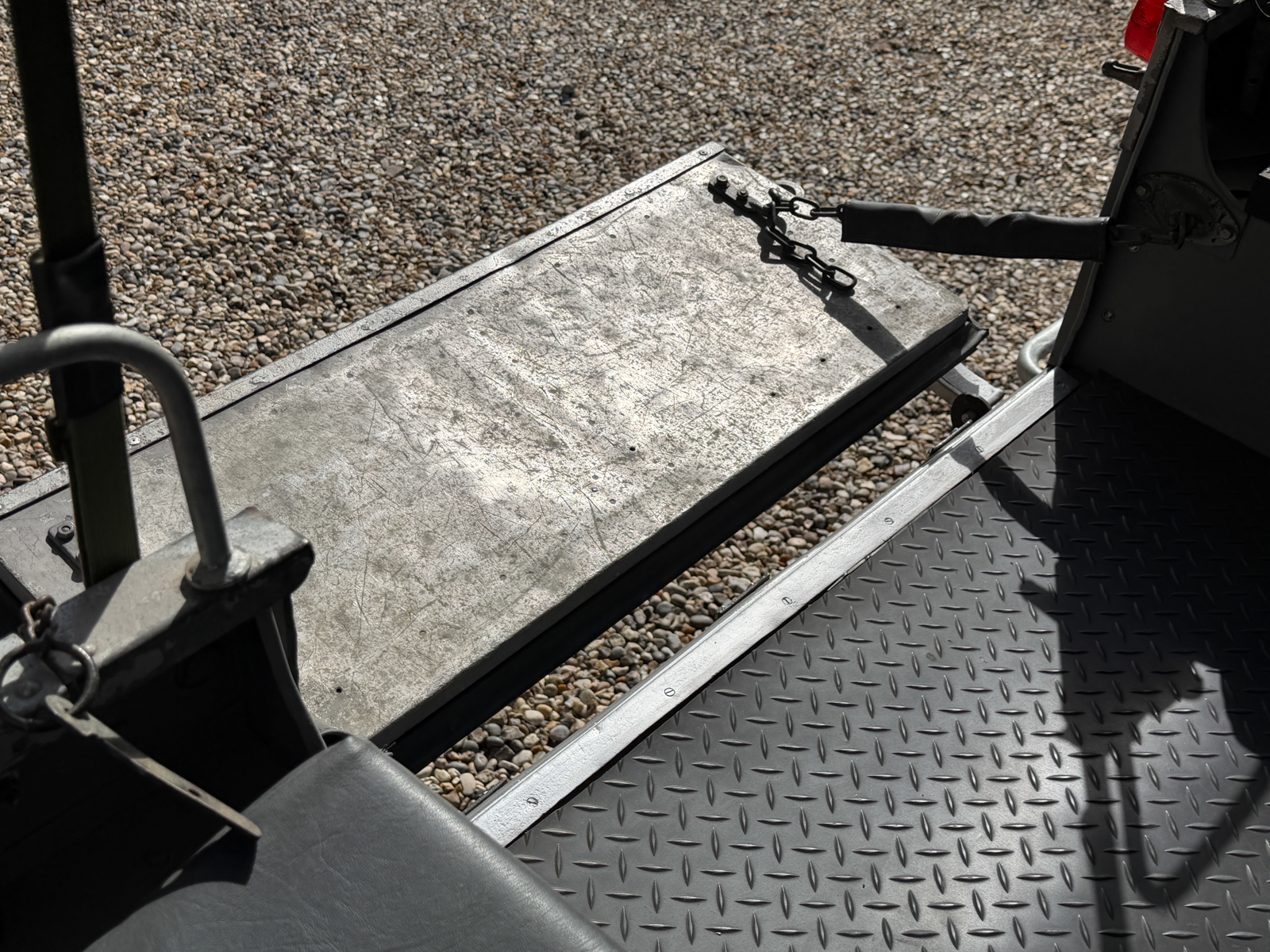
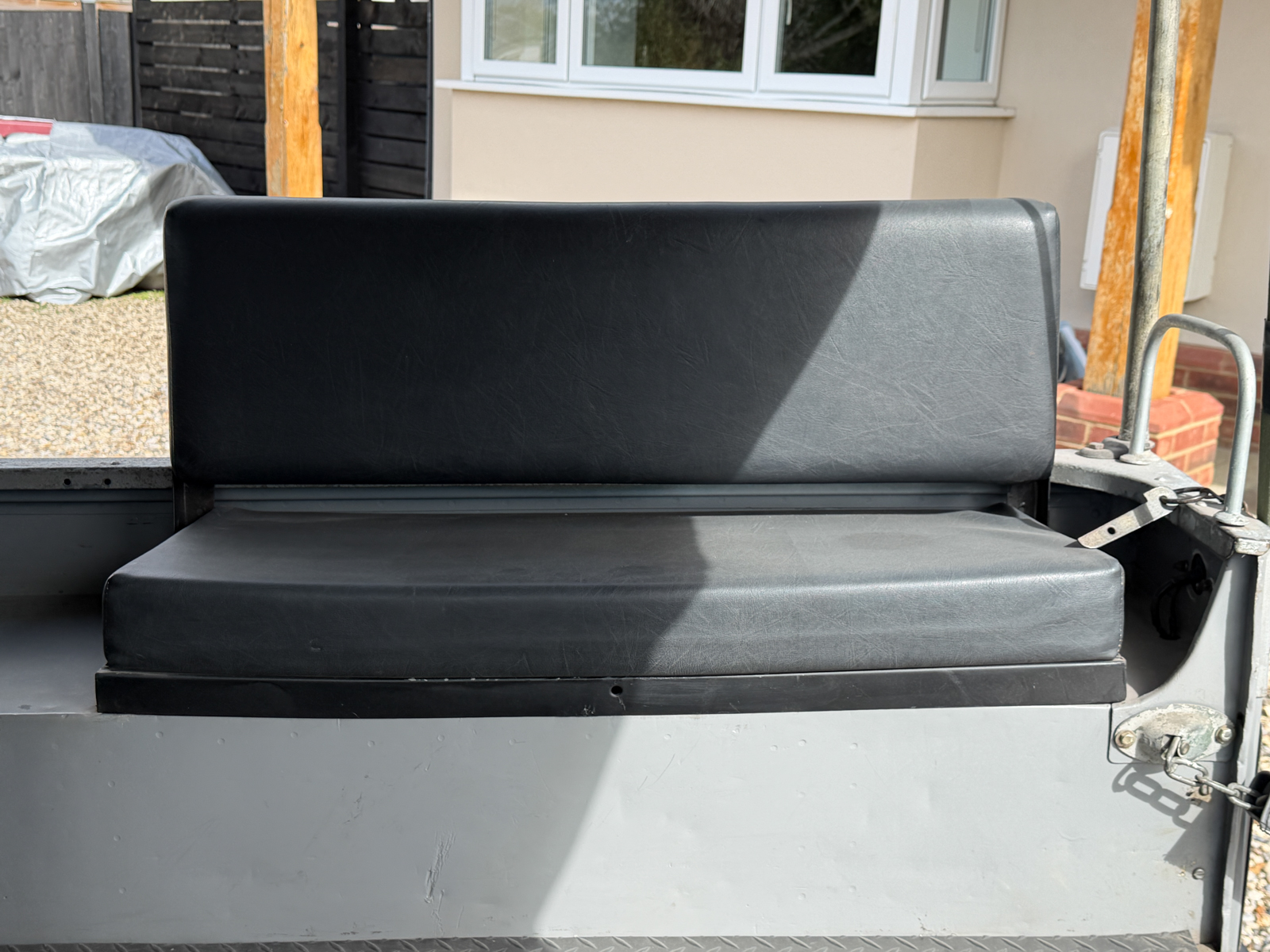
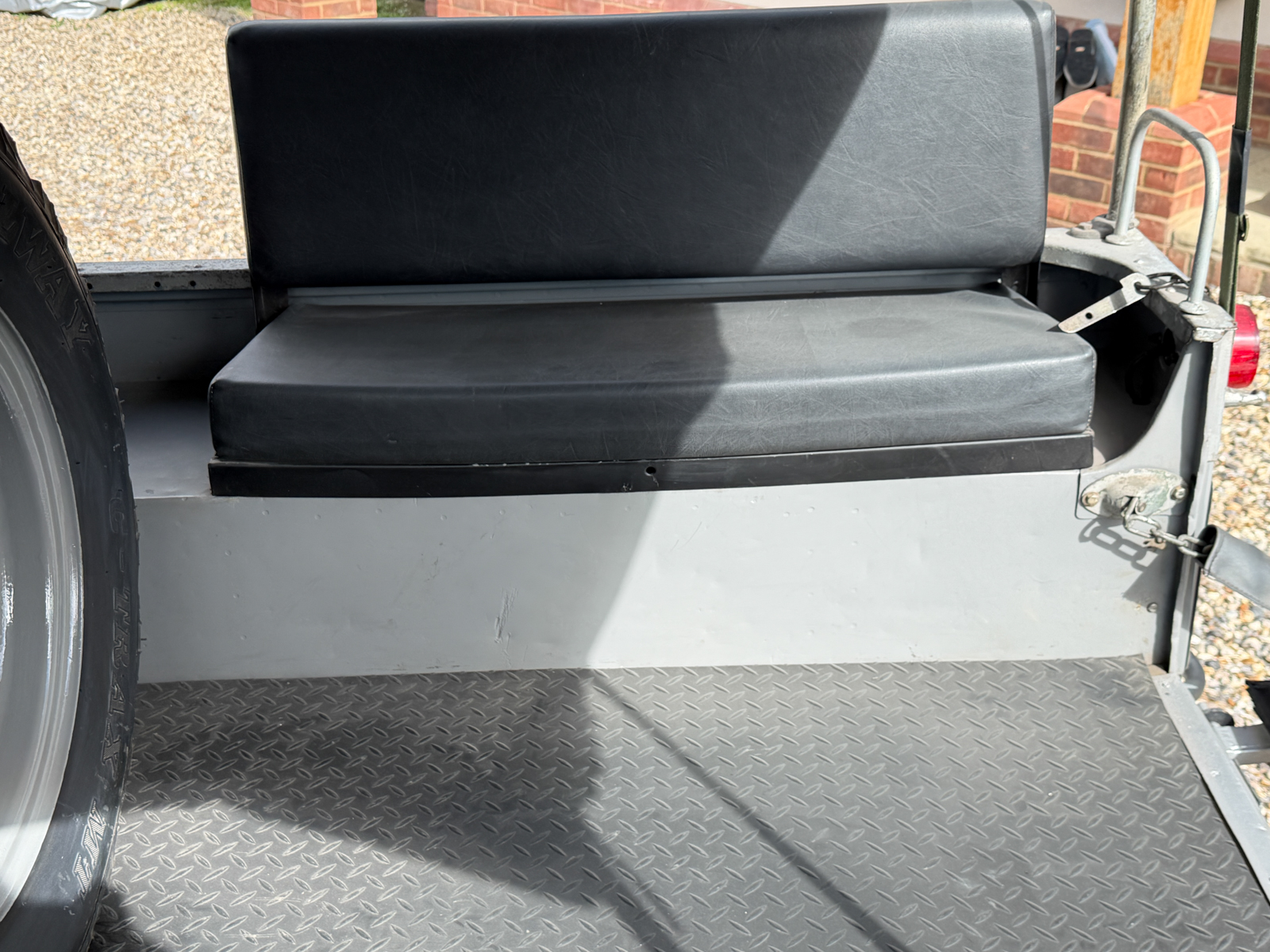
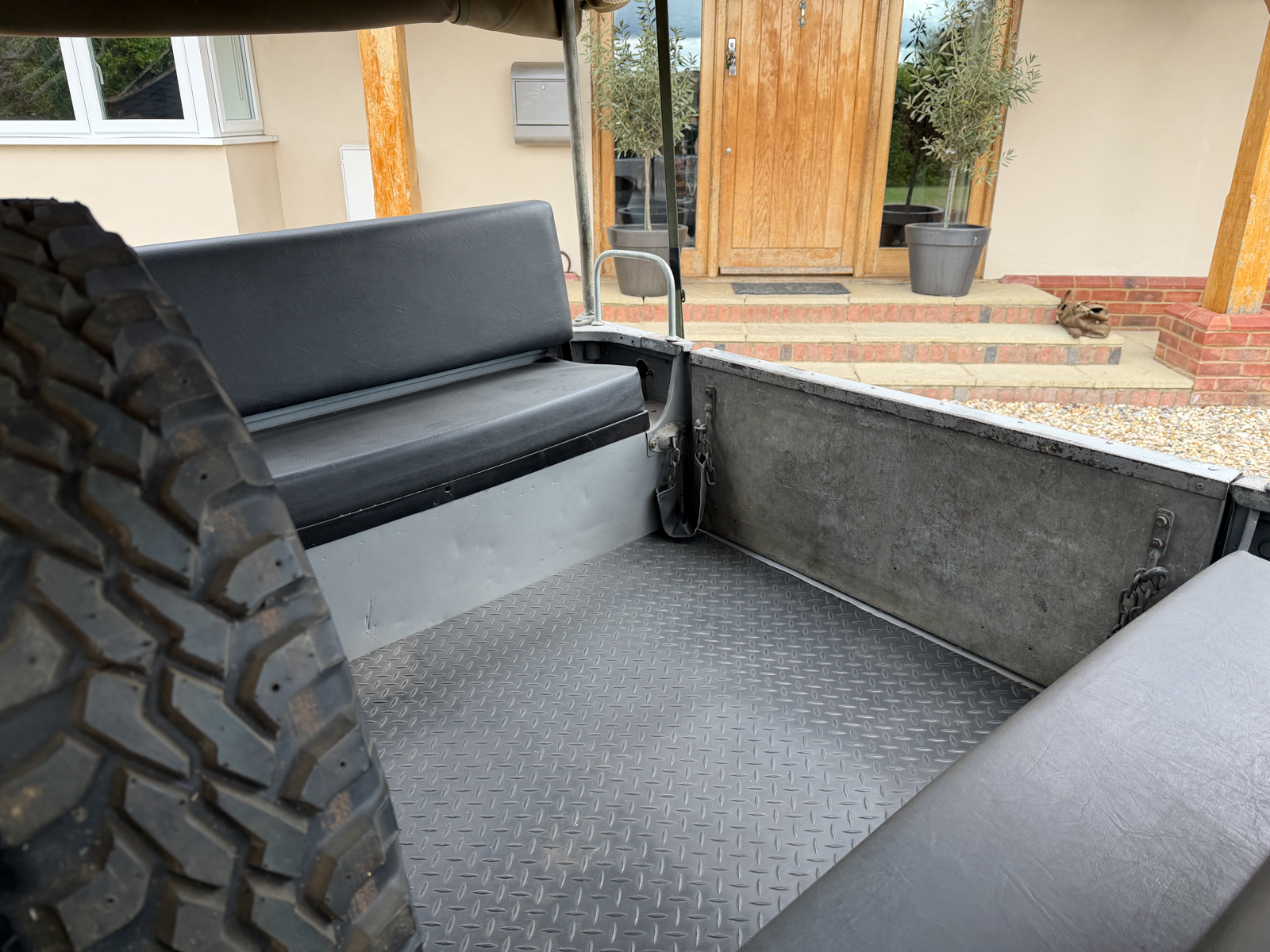
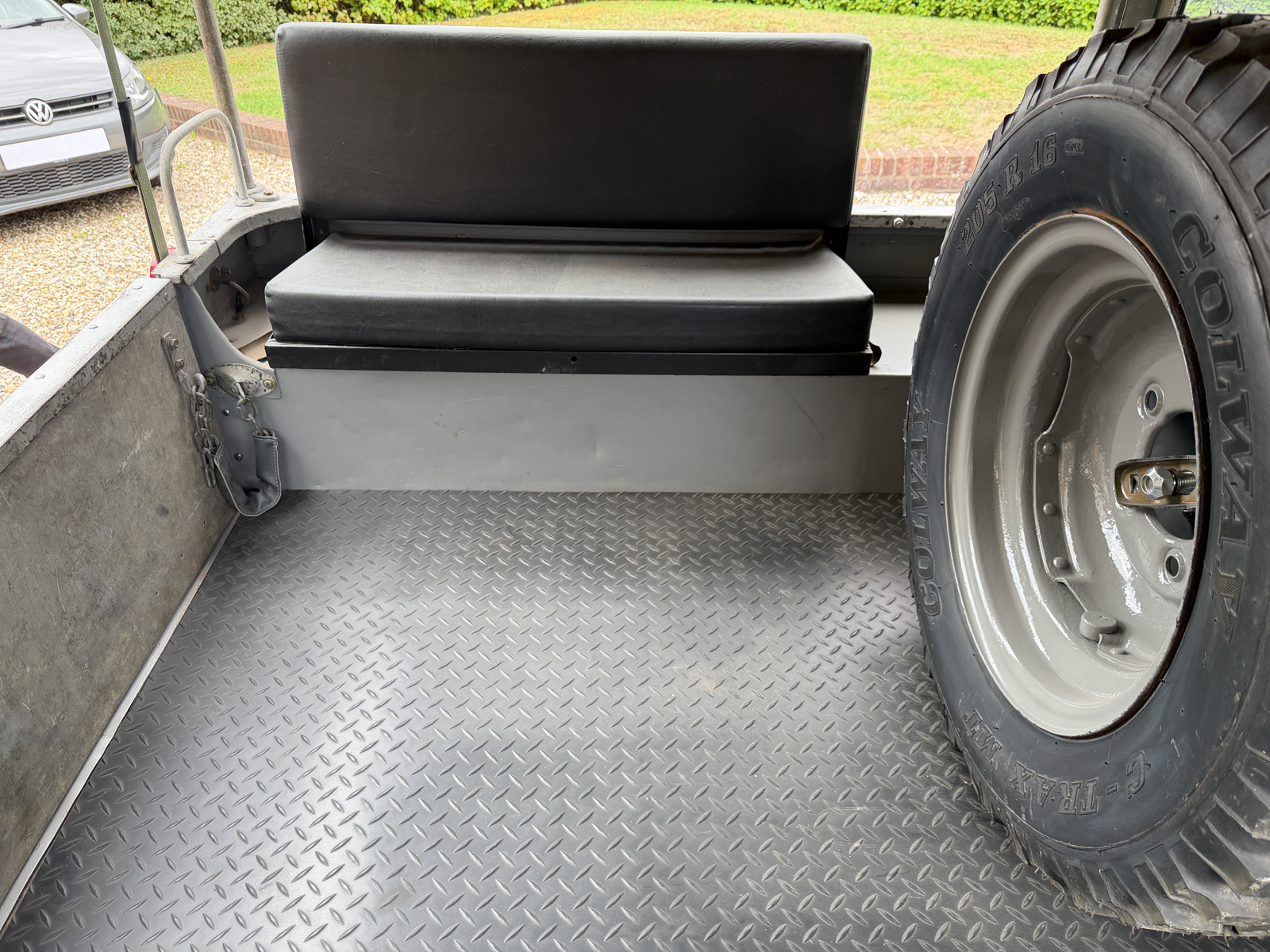
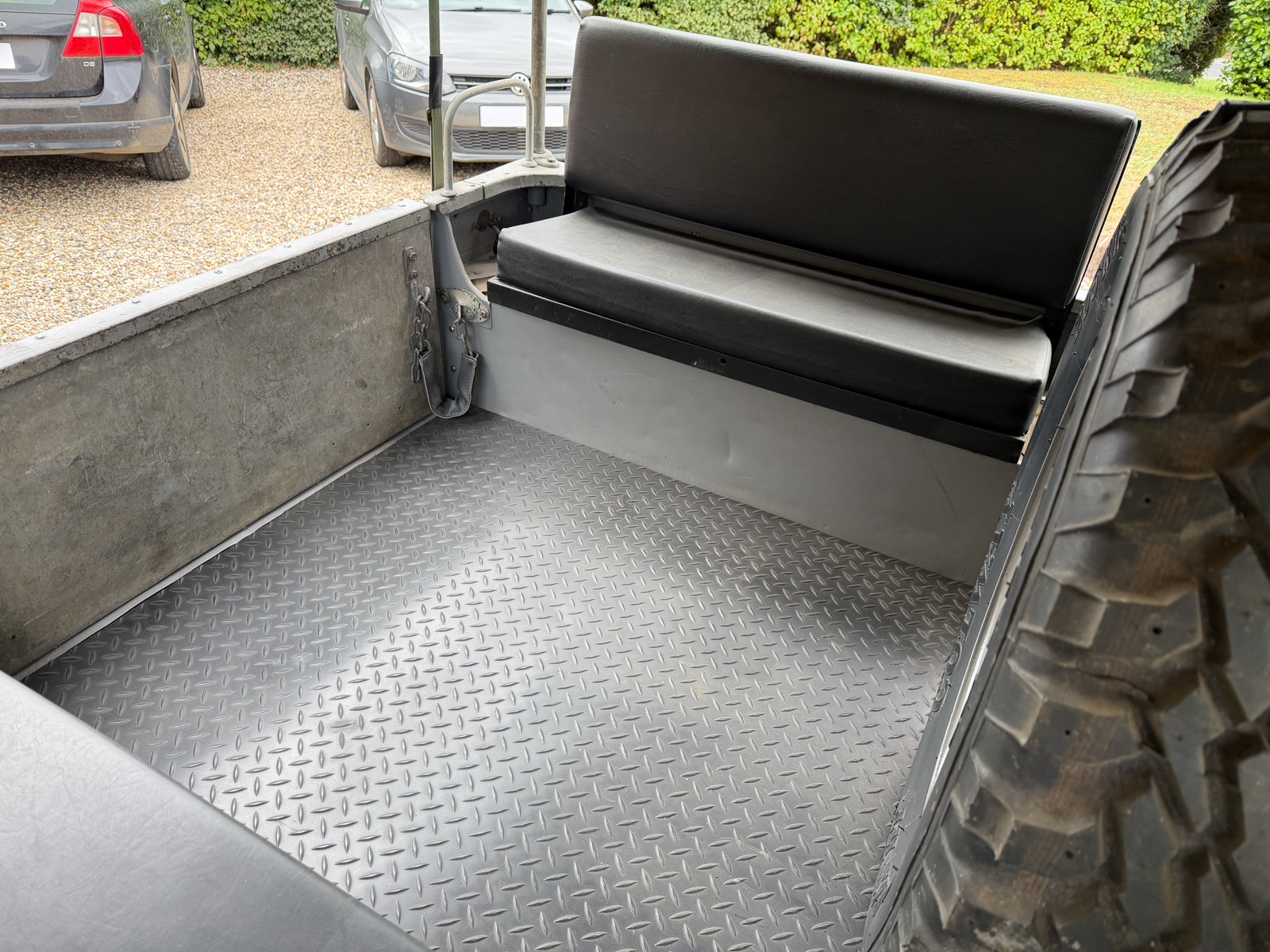
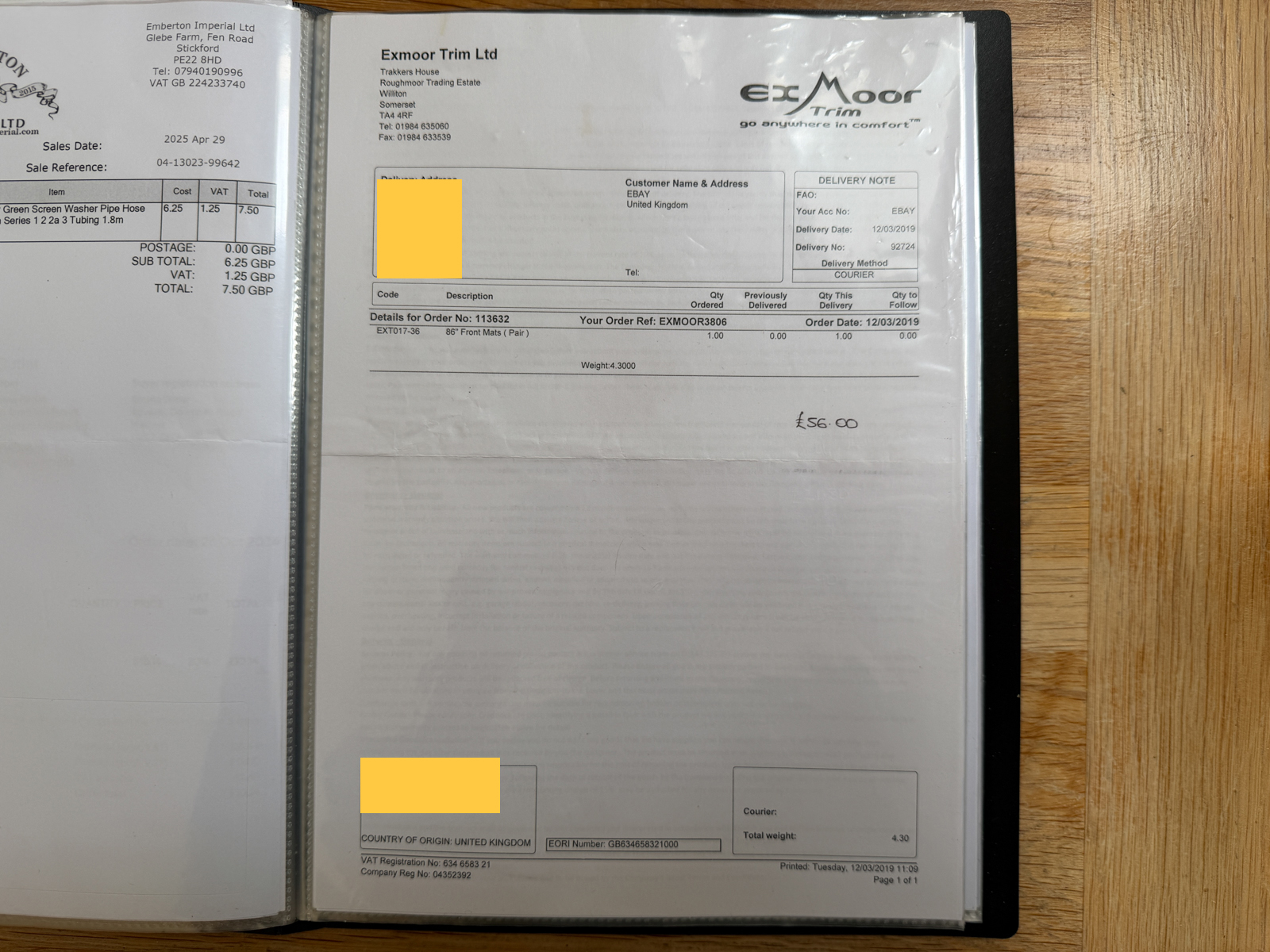
Two inward-facing bench seats are fitted in the rear load compartment, providing additional occasional seating while preserving much of the Land Rover’s carrying capacity. These are trimmed in black and also present well.

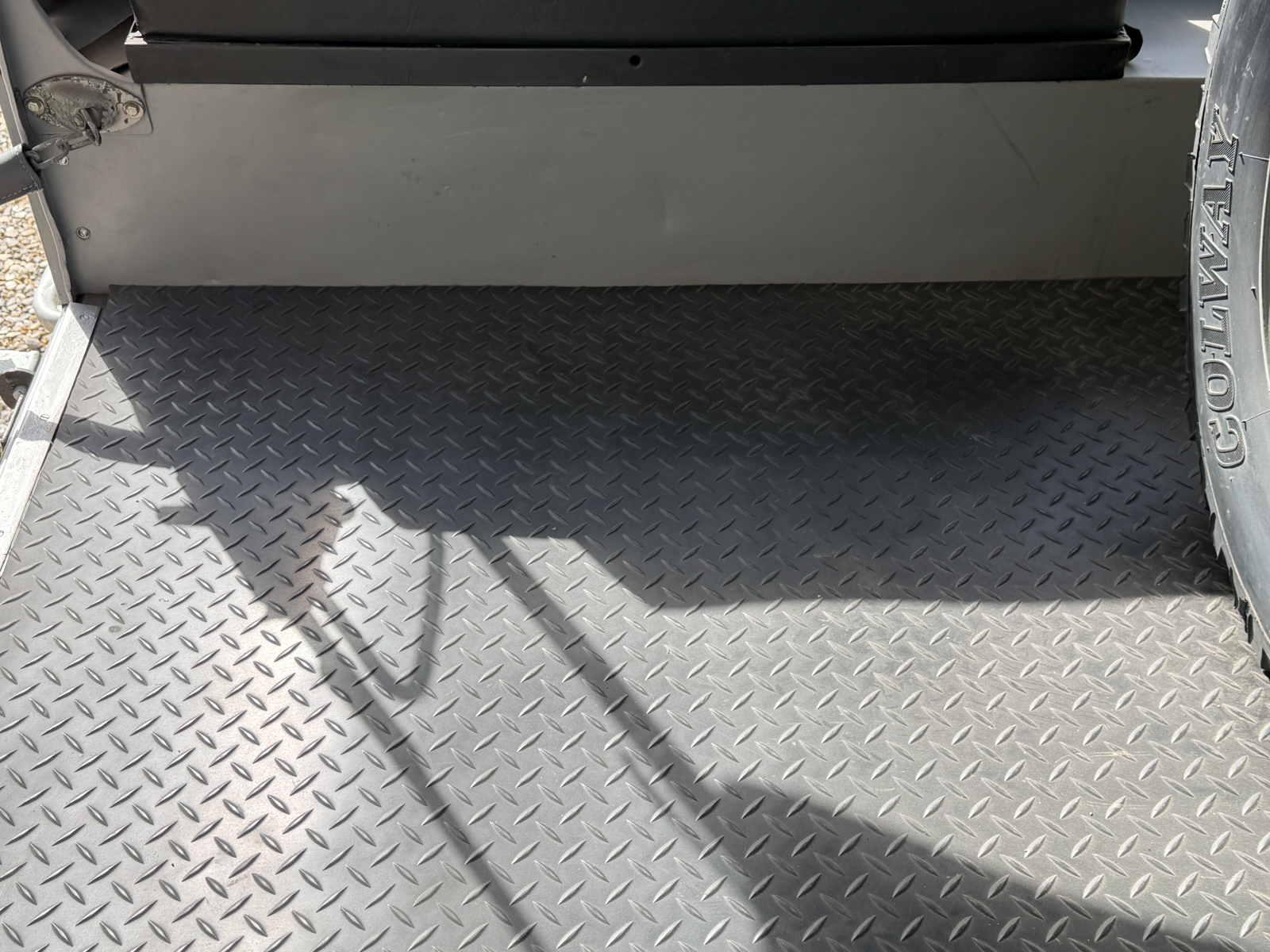
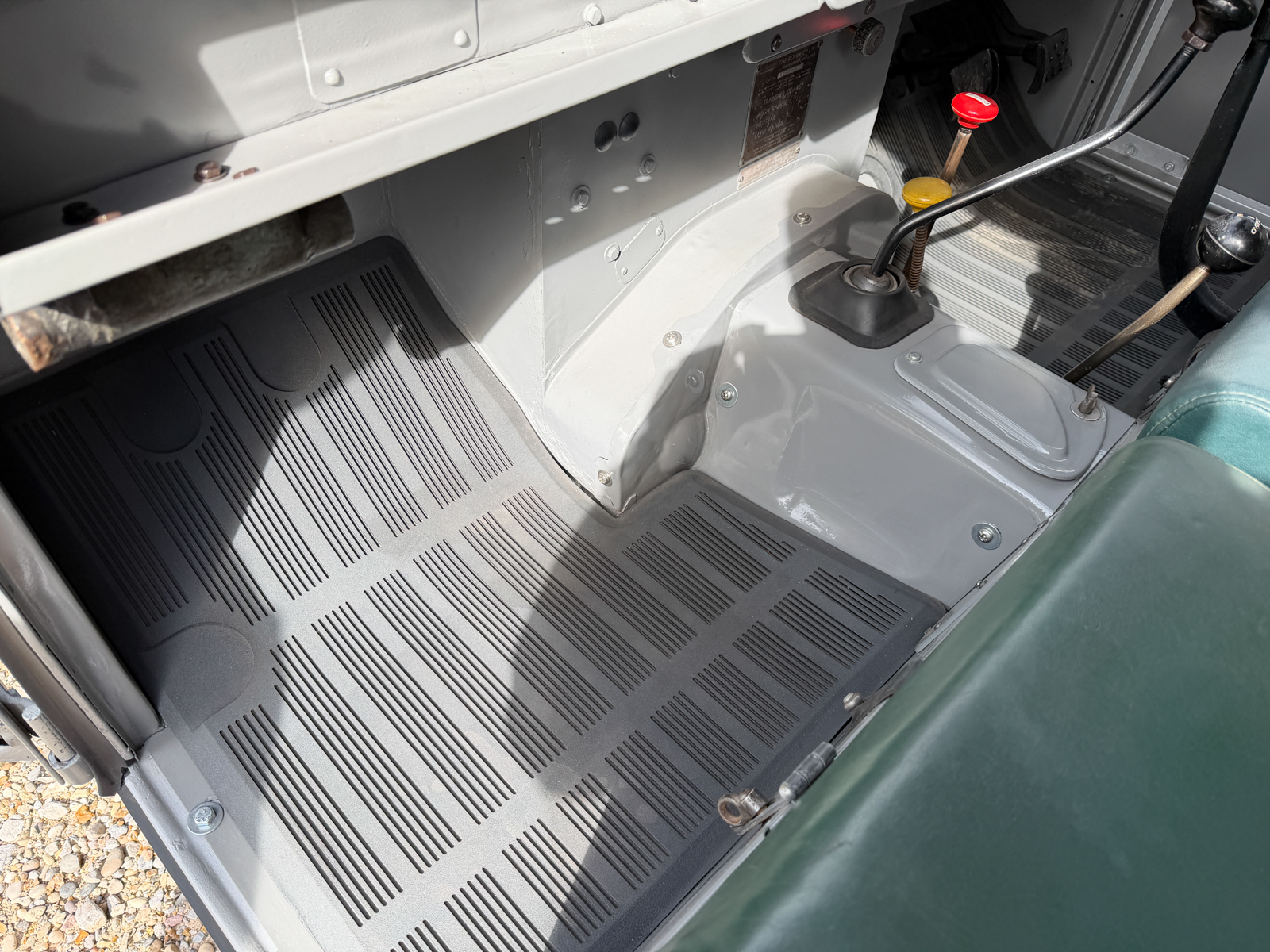
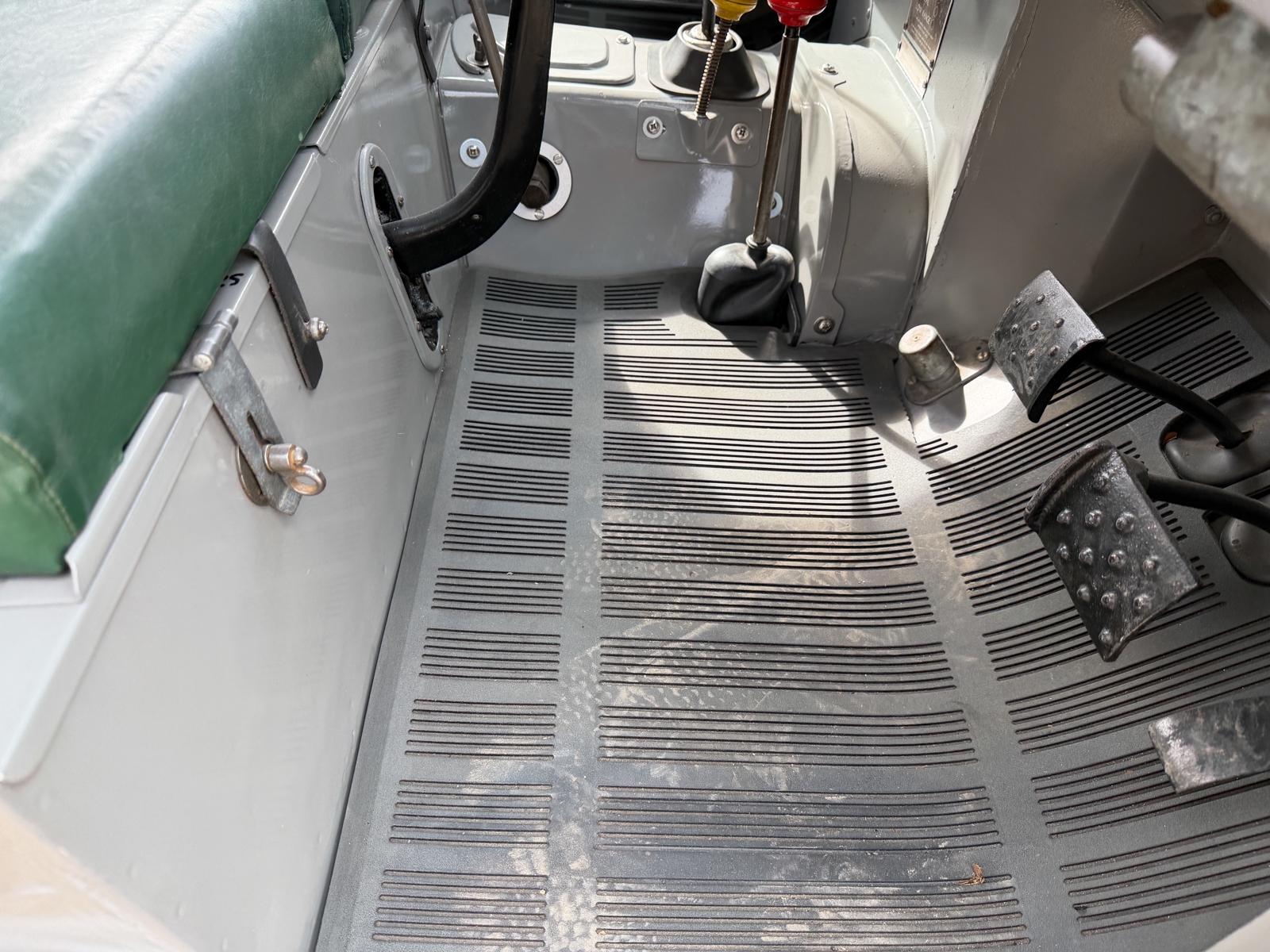
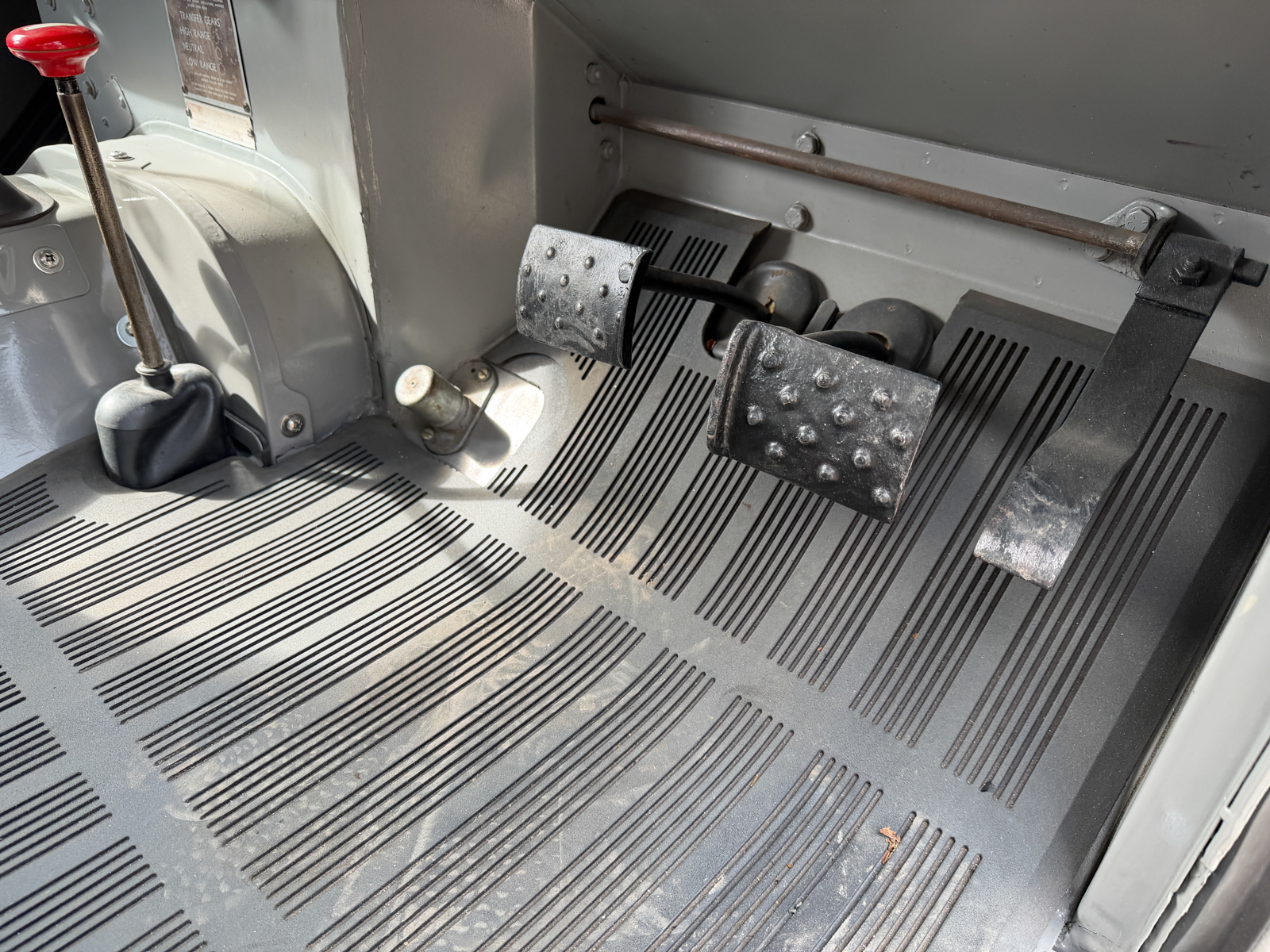
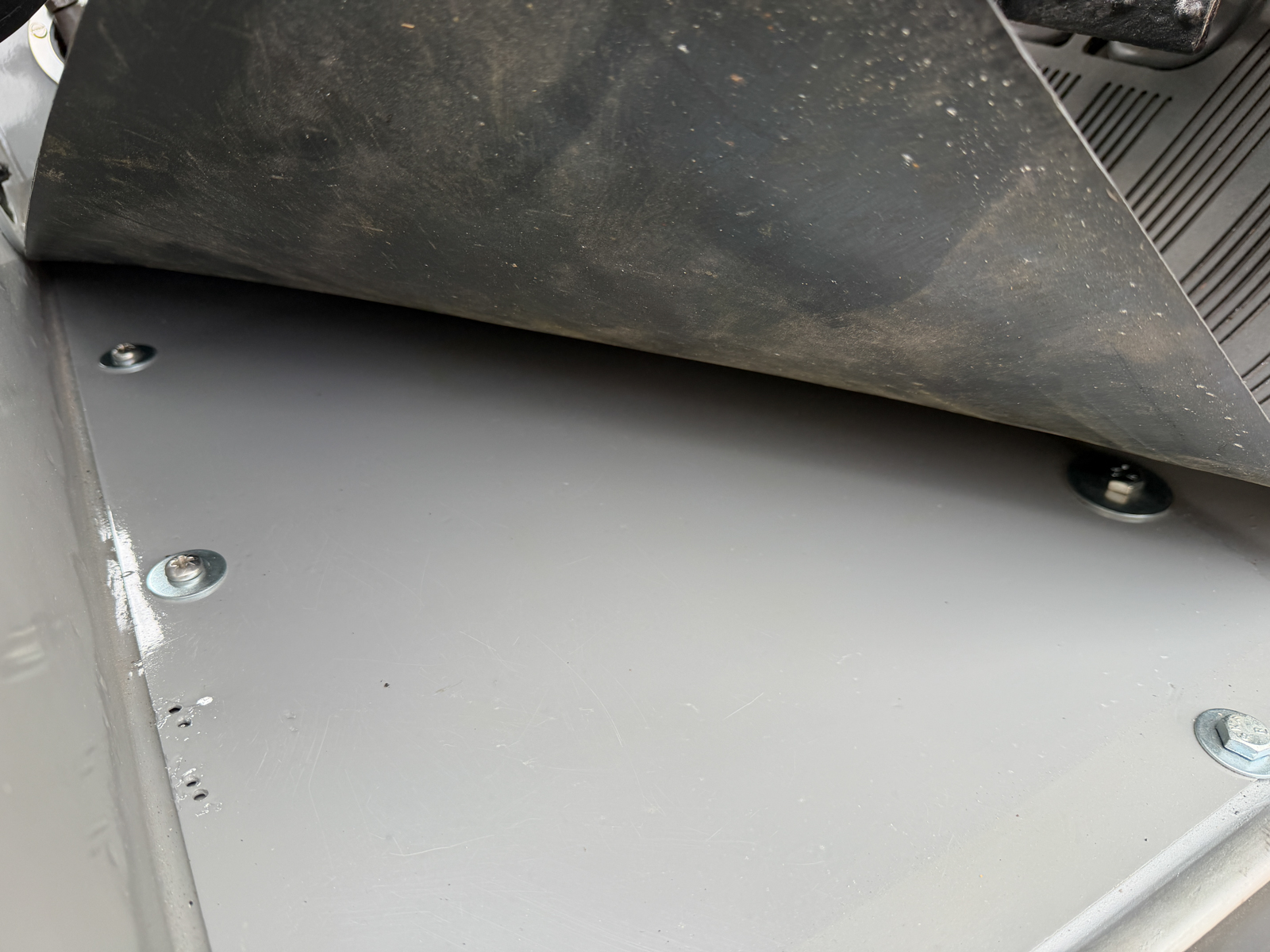
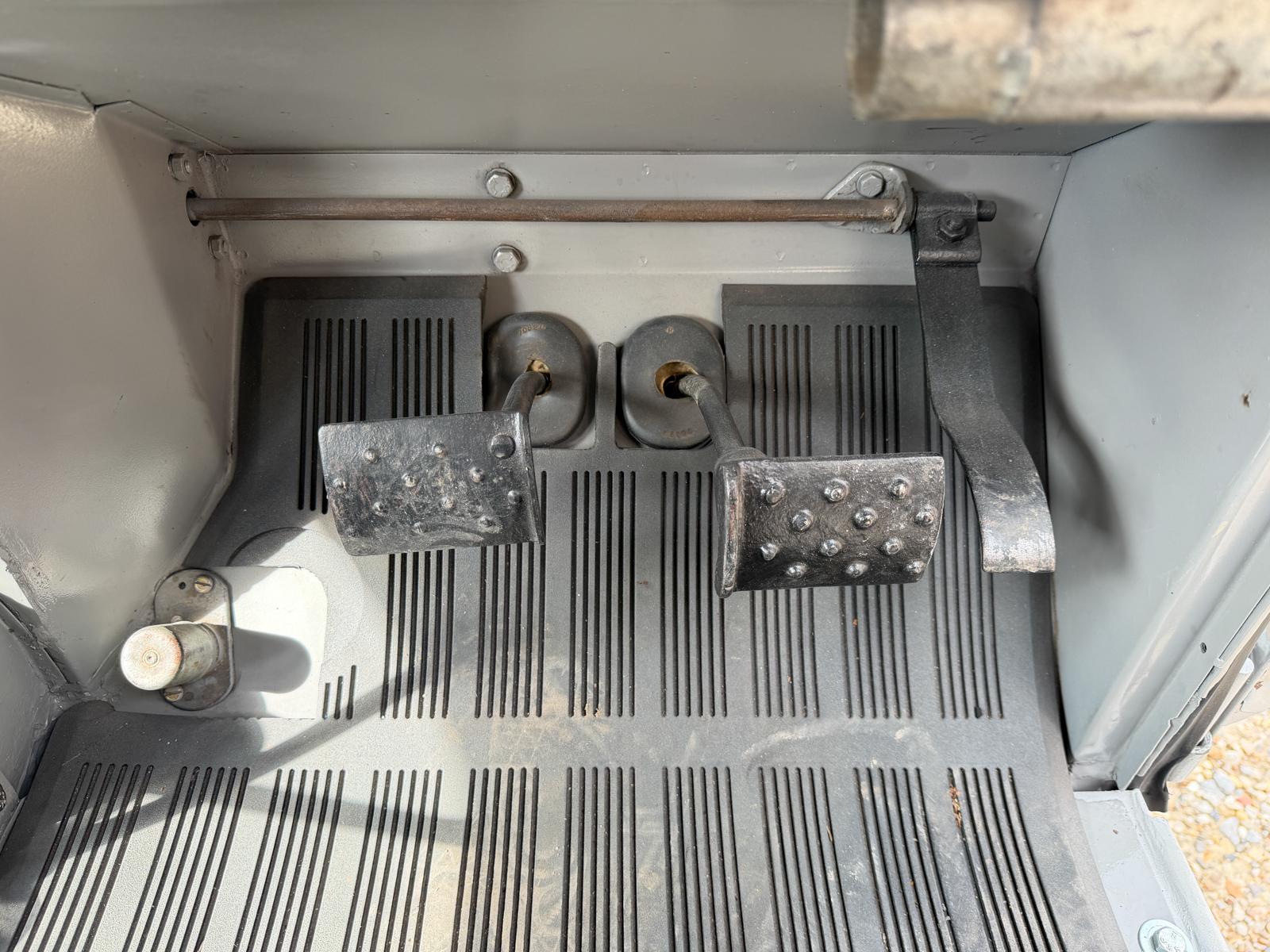
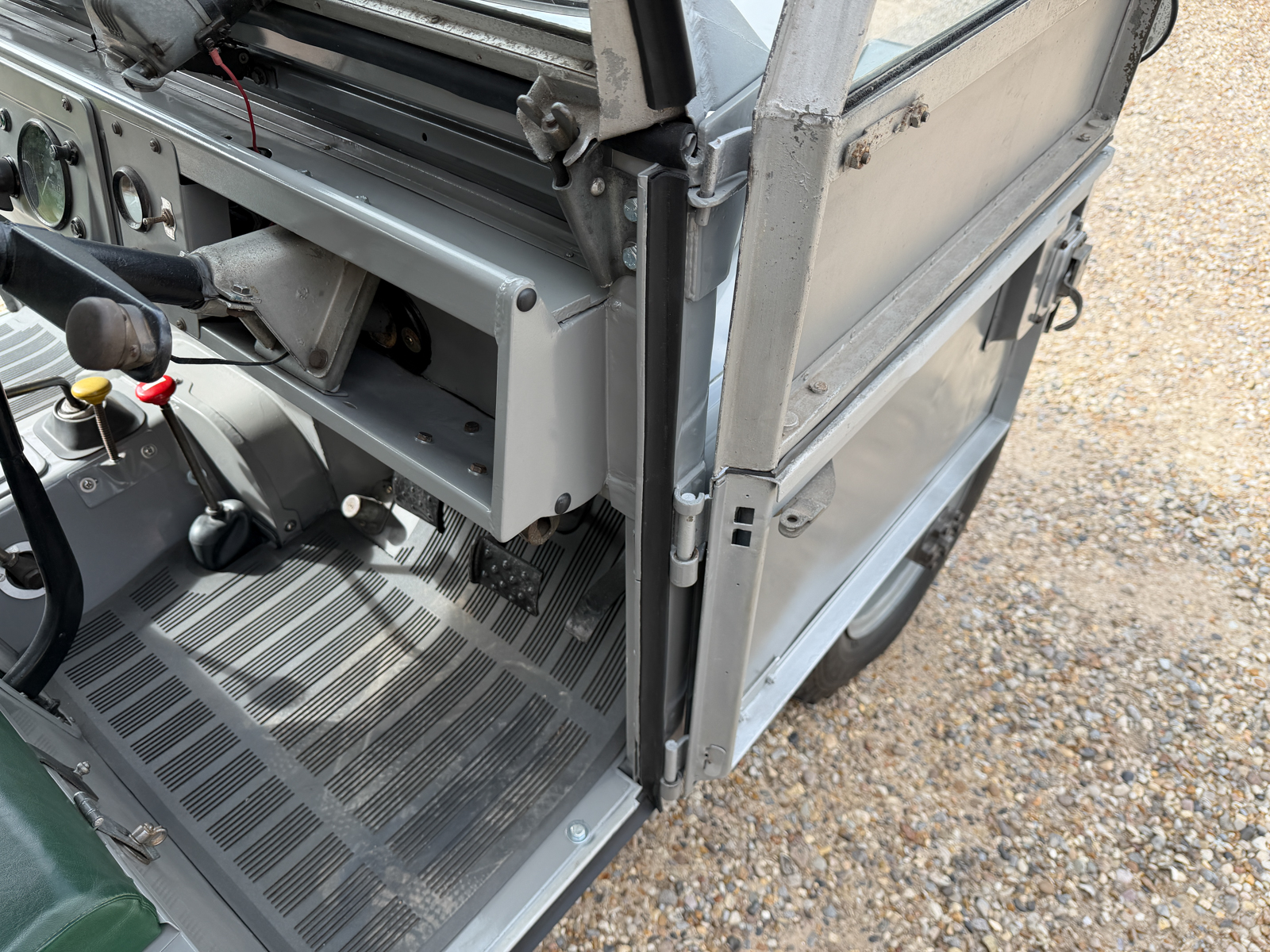
Rubber matting protects the front footwells, while the remaining interior surfaces are finished in painted metal.

Please take a look at the photos and video below to decide on the condition of the seats and carpets for yourself.

image

Dashboard

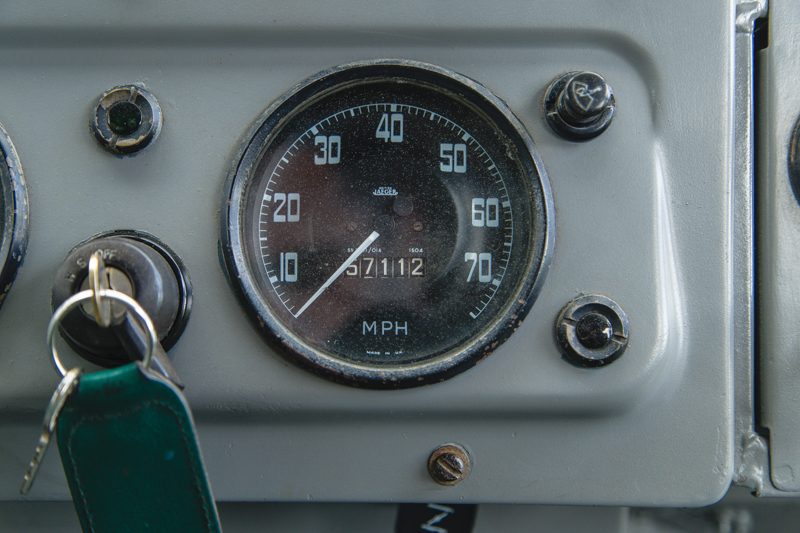
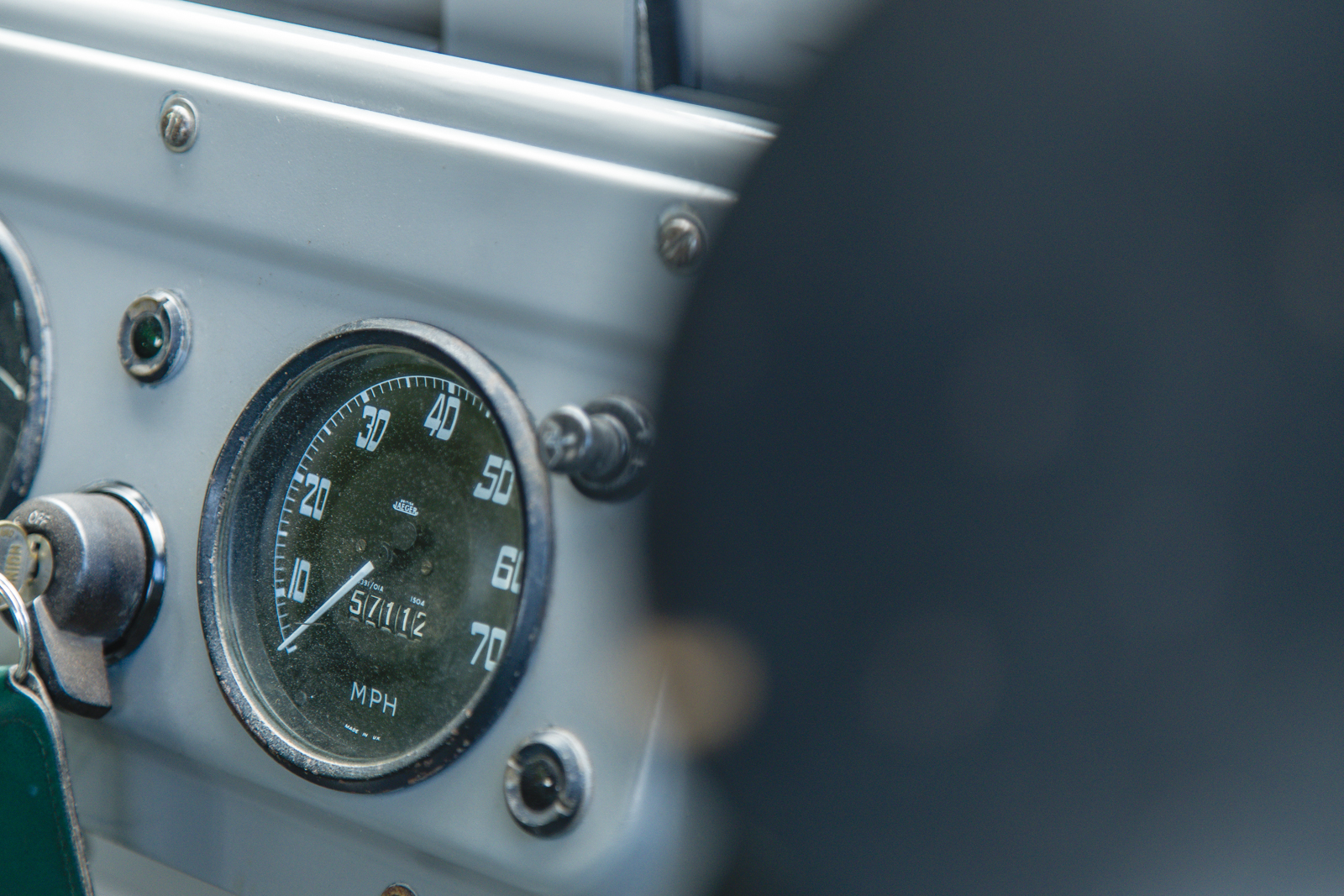
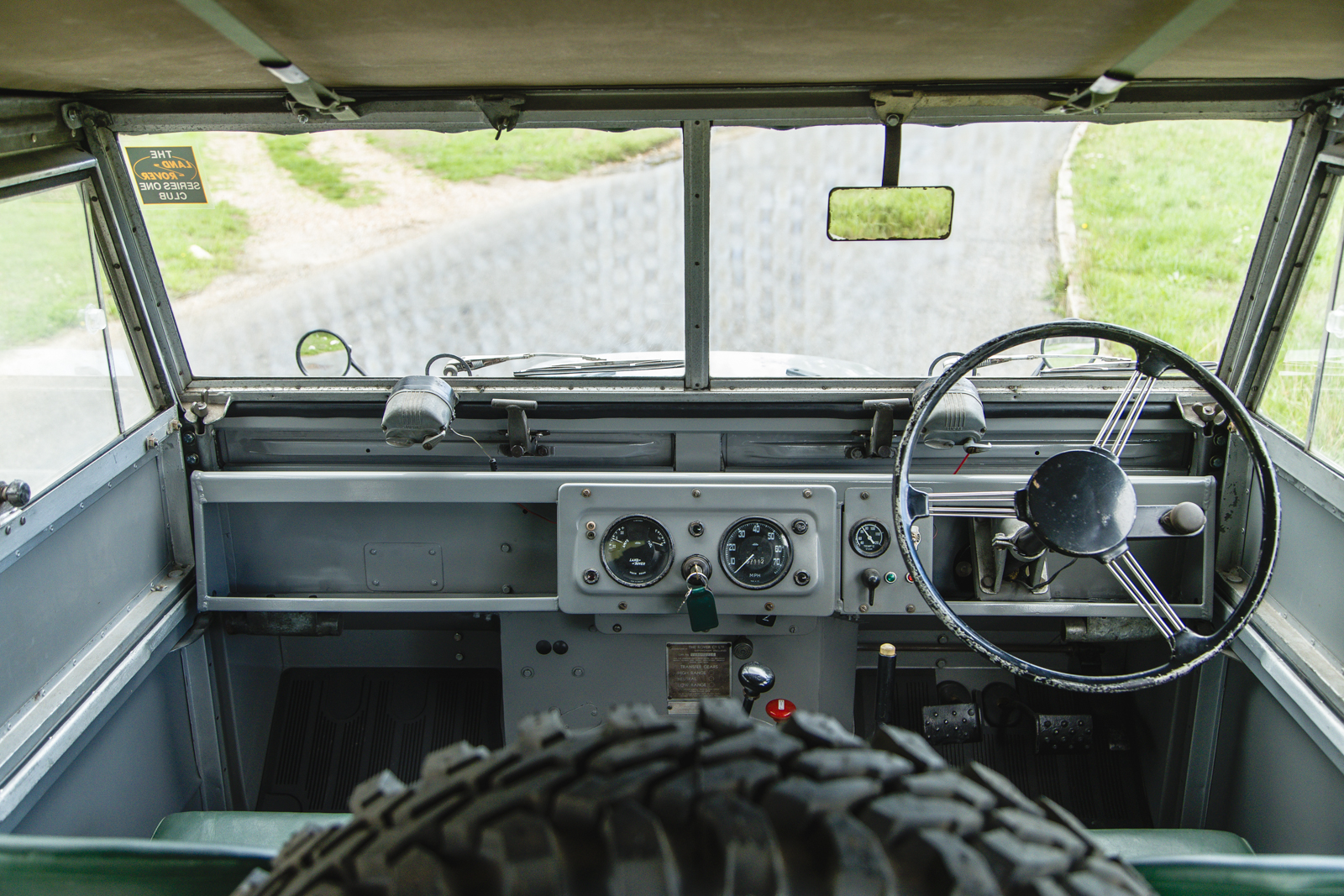
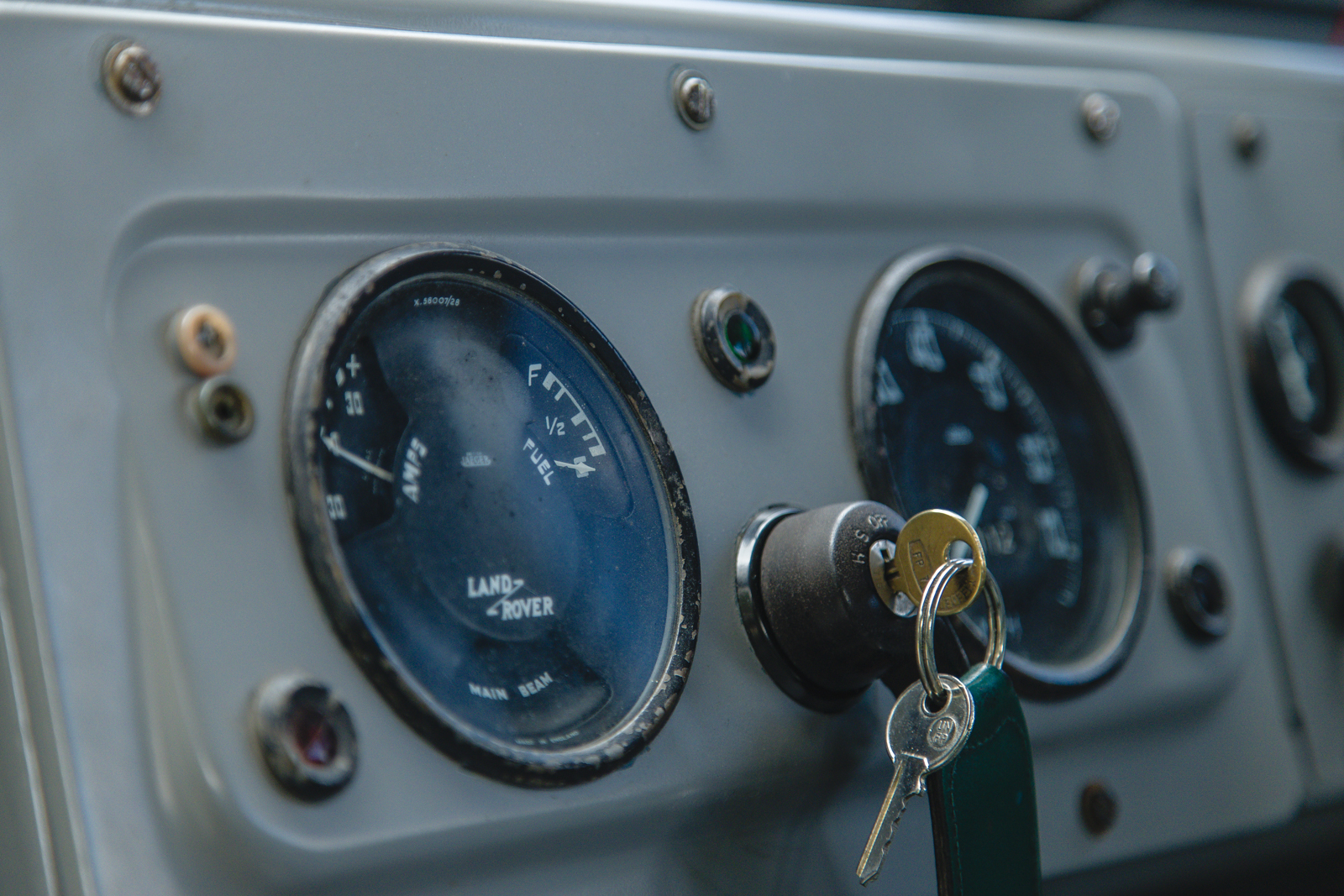
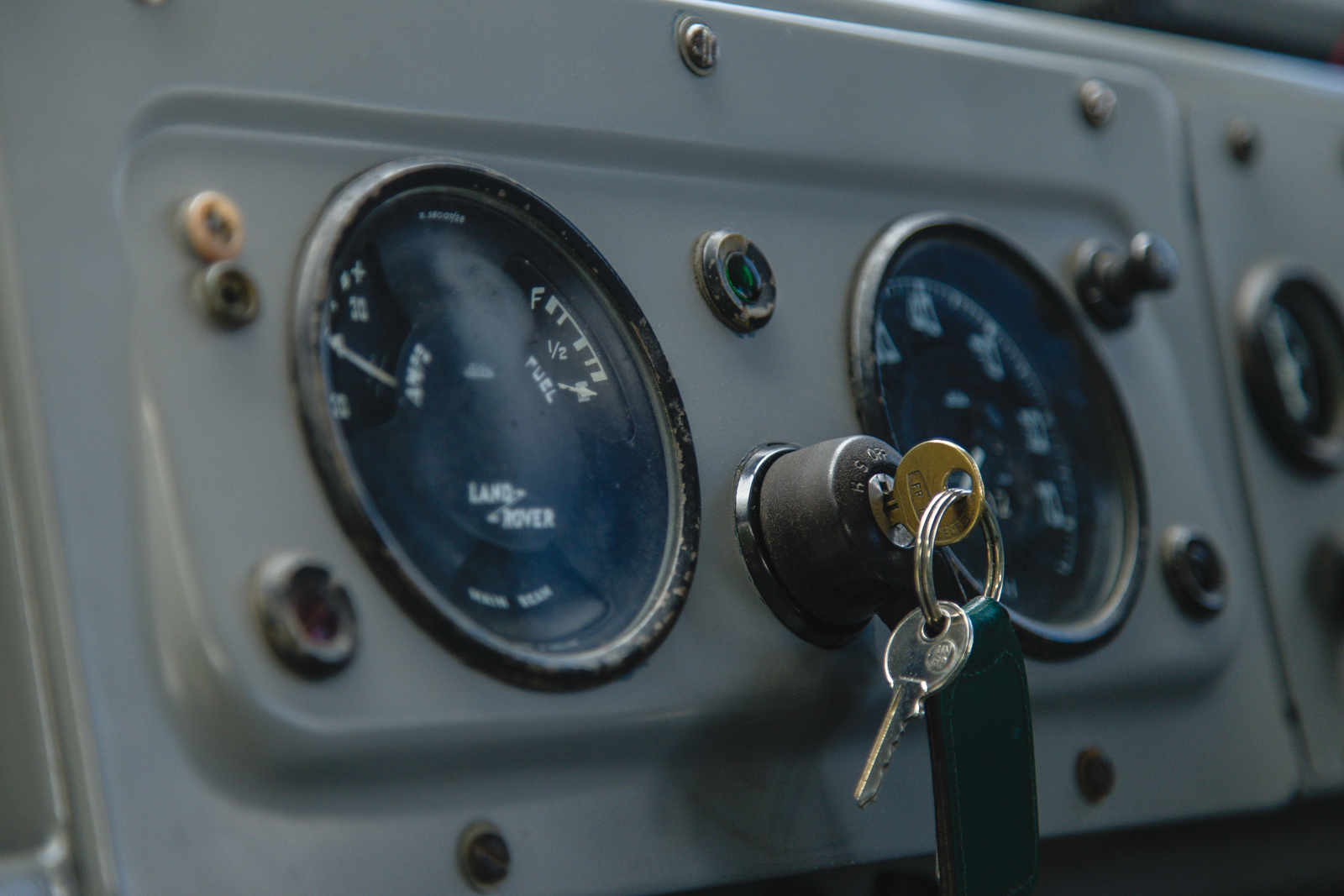
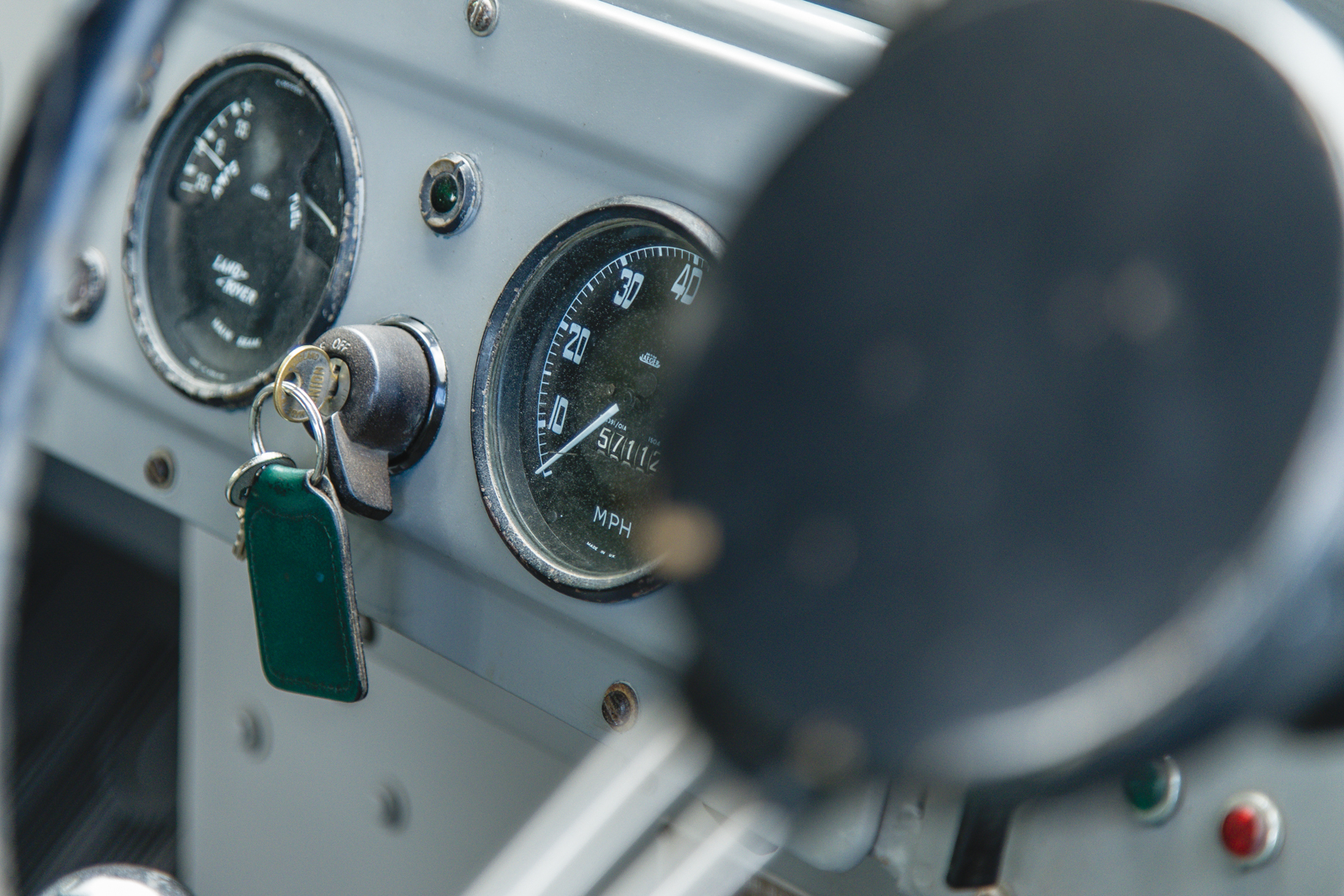
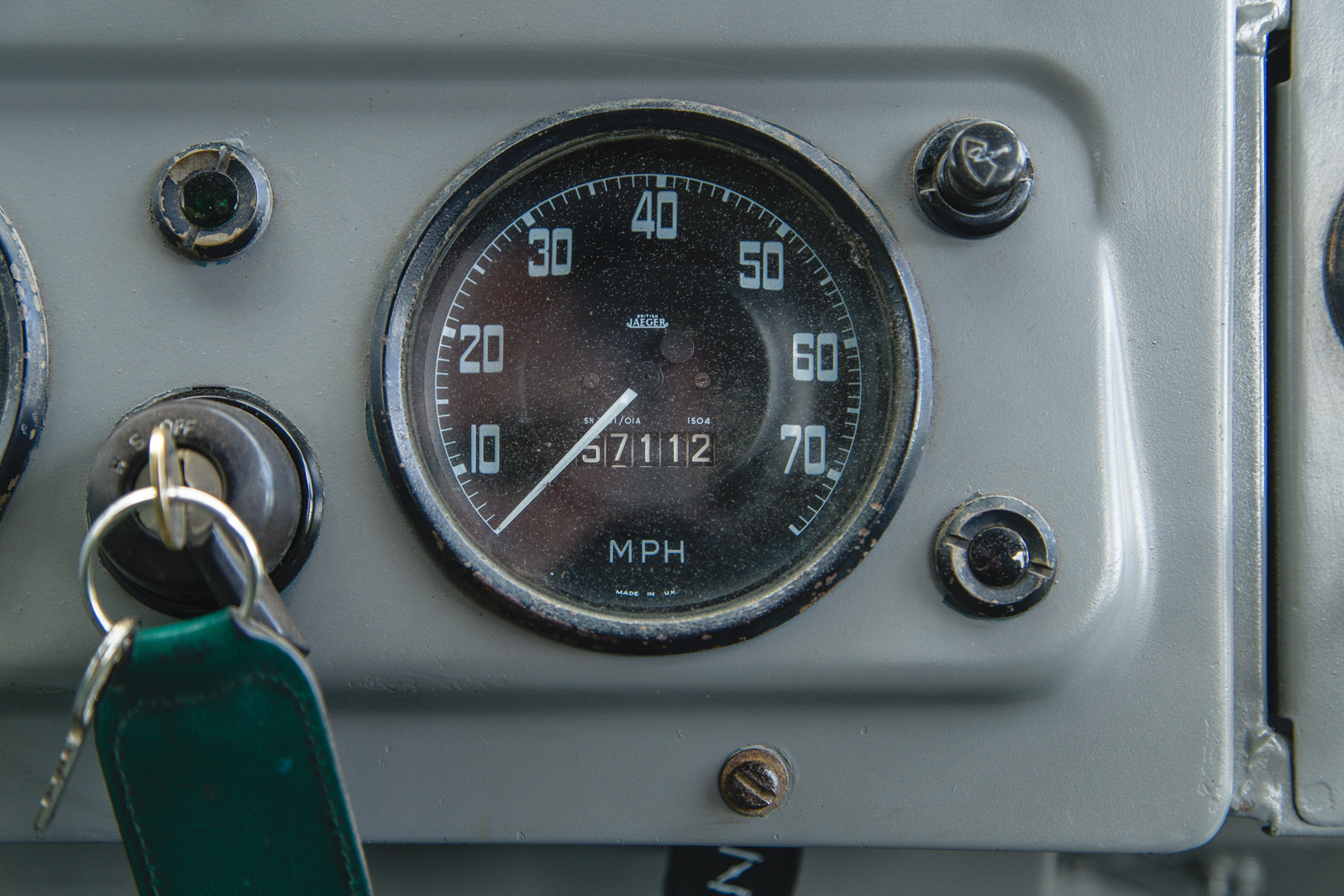
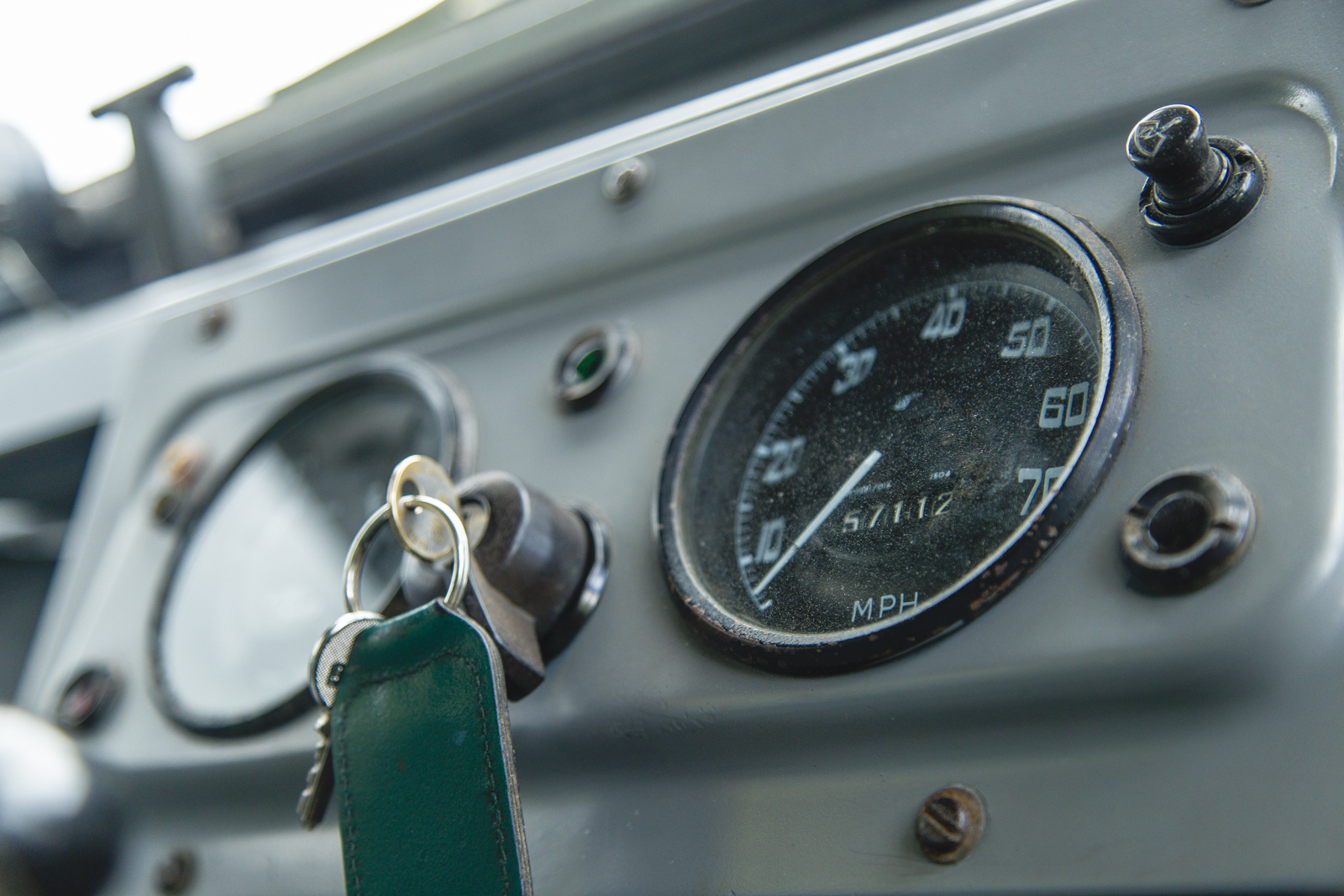
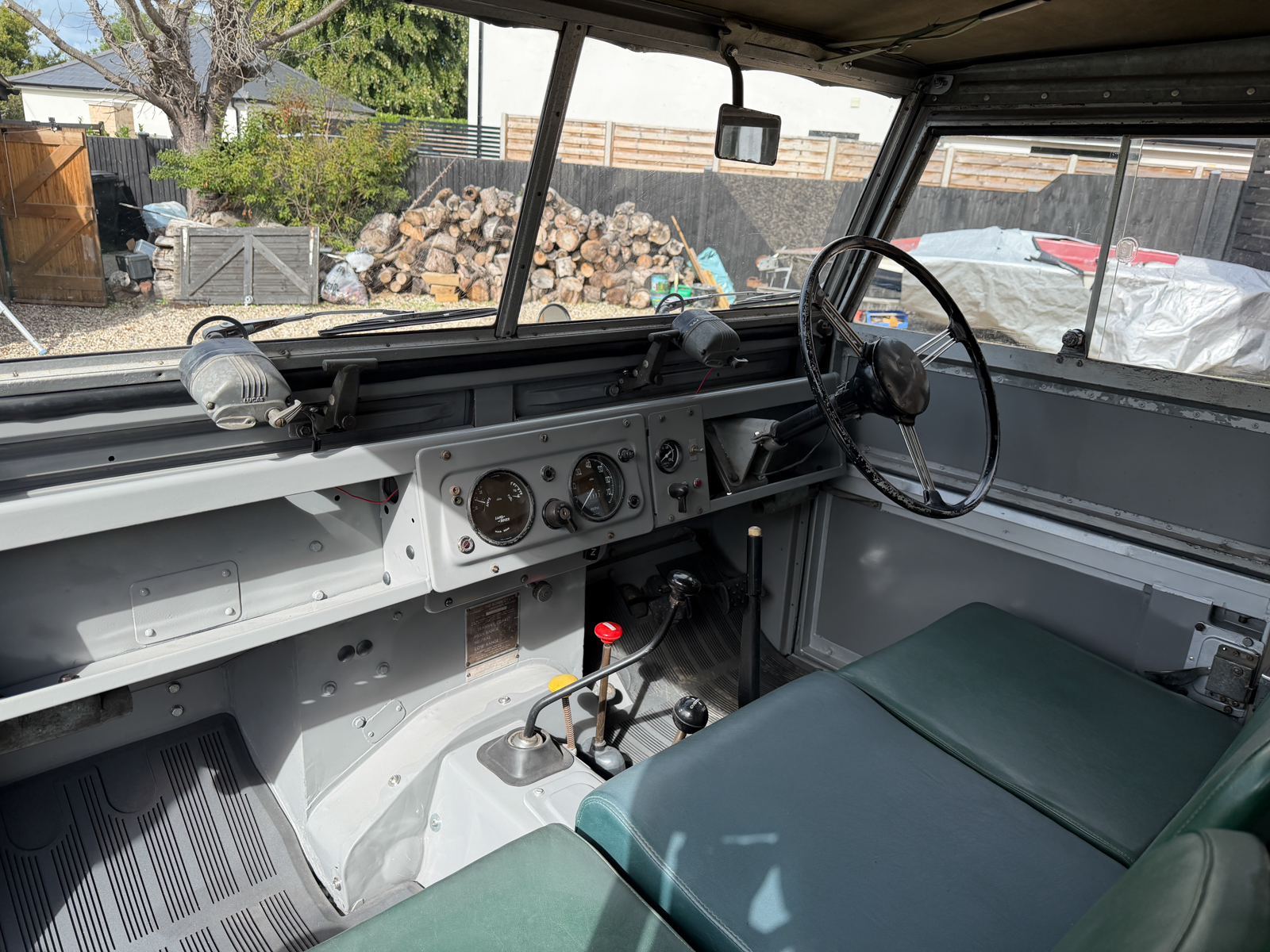
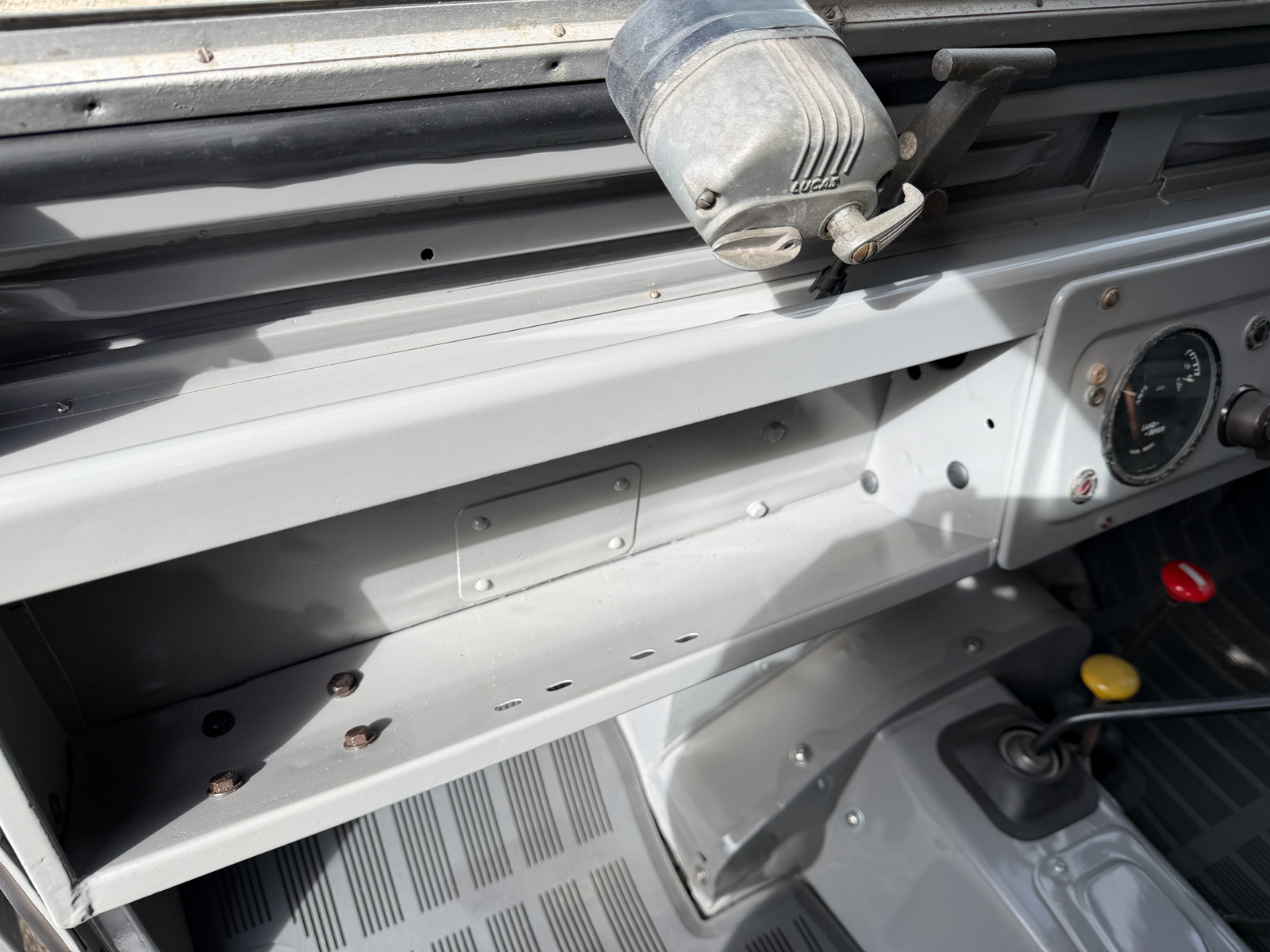
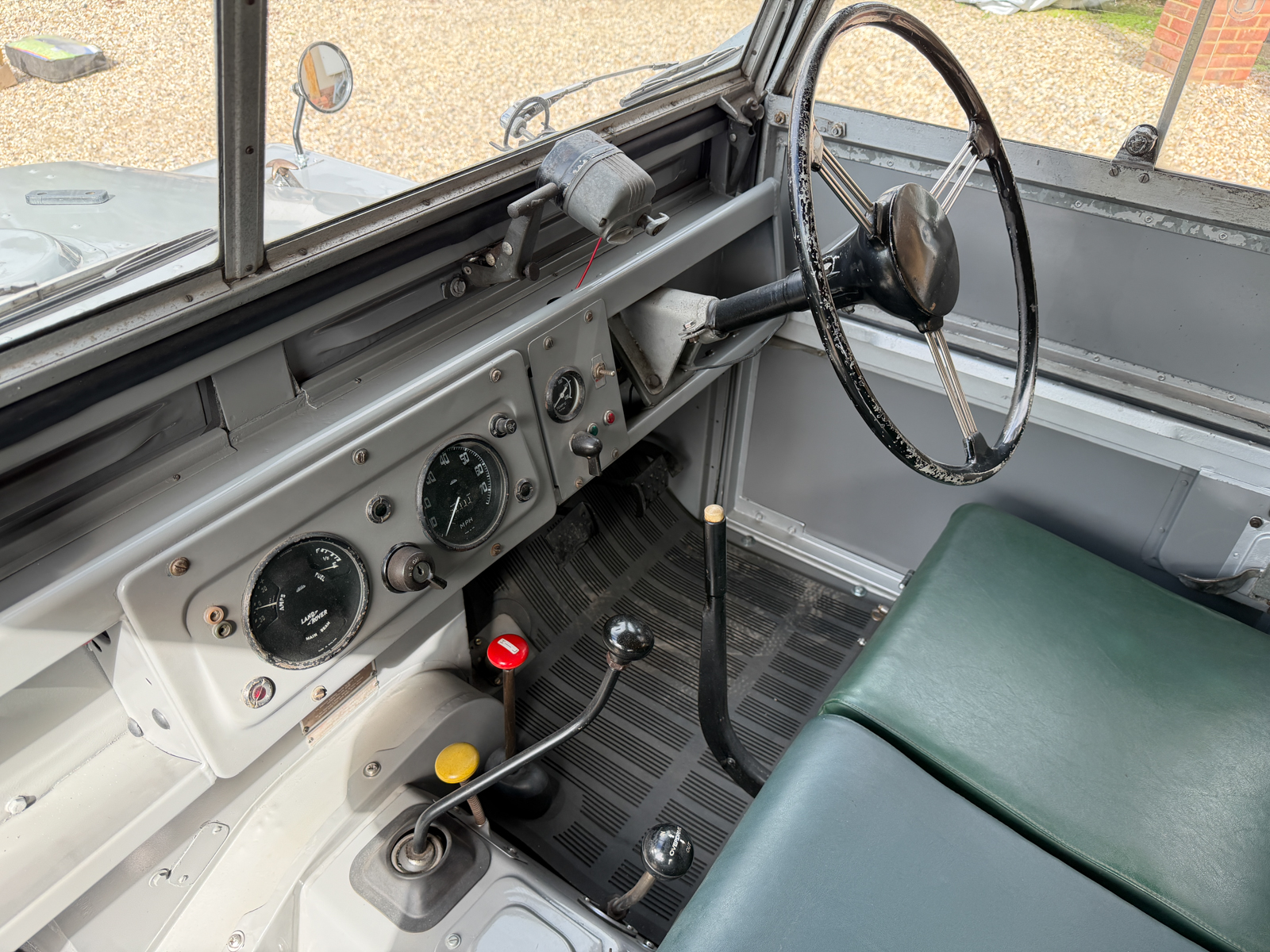
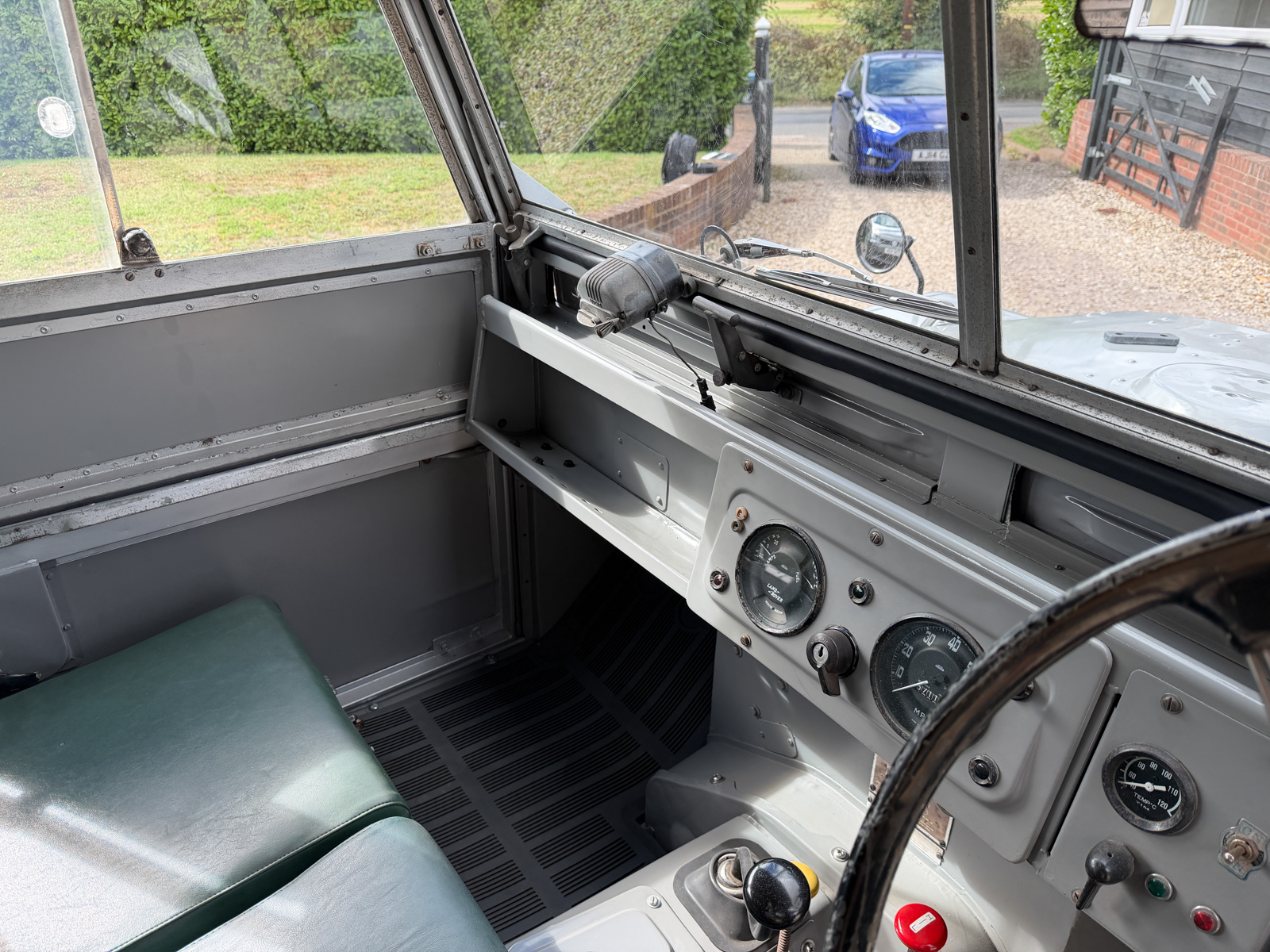
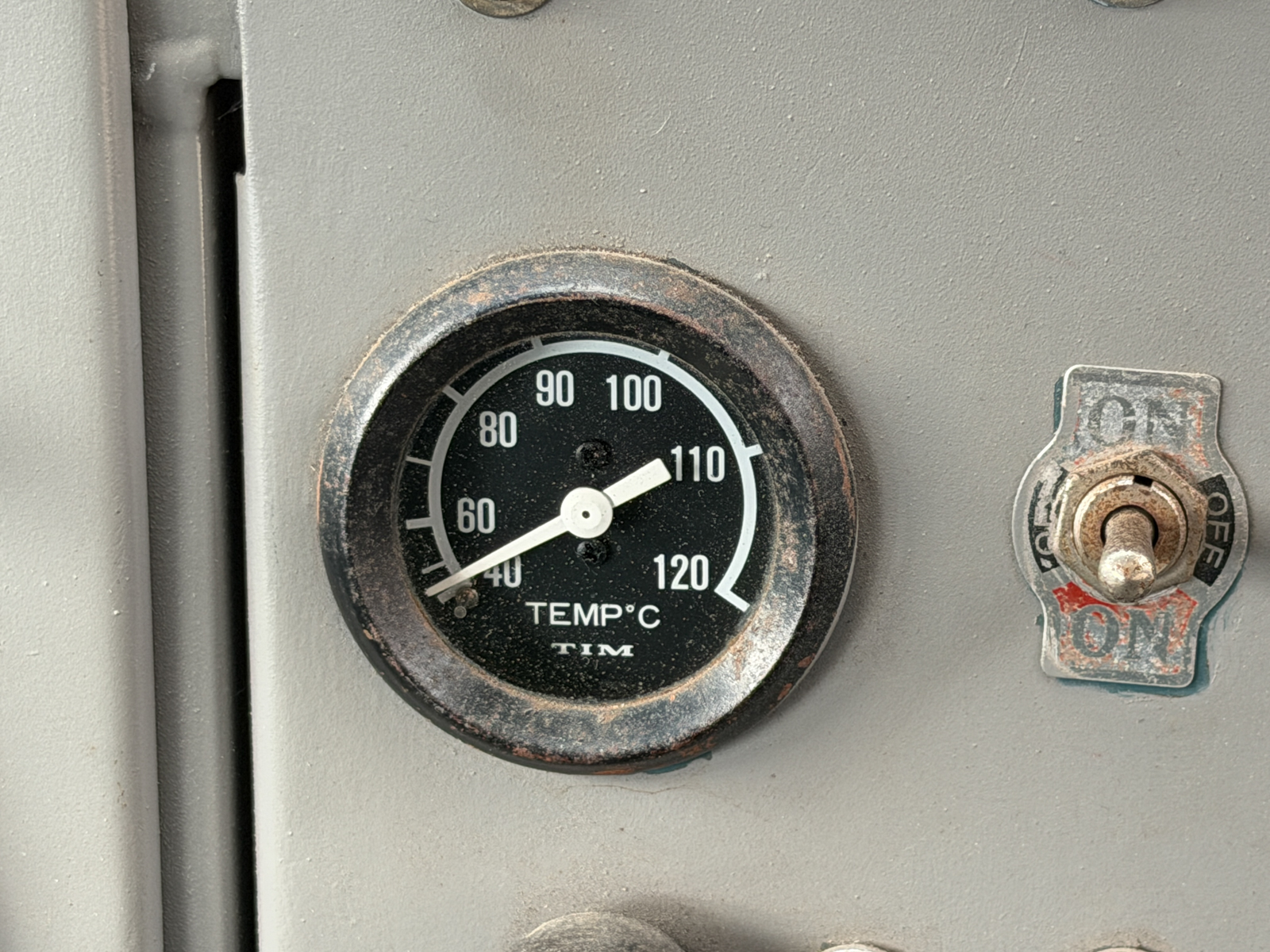
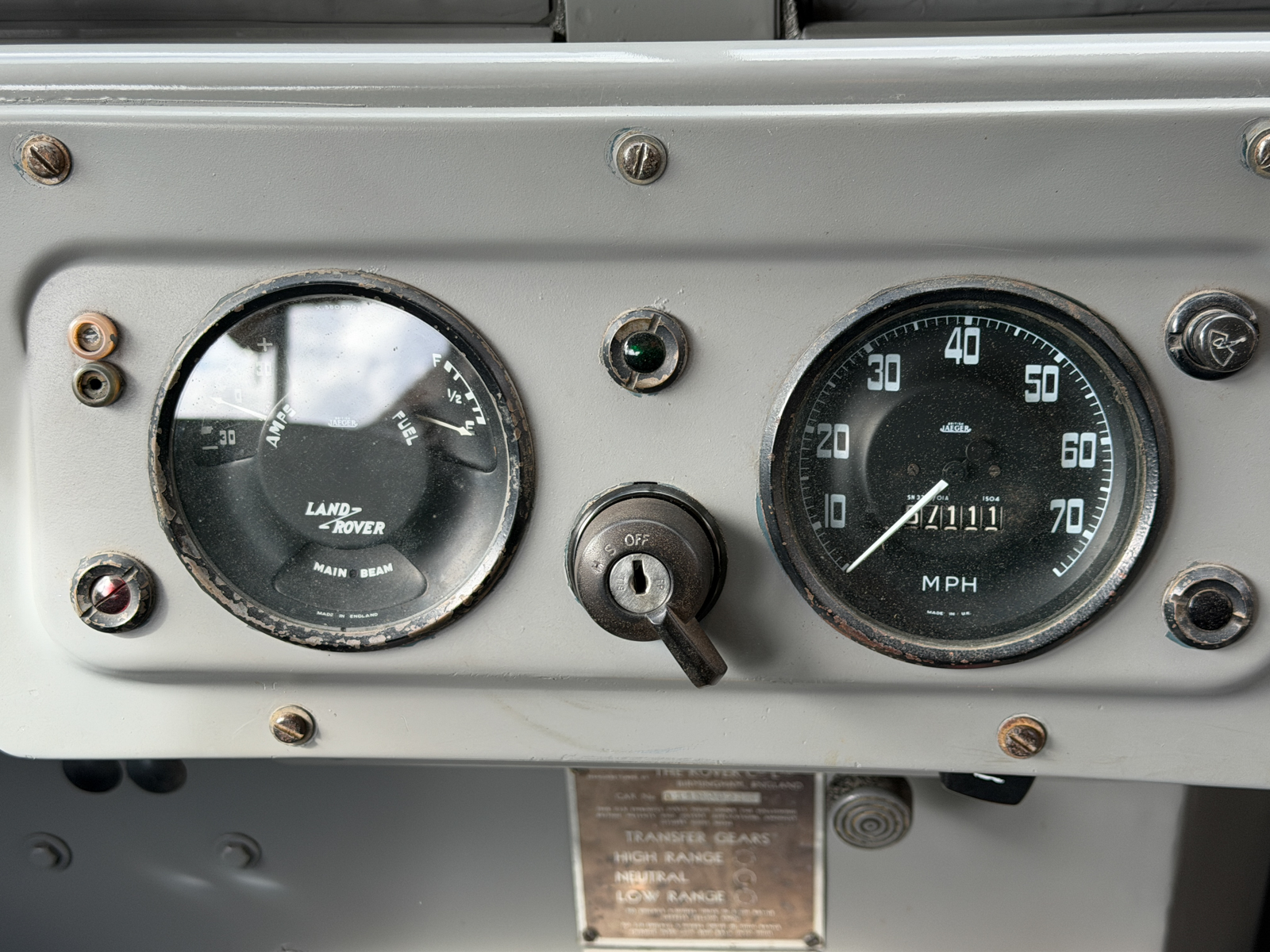
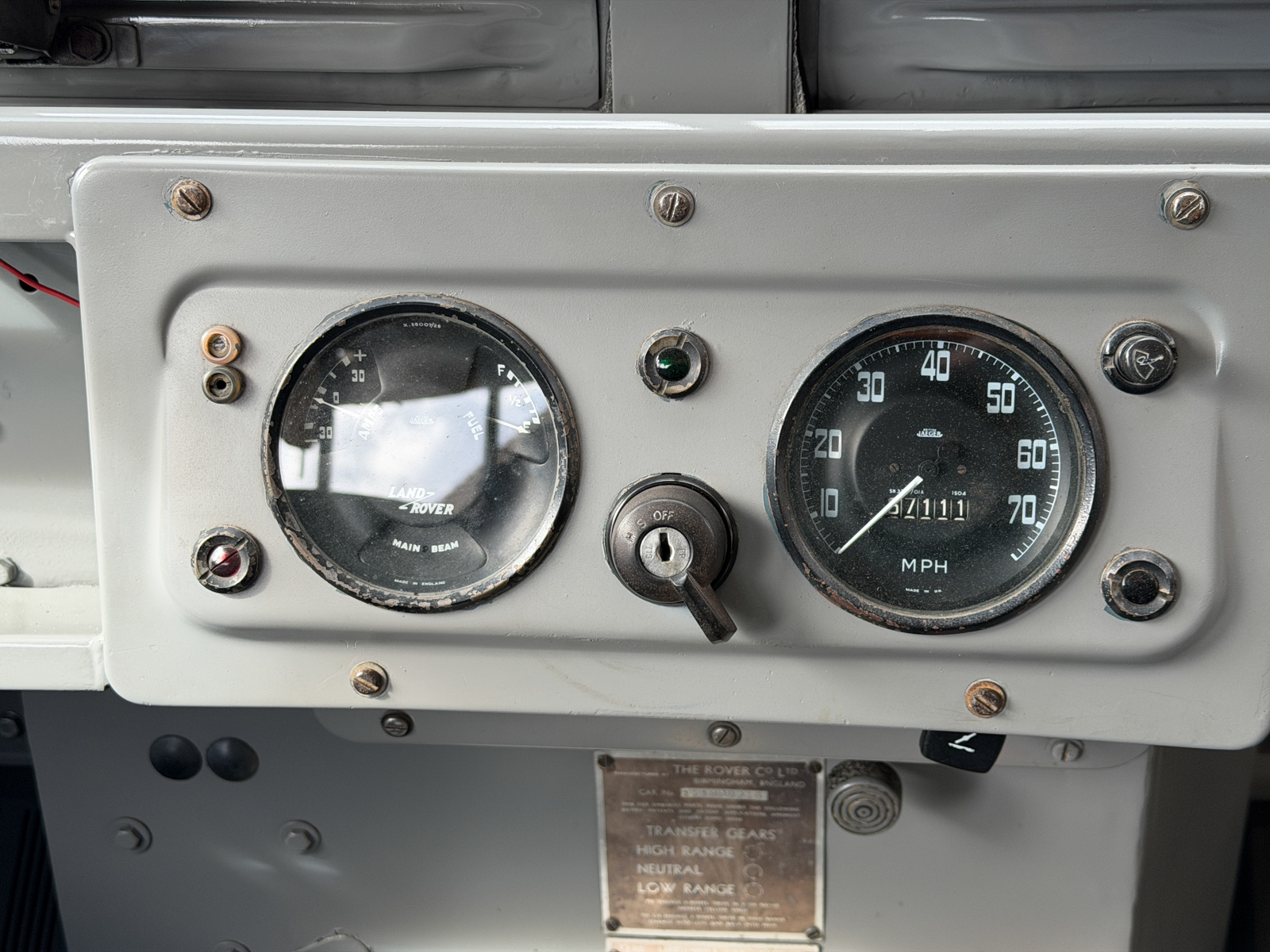
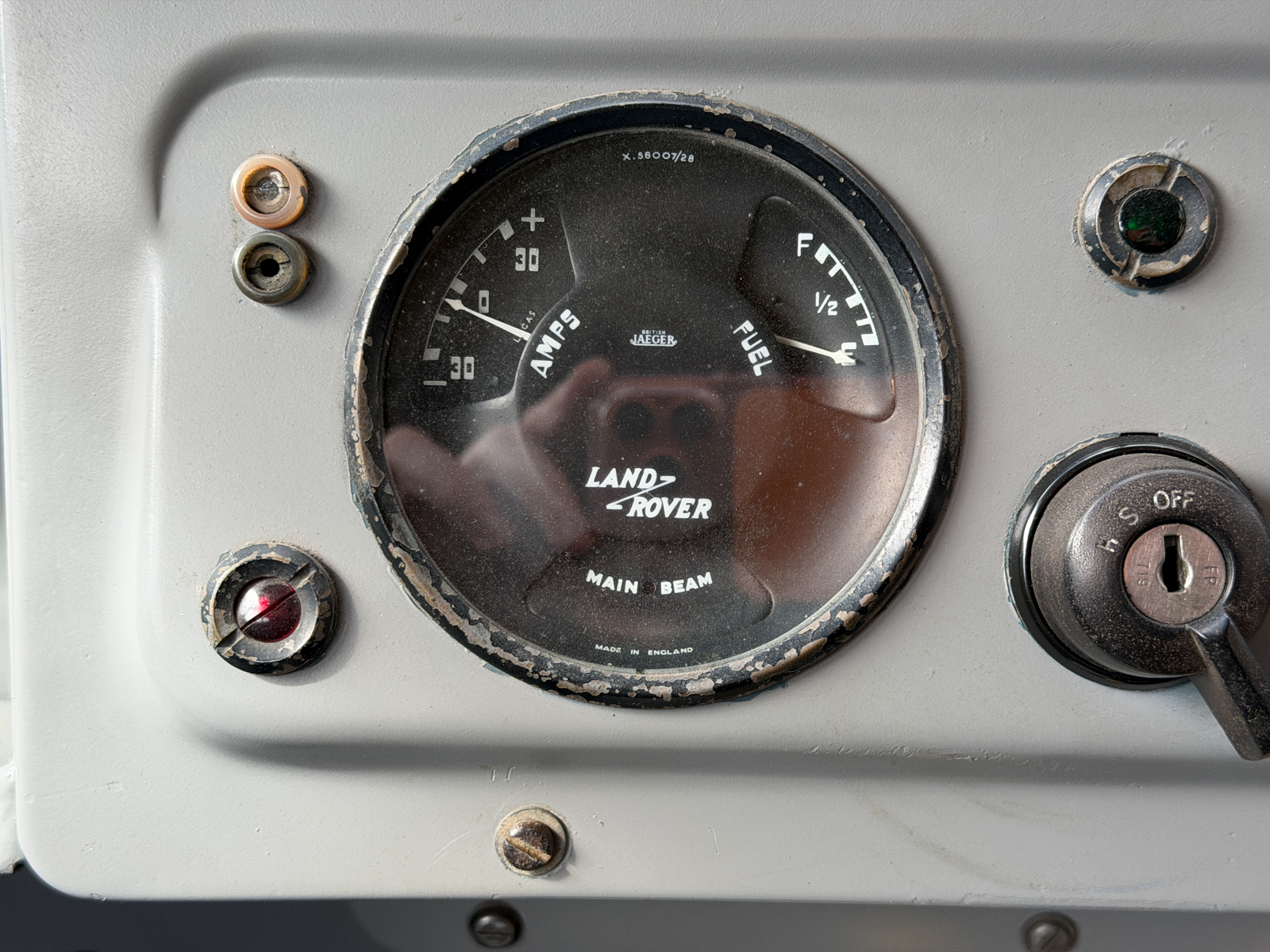
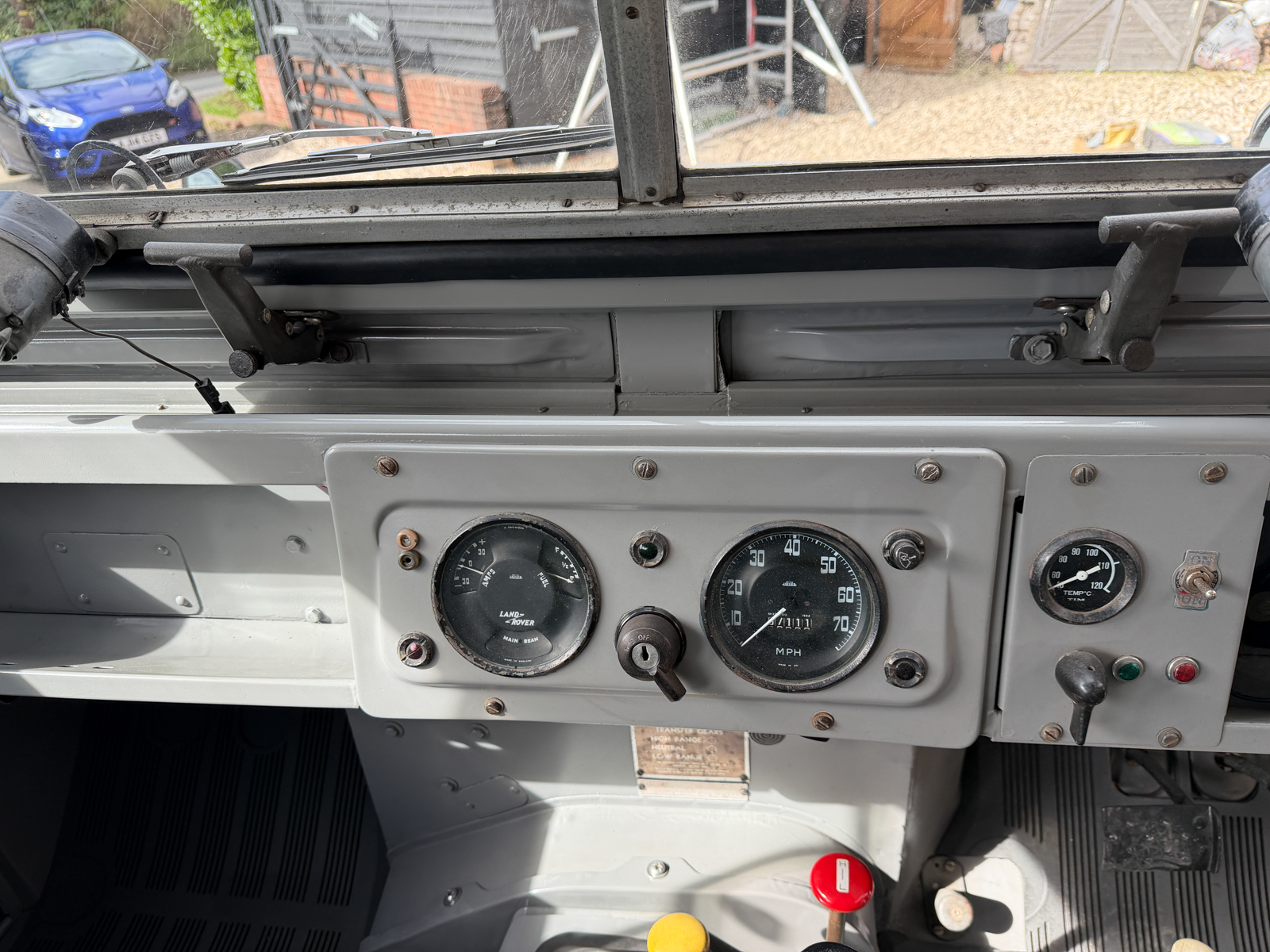
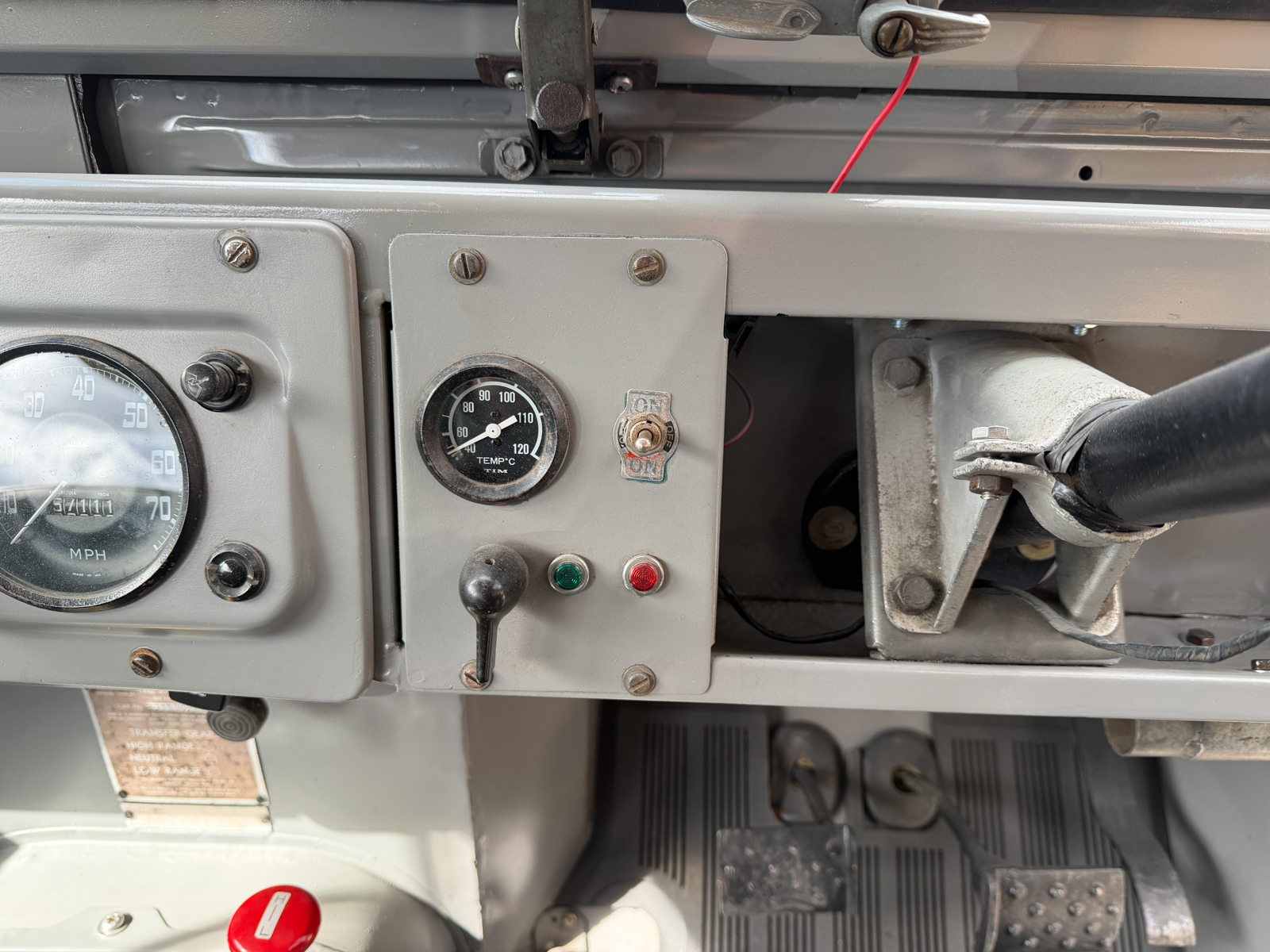
The main instrument panel is positioned centrally and contains the speedometer together with the essential fuel, temperature and electrical gauges. Straightforward switches and warning lamps are arranged around the instruments.

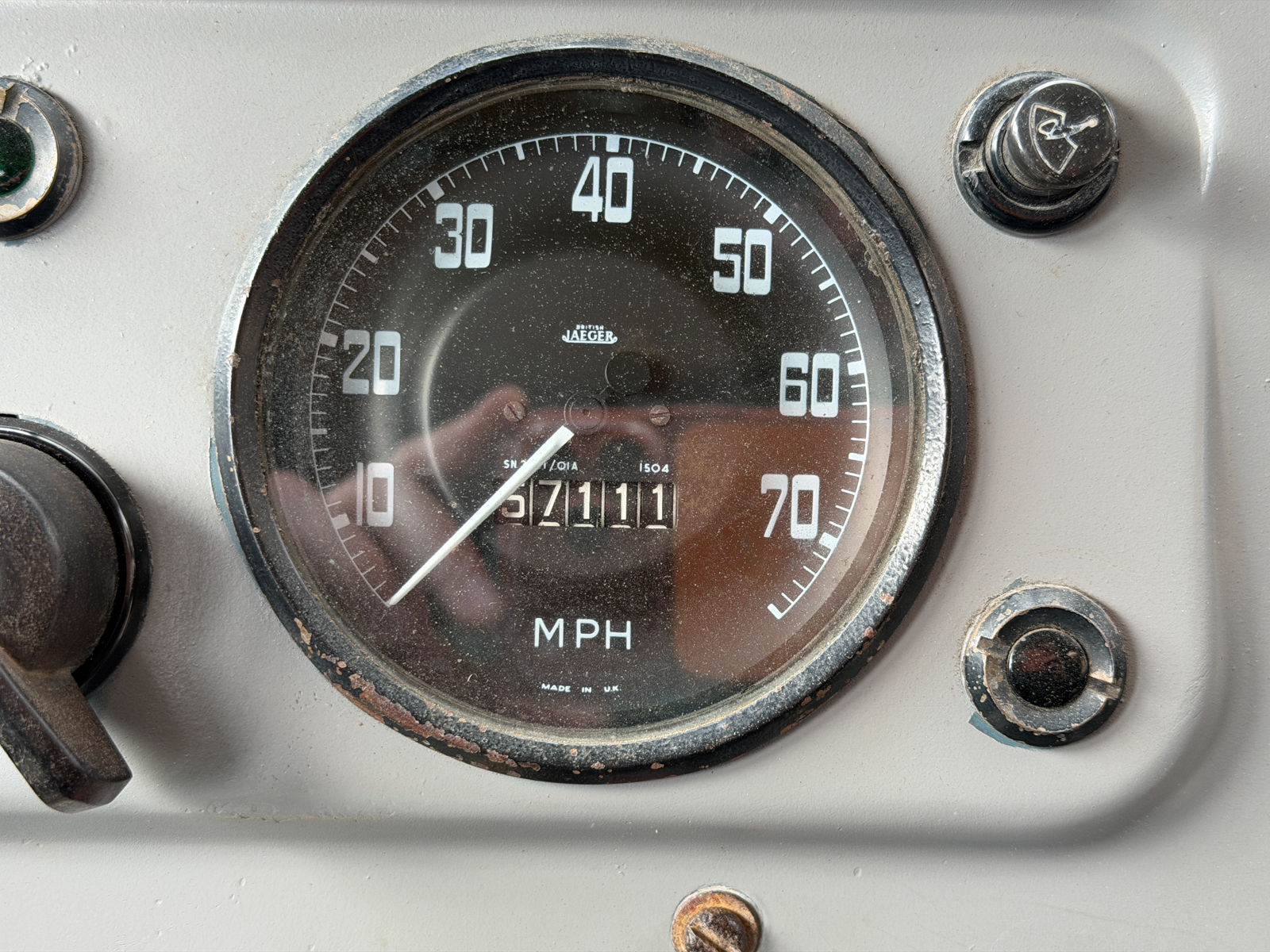
The Jaeger speedometer indicated approximately 57,112 miles during our visit.

The instruments and switchgear display some light patination around their bezels, fasteners and controls. This looks entirely appropriate within the otherwise well-presented interior.

image

Steering Wheel / Gear Stick

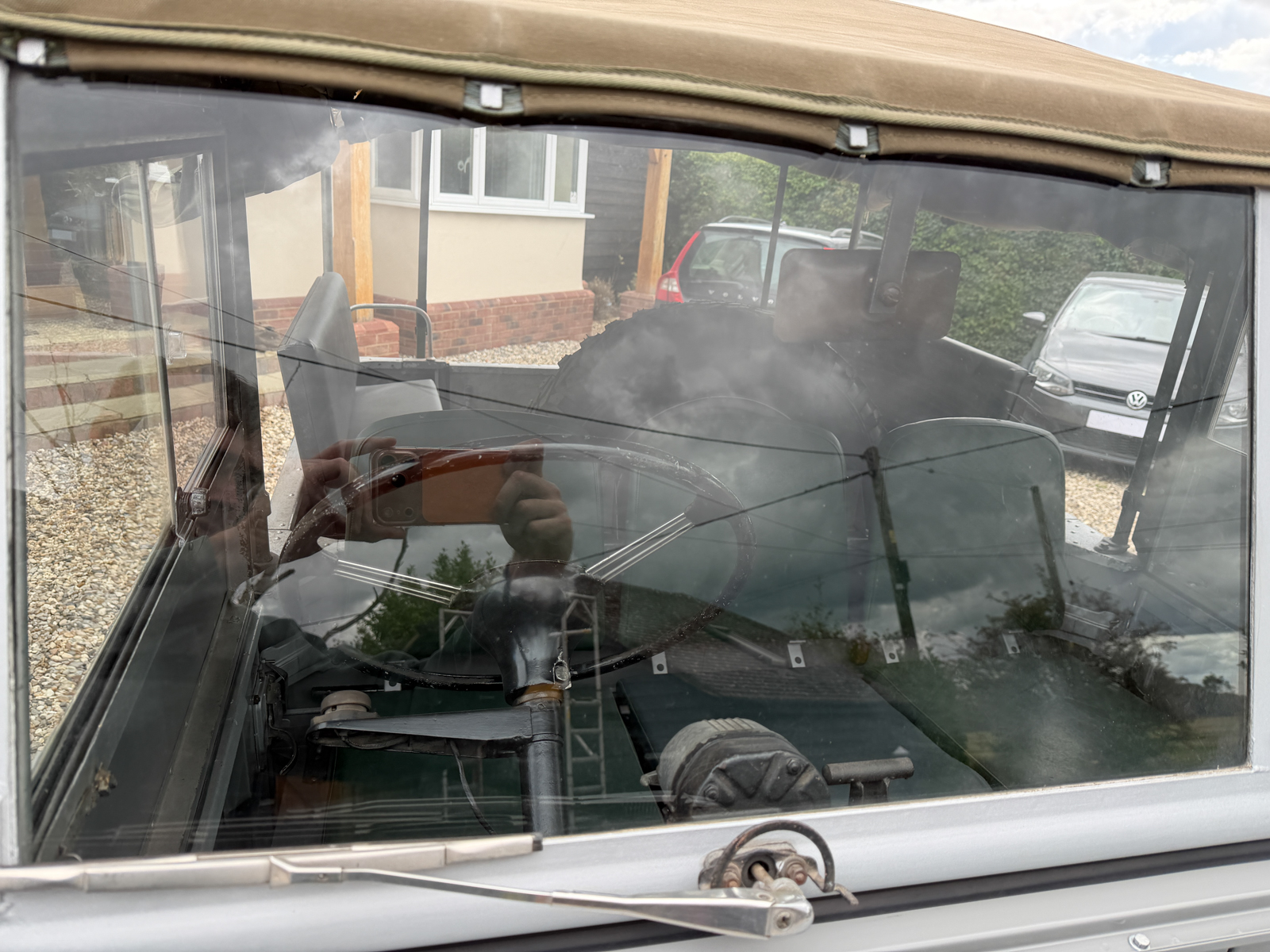
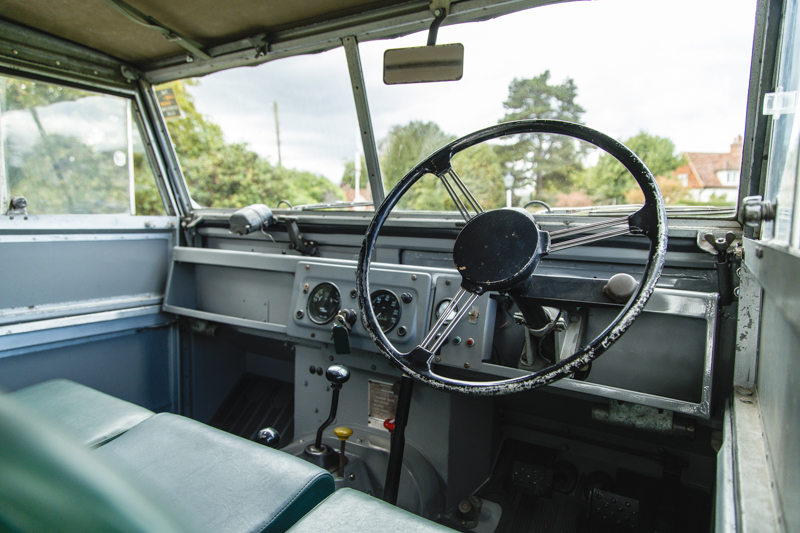
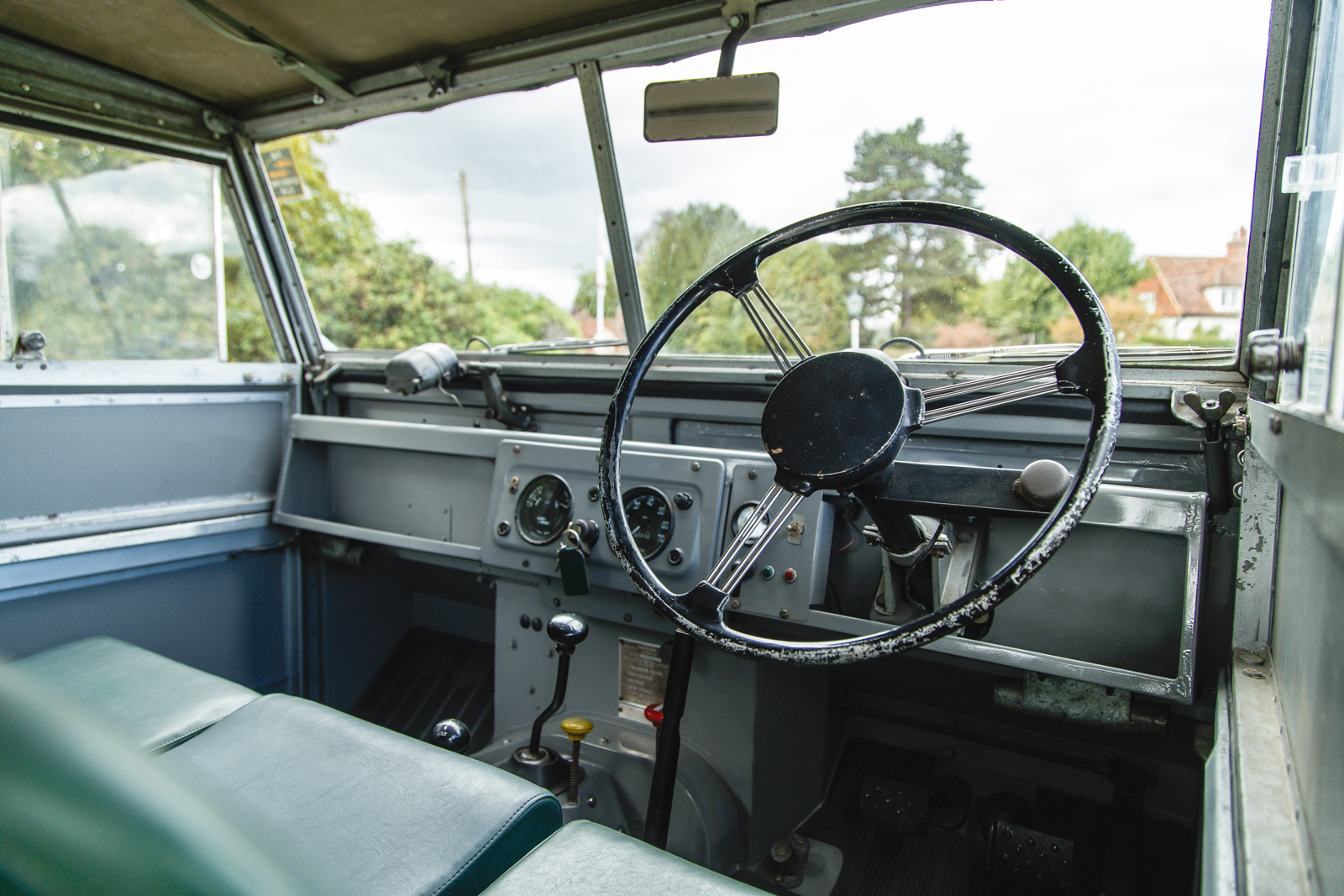
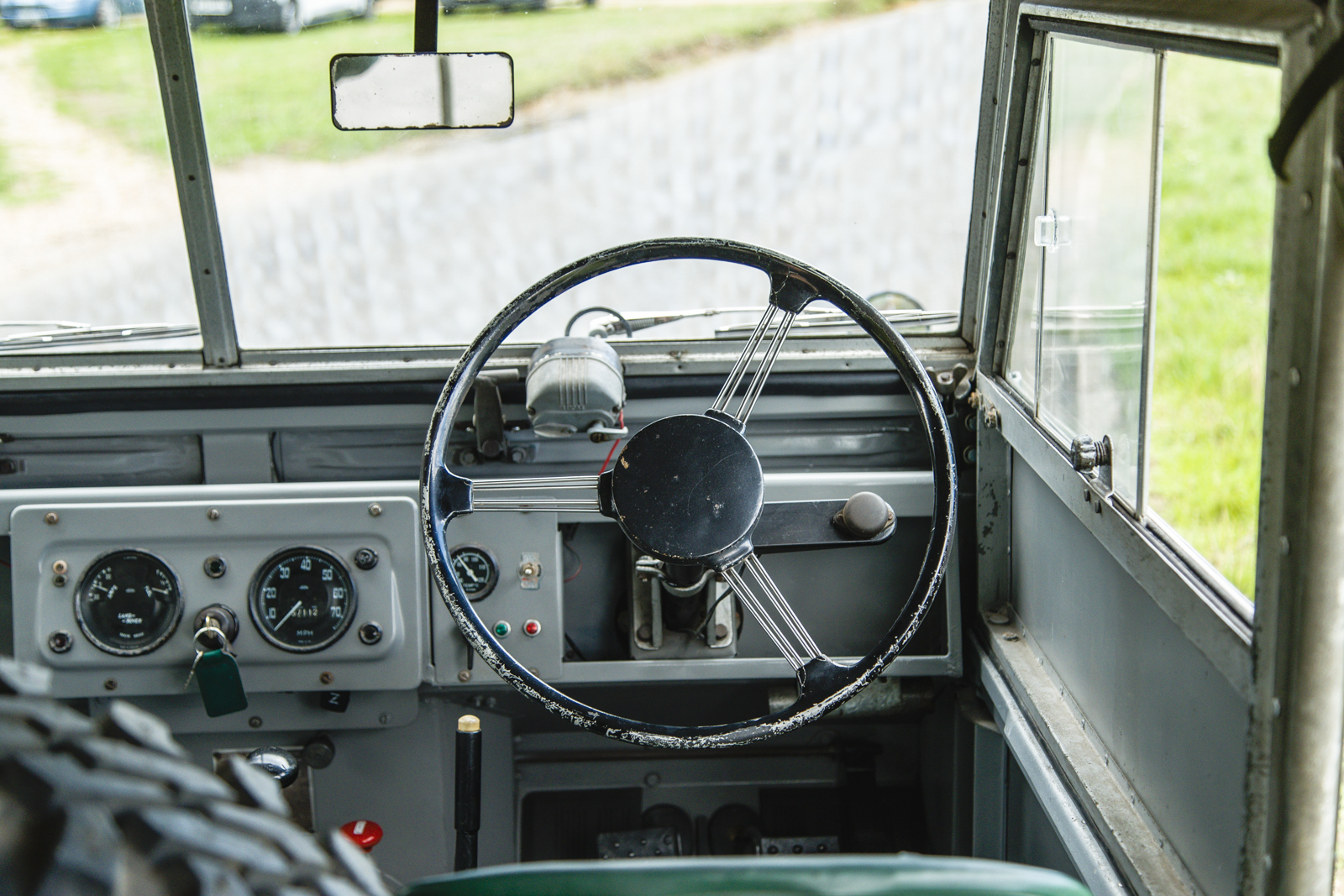
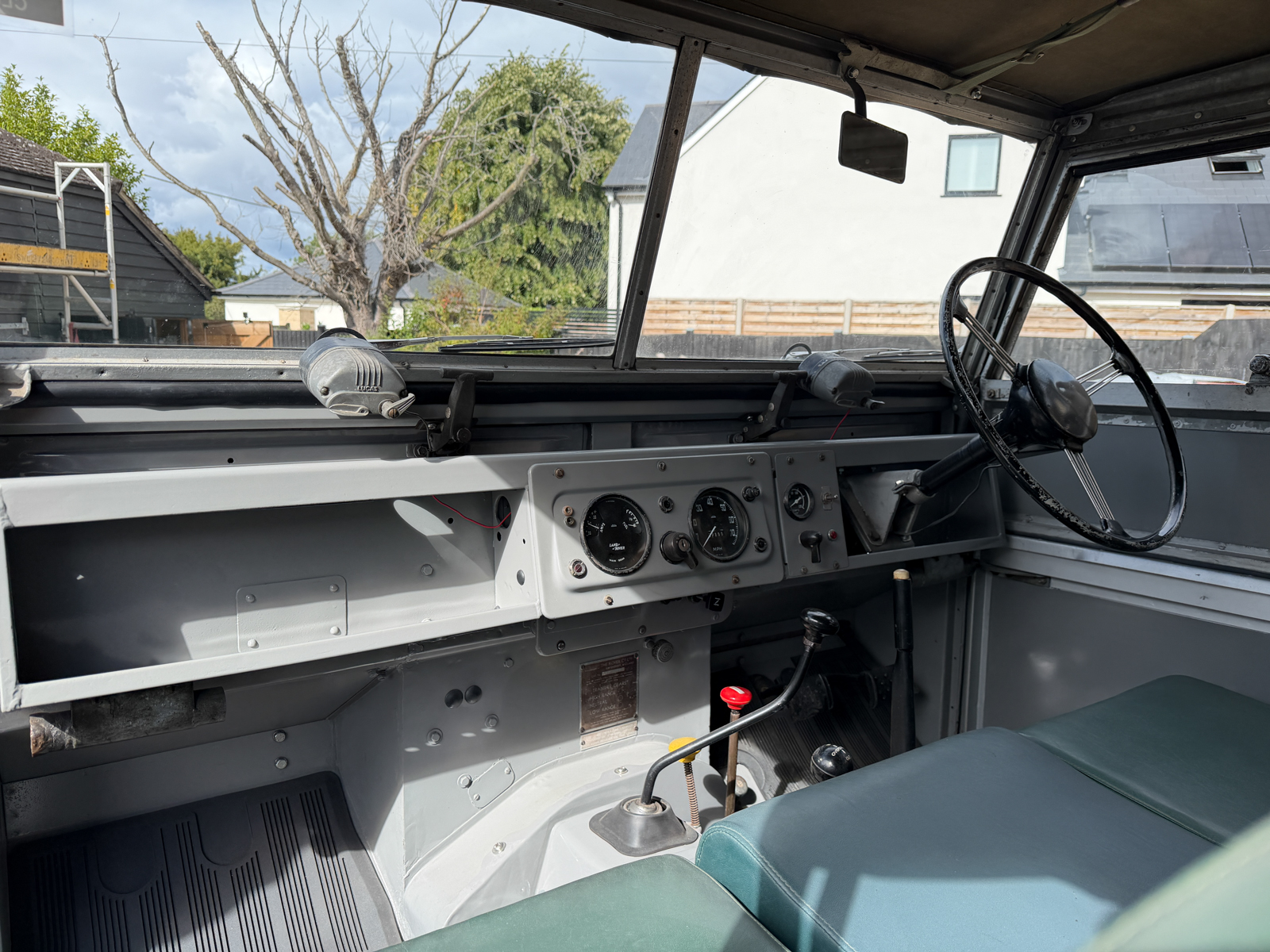
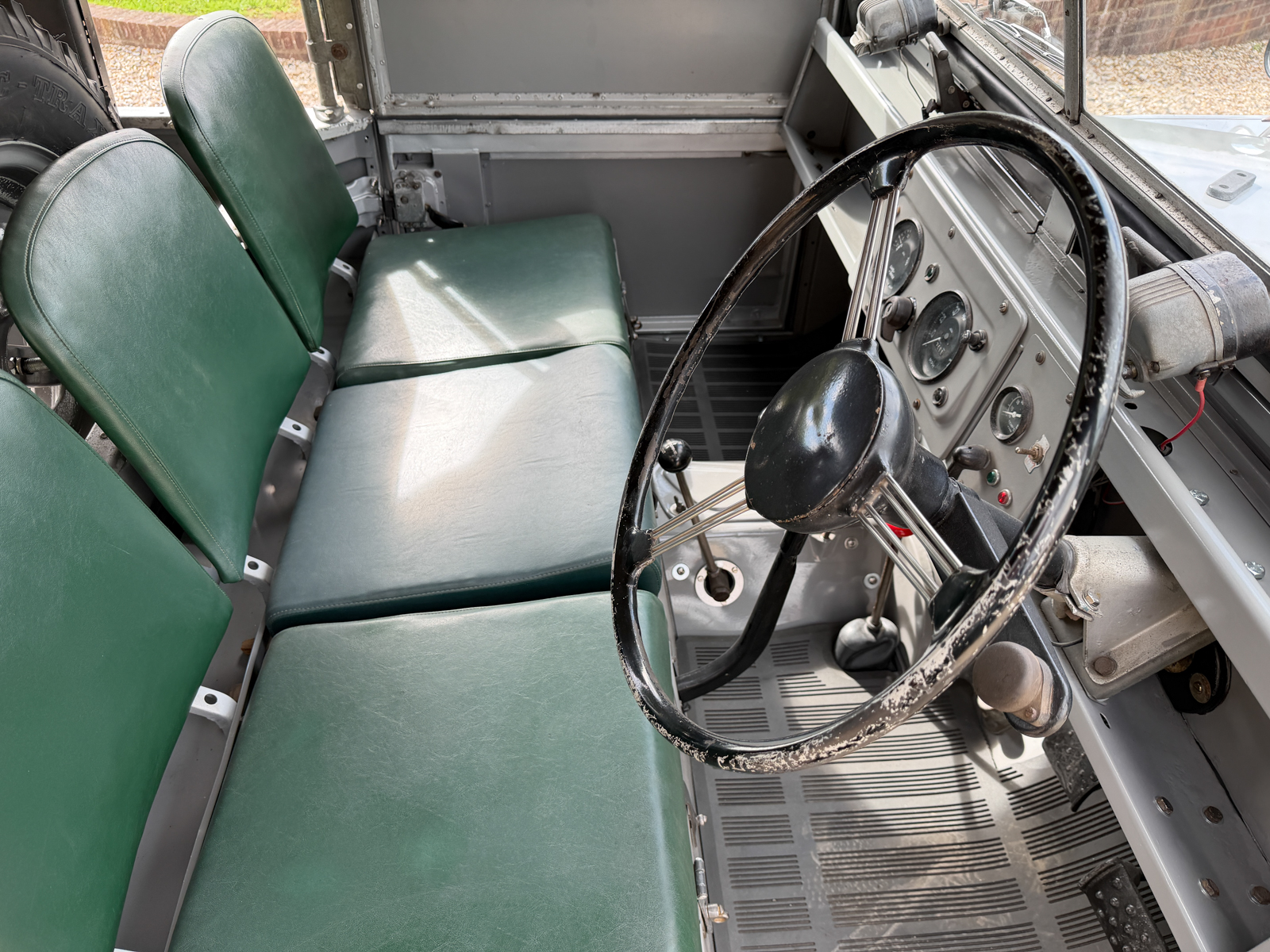
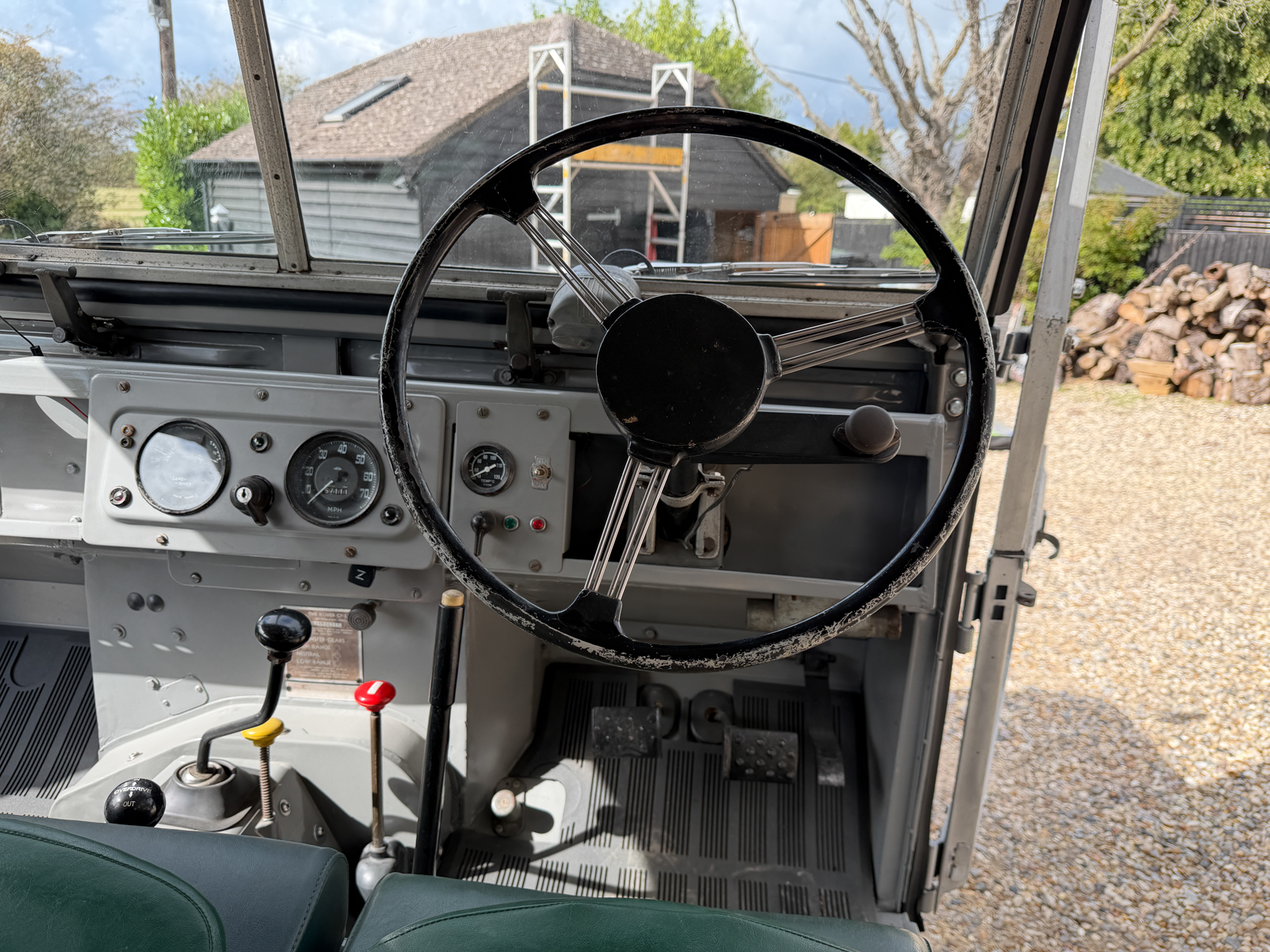
The large, thin-rimmed steering wheel is entirely in keeping with the agricultural origins of the Series I.

Its painted rim shows visible wear and patination consistent with years of use, but it remains solid and contributes greatly to the authentic character of the cabin.

The Land Rover retains its original steering box. Steve reports that the steering feels good and operates as expected from an early, unassisted four-wheel-drive vehicle.
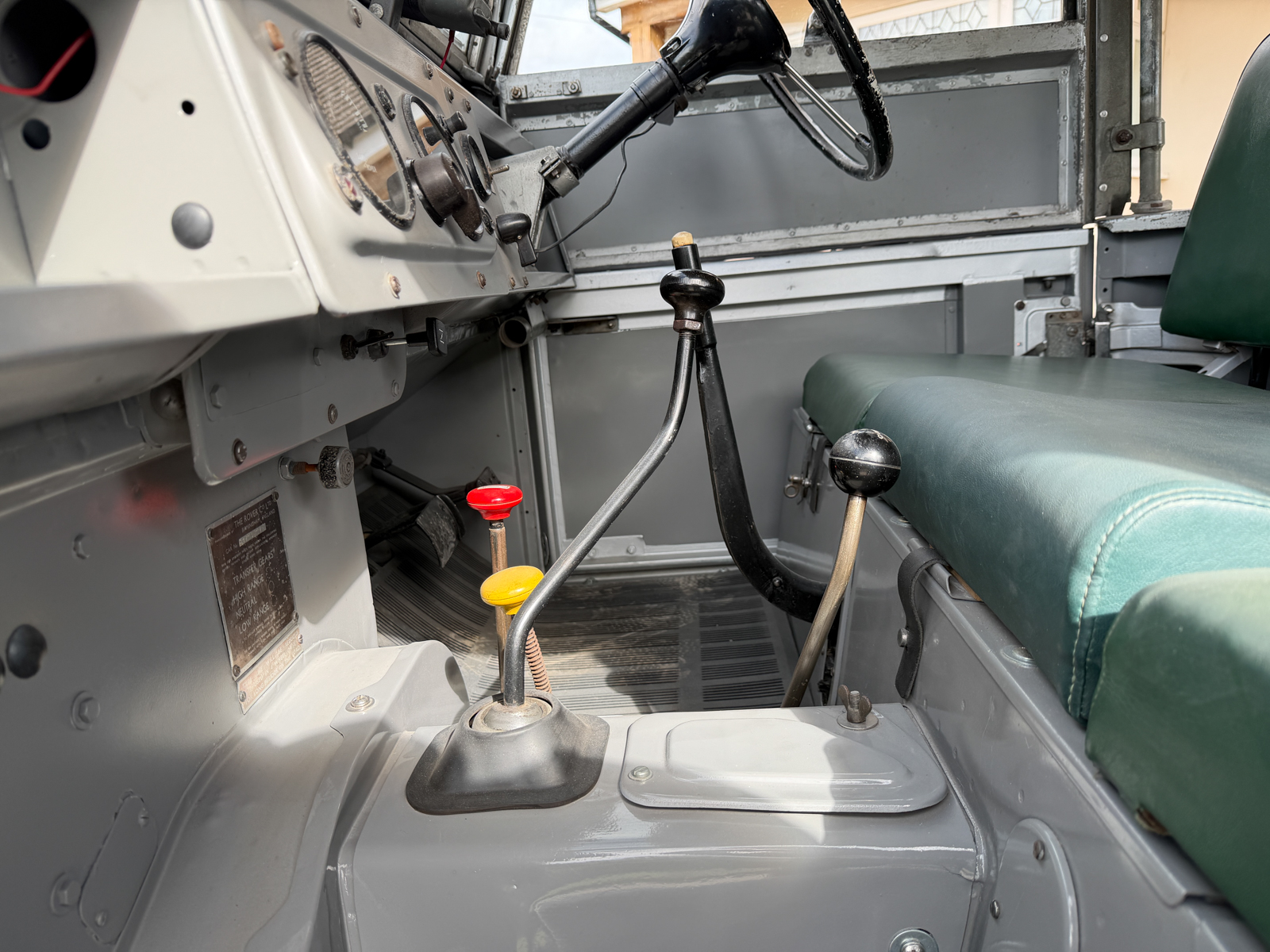
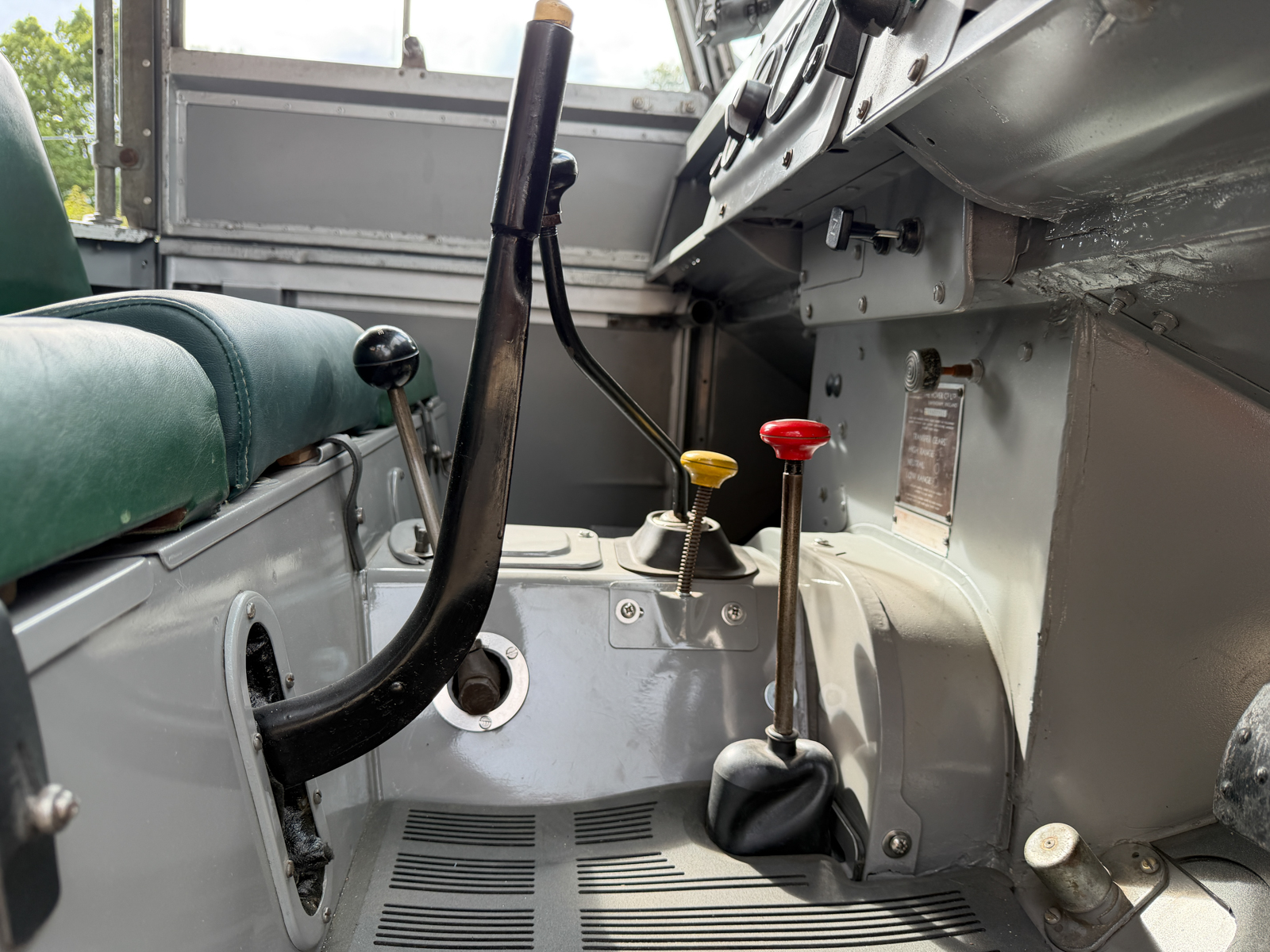
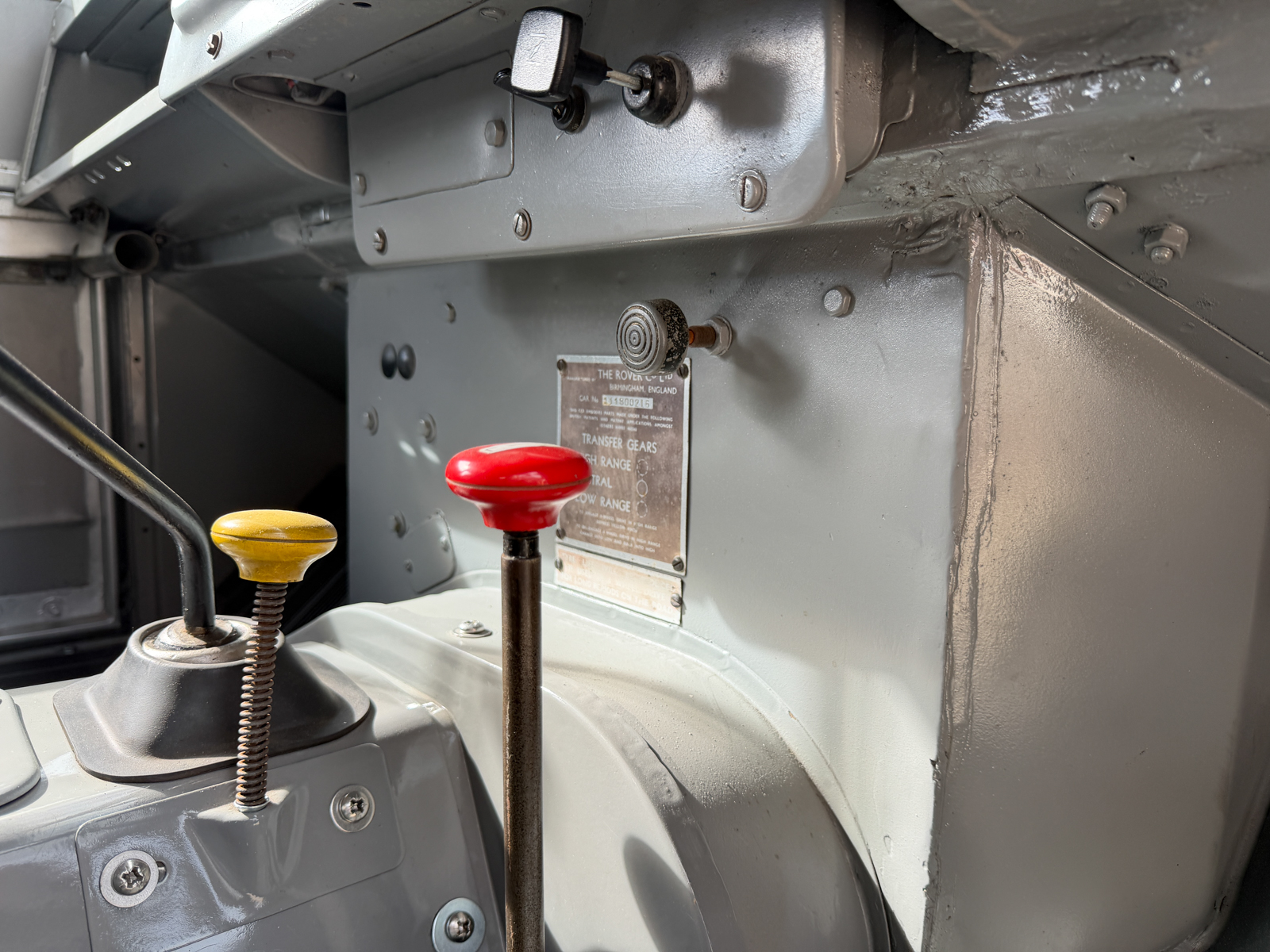
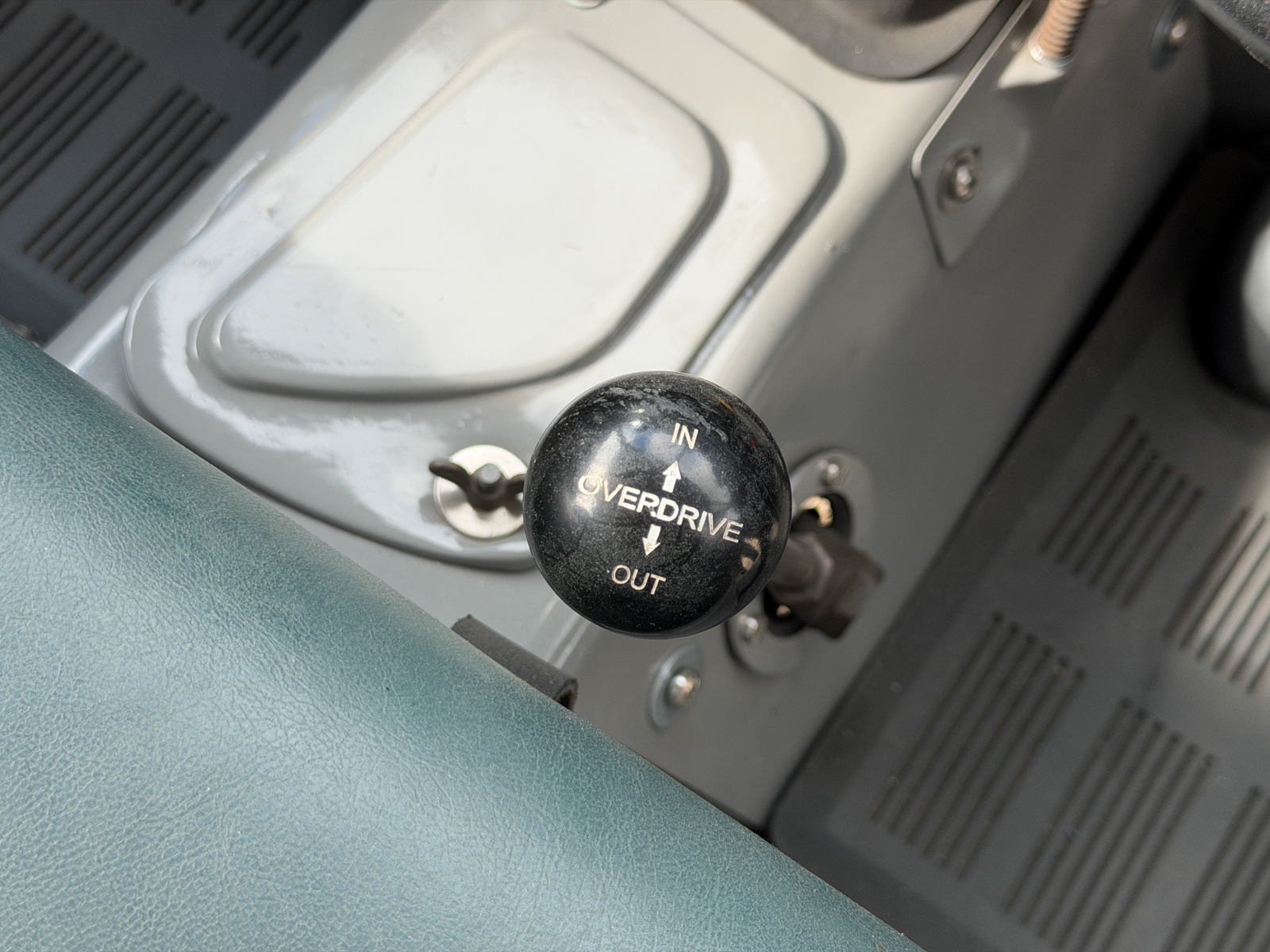
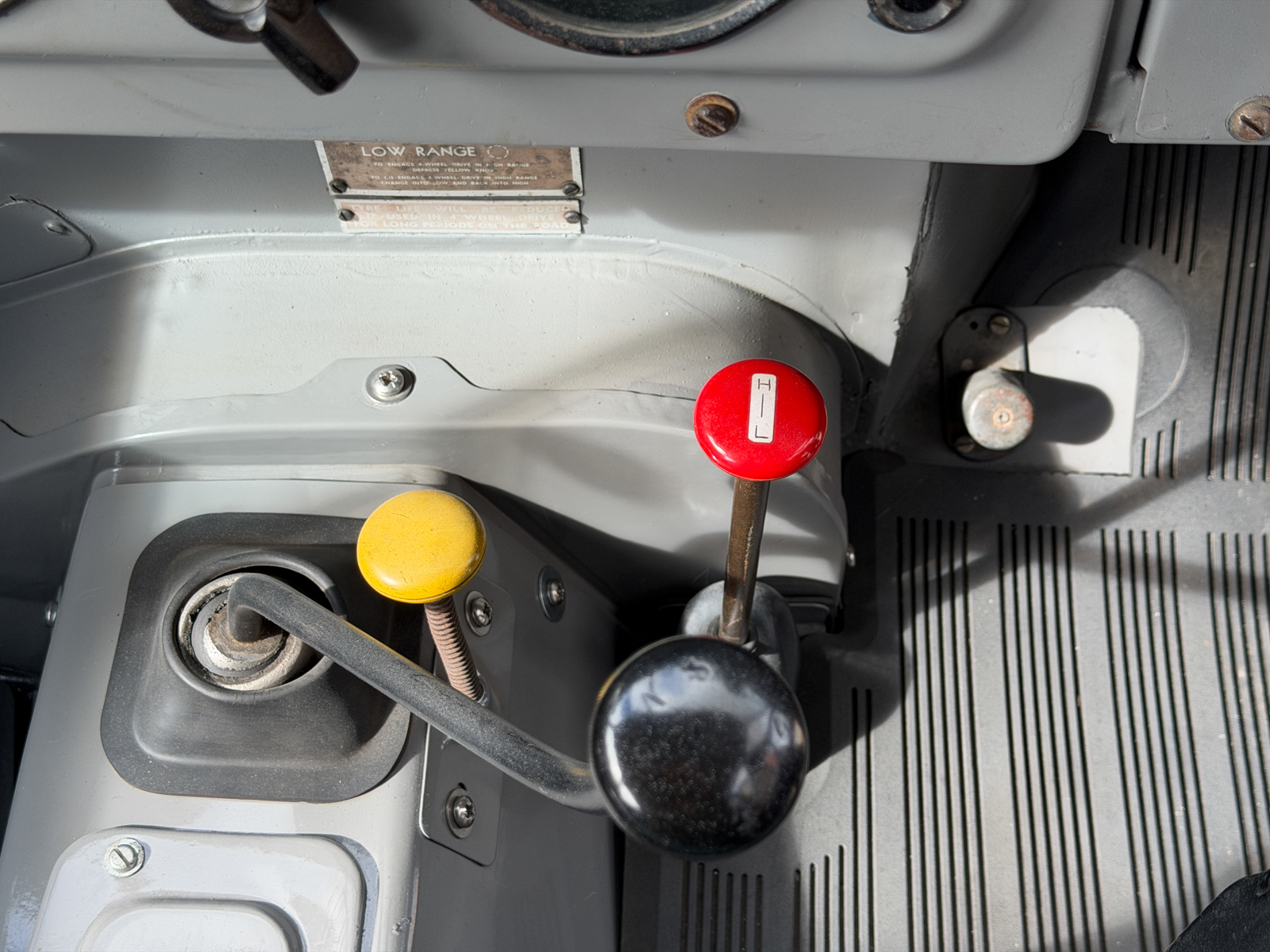
A conventional manual gear lever rises from the transmission tunnel, accompanied by the additional controls for the transfer case and overdrive.

image

Mechanics

The later 2.25-litre Series IIA drivetrain provides a useful increase in usability while retaining the straightforward engineering and distinctive character expected from a traditional Land Rover.

Engine and Gearbox

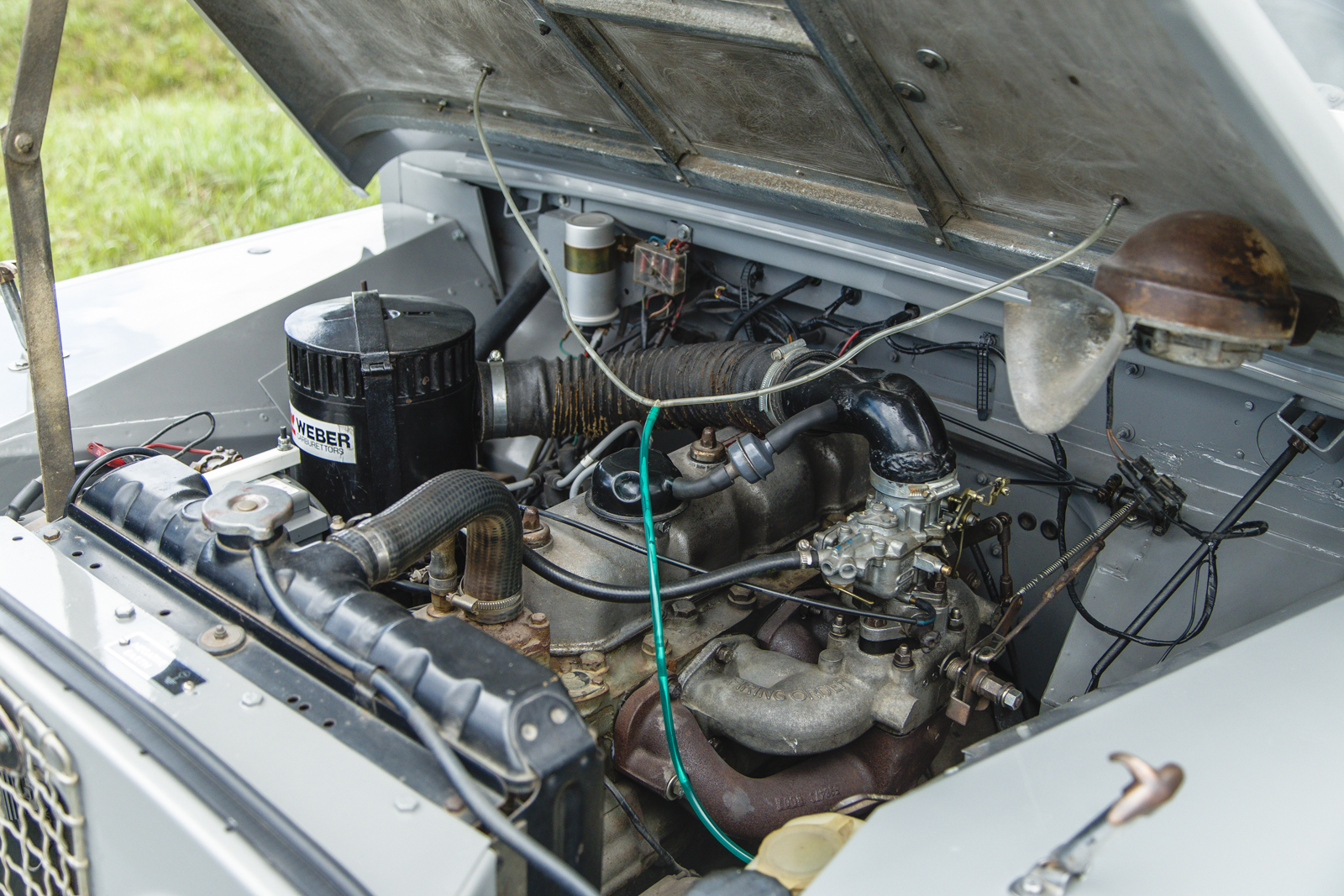
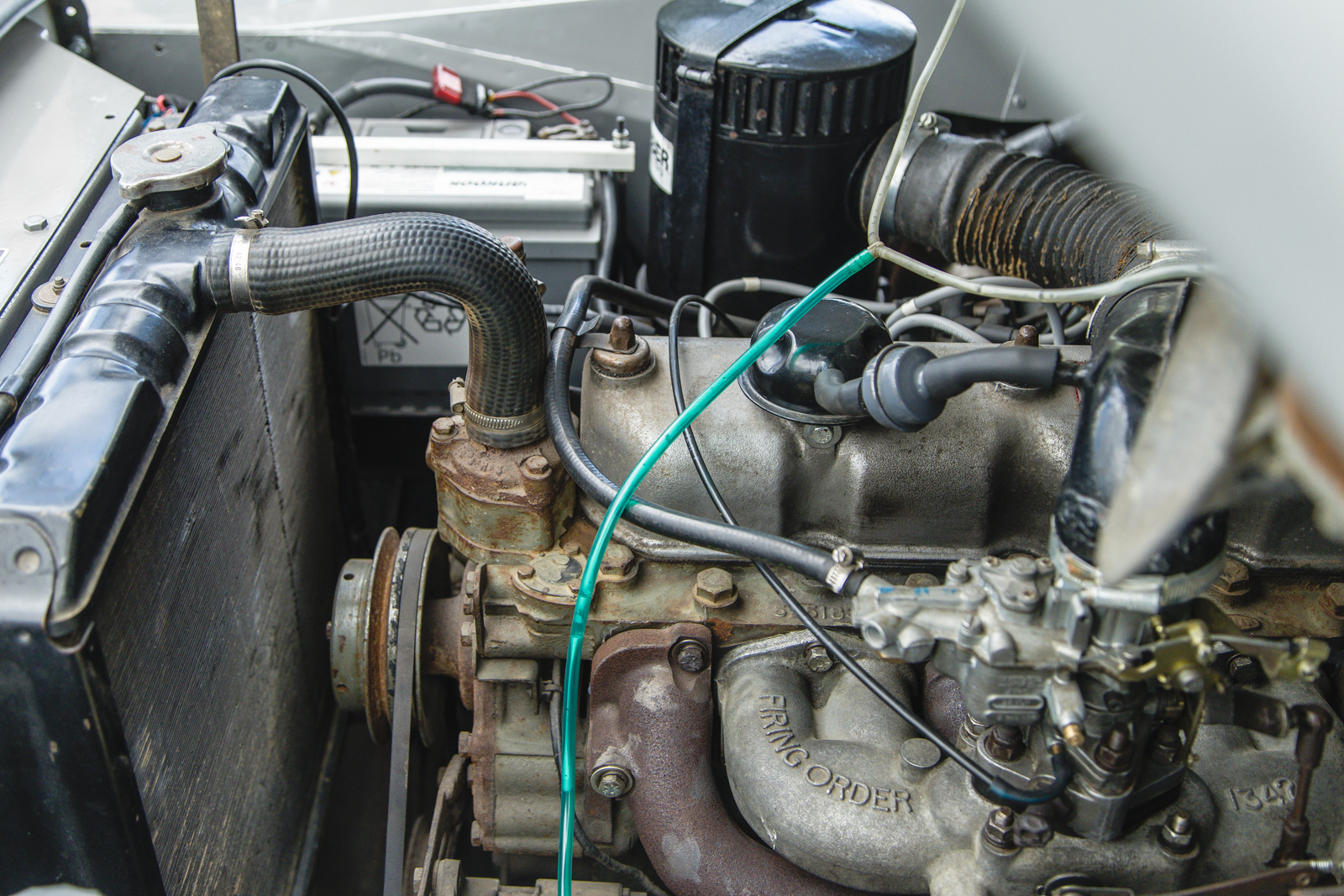
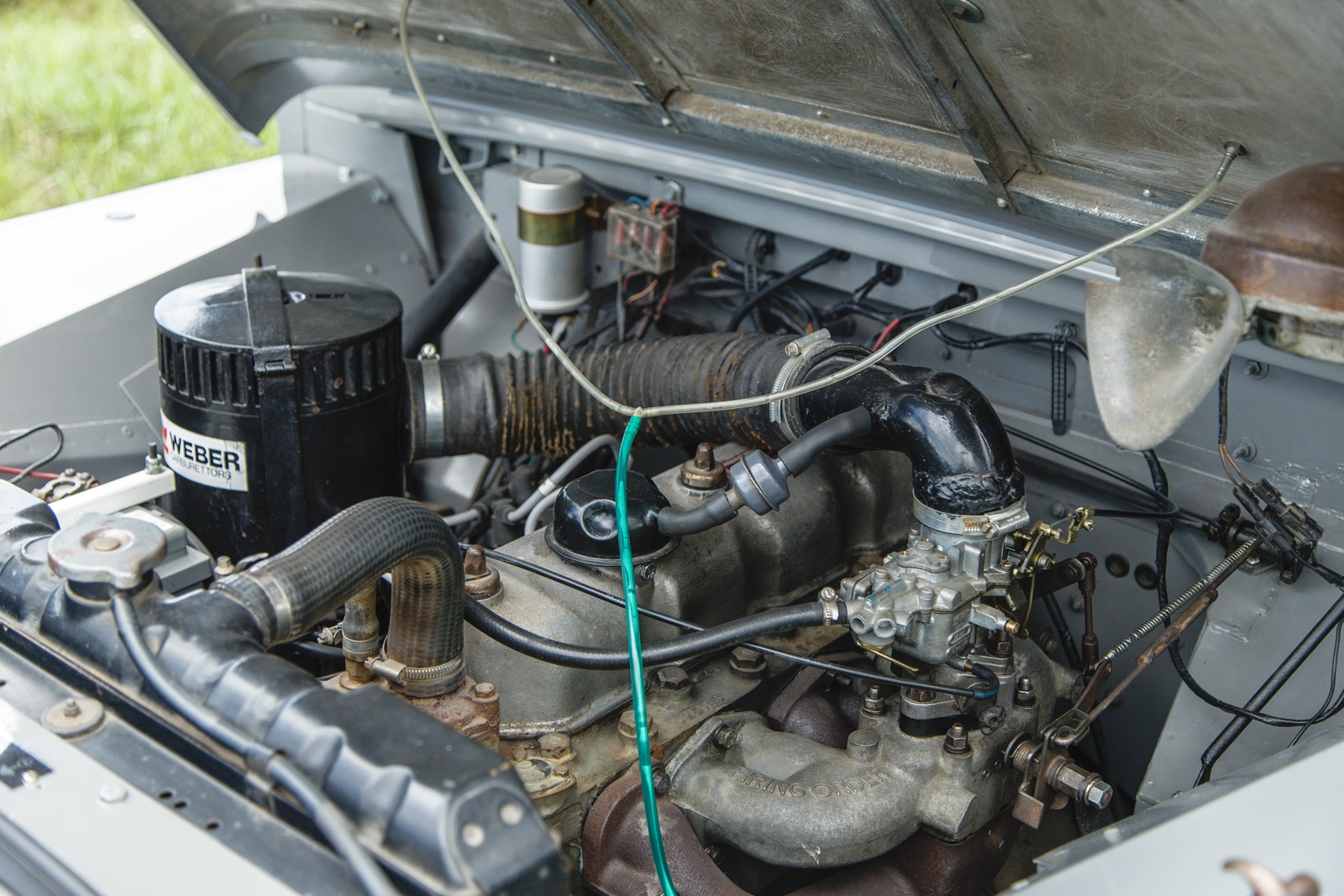
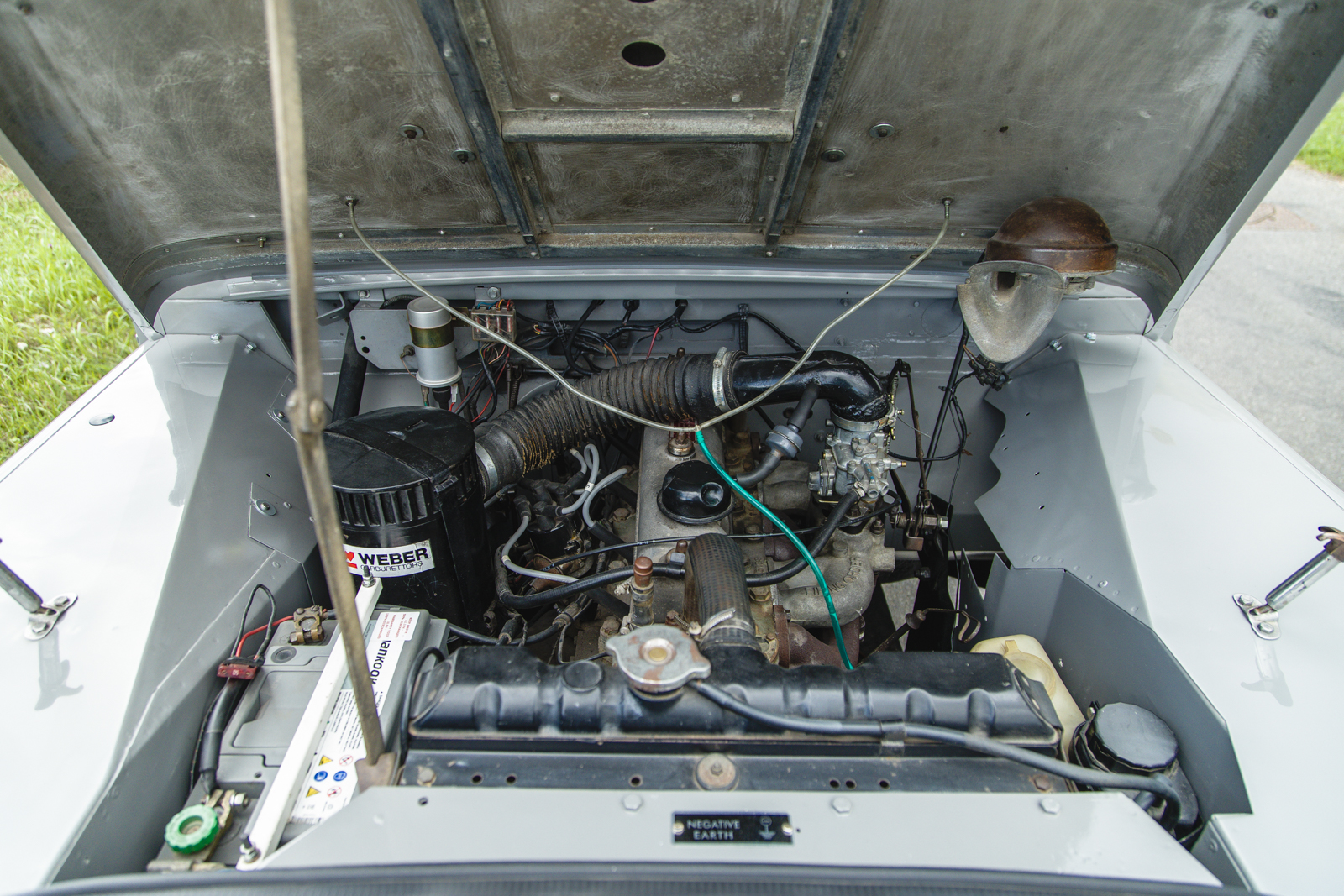
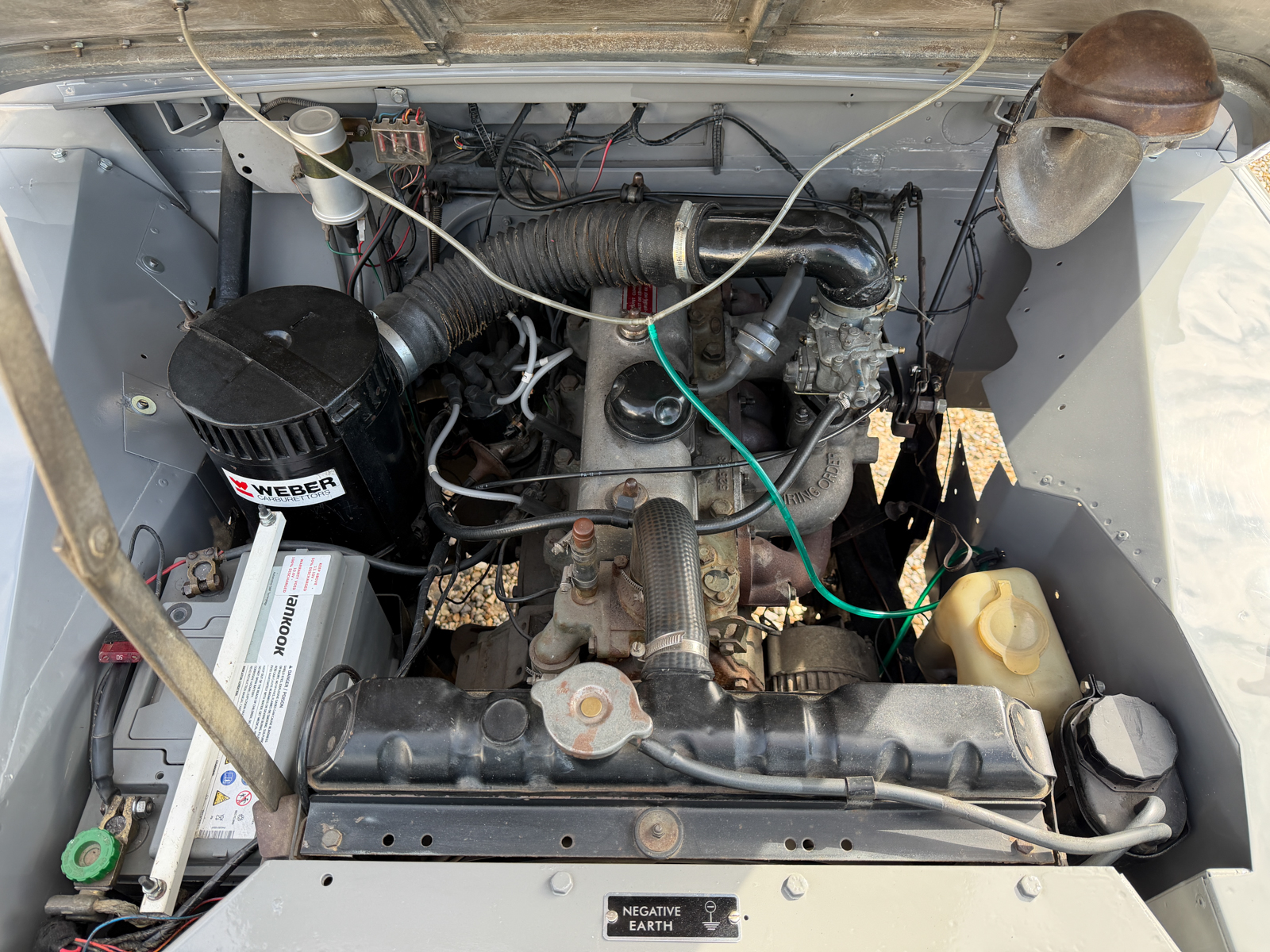
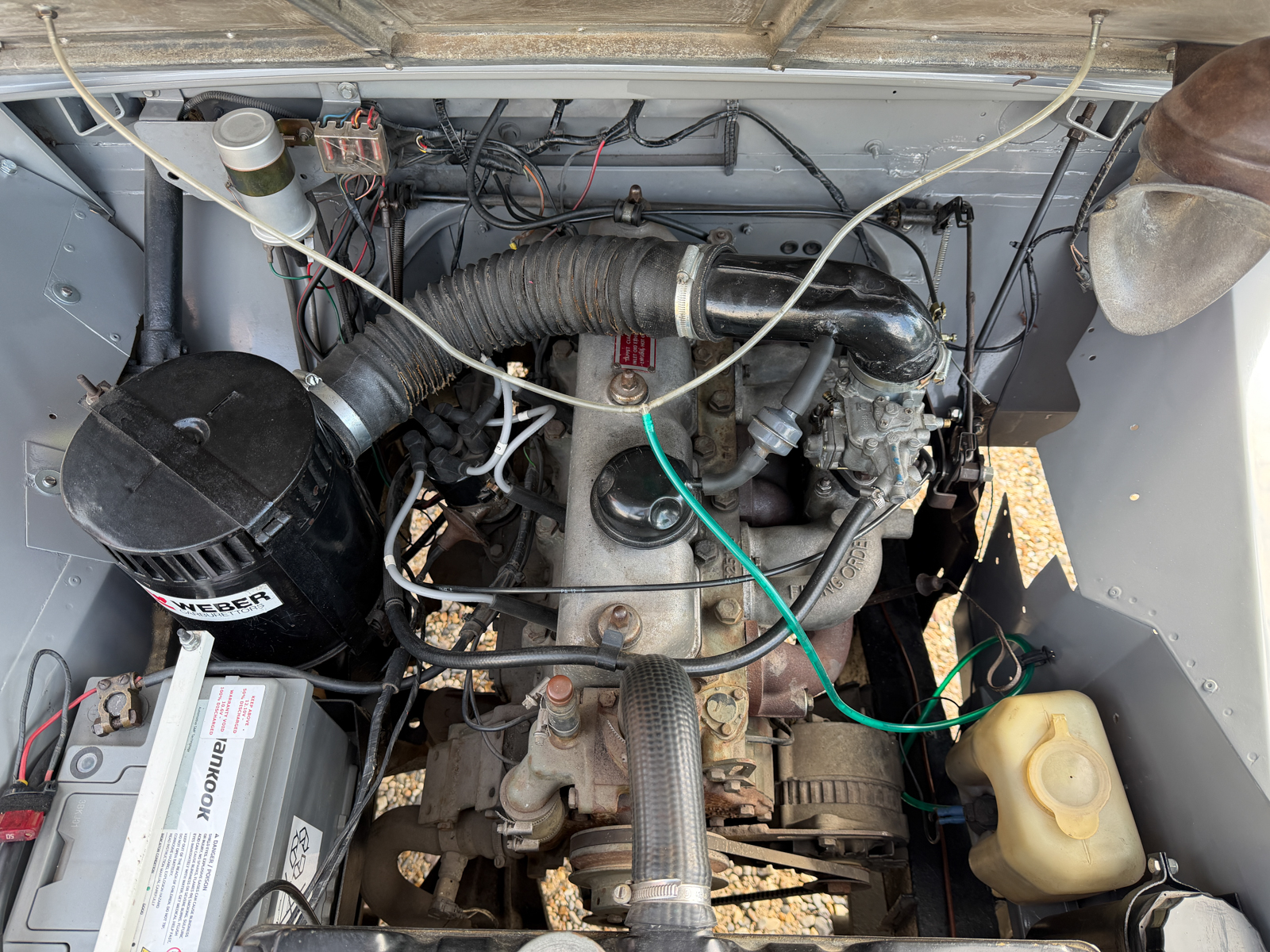
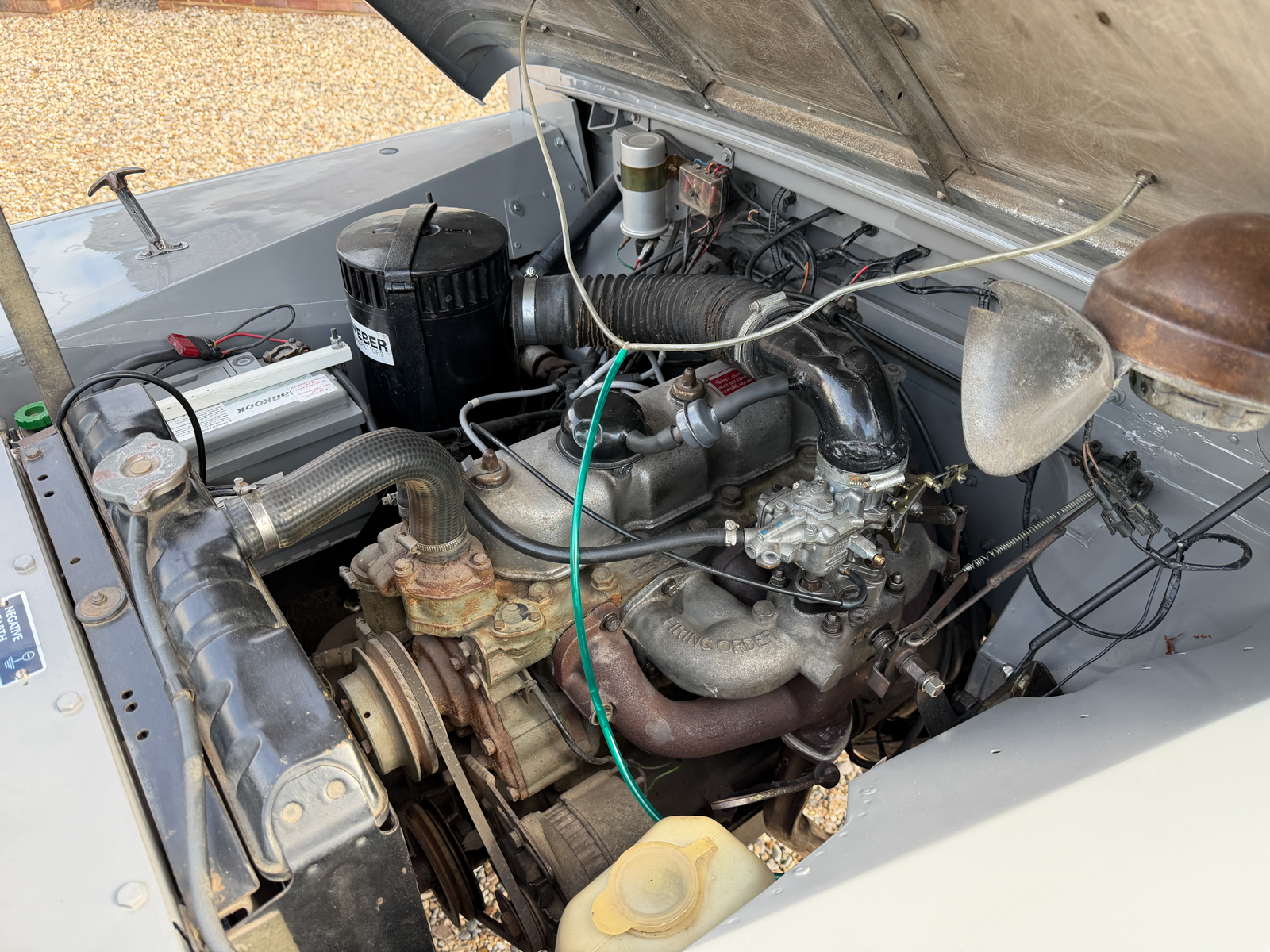
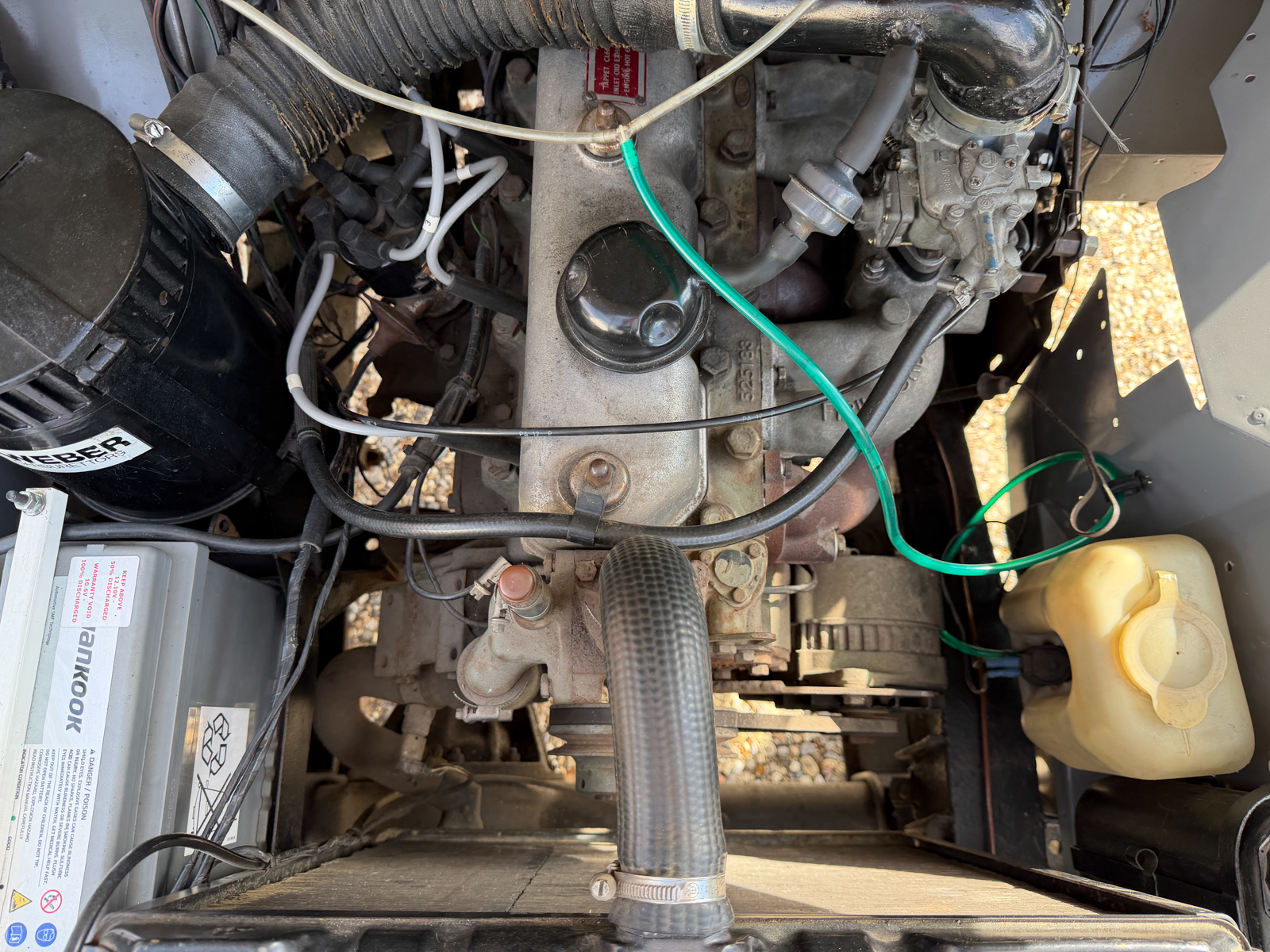
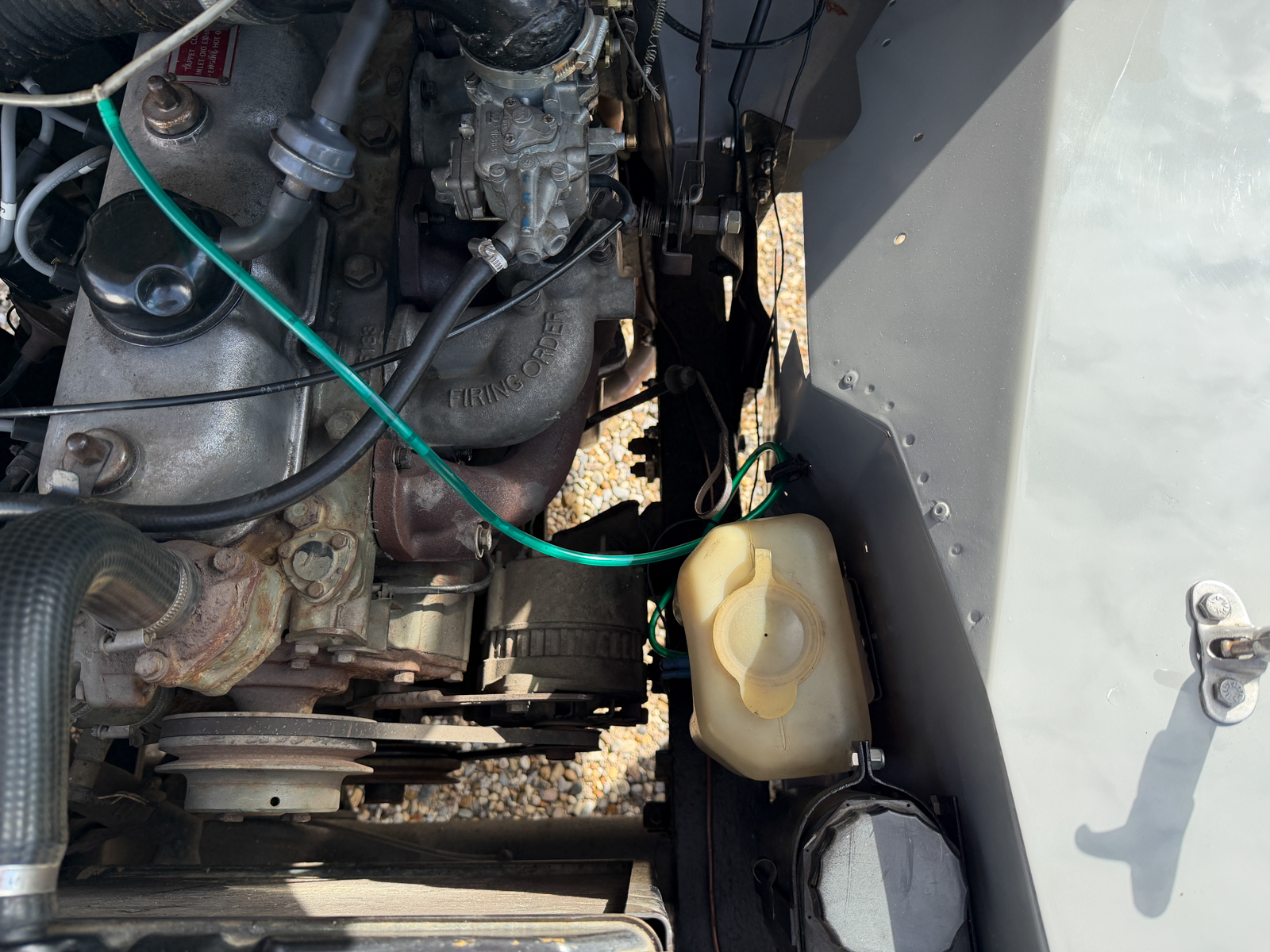
The Land Rover is powered by a 2.25-litre petrol four-cylinder engine.

According to Steve, the engine and its associated drivetrain came from a 1967 Series IIA and were installed during the body-off restoration undertaken in the 1990s.

A 1957 88-inch Series I would originally have been offered with an earlier 2.0-litre engine. The later 2.25-litre installation should therefore be regarded as a sympathetic usability upgrade rather than a matching-numbers powertrain.

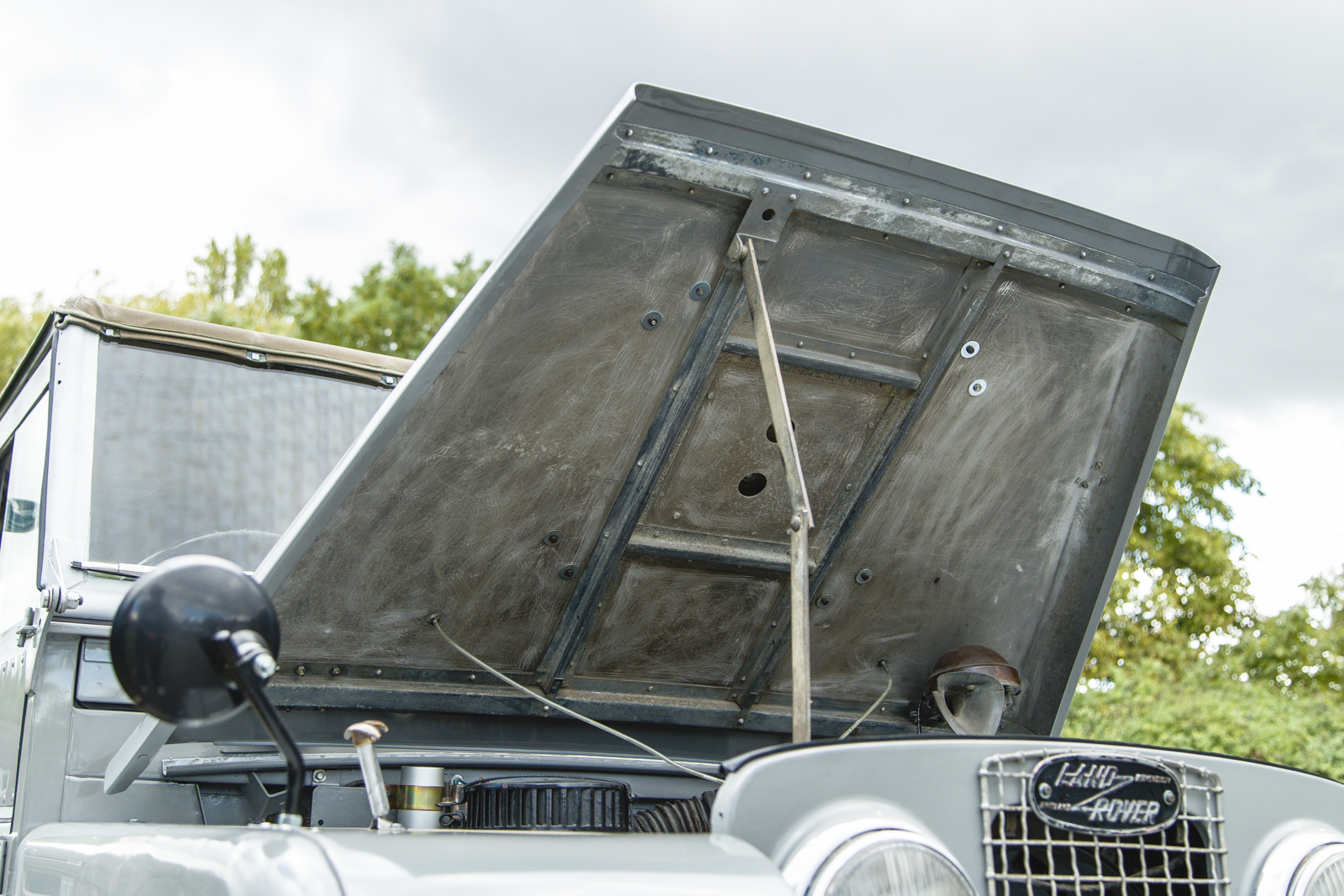
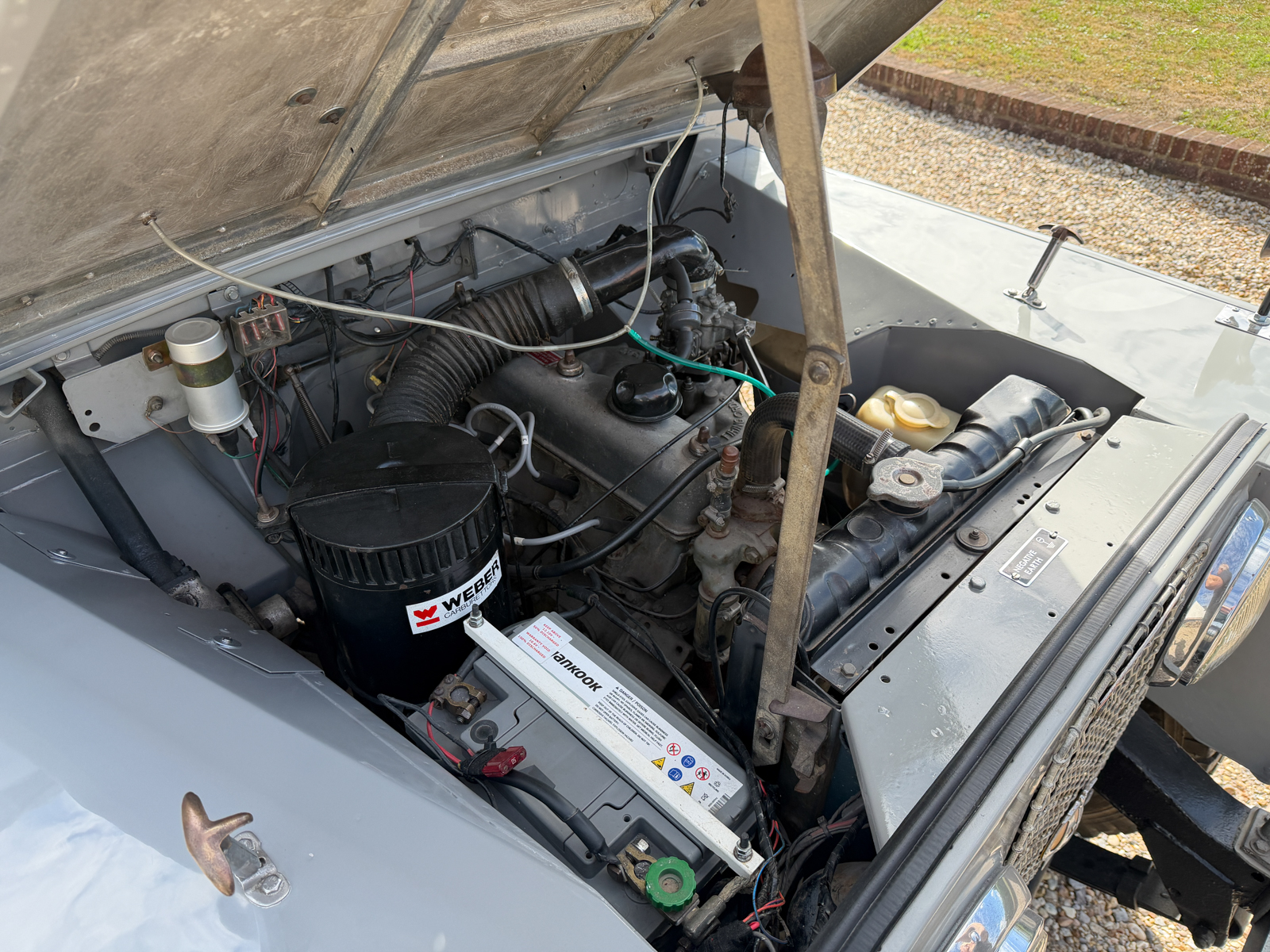
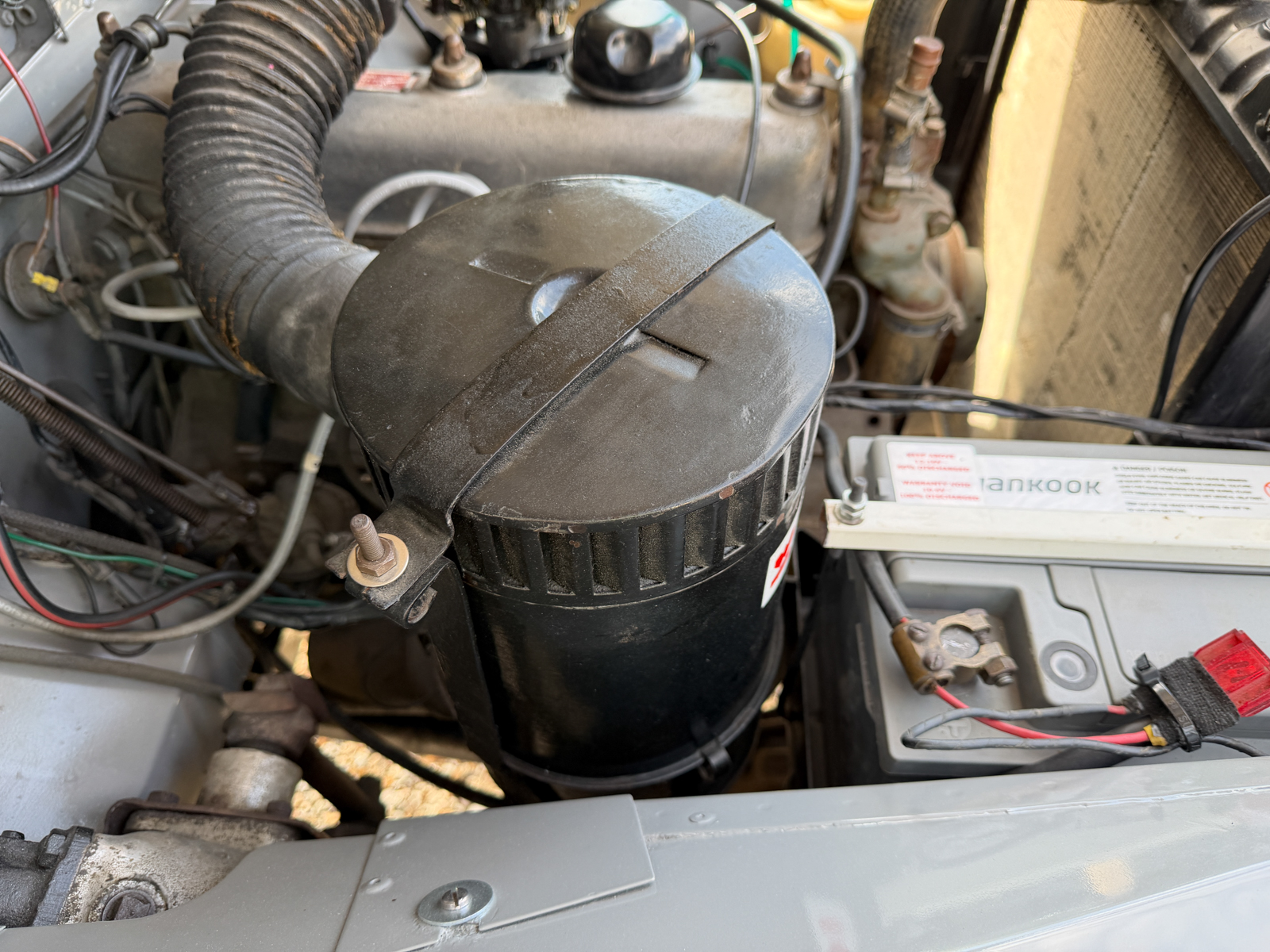
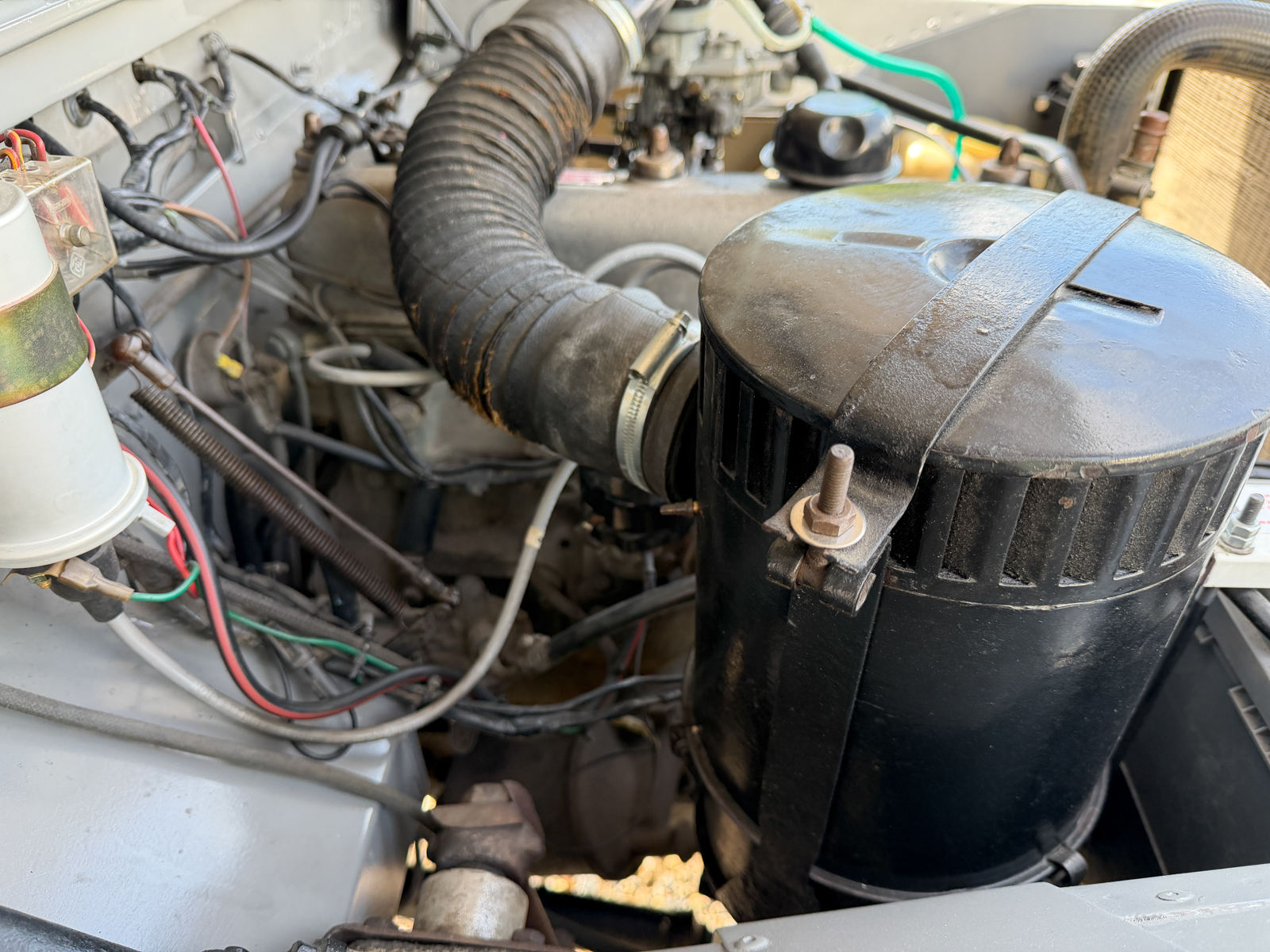
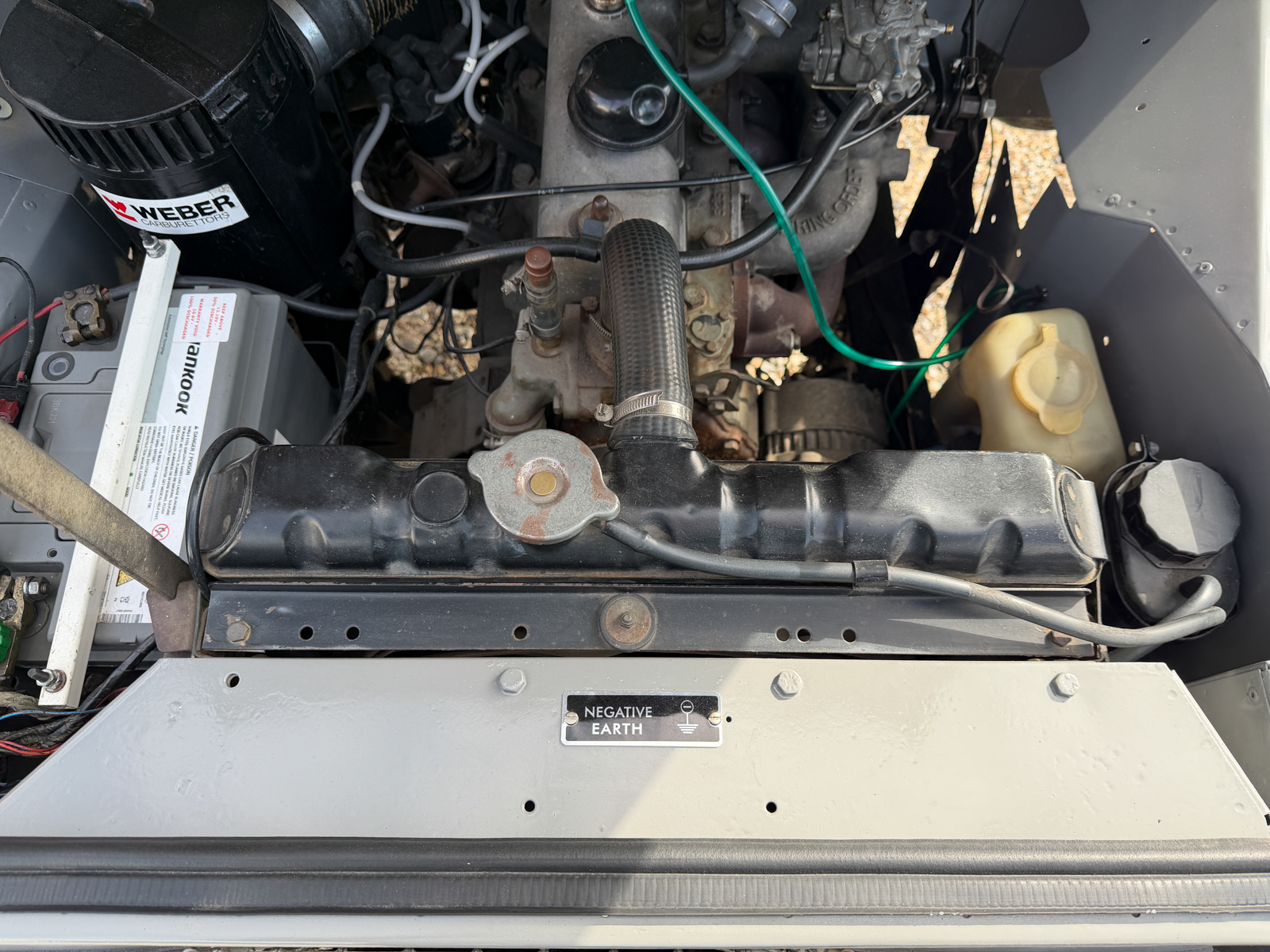
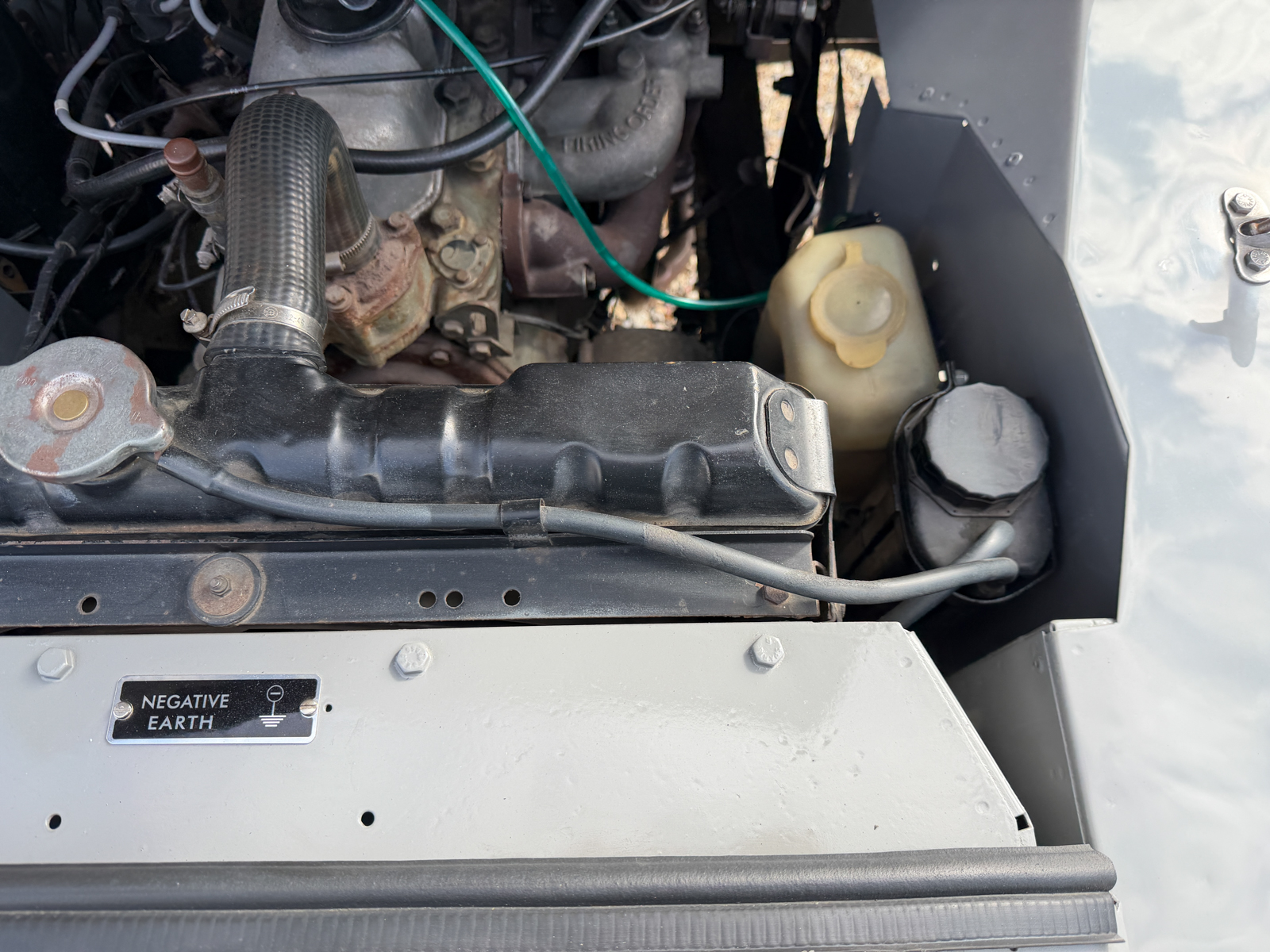
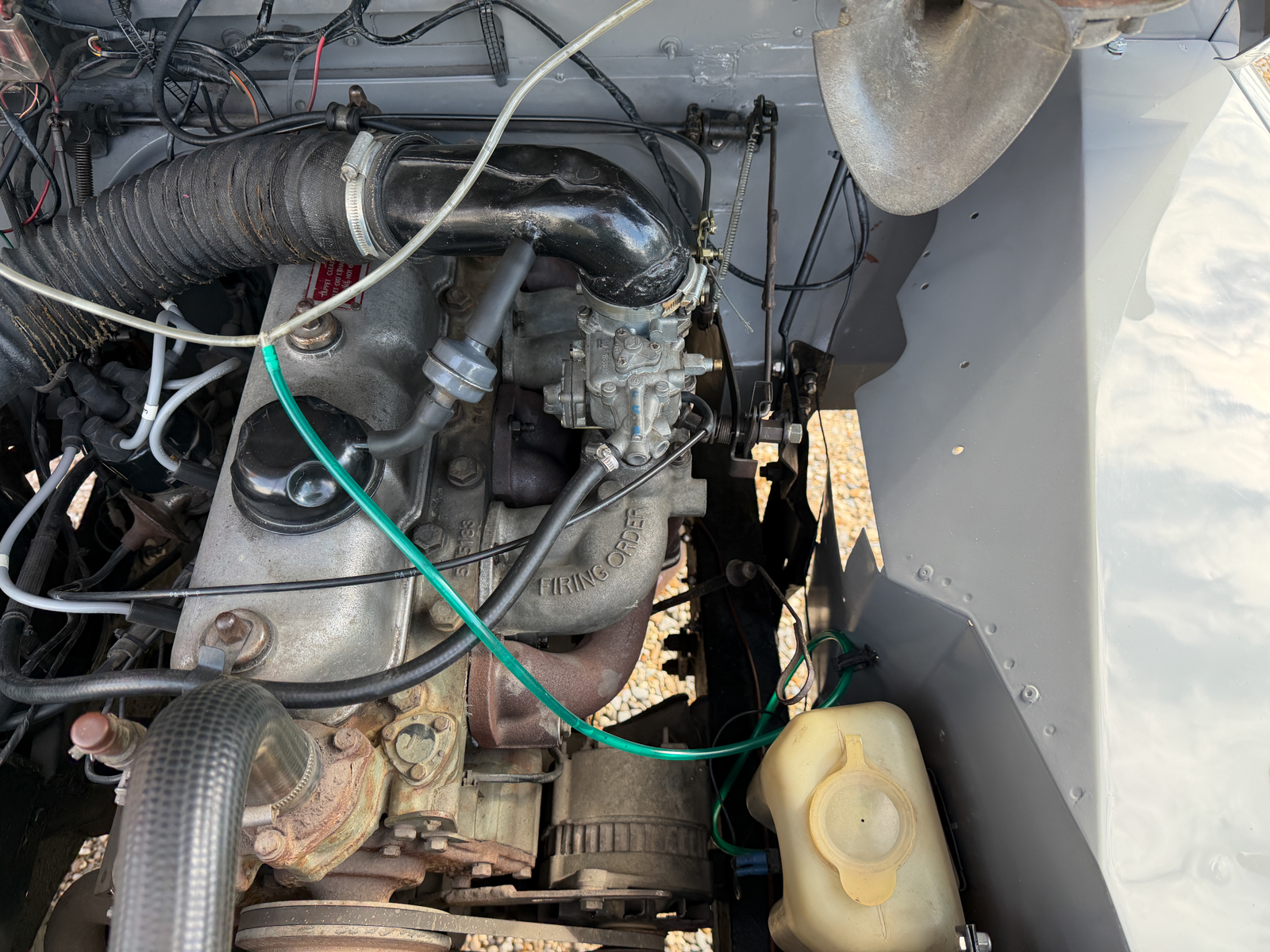
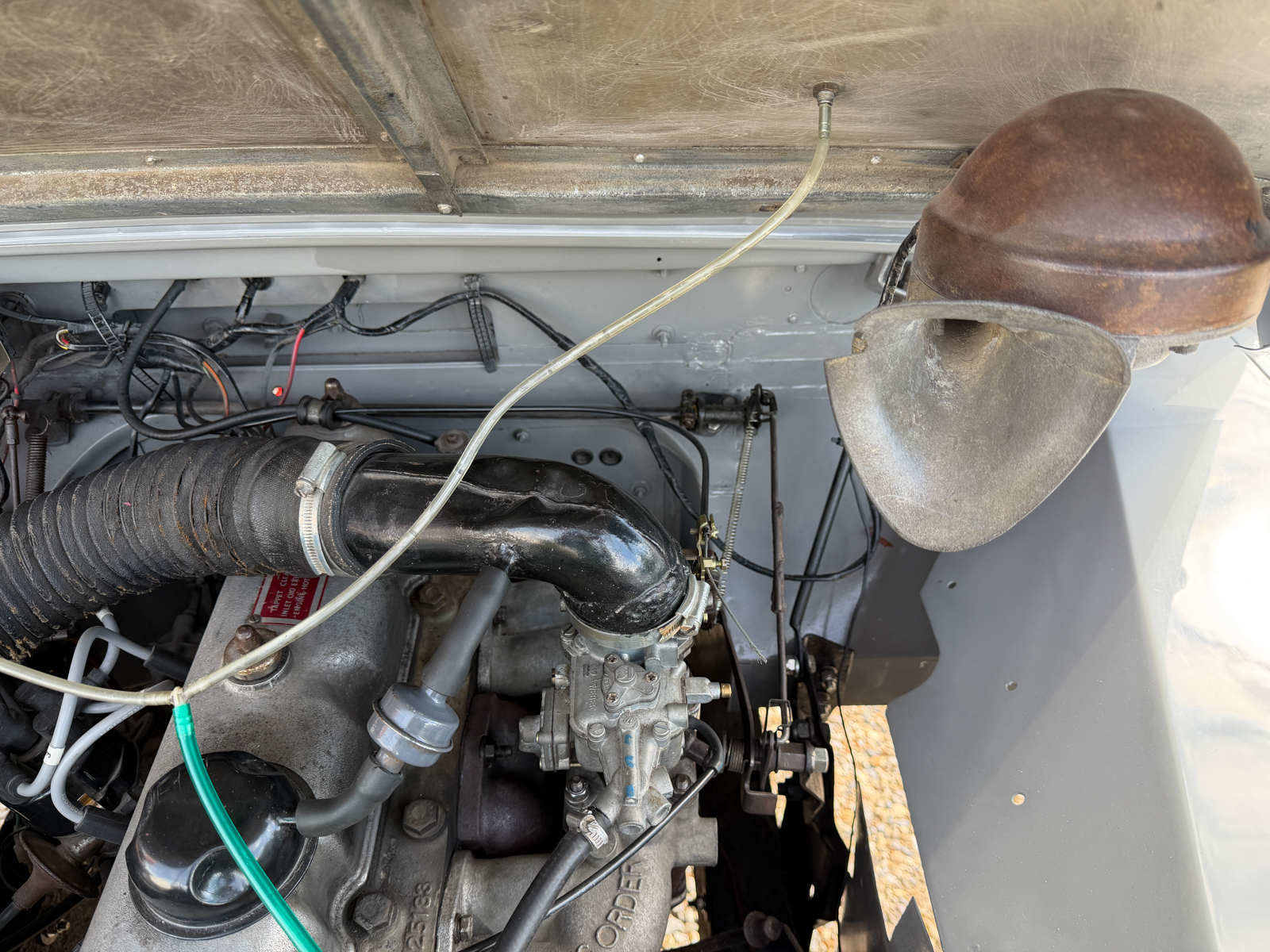
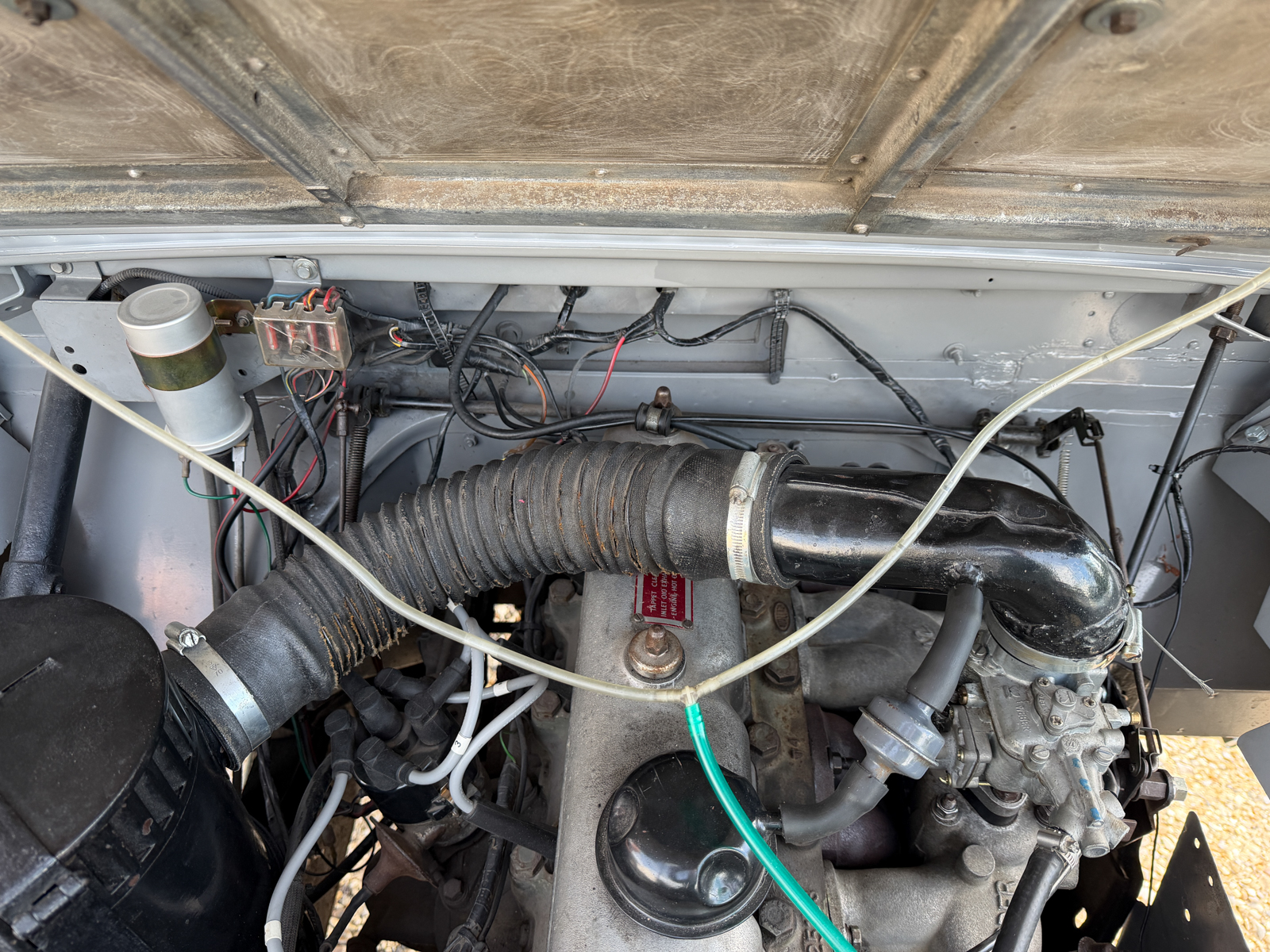
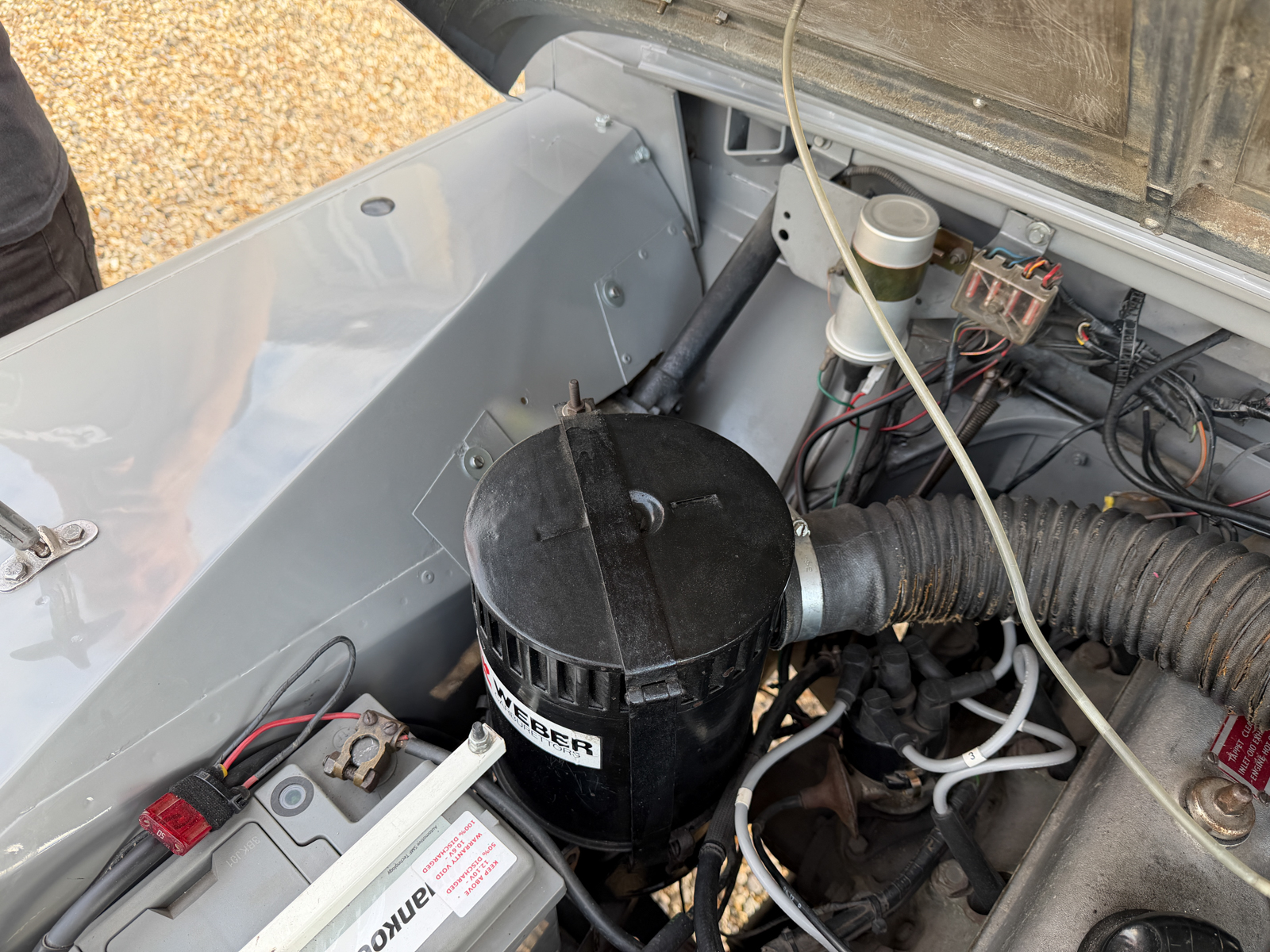
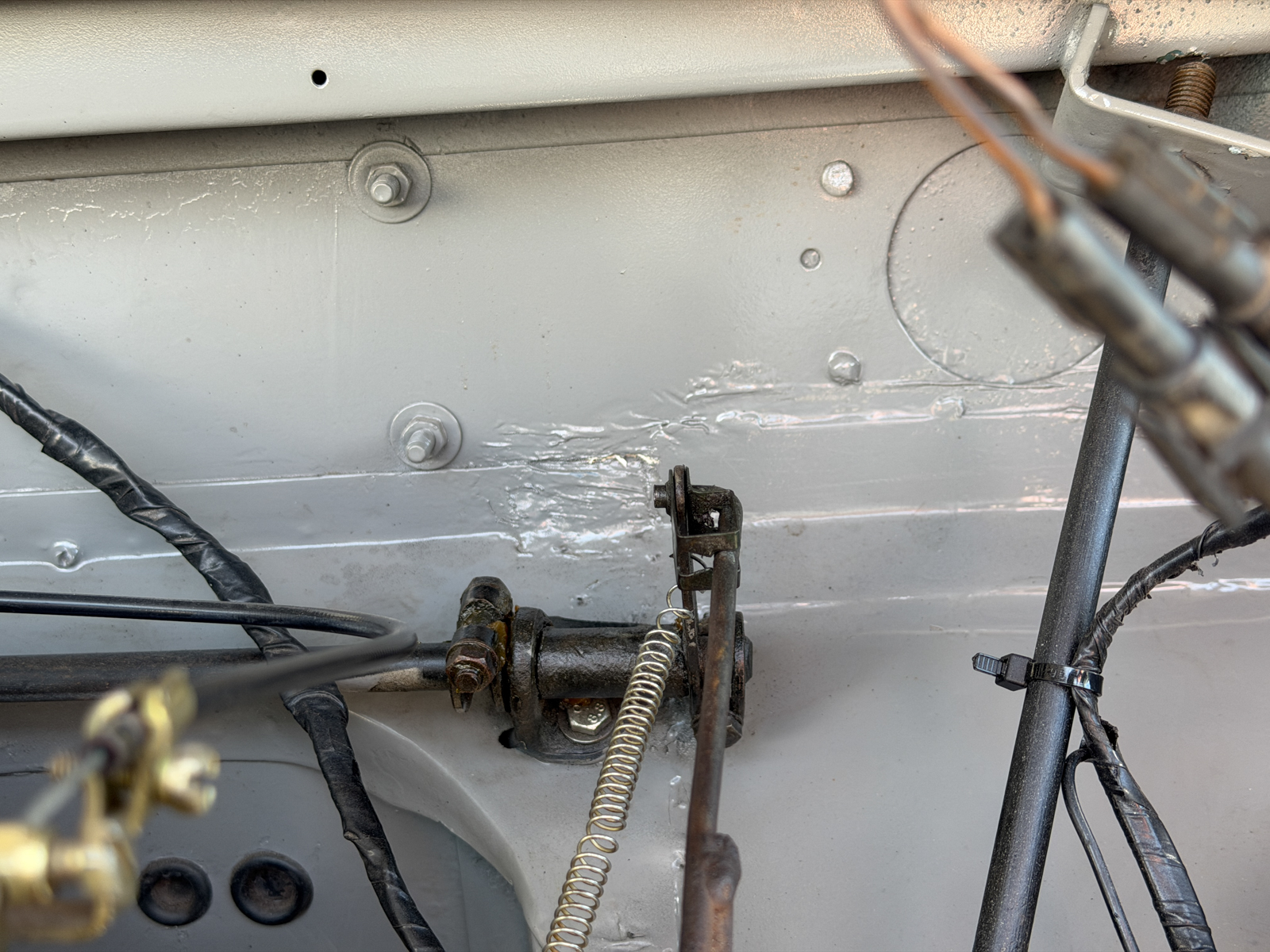
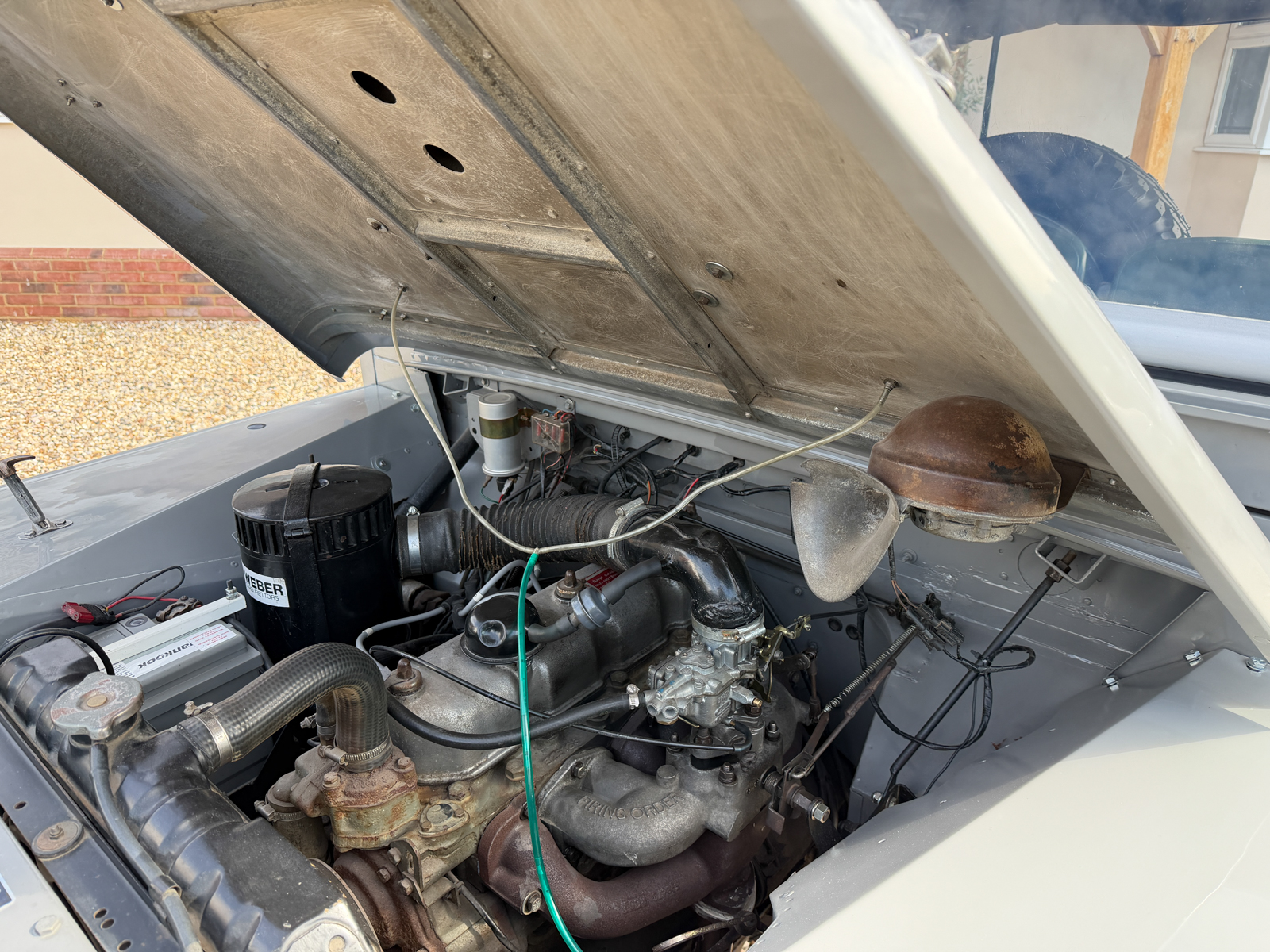
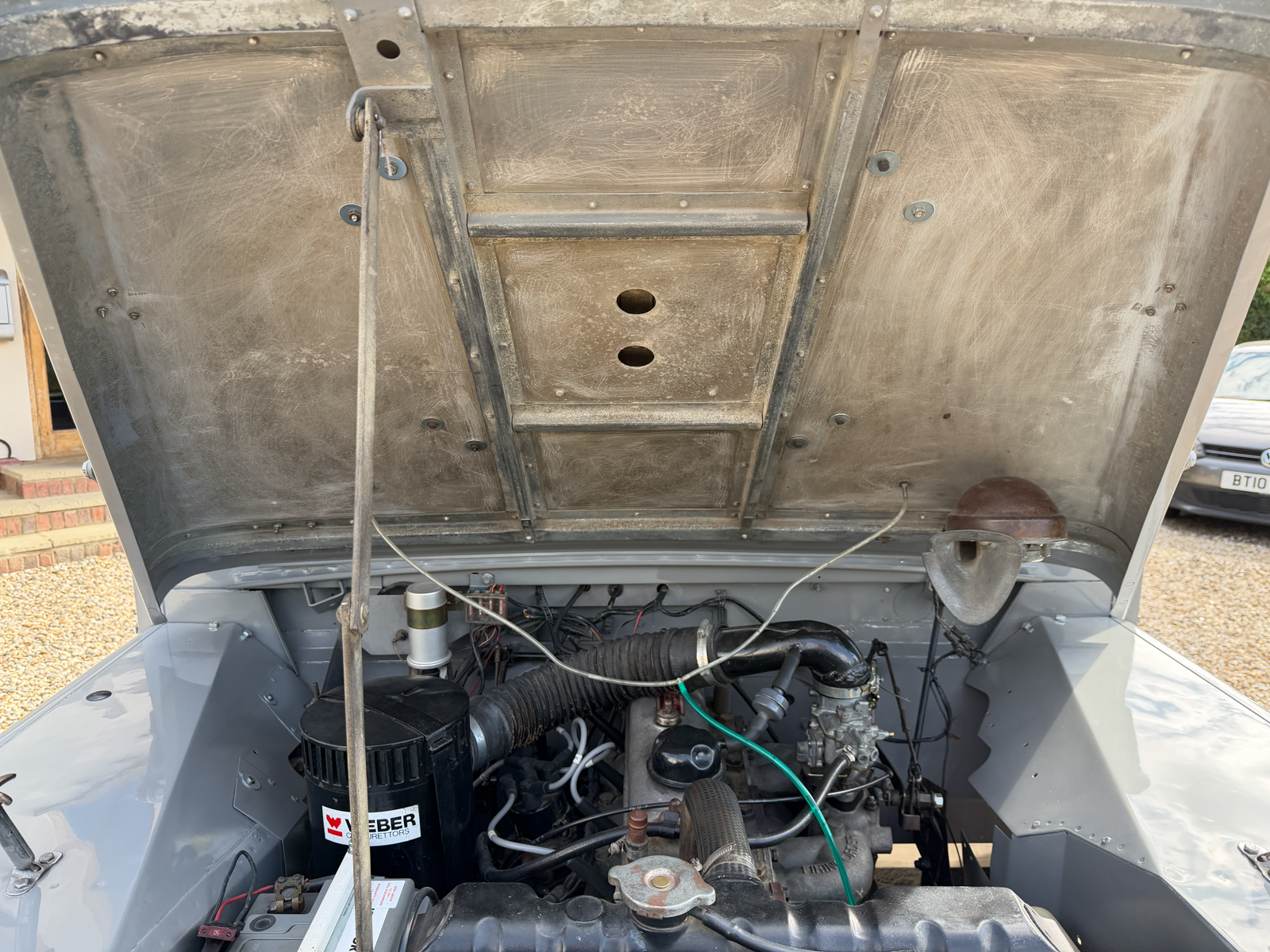
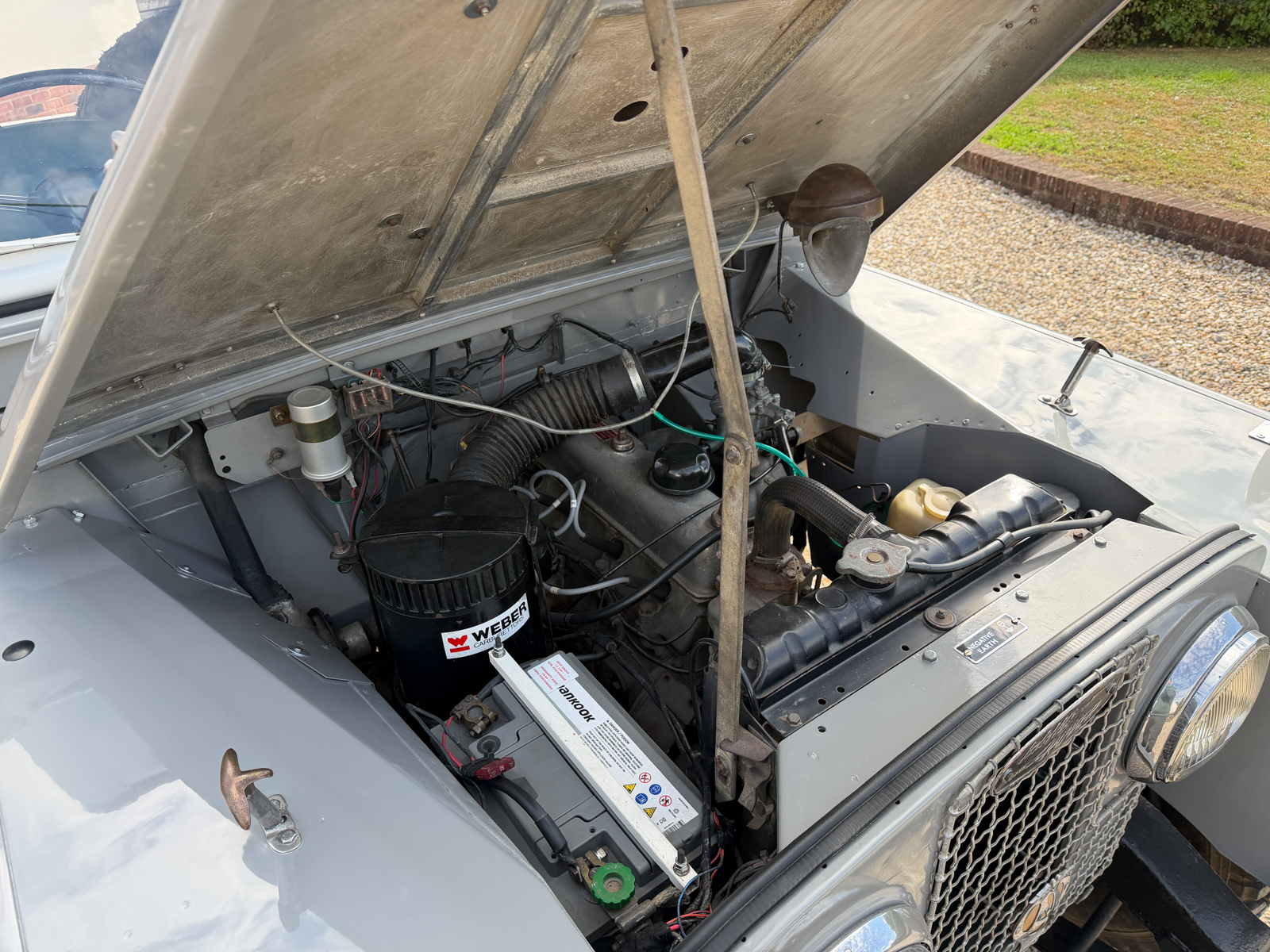
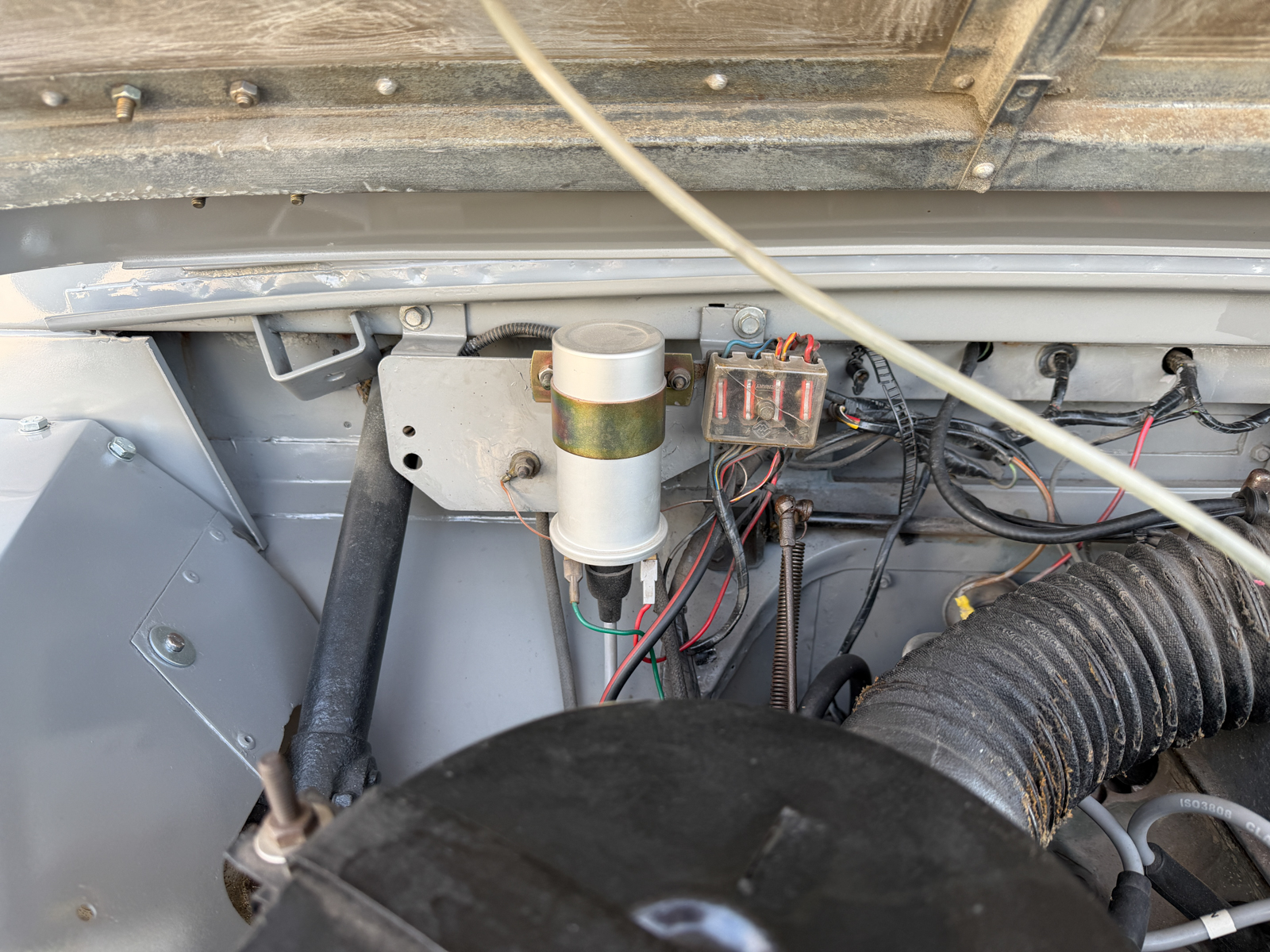
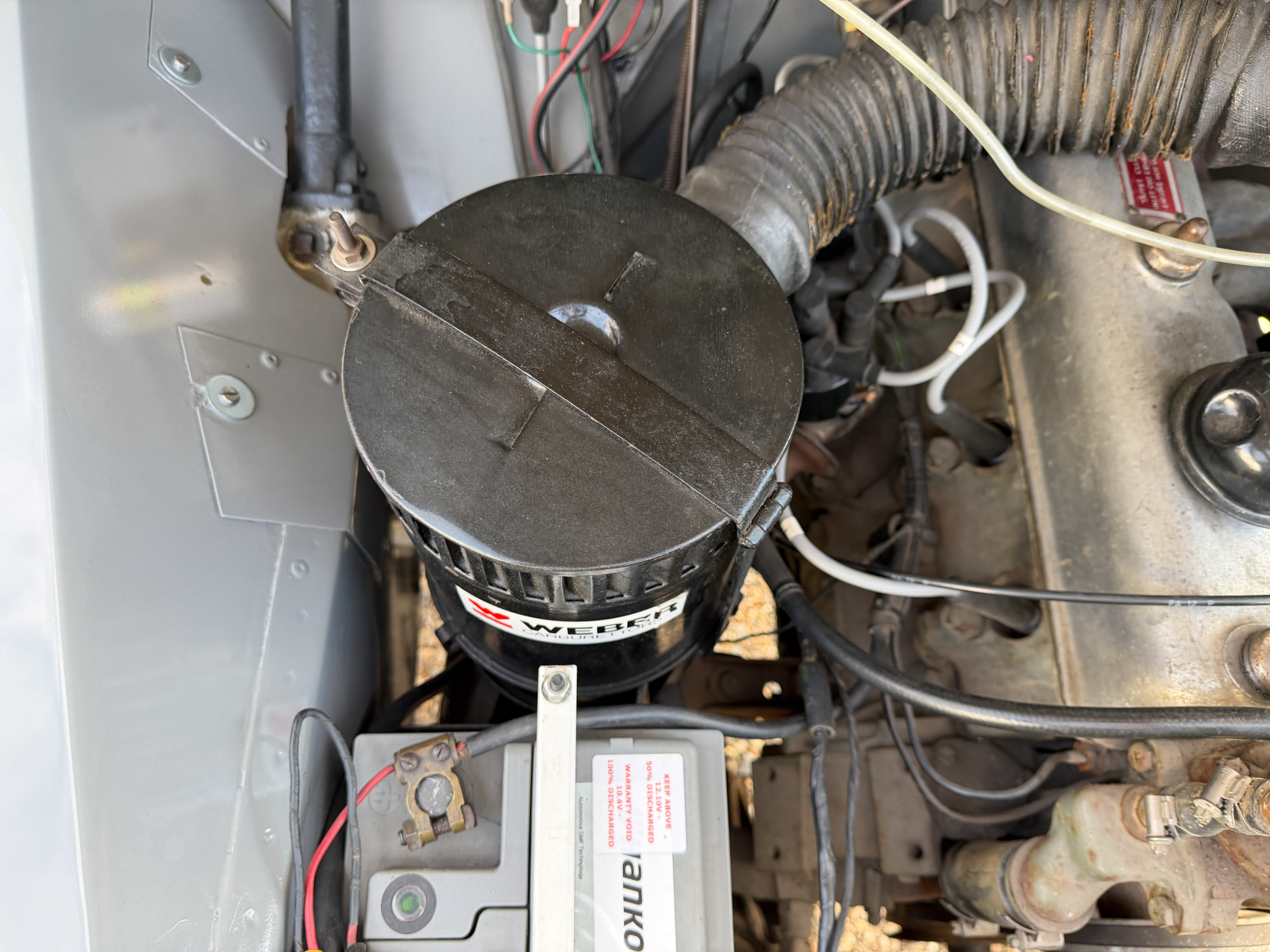
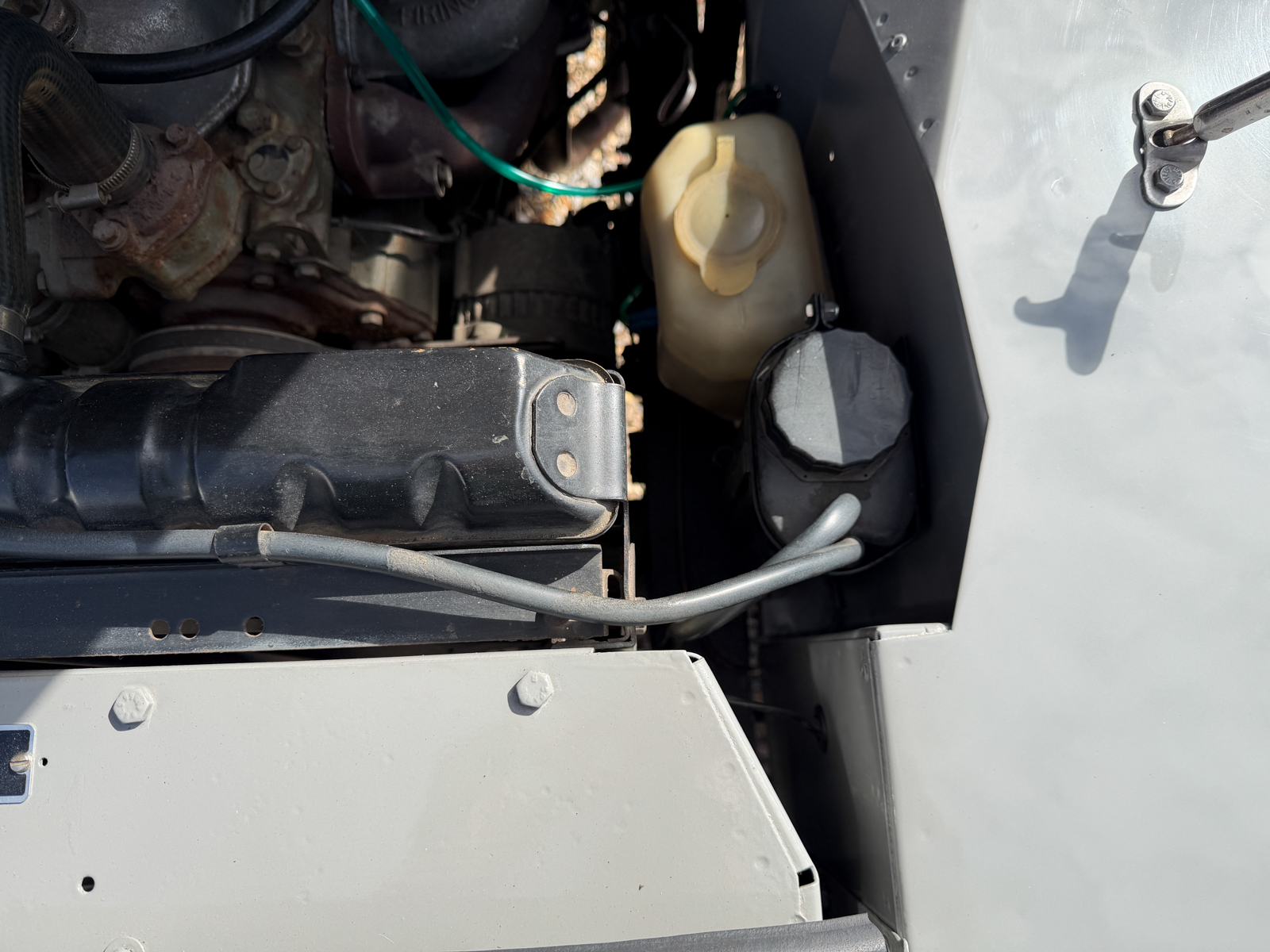
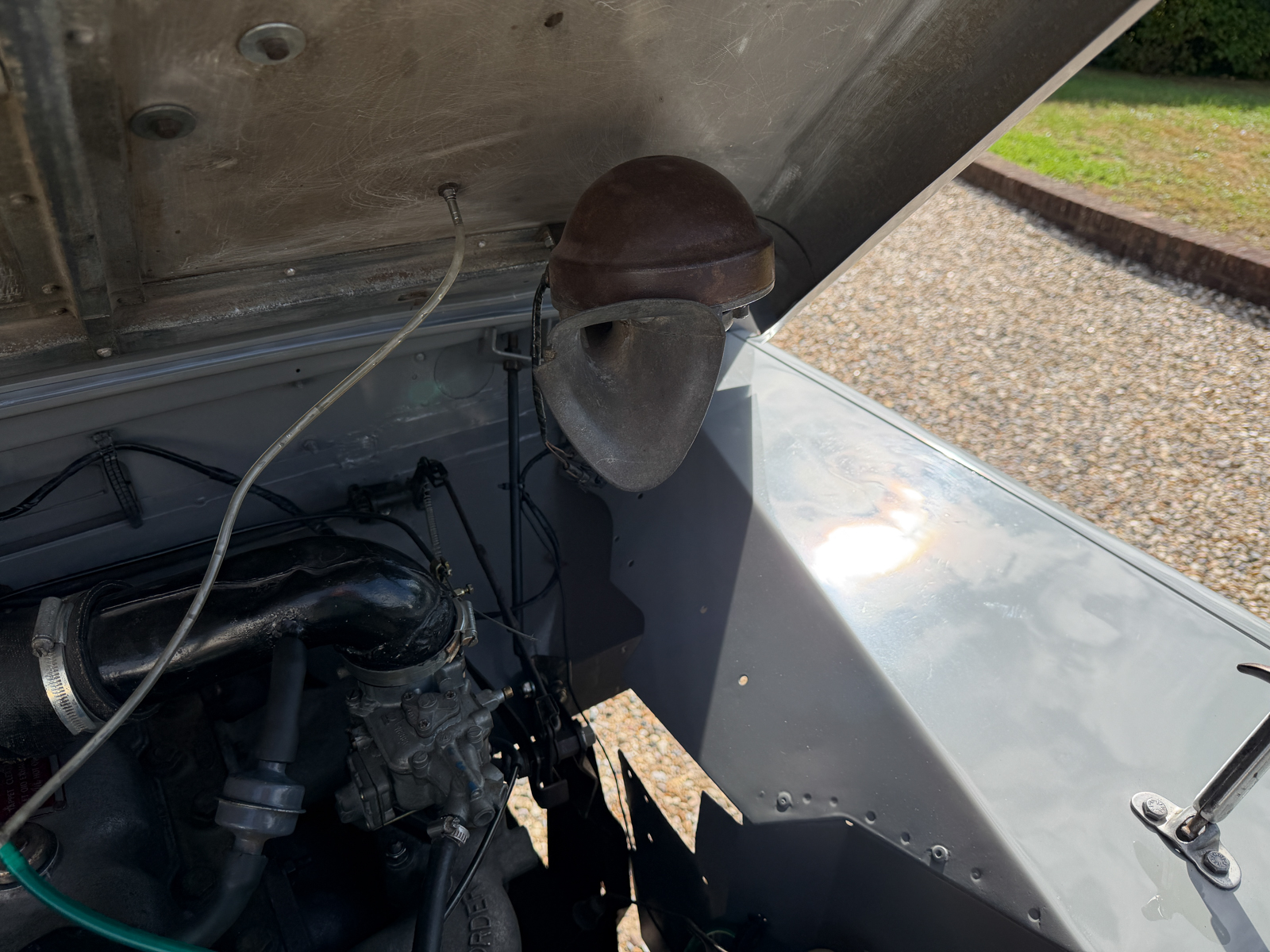
A Weber carburettor and corresponding air-cleaner assembly can be seen within the engine bay. The installation presents honestly, with clean painted surrounding panels and some age-related patination across components such as the exhaust manifold, fixings and underside of the bonnet.

During our visit, the engine started and ran well. Steve reports that it performs strongly and contributes to the Land Rover’s particularly enjoyable road manners.

Power is delivered through the later four-speed manual gearbox and selectable four-wheel-drive system. The gearbox and clutch are described by Steve as excellent and operated without concern during our drive.

An overdrive is also fitted, providing an additional cruising ratio and allowing the engine to operate more comfortably during faster journeys.

Please watch the mechanical and on-the-road videos to hear the engine starting and running and to see the Land Rover being driven.

image

Suspension and Brakes

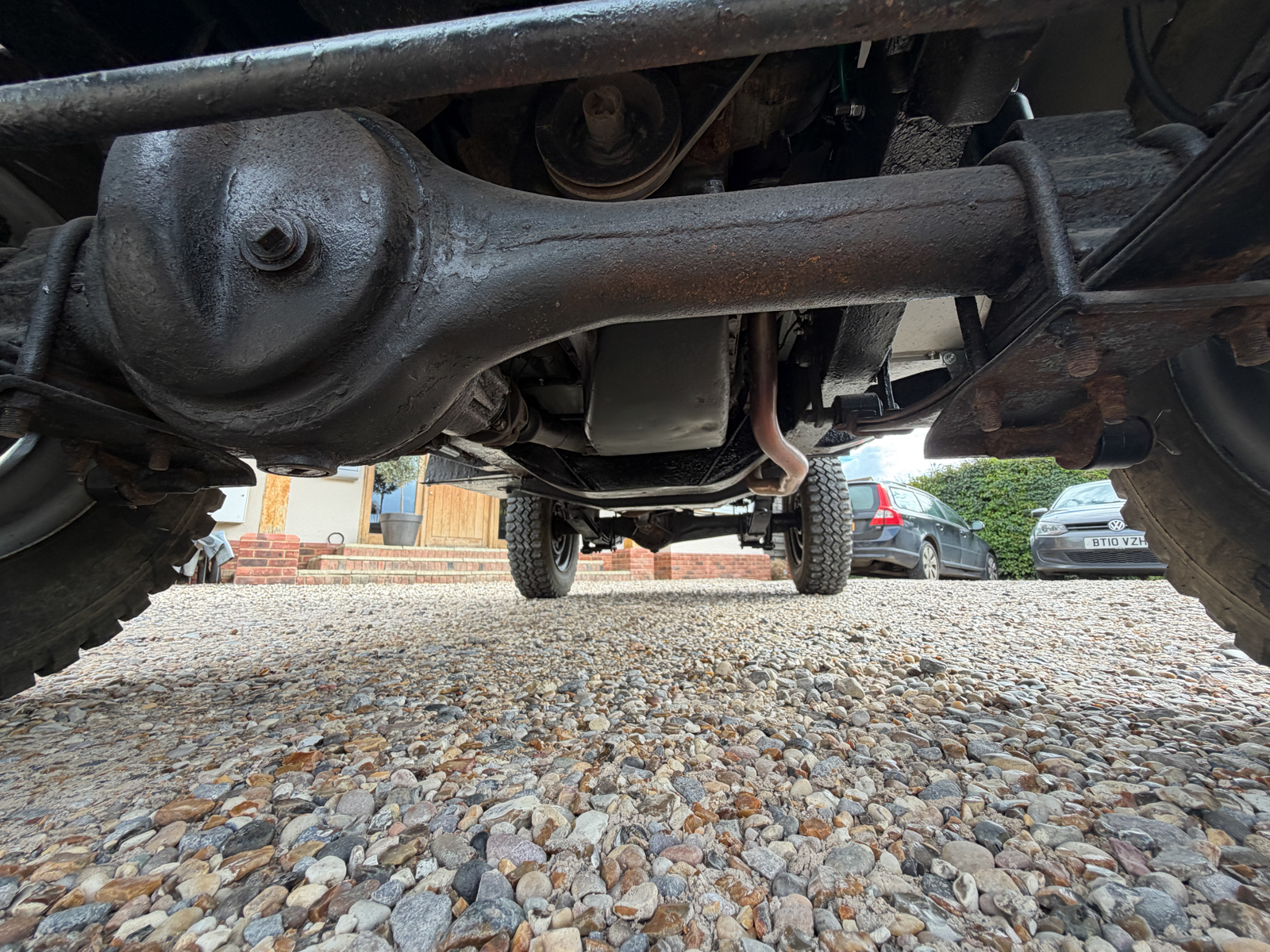
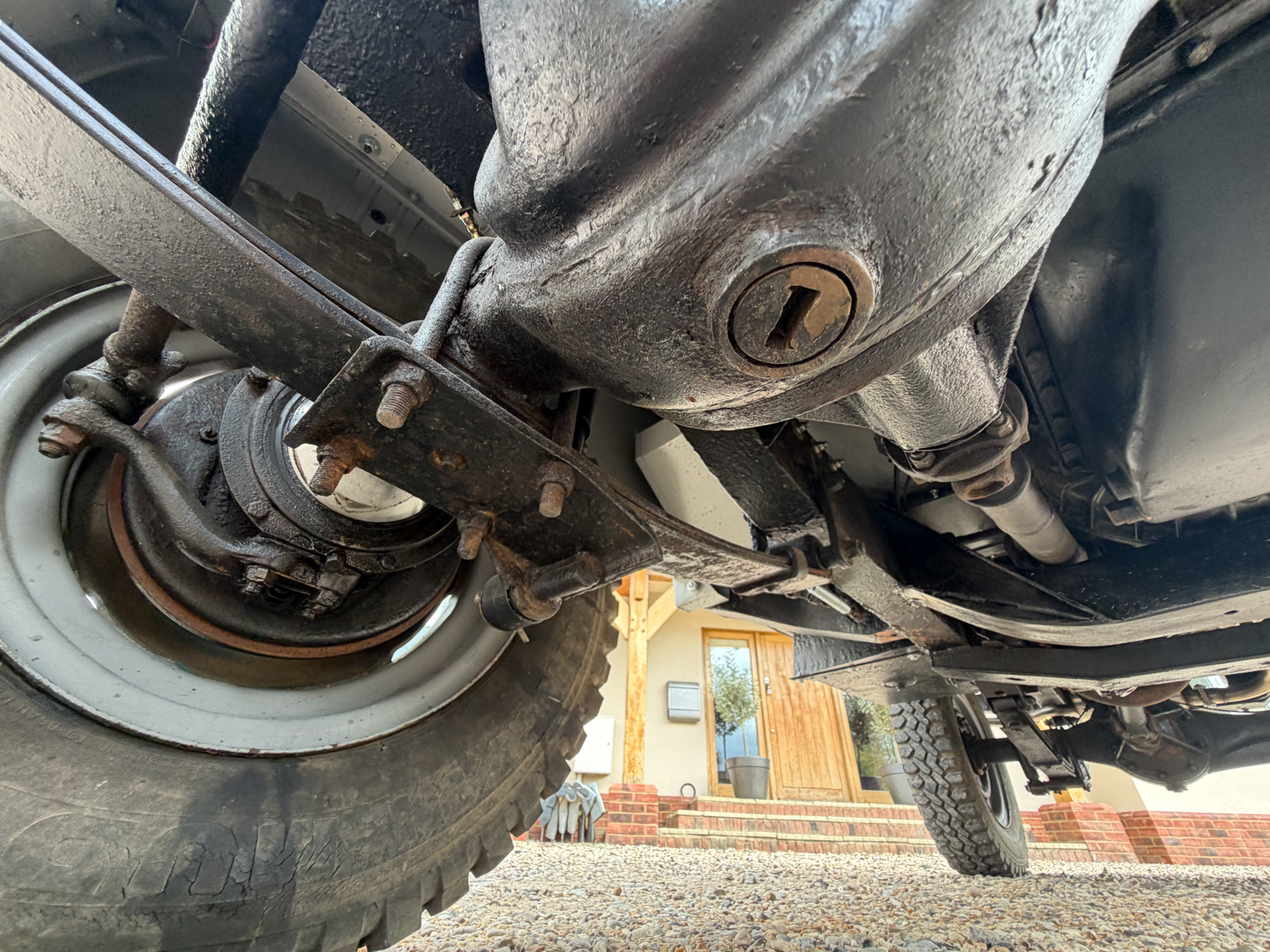
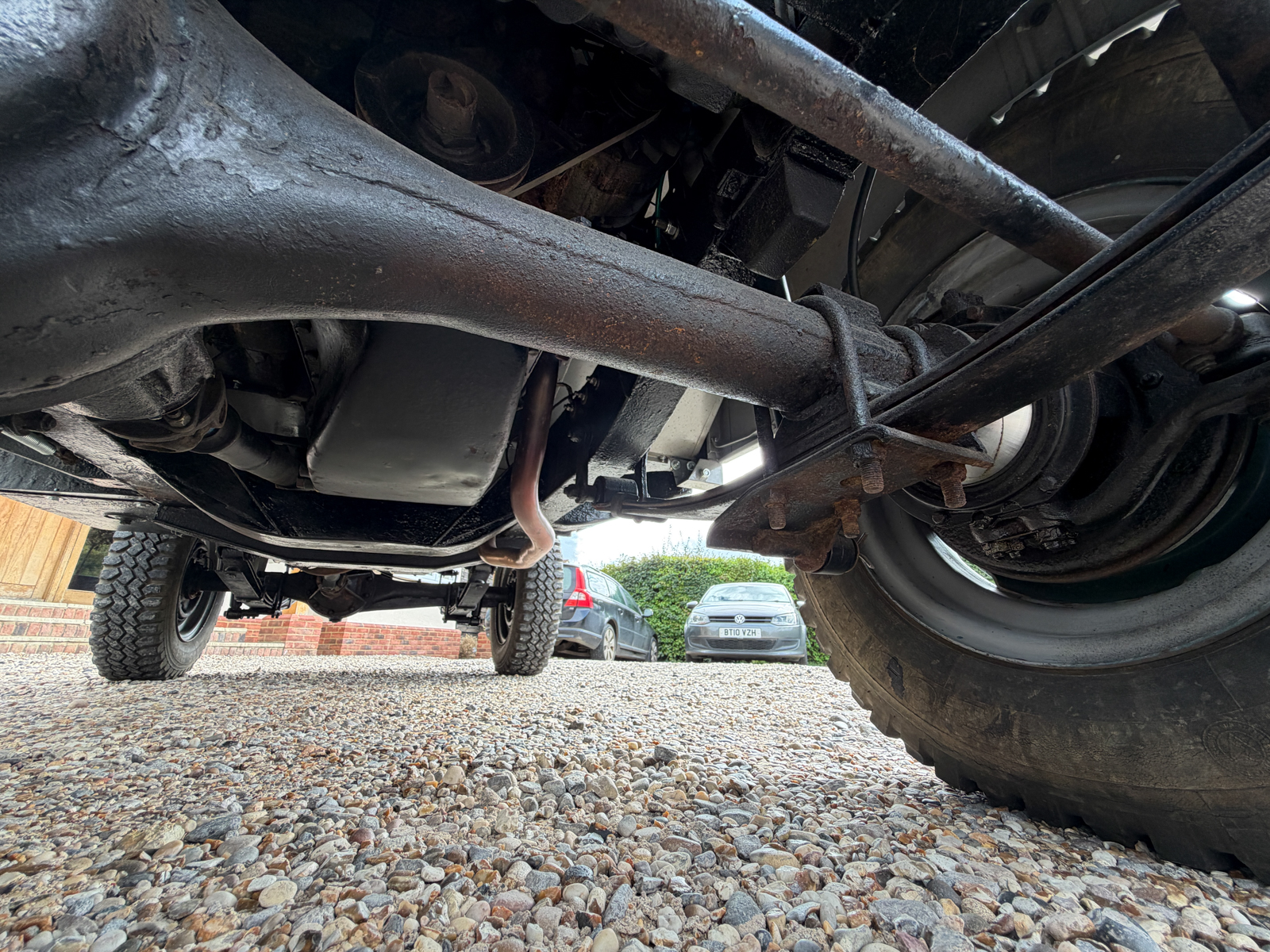
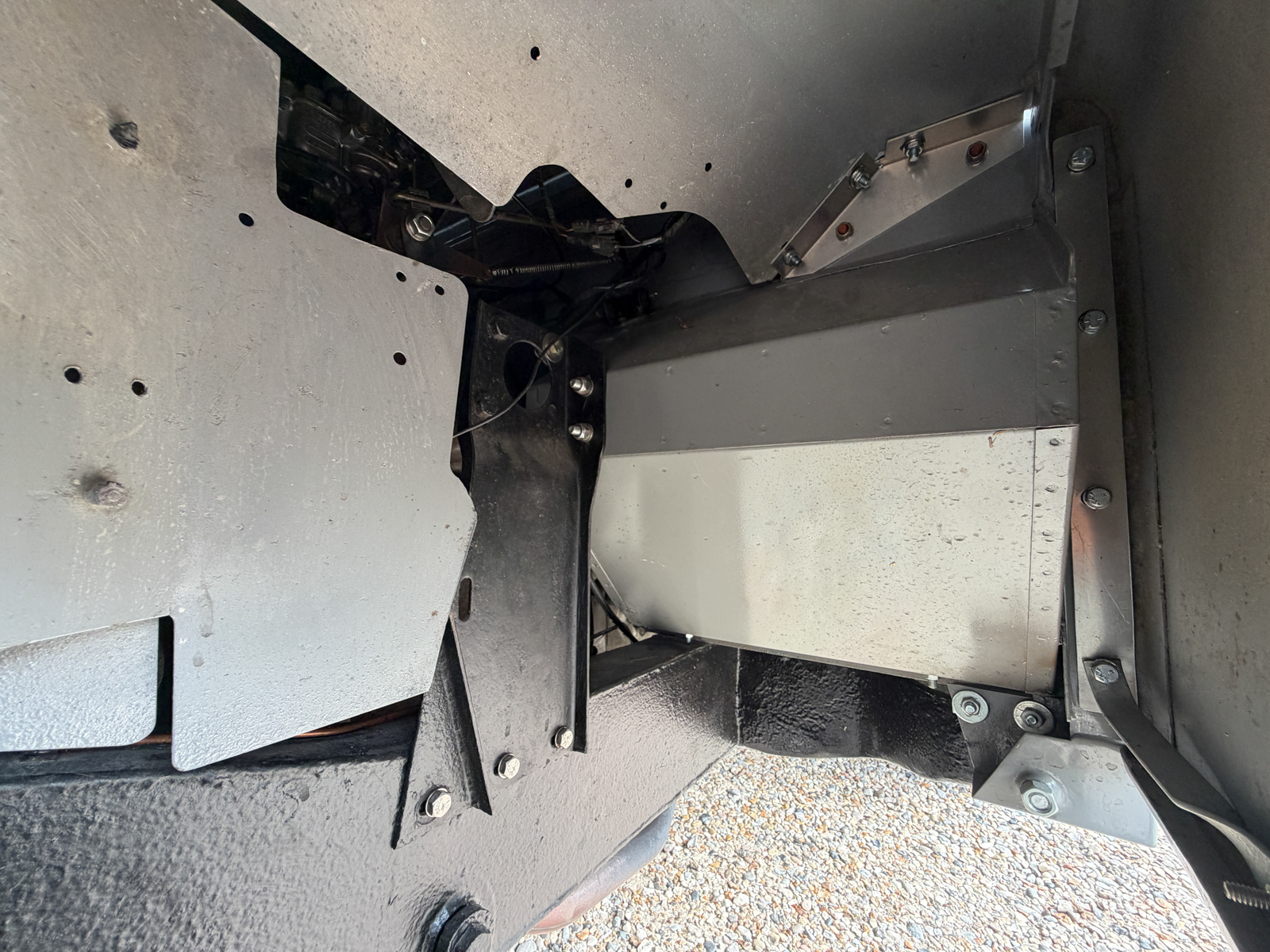
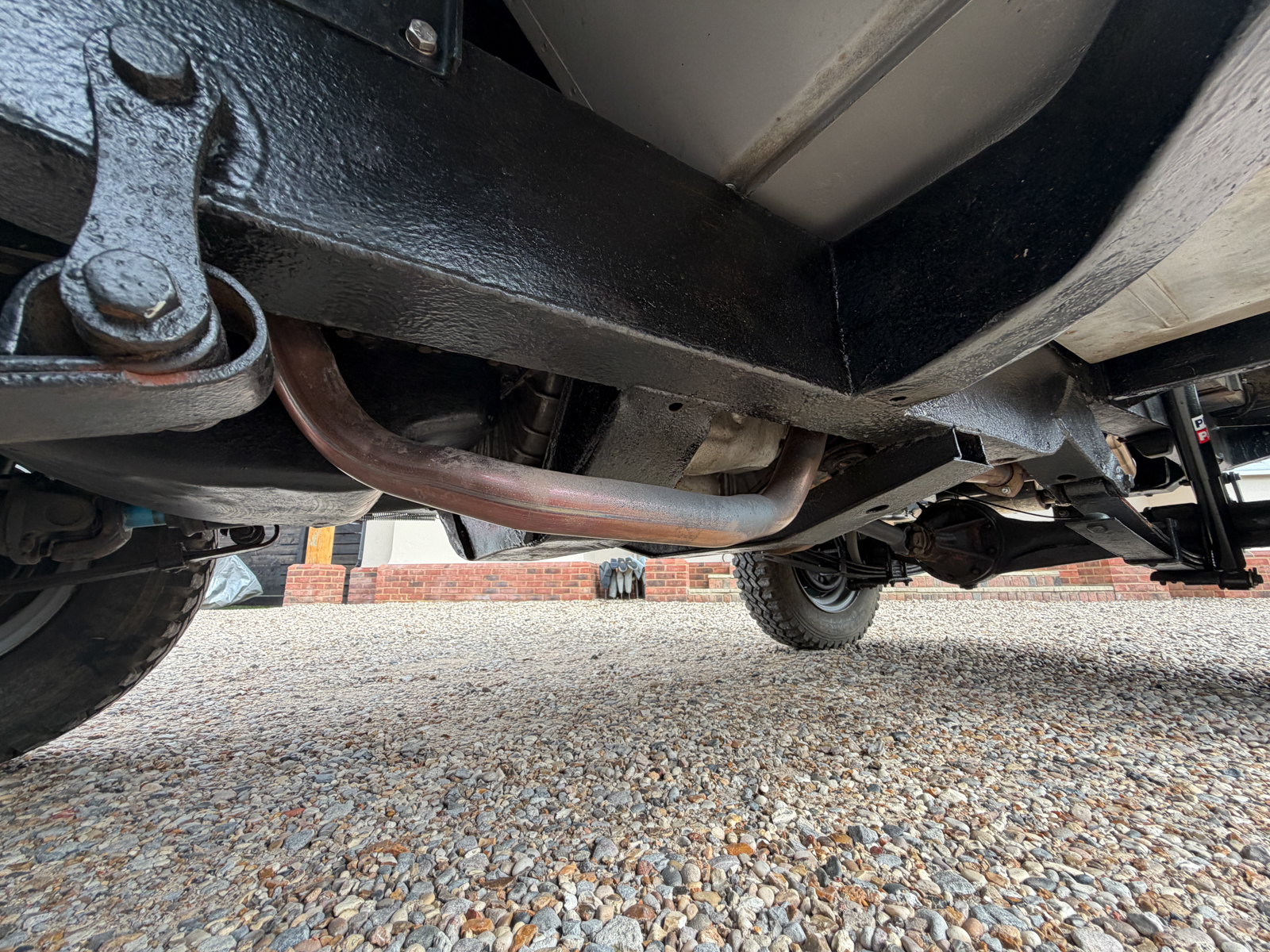
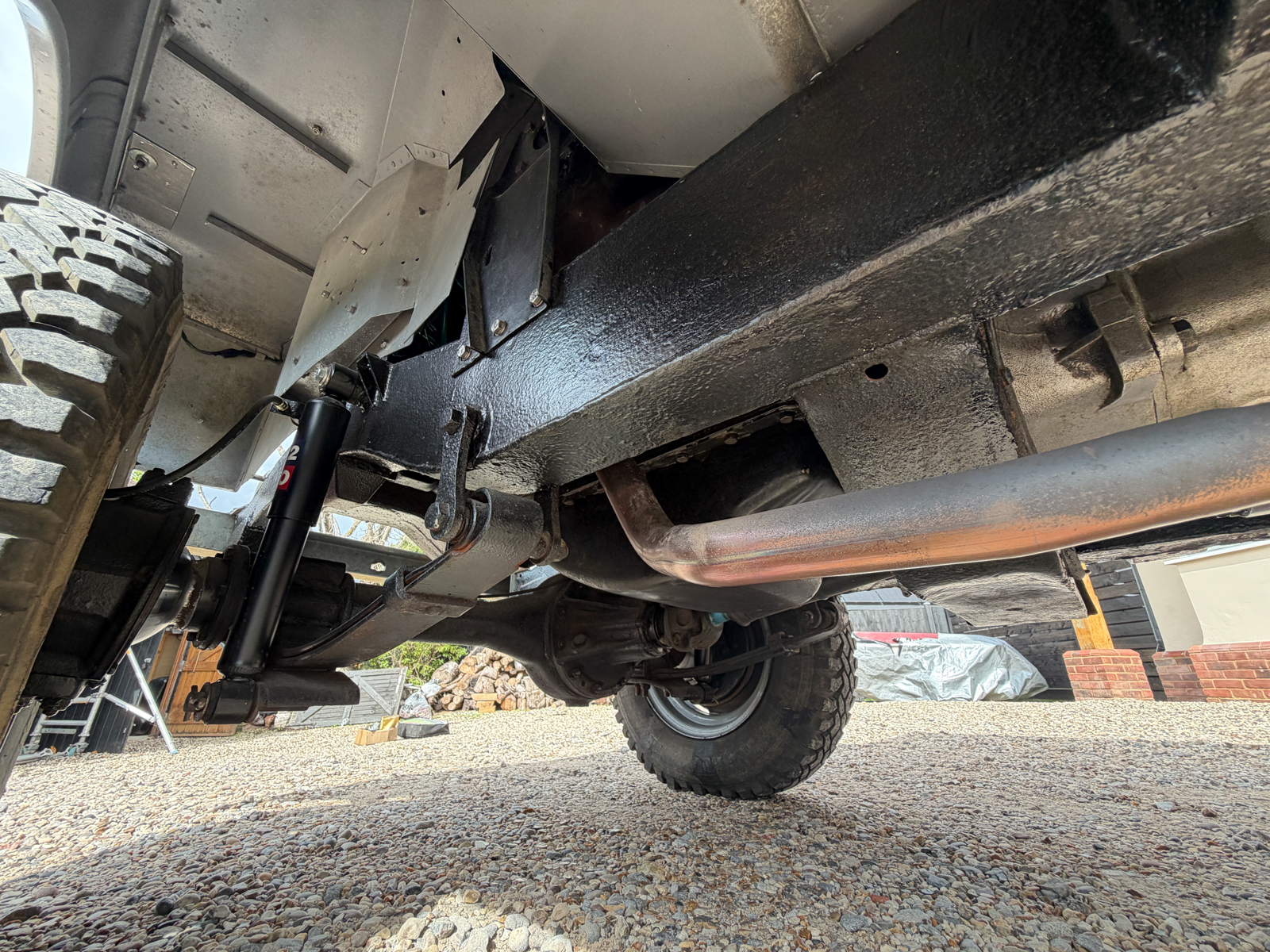
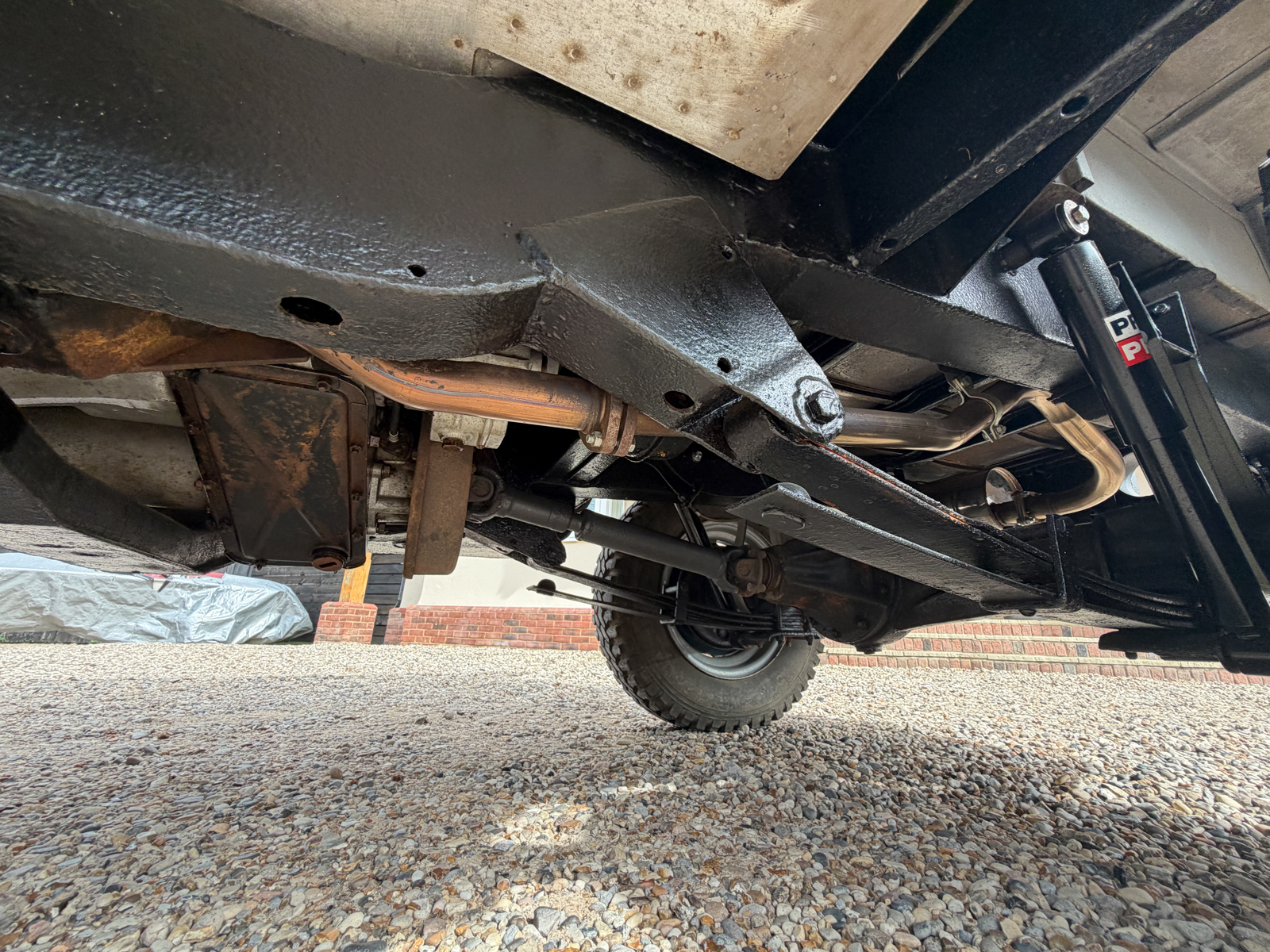
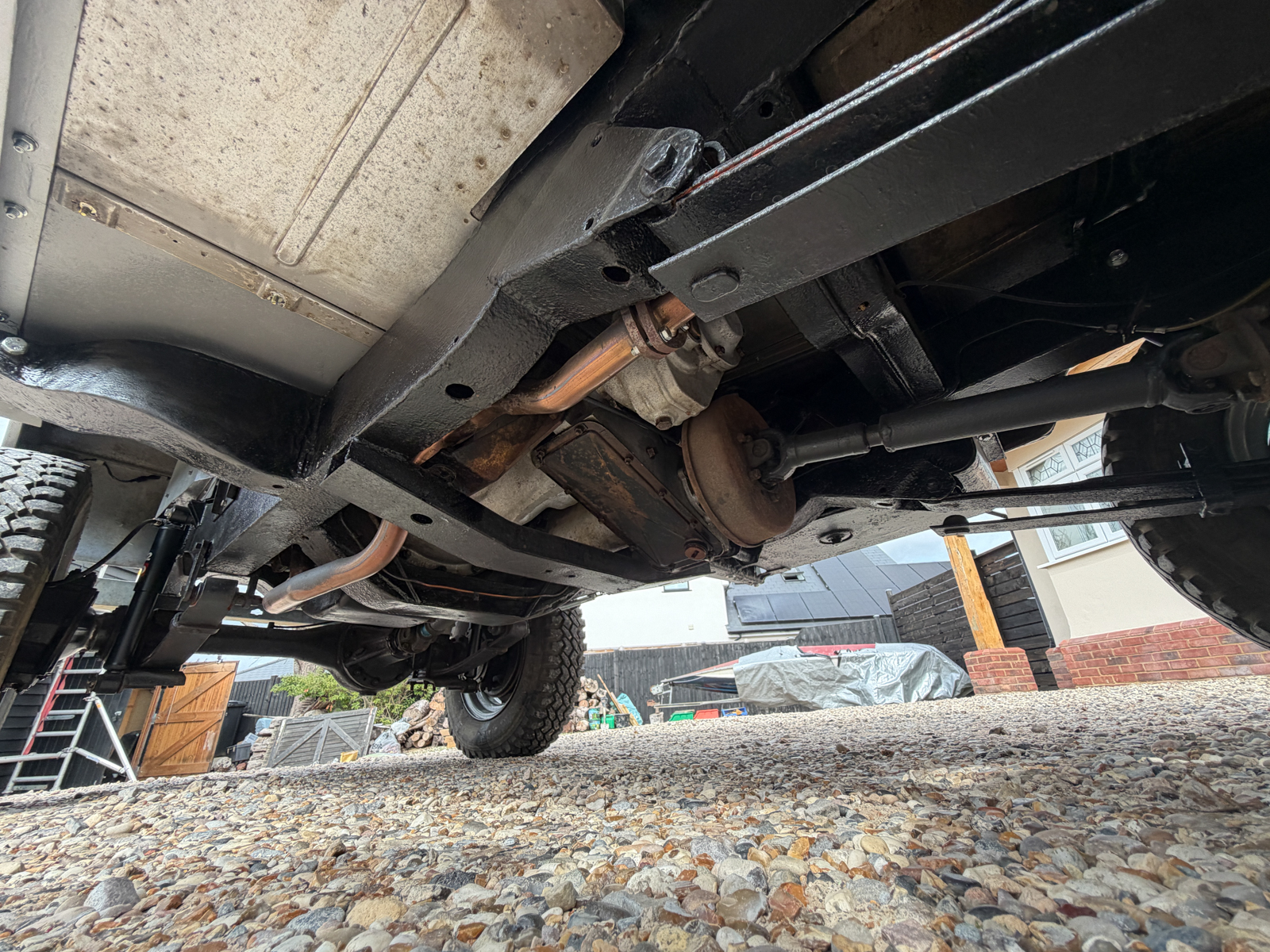
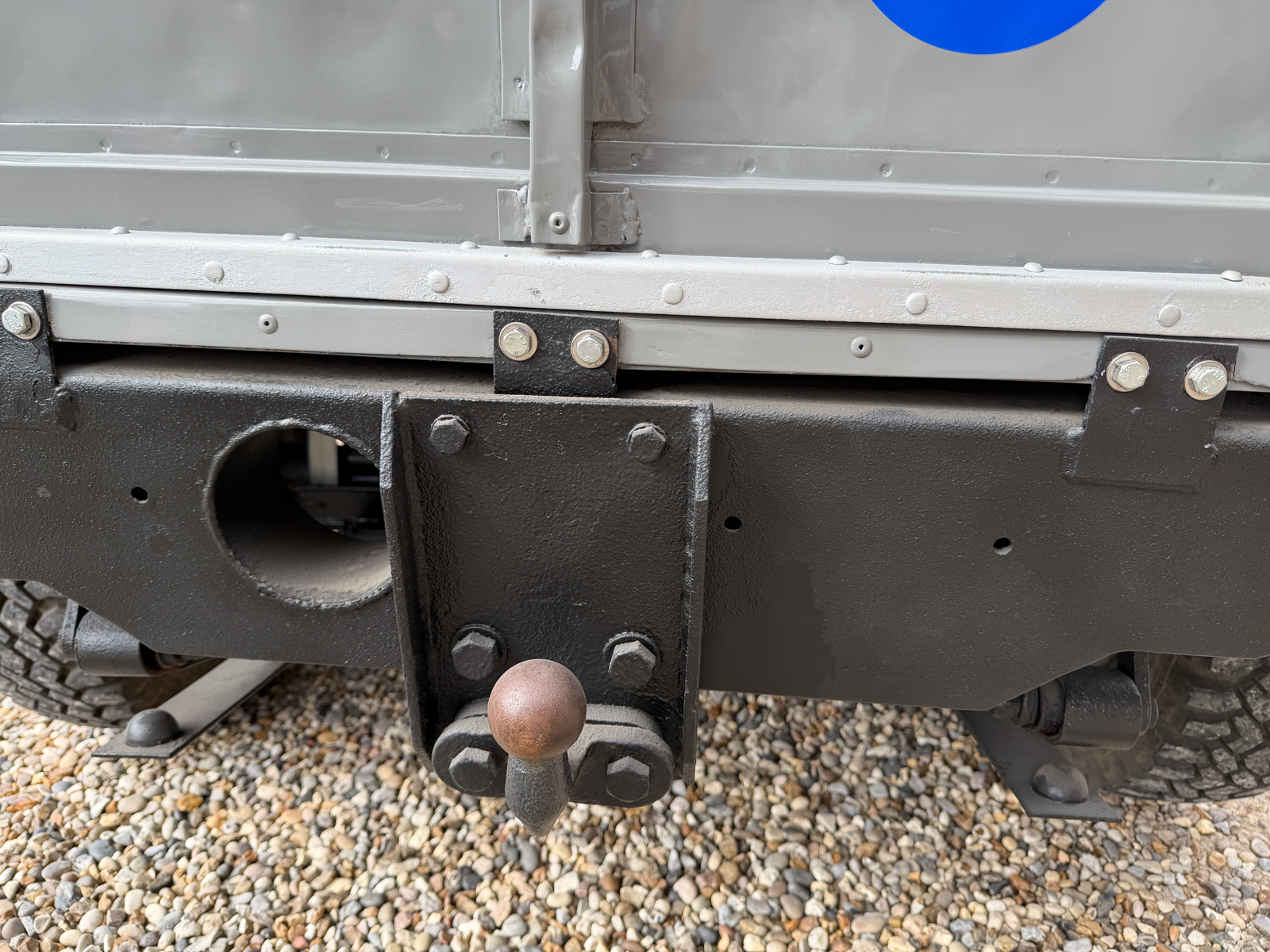
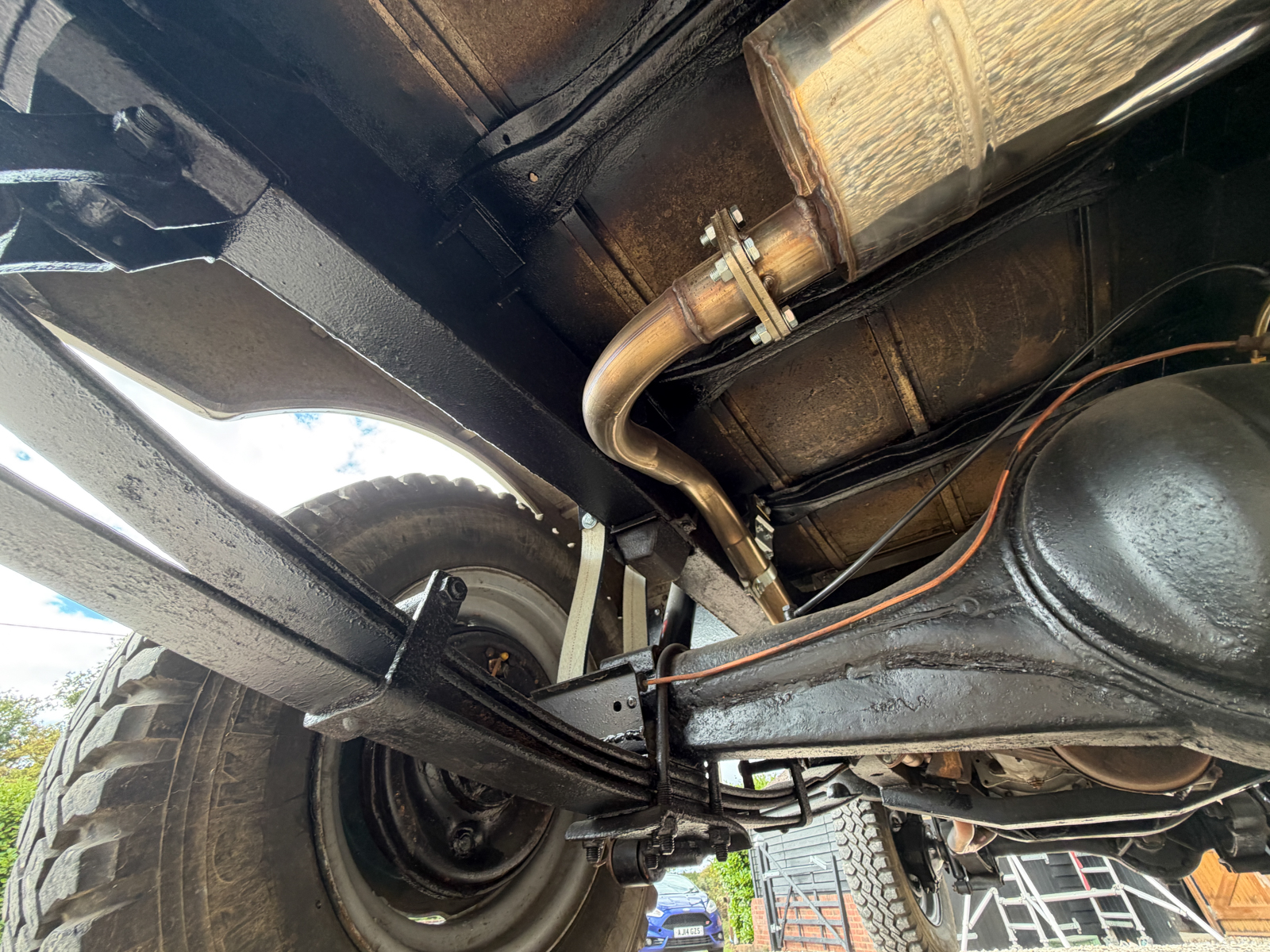
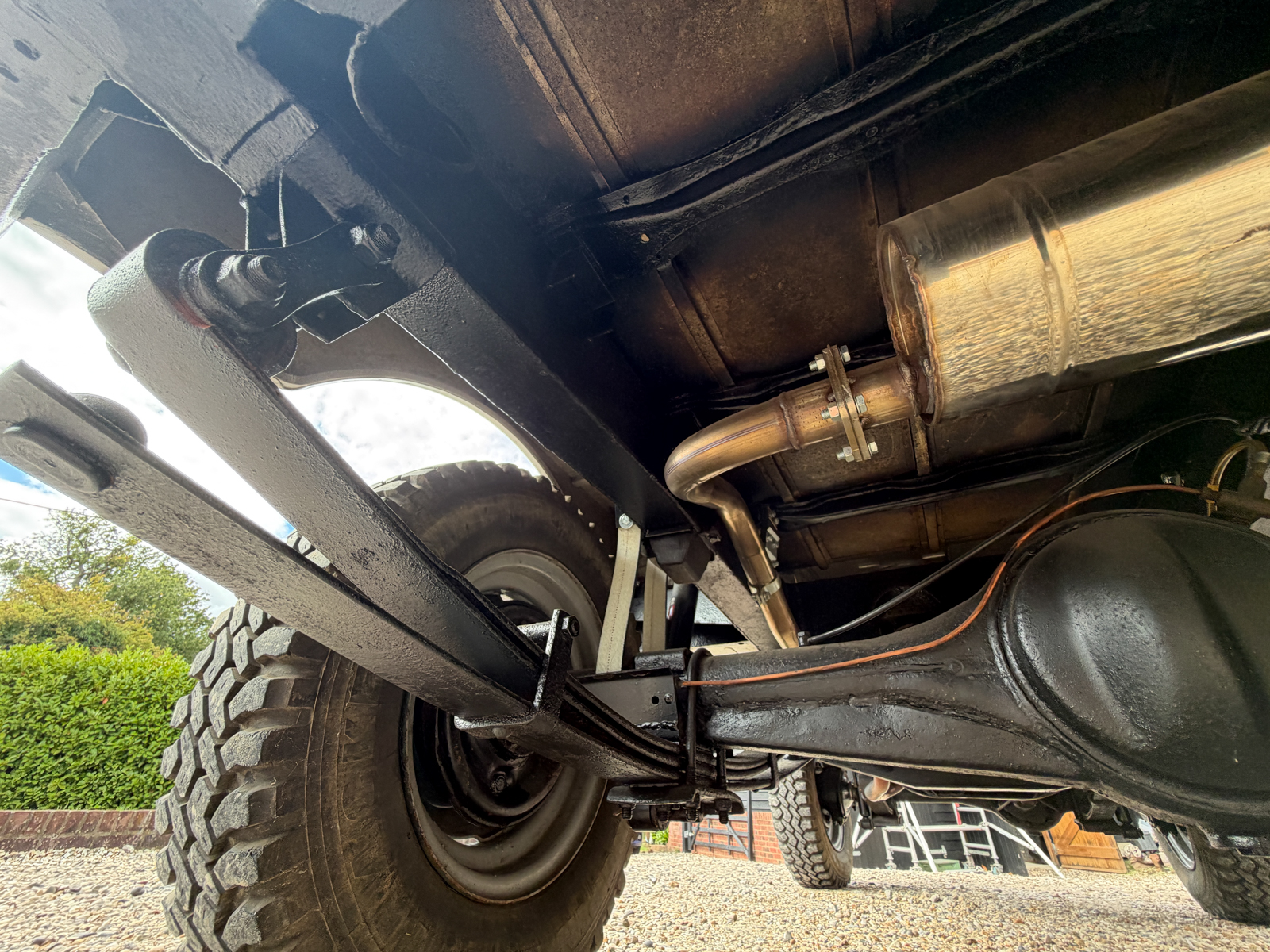
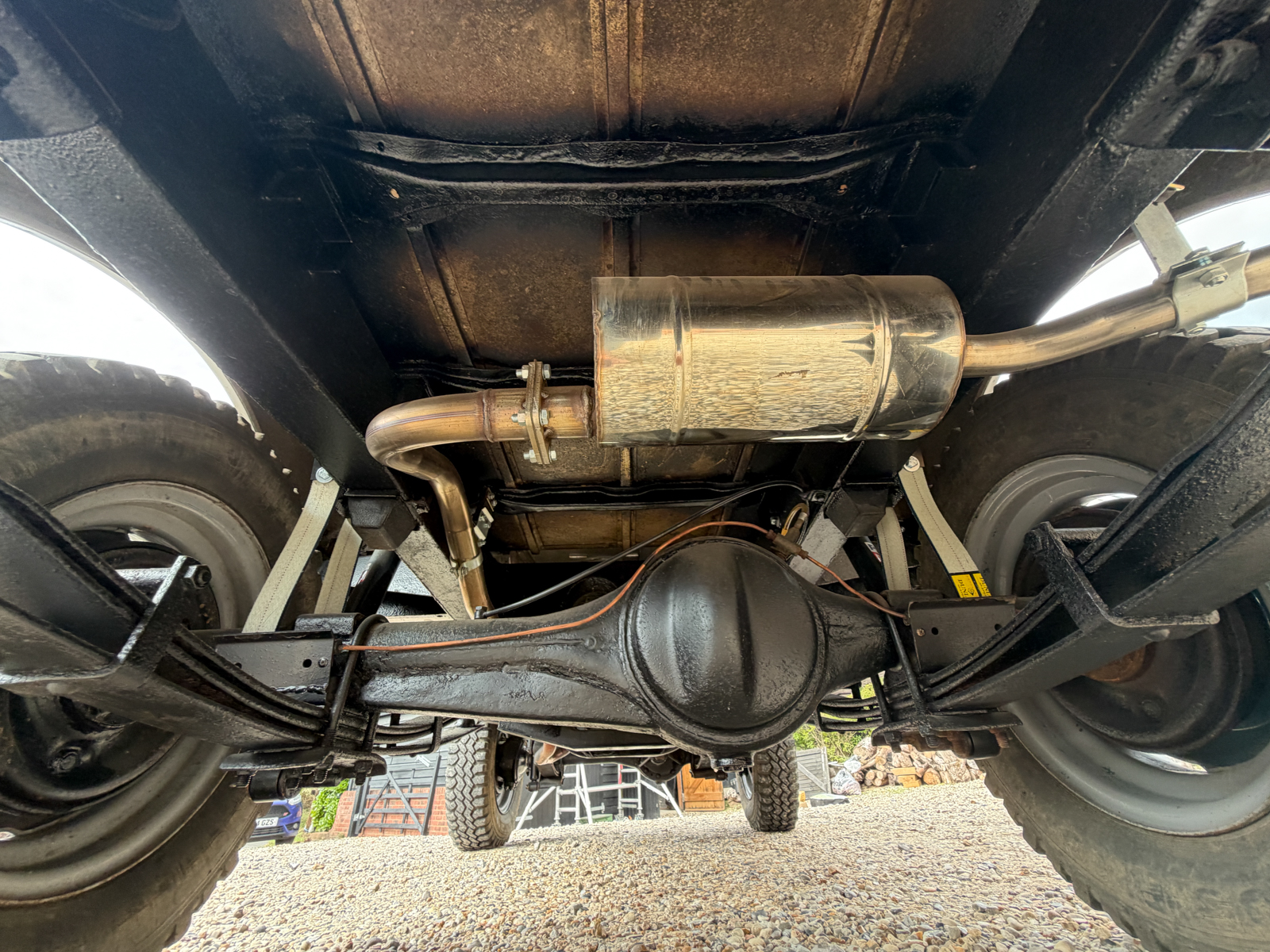
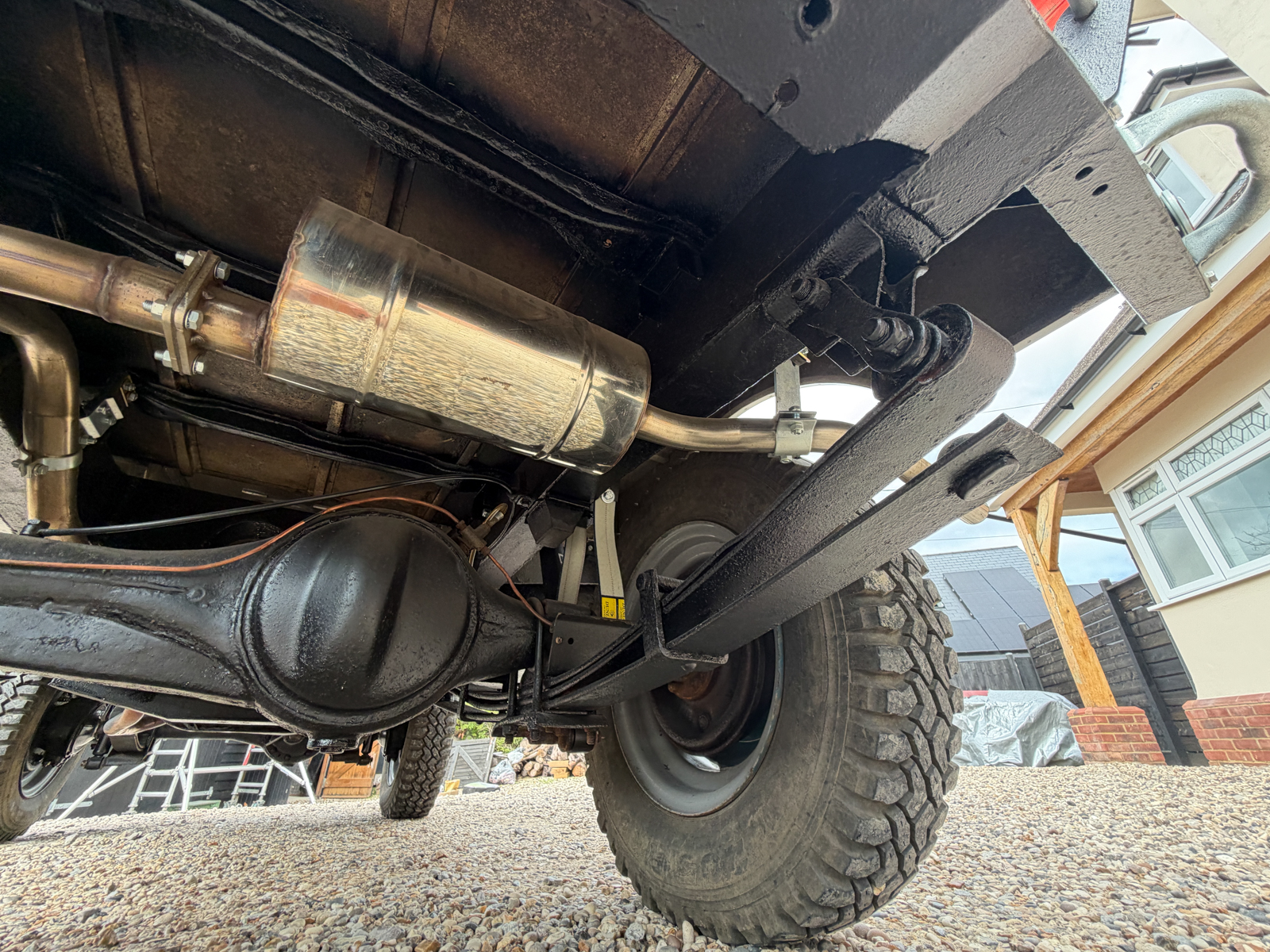
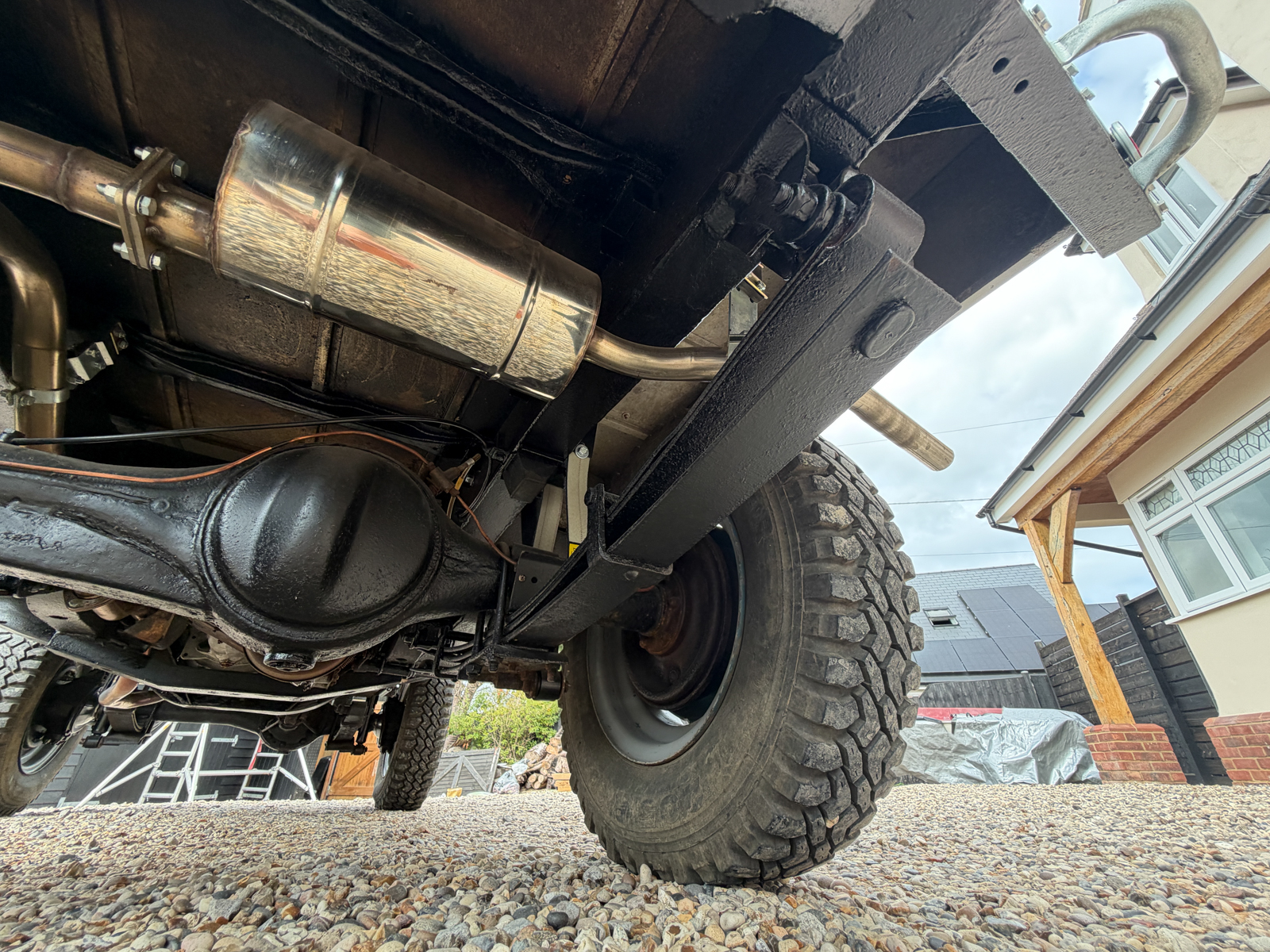
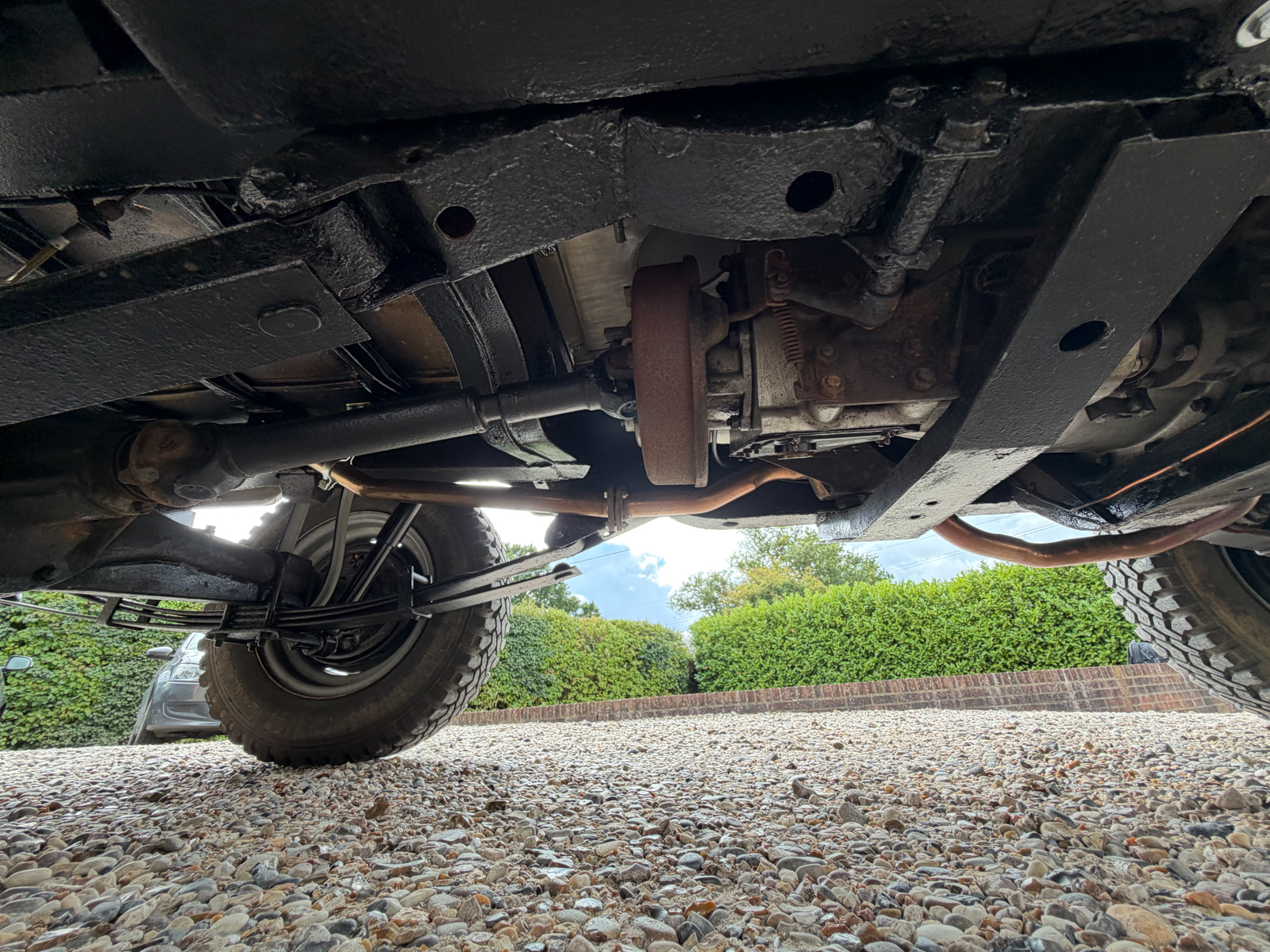
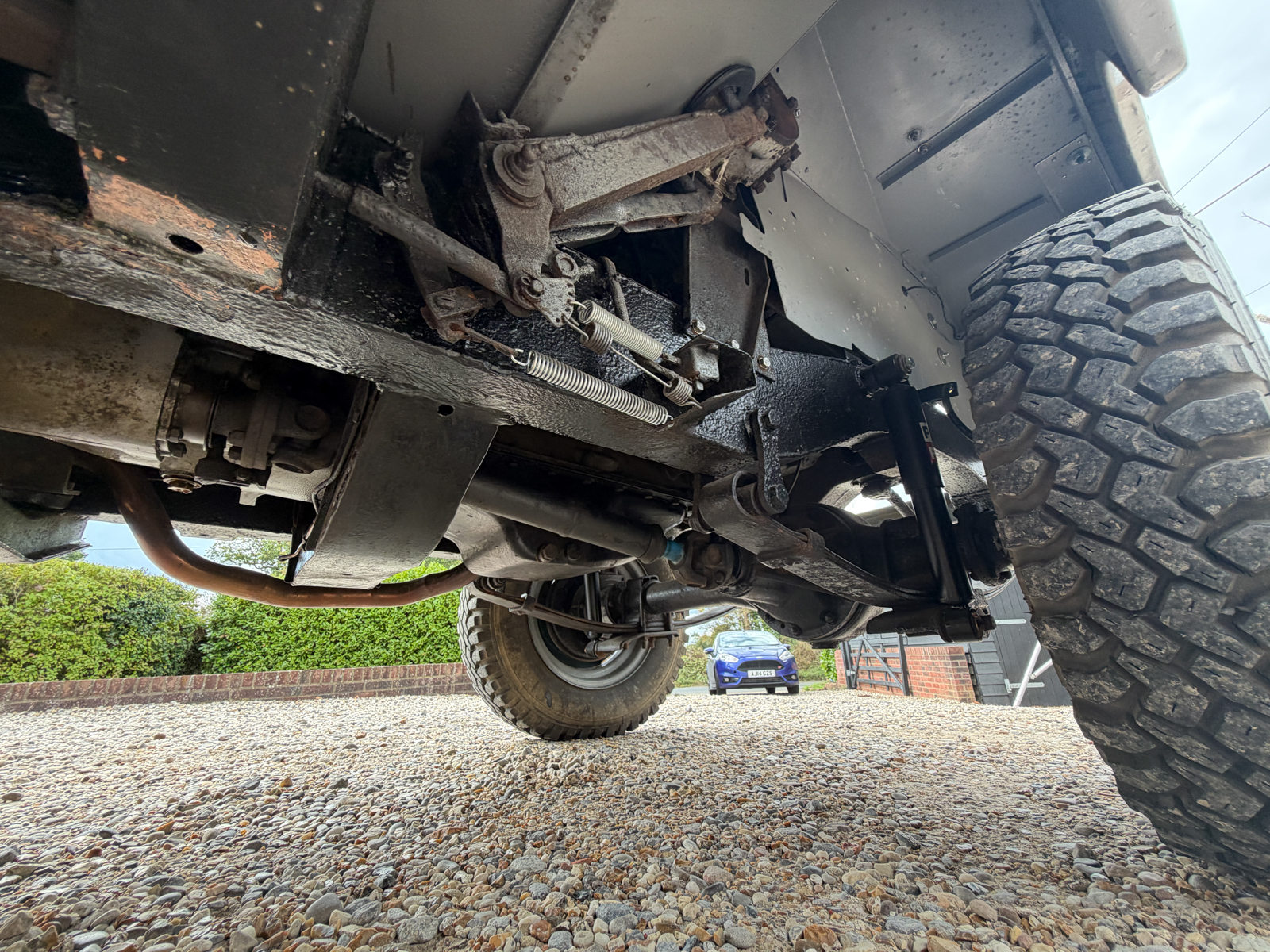
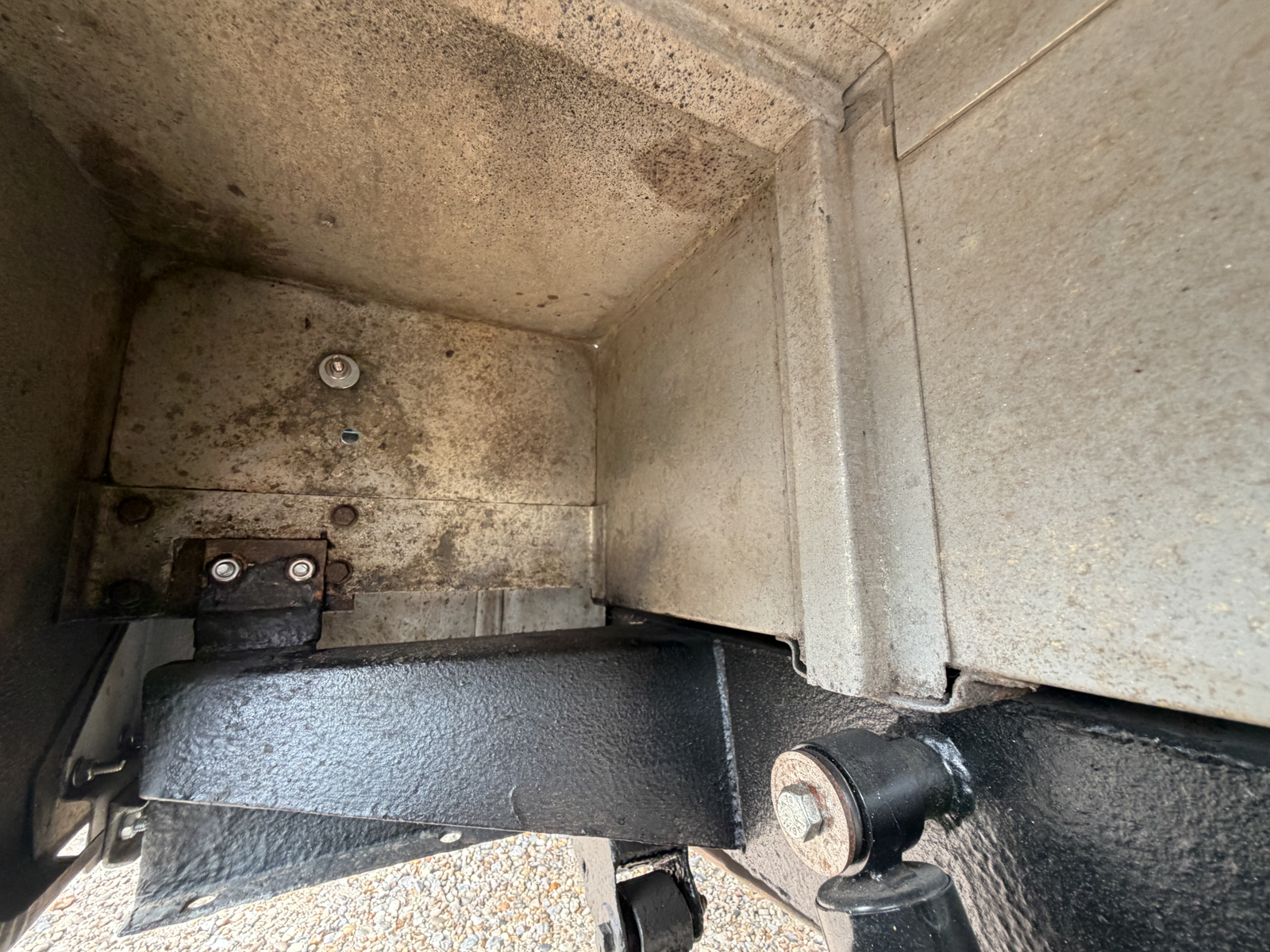
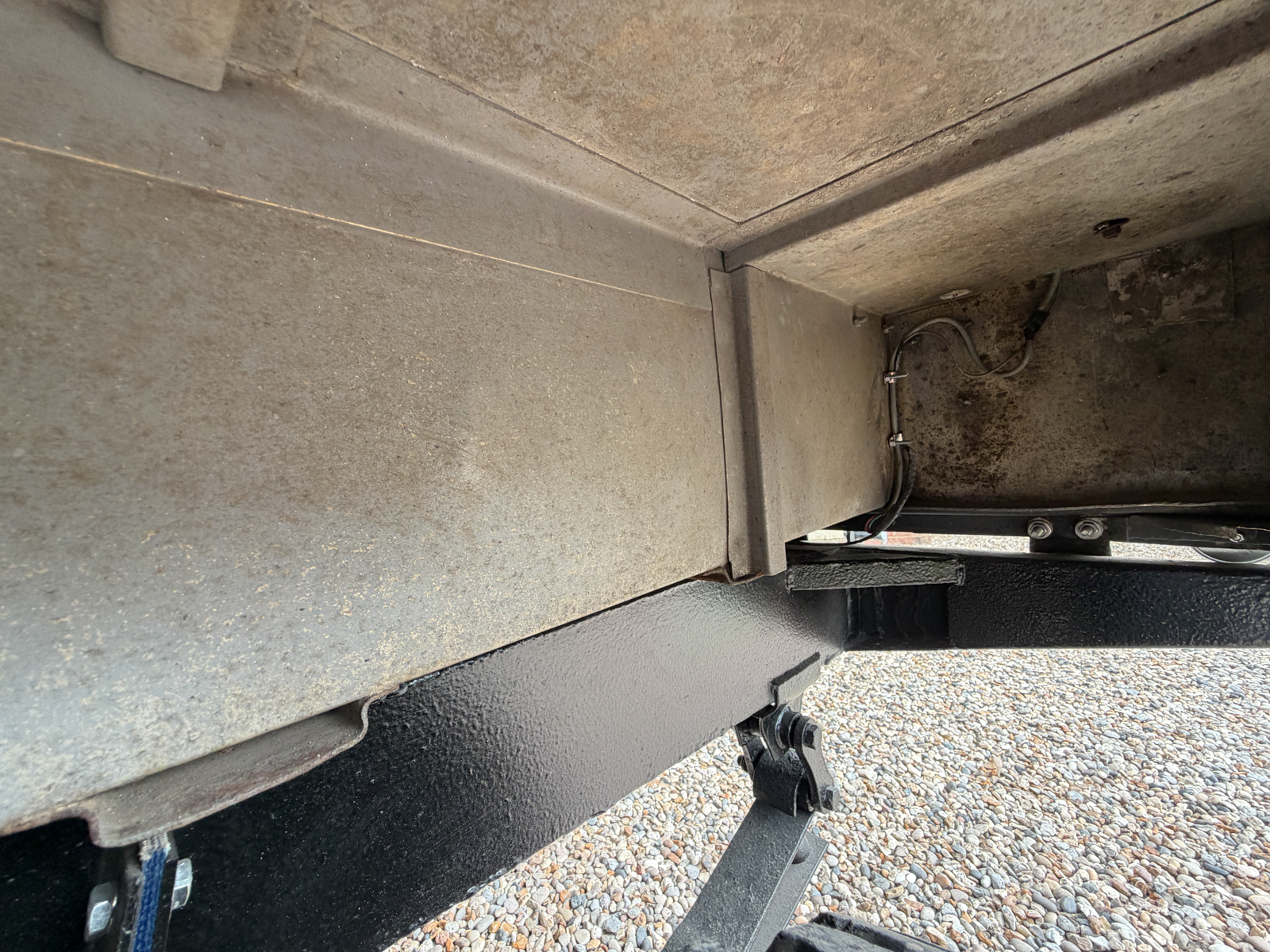
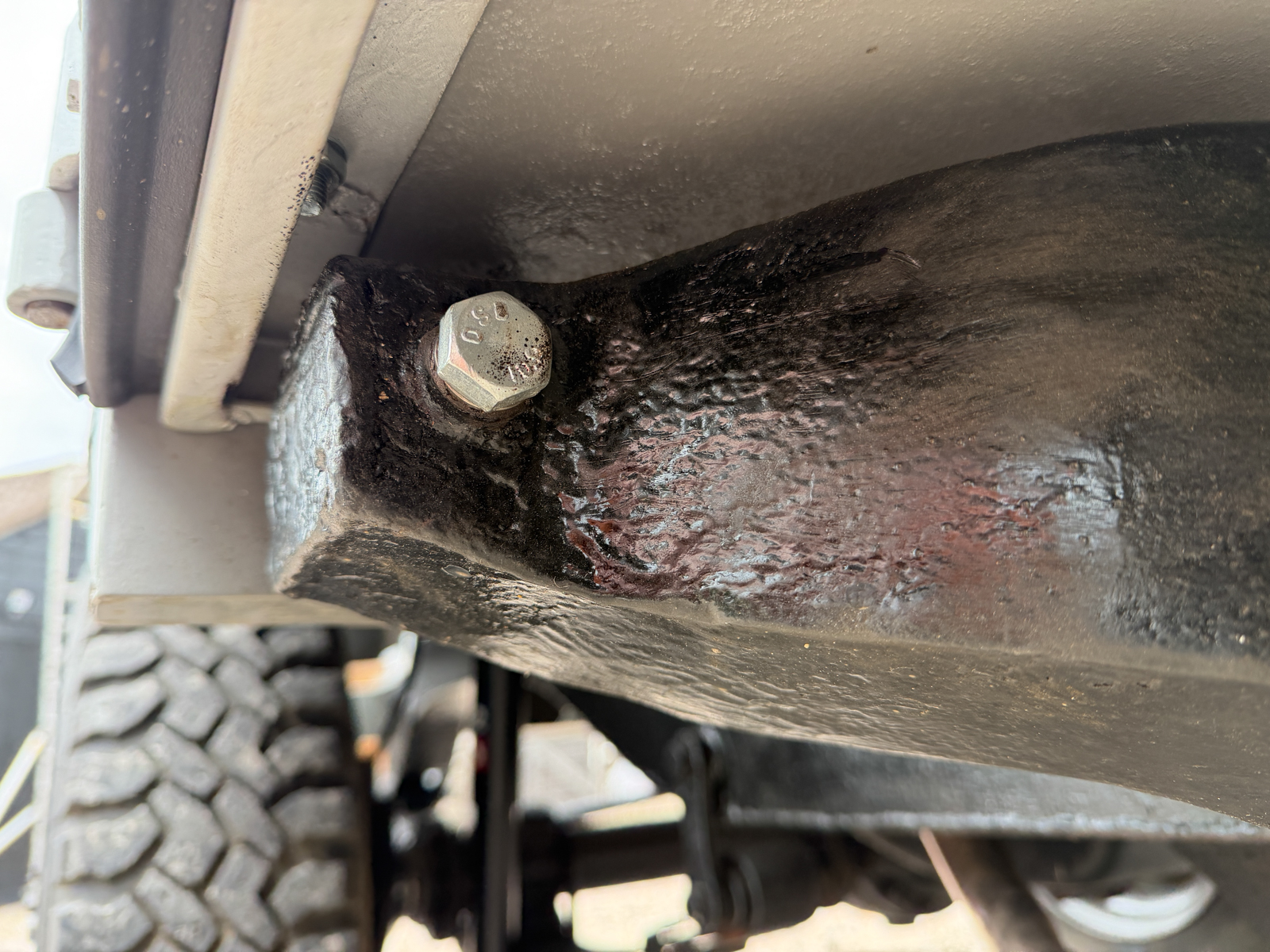
The Land Rover retains the traditional leaf-sprung suspension arrangement associated with the Series models.

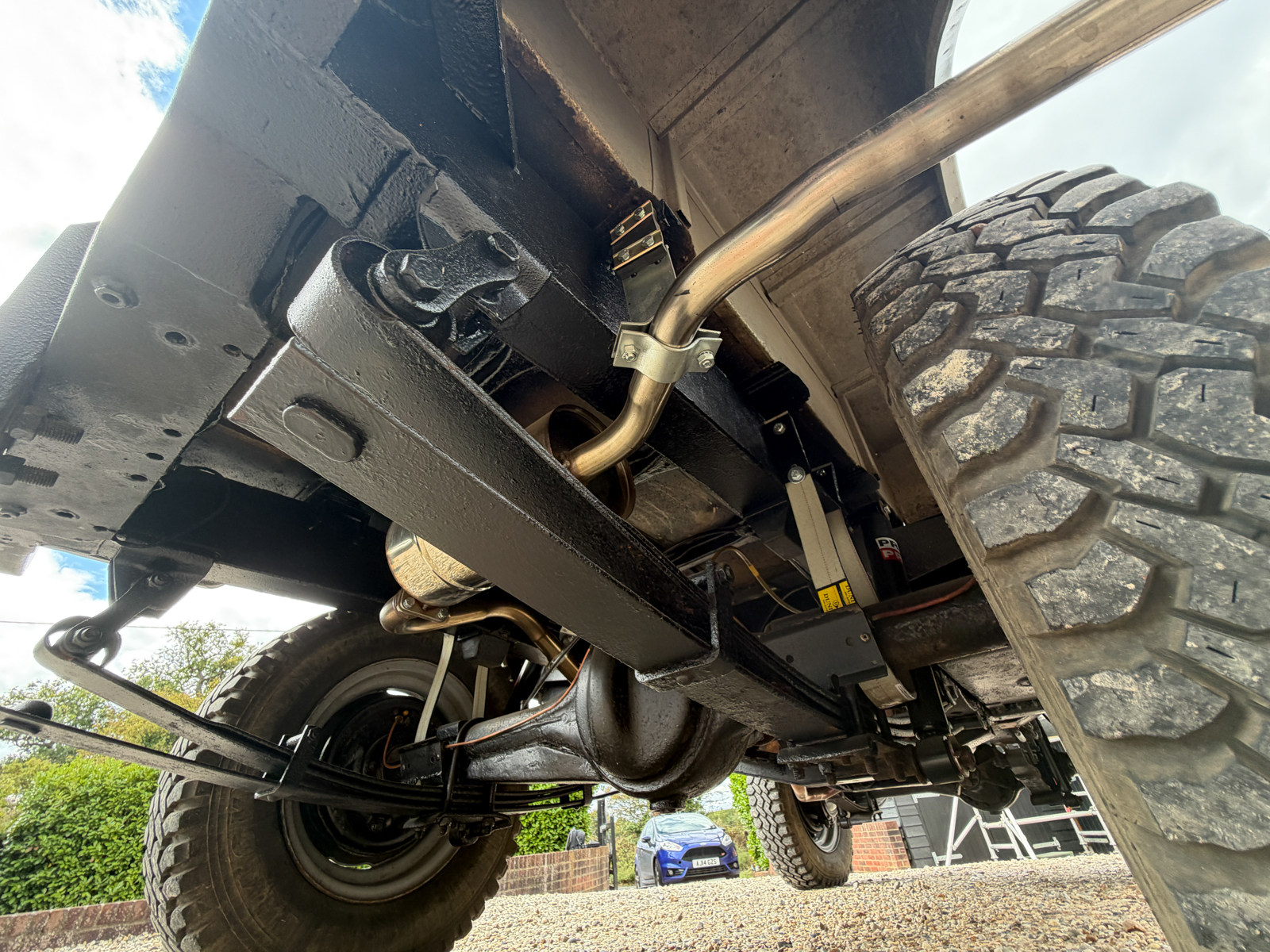
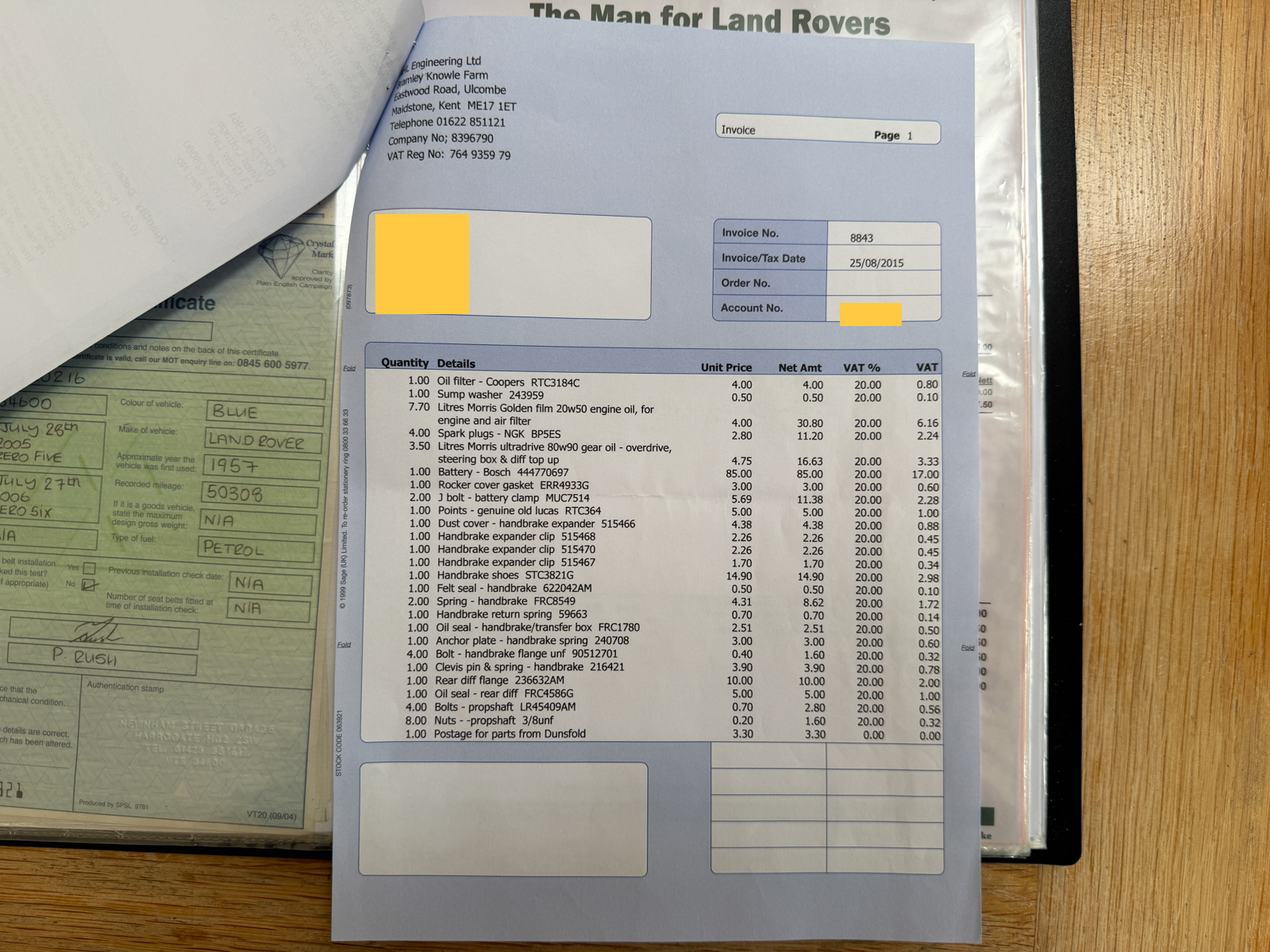
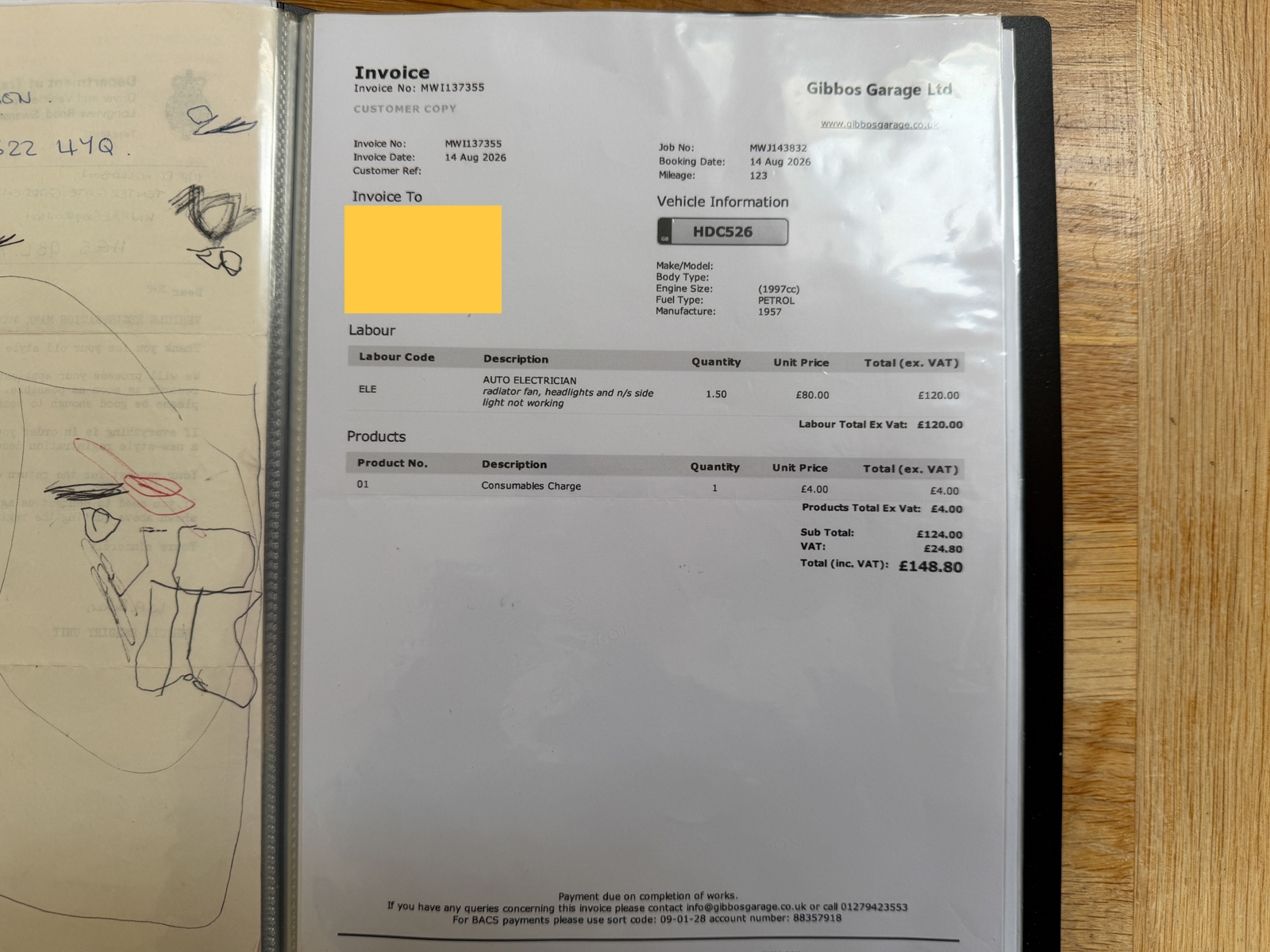
Importantly, the suspension has recently been renewed throughout. The new components help the vehicle feel controlled and predictable while retaining the firm, purposeful ride expected from an early Land Rover.

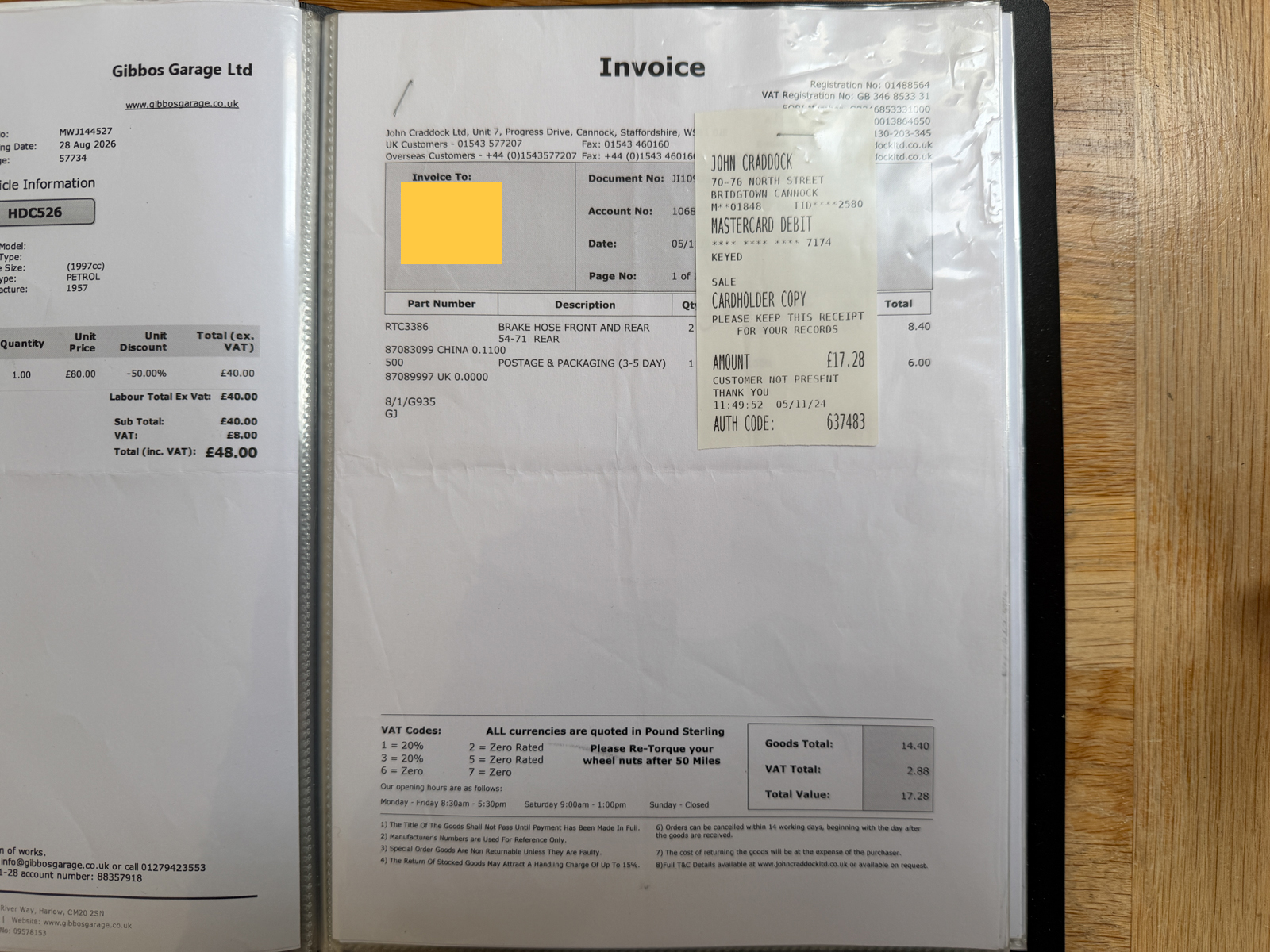
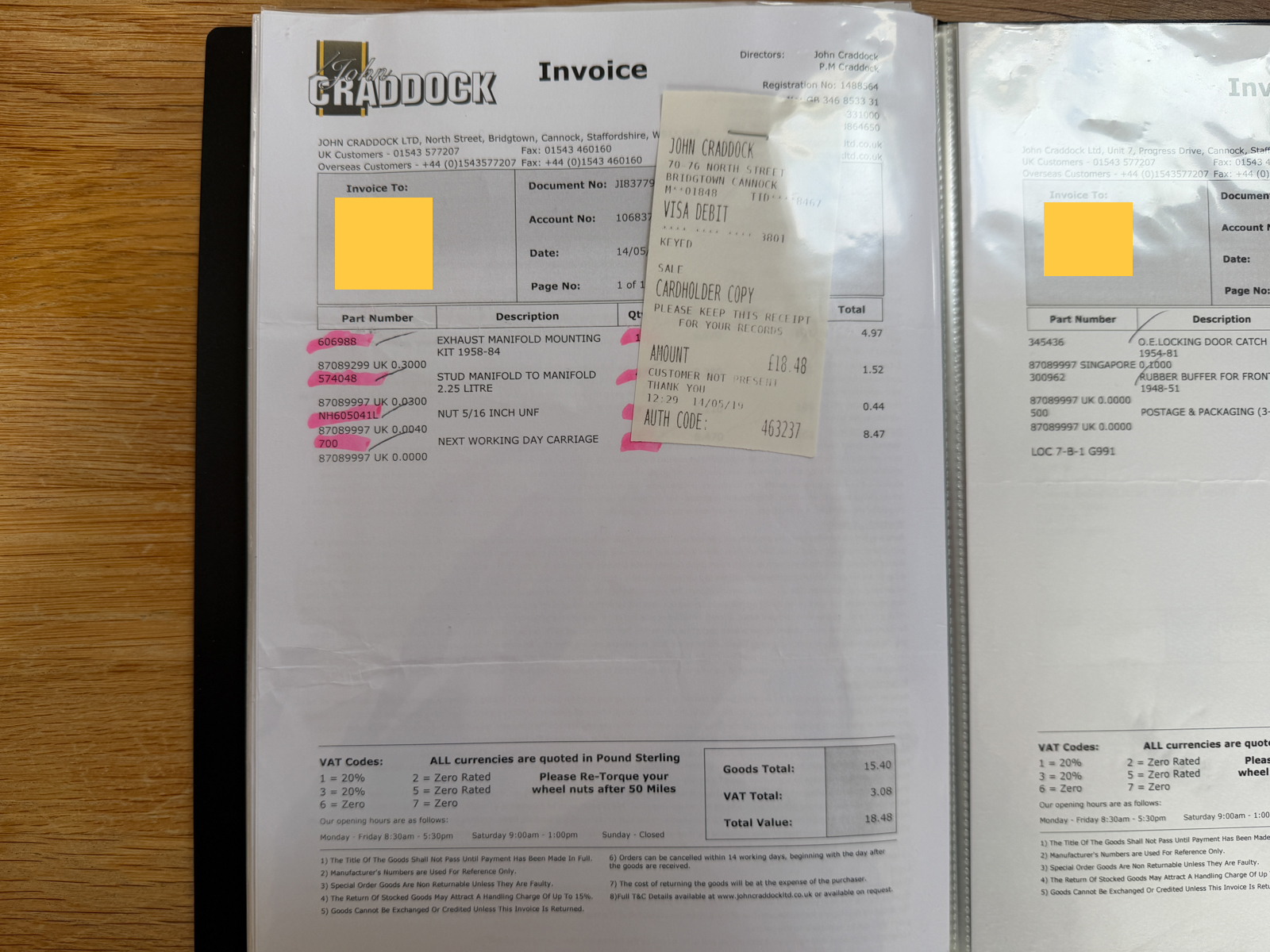
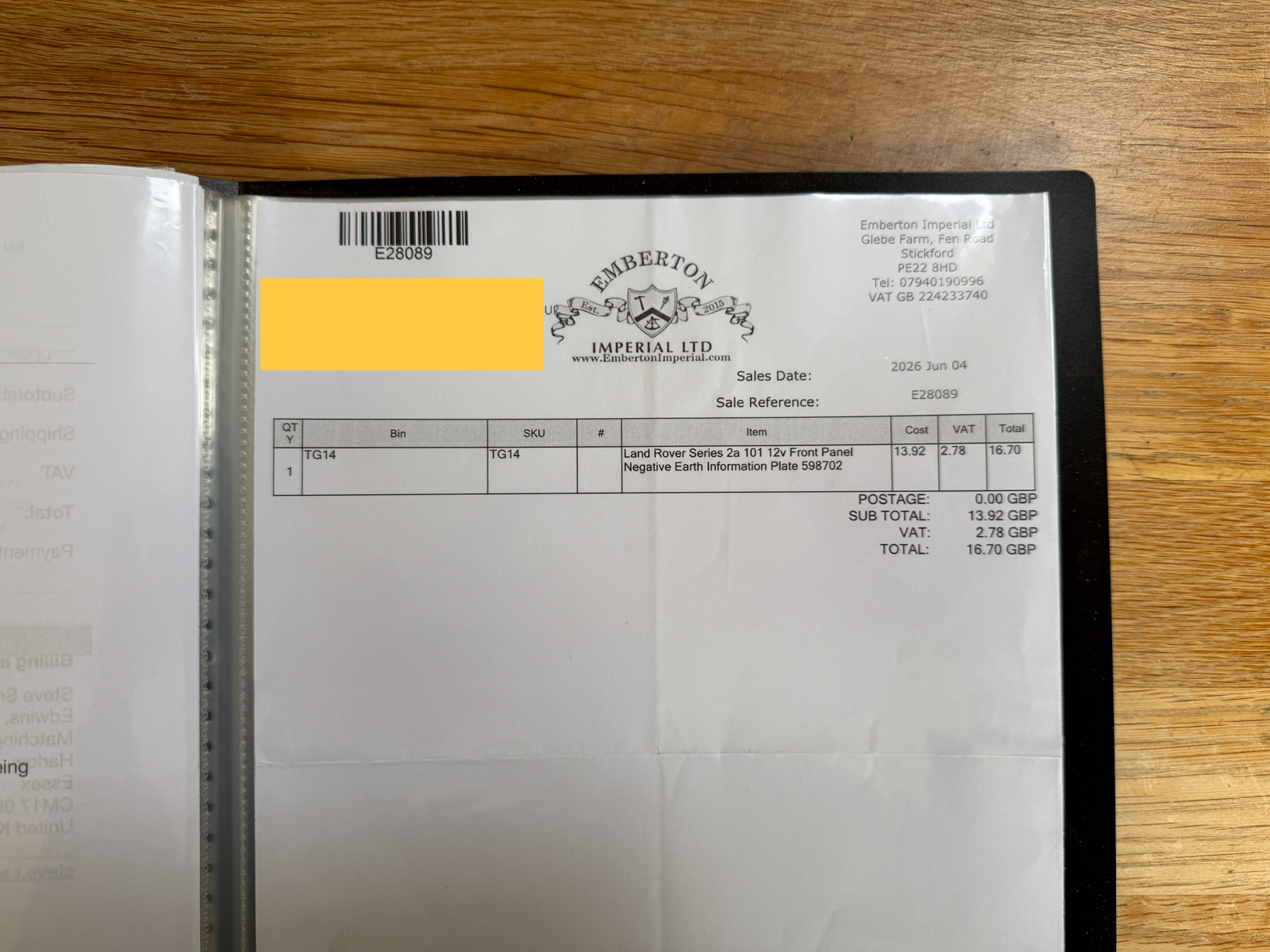
The braking system has also received attention. It has been serviced, and new wheel cylinders have been fitted to the front brakes.

During our drive, the brakes performed well and brought the vehicle to a stop without any obvious pulling or unwanted vibration.

The original steering box remains fitted and is reported to be in good working condition. As expected, the steering requires more physical input than a modern assisted system, particularly when manoeuvring at very low speeds, but it becomes considerably easier once the vehicle is moving.

Overall, the steering, suspension and braking systems contributed to the impression of a well-maintained and particularly usable Series I.

image

The Drive

Driving a Series I is a uniquely engaging experience built around simple controls, excellent visibility and a direct connection with the vehicle’s mechanical components.

Steve describes this example as driving exceptionally well for an early Land Rover. The later 2.25-litre engine provides useful flexibility, while the four-speed gearbox and clutch both operate particularly well.

The overdrive is a valuable addition for road use. Once engaged, it reduces engine speed and makes longer journeys more relaxed than they would be in a mechanically standard Series I.

Although the steering is unassisted, the original steering box feels good and provides the deliberate response expected from a traditional leaf-sprung four-wheel drive.

The renewed suspension keeps the Land Rover feeling composed, while the recently serviced brakes provide reassuring stopping performance.

This remains an early utility vehicle rather than a modern SUV. Its controls require more physical input, the ride is firm and the cabin is basic, but these qualities form an important part of its appeal.

The raised seating position, large steering wheel, view across the flat front wings and distinctive sound of the engine make even an ordinary journey feel like an event.

With its compact dimensions, selectable four-wheel drive and low-range transfer gearing, the Series I also retains the fundamental off-road ability upon which the Land Rover reputation was built.

image

Electrics and Other

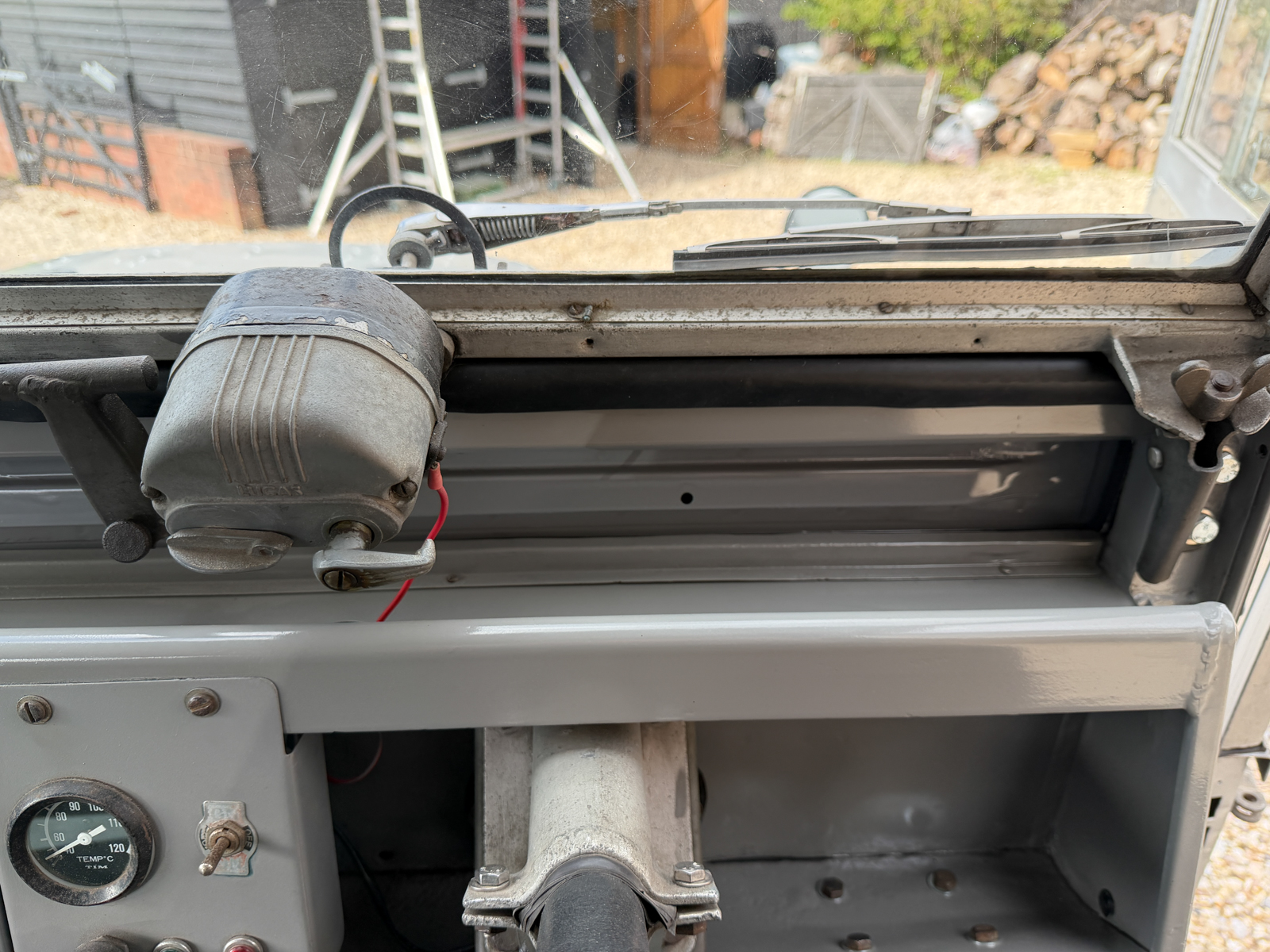
The Series I uses a relatively straightforward electrical system operating the exterior lighting, windscreen wipers, instruments and other essential equipment.

No specific electrical concerns were raised by Steve during our visit. The main instruments and controls retain their traditional appearance, while the lights, lenses and associated exterior fittings appear complete.

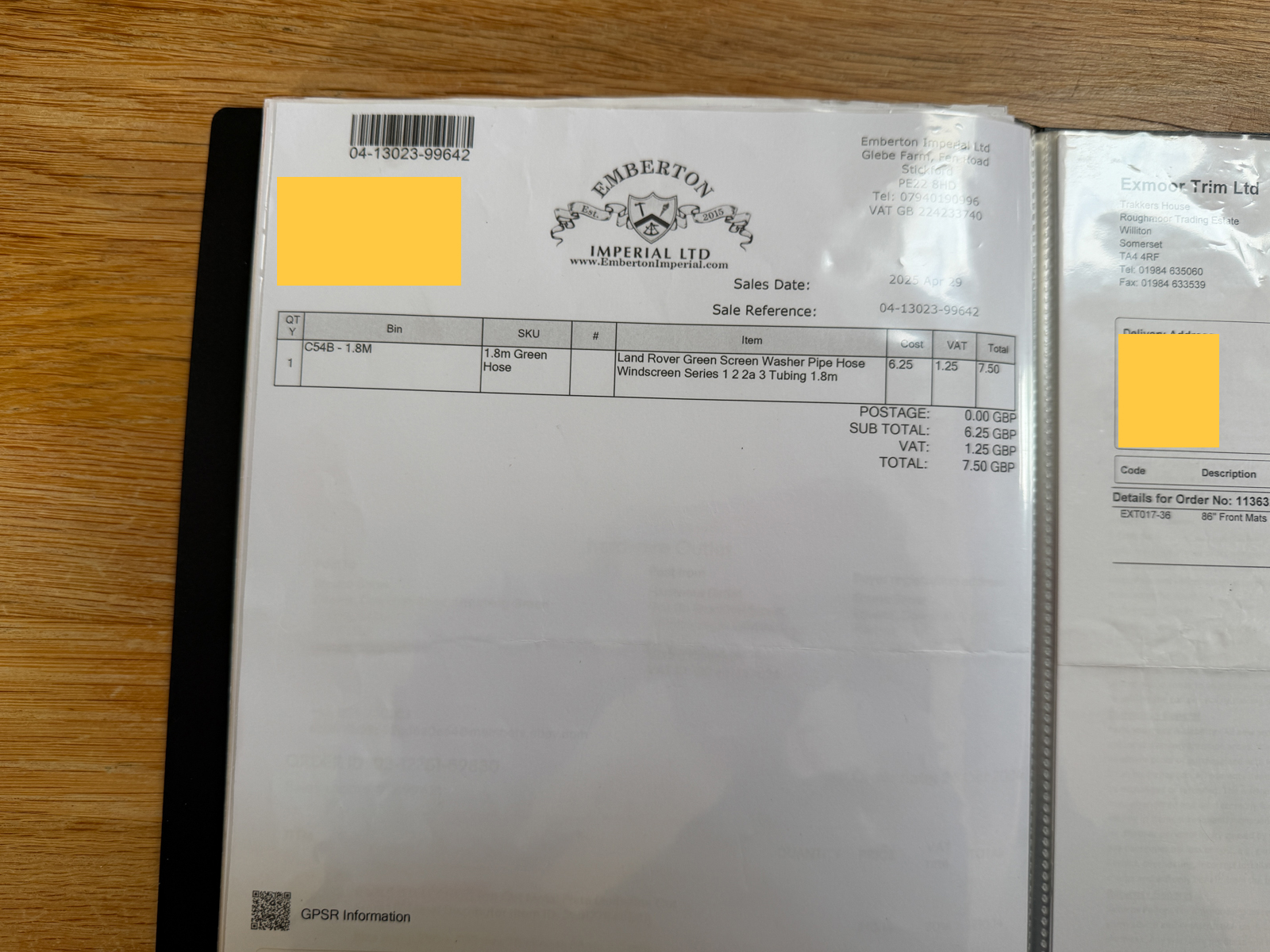
The canvas hood provides overhead weather protection, while its roll-up sides allow the rear compartment to be opened when desired.

image

History and Paperwork

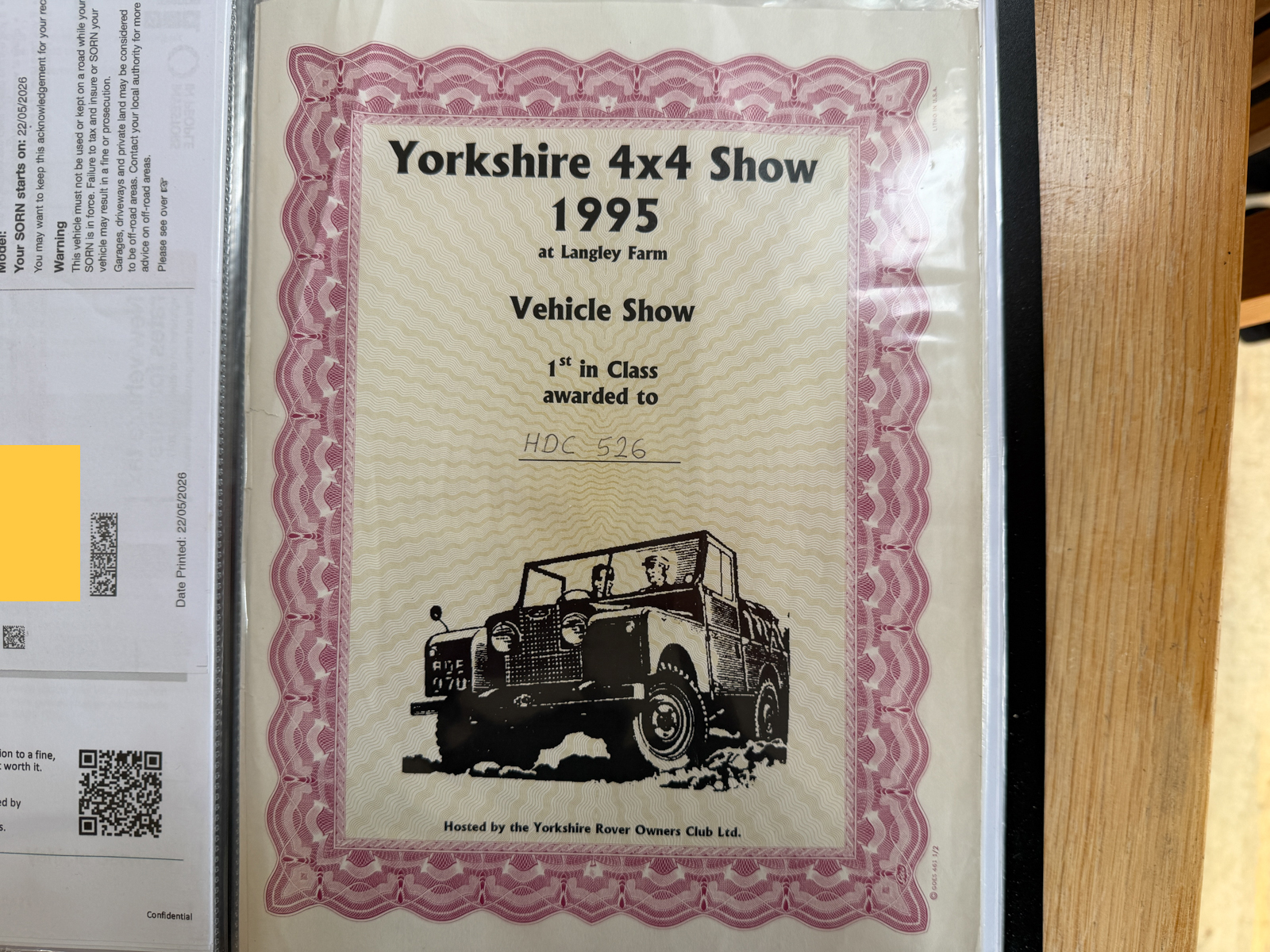
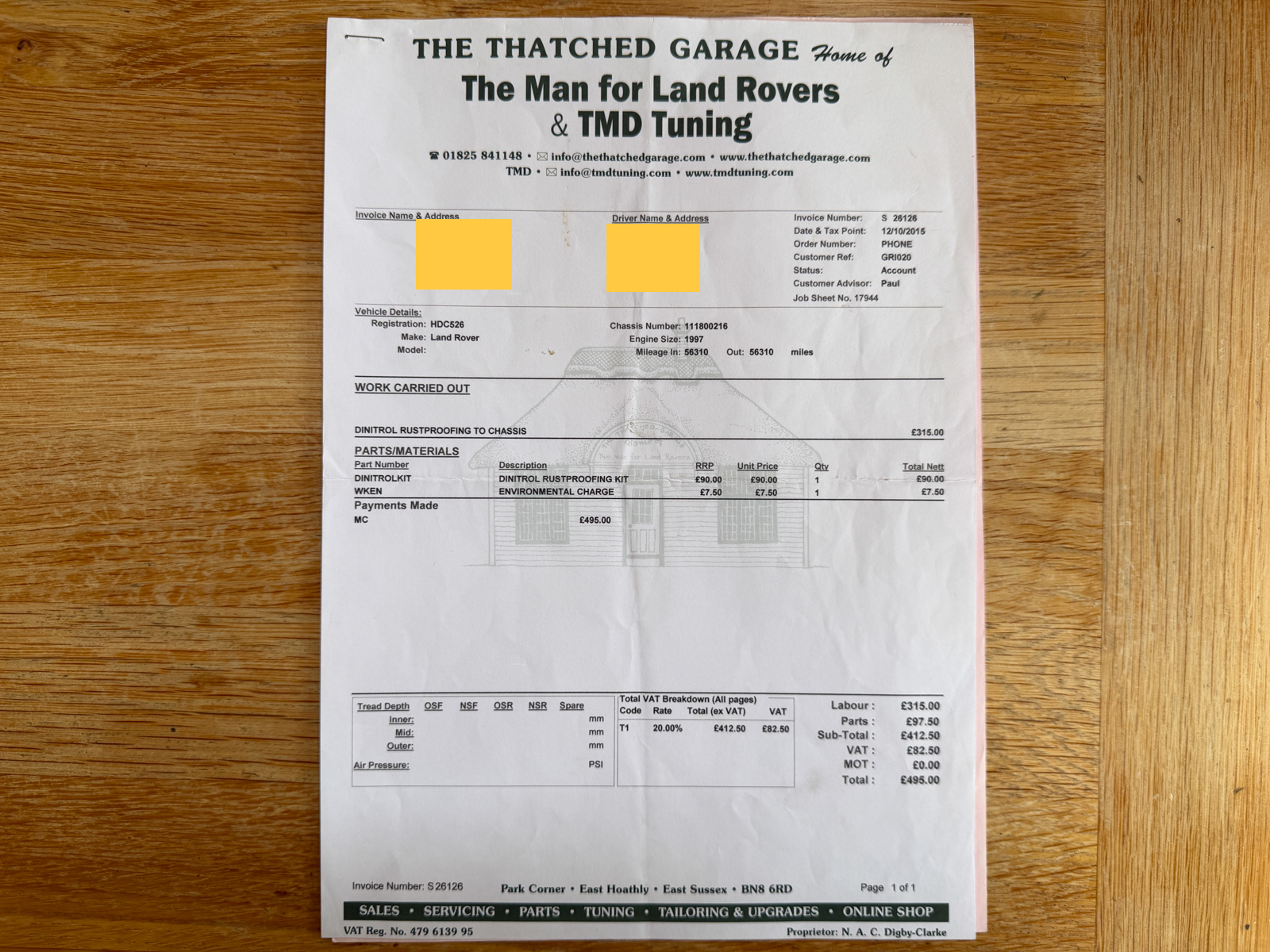
The Land Rover underwent a substantial body-off restoration during the 1990s.

The restoration also included a significant mechanical change. The original Series I drivetrain was removed and replaced with an engine, gearbox and associated components taken from a 1967 Series IIA.

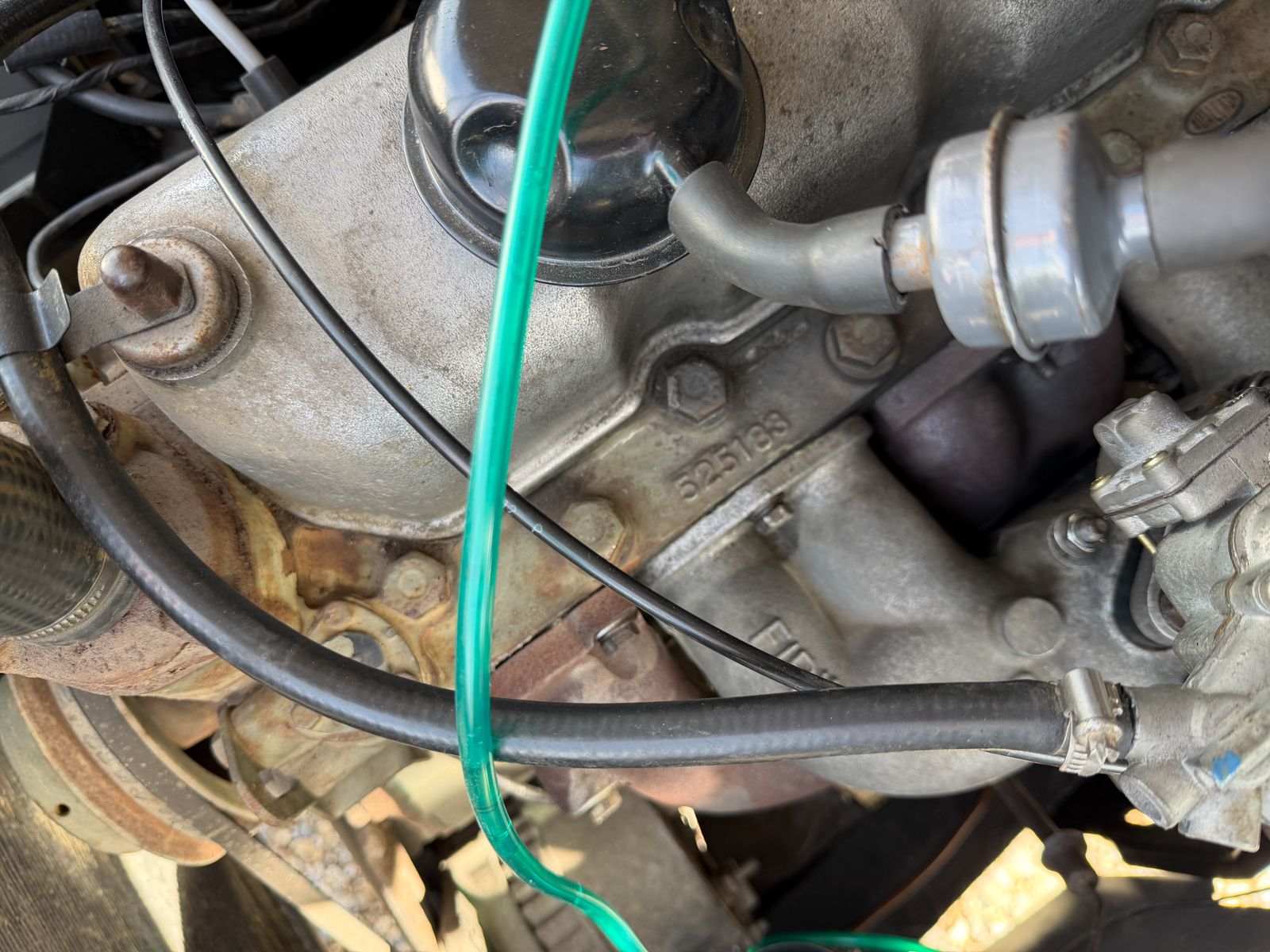
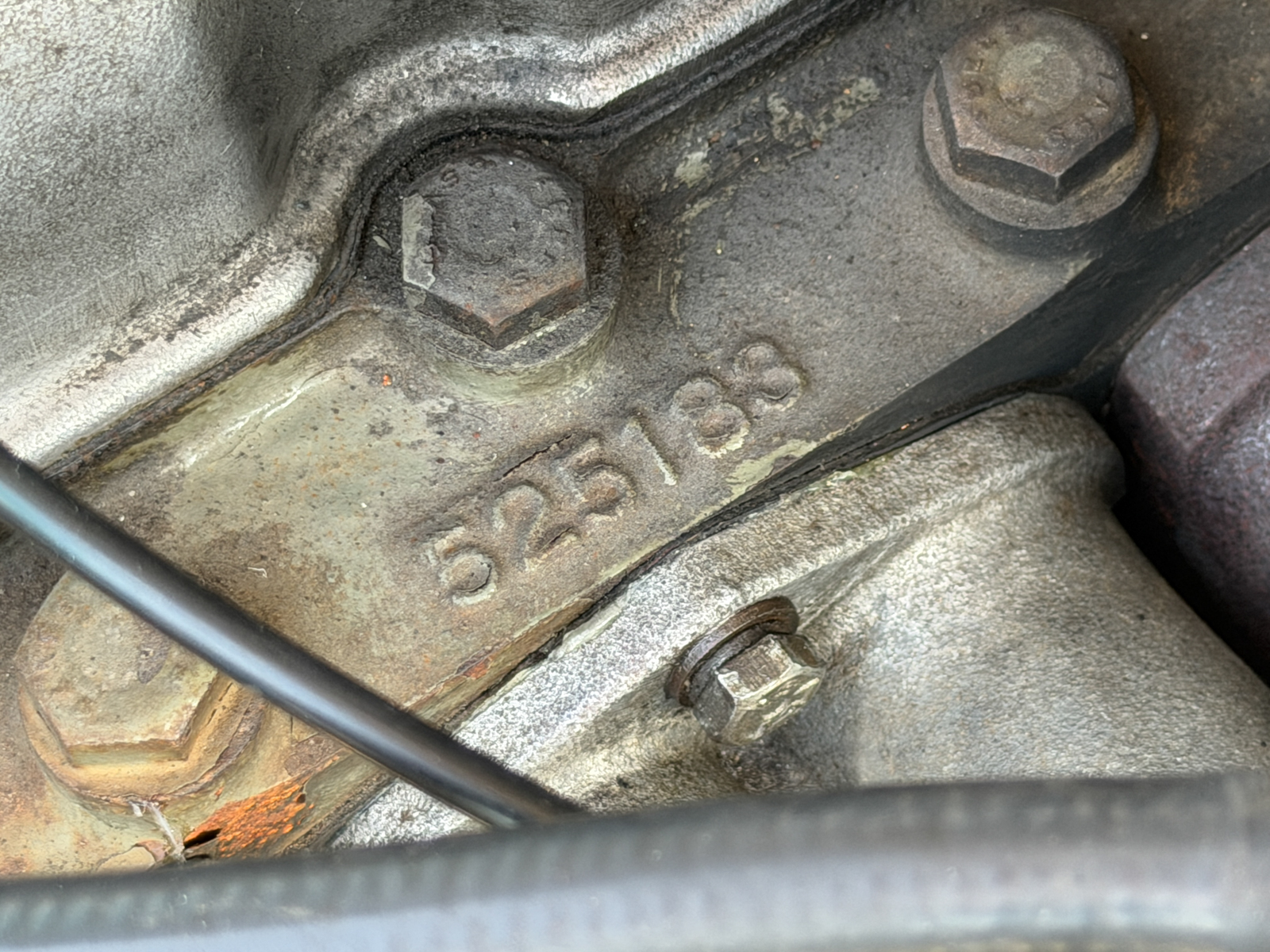
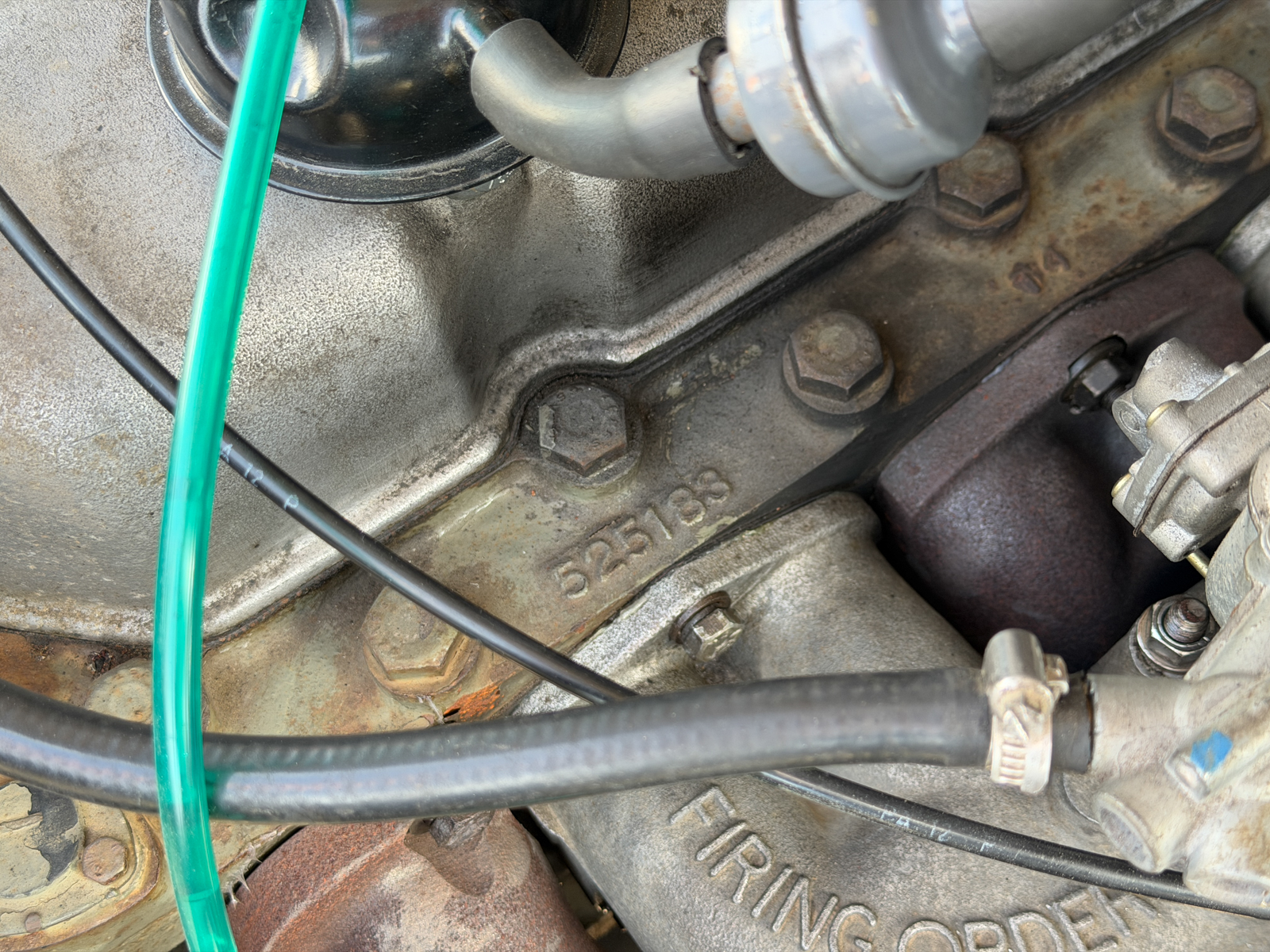
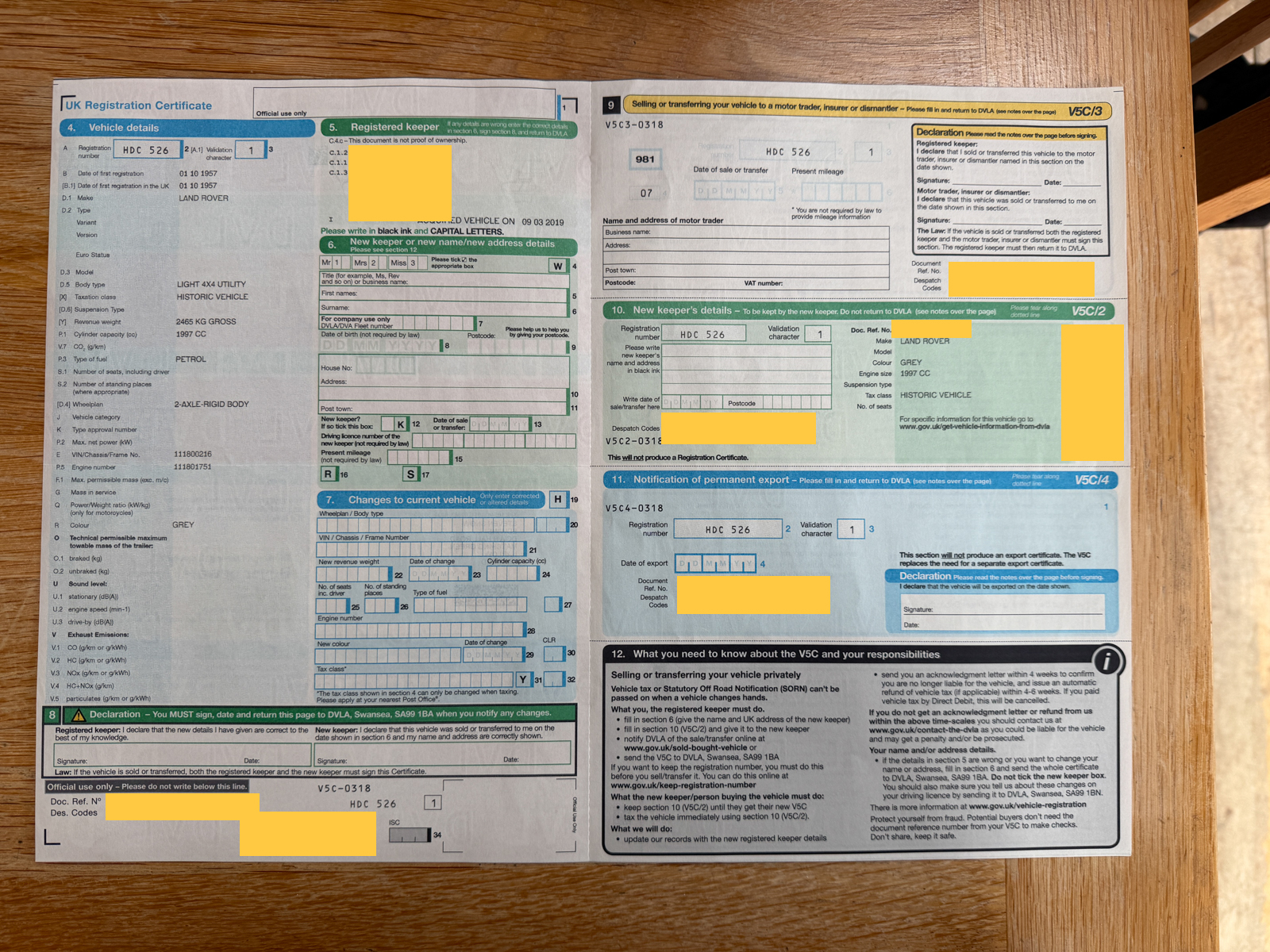
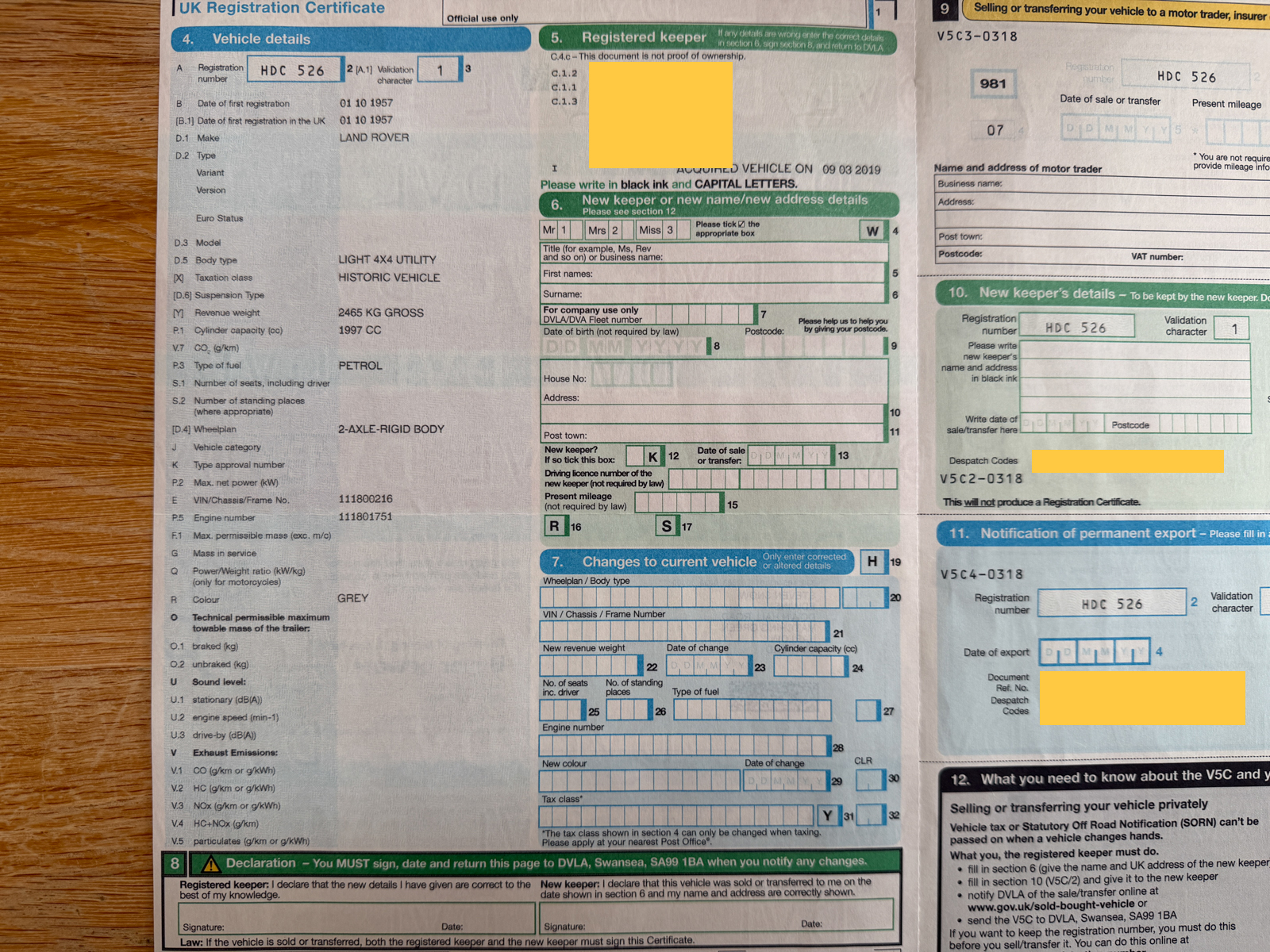
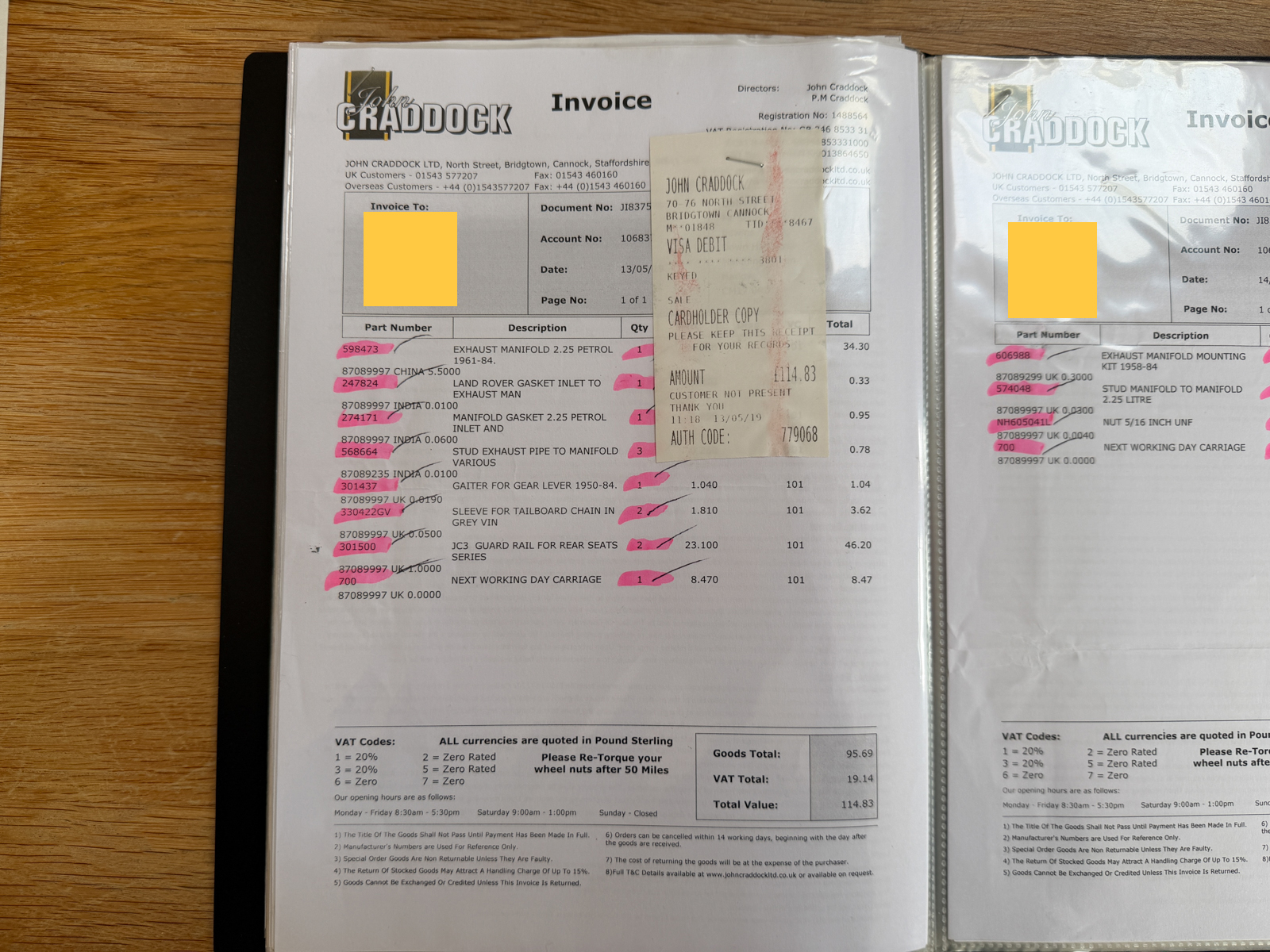
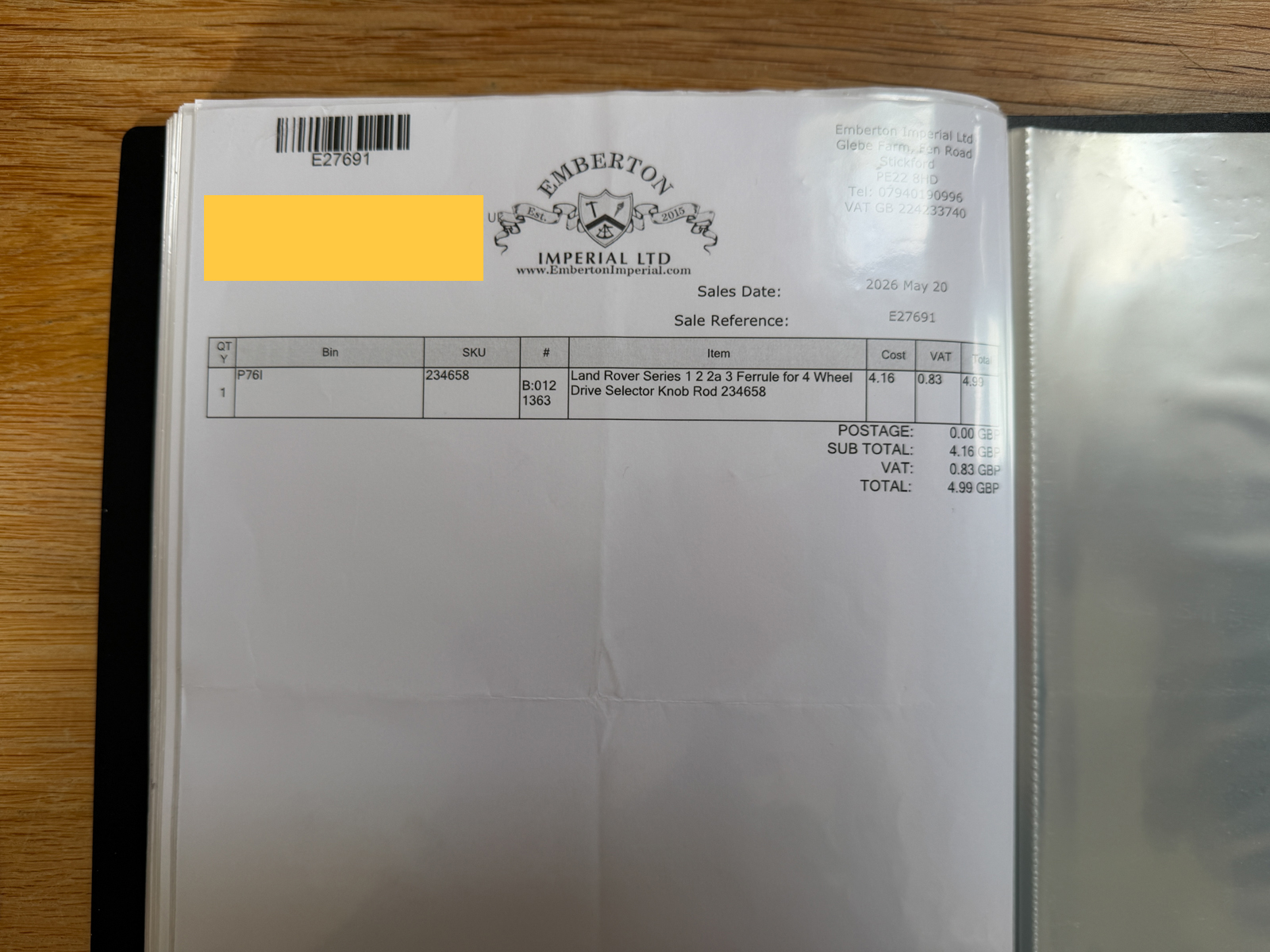
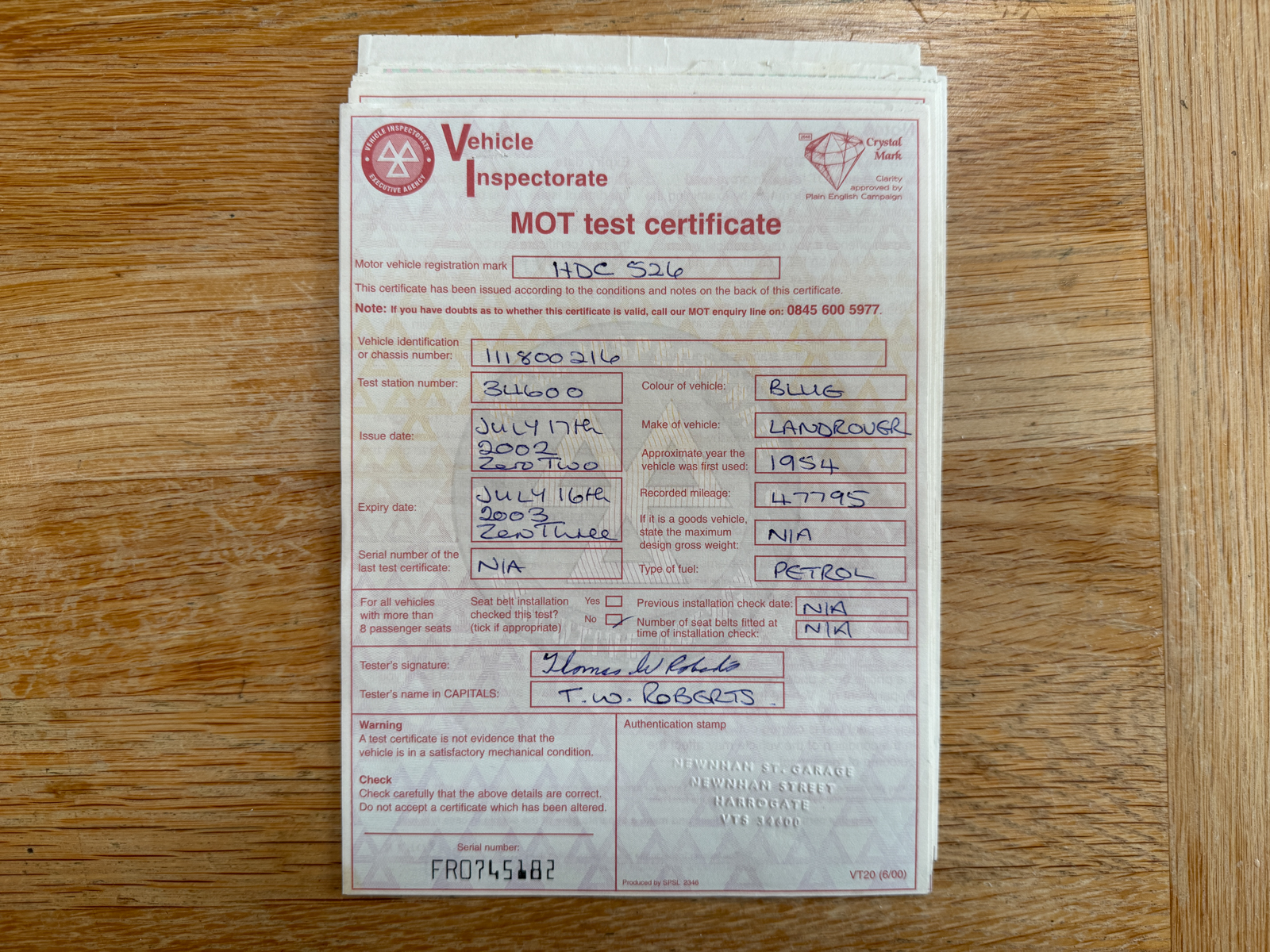
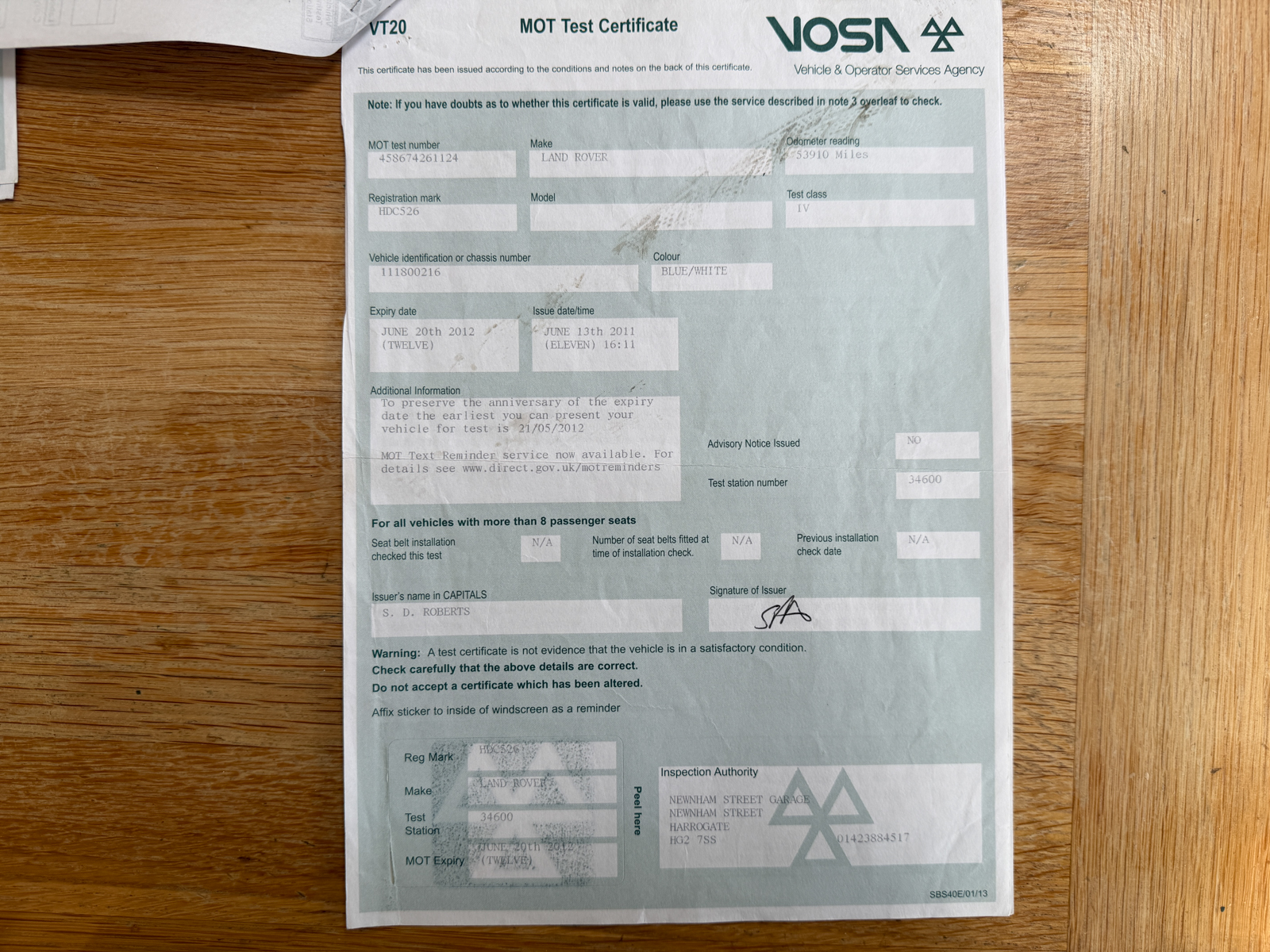
The currently fitted 2.25-litre petrol engine carries number 525183. It is accompanied by a four-speed manual gearbox, selectable four-wheel drive, low-range transfer gearing and an overdrive. It has period correct Mann free wheeling hubs too.

The vehicle should be viewed as a sympathetically upgraded and highly usable Series I rather than a mechanically factory-original example. Its later drivetrain, overdrive and renewed running gear make it especially appealing to somebody who wishes to cover meaningful distances rather than simply display the vehicle.
This represents an excellent opportunity to acquire a beautifully presented 88-inch Series I with impressive bodywork, a comprehensive previous restoration and several worthwhile upgrades for modern classic motoring.

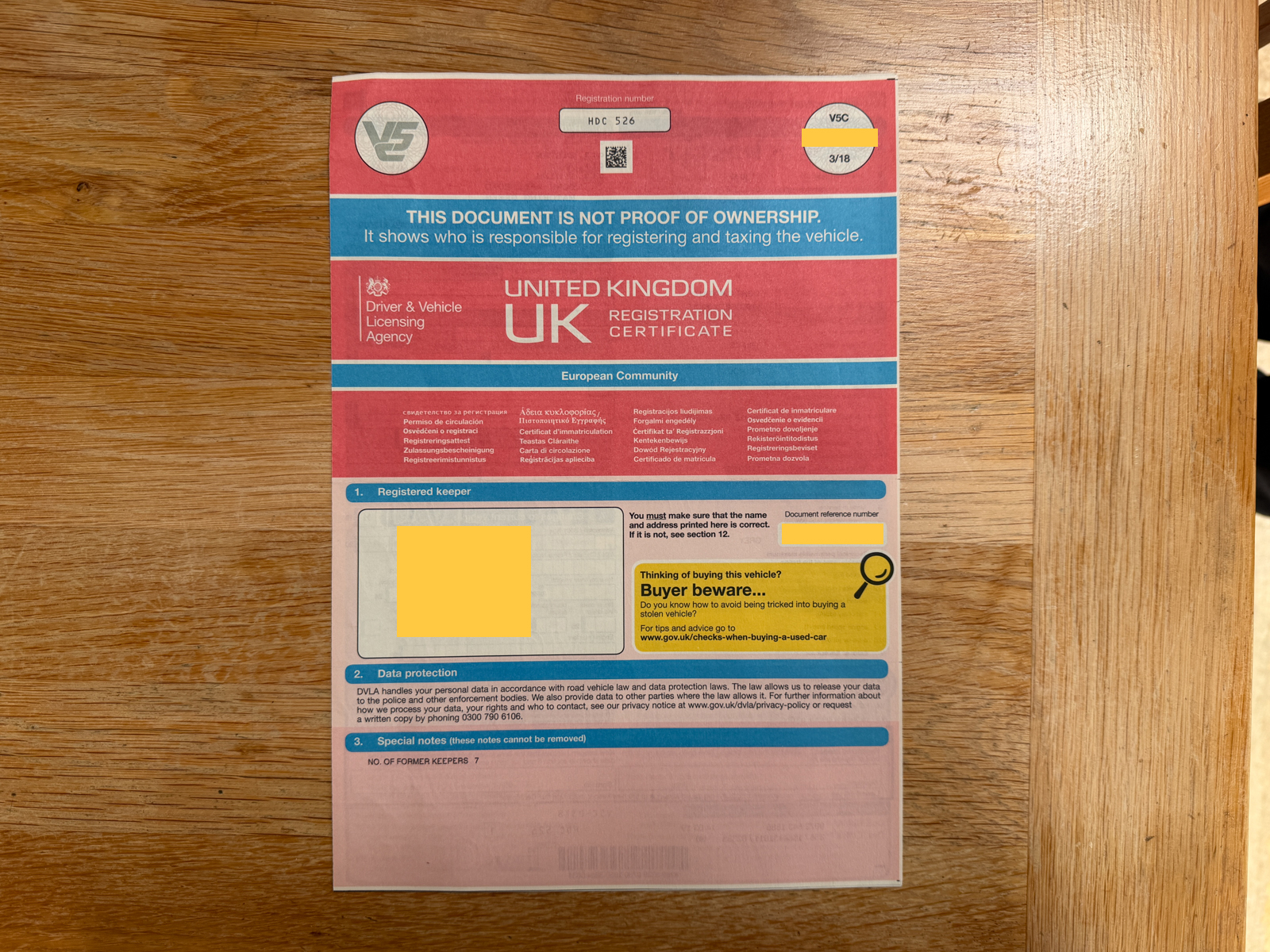
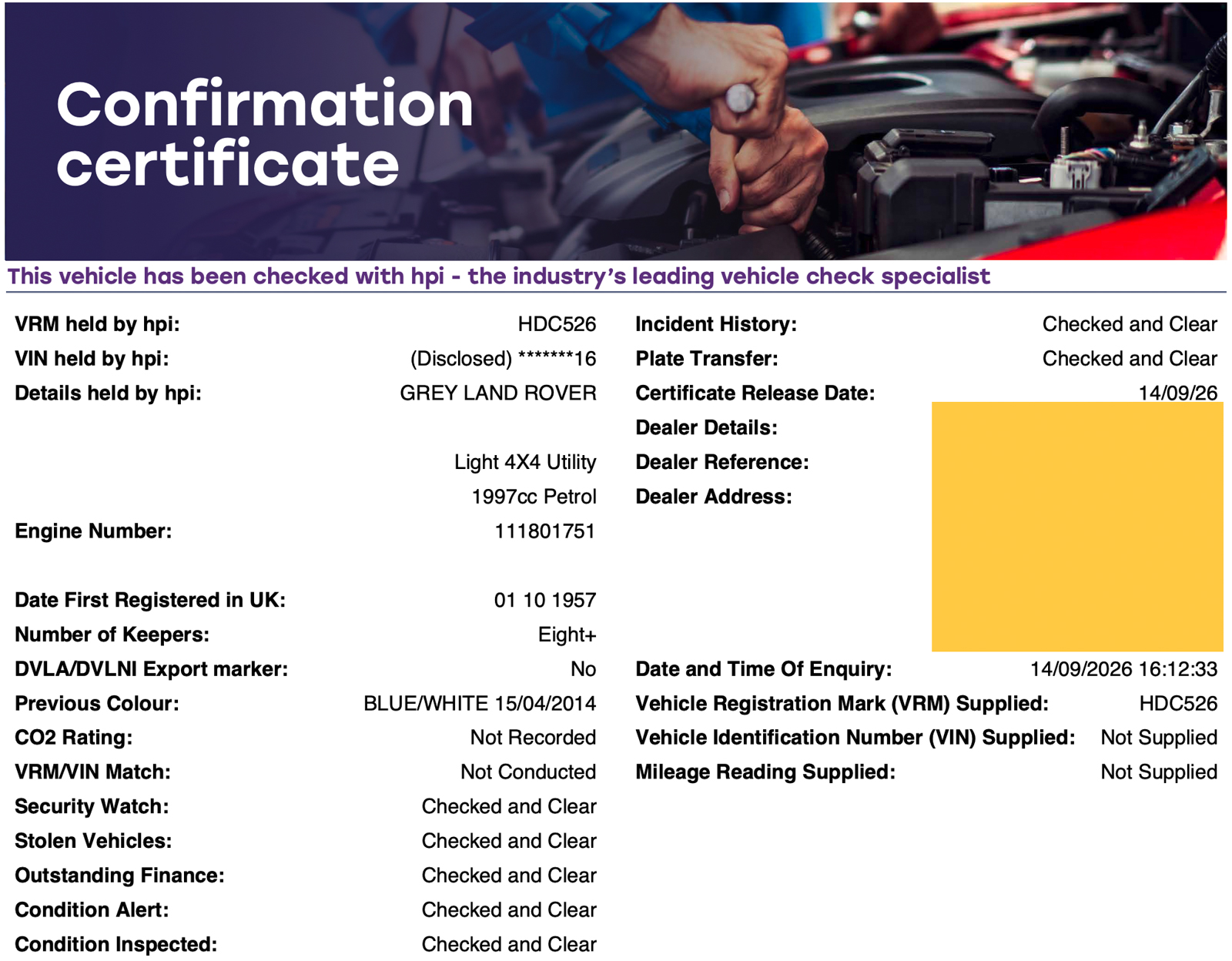
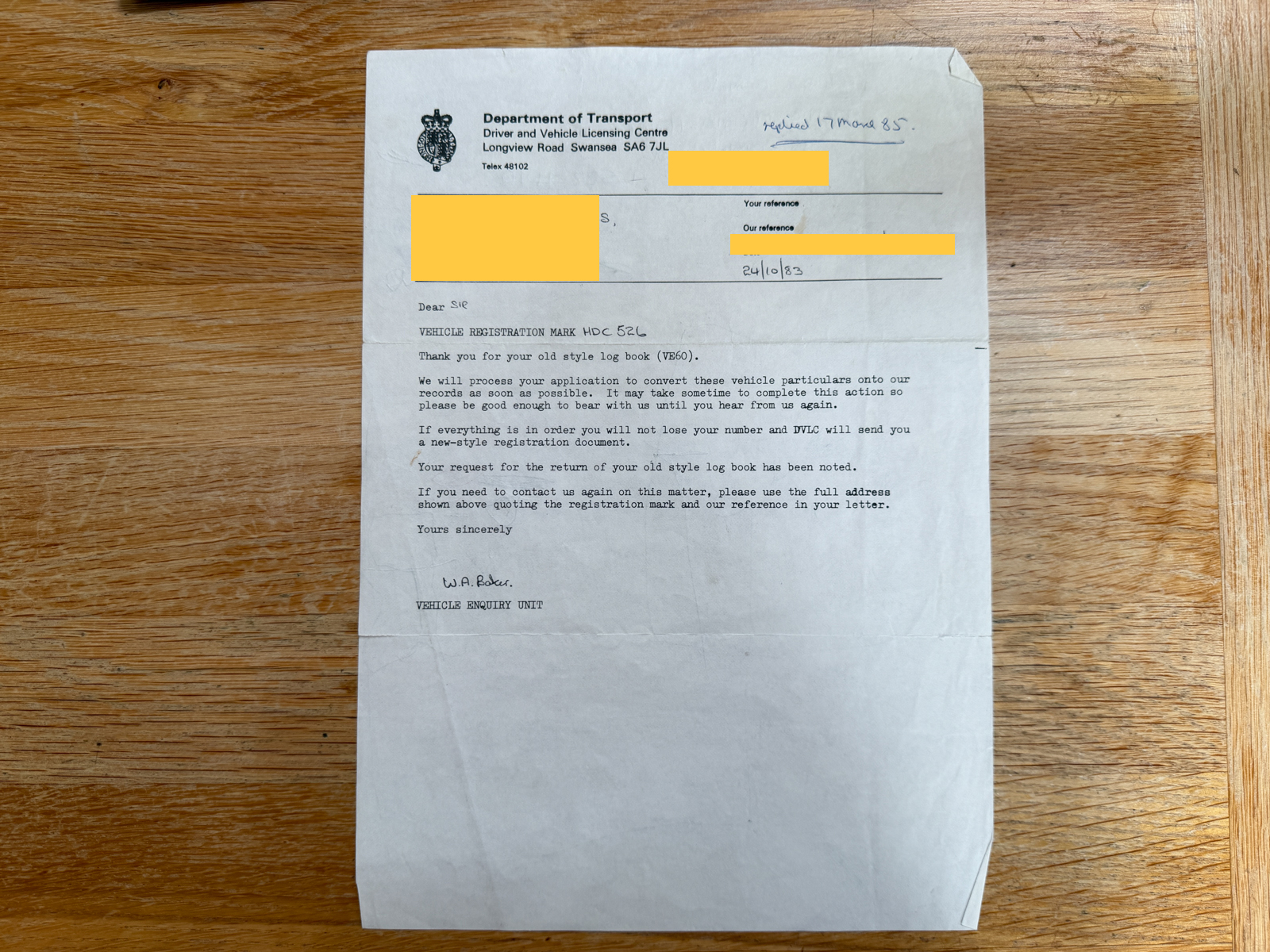
We’ve done all our usual seller checks including photo ID, V5 and also actioned a history check on the vehicle - this is a professional check operated by HPI that will highlight if the car has been previously stolen, recorded as being in an accident, or have any outstanding finance - note, this does not include a mileage history check.

We've summarised our own view on the car based on information gained from the seller in the listing above, however, and as you can see, we go to great lengths to photograph and video the car in hi-resolution detail - this has been done for you to make your own assessment from the comfort of your sofa. So please sit back, have a cuppa and take your time to review everything on this listing in order to make your own assessment on the vehicle's condition. Viewings are also welcomed with all our listings, so please get in touch with us to arrange a suitable time - we just need to speak to you first and receive a valid photo ID before confirming.

If there's anything you're unsure about, no matter how small, then please first ask the owner in the comments area below before placing your bid/s, as bids can't be retracted and form a binding contract if you win the car - just like a traditional auction house.

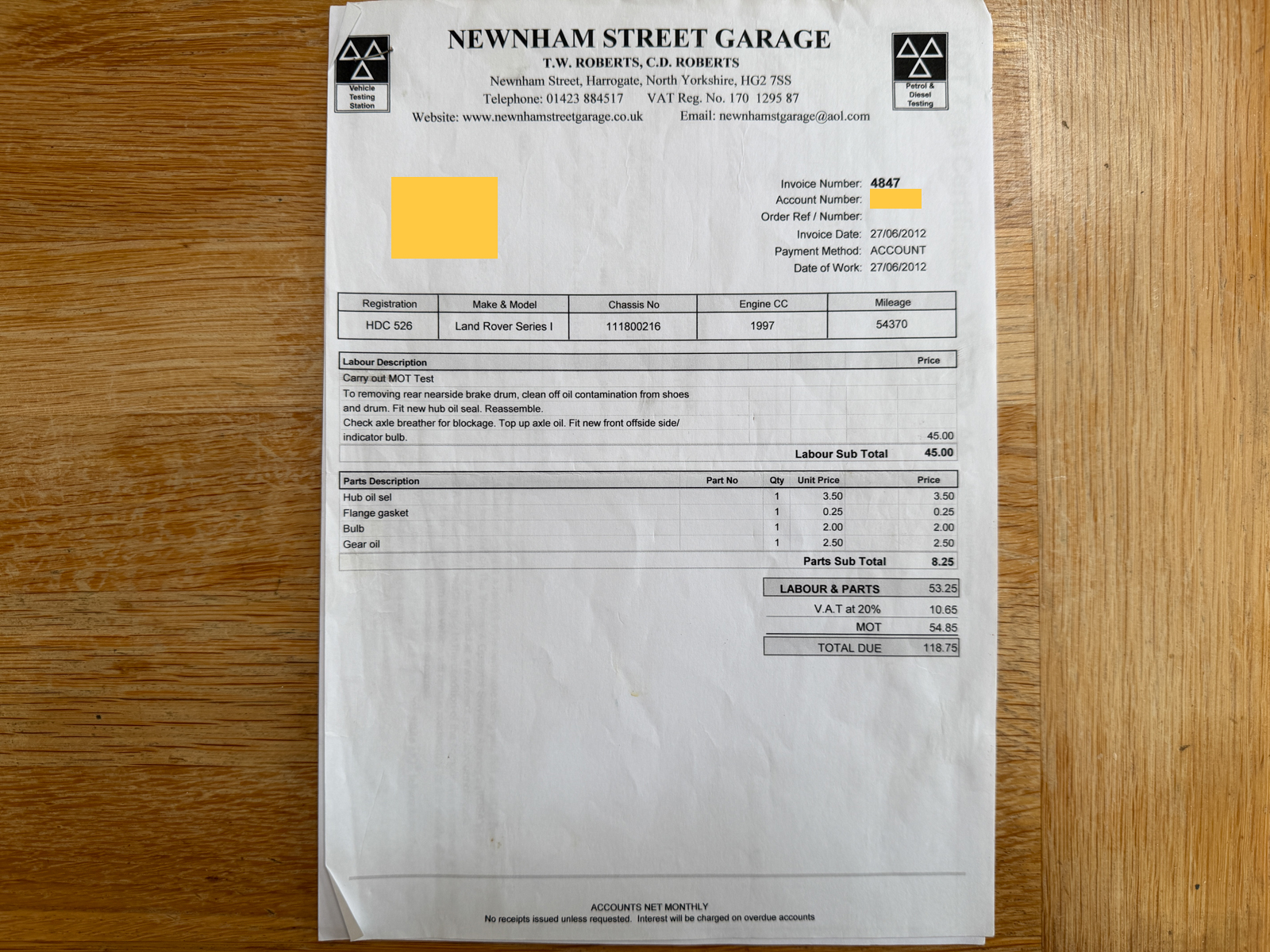
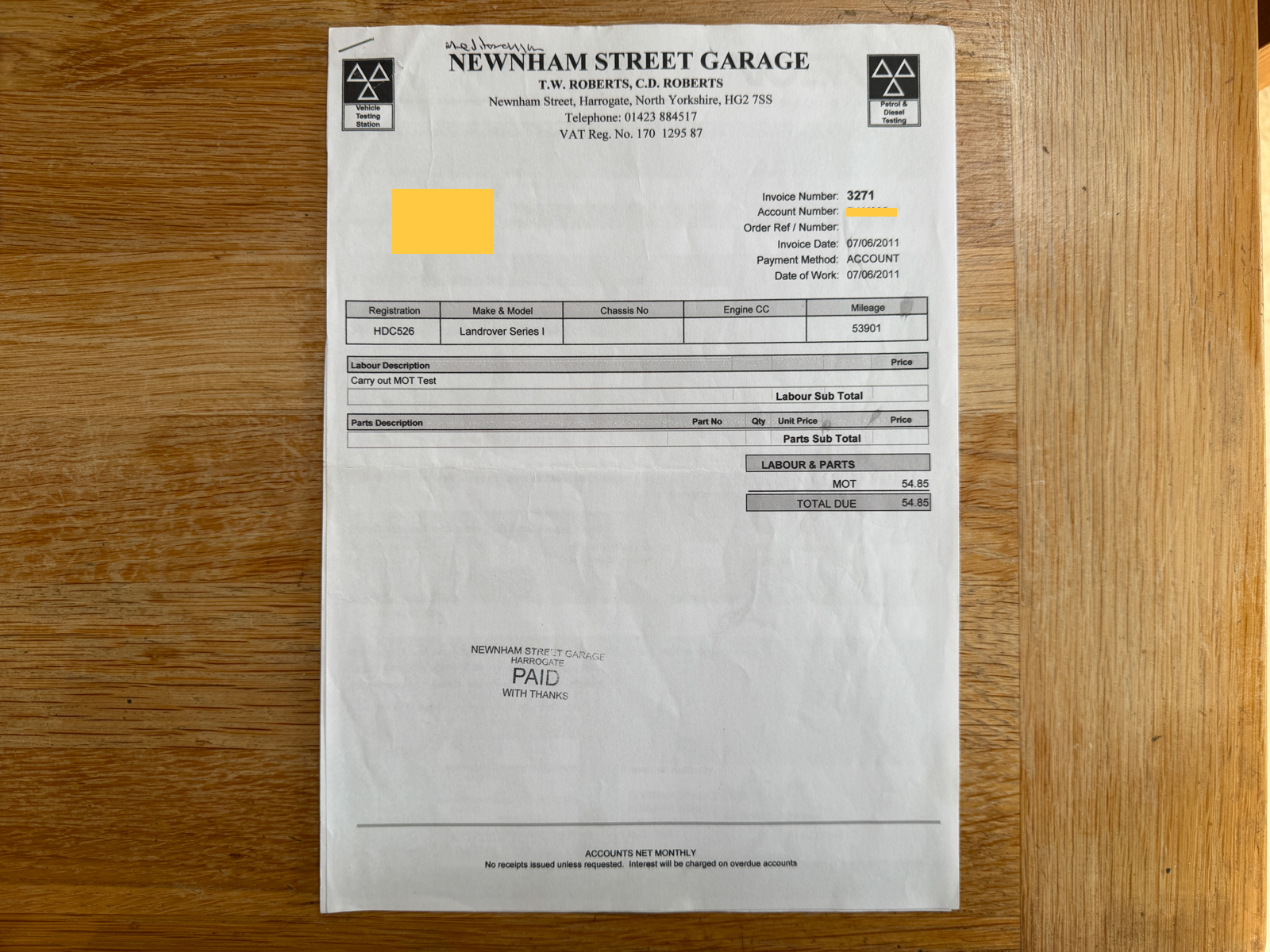
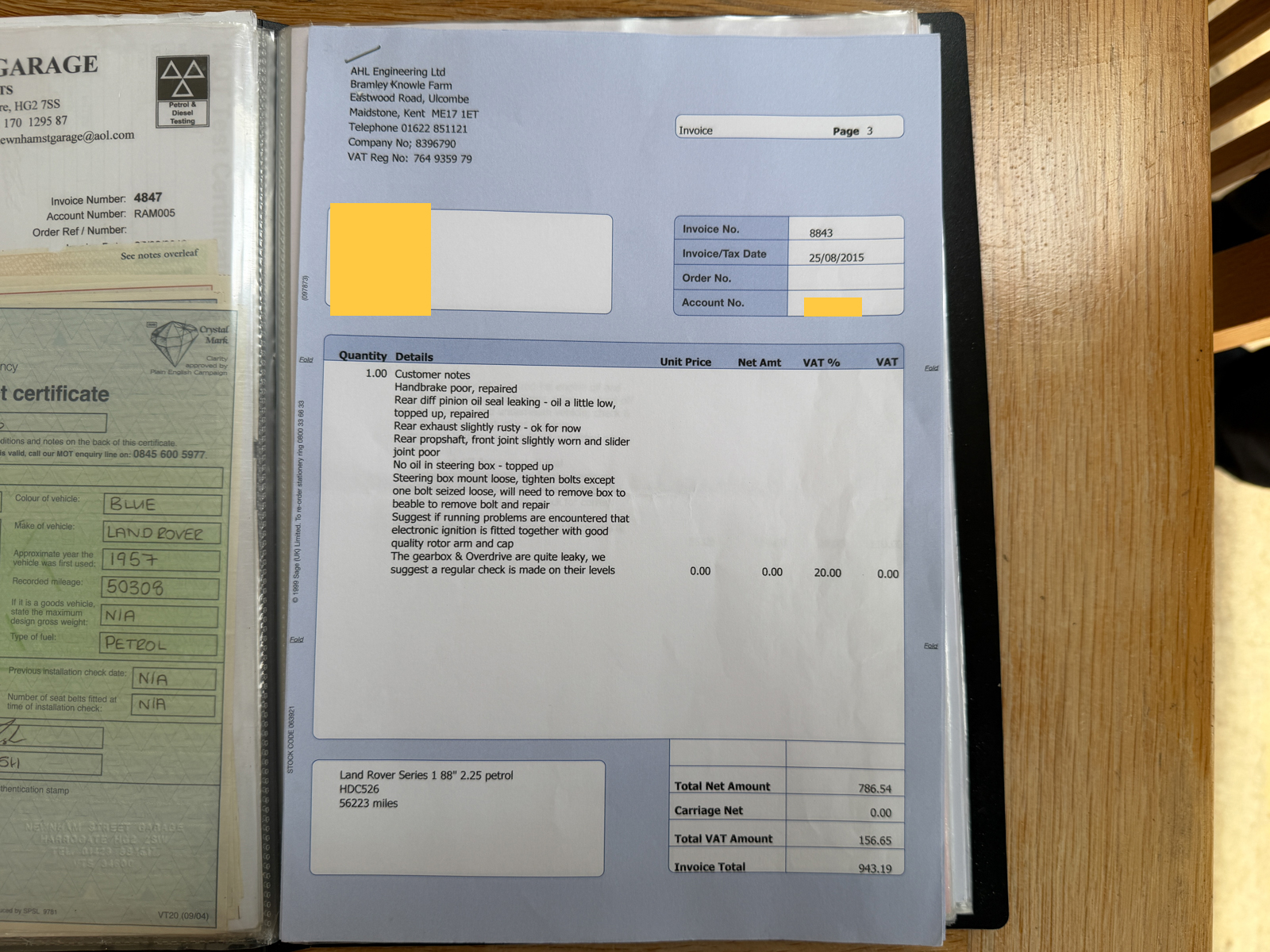
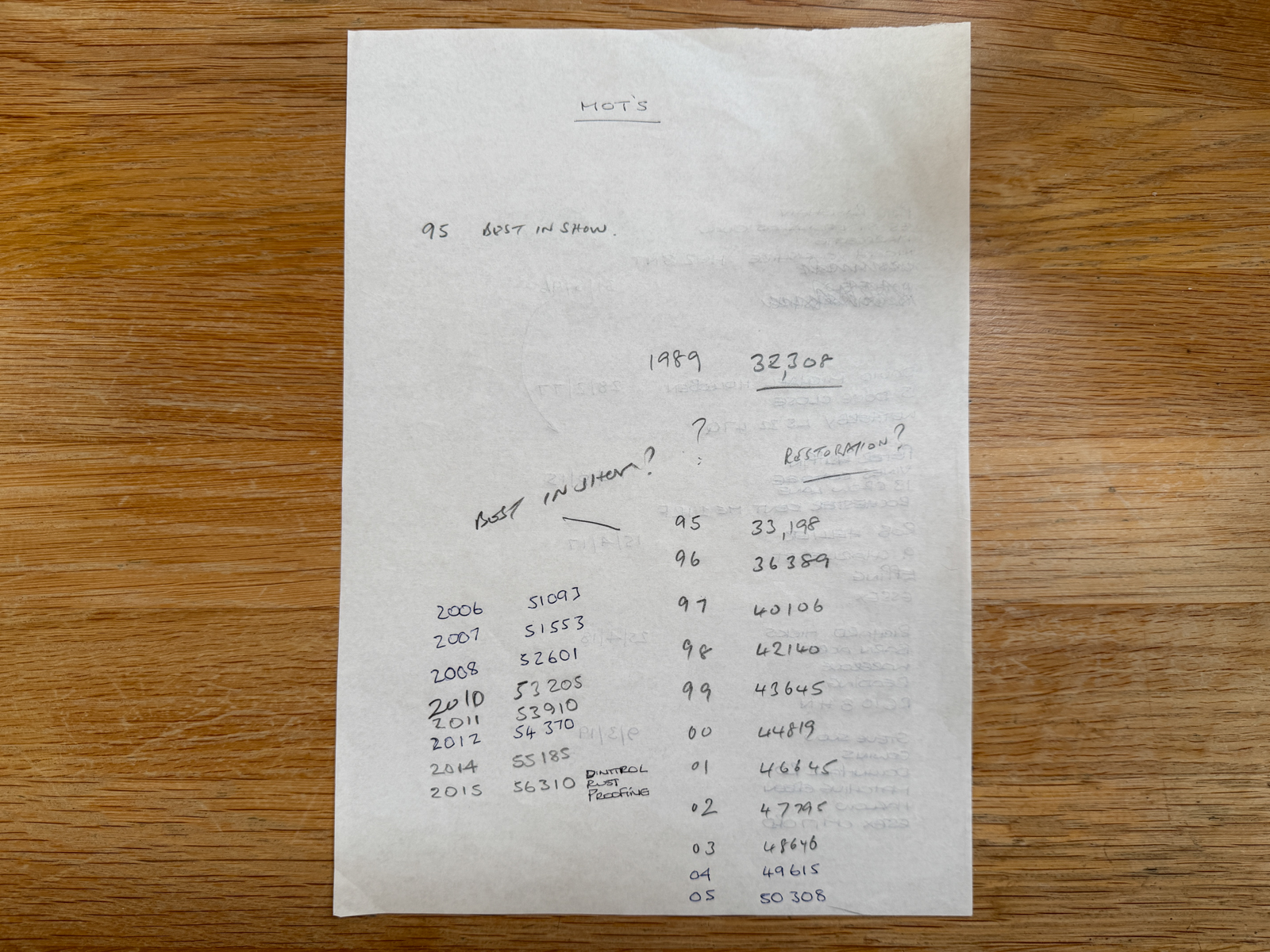
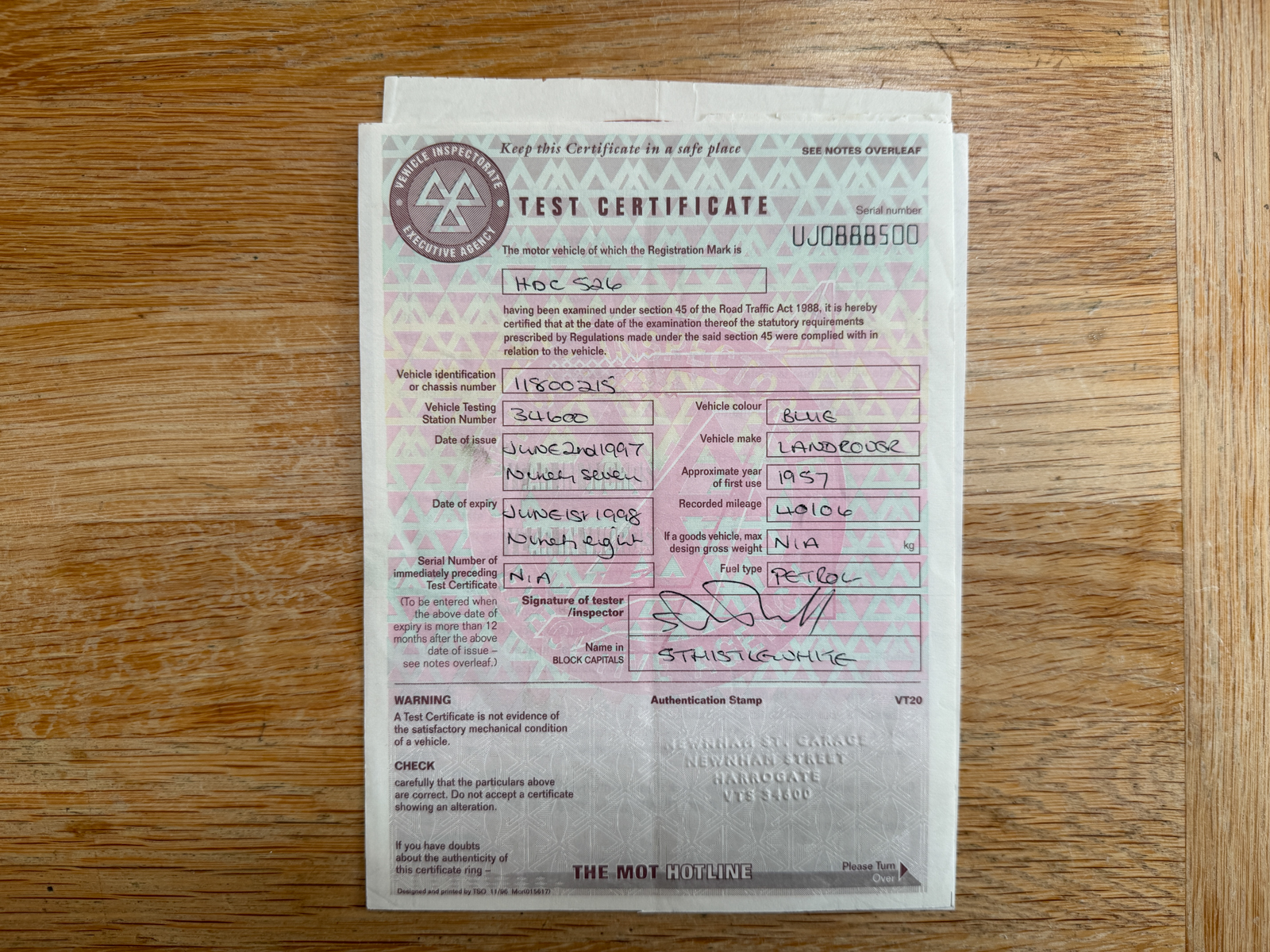
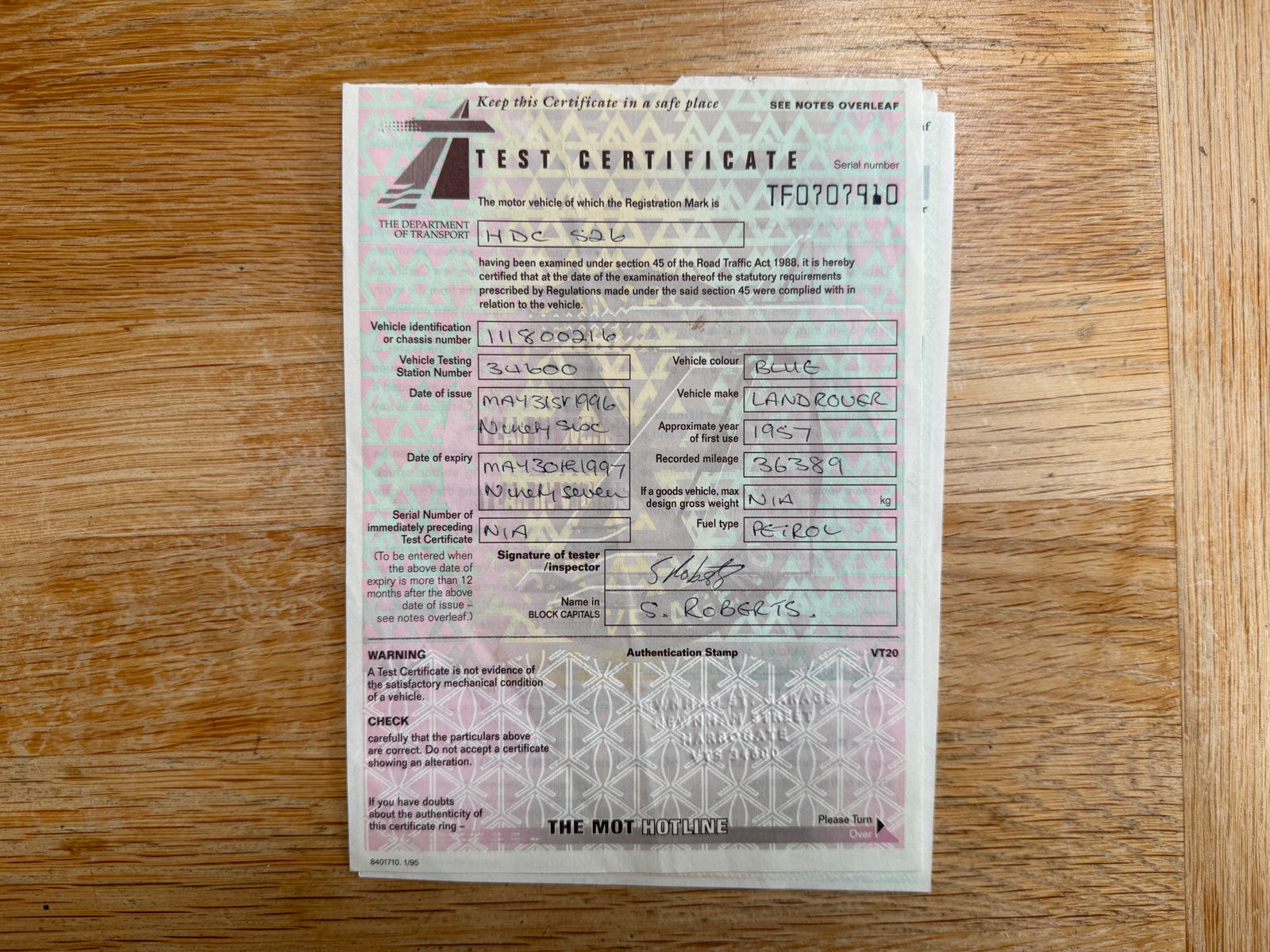
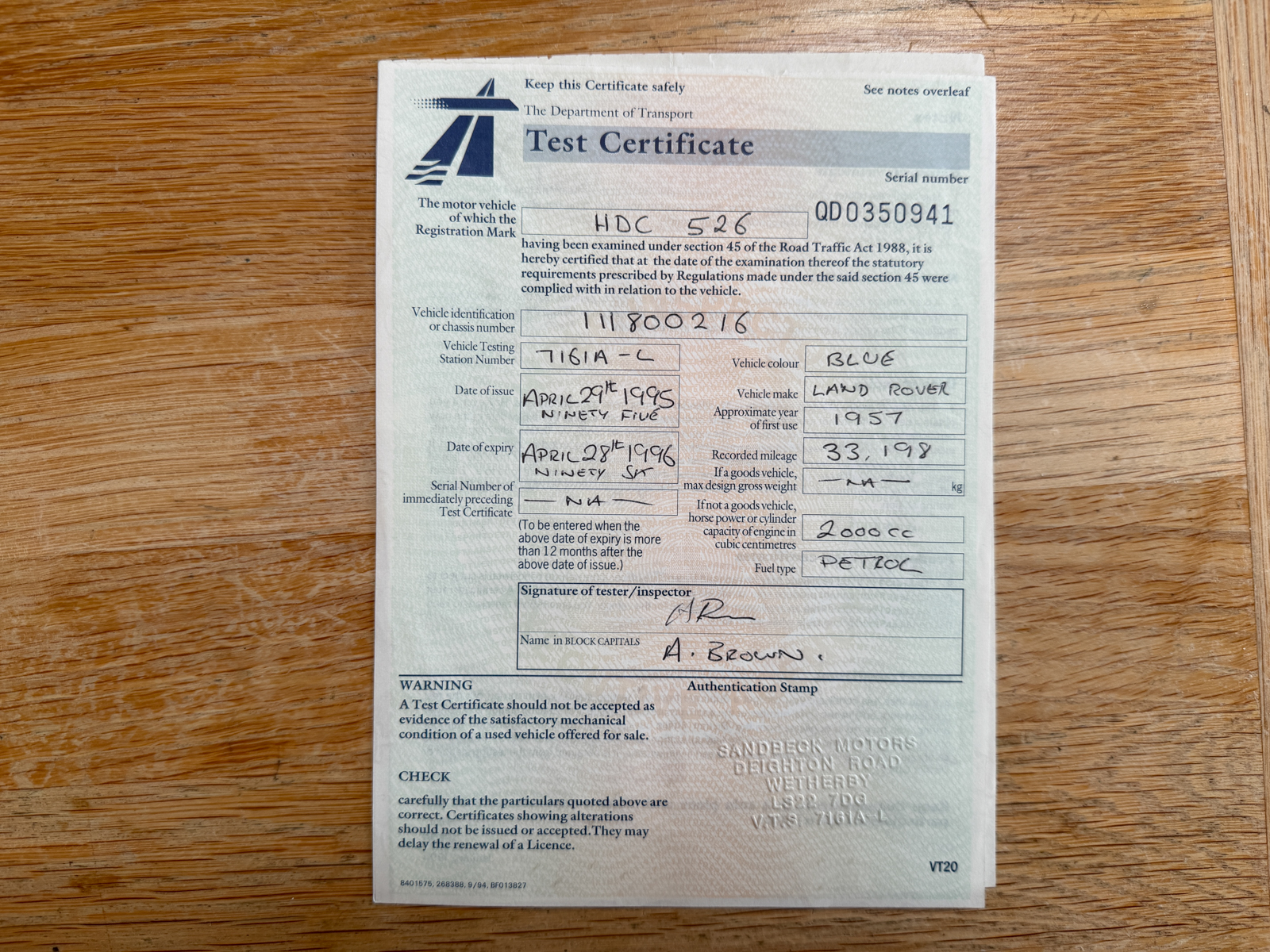
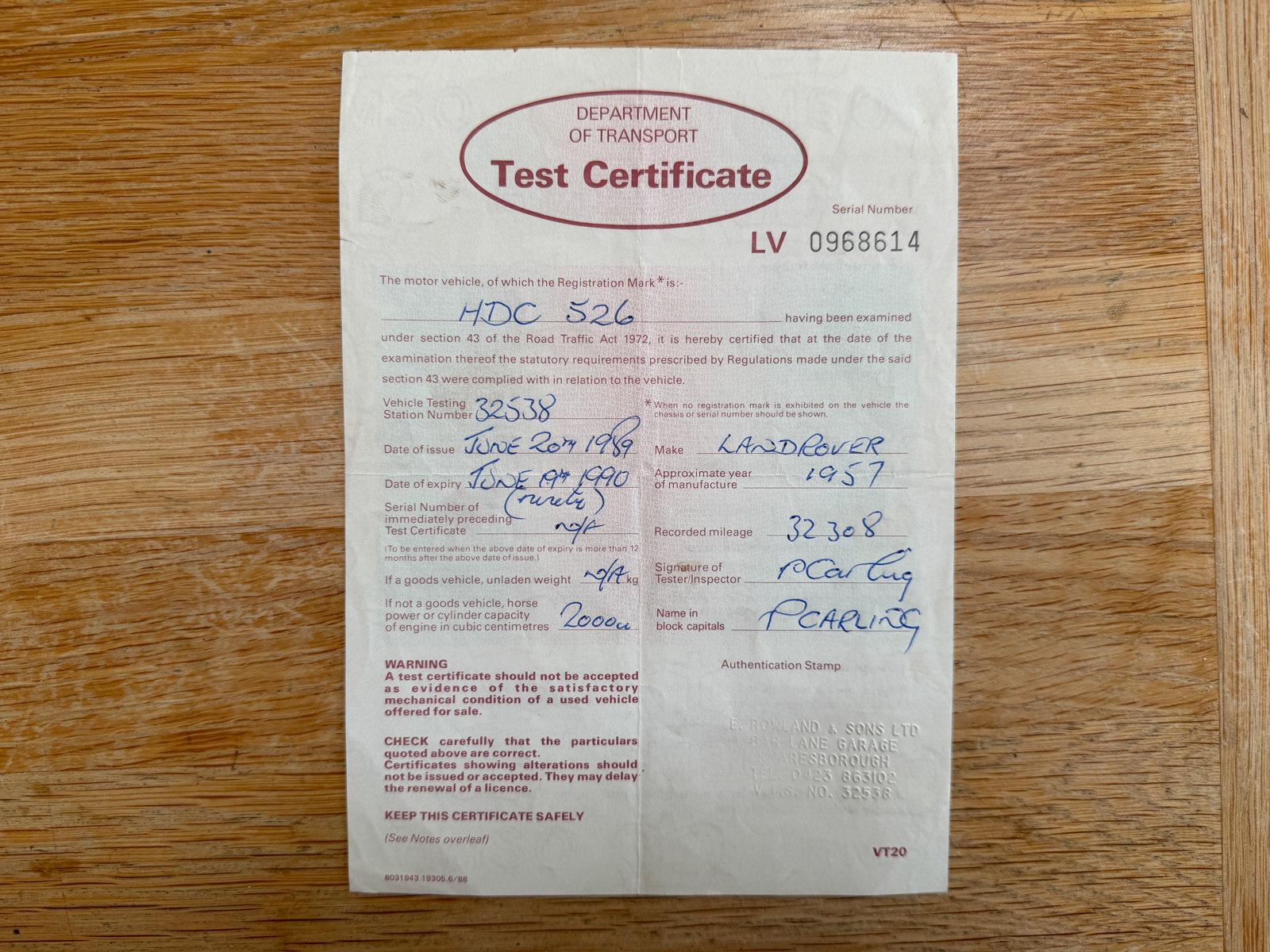
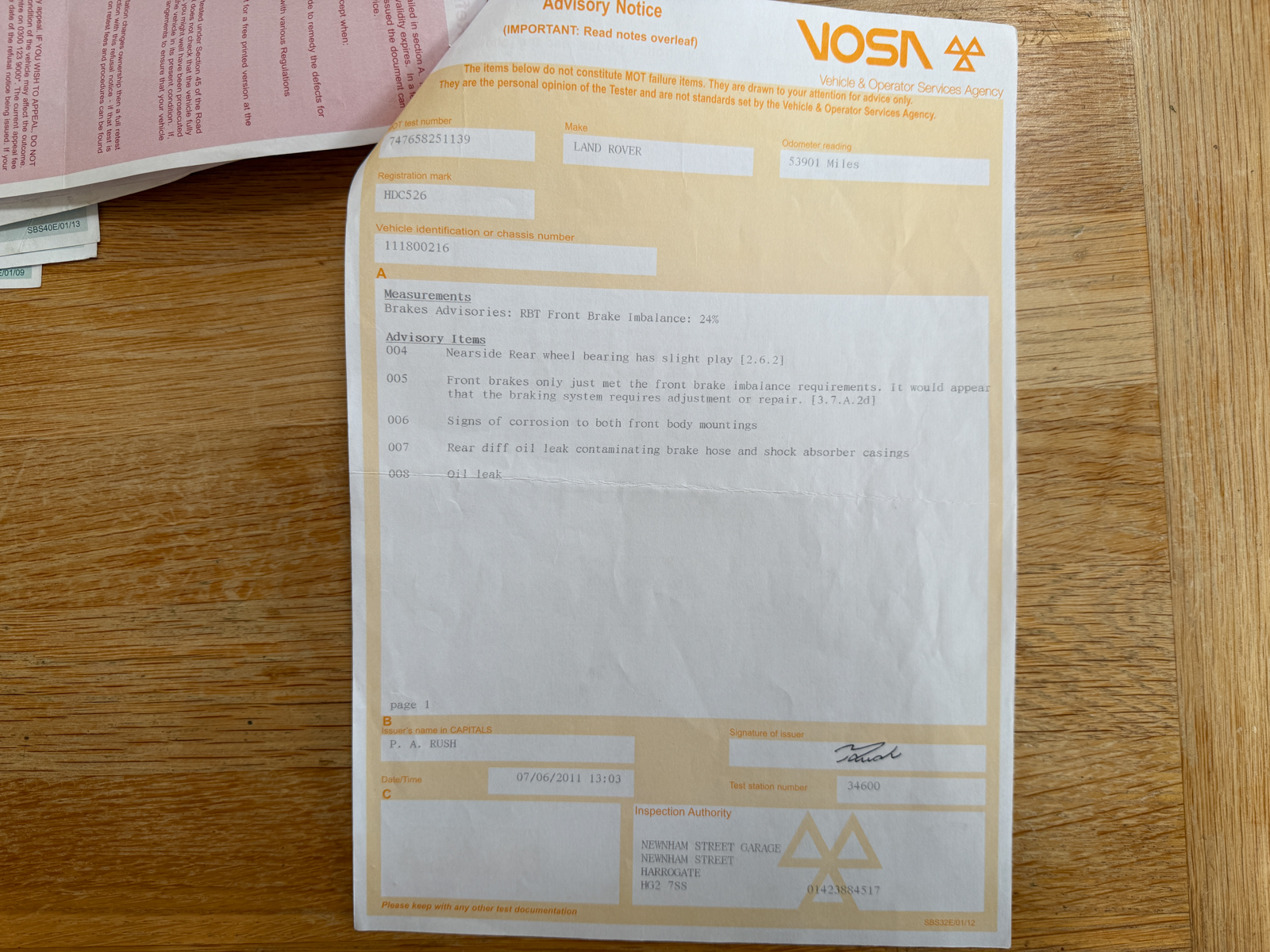
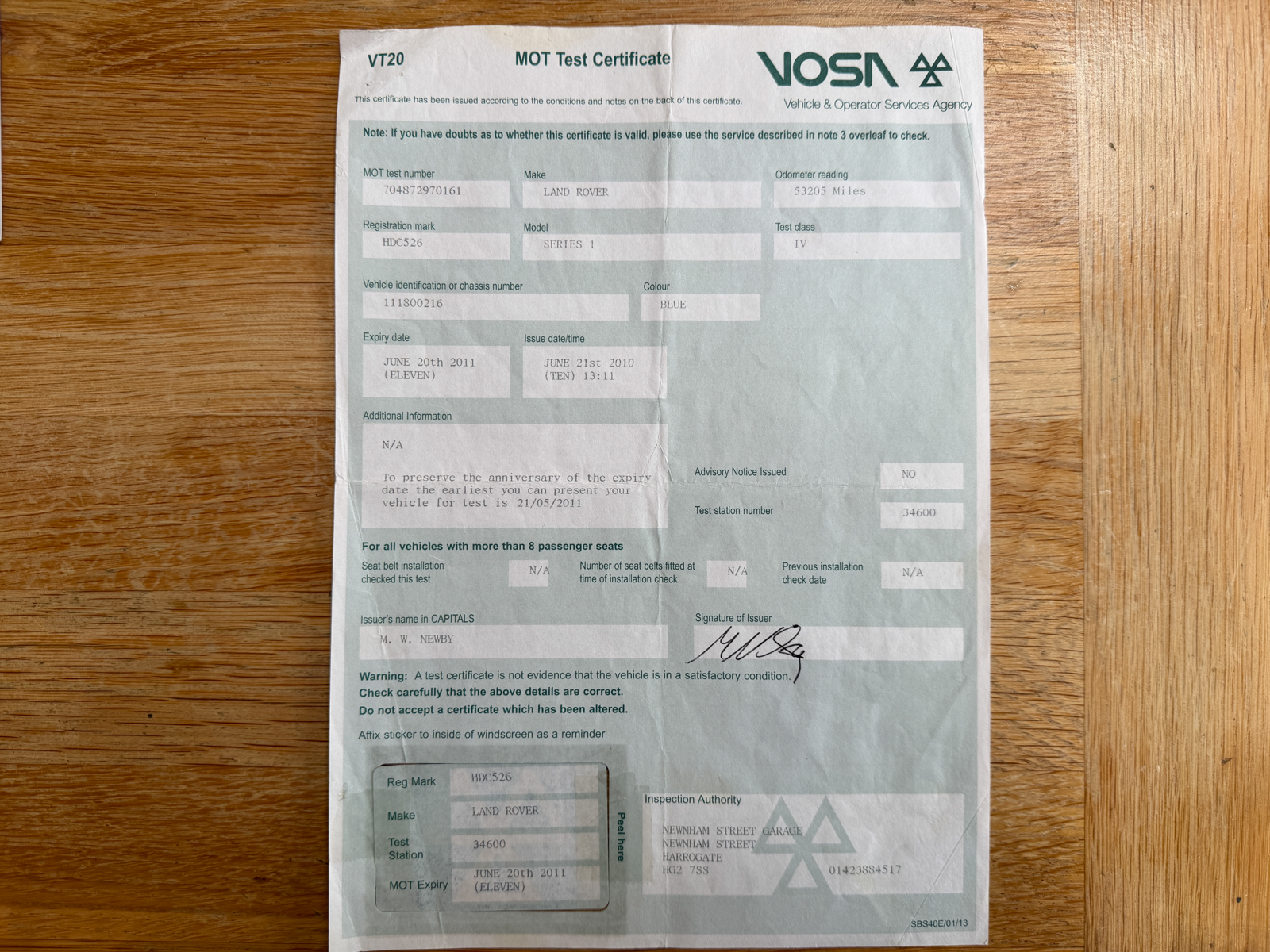
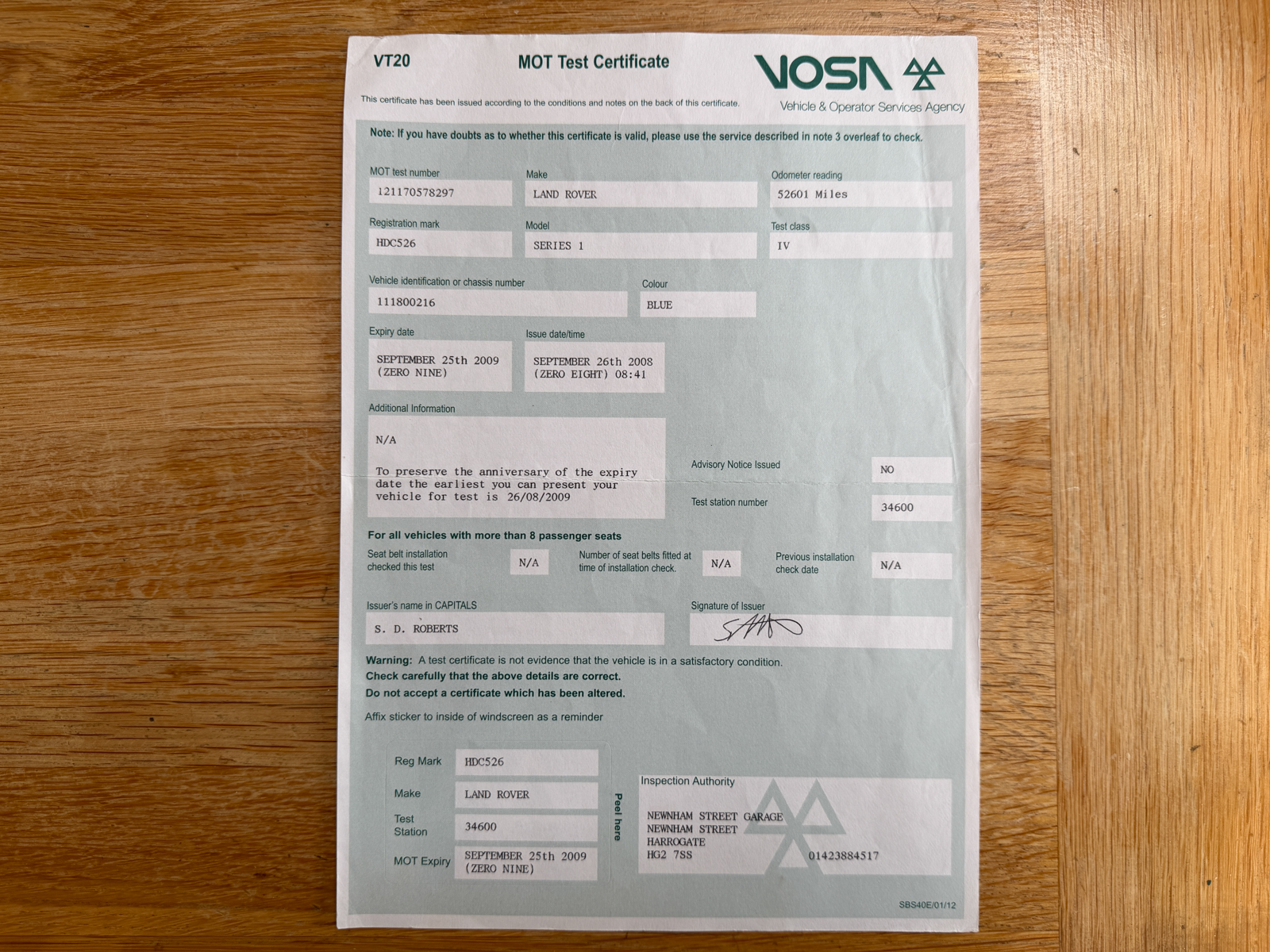
Service History
Date Type Mileage
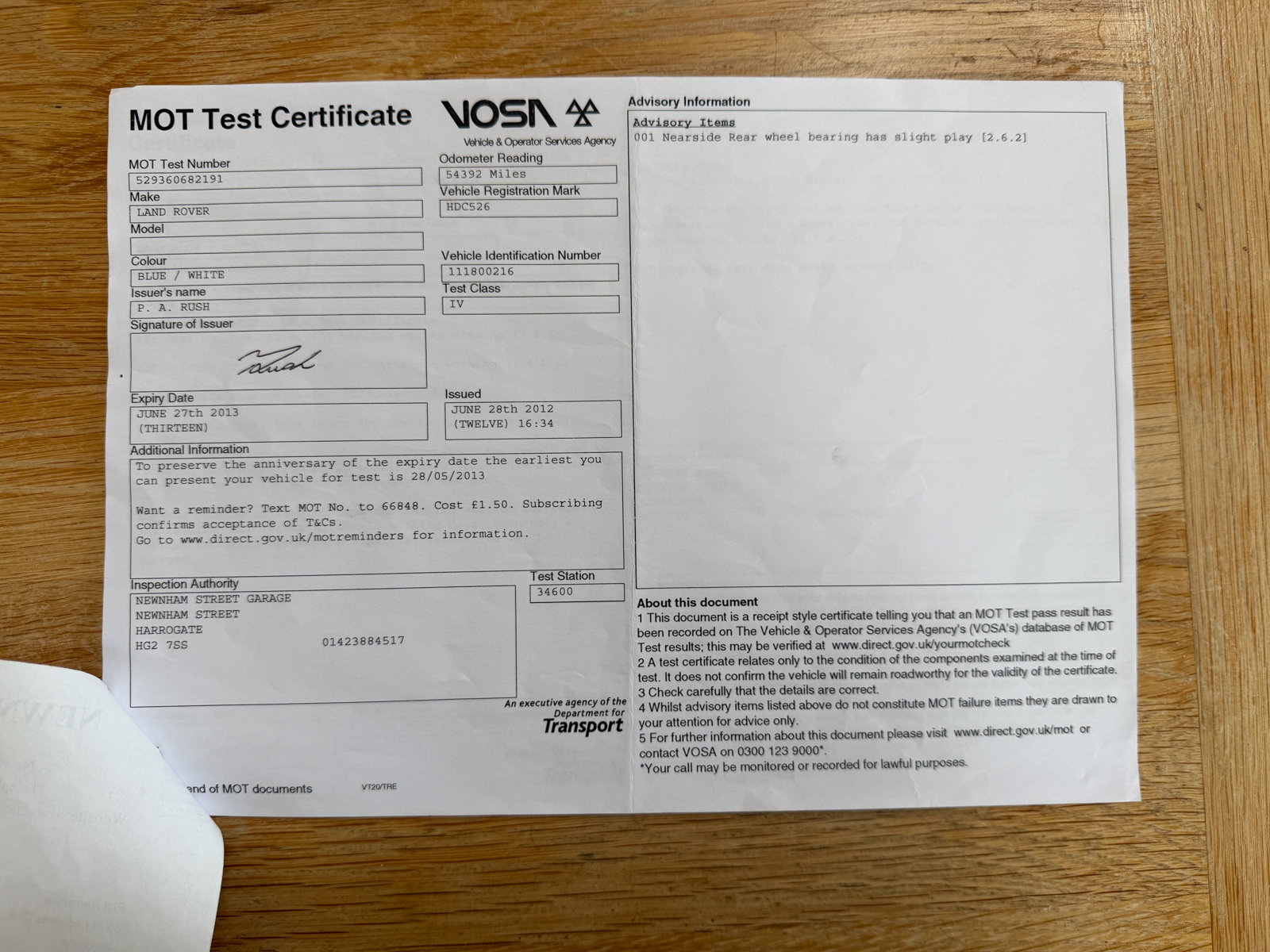
28/06/2012 MOT 54,392
13/06/2011 MOT 53,910
21/06/2010 MOT 53,205
26/09/2008 MOT 52,601
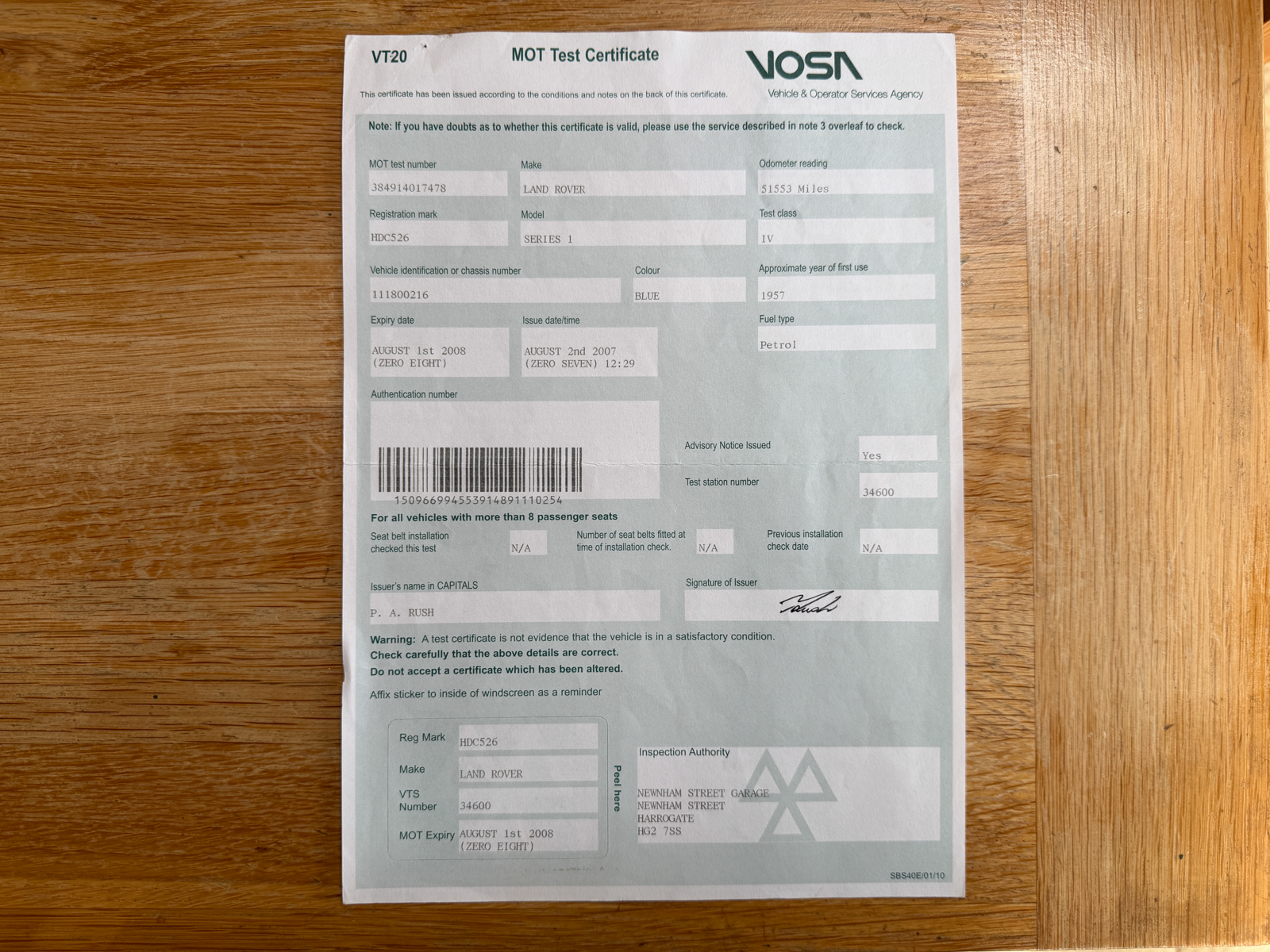
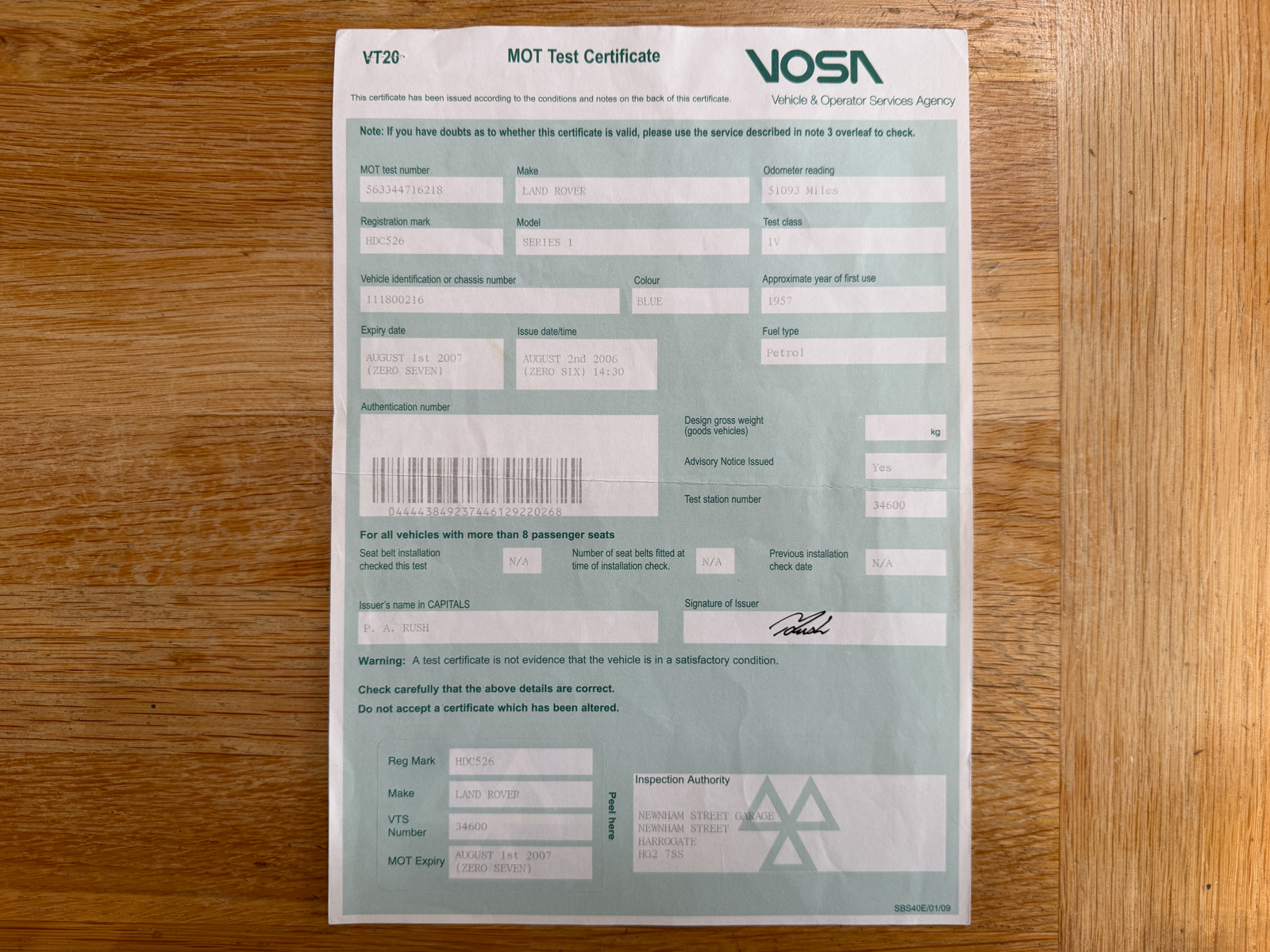
02/08/2007 MOT 51,553
02/08/2006 MOT 51,093
28/07/2005 MOT 50,308
16/07/2004 MOT 49,615
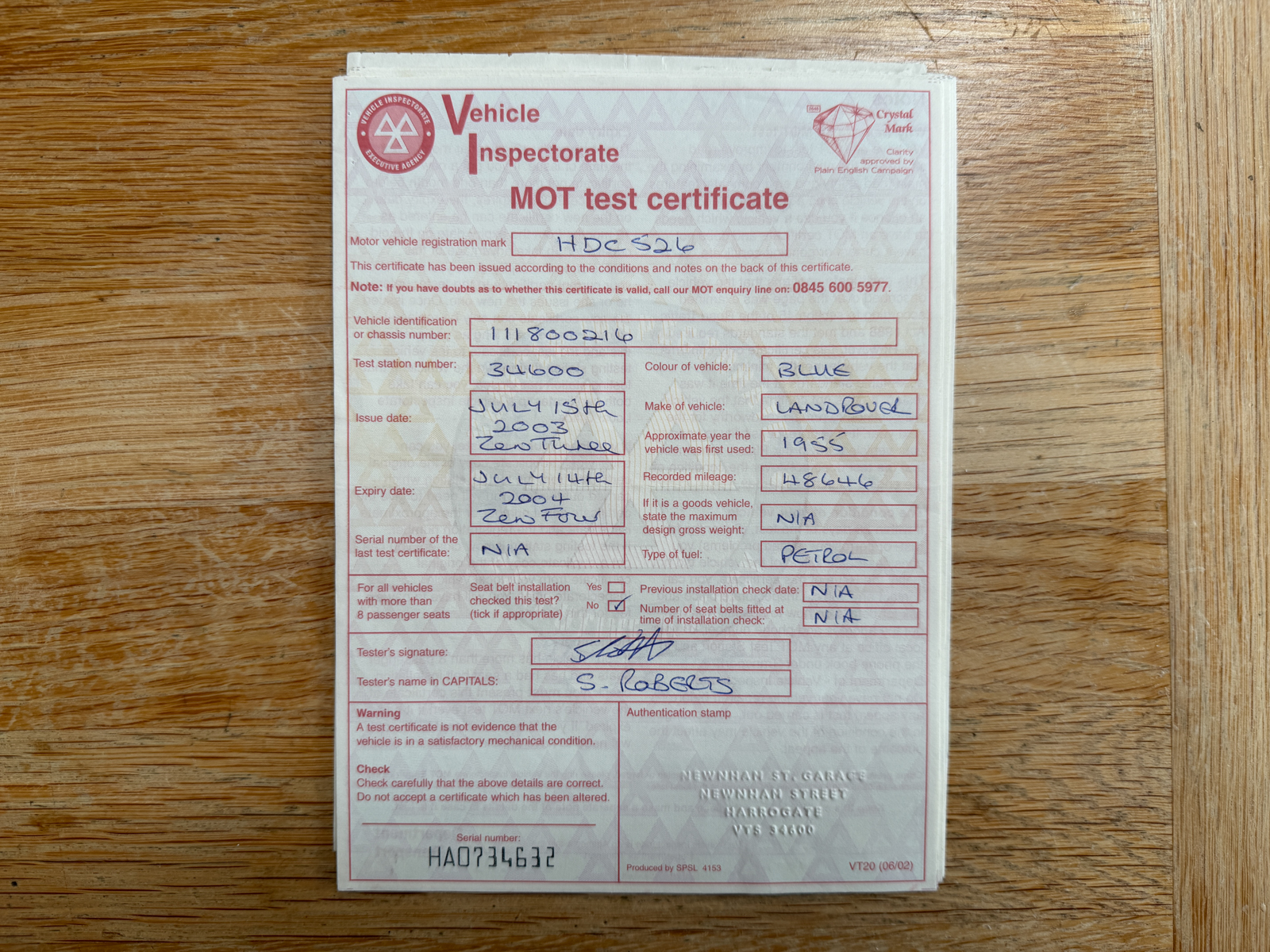
15/07/2003 MOT 48,646
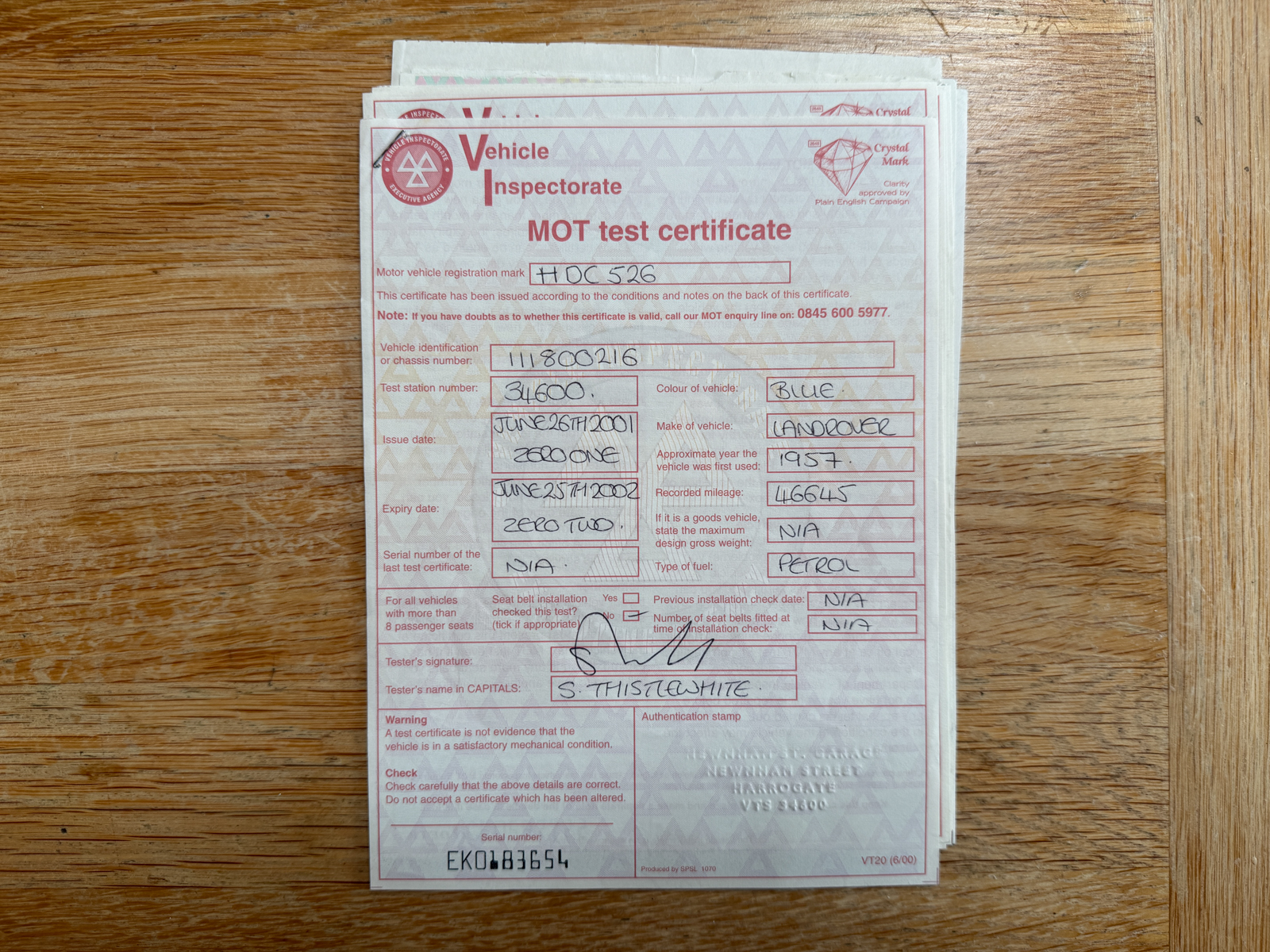
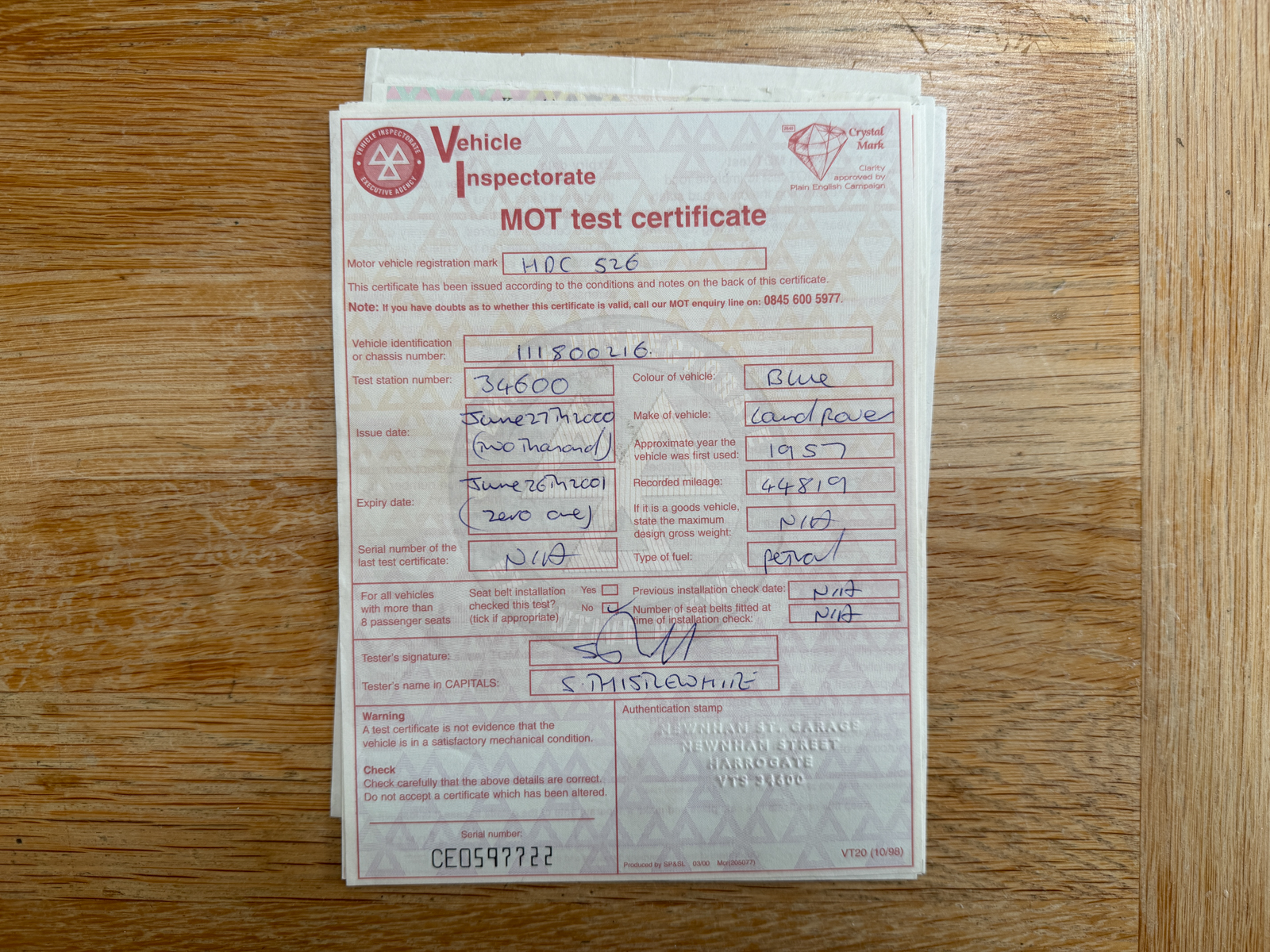
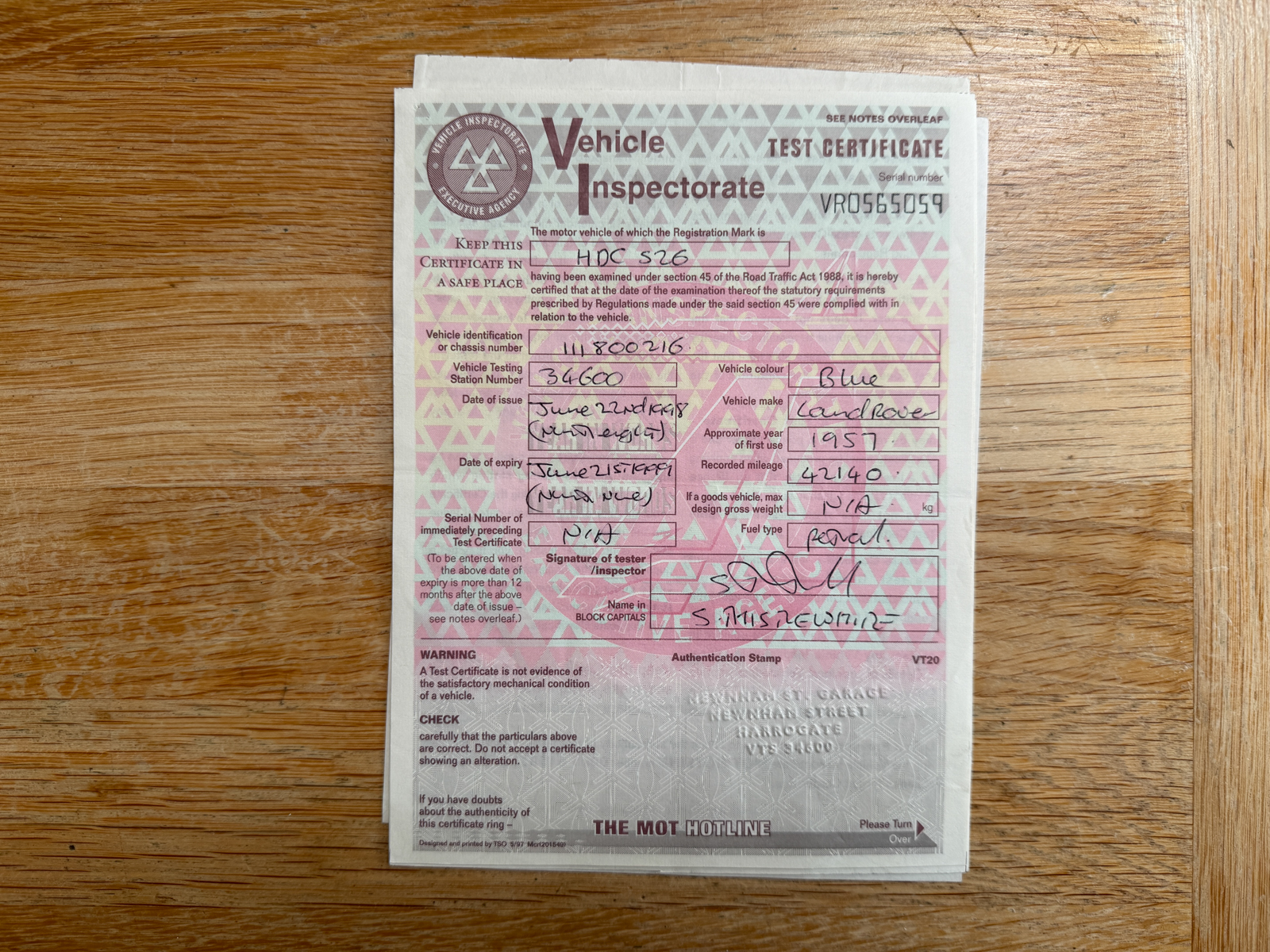
17/07/2002 MOT 47,795
26/06/2001 MOT 46,645
27/06/2000 MOT 44,819
14/06/1999 MOT 43,645
22/06/1998 MOT 42,140
02/06/1997 MOT 40,106
31/05/1996 MOT 36,389
29/04/1995 MOT 33,198
20/06/1989 MOT 32,308
Key Details
  • Model Series 1
  • Transmission Manual
  • Reg. Date 01/10/1957
  • CC 2286
  • Mileage ~57,112 on clock
  • Colour Grey
  • Interior Colour Green
  • Interior Trim Vinyl
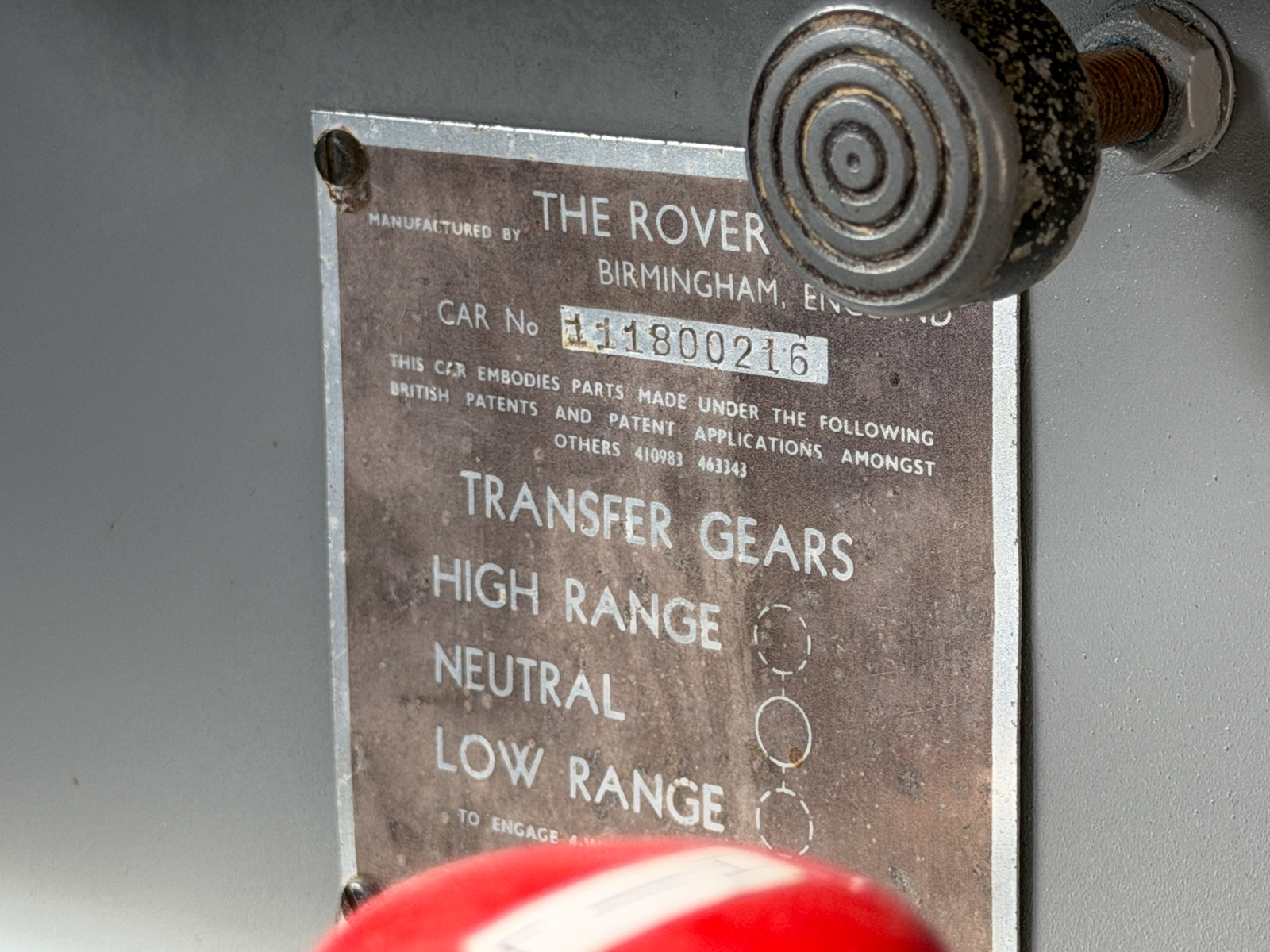
  • Chassis # 111800216
  • Engine # 525183
  • Former Keepers 7
  • LHD or RHD RHD
  • Visited Yes
  • Sale Type Private
  • Owned ~7 years, 6 months
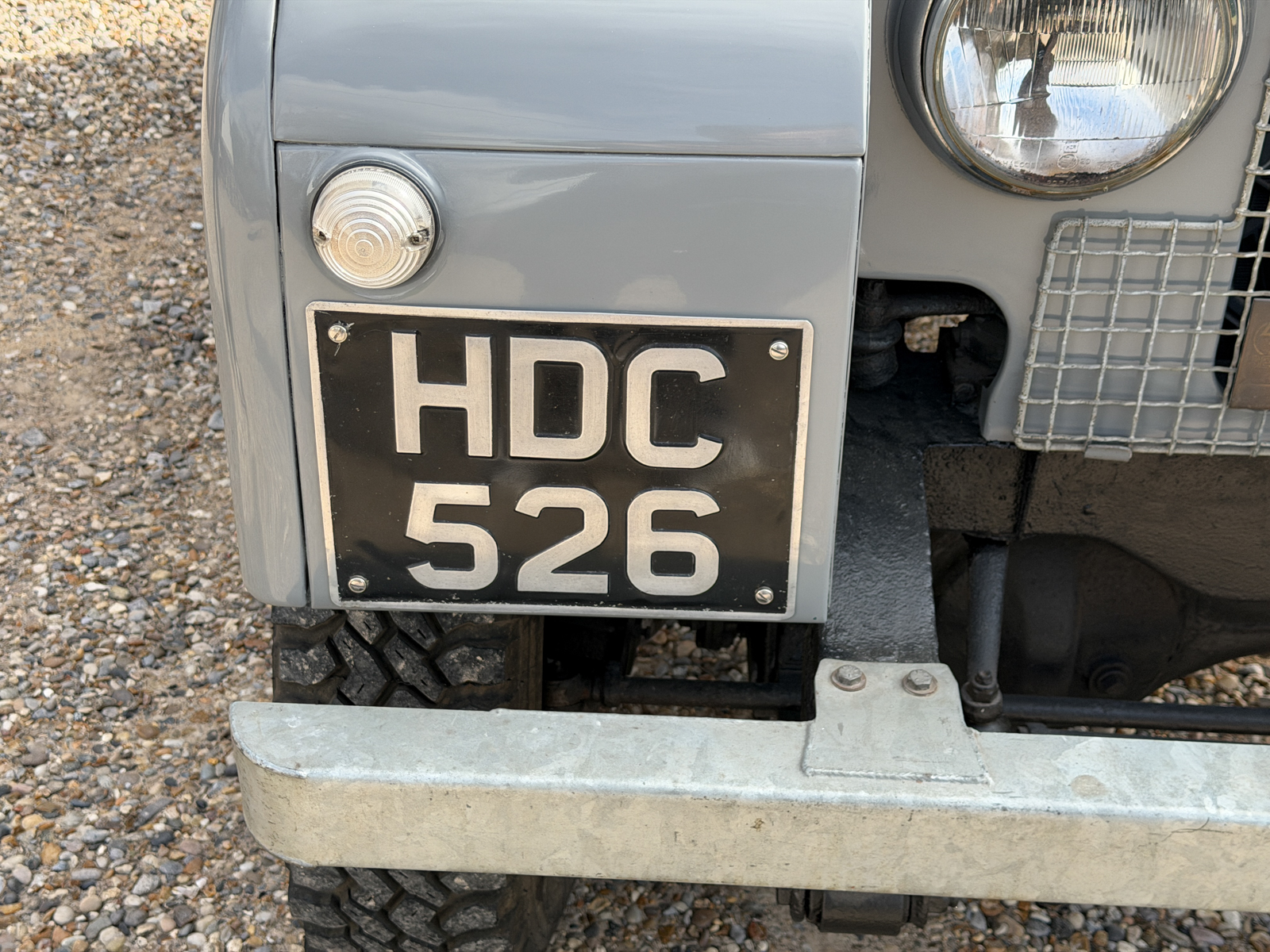
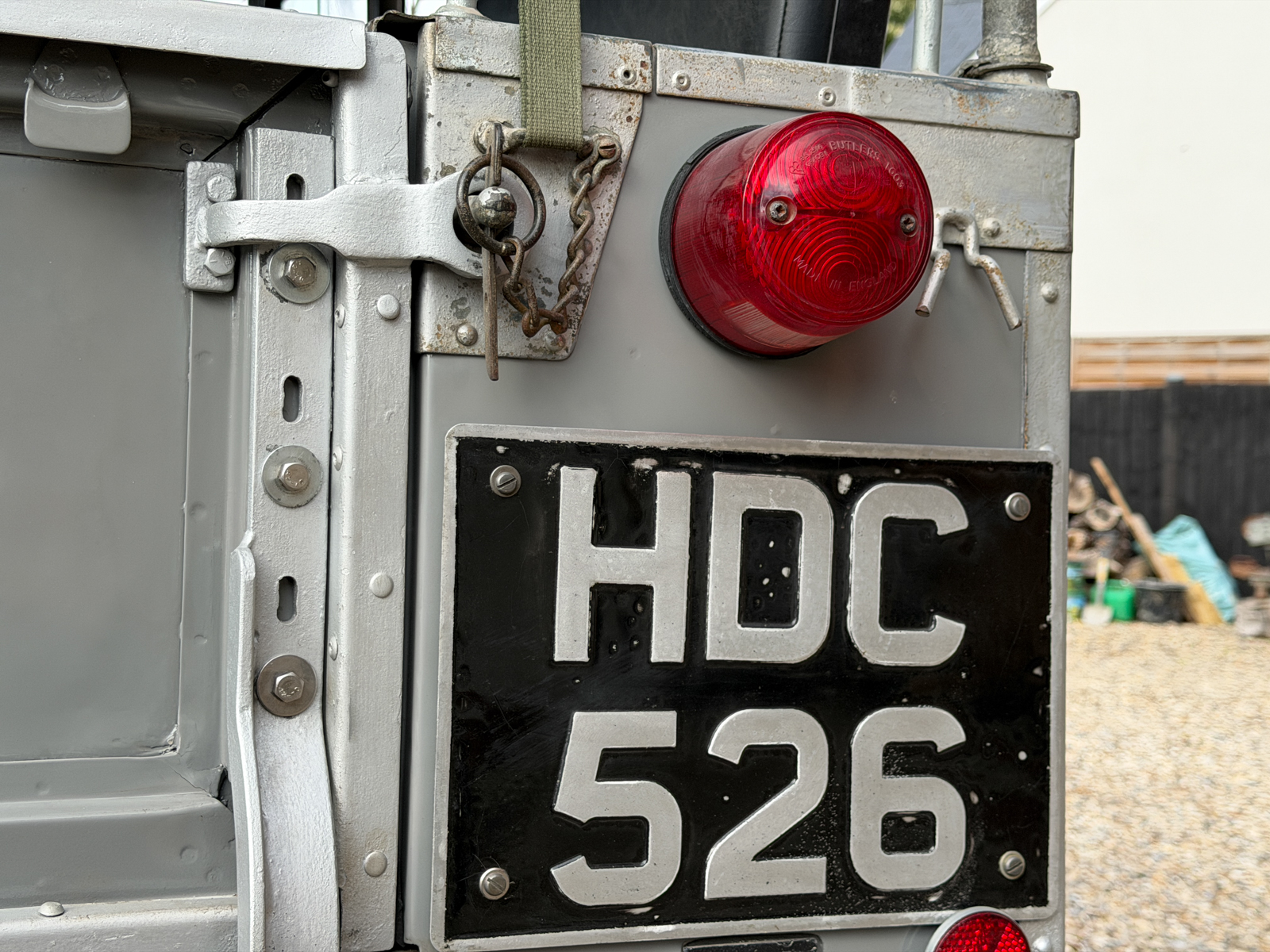
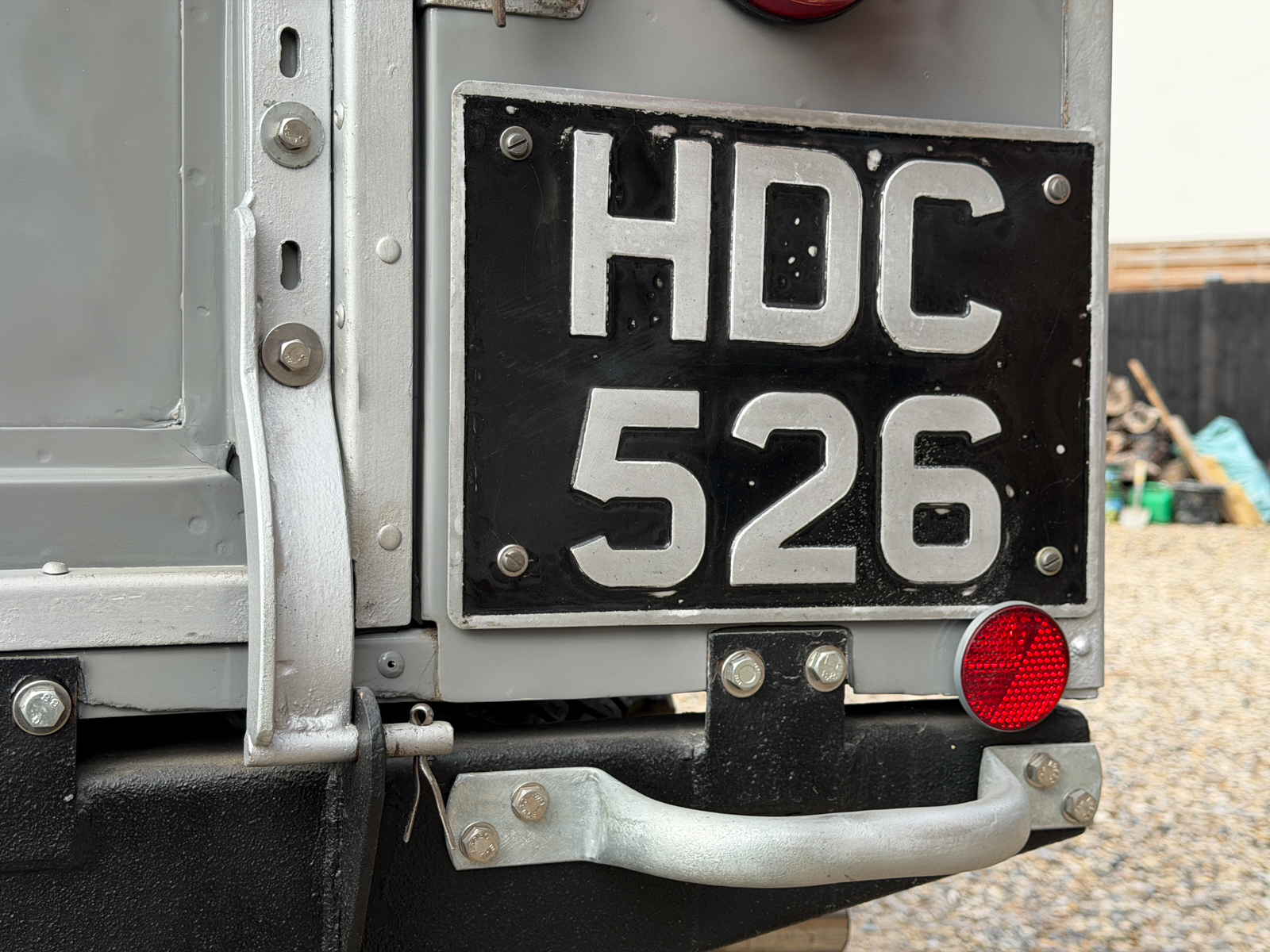
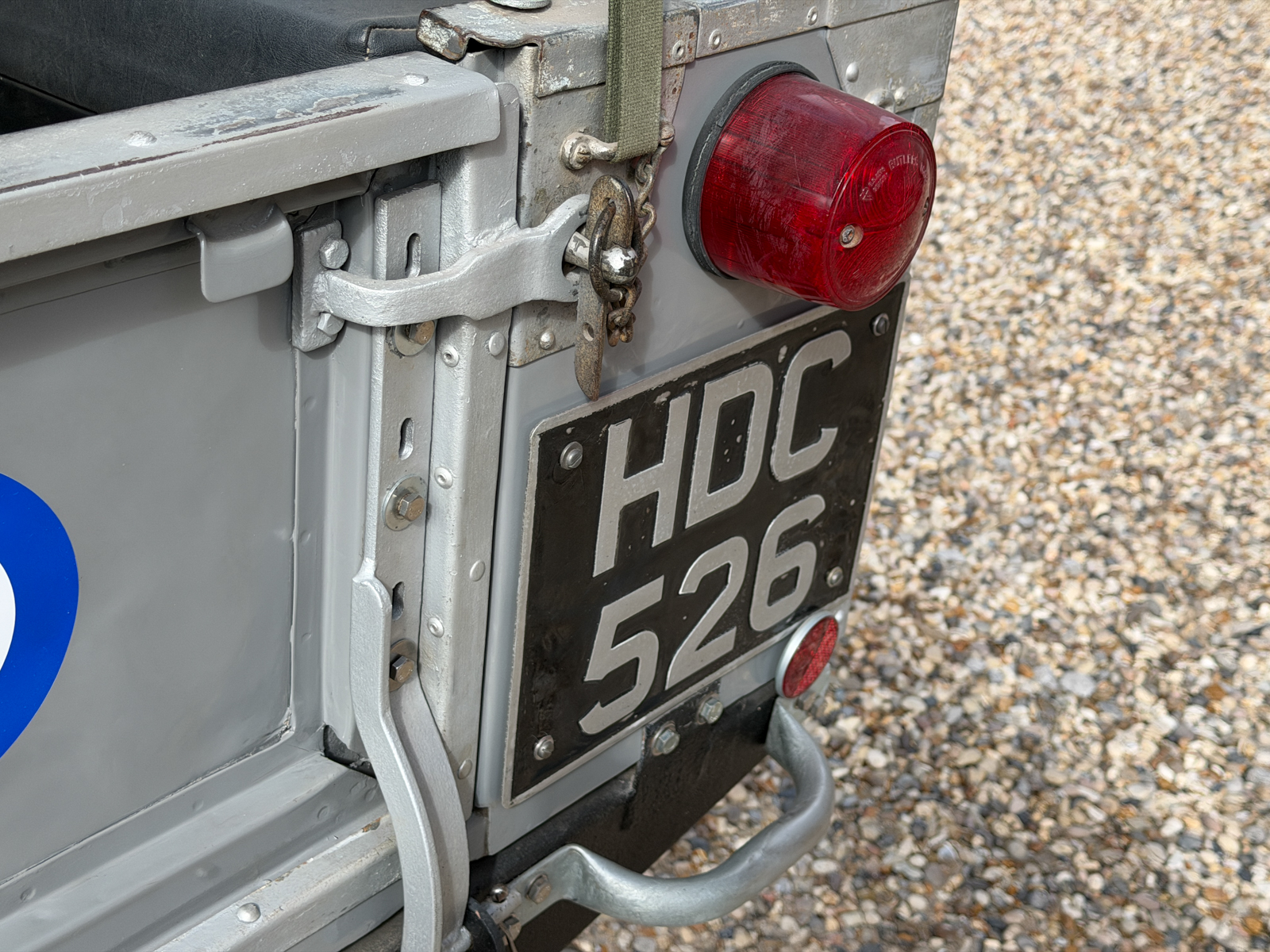
  • Vehicle Registration HDC 526
  • Driver’s Side Right
  • Fuel Type Petrol
  • Body Type 4x4
  • Auction ID 4020


    Auction Bidding

    Live Bidding
    Current Bid £8,000
    £
    1957 Land Rover Series 1
    AUCTION STATUS RESERVE NOT MET
    RESERVE NOT MET RESERVE MET
    Countdown Timer
    0 Days
    0 HRS
    0 MIN
    0 SEC
    Auction Ends Thu 8th Oct at 8.00pm
    Bidding History
    Previous Bids  1
    £8,000 bid by Gensport24.09.26 @ 11:15:39
    SEE MORE BIDS SEE MORE BIDS
    392
    Ask Owner
    Post a comment or ask the owner a question about the car.
    0 Comments
    MORE COMMENTS MORE COMMENTS

    Insurance Quote


    Average annual insurance premium for a Series 1 like this is £158 via our trusted partner ClassicLine.
    GET AN INSURANCE QUOTEAnd get 10% off when you mention us.

    *Quote is based on a garaged vehicle in CV32 5QY (Leamington Spa), travelling 3,000 miles per year, 1 driver who is 45 years of age and is free on accidents and convictions – valid Autumn 2026.

    Delivery Calculator


    Vehicle Location

    Harlow, Essex

    Key Bidding Facts

    What is your reserve policy?

    A reserve is the minimum price a seller is willing to accept for their vehicle. We work closely with sellers to set realistic reserves that reflect current market values — we don’t take on vehicles with inflated or unrealistic expectations.
    If the reserve isn’t met when the auction ends, we’ll work with the highest bidder to try and agree a deal with the seller.

    Whether the reserve has been met may / may not be disclosed during the auction — just like a traditional auction house. Bidders usually find out if they’ve won only when the auction ends.
    As a guide:
    – If you’re able to place a second bid, the reserve hasn’t been met.
    – If you attempt to outbid yourself and the system blocks it, then the reserve has been met.

    Why shouldn’t I leave bidding to the last minute?

    Auto-Extending Bidding – we’ve developed auto-extending auctions that mimic traditional auction house bidding; it’s a key feature to make sure classic vehicles achieve their true worth. Bids placed in the last one minute automatically extend the auction by two further minutes. So there is no need to leave bidding to the last second.

    Security – we operate higher levels of security, so you may need to enter further authorisations against your stored card after you select ‘Place Bid’. All this takes time and may mean you miss the end of the auction by the time the authorisation passes. To guarantee your bid, we recommend at least five minutes are active on the auction when you place your bid.

    Network Connection – your device may lose connection and you’re not able to bid, or see the latest bidding history.