Keep up to date
Keep up to date with all things Trade Classics, along with new cars.
FOR SALE

1960 Kieft Formula Junior

£26,950

Chassis 1/1 | Class Winner | FIA HTP Valid Until 2029

  • MileageN/A
  • TransmissionManual
  • Engine1.1-litre
  • LocationKimbolton, Huntington

£26,950

1960 Kieft Formula Junior

Premium Classified Sale

Introduction

Ashley Dawson
Professional Consigner

A fascinating and extremely rare, rear-engined Formula Junior with period competition history, a comprehensive rebuild, and successful historic racing appearances under its current ownership.

Formula Junior was conceived by Italian racer and motoring journalist Count Giovanni Lurani as an affordable route into single-seater competition. Using production-based engines and mechanical components, the category quickly developed into an important training ground for aspiring drivers and constructors, receiving international recognition from the FIA in 1959.

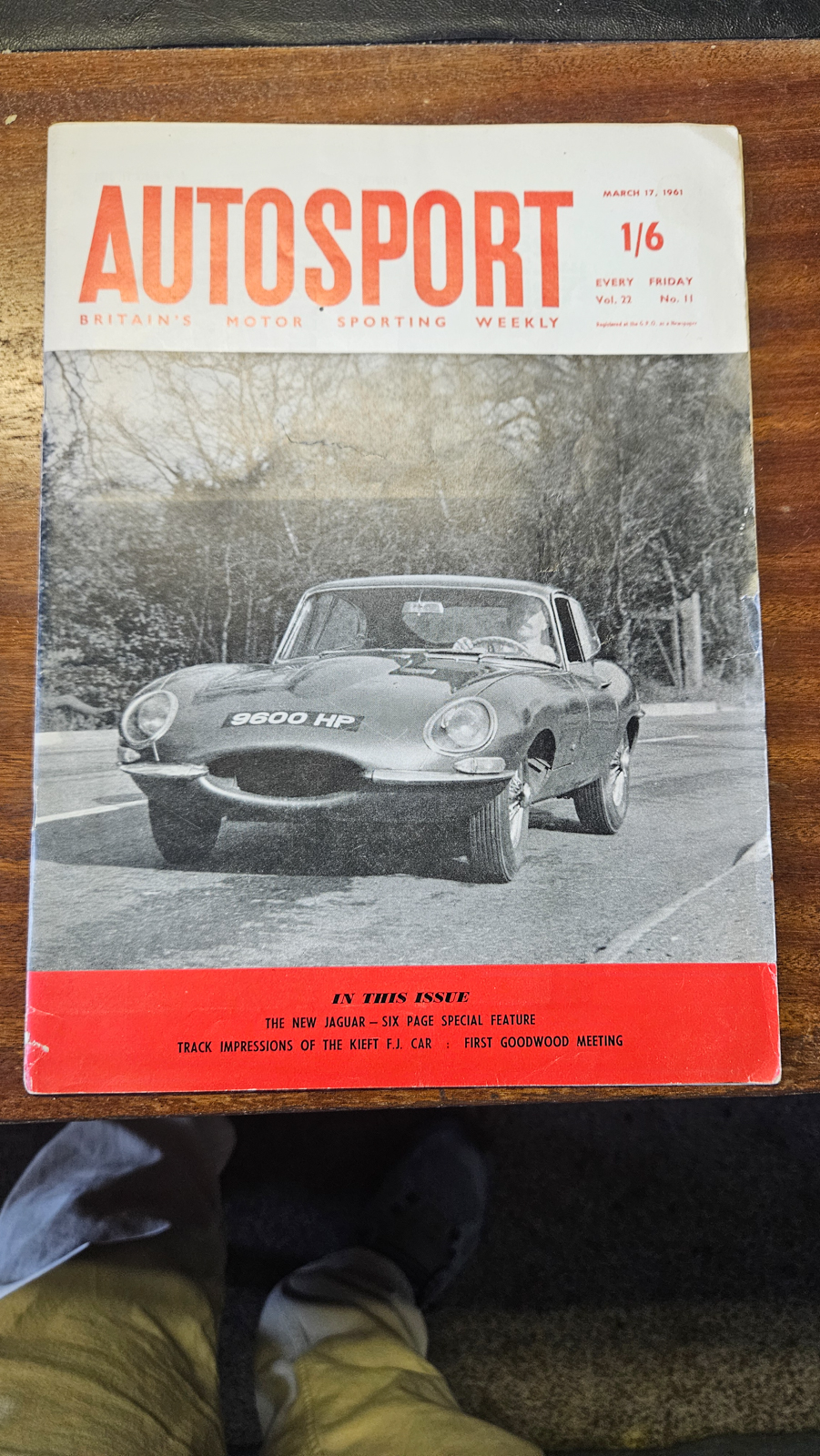
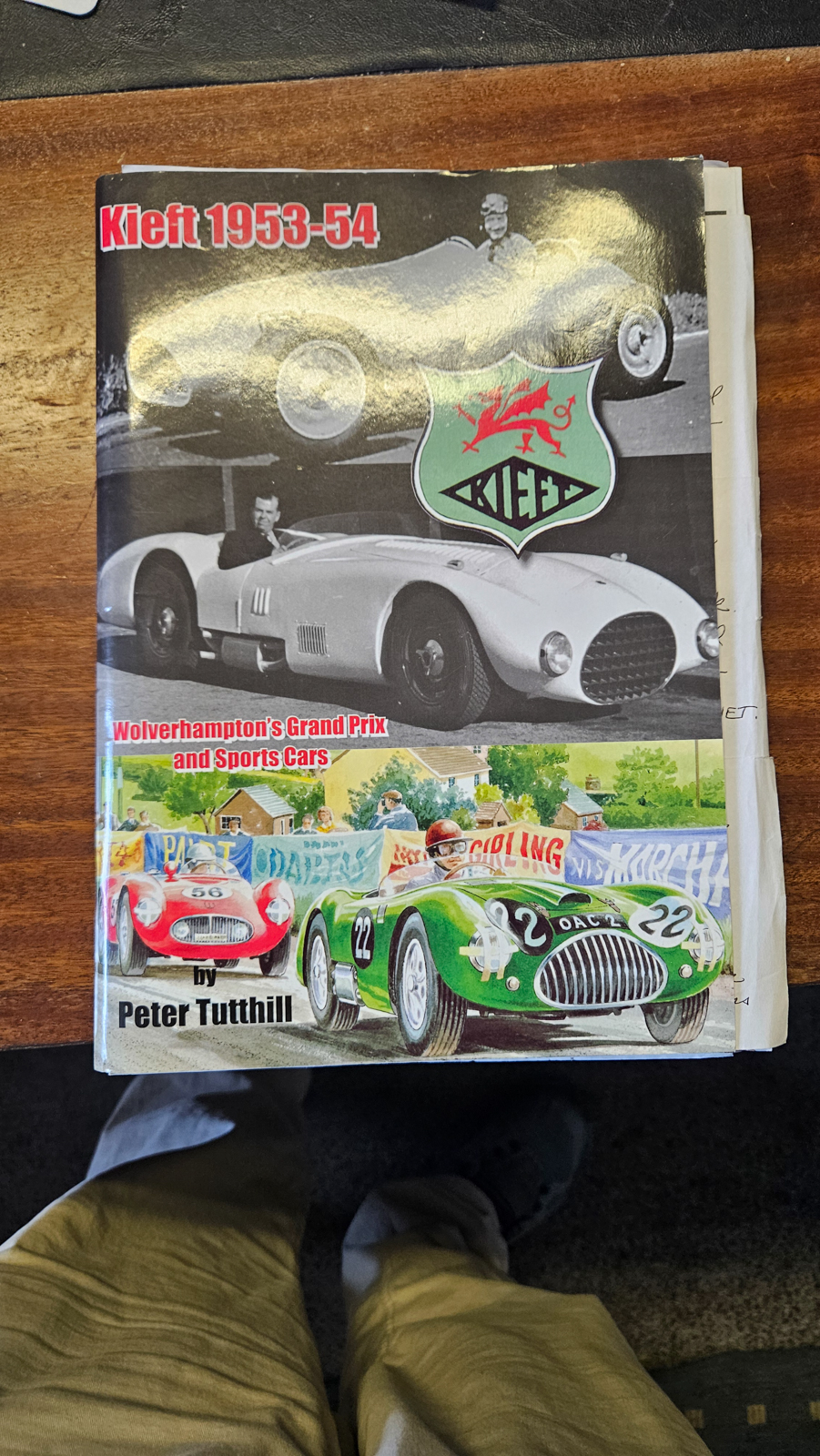
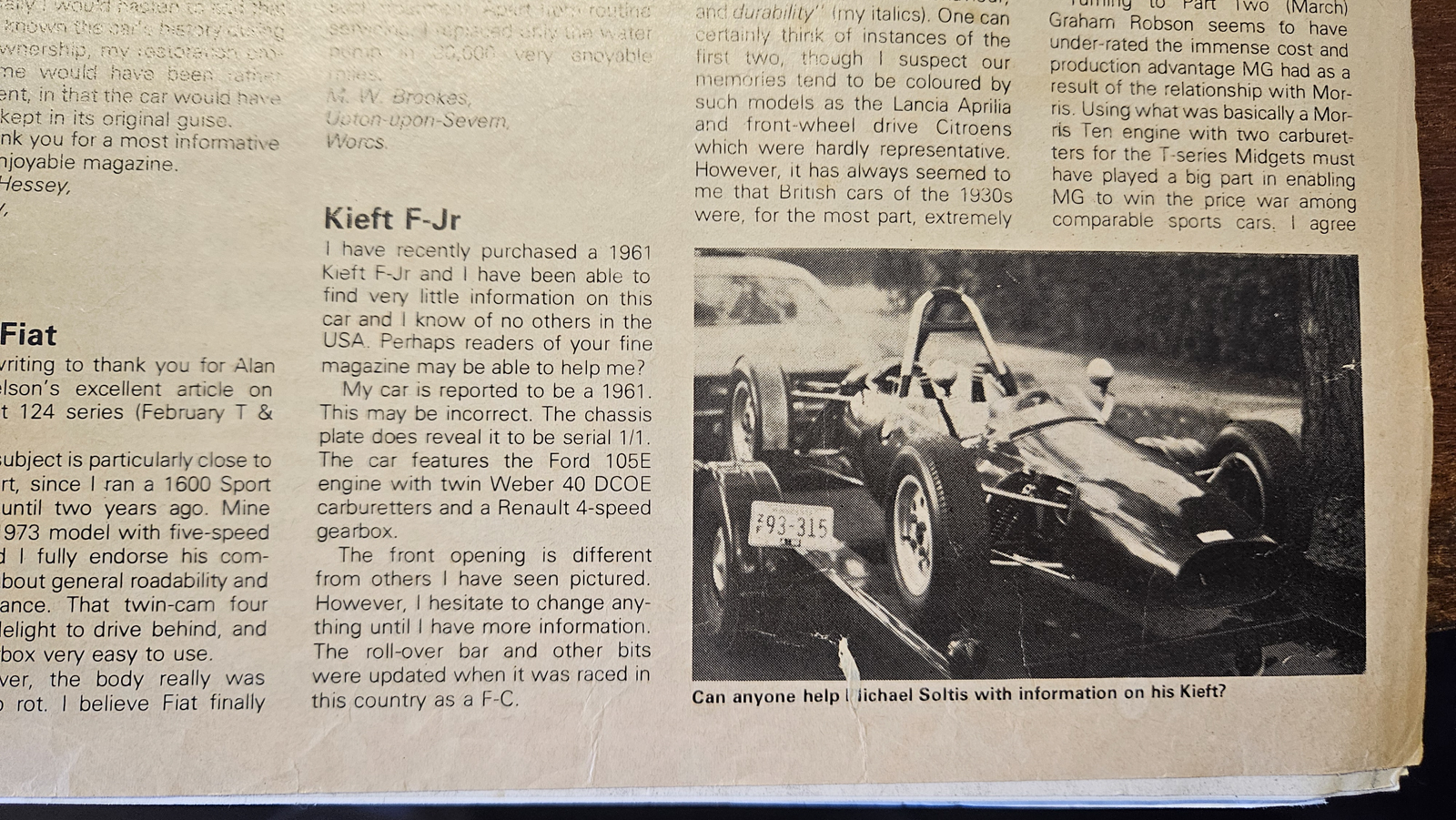
By this point, the Kieft name was already well established in British motor racing. Earlier Kieft competition cars had been driven by figures including Stirling Moss, while Don Parker enjoyed considerable success in the marque’s 500cc Formula 3 machinery.

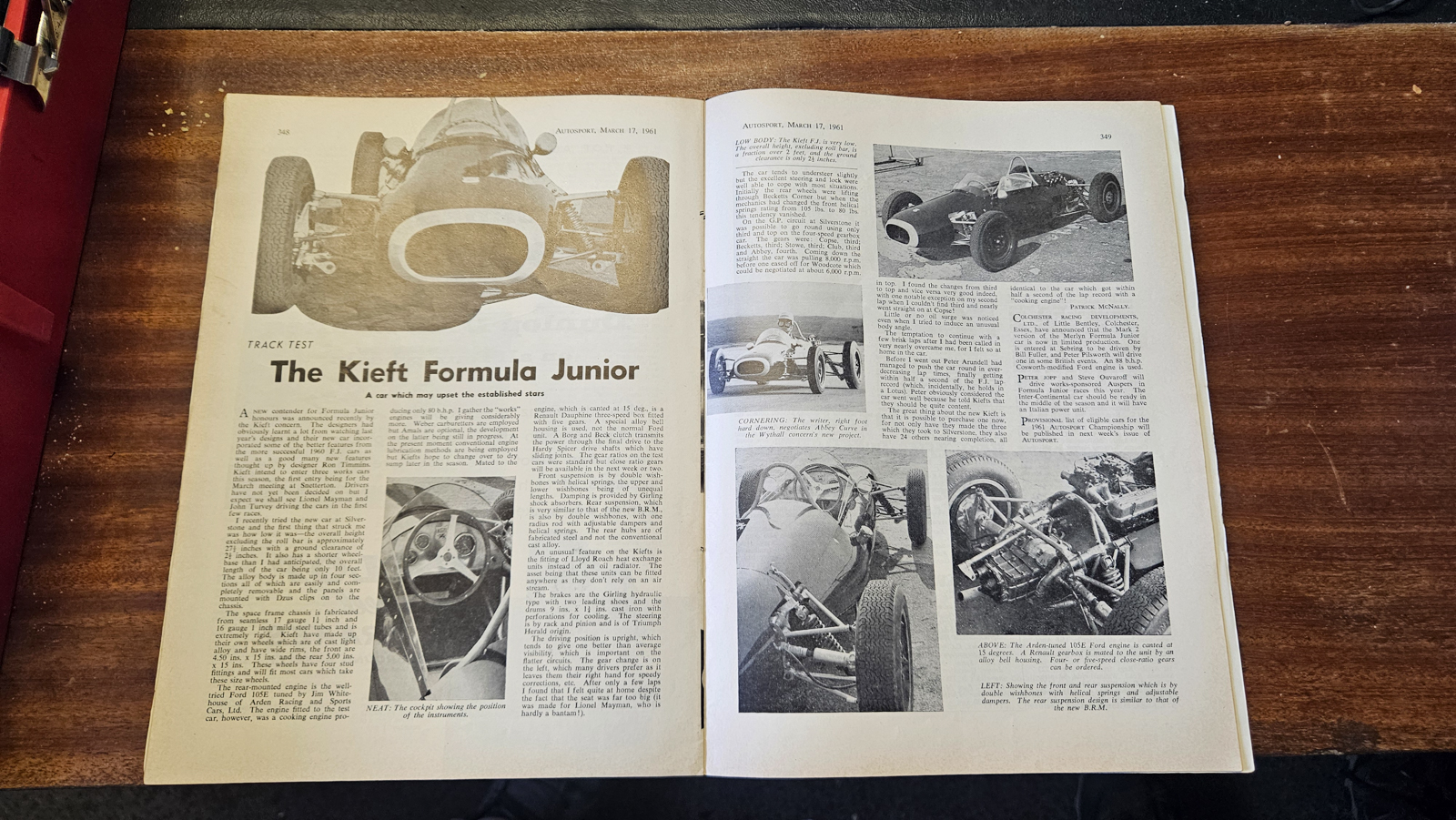
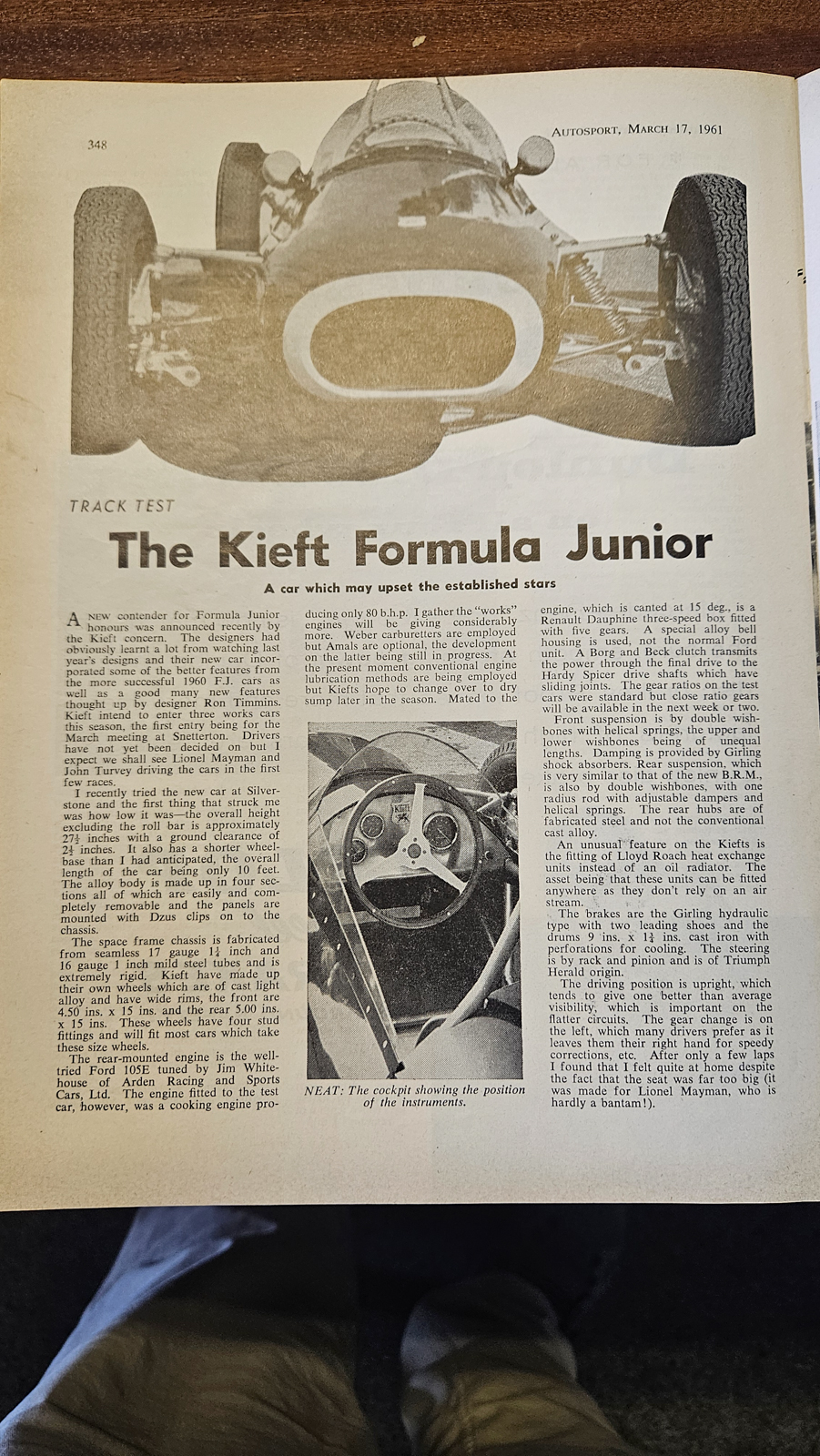
The Formula Junior was developed after Lionel Mayman and John Turvey acquired the Kieft name in 1960. Designed by Ron Timmins, it followed the increasingly popular rear-engined layout and combined an exceptionally compact tubular spaceframe with lightweight bodywork and production-based mechanical components.

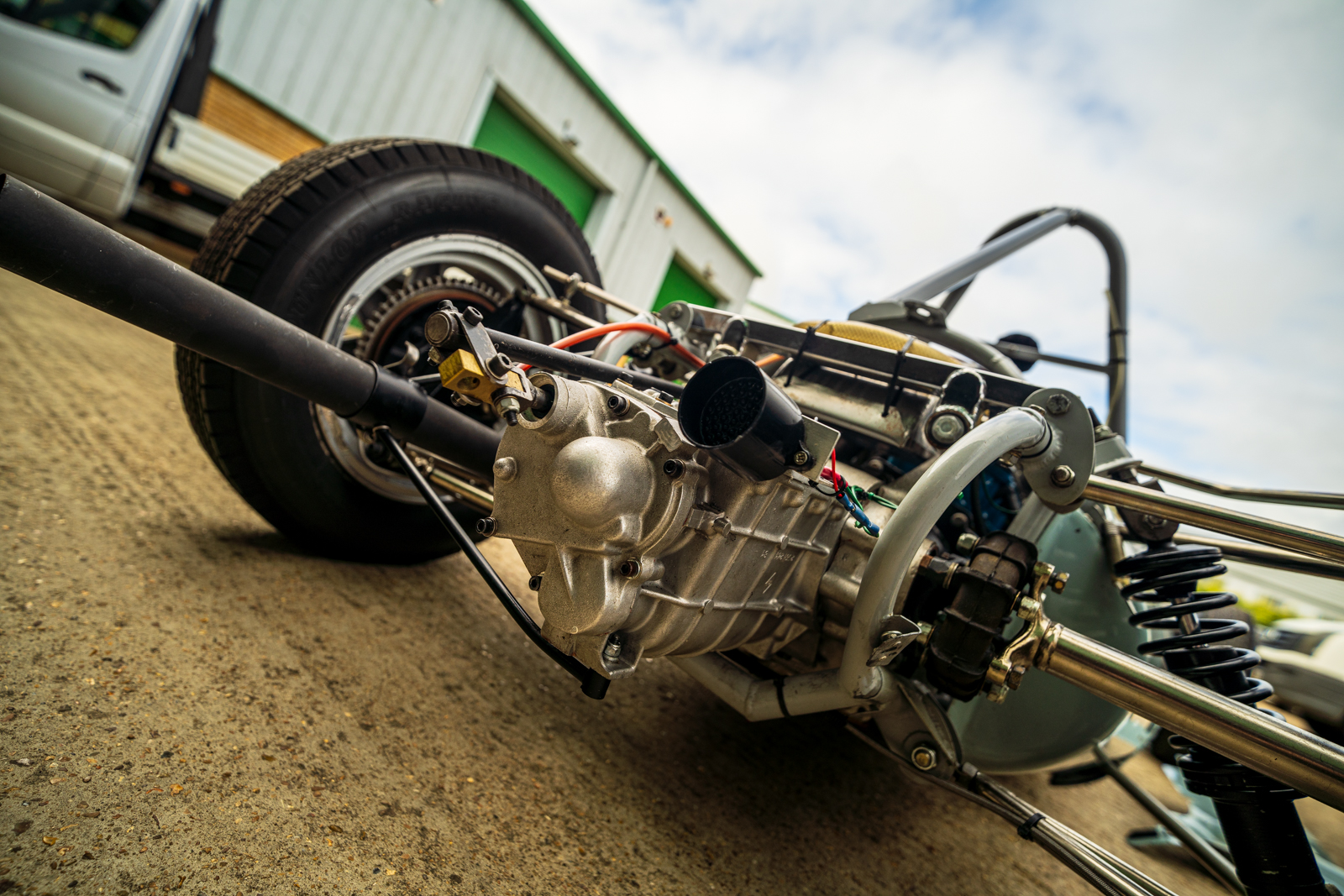
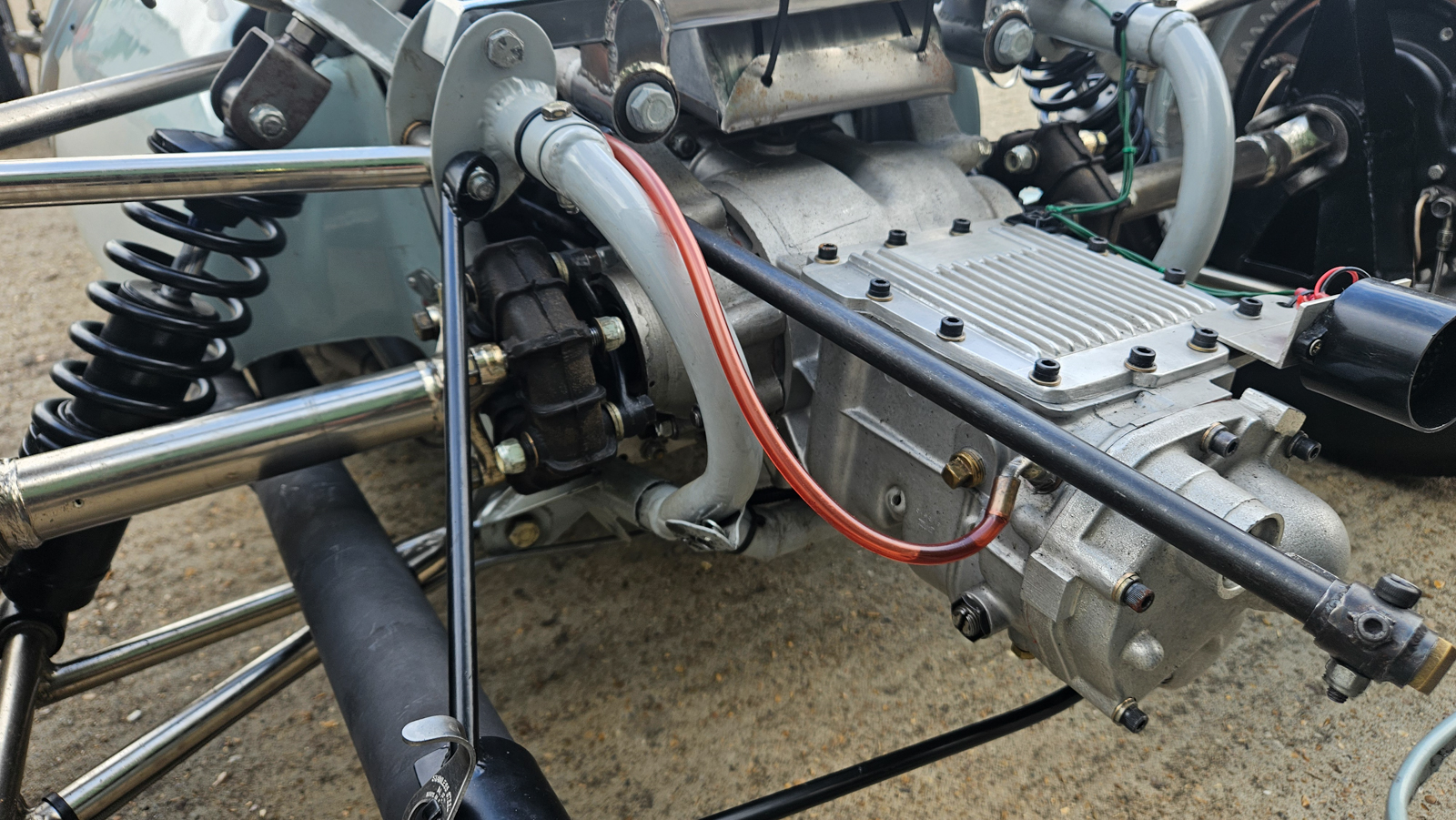
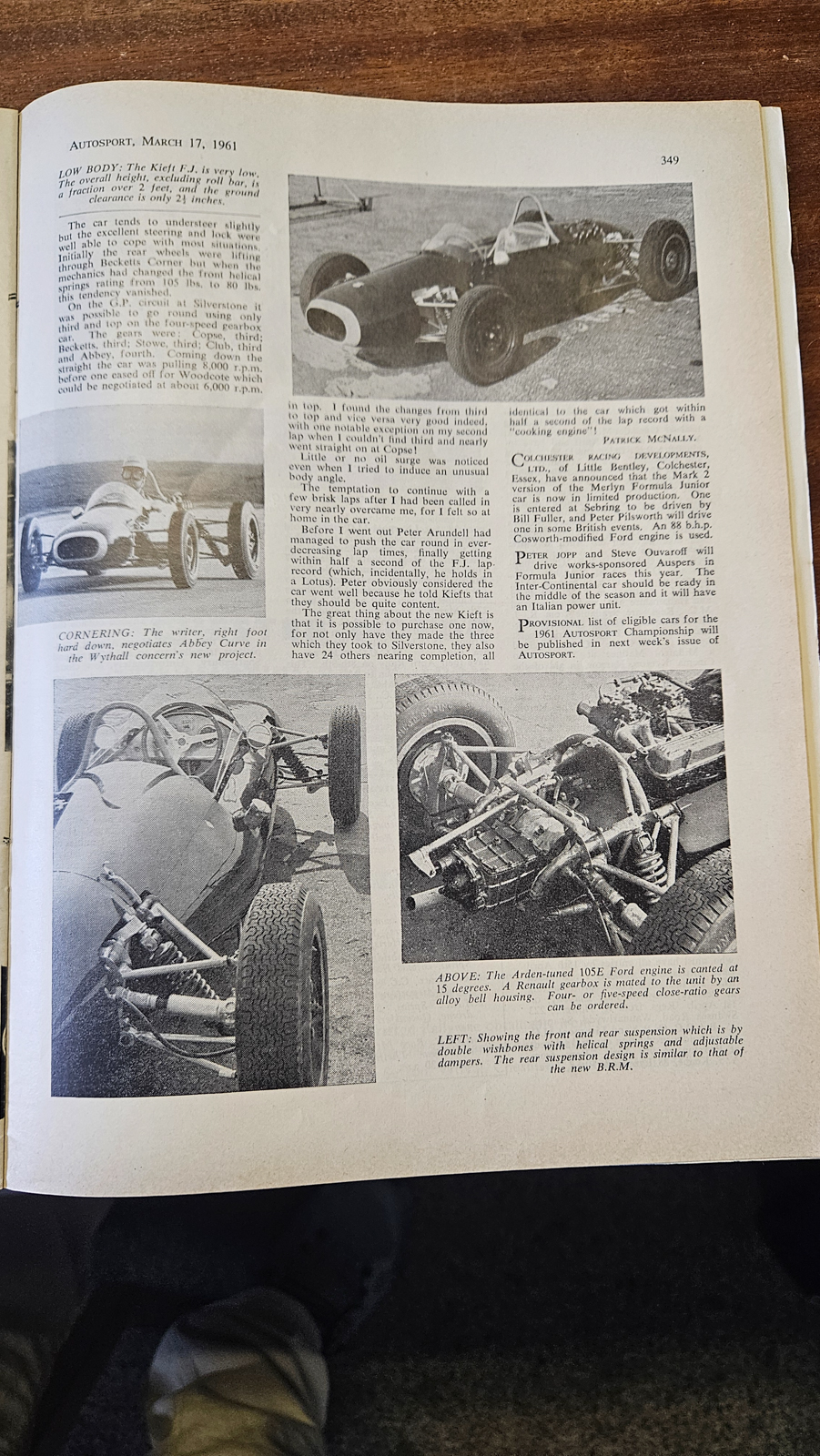
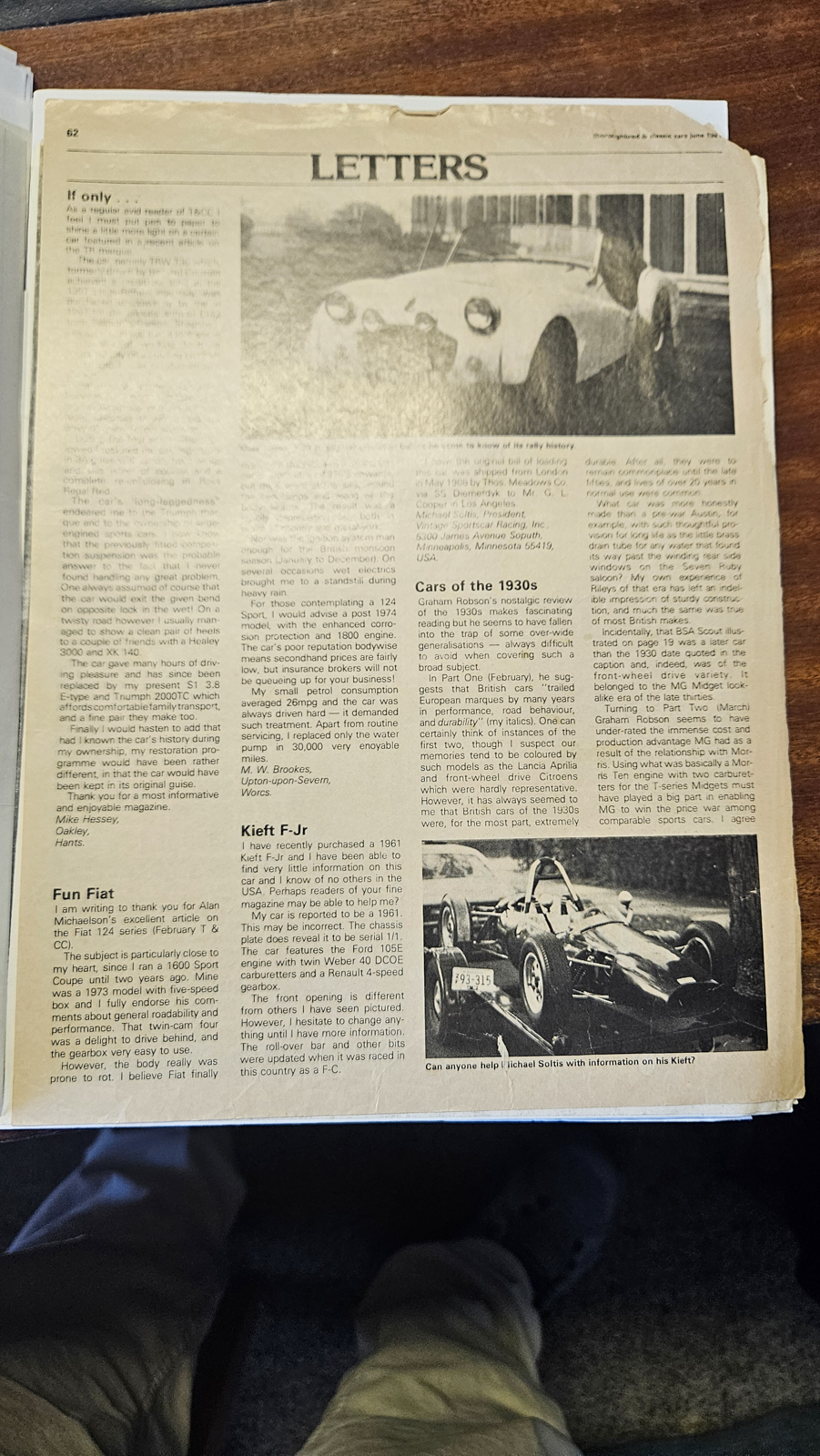
Period Kieft Formula Juniors were generally powered by derivatives of the Ford 105E overhead-valve engine, driving through a modified Renault transaxle. The model also employed independent suspension and all-round drum brakes, with an aluminium body helping to keep weight to a minimum.

The precise number completed remains the subject of some discussion. Lionel Mayman later recalled that five cars were completed in addition to the prototype, although further frames and components are also understood to have existed. Whatever the exact figure, the Kieft Formula Junior remains an exceptionally uncommon sight in historic competition.

The model demonstrated considerable promise. Peter Arundell drove Kieft Formula Juniors during a Silverstone press introduction in 1961, while John Rhodes subsequently recorded a victory at Mallory Park.

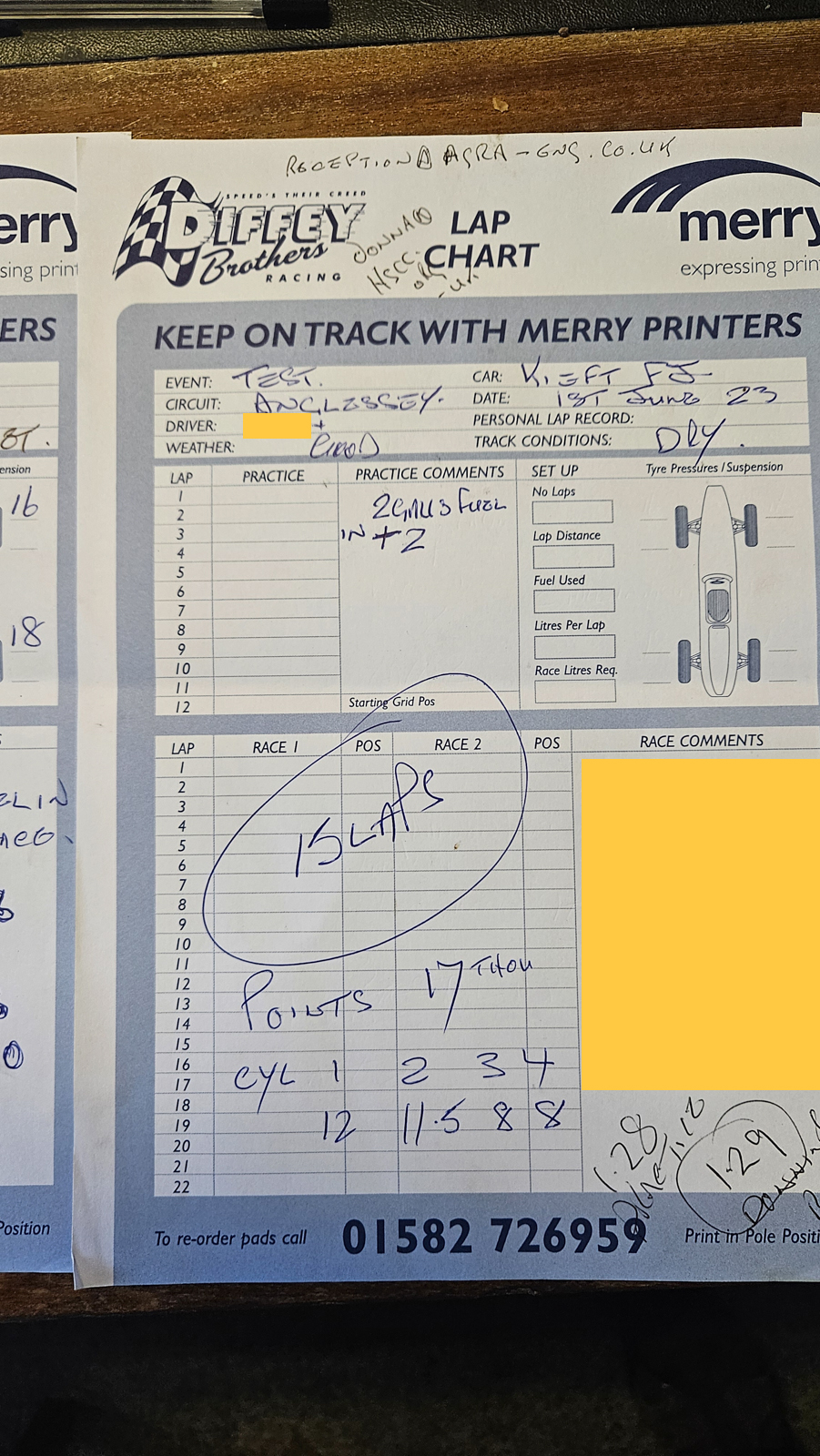
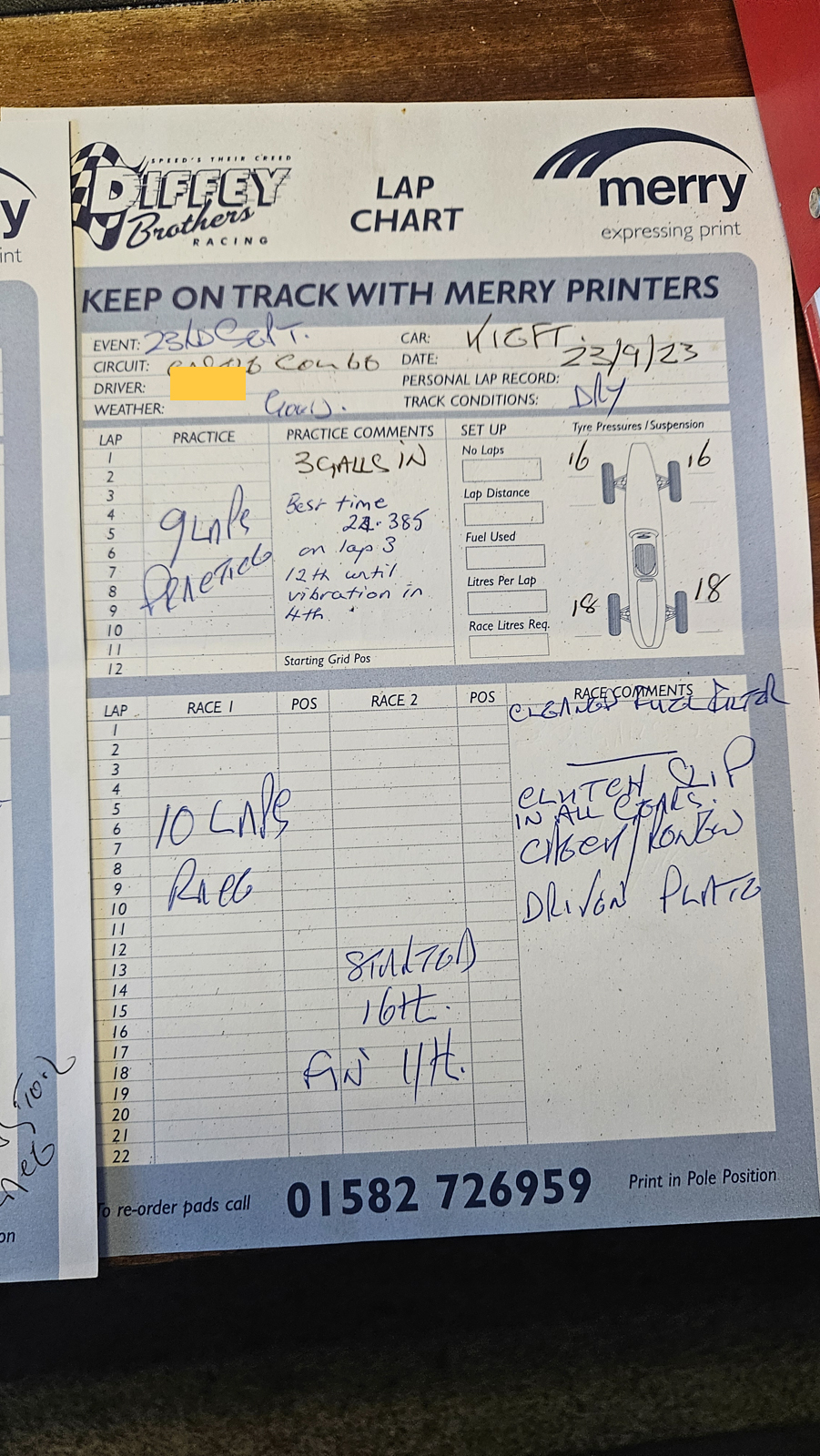
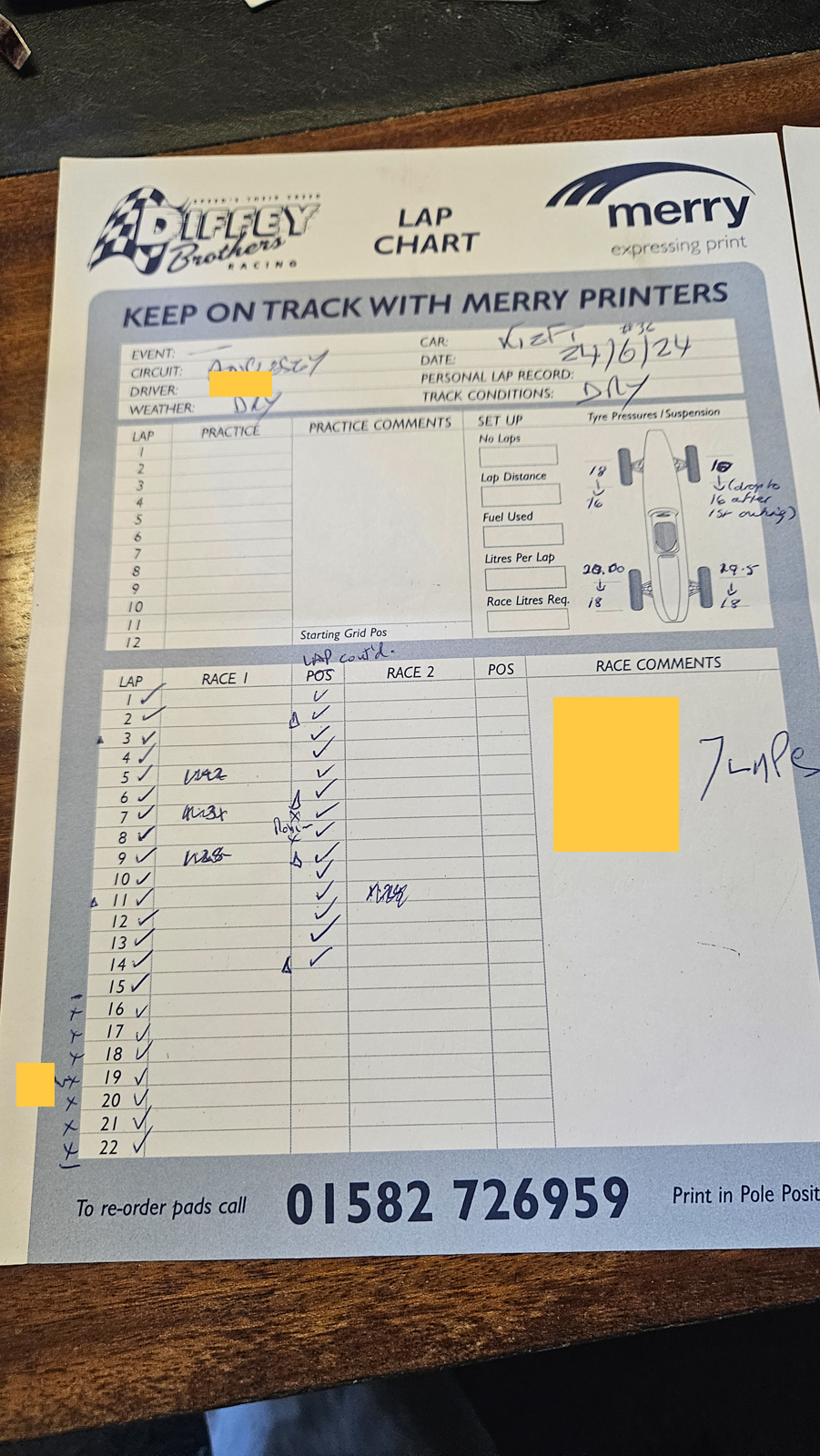
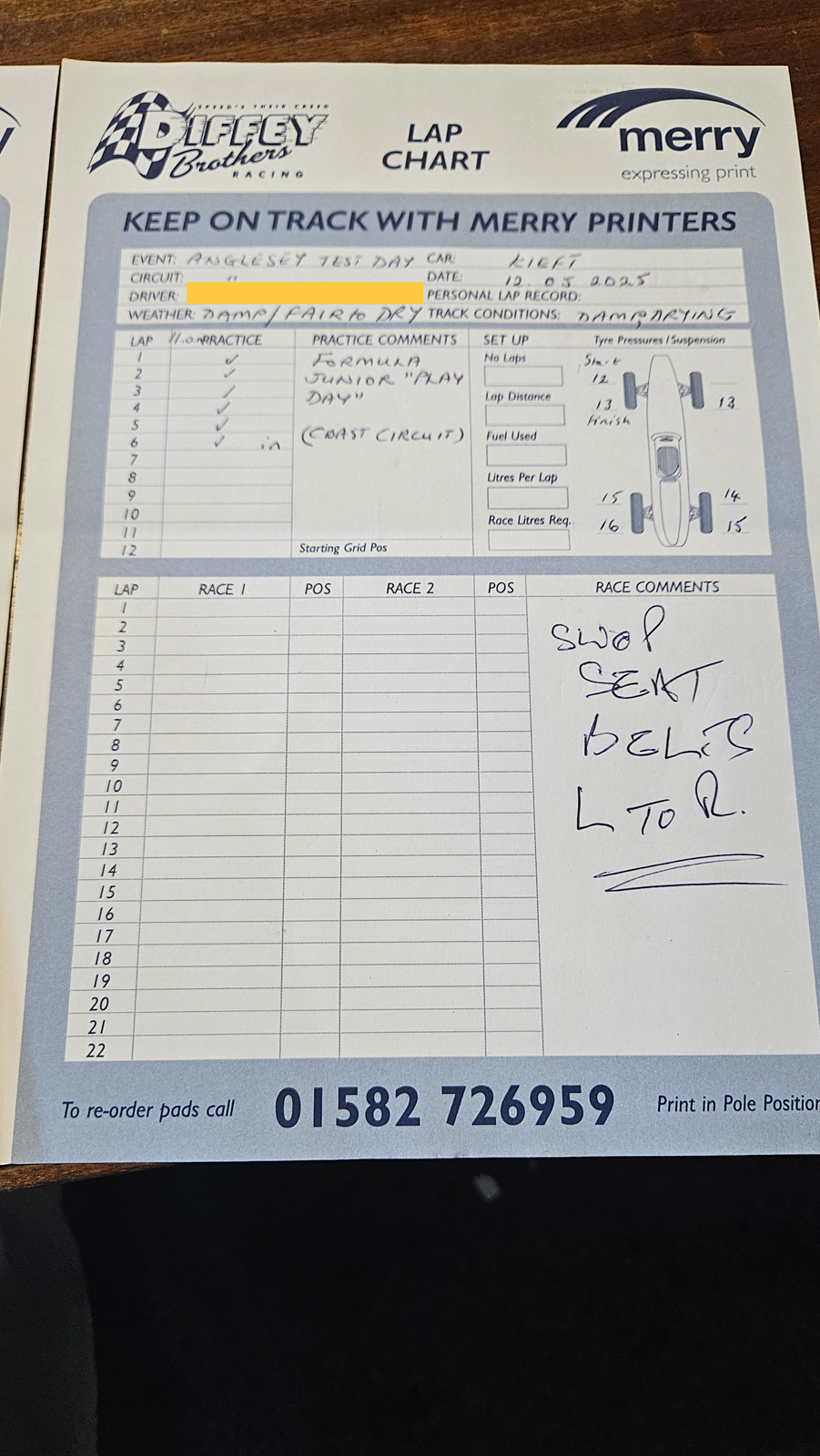
This particular car carries chassis plate 1/1 and is understood to have raced in the UK for approximately four years during the early part of its life. It travelled to America in 1964, where it was involved in an accident in 1968. It was imported in 2015 before being completely rebuilt in 2017, and successfully campaigned in the UK by the vendor since then.

This listing was written from information supplied by Ashley after meeting Rob the owner, and having visited and photographed the vehicle.

Exterior

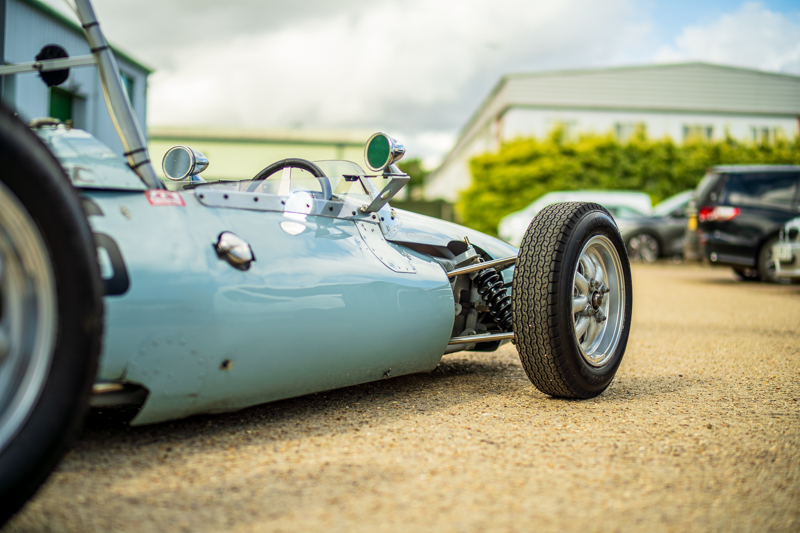
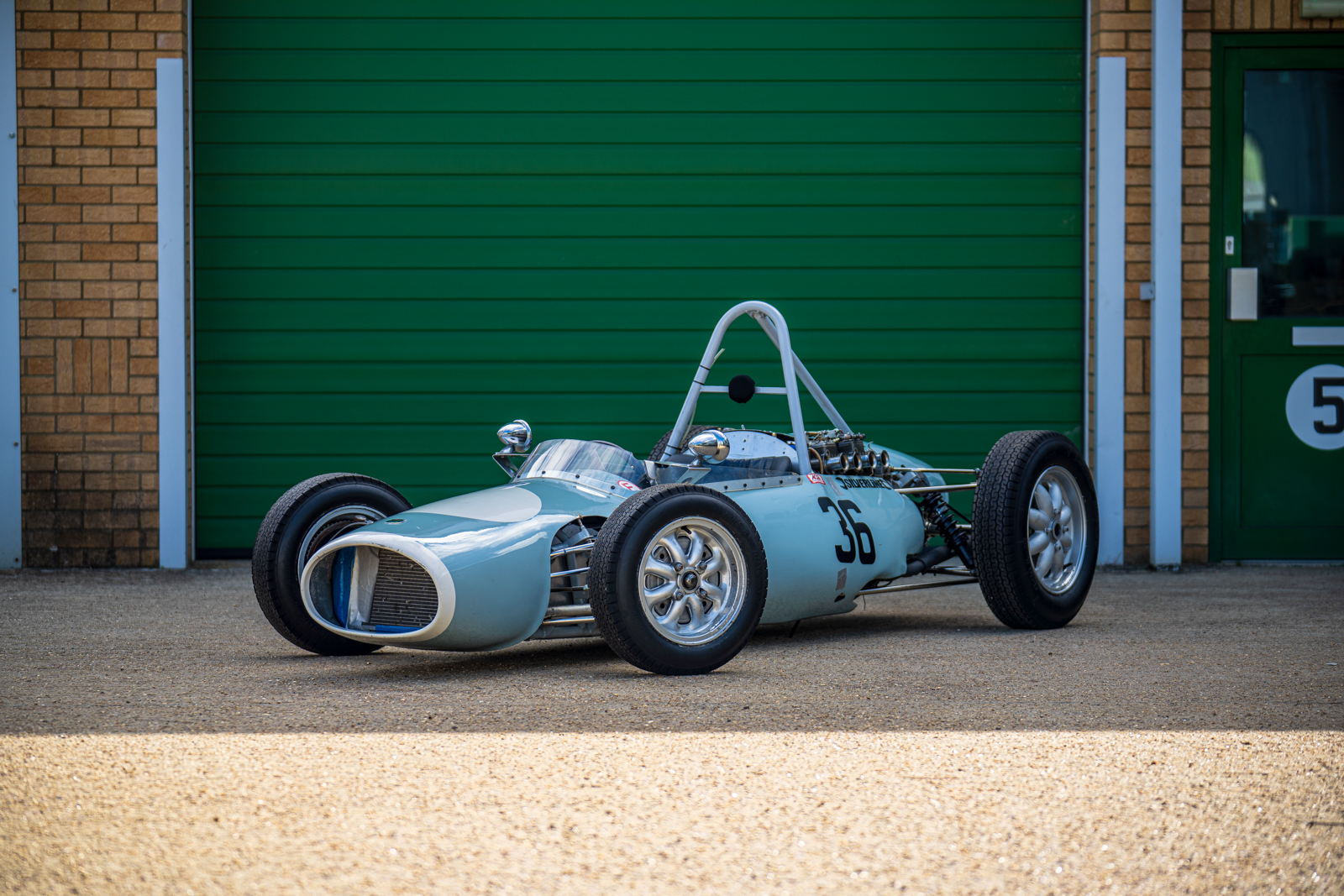
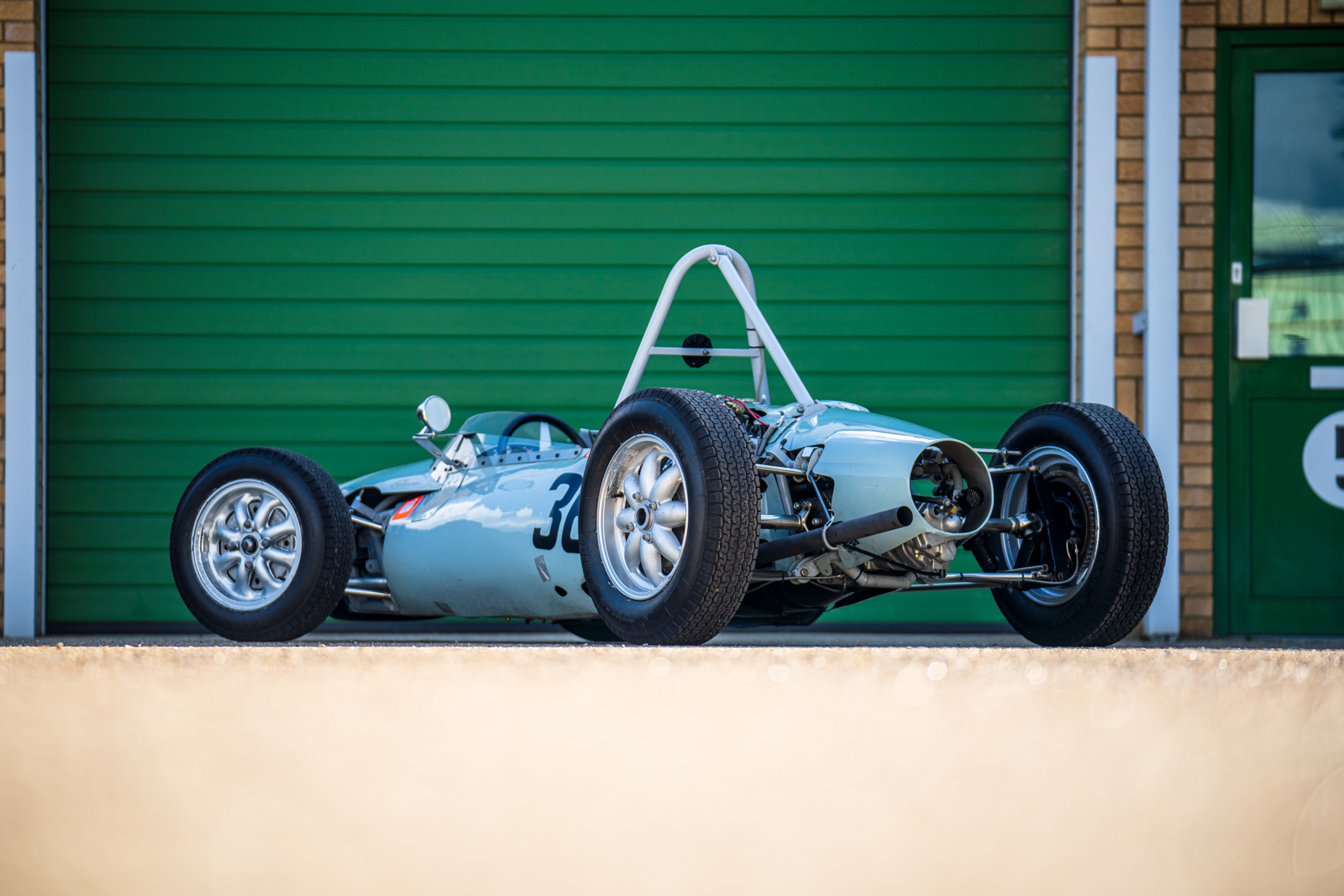
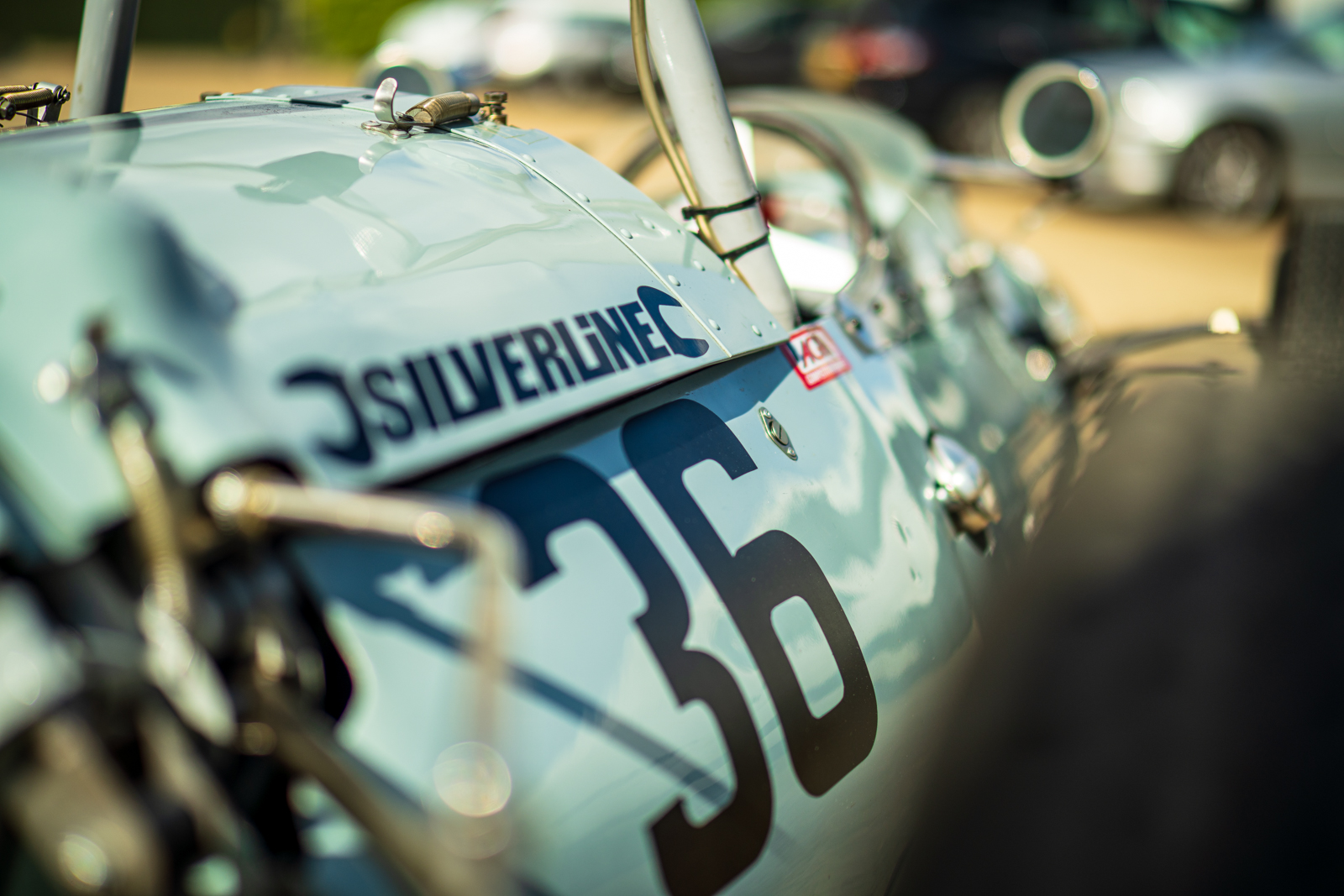
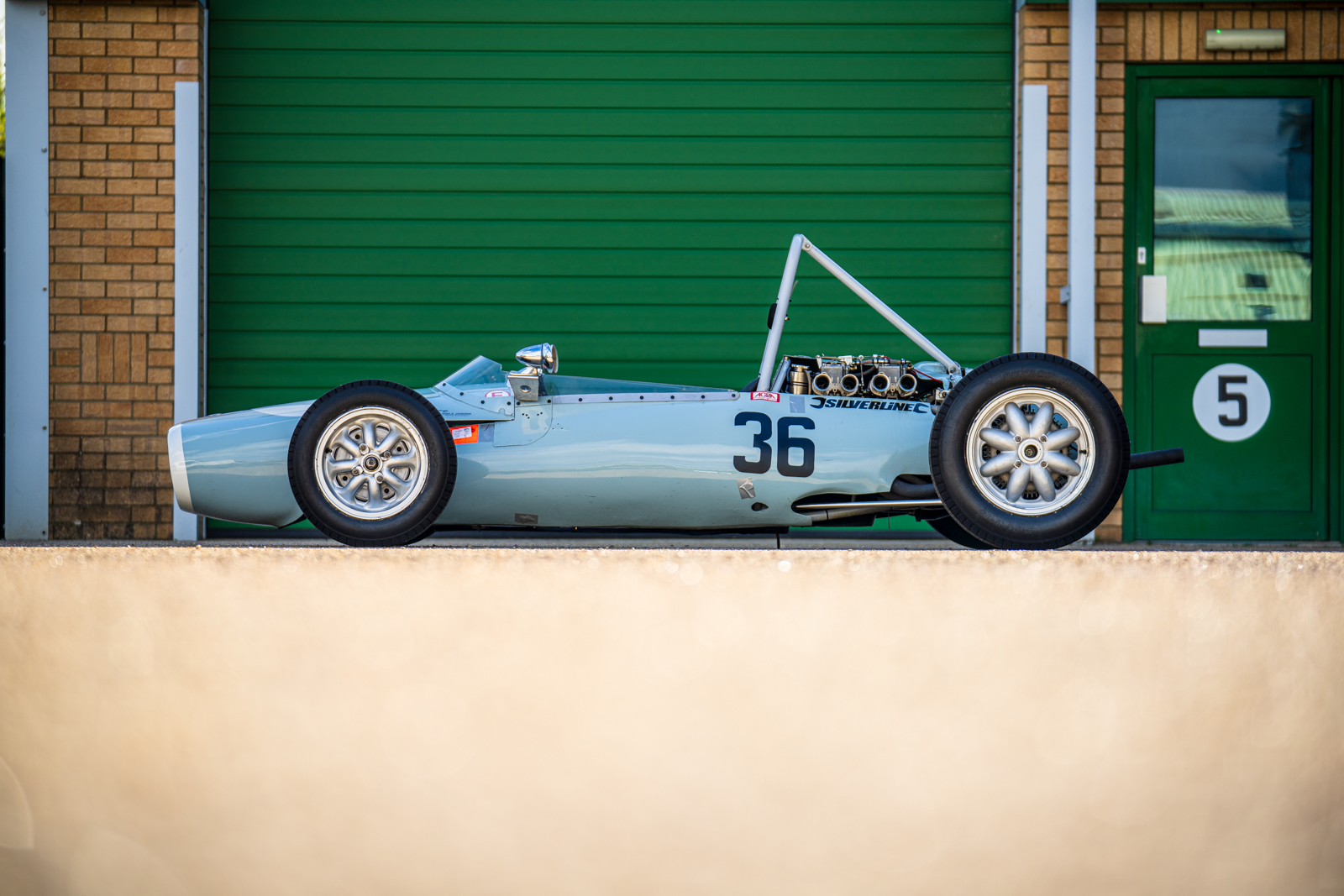
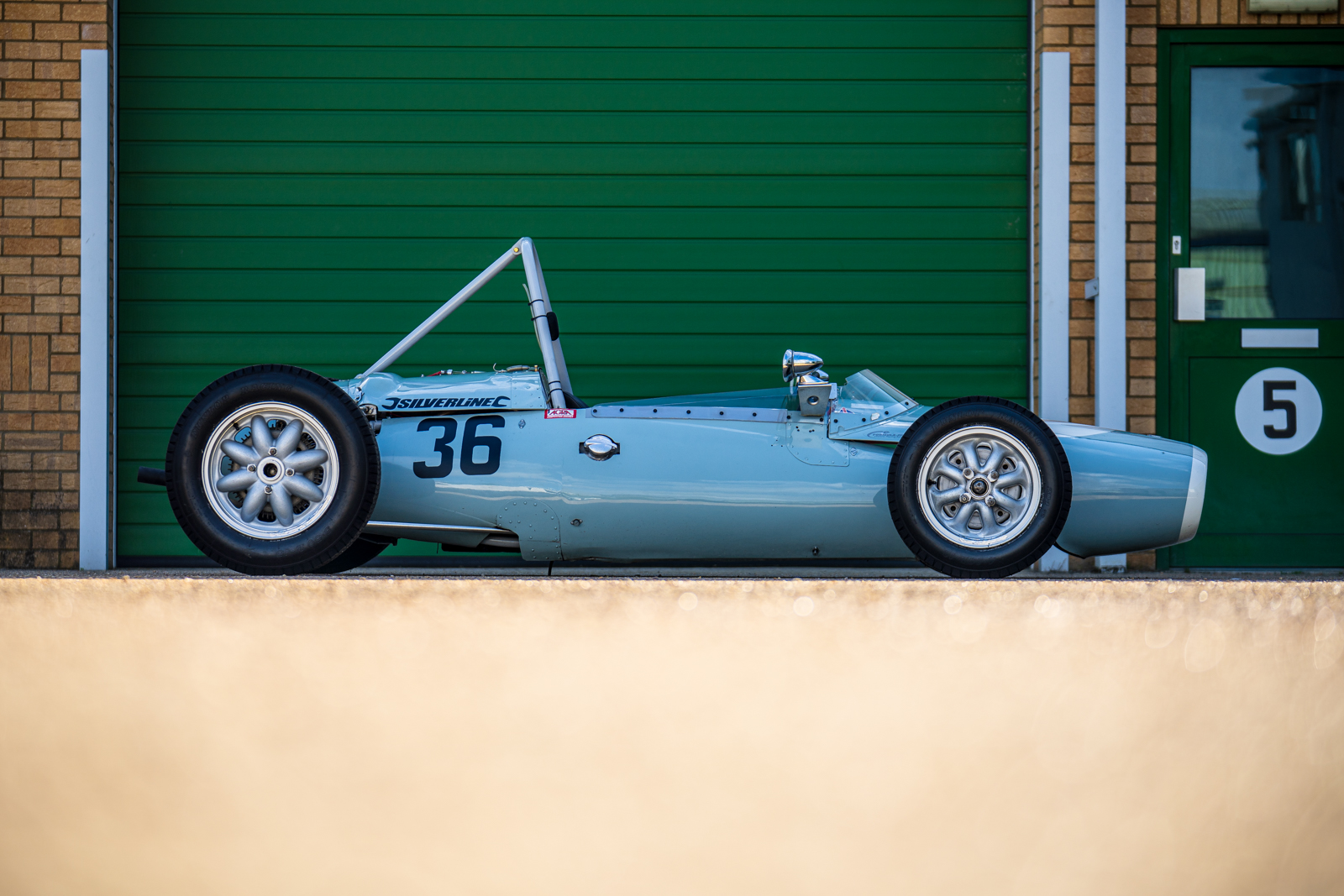
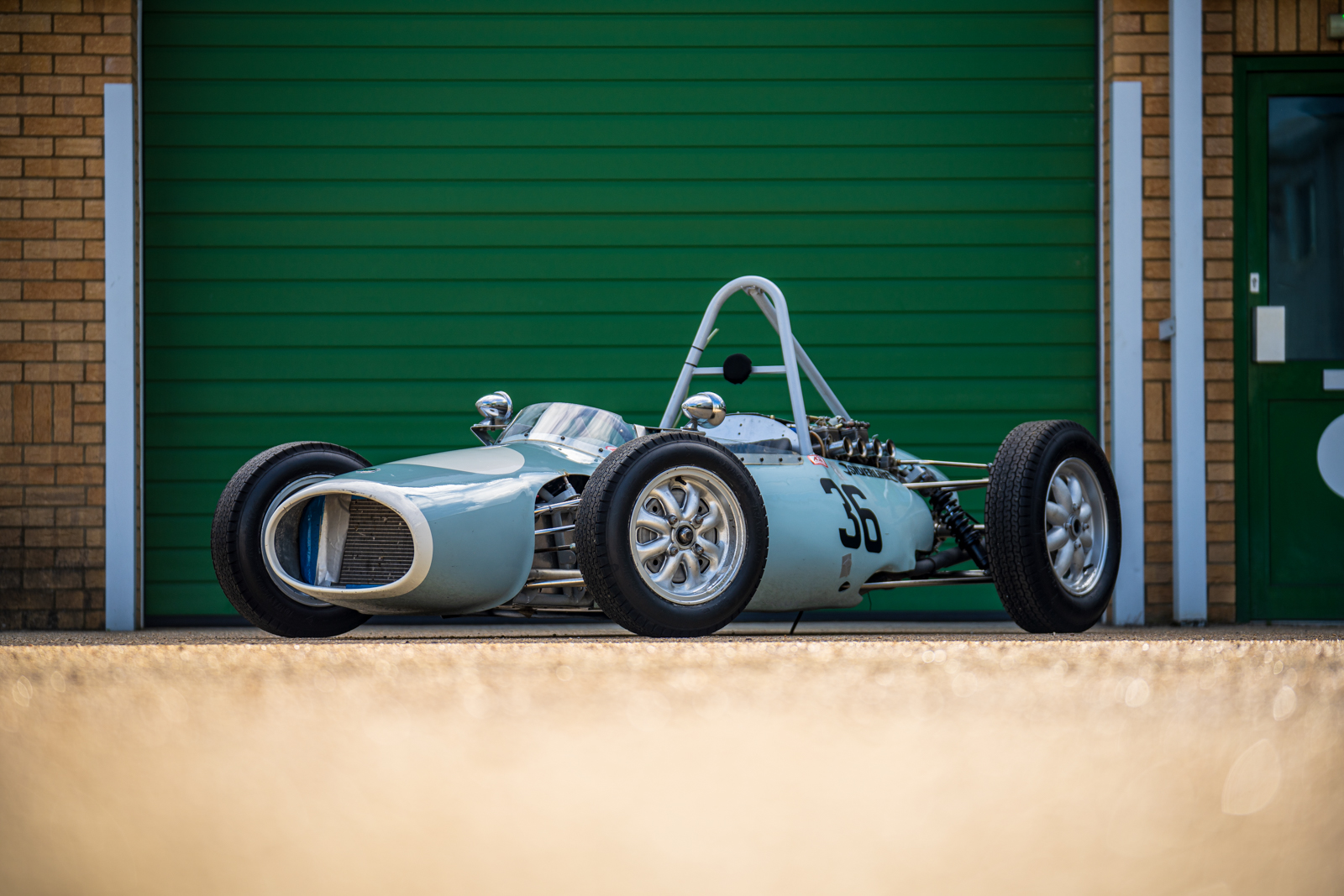
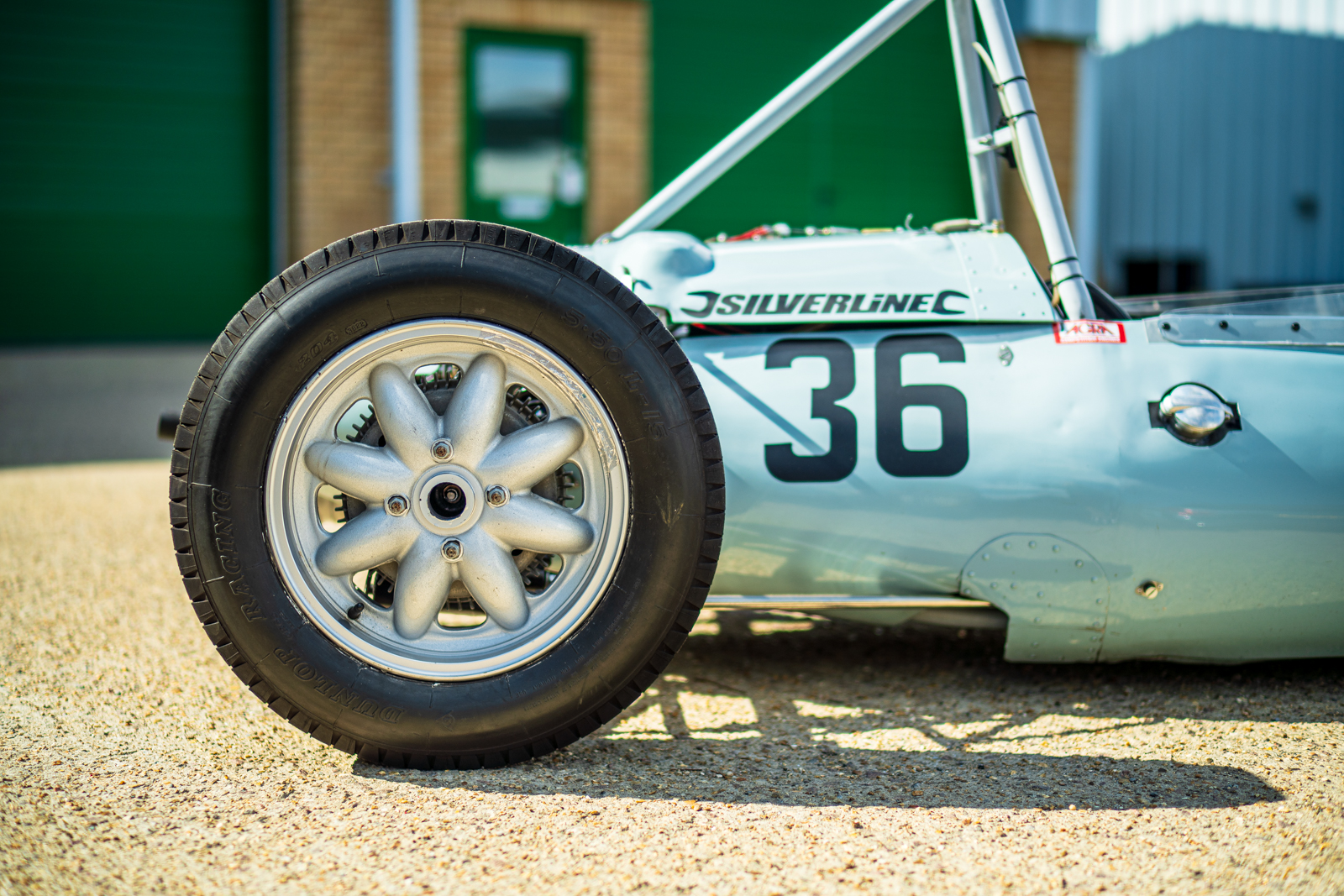
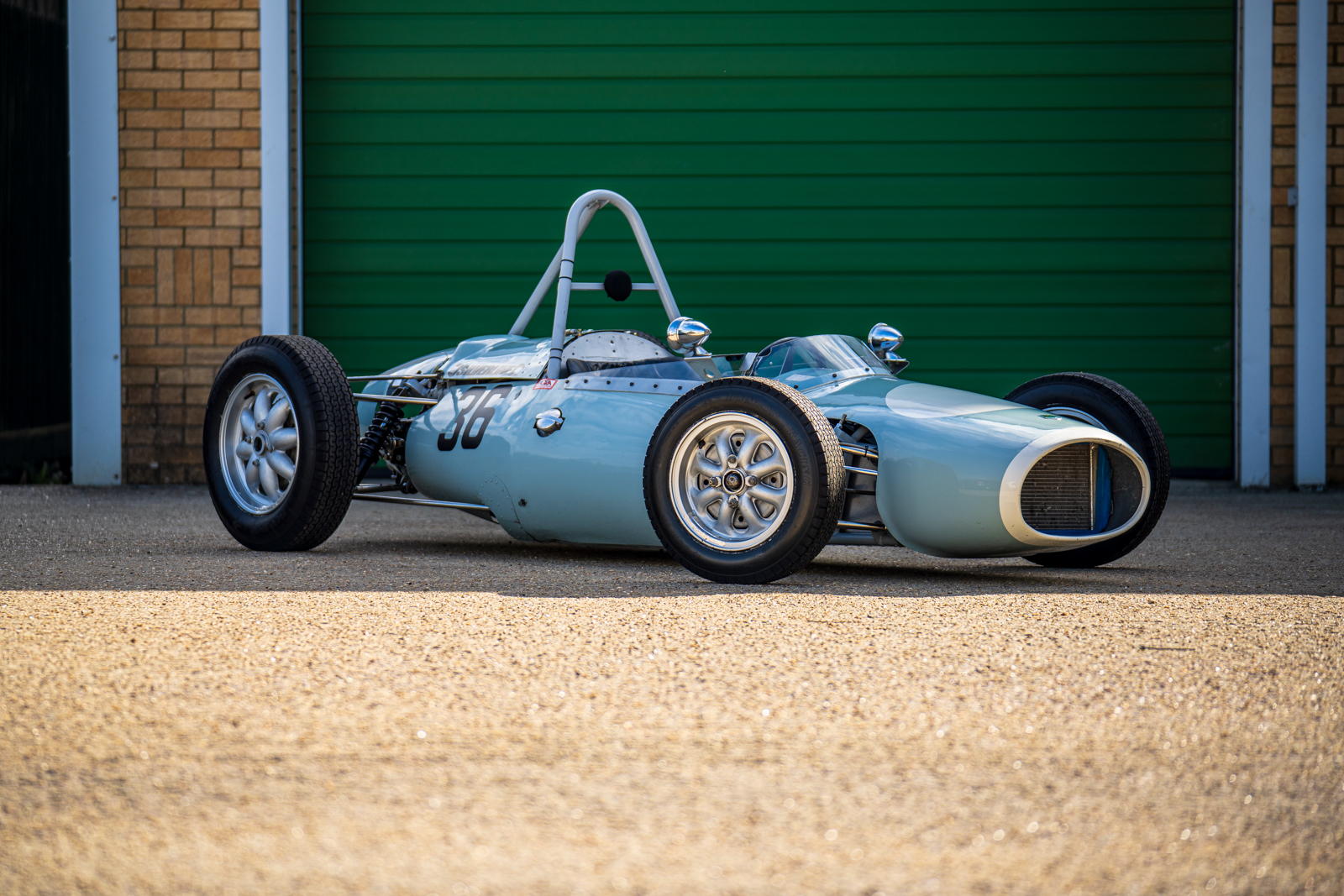
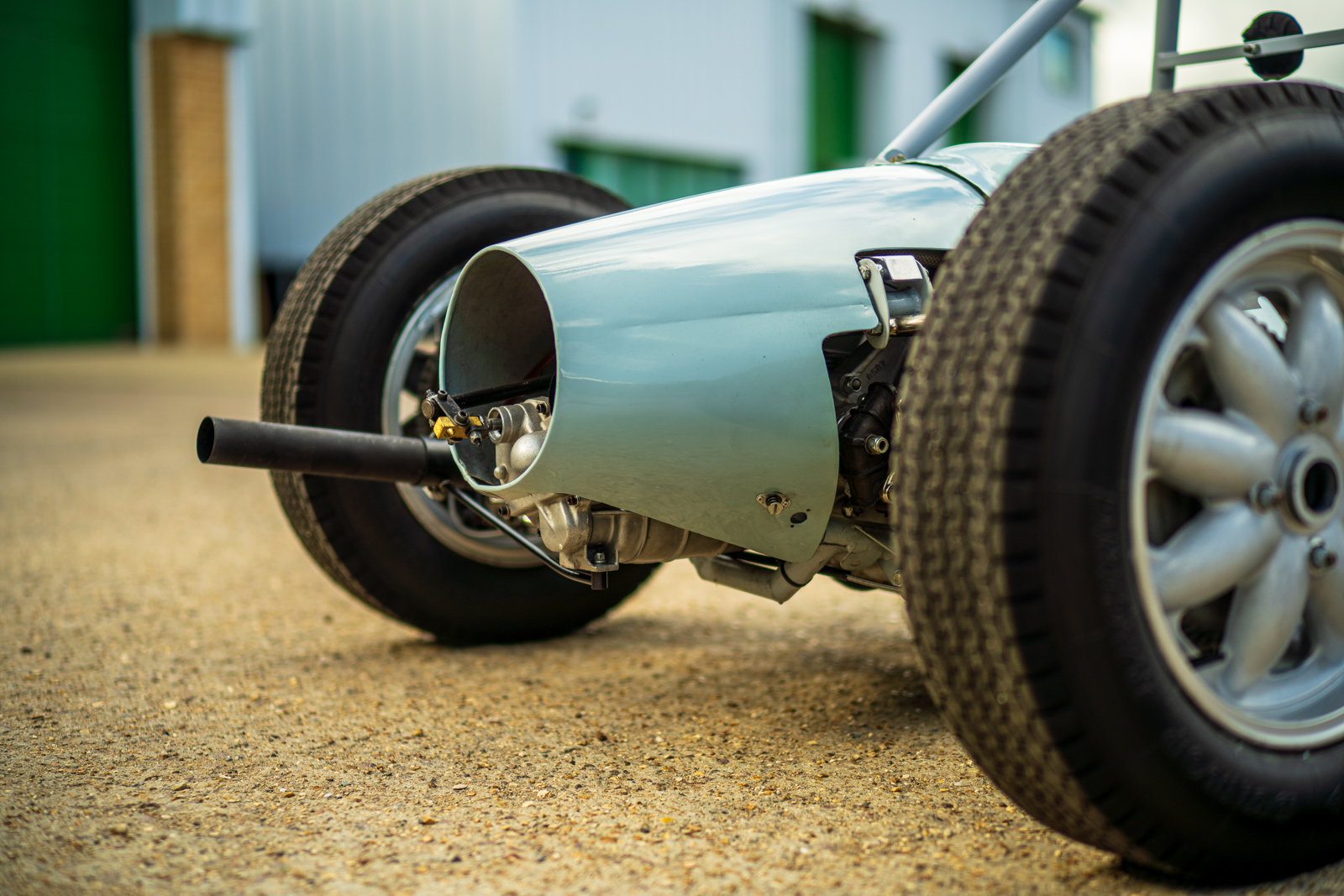
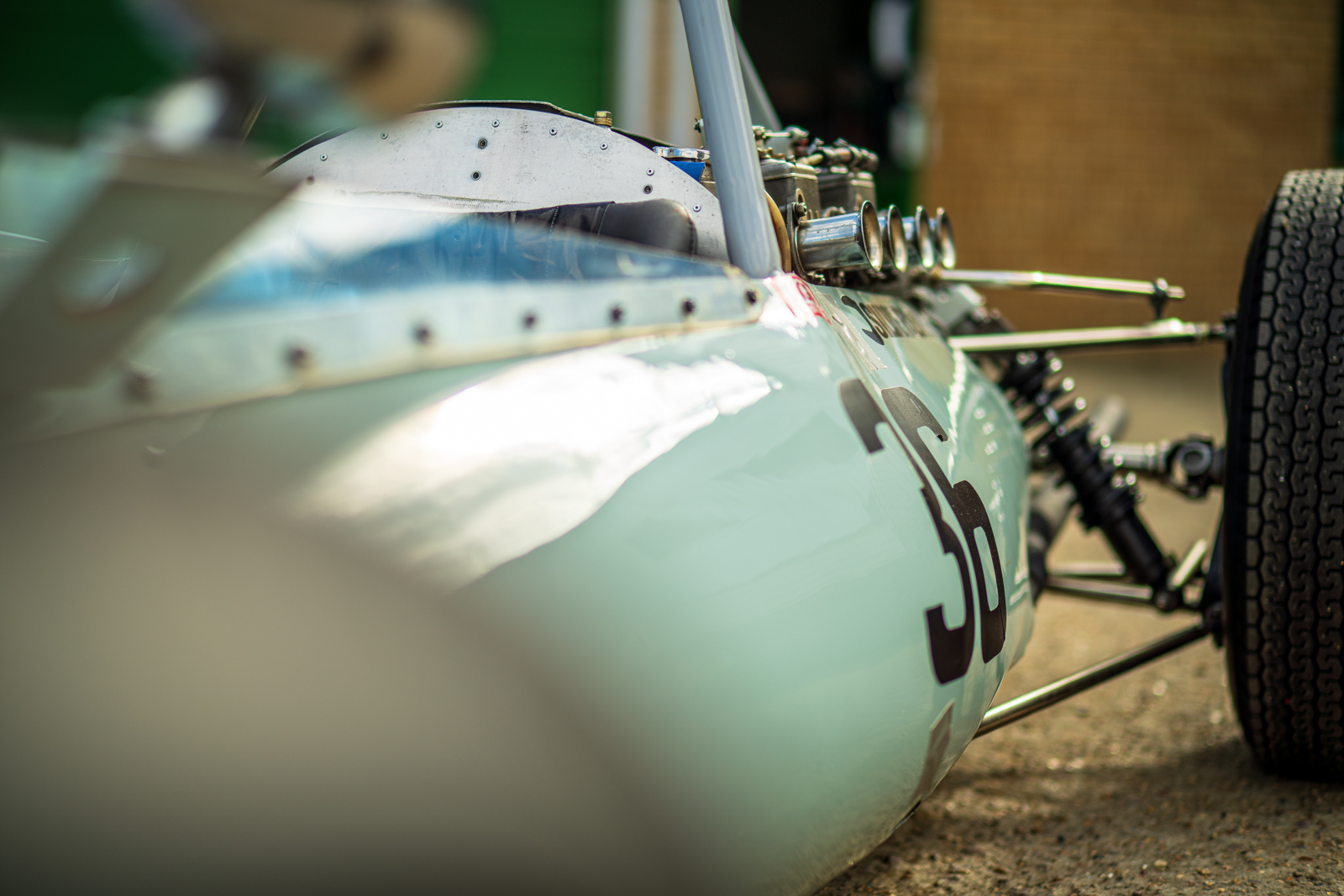
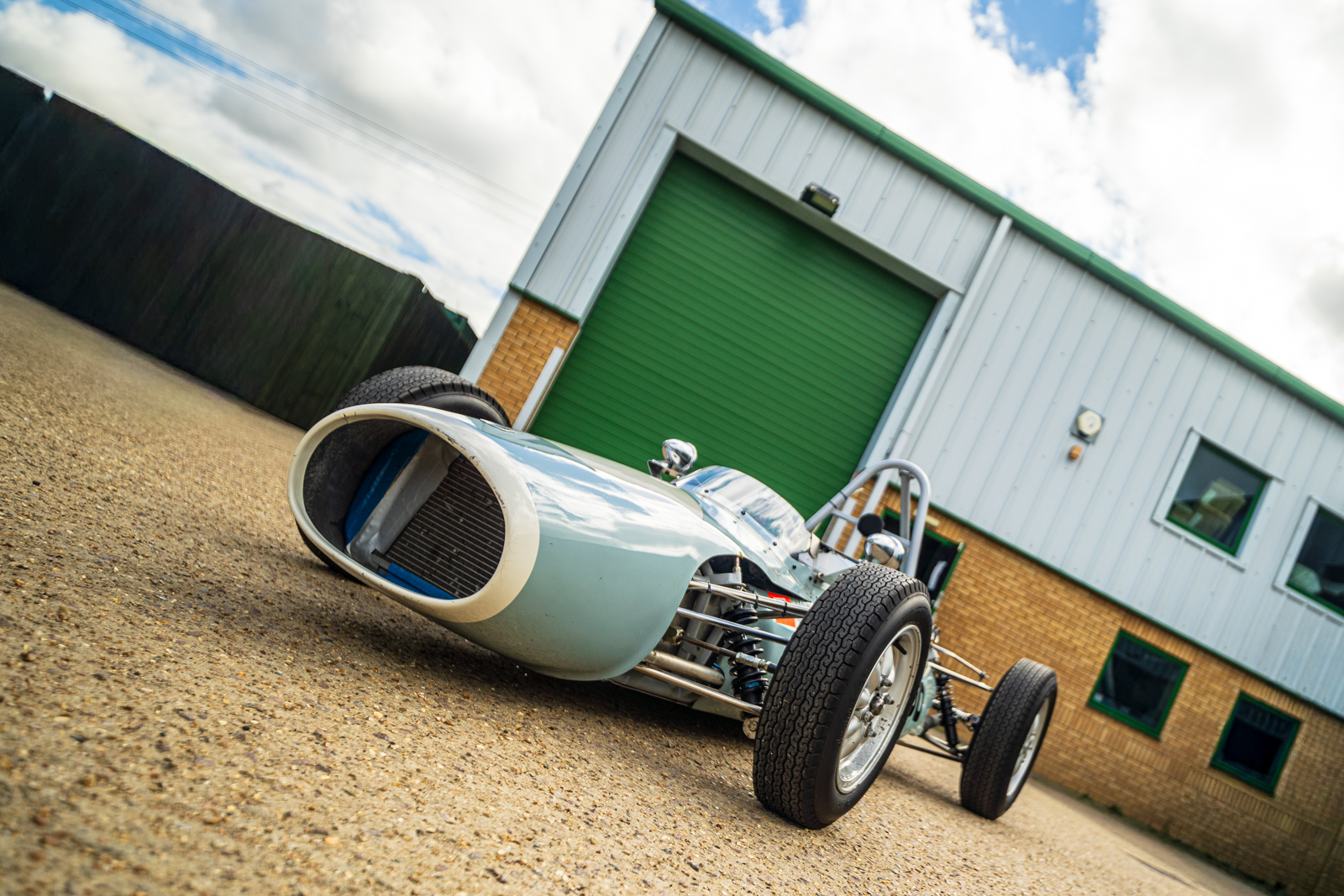
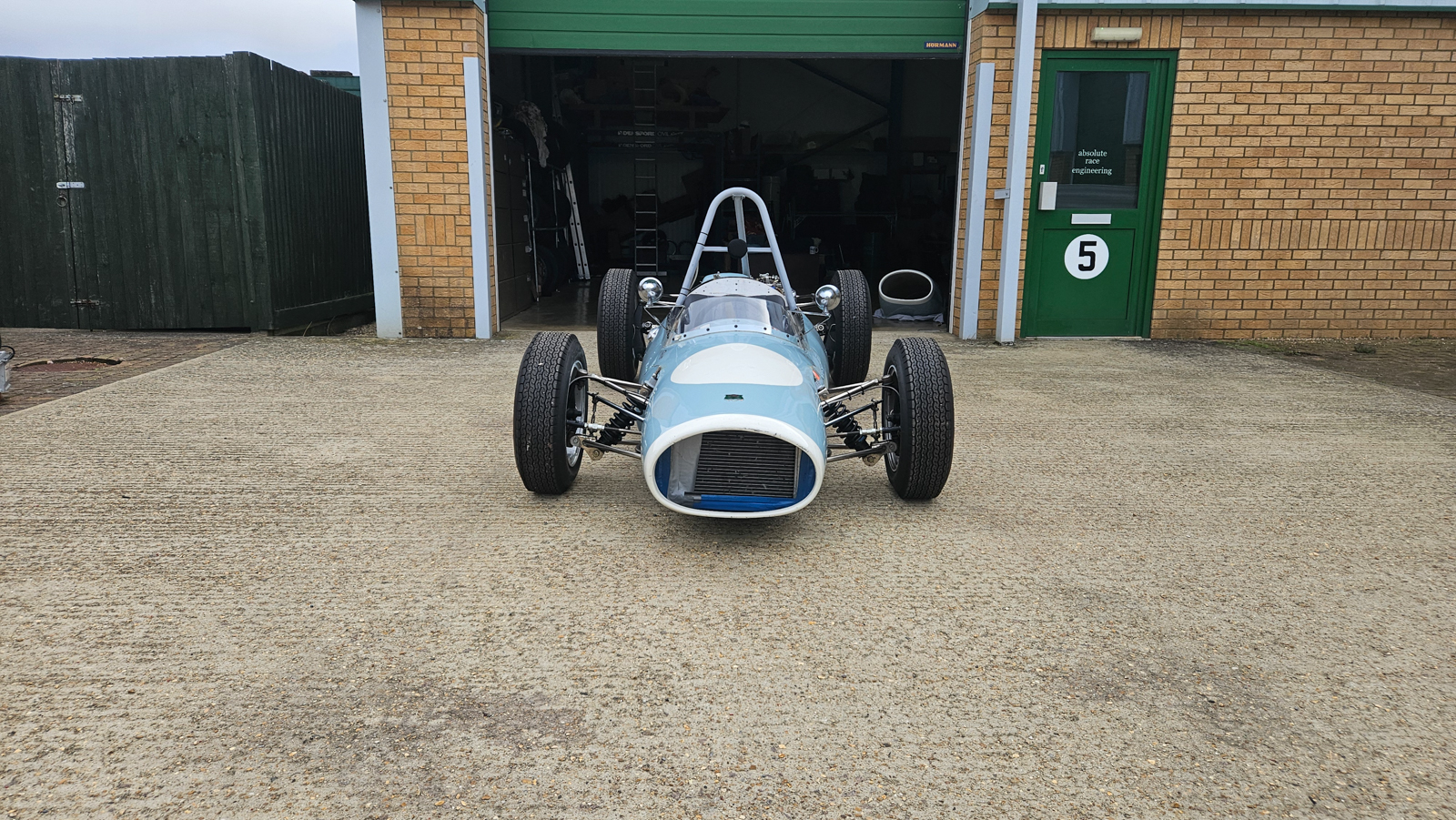
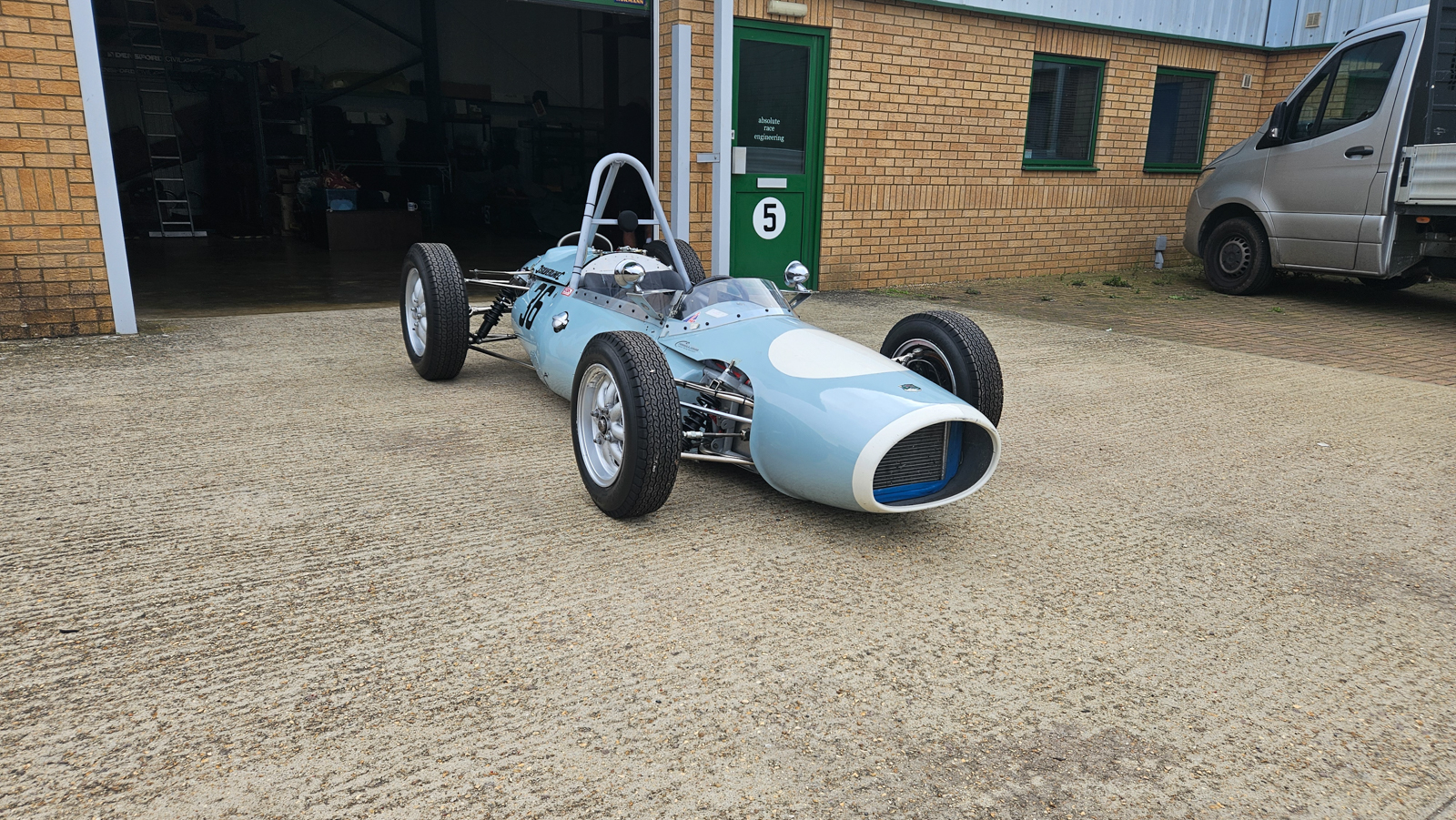
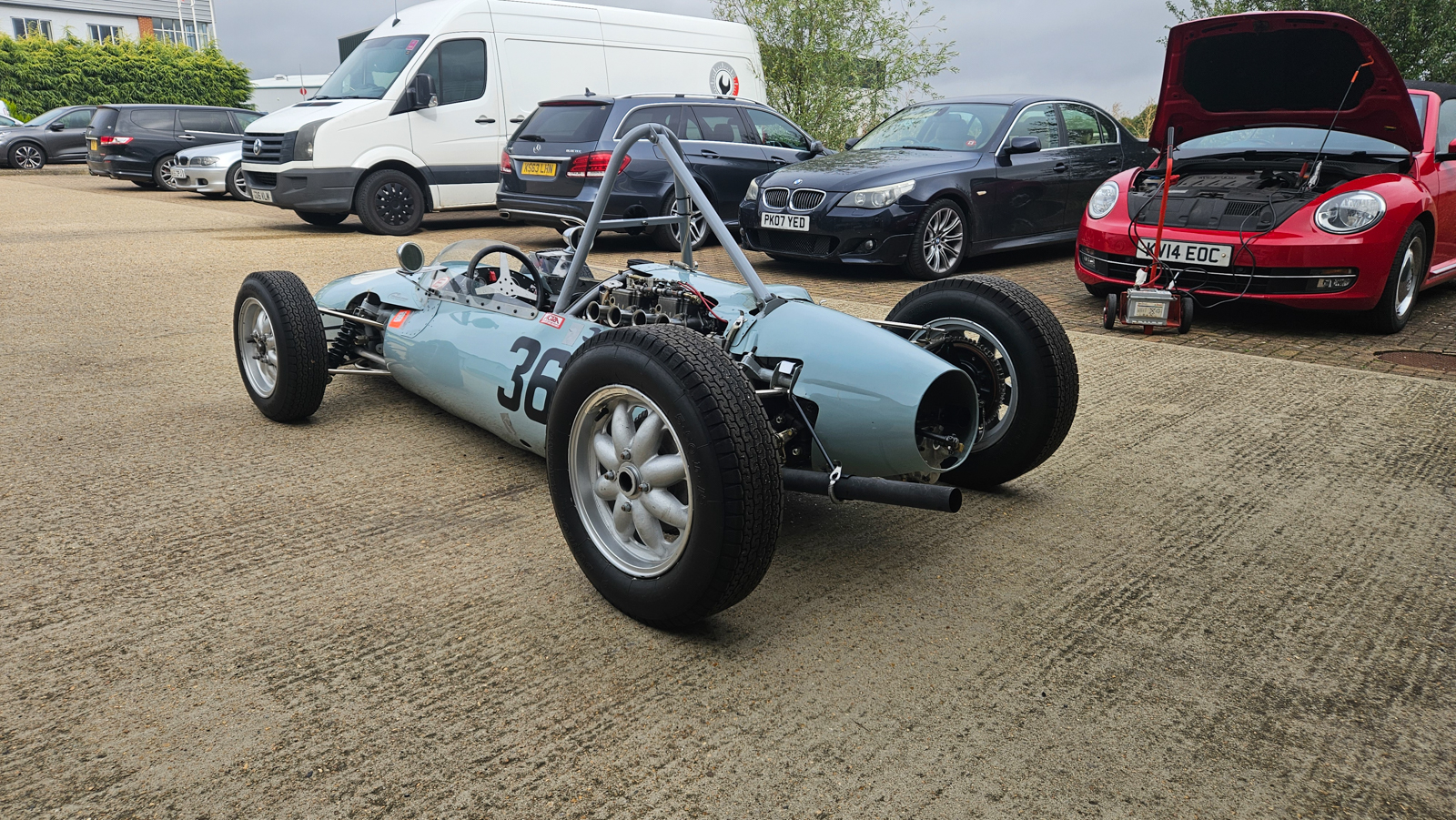
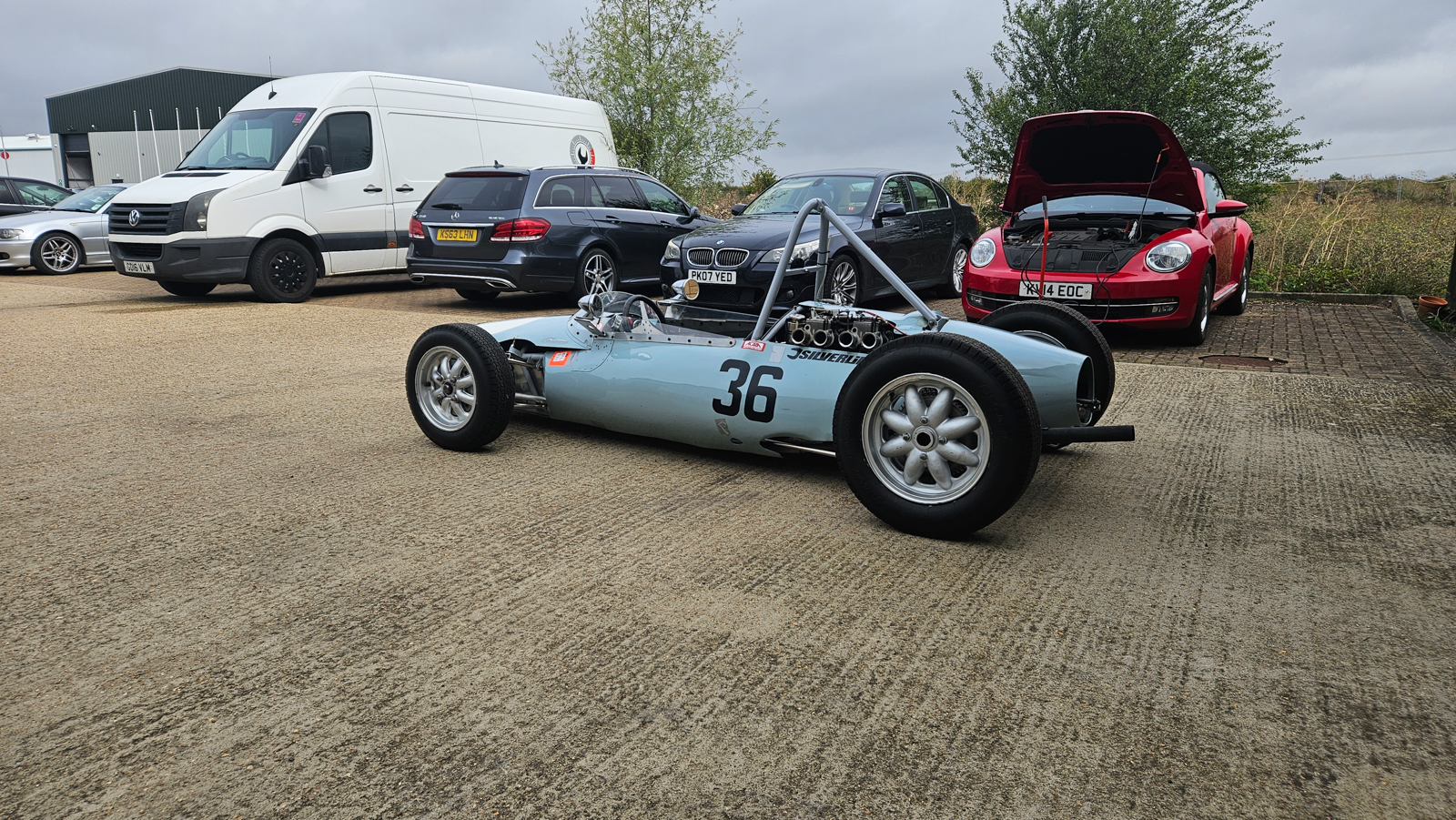
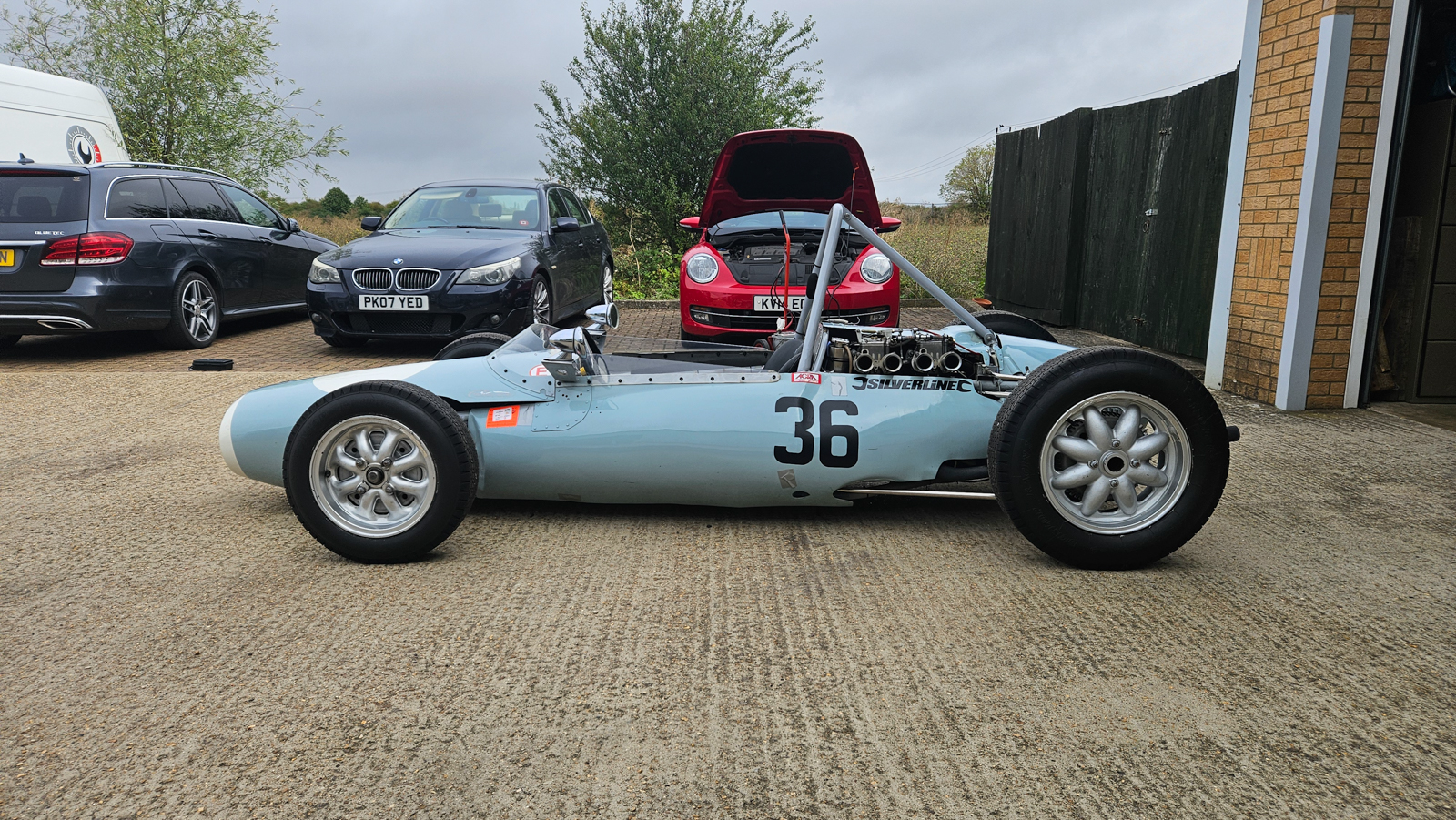
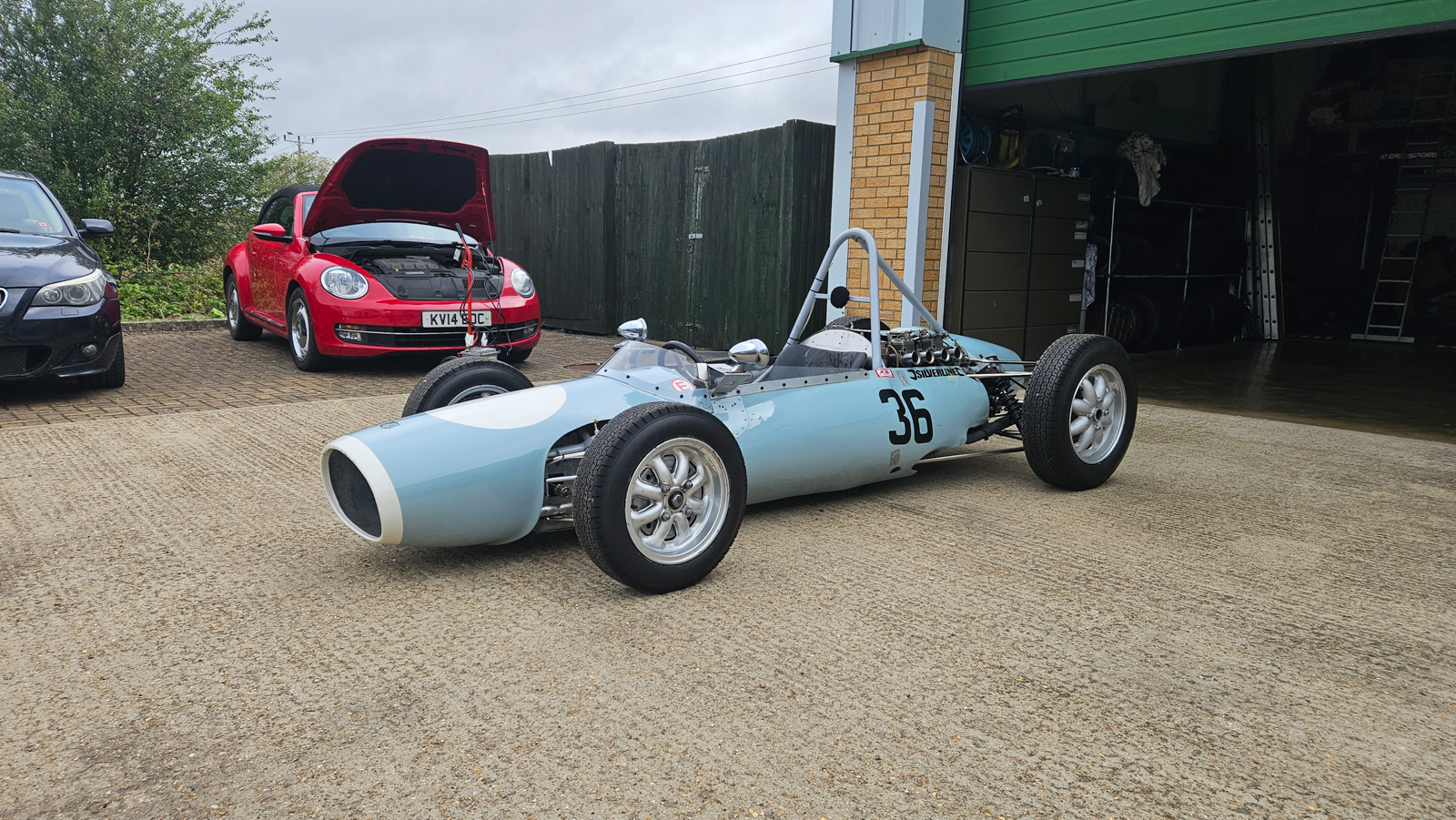
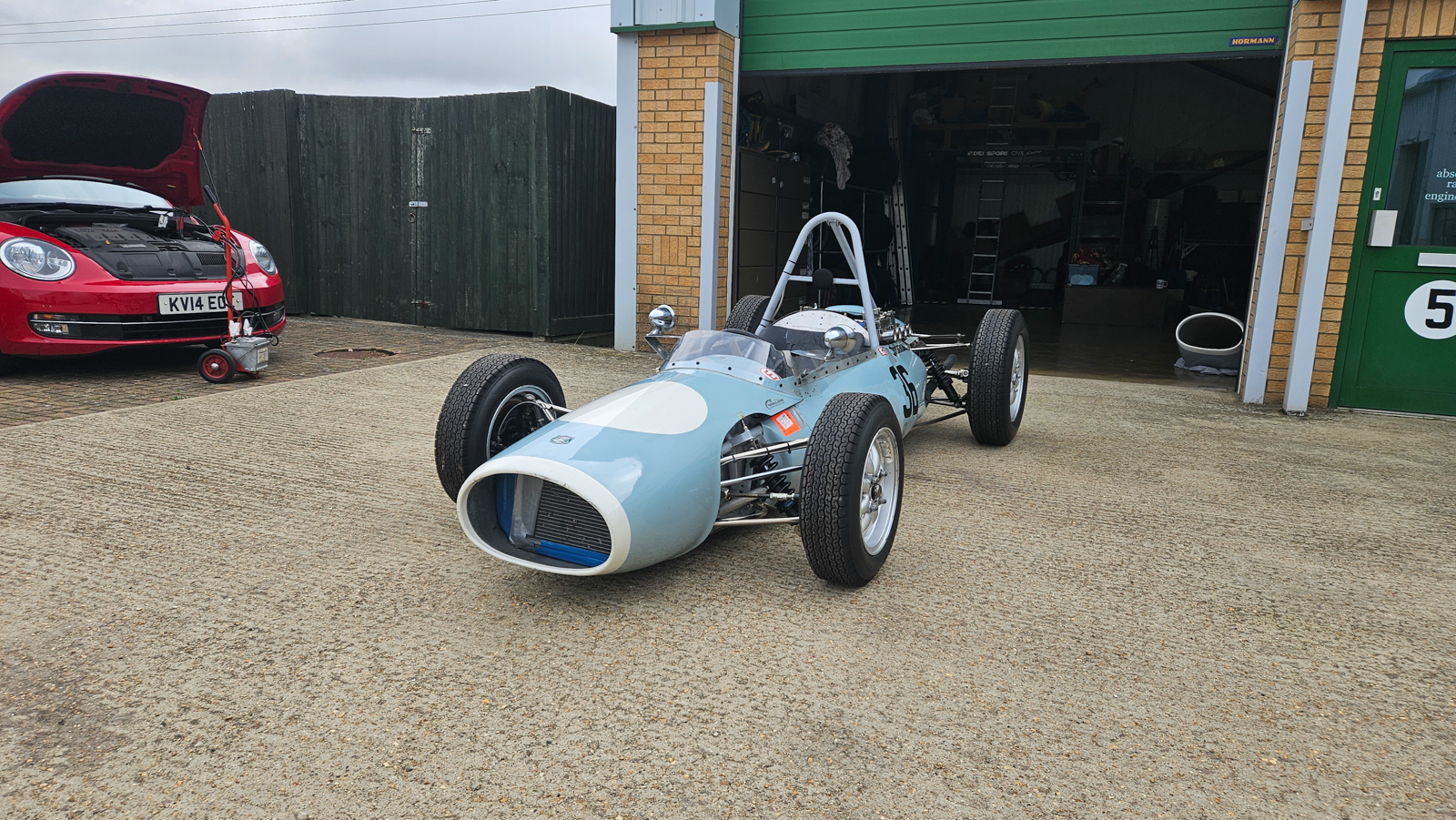
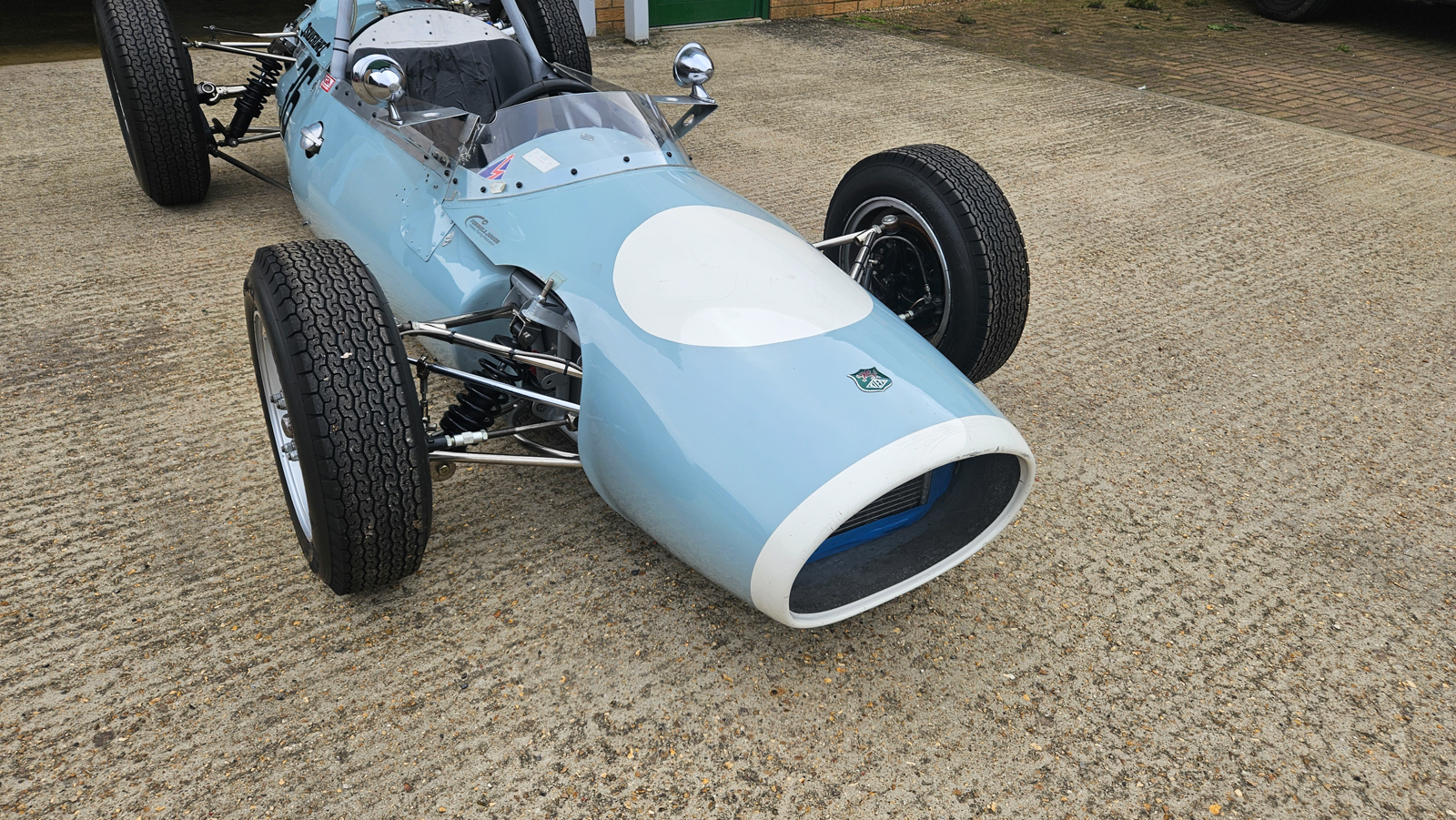
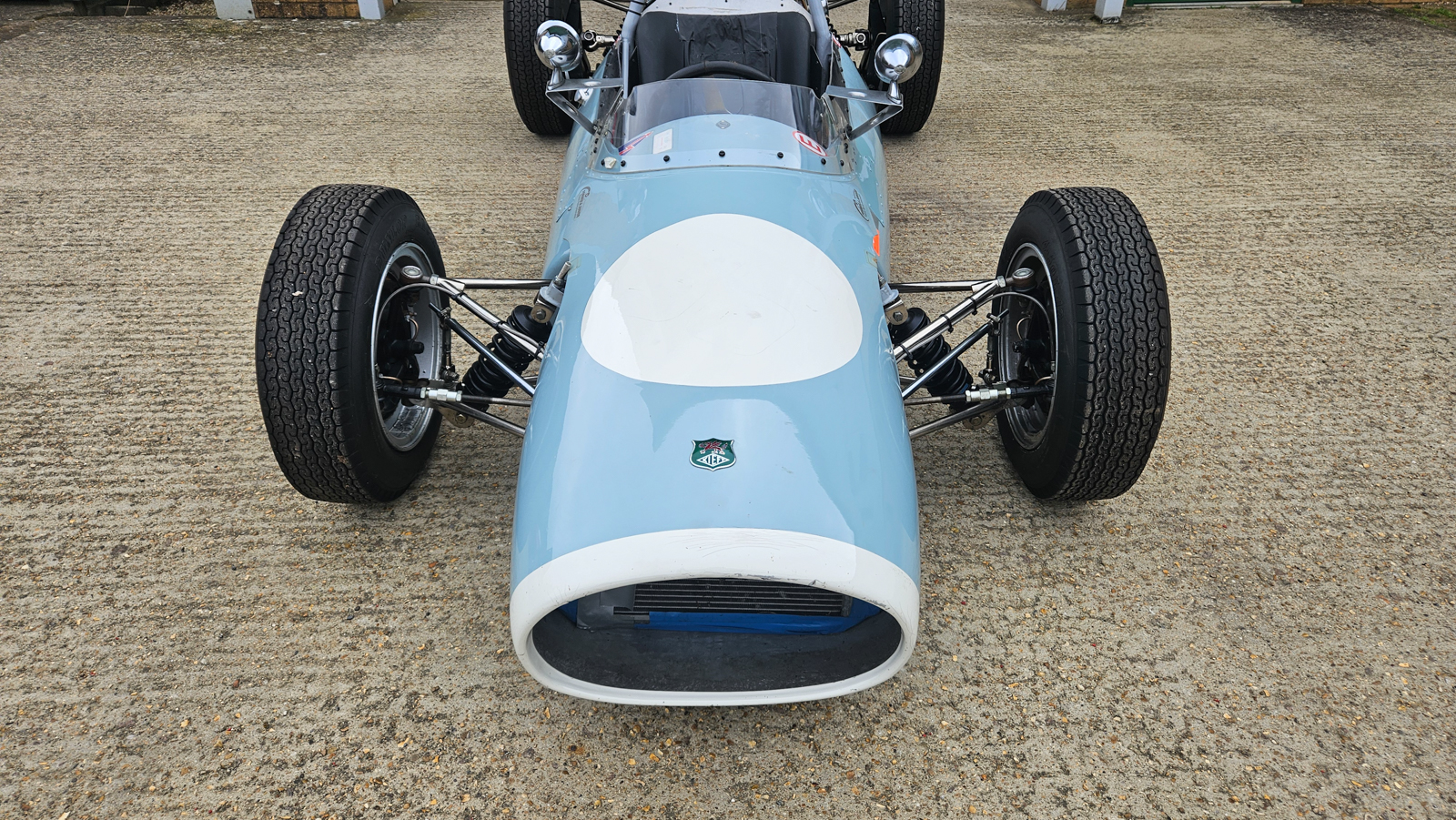
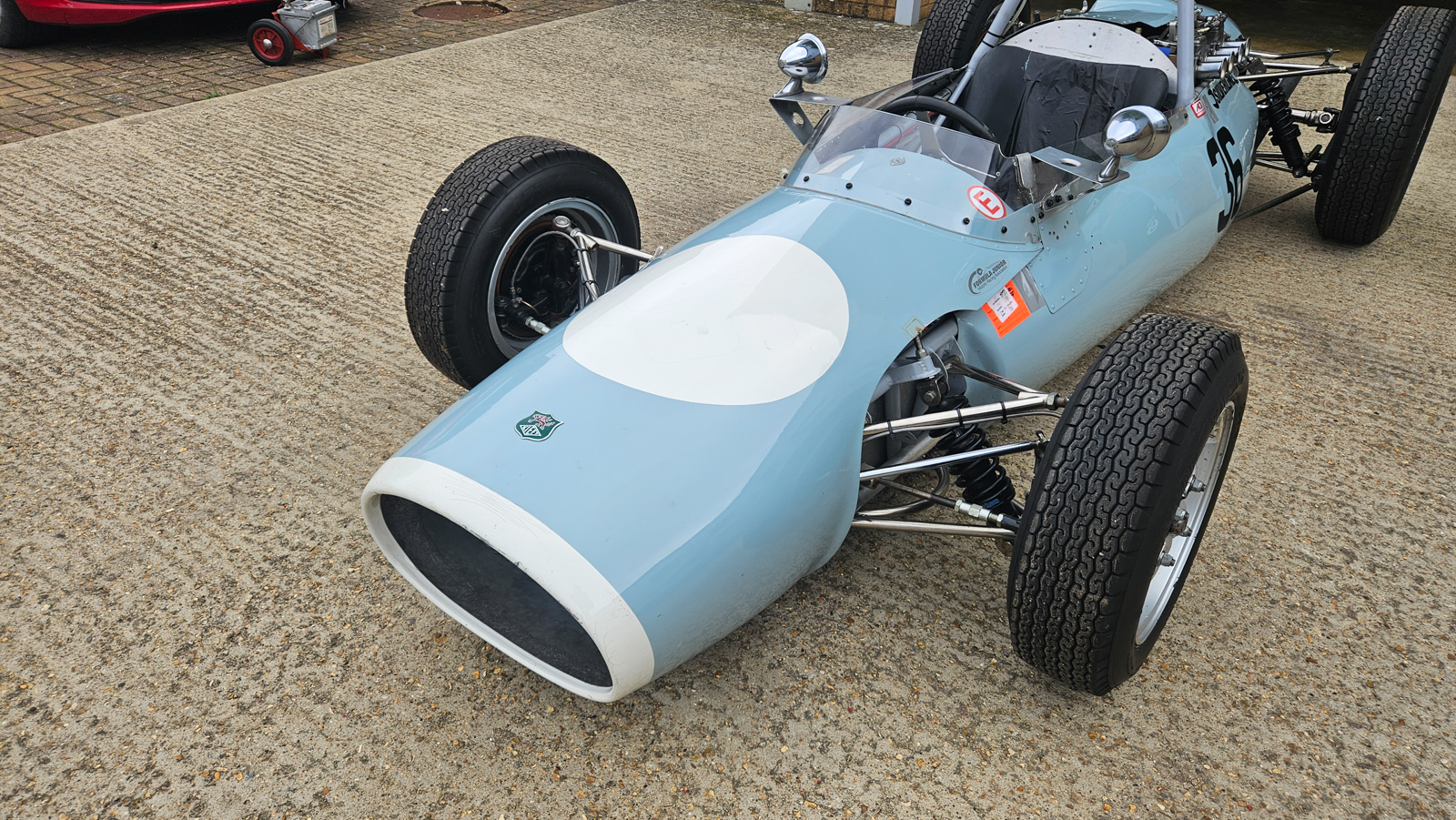
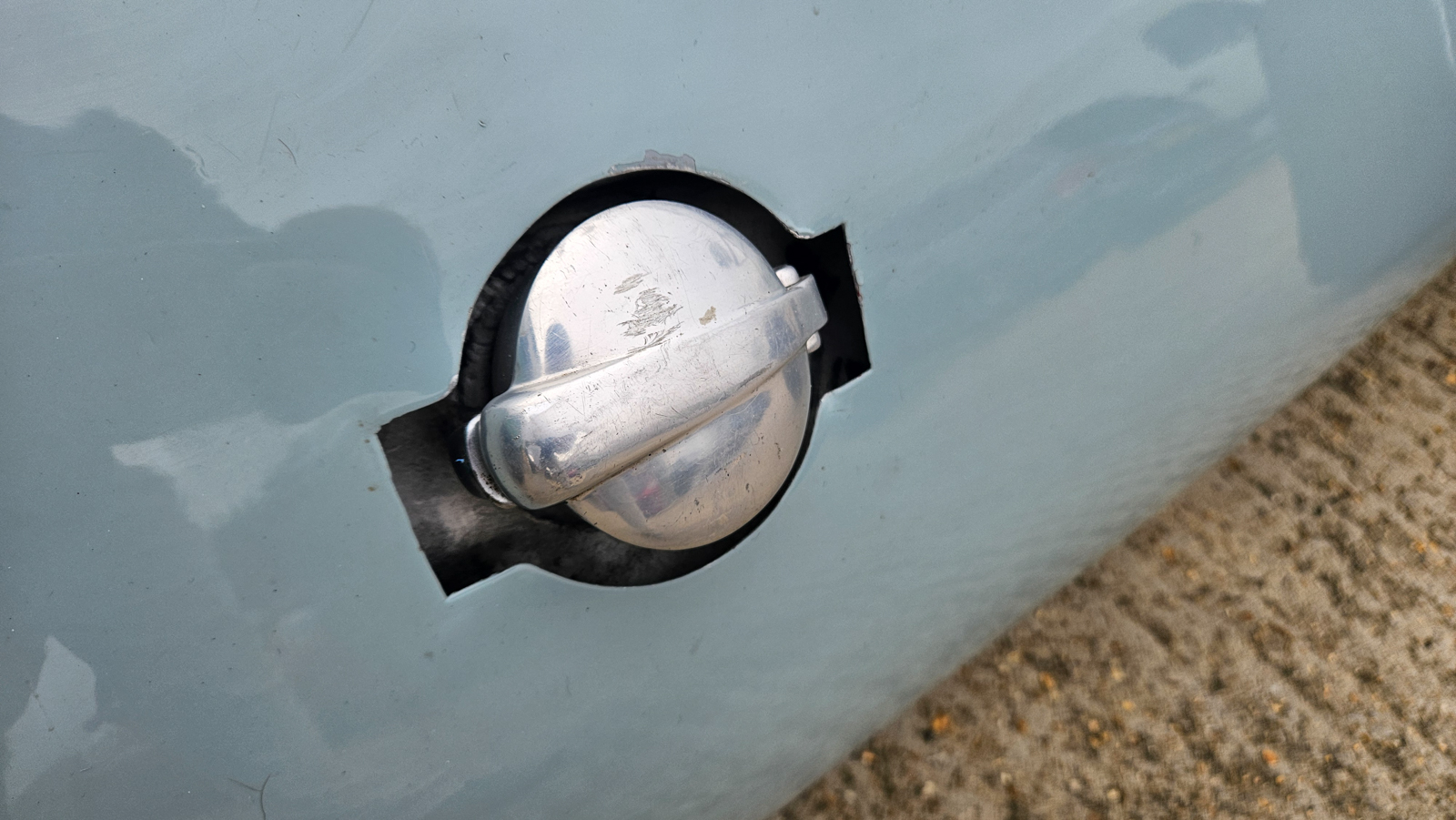
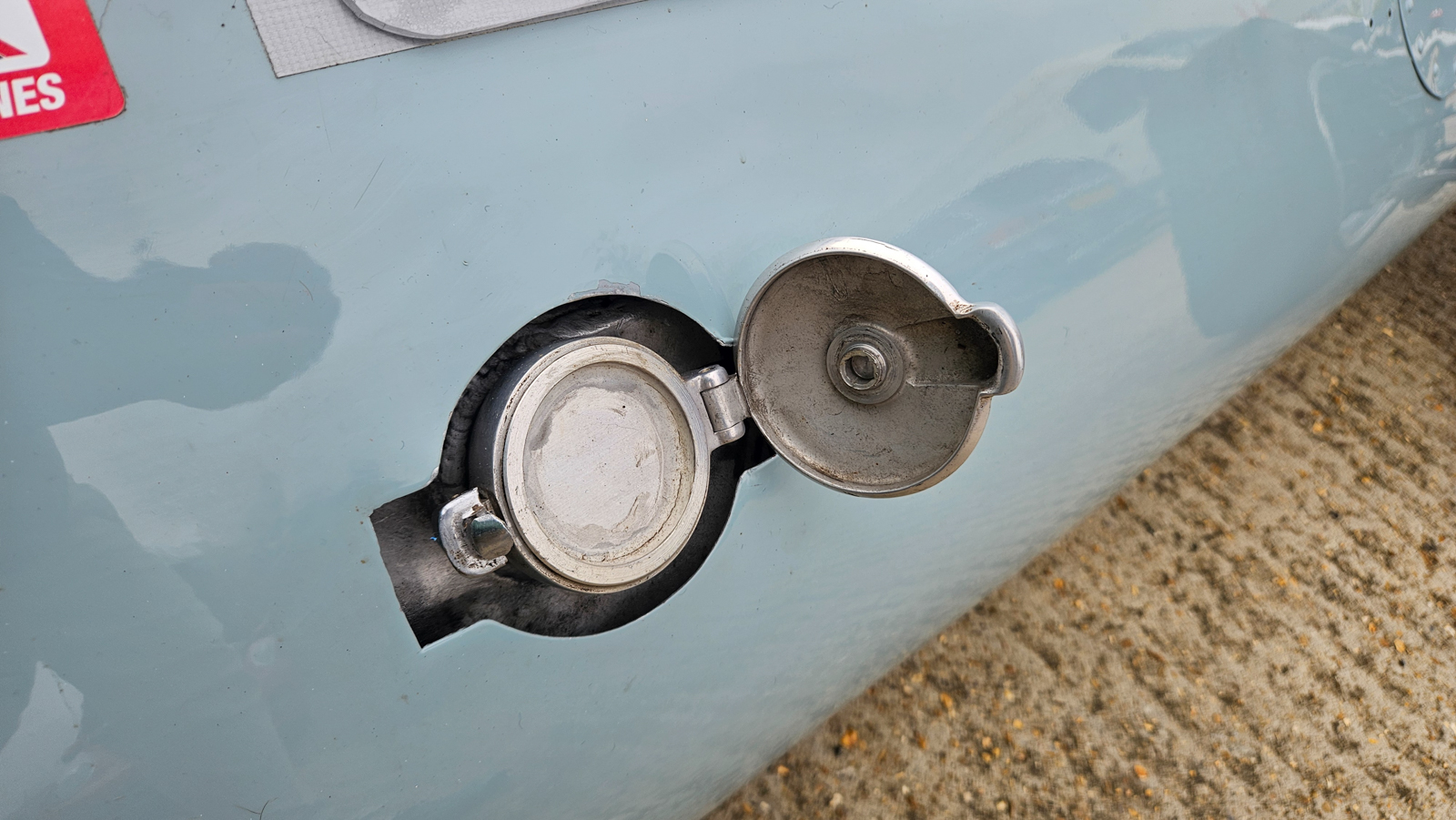
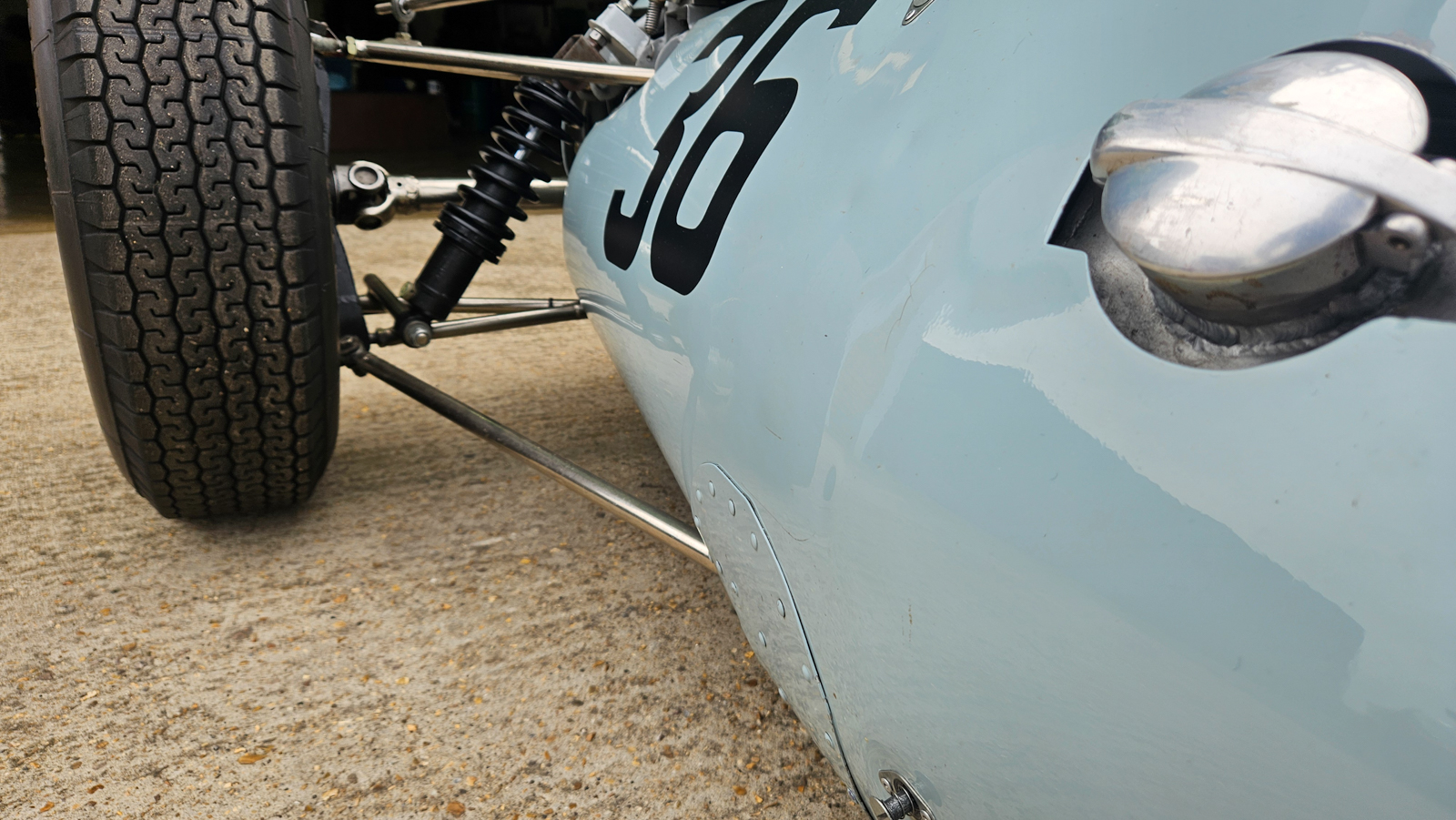
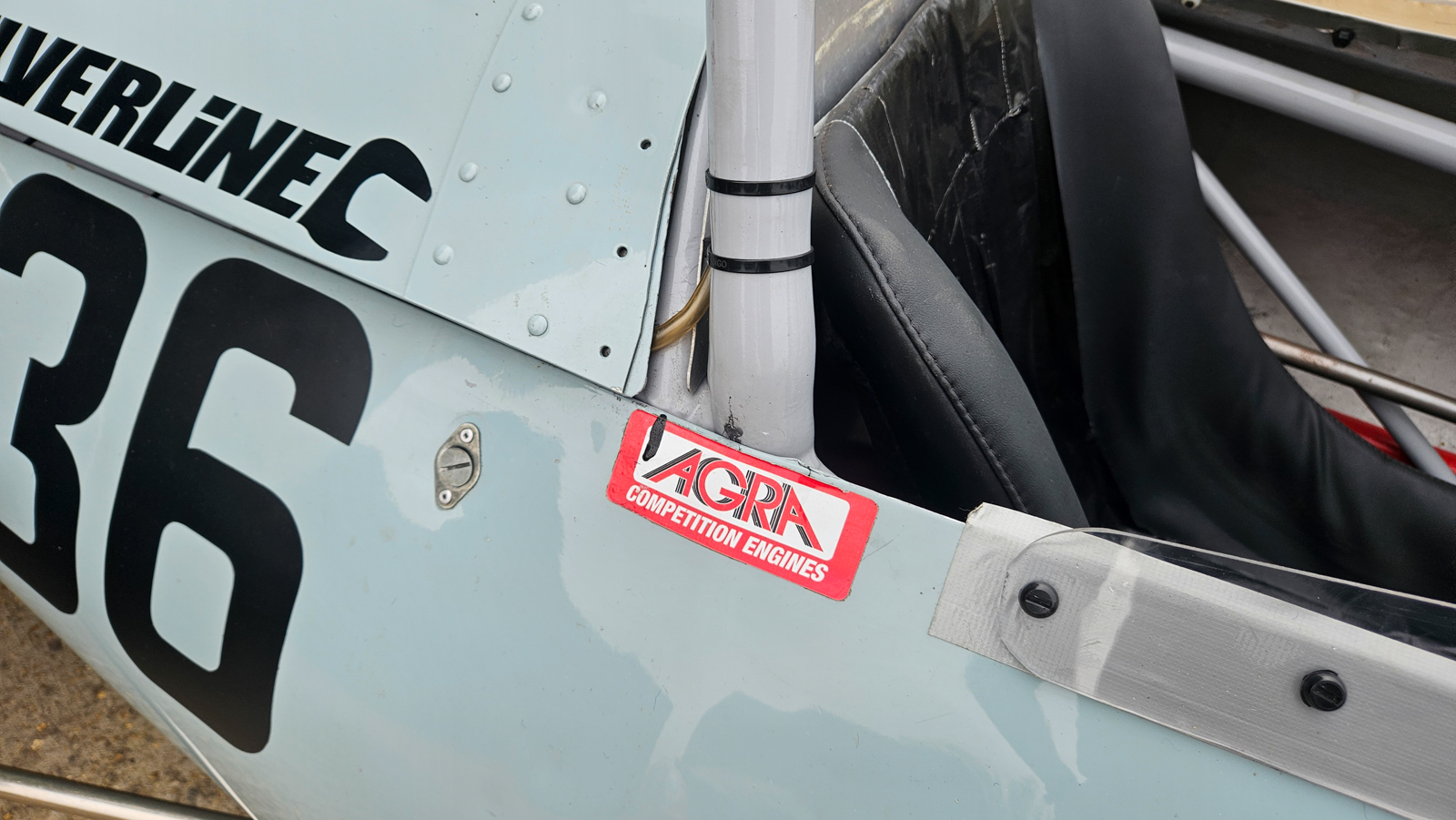
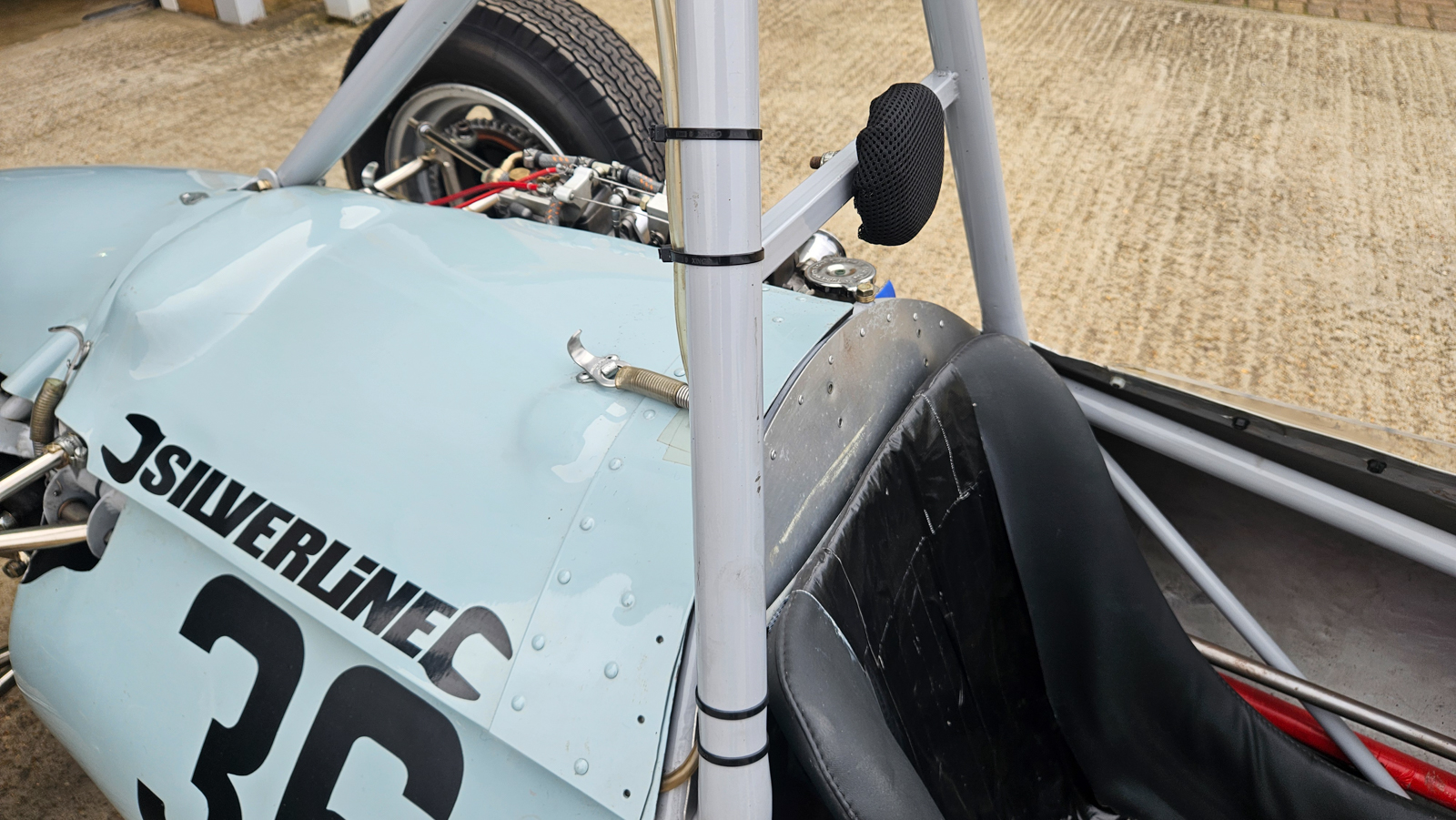
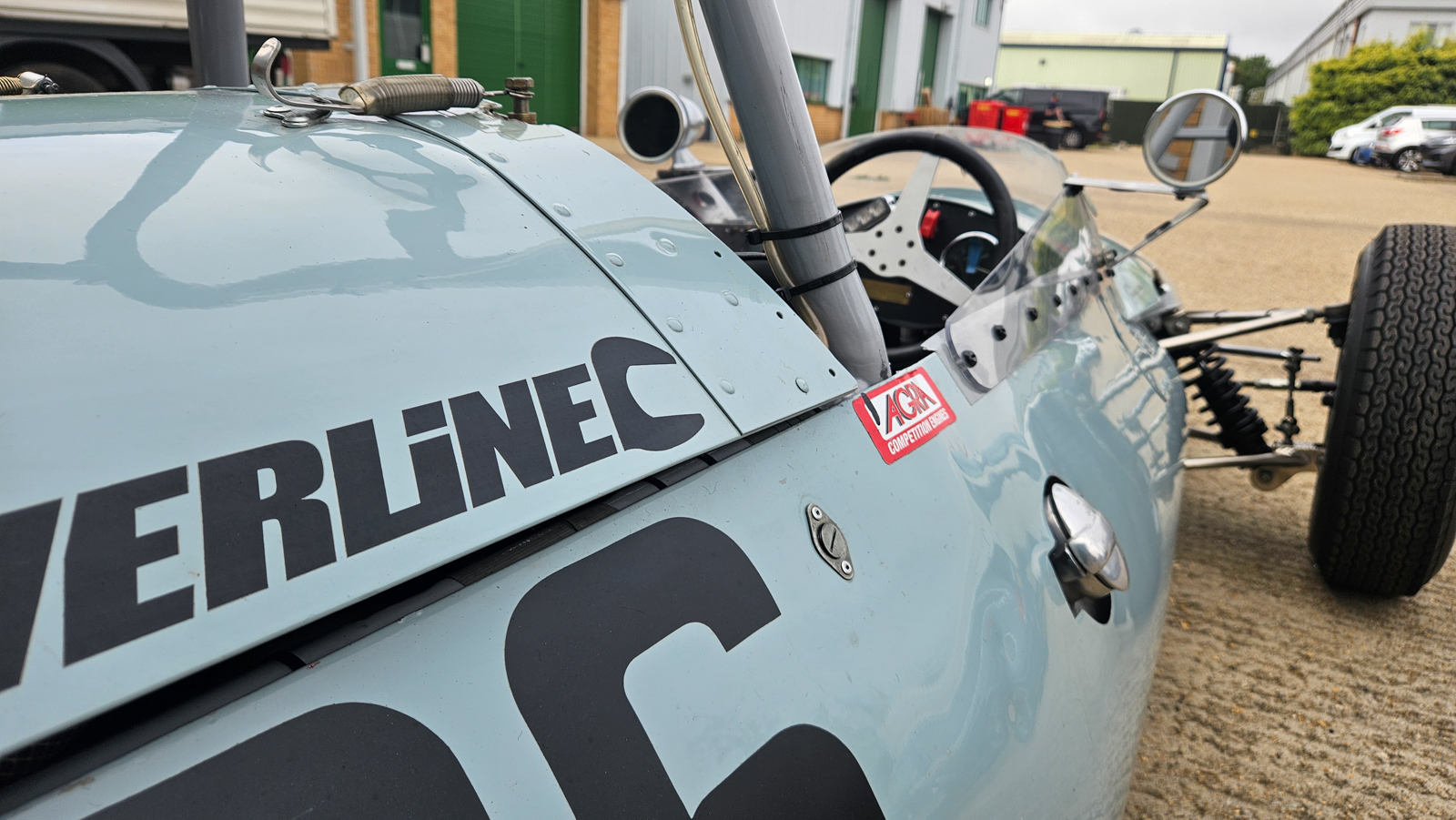
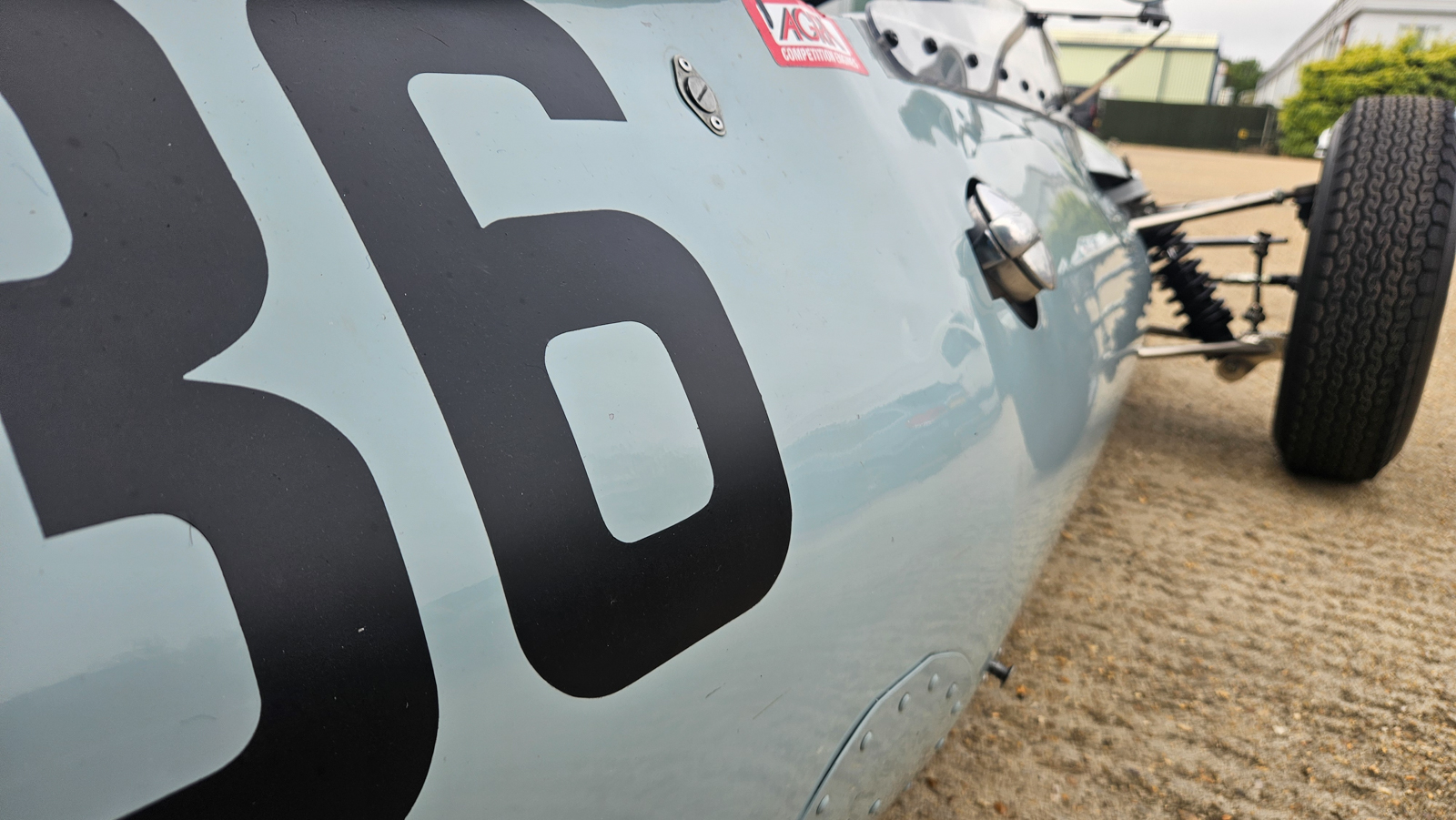
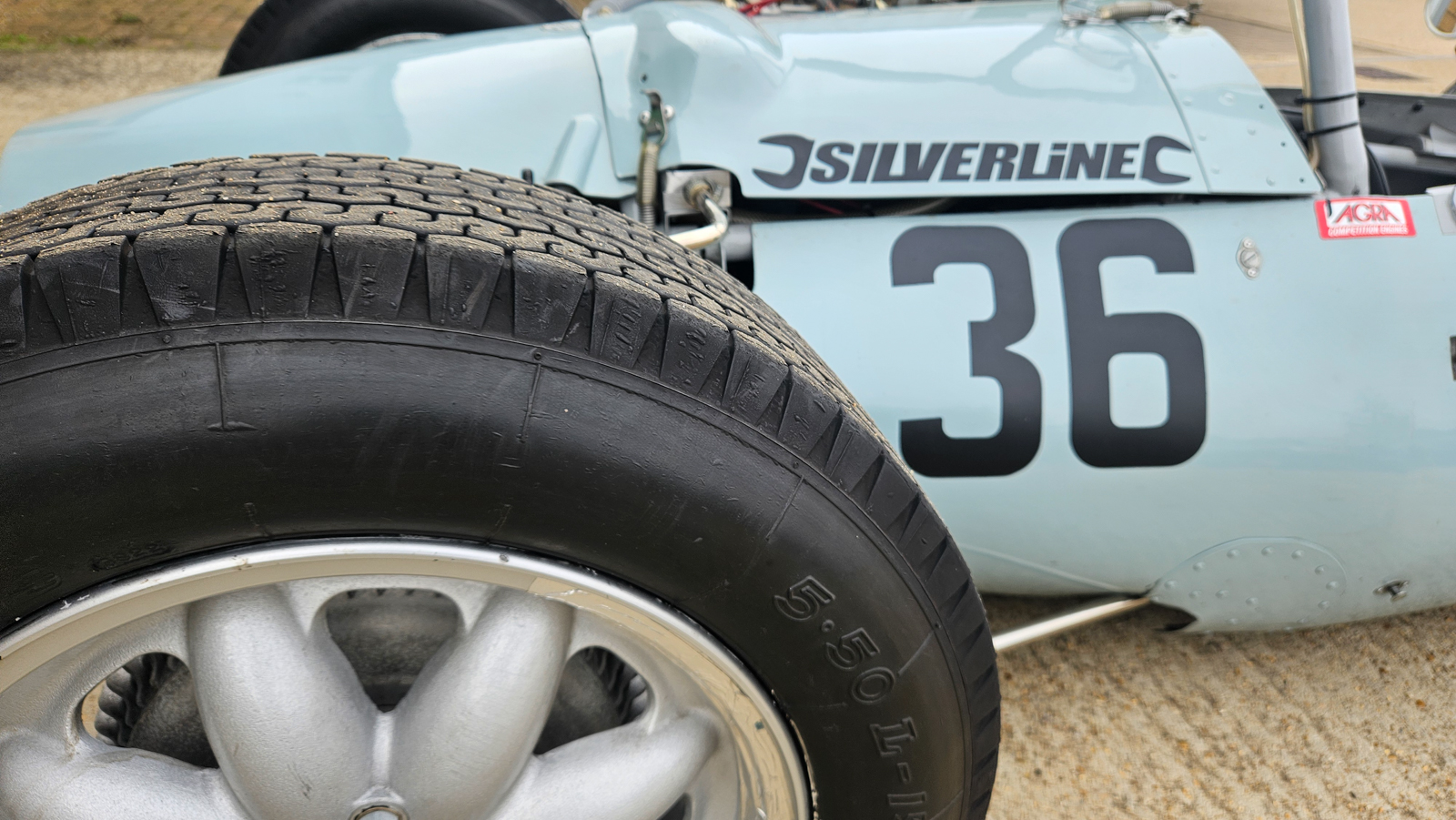
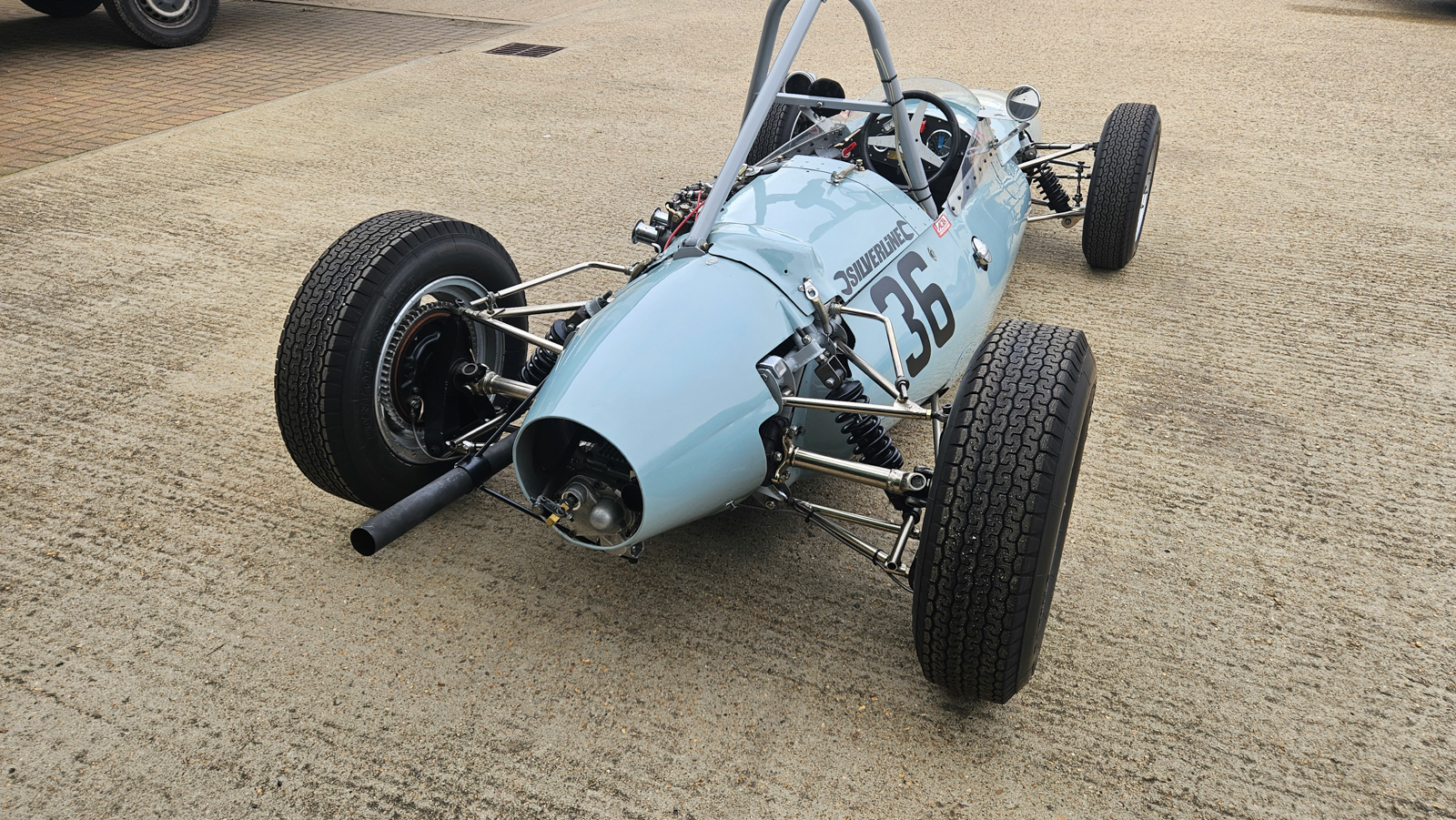
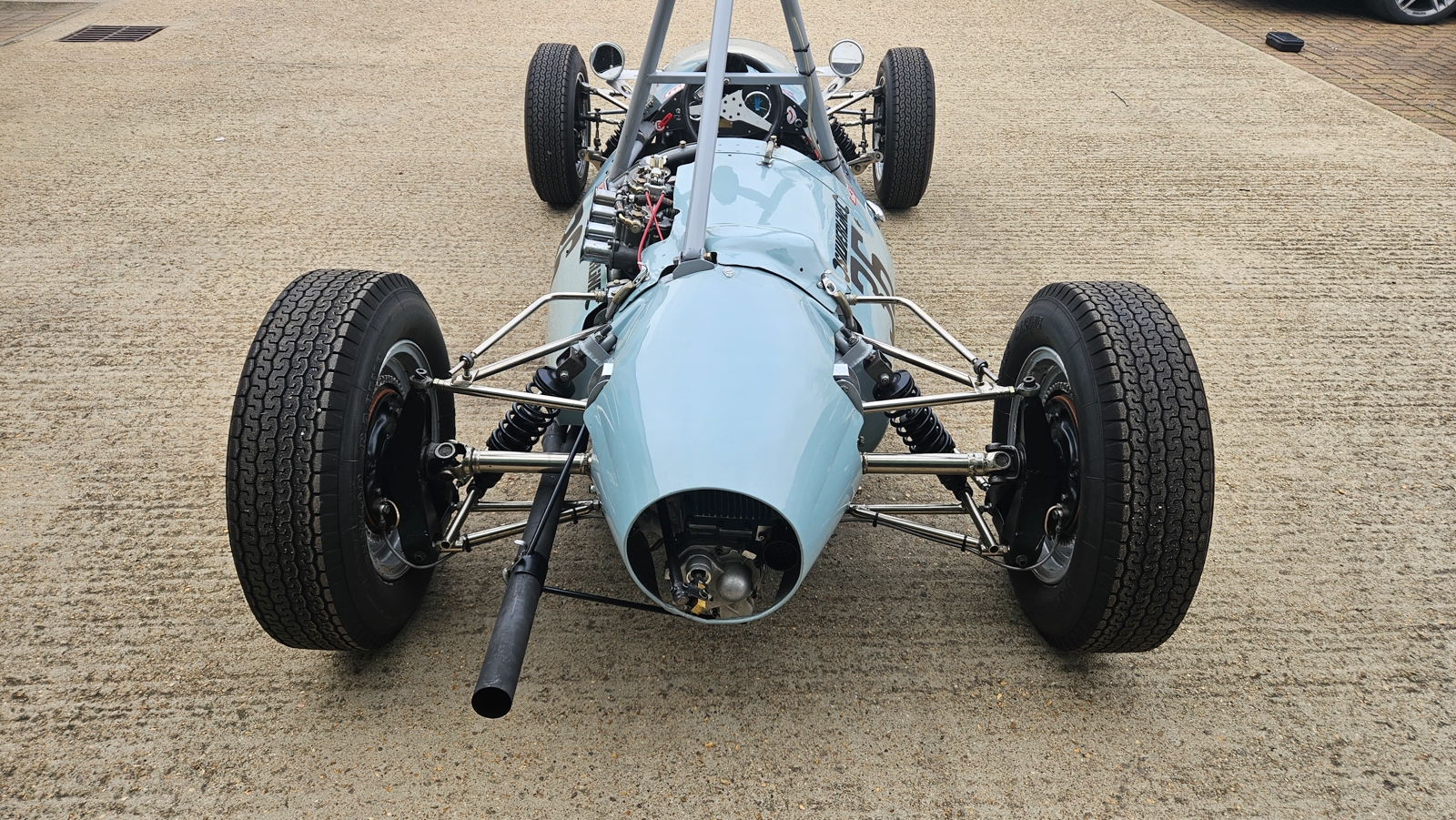
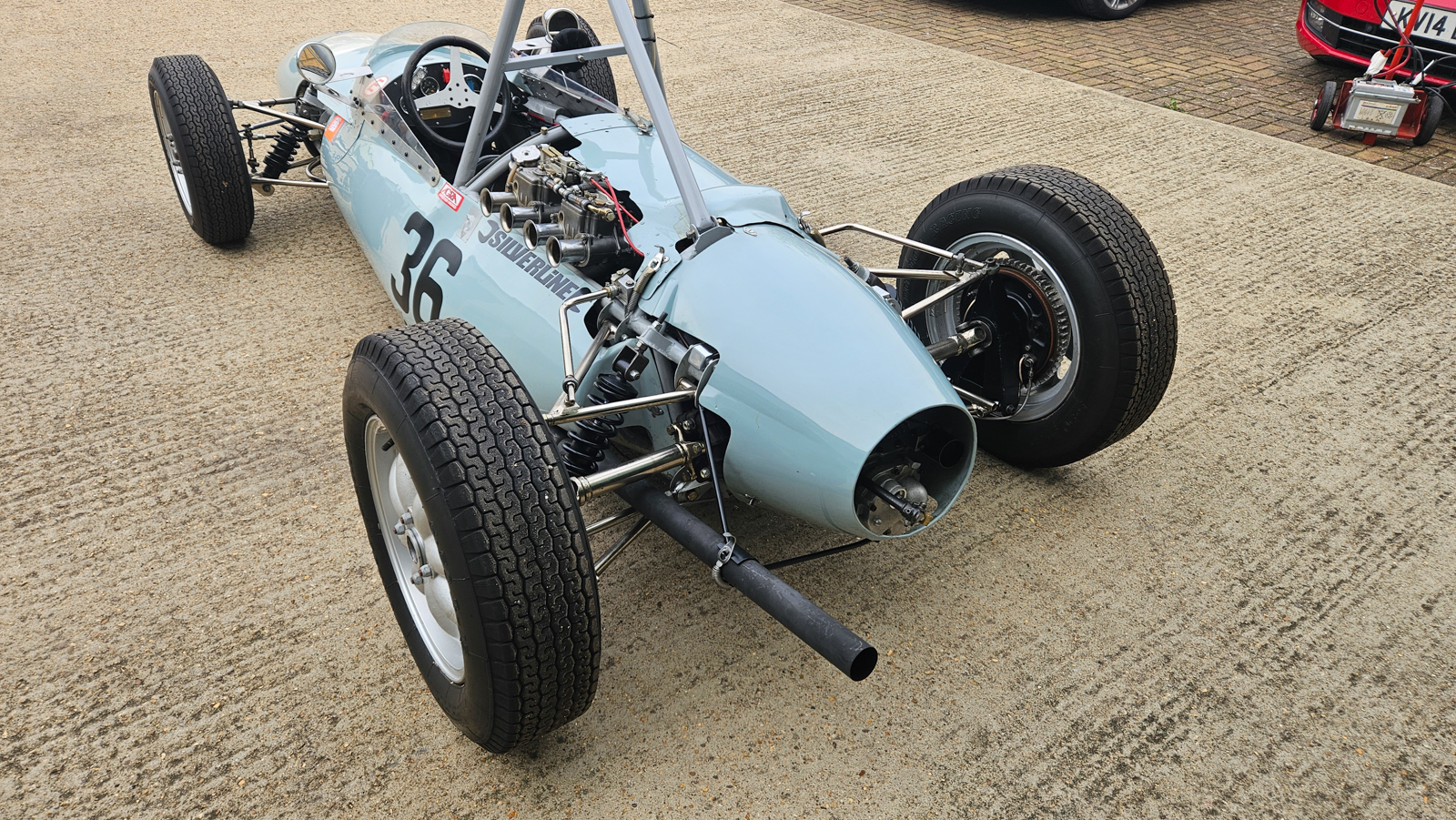
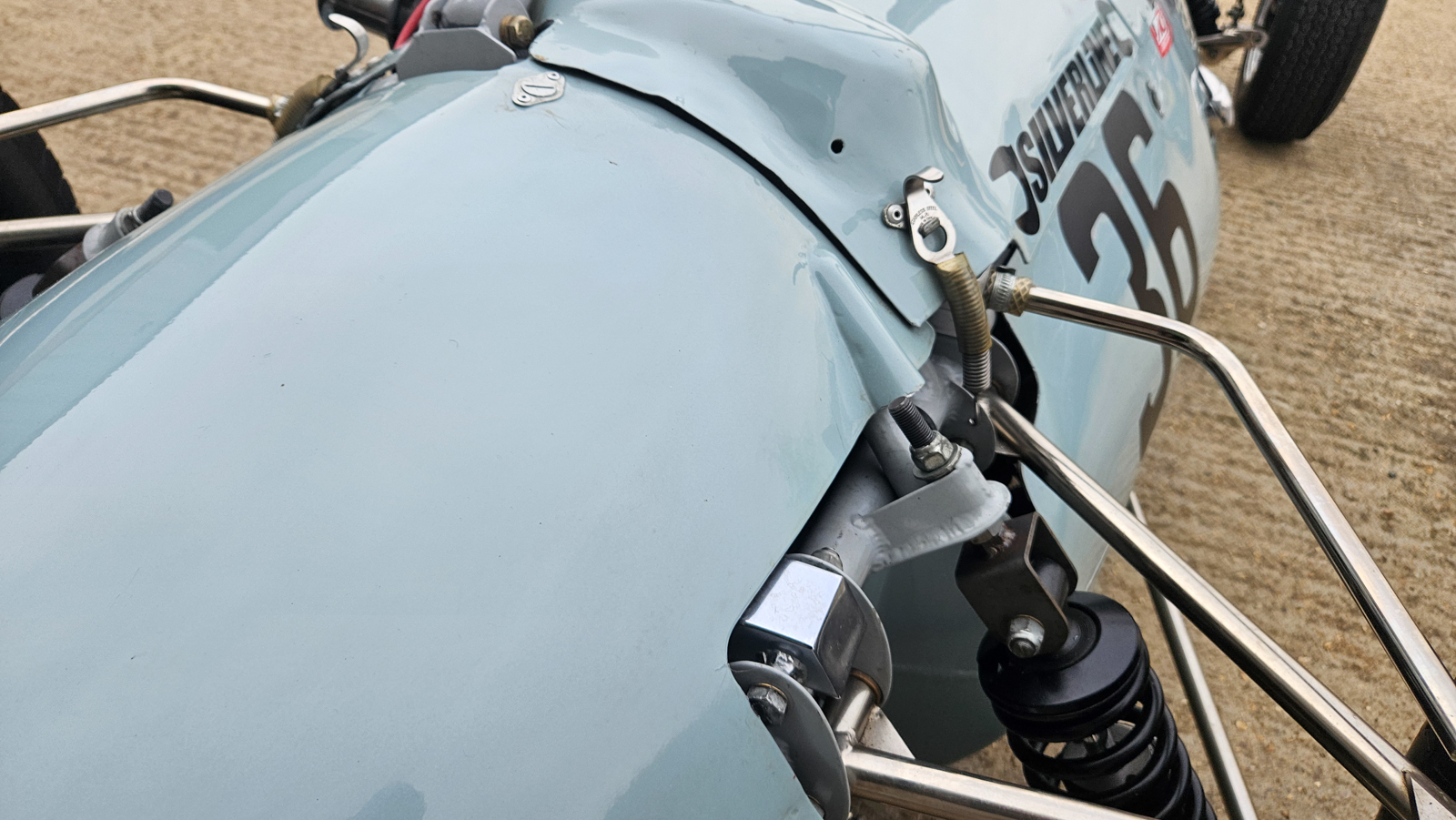
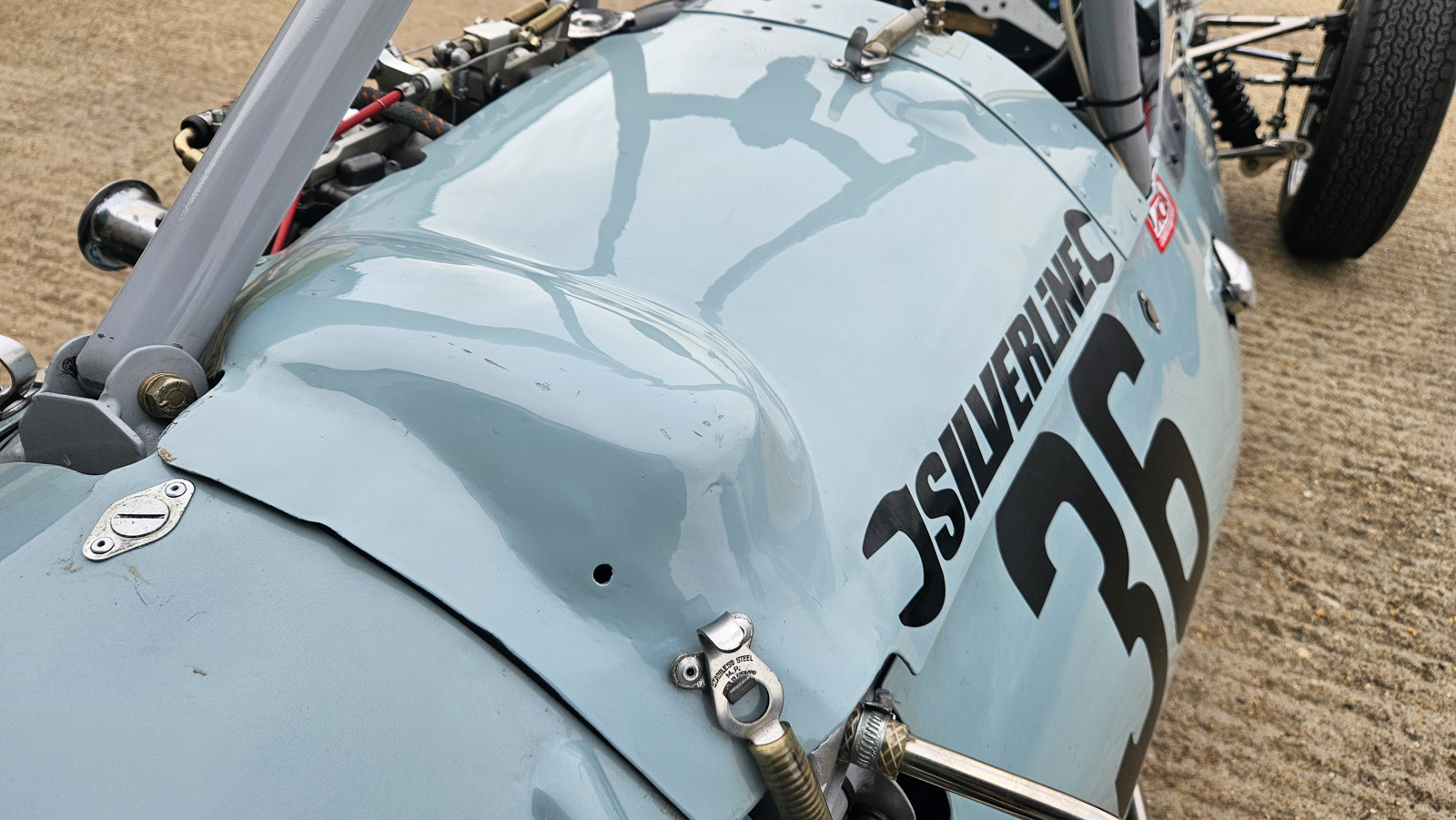
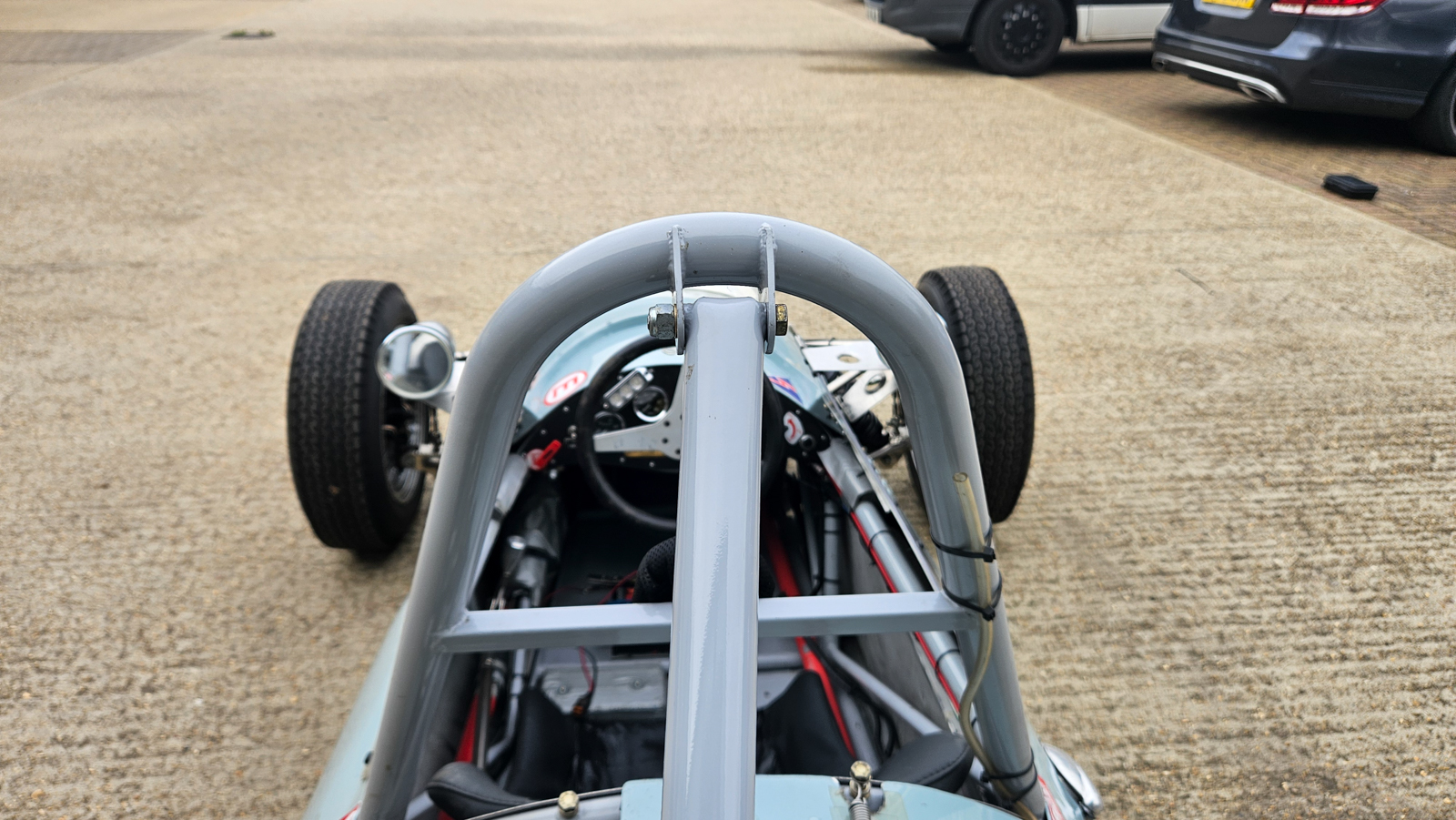
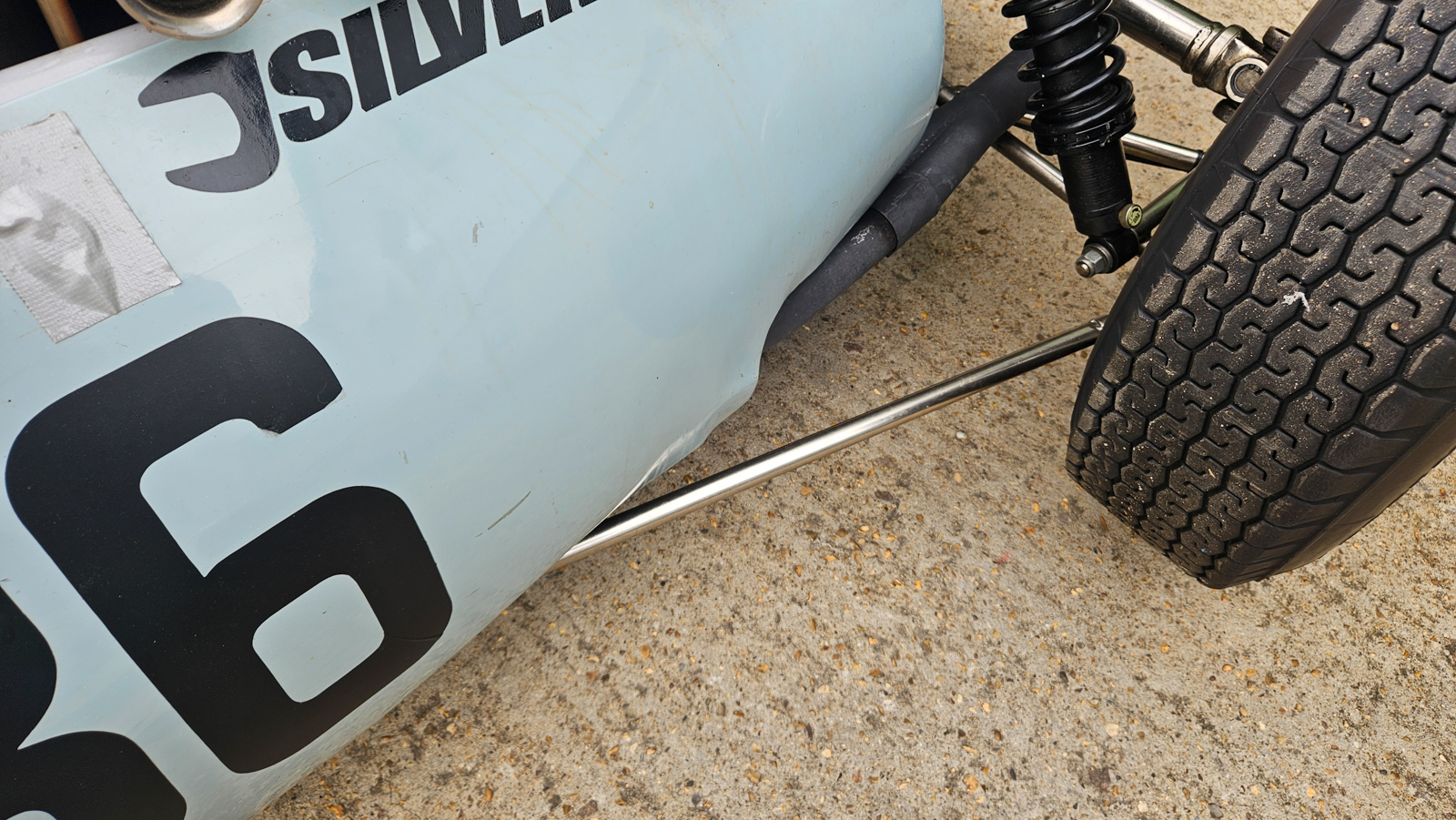
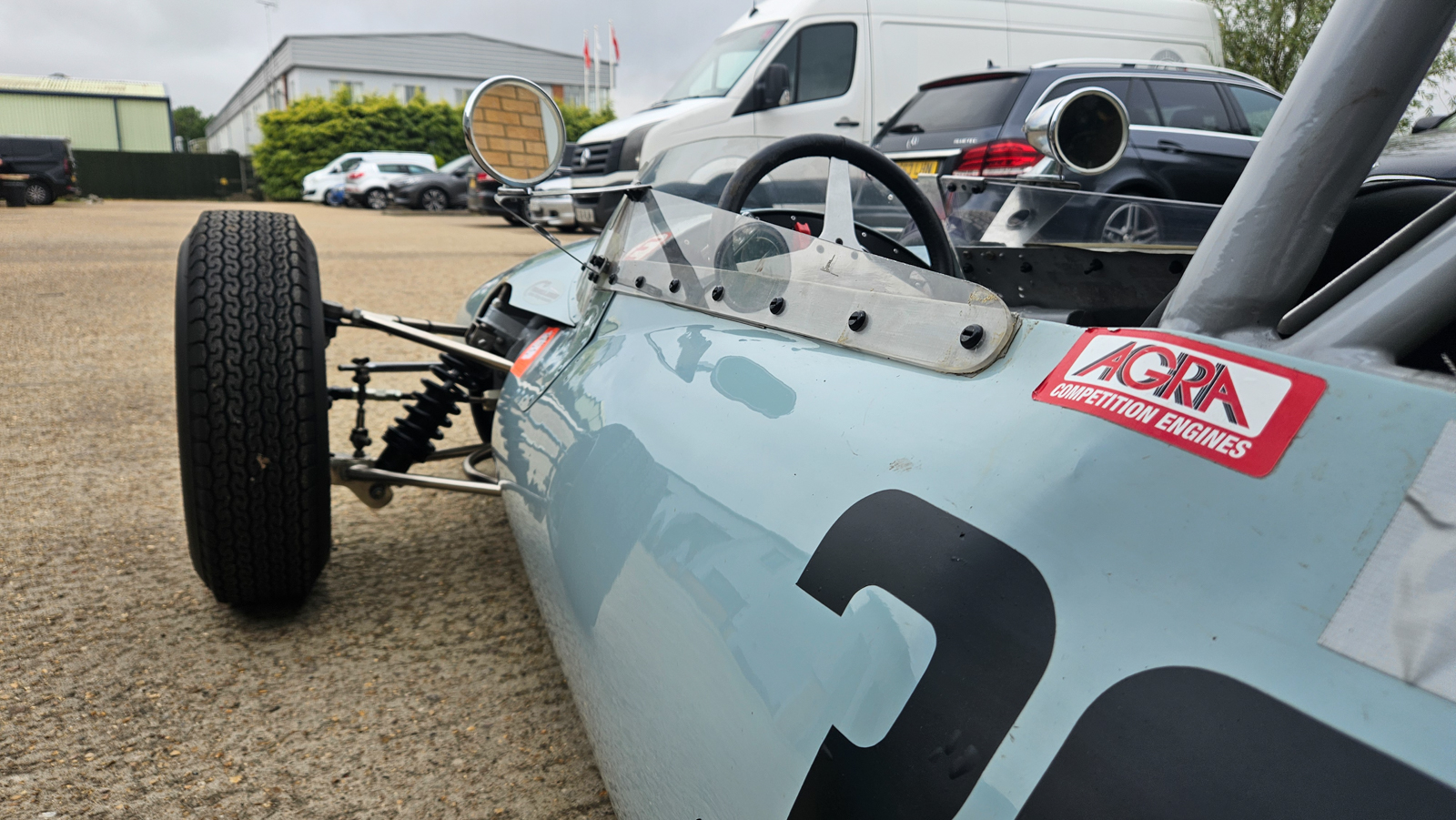
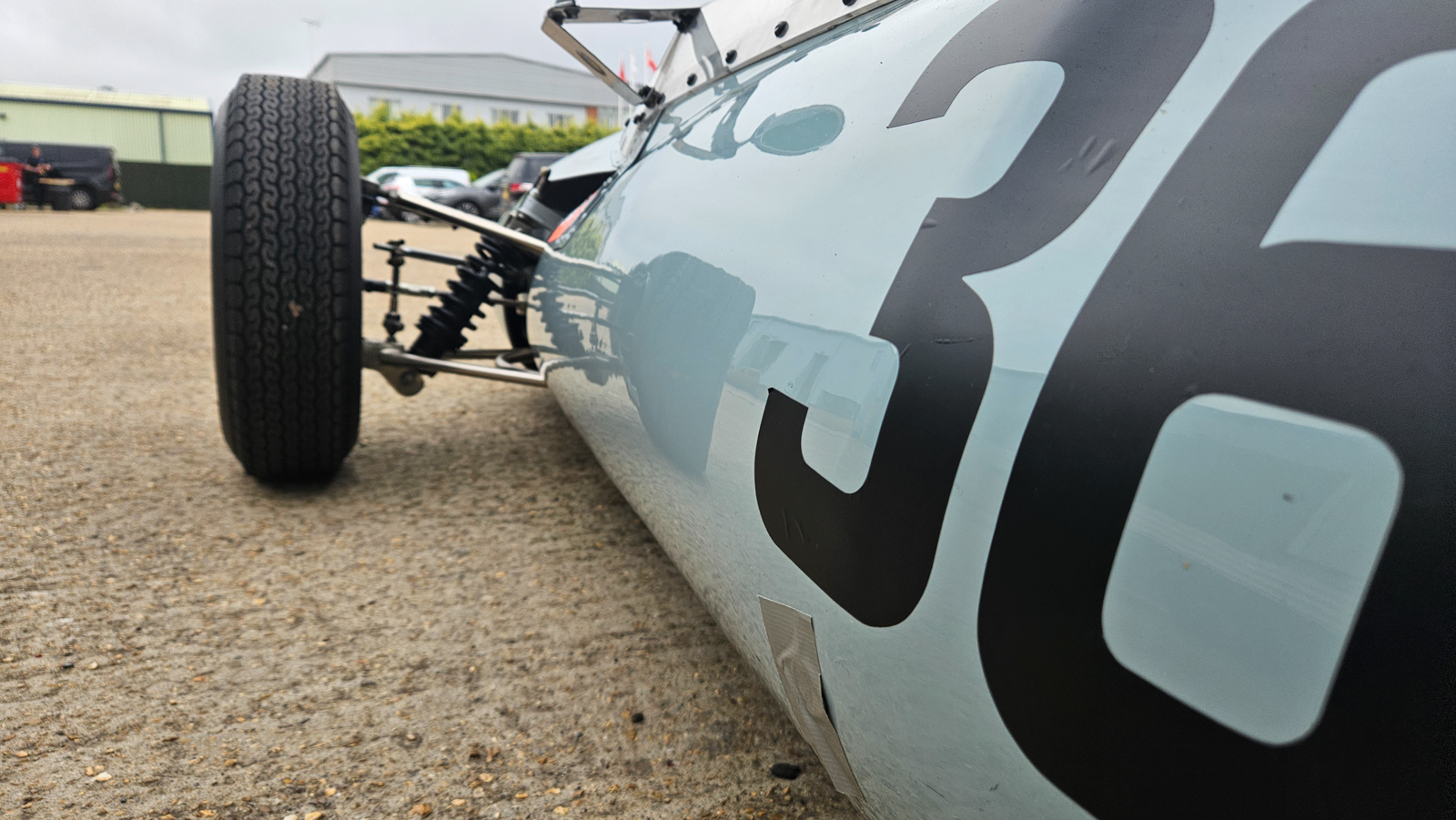
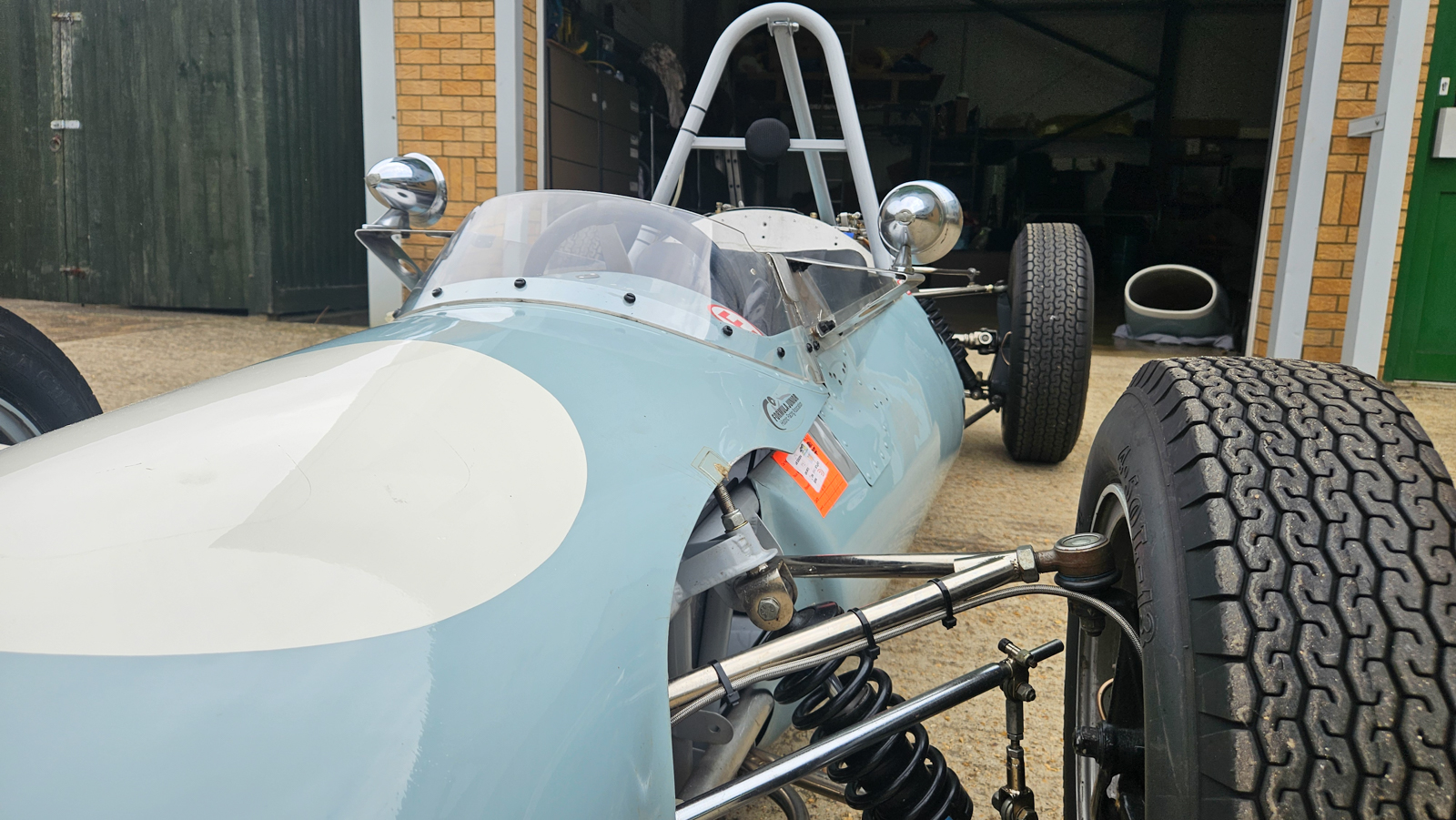
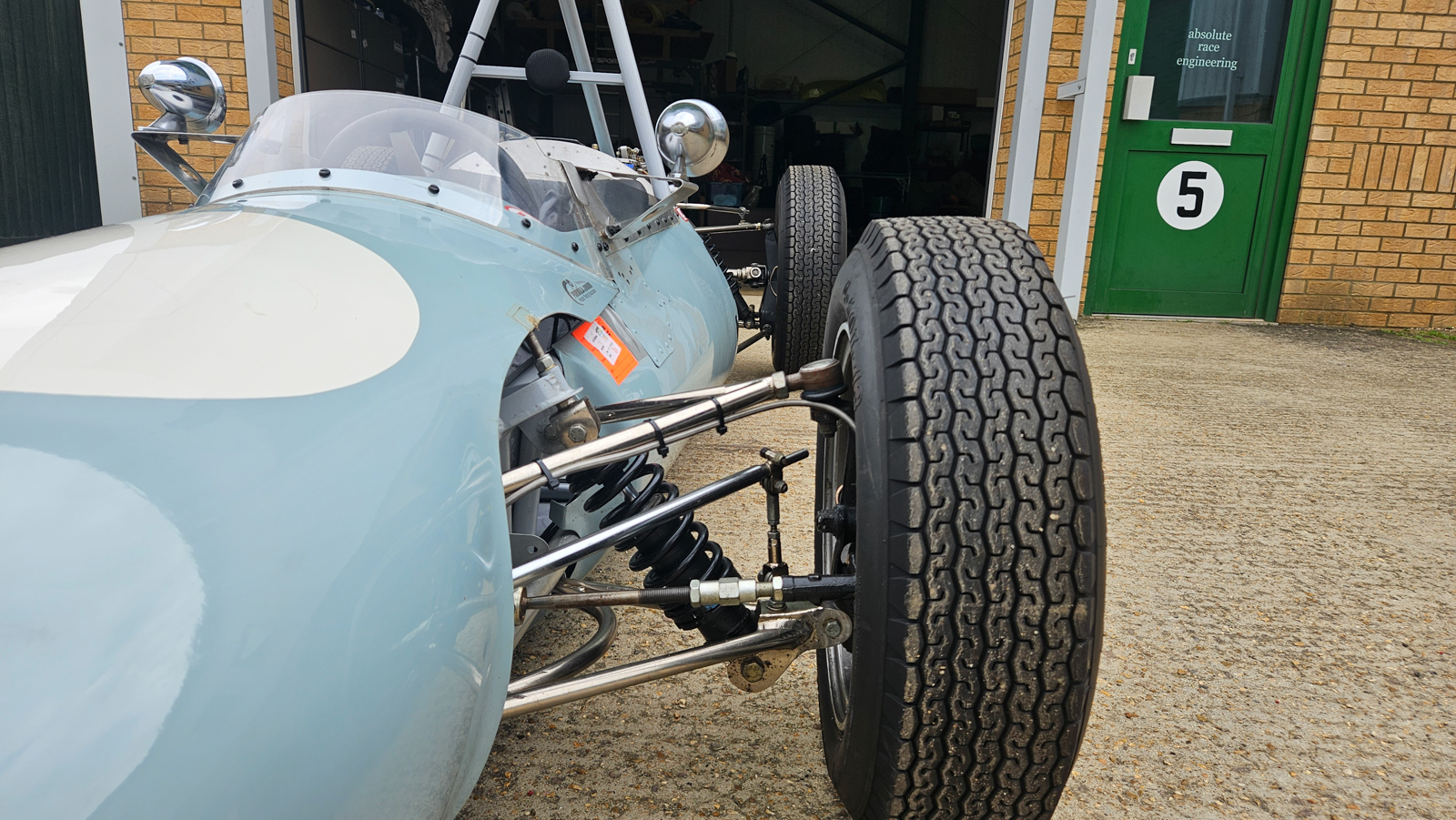
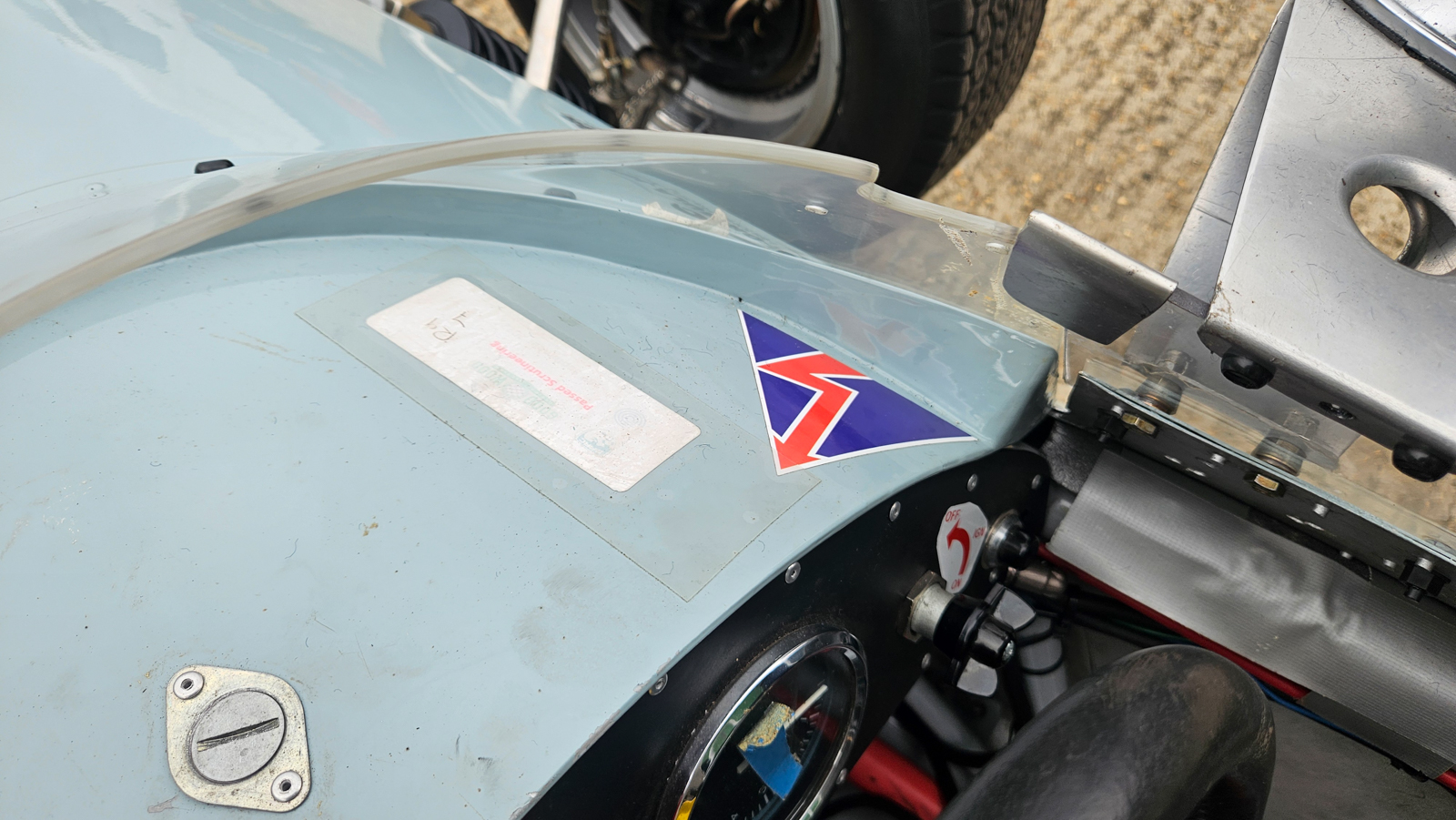
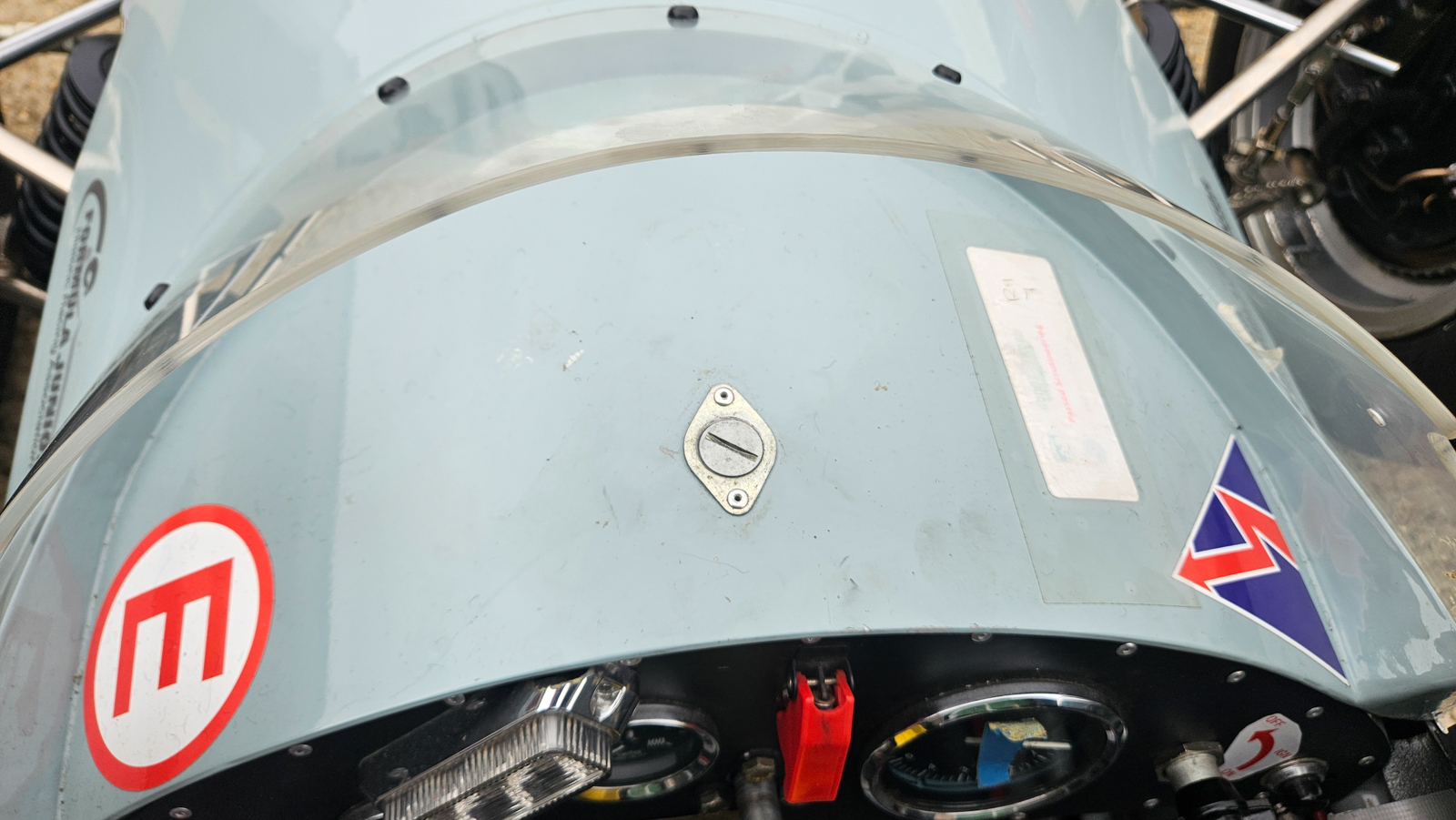
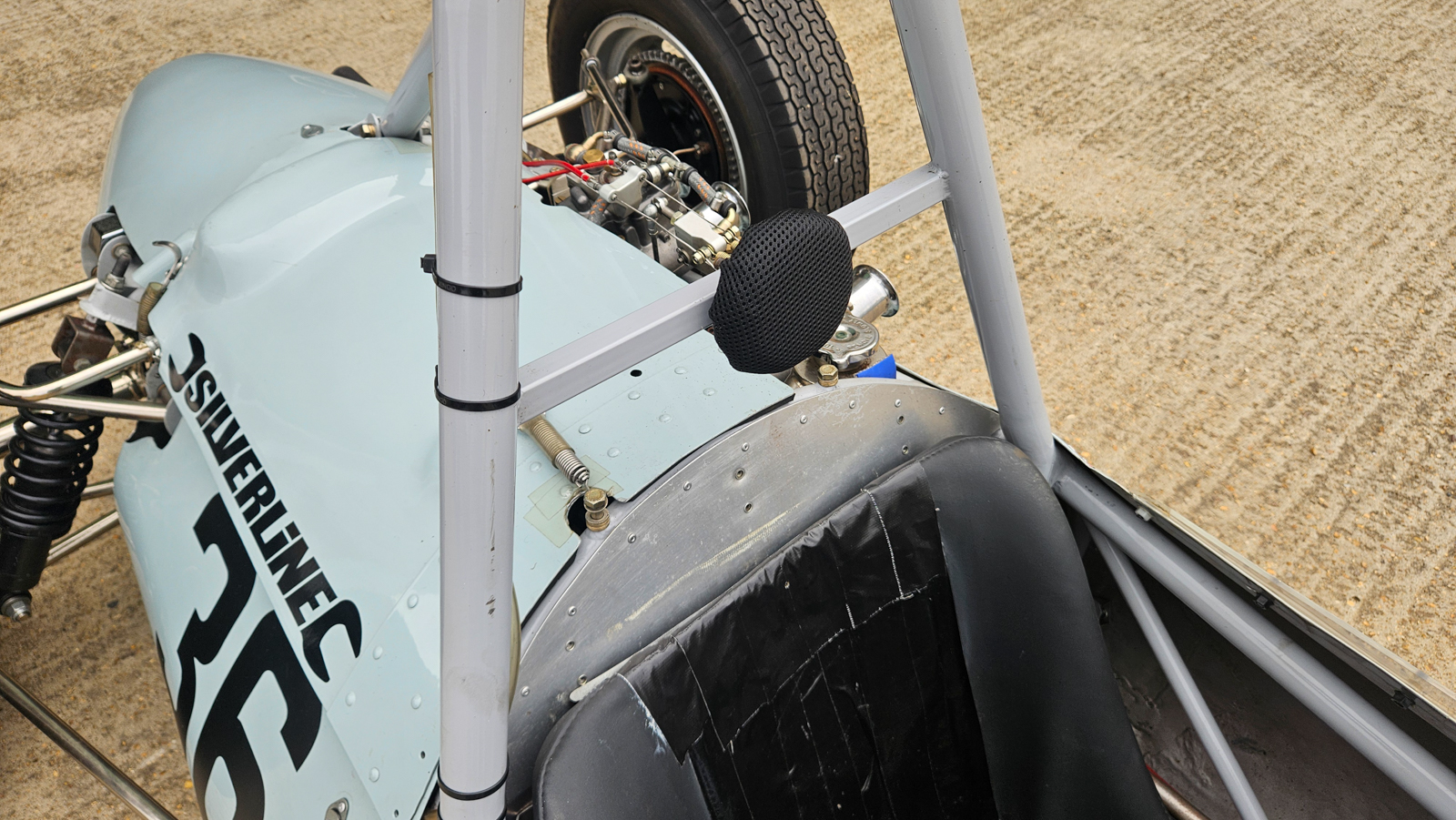
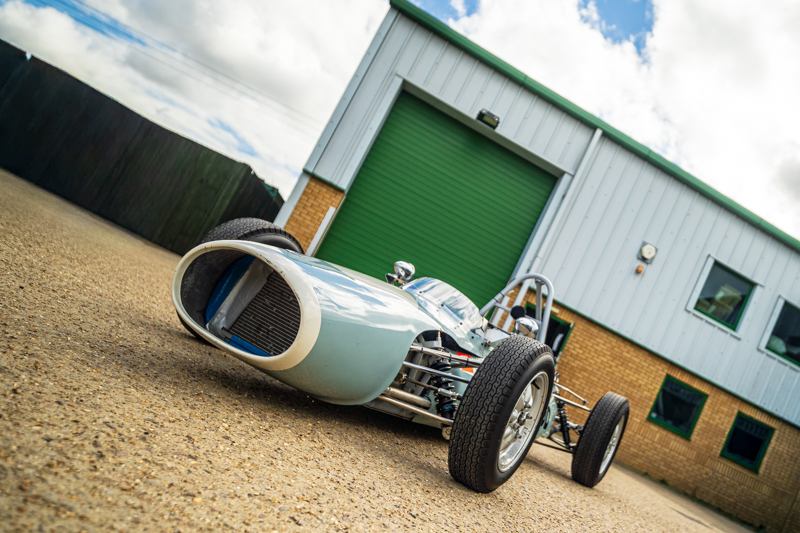
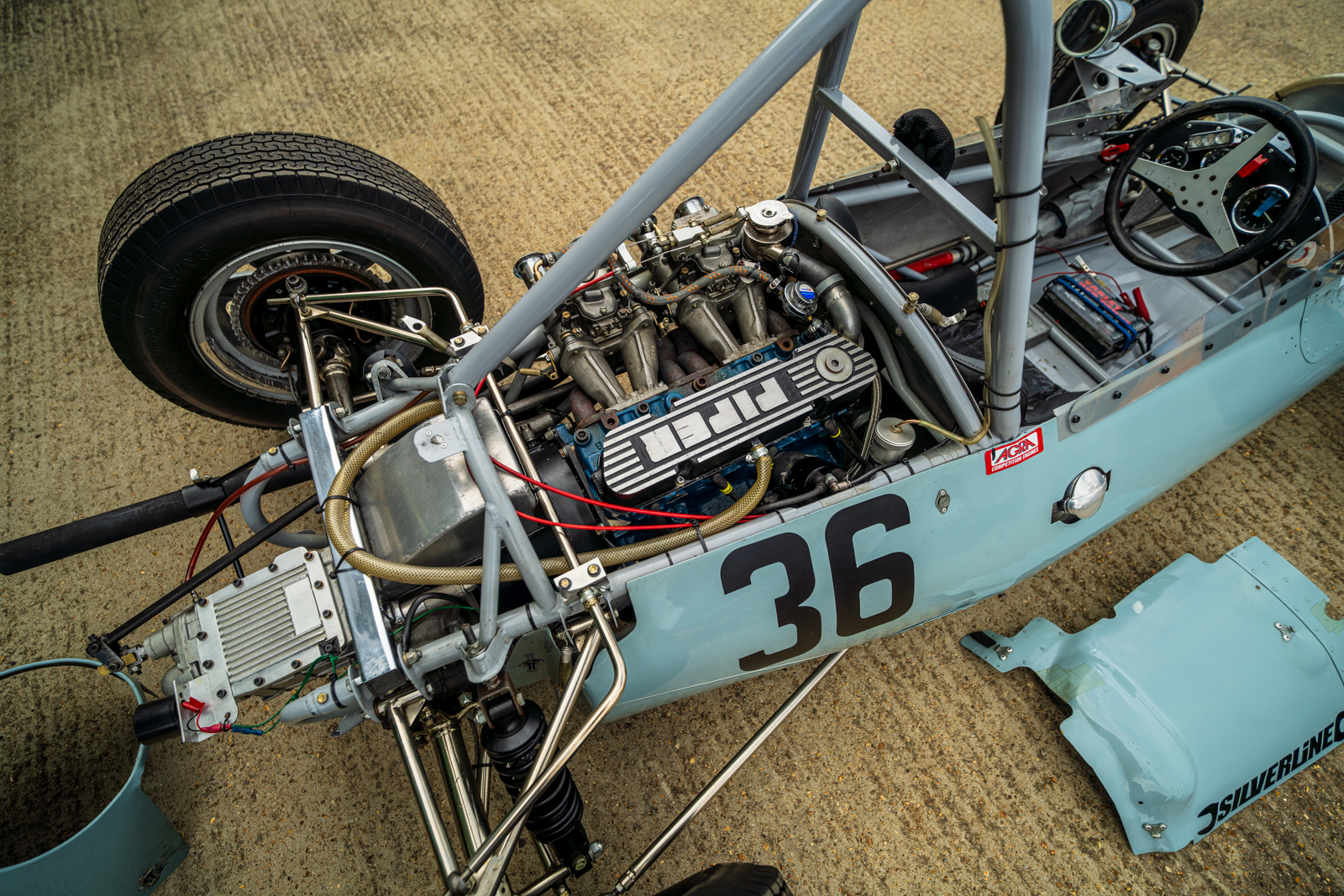
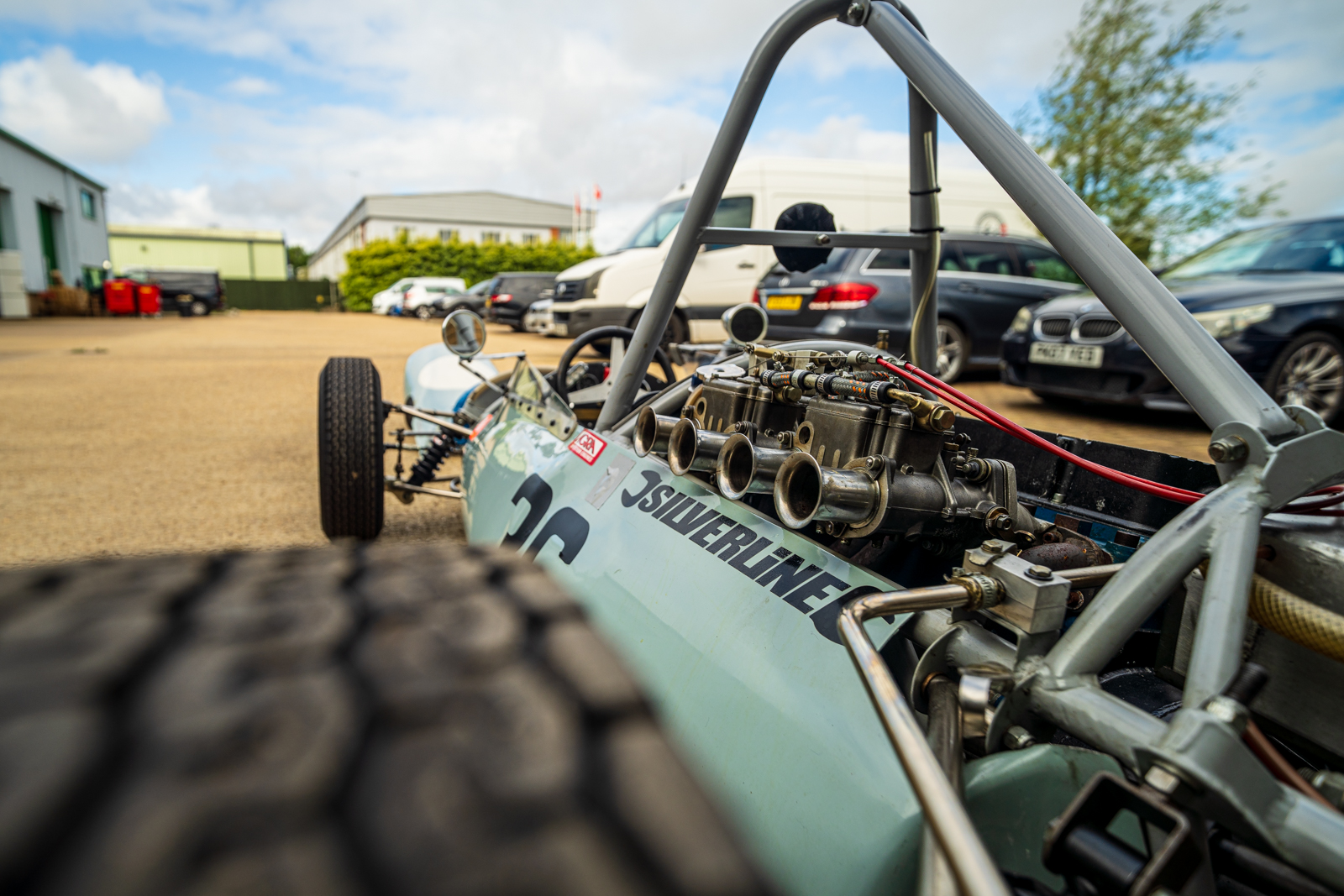
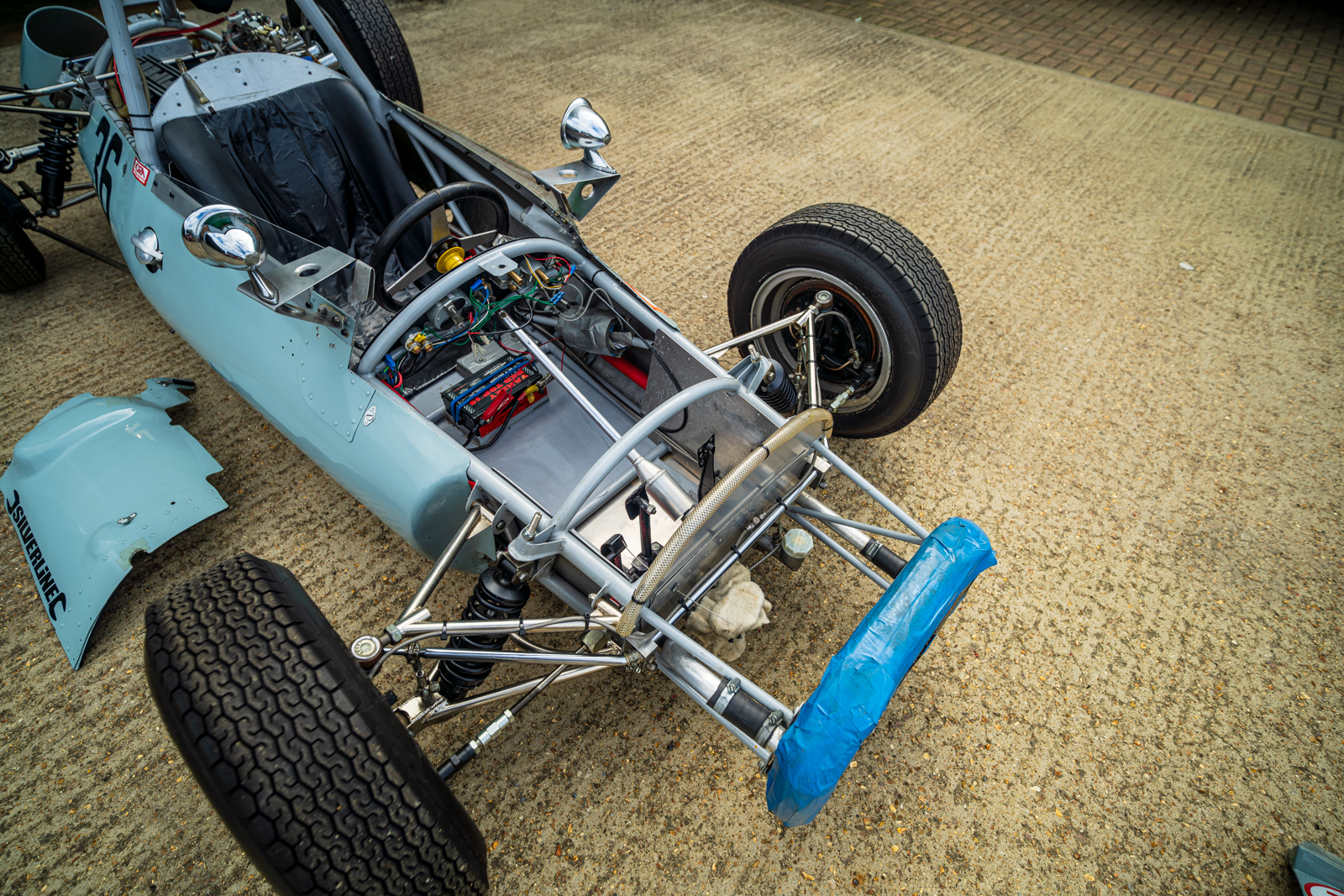
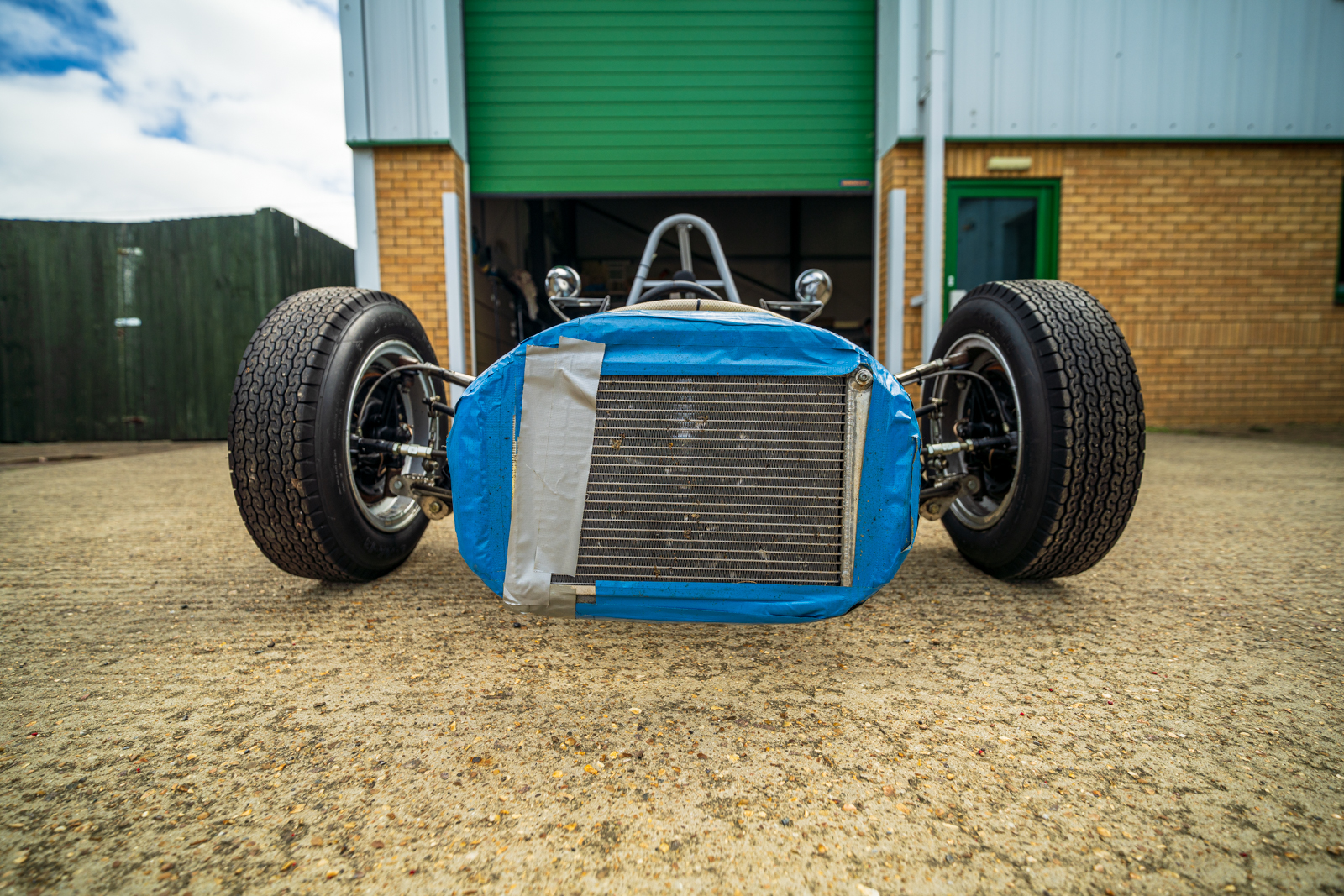
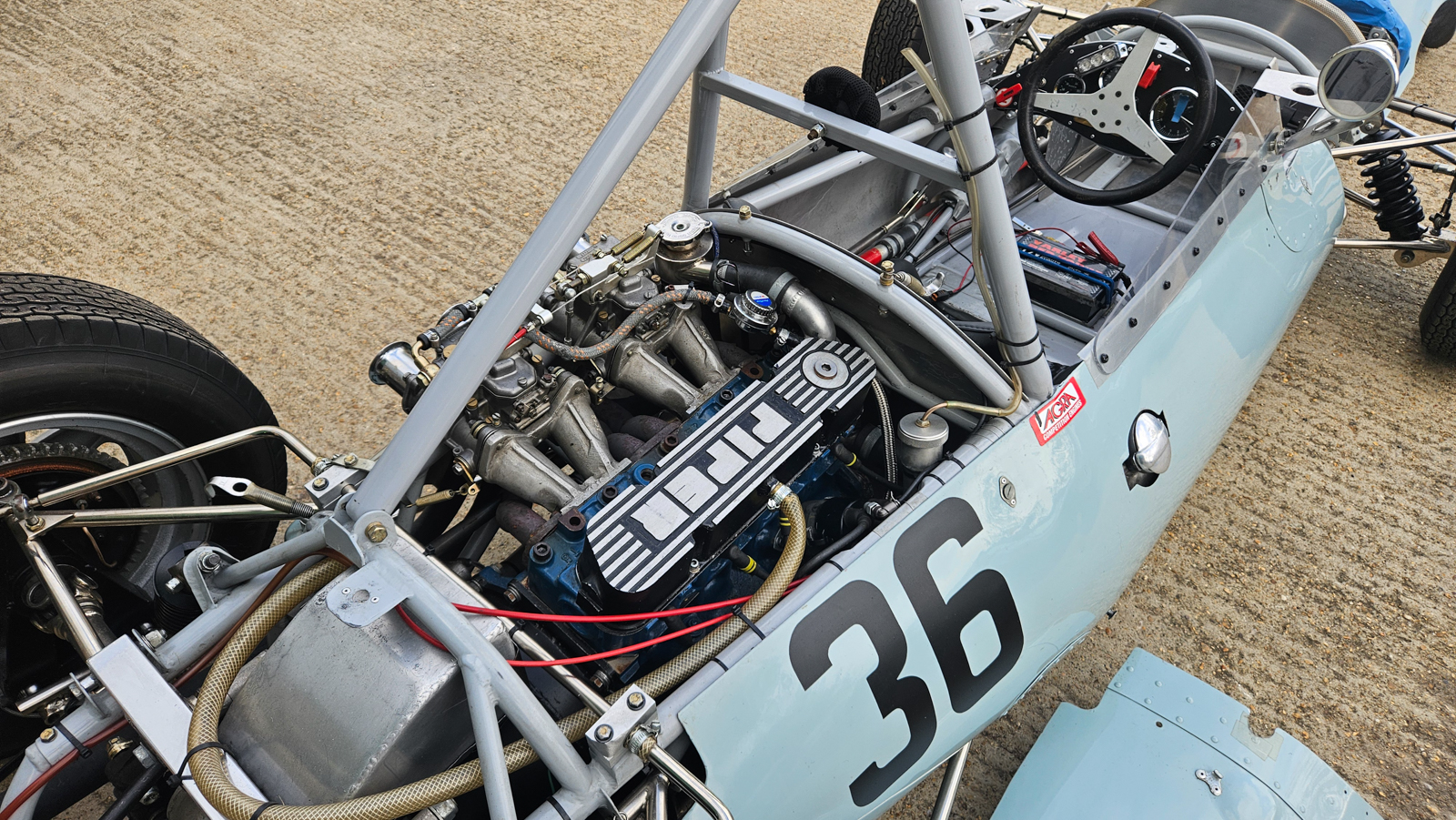
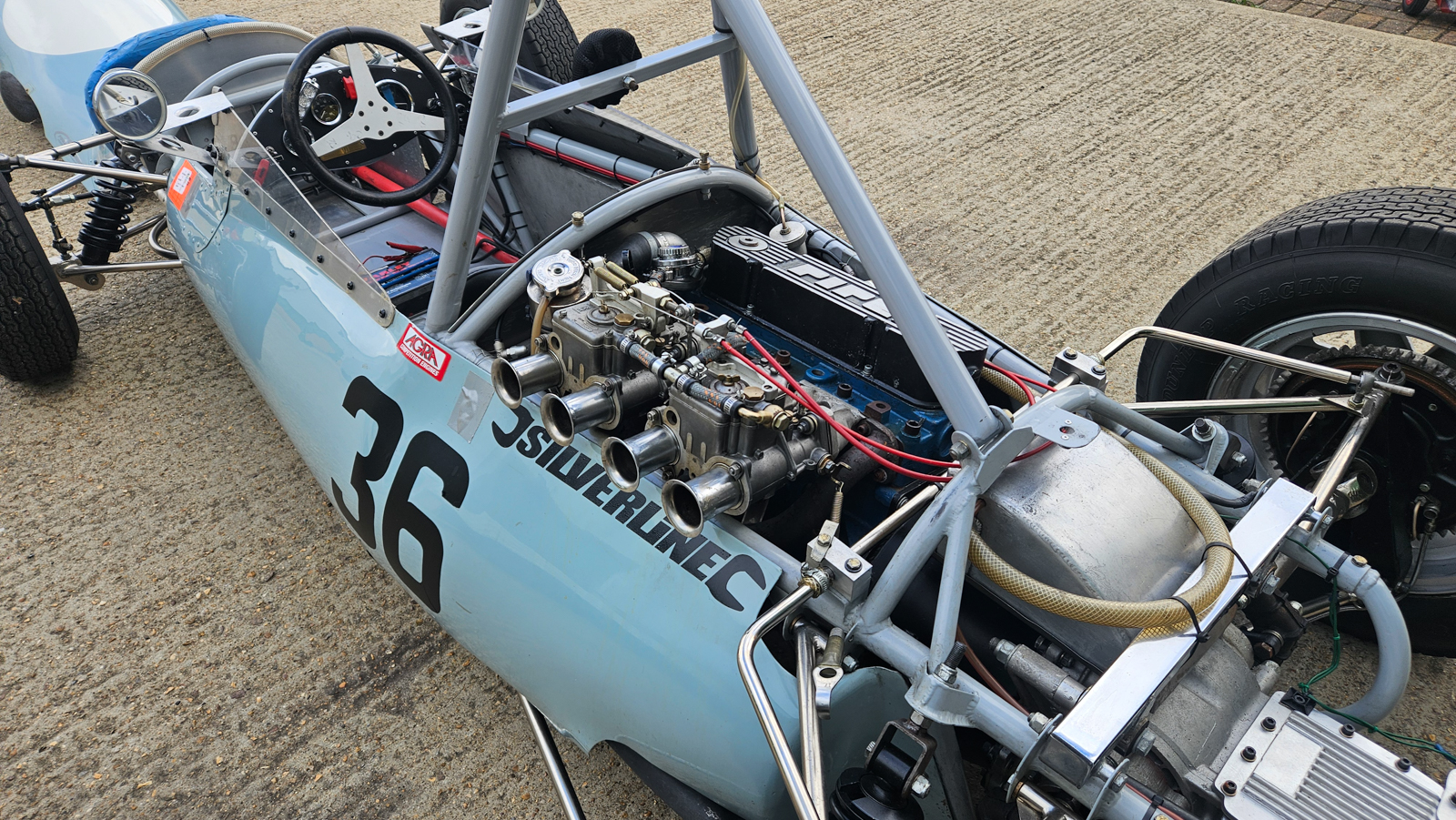
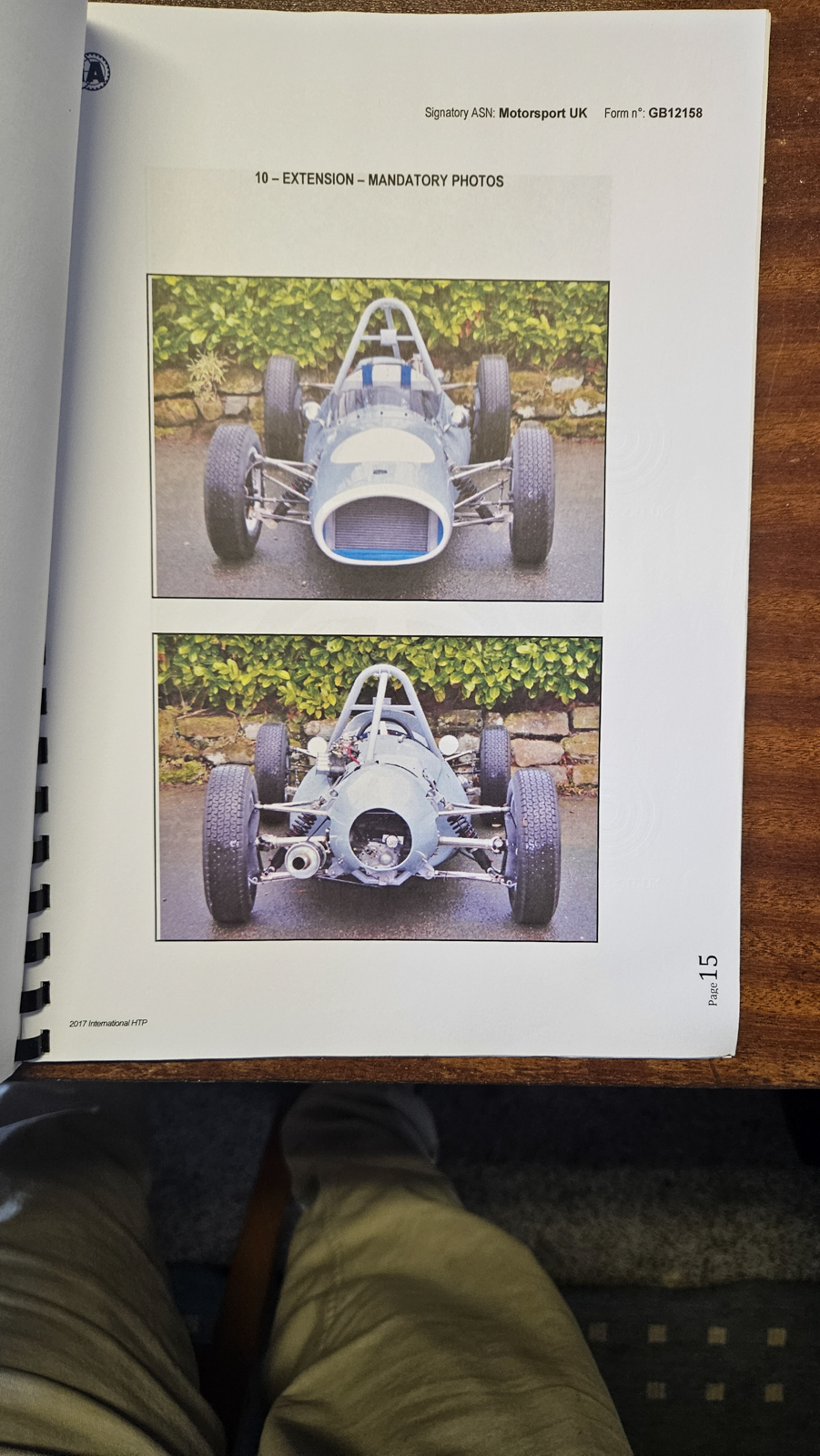
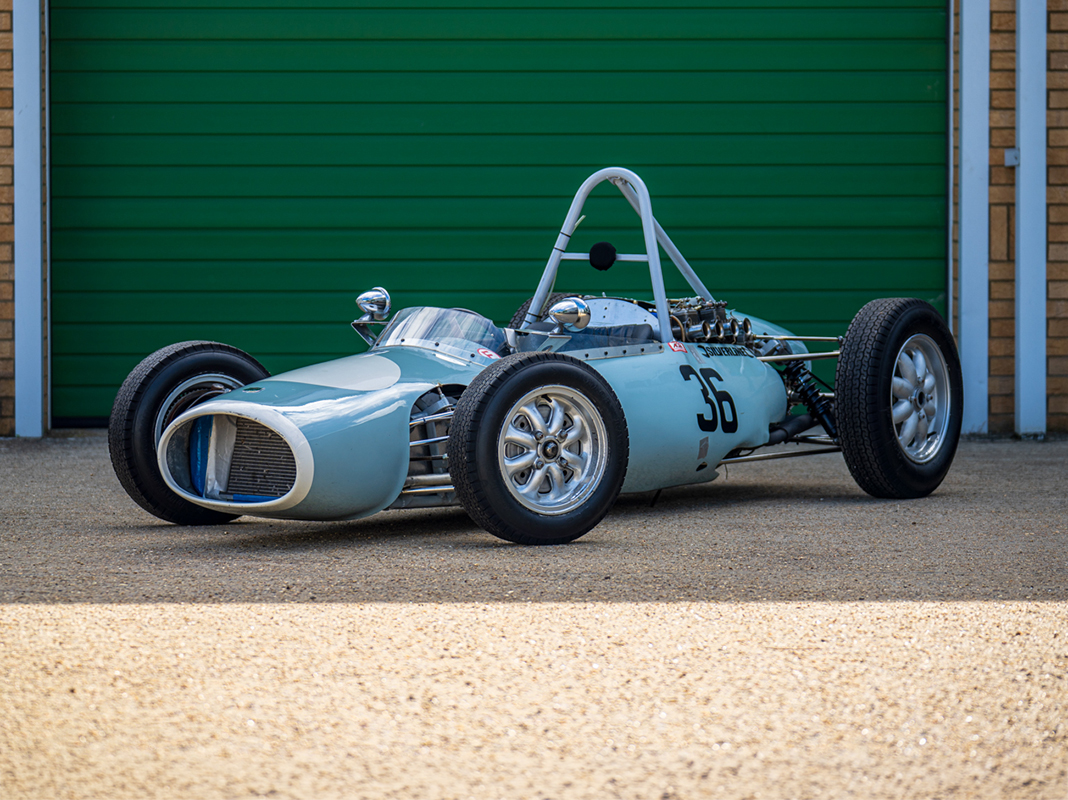
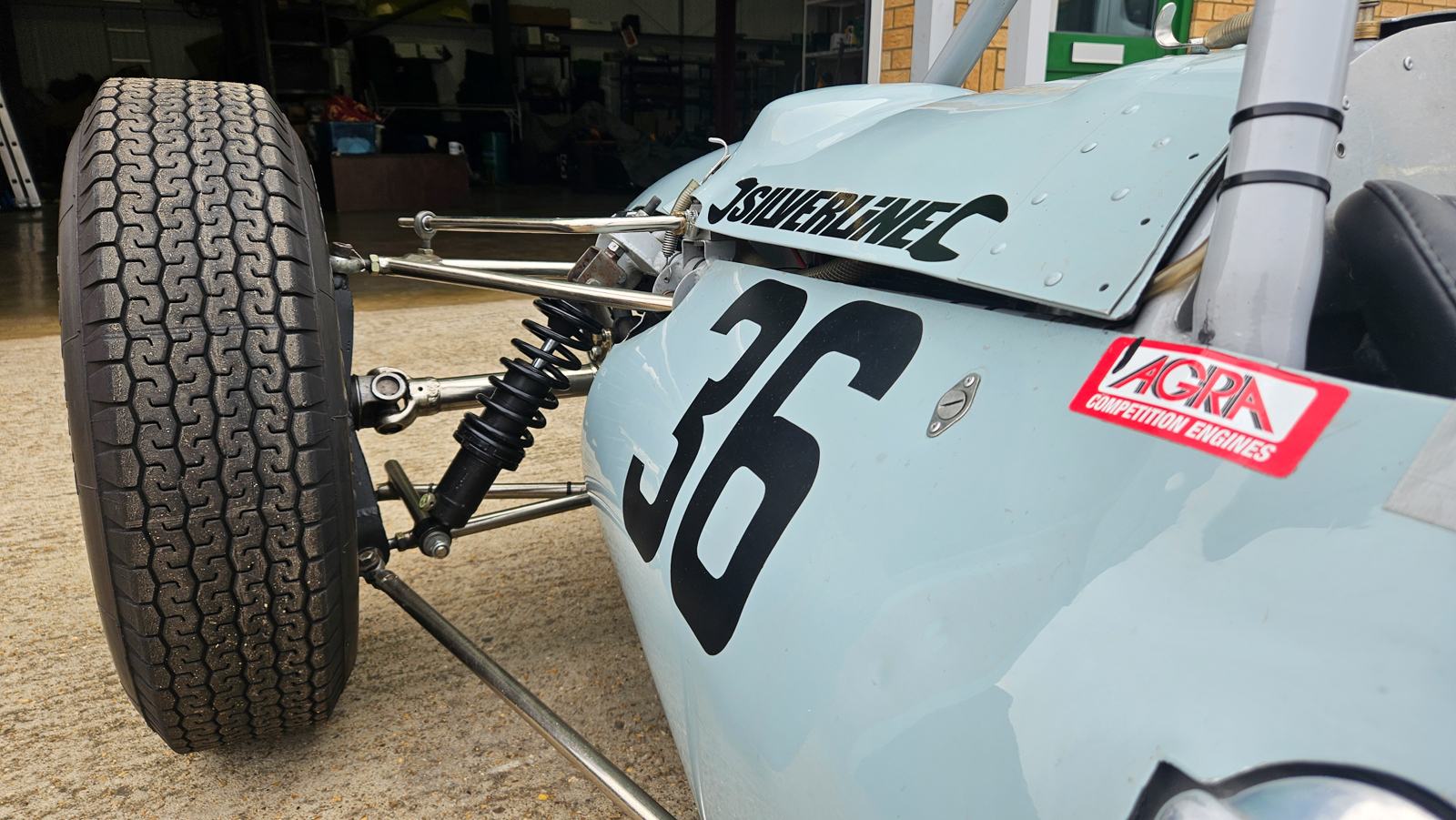
Finished in pale blue and carrying race number 36, the Kieft has the wonderfully purposeful appearance of an early rear-engined Formula Junior.

Wheels and Tyres

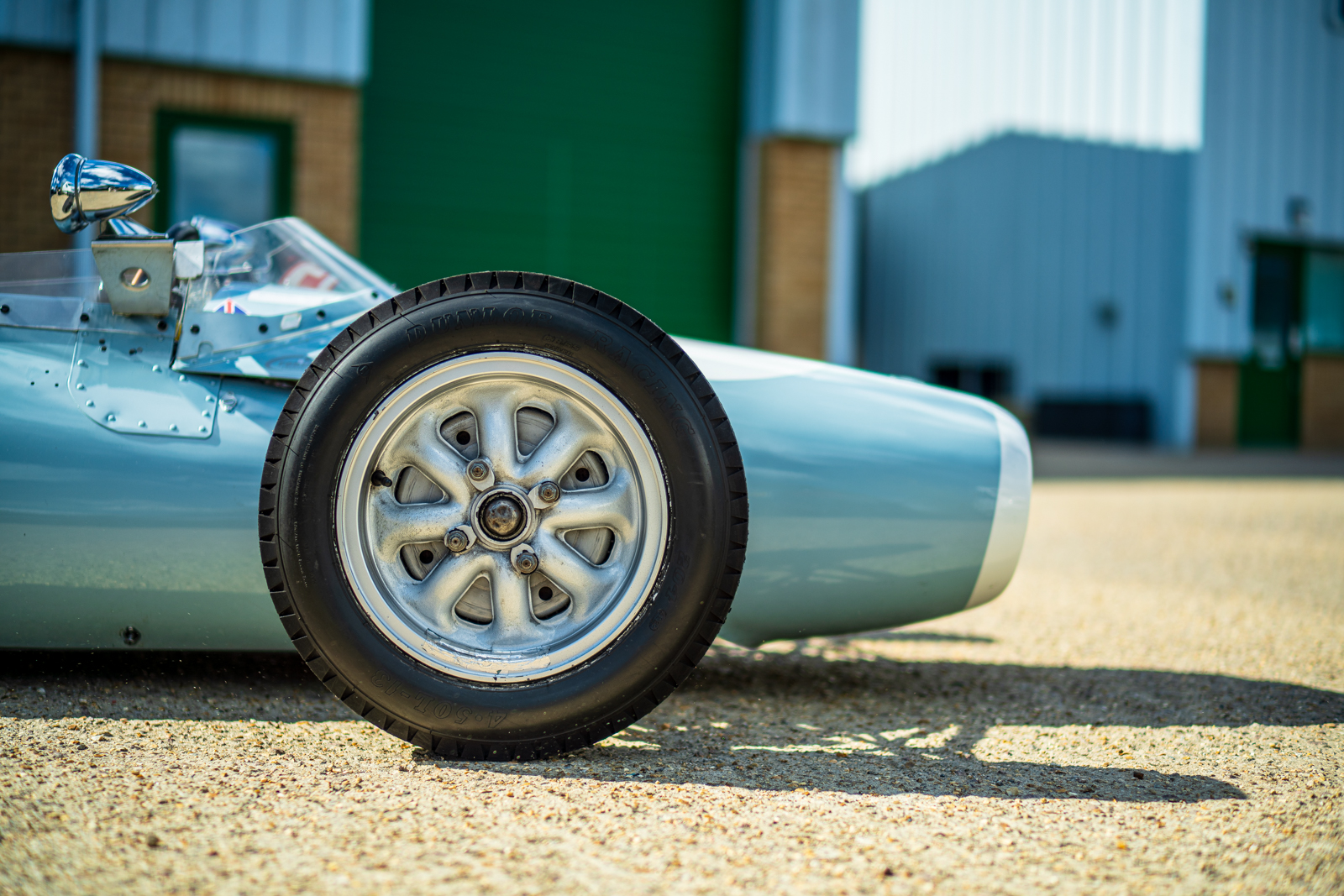
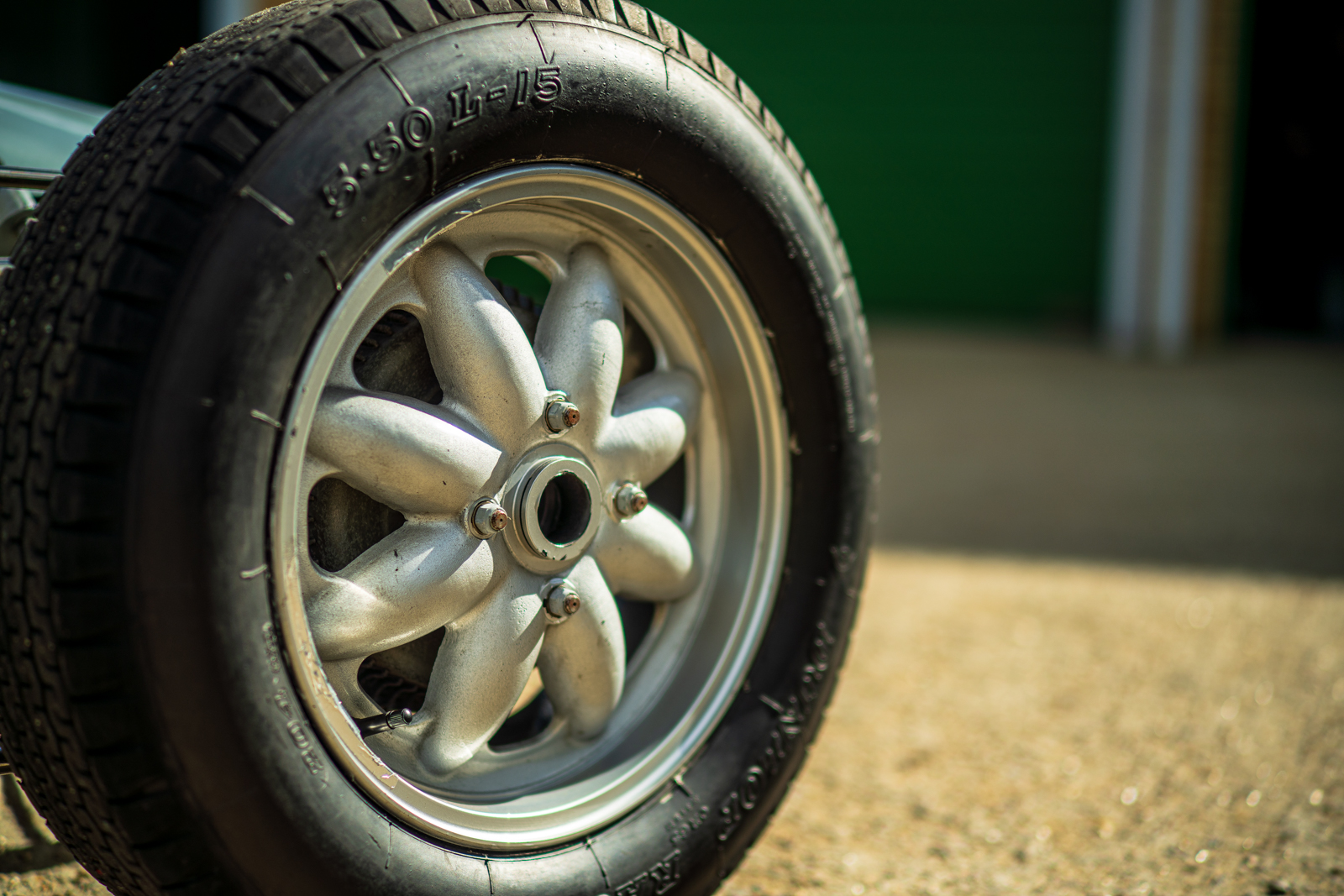
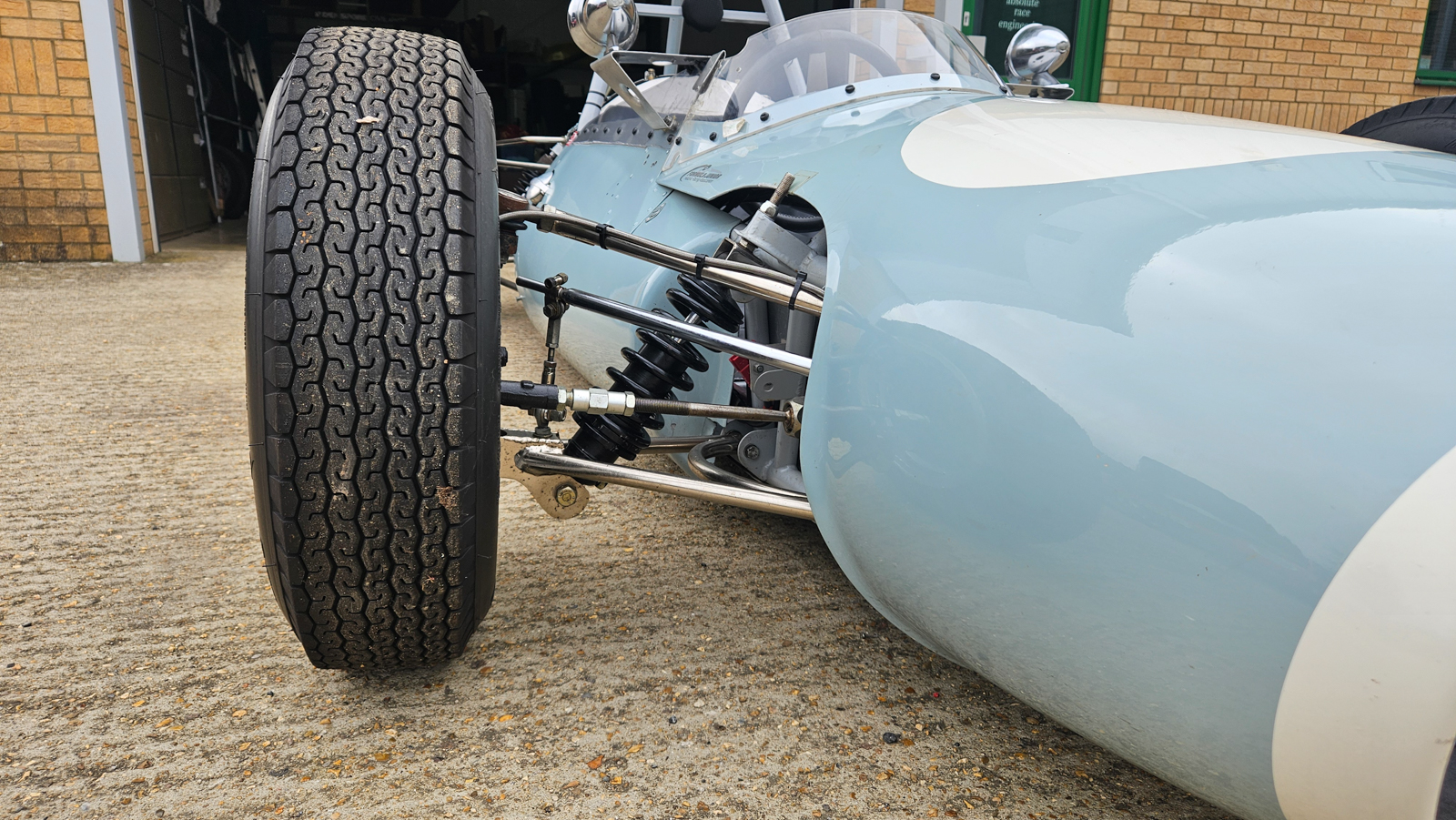
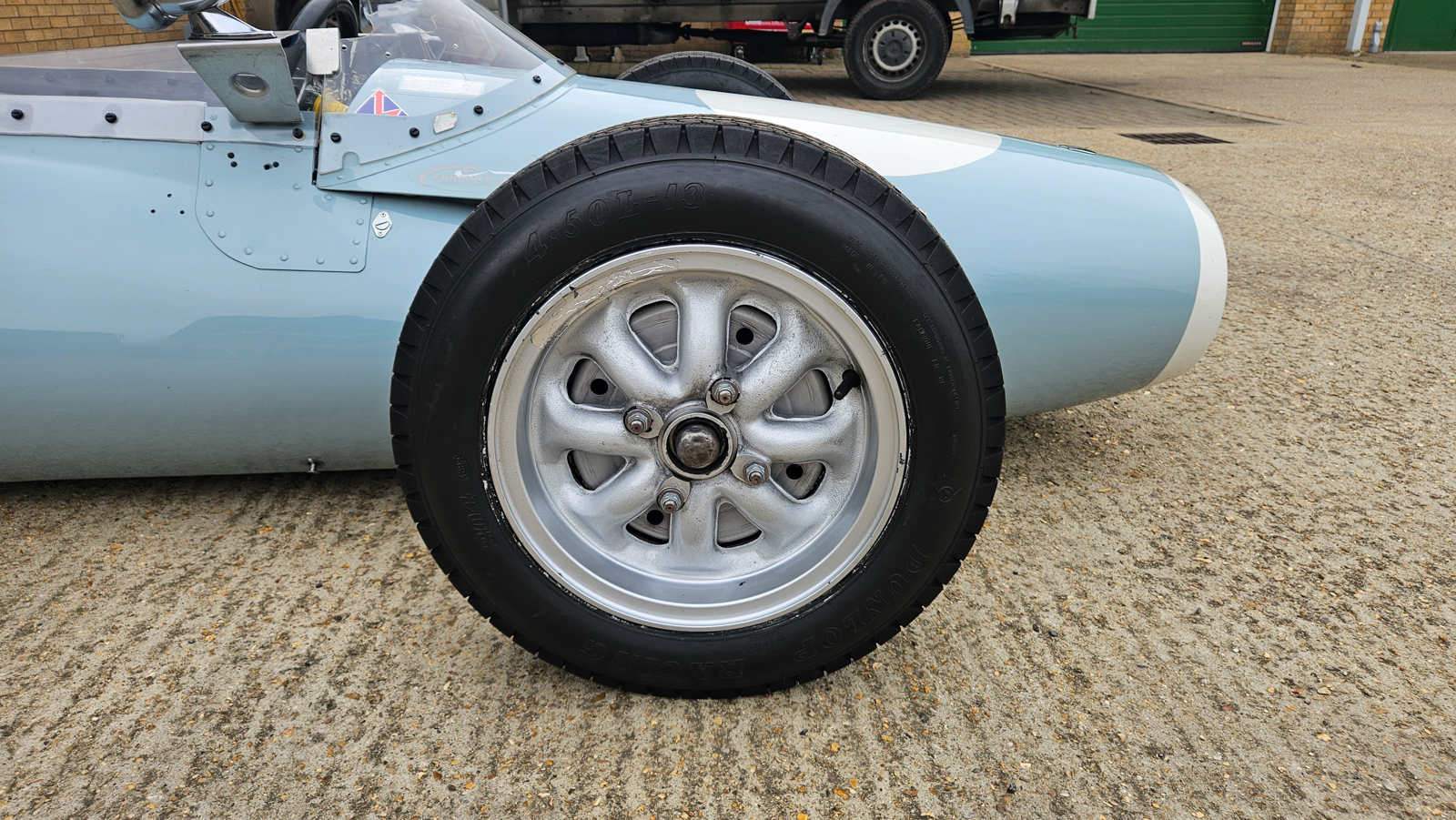
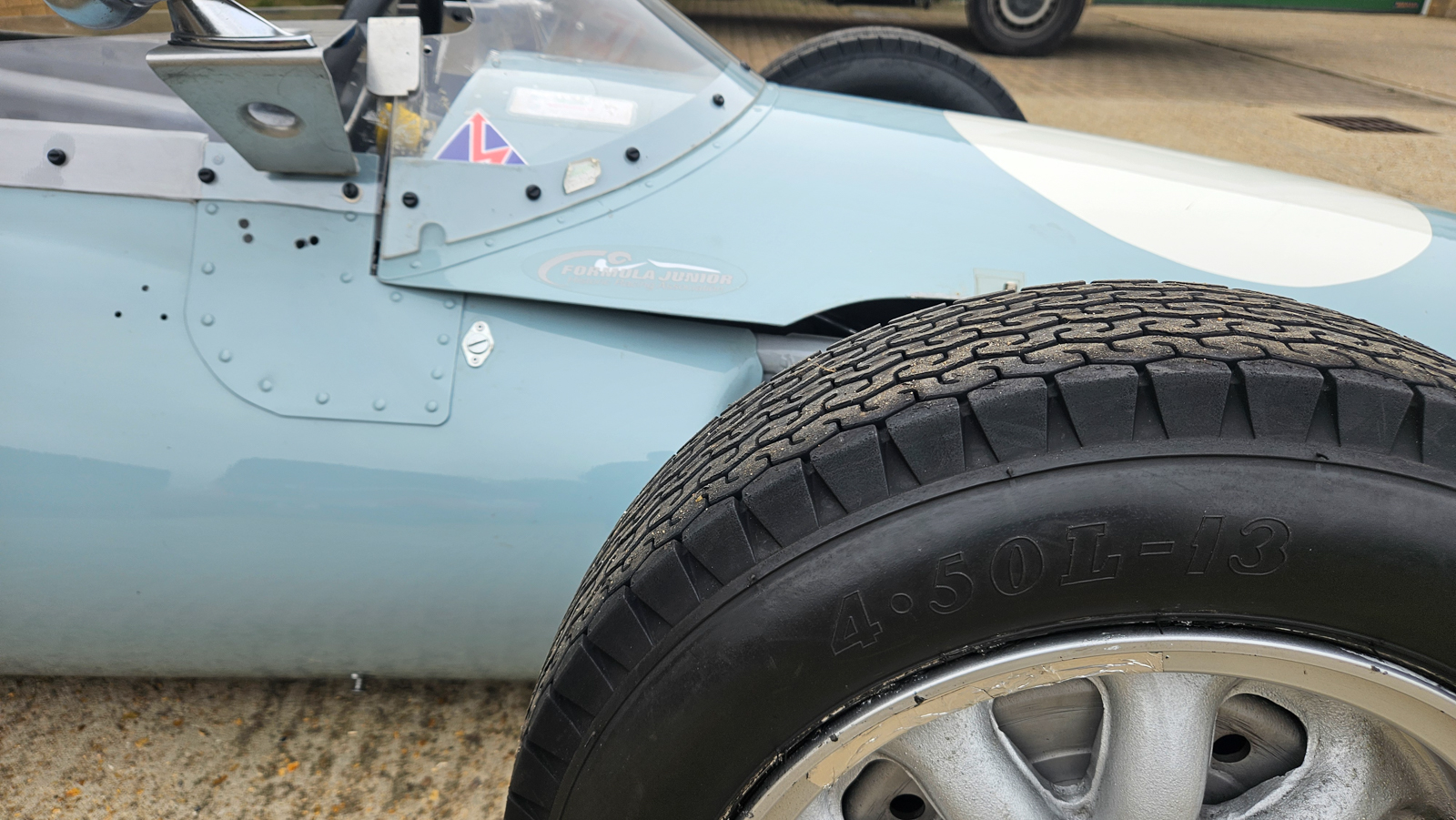
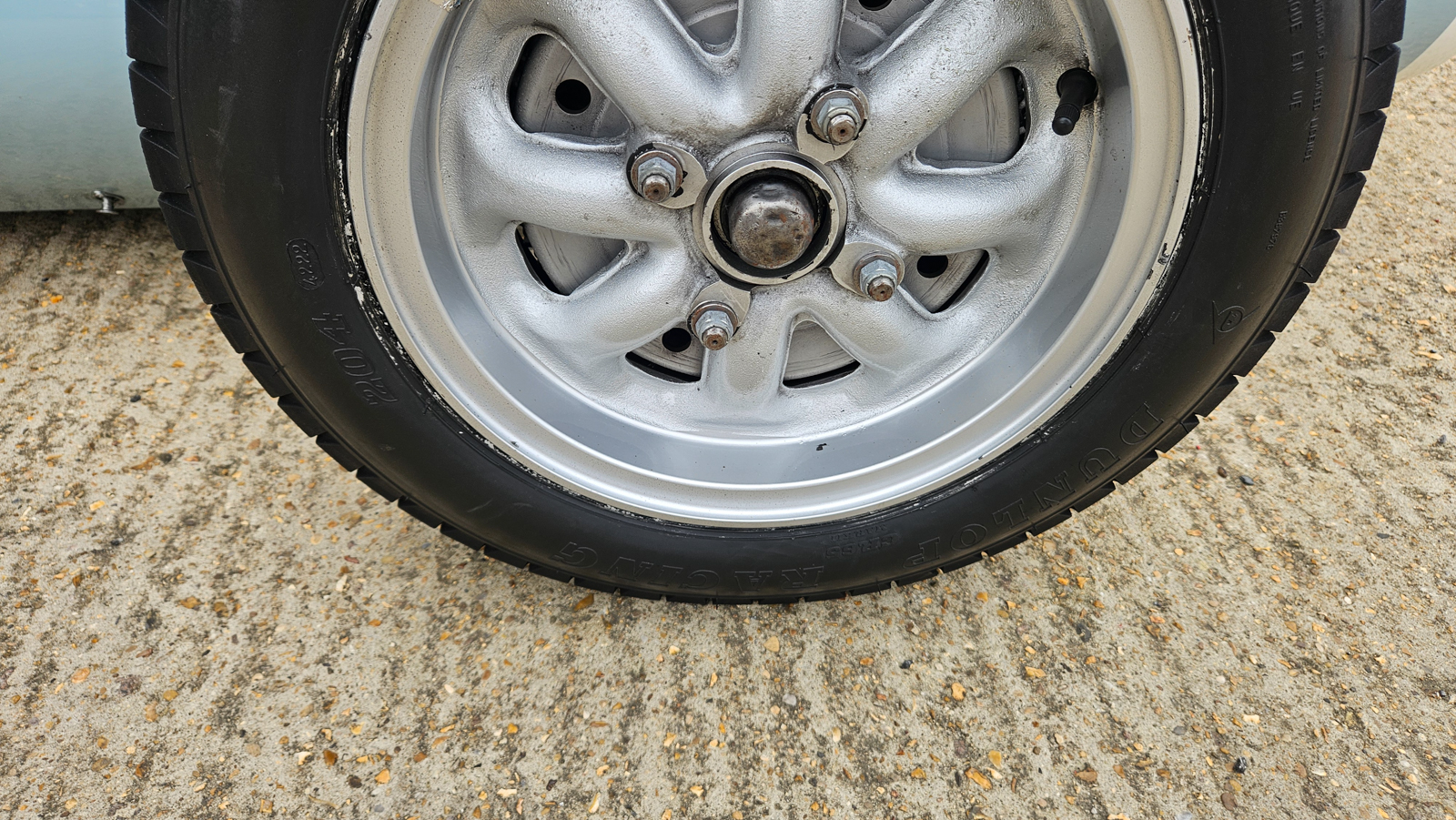
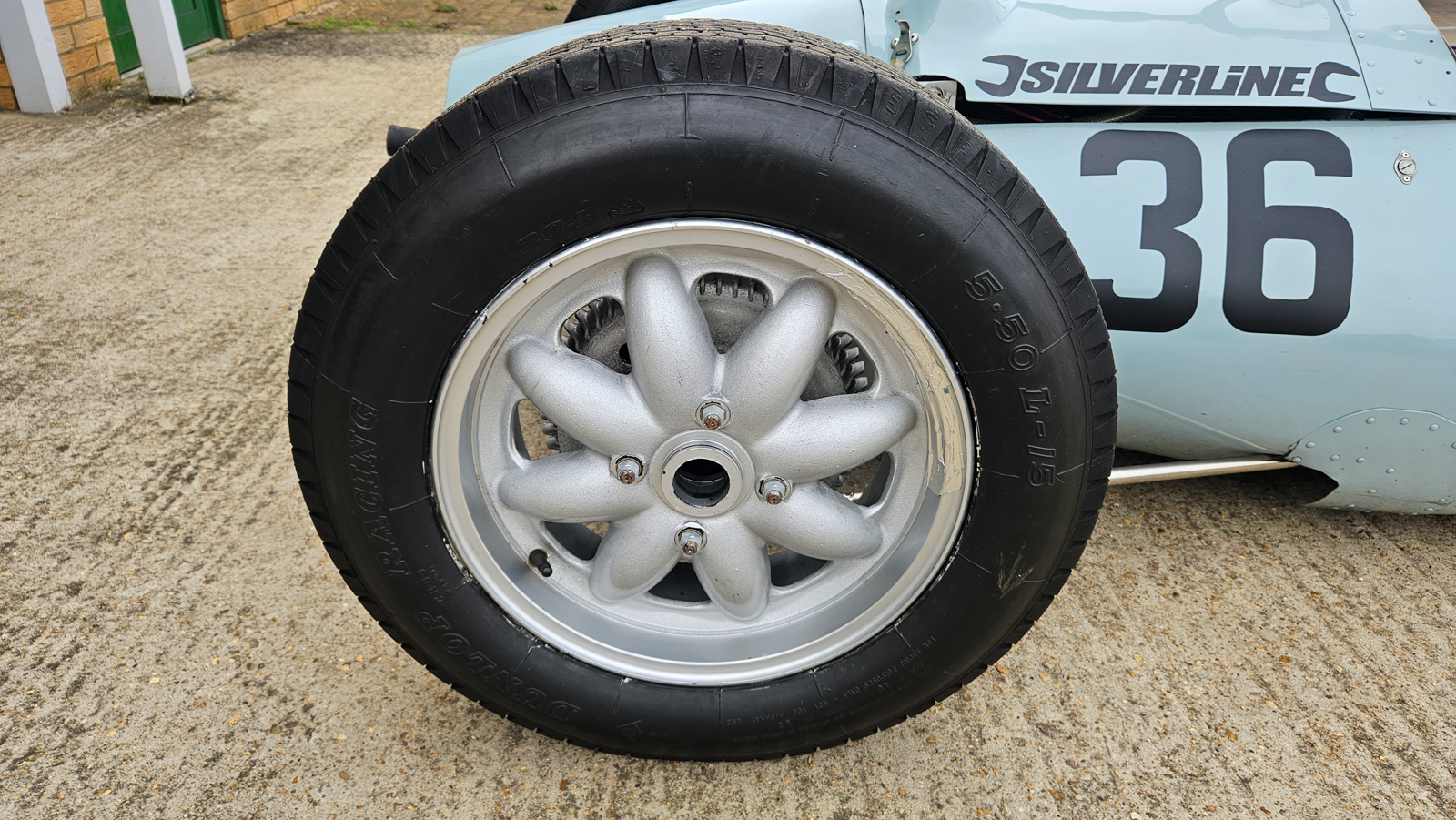
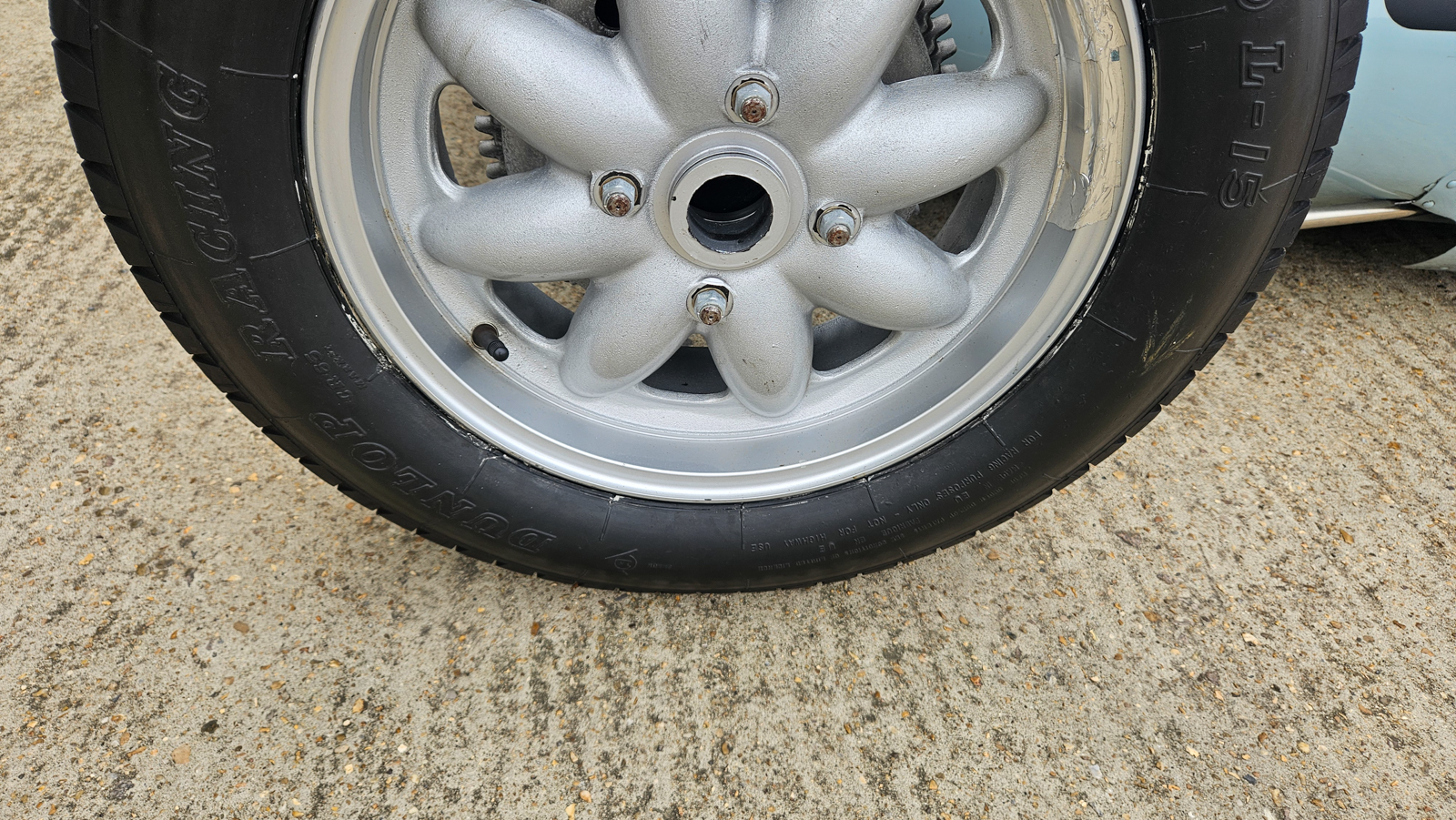
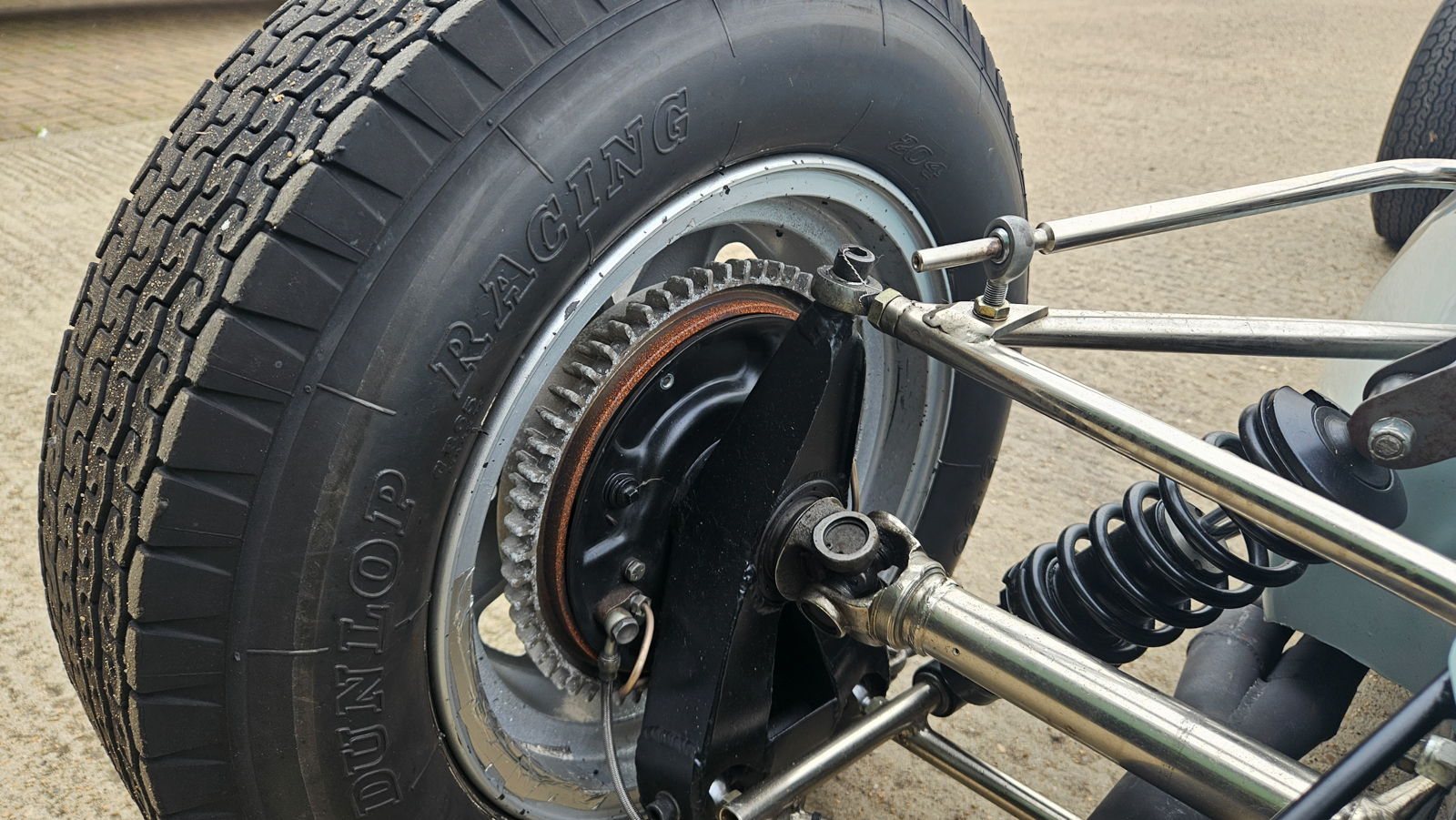
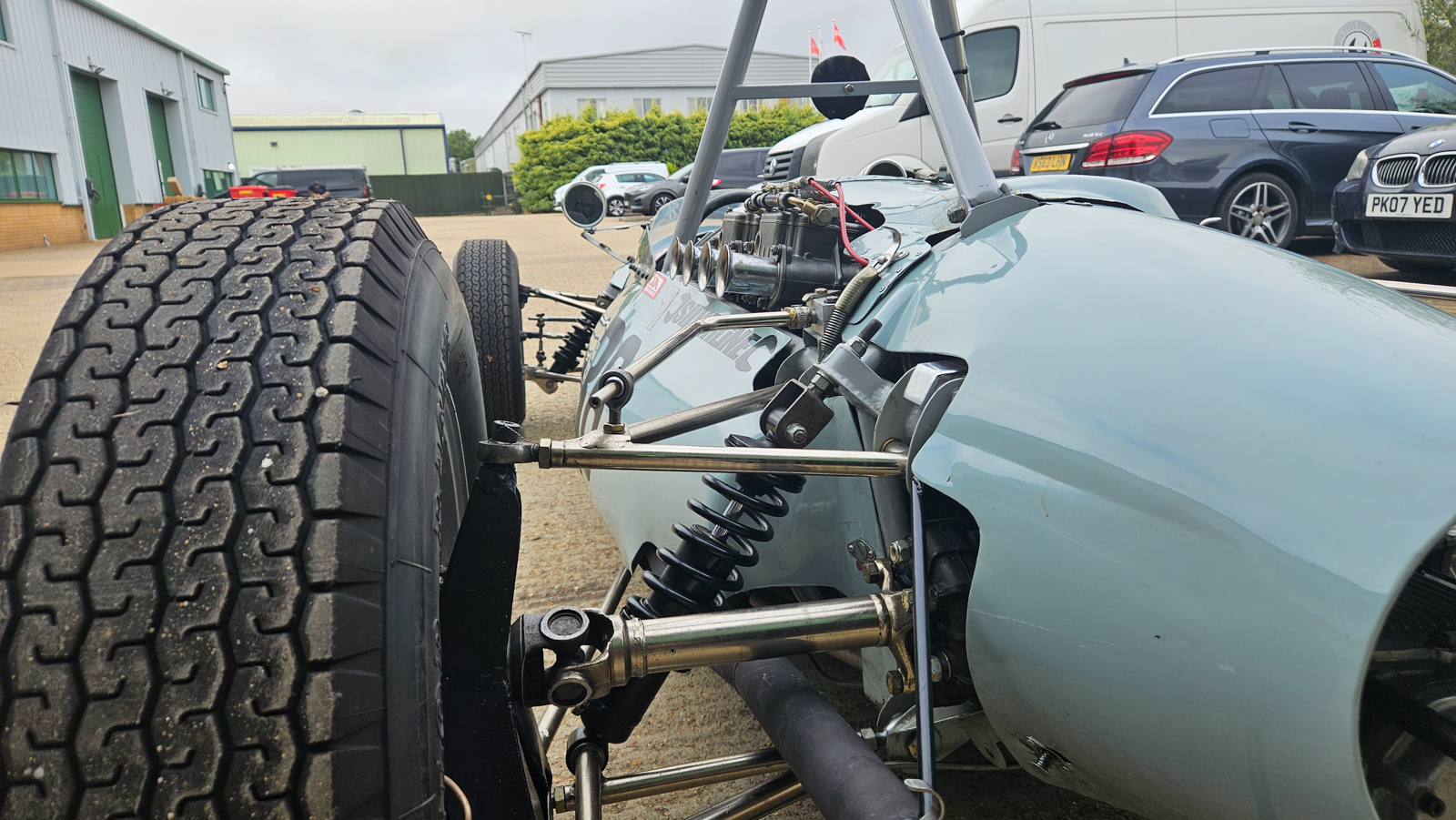
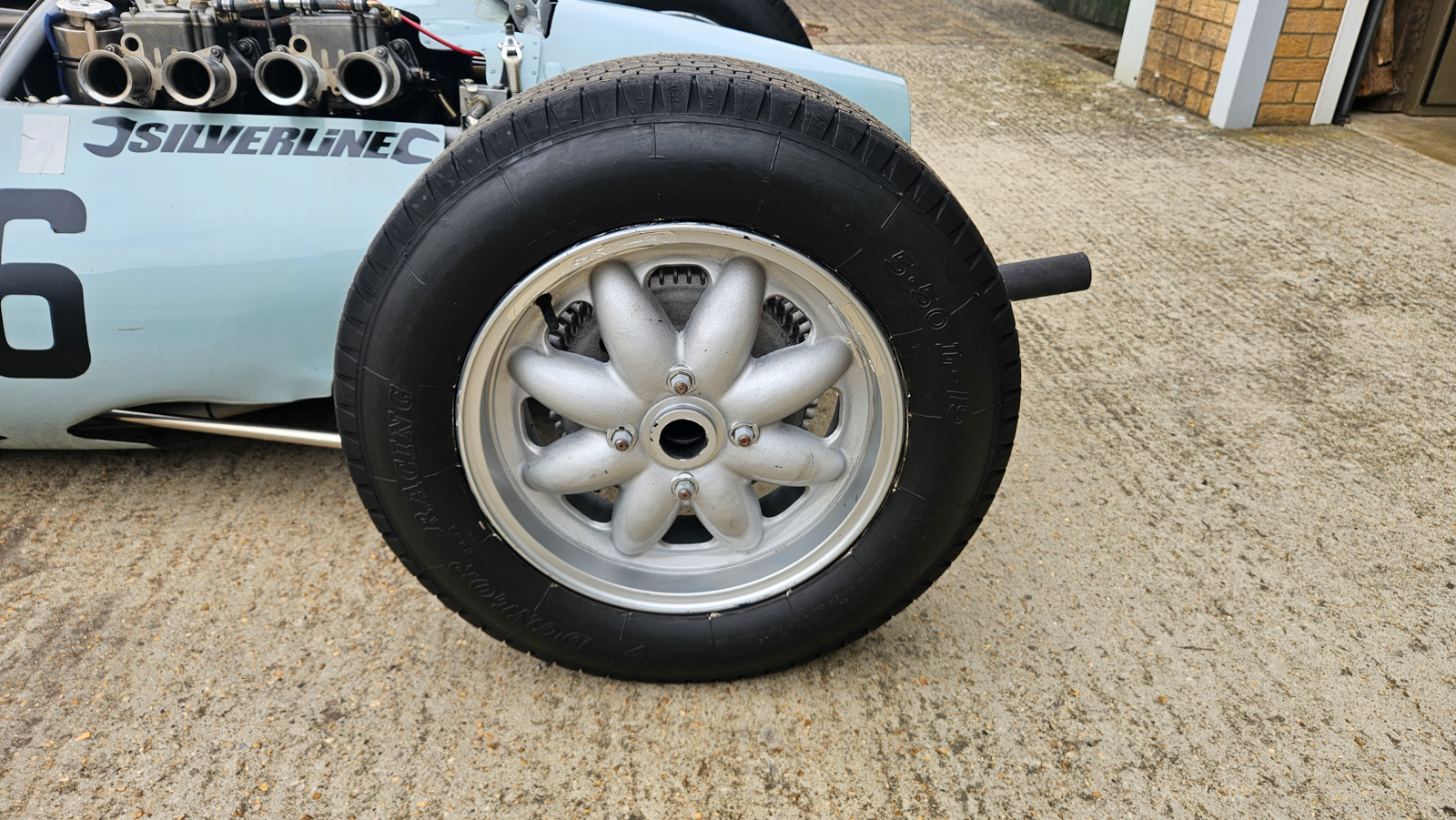
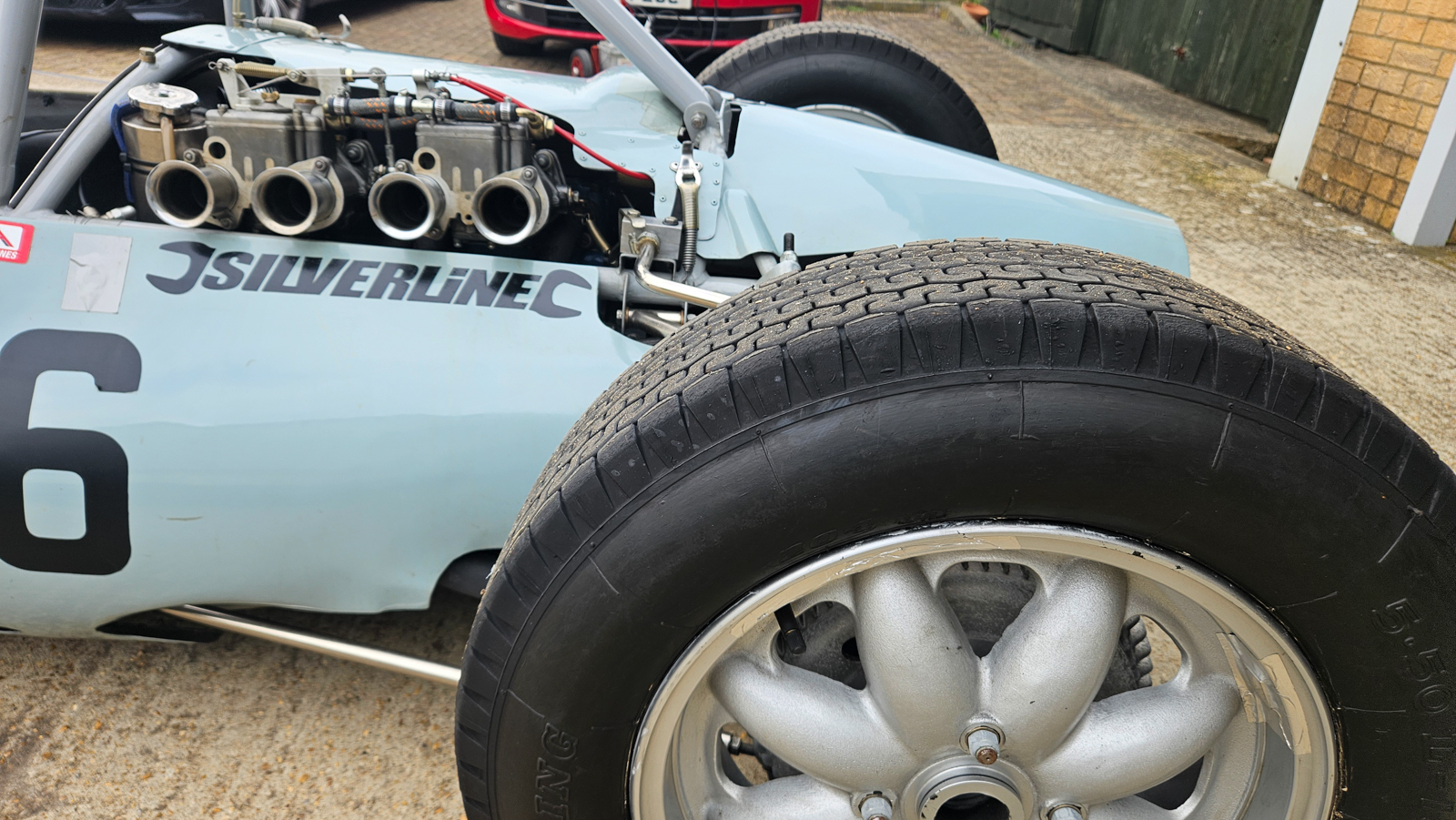
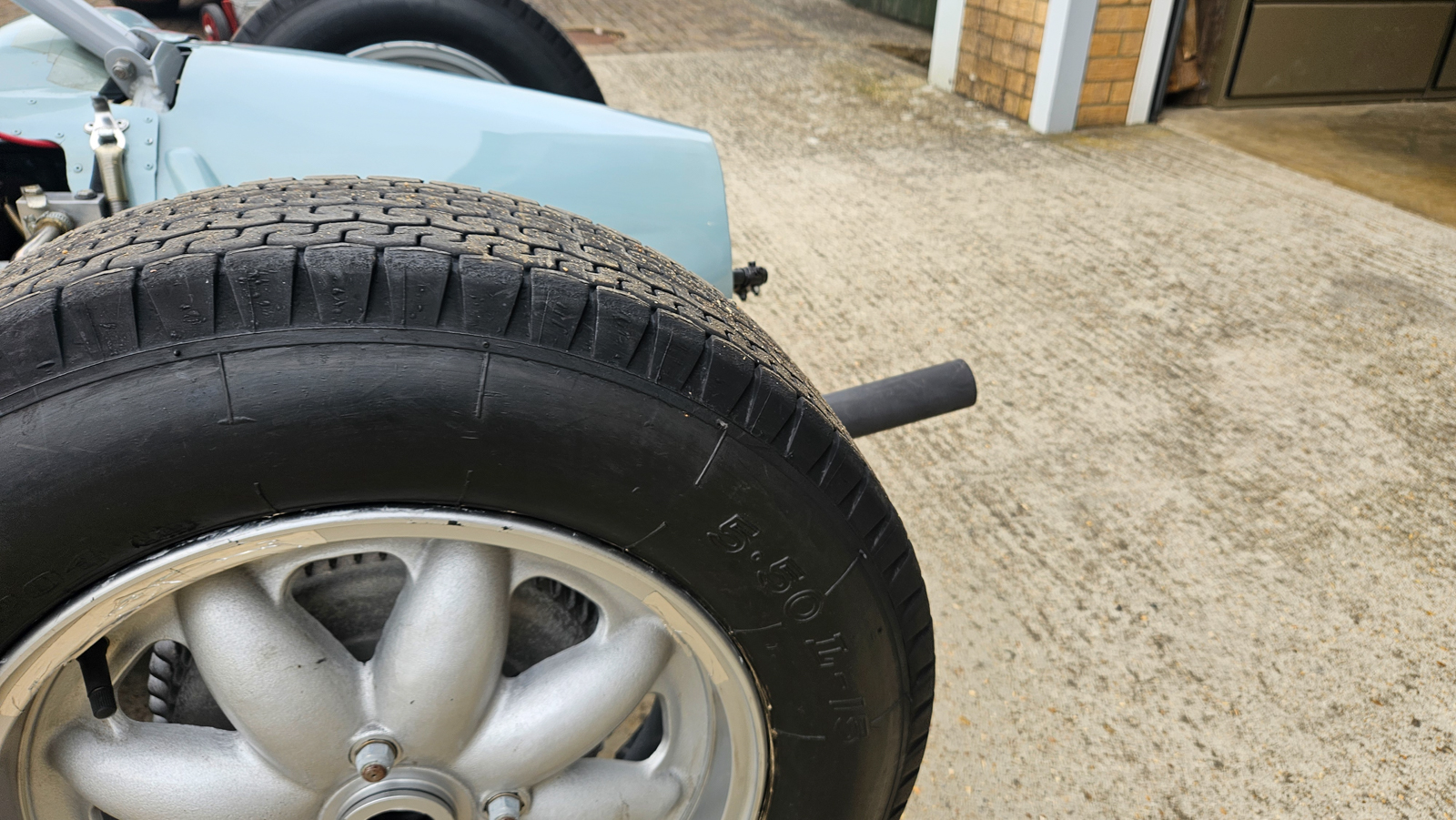
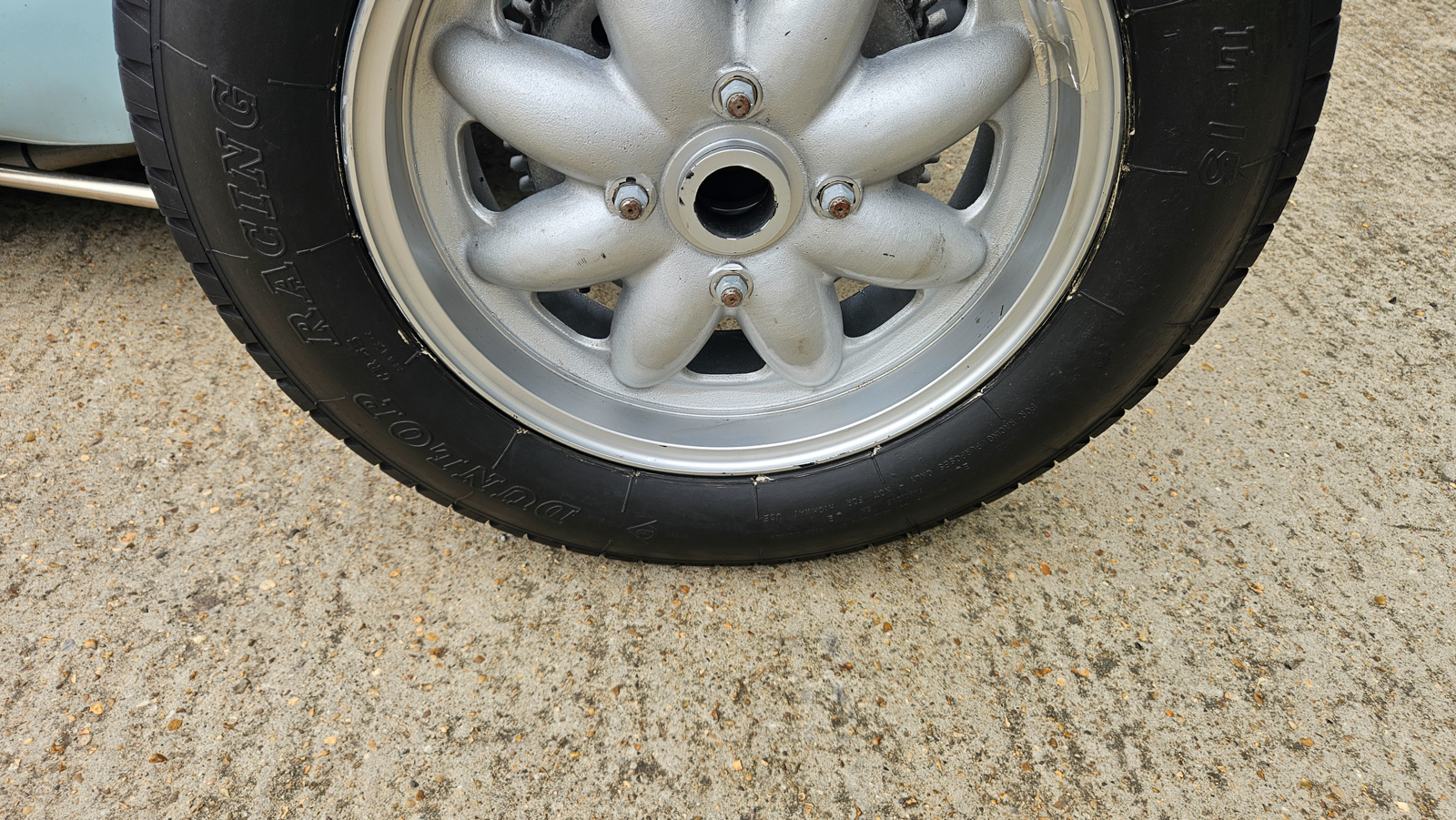
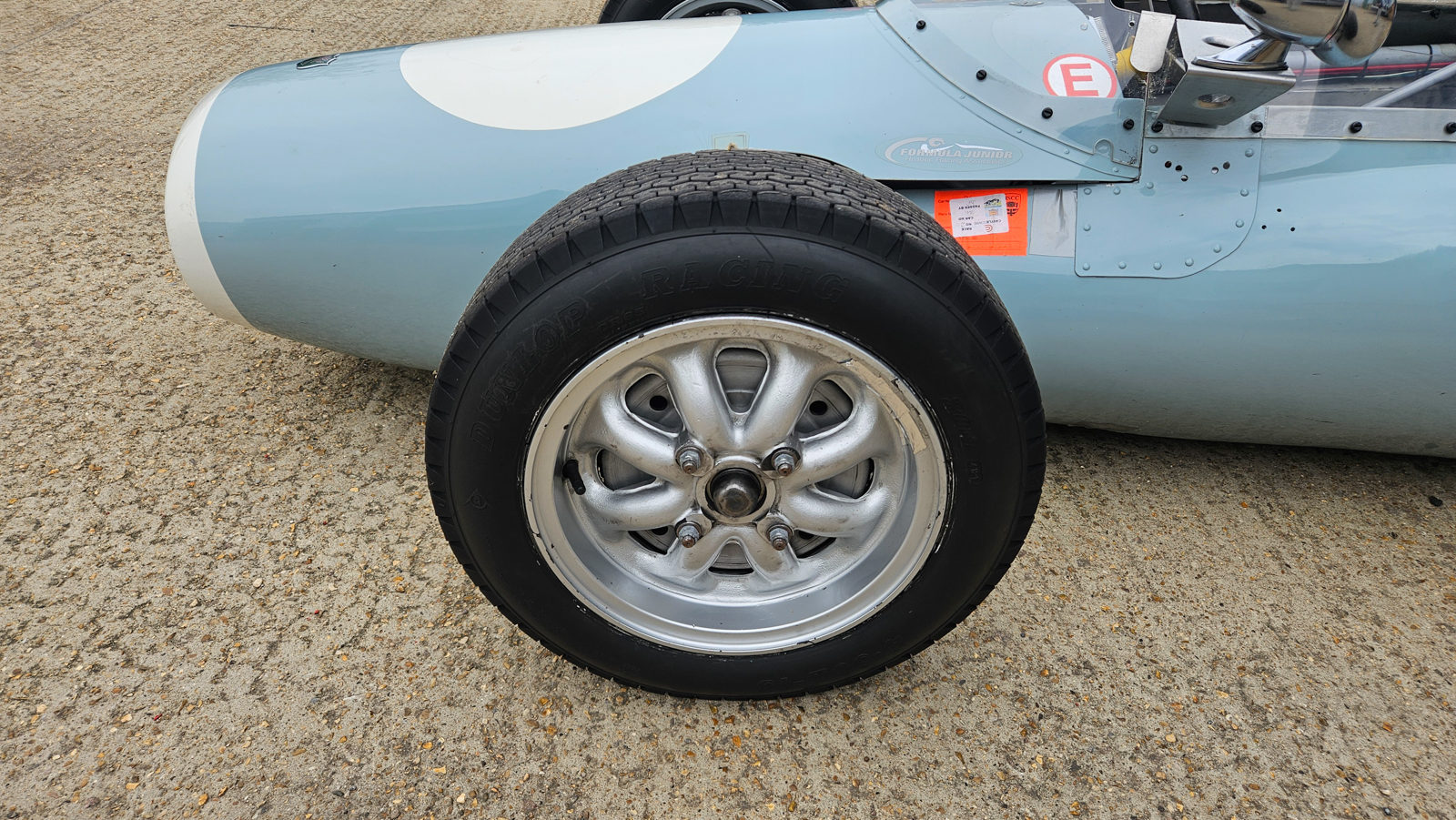
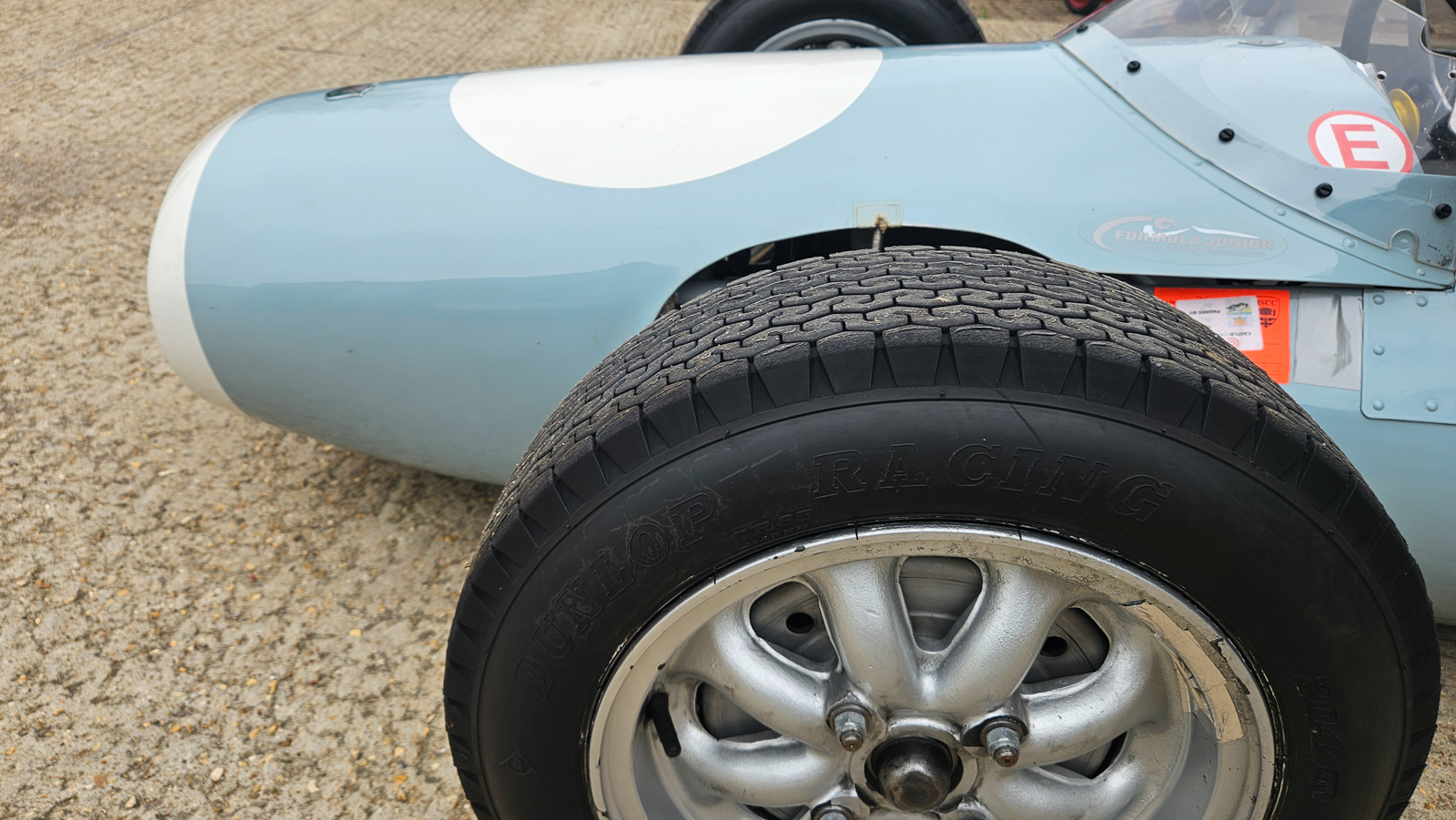
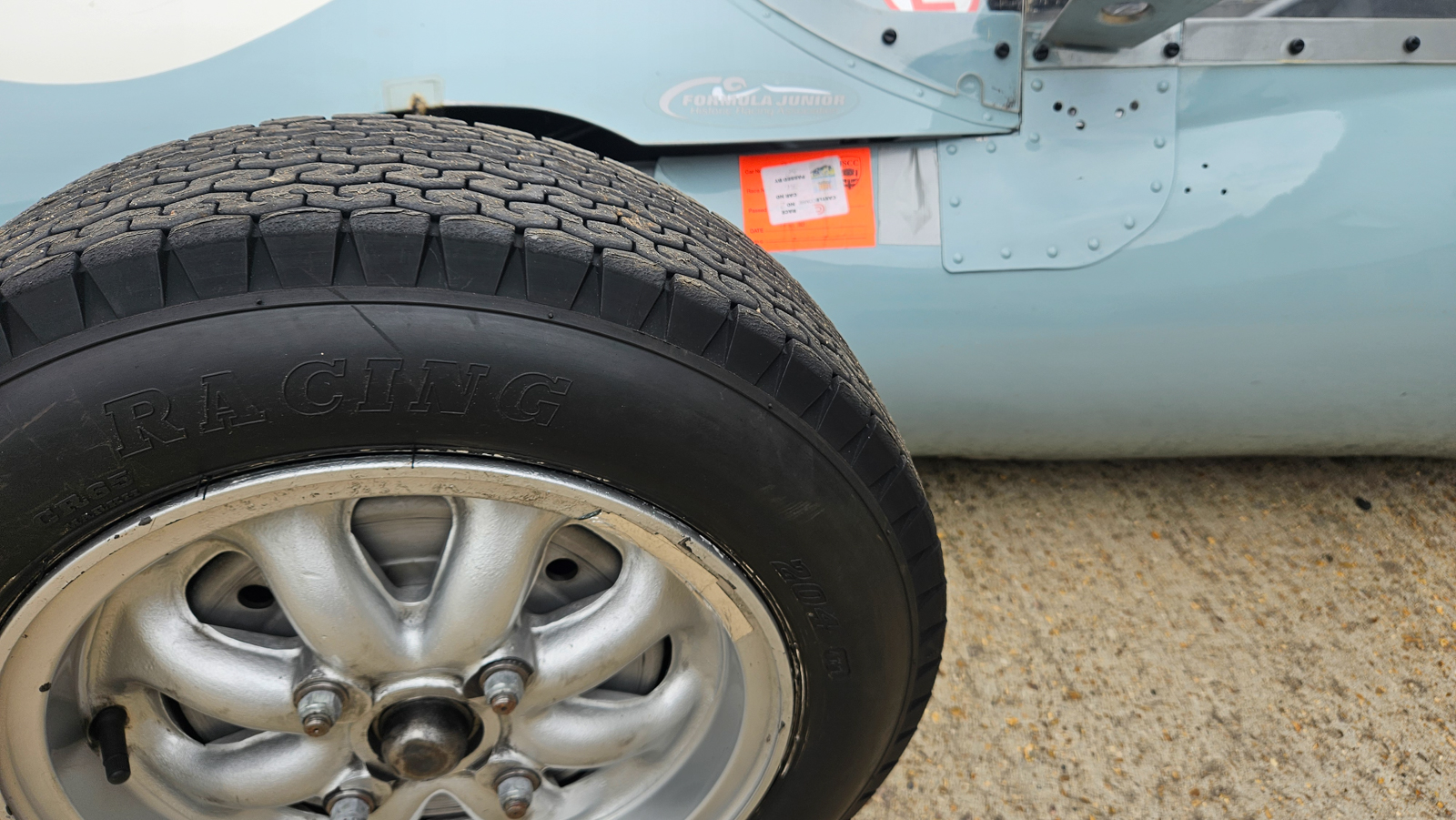
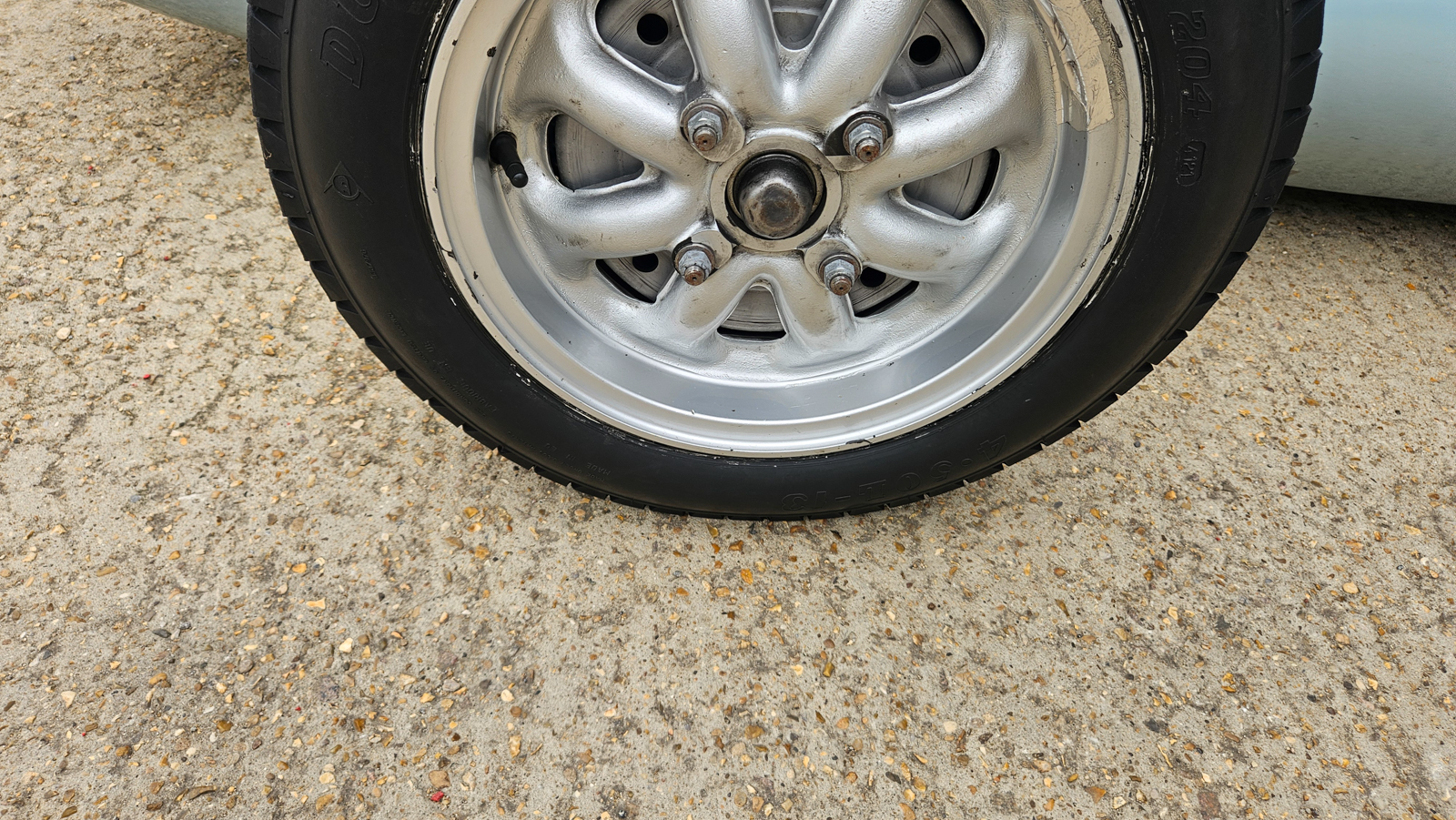
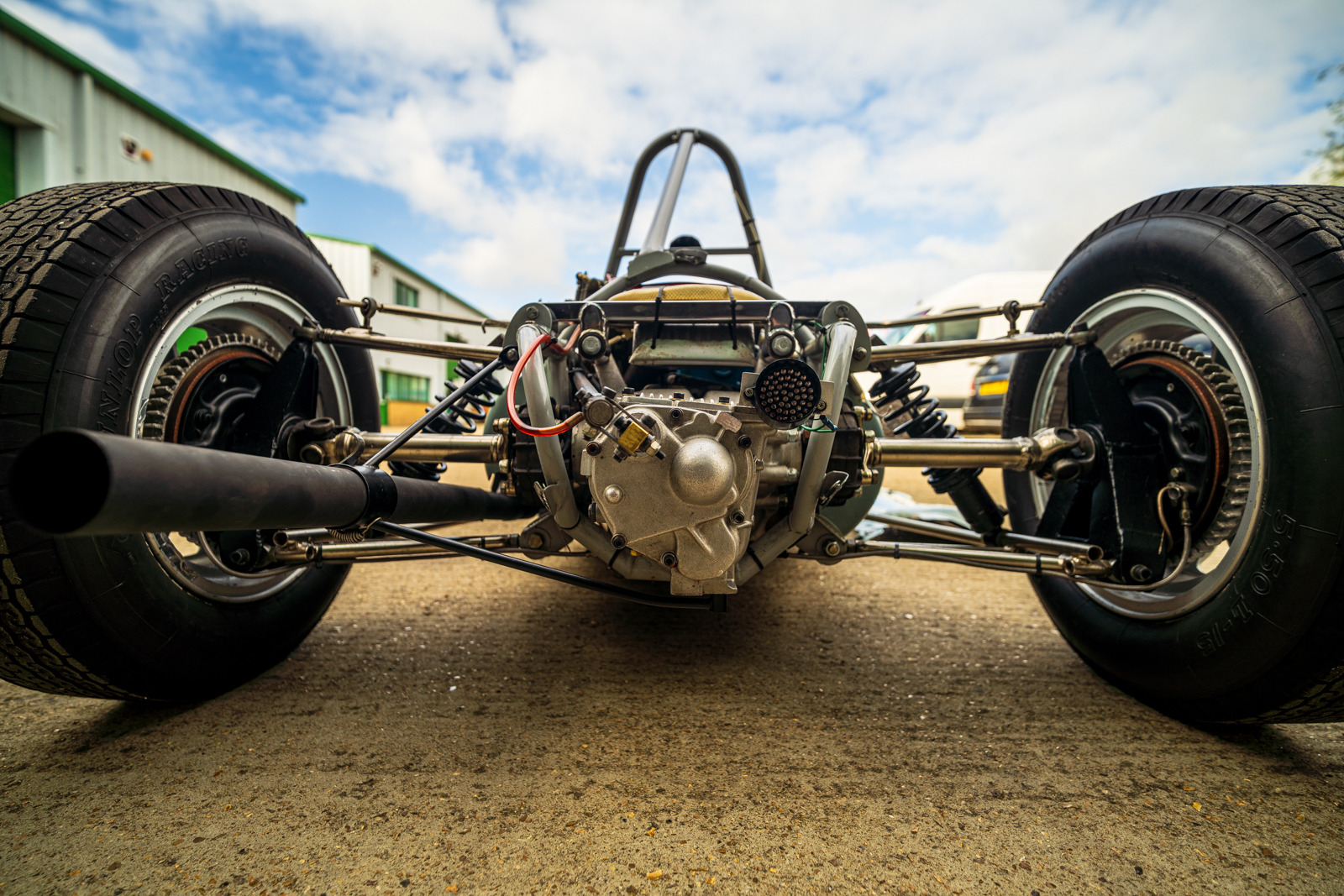
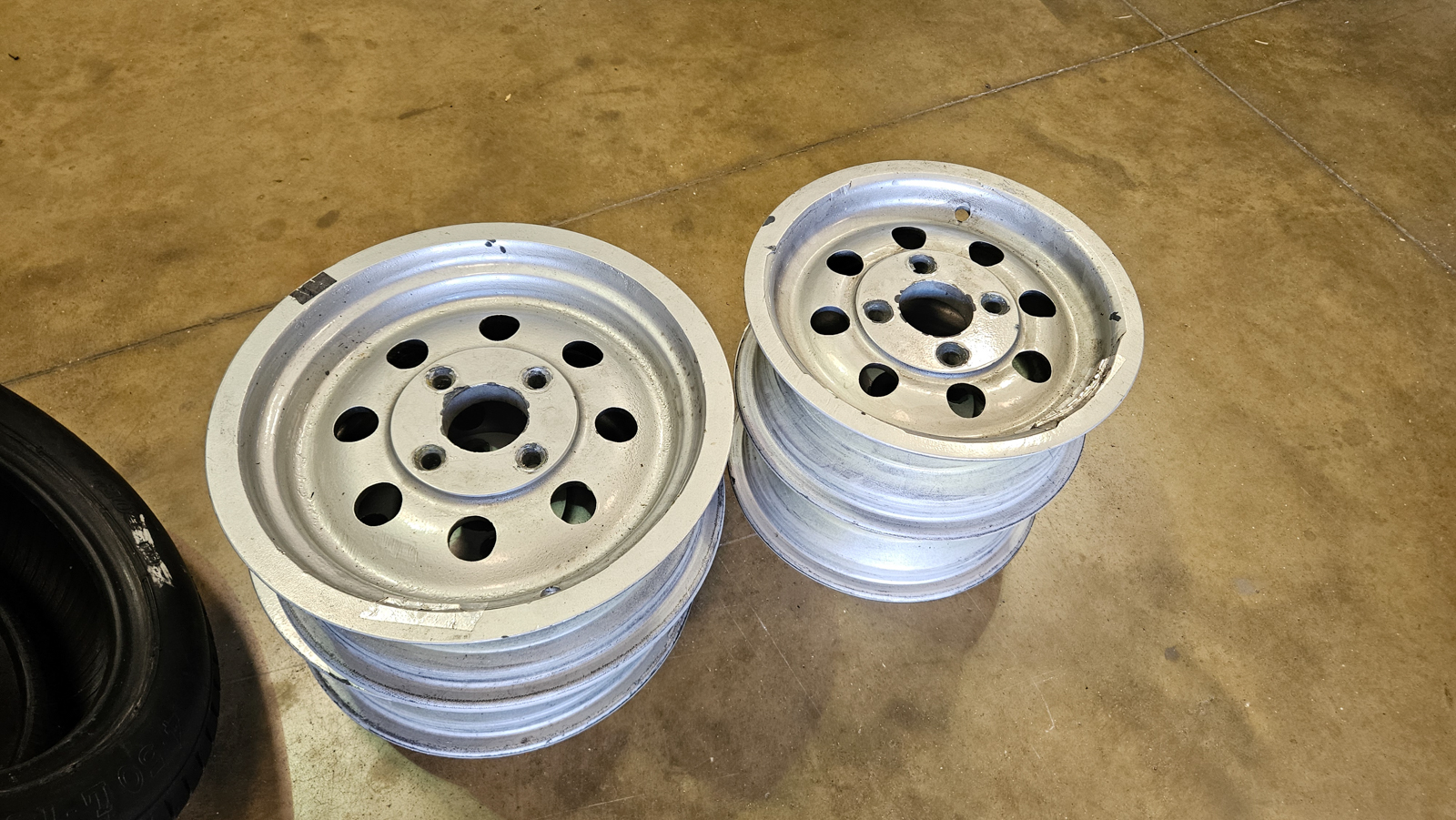
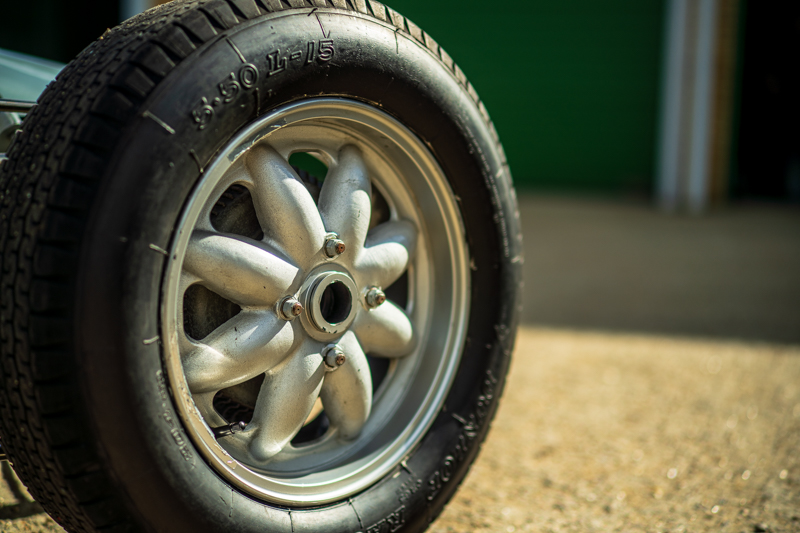
The Kieft is fitted with distinctive silver-finished period-pattern cast wheels, which form an important part of the car’s compact and lightweight appearance.

The wheels present well overall, with only the minor marks and imperfections expected from a car that has been used in competition. Their sculpted design is particularly effective against the pale-blue bodywork and exposed suspension components.

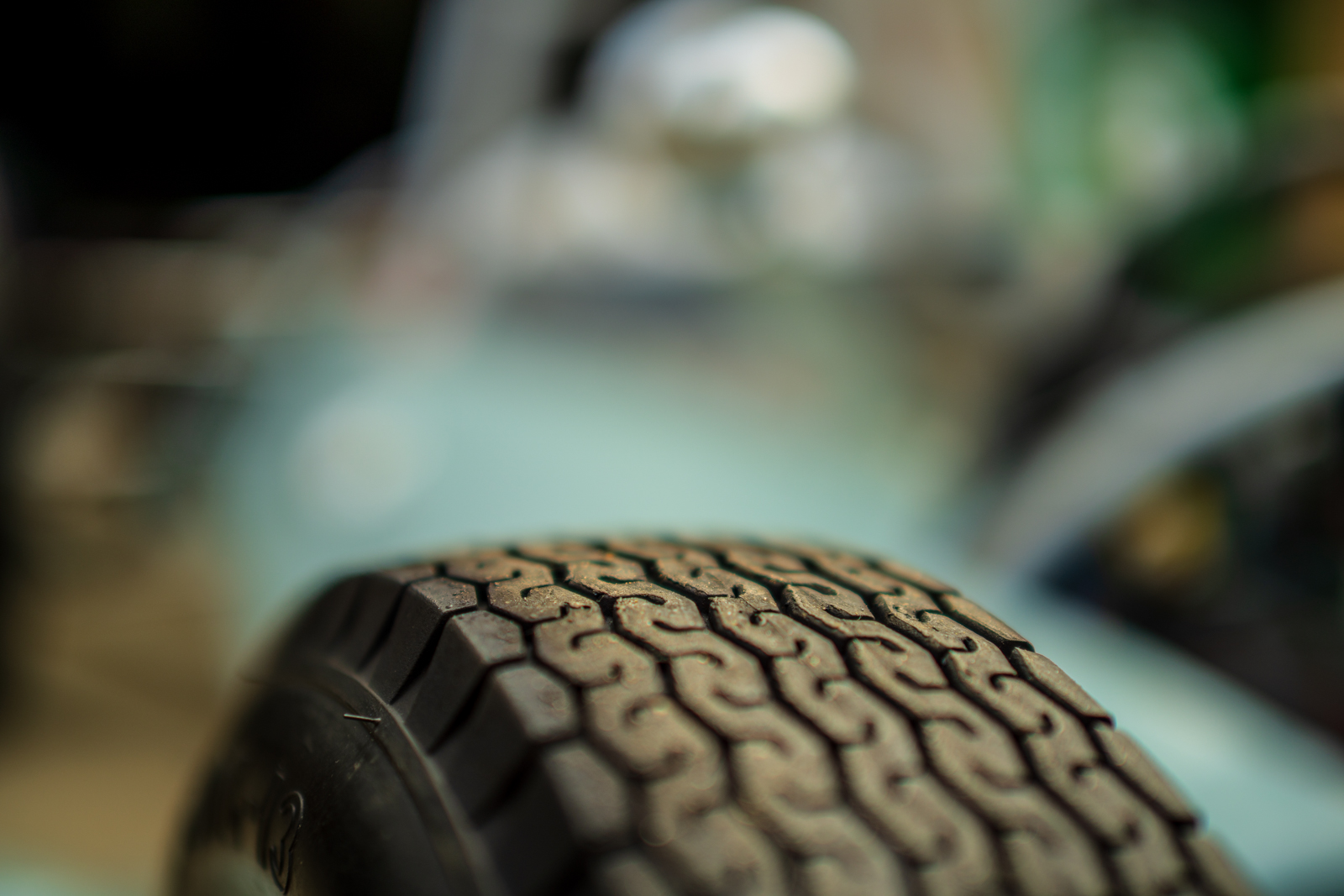
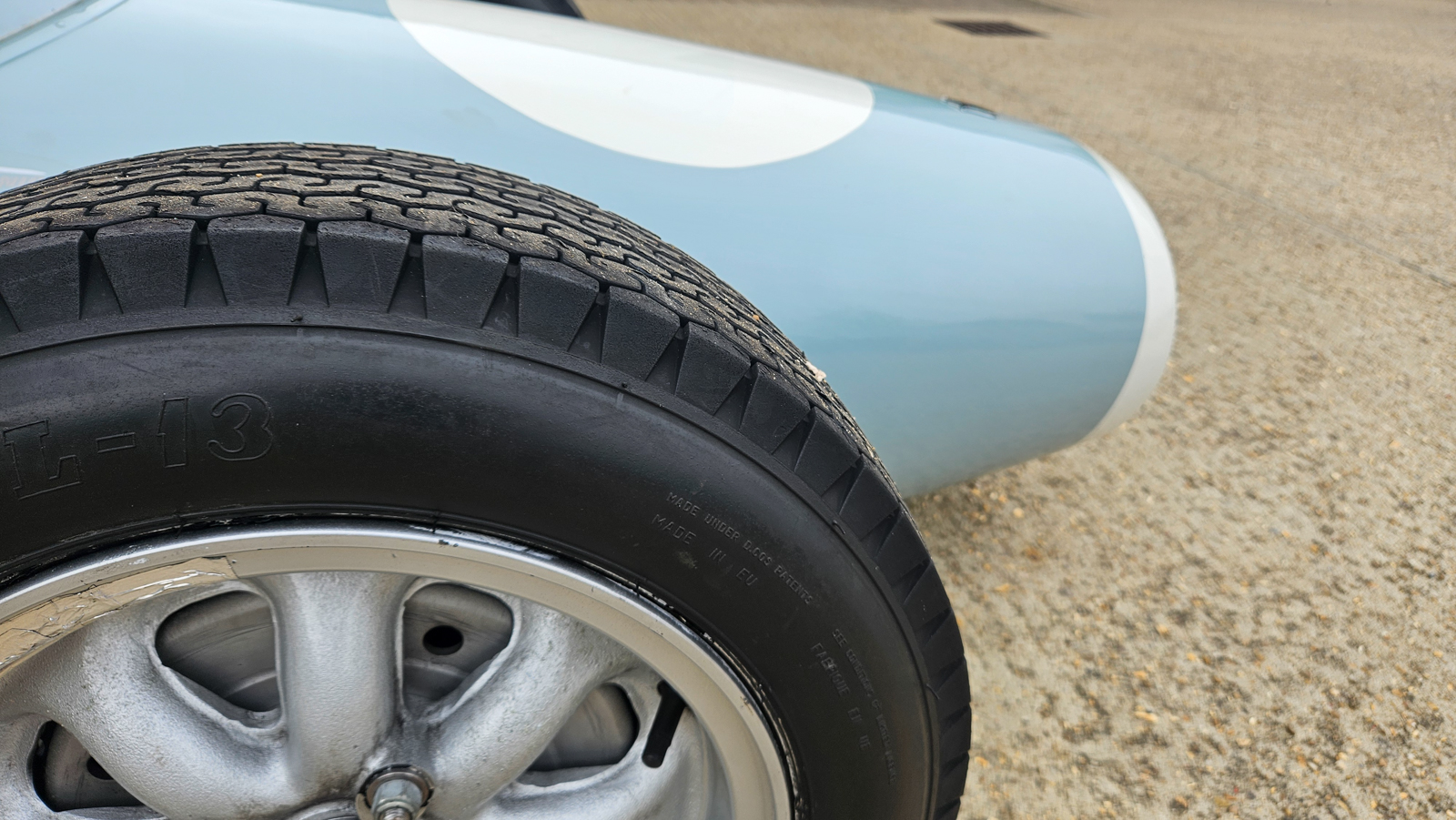
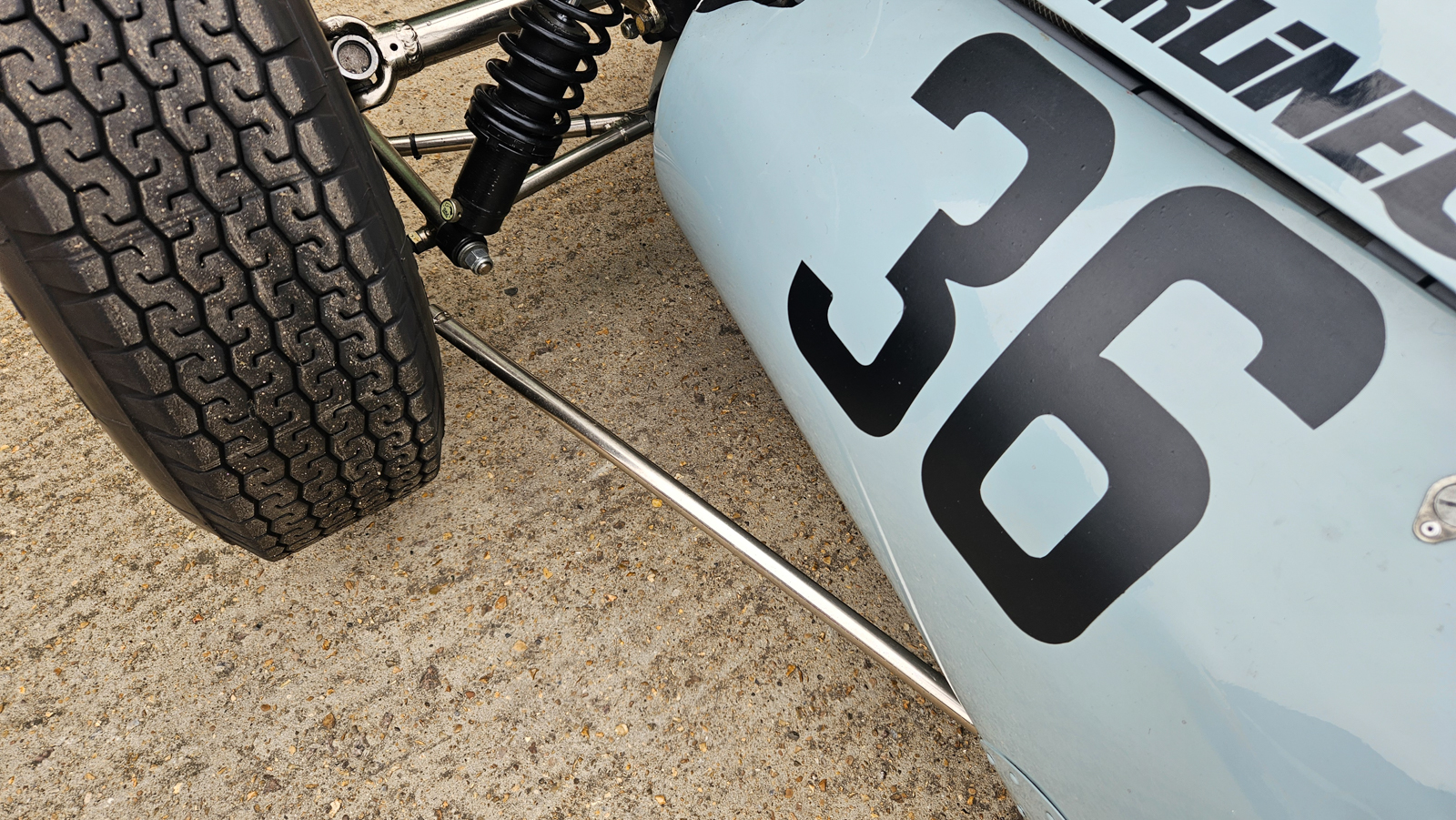
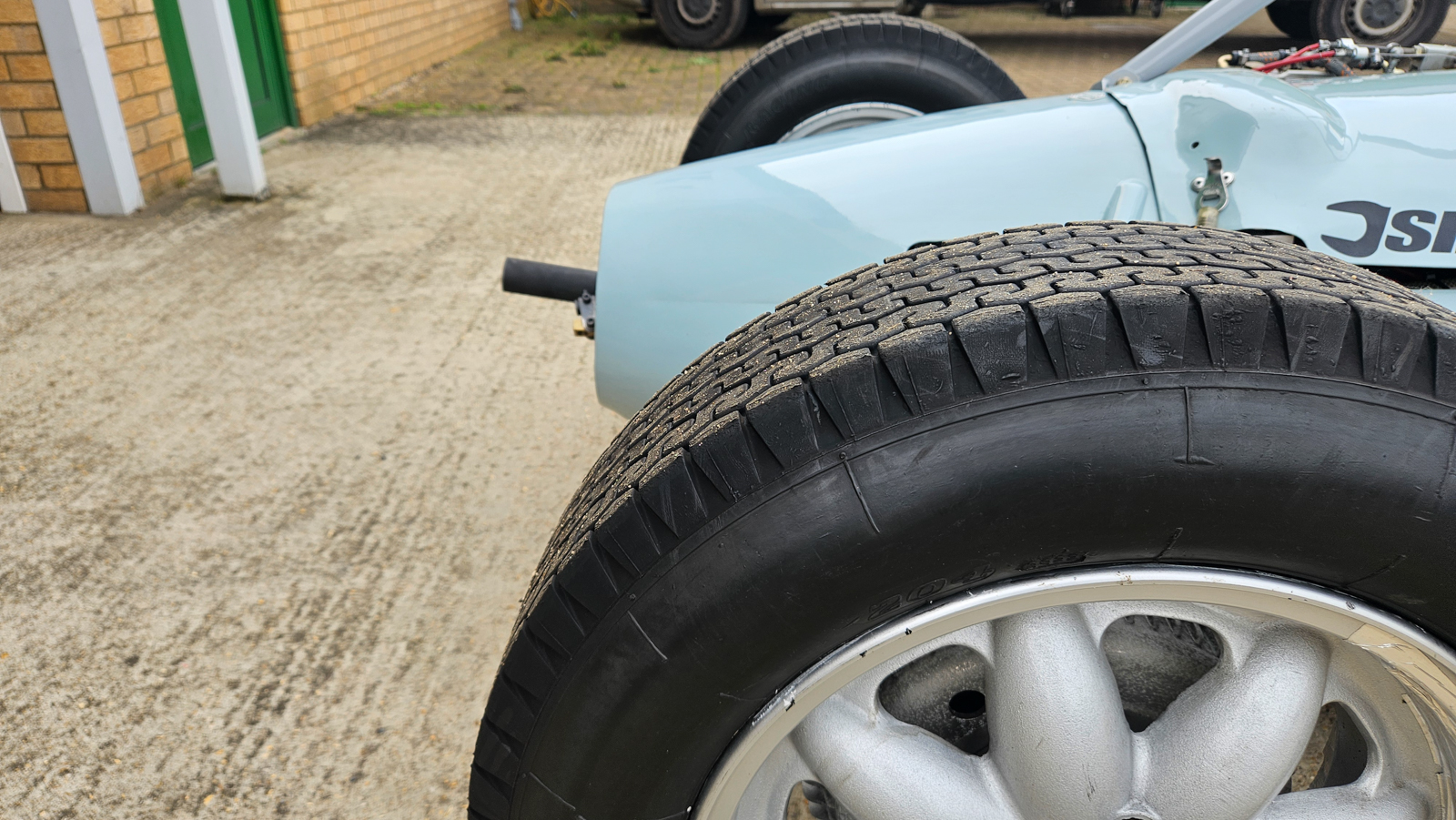
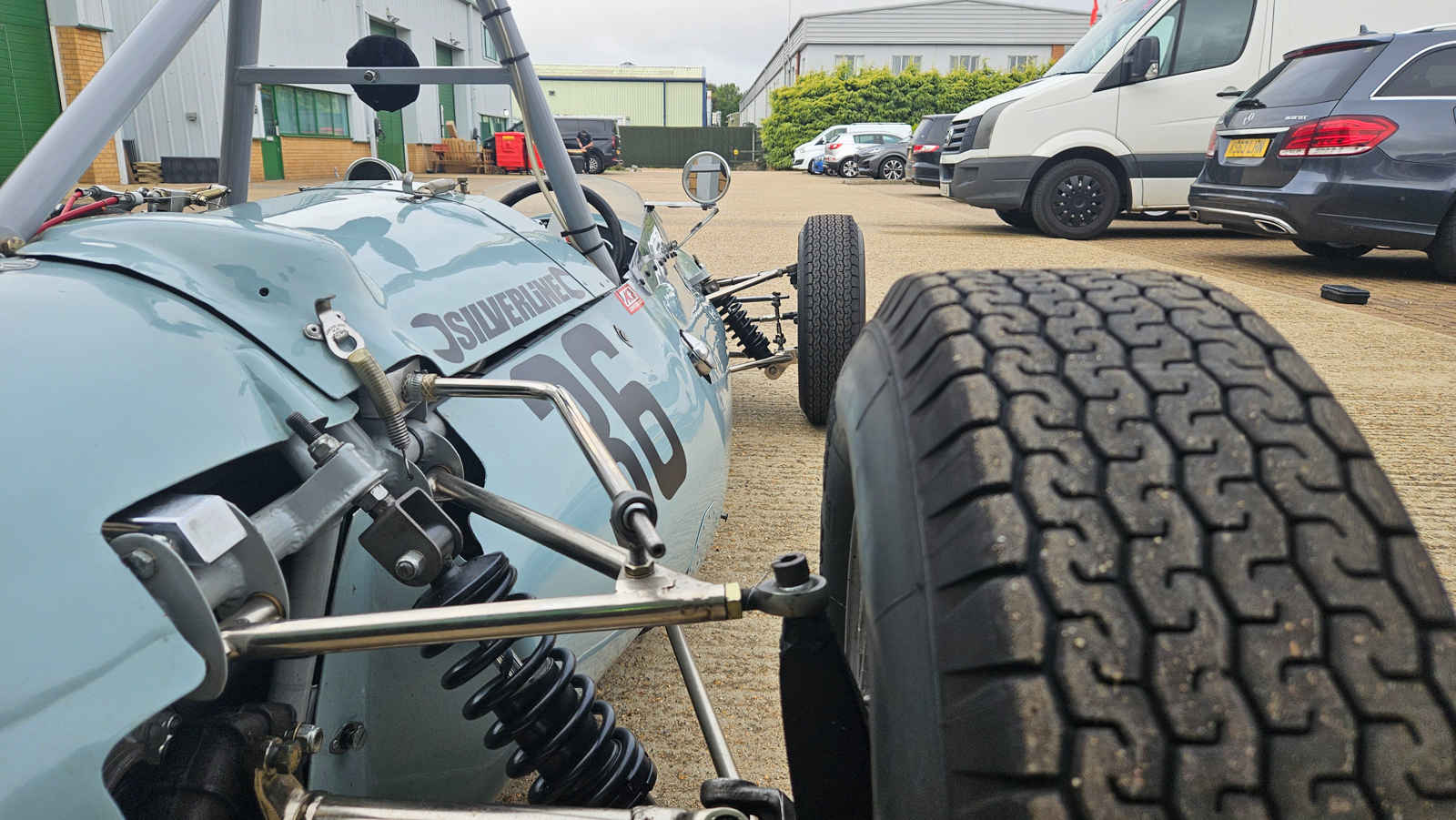
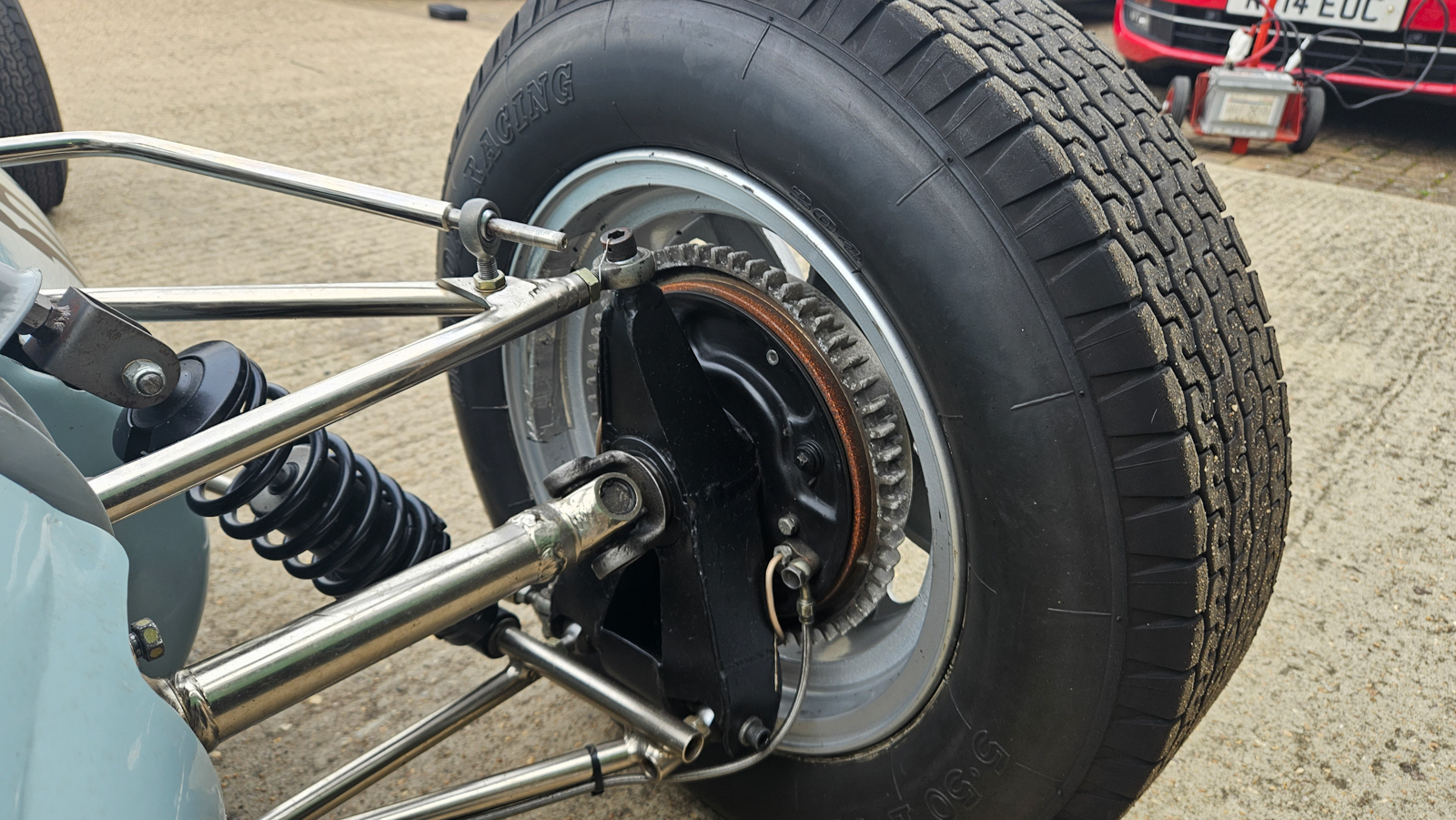
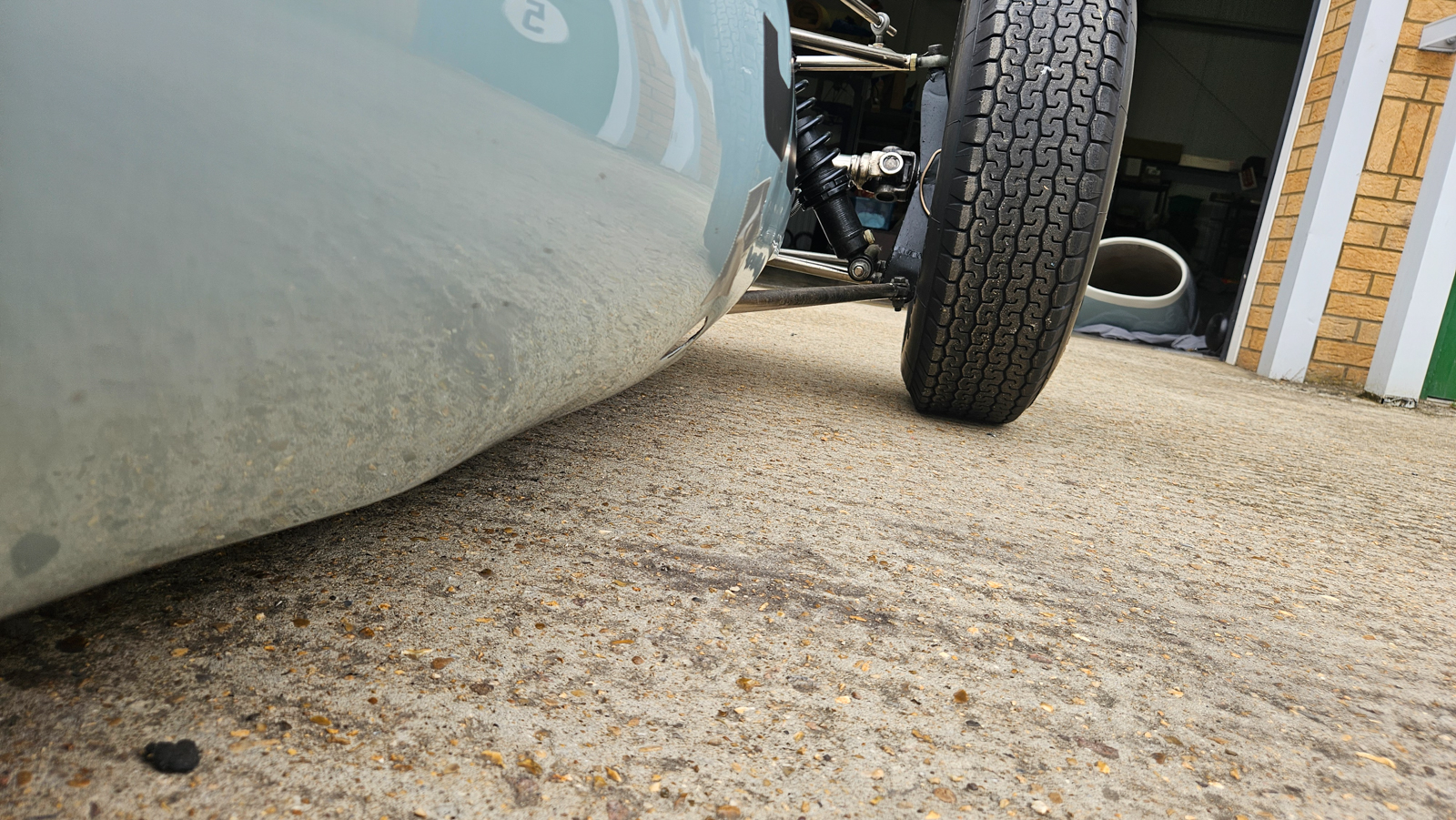
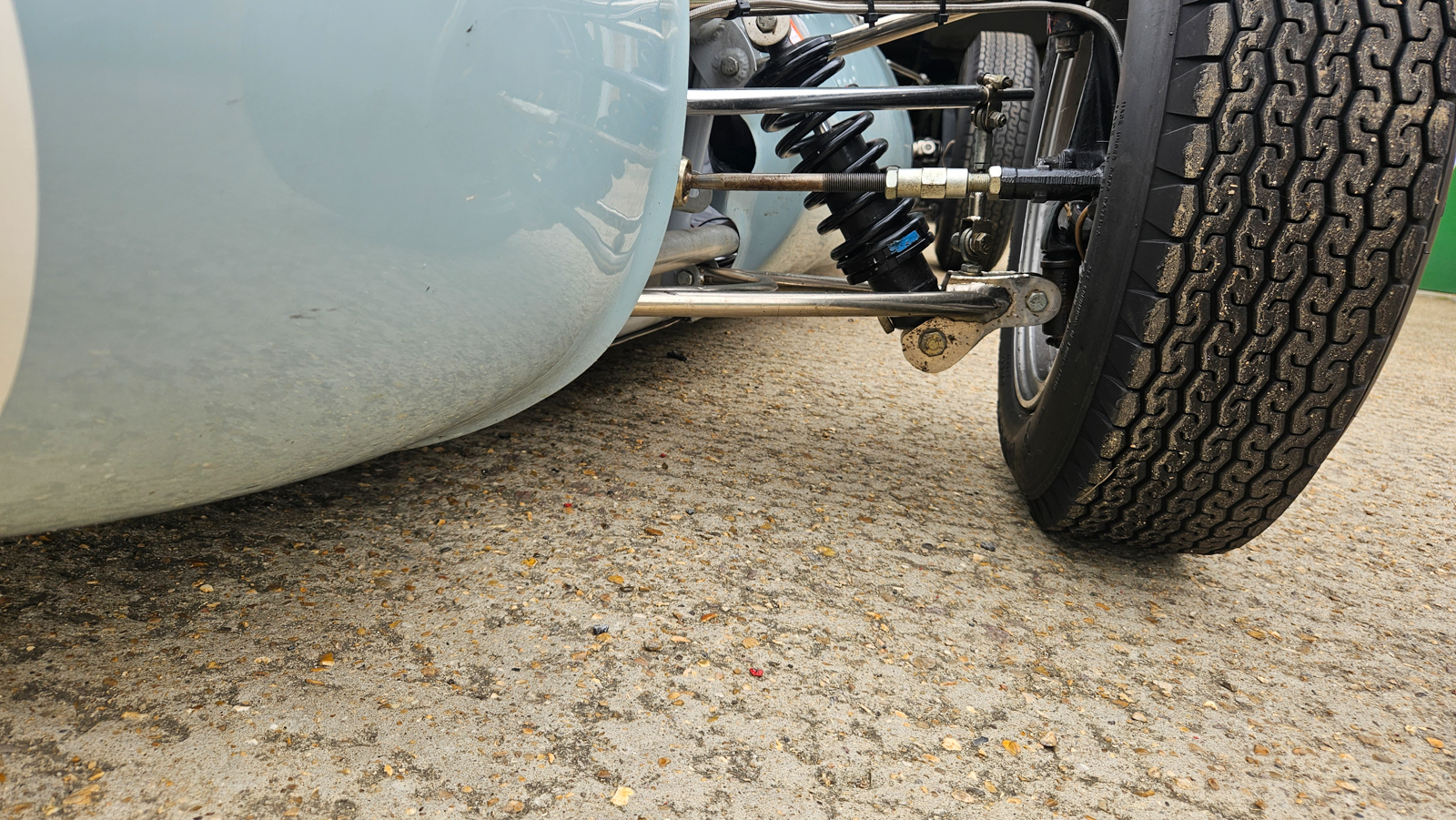
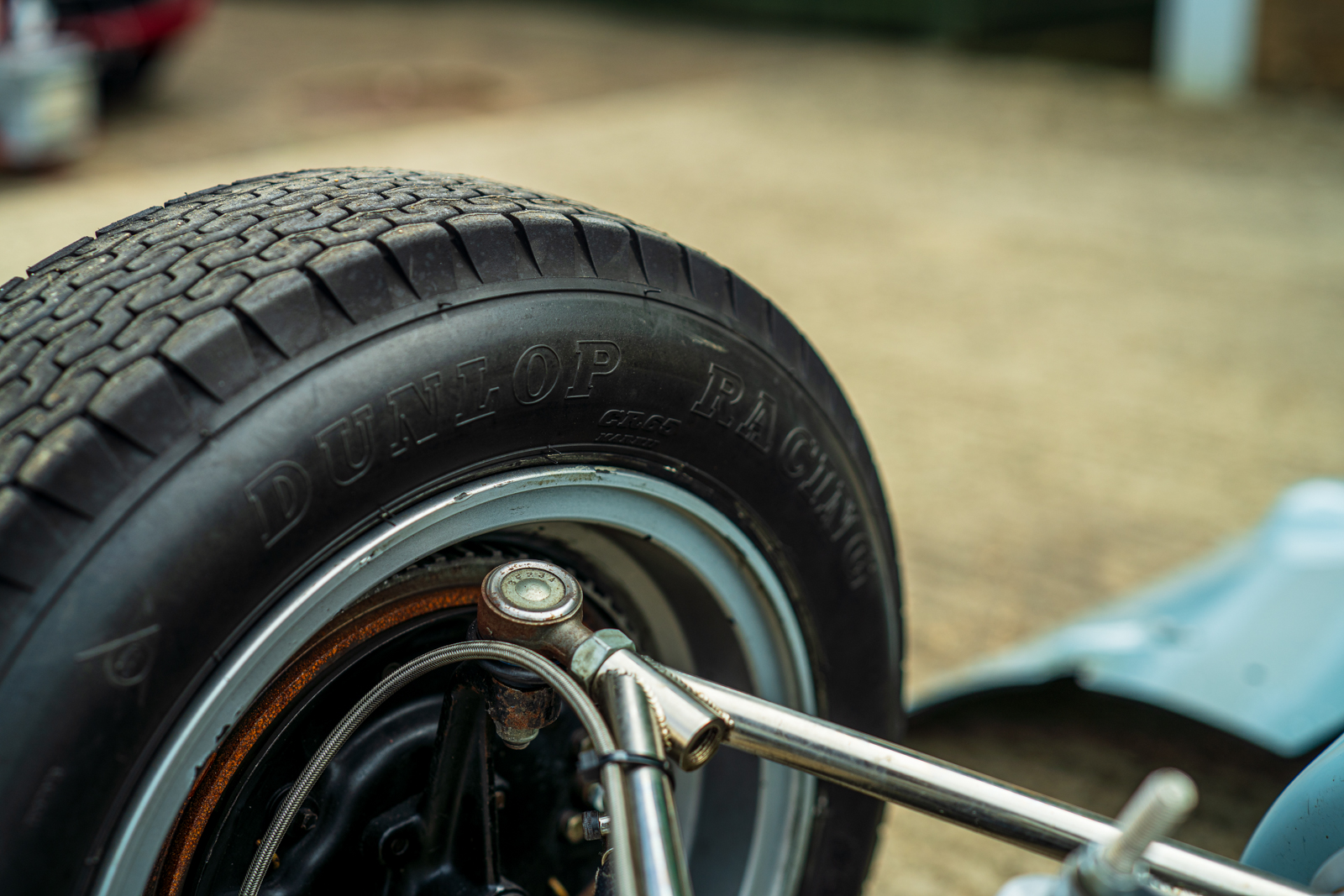
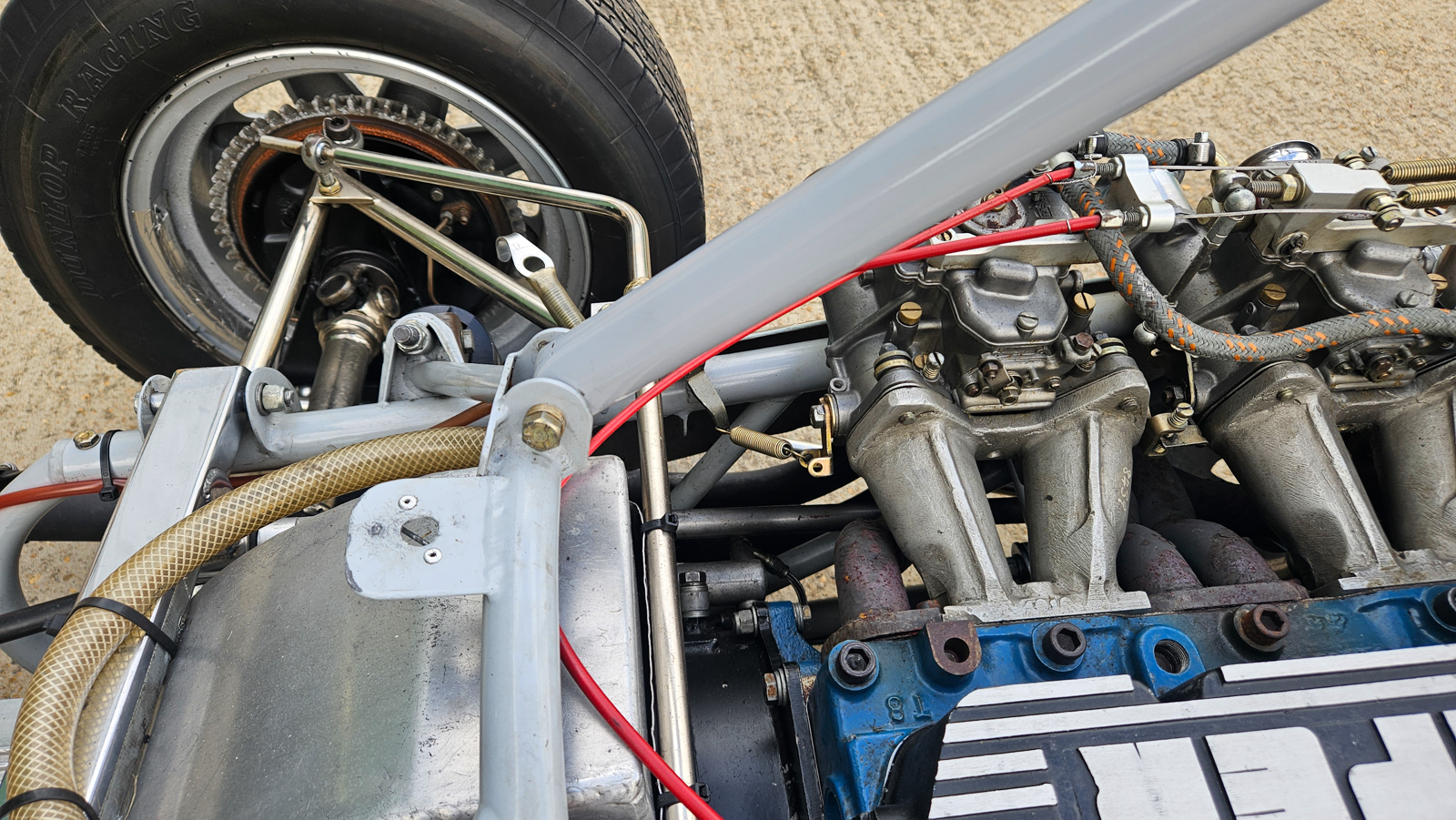
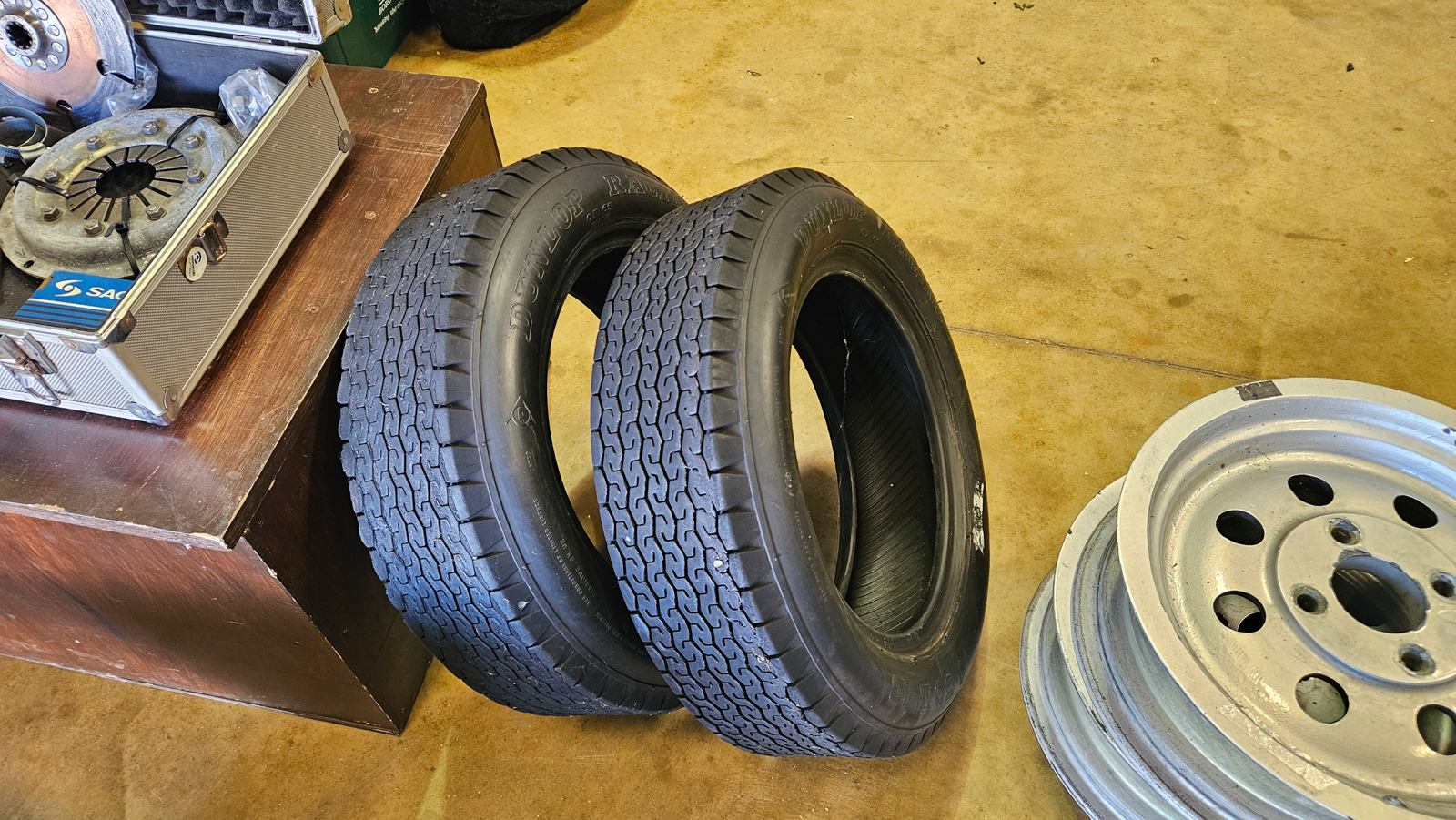
Nearly-new Dunlop Racing competition tyres are fitted at each corner.

Please take time to review the photos and videos for a detailed view of the exterior, wheels, and tyres so you can make your own assessment of their condition.

Bodywork

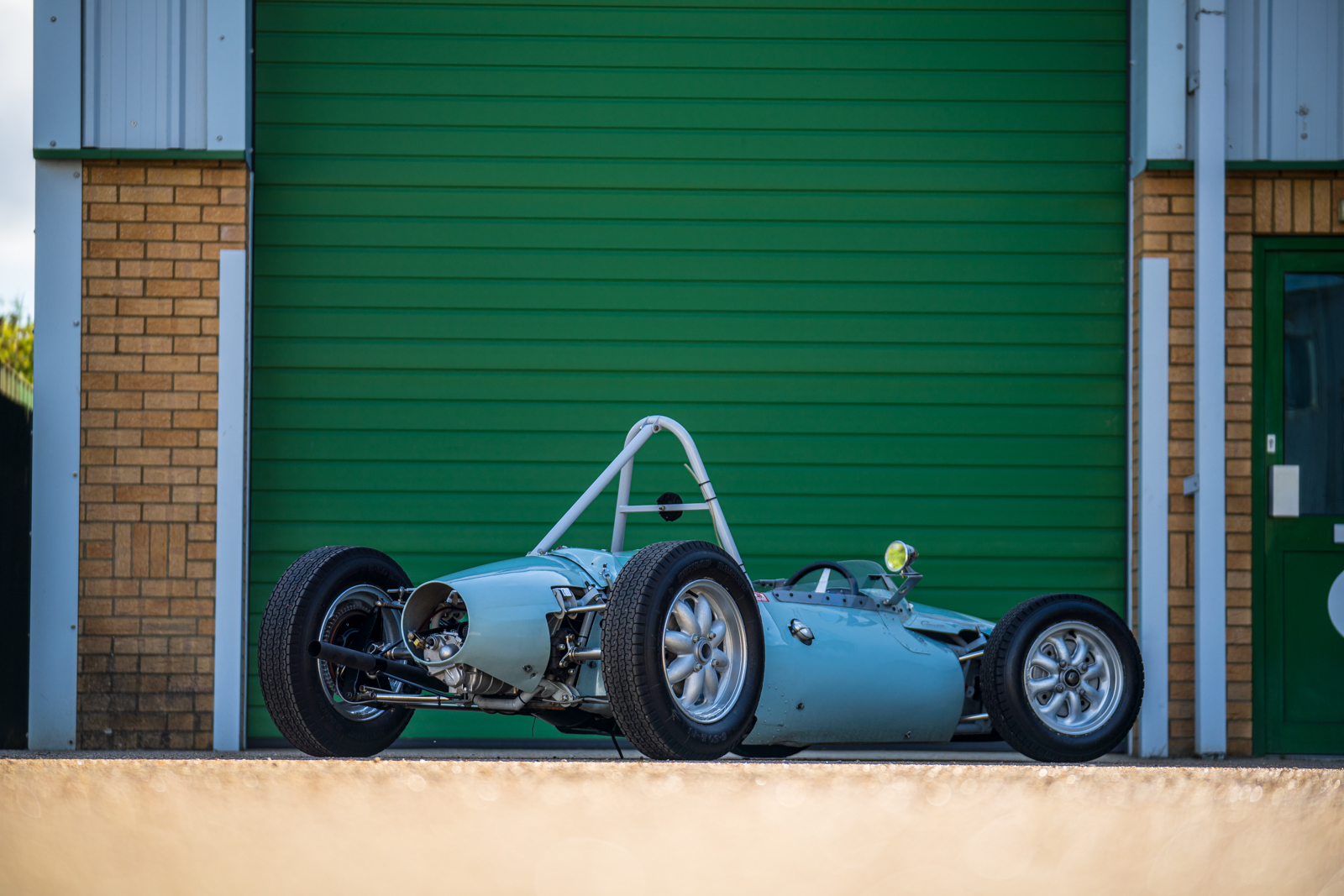
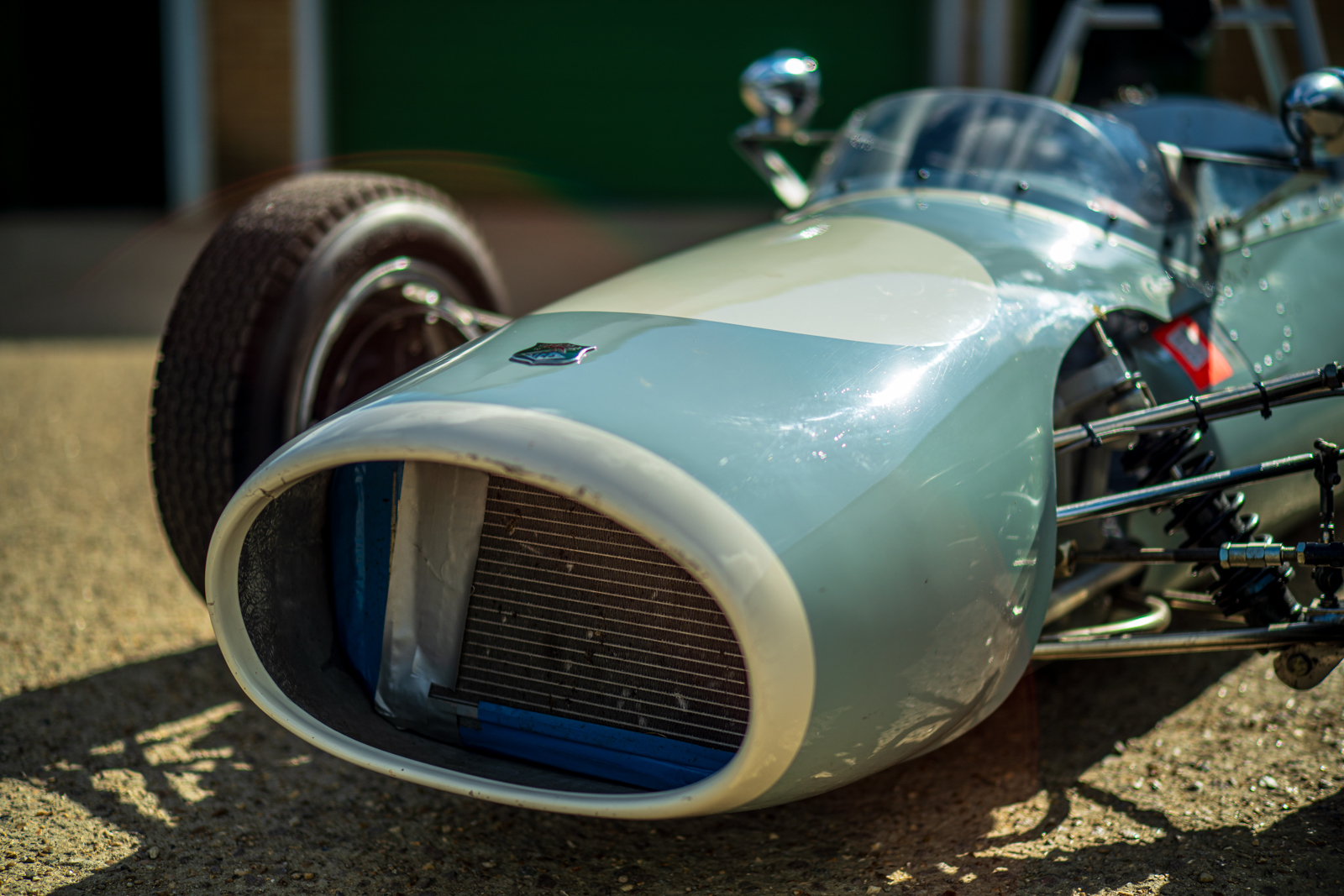
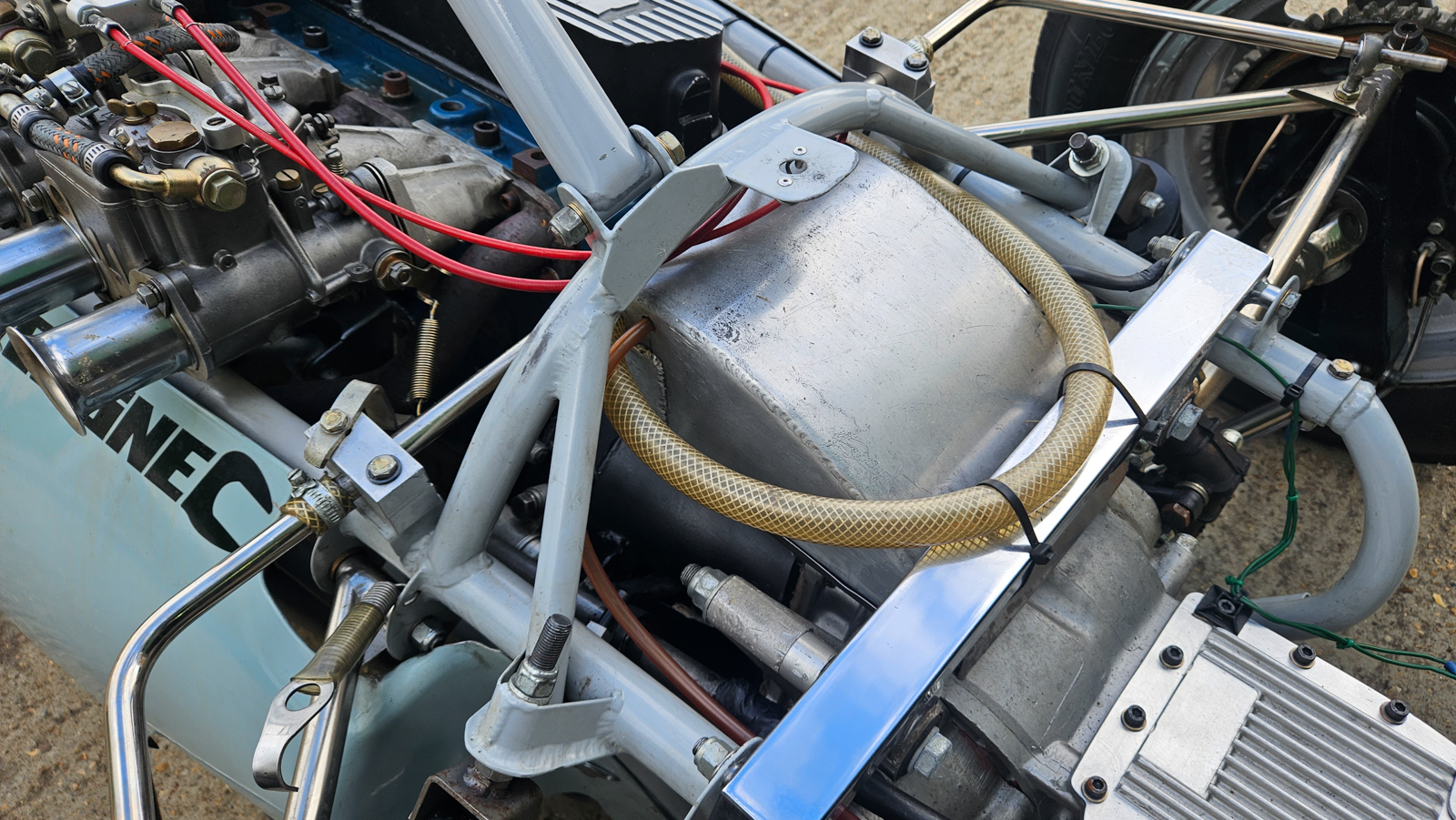
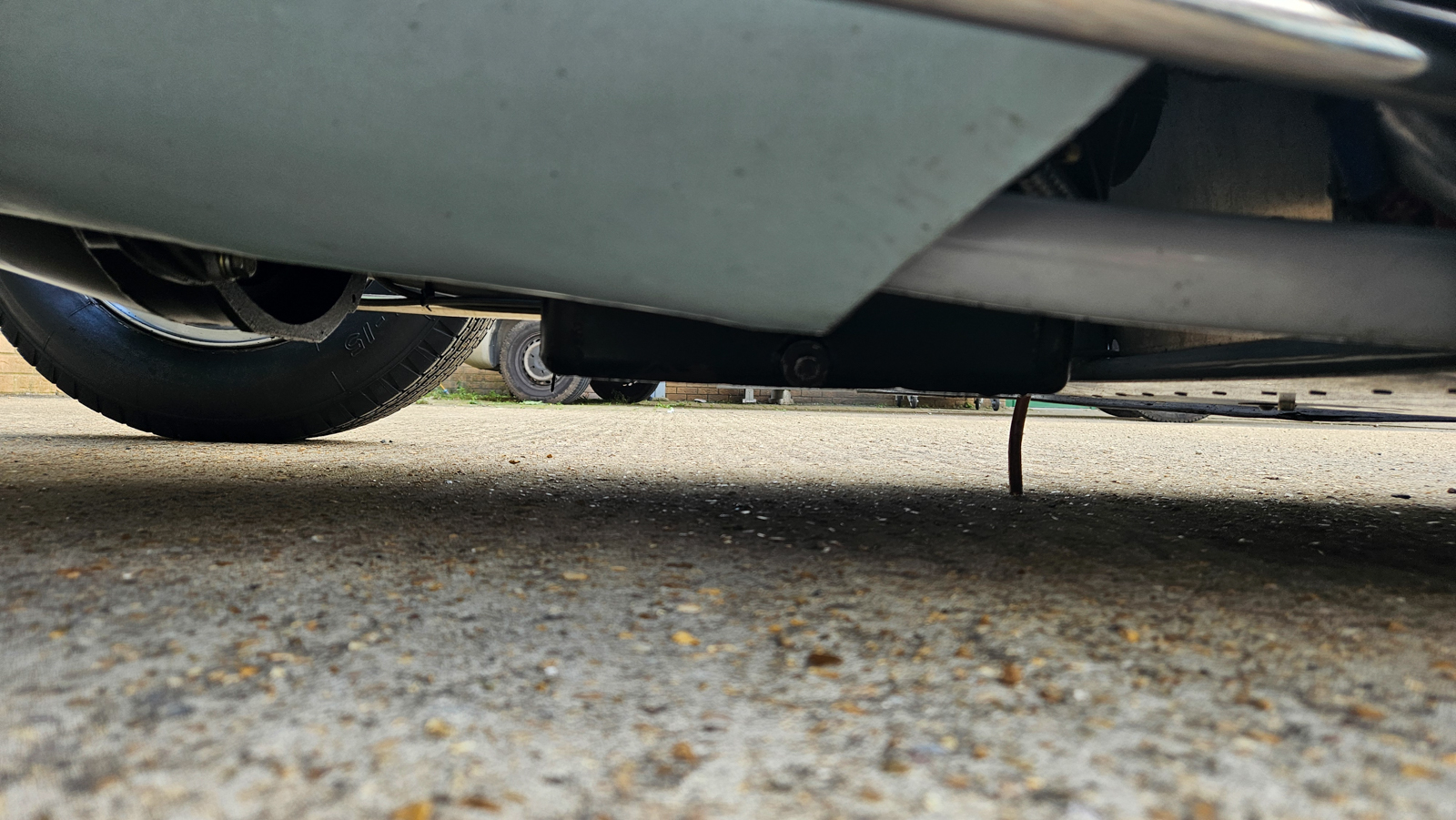
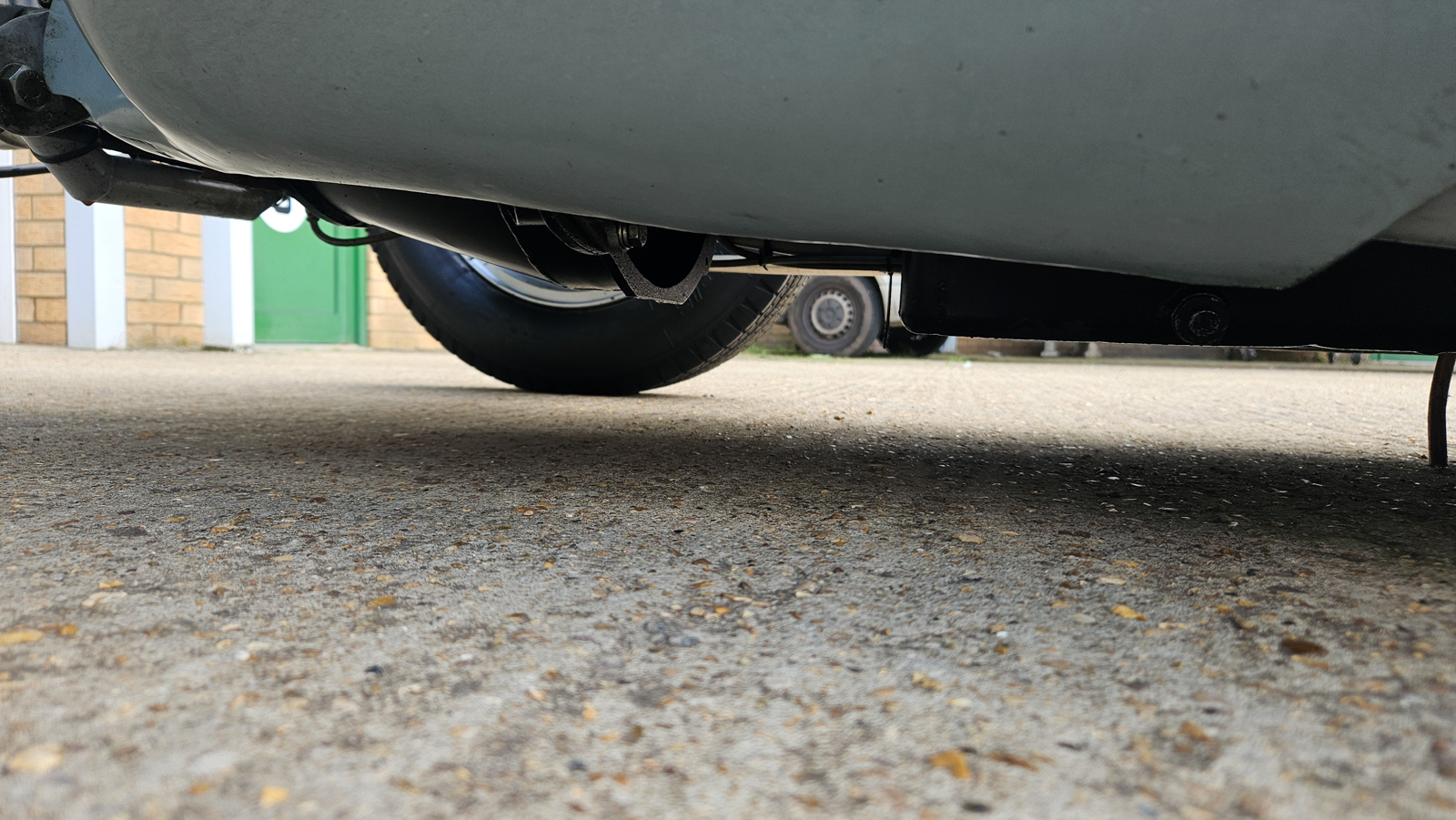
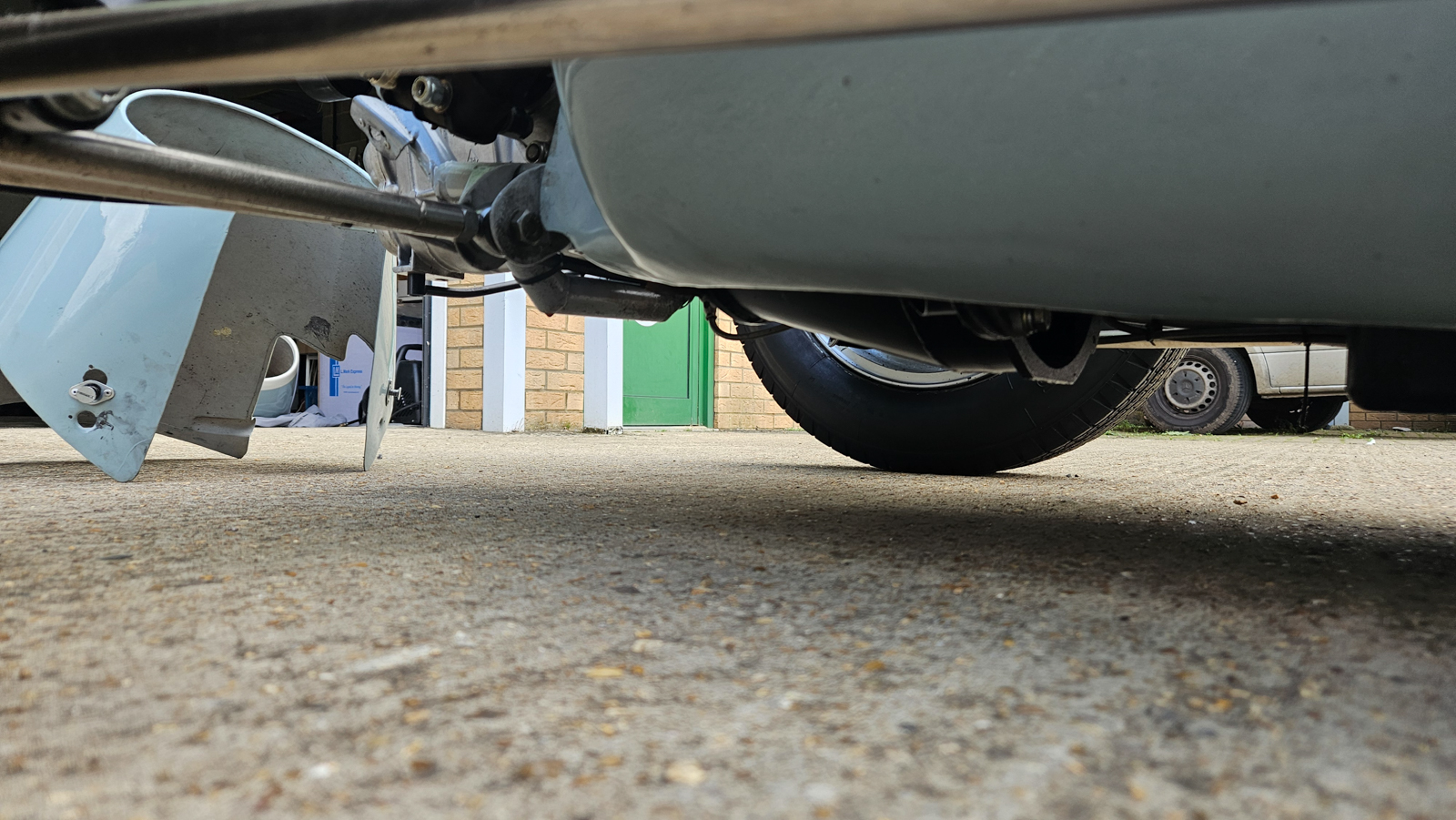
The Kieft’s main body is formed from aluminium, supported by a steel tubular frame and accompanied by a removable fibreglass nose cone.

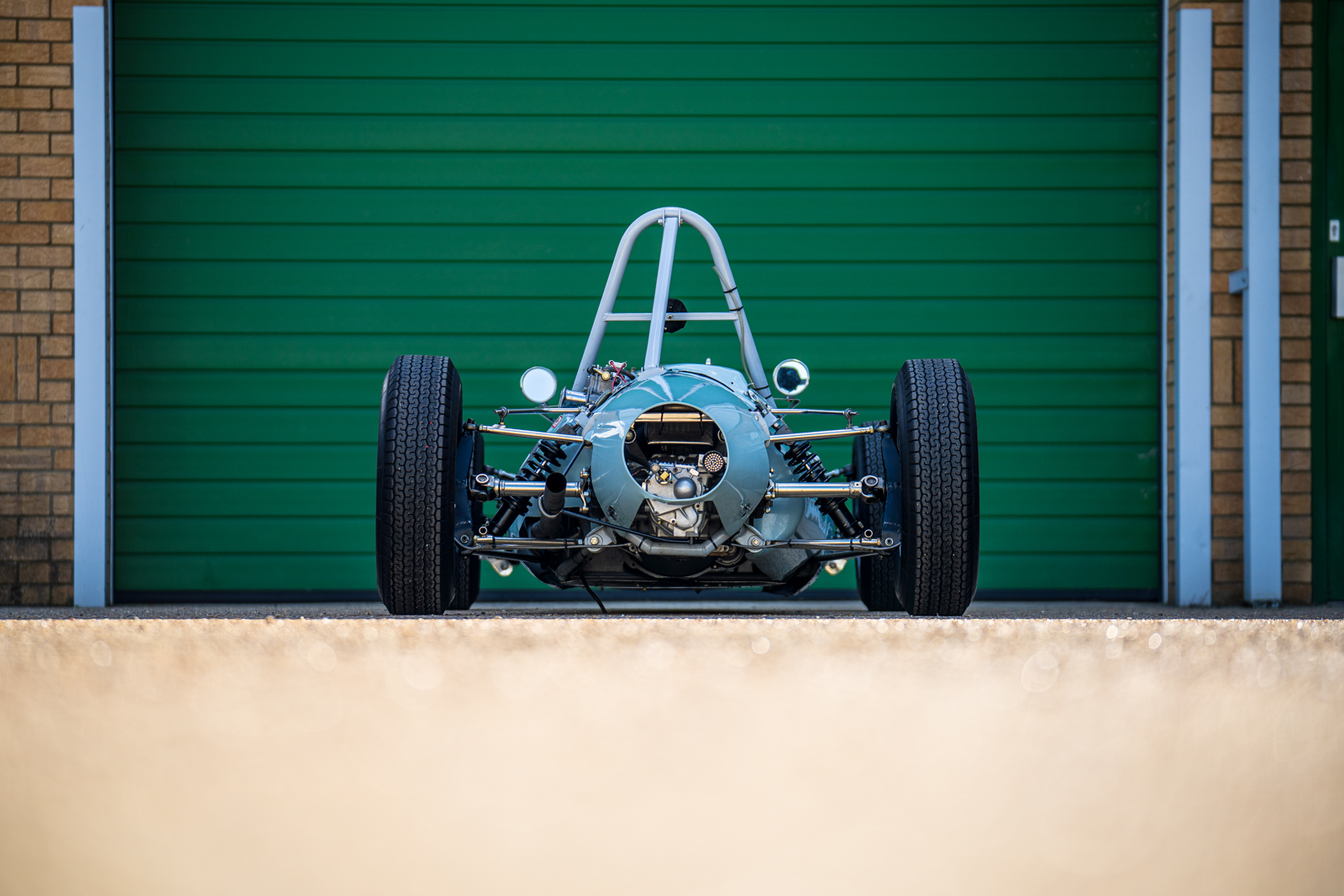
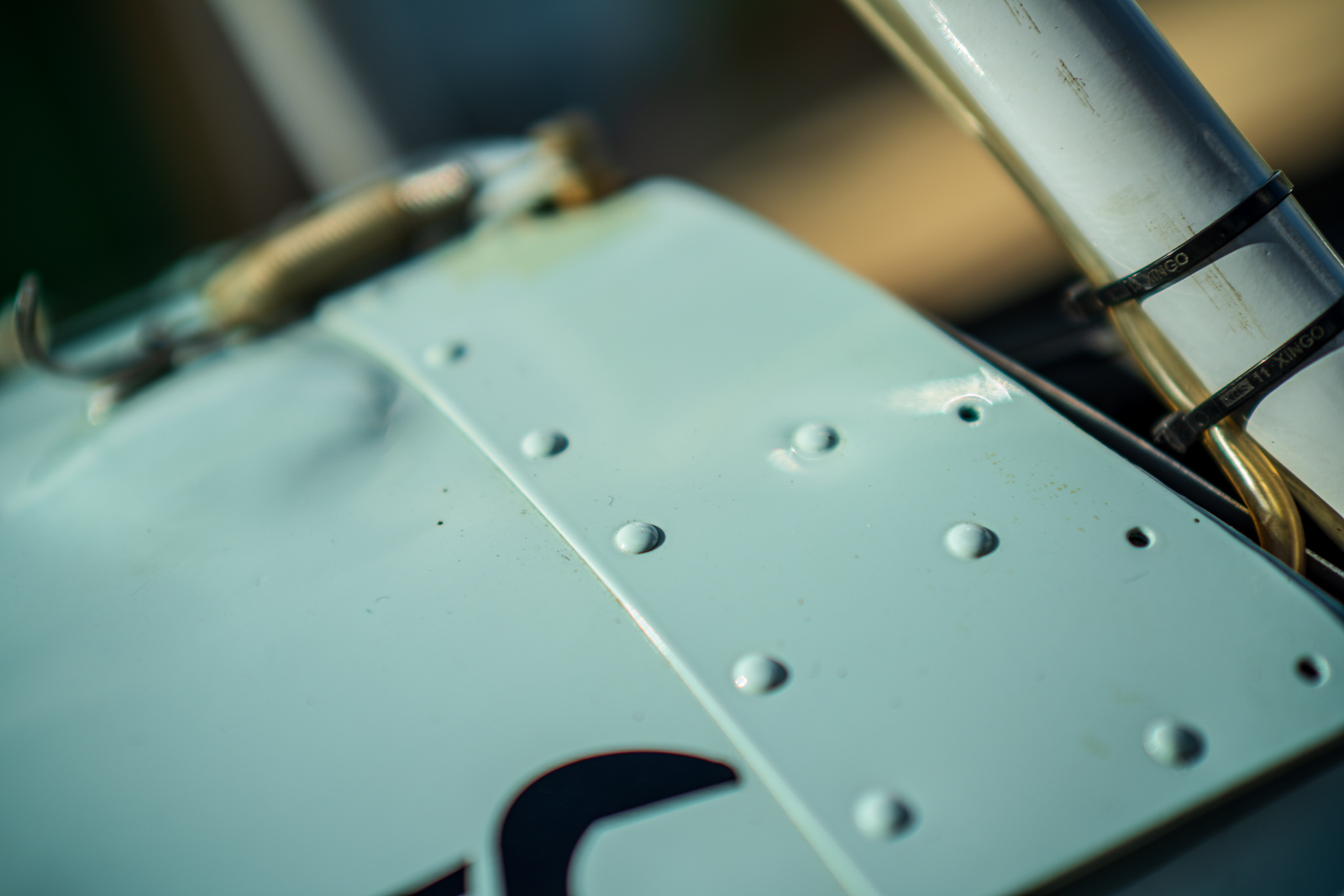
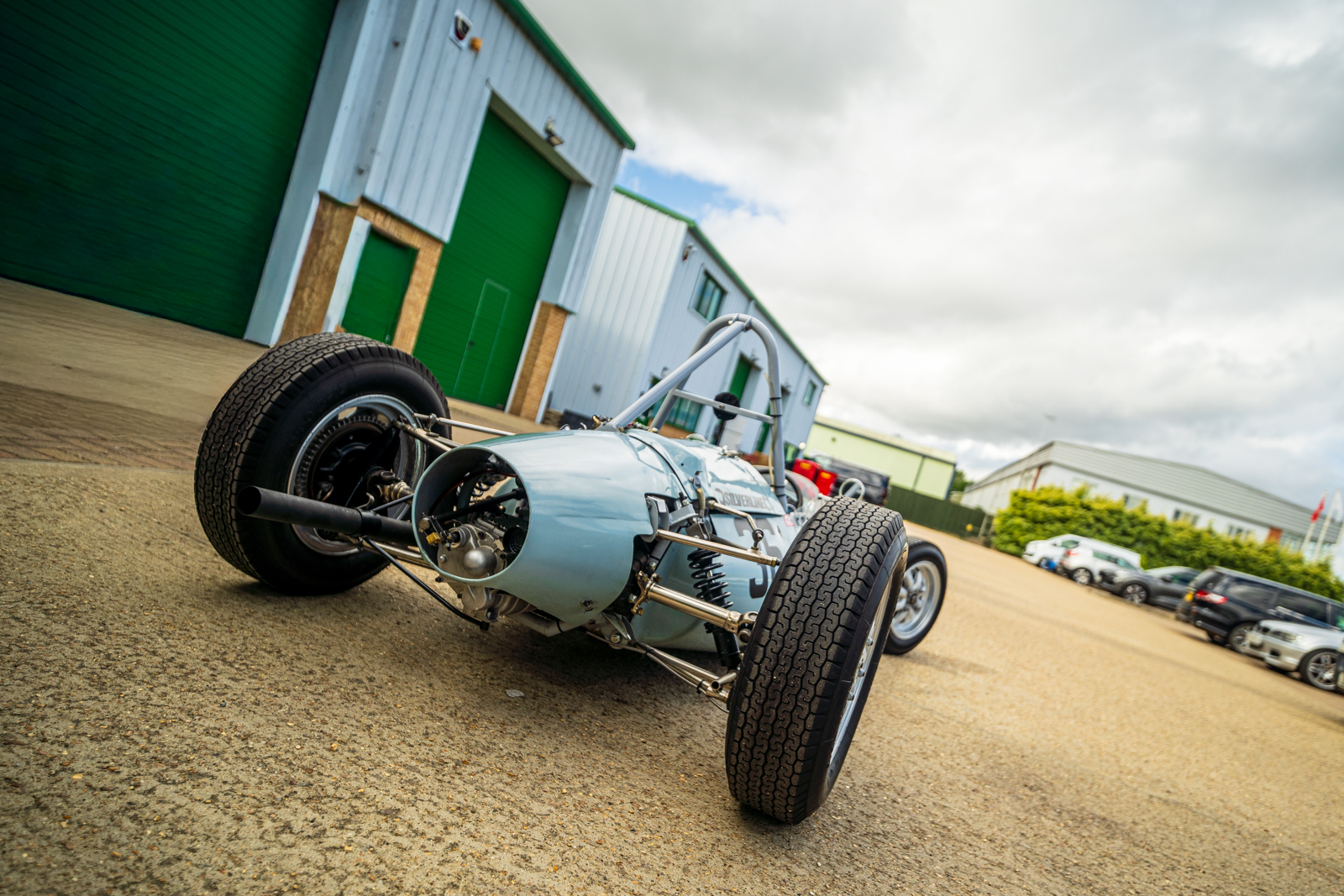
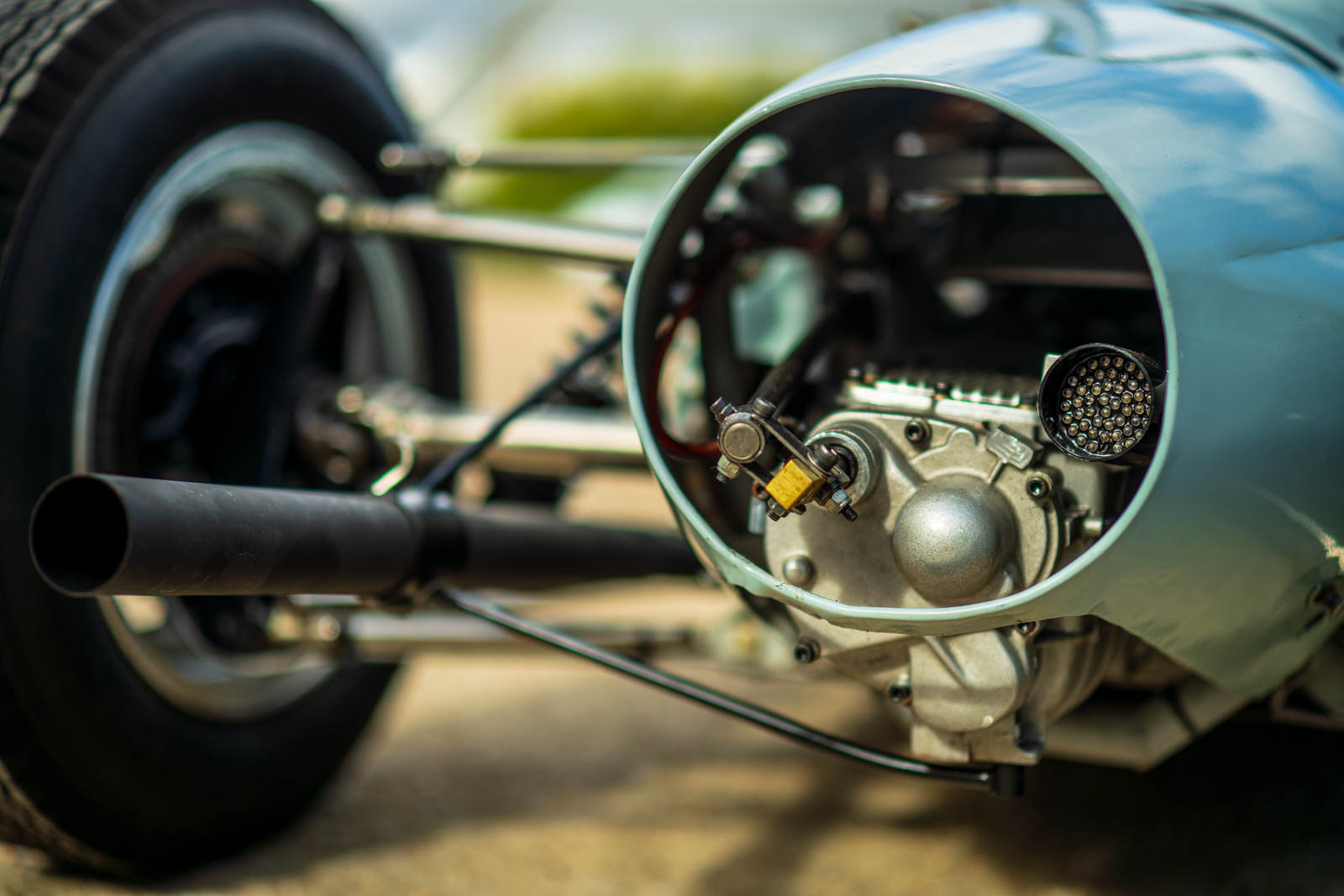
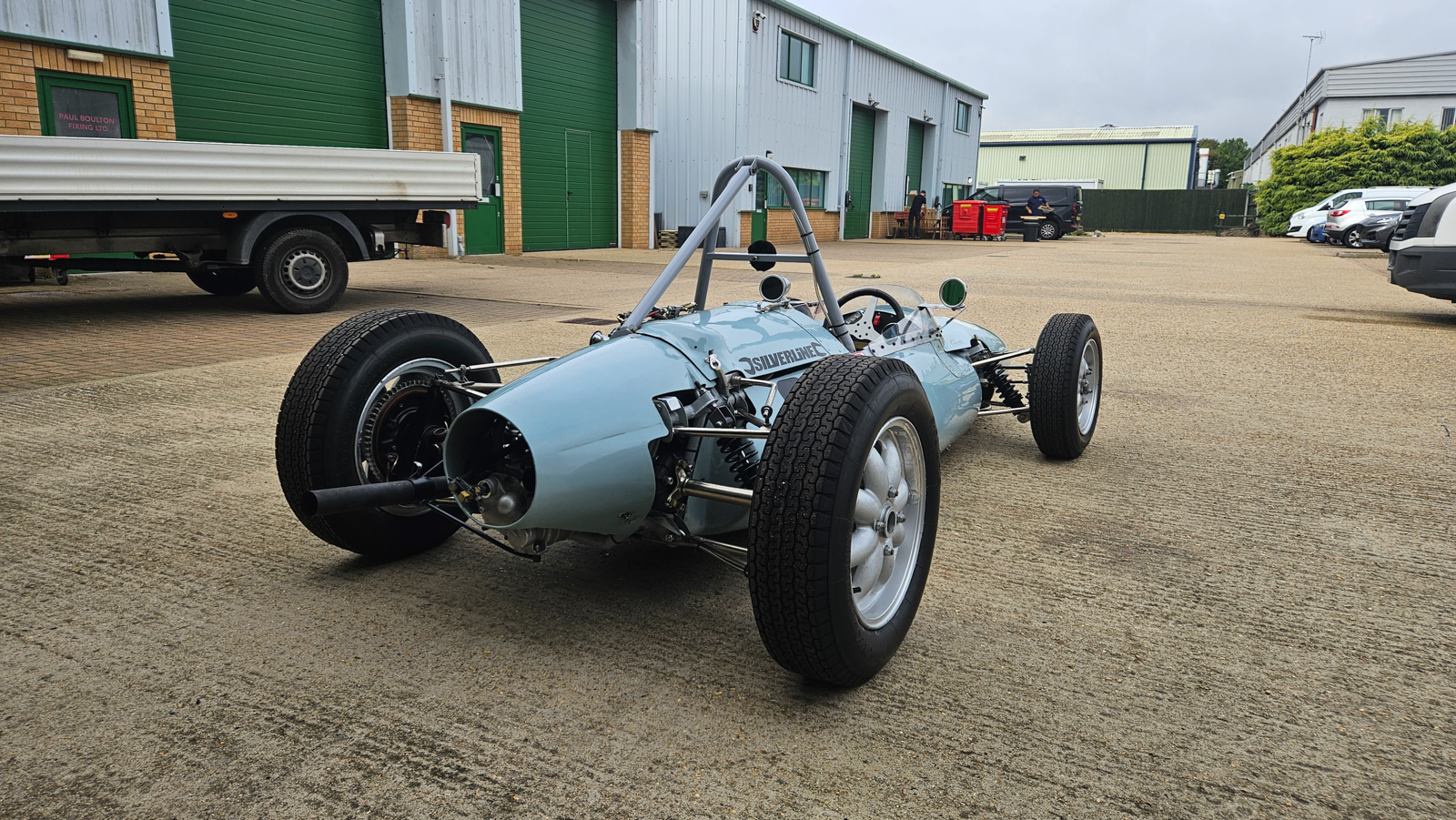
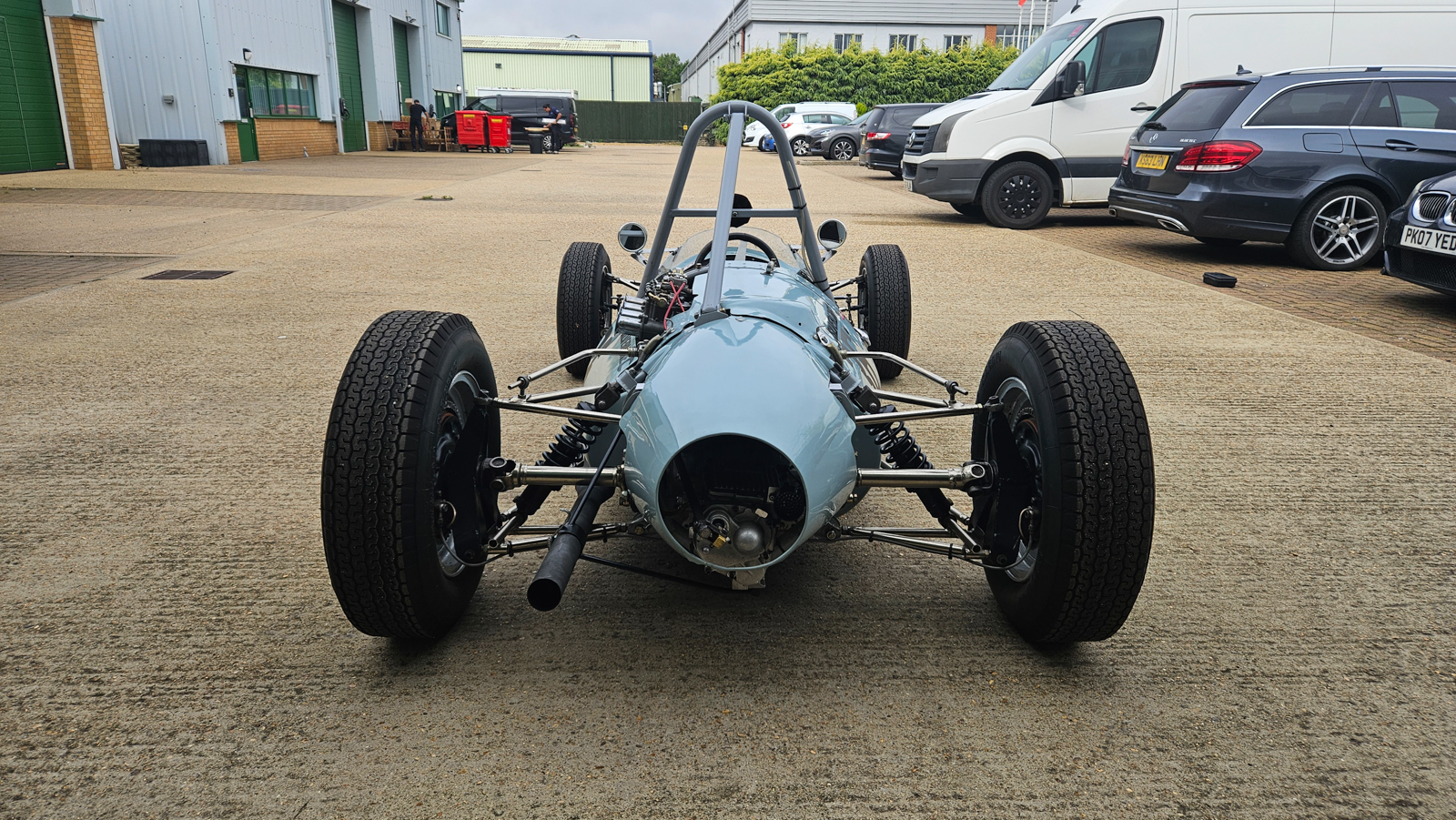
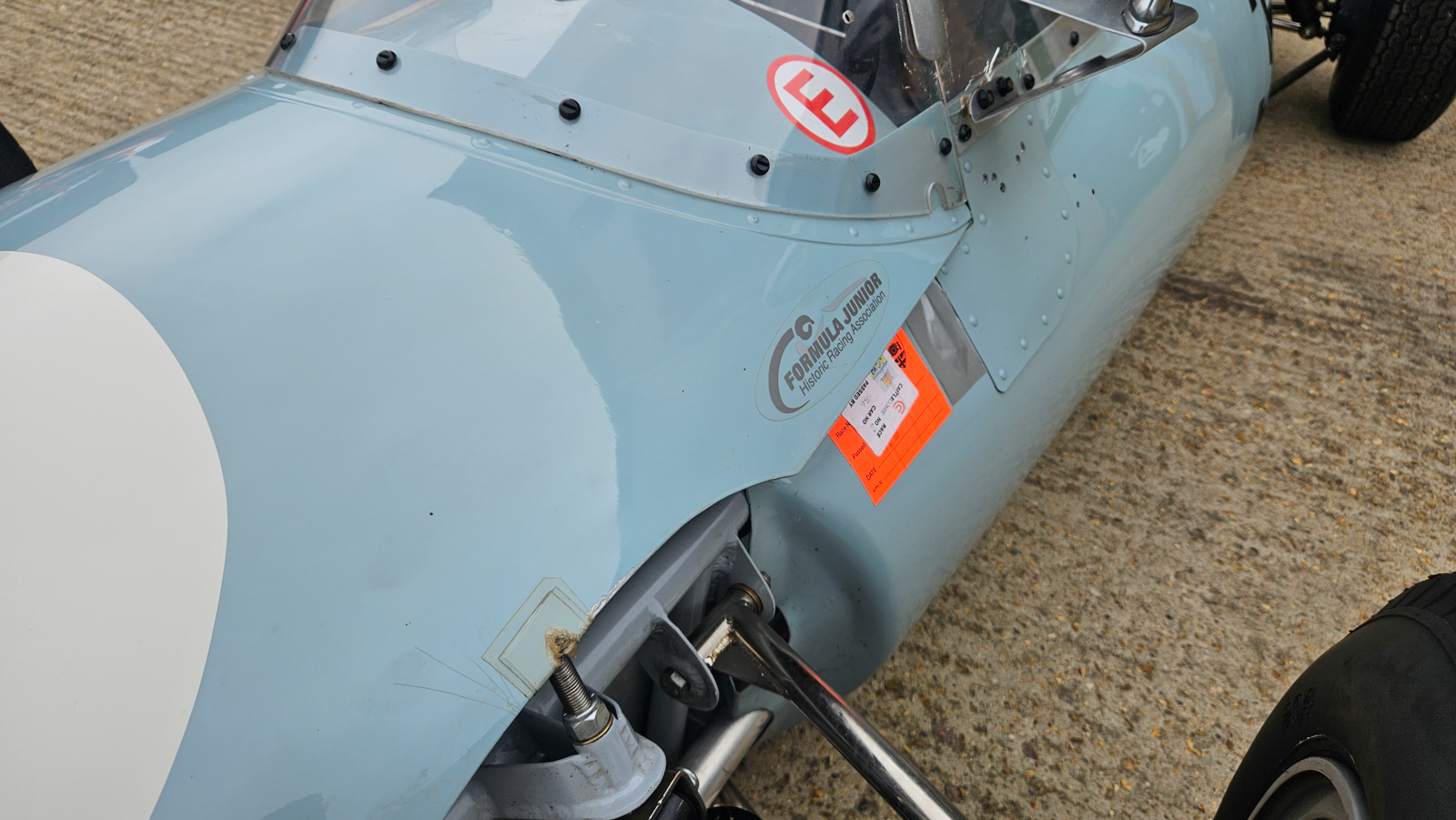
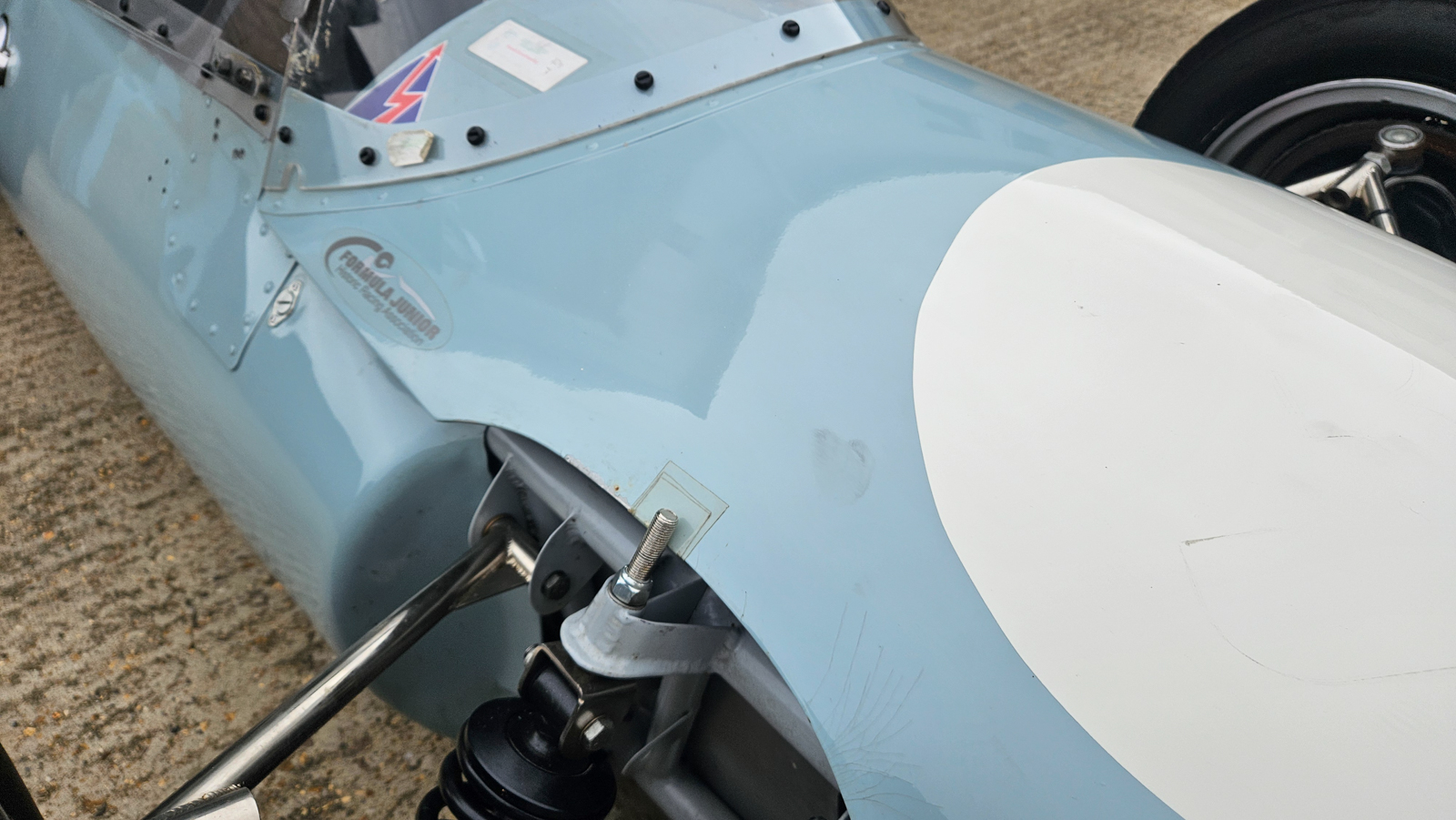
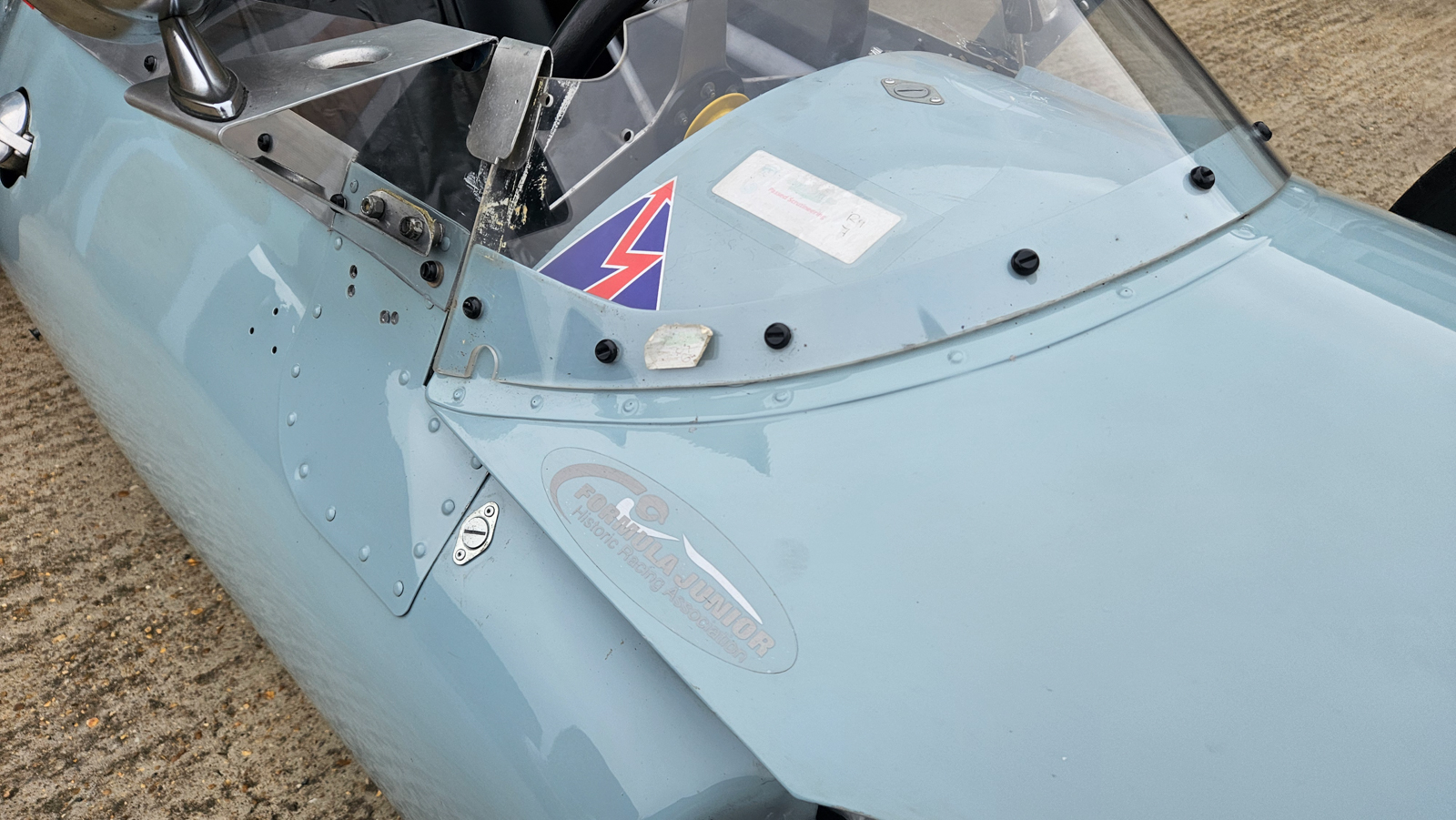
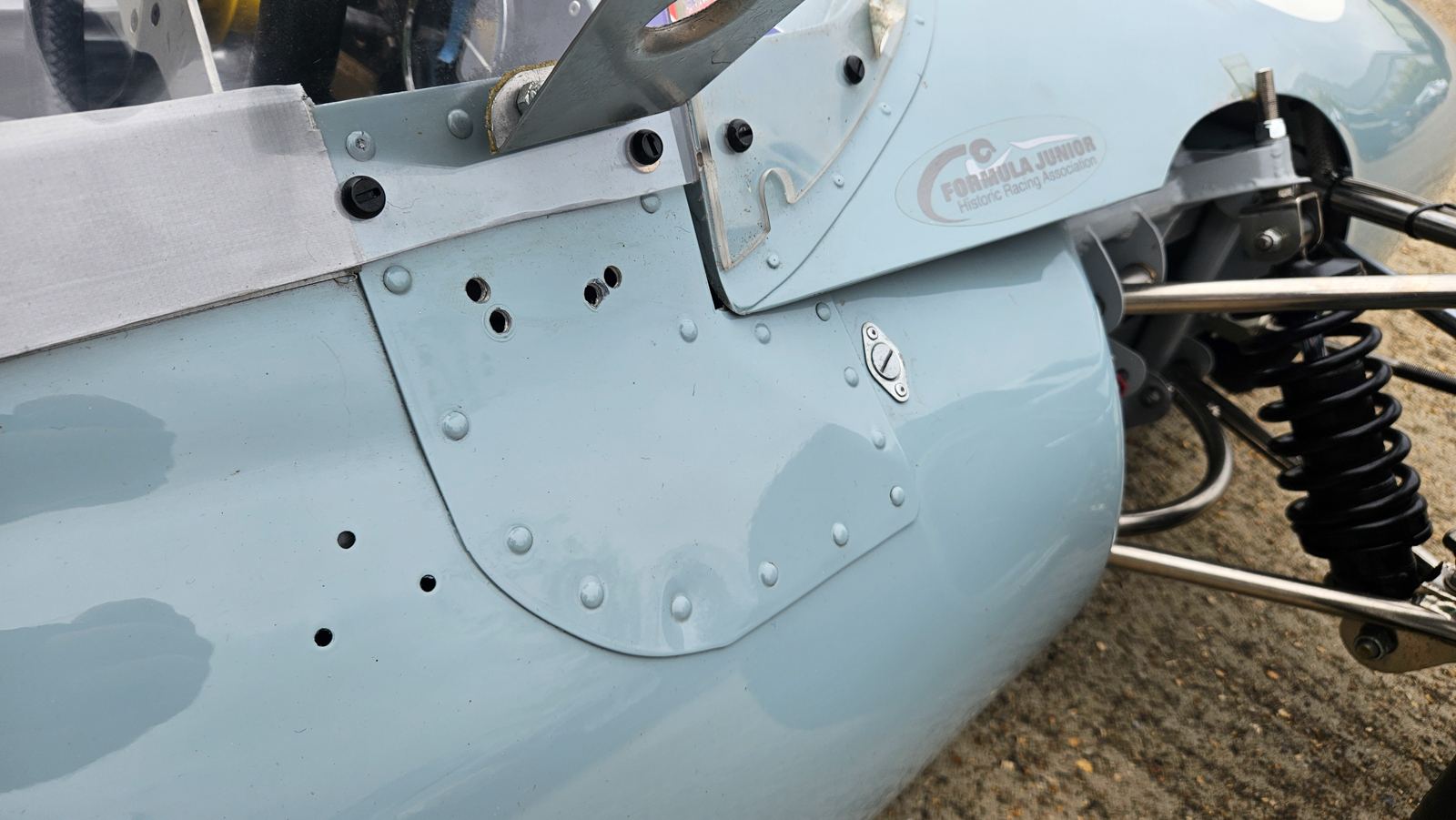
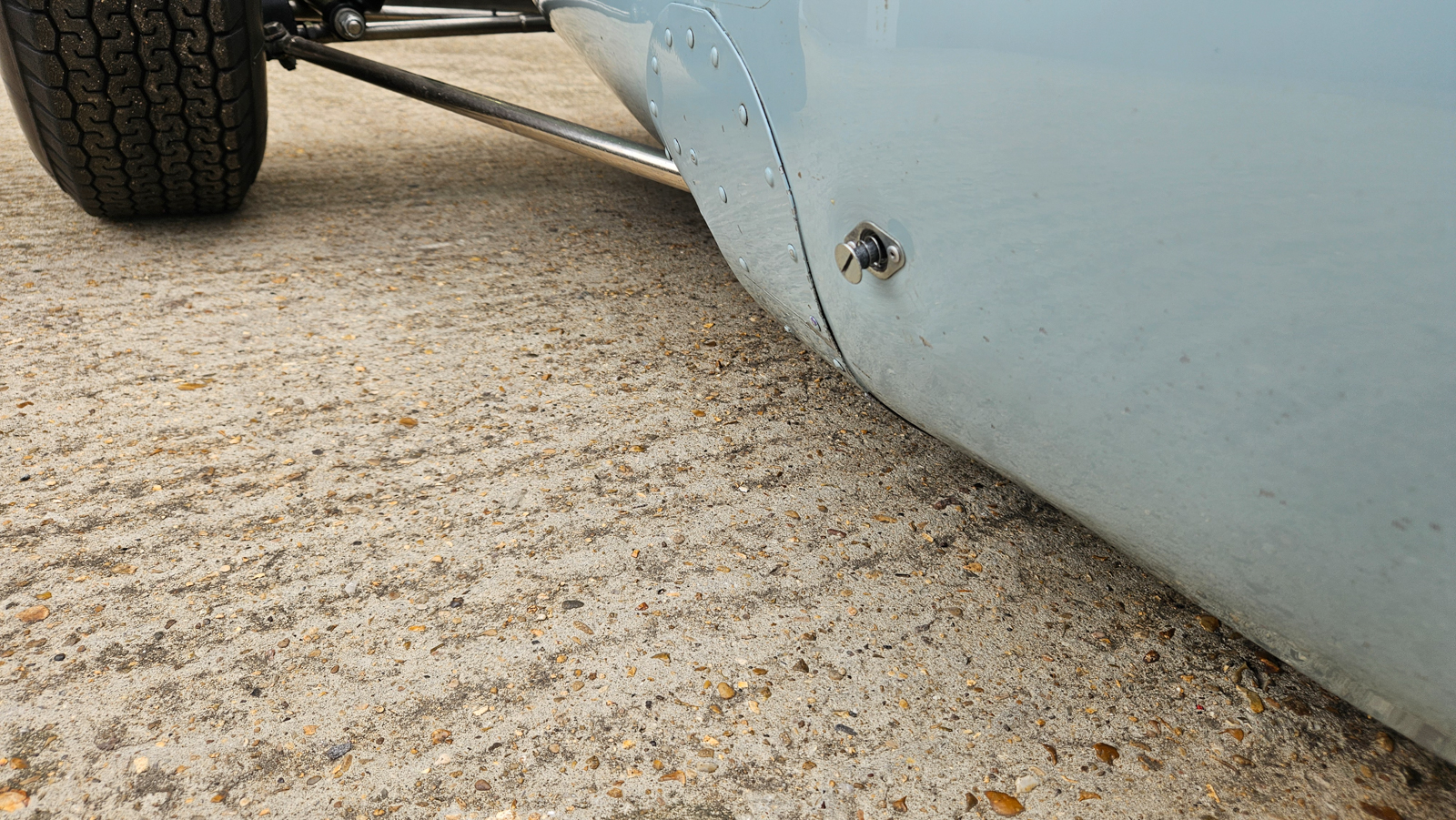
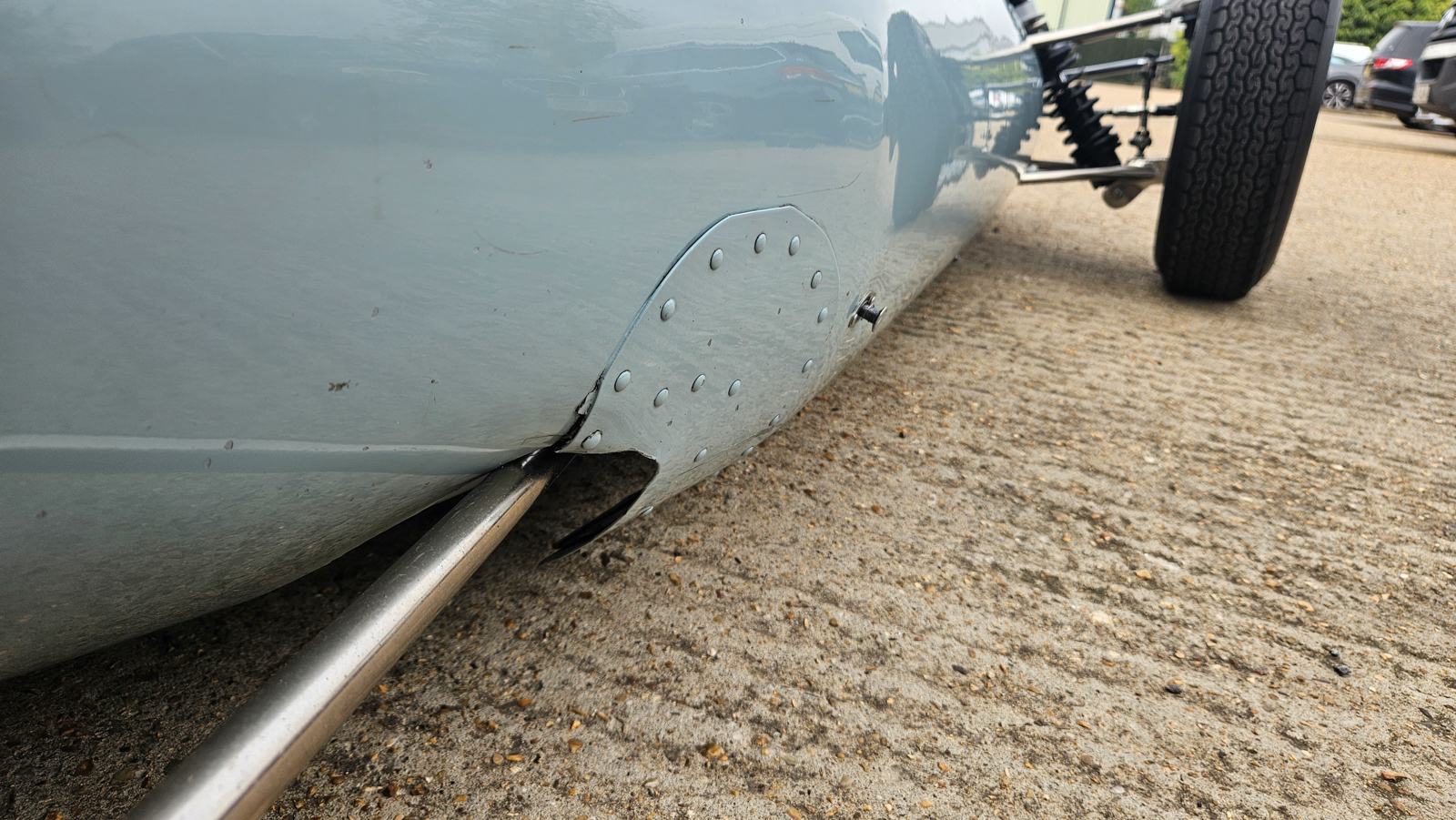
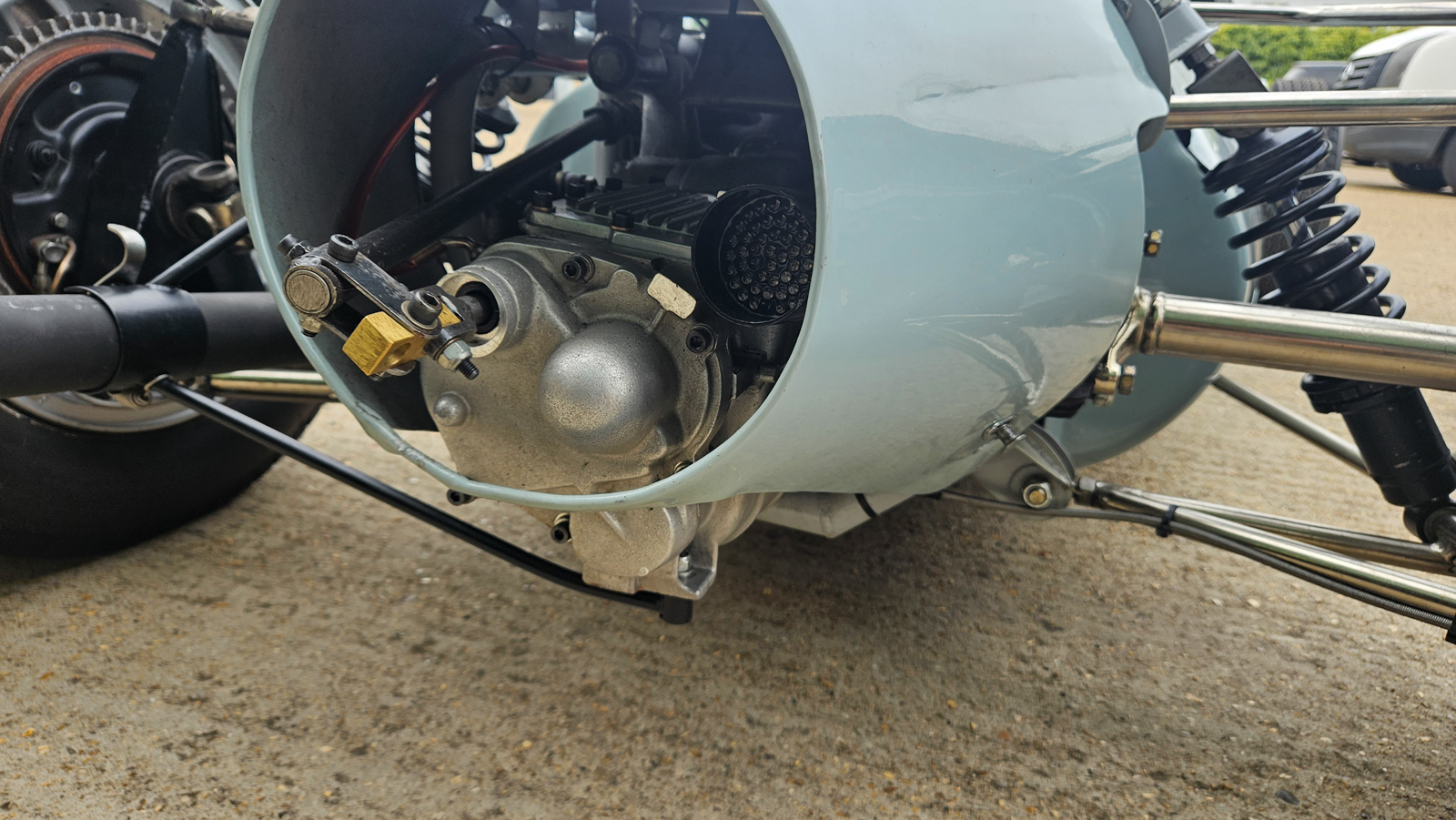
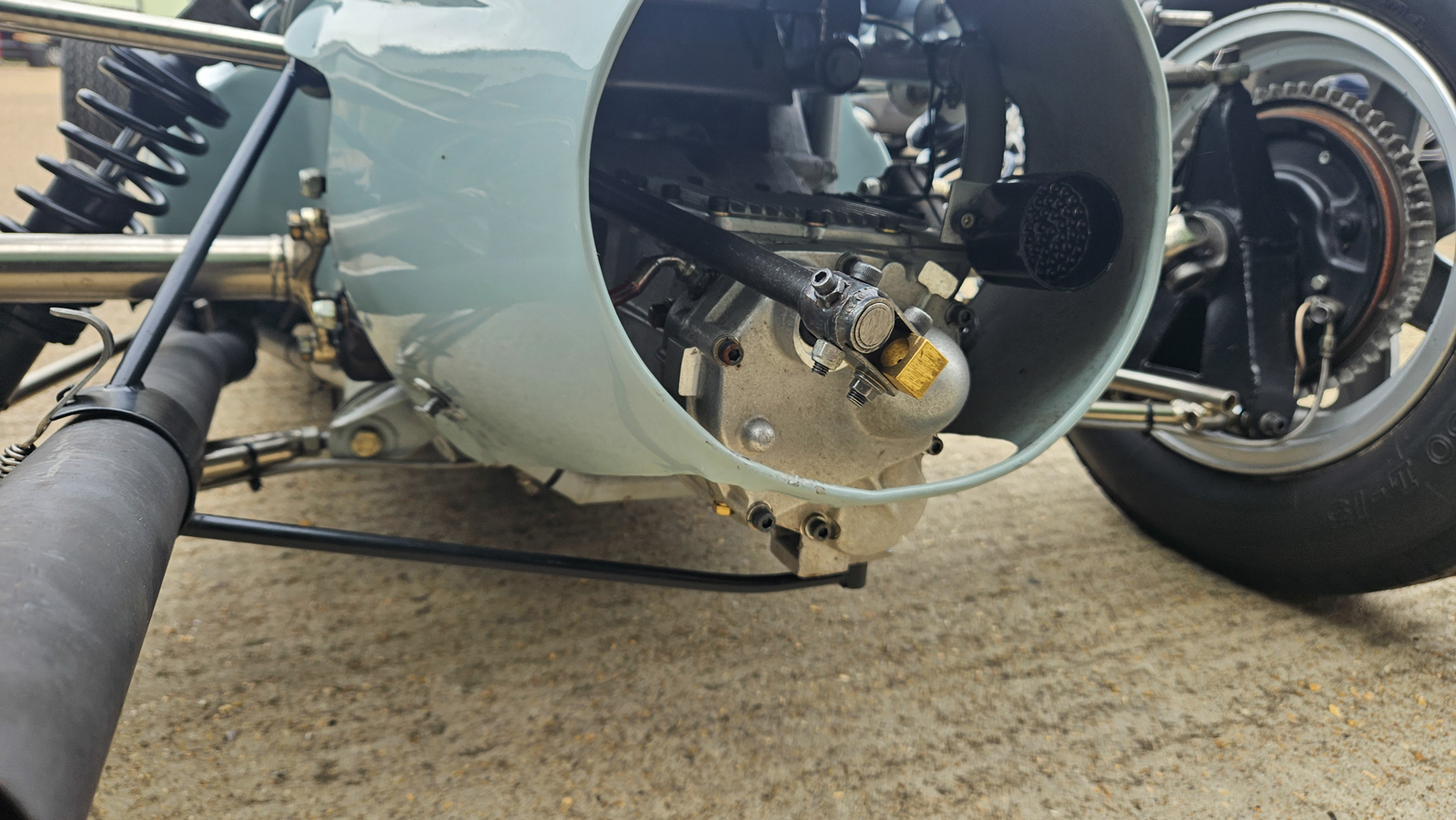
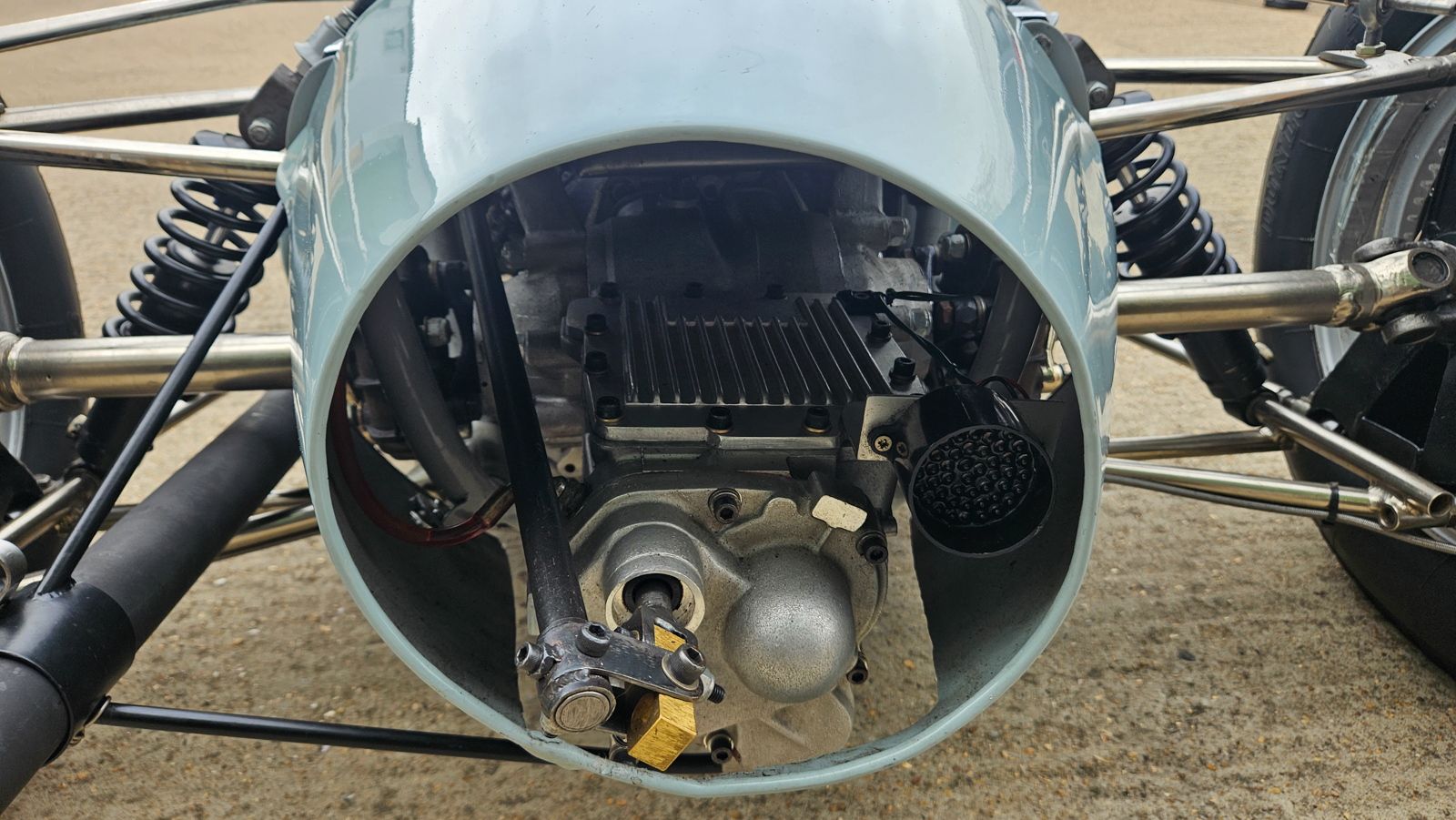
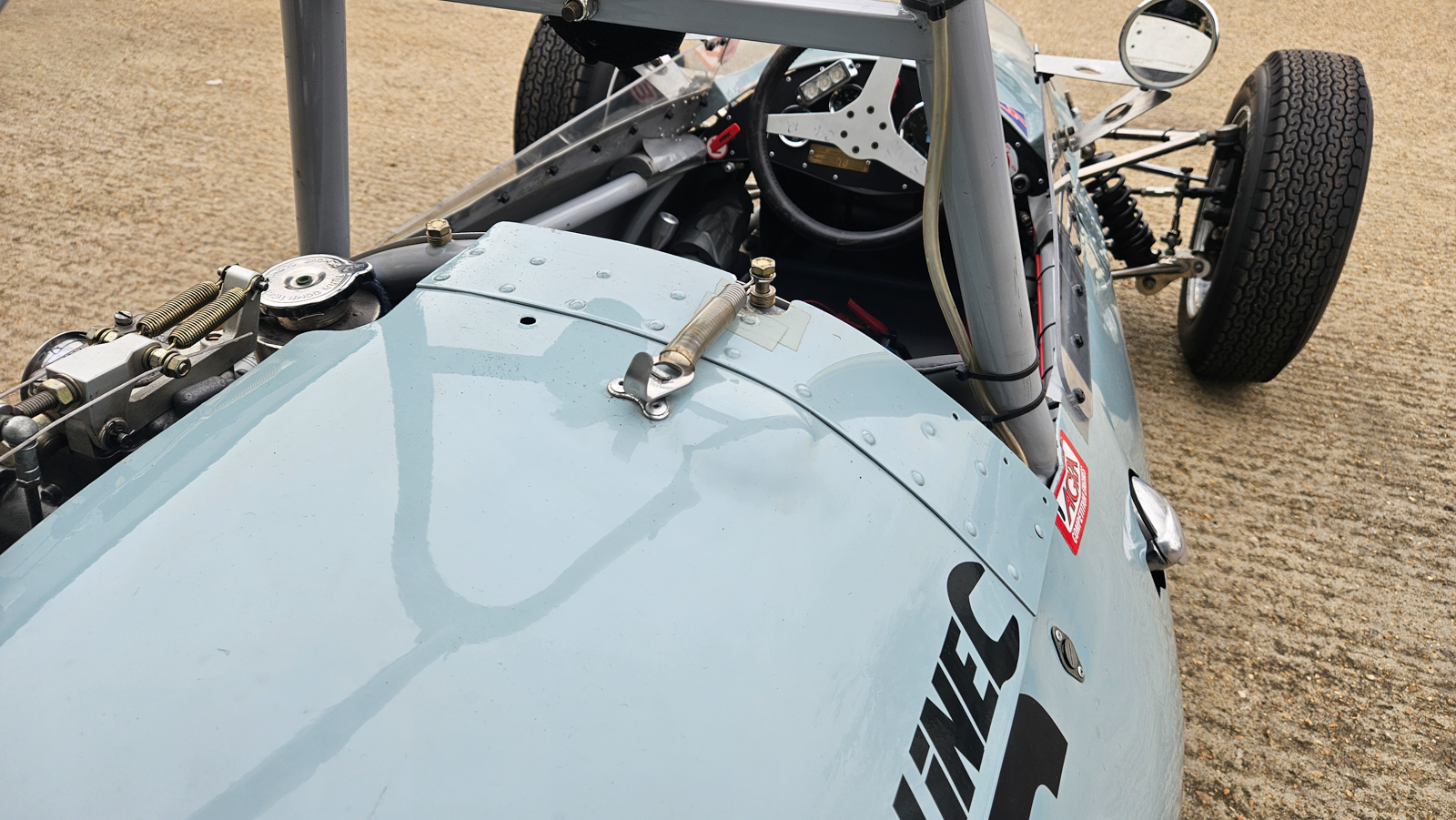
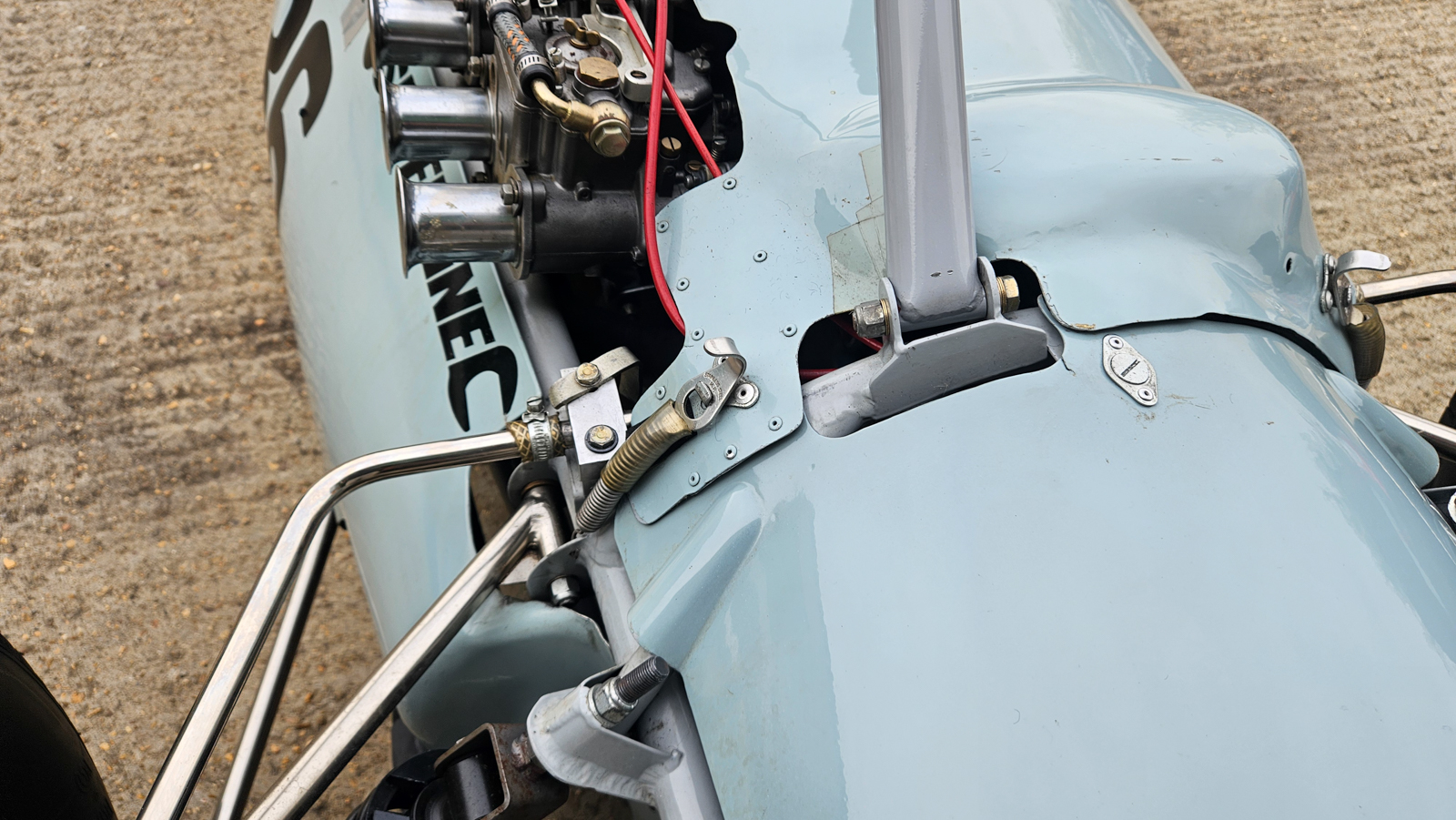
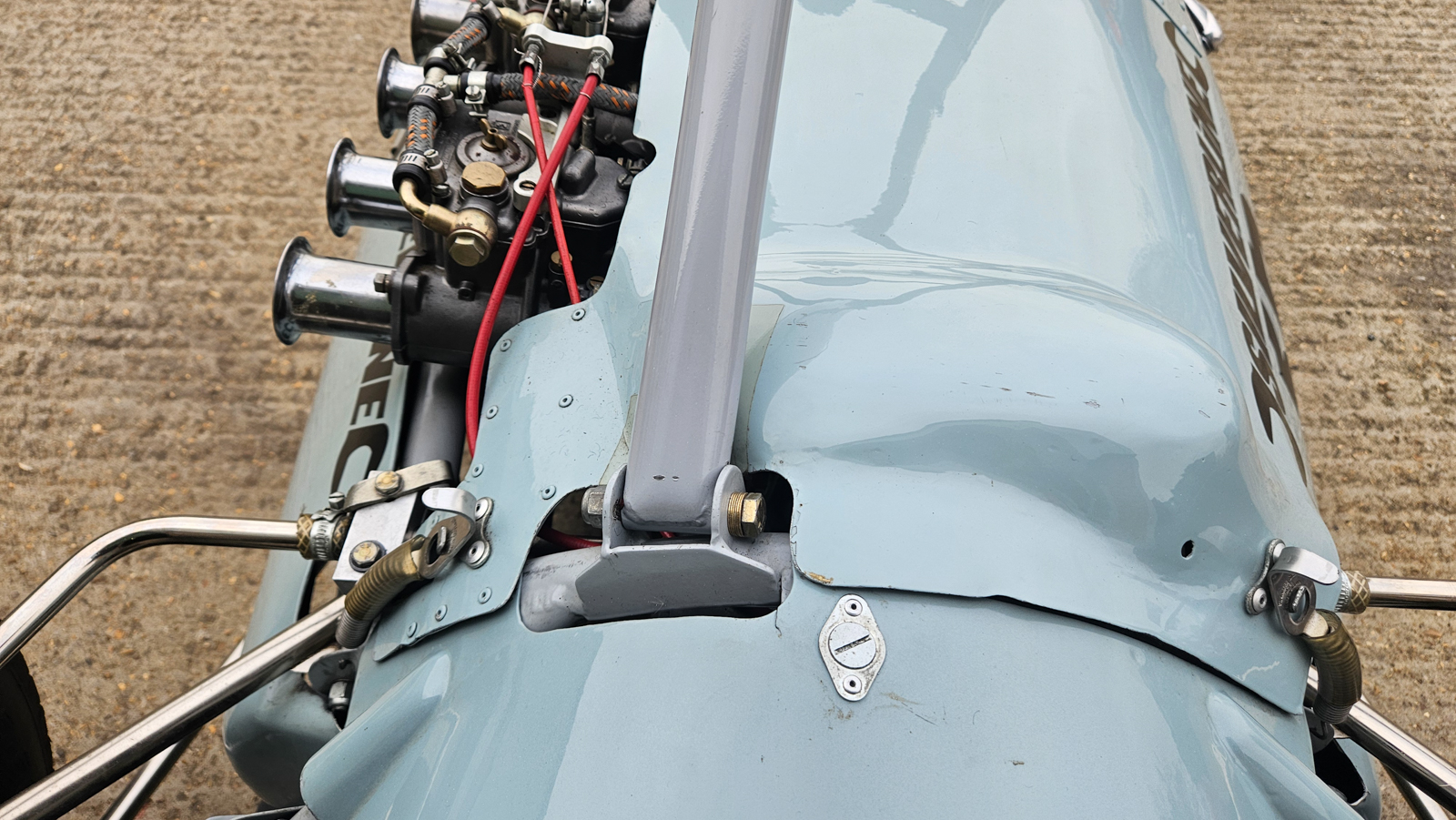
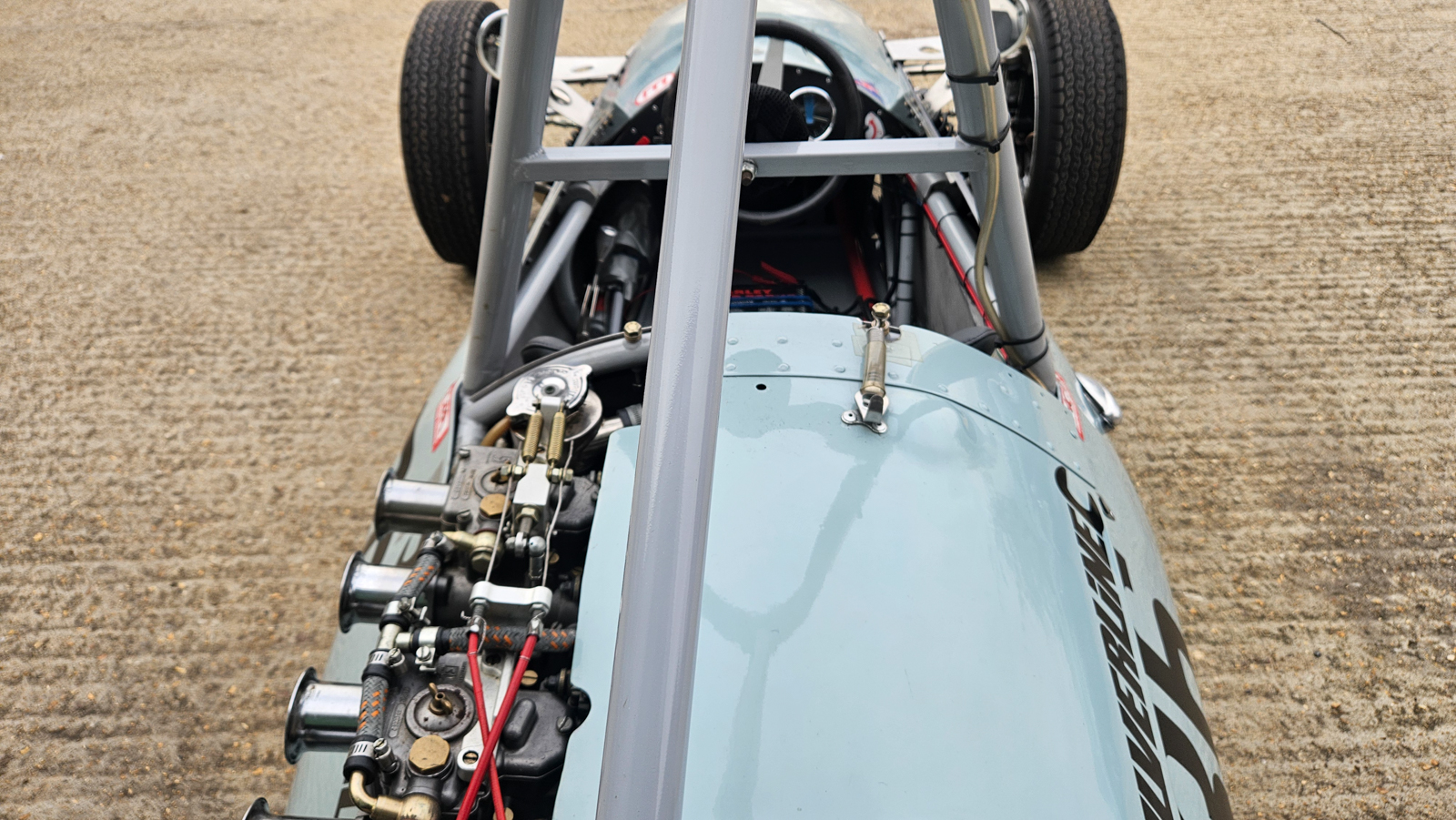
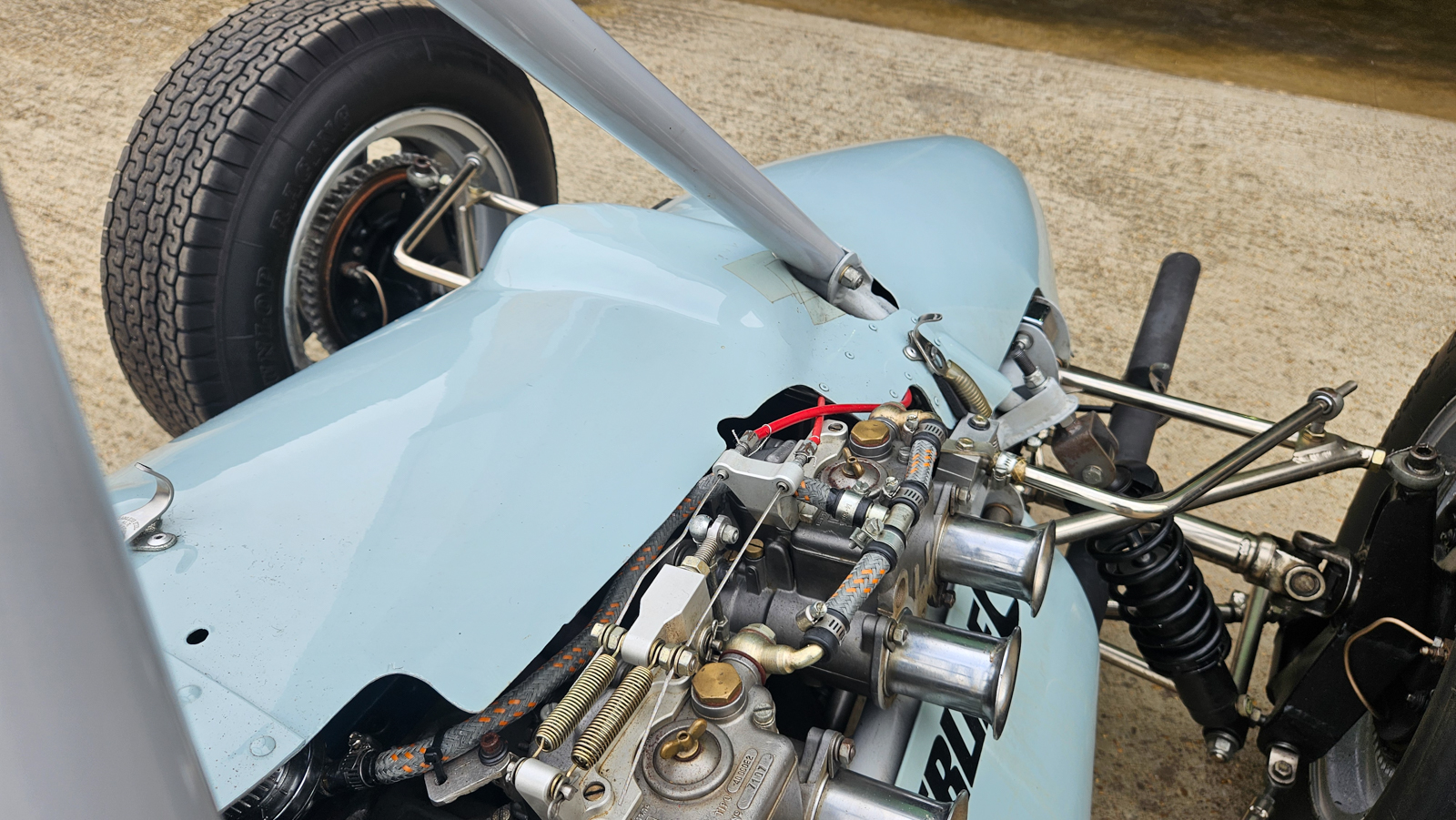
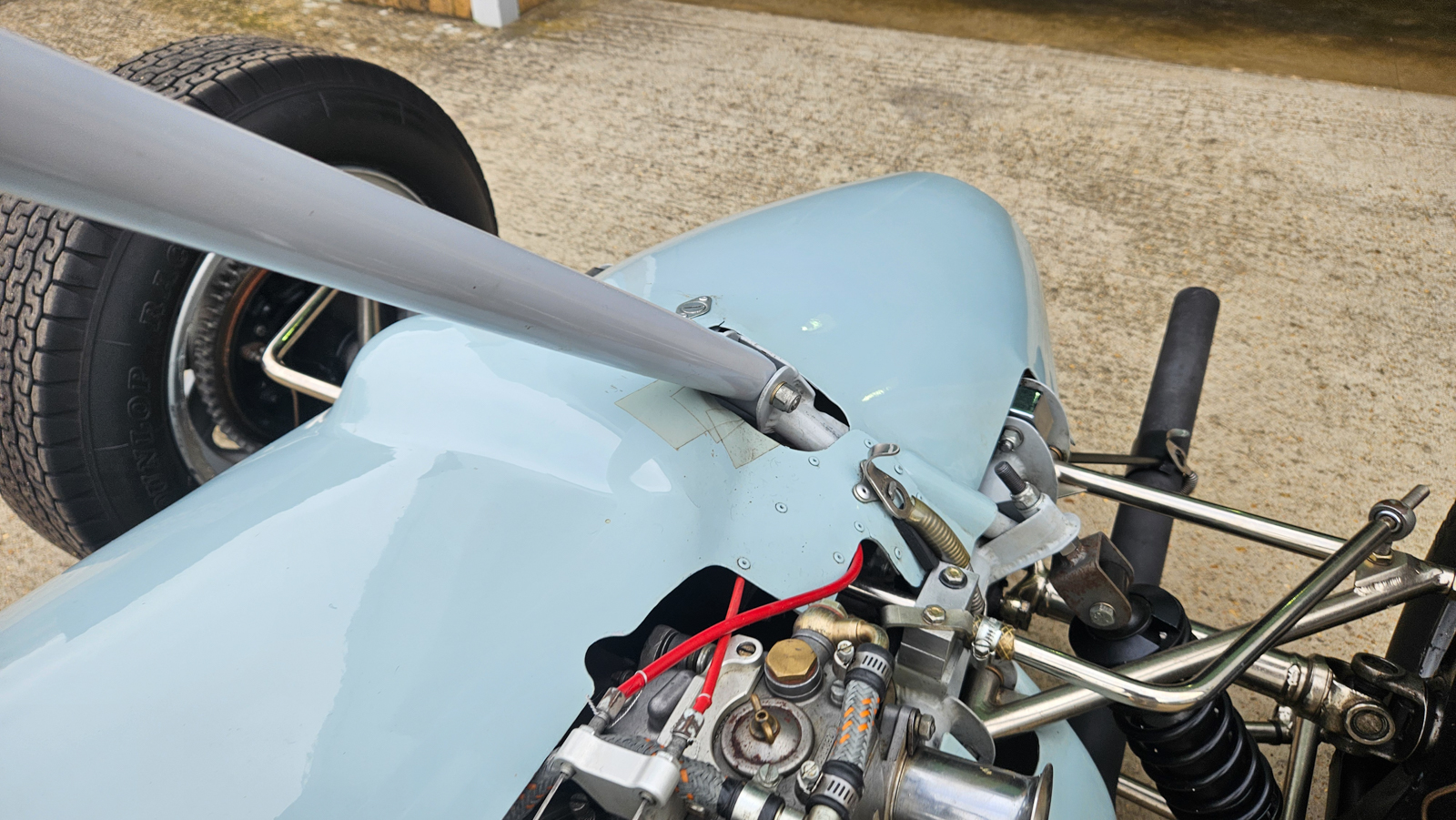
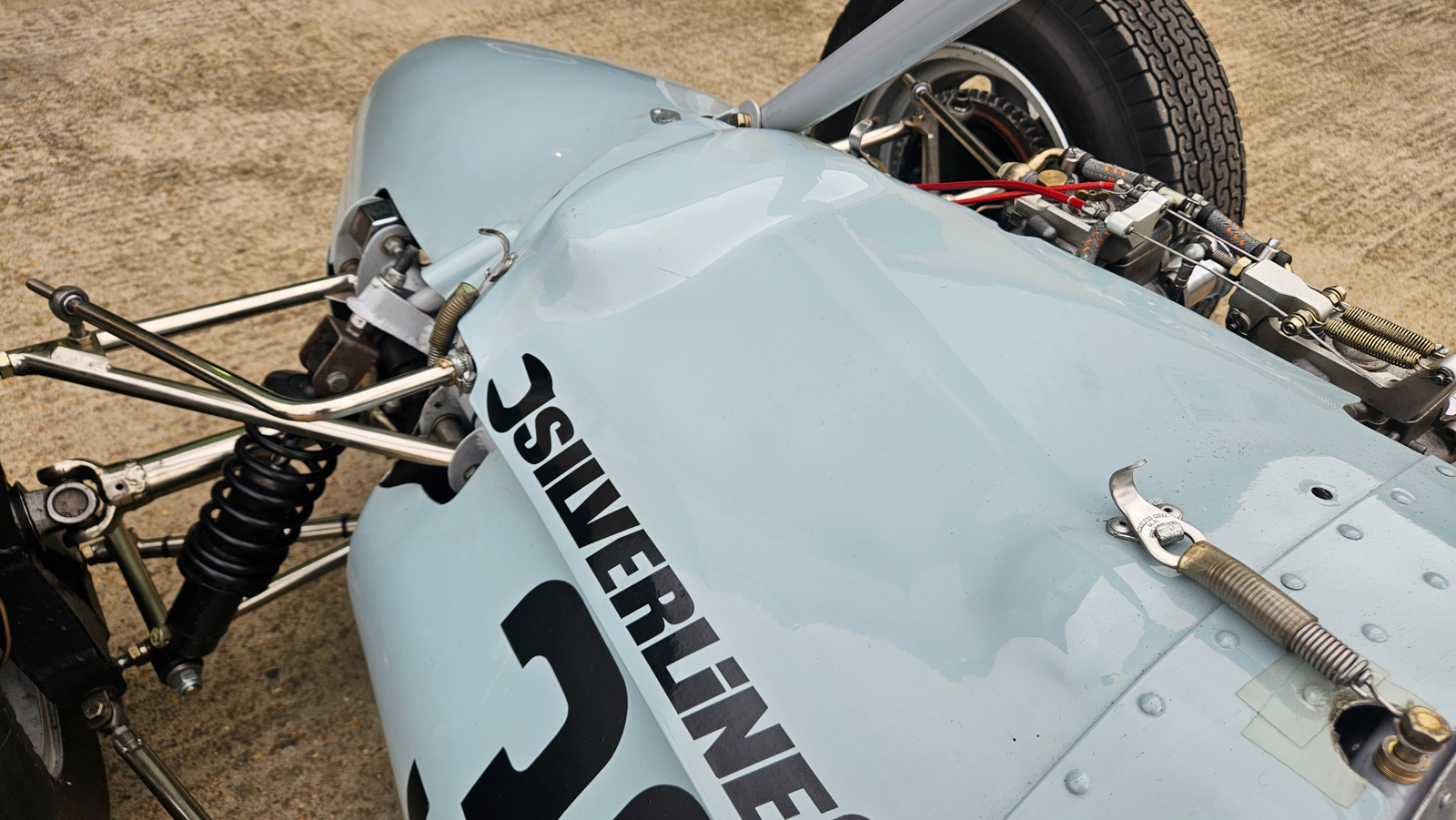
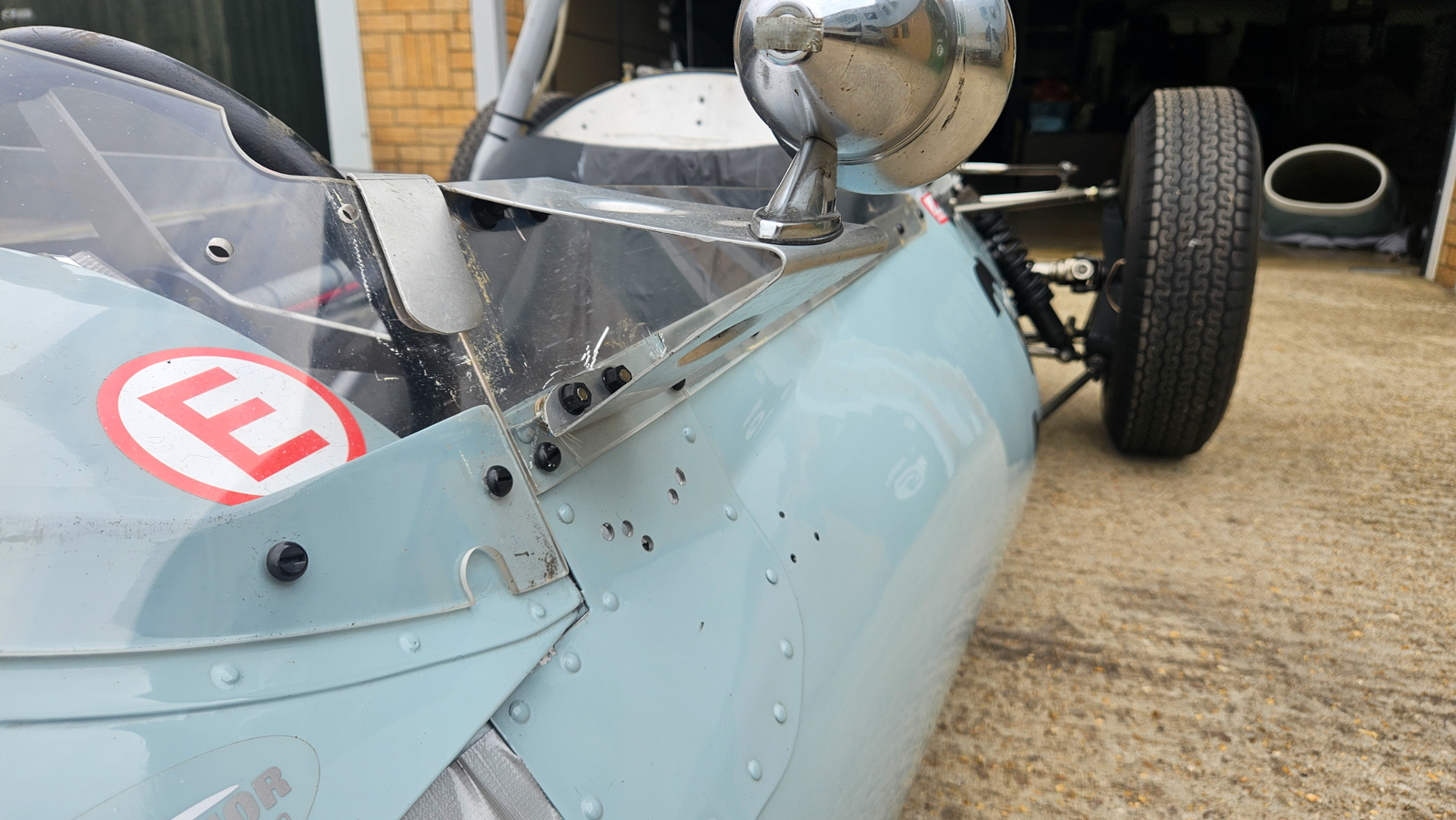
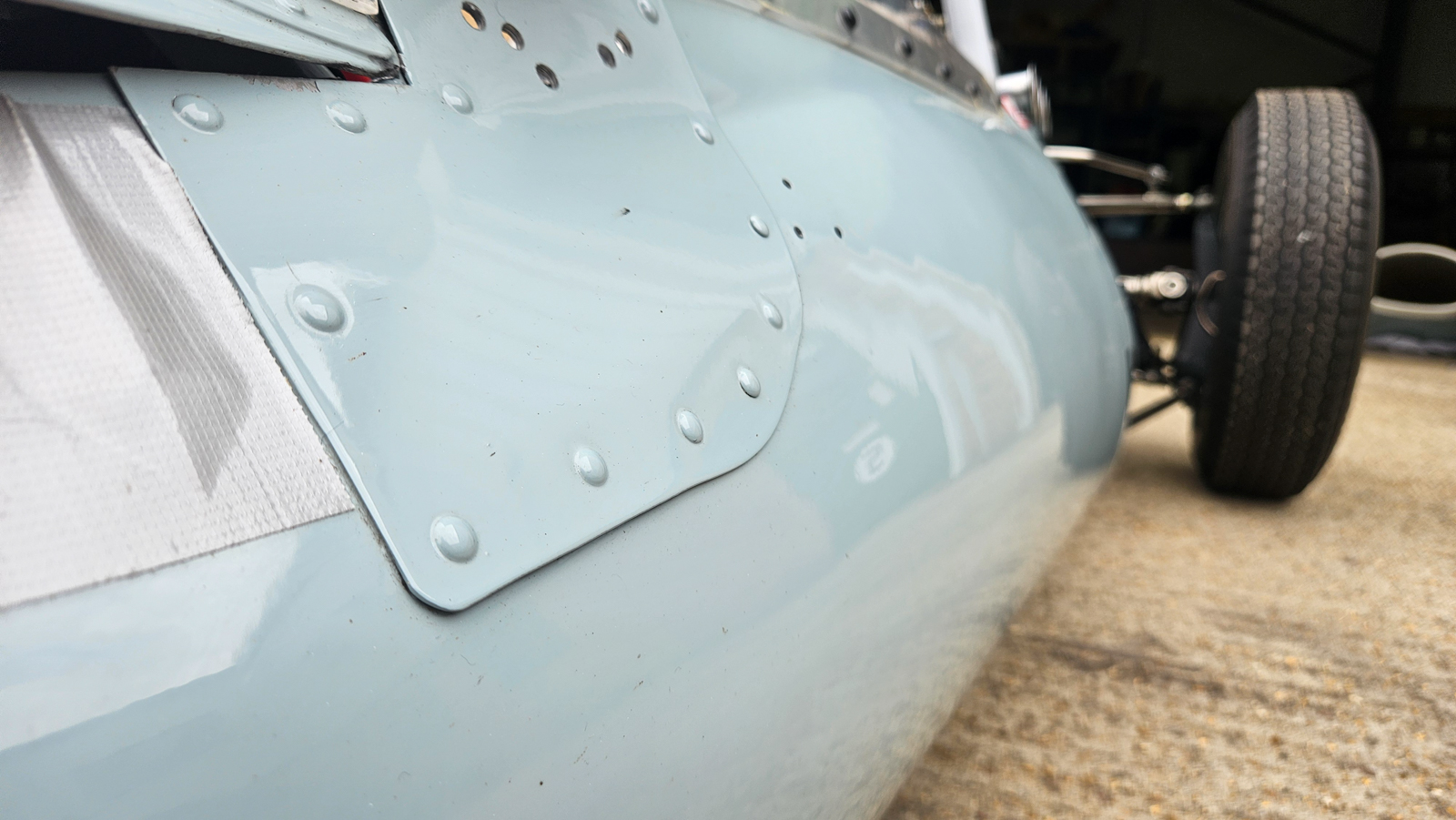
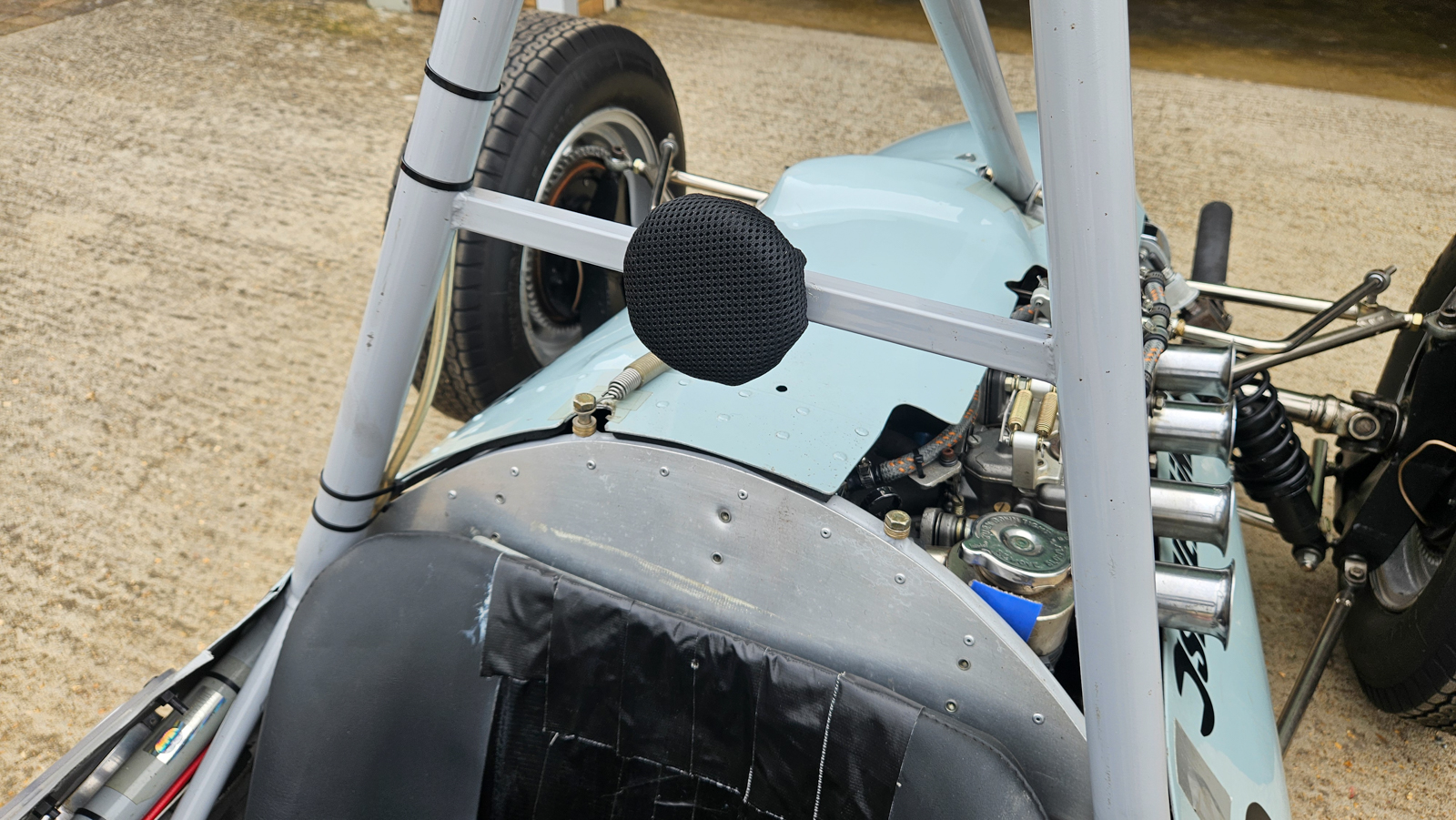
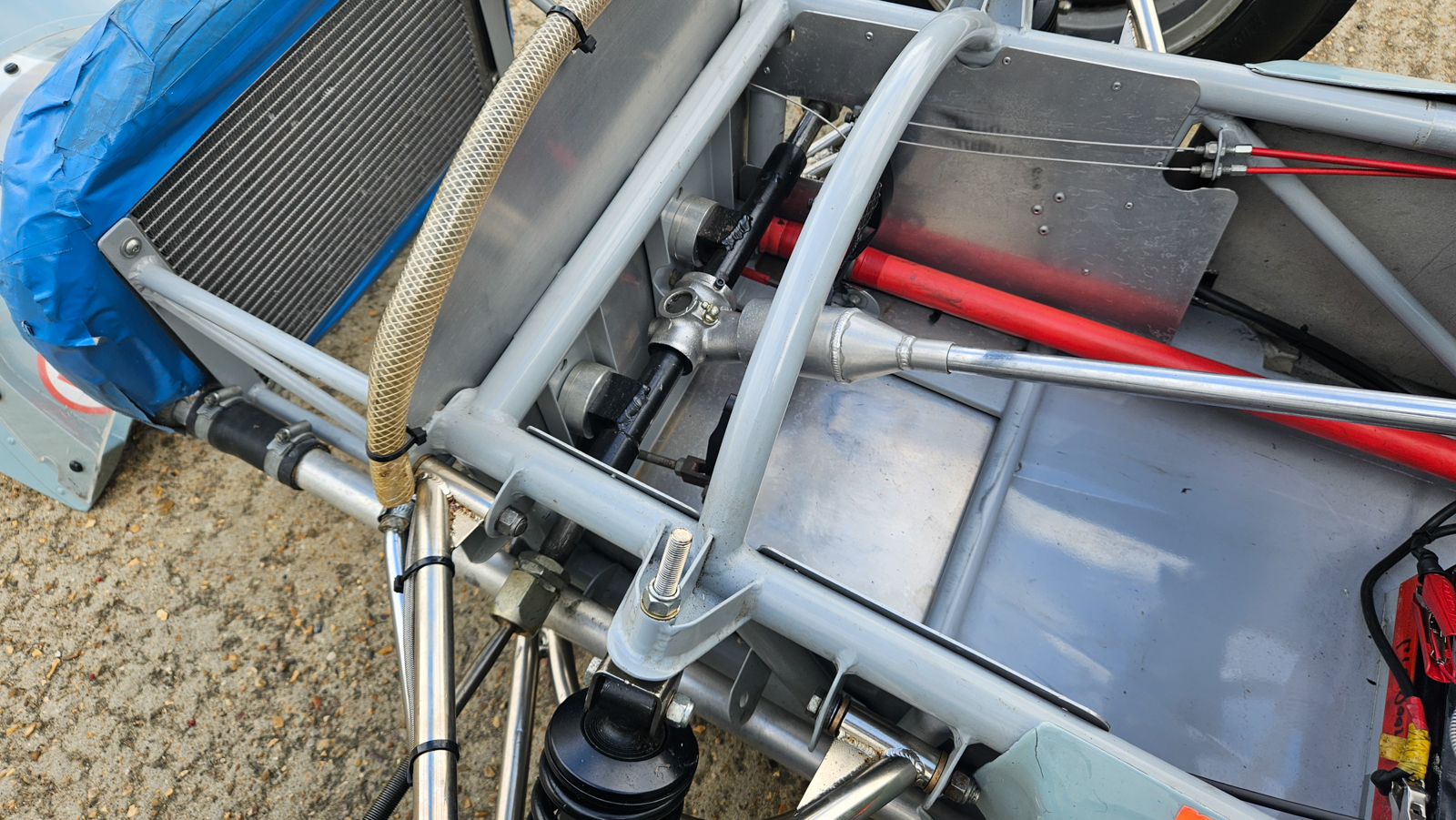
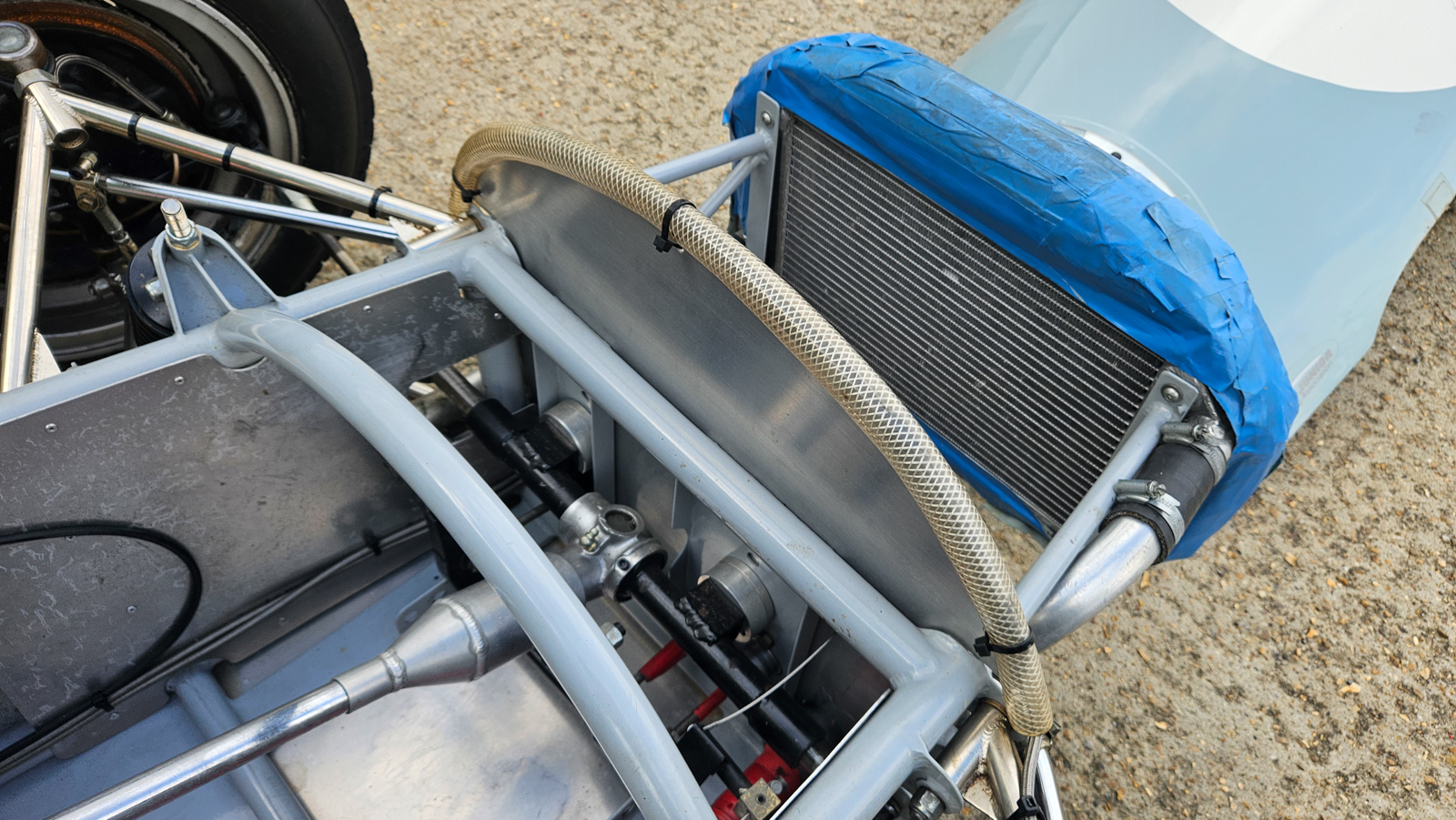
It is an exceptionally compact design, with tightly wrapped body panels, exposed wheels and suspension and a rear-mounted engine and transaxle. Rivets, quick-release fasteners and removable panels provide straightforward access to the mechanical components.
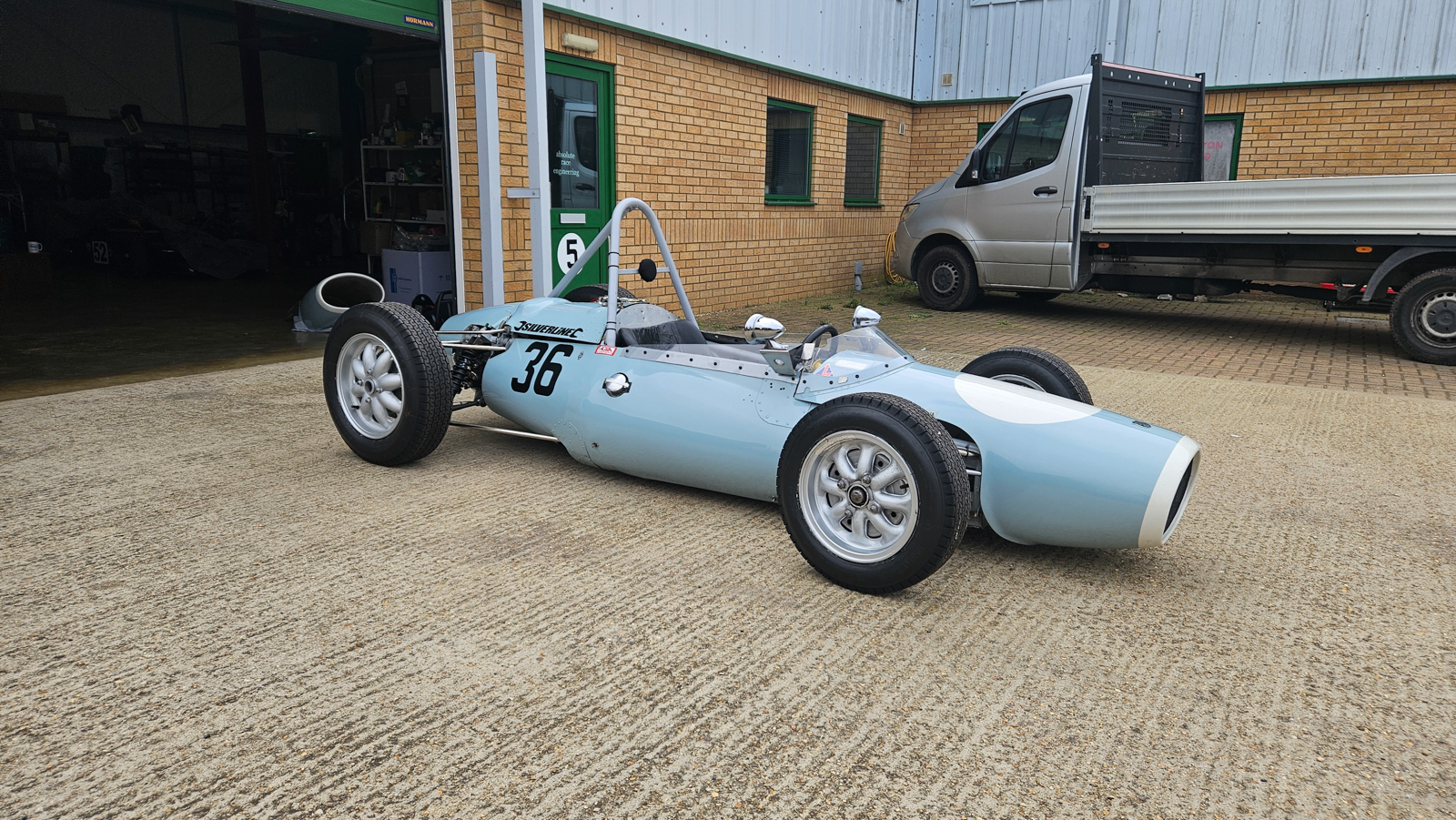
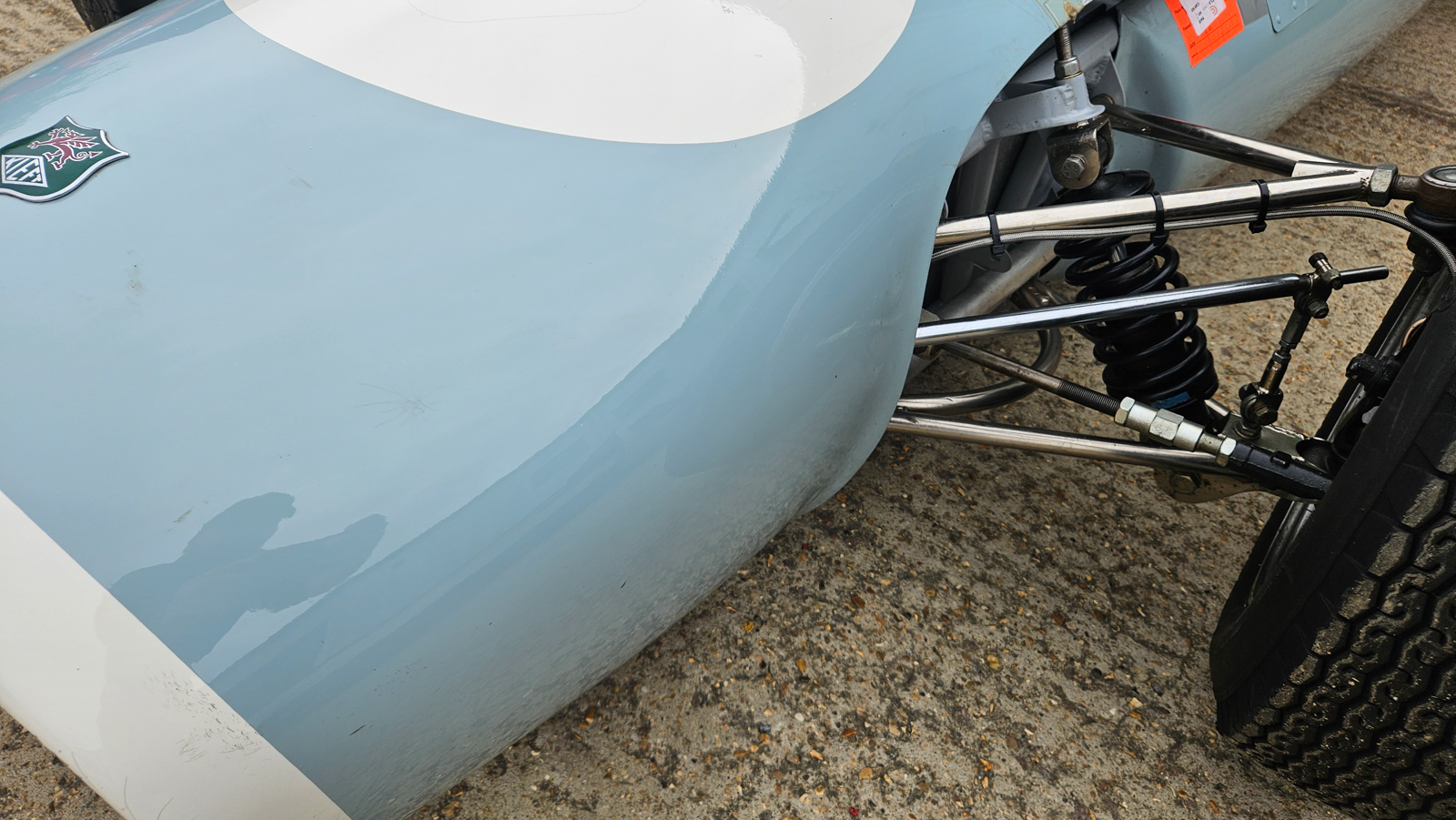
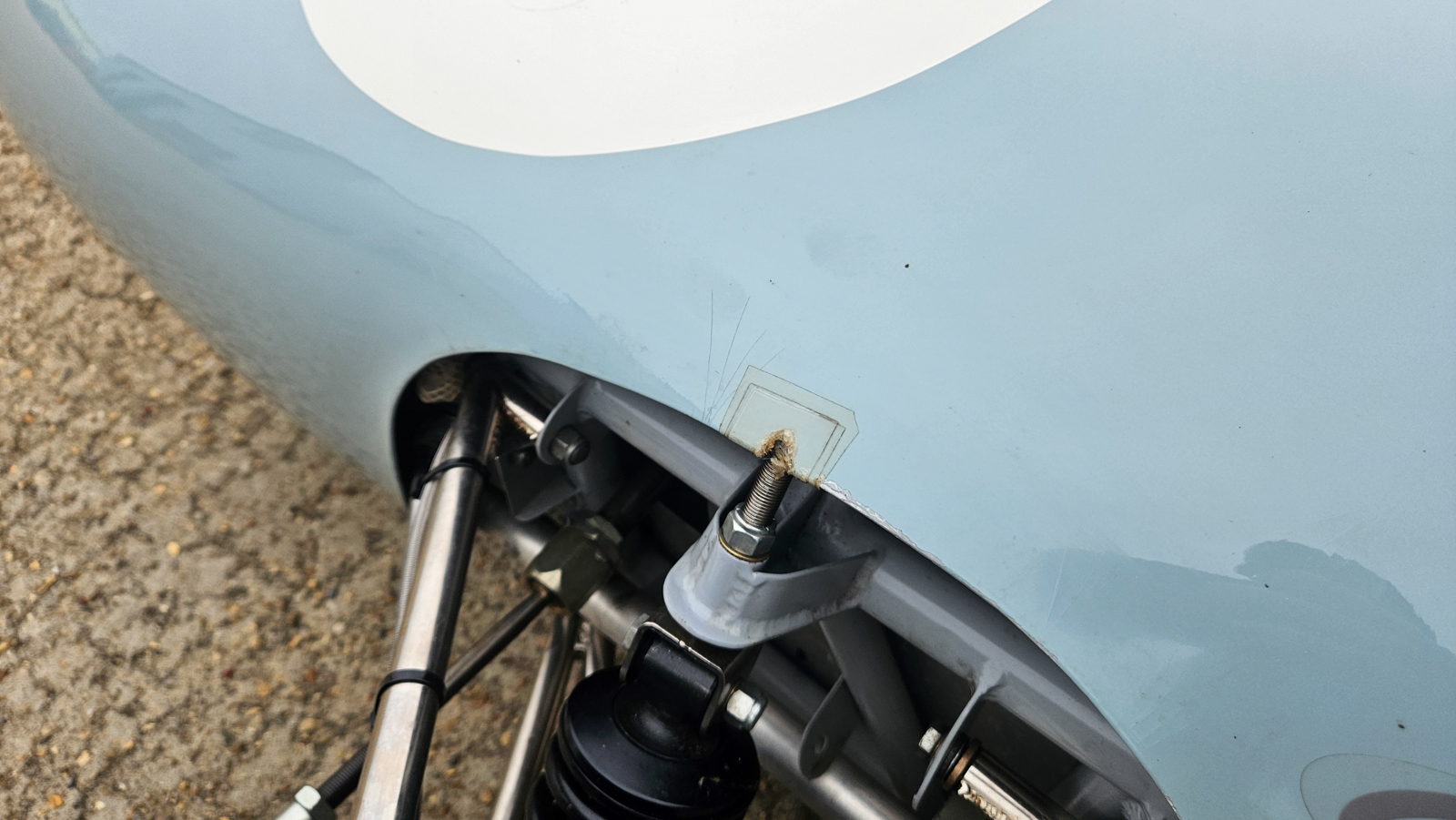
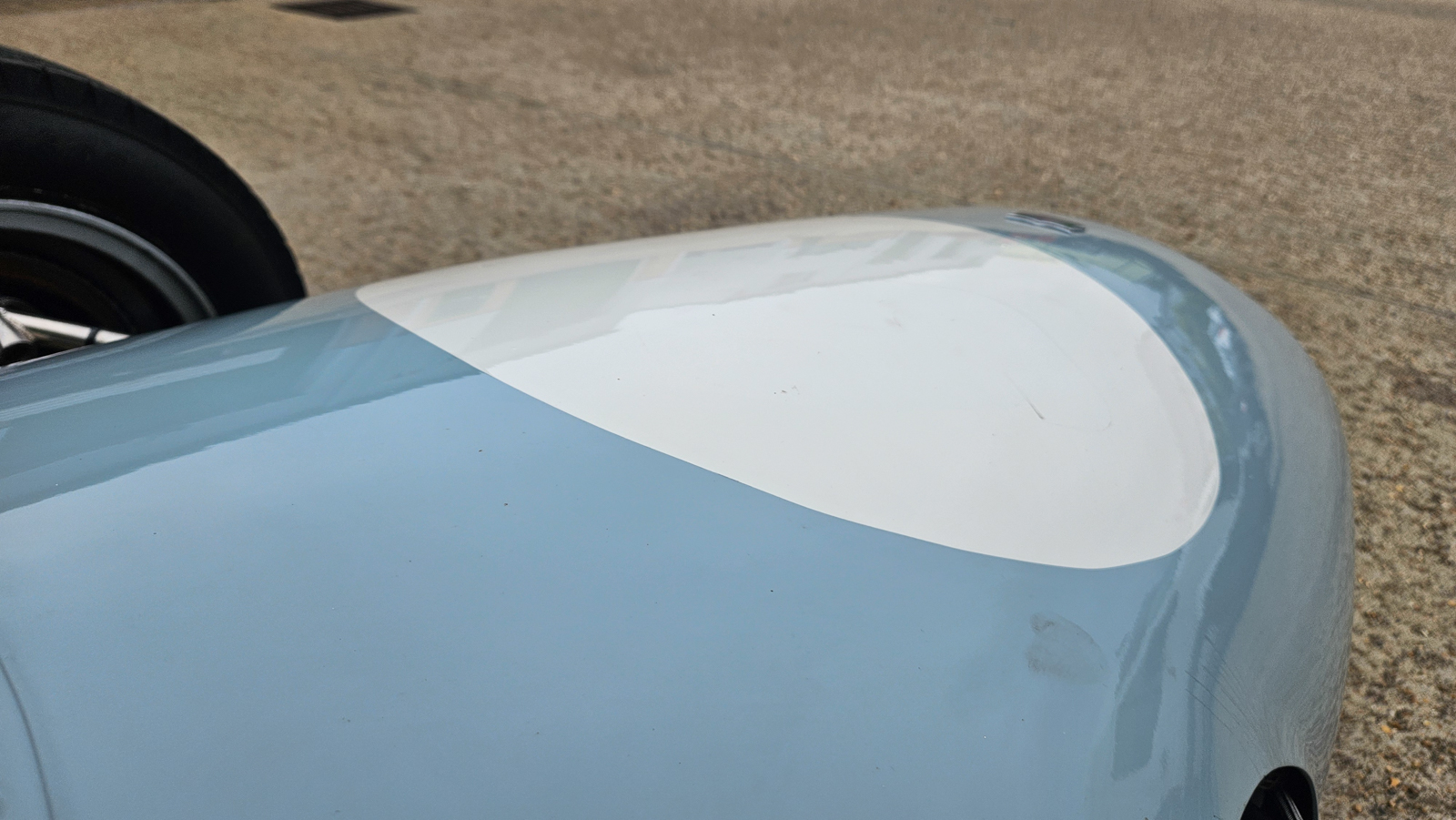
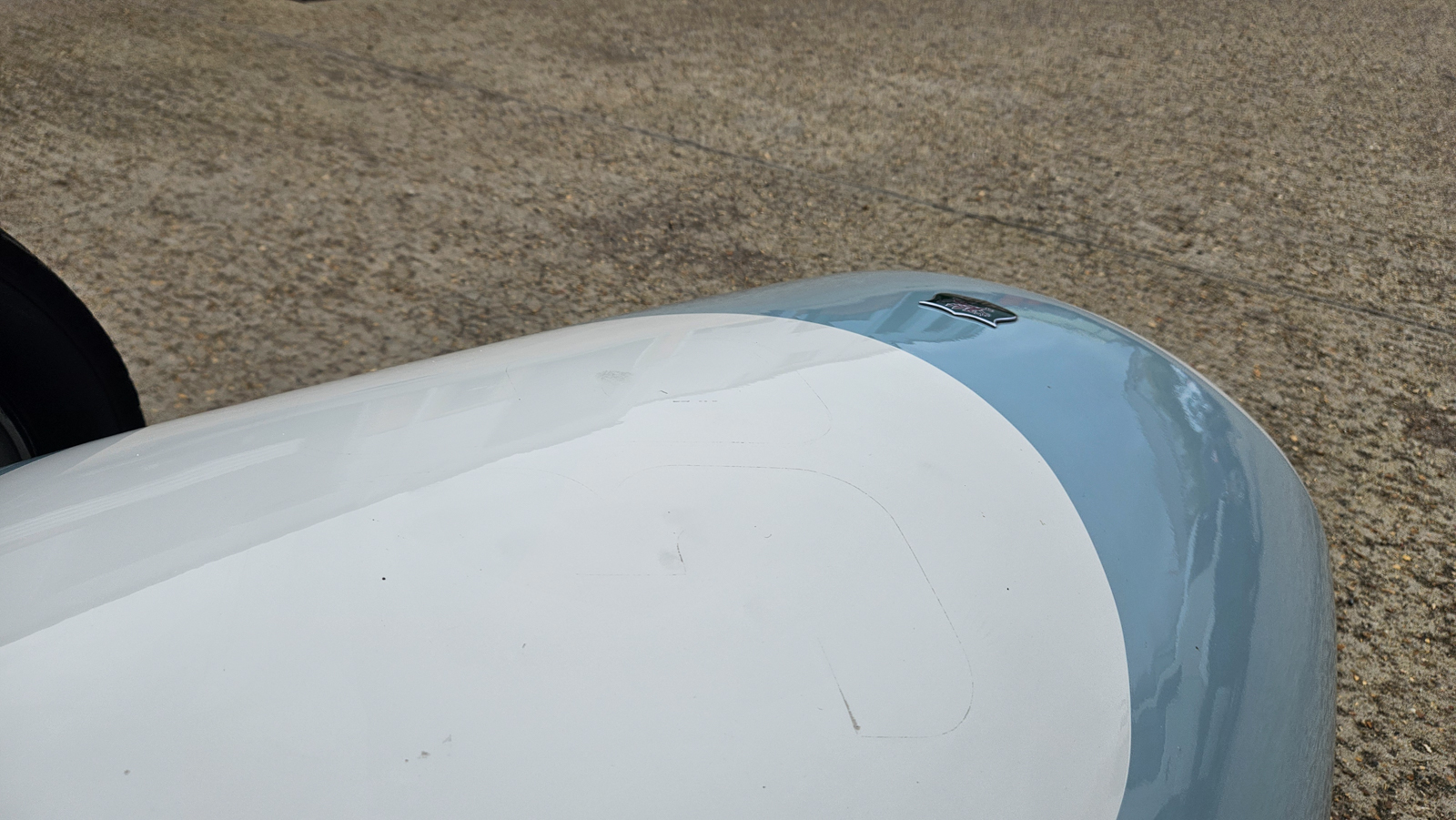
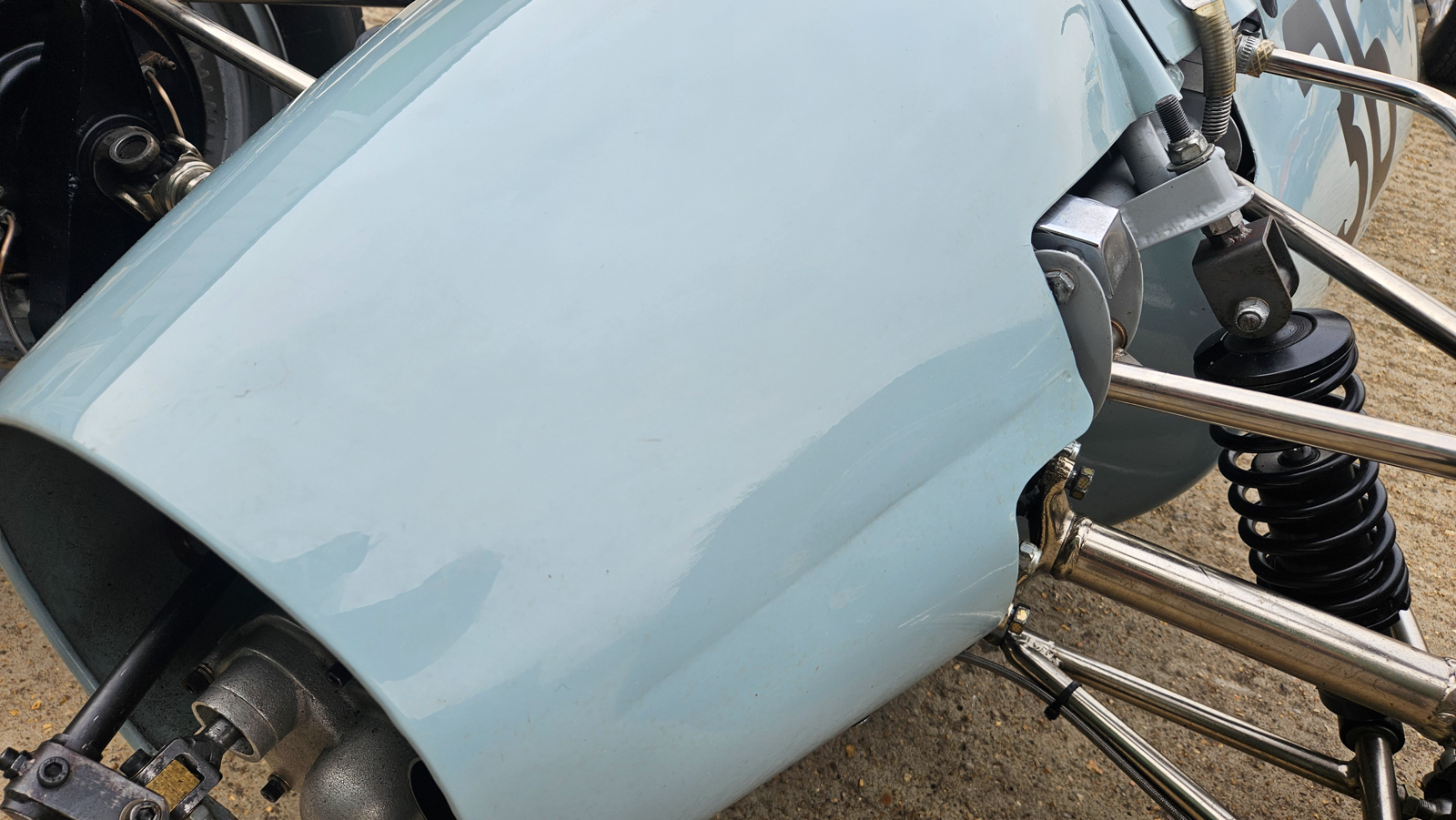
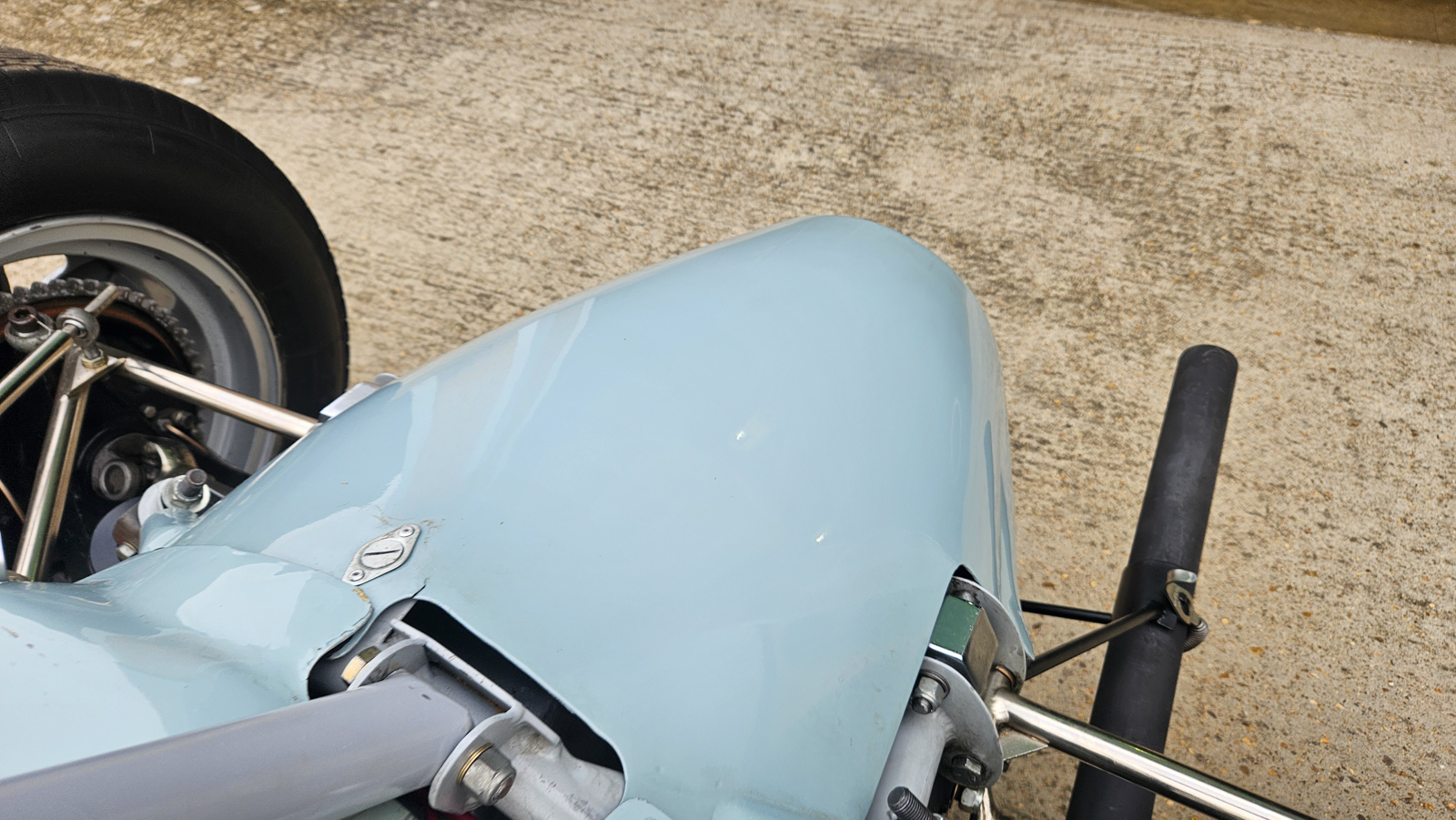
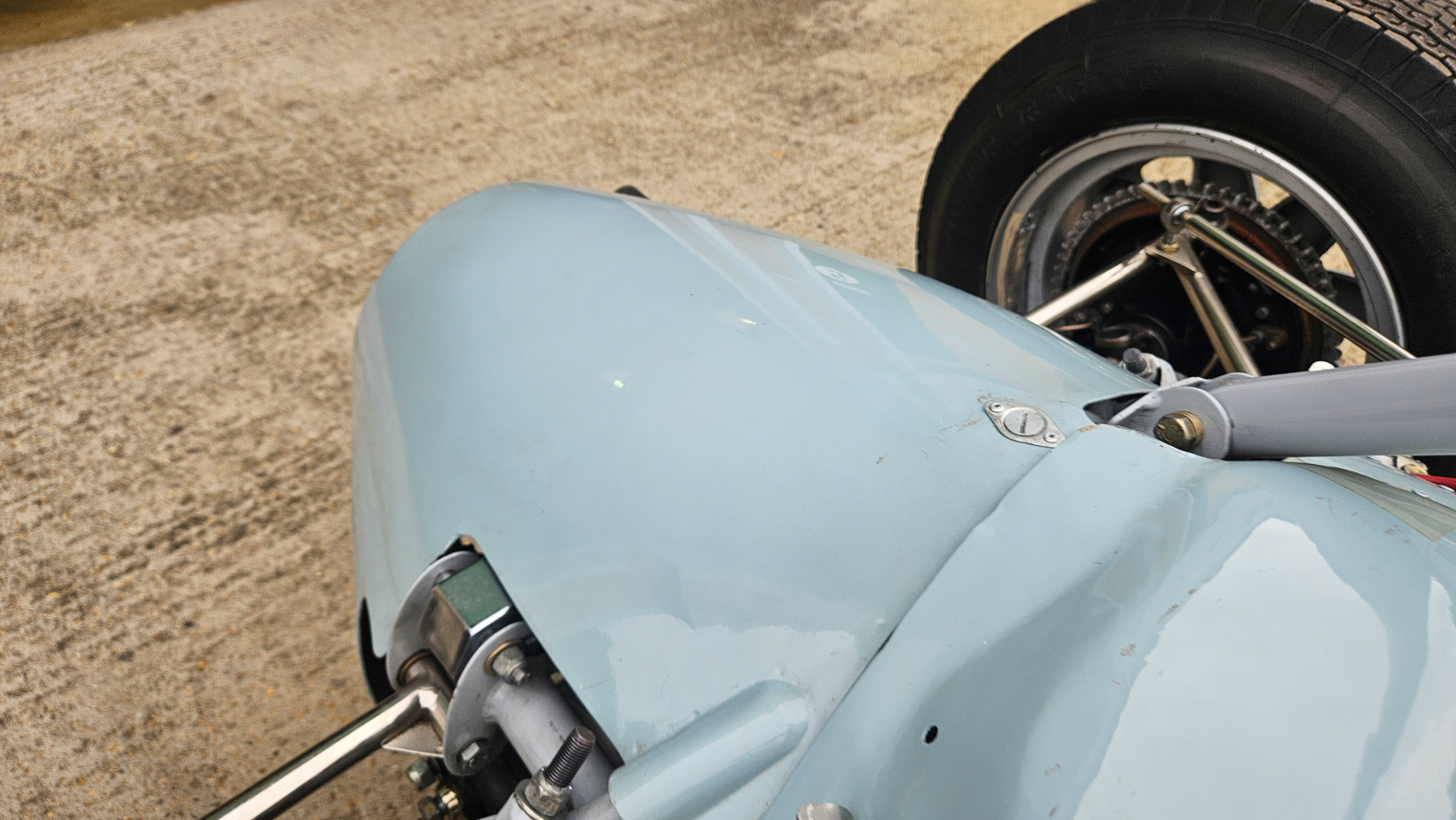
The bodywork presents well for a working historic racing car. There are several marks and localised imperfections visible upon closer inspection.

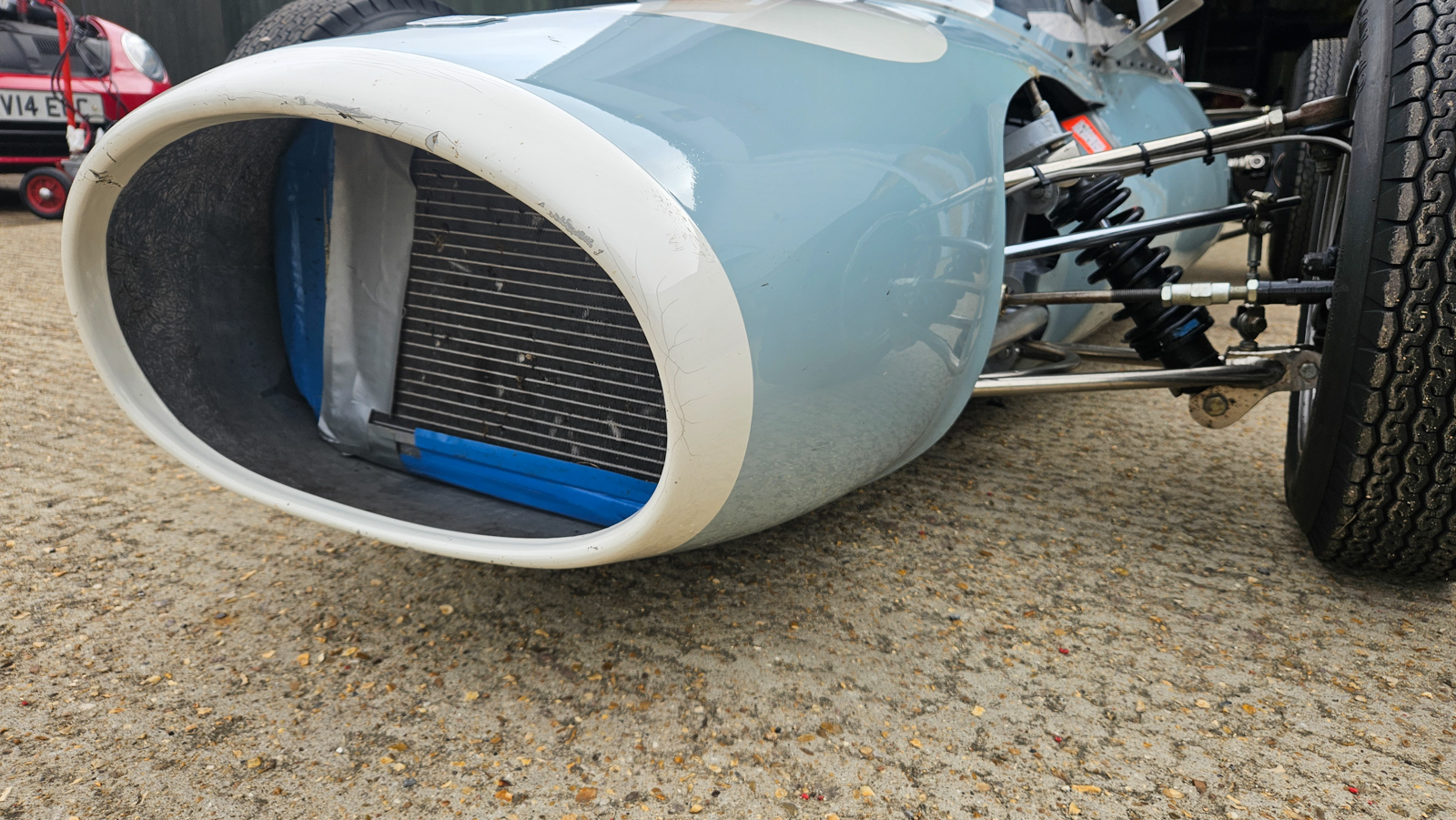
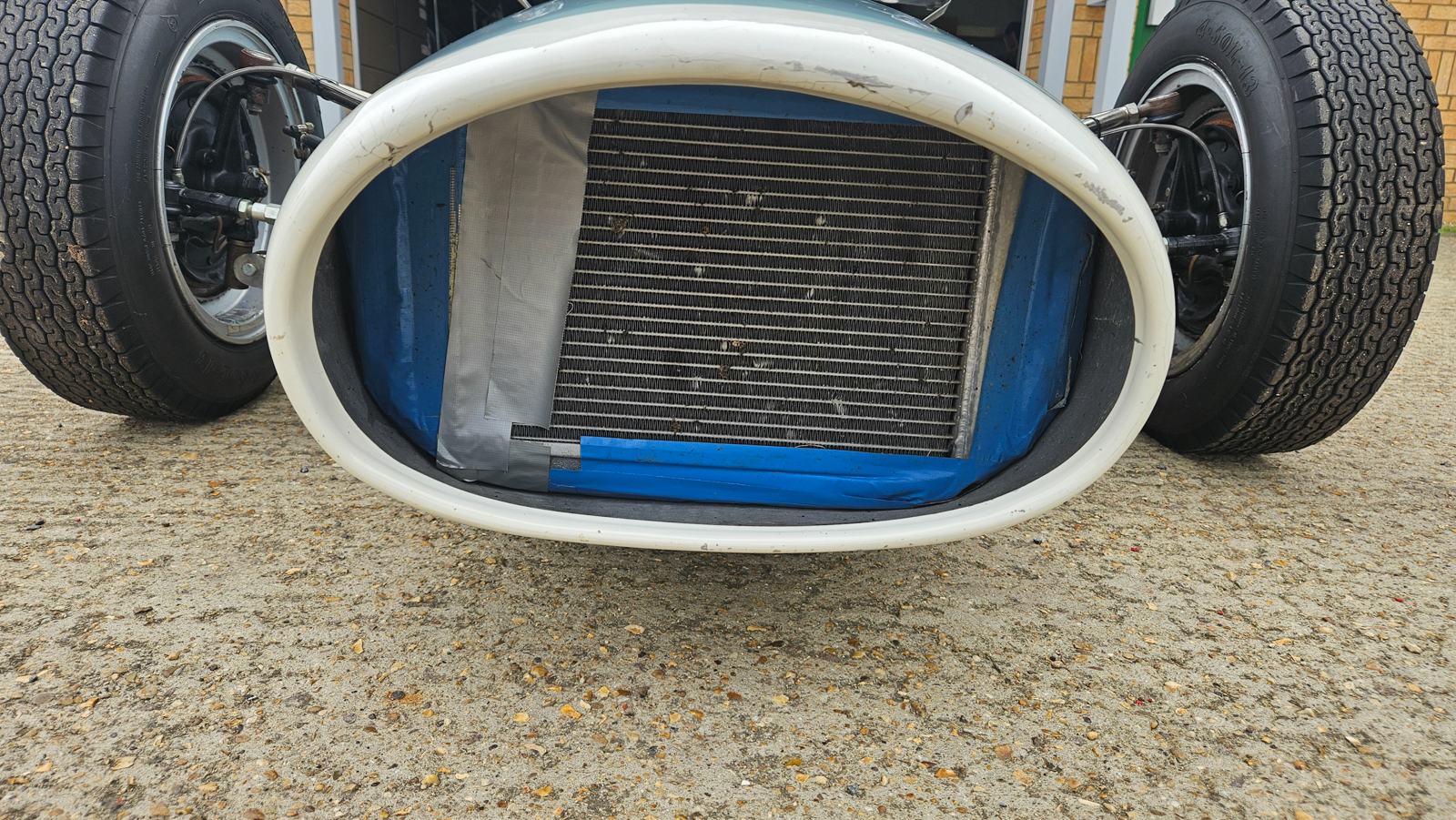
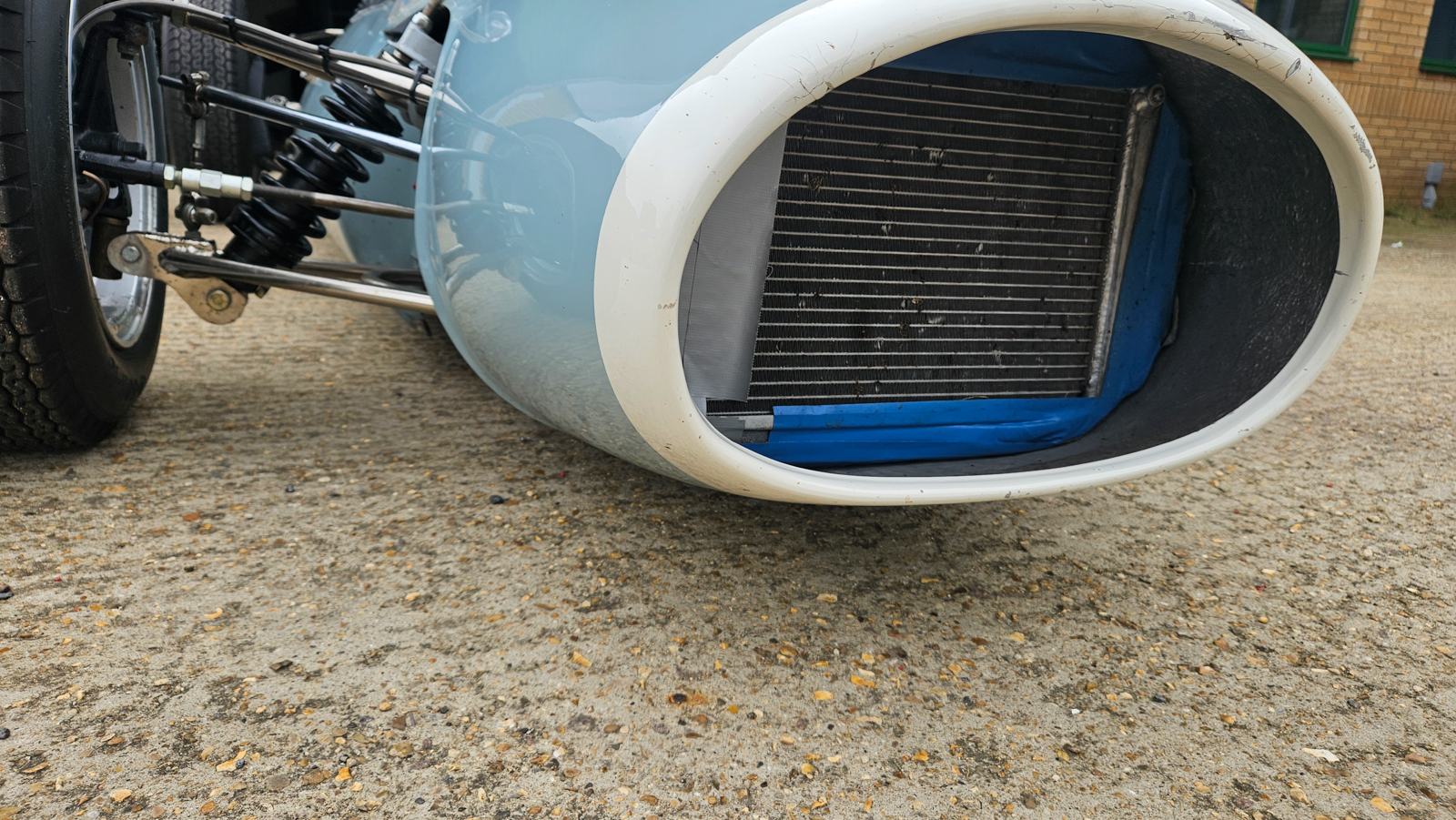
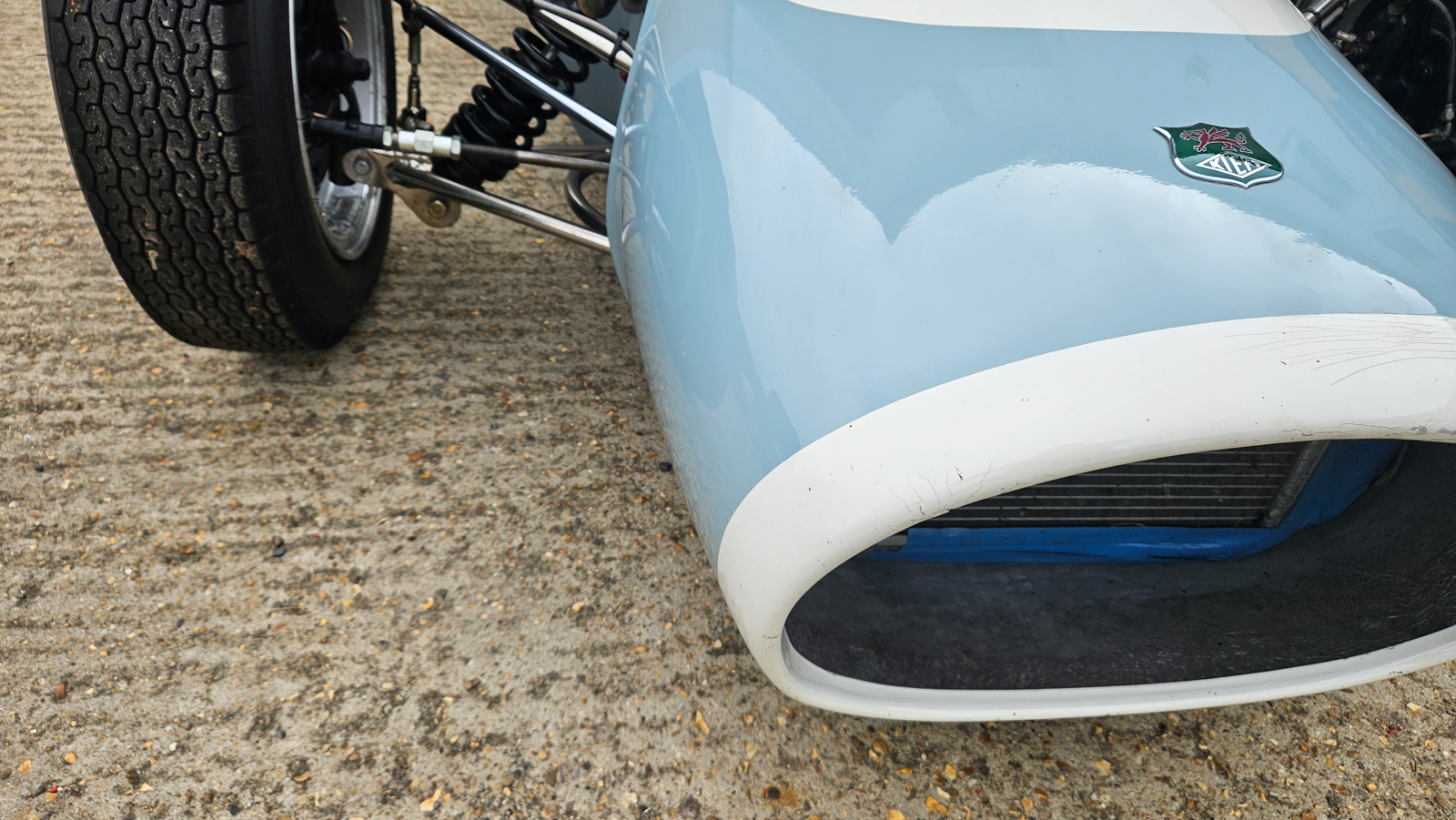
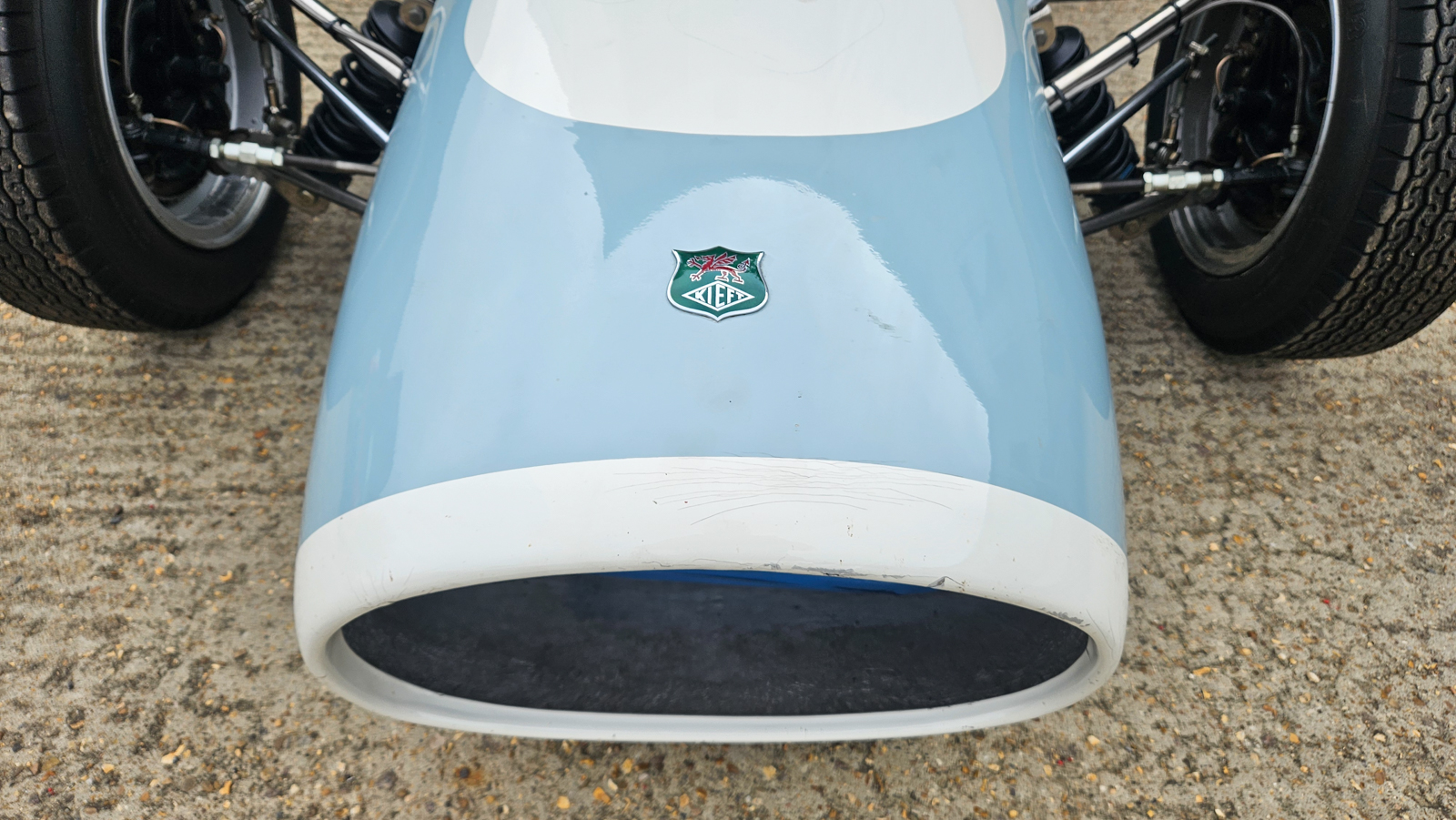
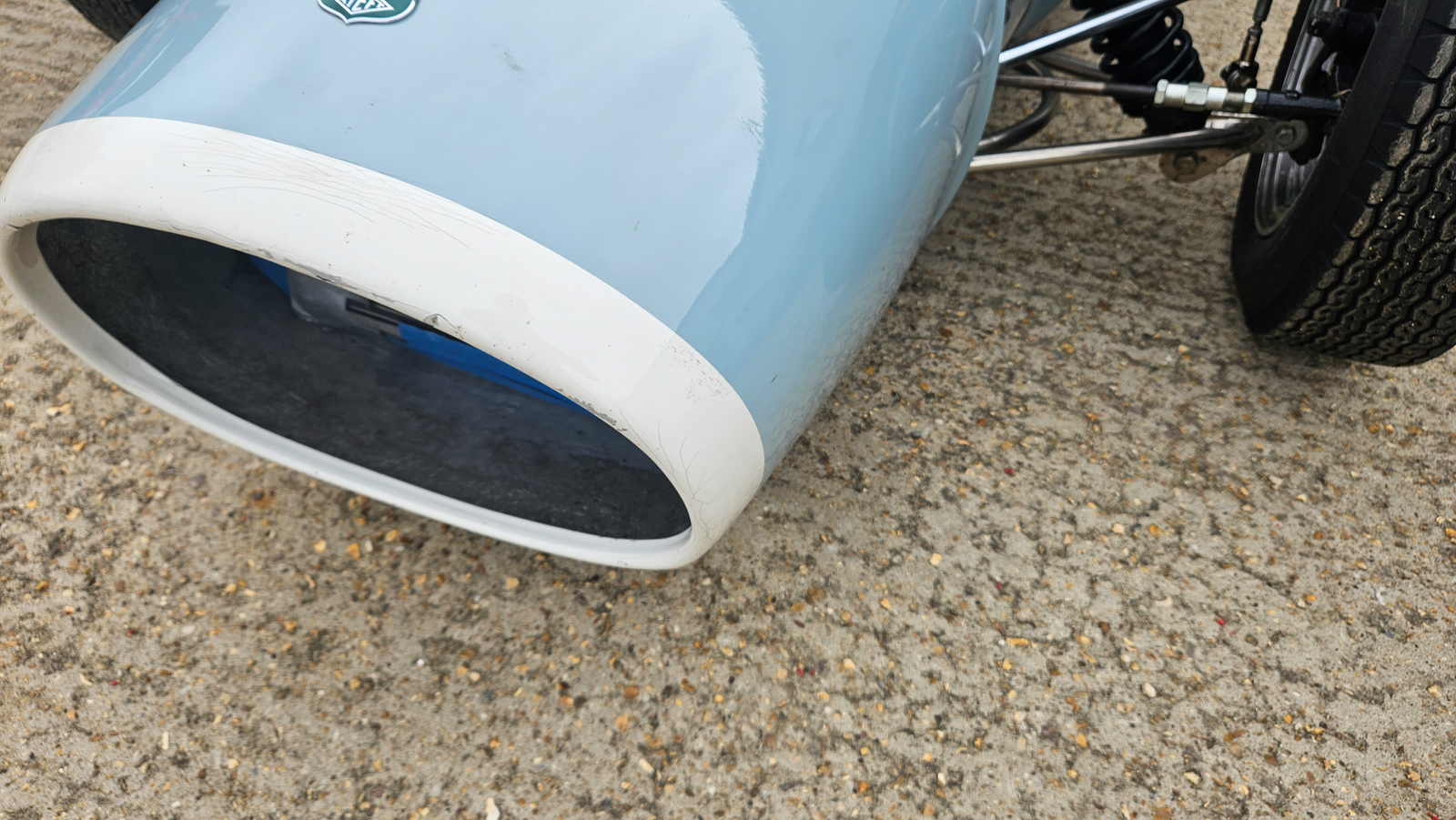
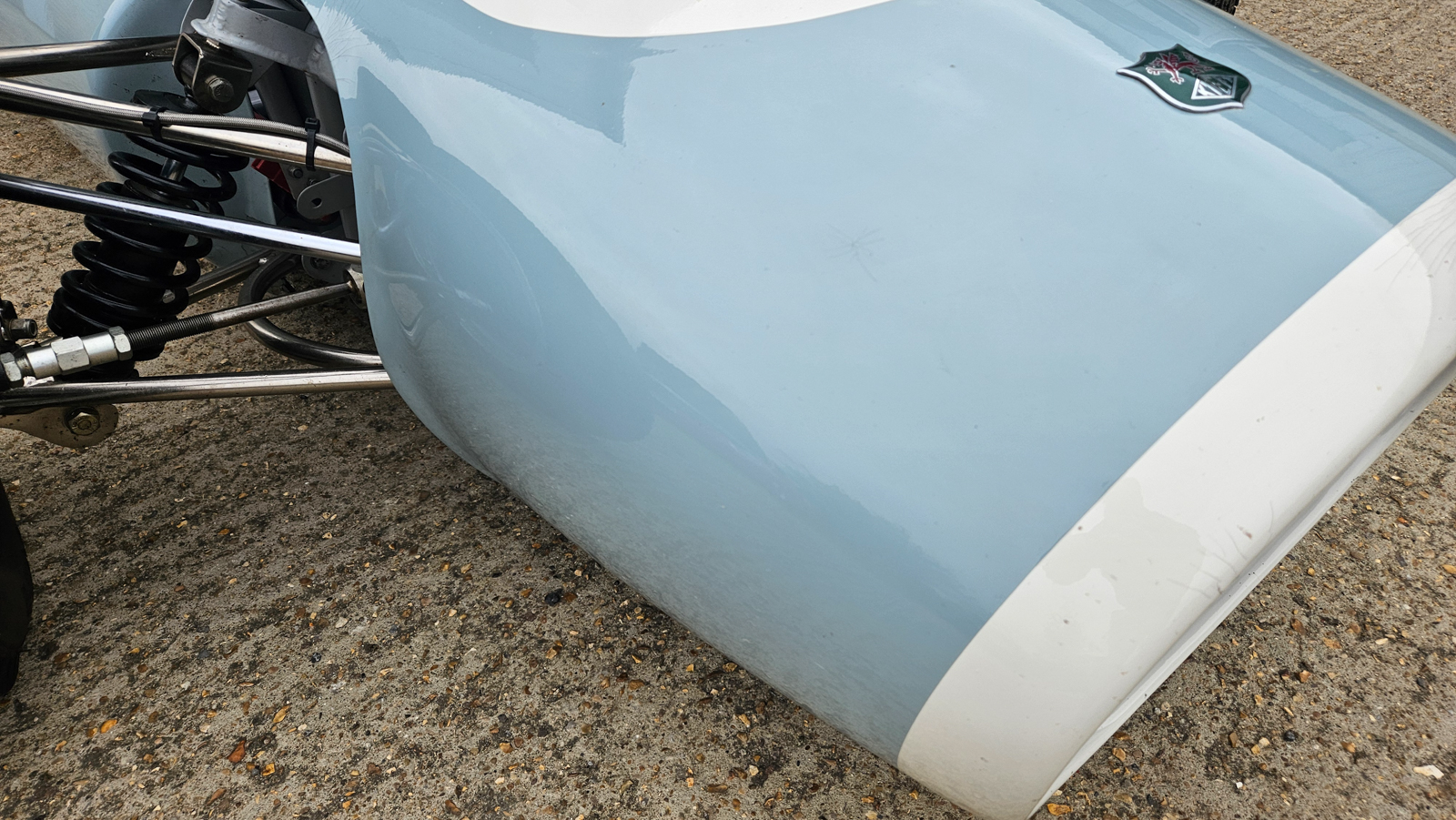
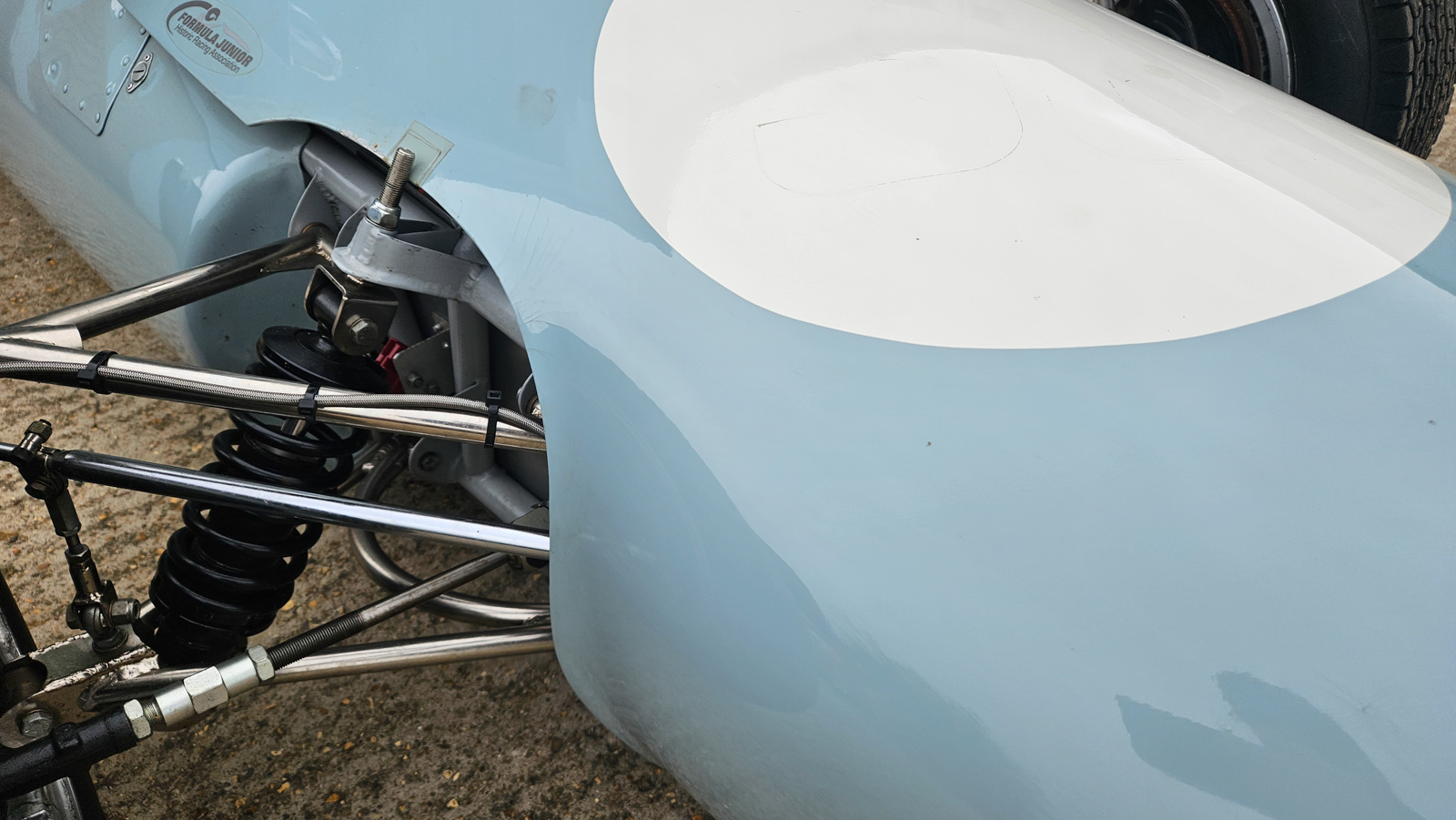
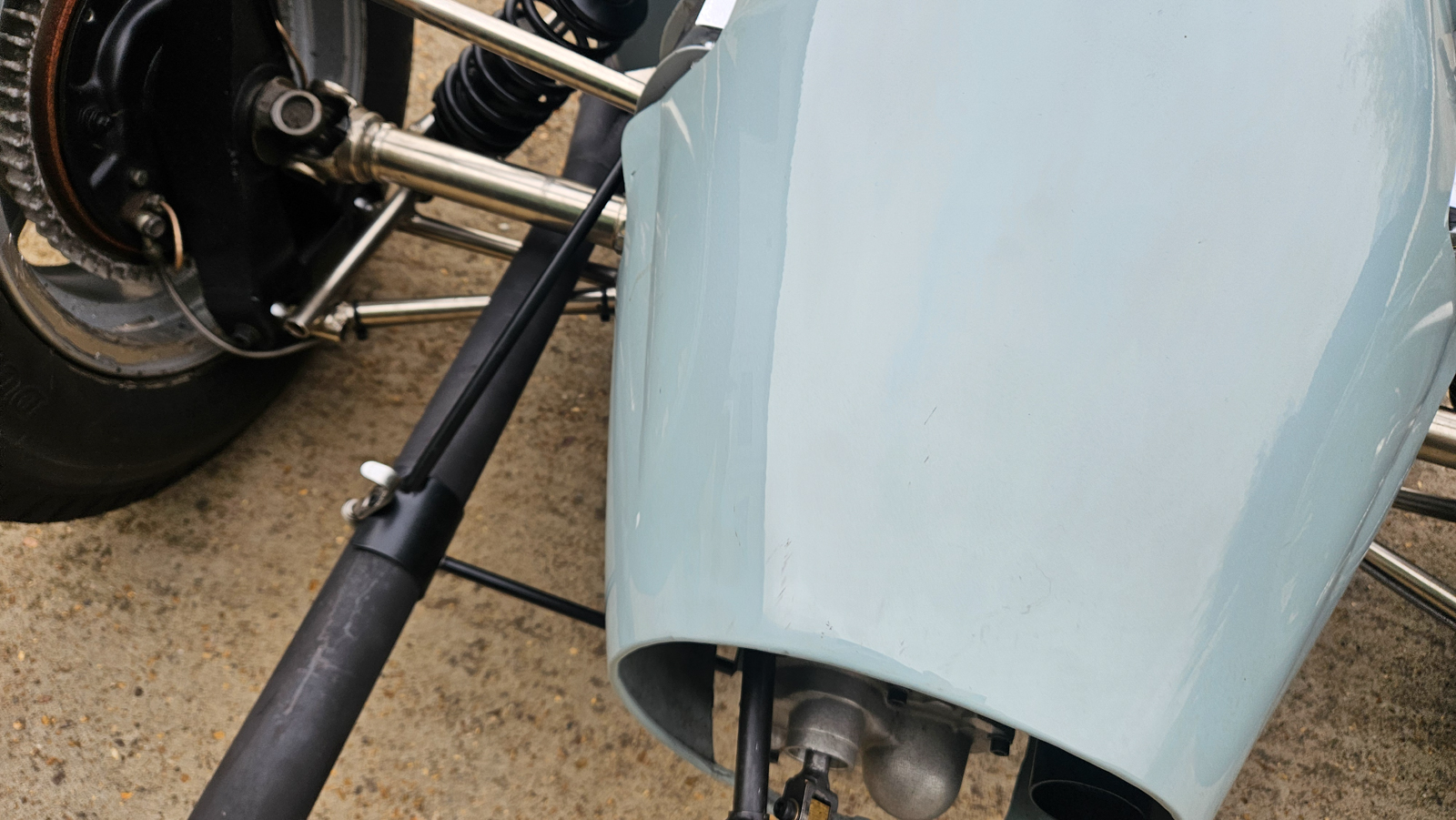
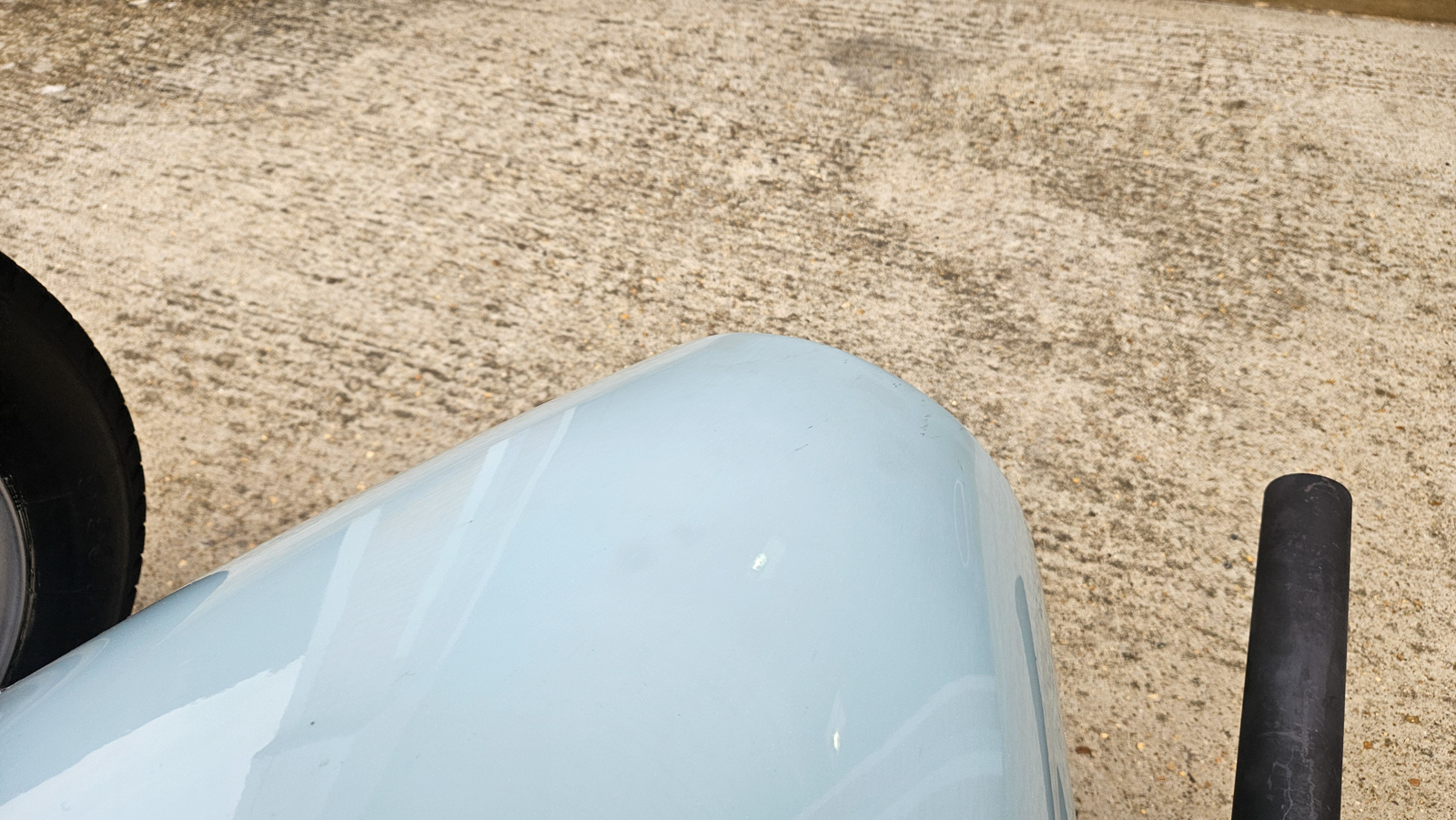
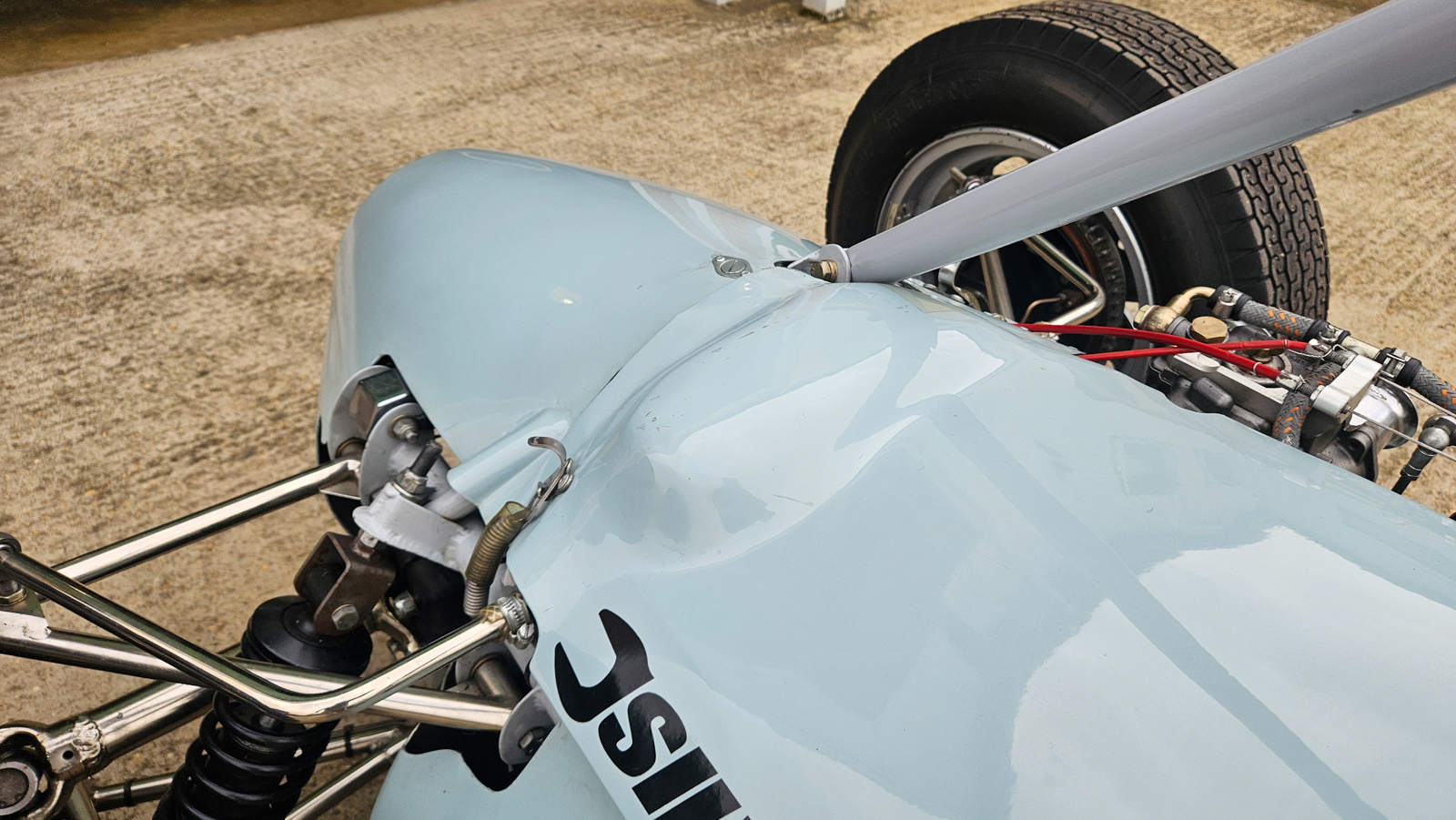
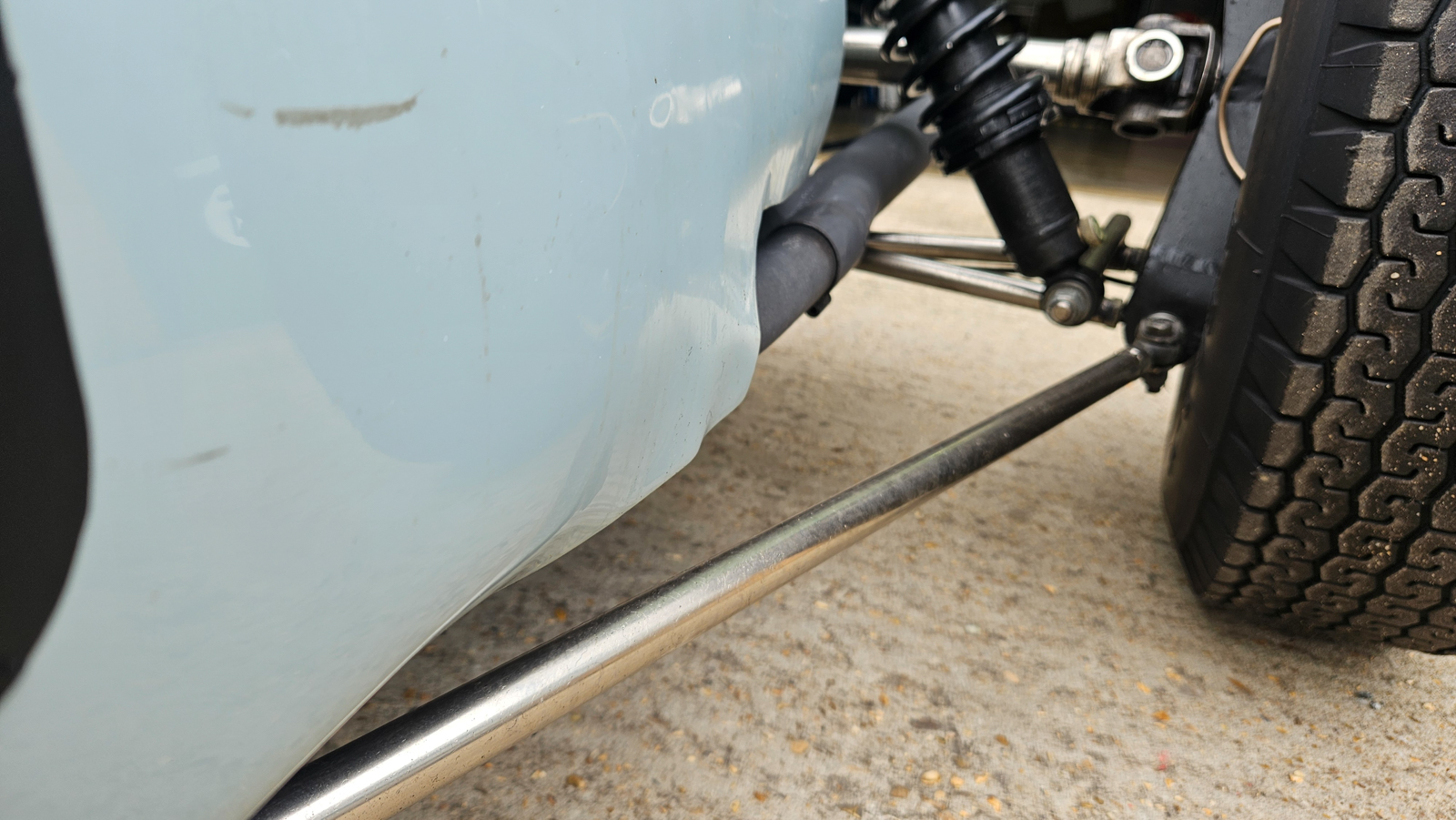
Some cracking is present in the fibreglass nose cone, while further chips and minor blemishes can be found around the body. These are consistent with competition use and do not detract from the car’s overall appearance.
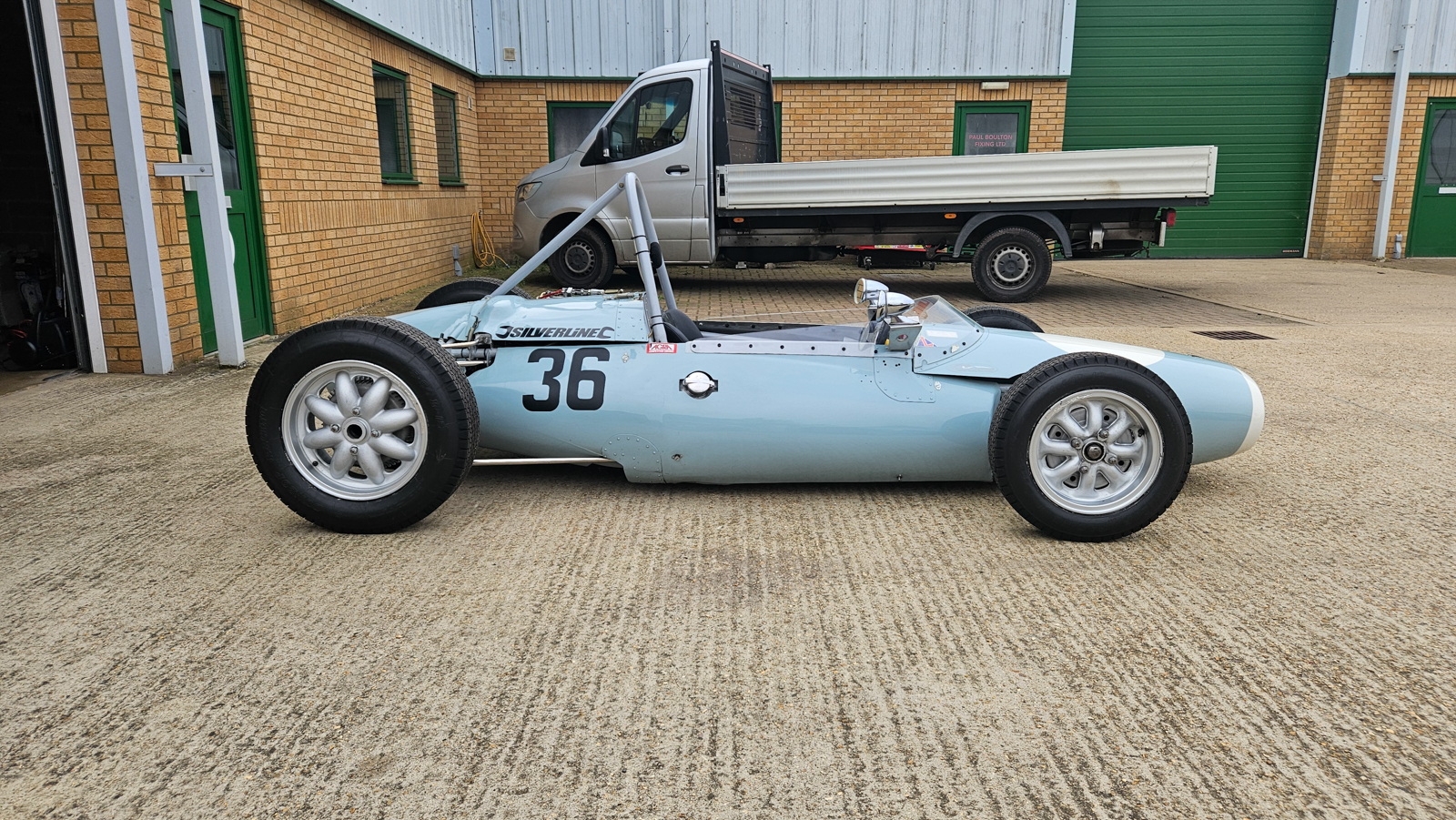
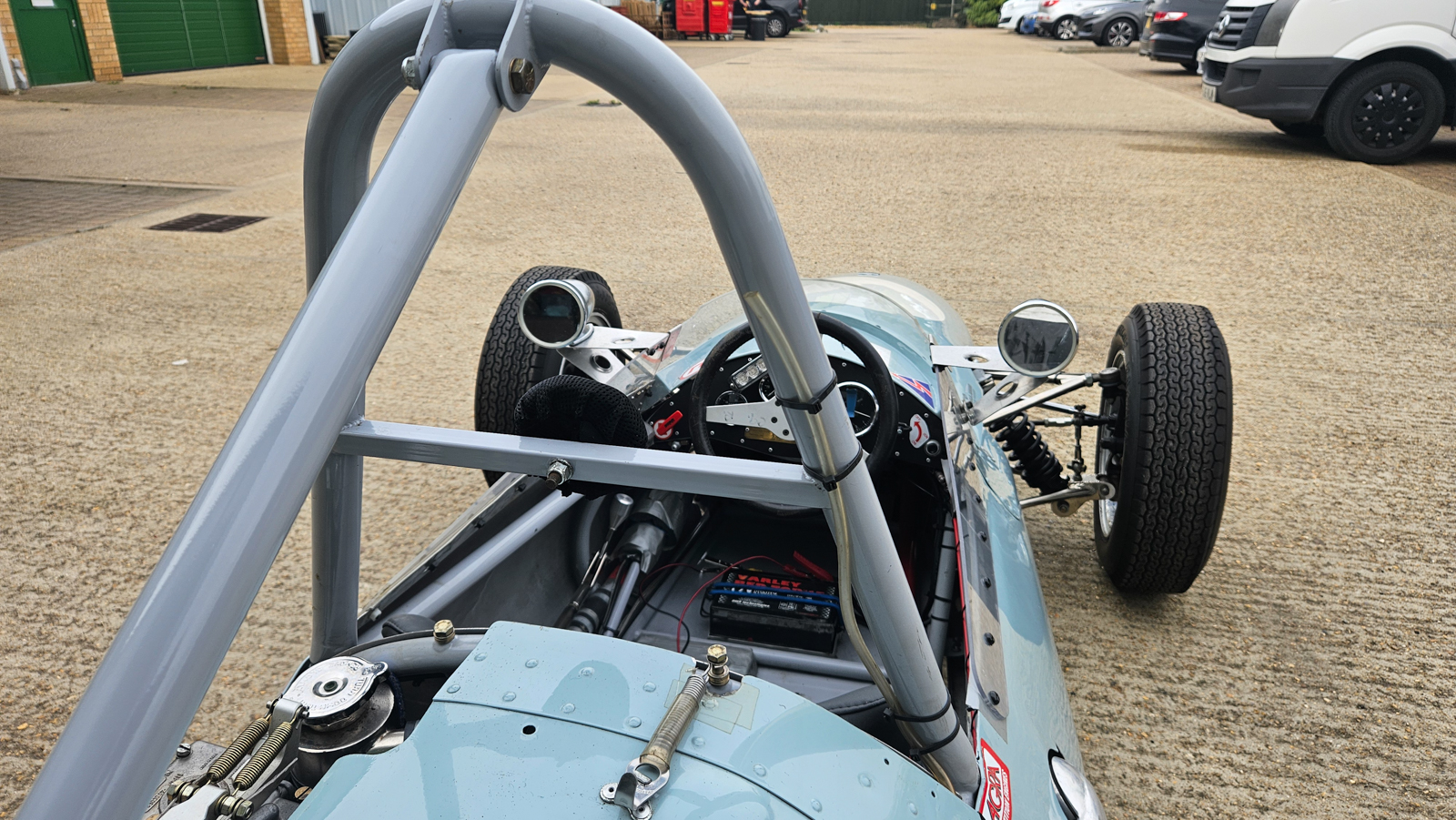
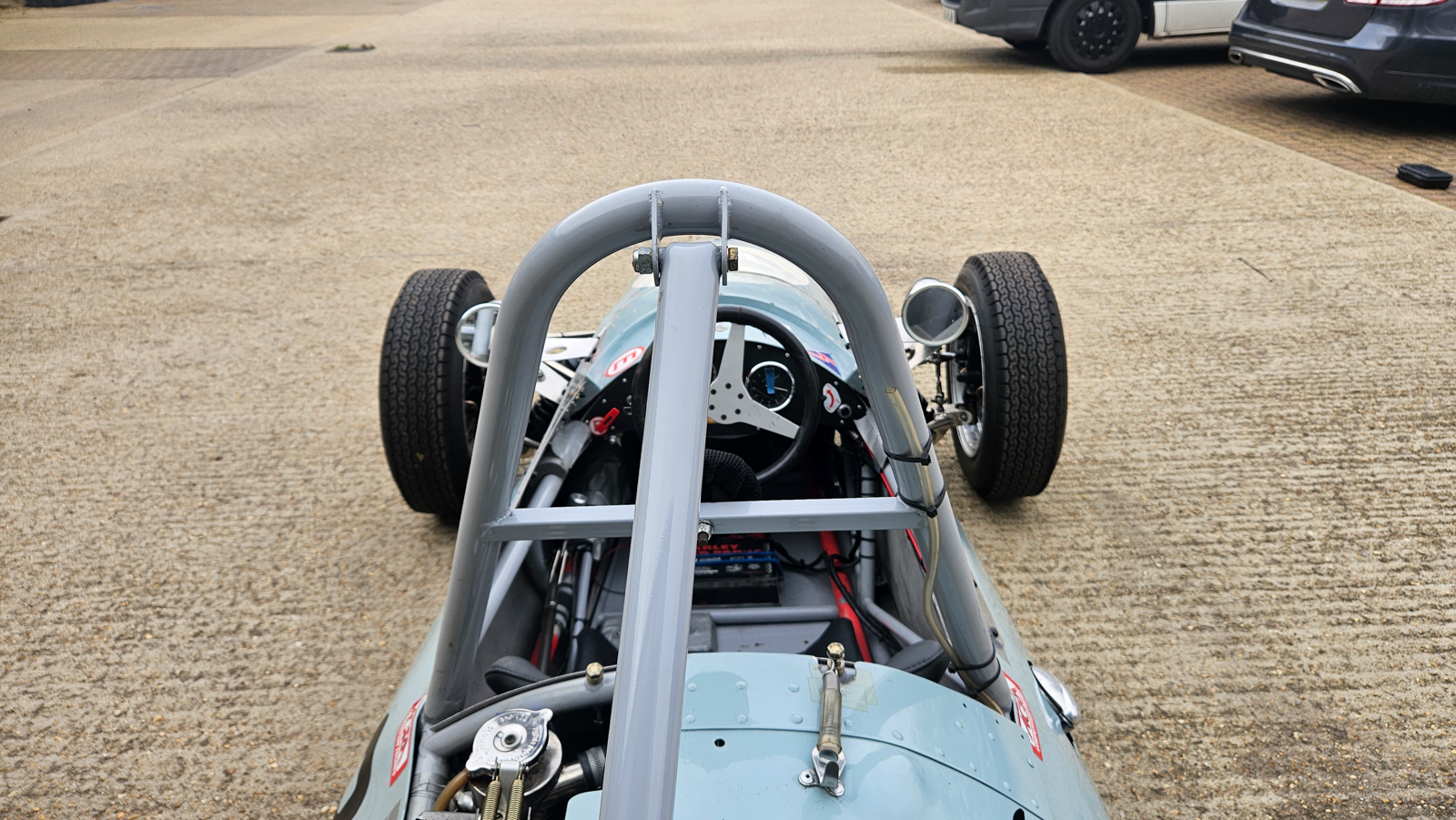
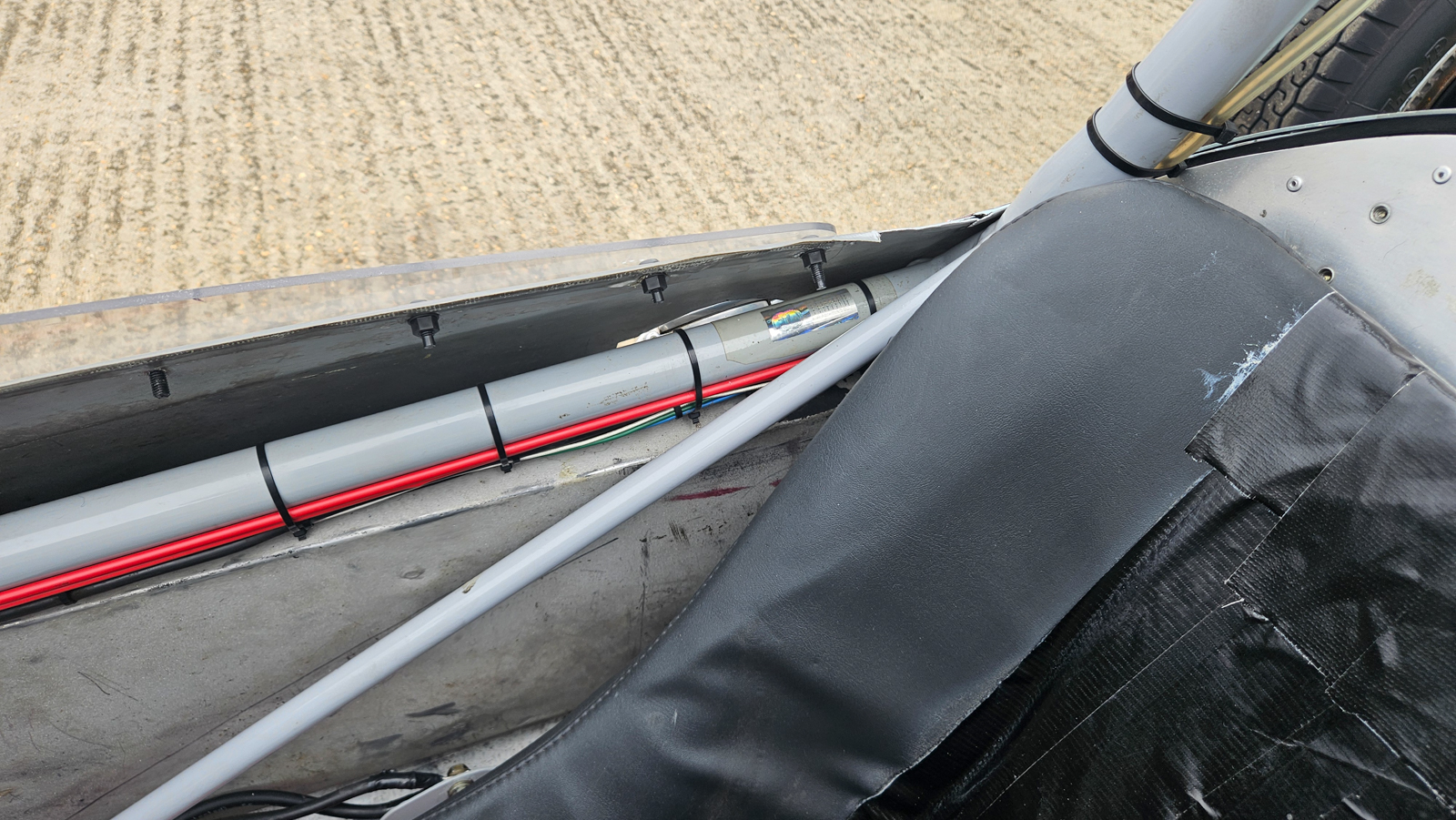
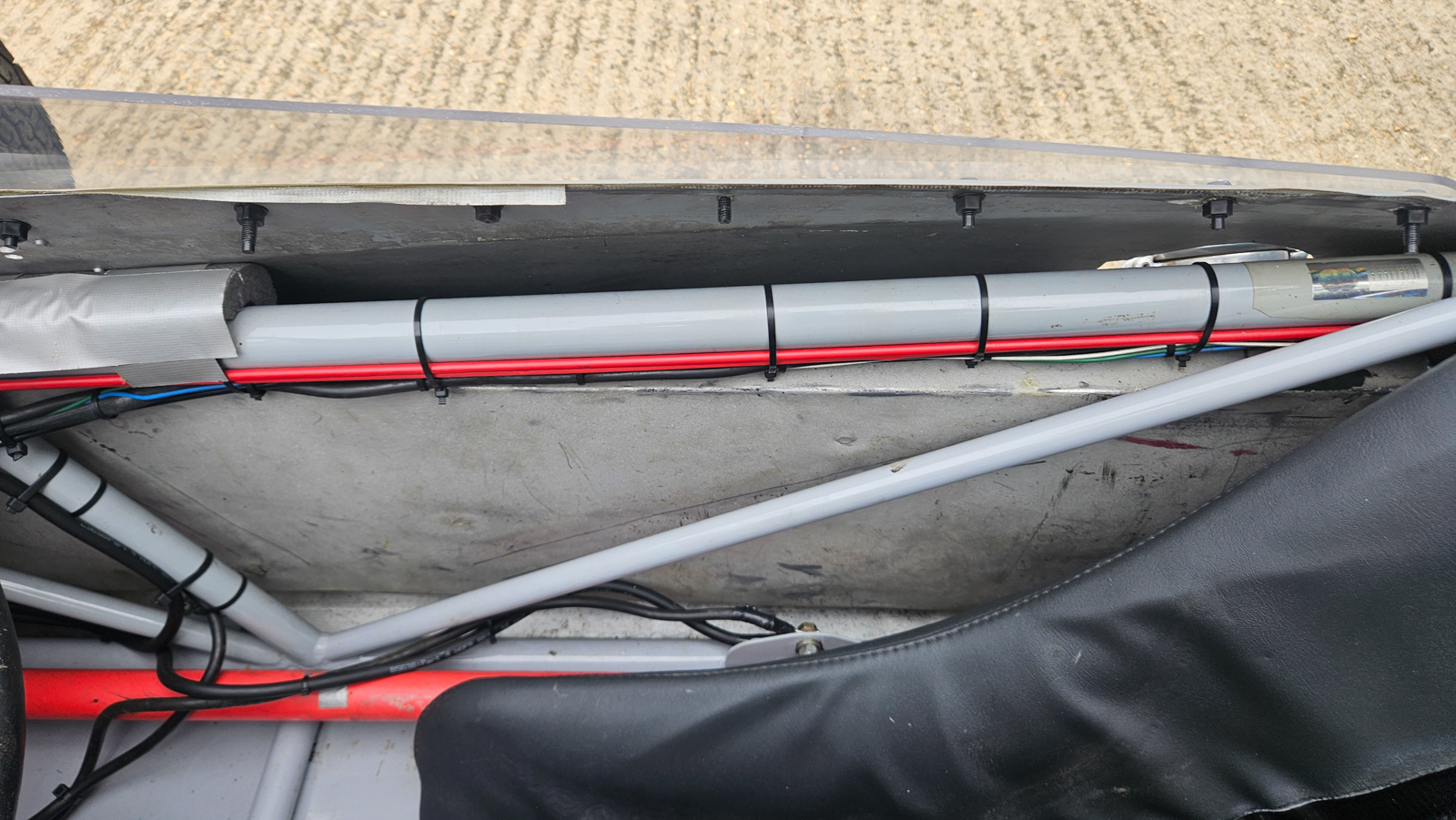
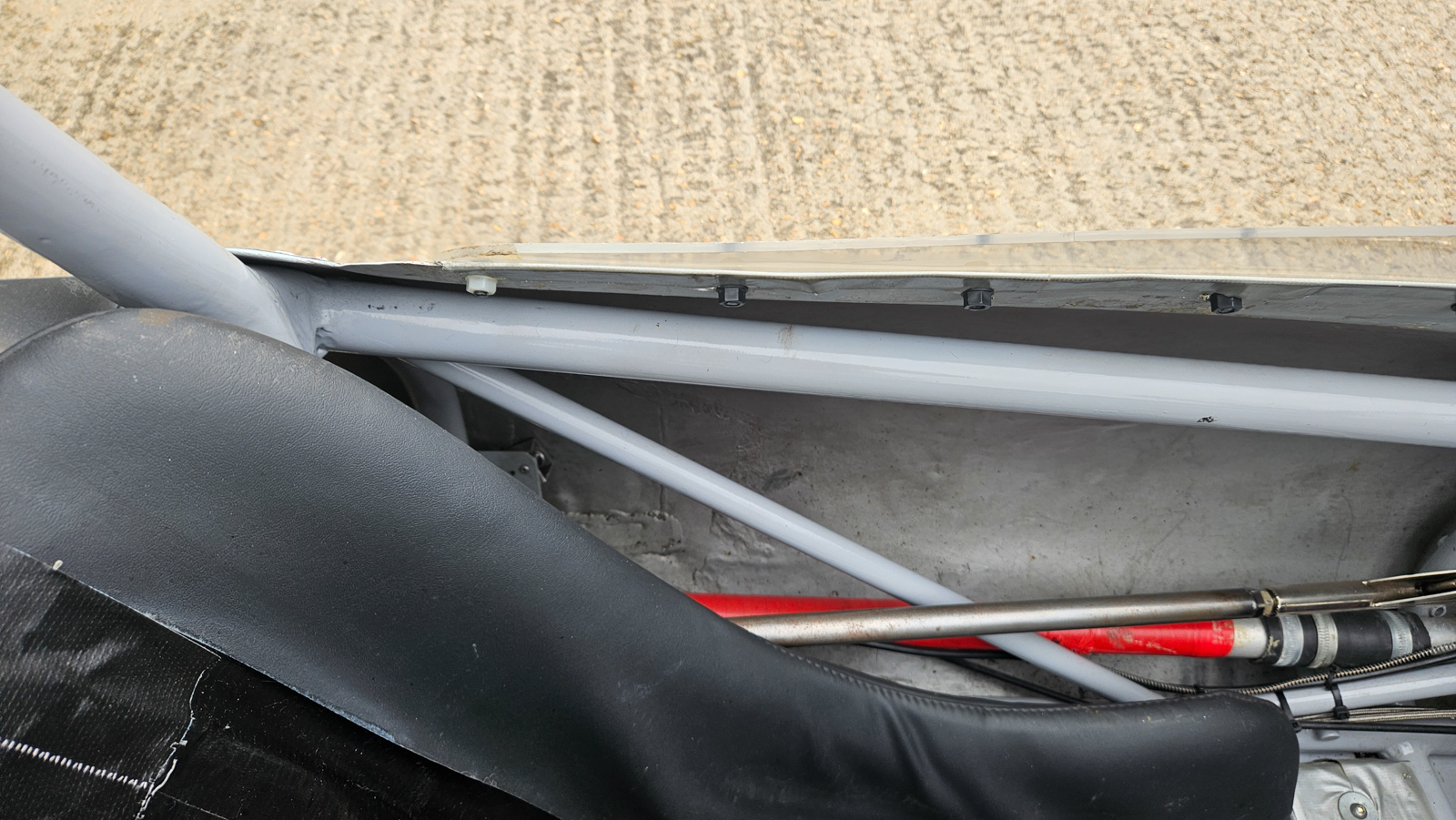
The aluminium panels appear to fit appropriately around the tubular structure, while the exposed frame, suspension mountings, and roll-over structure all contribute to the purposeful presentation.
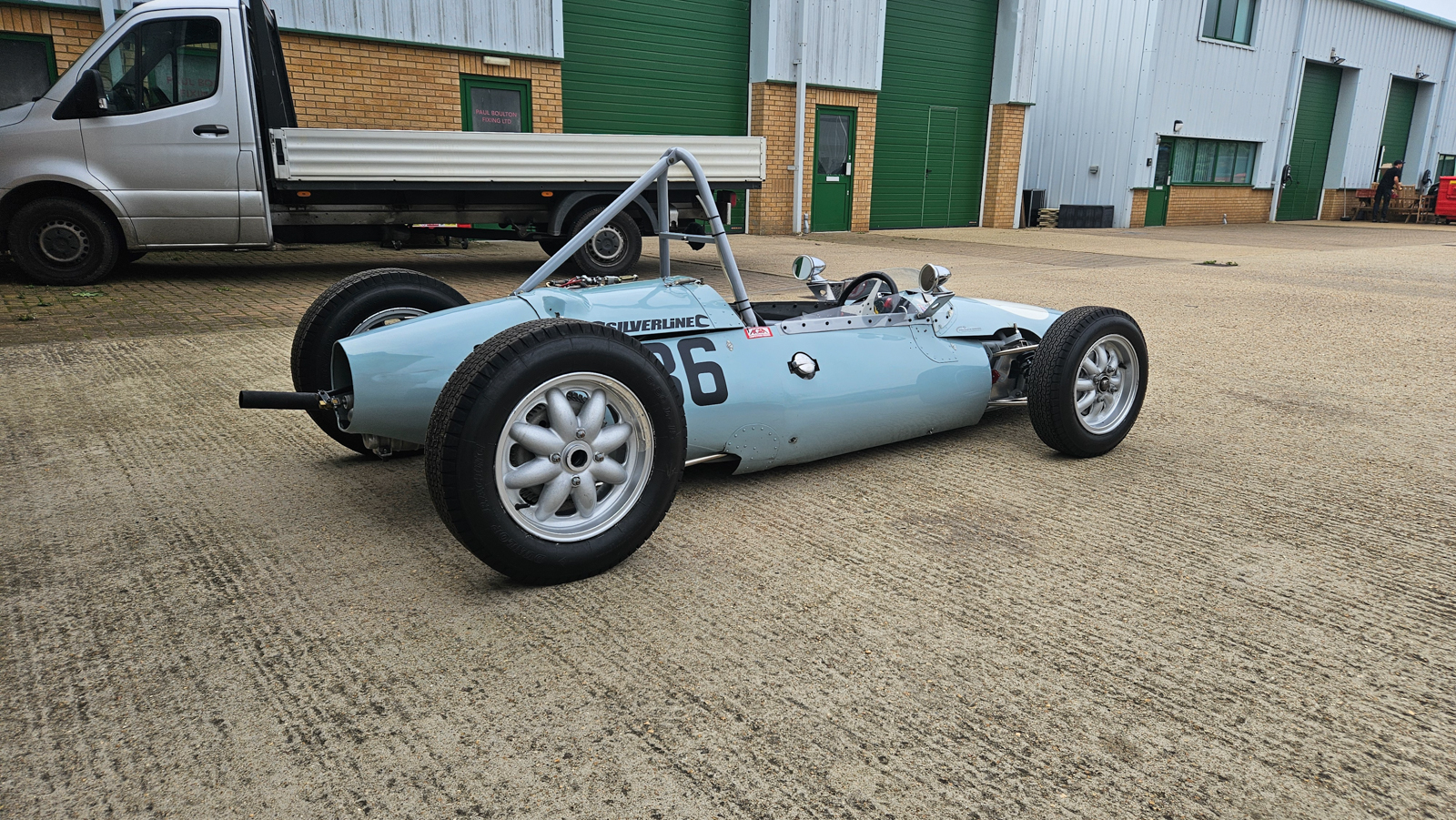
We've highlighted in more detail our observations through our hi-resolution images and videos, so please take time to look through all the media files for a detailed view at what’s on offer, and for you to assess the condition of the car for yourselves.

Paint

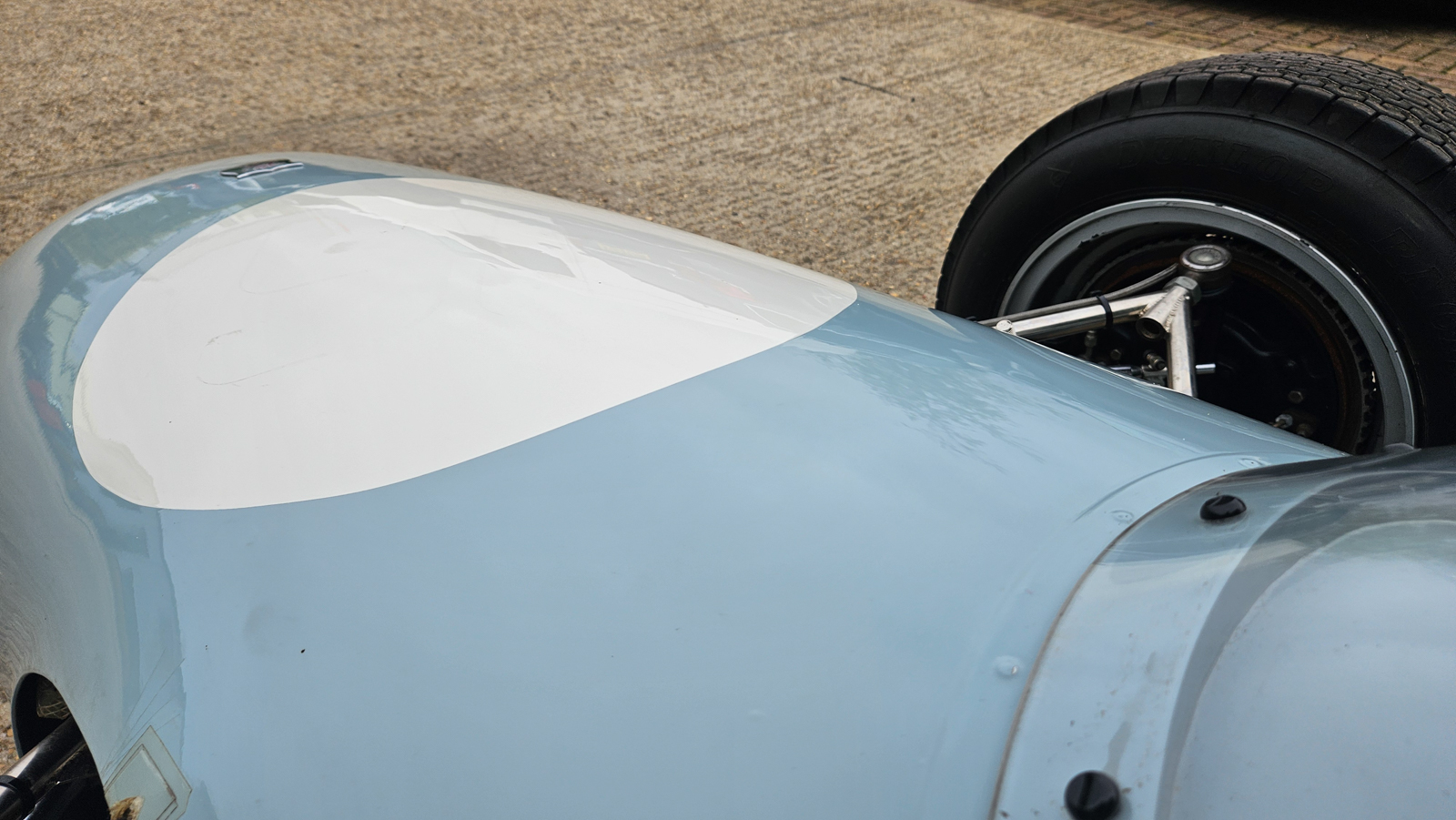
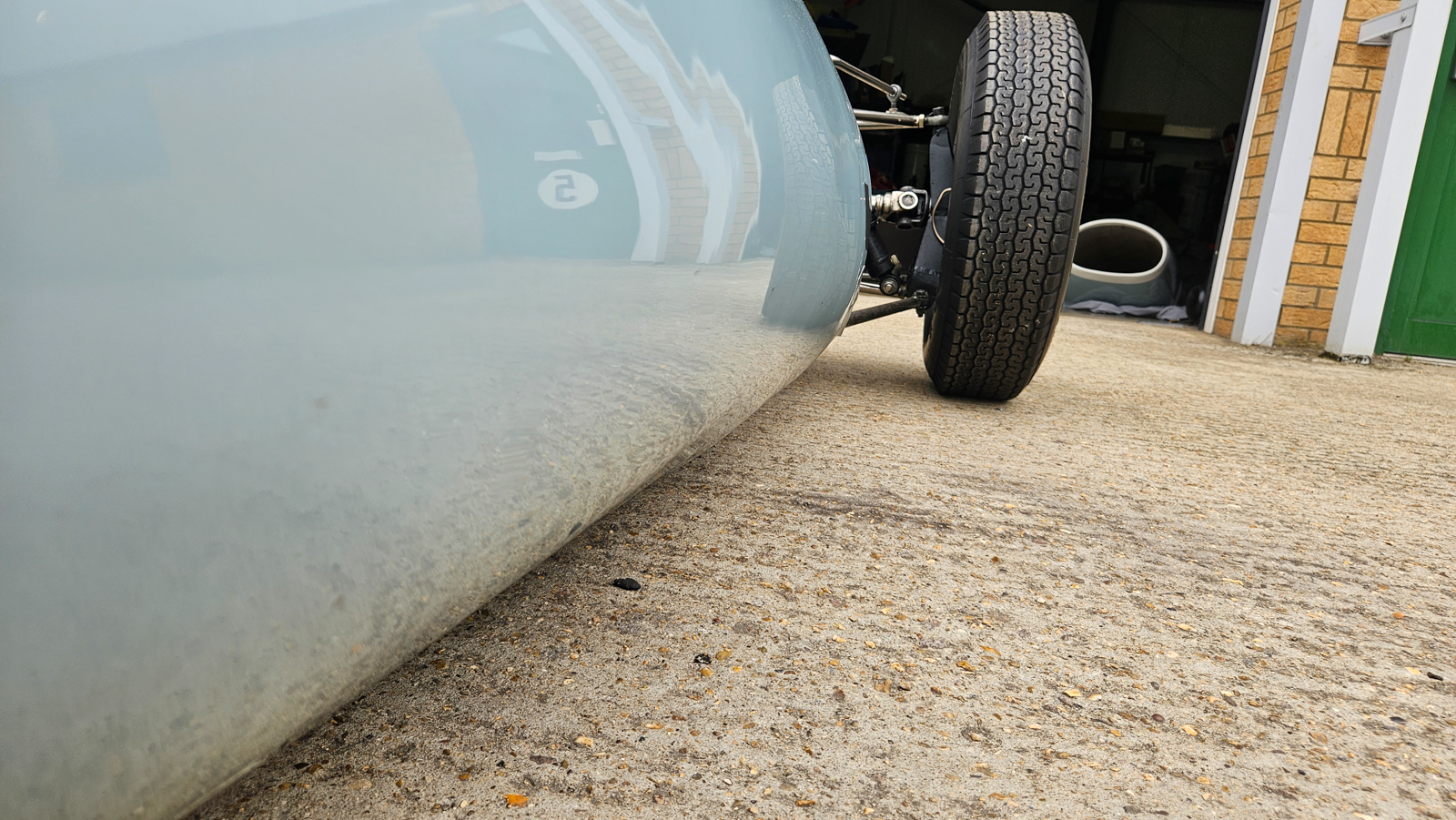
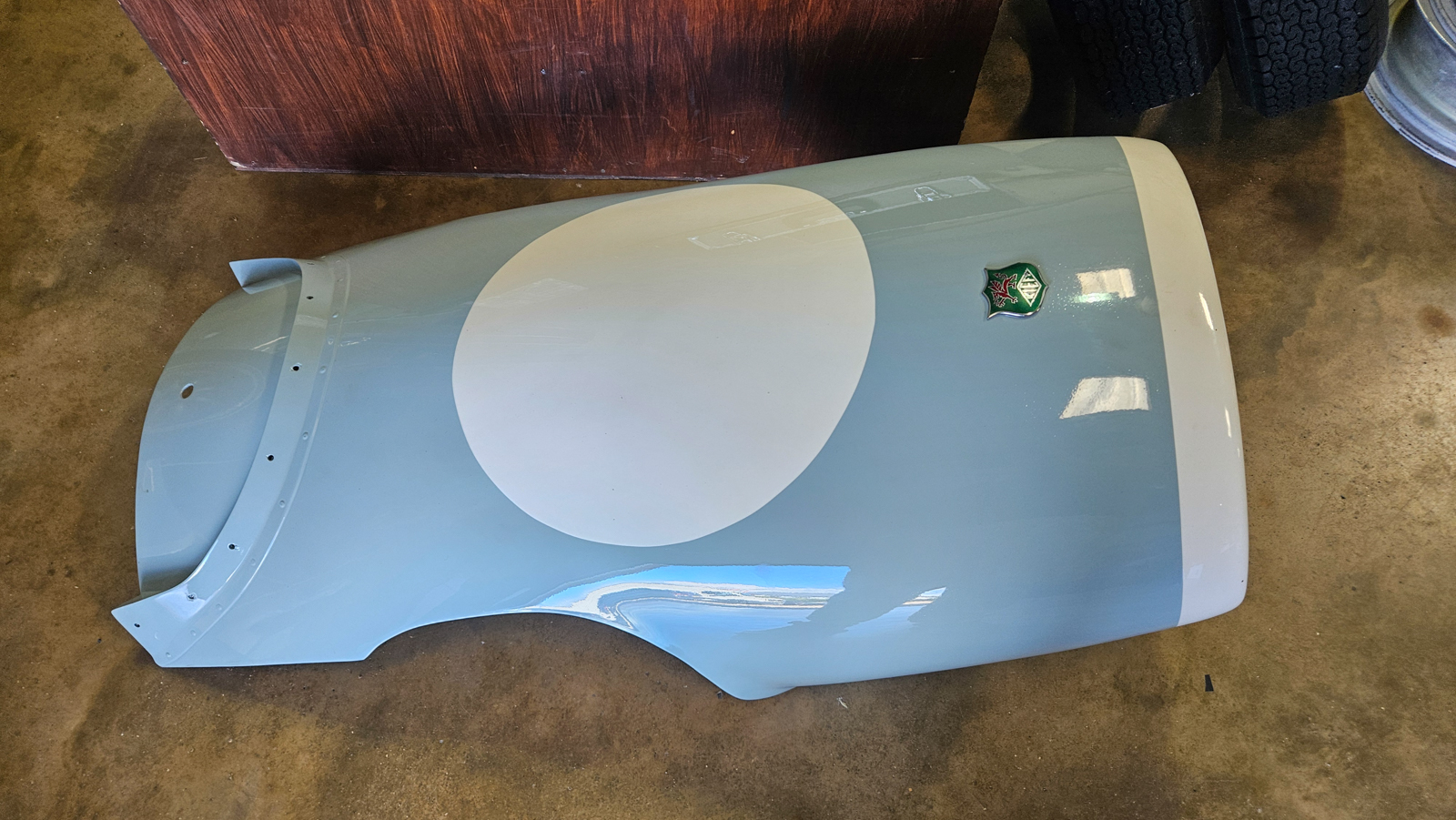
The pale-blue finish suits the Kieft extremely well and reflects the colour associated with several of the period cars.

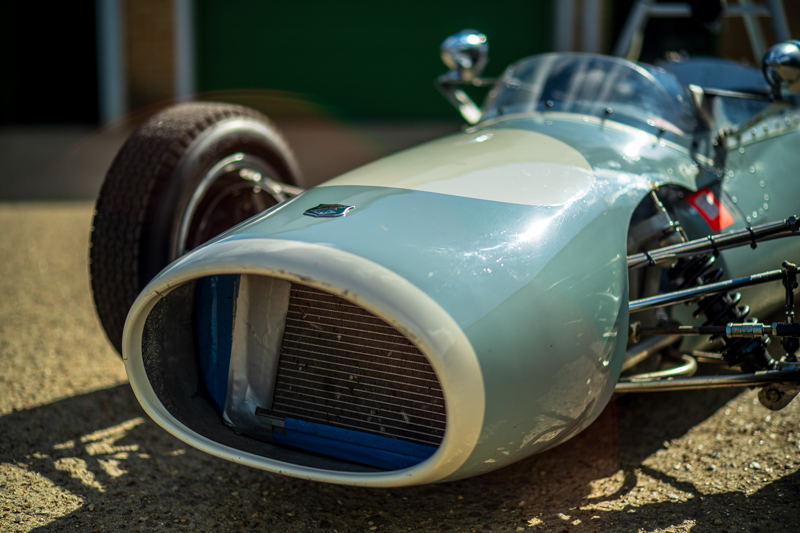
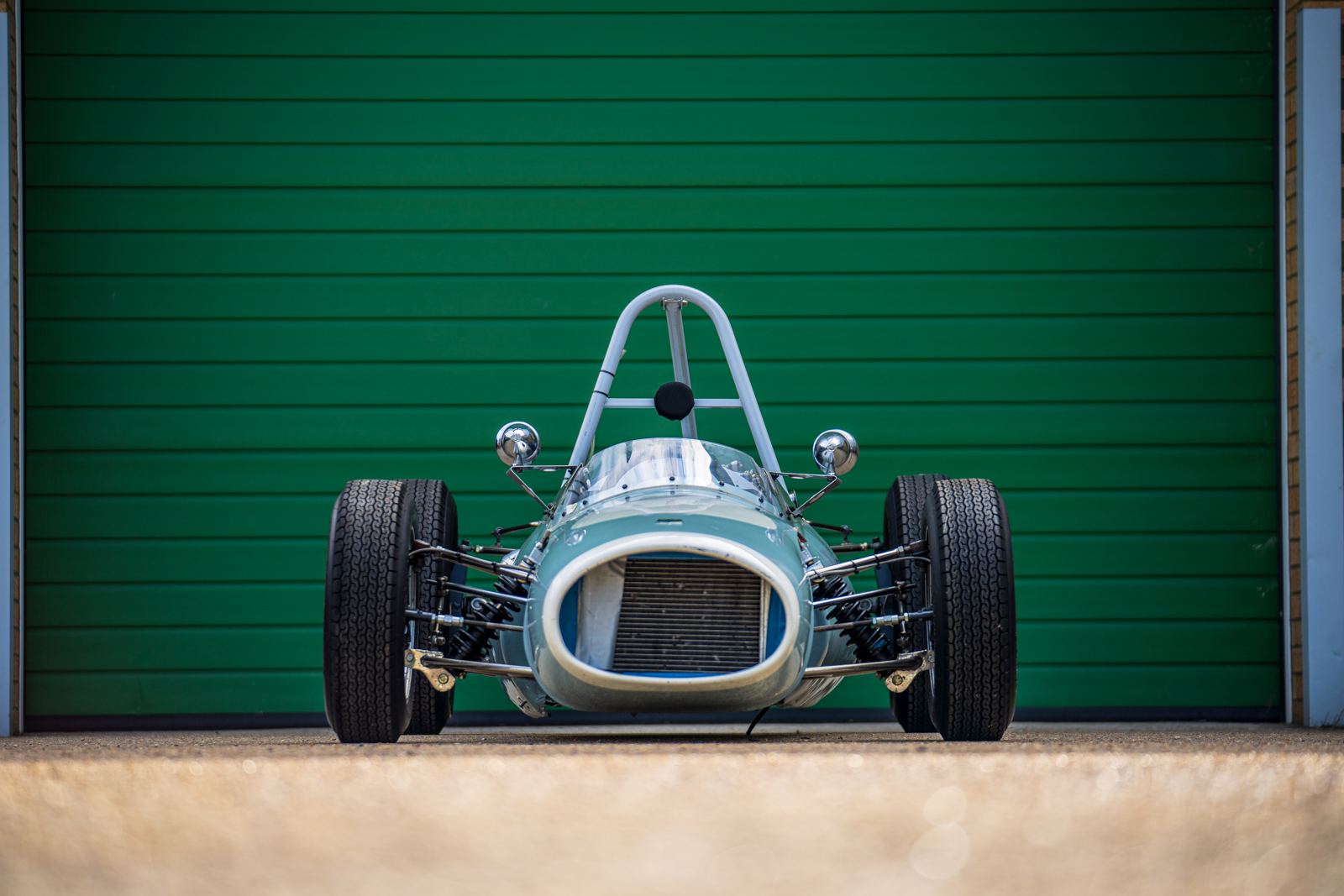
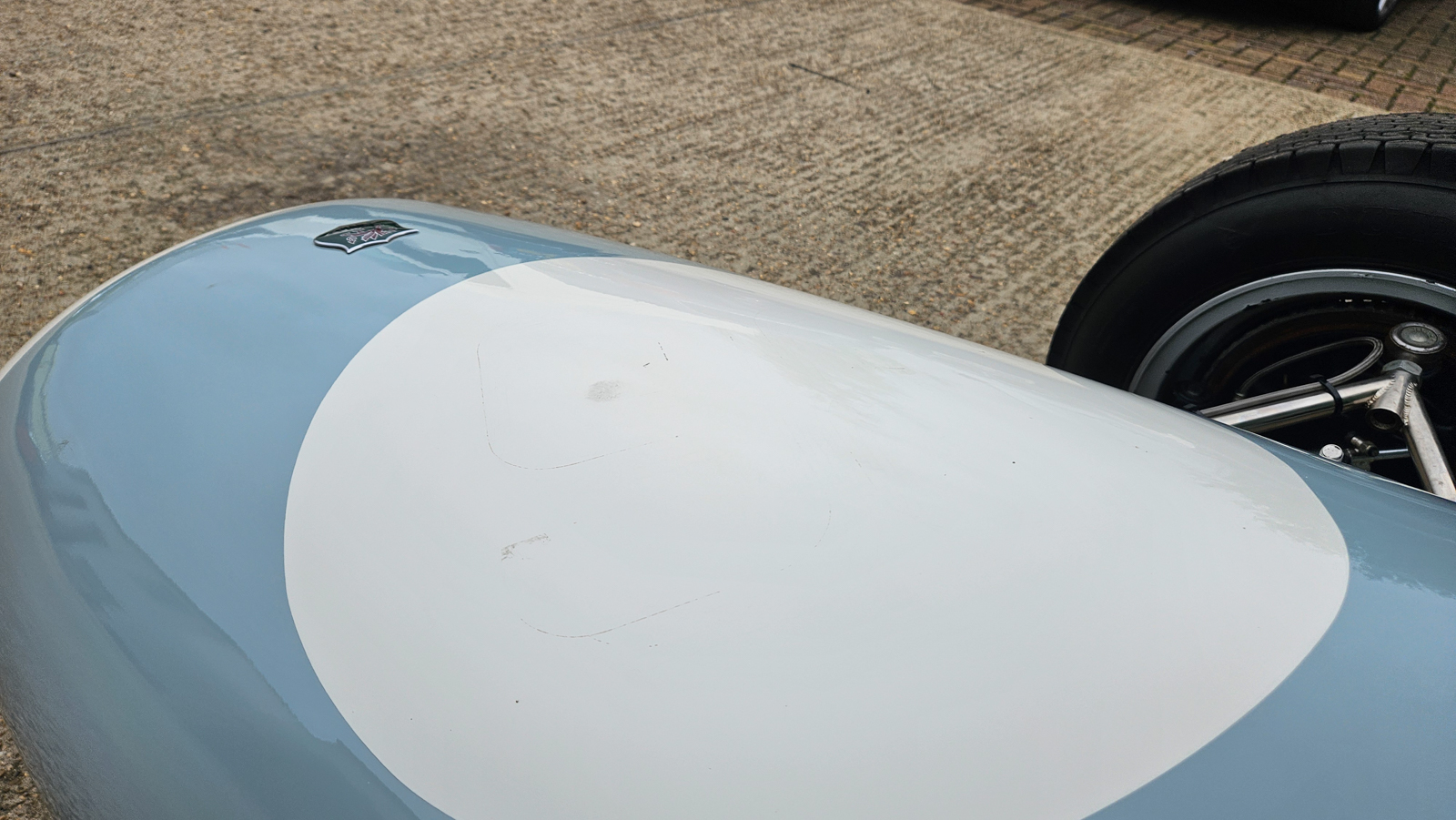
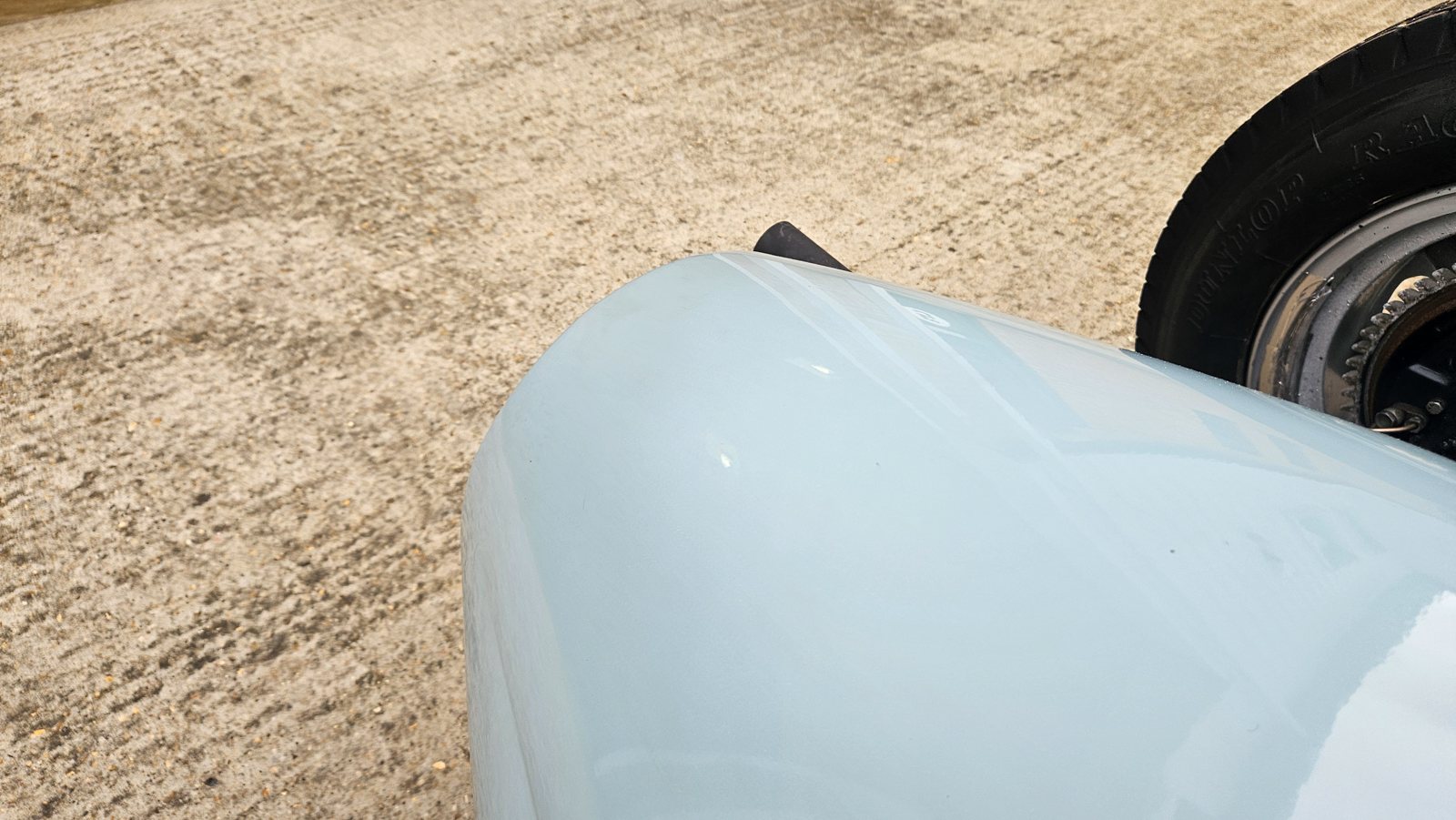
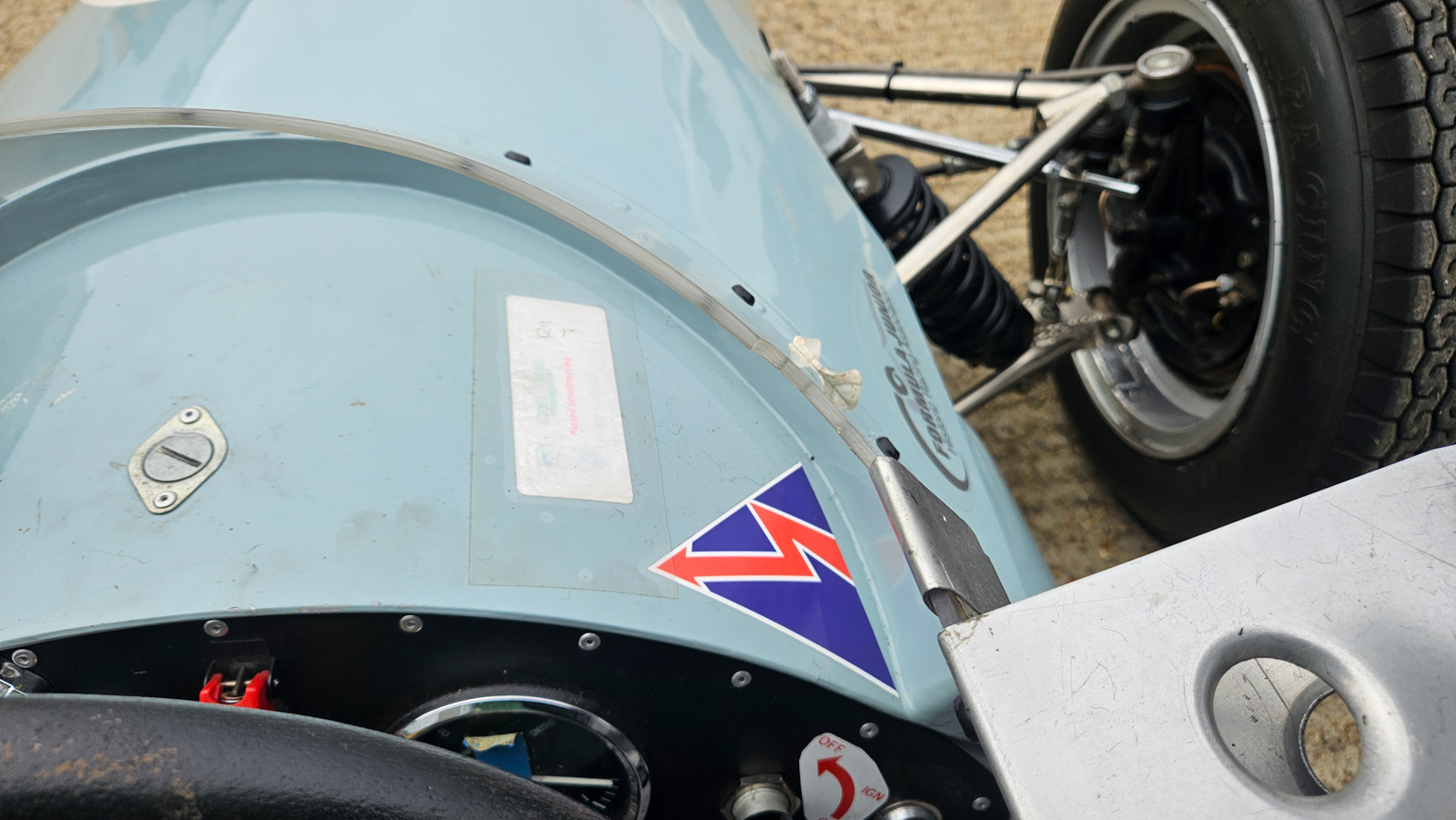
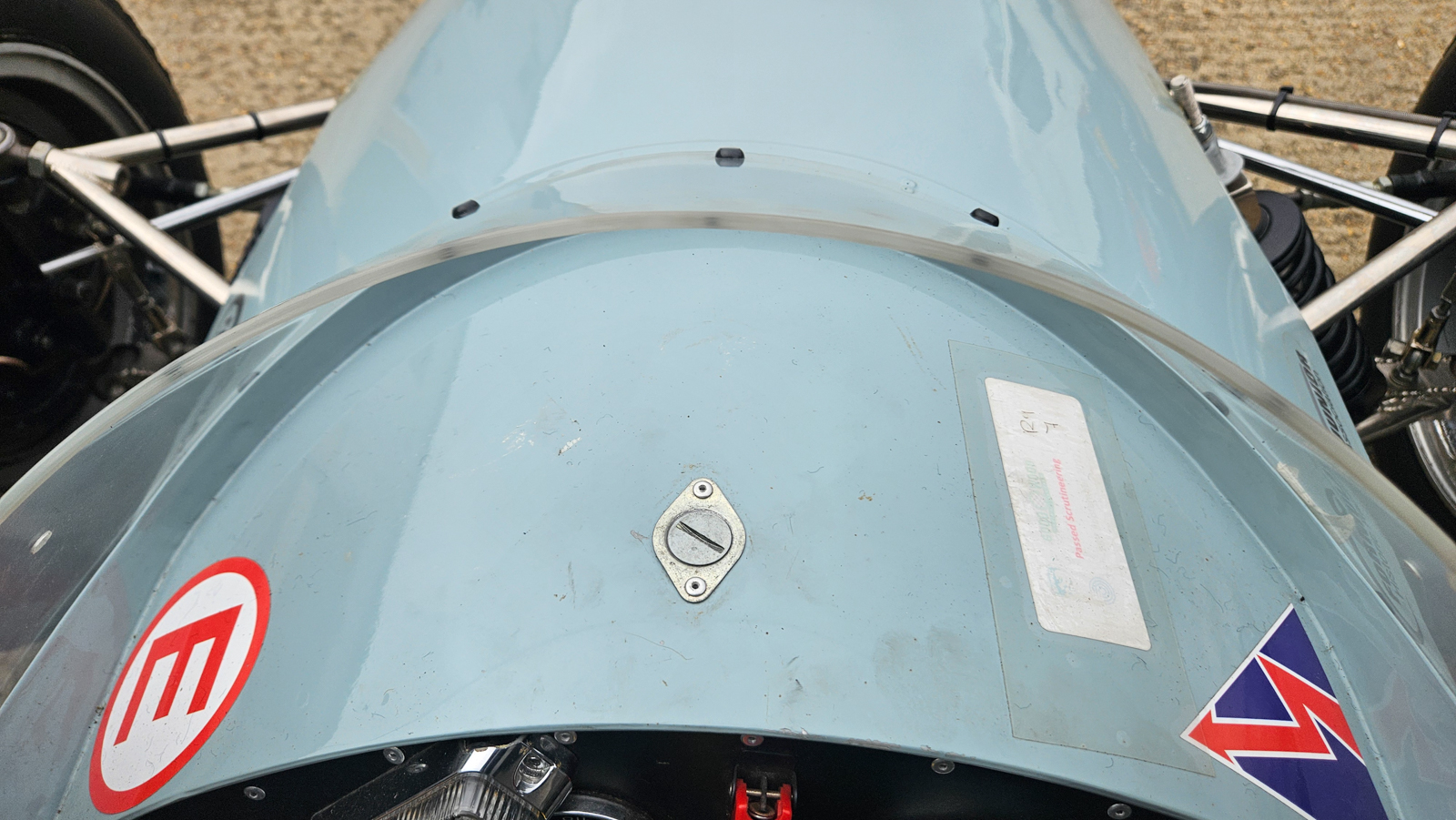
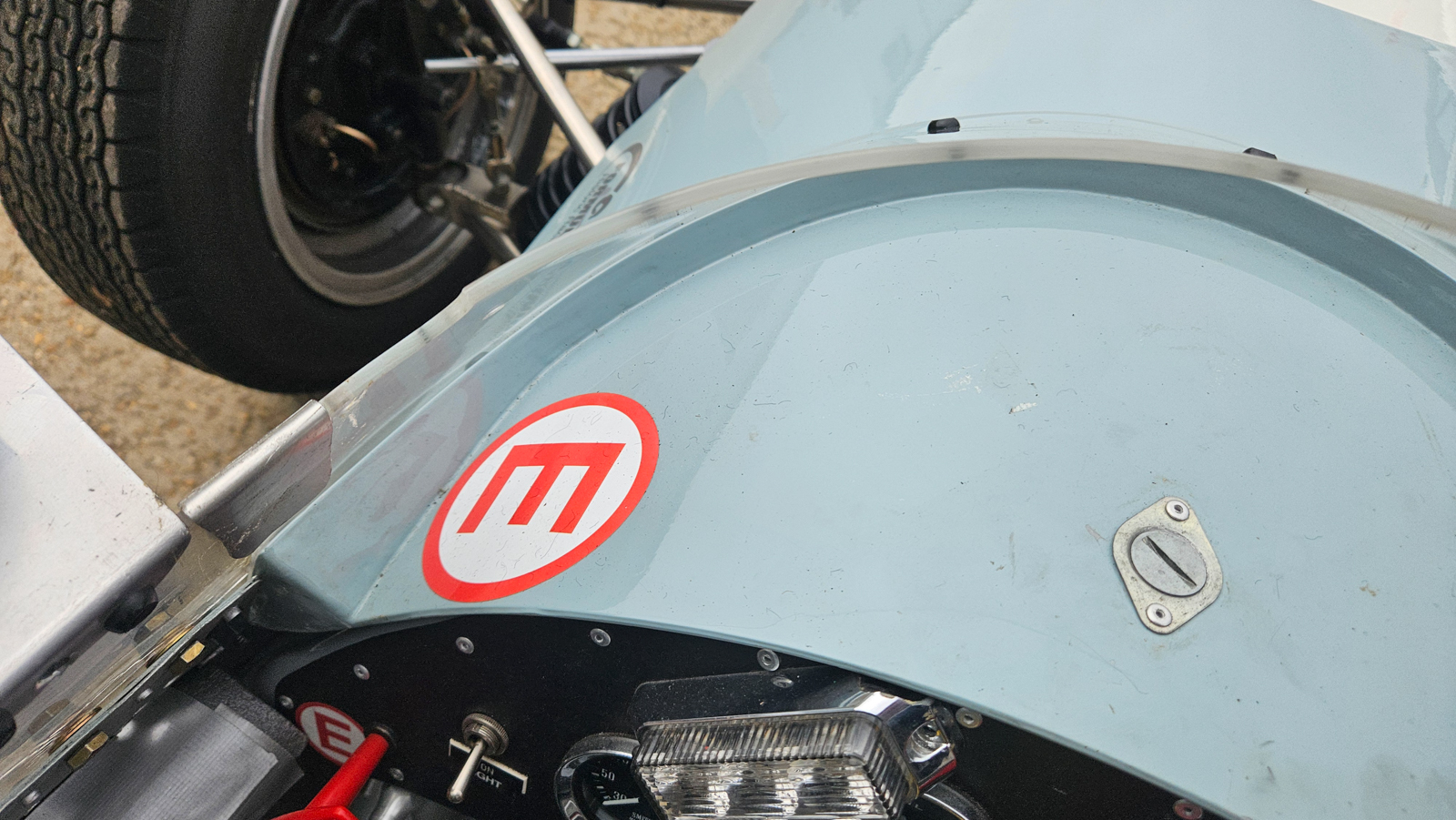
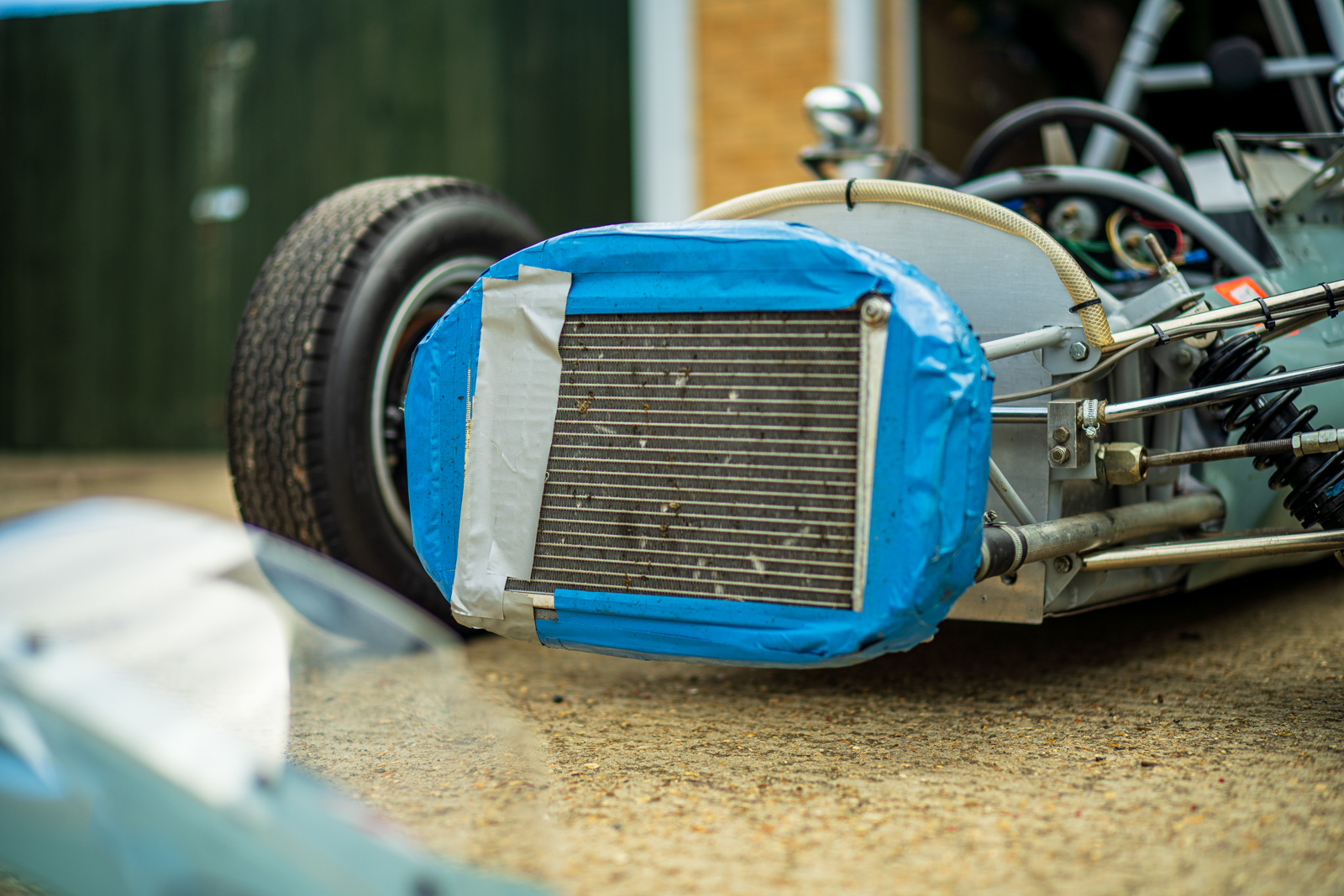
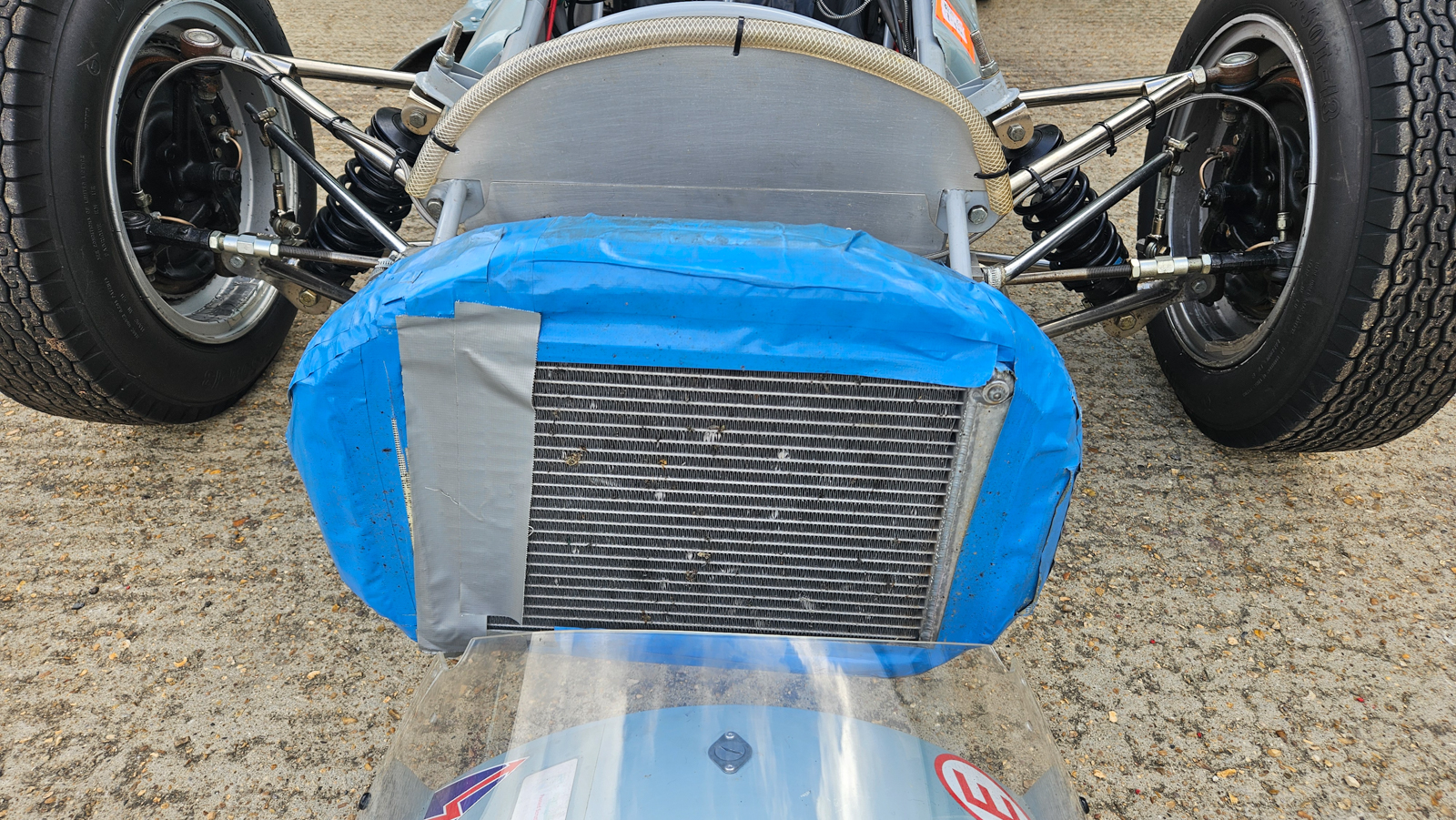
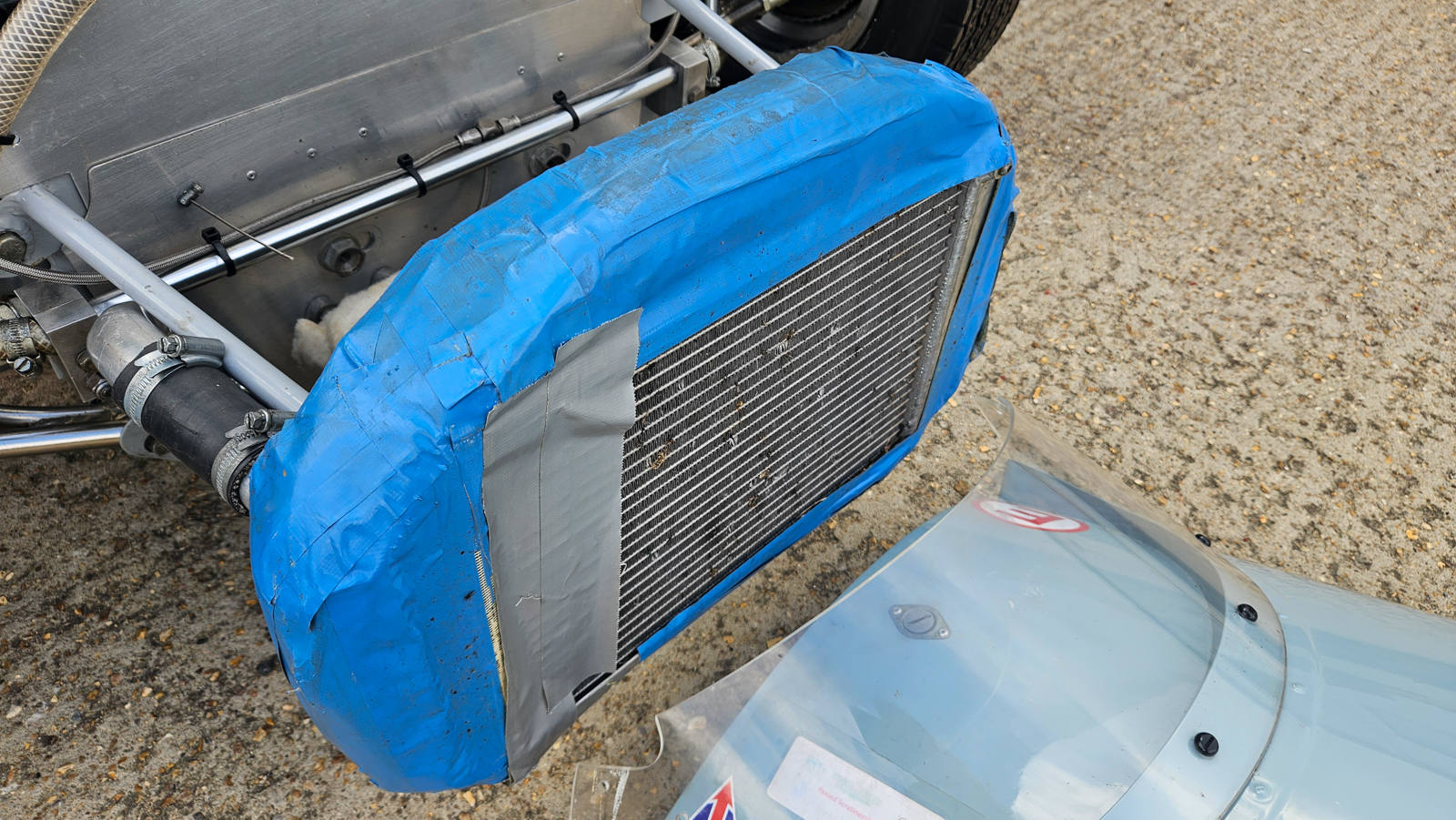
Despite its competition use, the paint retains a good gloss and looks particularly attractive across the rounded nose and tightly formed side panels. A contrasting light-coloured surround highlights the front cooling aperture, while the black number 36 and sponsor markings add further period-racing character.

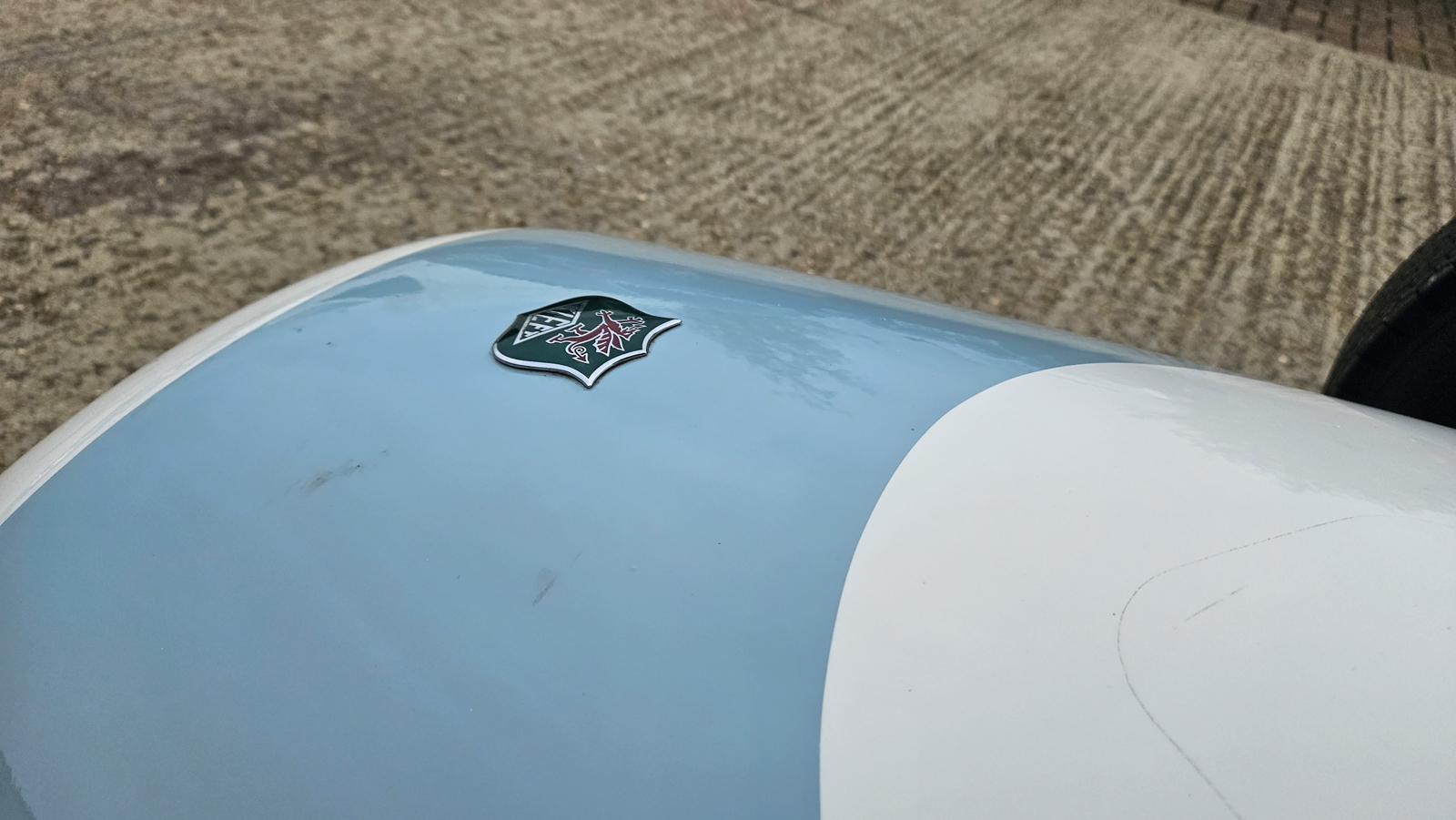
There are several chips, scuffs and general signs of use around the body, together with cracking in parts of the painted fibreglass nose cone.

These imperfections mean the finish should be considered that of a well-presented working competition car rather than a concours exhibit. However, the colour remains strong and the overall appearance is highly attractive.

The images are taken from a few different angles to show off the car as you would see it if you were standing there for yourselves. So please take the time to fully assess these hi-resolution images and videos of the car, for you to make up your own minds about the condition of the paint.

Glass and Trim

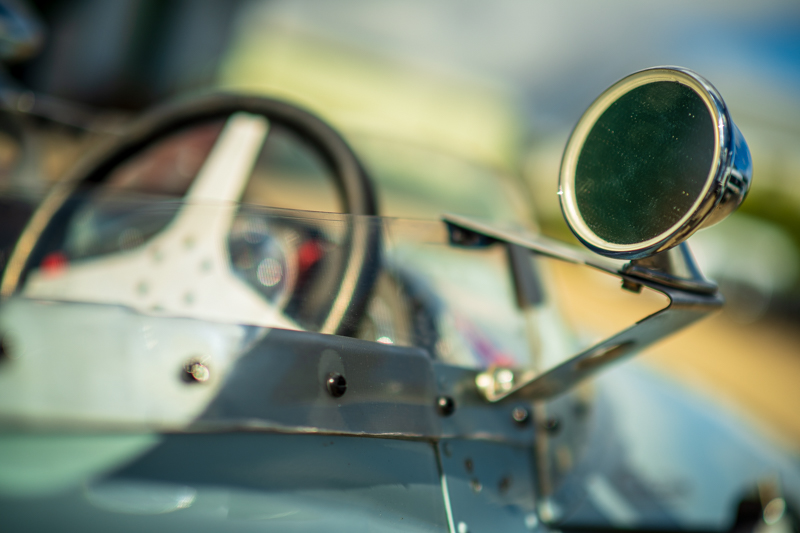
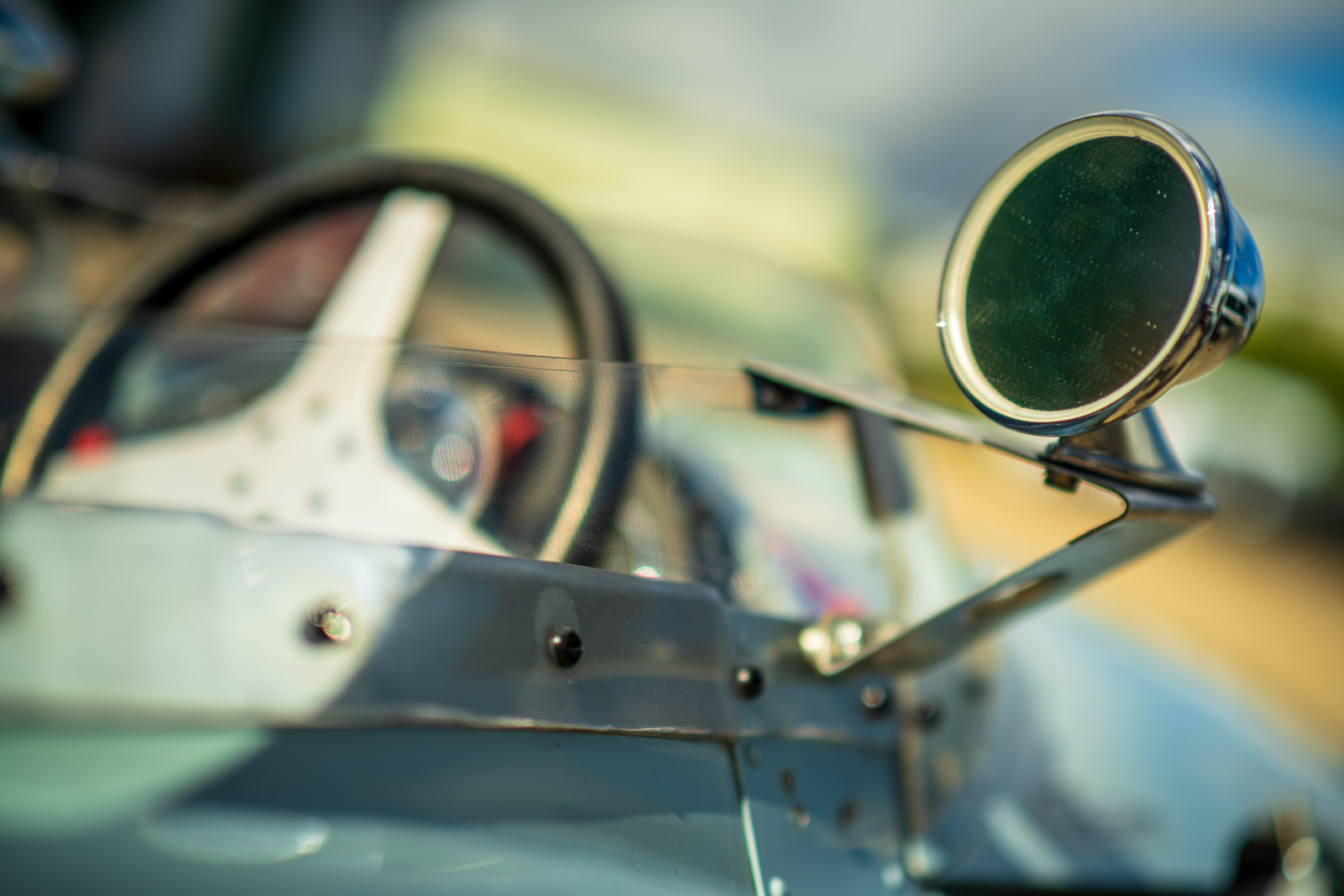
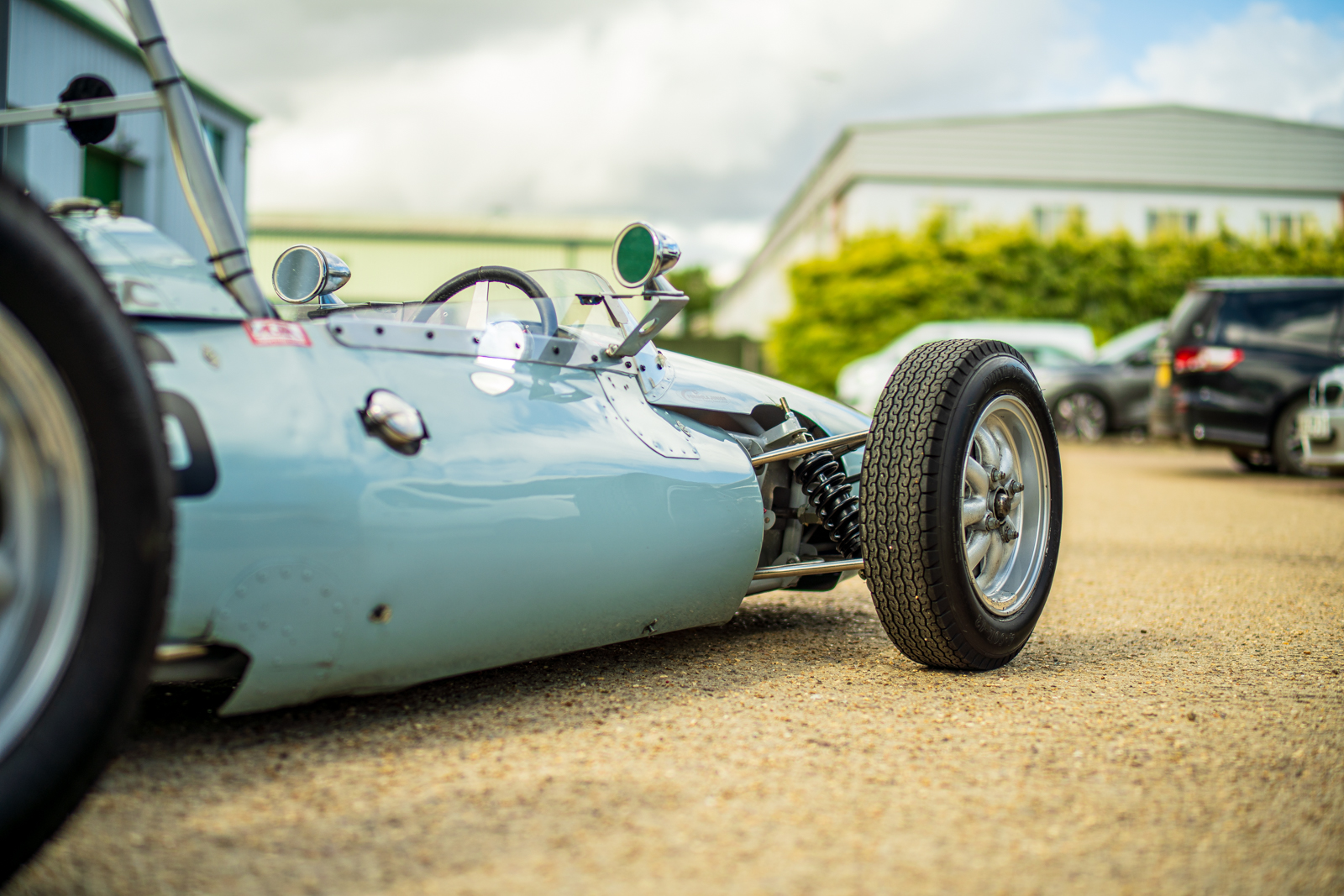
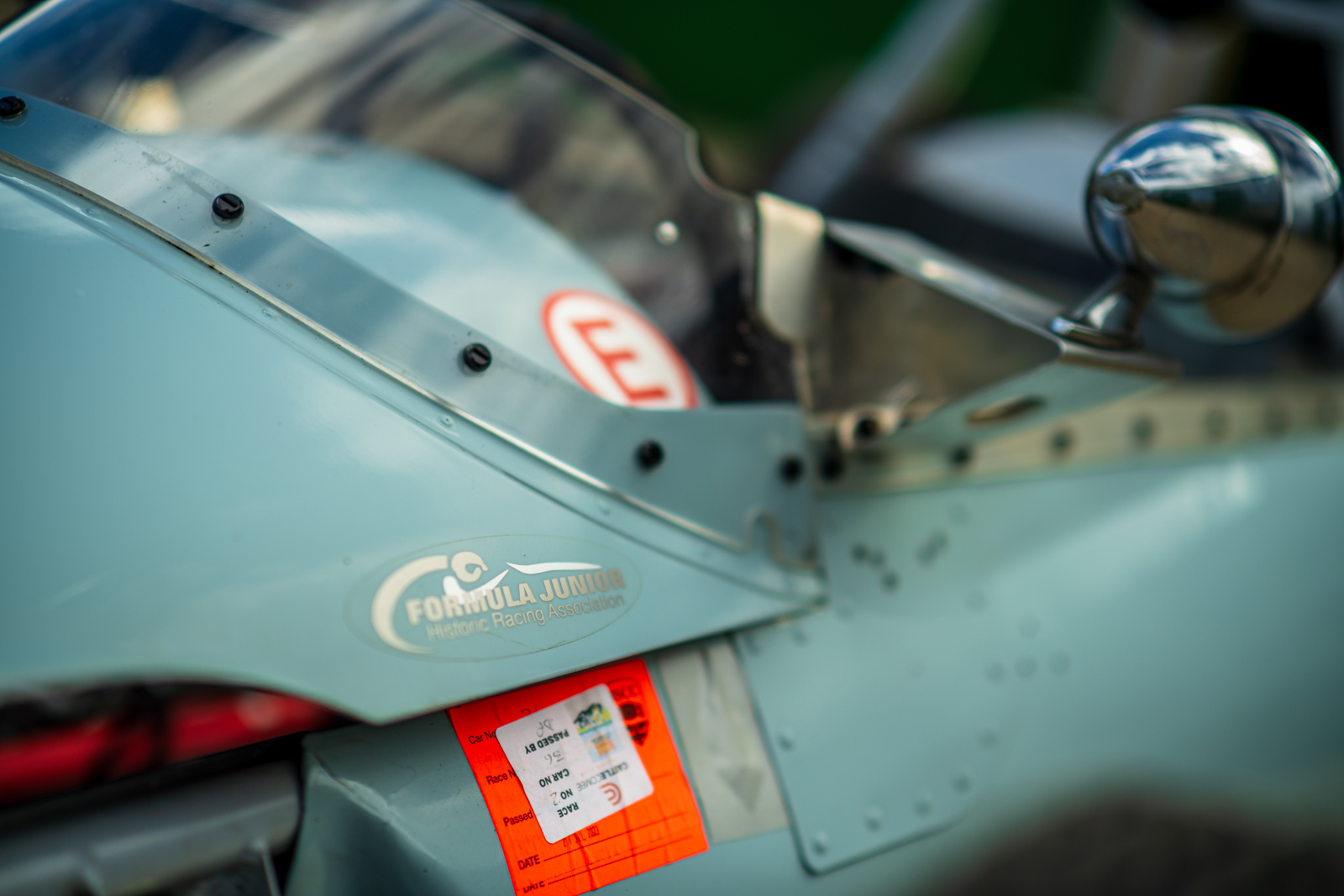
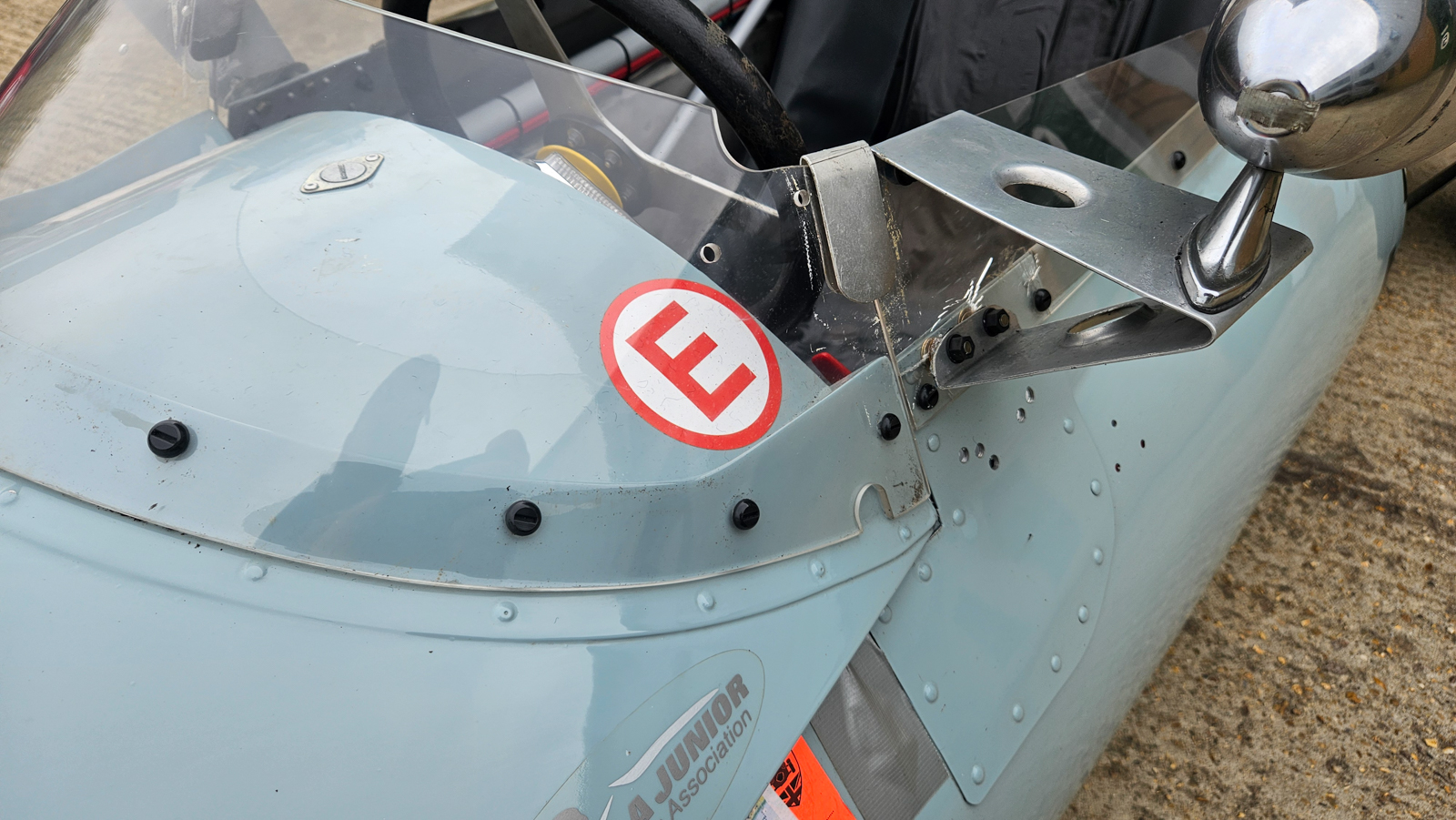
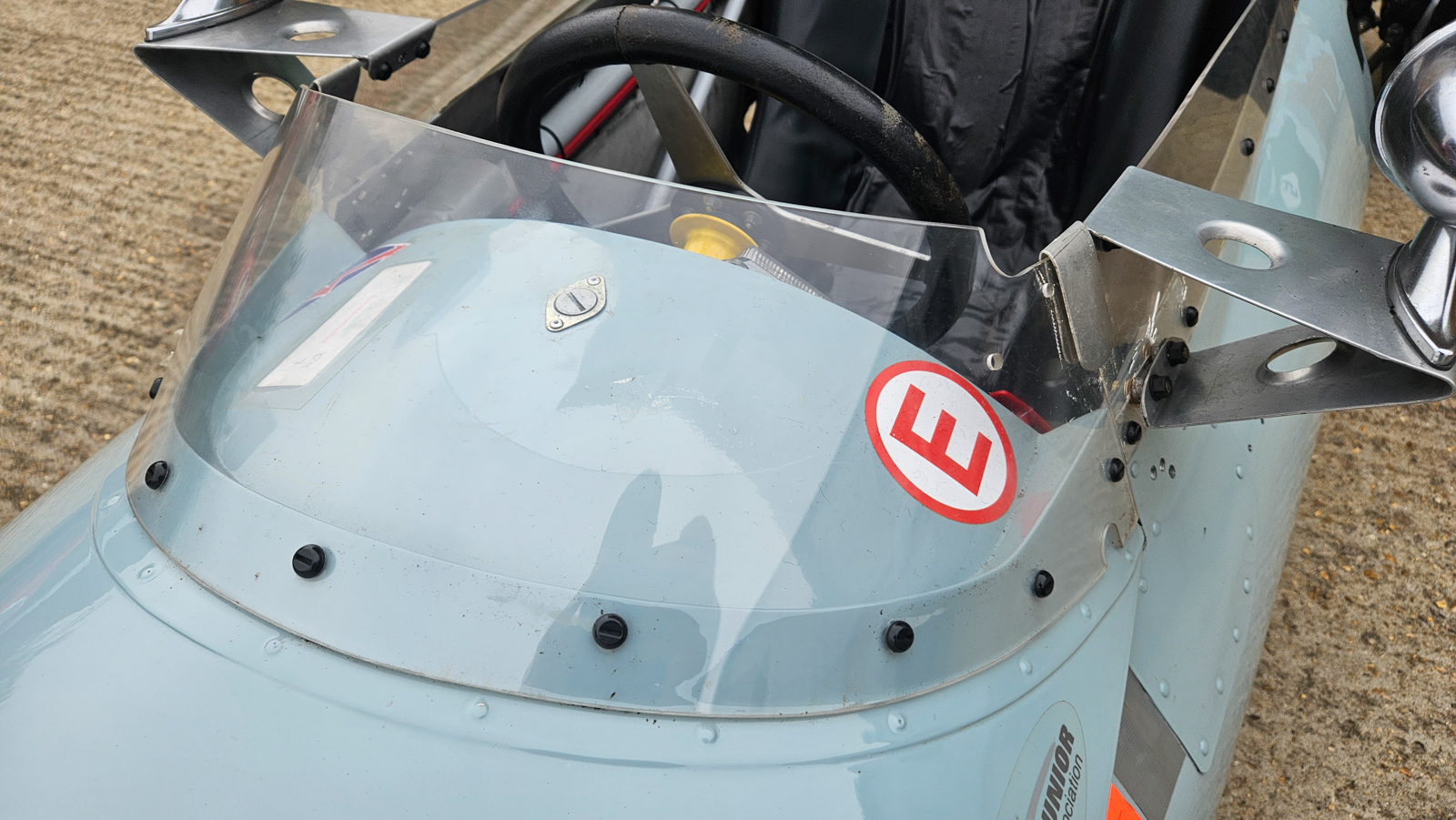
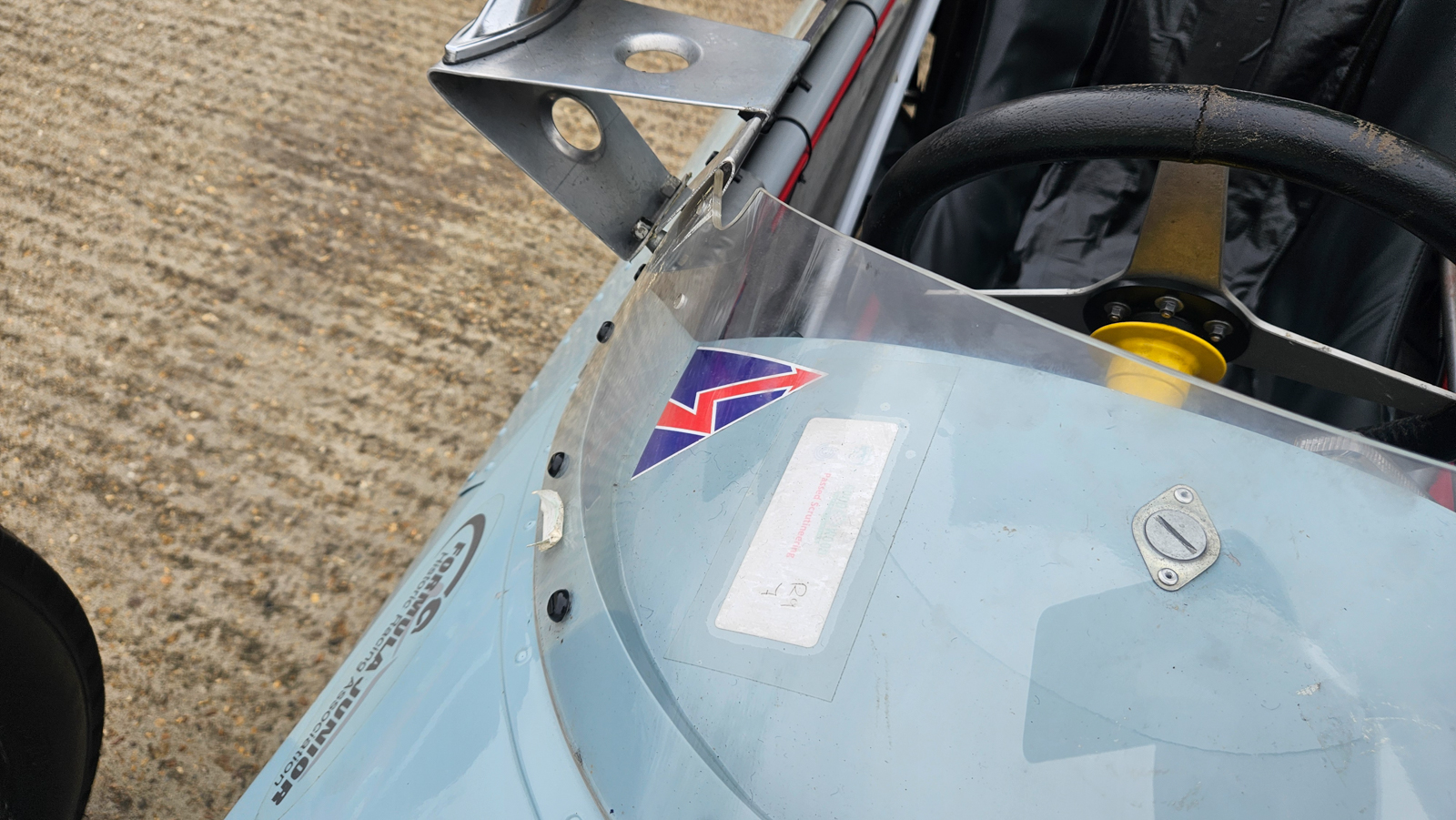
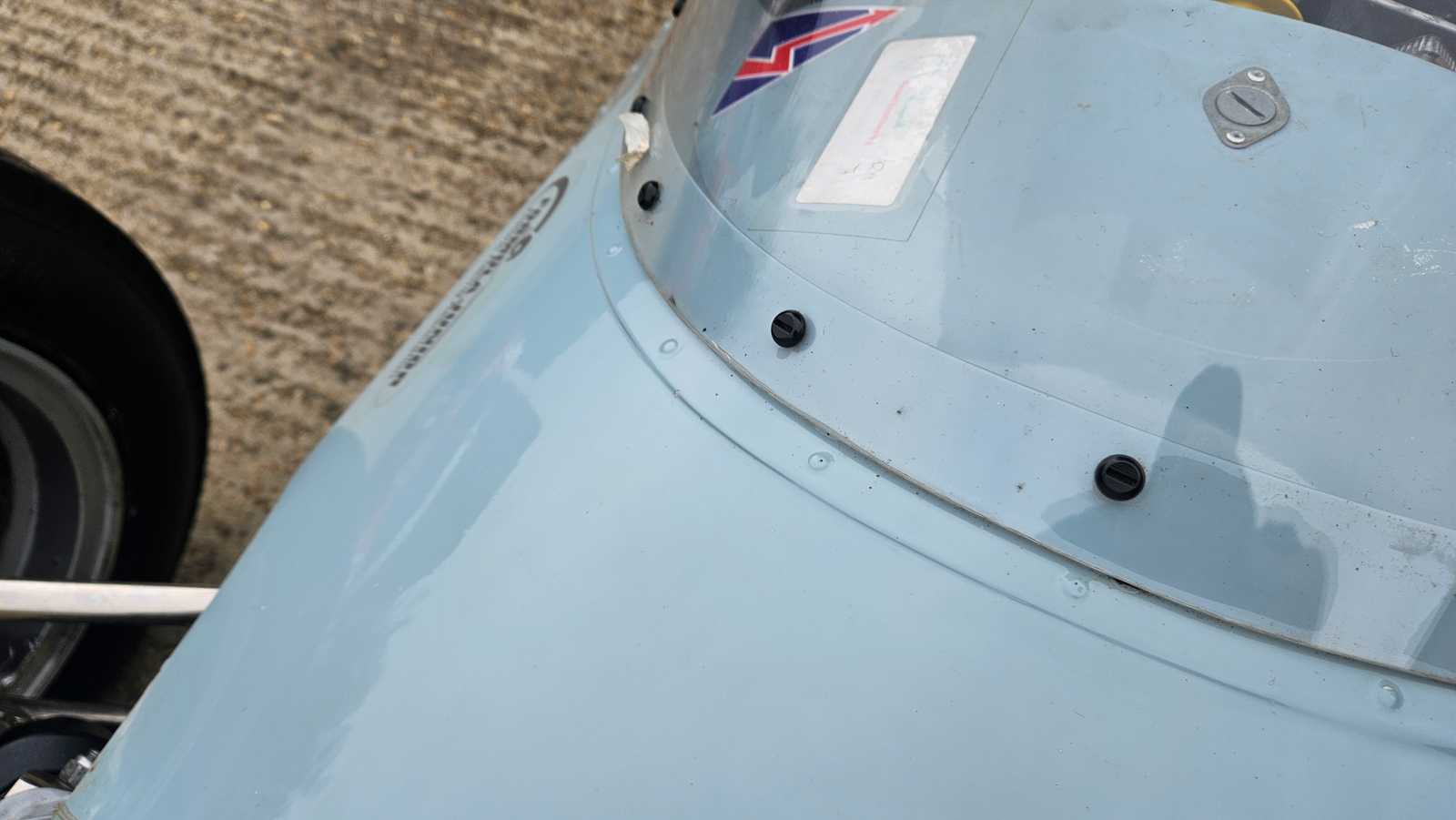
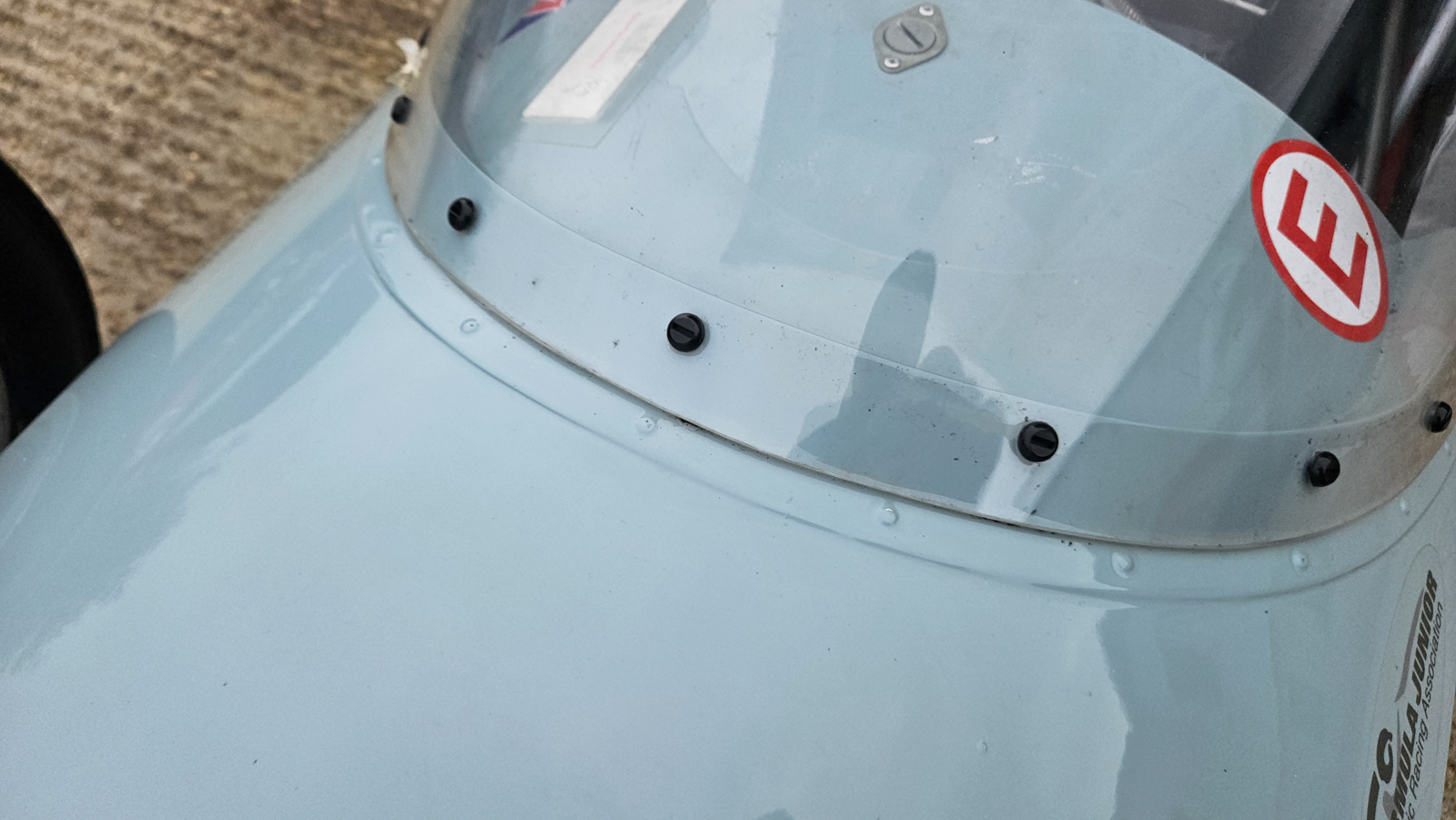
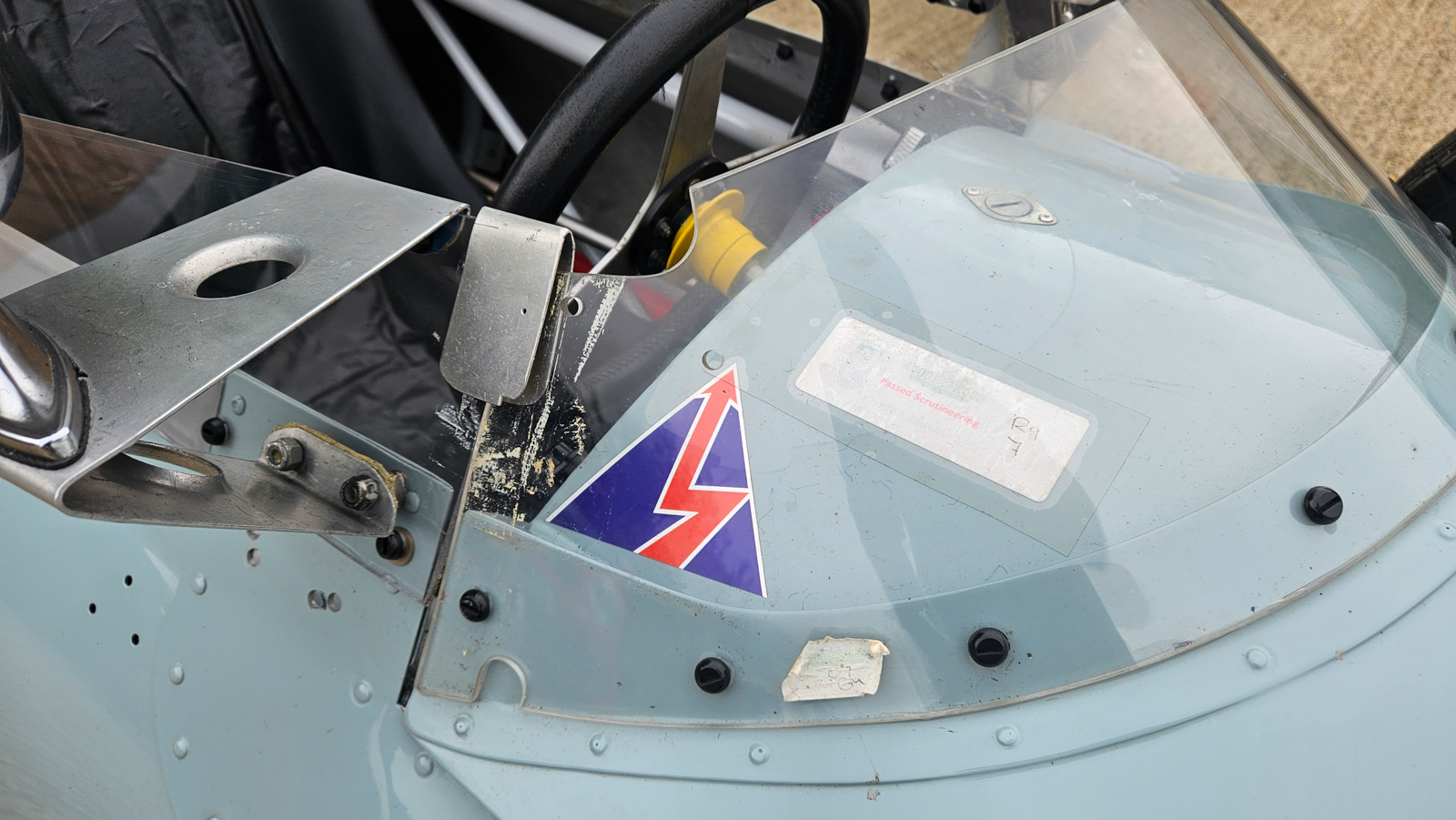
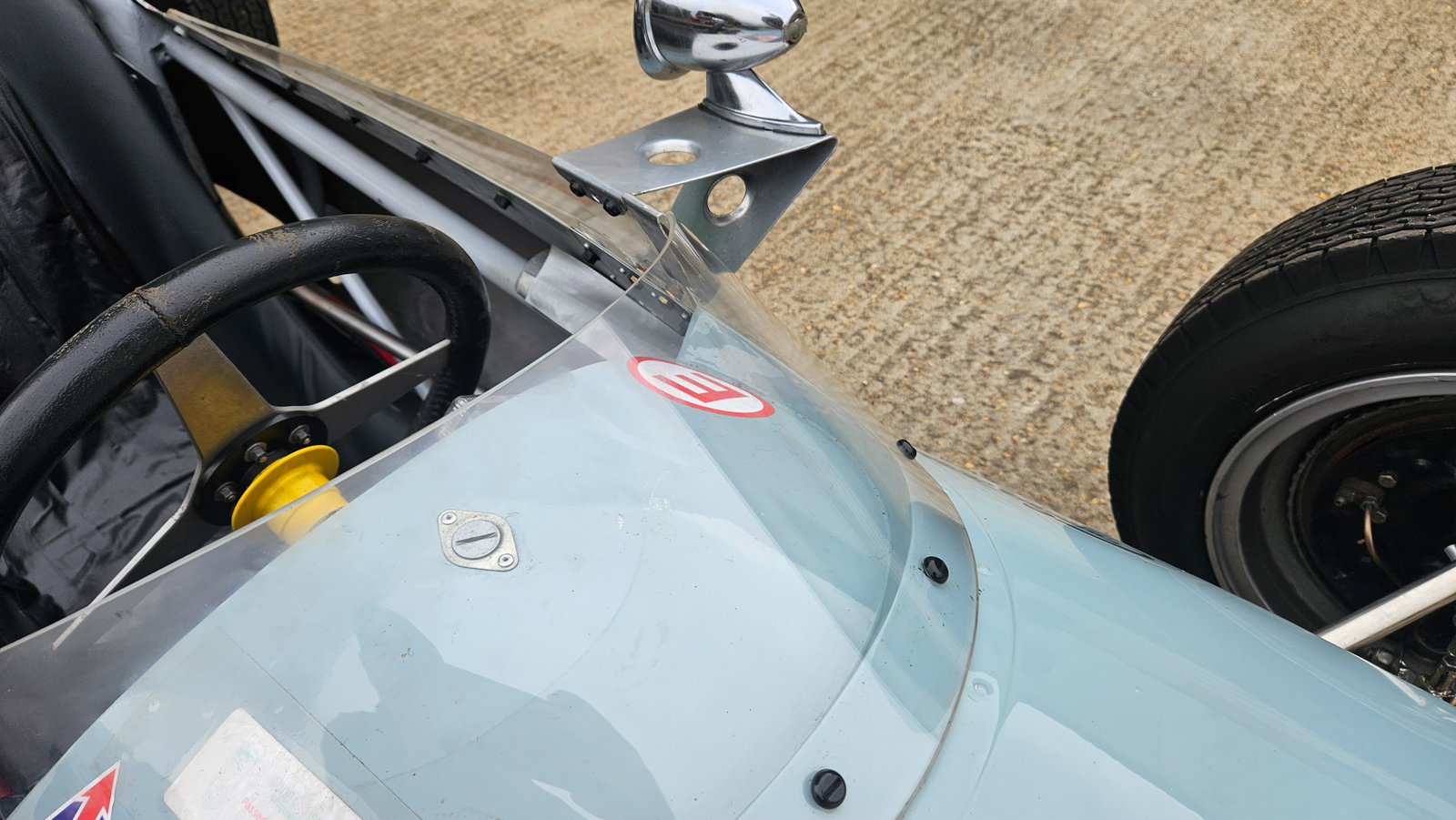
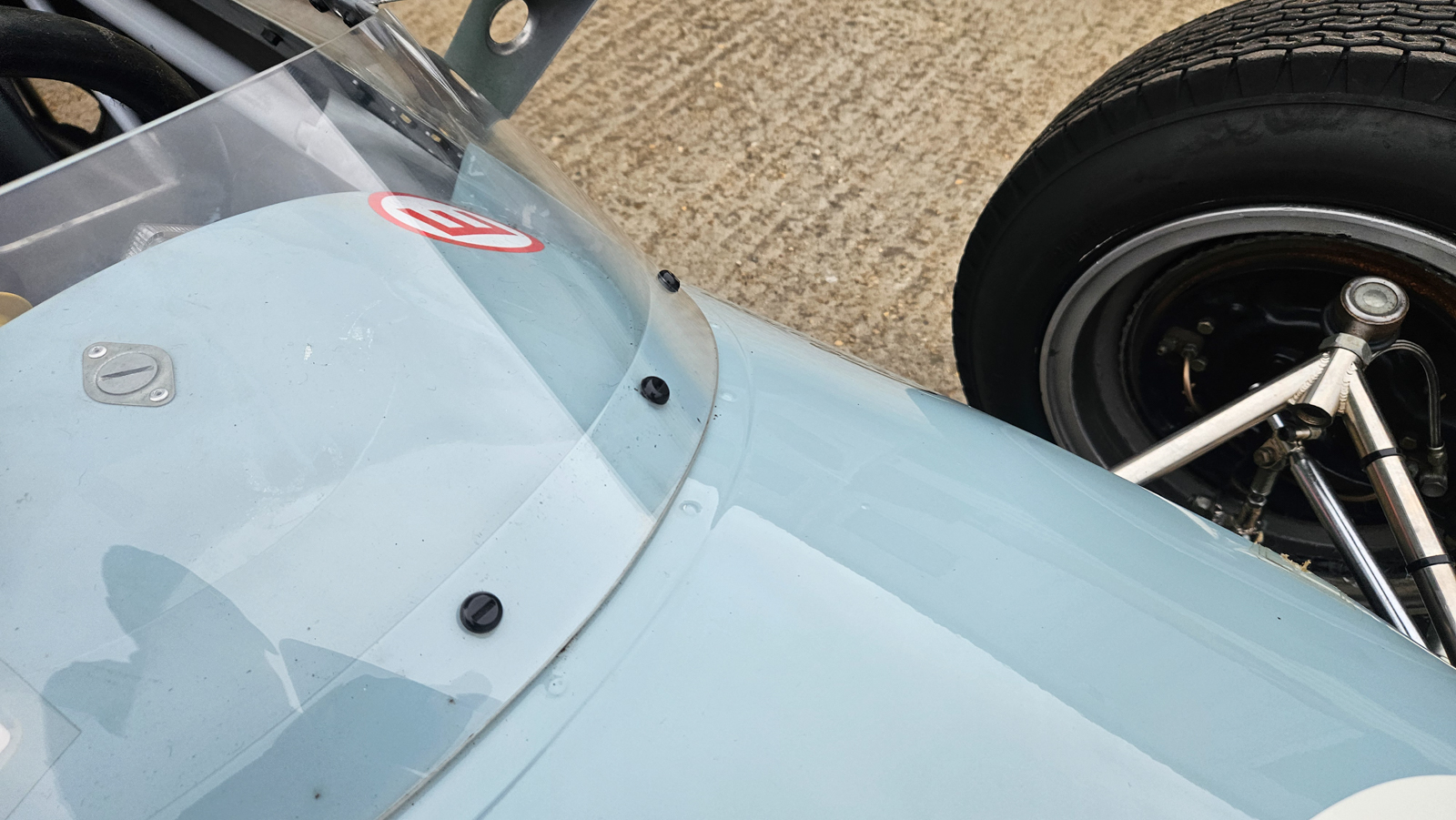
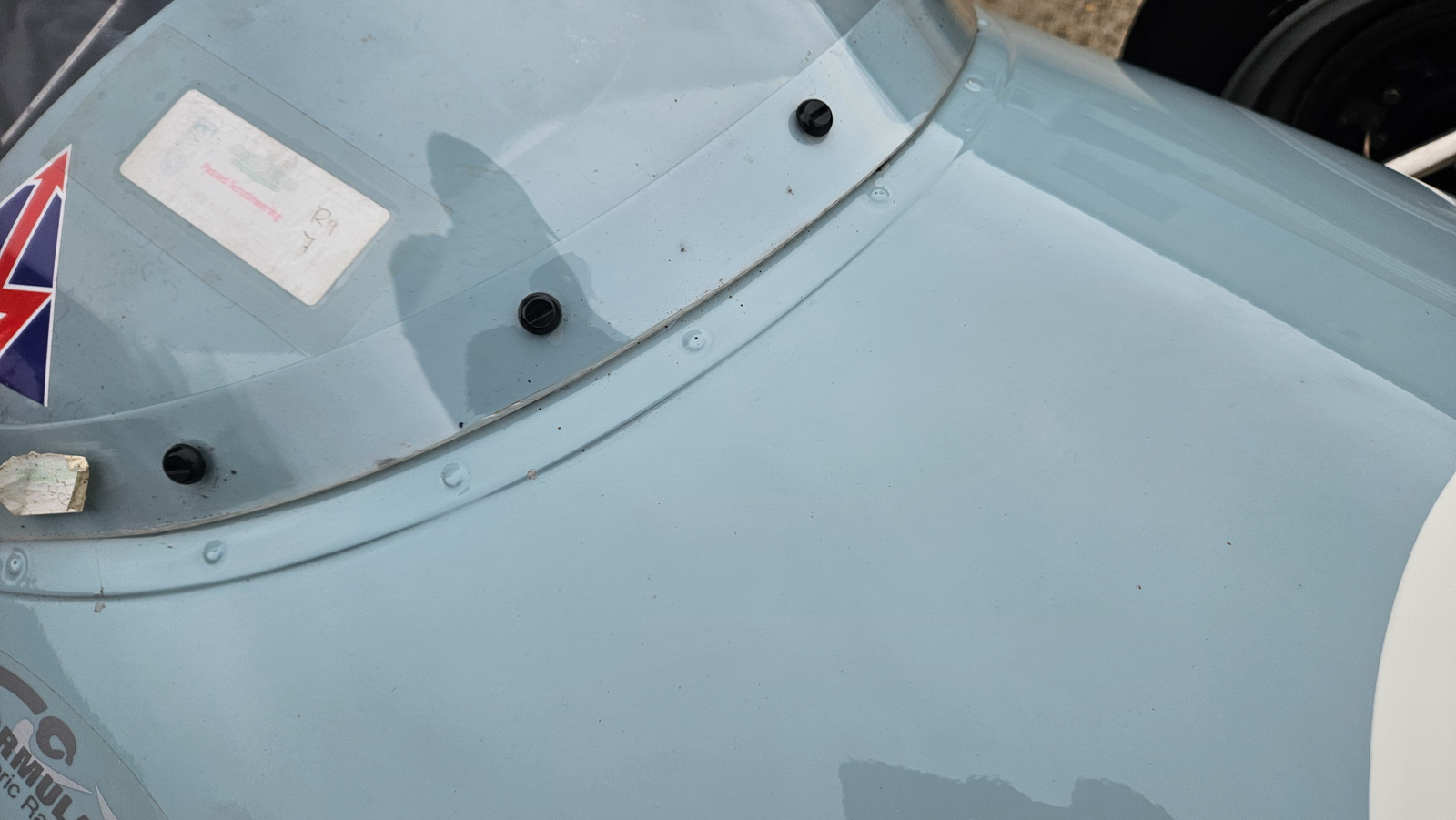
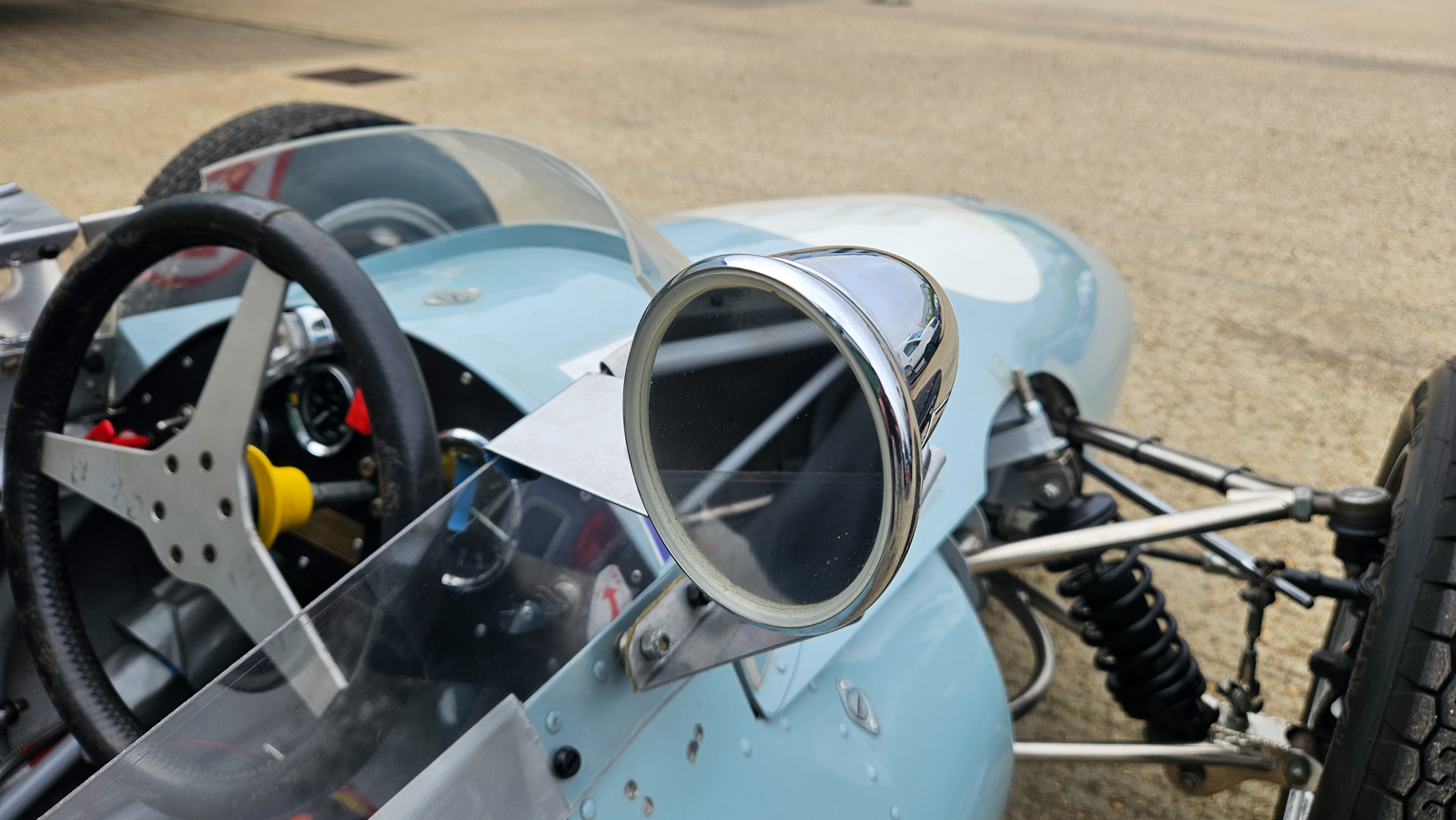
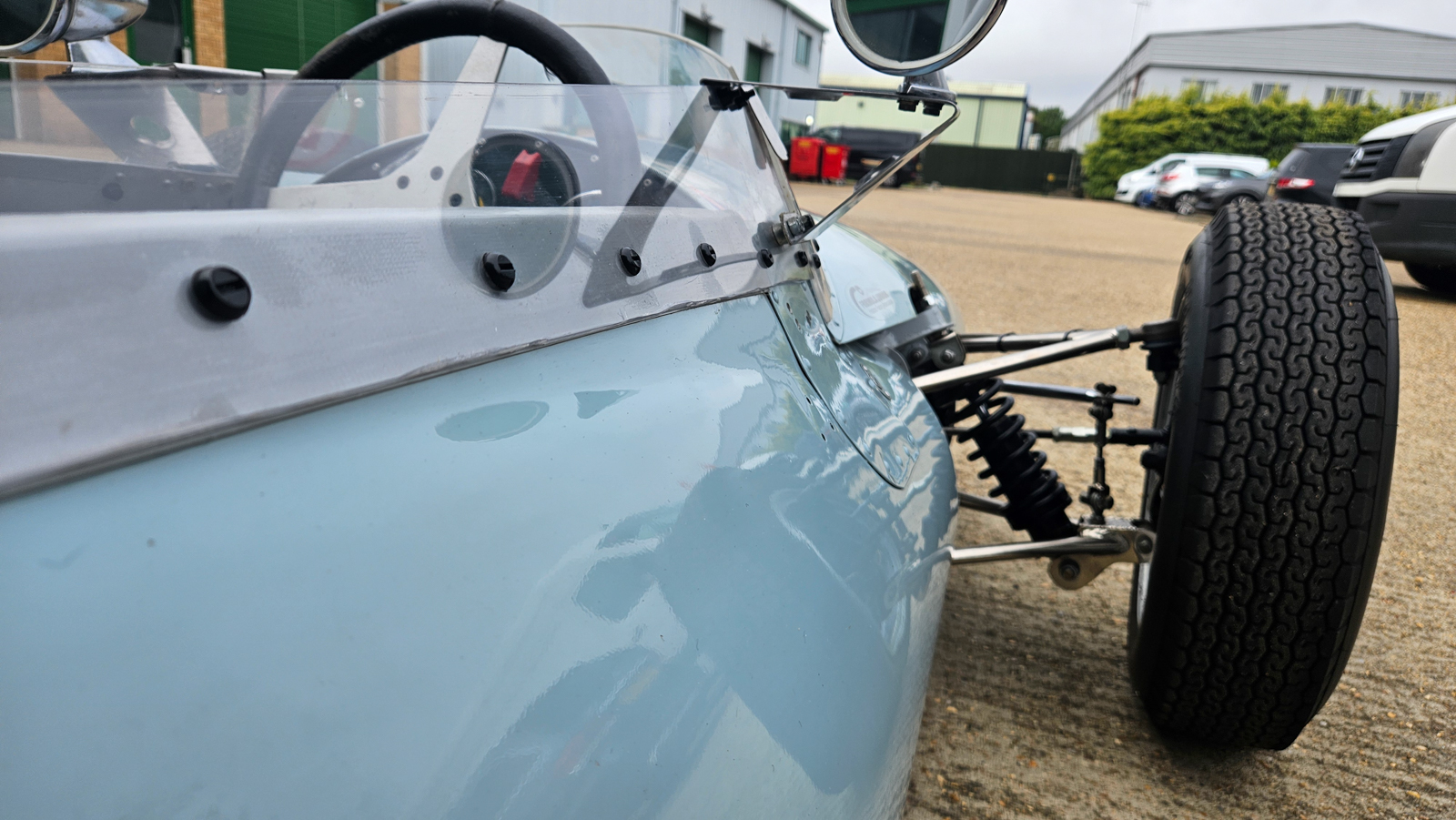
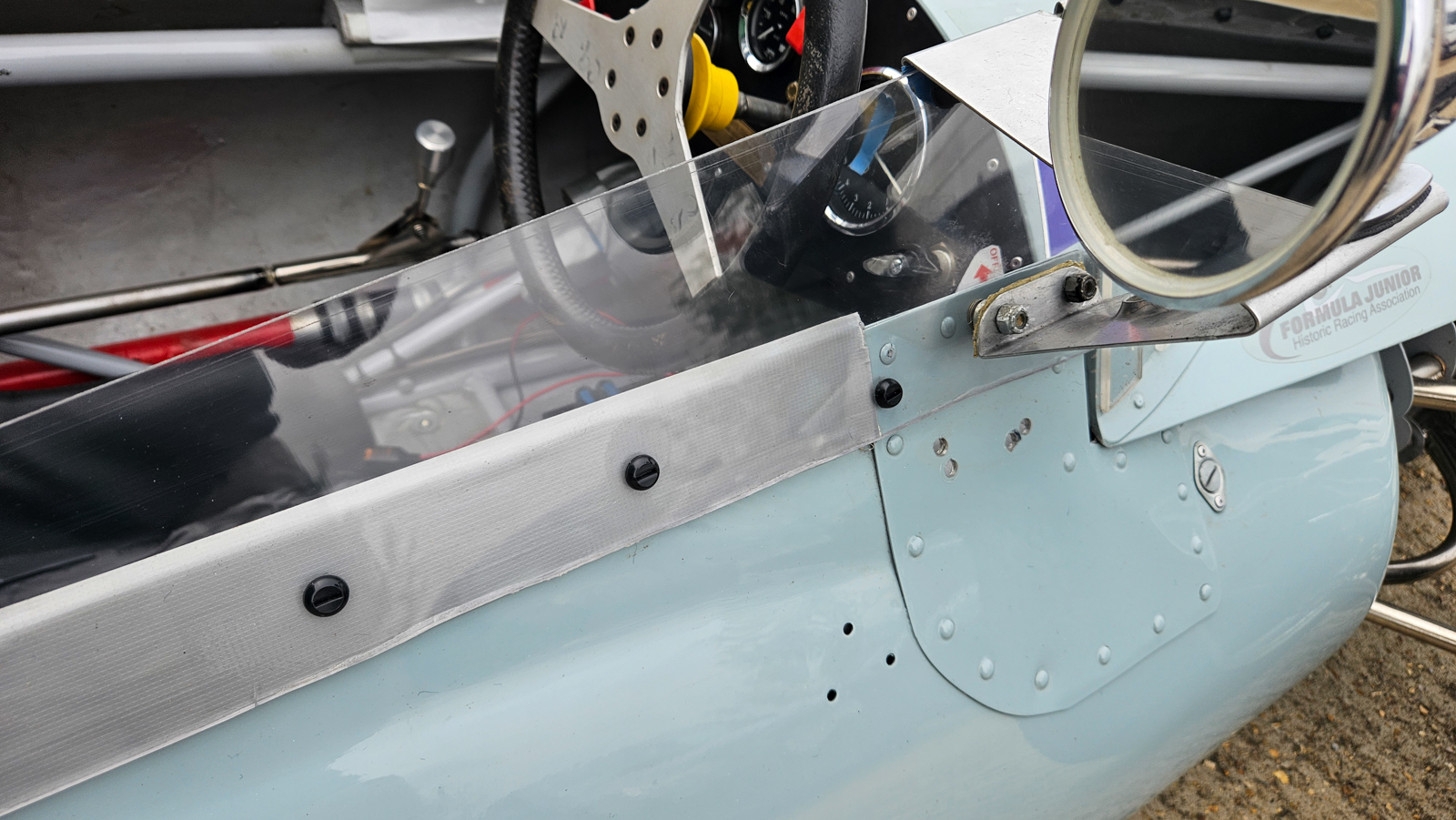
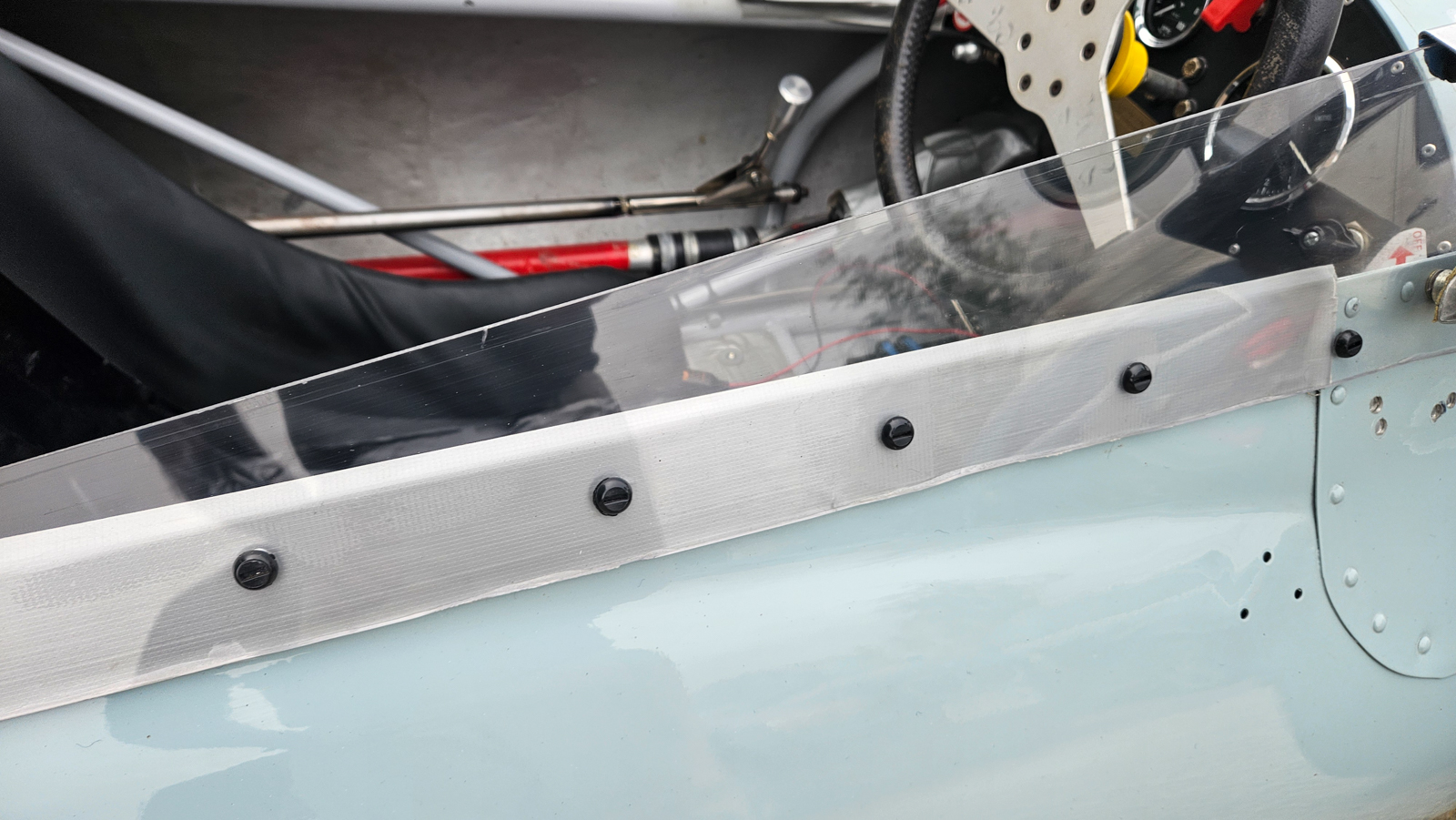
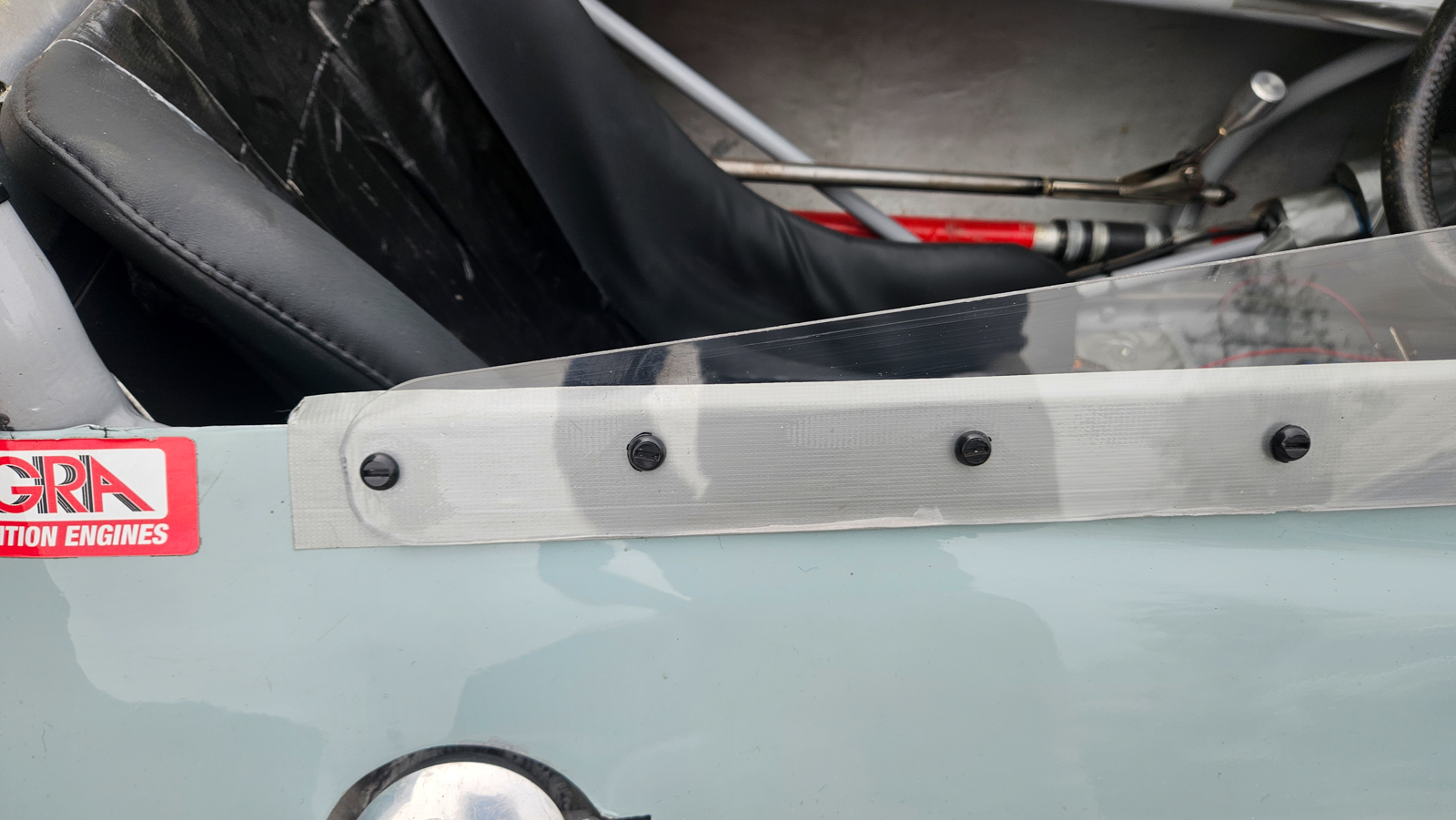
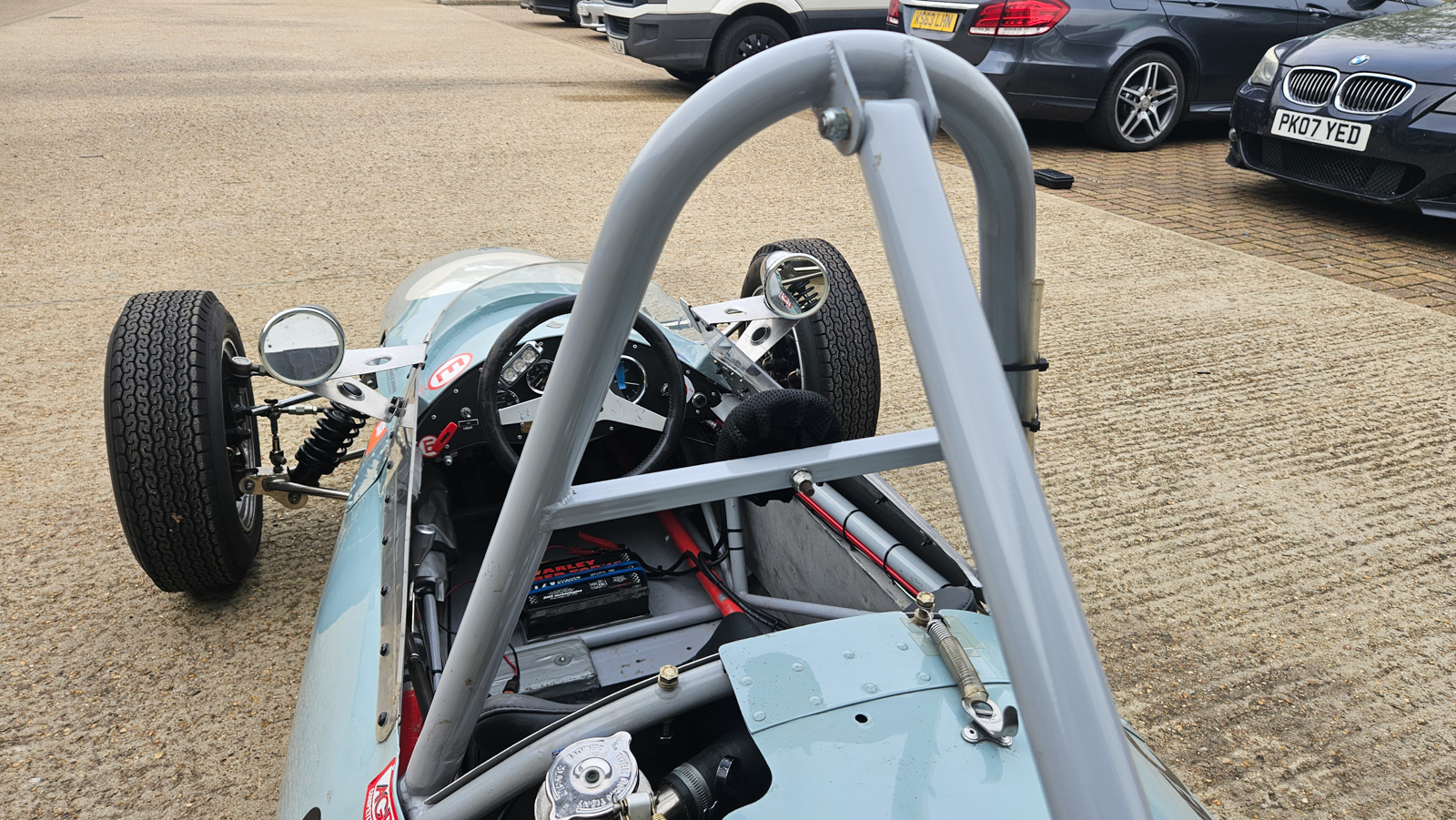
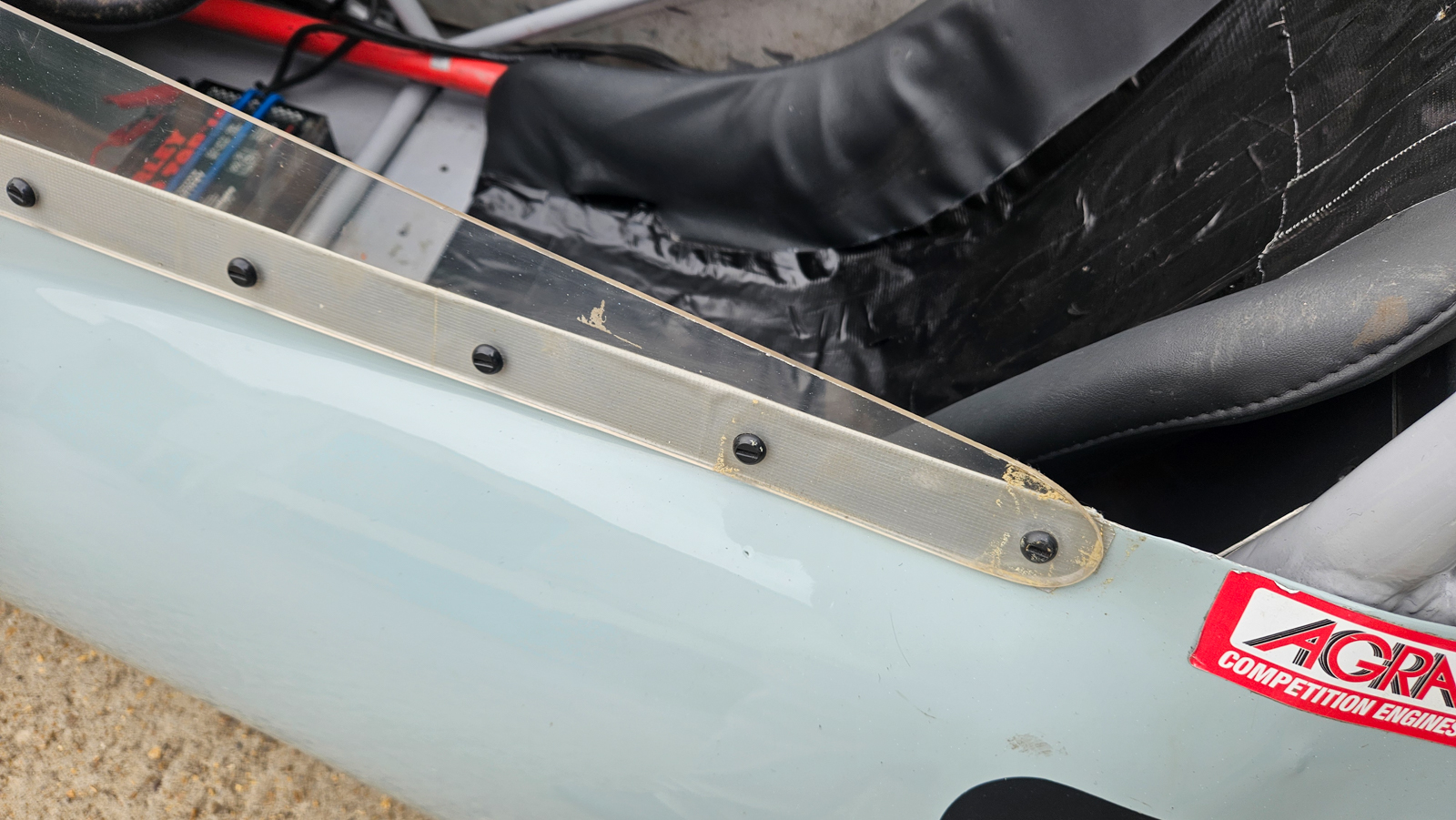
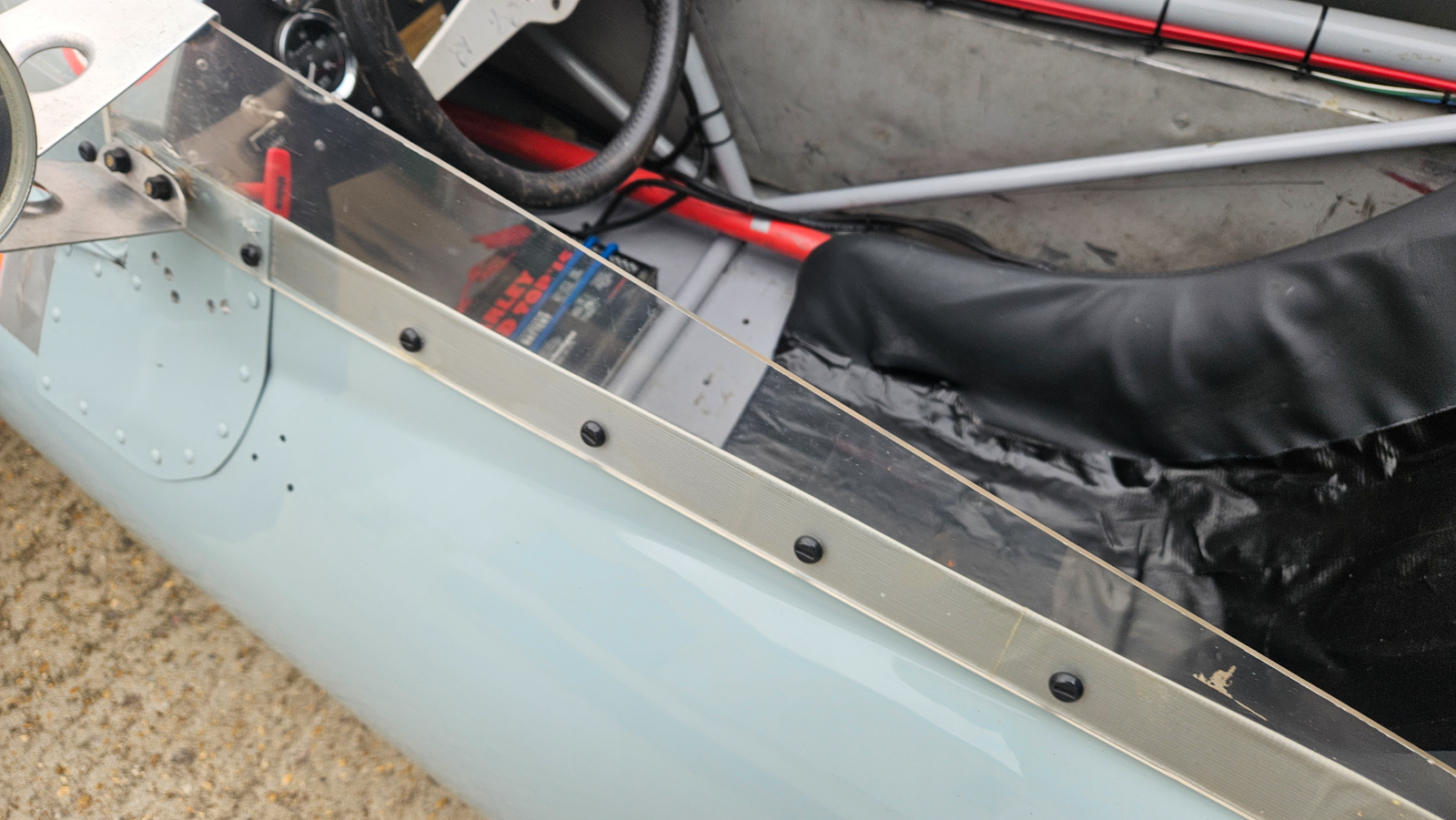
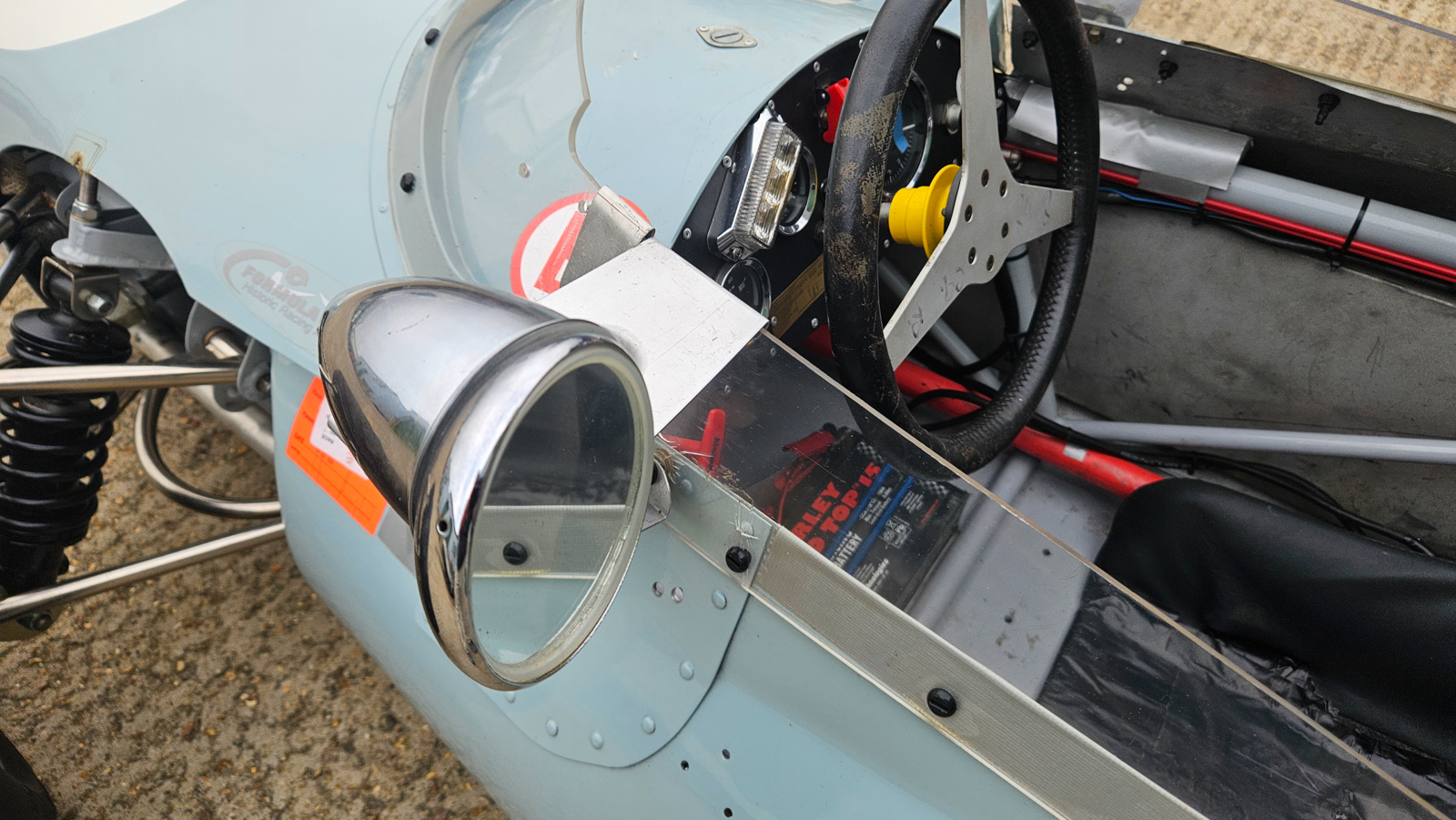
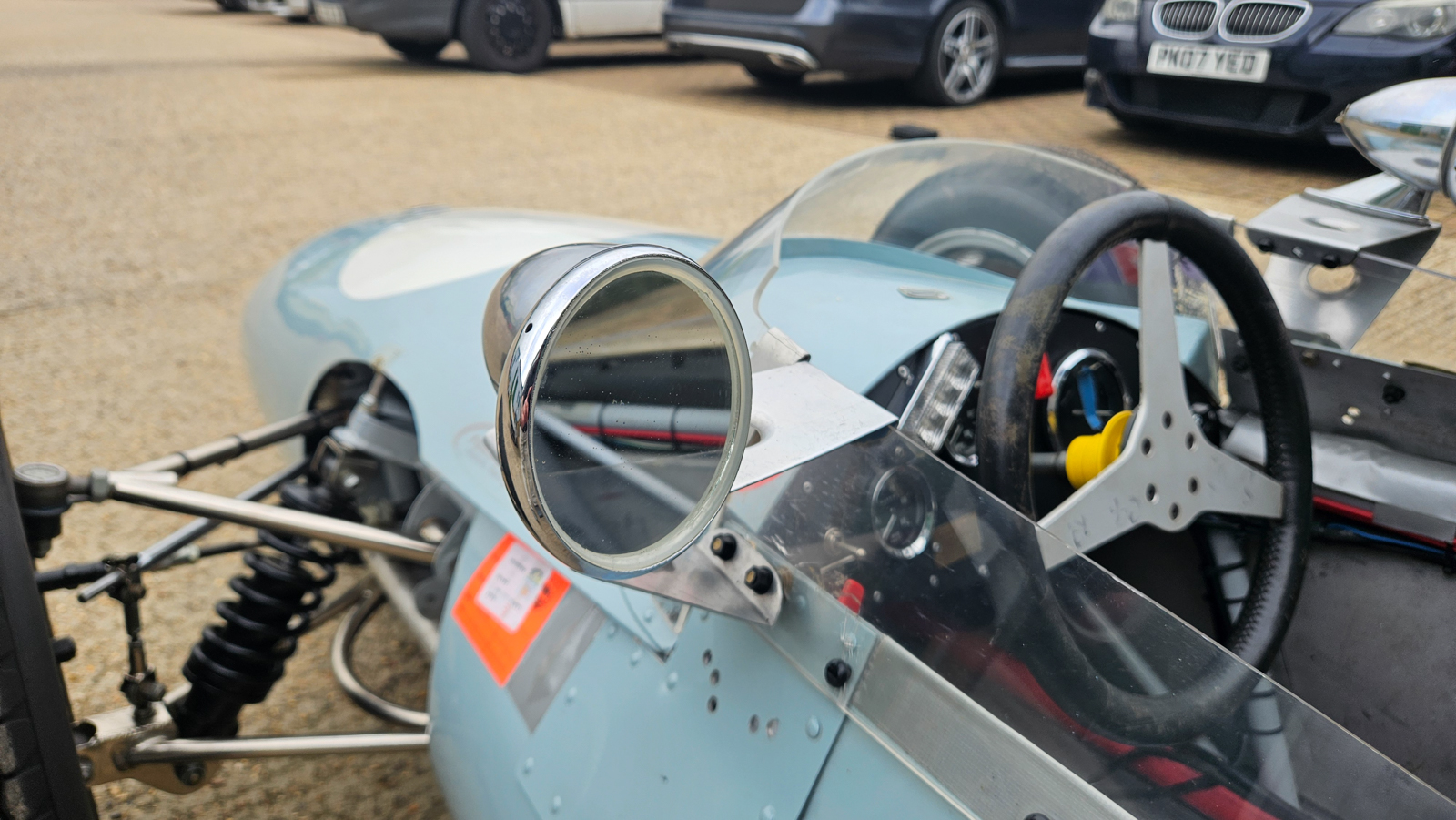
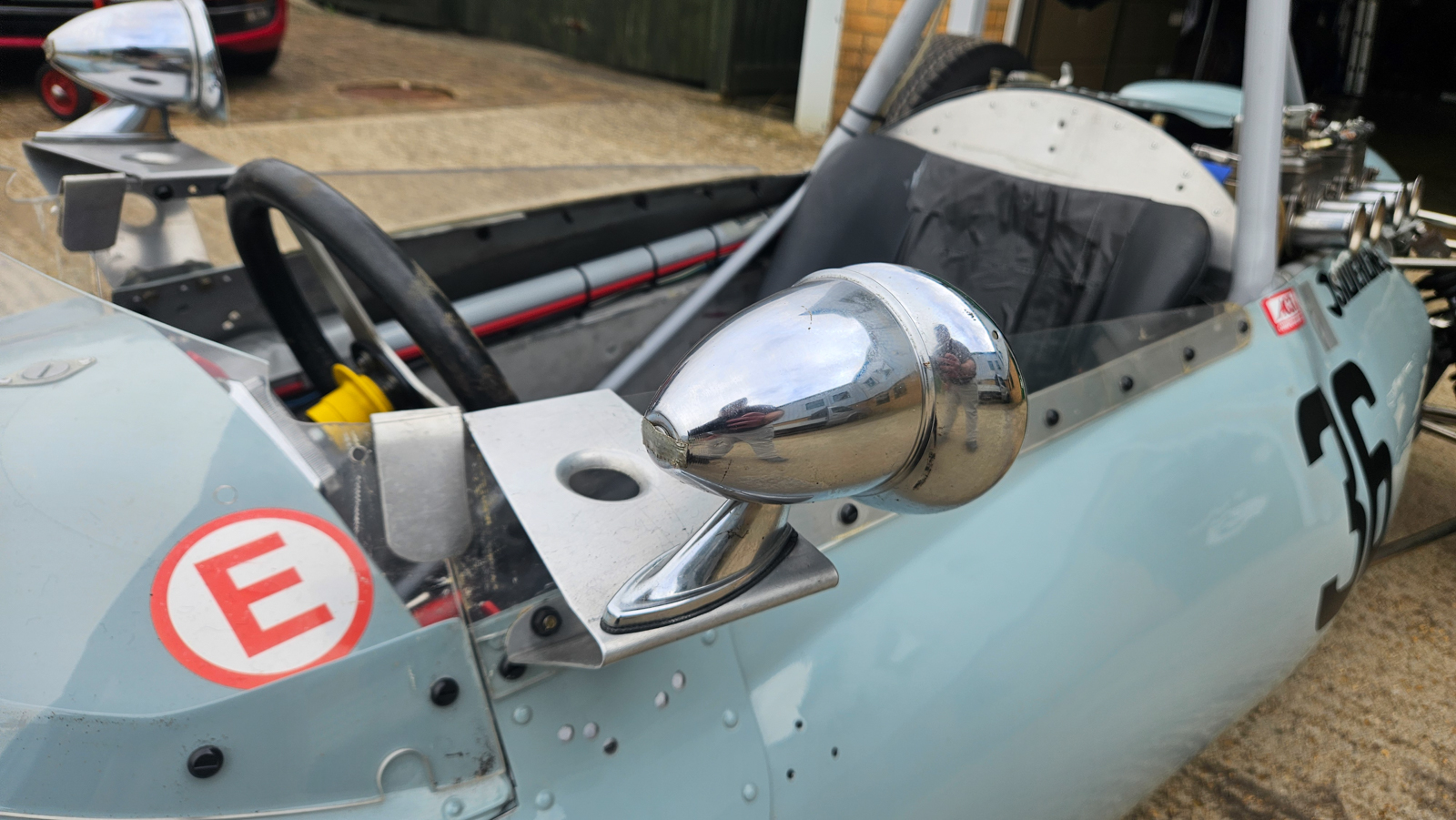
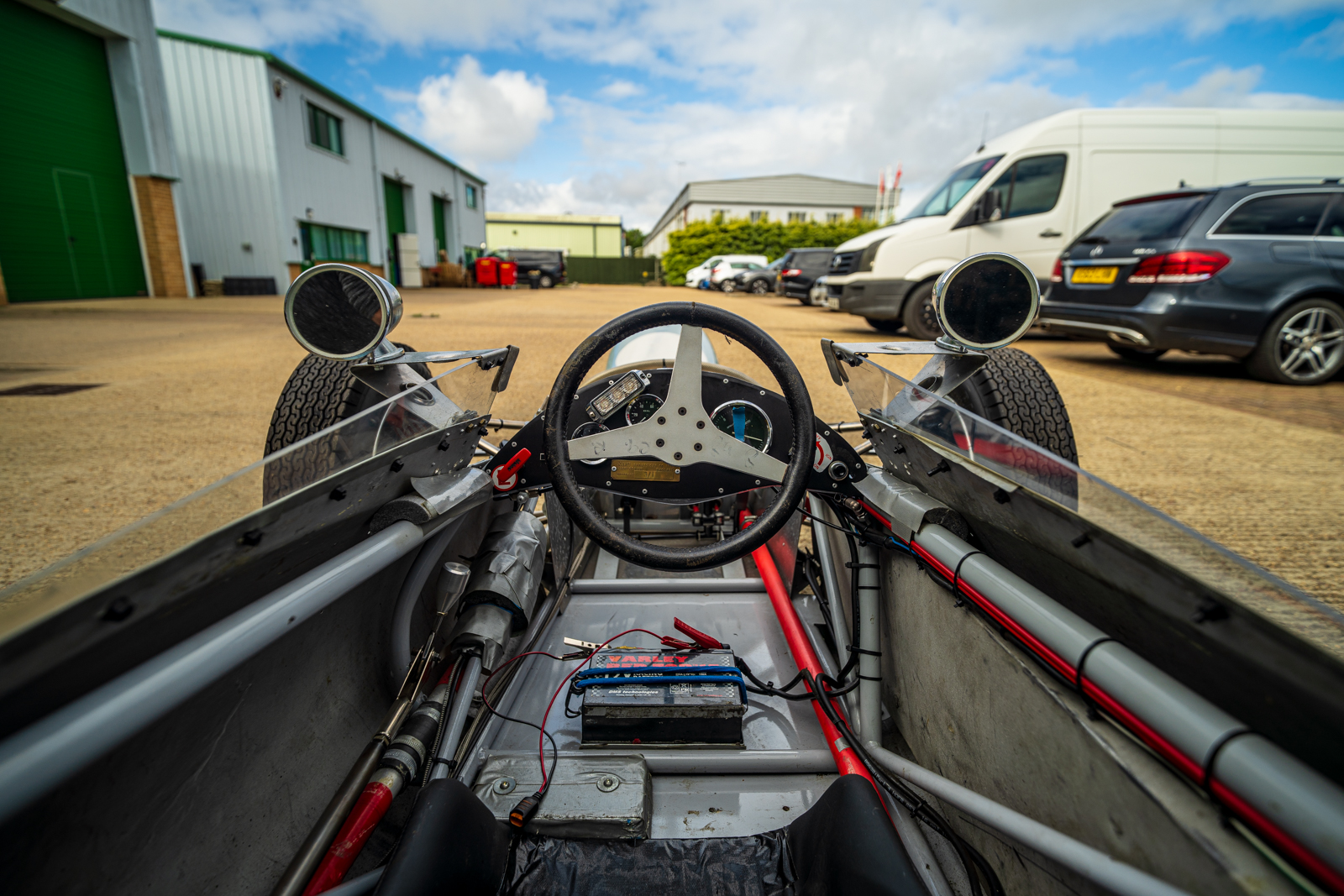
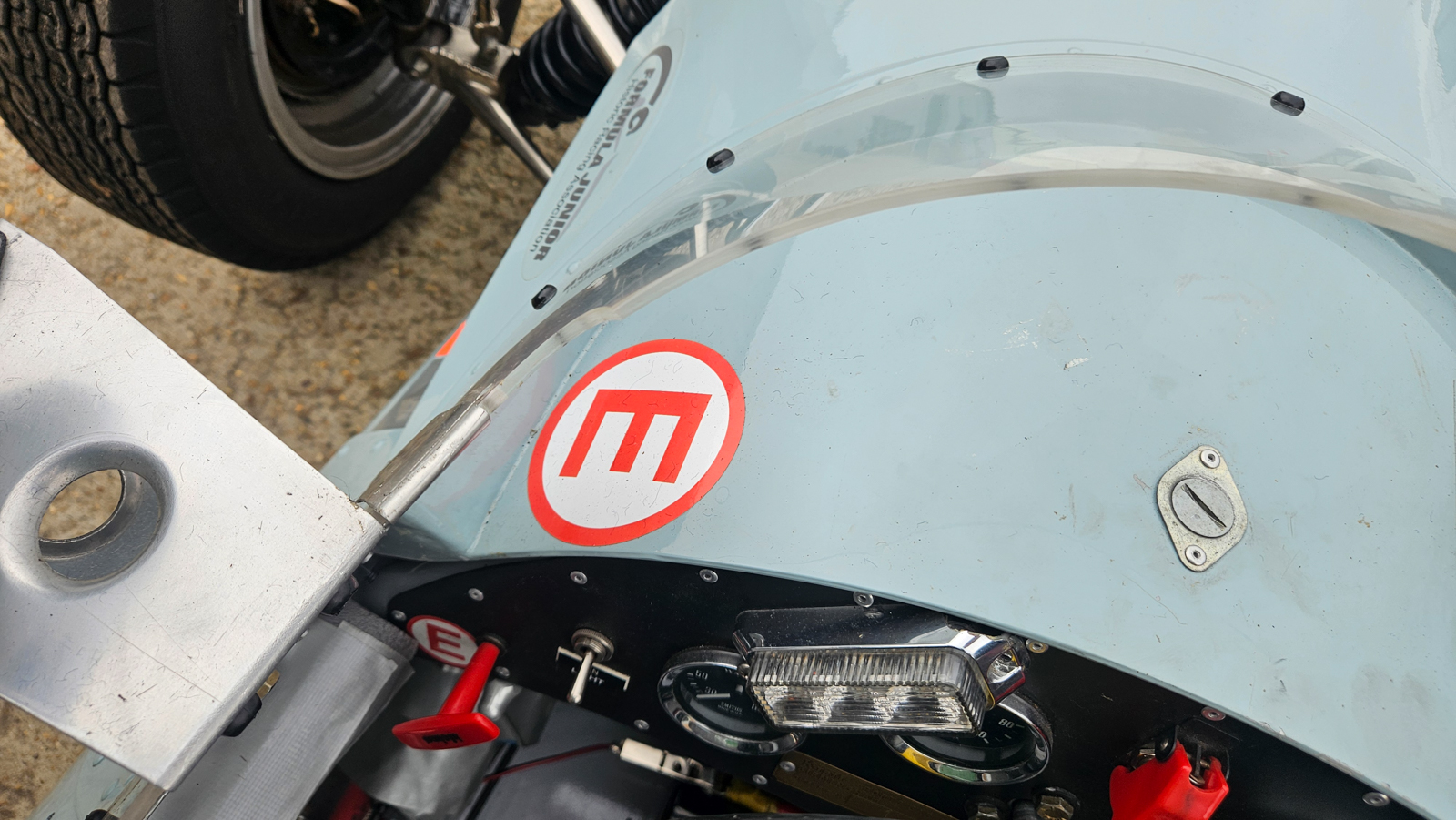
A small clear competition screen is positioned ahead of the driver, providing some wind protection without interrupting the Kieft’s exceptionally low profile.
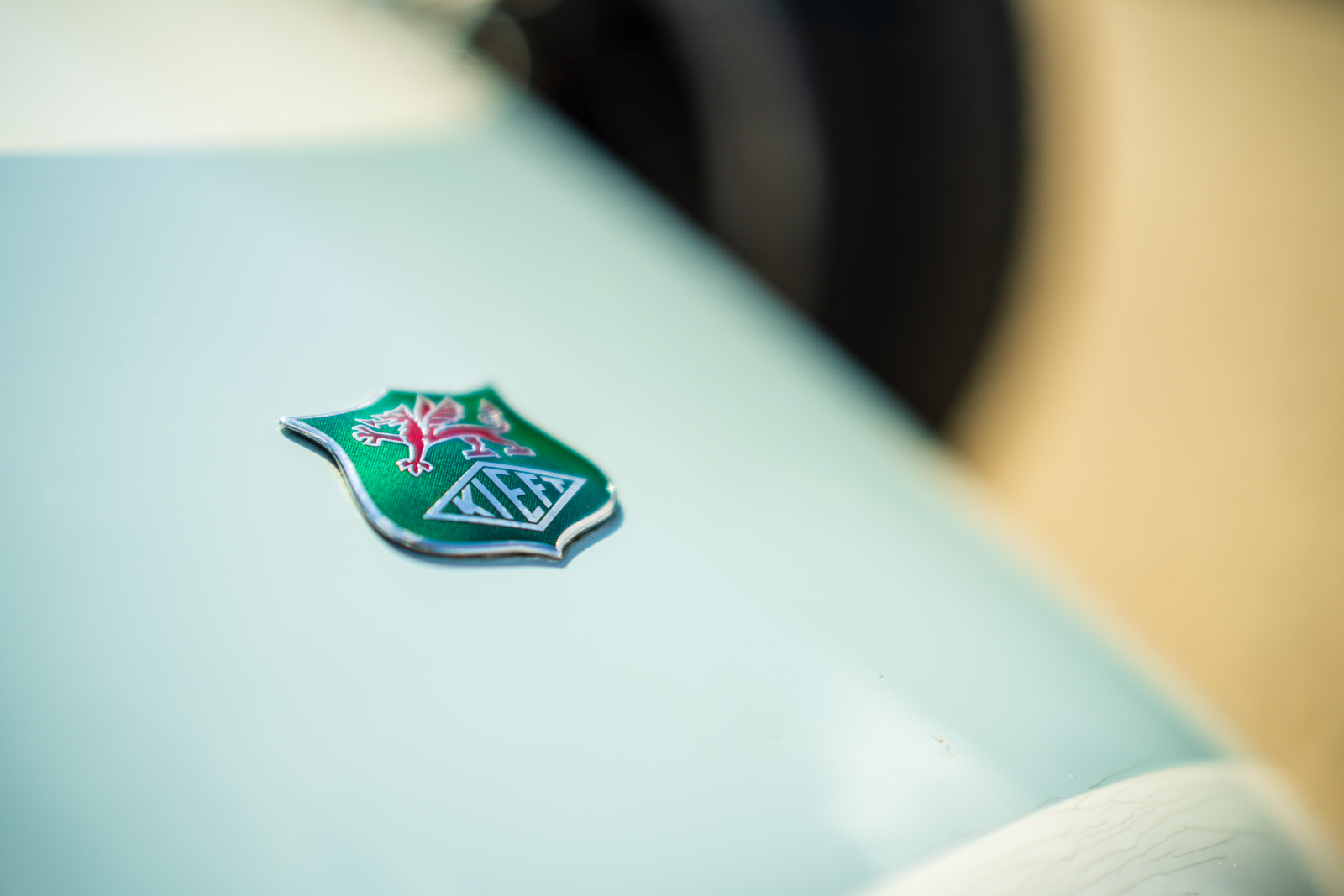
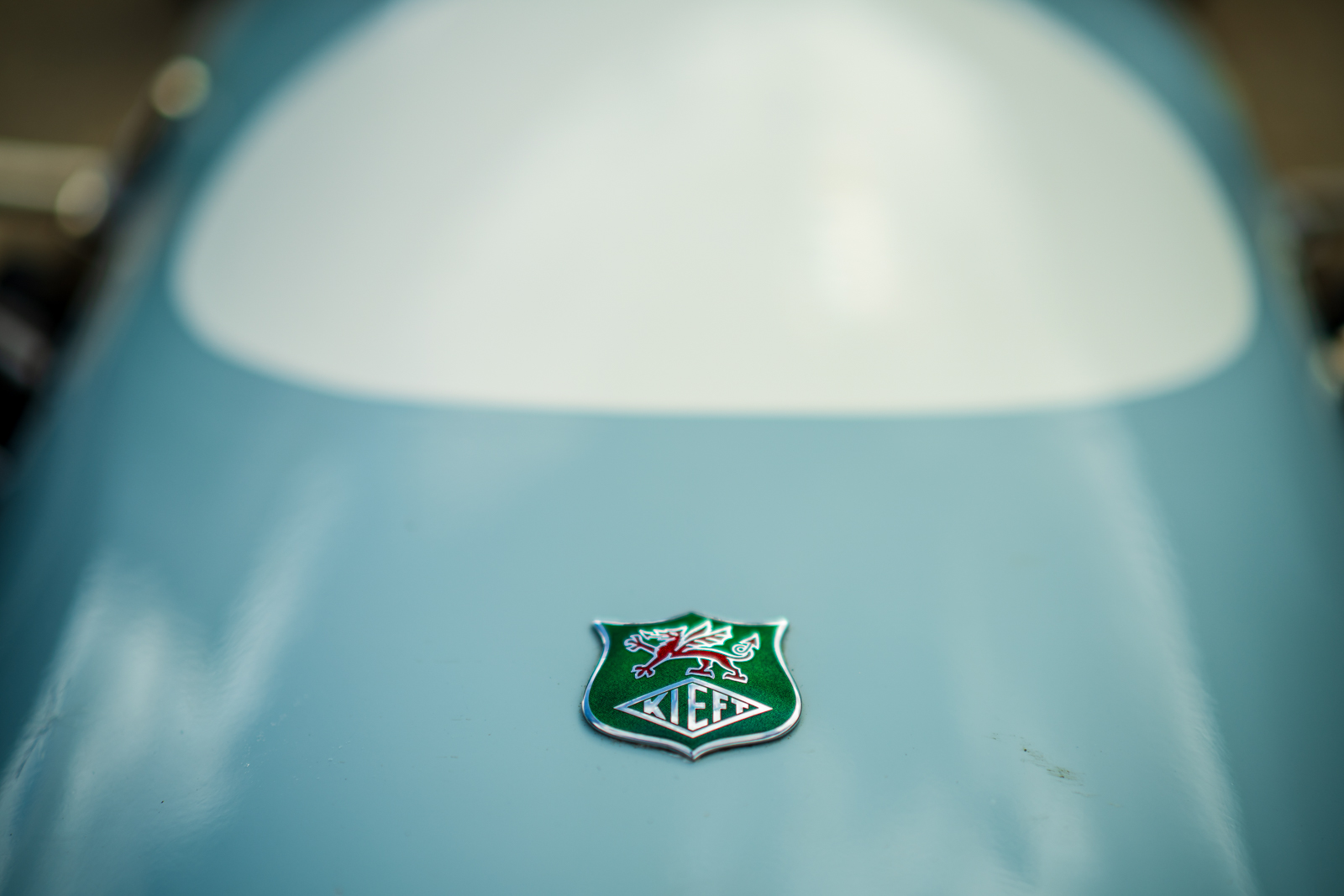
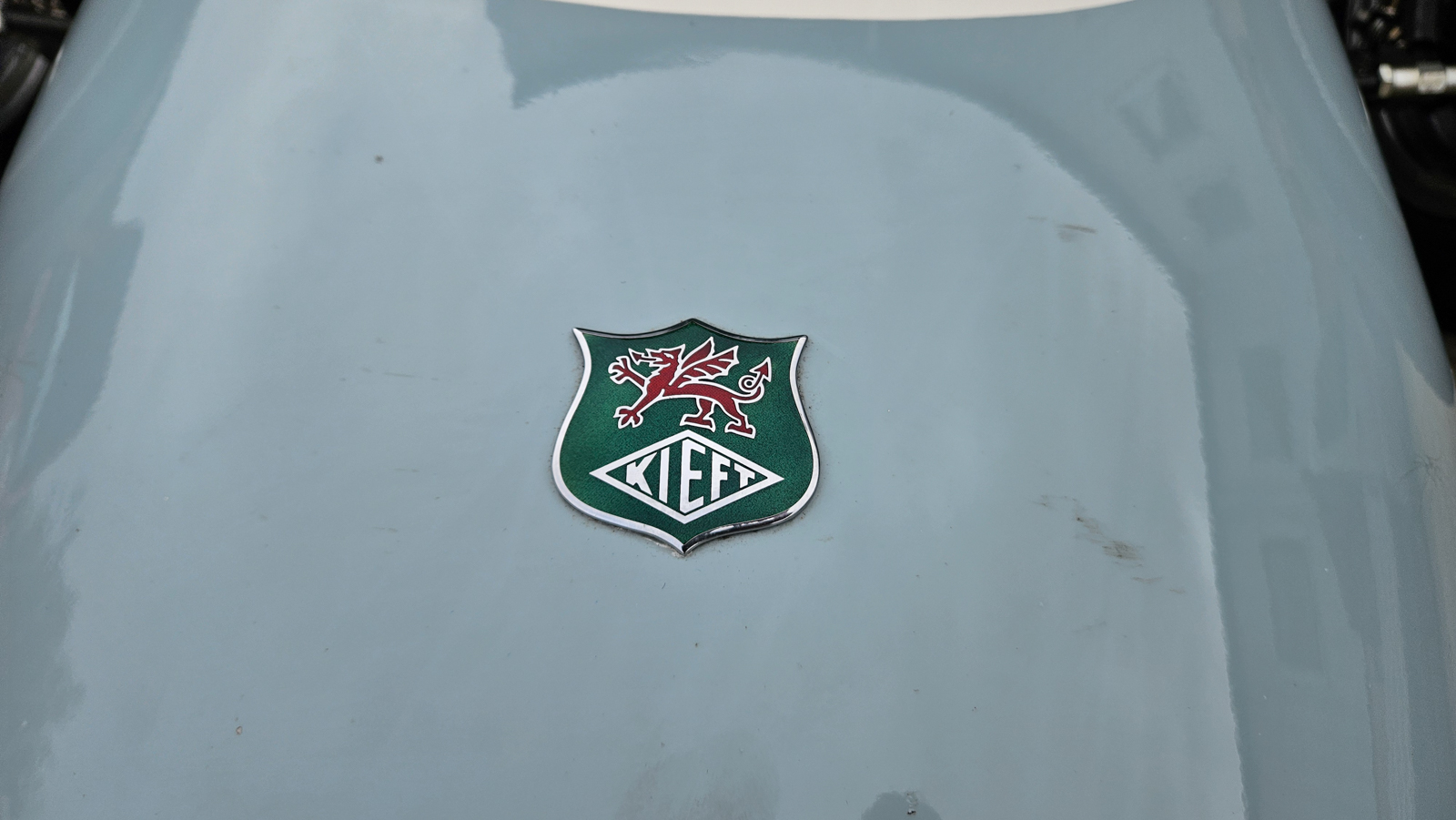
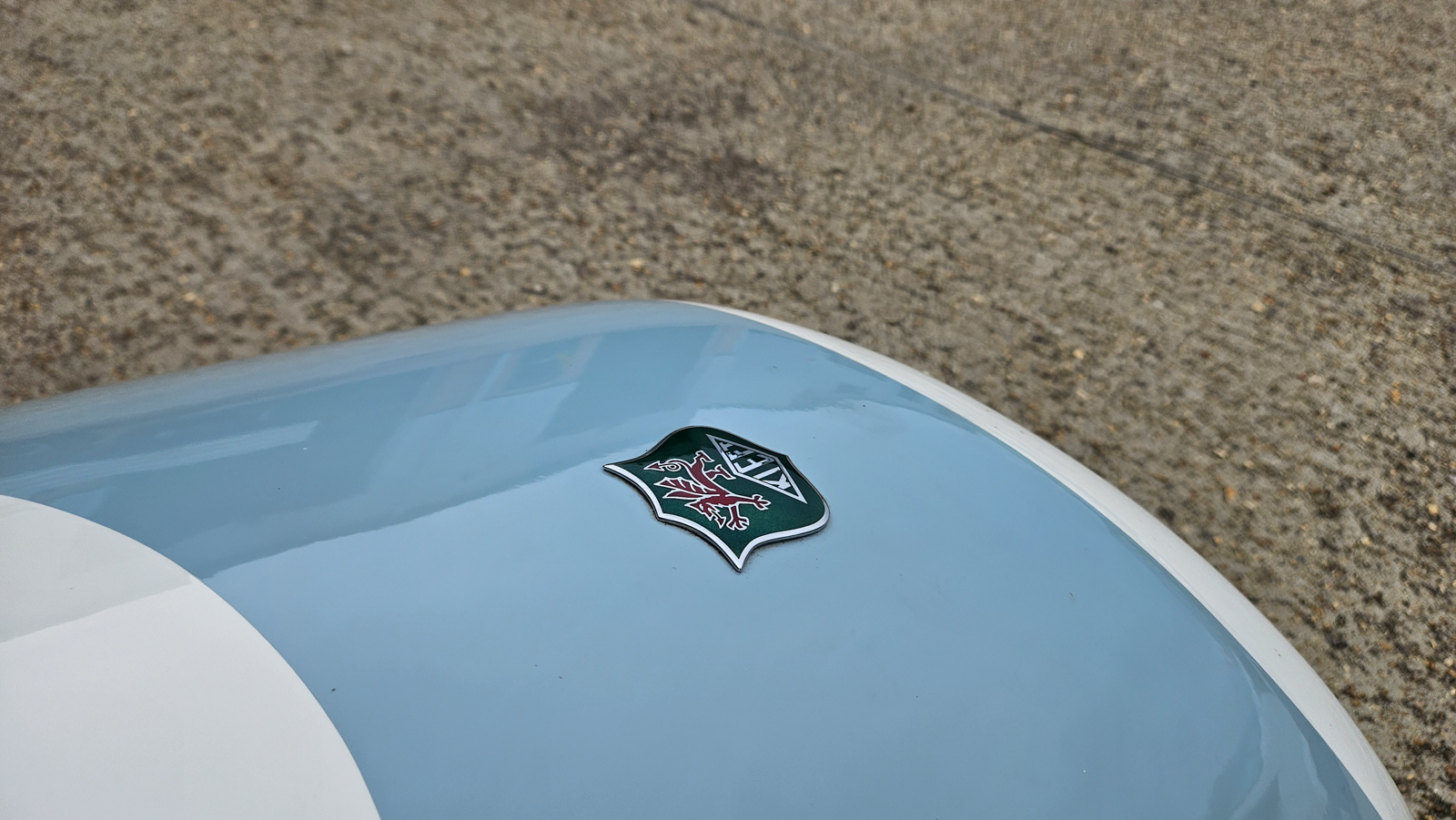
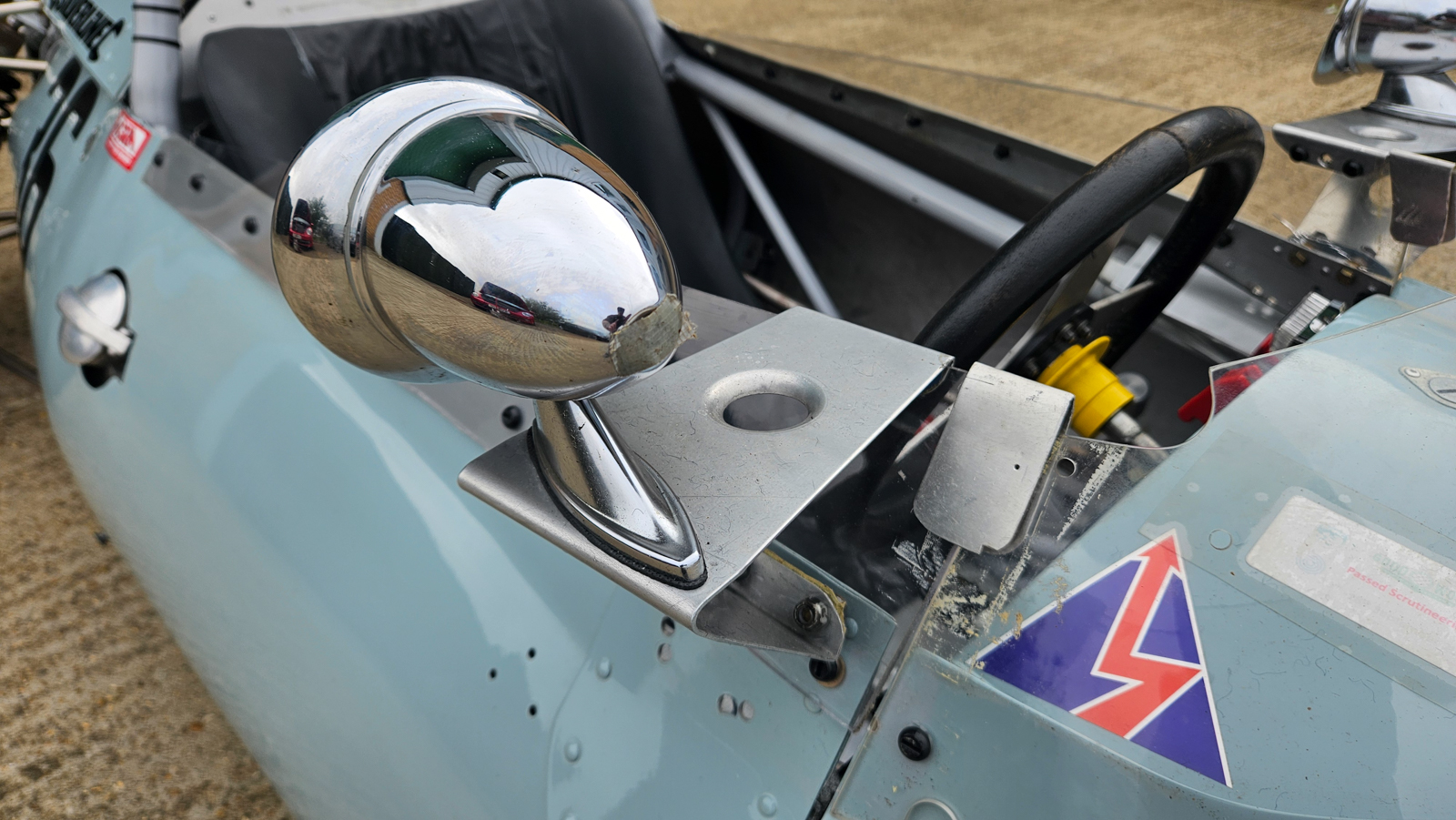
Round mirrors are mounted on either side of the cockpit, while the Kieft crest is displayed prominently on the nose. The exterior also retains its visible panel fasteners, open cooling apertures and exposed suspension components.
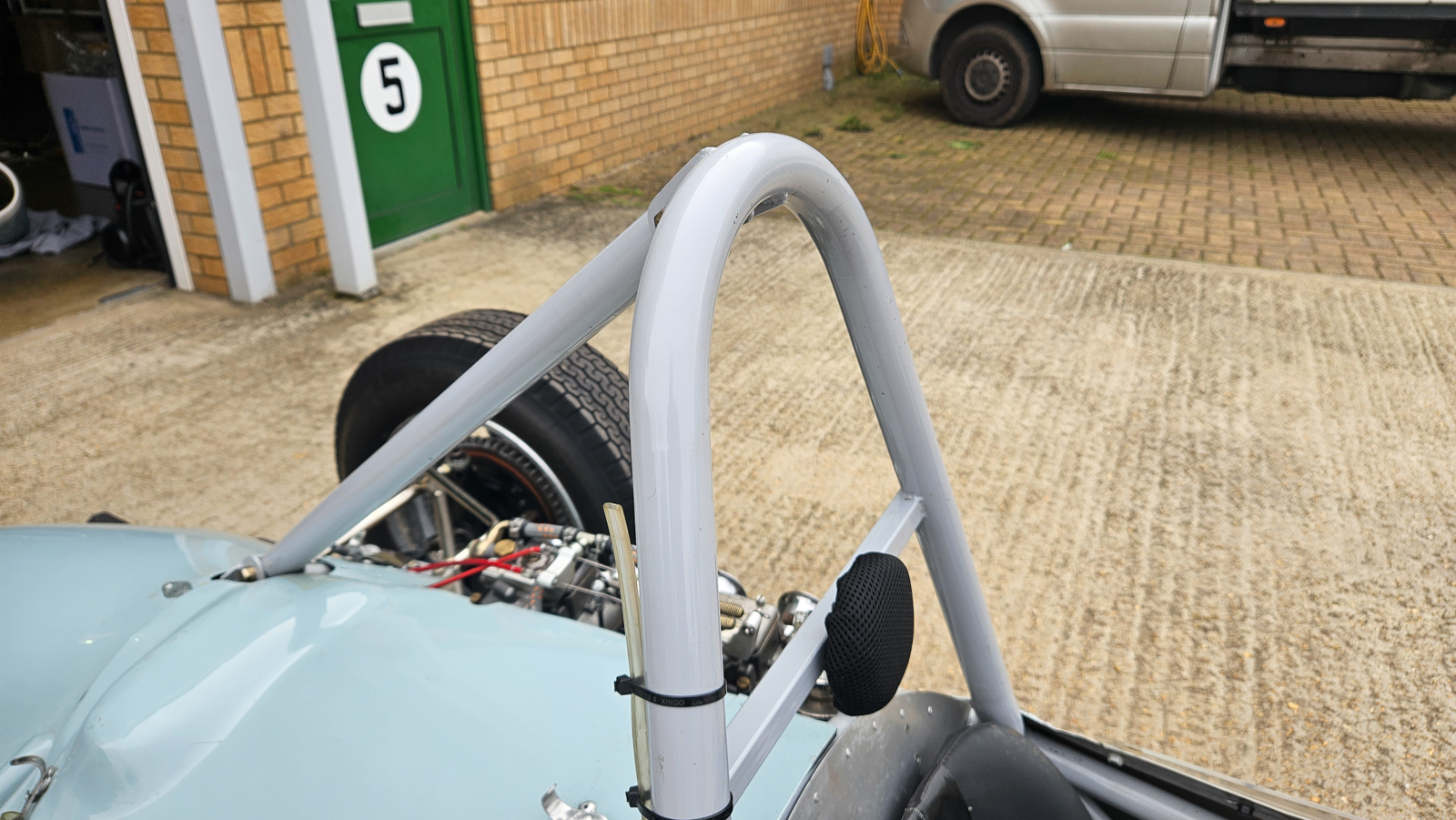
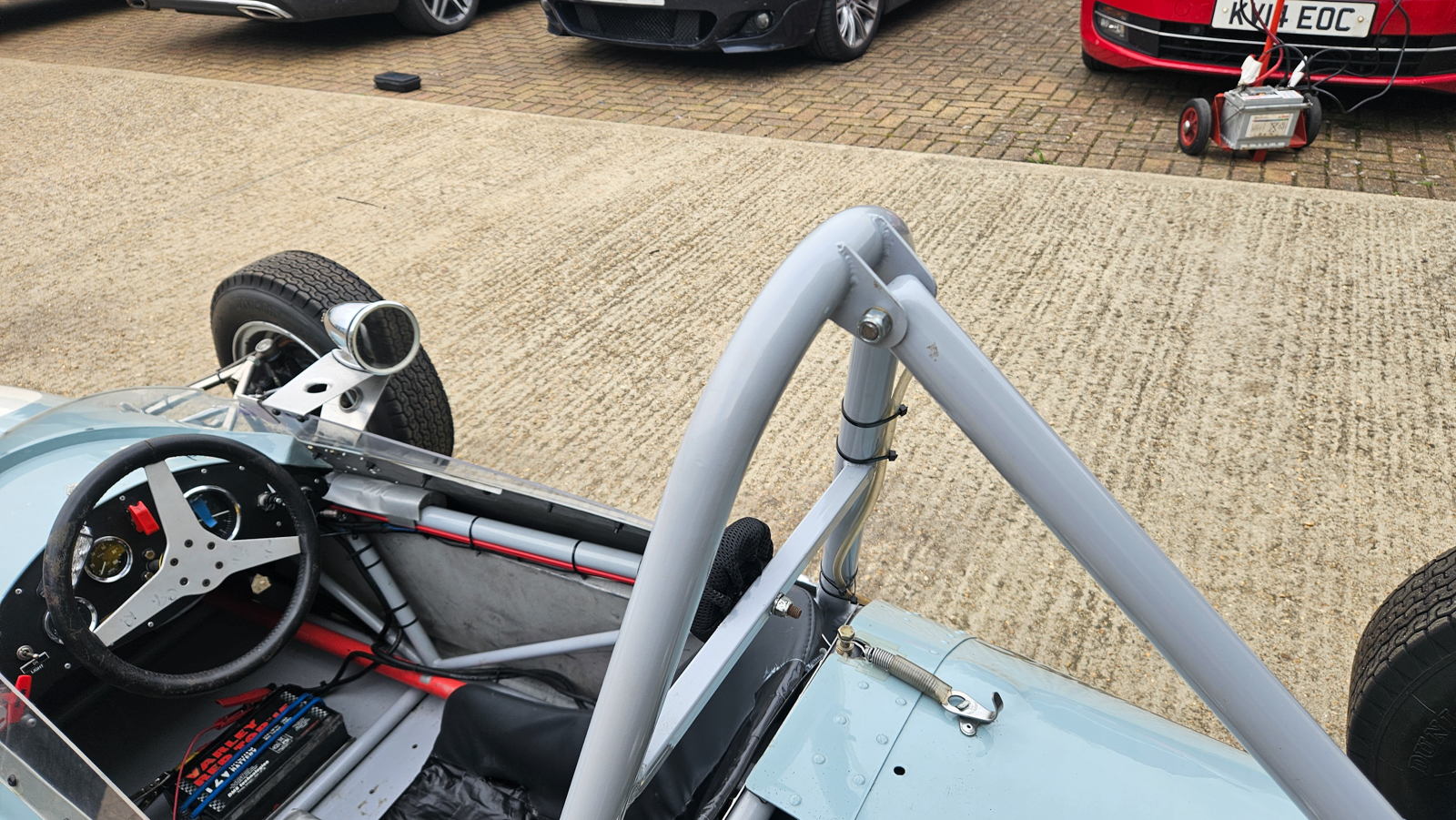
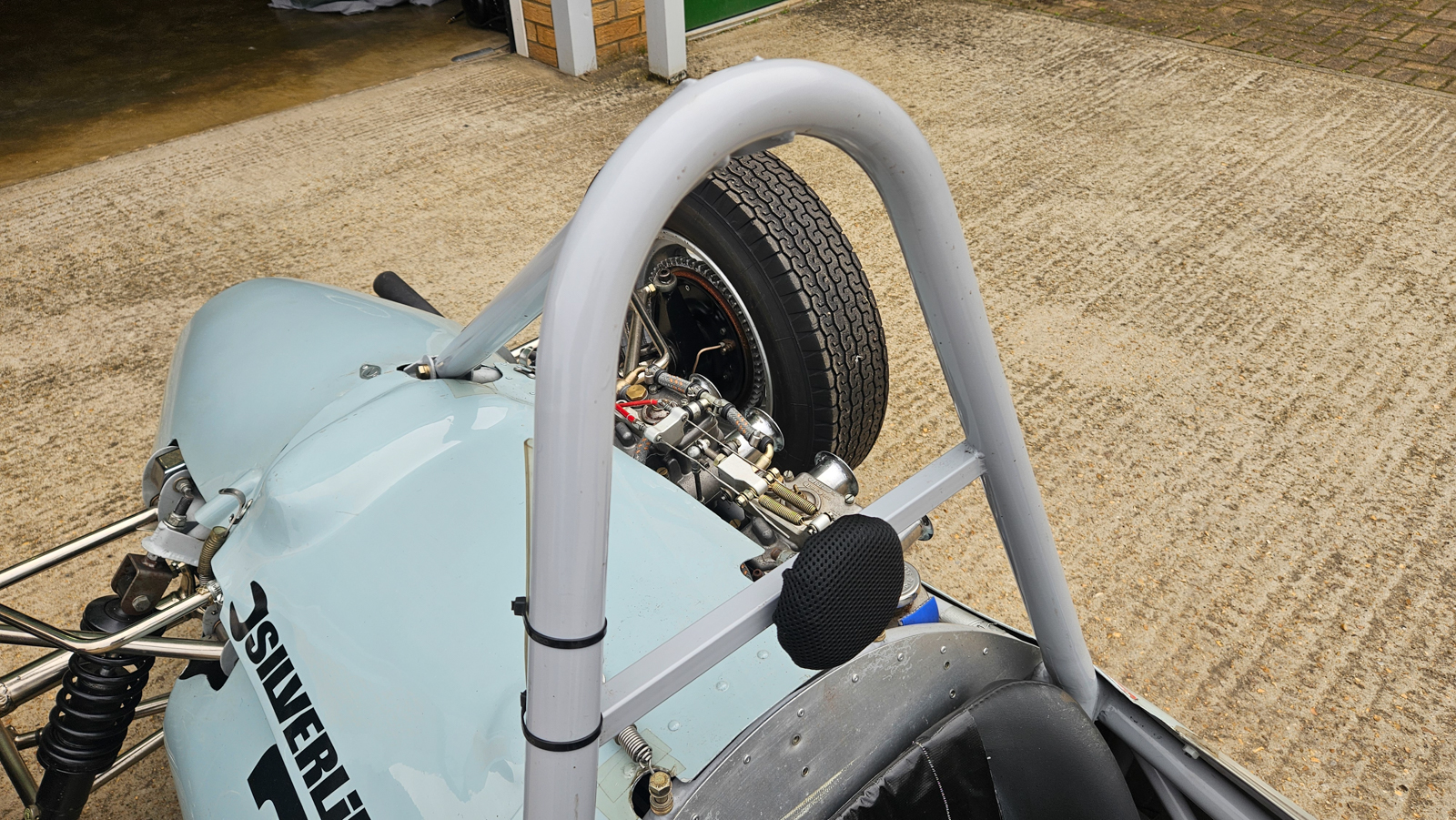
A substantial roll-over hoop has been incorporated behind the cockpit.

The screen, mirrors, badging and associated fittings present well overall, showing only the normal evidence of competition use.

Please view the photos and video below to review the condition of the glass and trim for yourself.

Interior

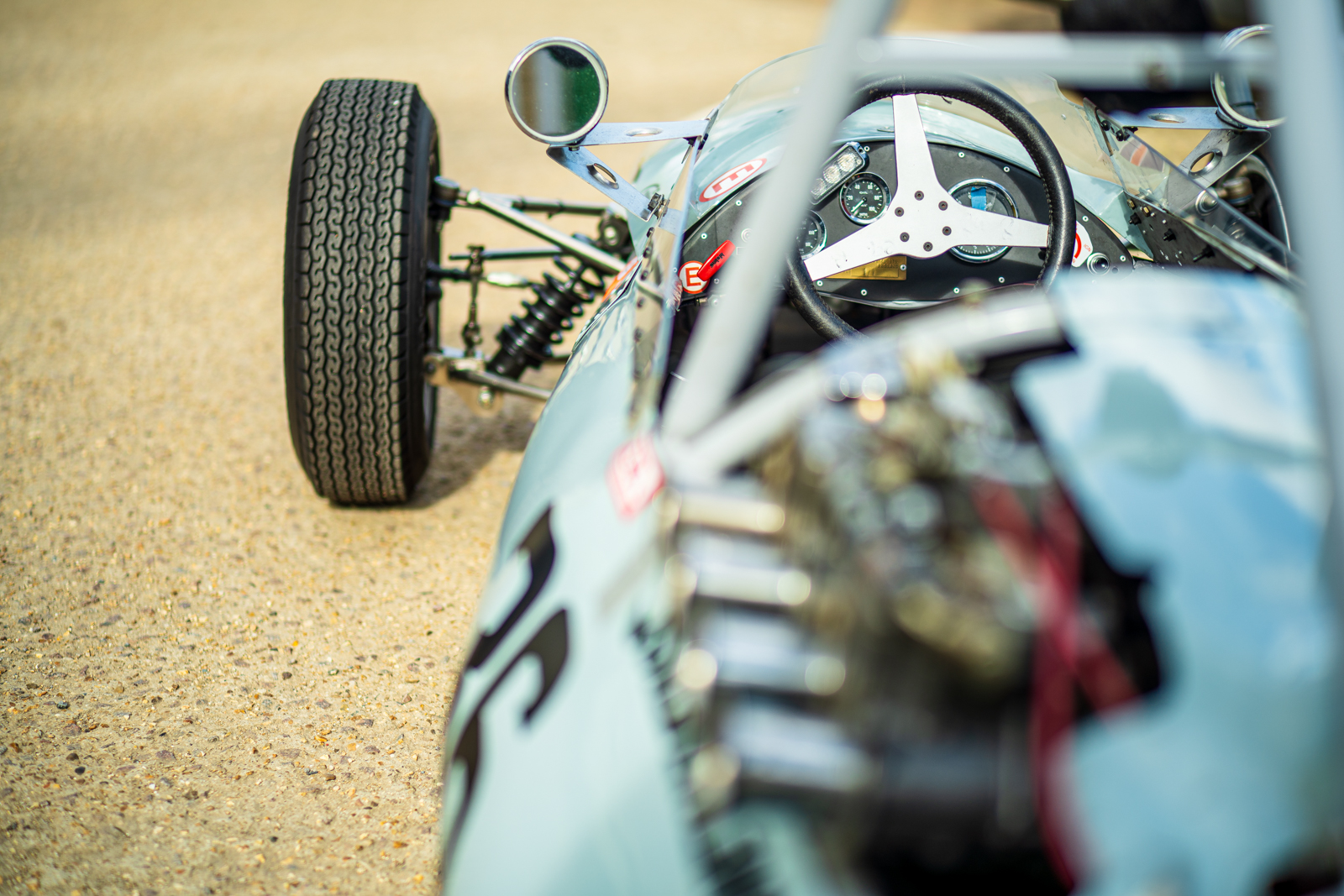
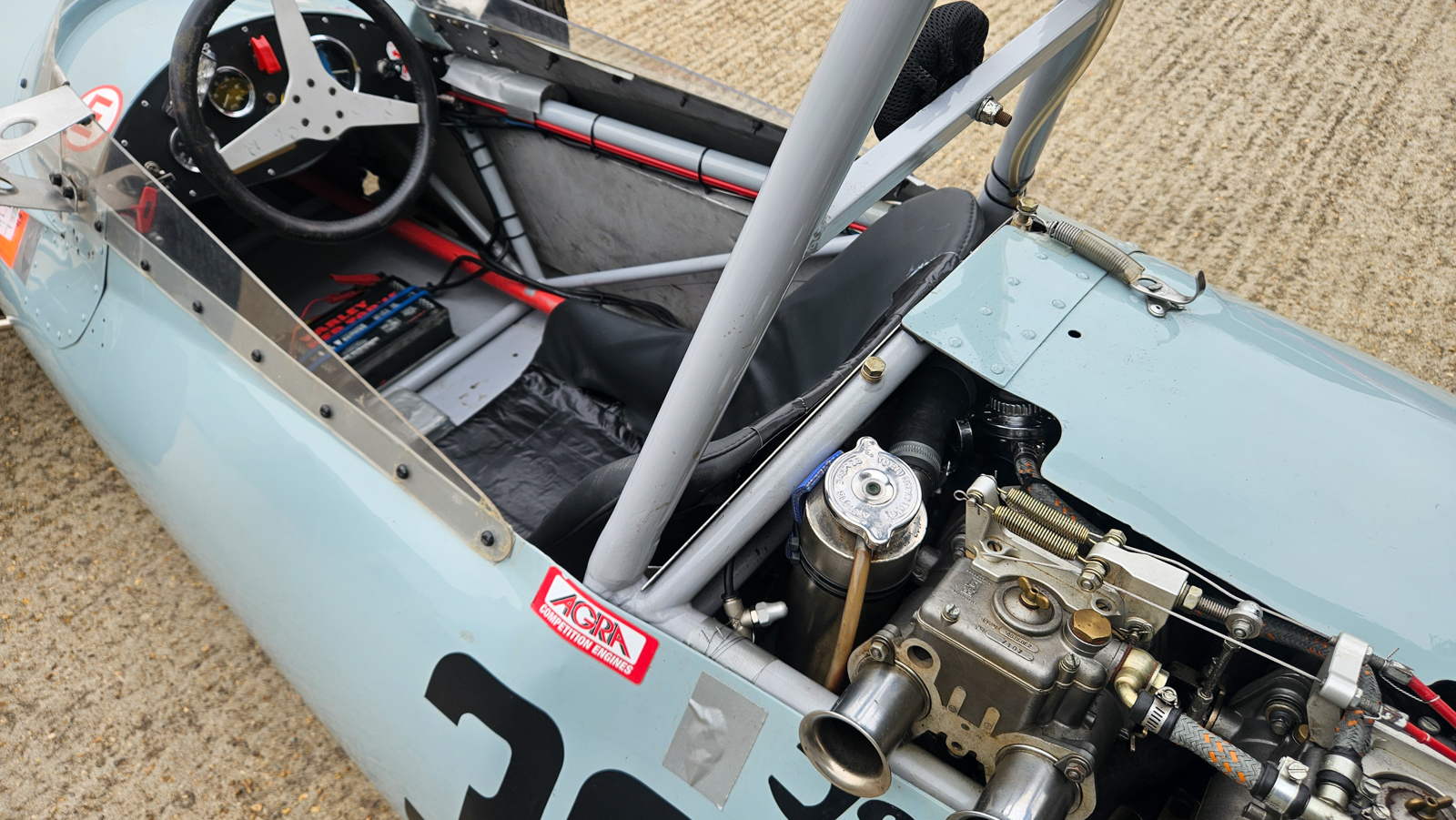
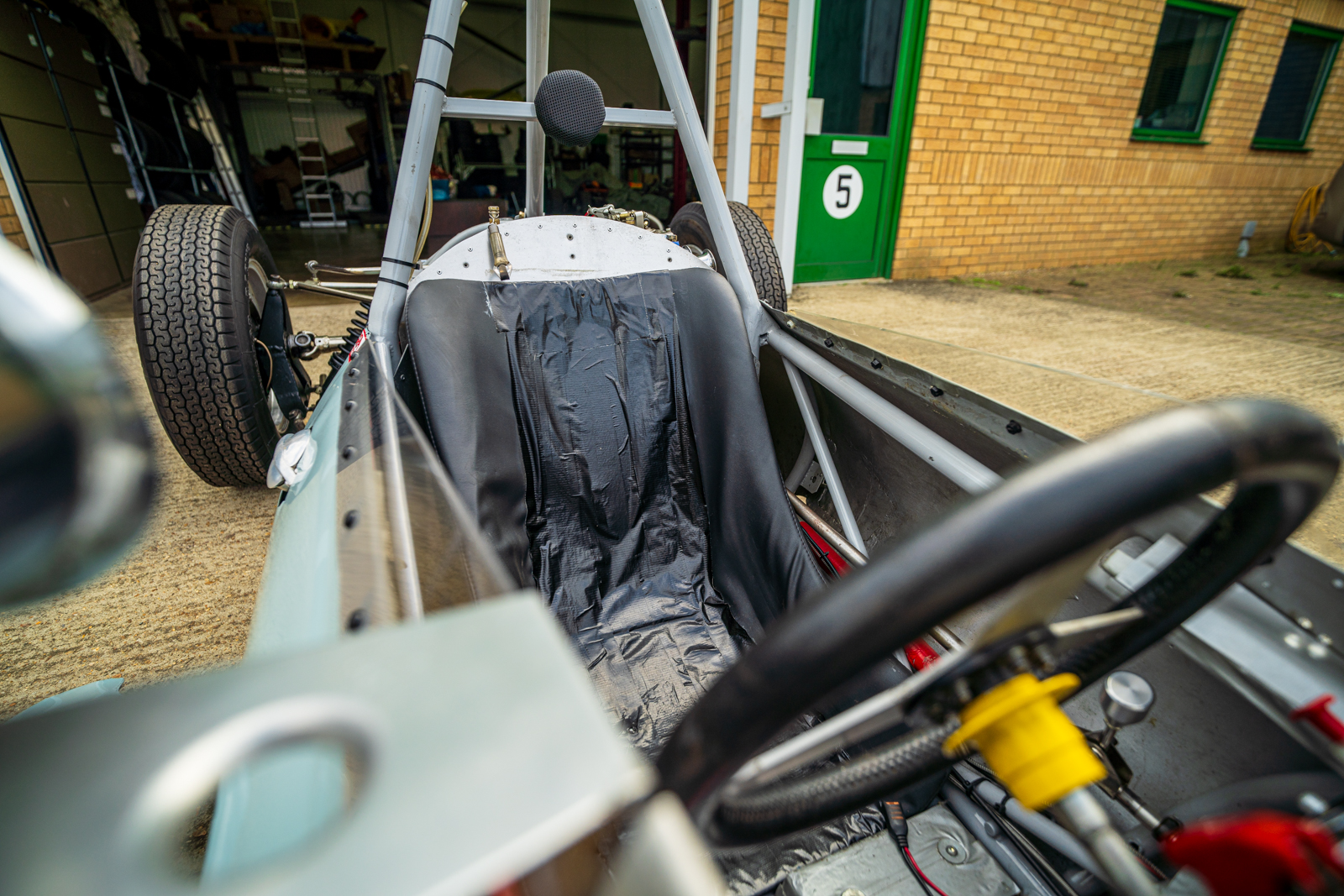
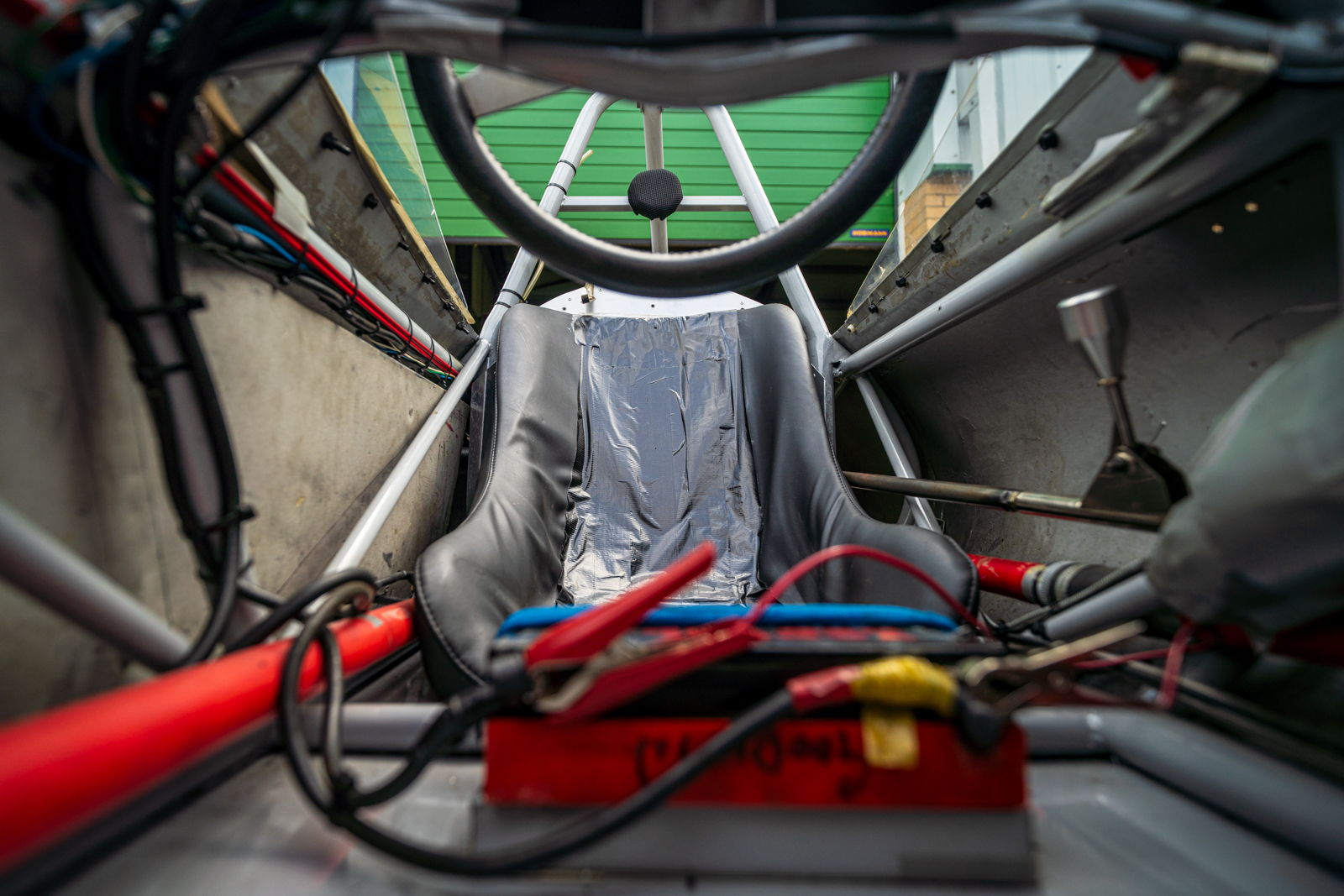
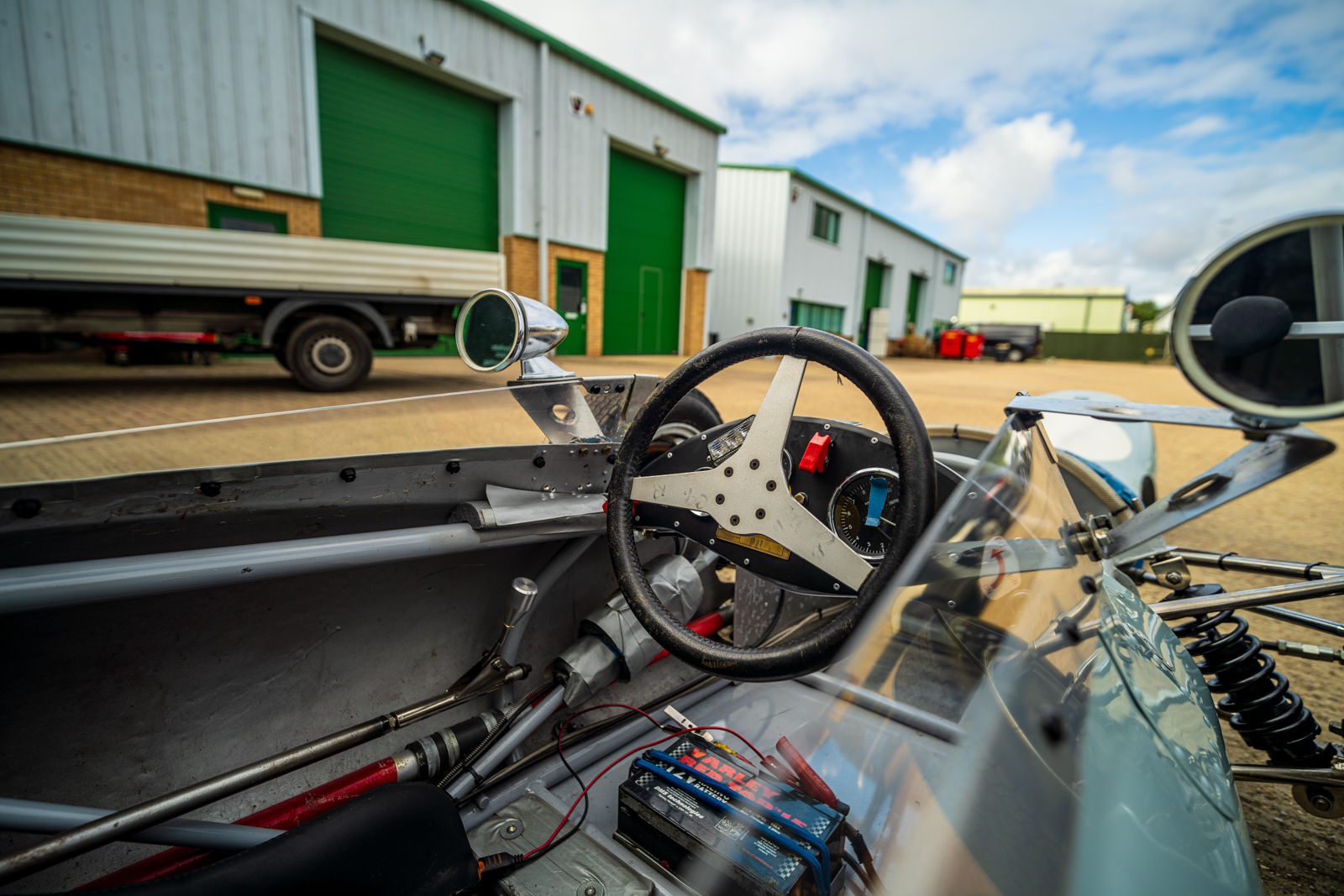
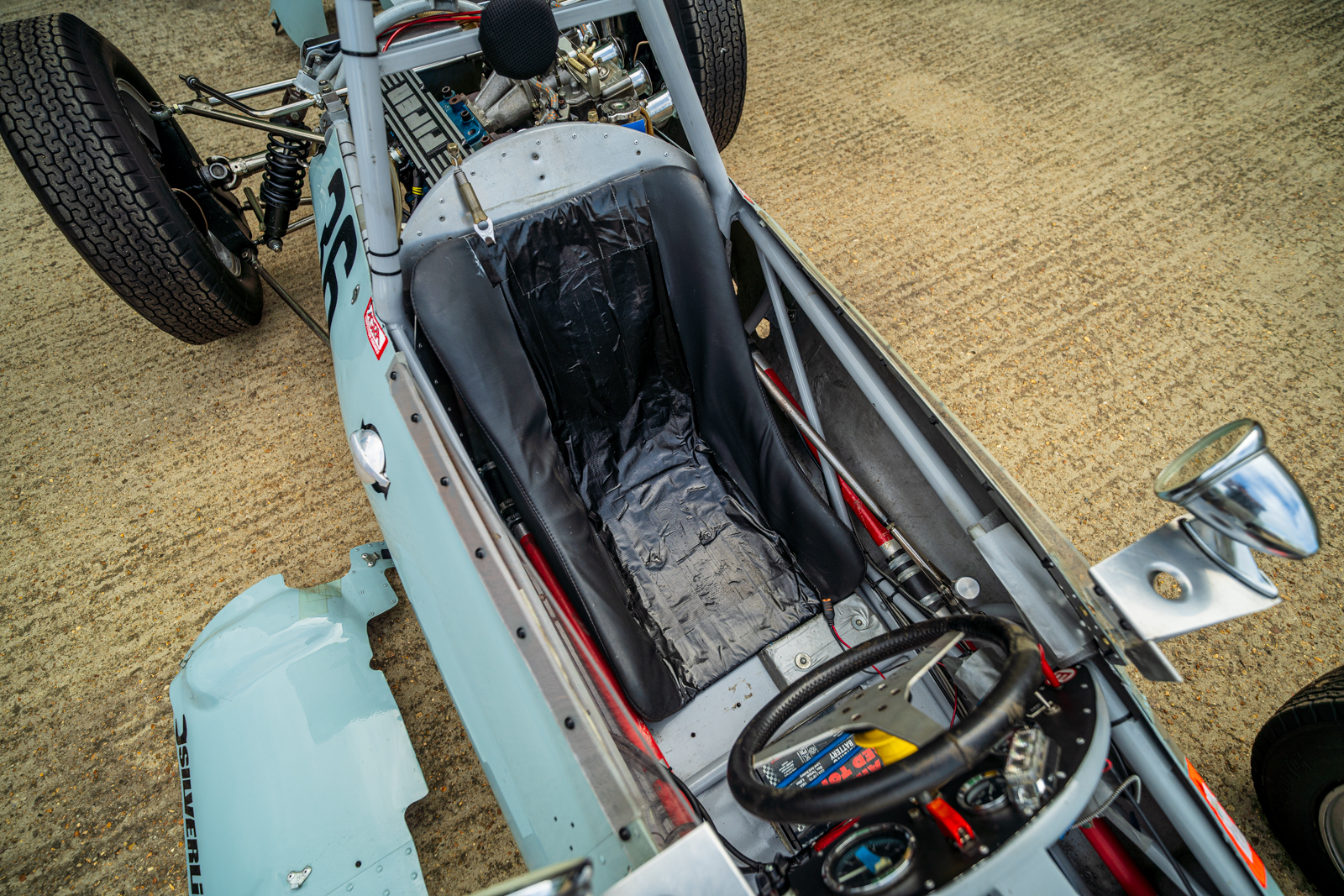
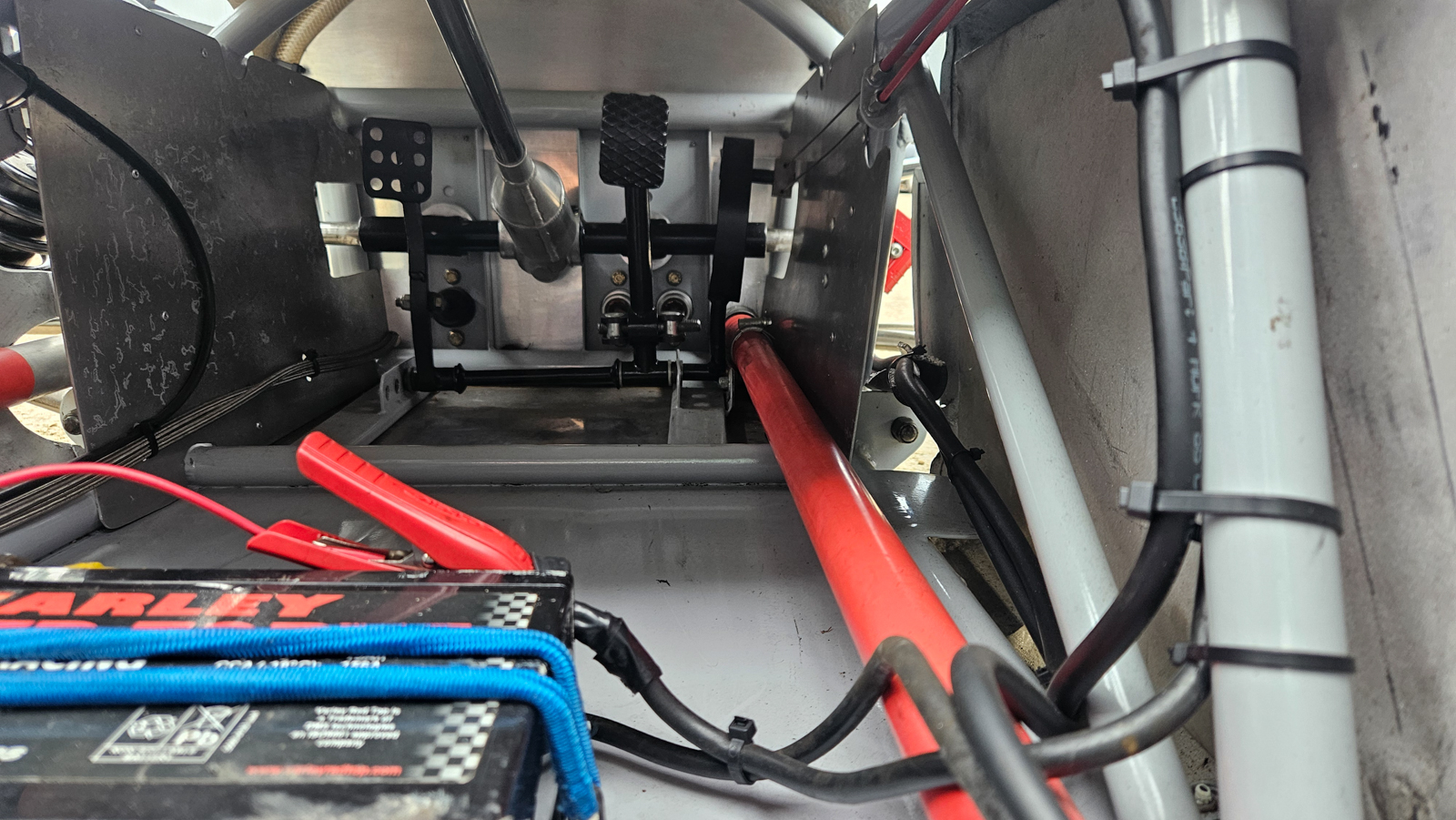
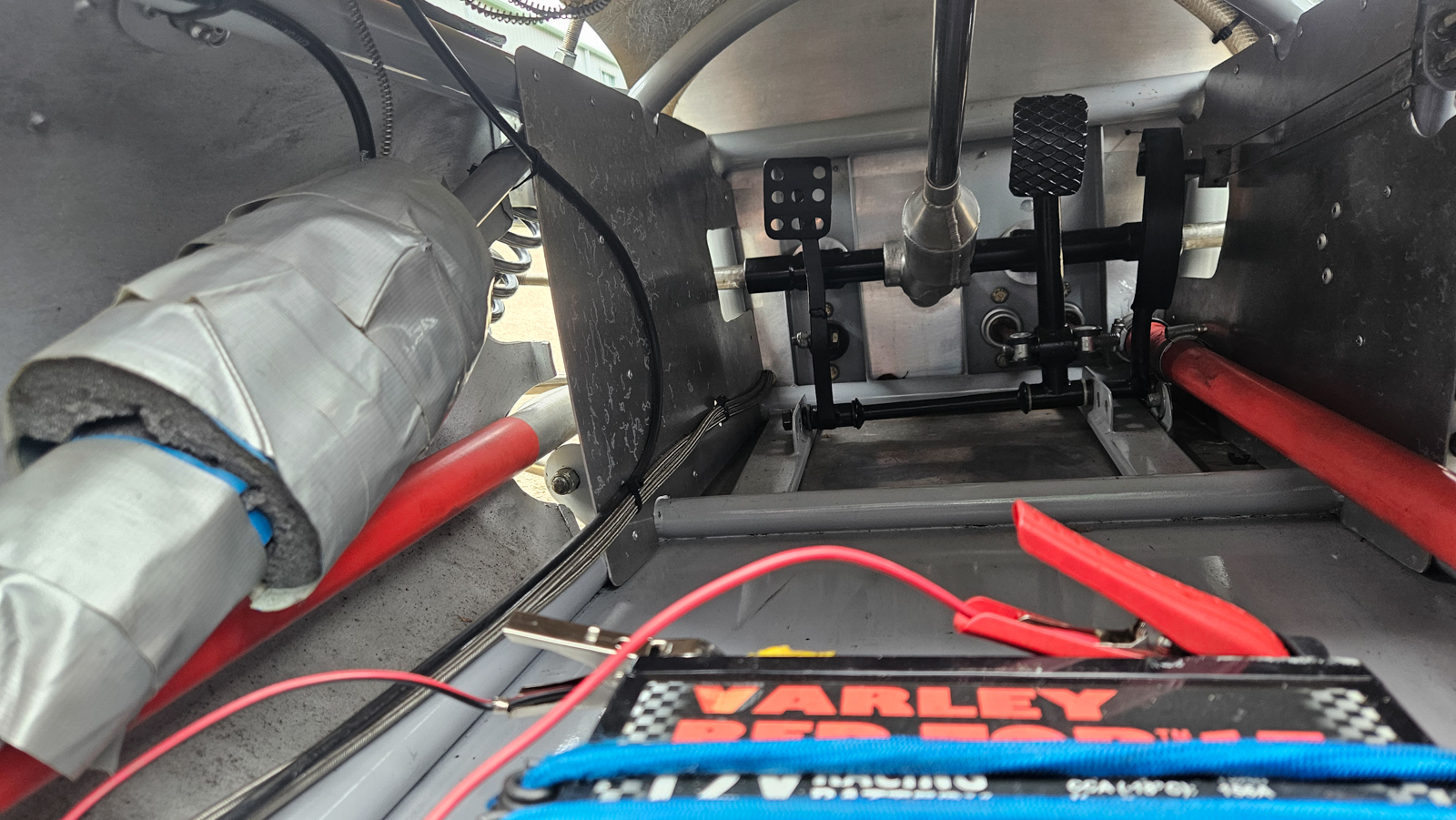
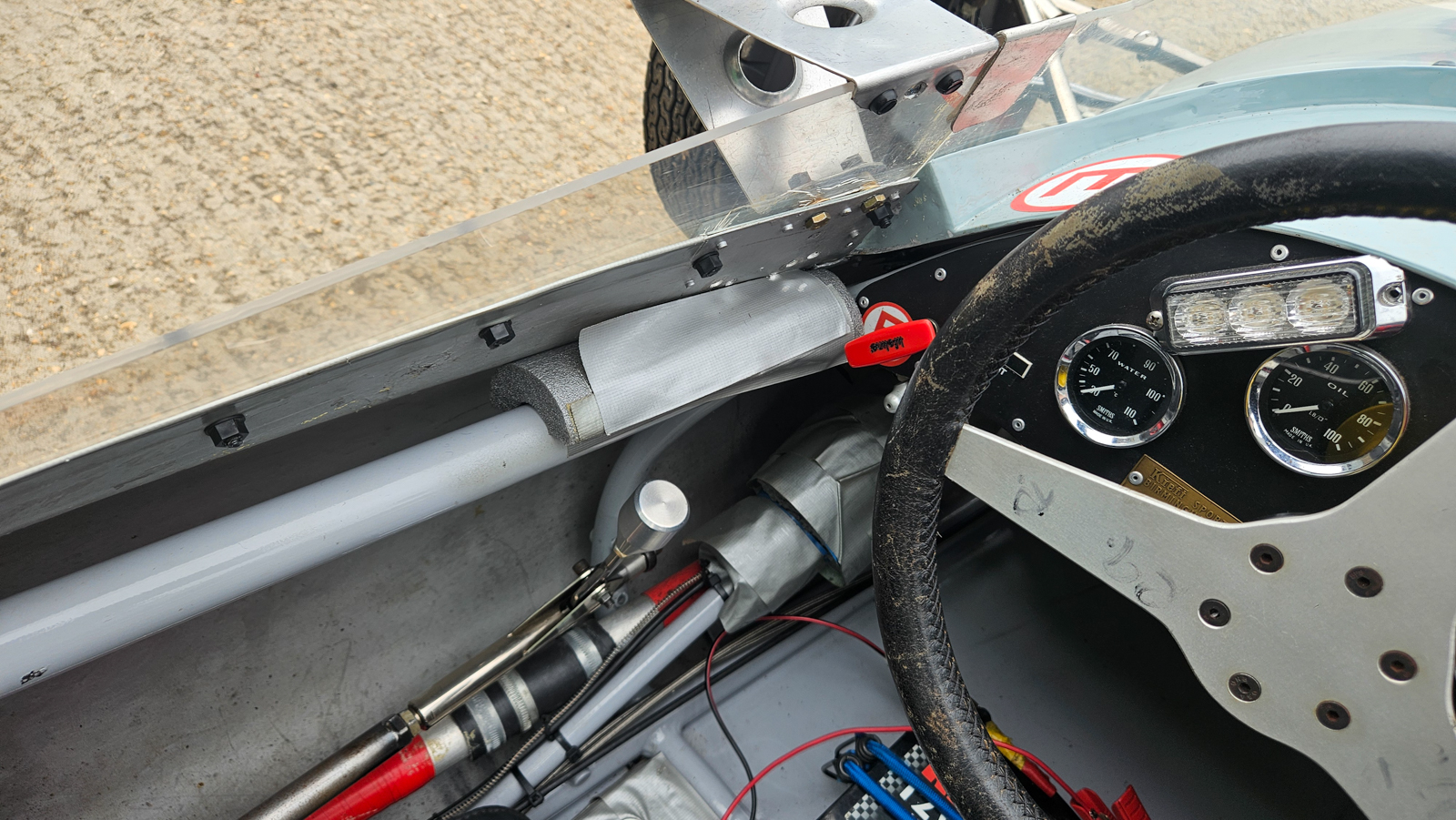
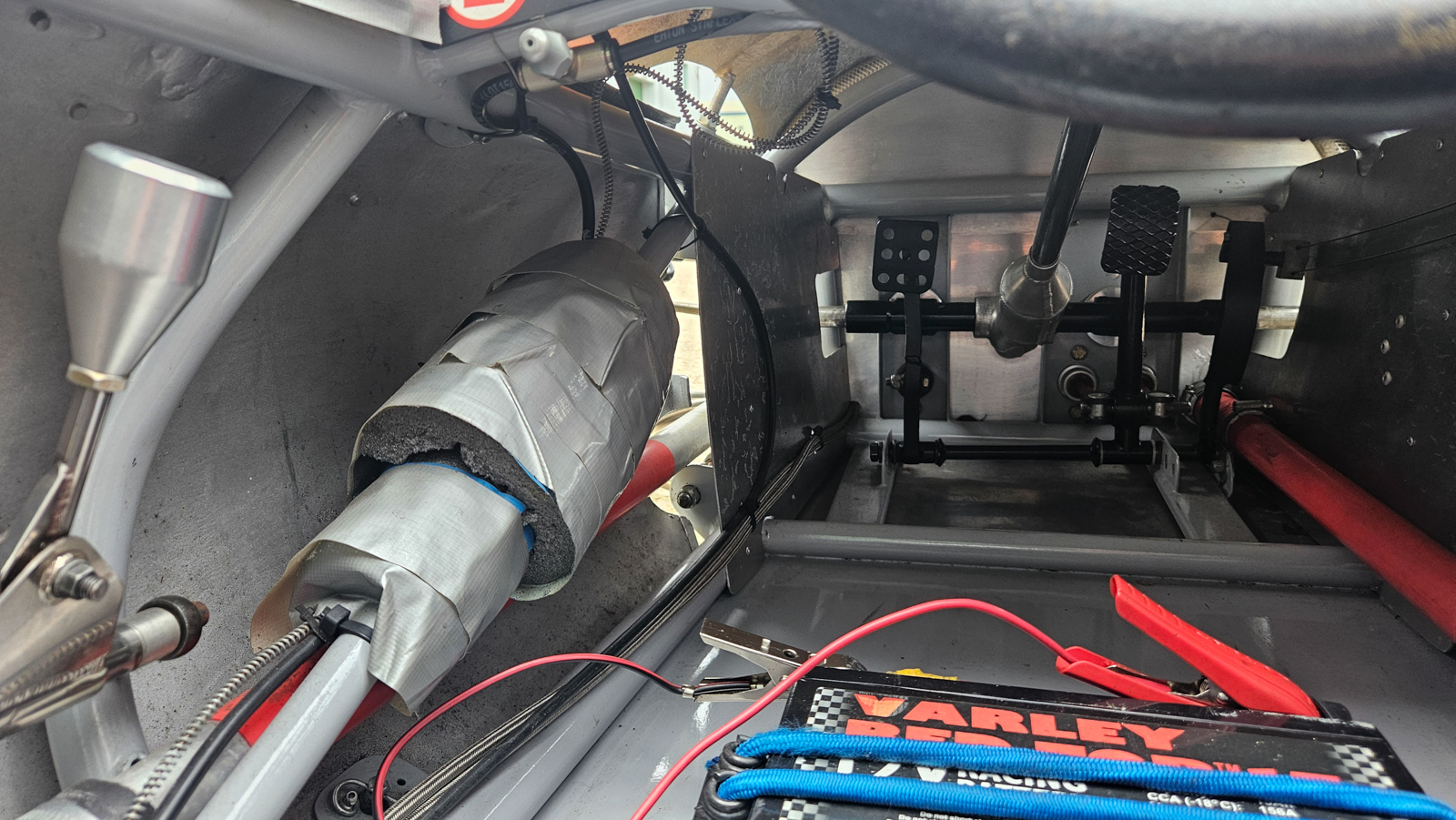
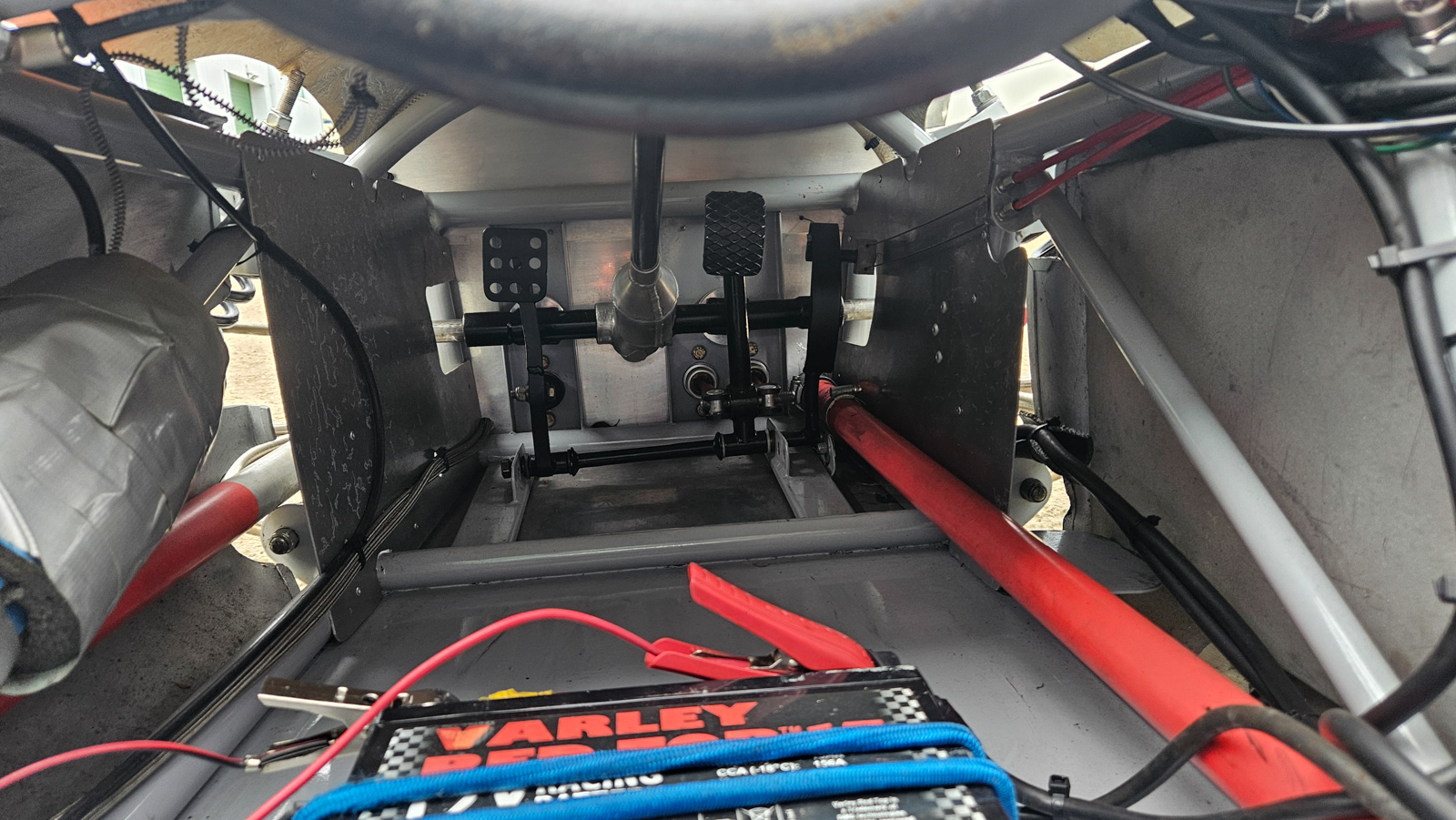
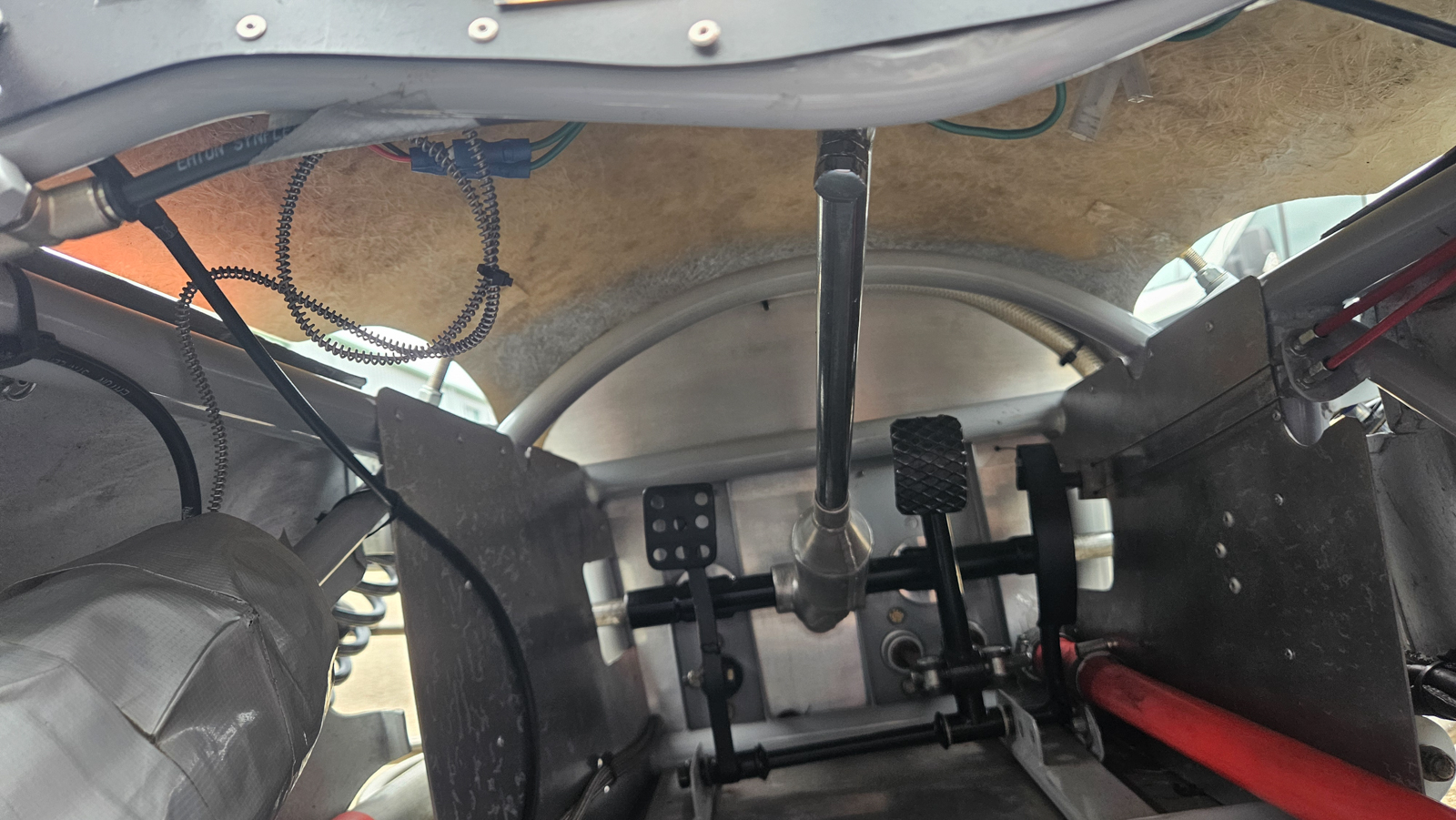
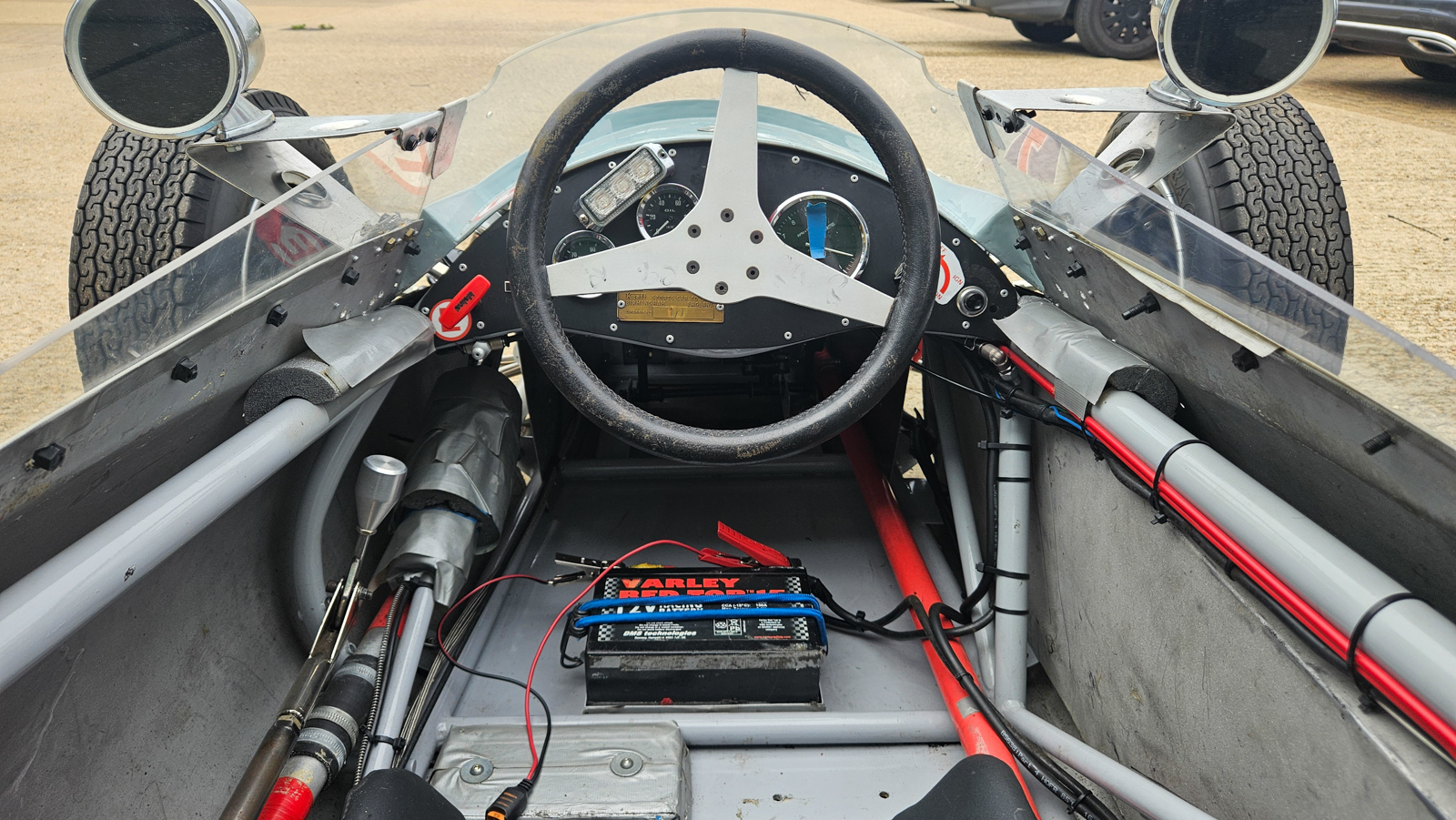
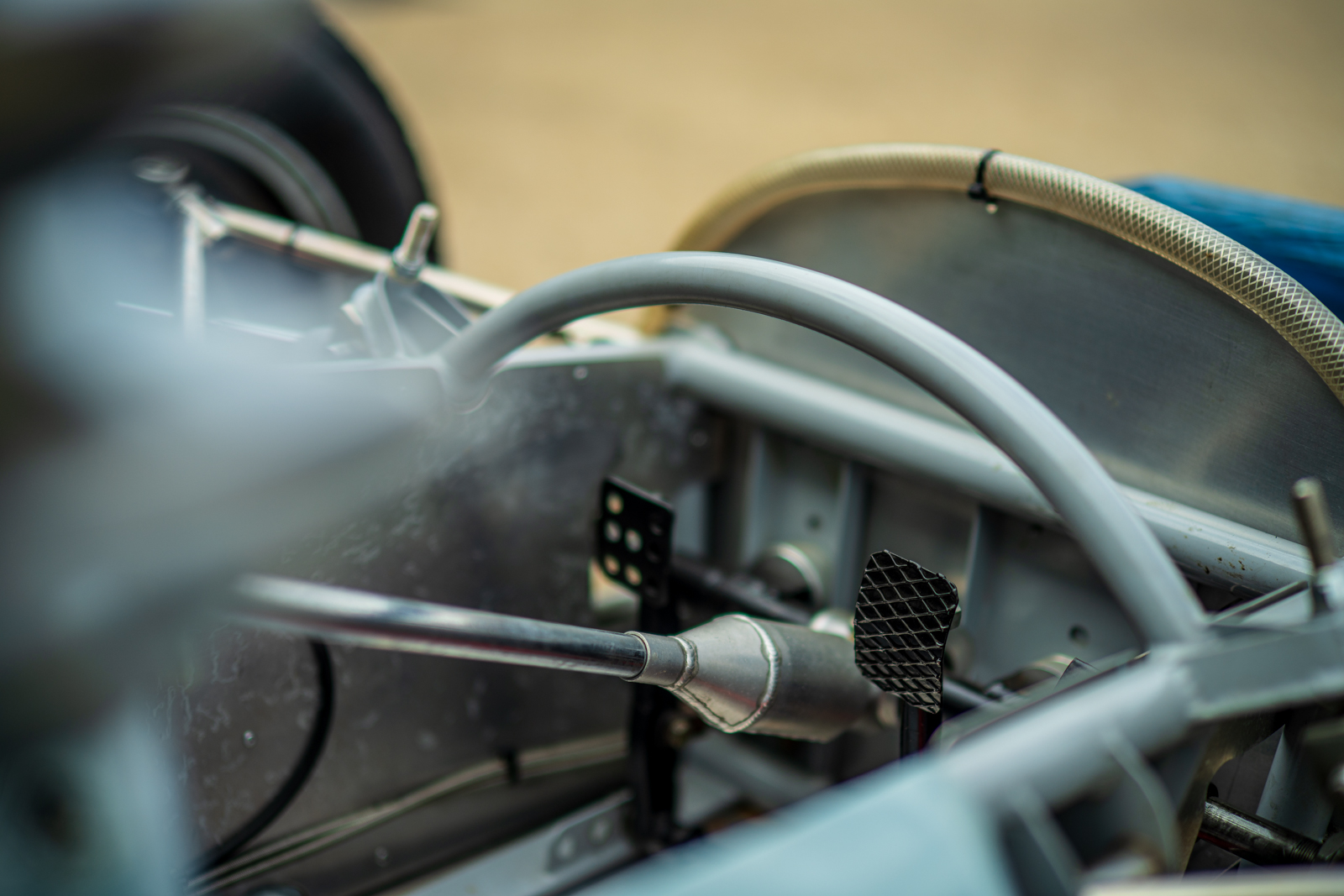
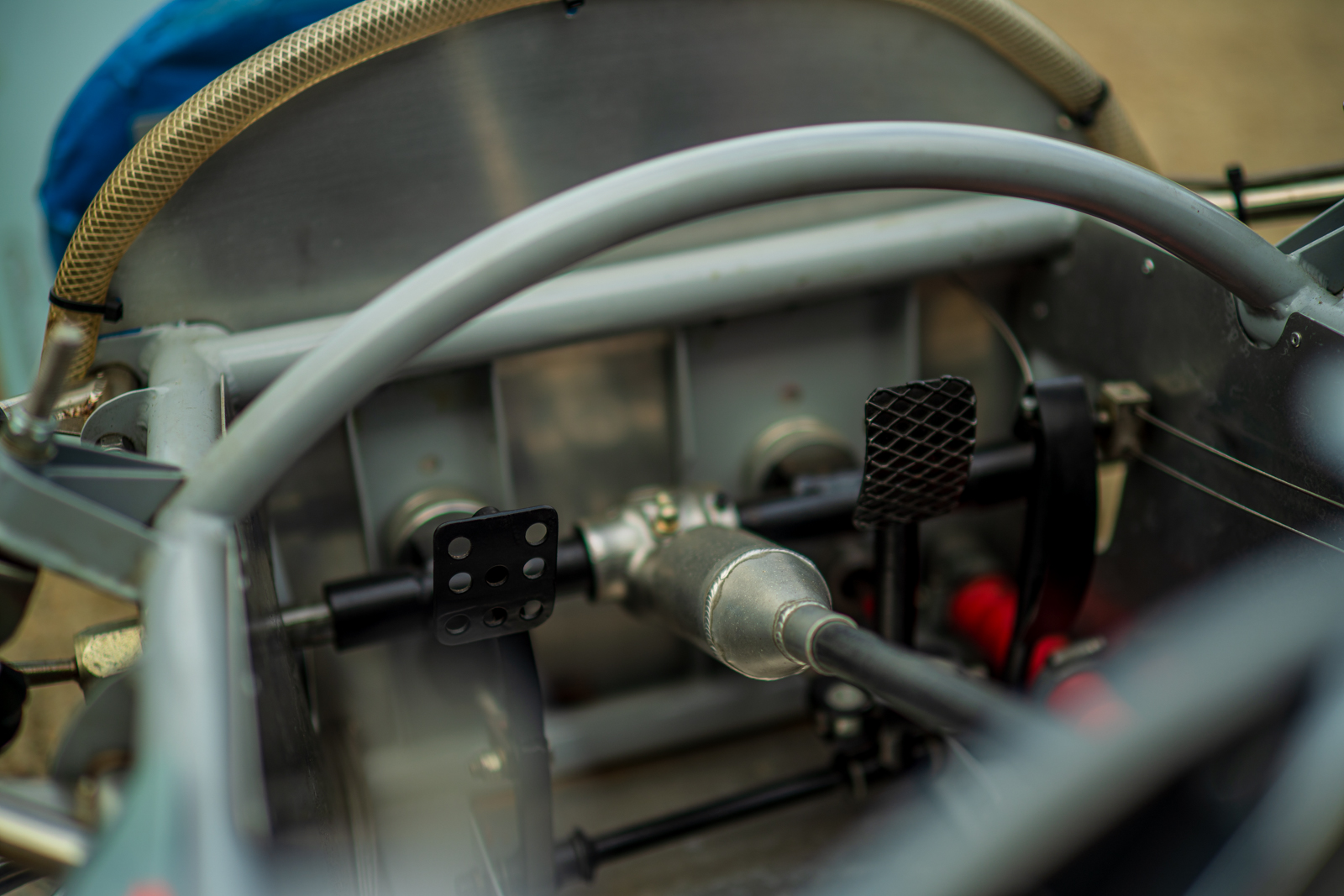
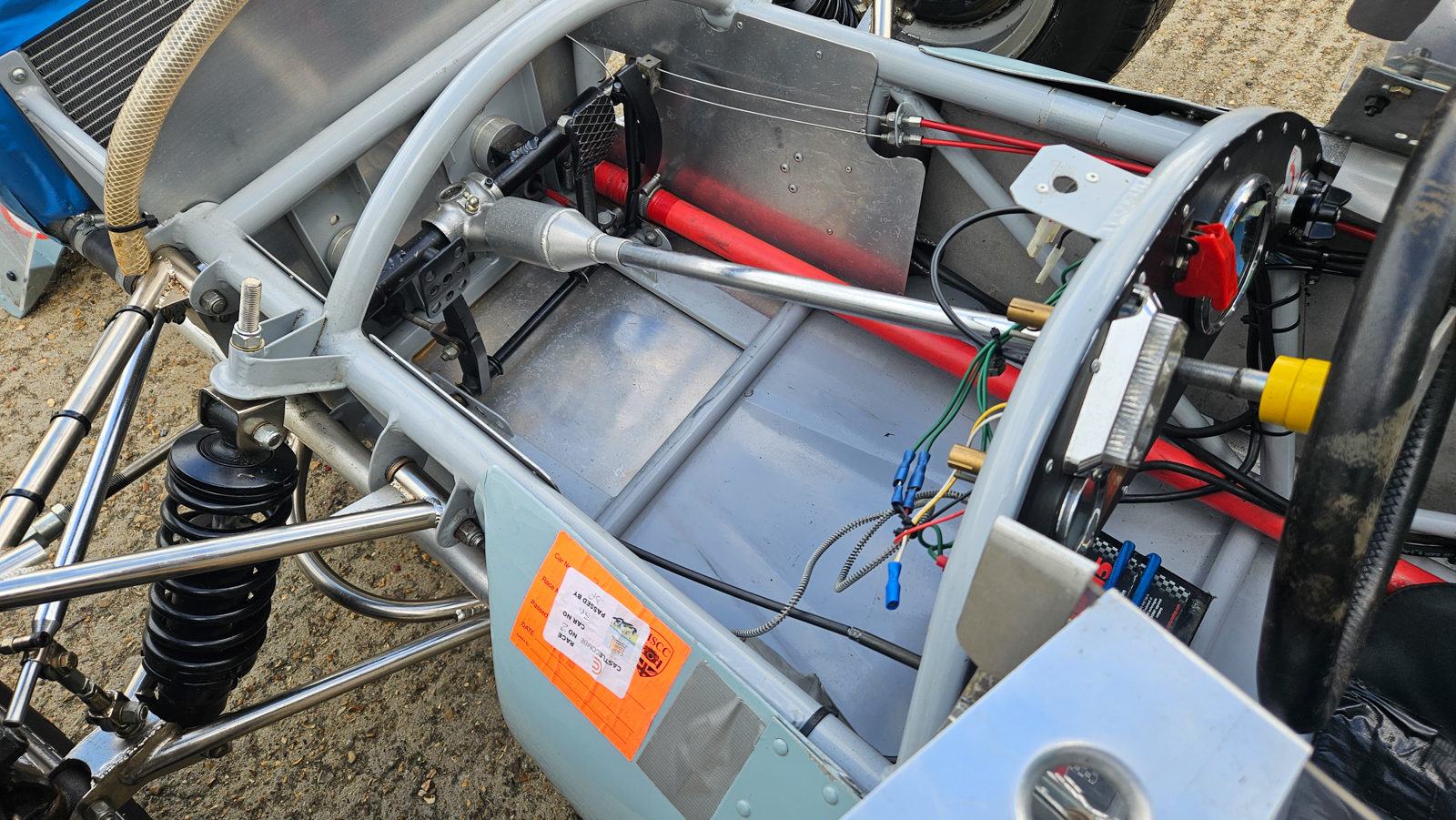
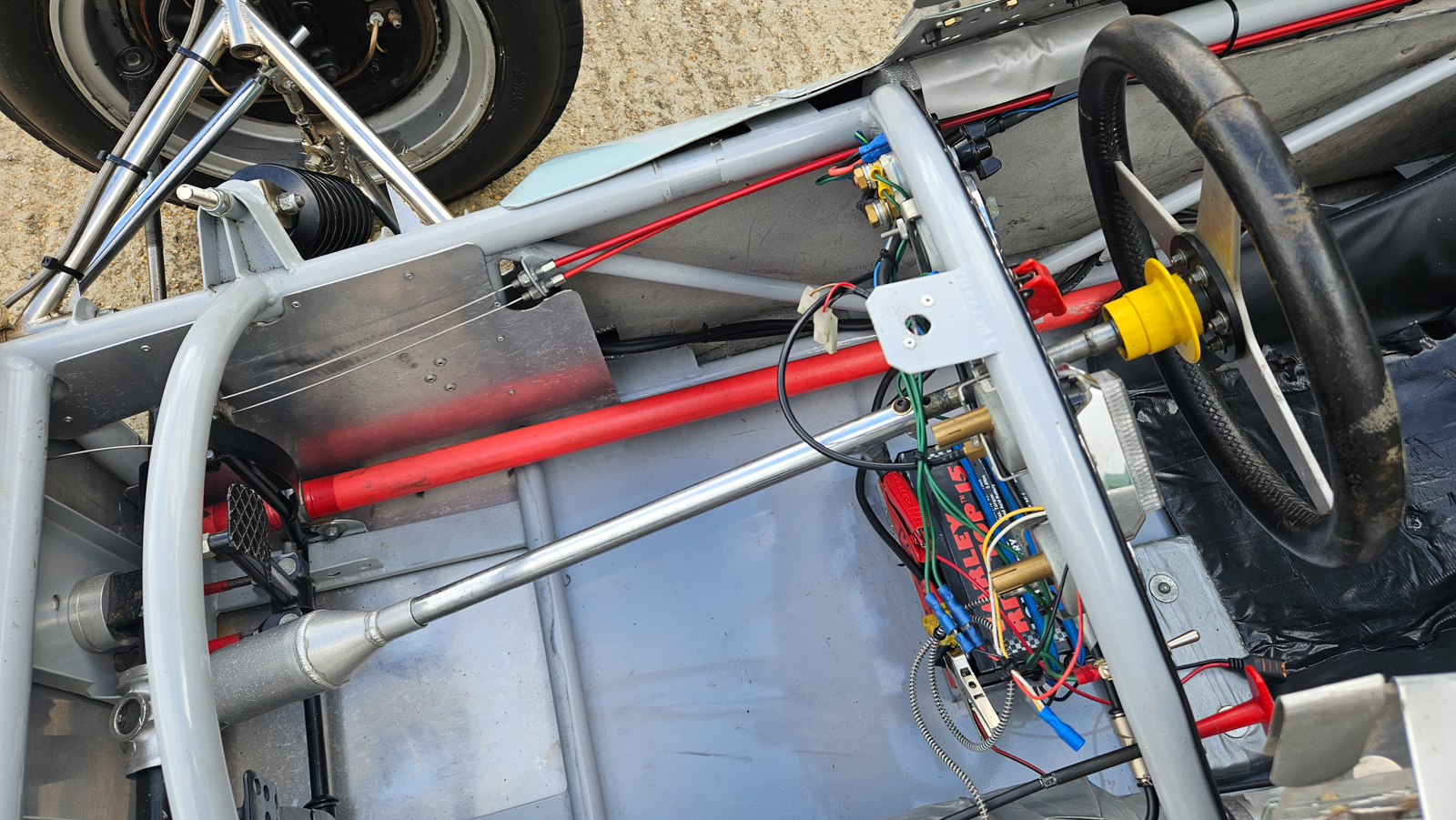
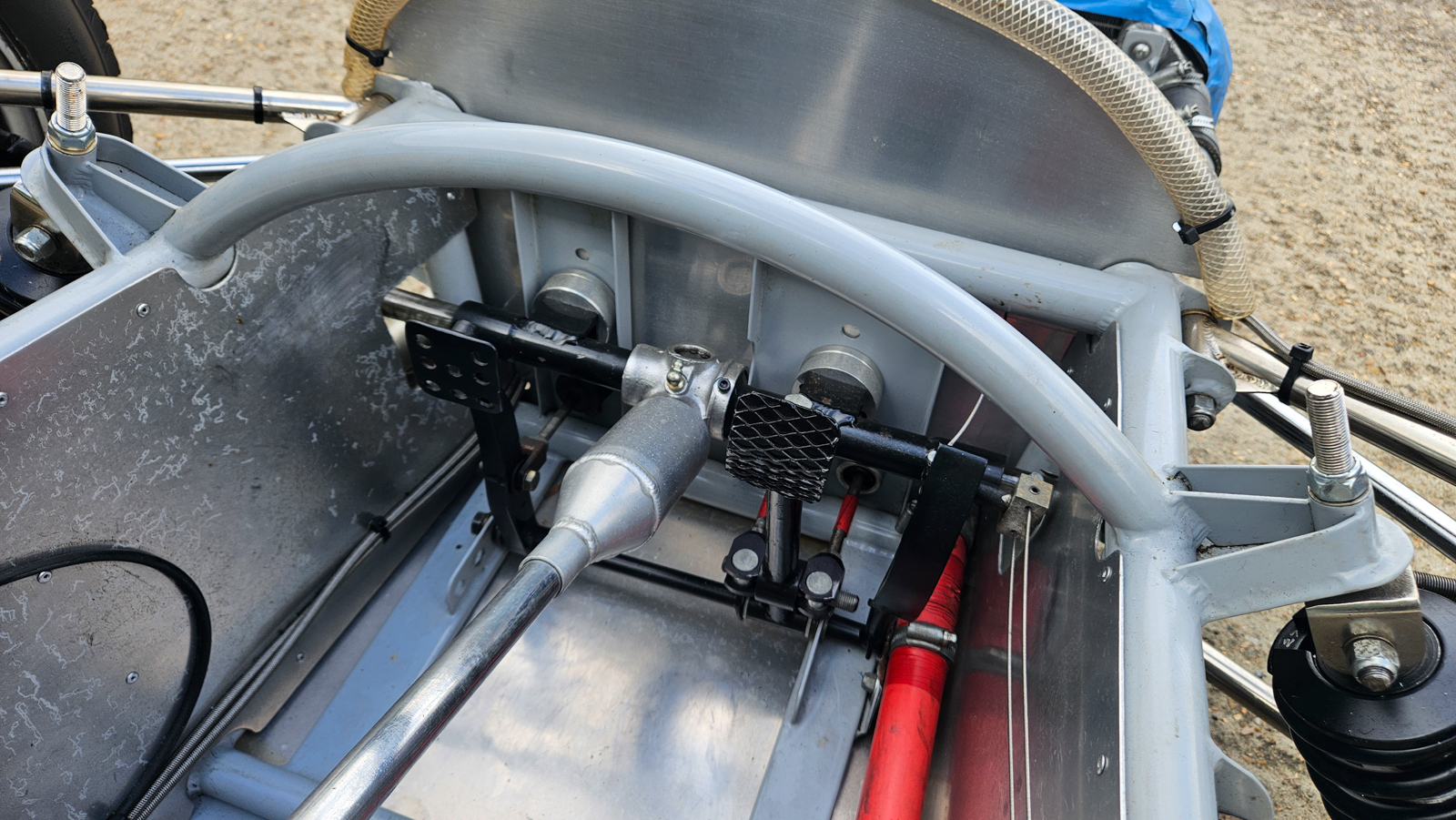
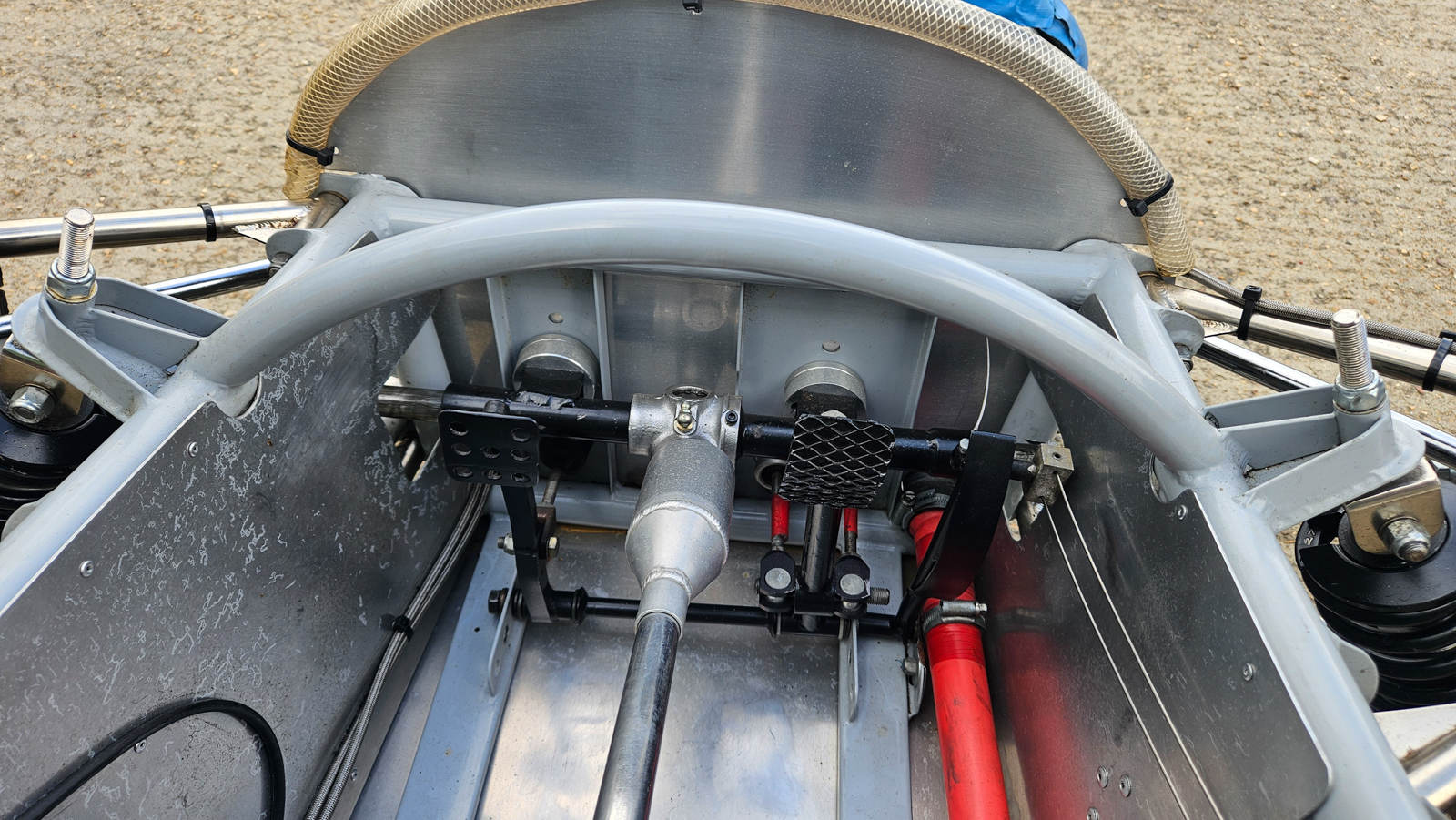
The Kieft’s single-seat cockpit is a focused working environment containing little more than the equipment required to control and monitor the car.

Seat, Harness, and Fire Suppression

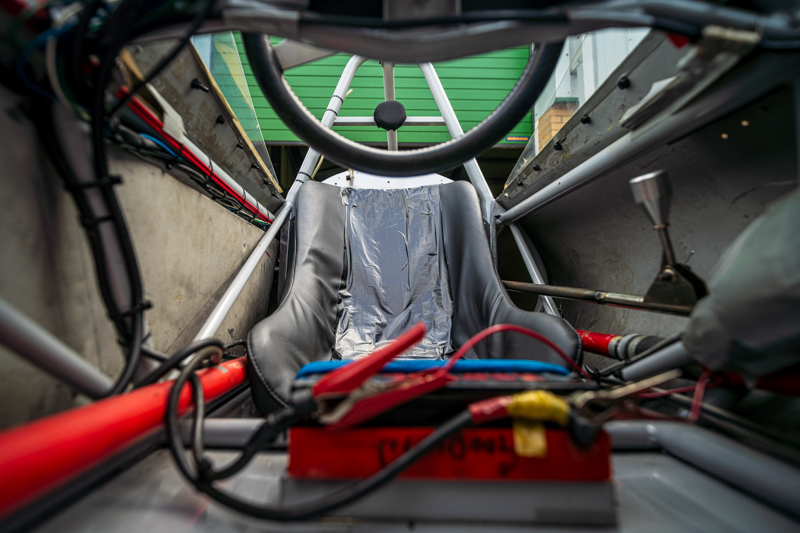
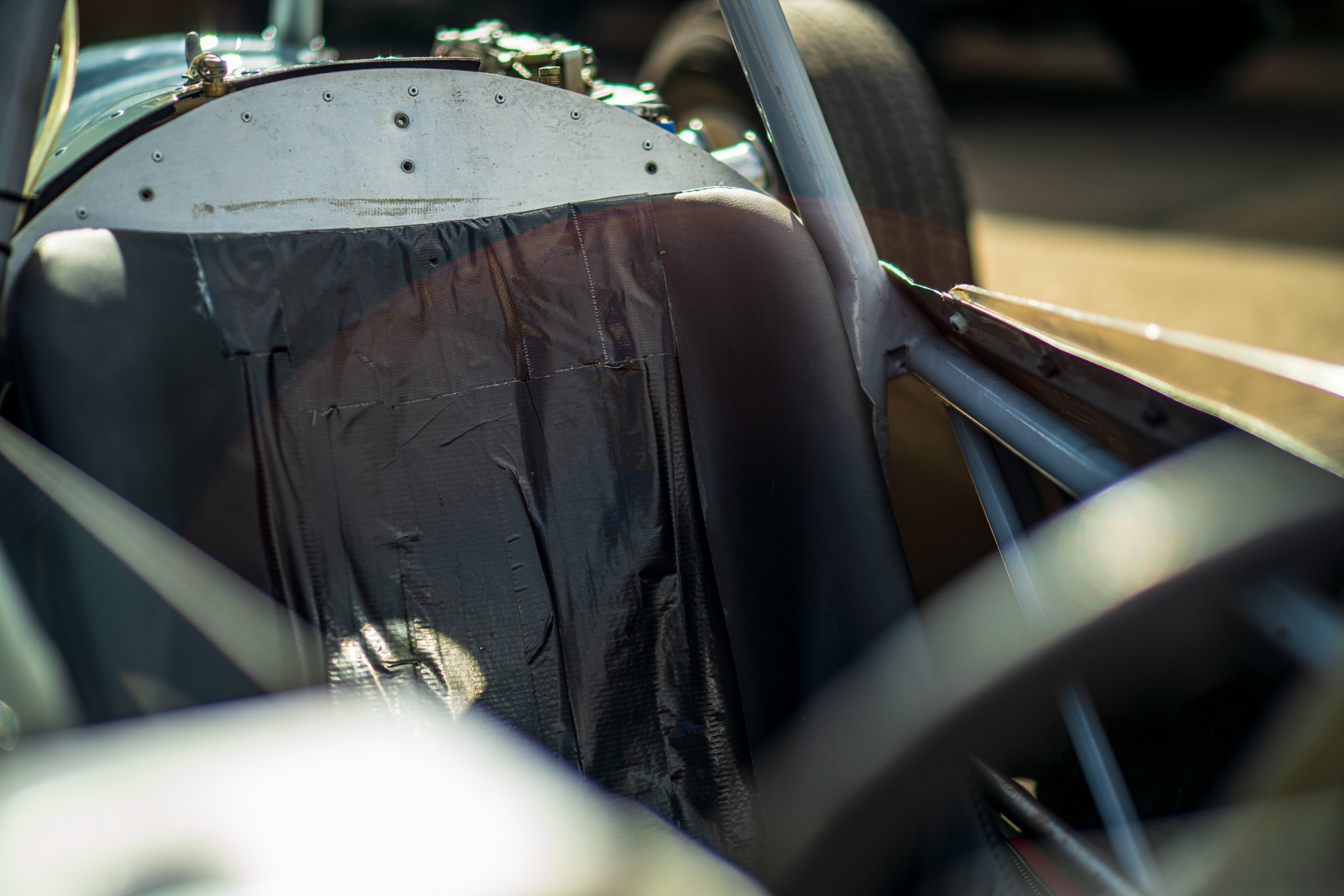
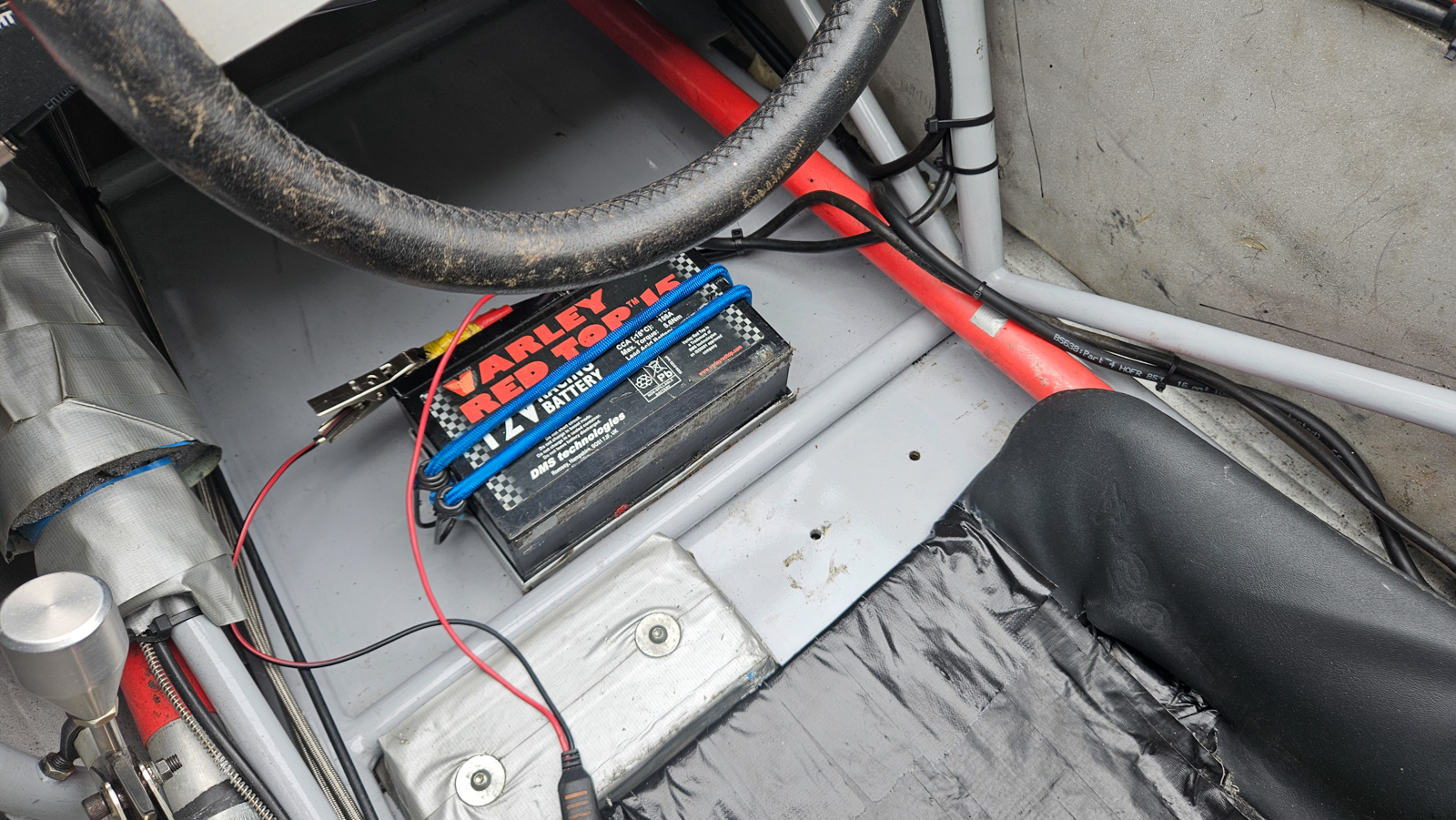
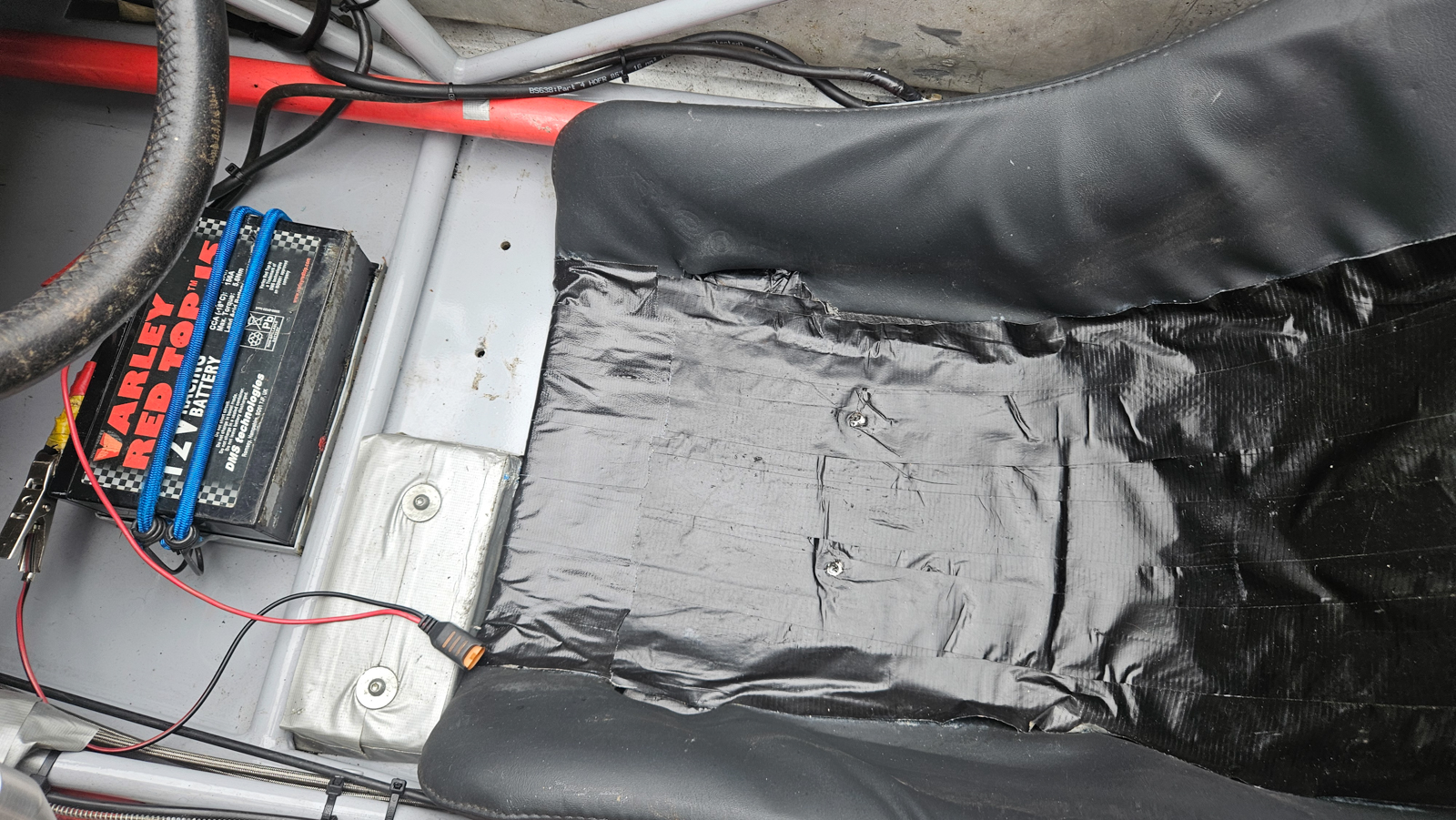
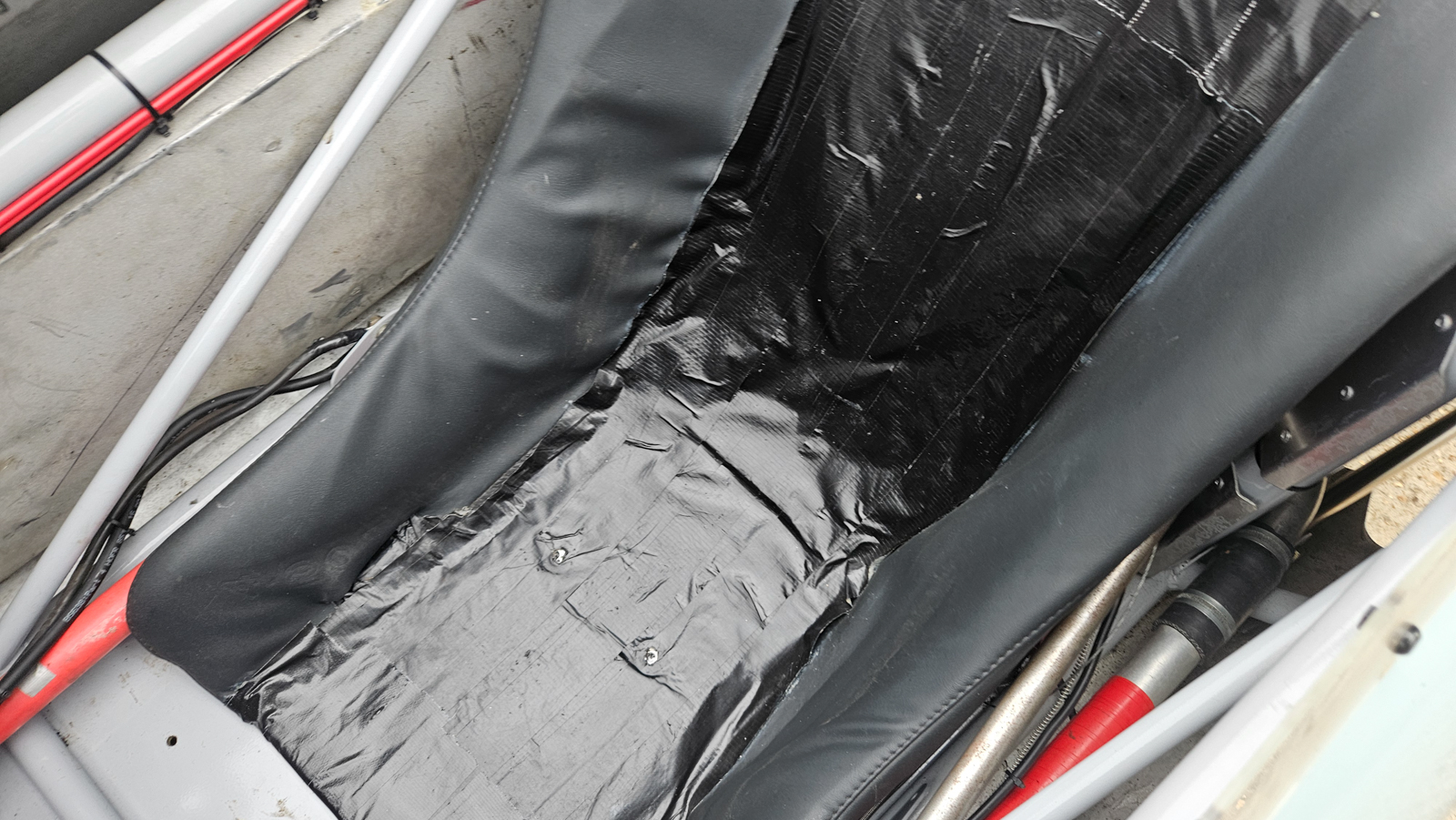
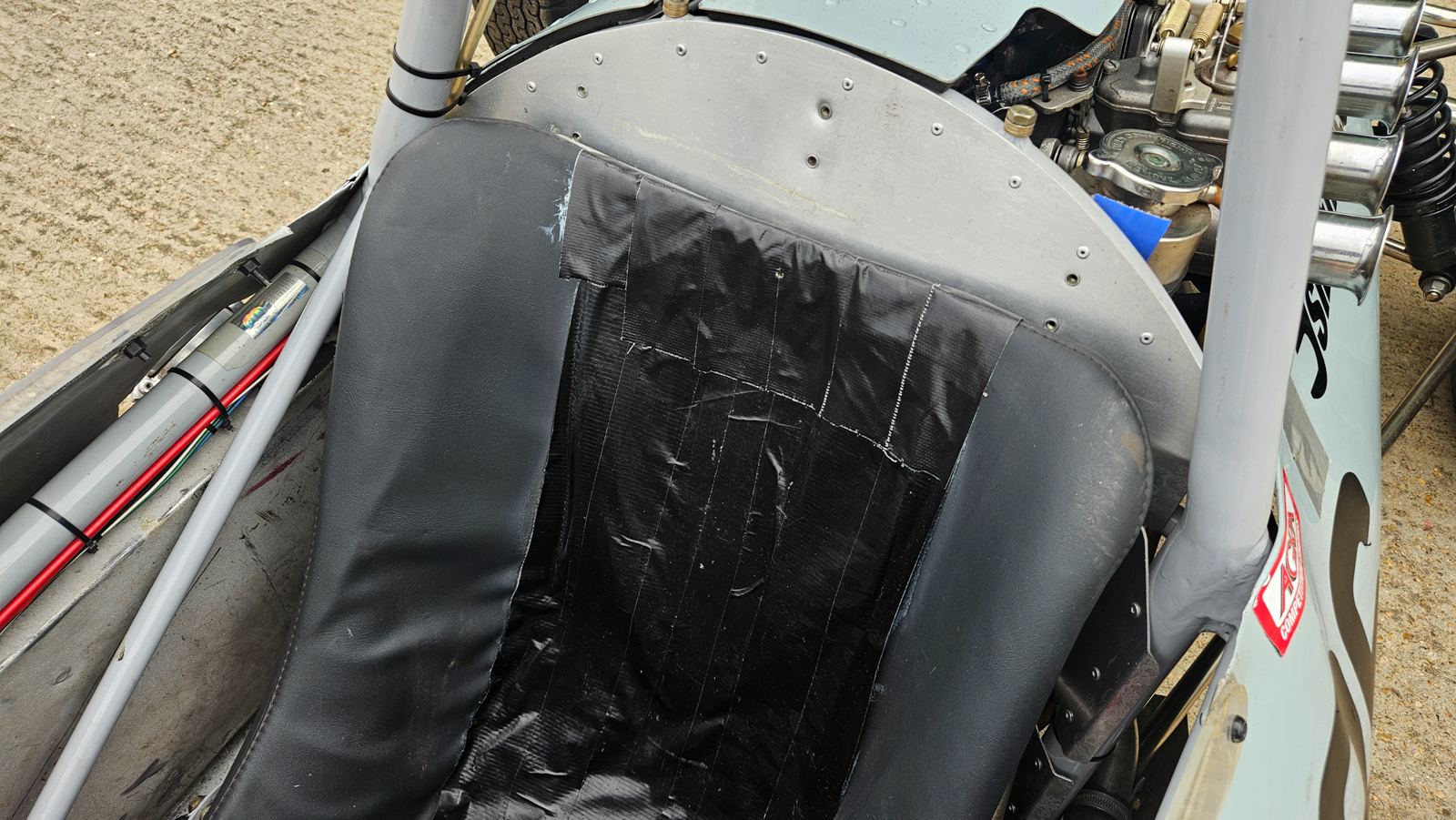
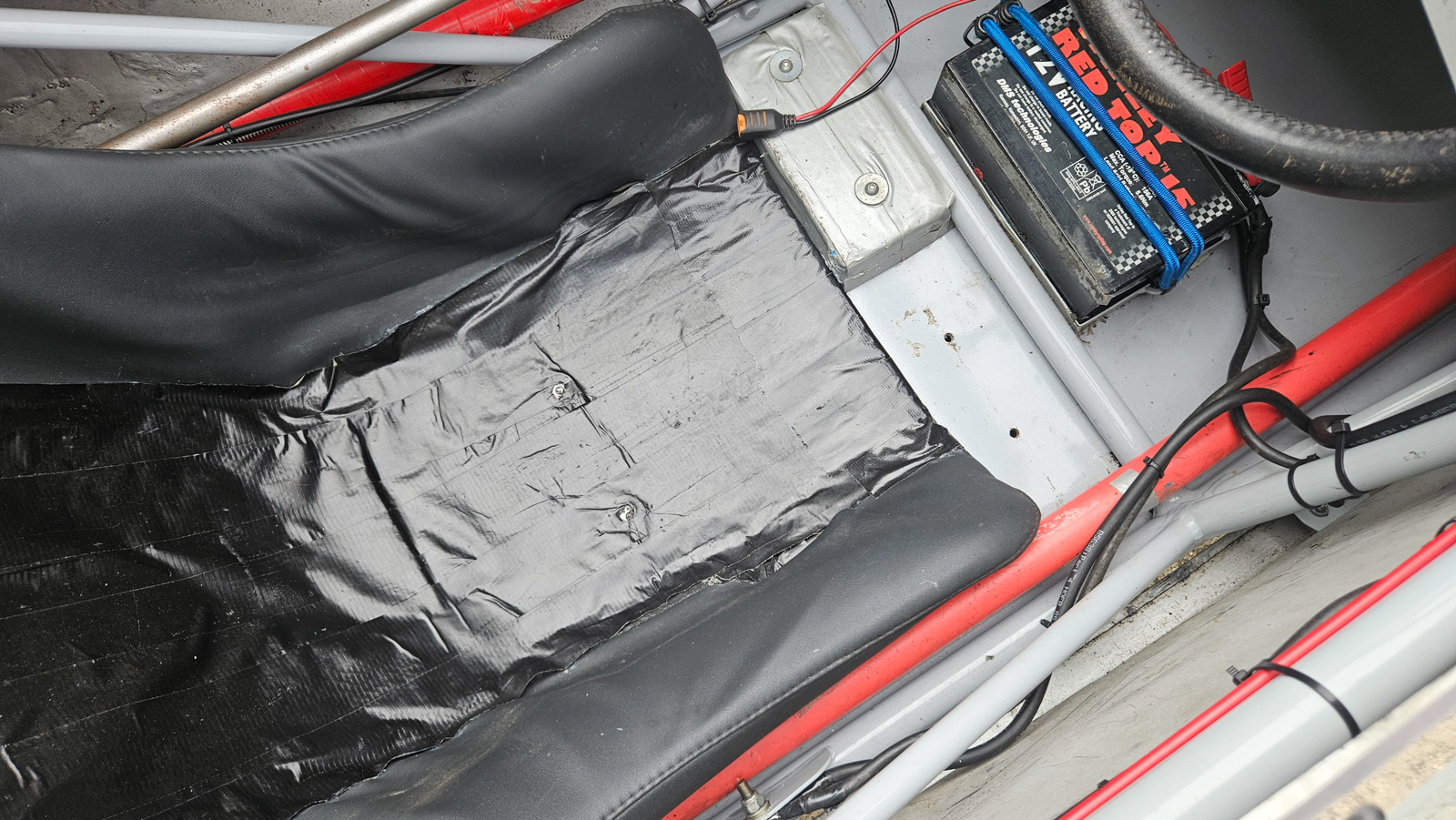
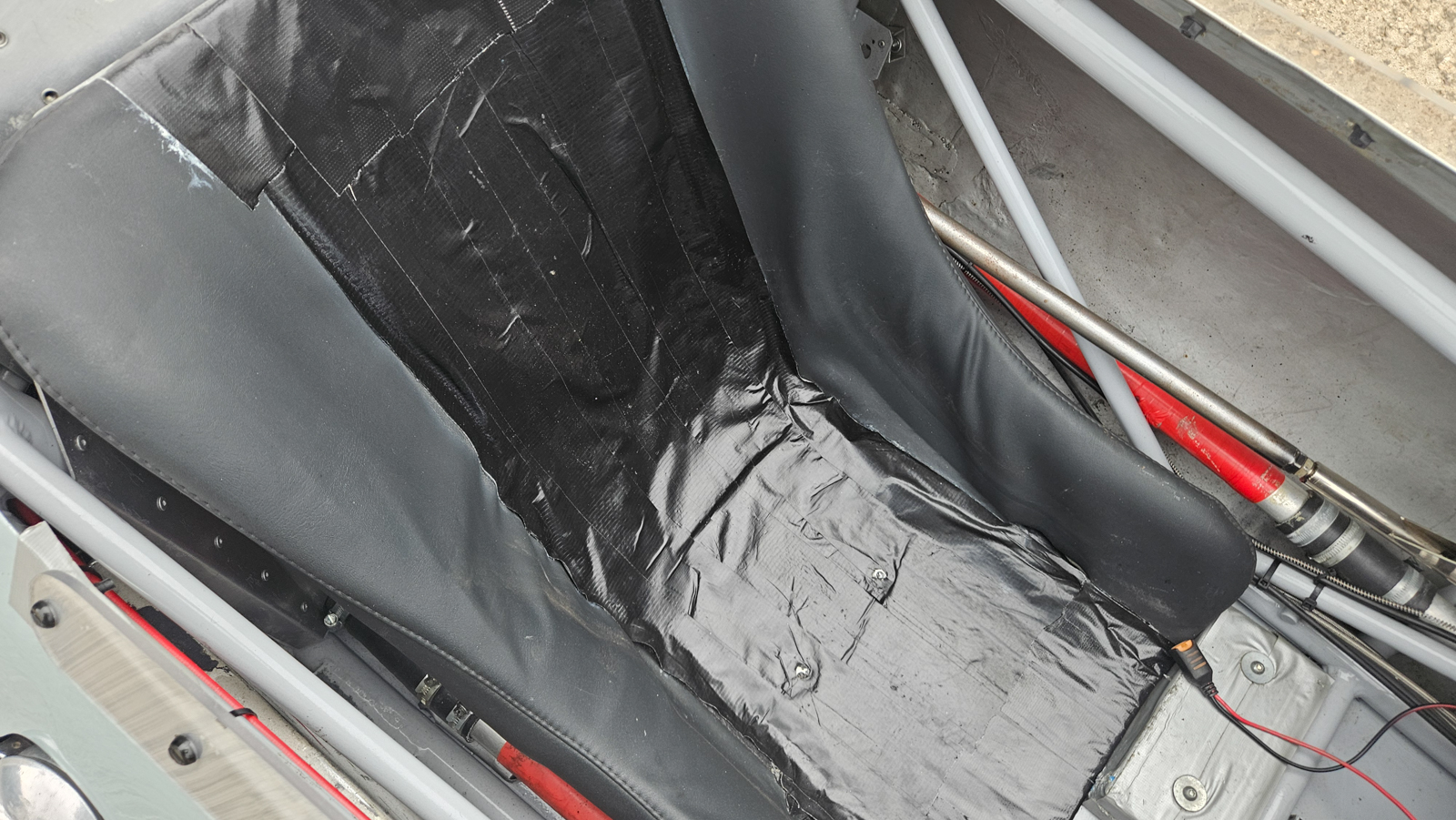
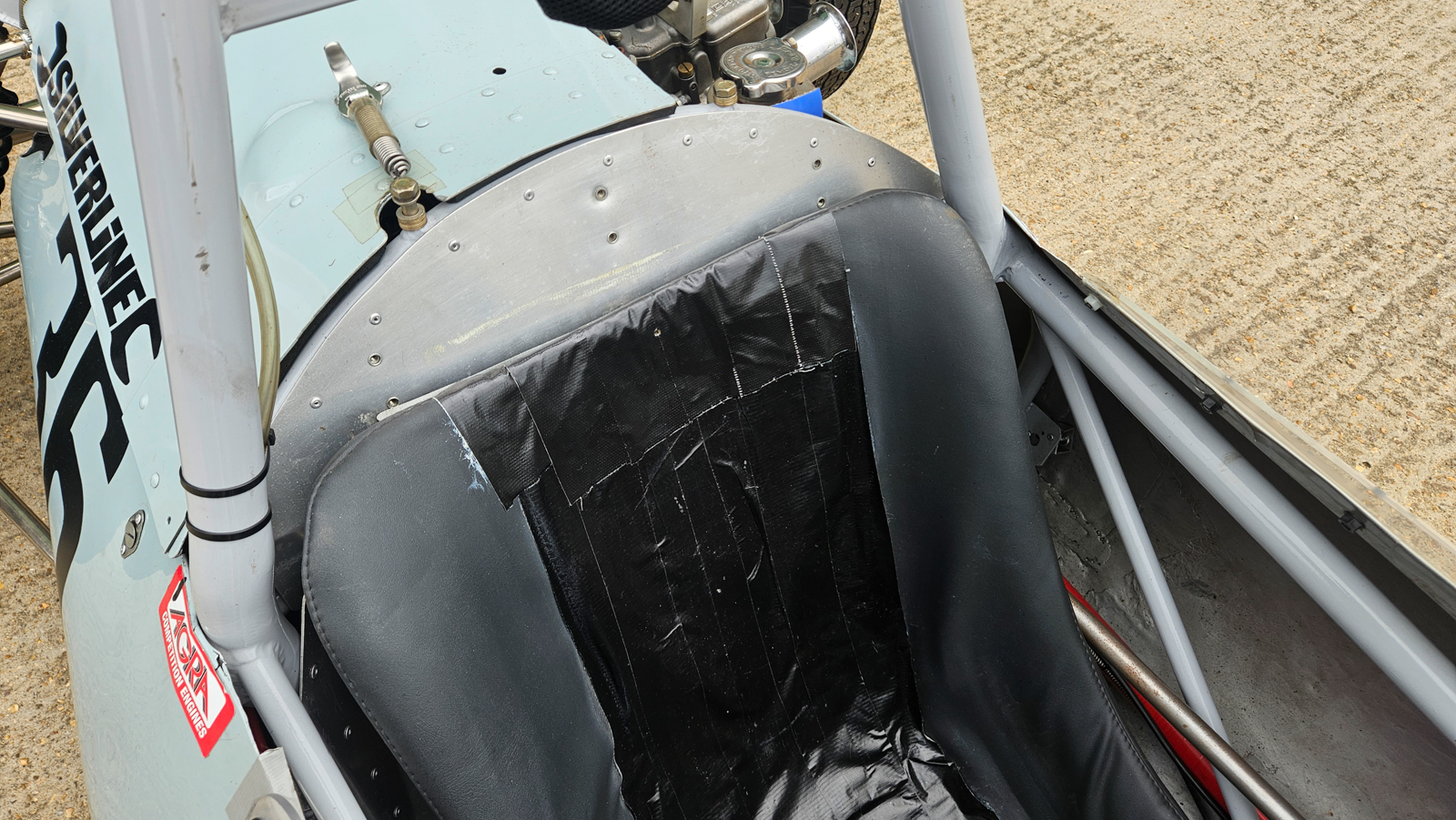
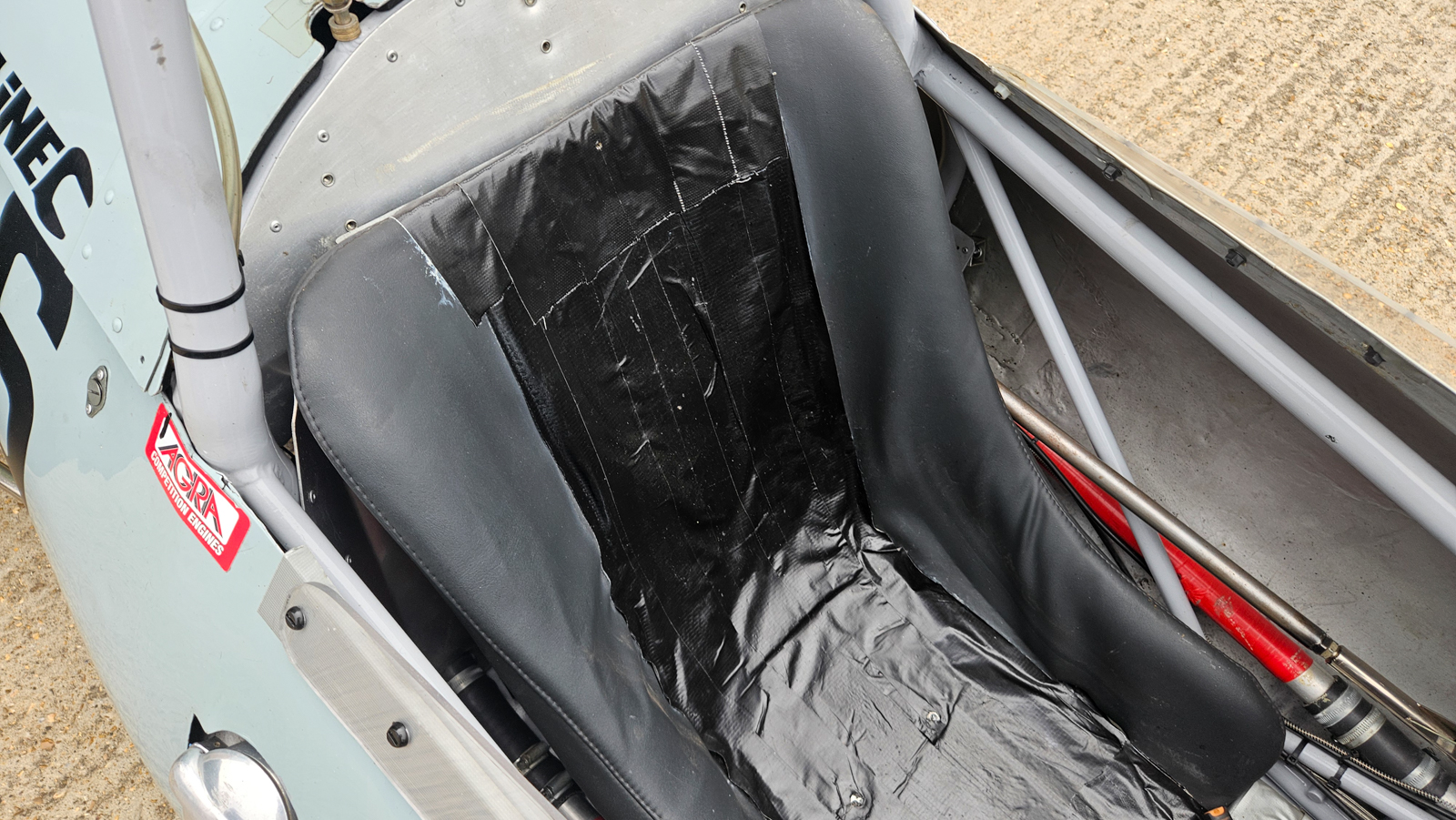
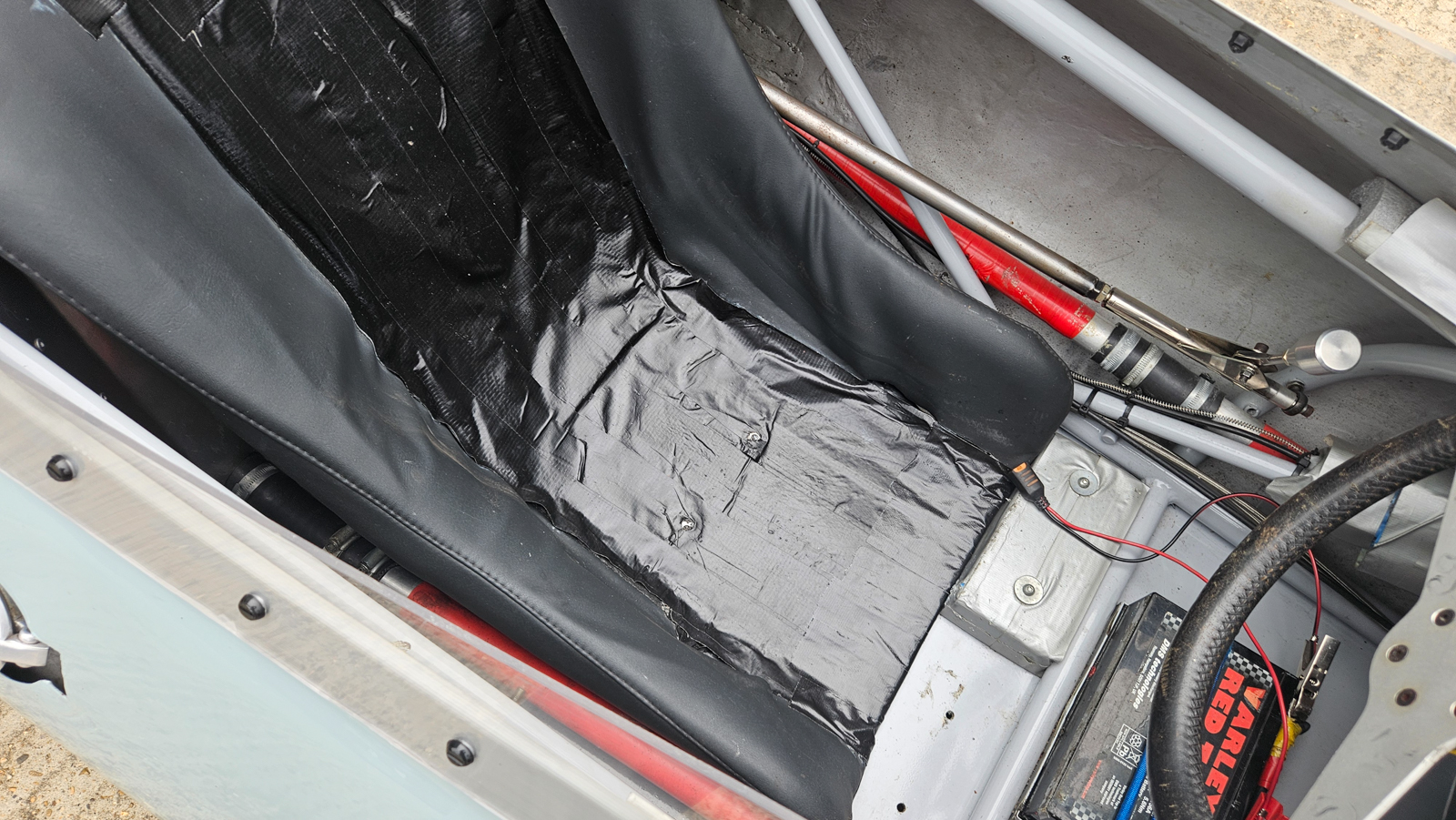
A black competition seat is installed within the narrow aluminium cockpit.

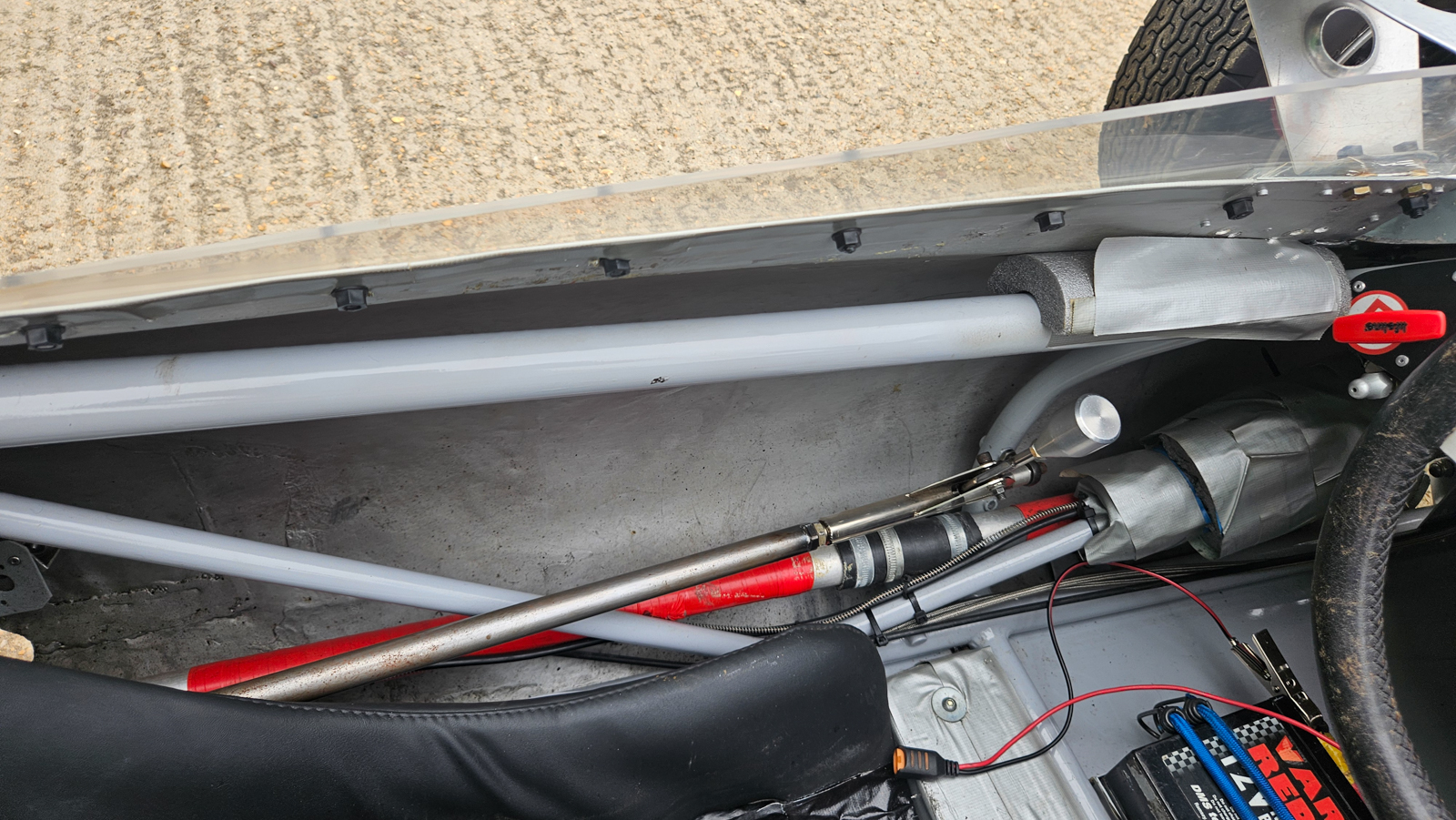
The seat presents in good usable condition, displaying minor wear consistent with getting in and out of such a compact single-seater. Protective padding has also been applied to selected areas of the surrounding structure.

New Safety Harnesses will need to be fitted, and the fire suppression system will need to be serviced, before competition use.

Please take a look at the photos and video below to decide on the condition of the seats and carpets for yourself.

Dashboard

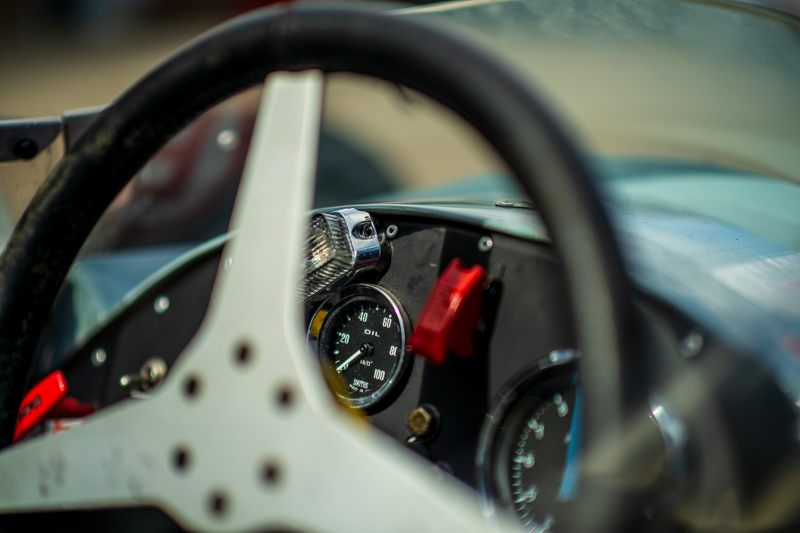
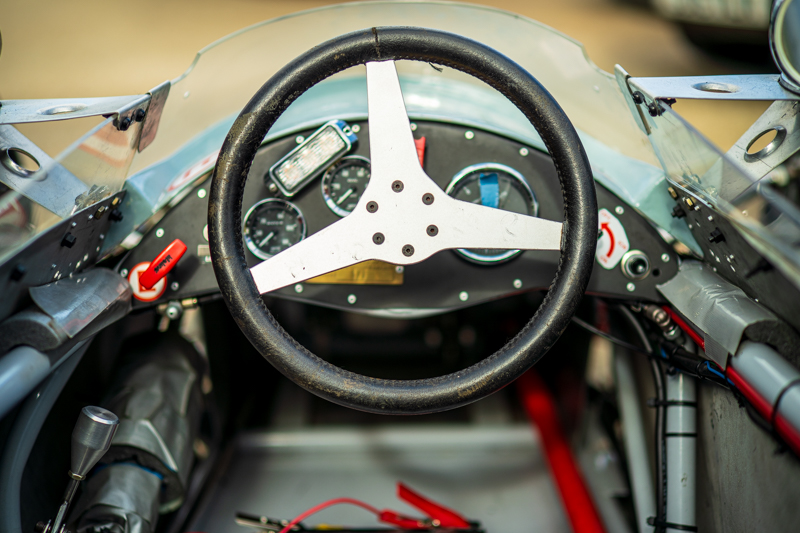
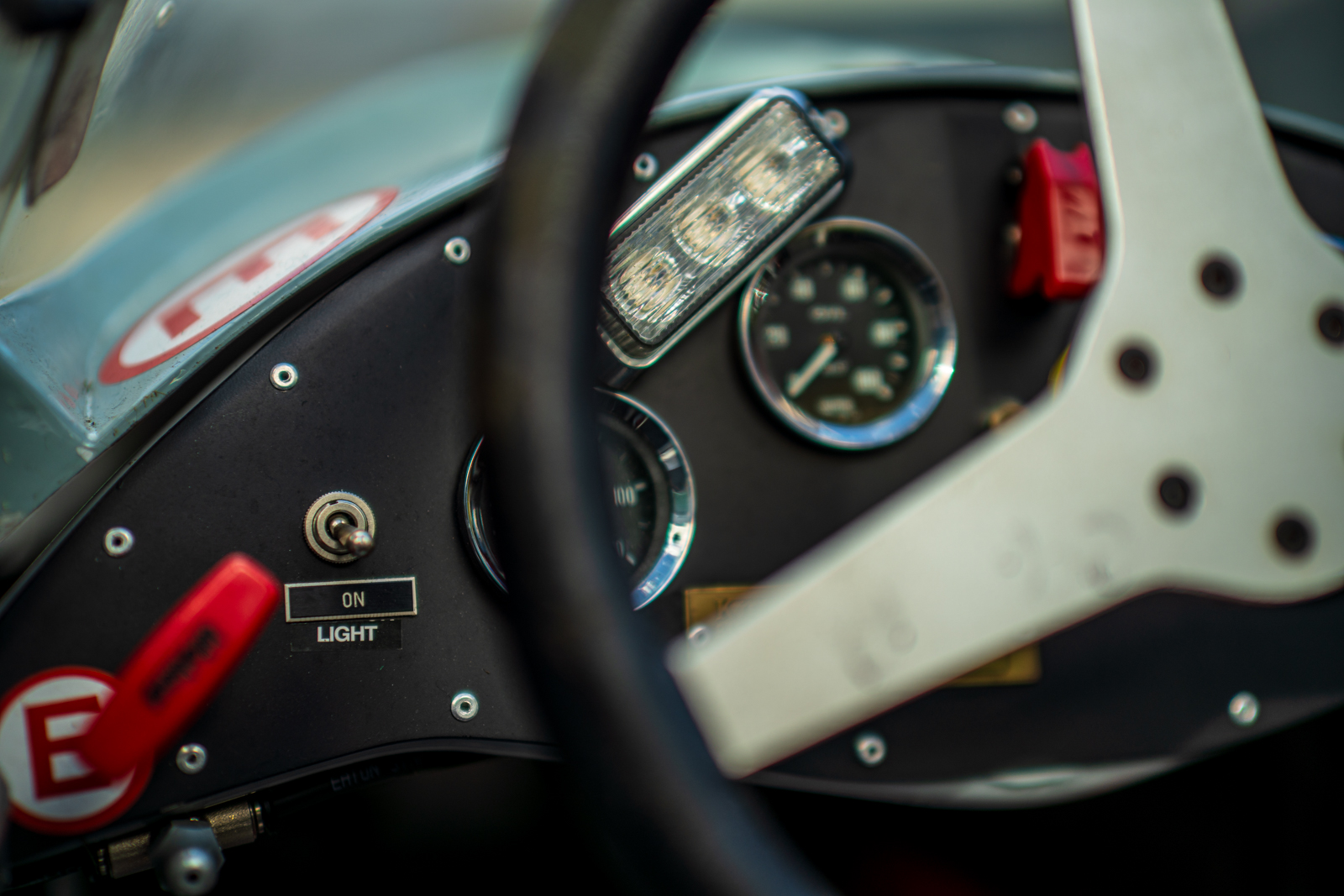
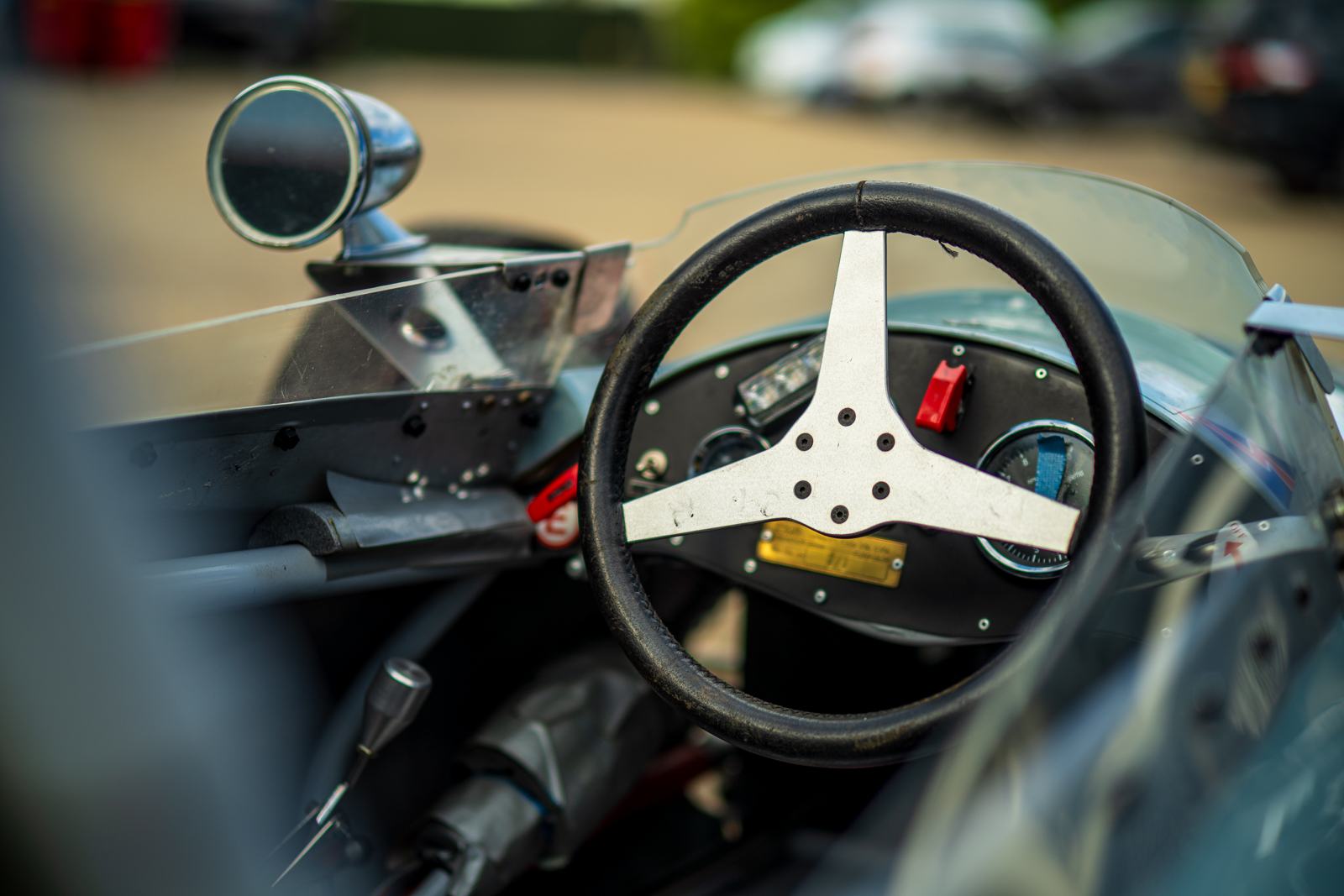
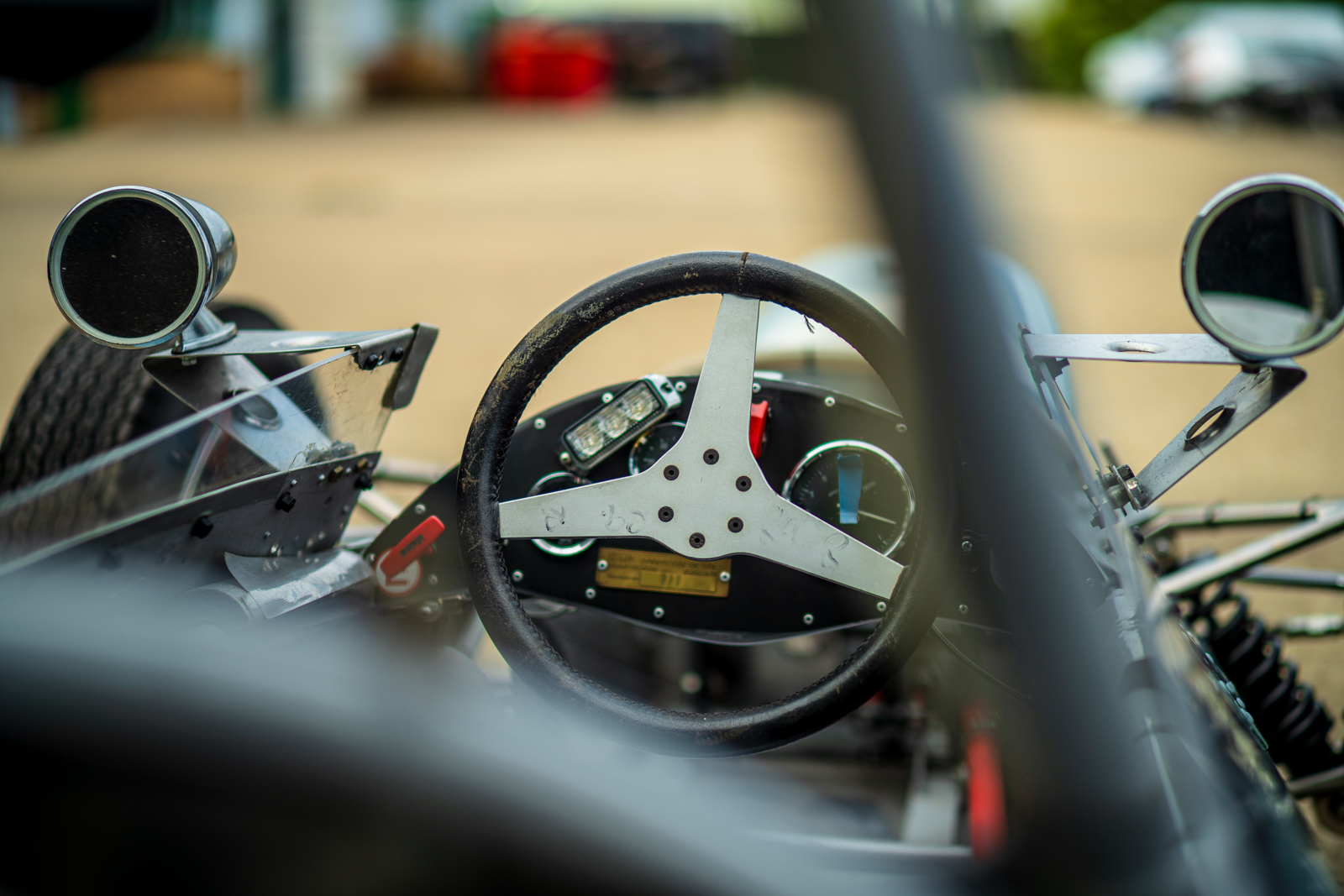
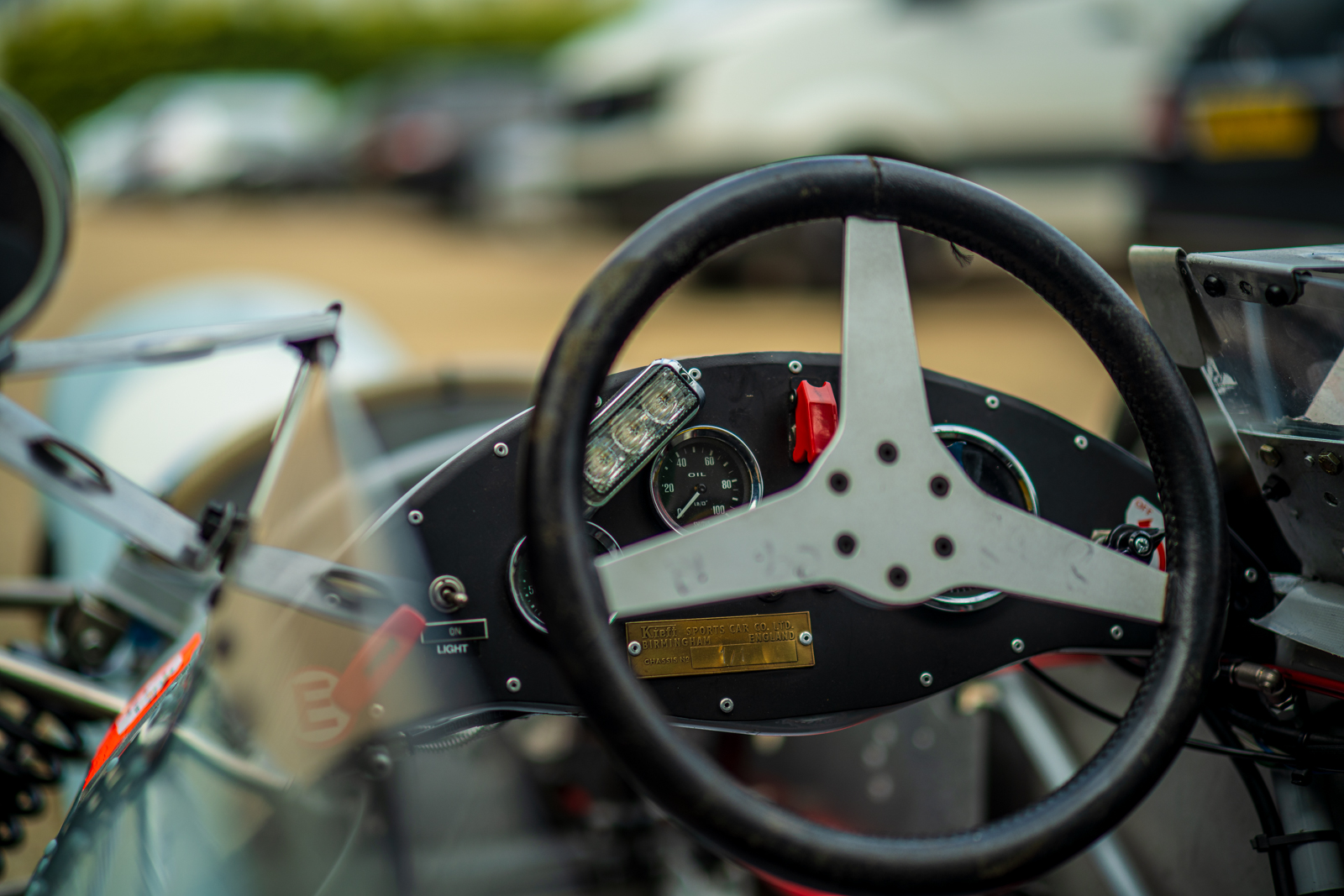
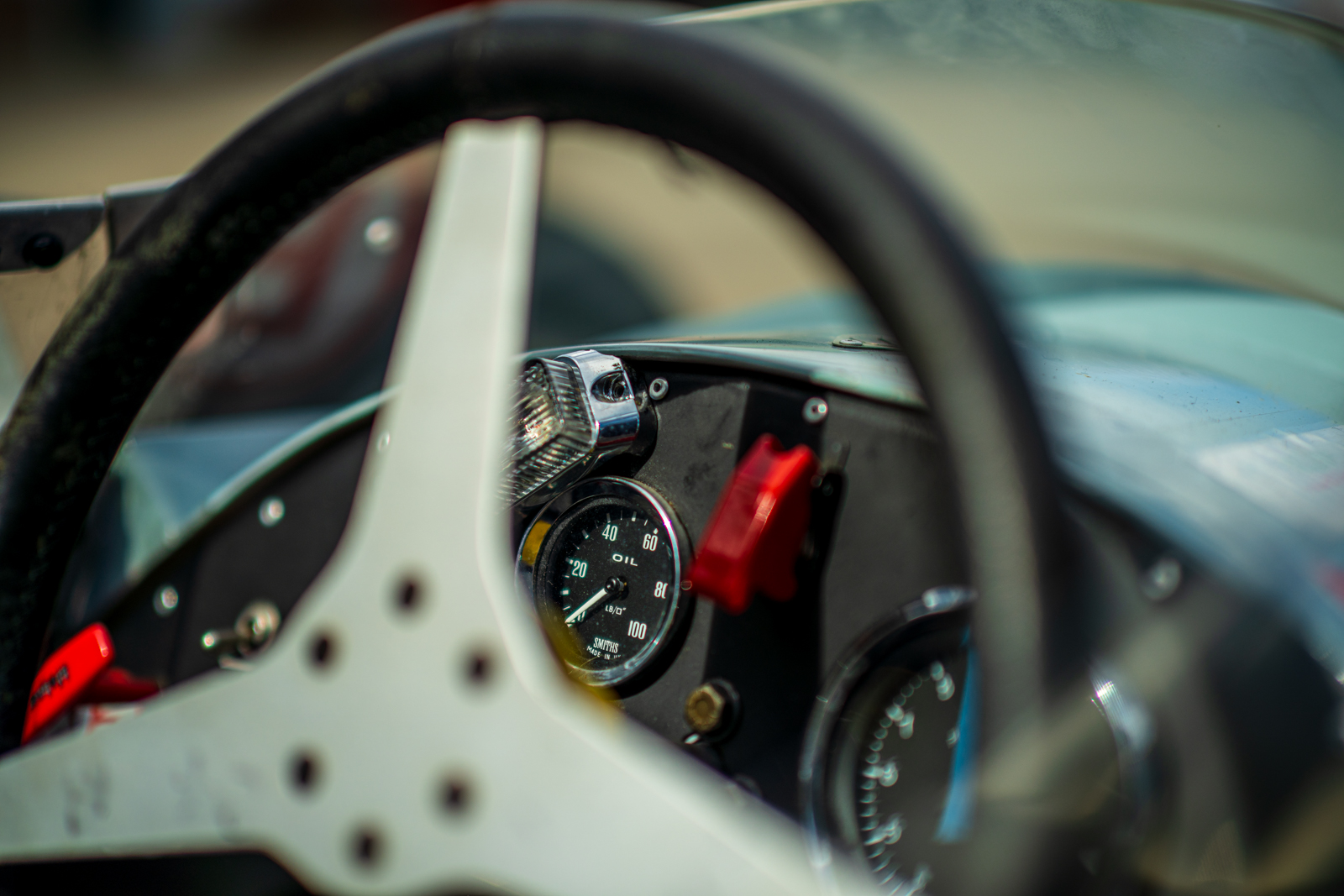
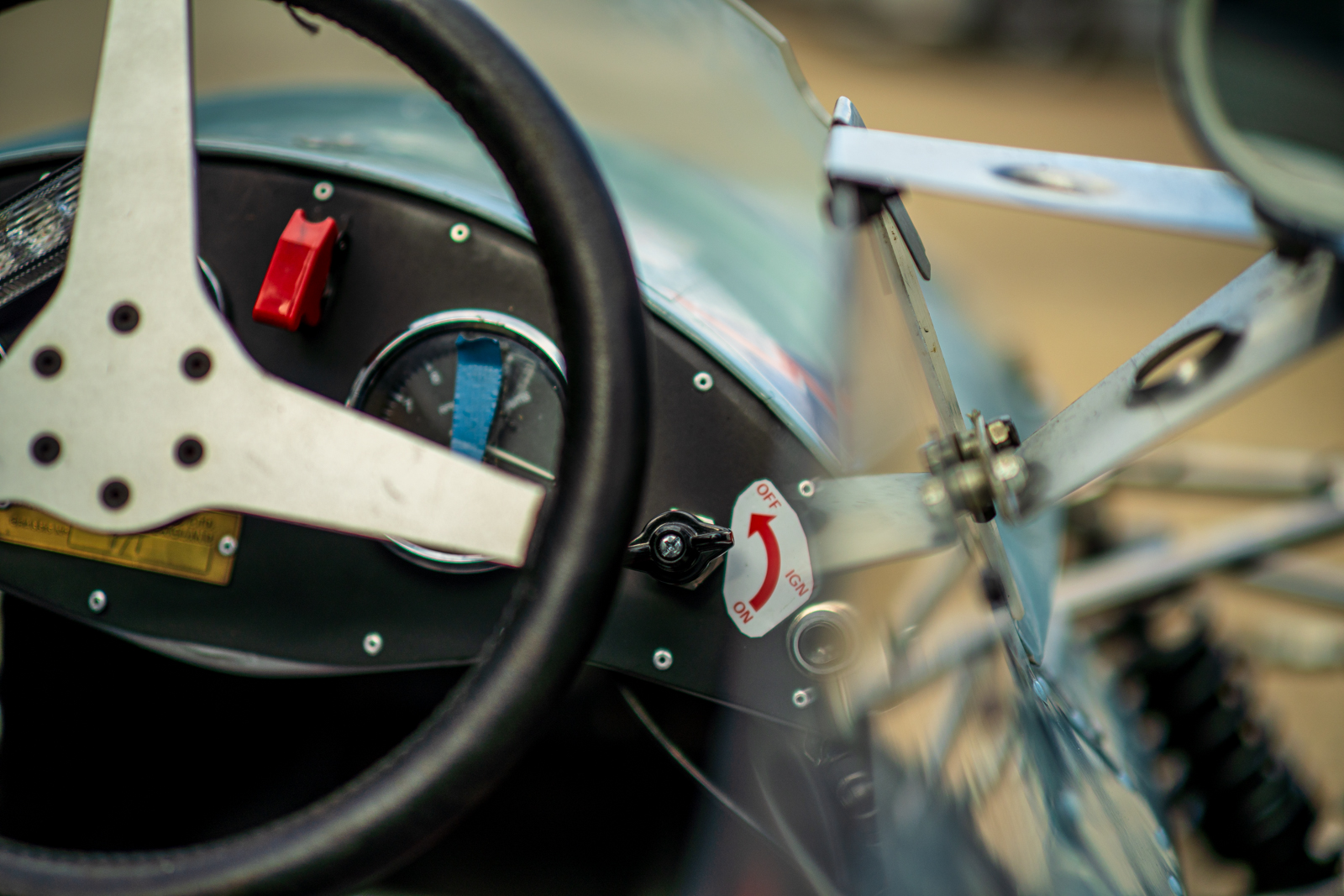
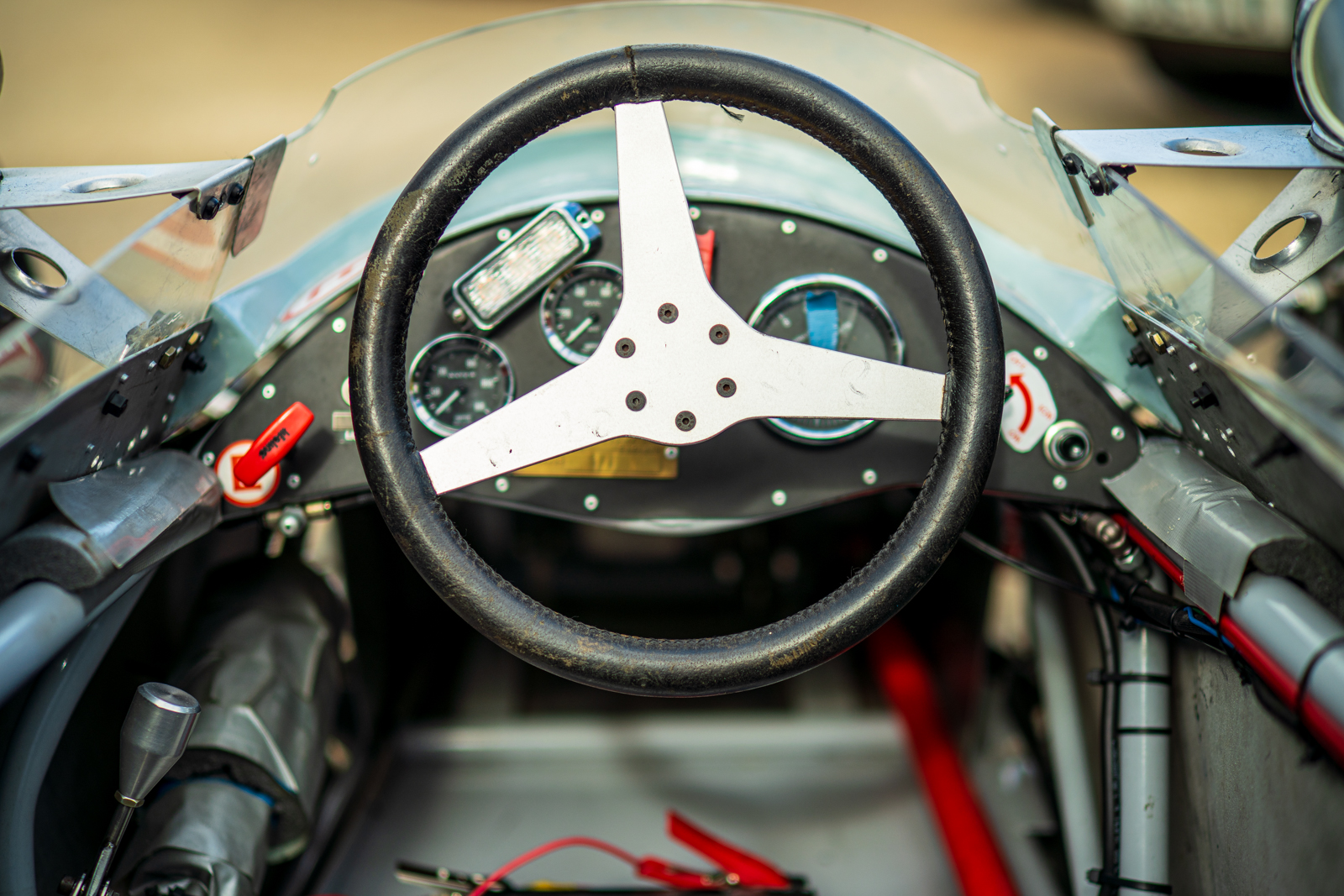
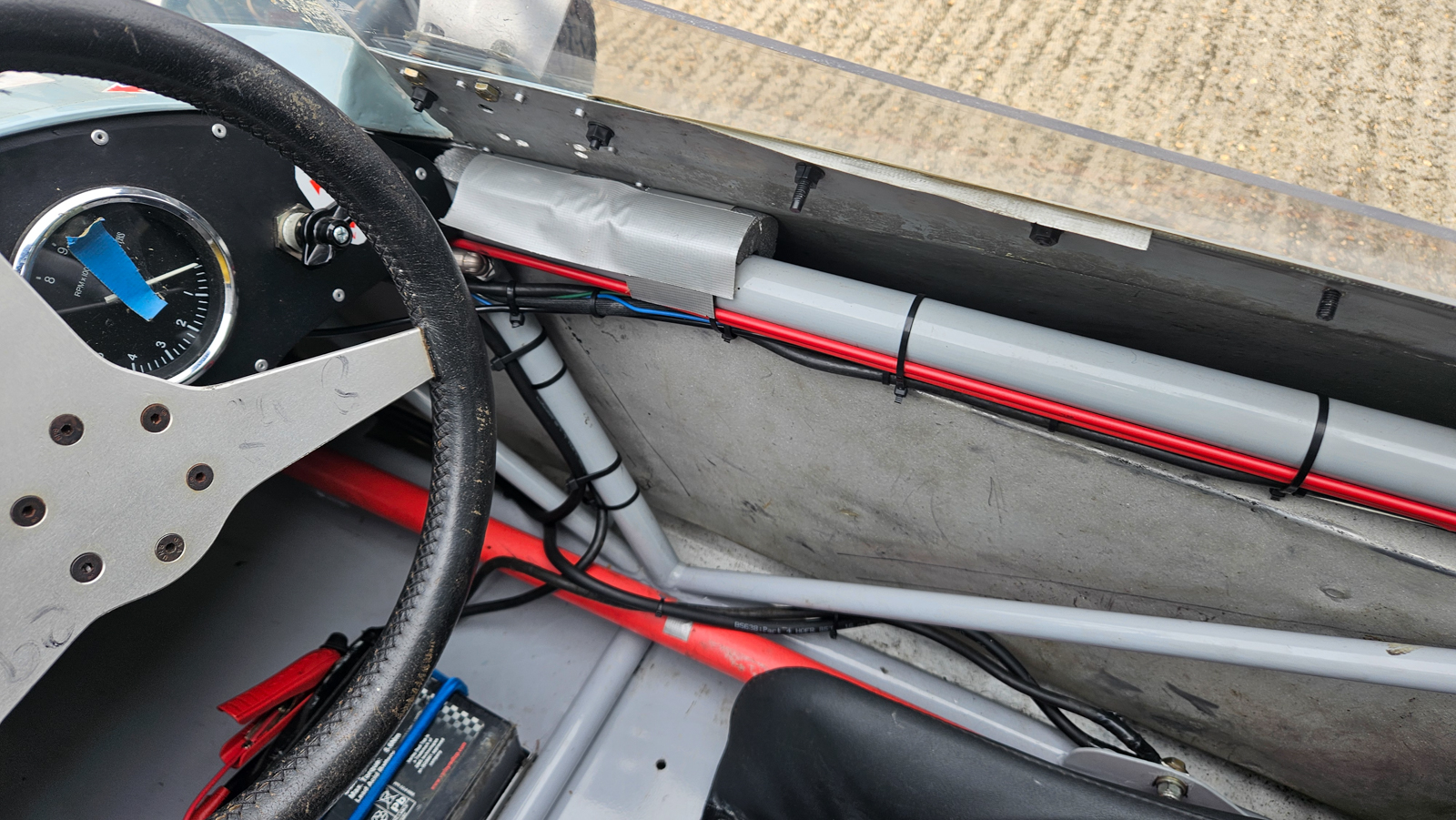
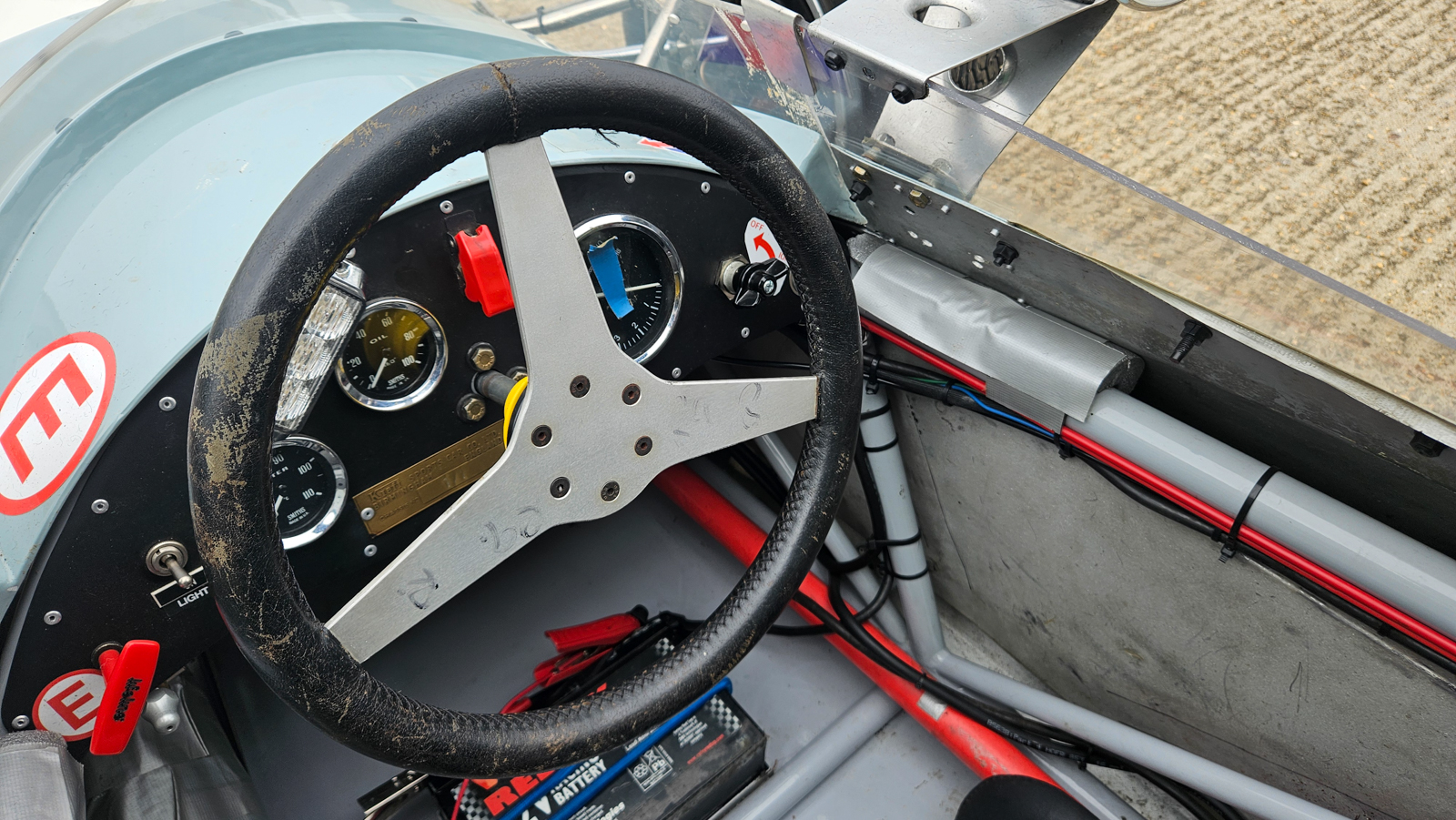
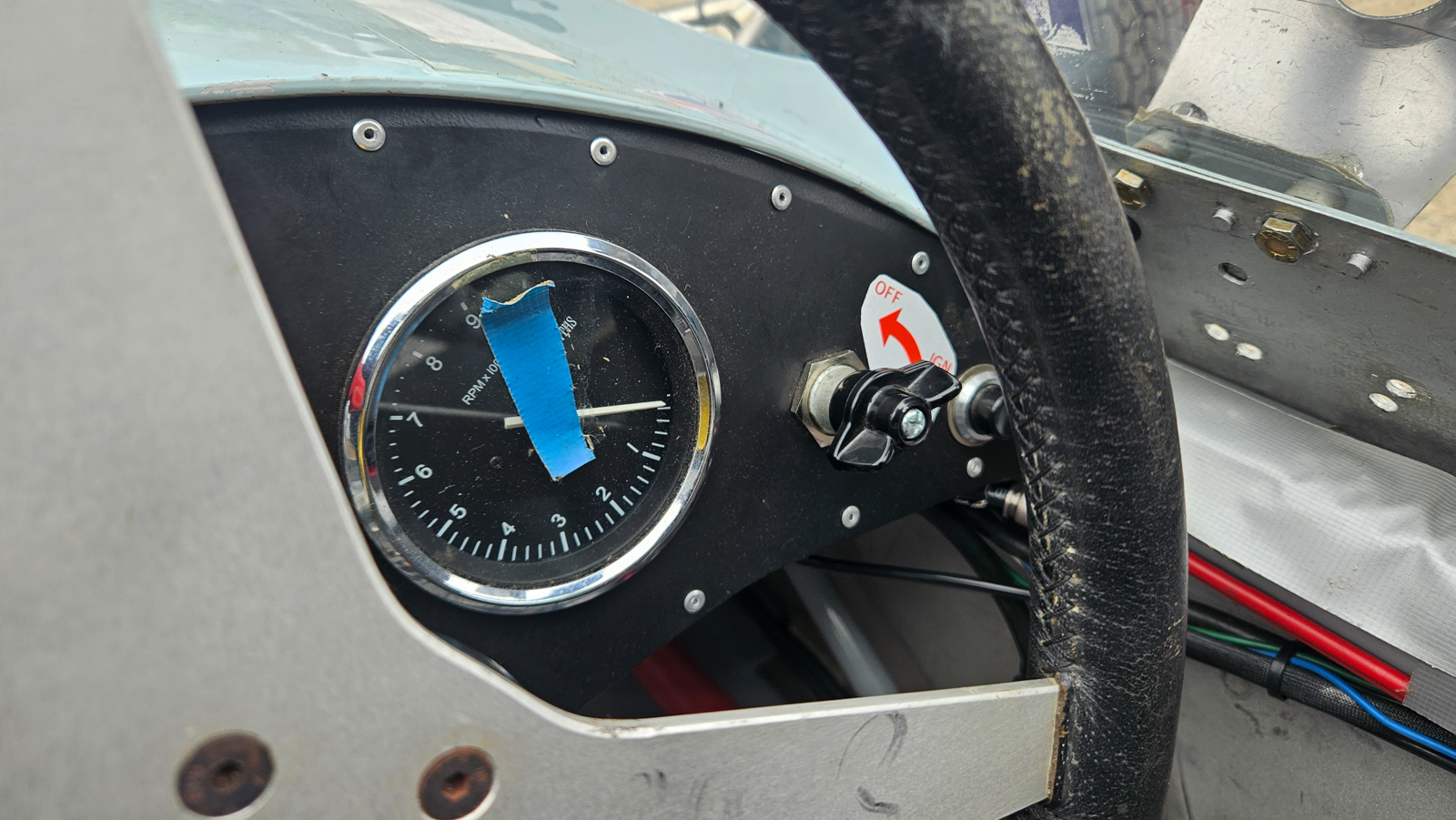
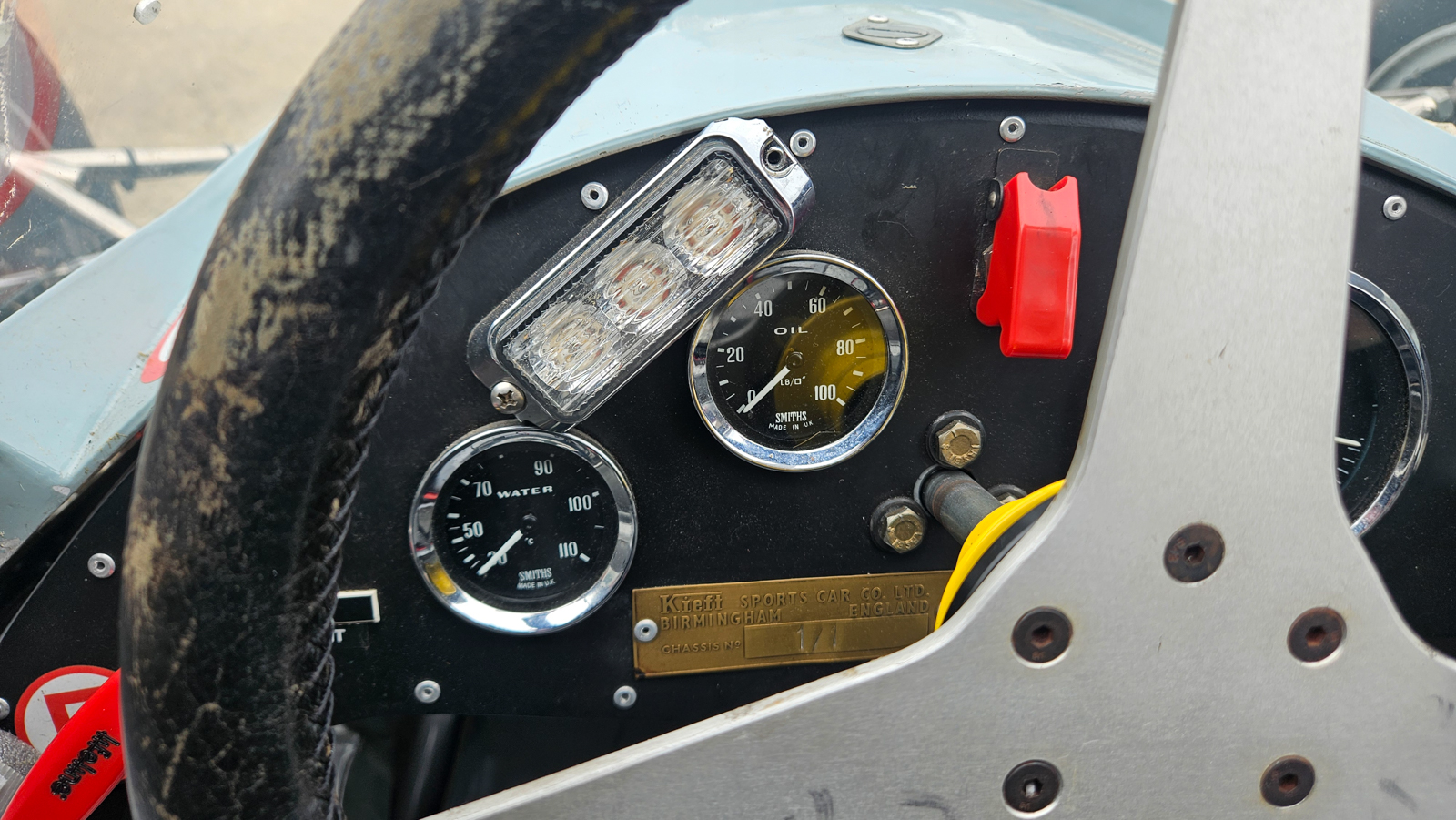
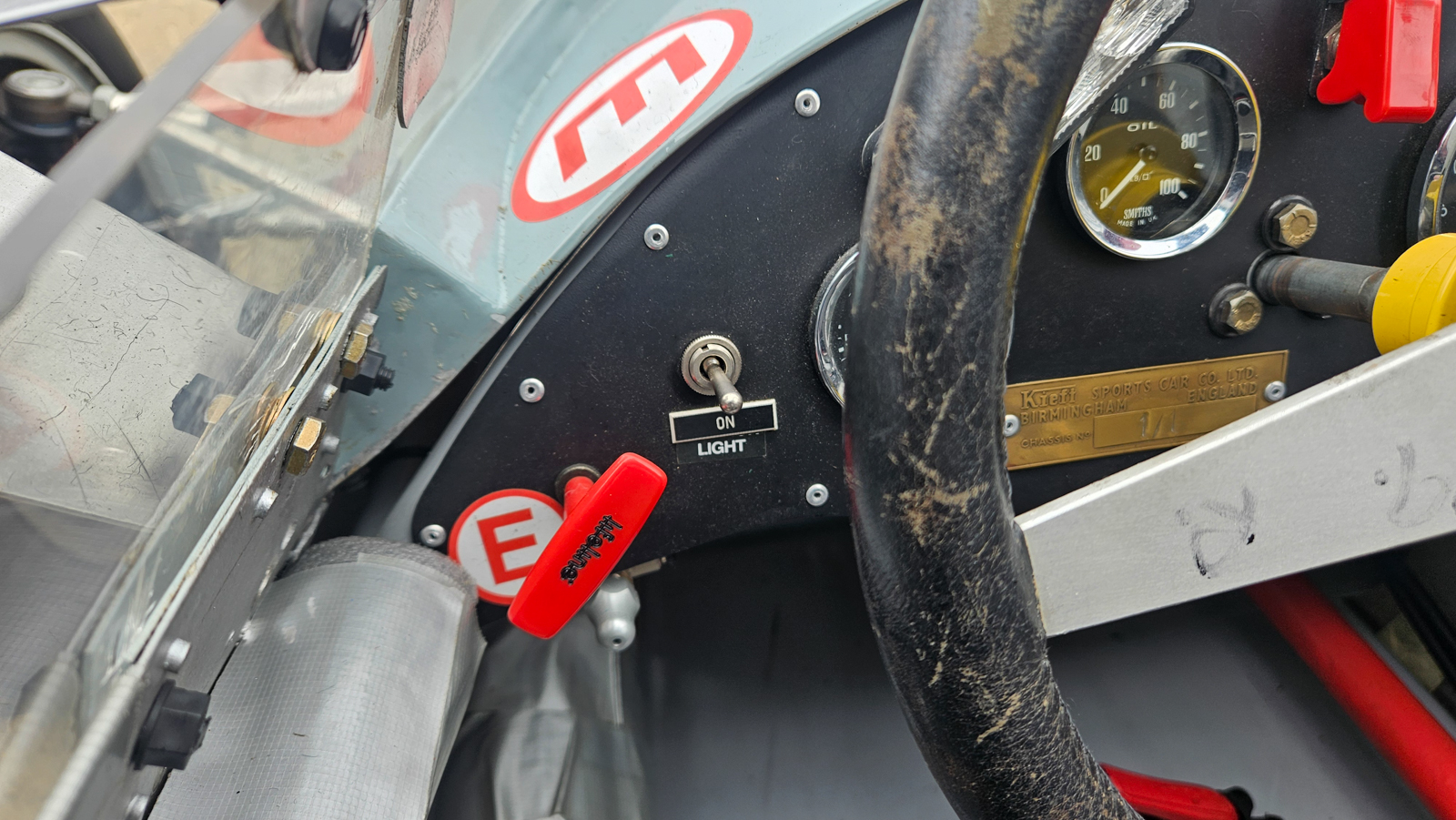
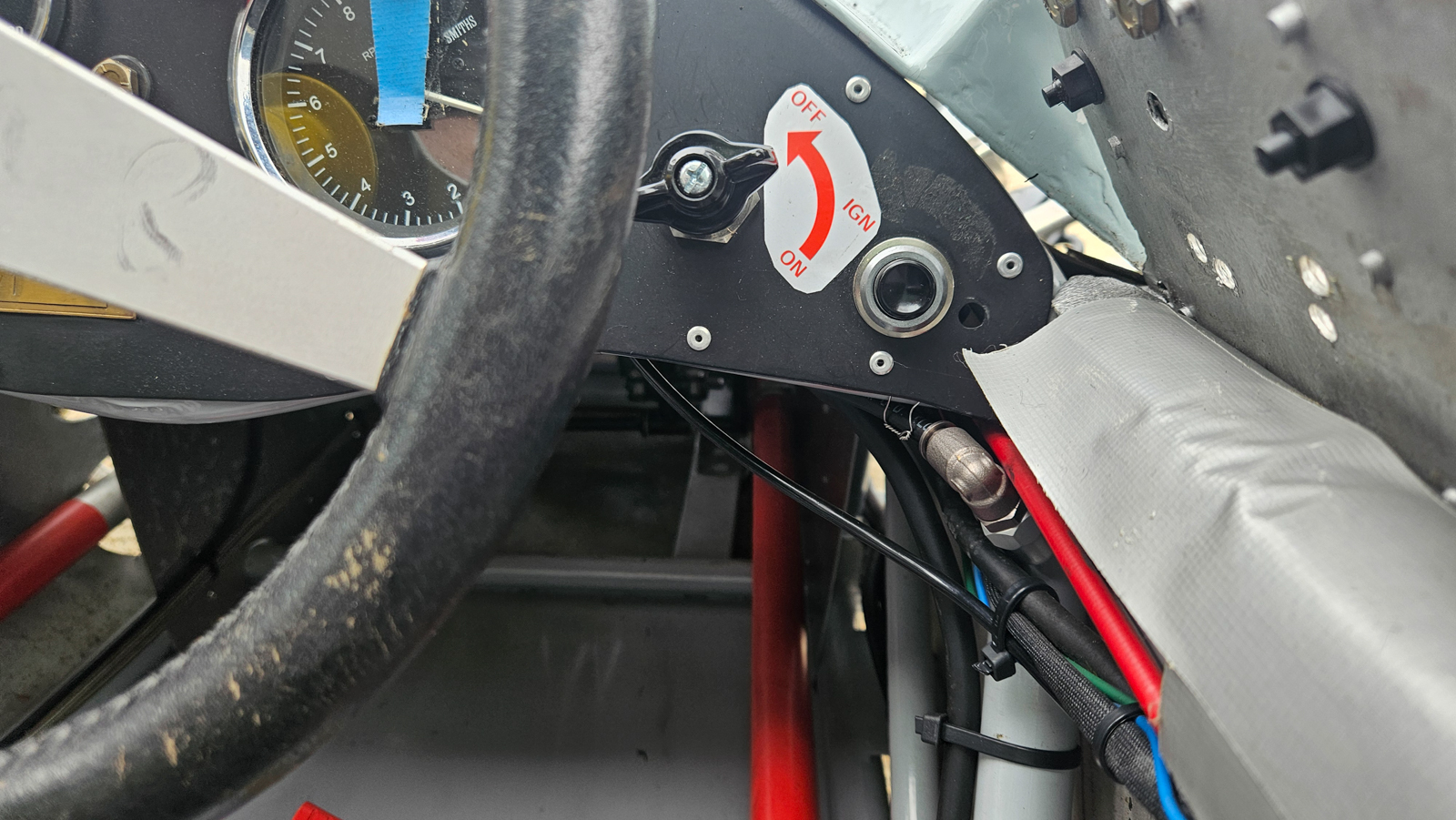
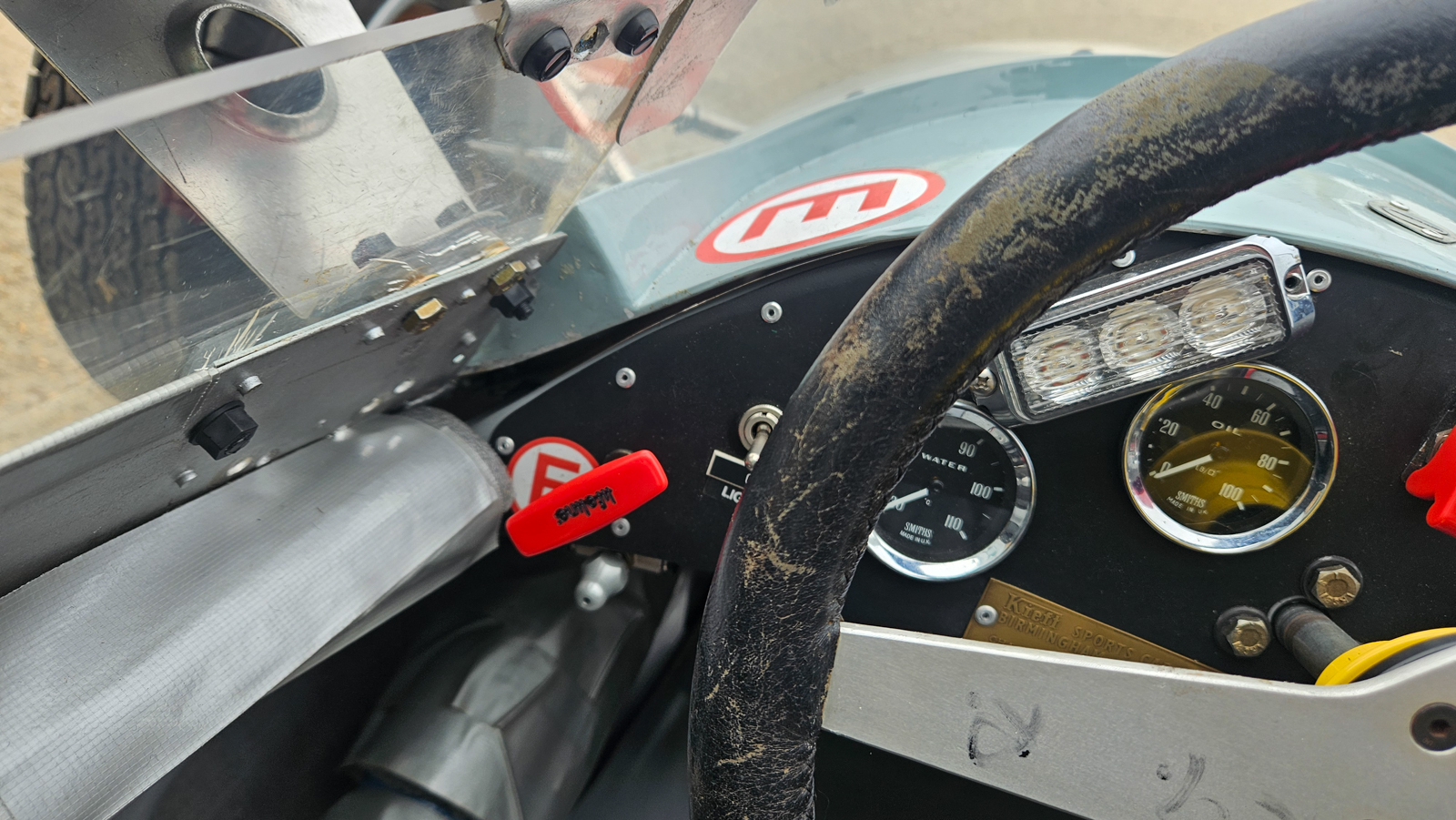
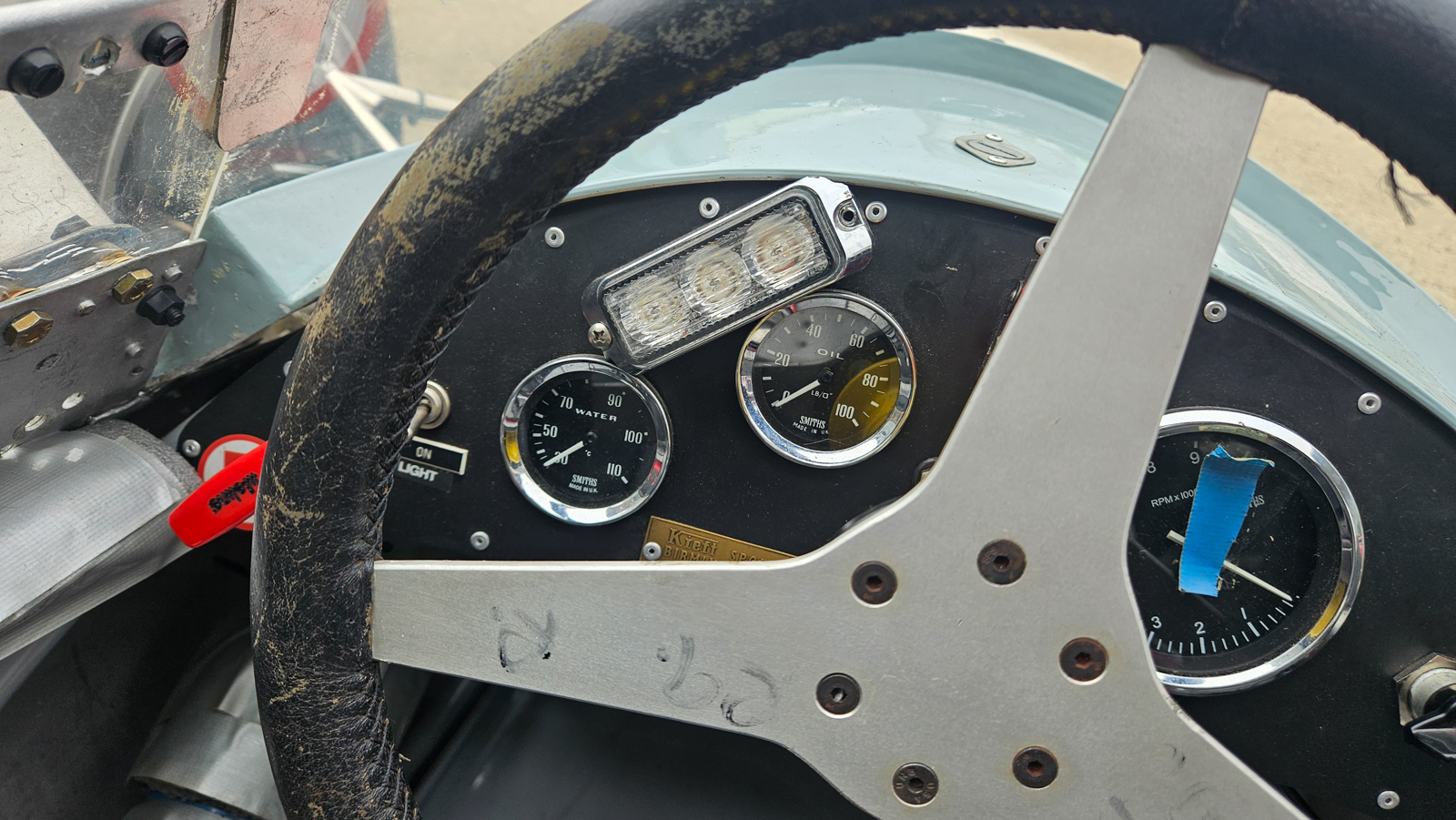
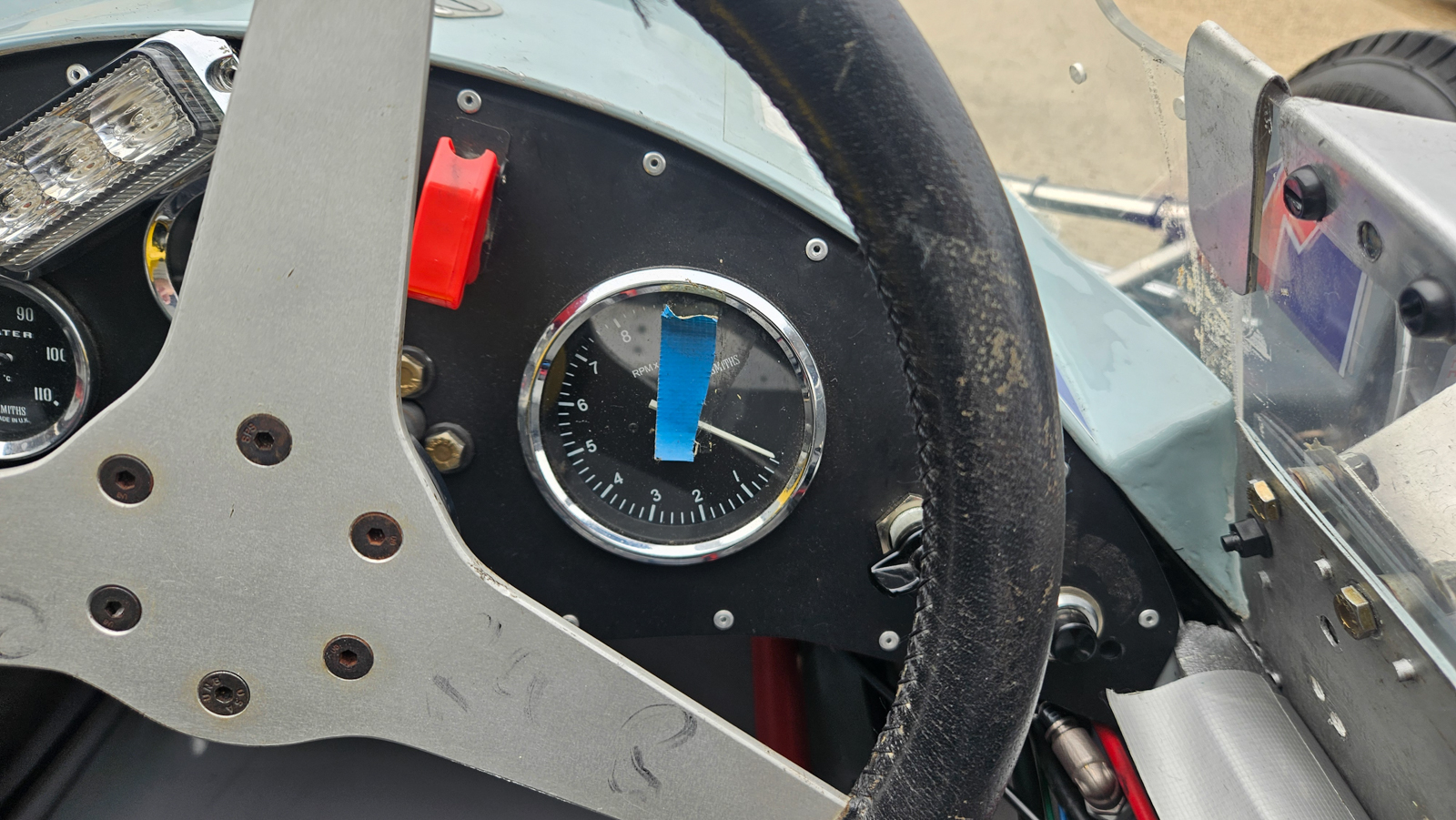
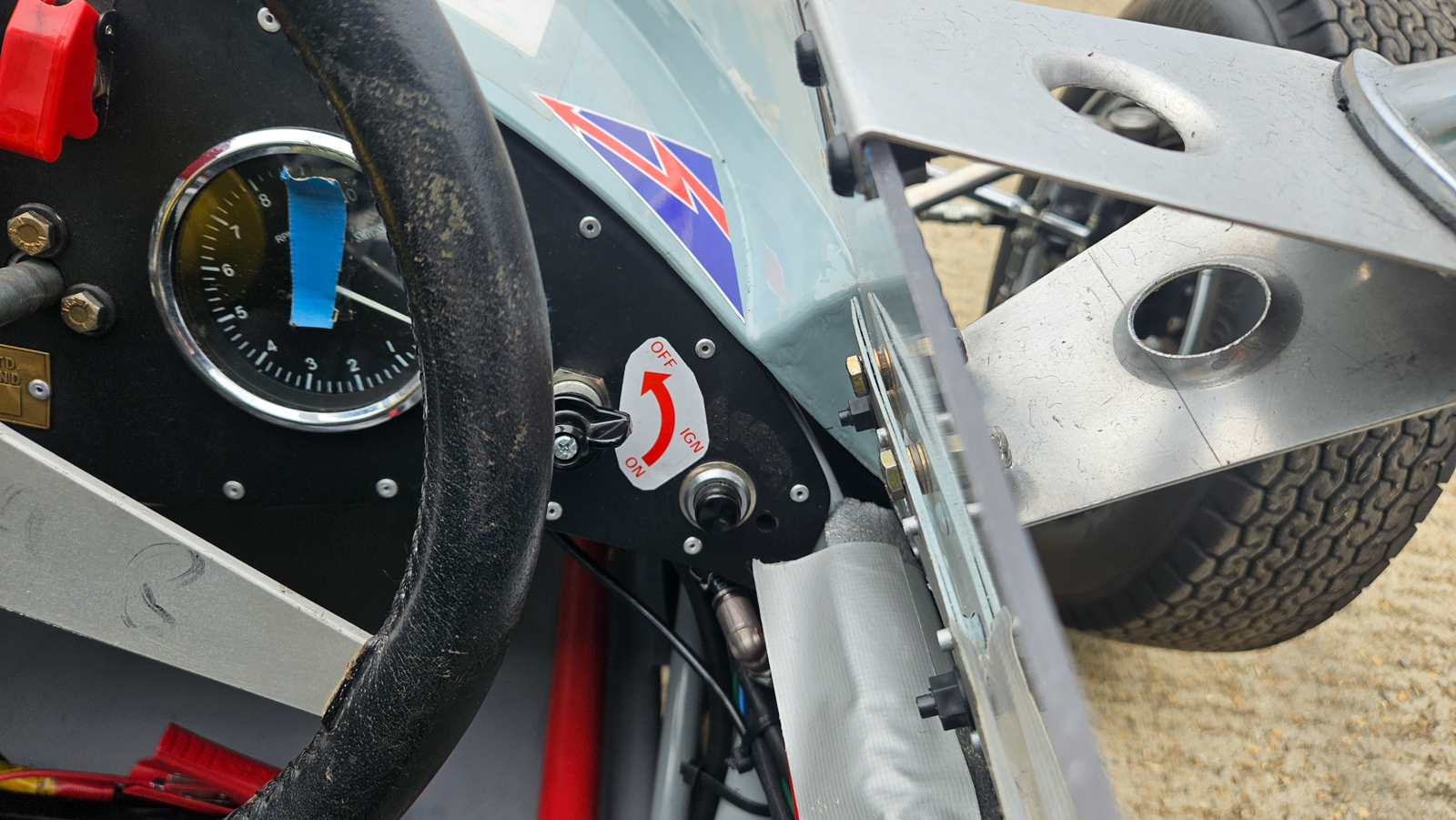
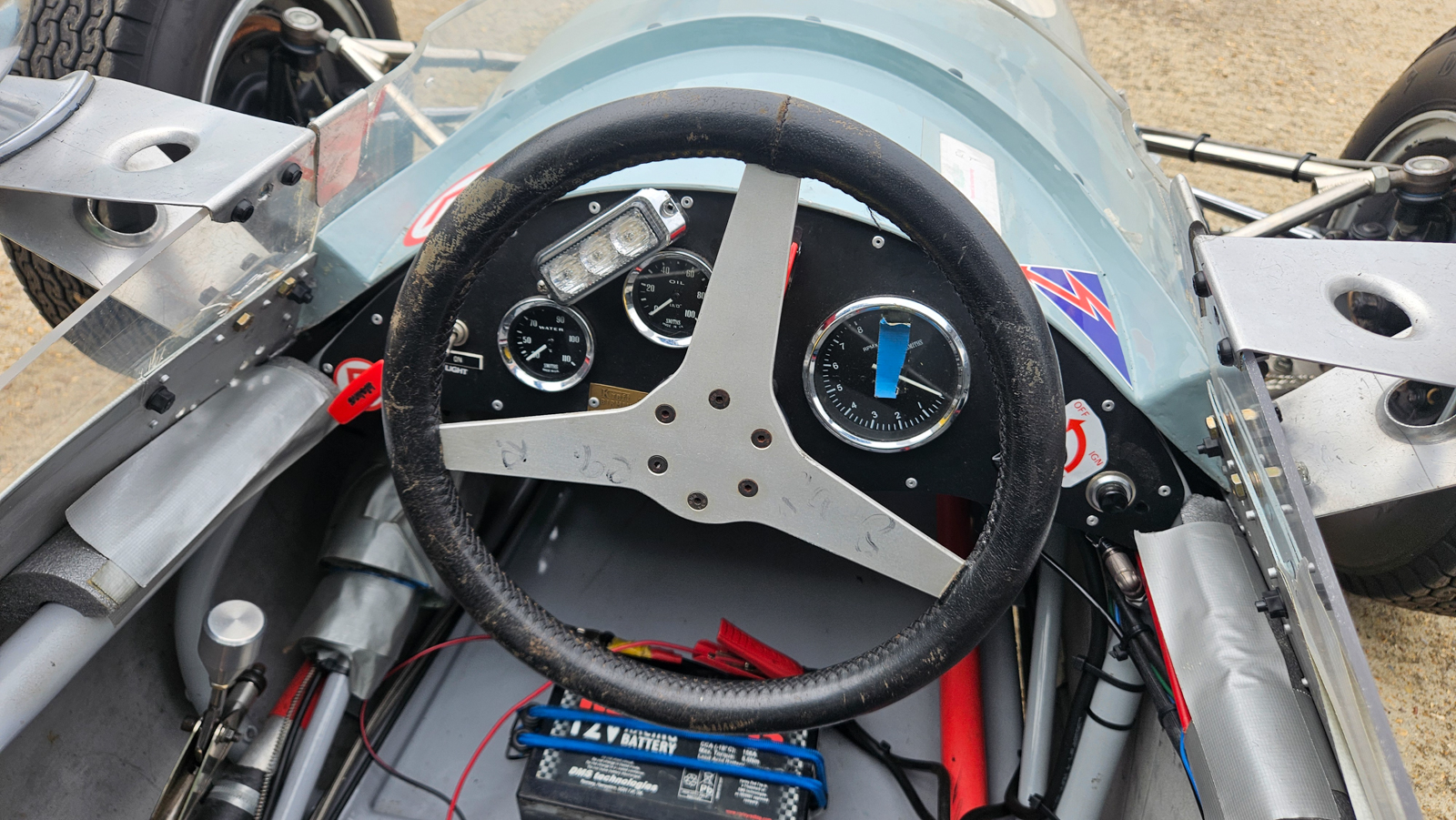
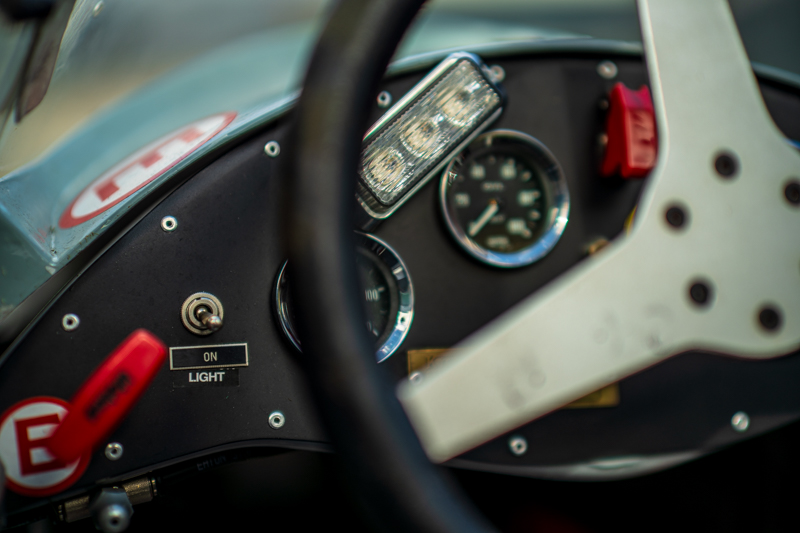
The simple black dashboard contains the essential competition instruments and controls.

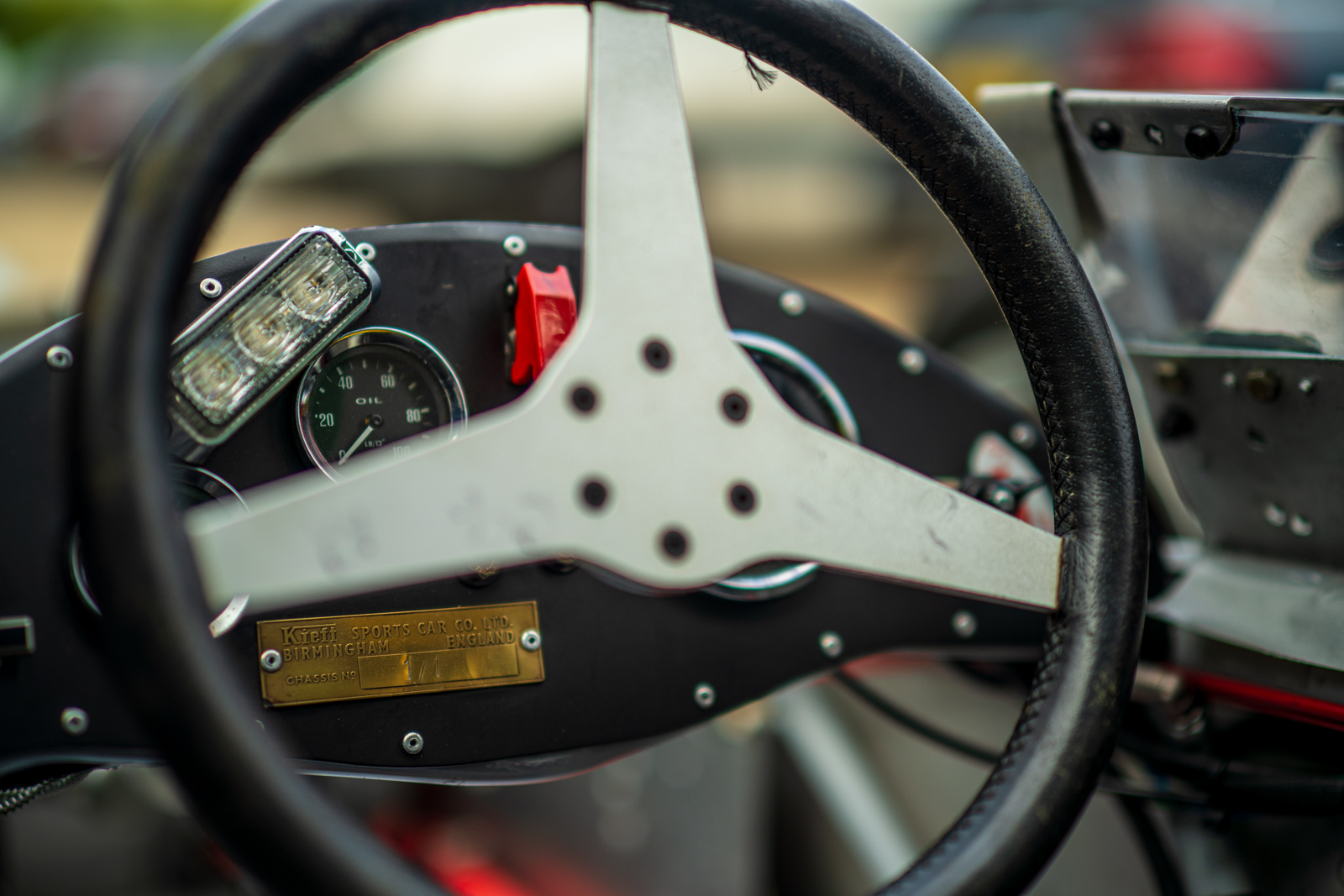
A large primary gauge sits directly ahead of the driver, accompanied by further smaller instruments used to monitor the engine. The red electrical master switch is positioned prominently and remains within easy reach.

The brass Kieft Sports Car Co. Ltd. chassis plate is mounted beneath the steering wheel and is stamped with chassis number 1/1.

The dashboard and exposed aluminium cockpit present with the honest patina expected from a used racing car. Visible rivets, fasteners and structural components reinforce the functional character of the interior.

Steering Wheel / Gear Stick

A simple three-spoke steering wheel is fitted and provides the direct control expected from such a light single-seater.

The wheel remains serviceable, although some wear and deterioration can be seen around the outer rim, particularly near its upper edge. Prospective buyers may choose to have this attended to depending on personal preference.

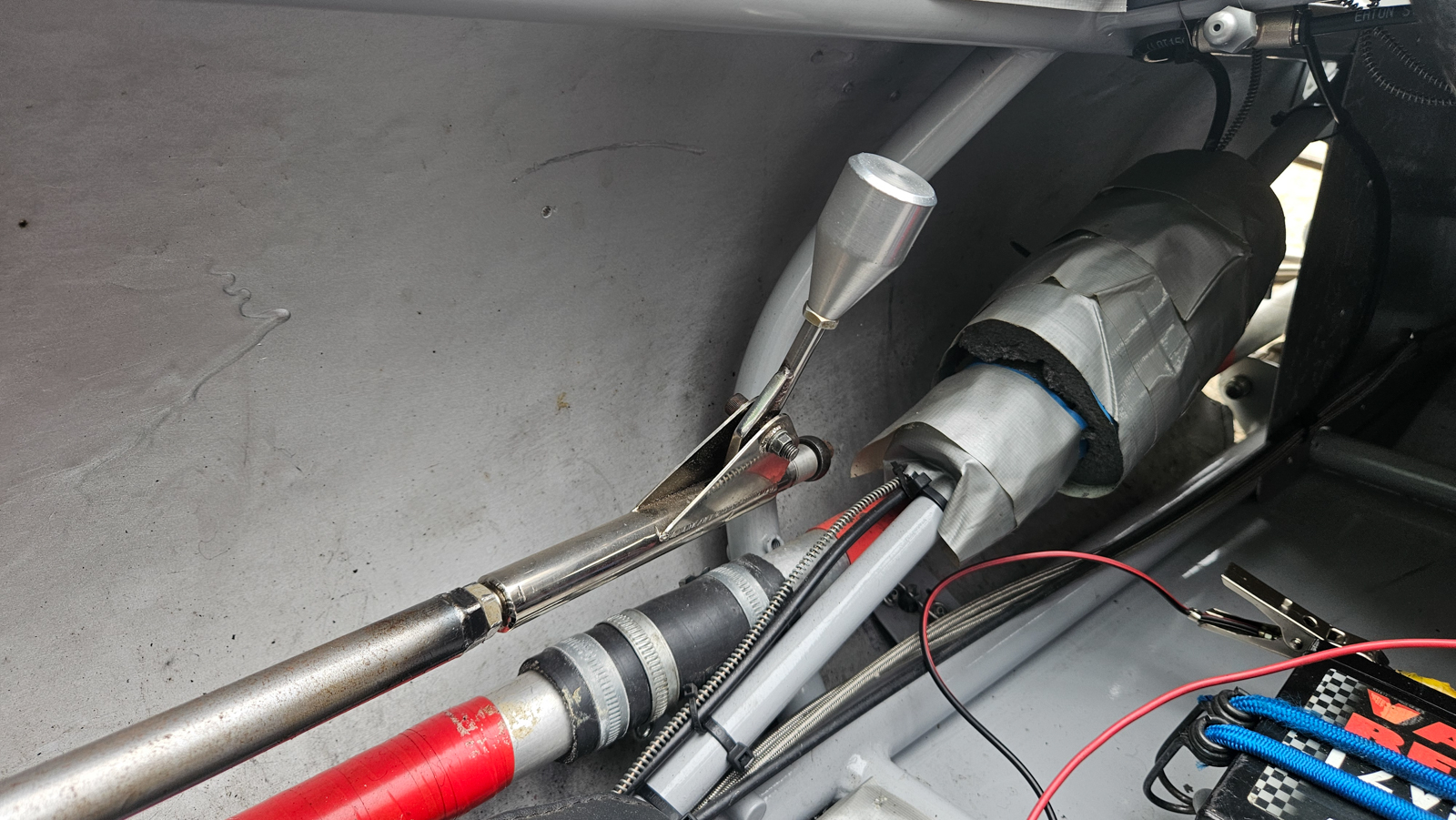
The gear lever sits beside the driver within easy reach.

Mechanics

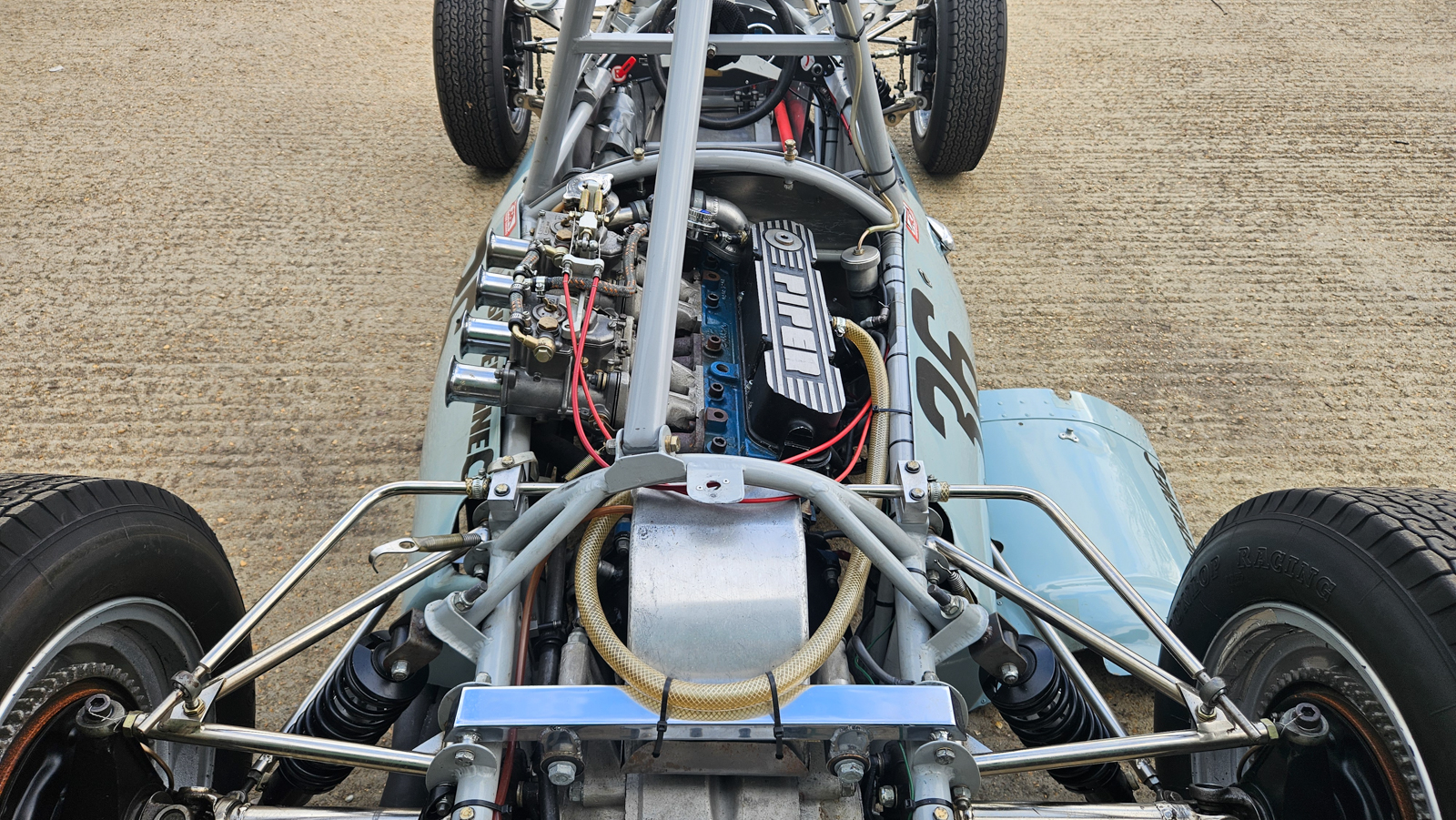
The combination of a lightweight tubular chassis, Ford-based period-correct racing engine, and rear-mounted transaxle is central to the character of the Kieft Formula Junior.

Engine and Gearbox

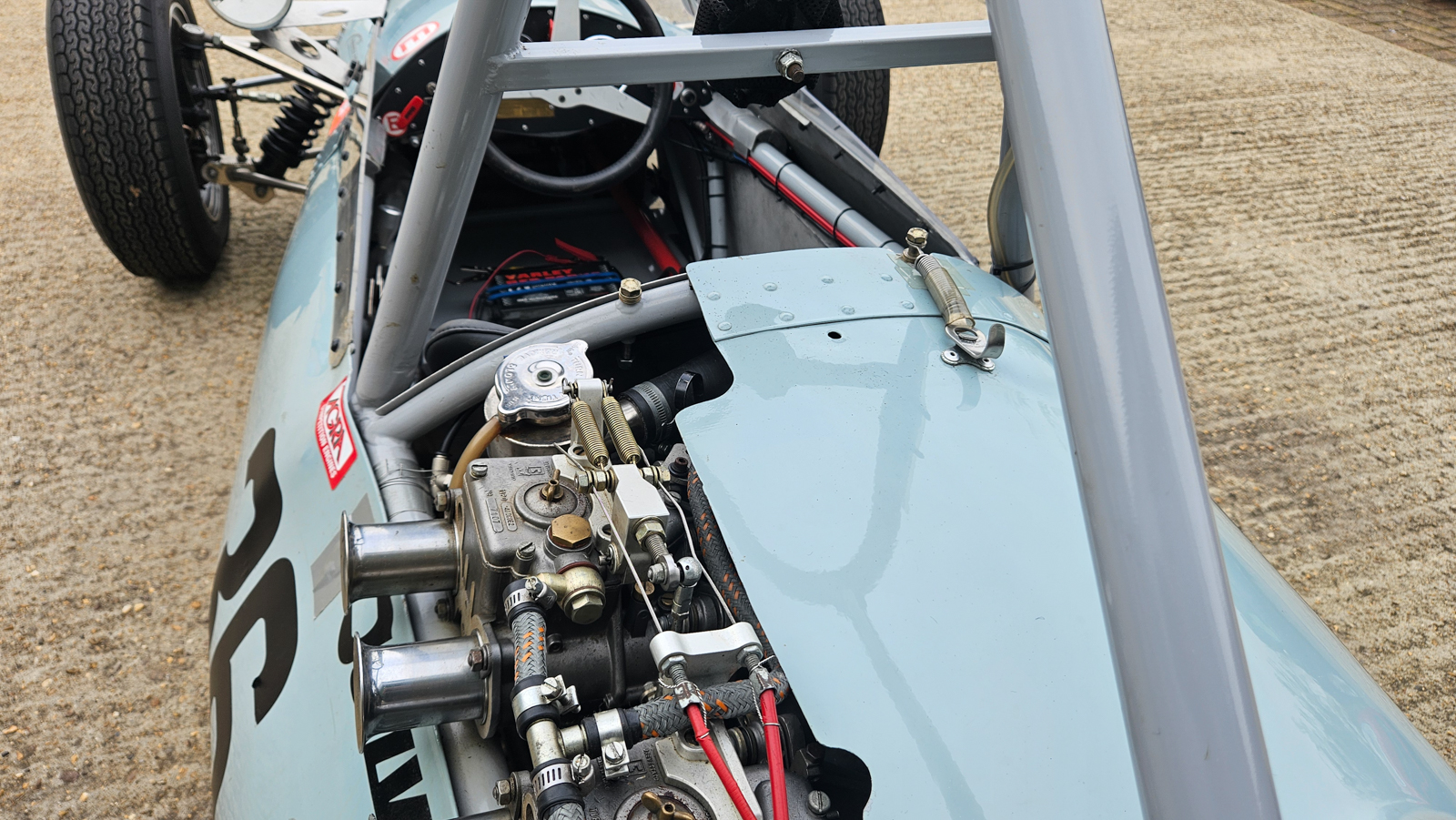
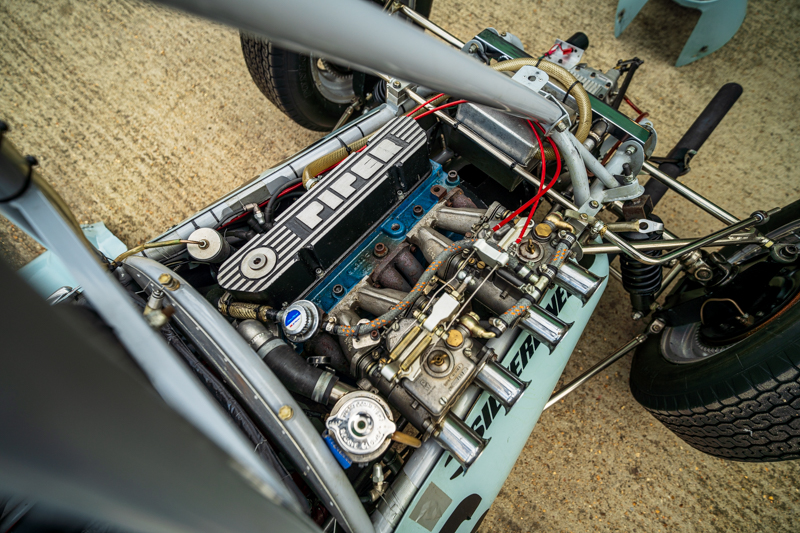
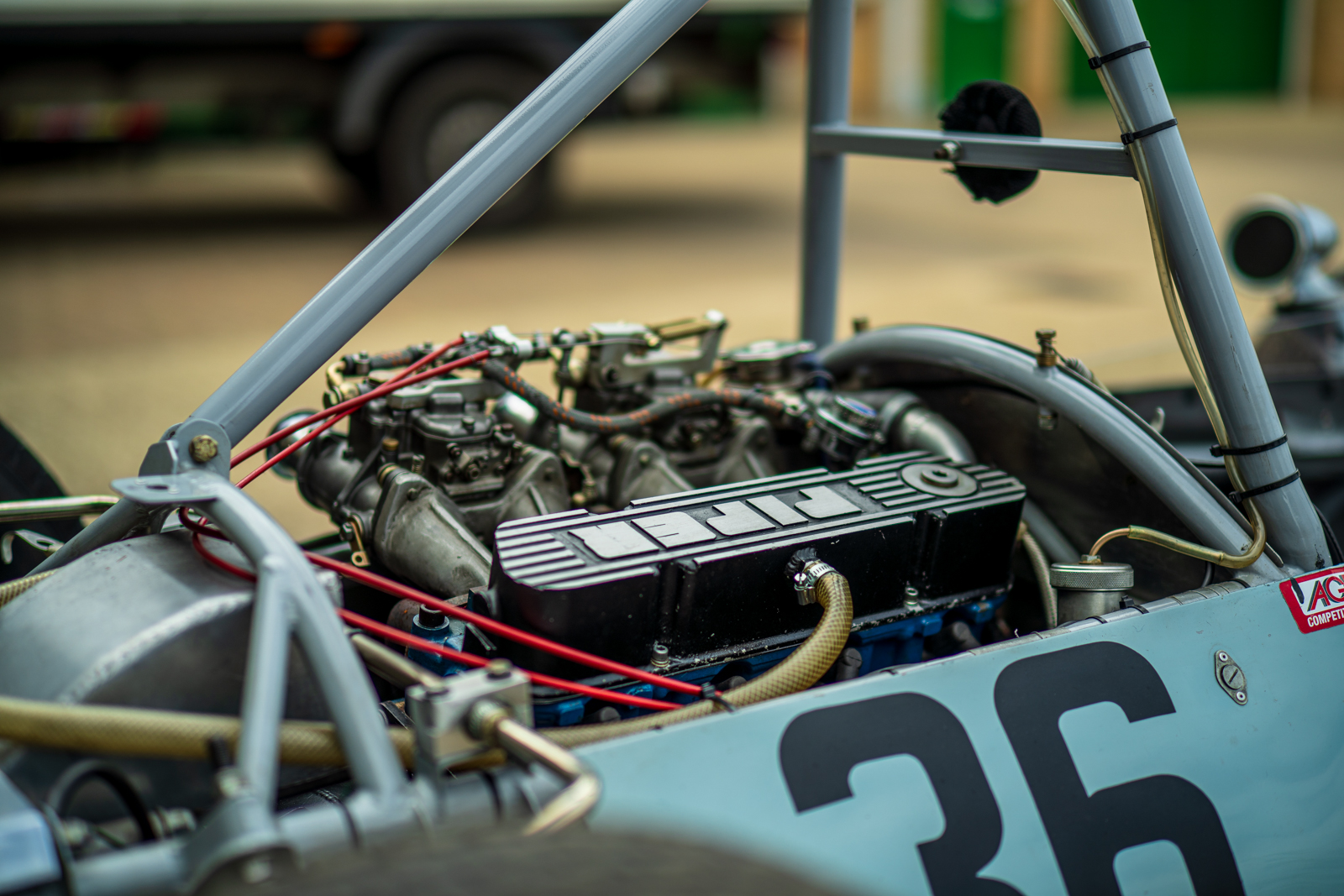
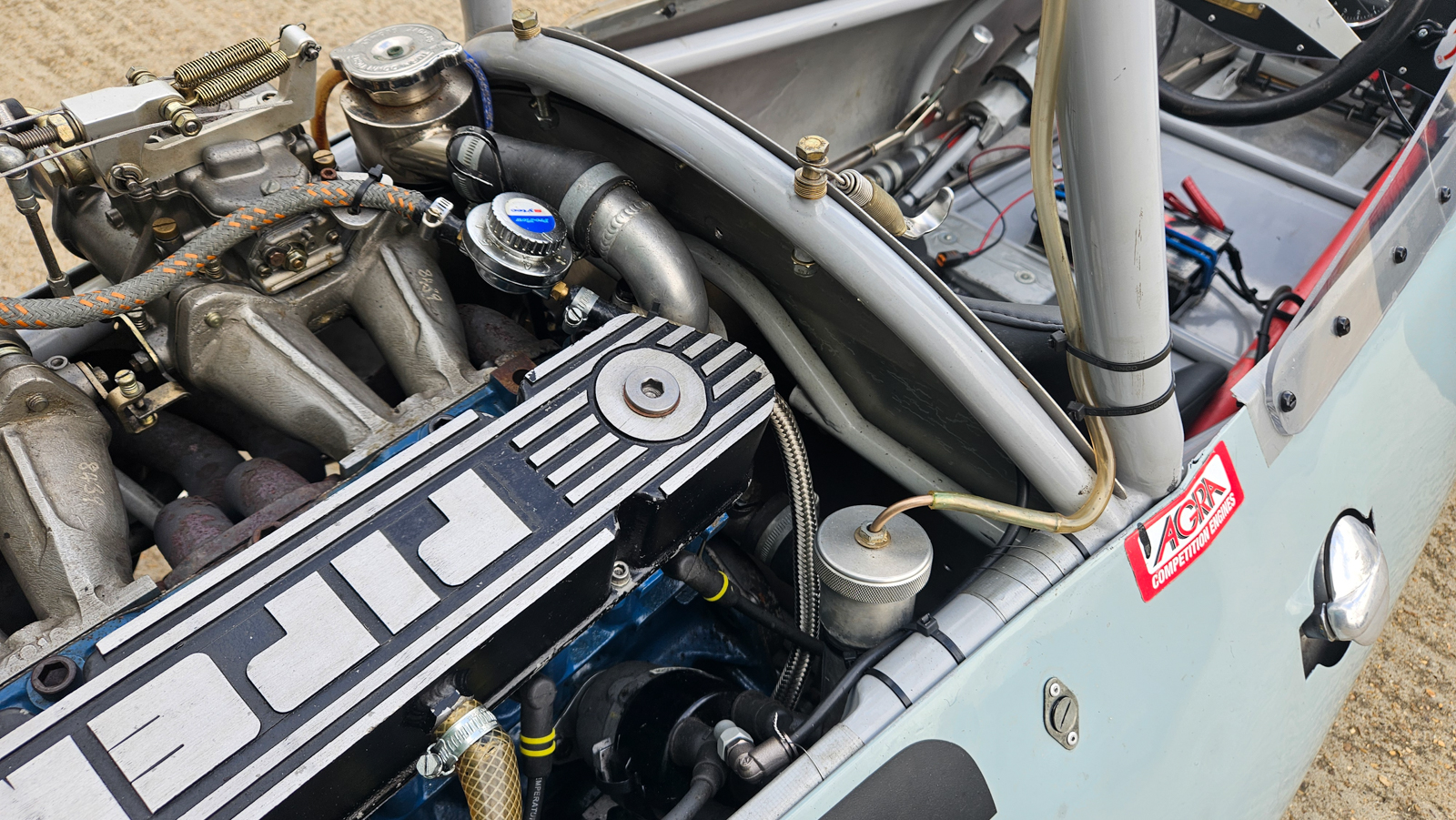
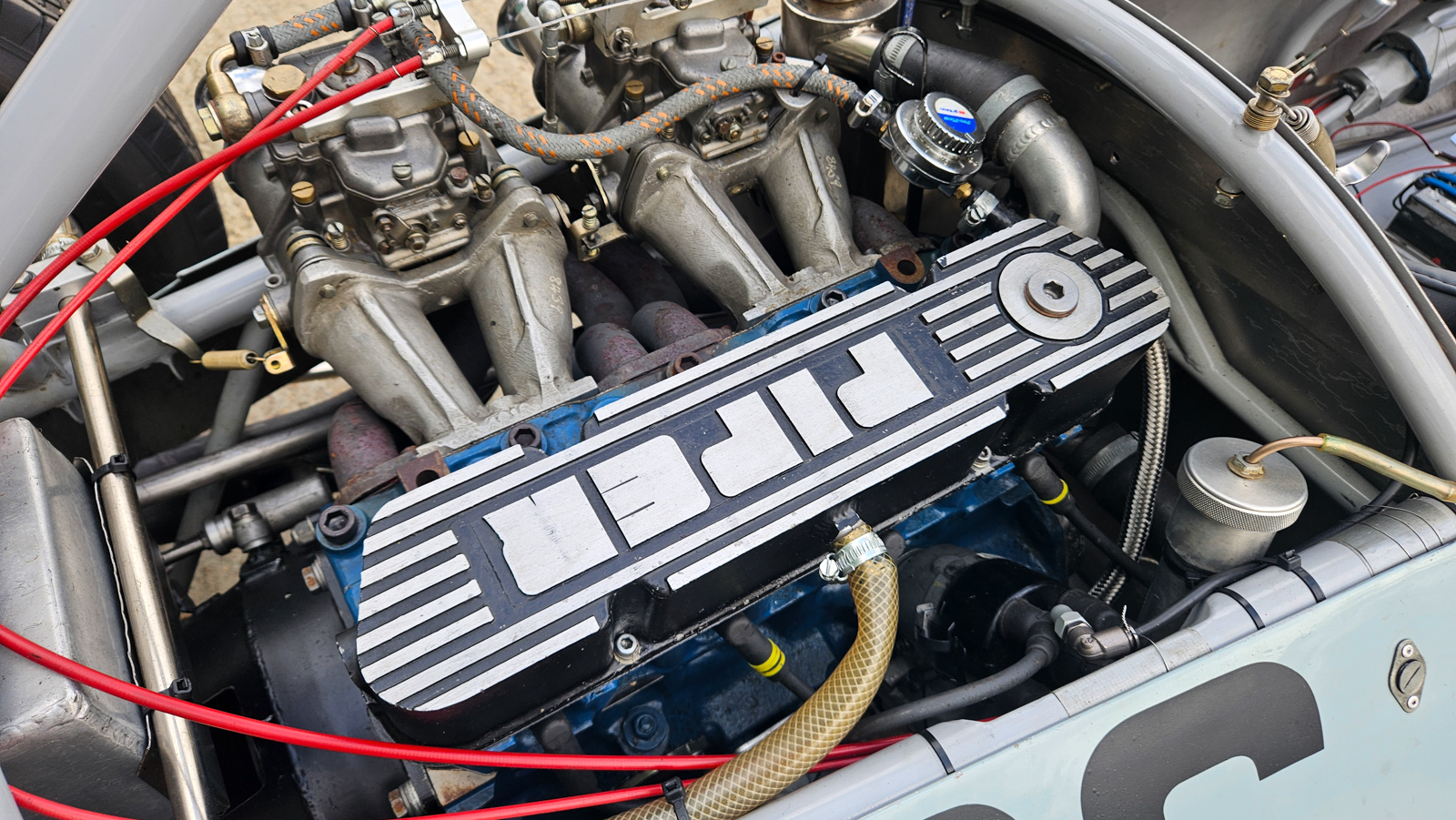
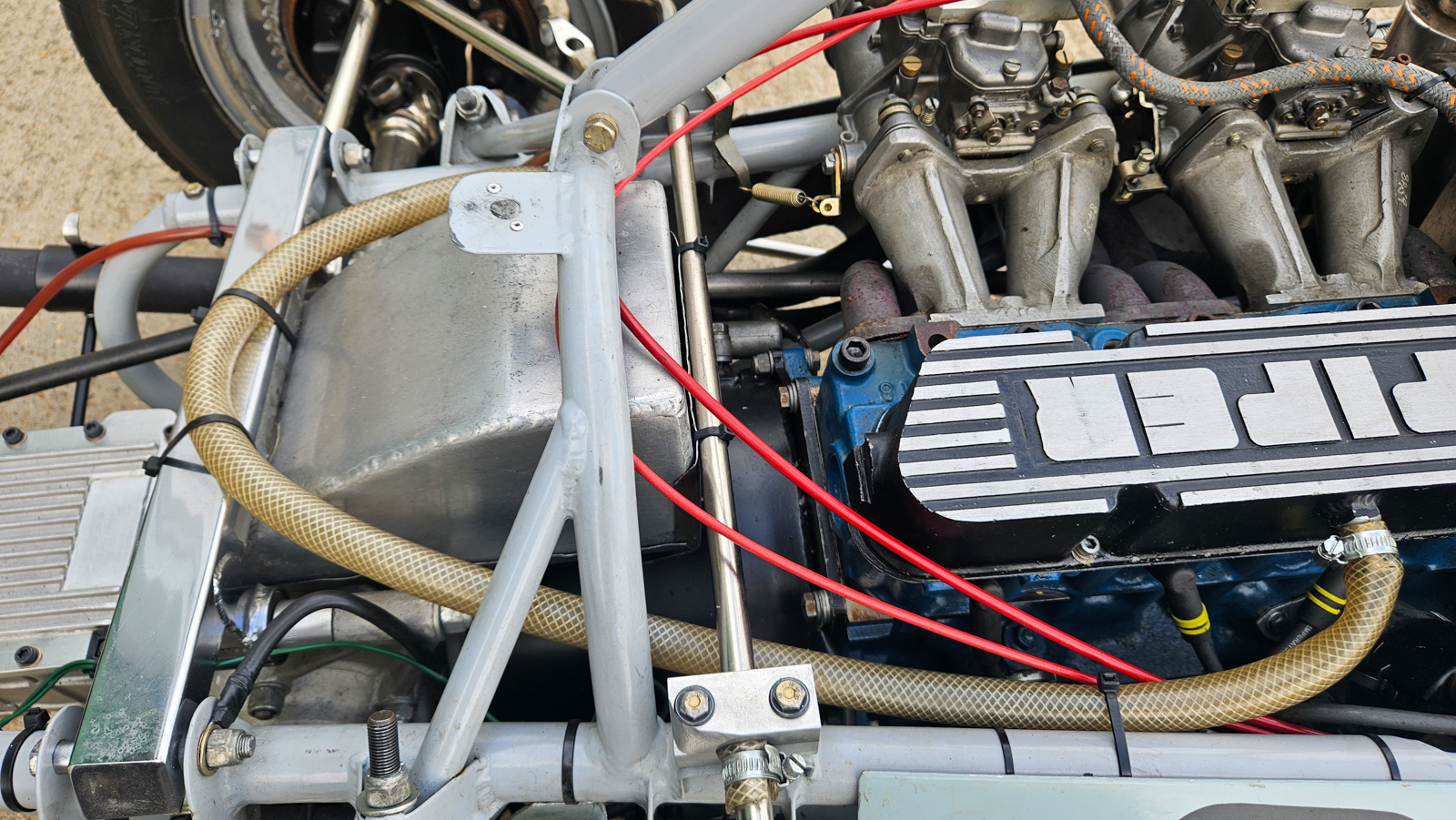
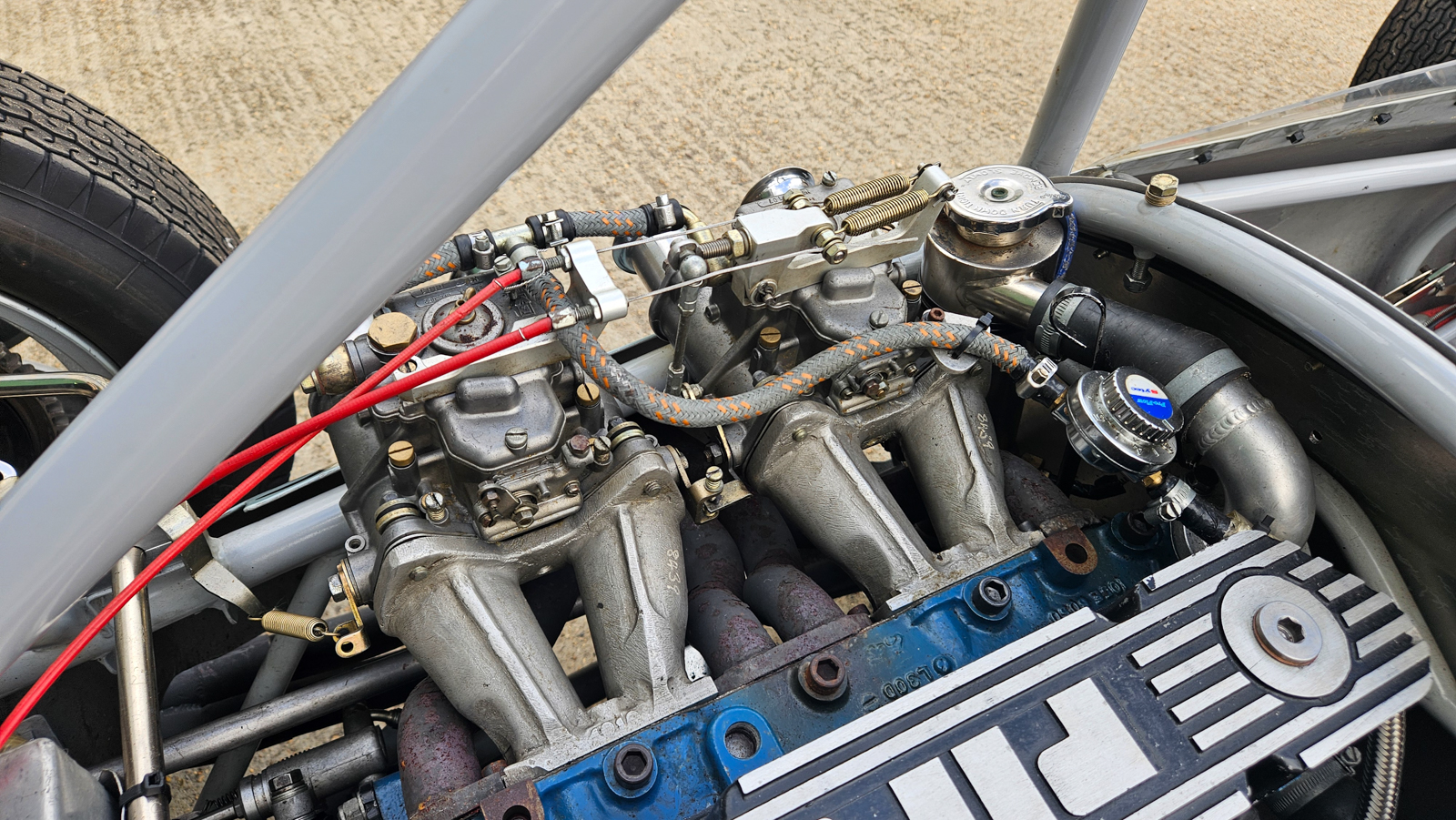
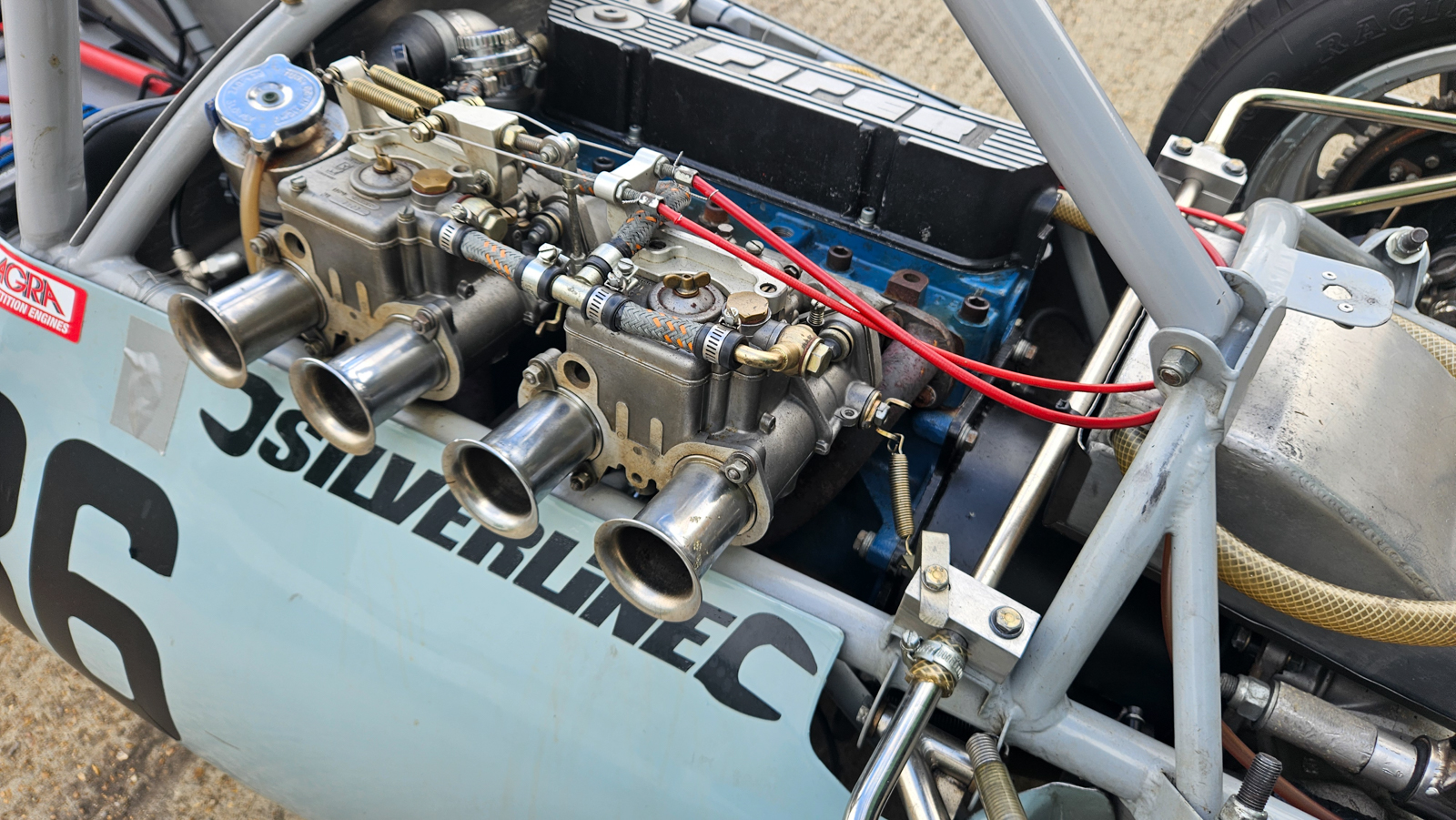
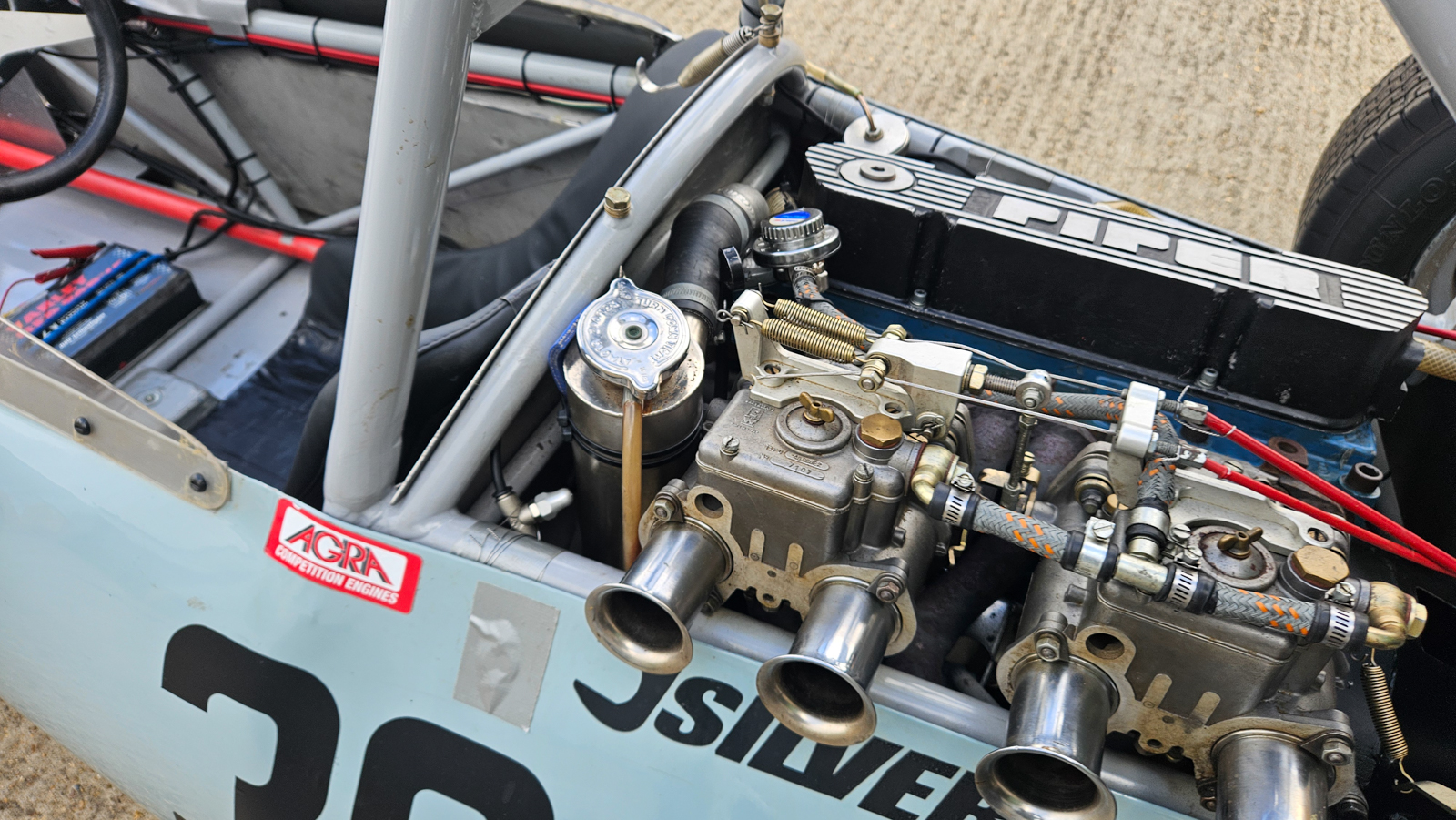
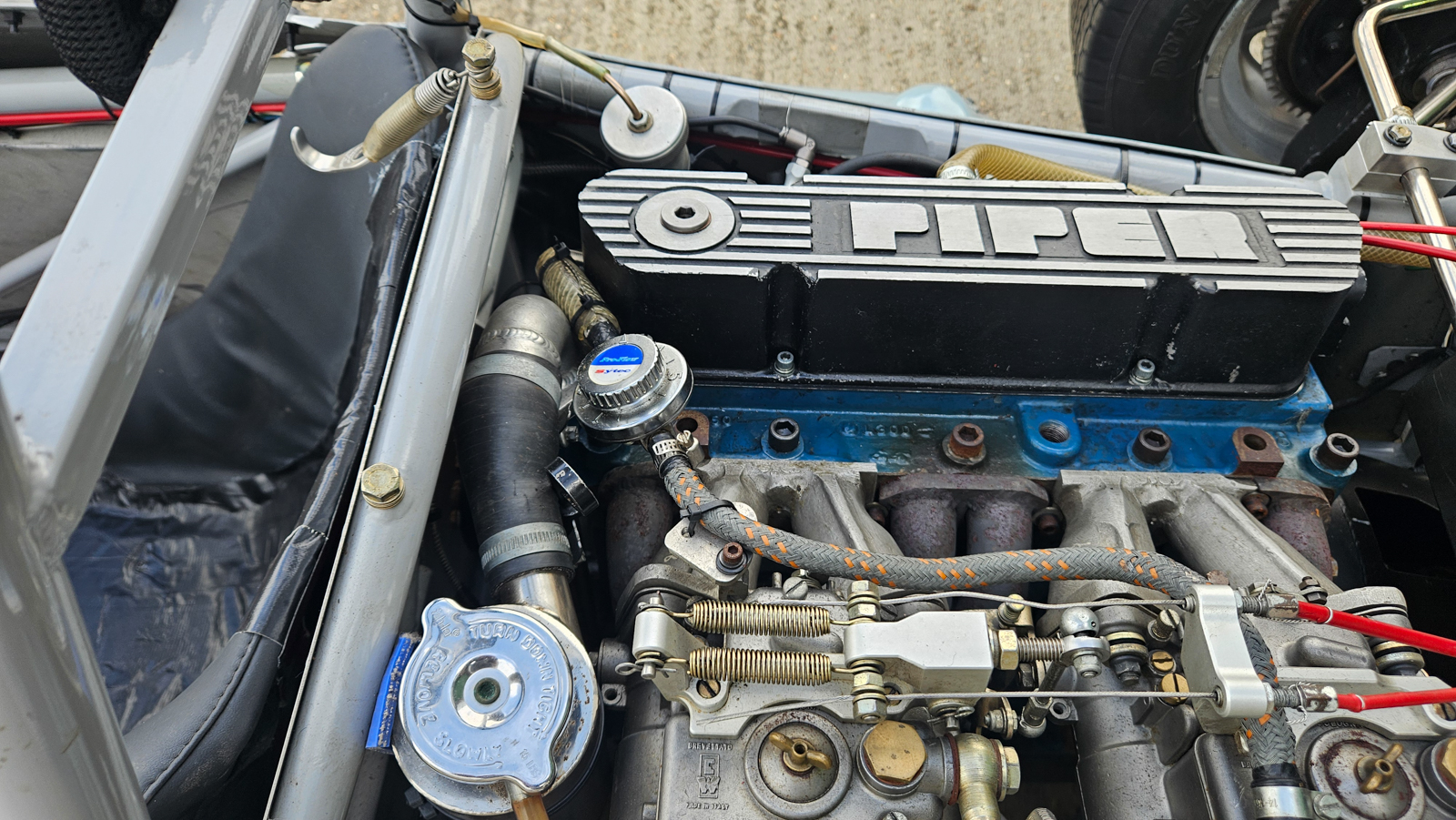
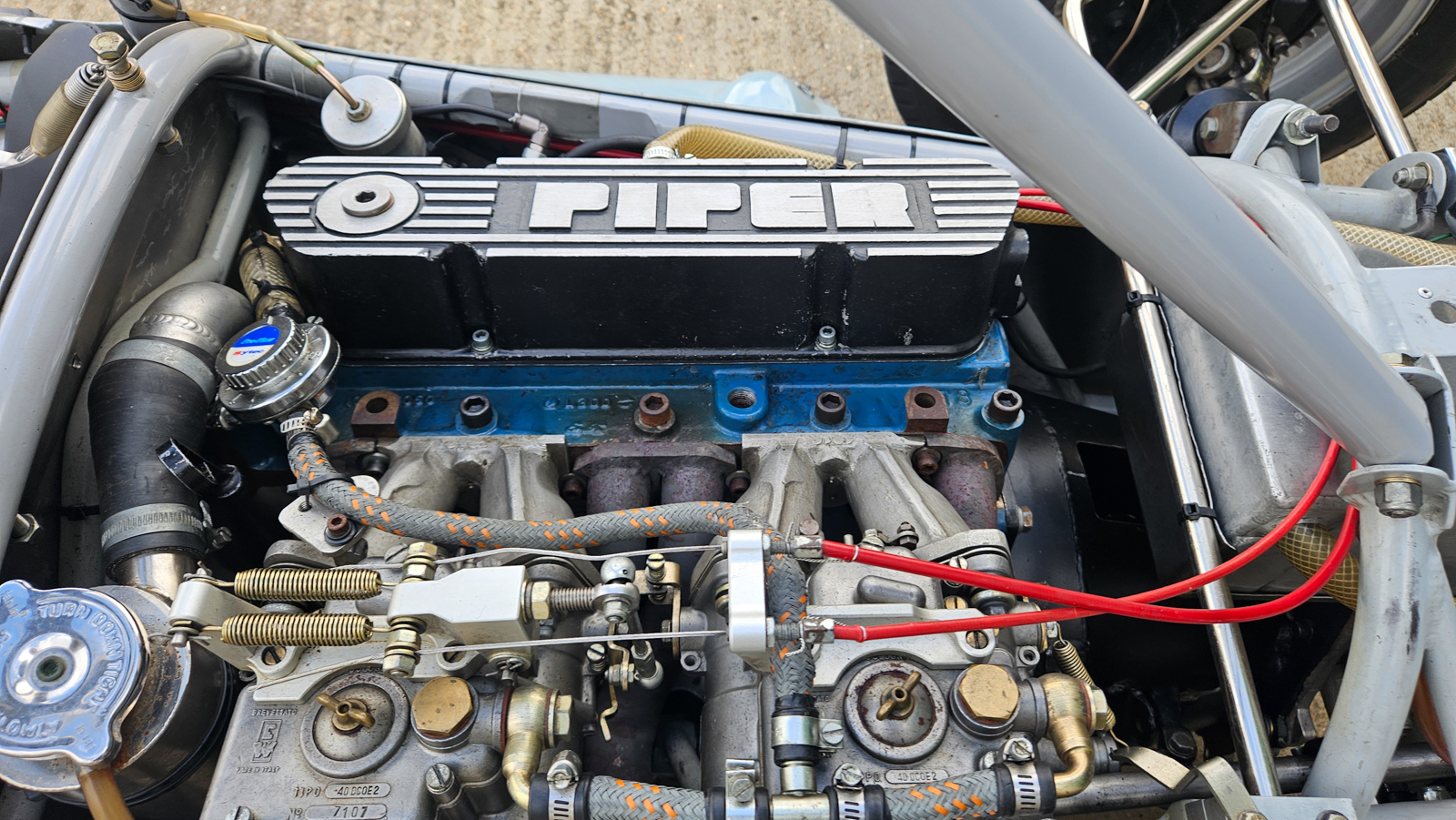
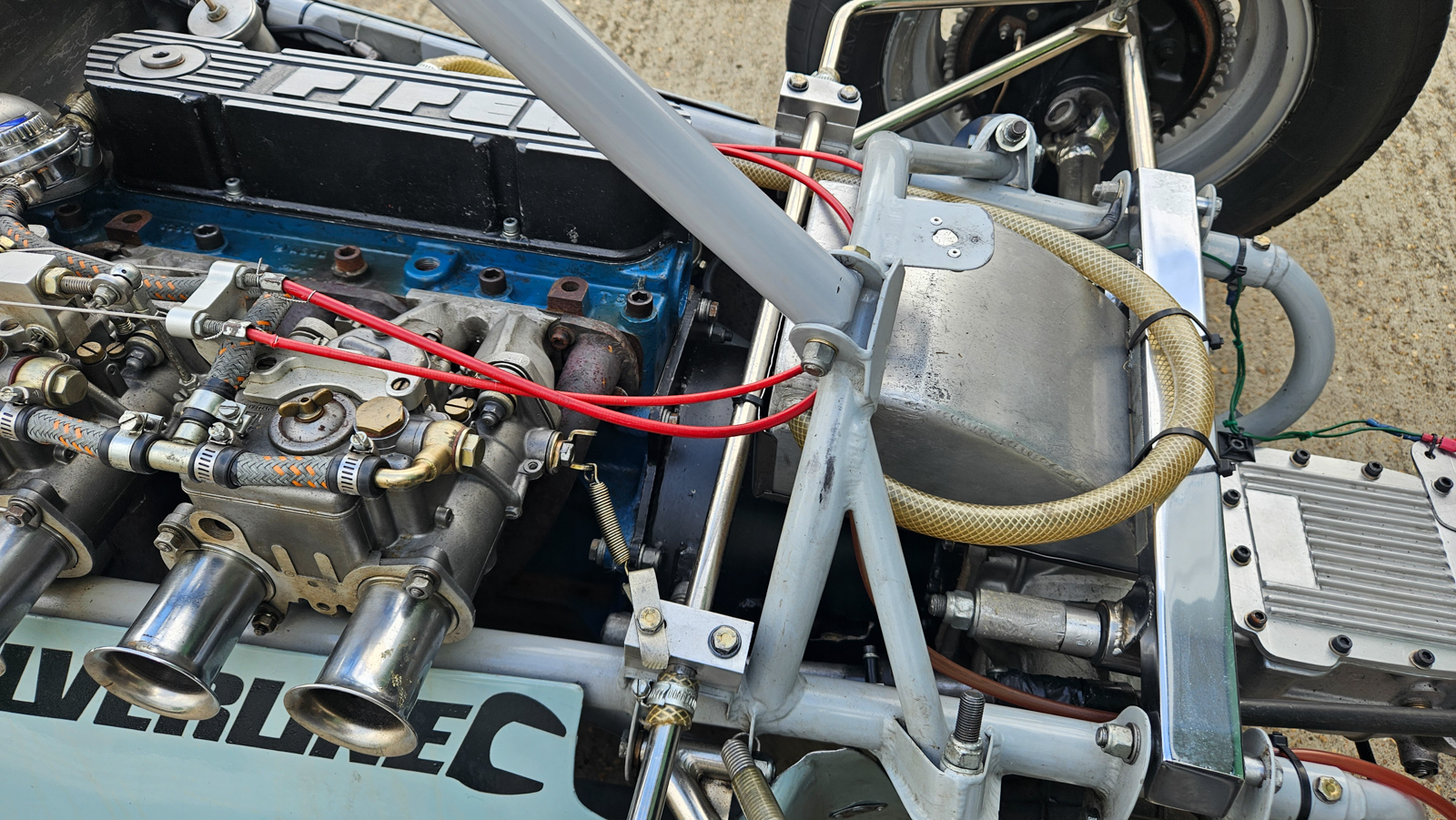
The Kieft is powered by a 1,099cc four-cylinder engine based on the Ford 105E overhead-valve unit.

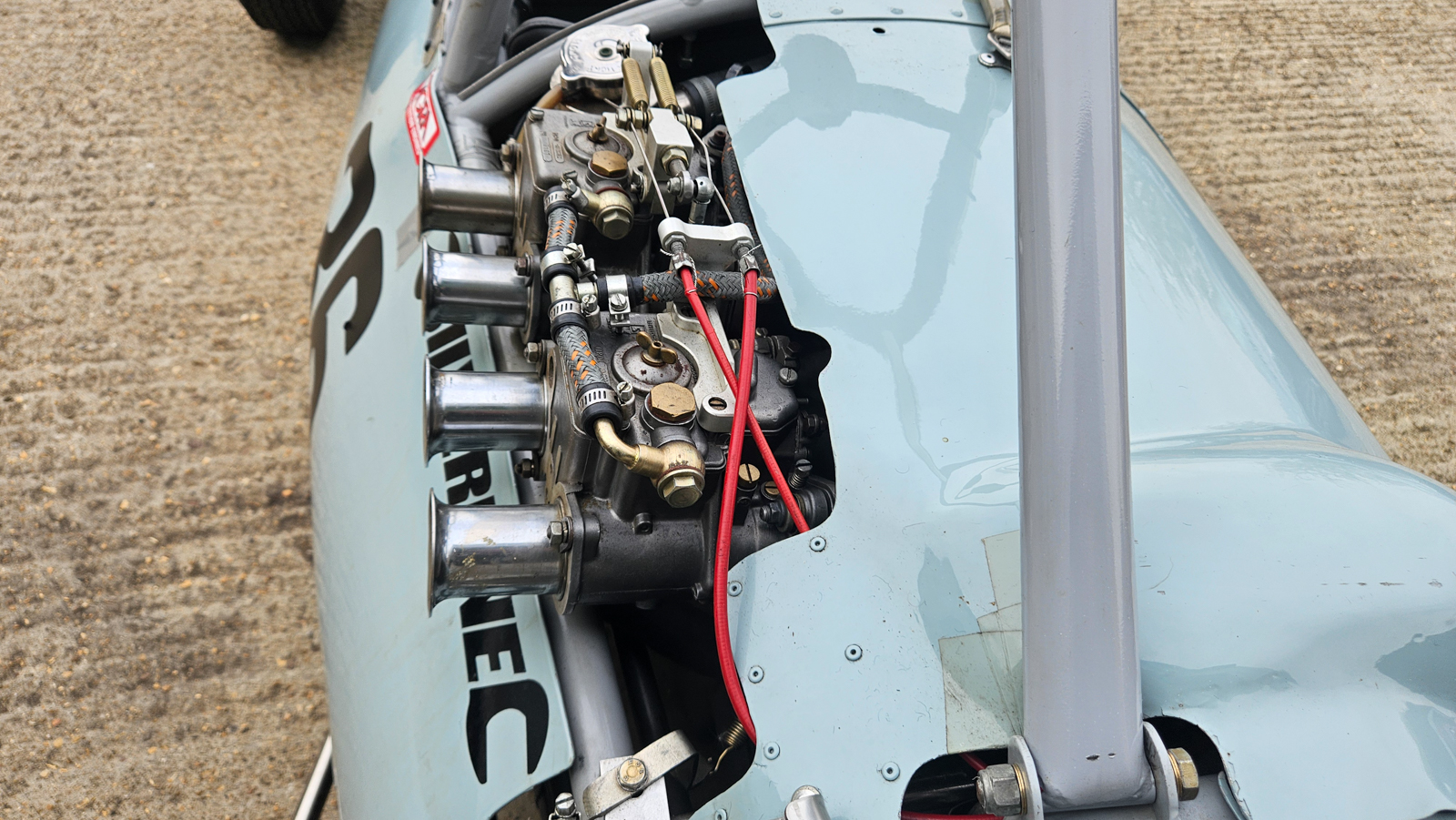
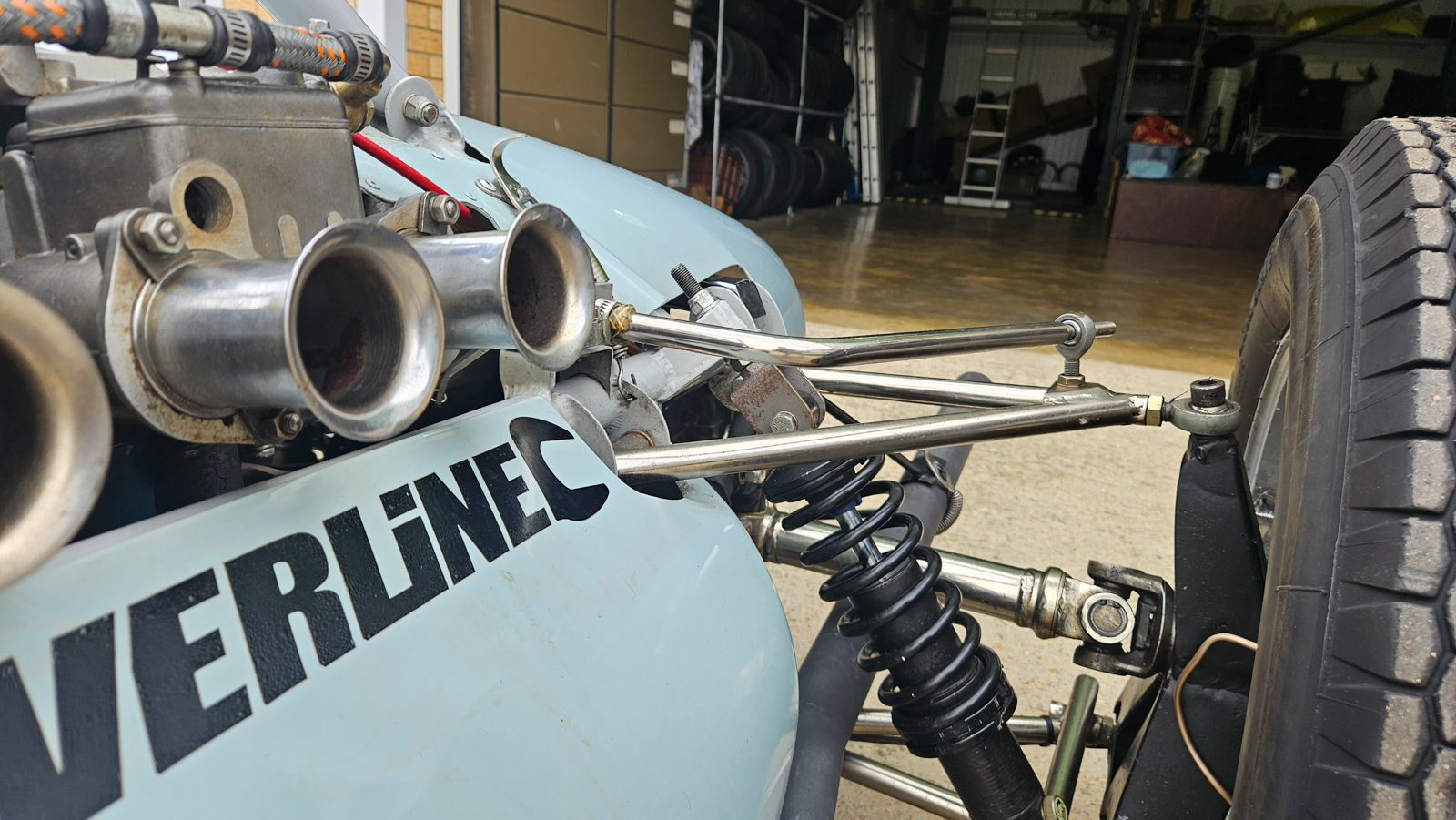
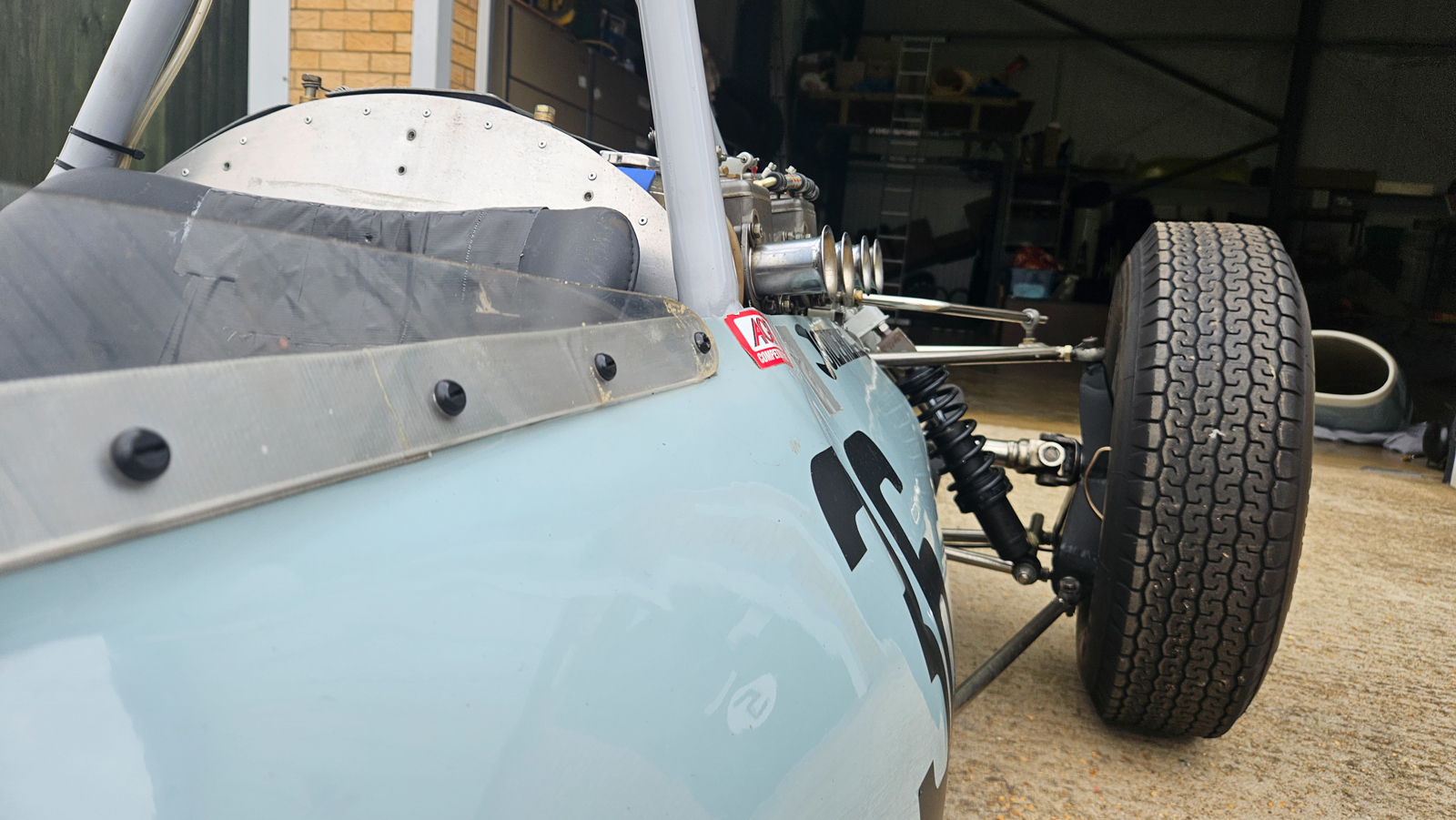
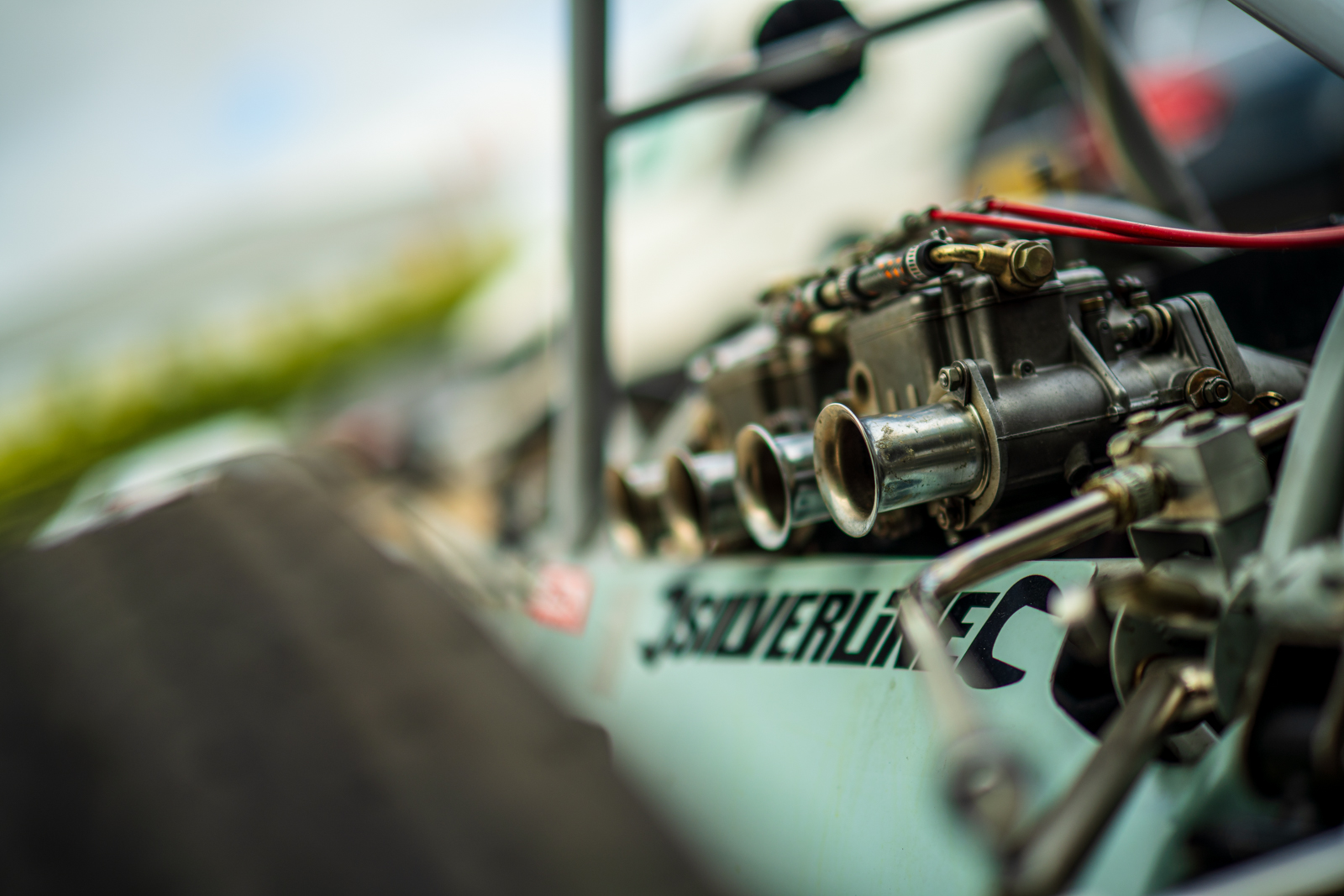
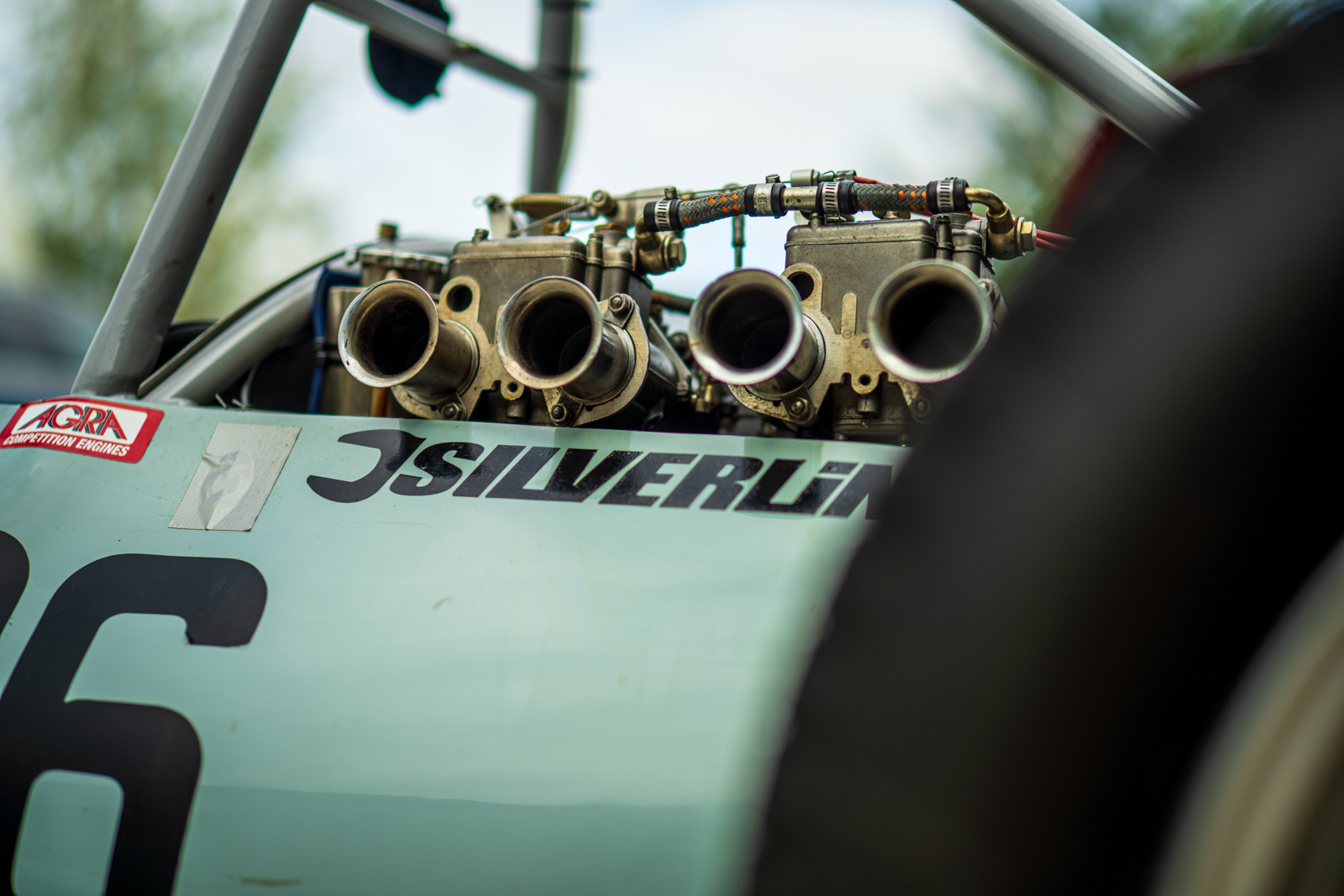
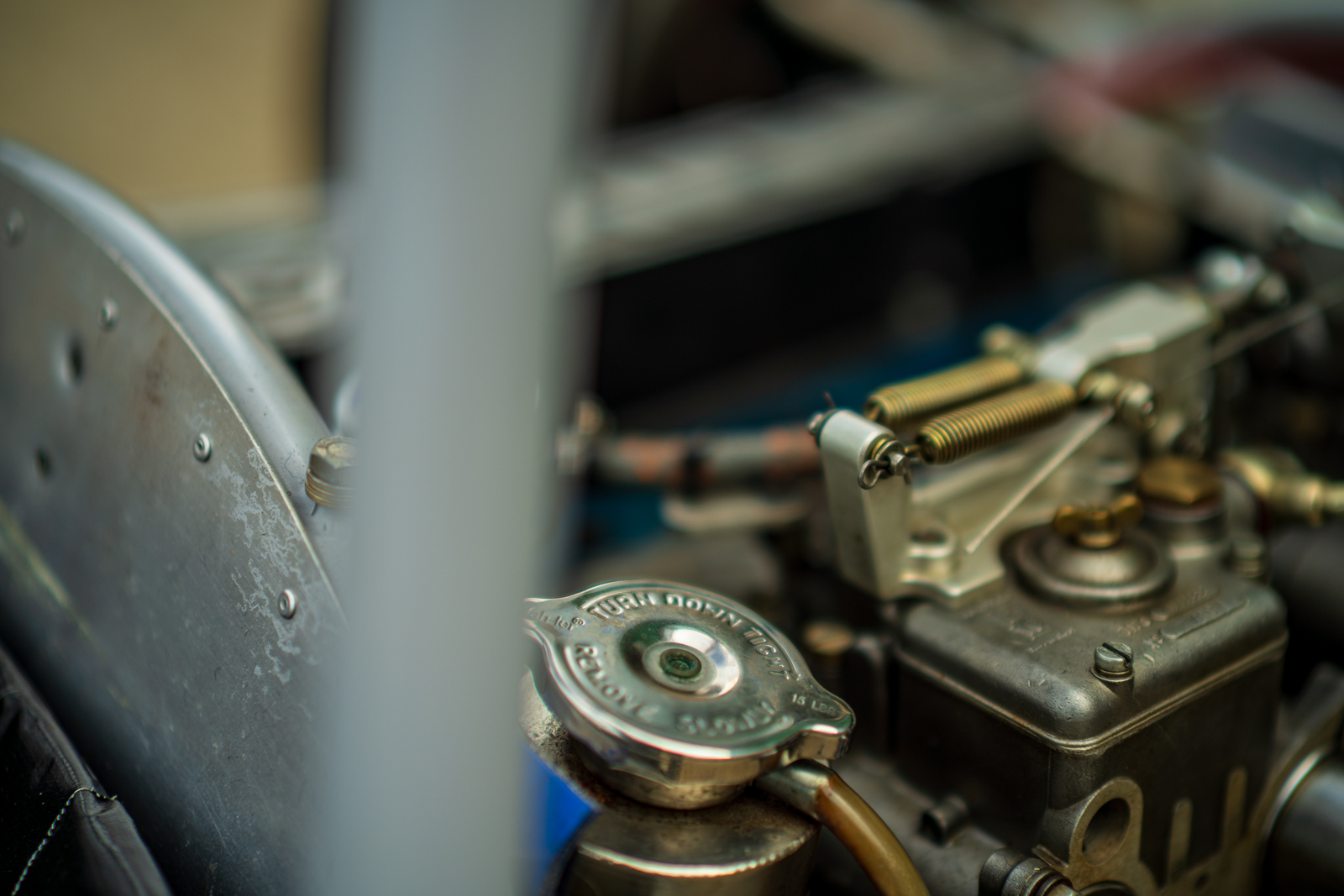
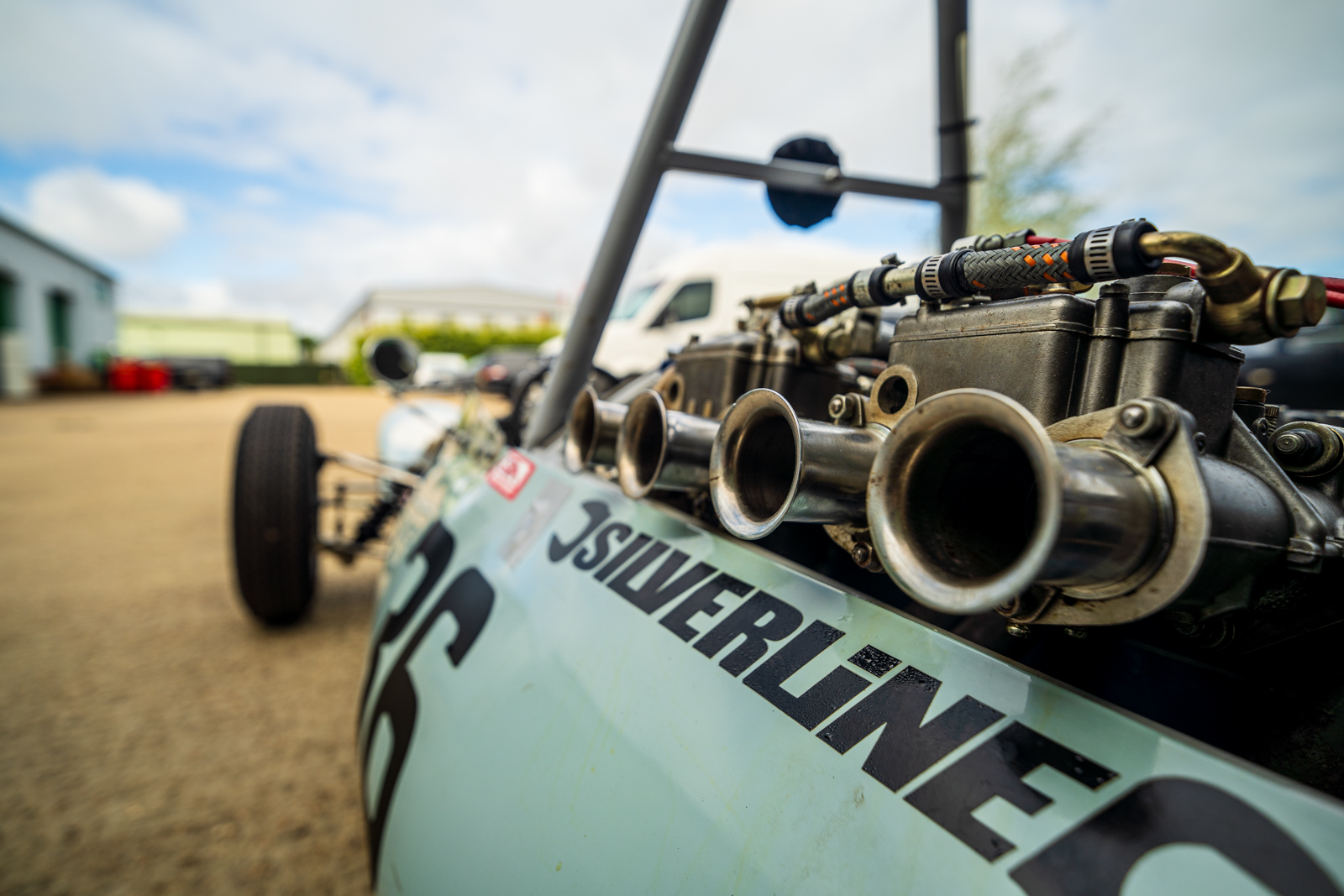
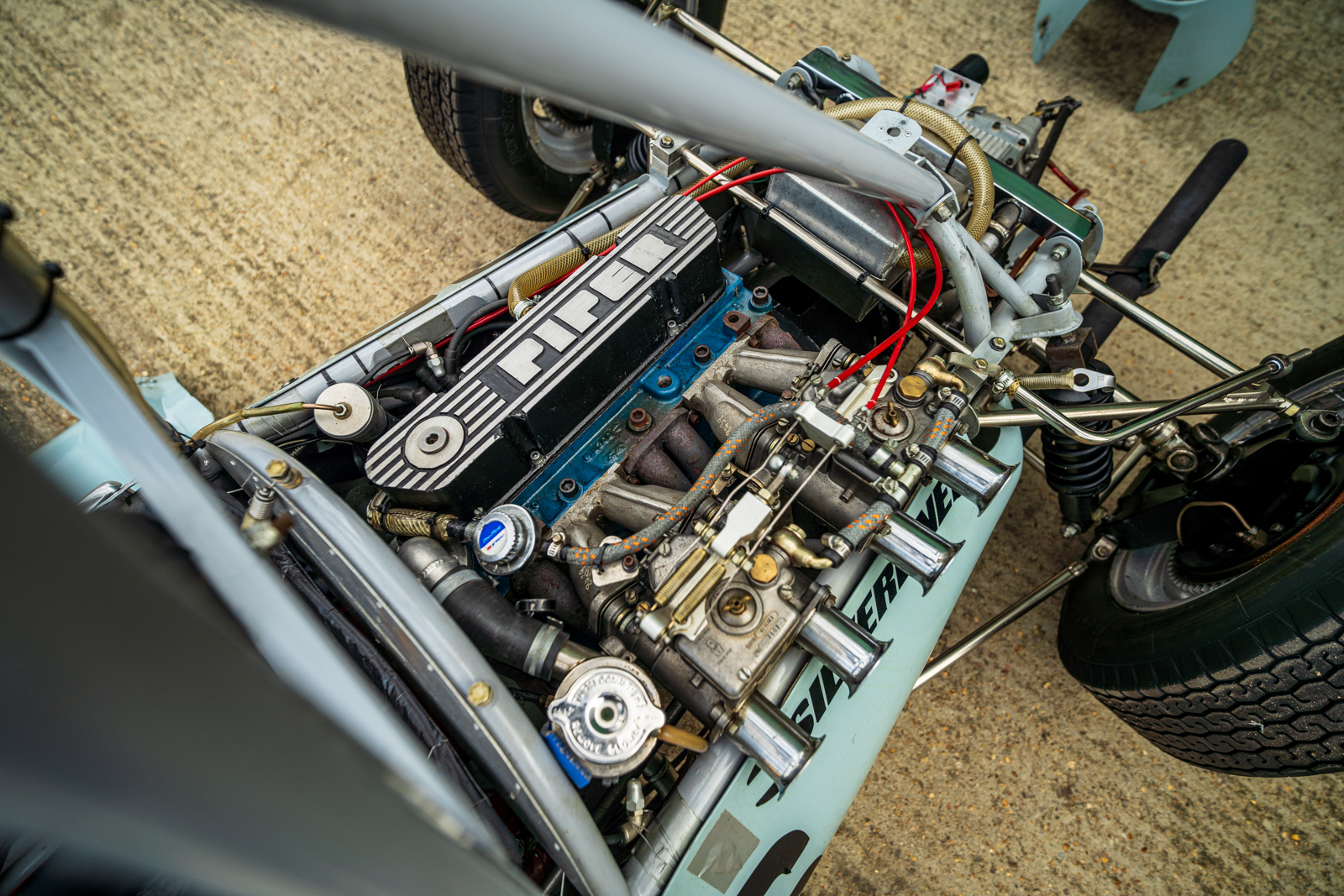
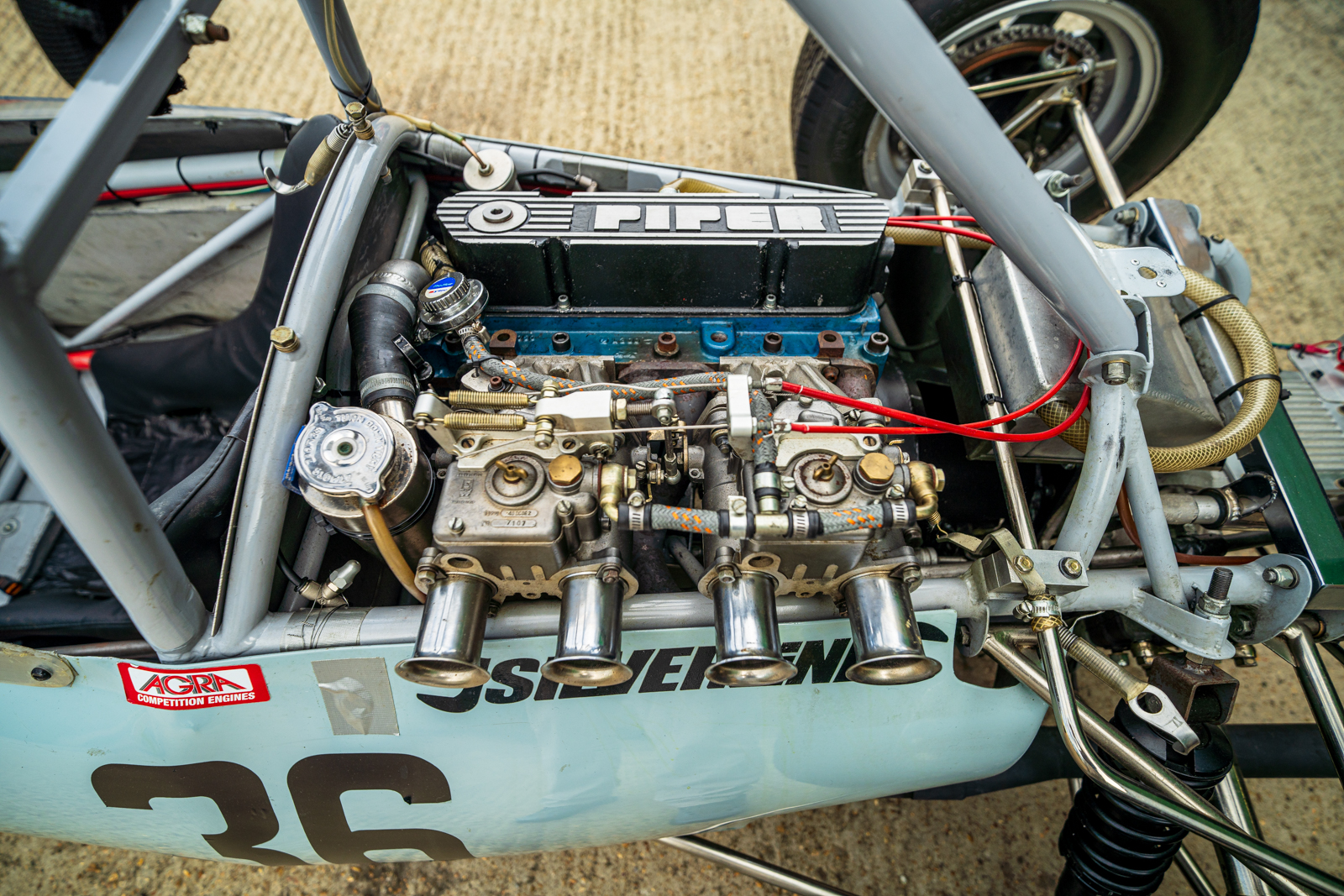
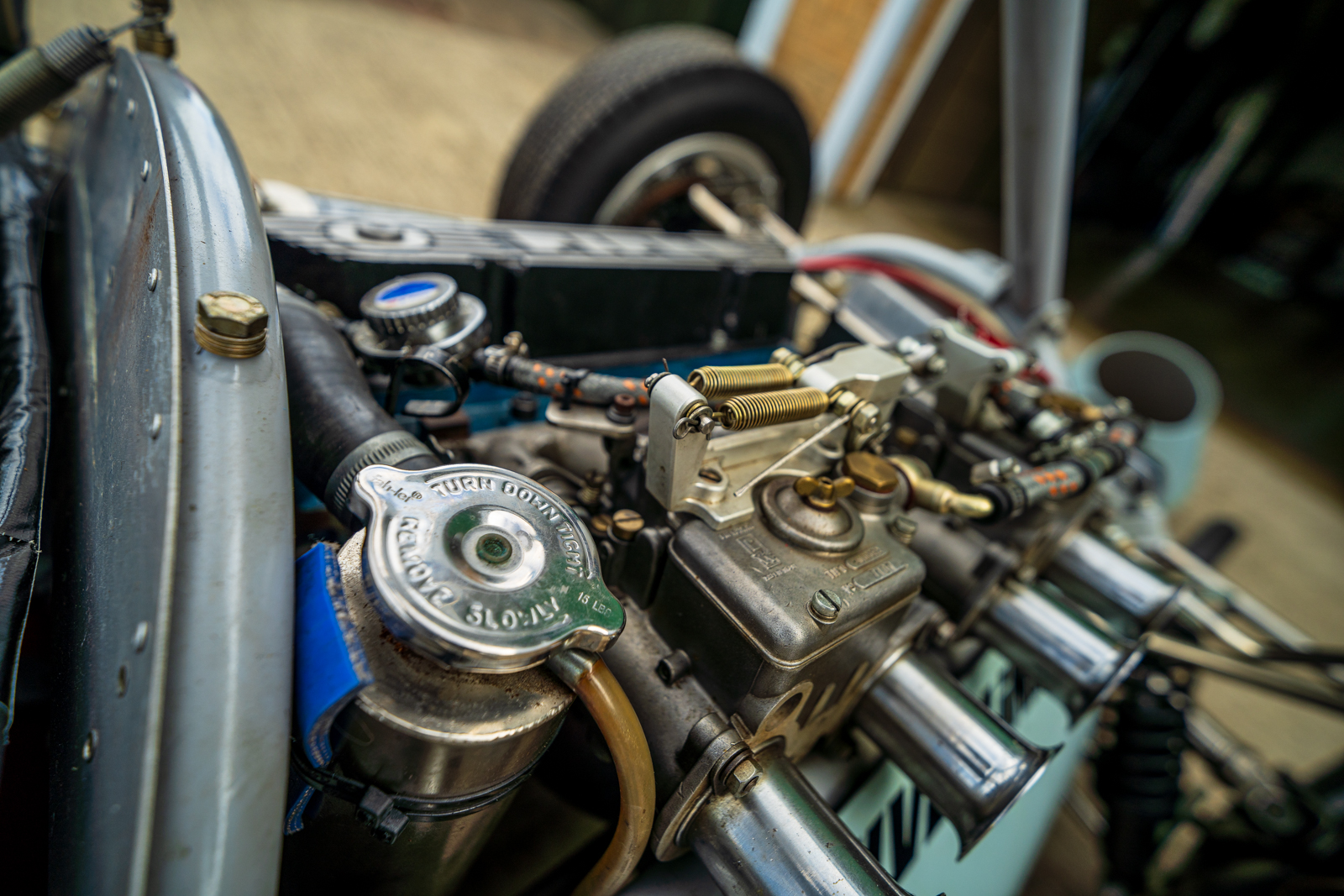
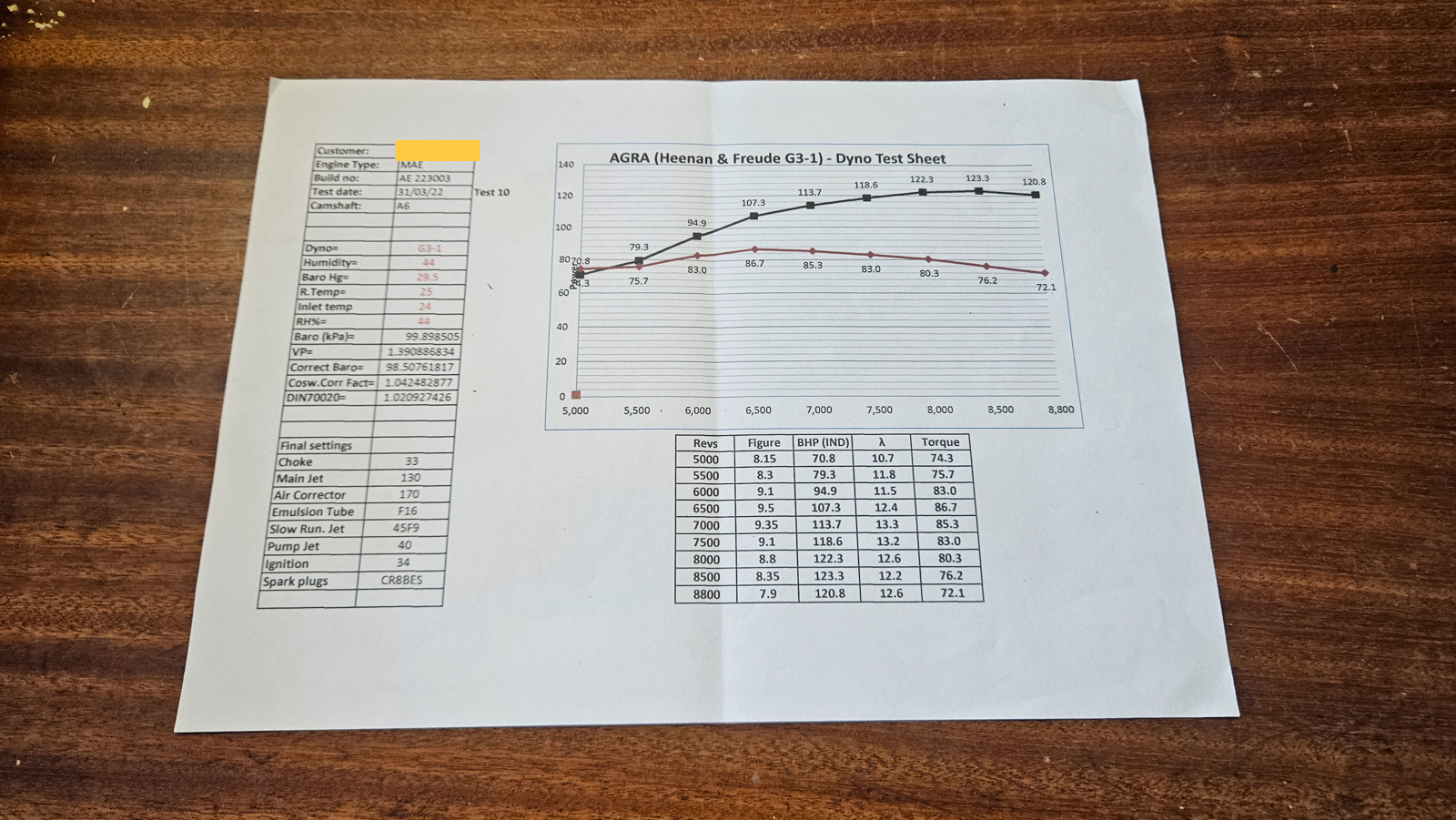
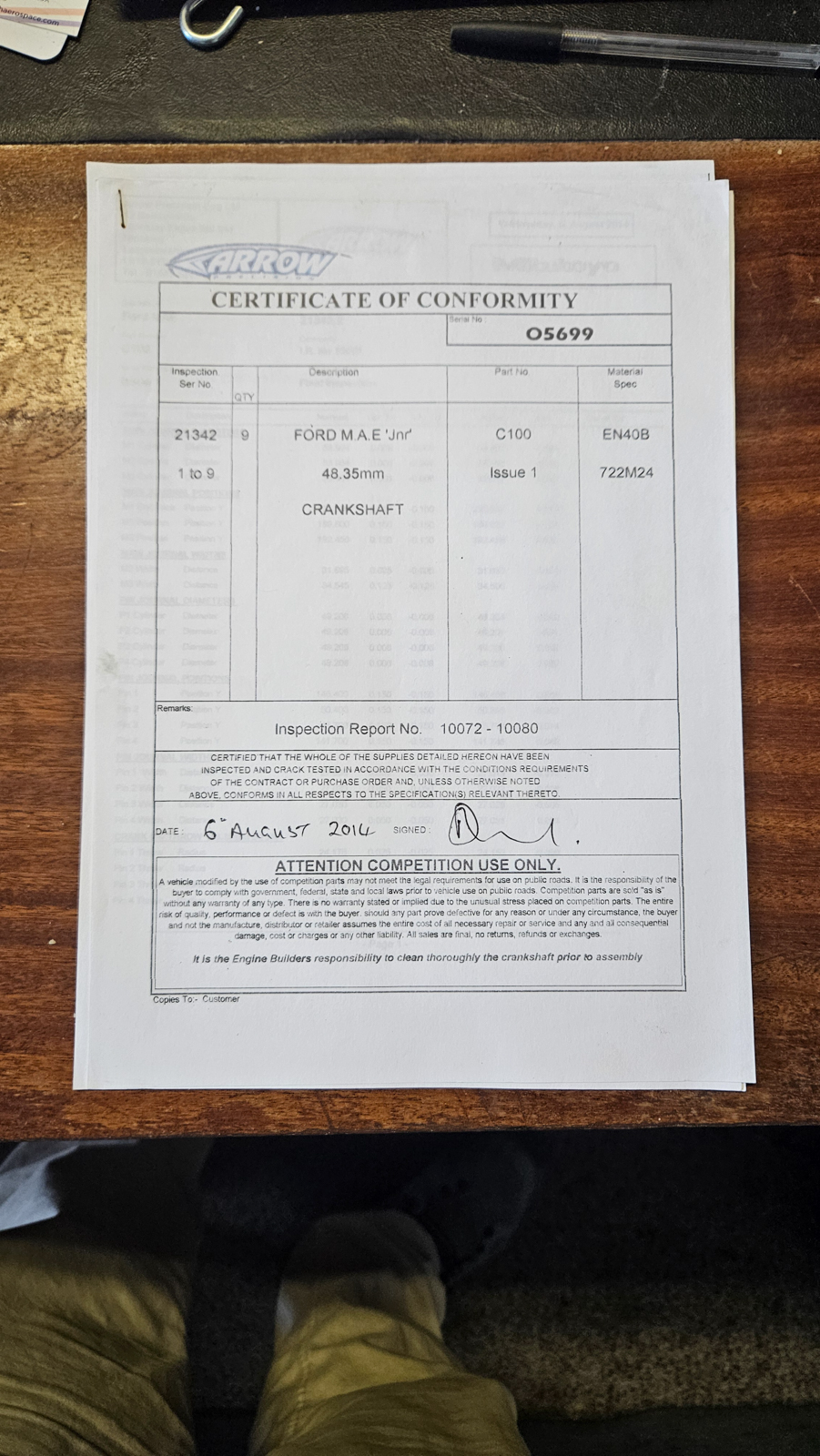
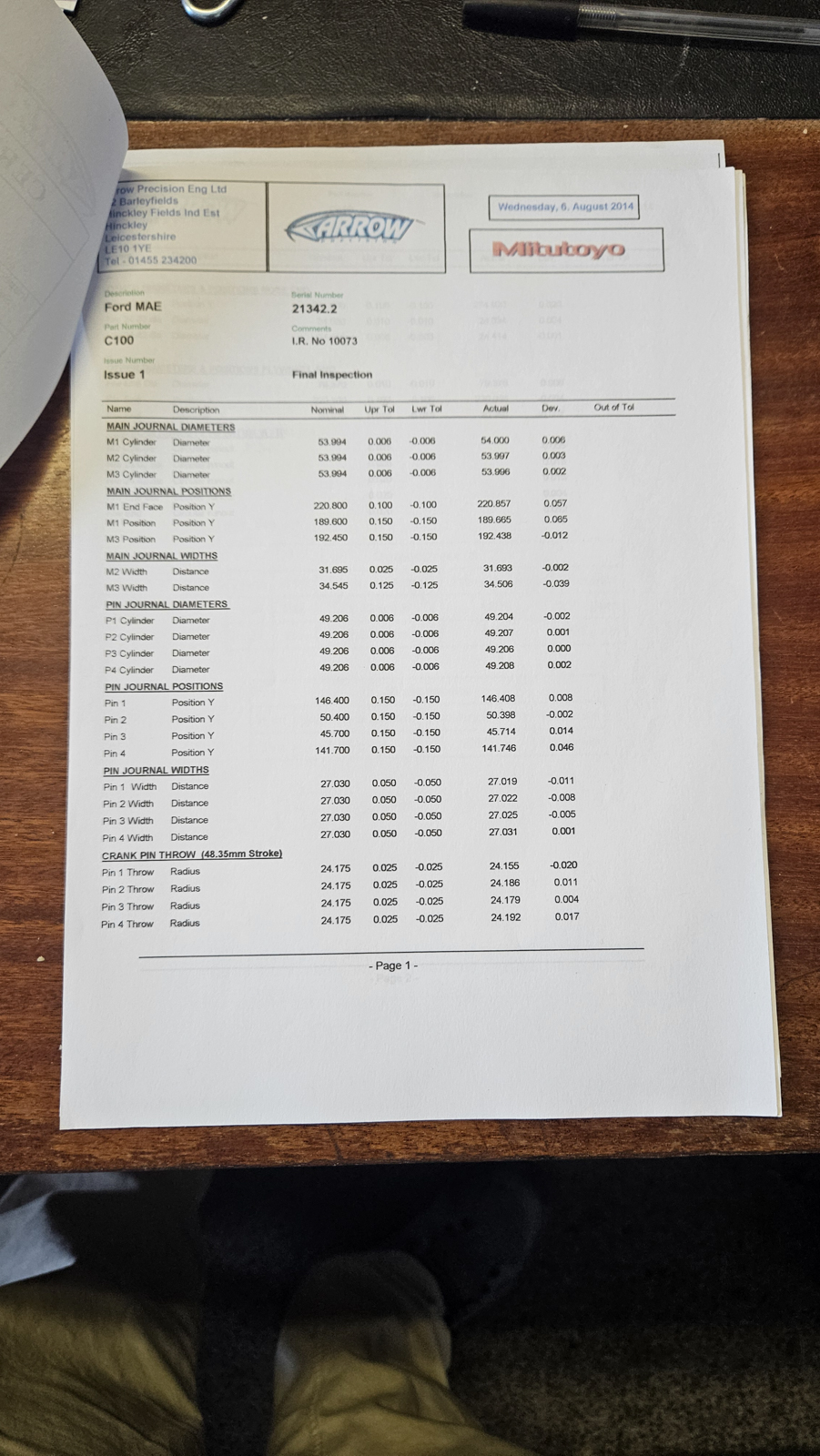
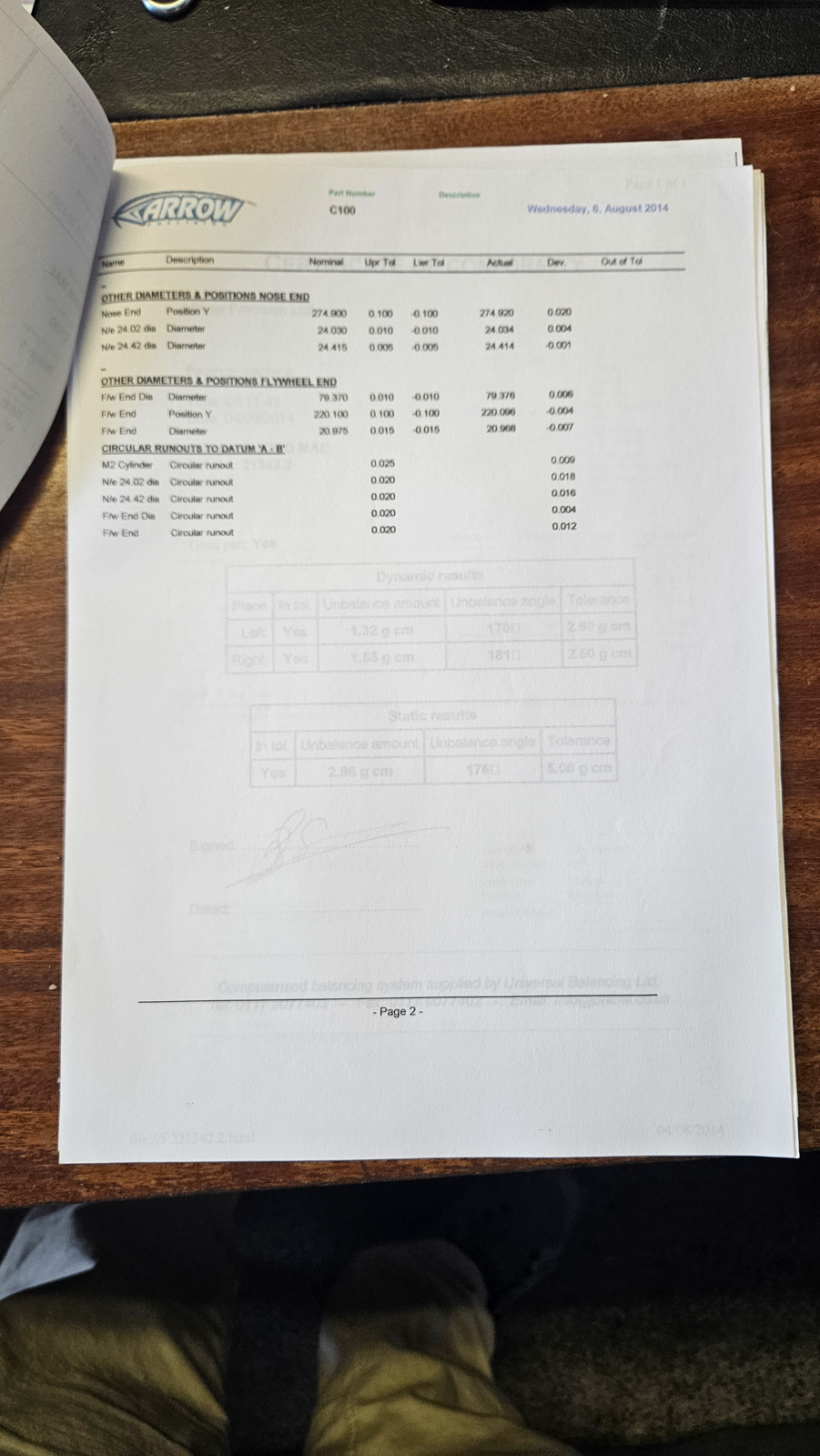
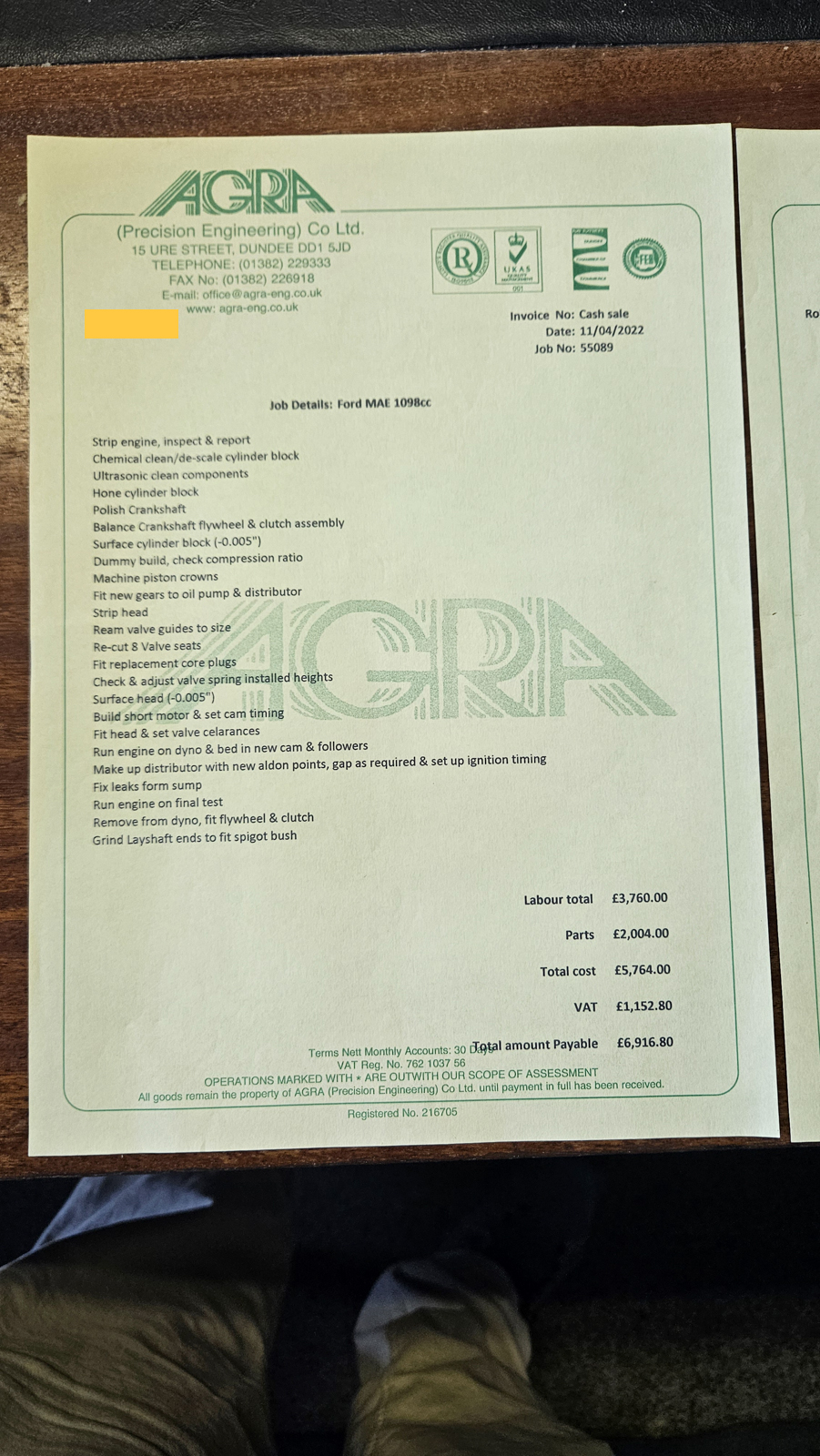
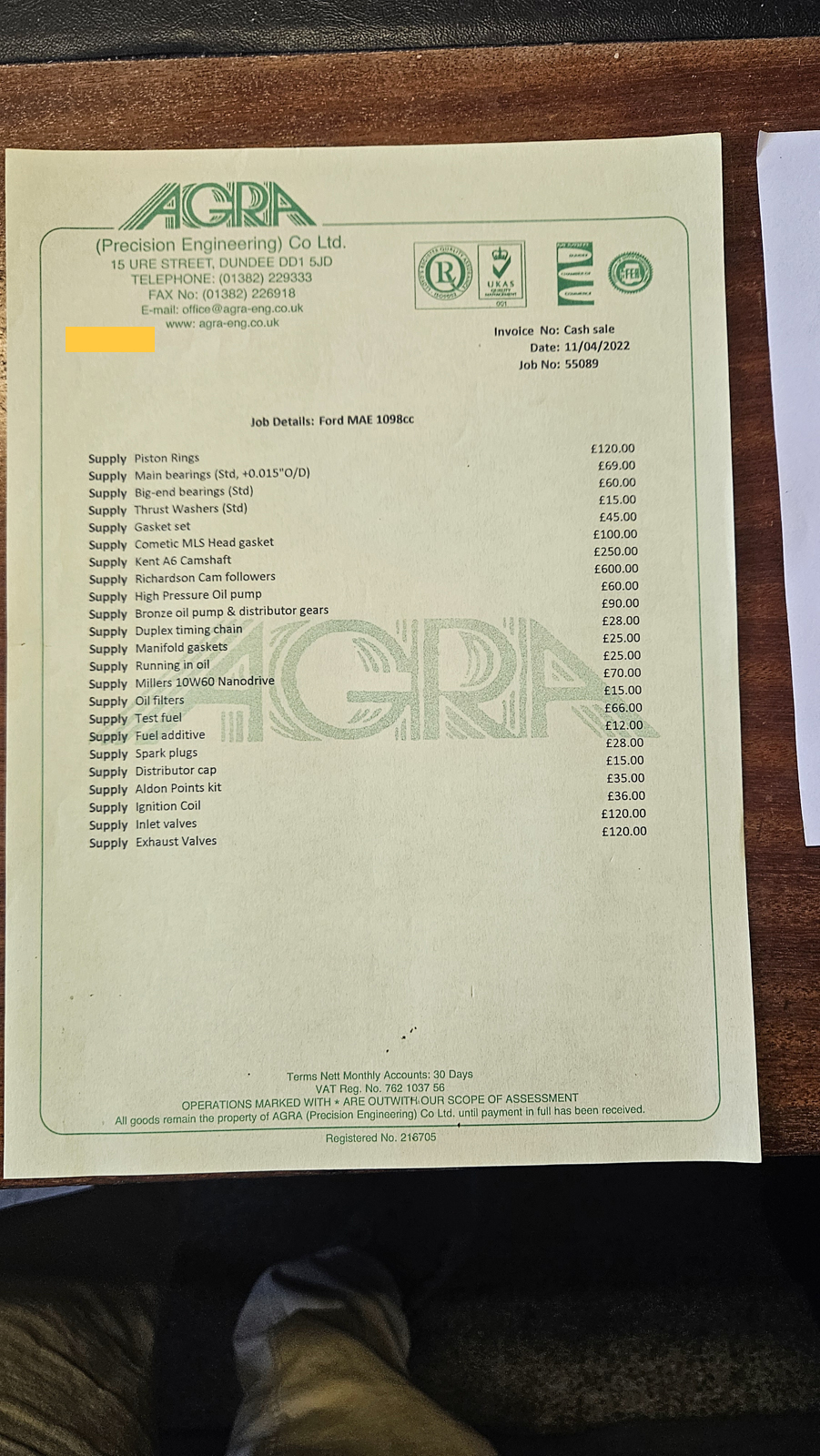
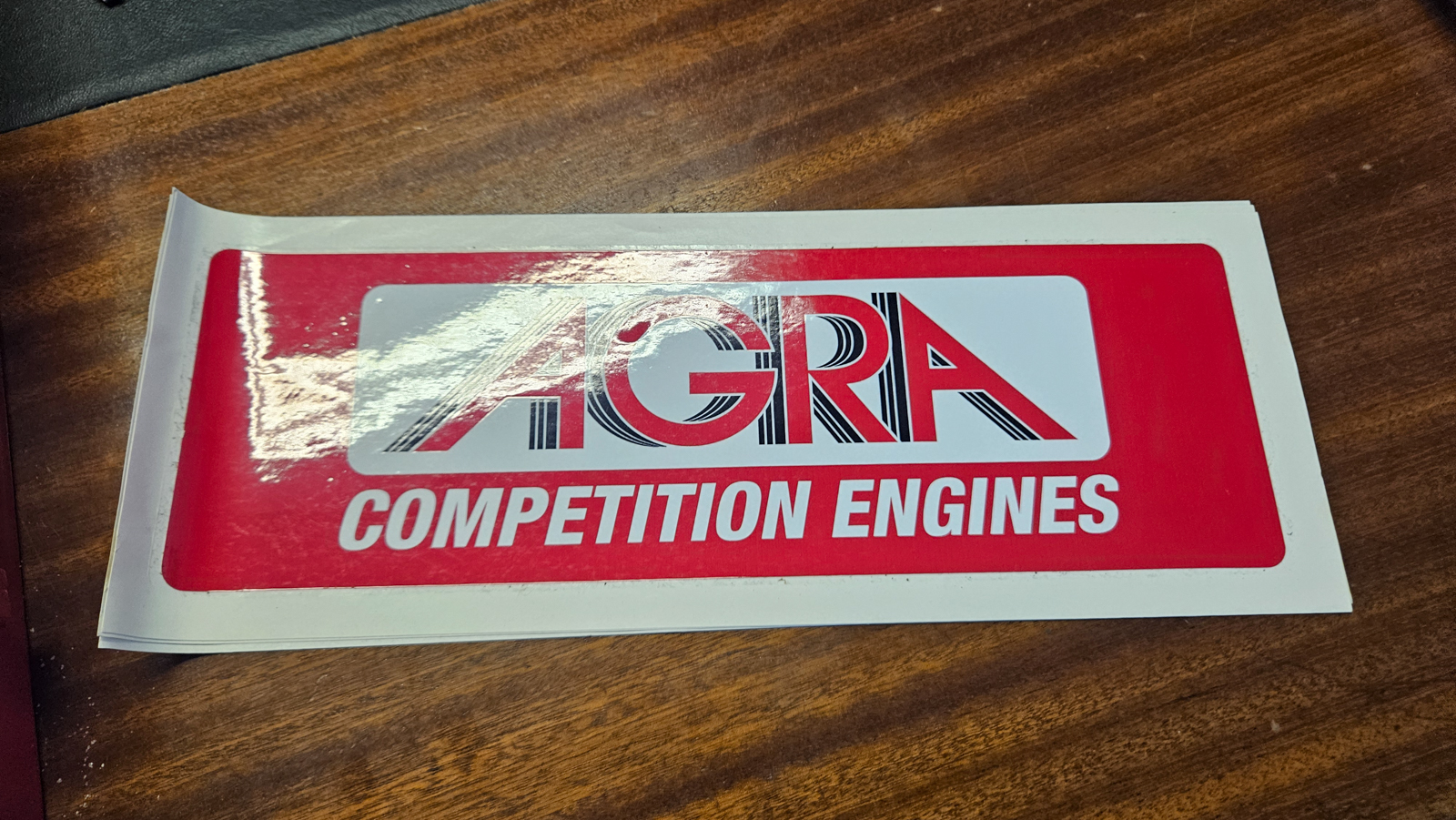
The engine was built for racing by AGRA Competition Engines and is equipped with twin side-draught carburettors and open intake trumpets. The photographed rolling road print-out indicates that the engine is producing a significantly-uplifted 120bhp - compared to its original 83bhp.

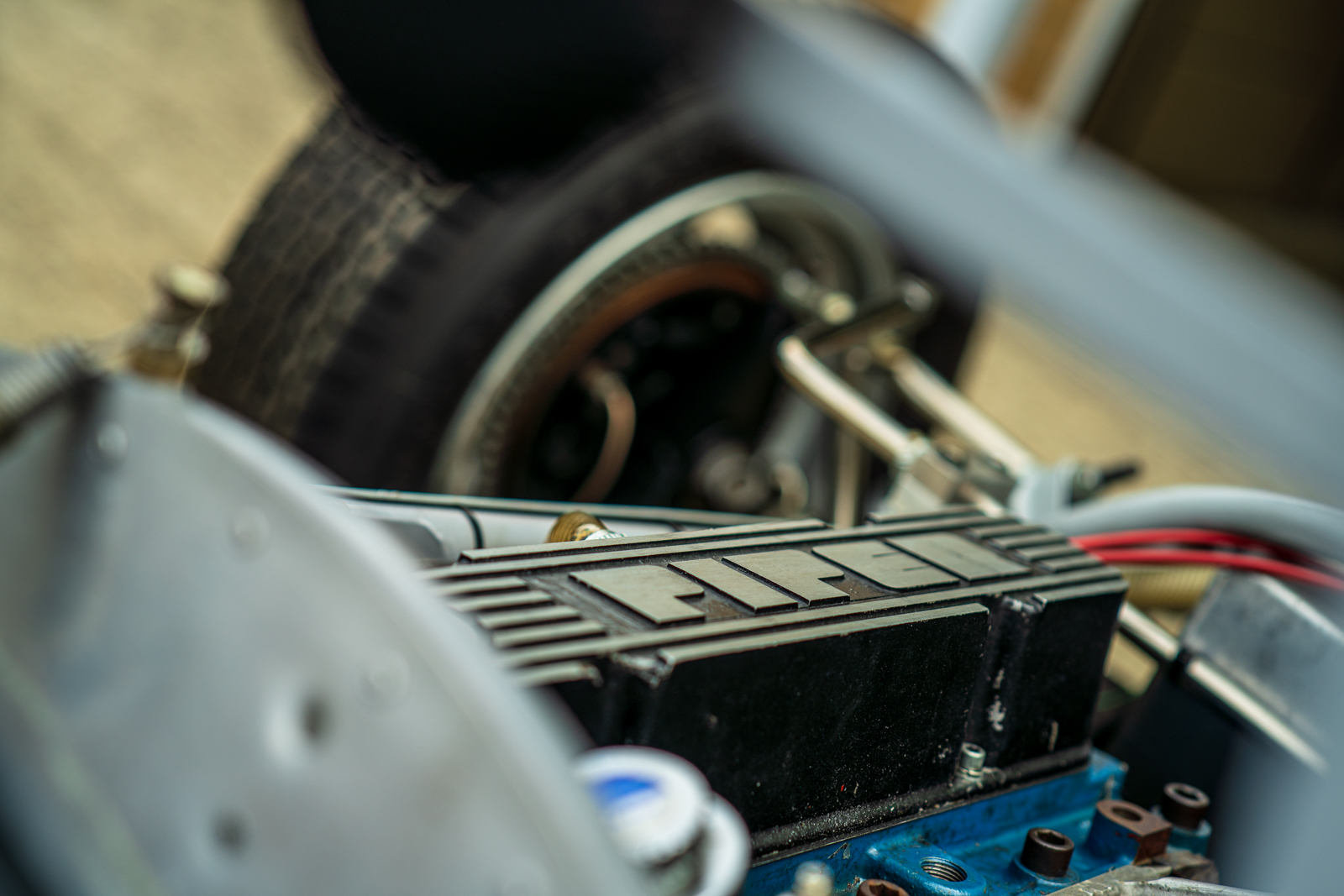
A finned Piper rocker cover and blue-finished engine block add further visual interest to the compact installation.

The Ford 105E was a popular basis for Formula Junior engines because of its simplicity, light weight, and considerable development potential. Period Kieft production cars were normally fitted with this engine, making this installation consistent with the original specification of the model.

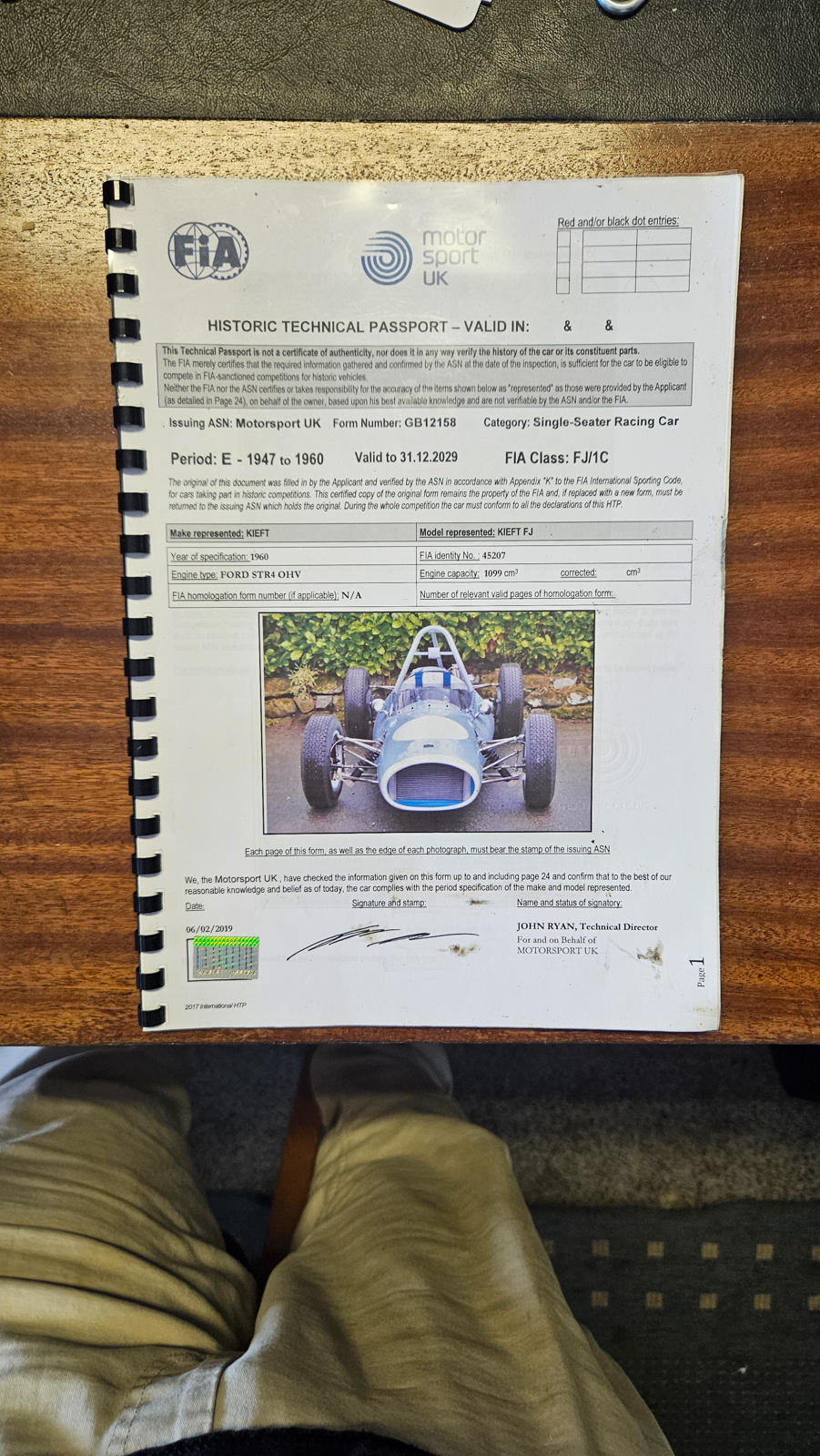
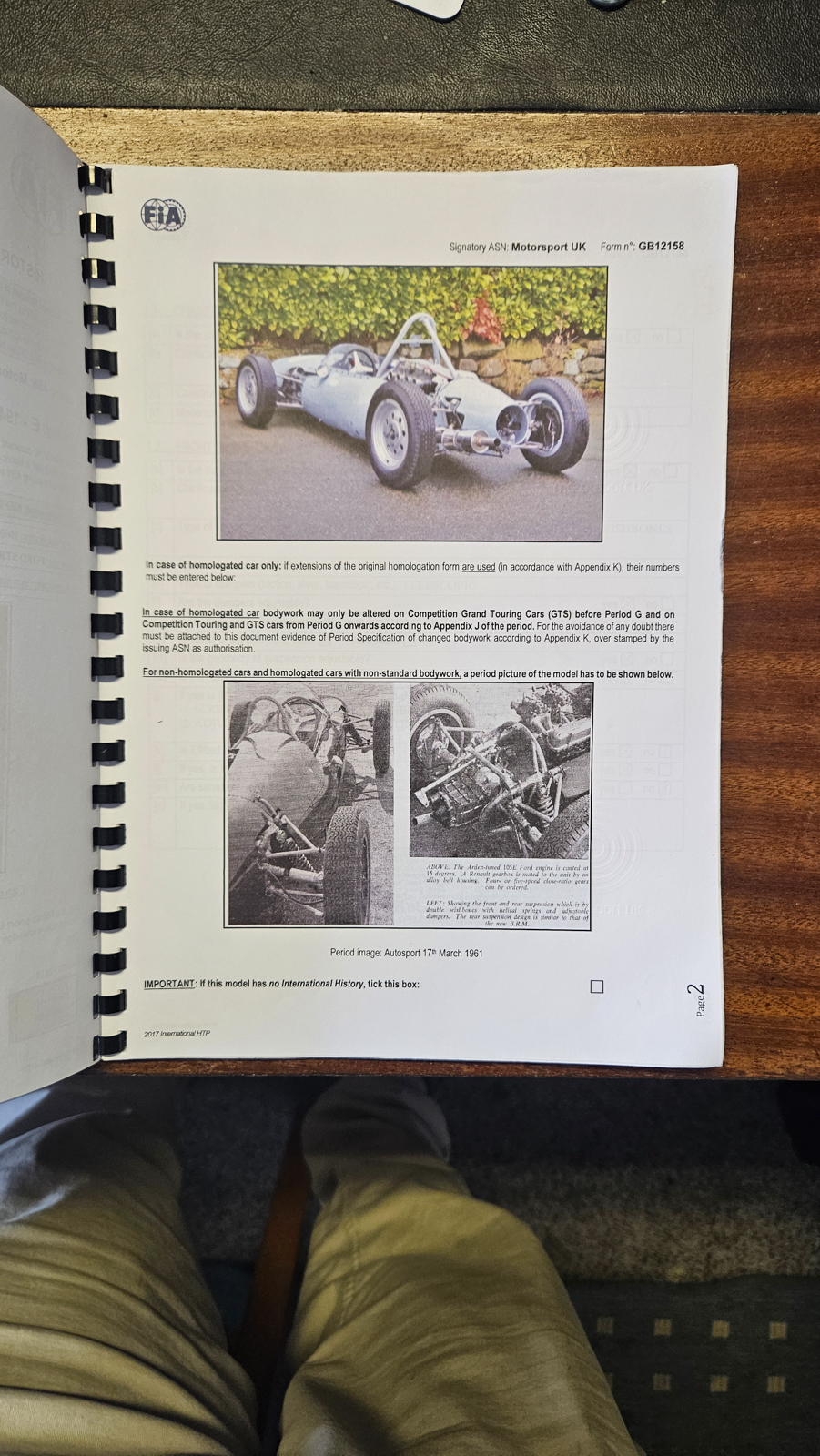
The car’s Motorsport UK Historic Technical Passport records the engine as a 1,099cc Ford overhead-valve four-cylinder.

During our visit, the Kieft started readily and ran very well. The engine sounded crisp and purposeful, with the open induction and competition exhaust providing a wonderfully evocative soundtrack.

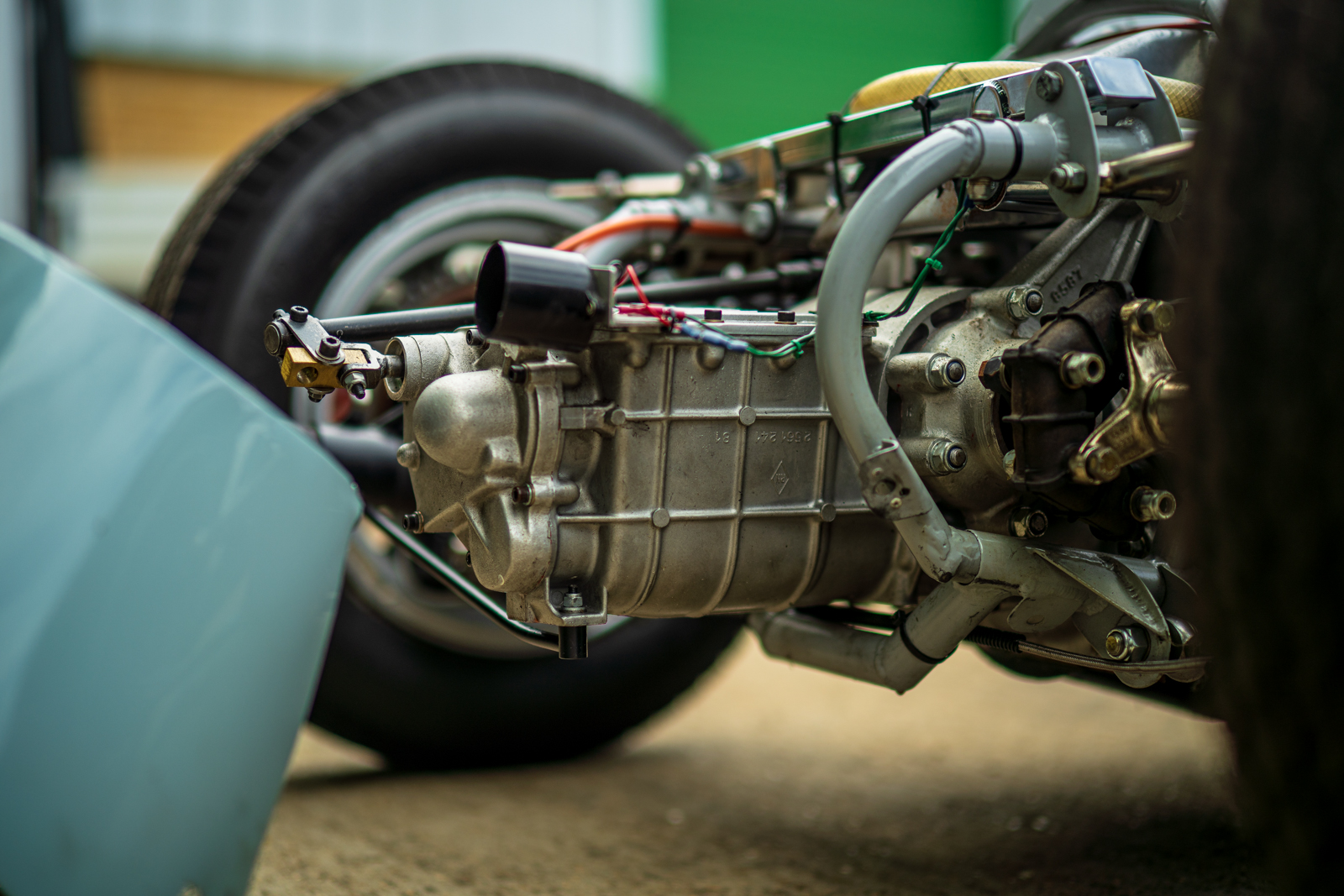
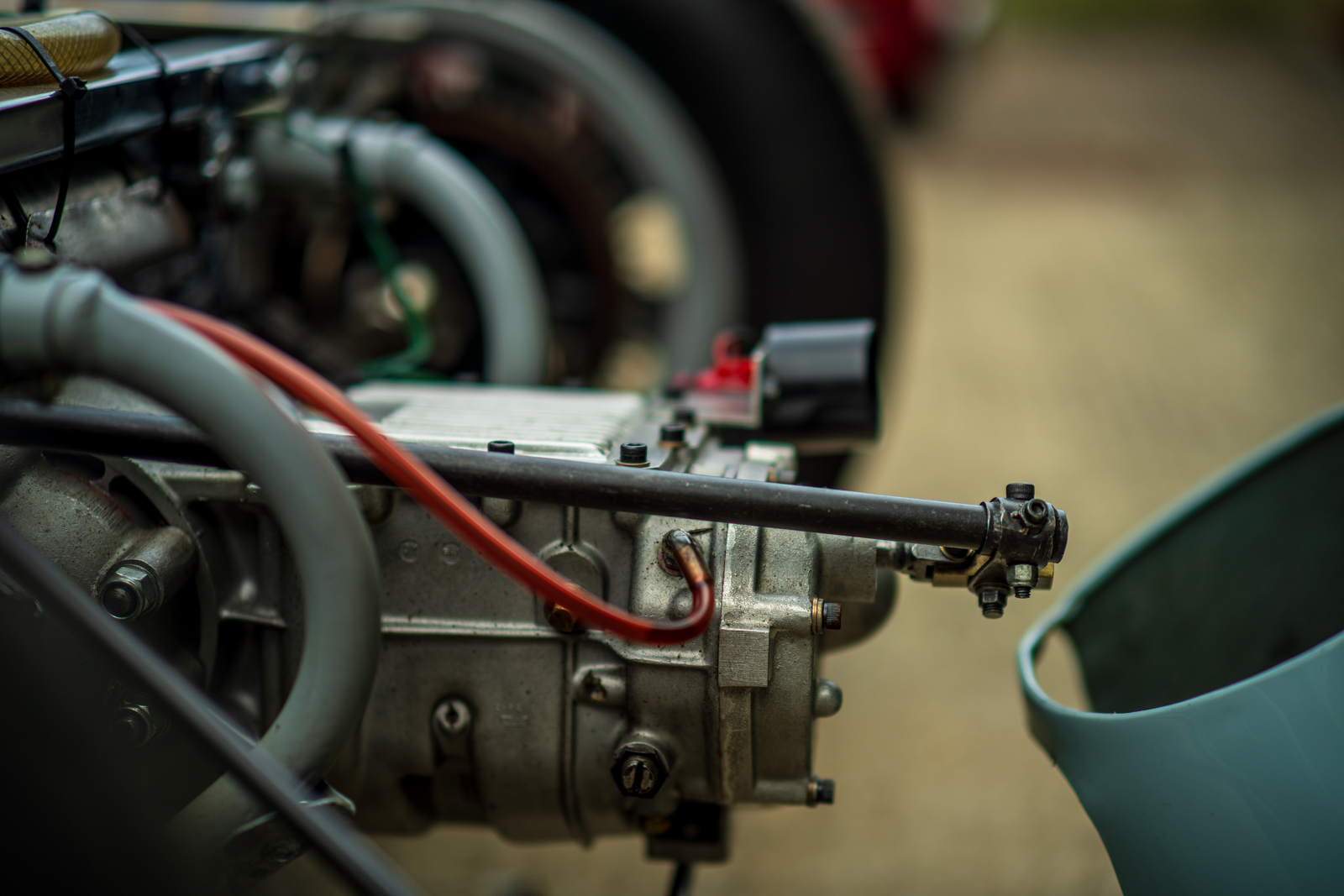
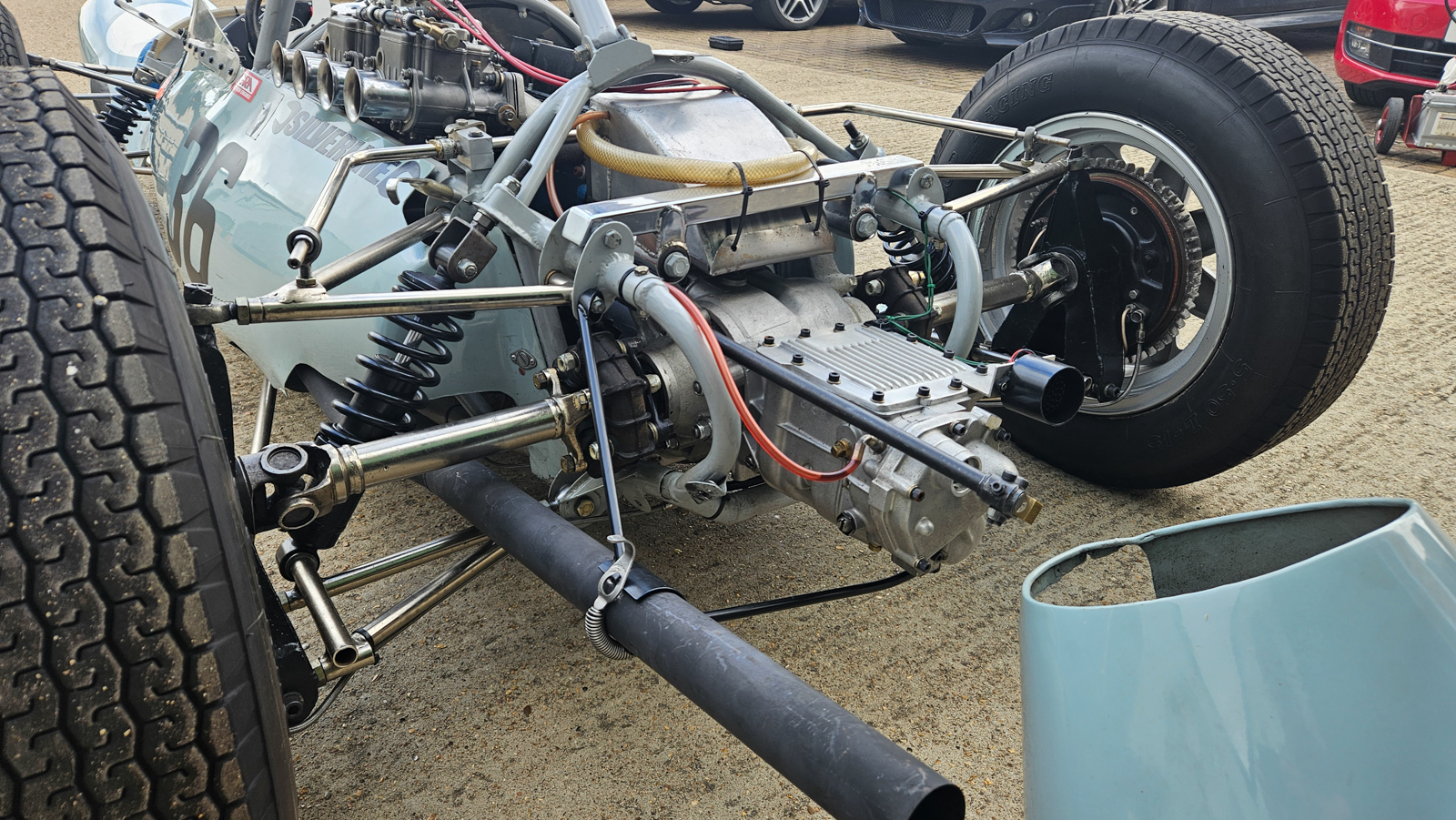
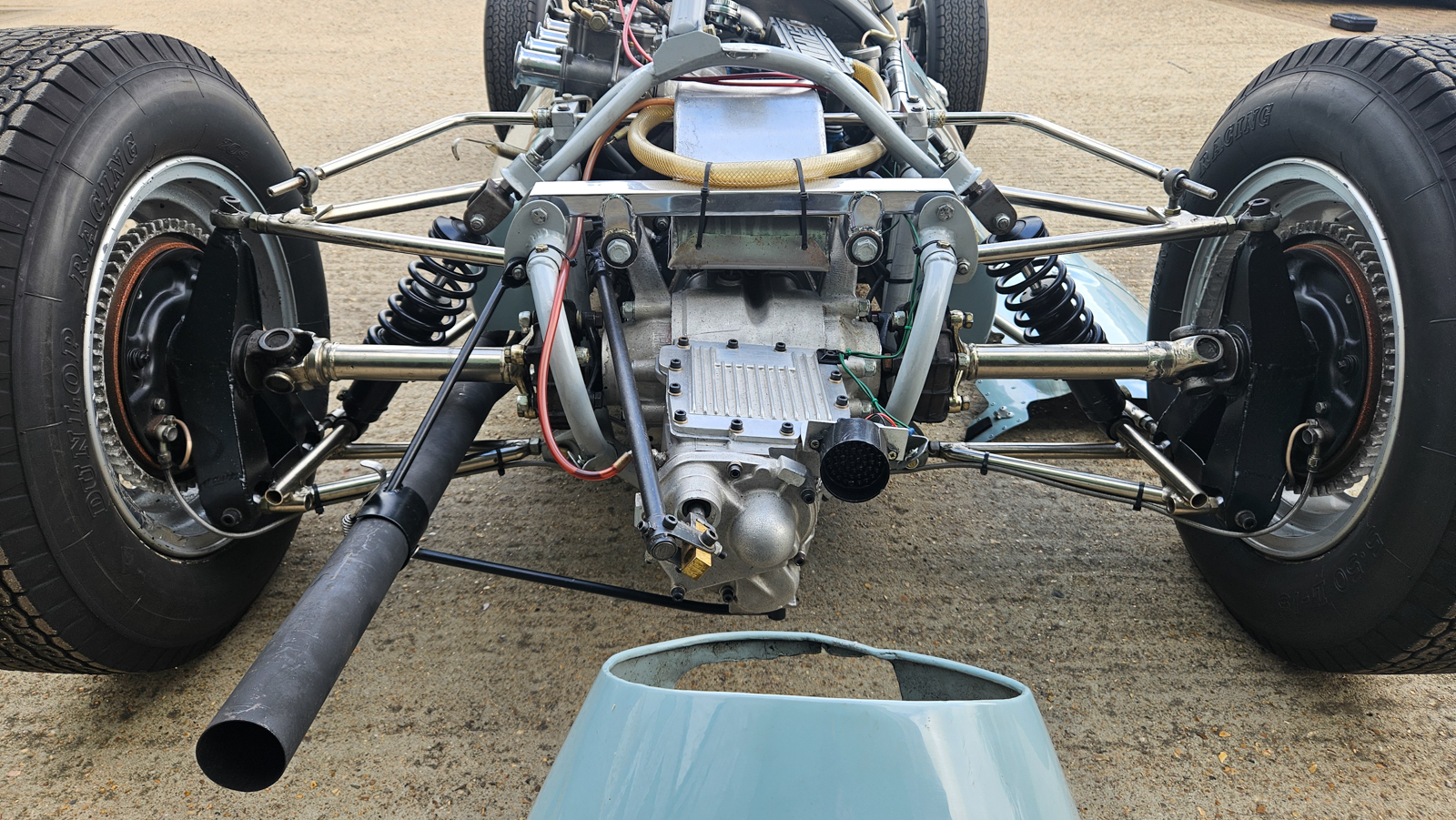
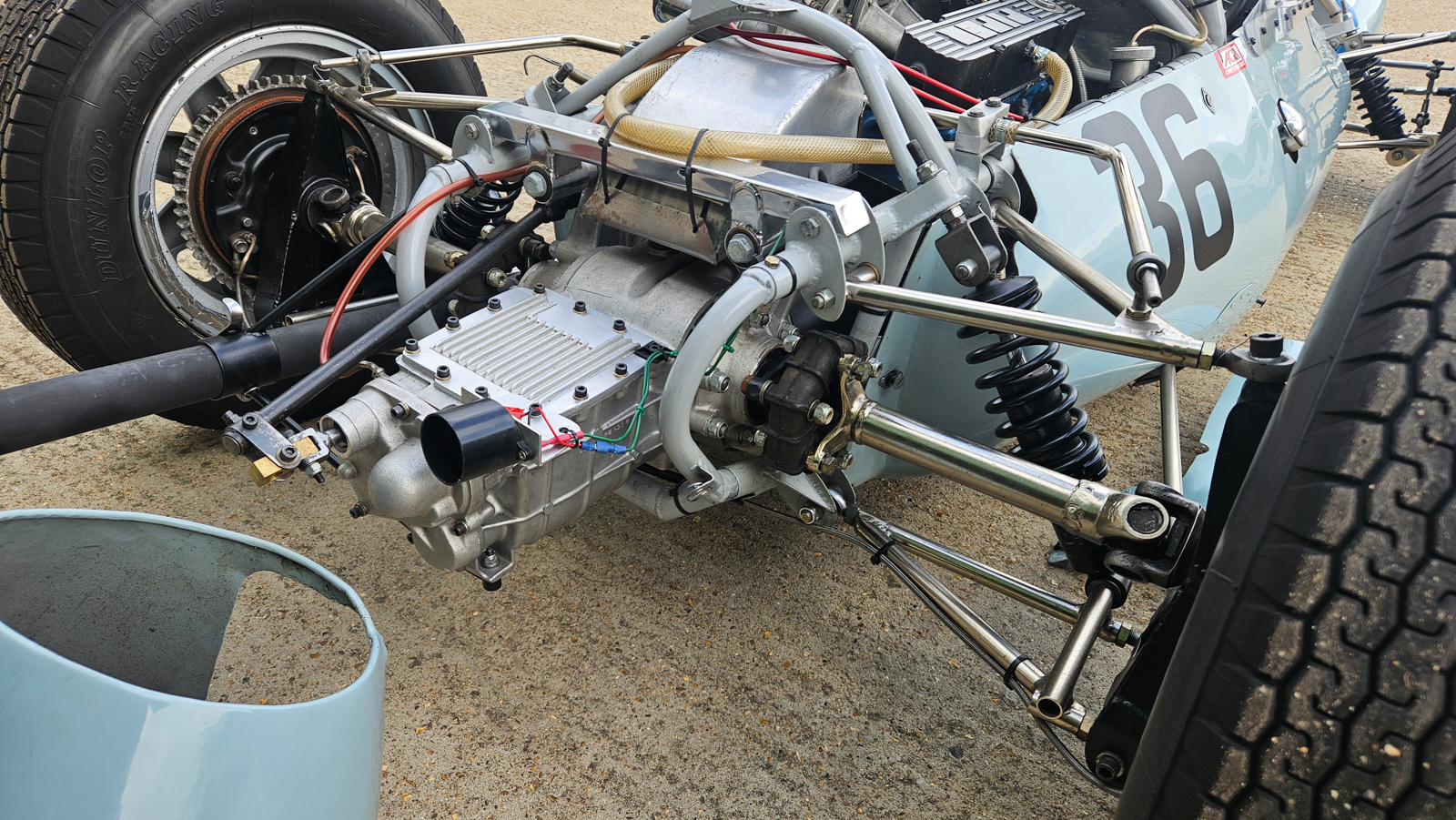
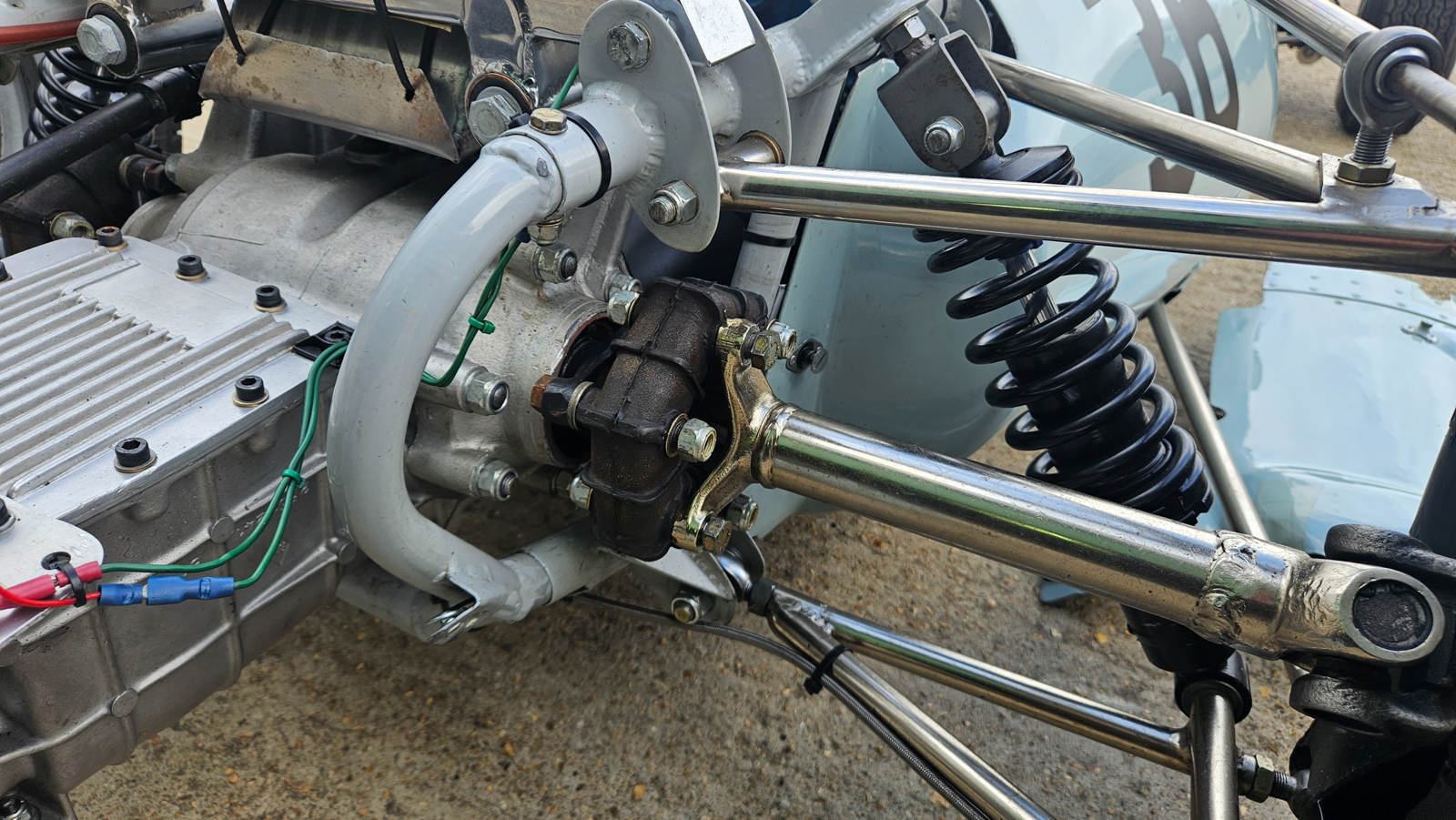
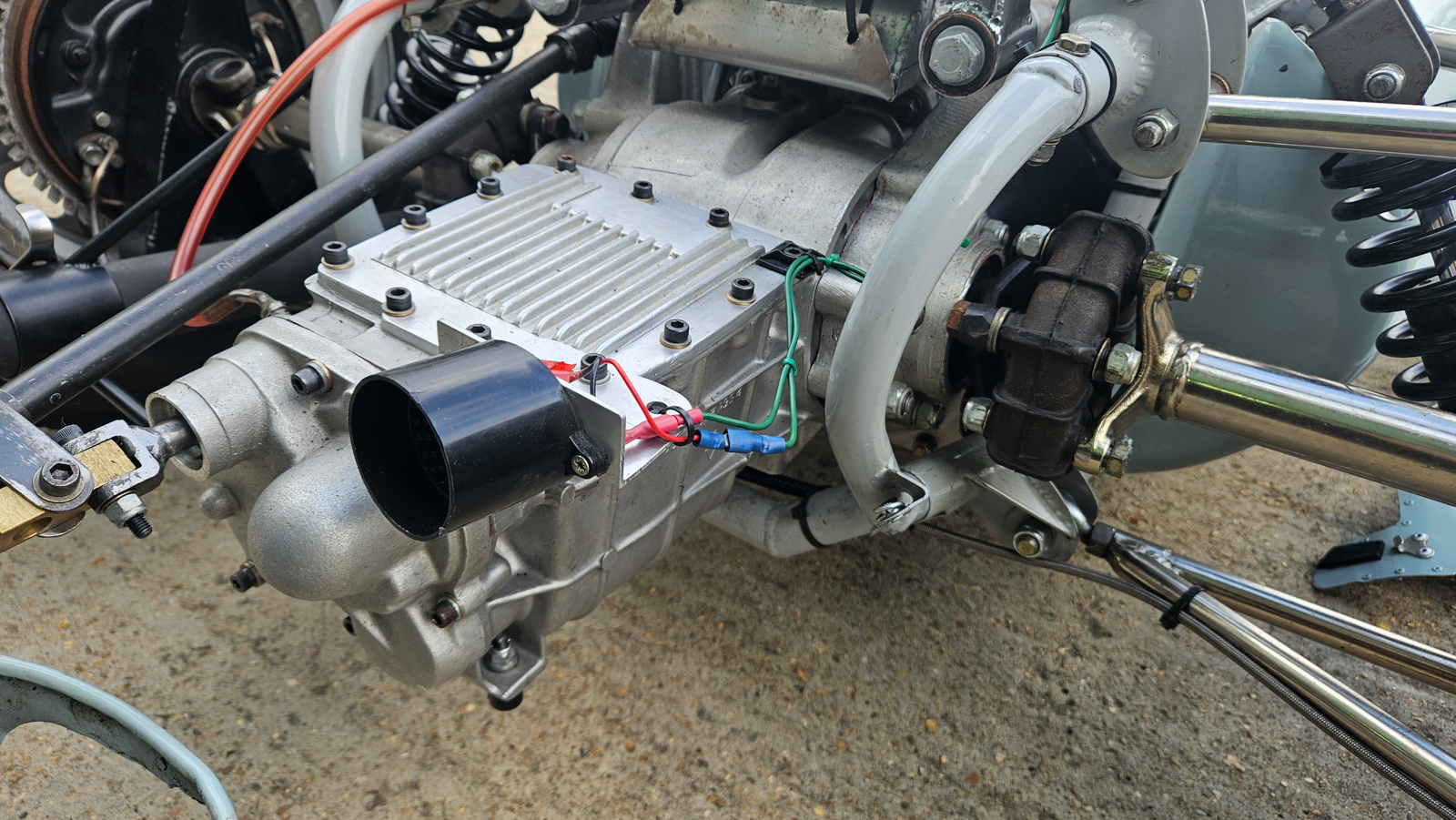
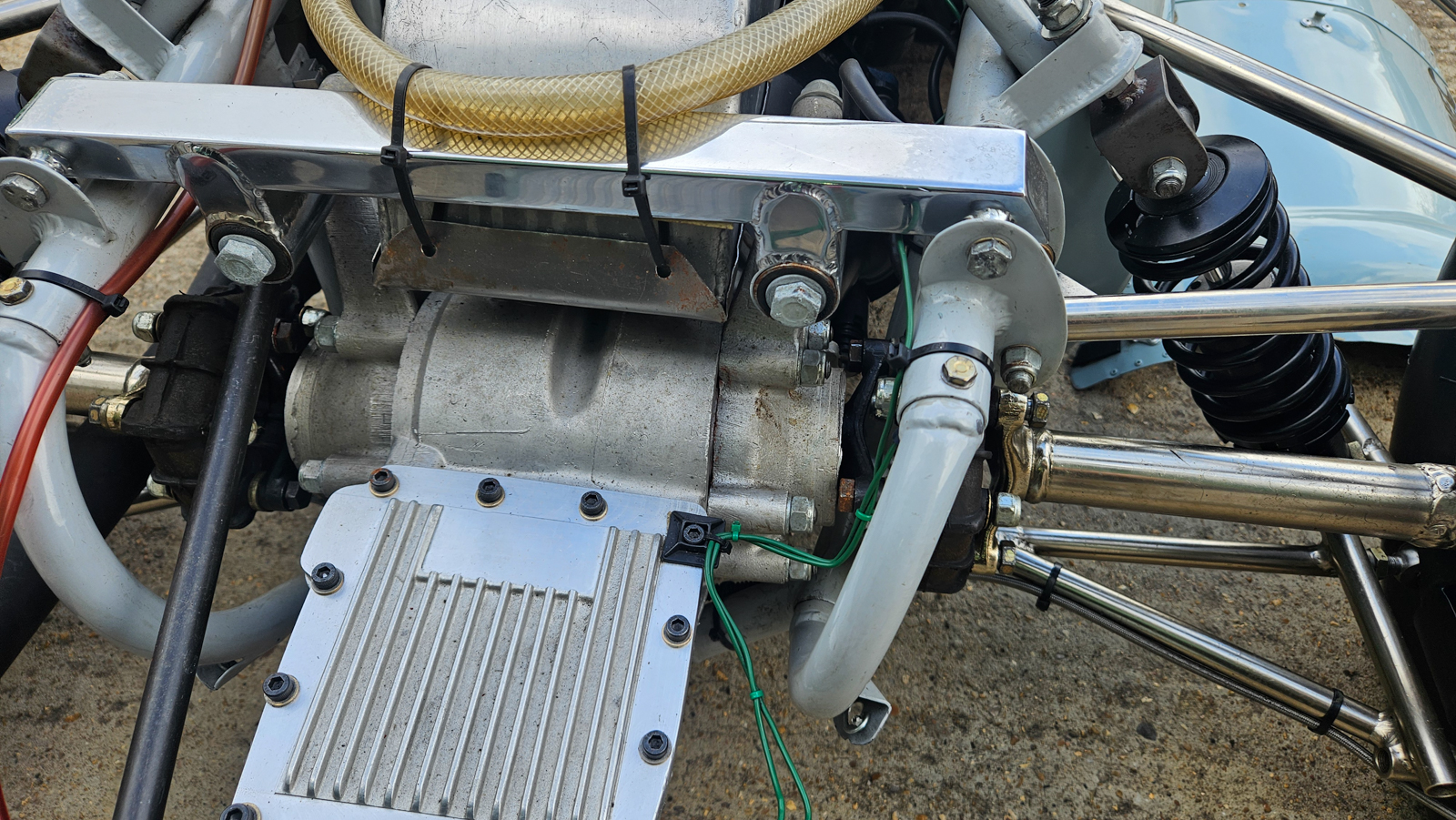
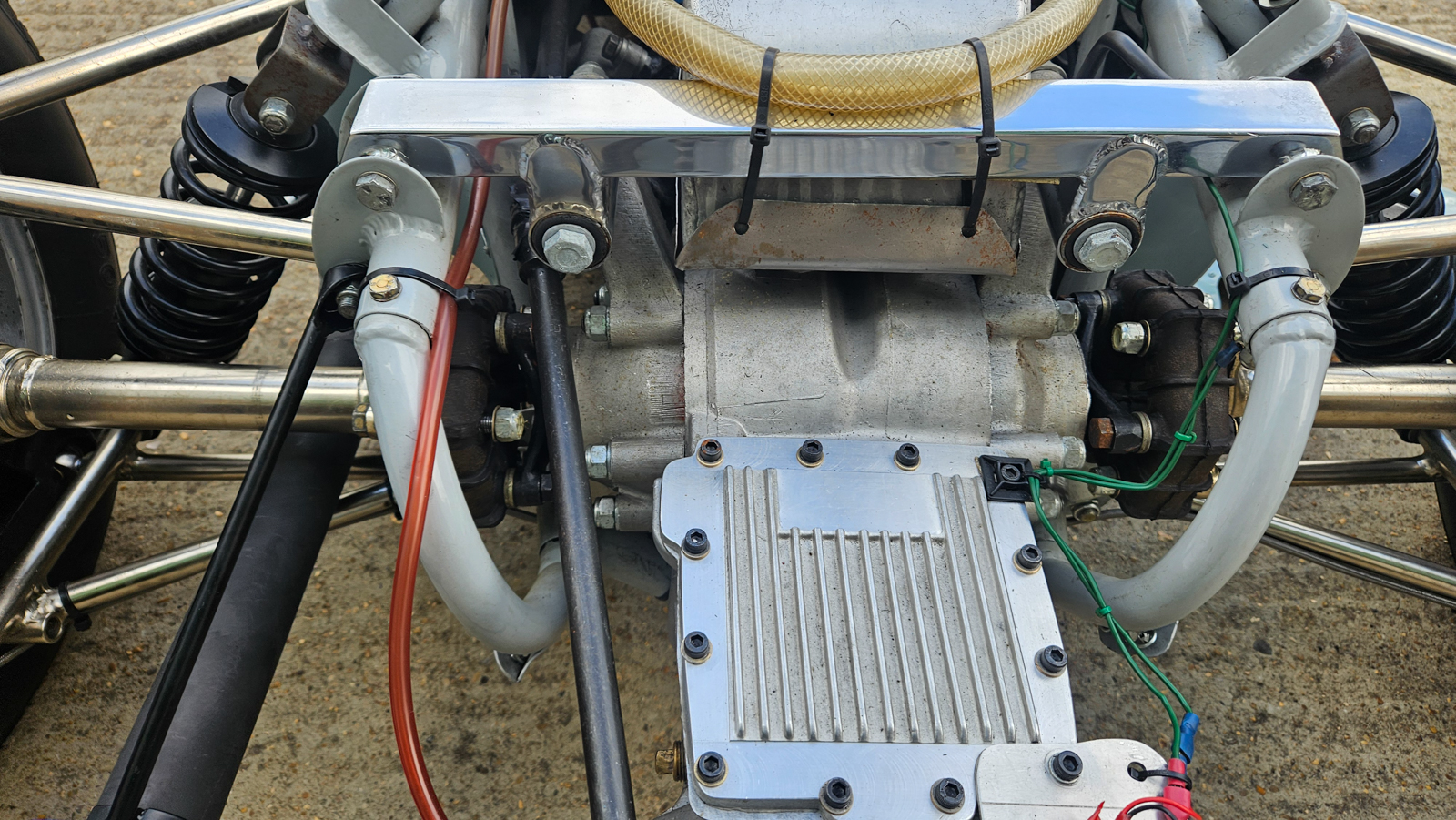
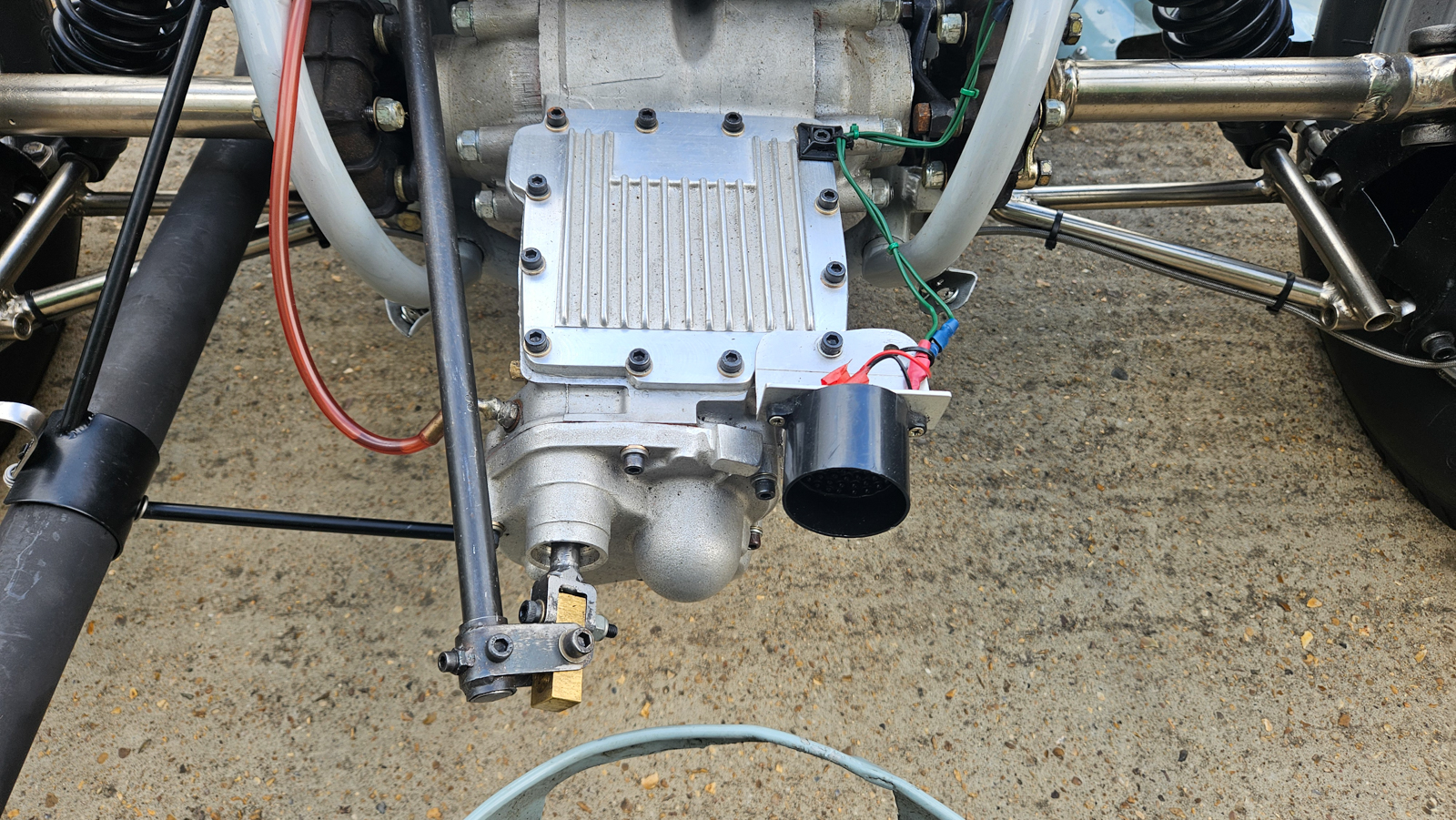
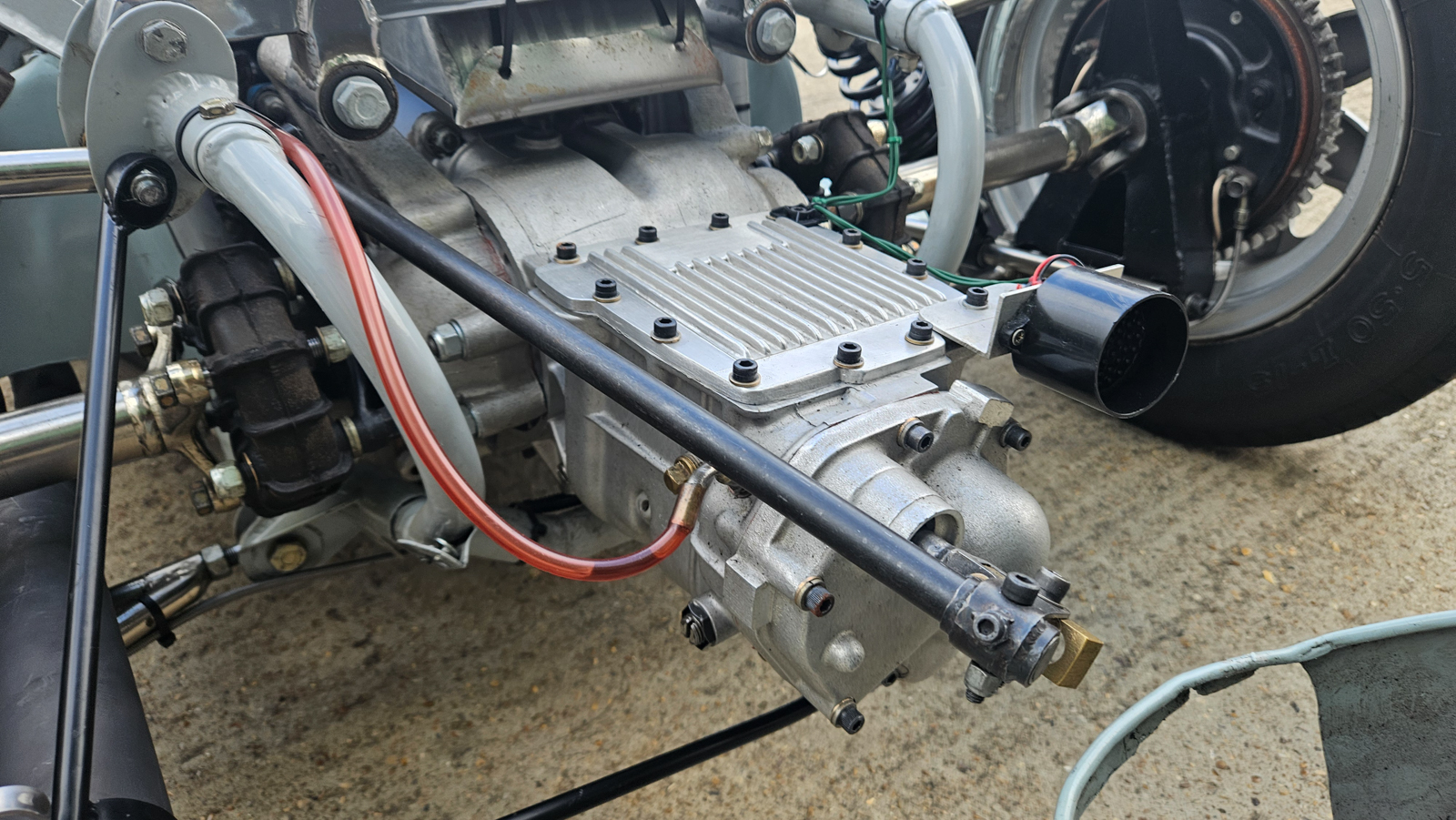
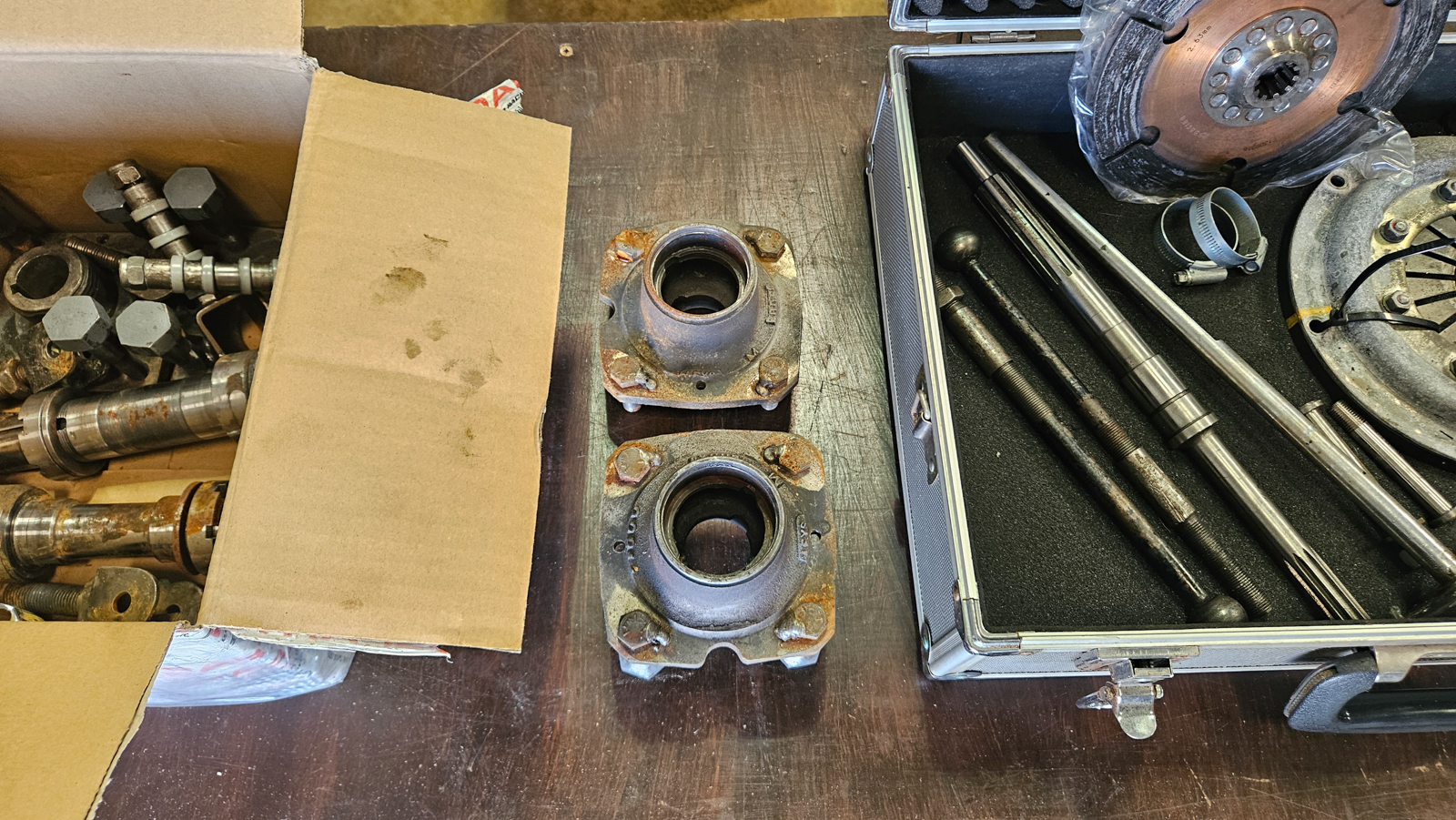
Power is delivered through a Renault gearbox fitted with upgraded Hewland internals. Early Kieft Formula Juniors also used Renault-based transaxles, making this a period-correct setup.

Please watch the mechanical video to hear the Kieft starting and running.

Suspension and Brakes

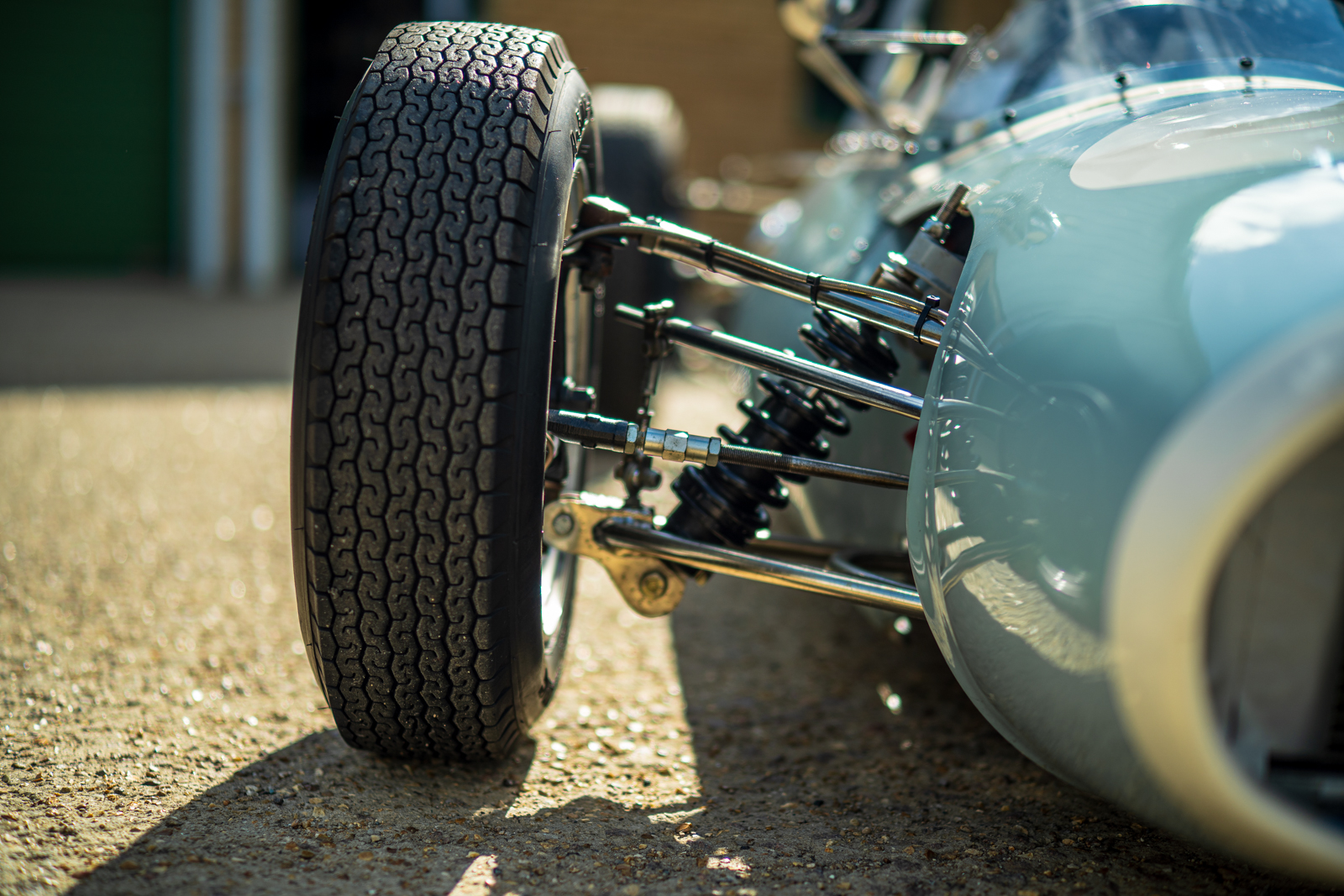
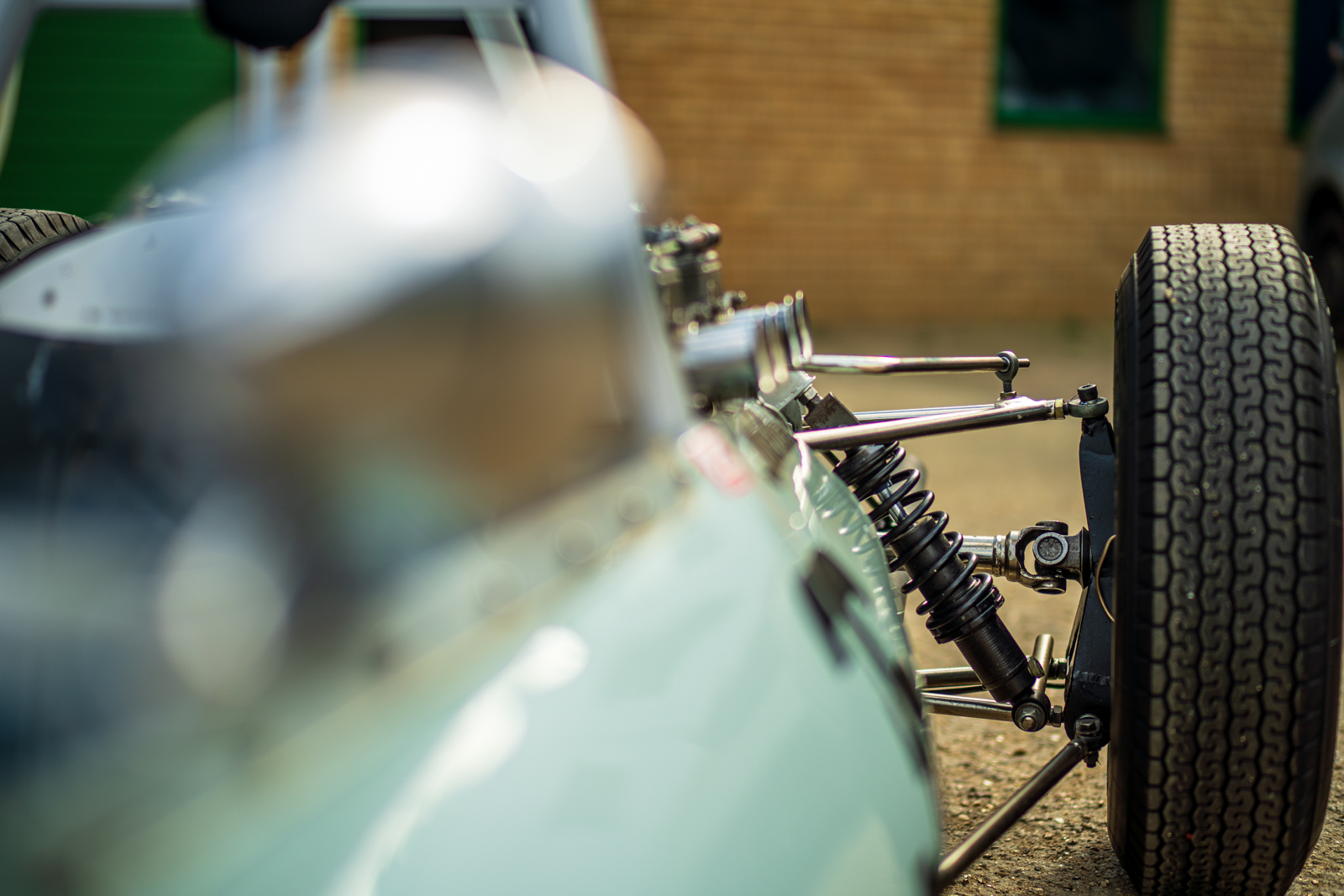
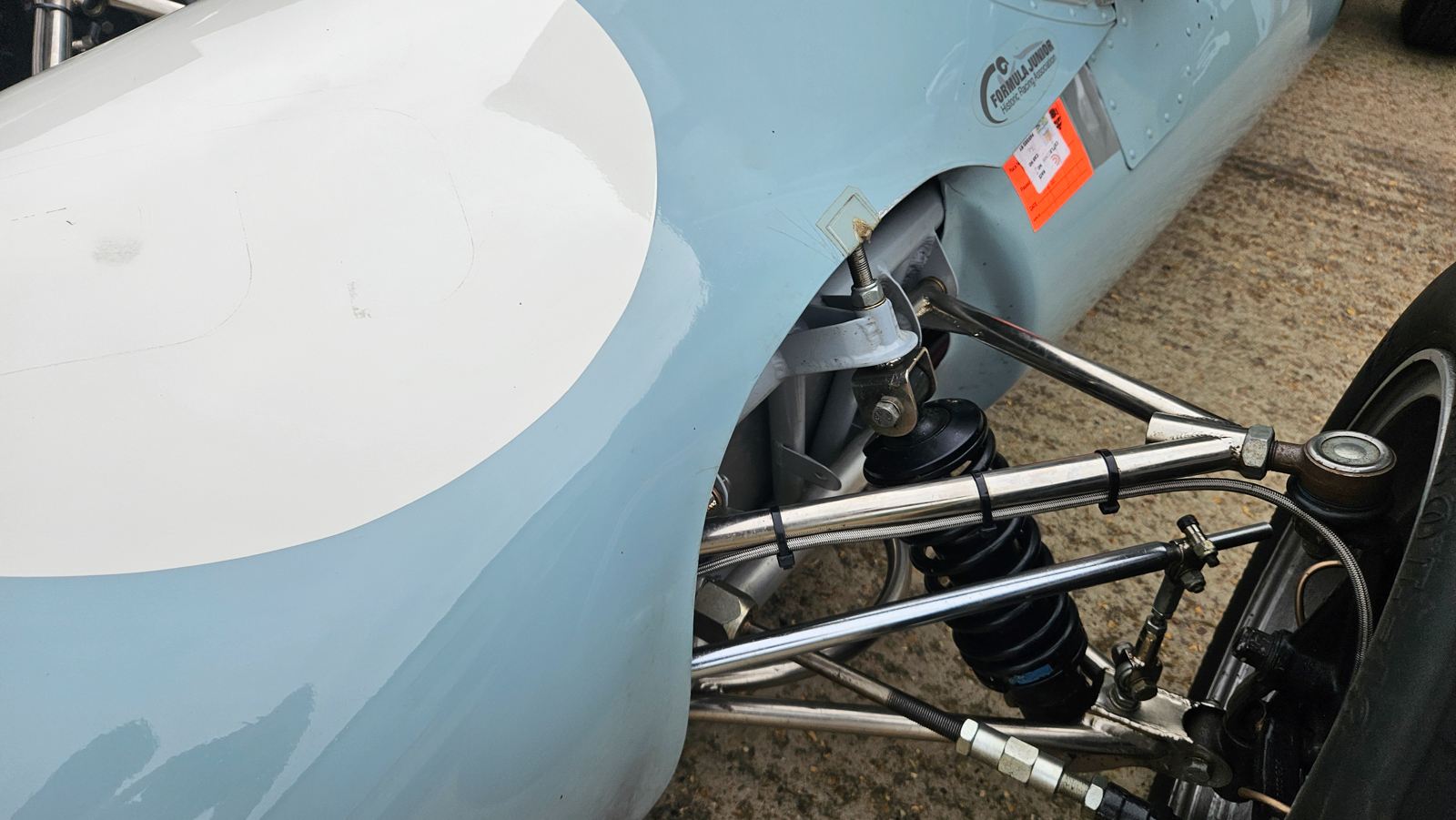
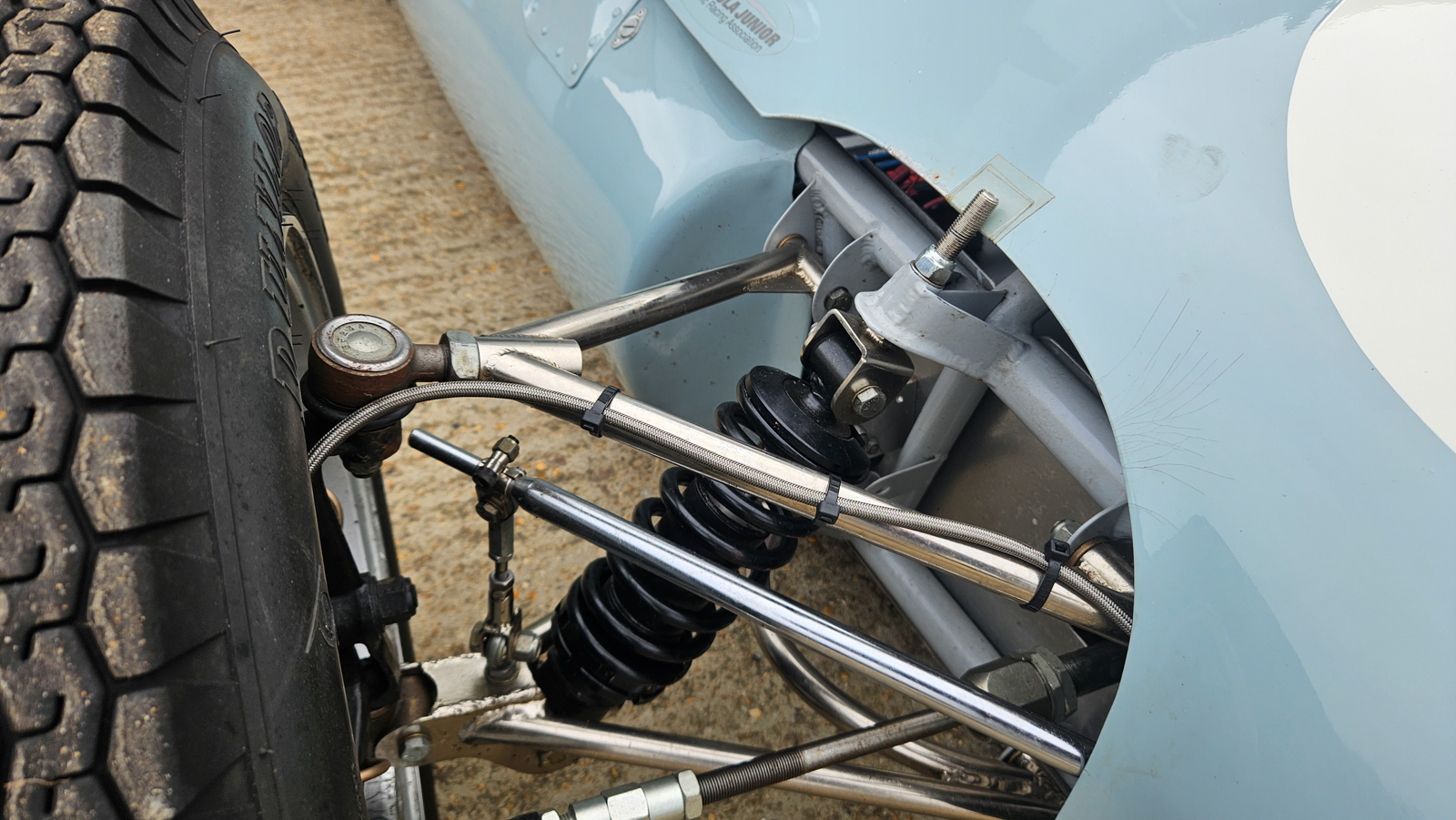
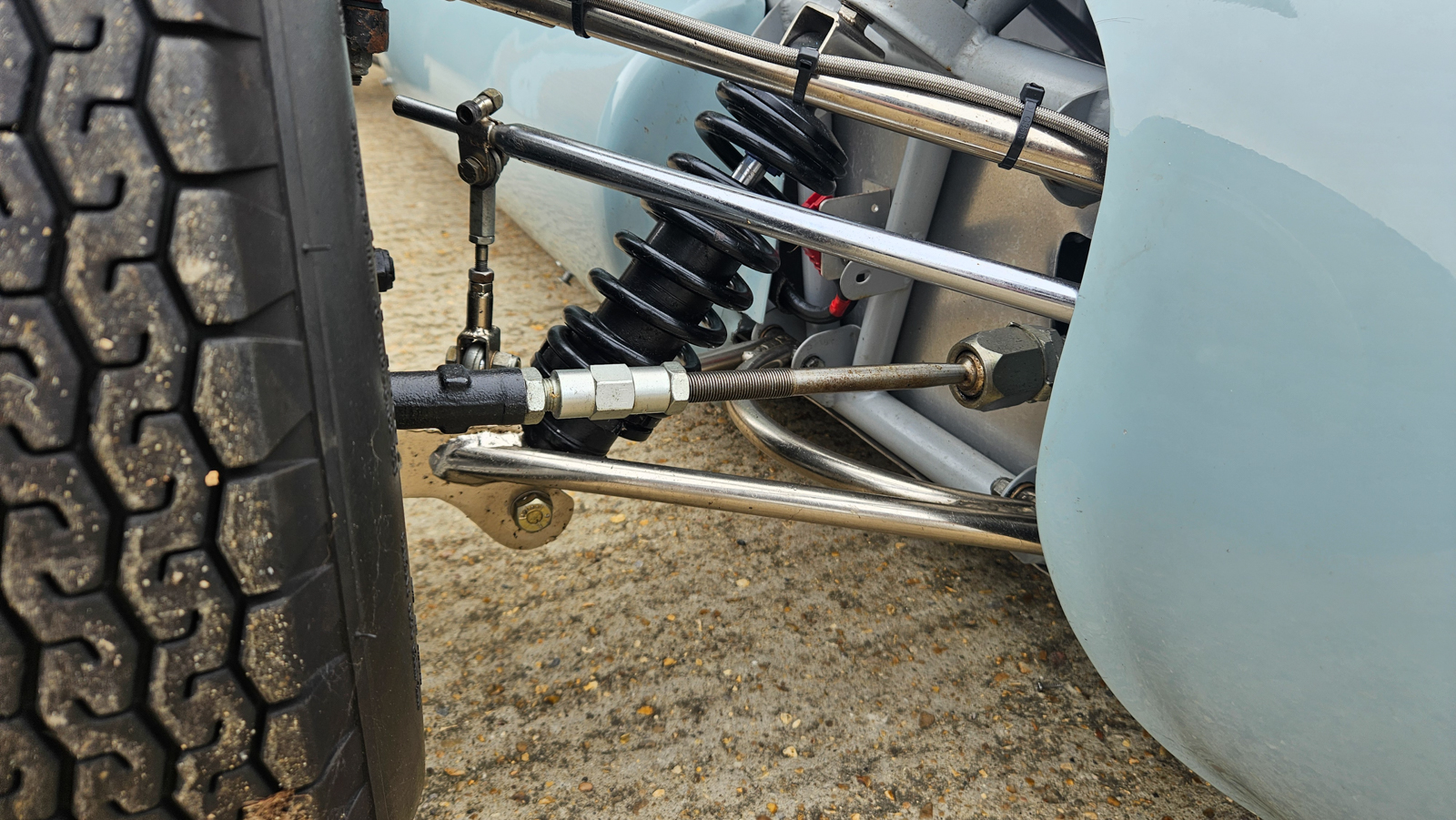
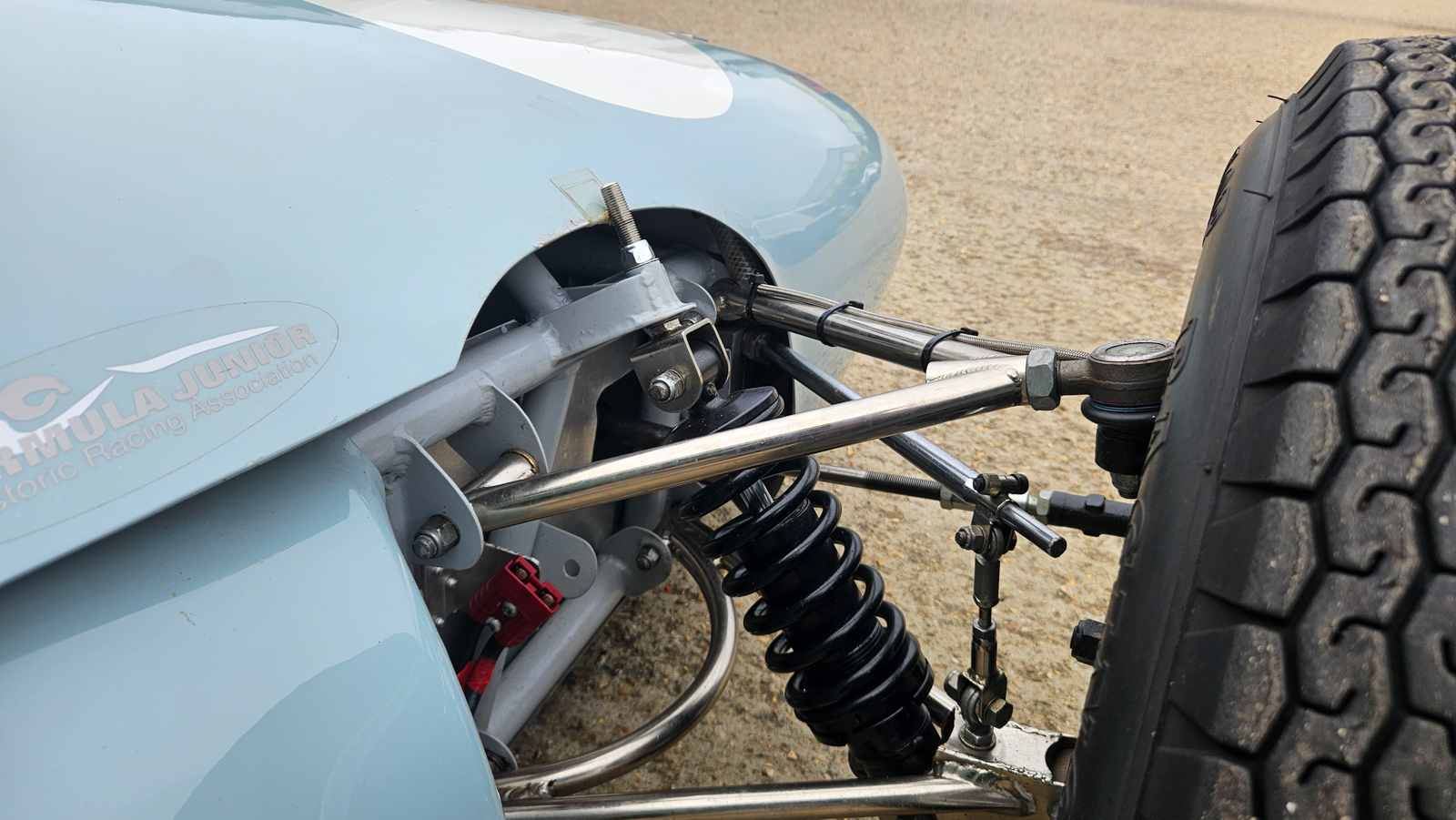
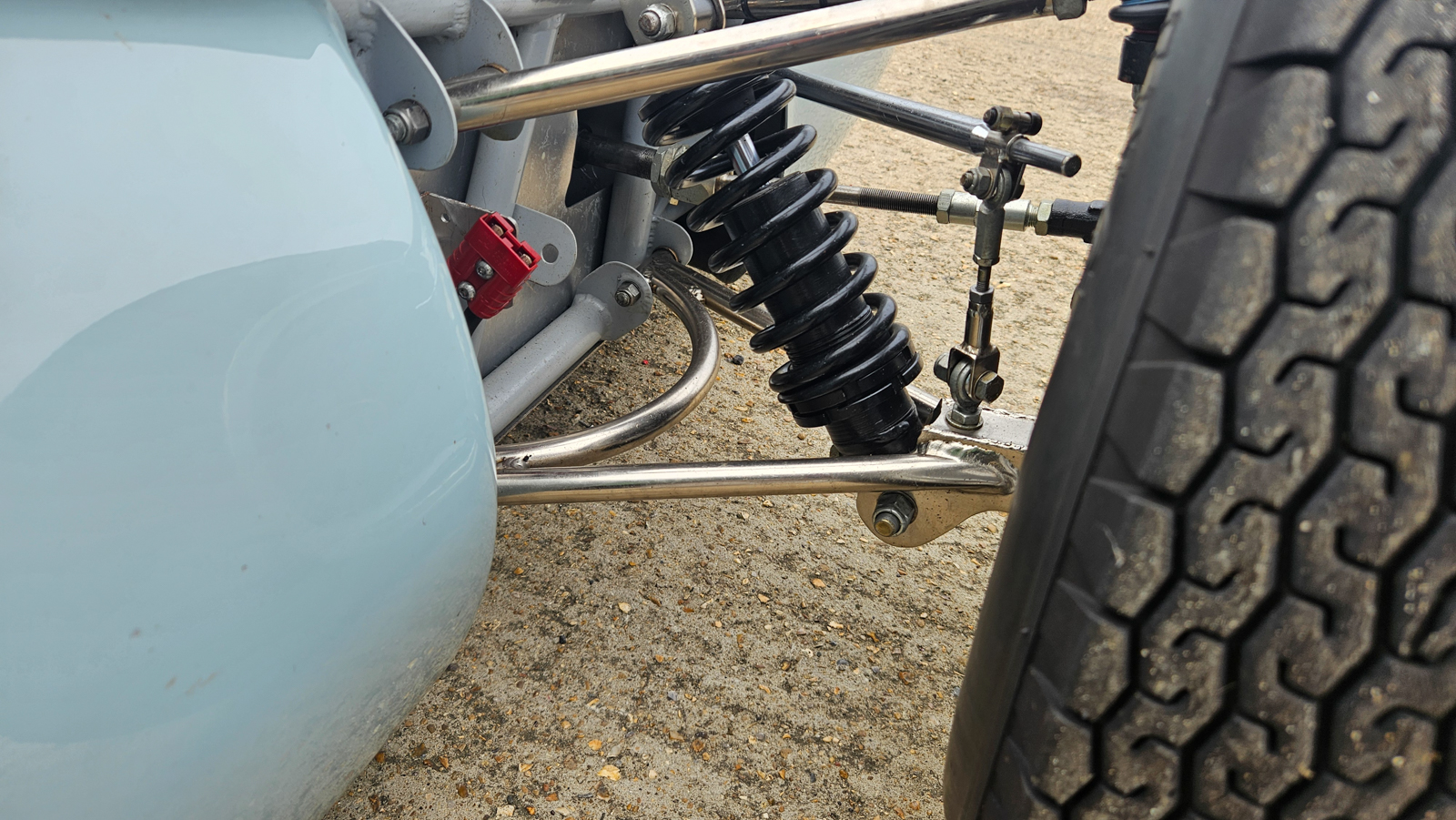
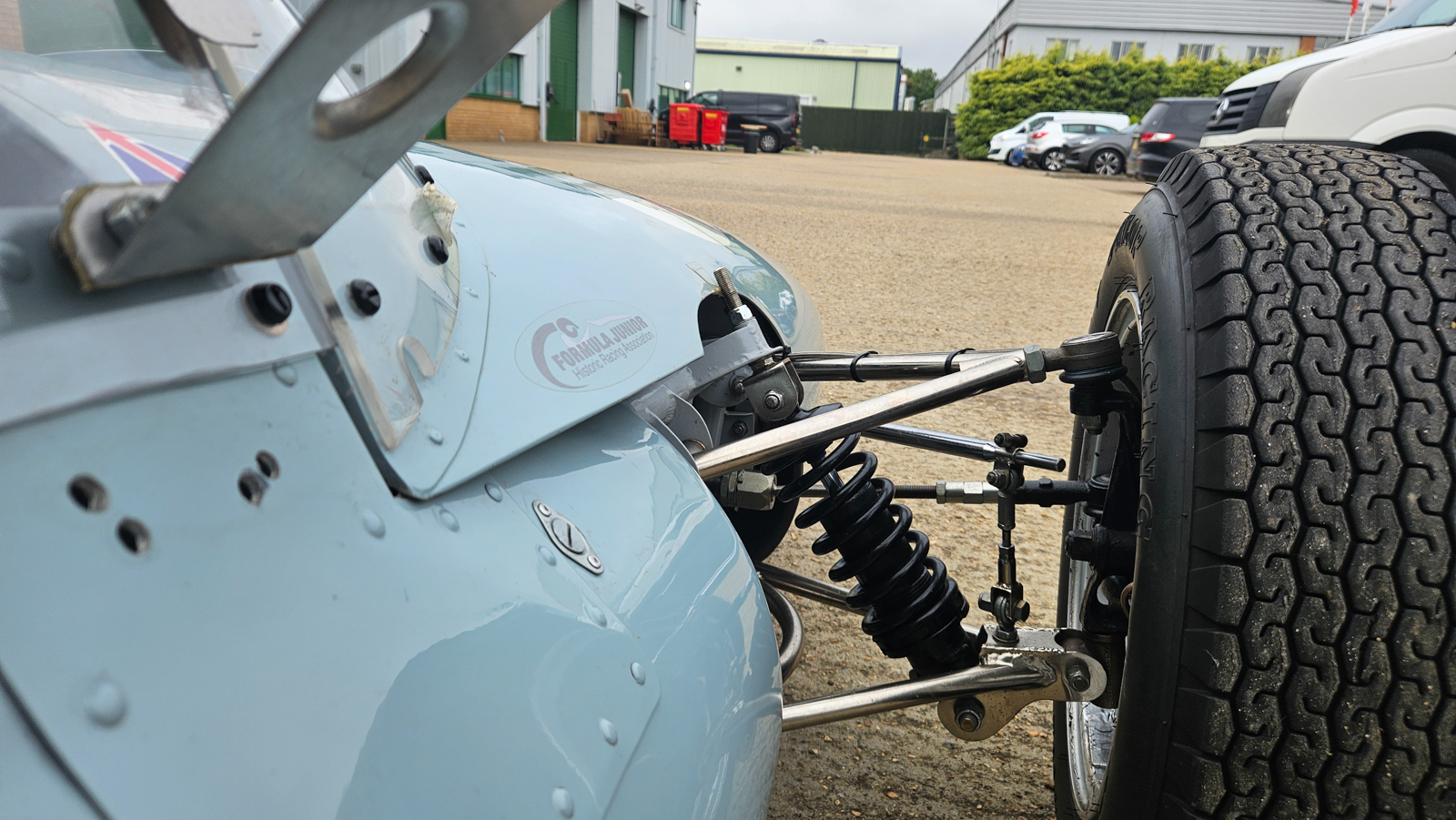
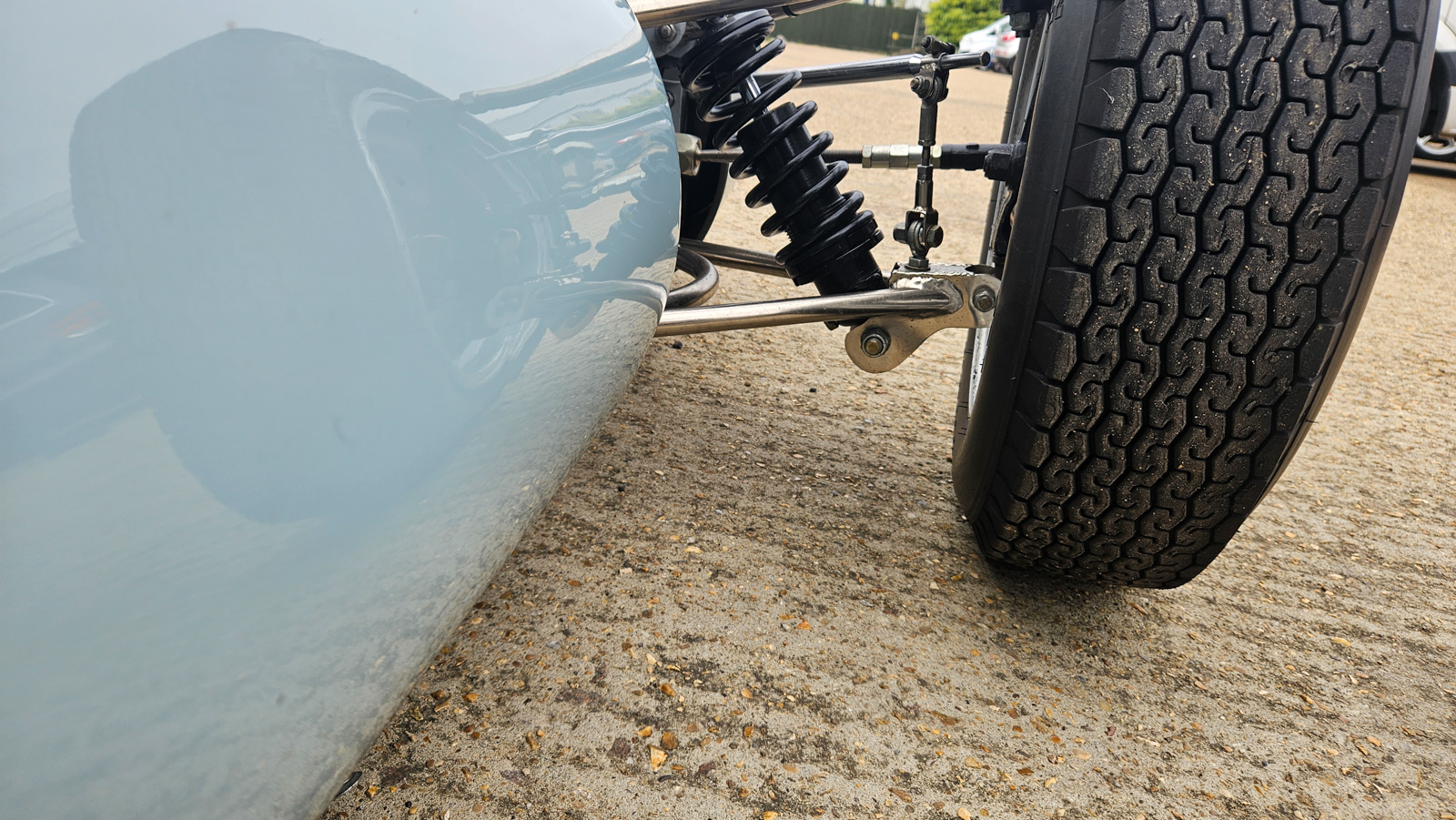
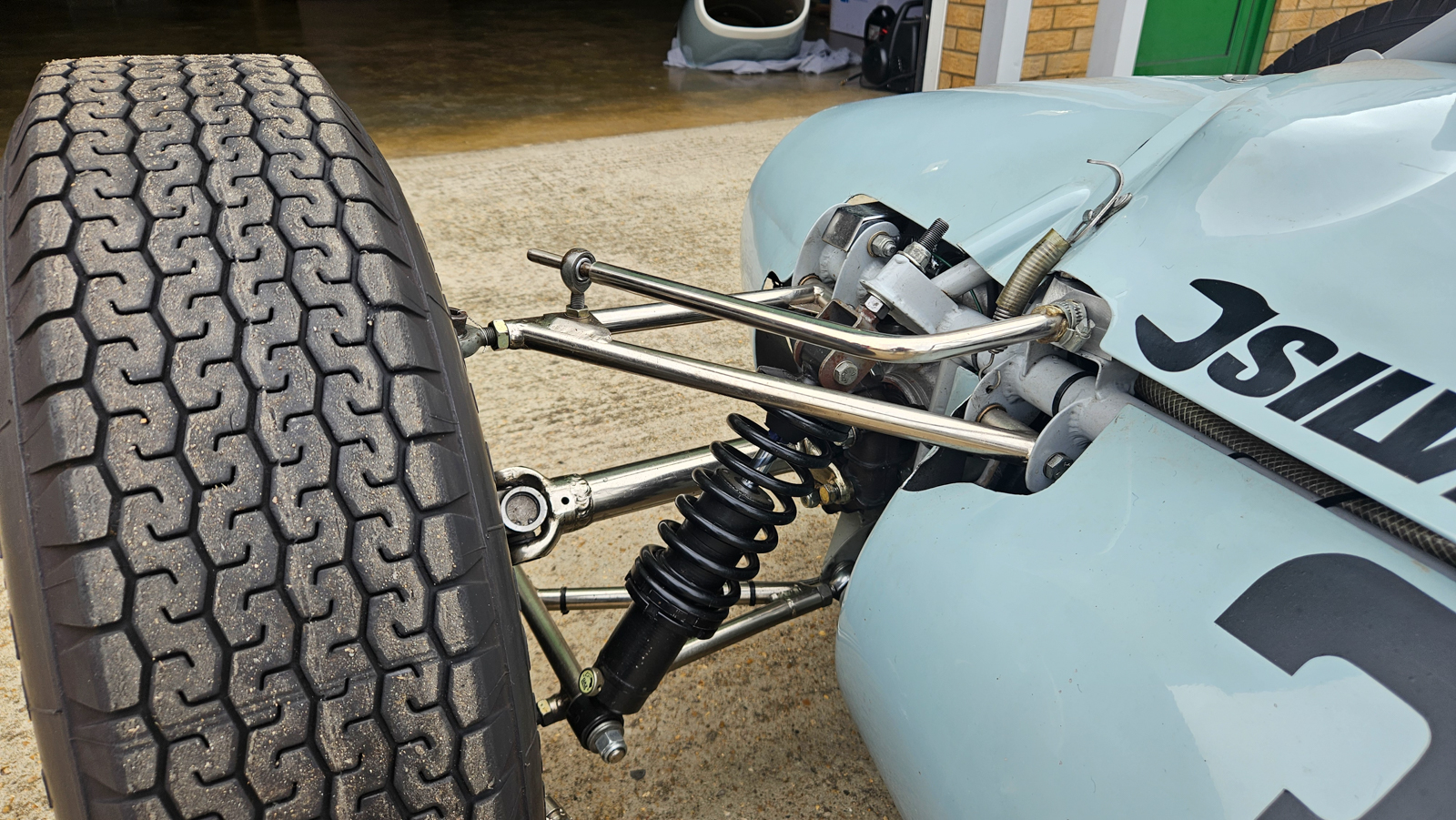
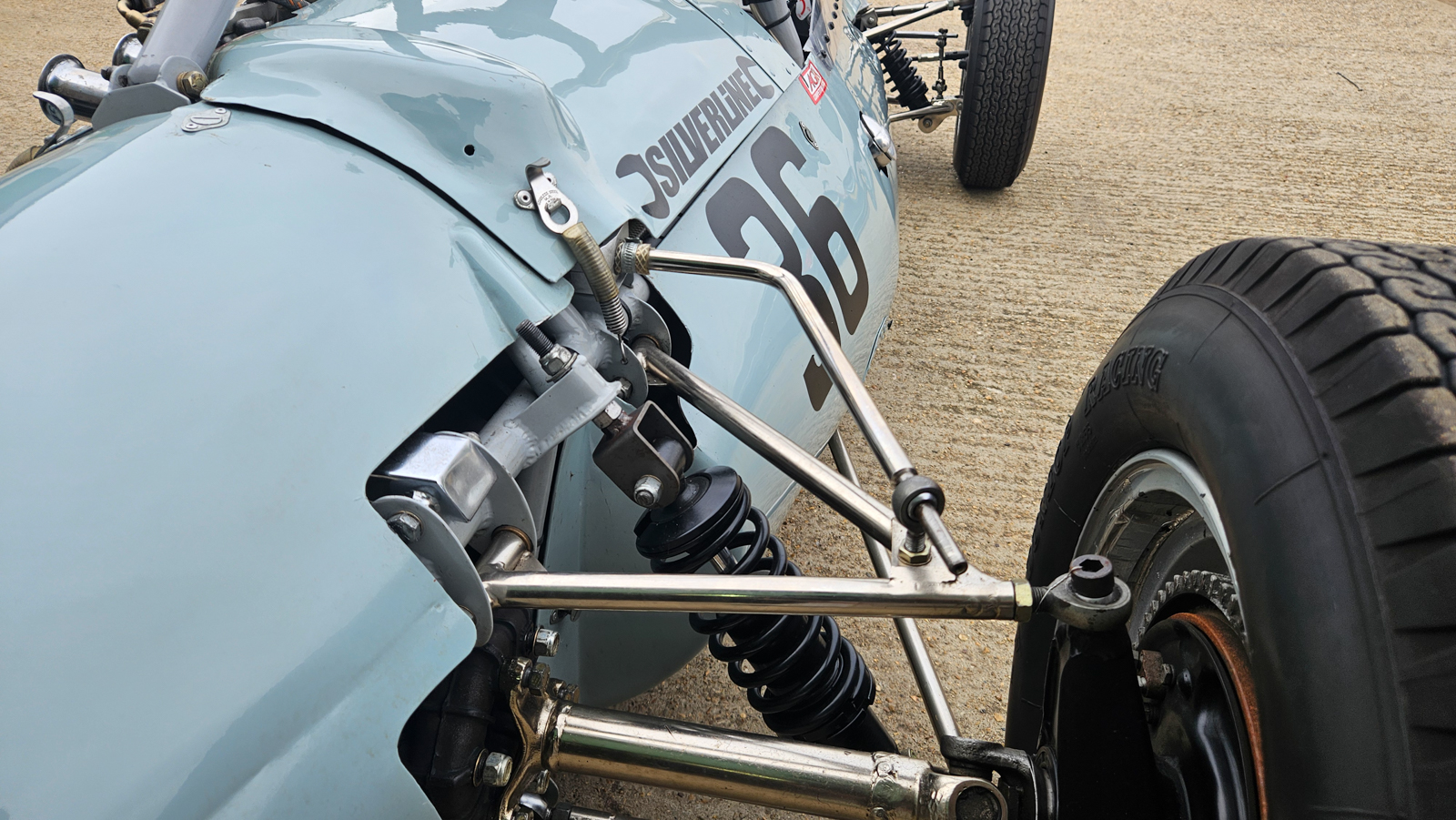
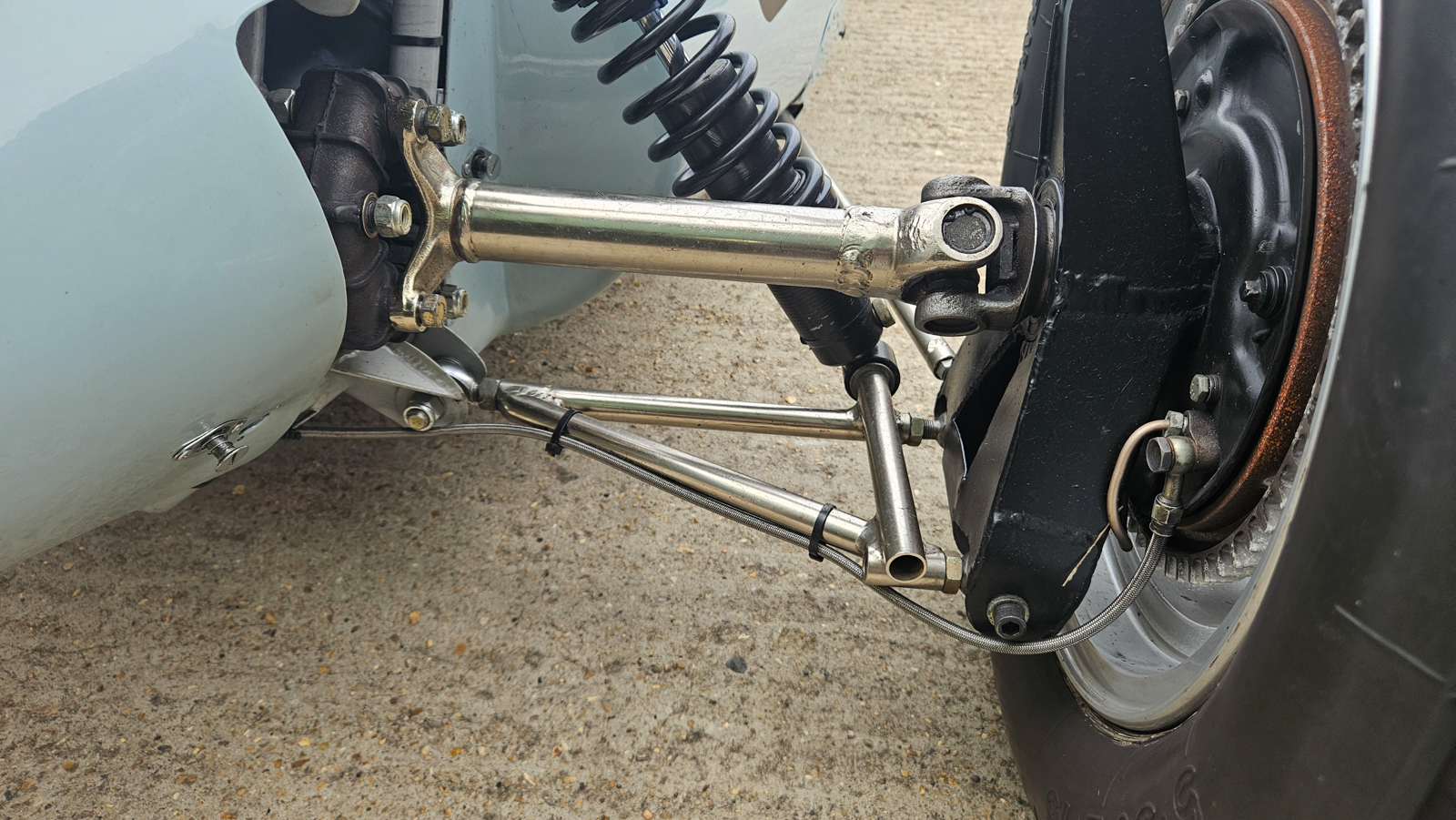
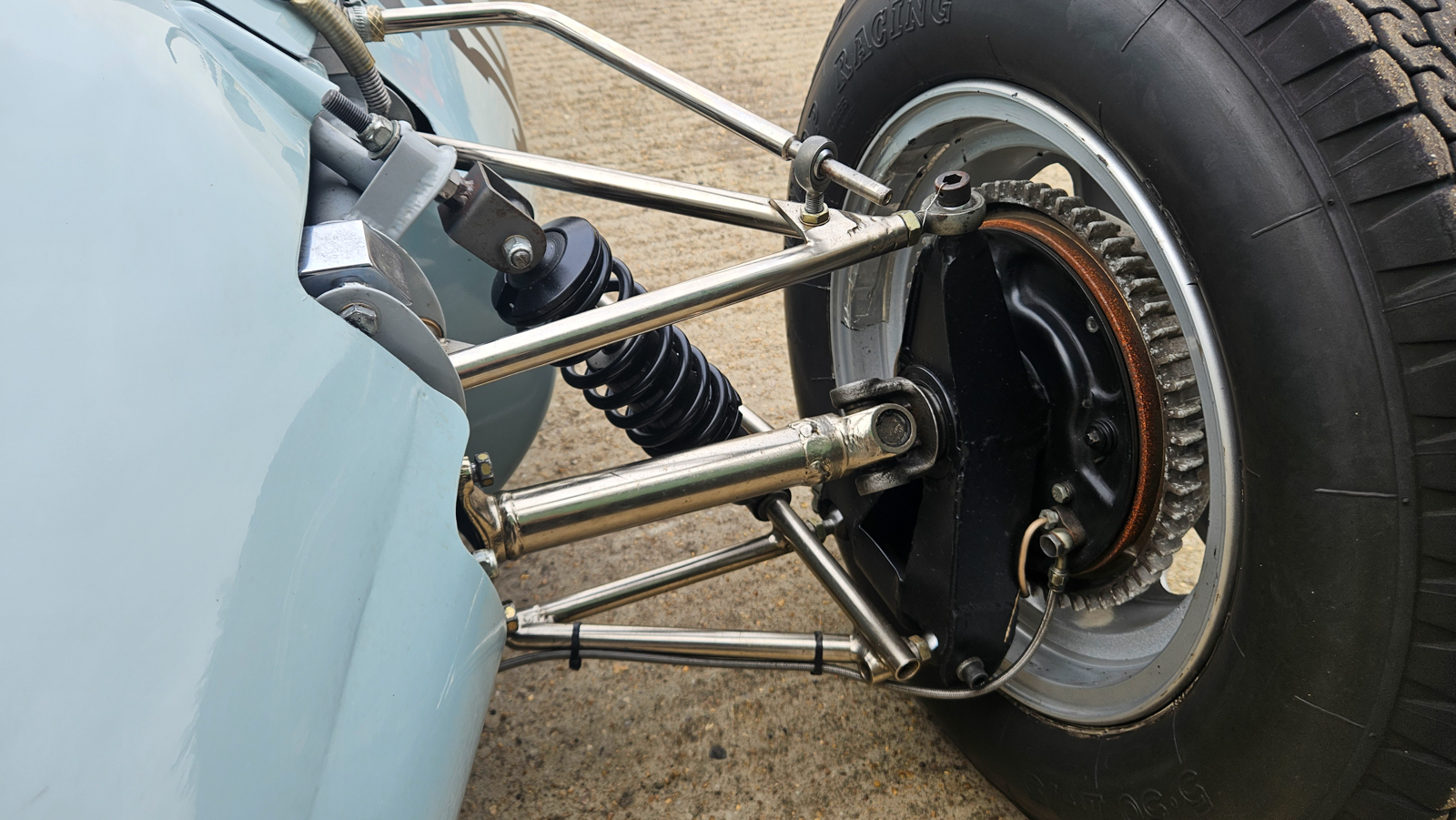
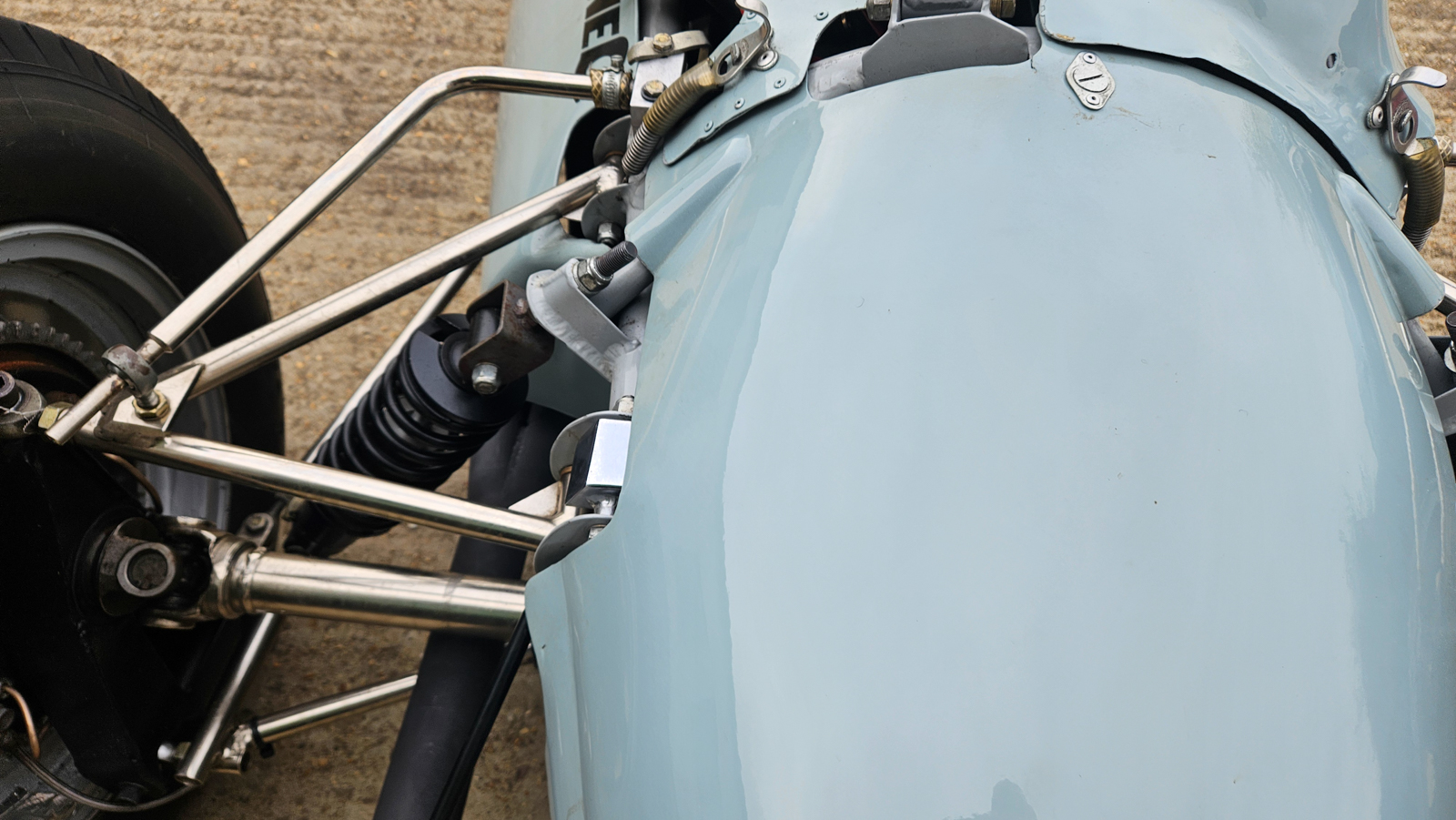
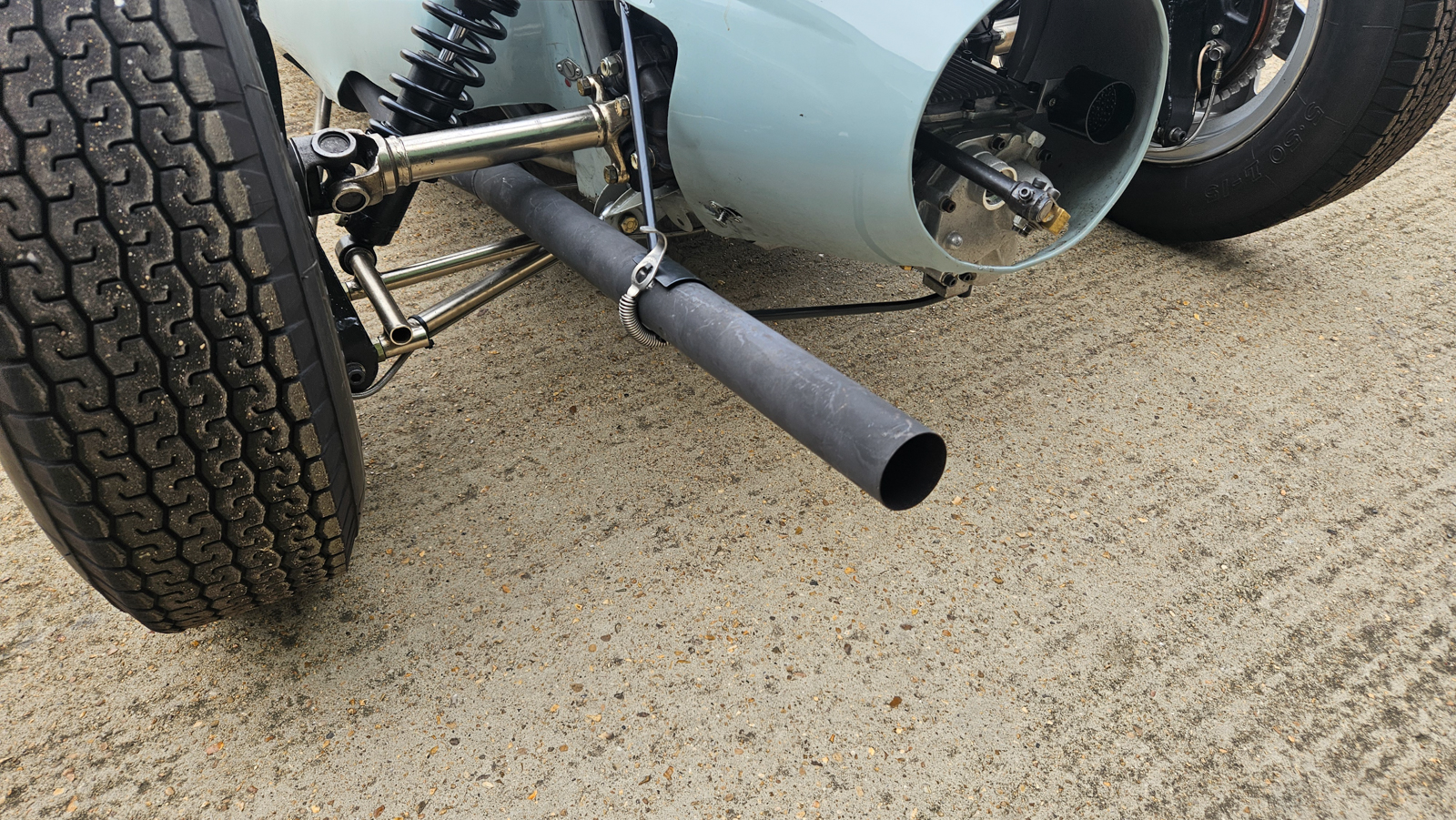
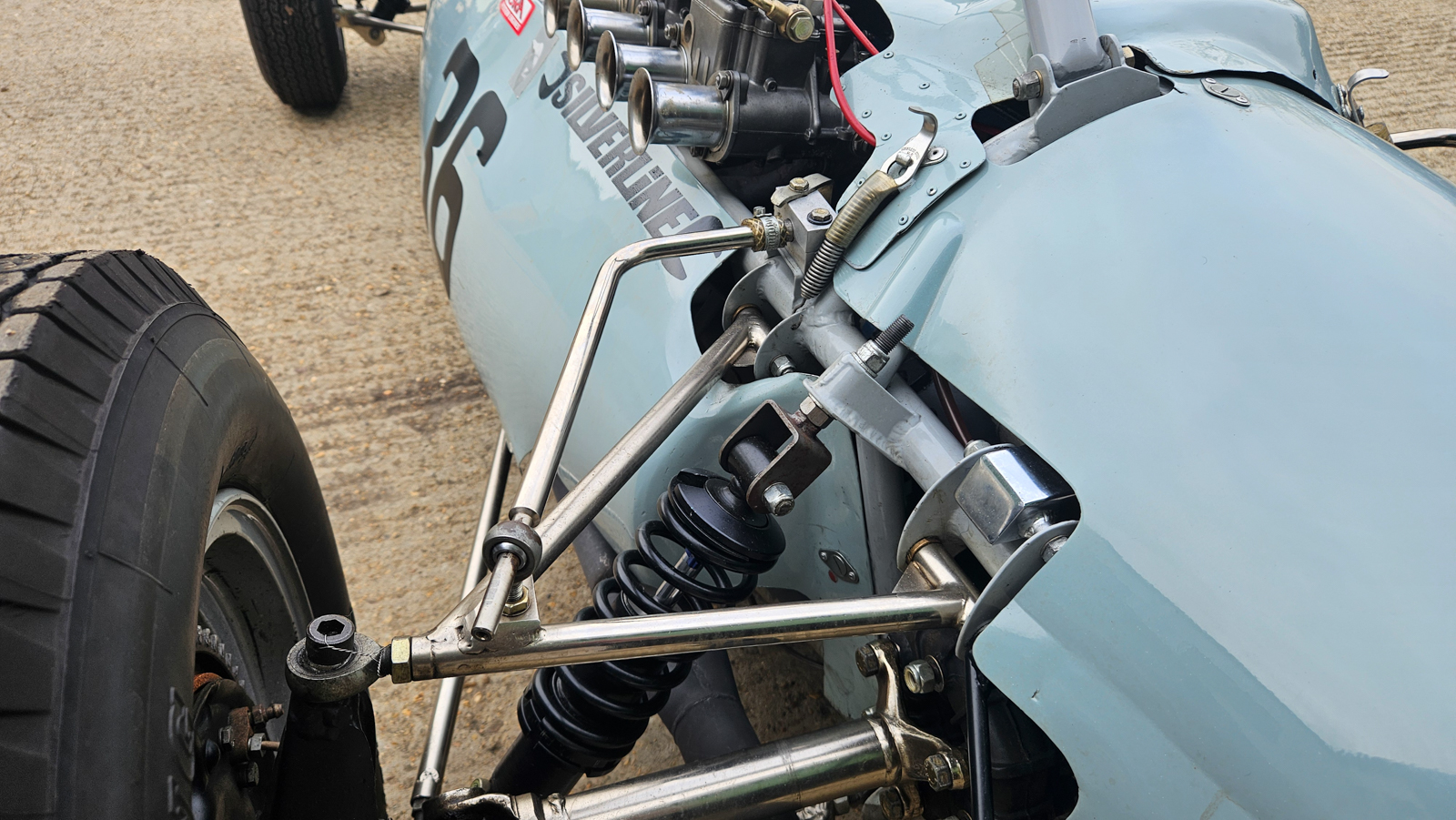
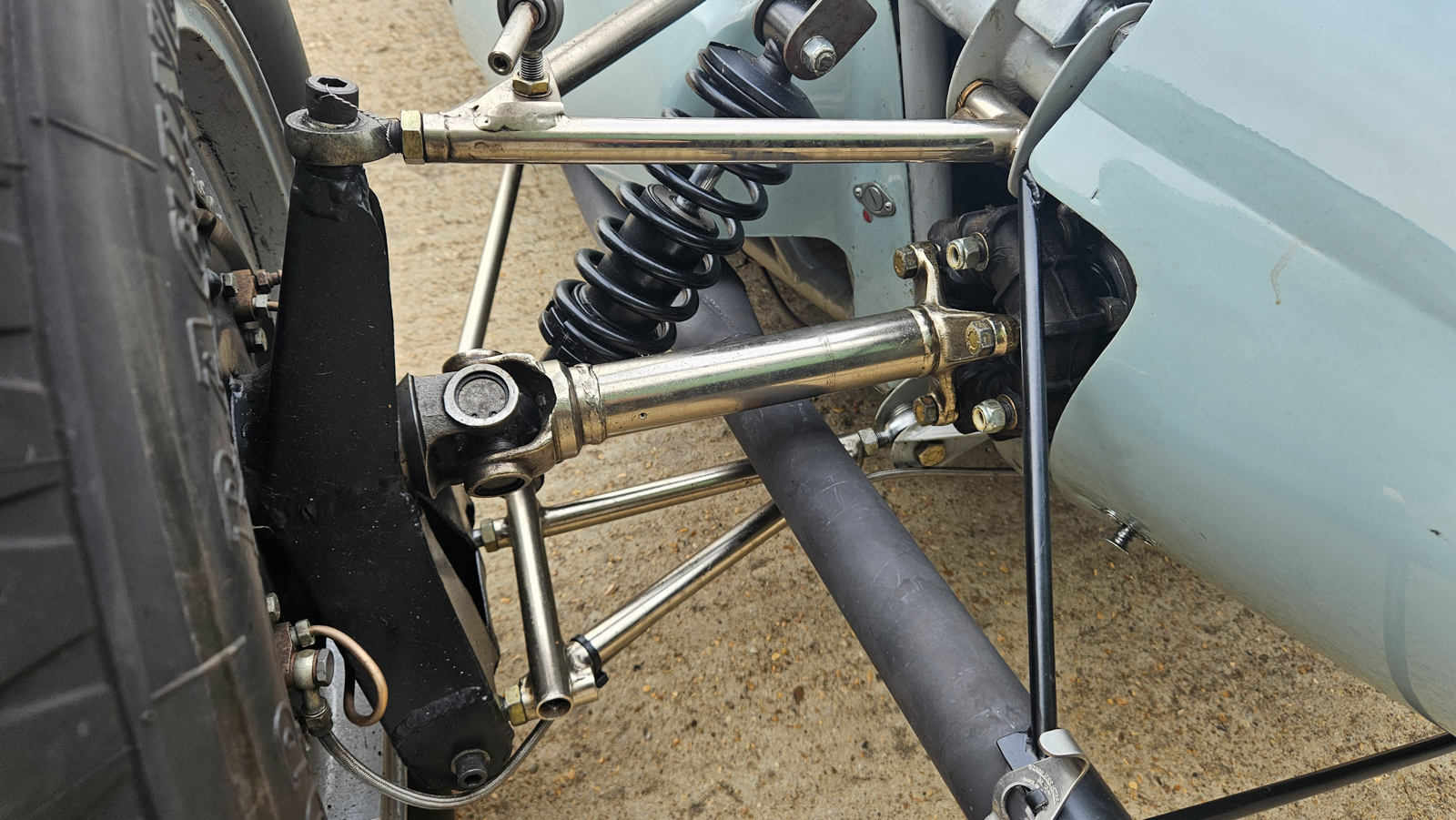
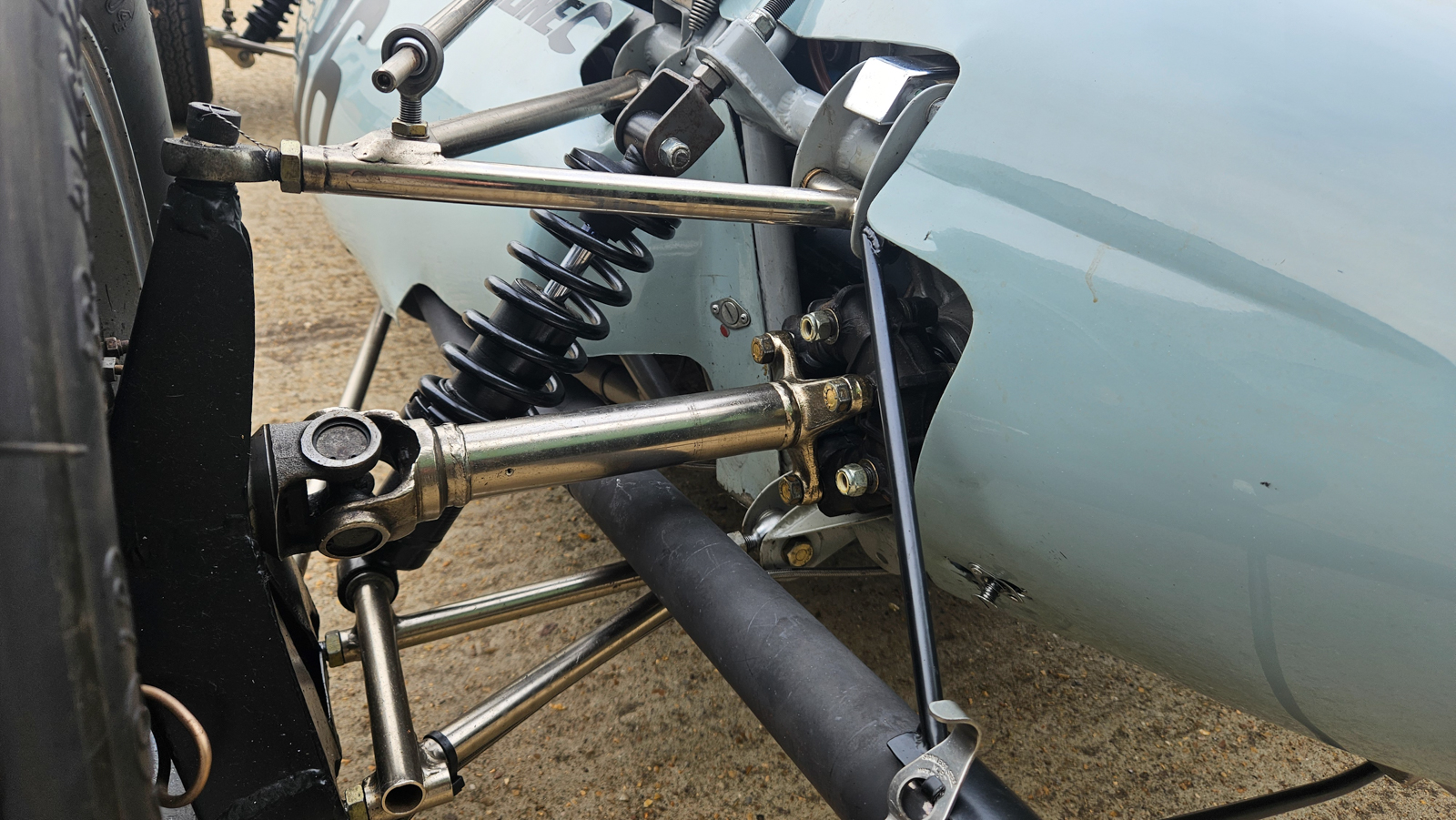
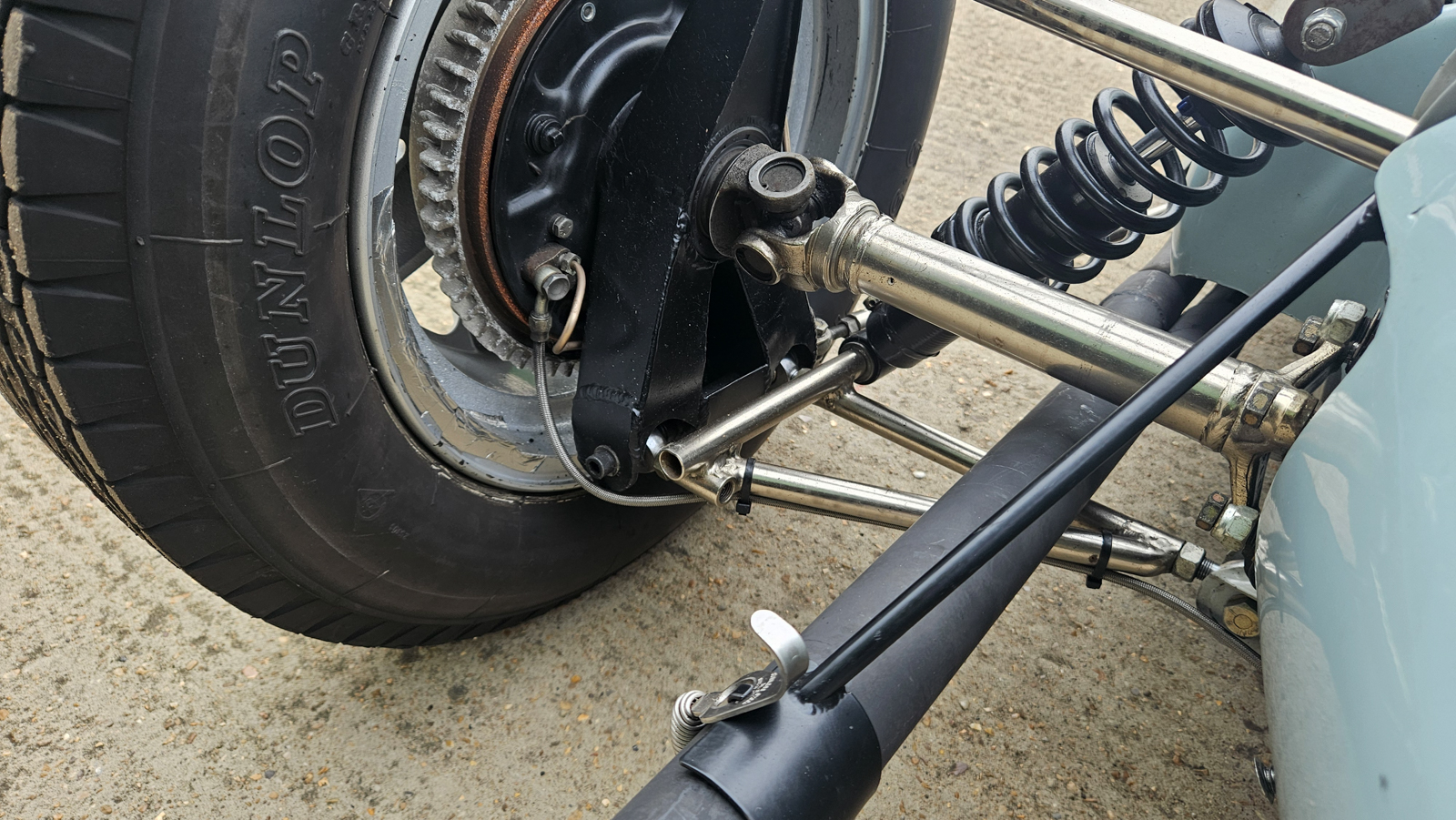
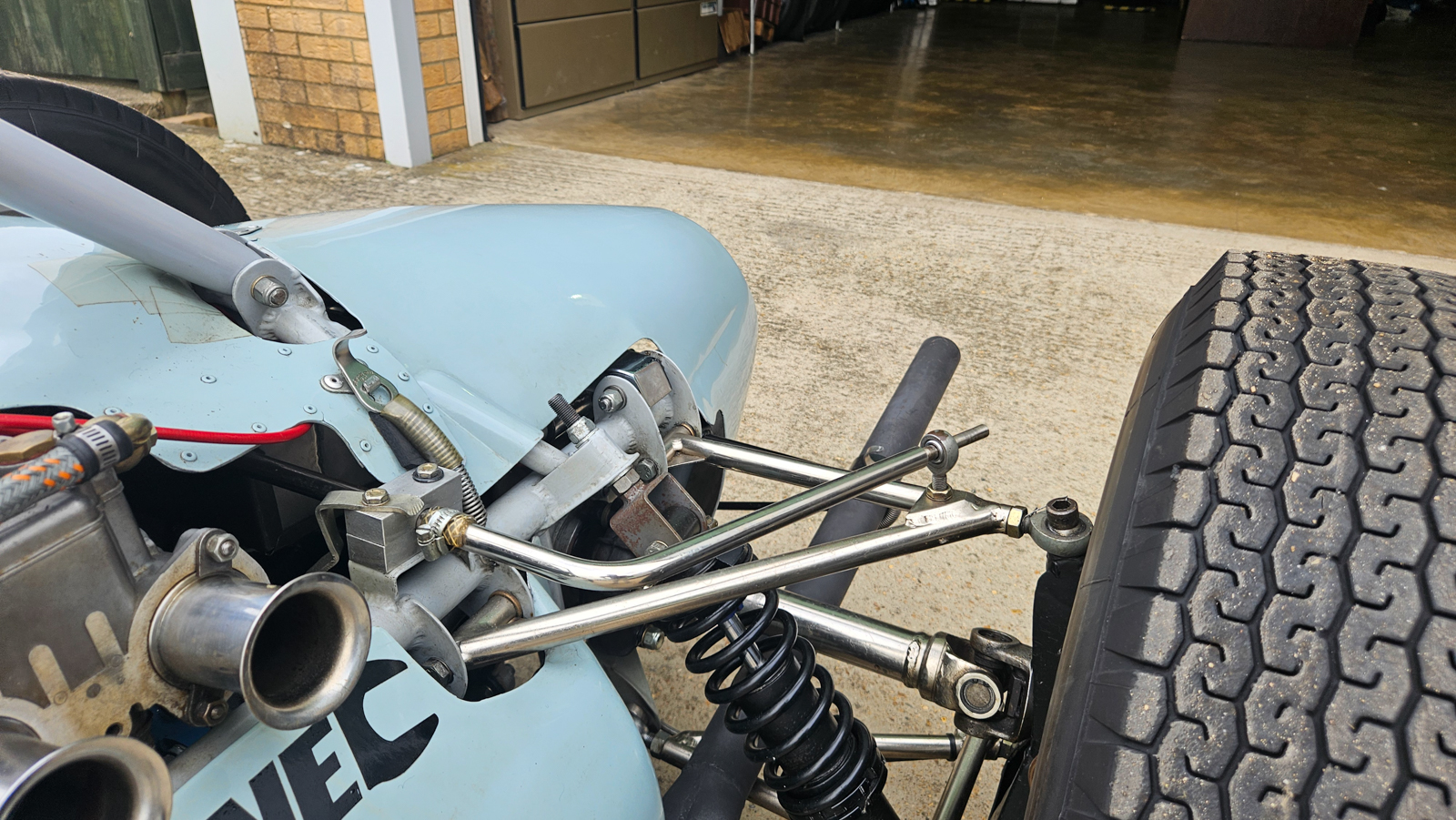
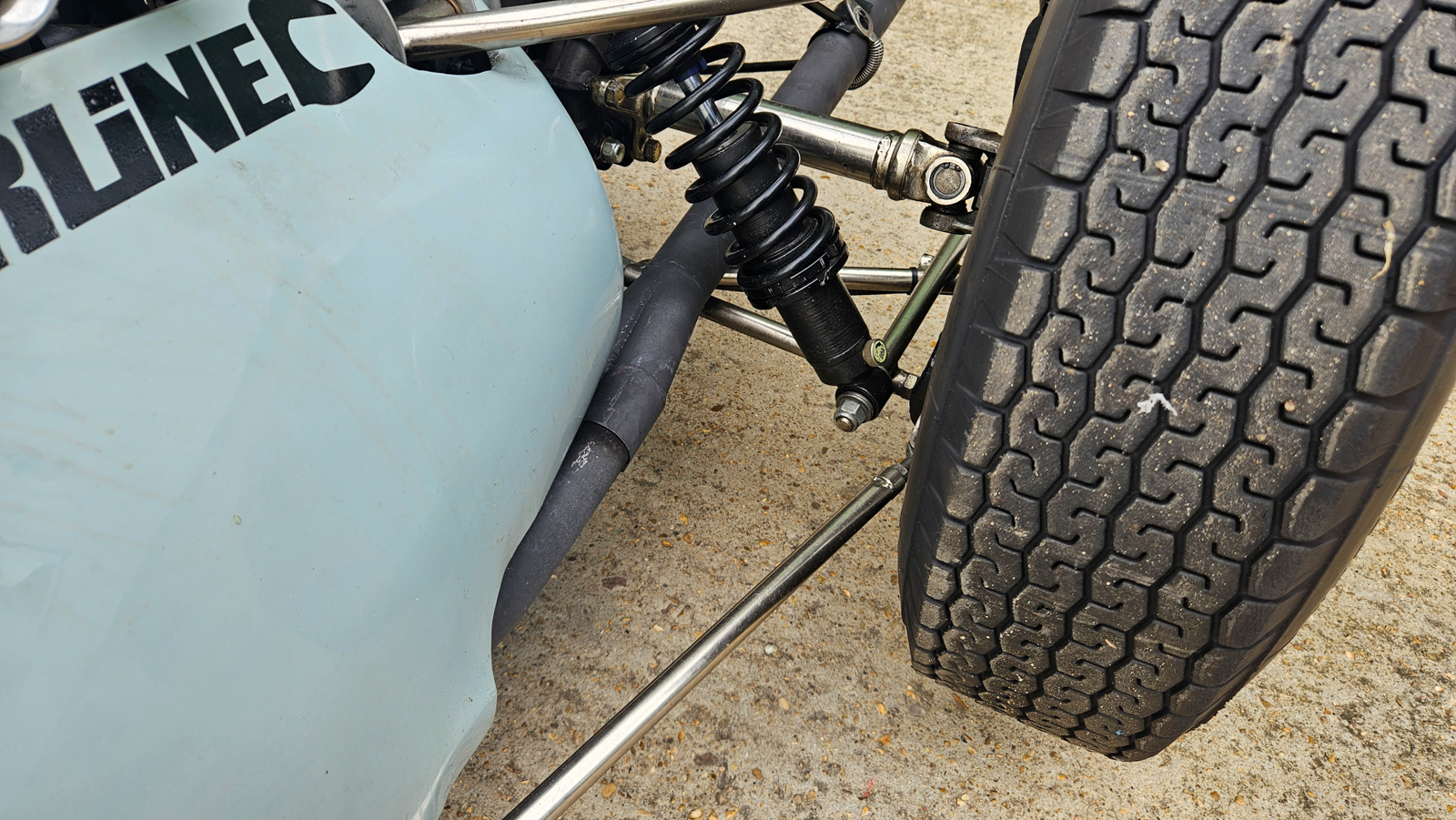
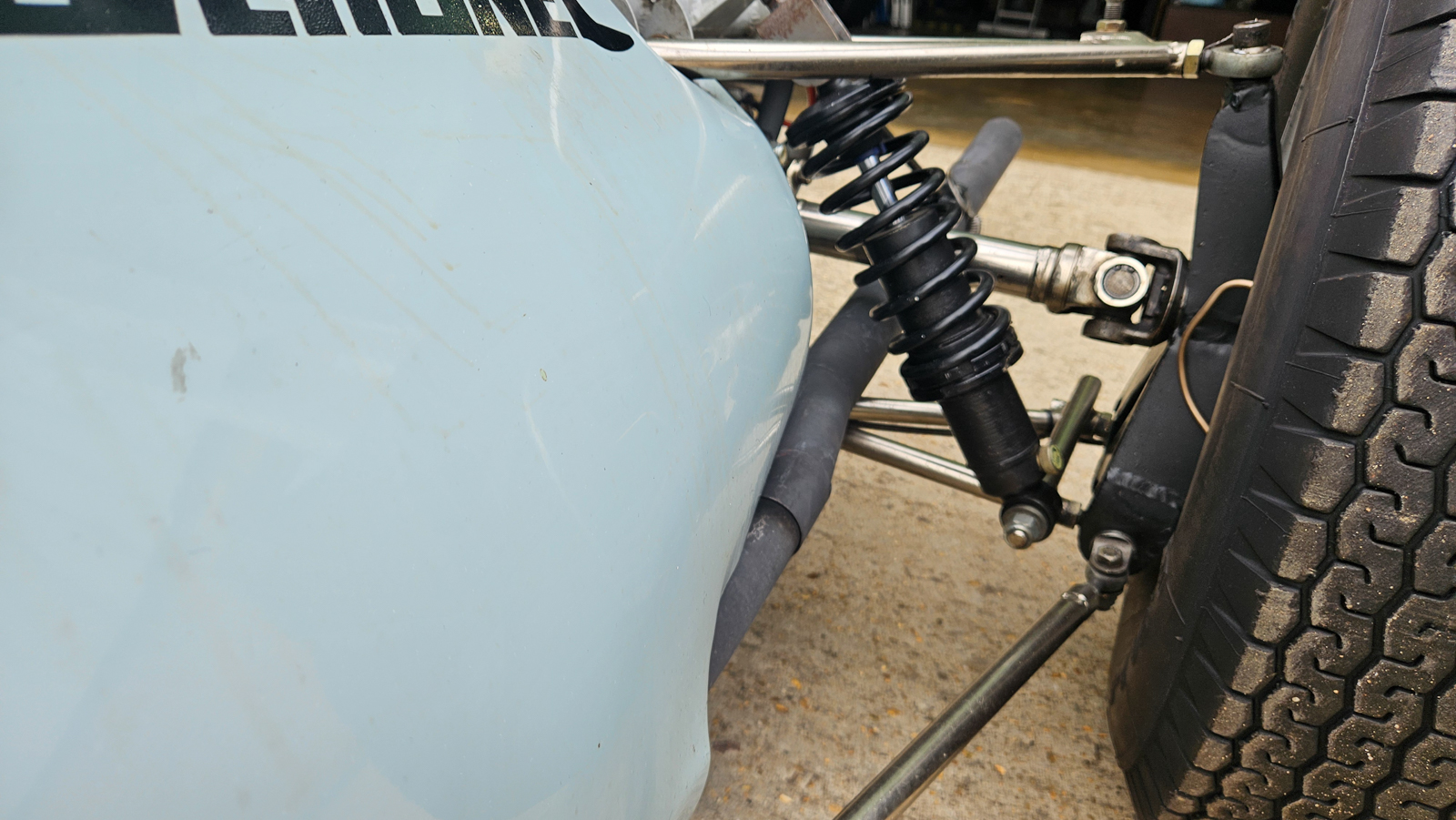
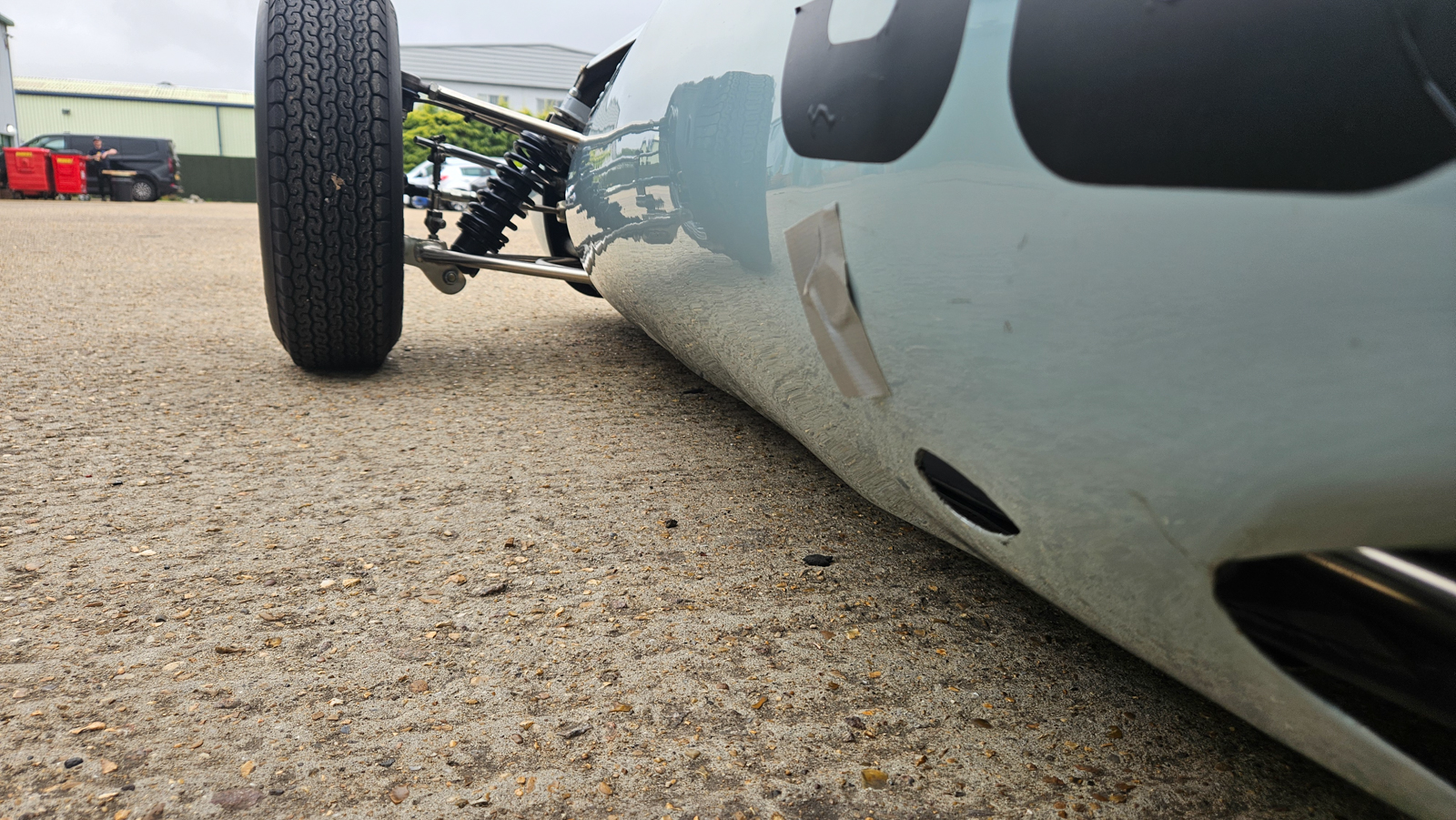
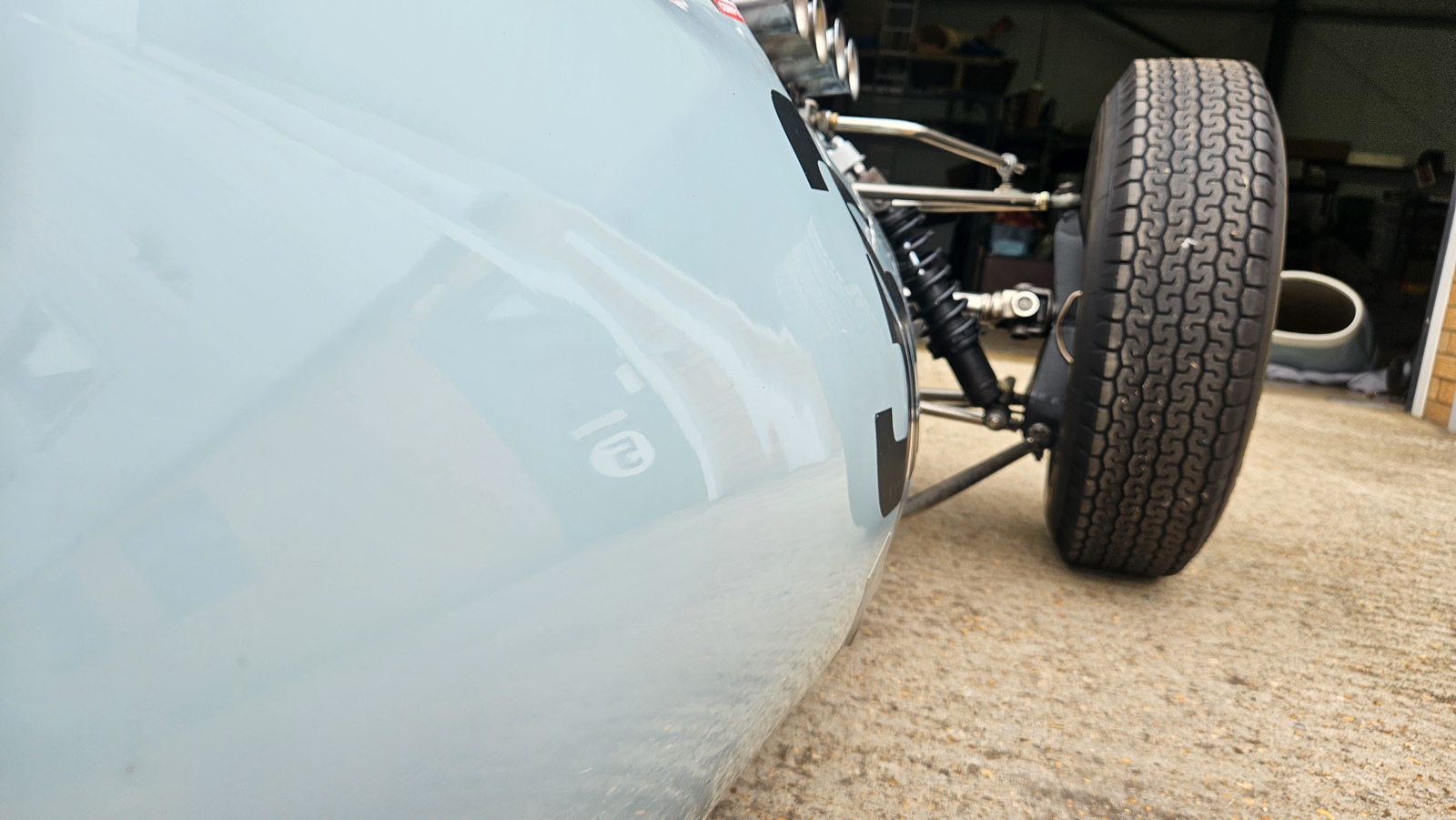
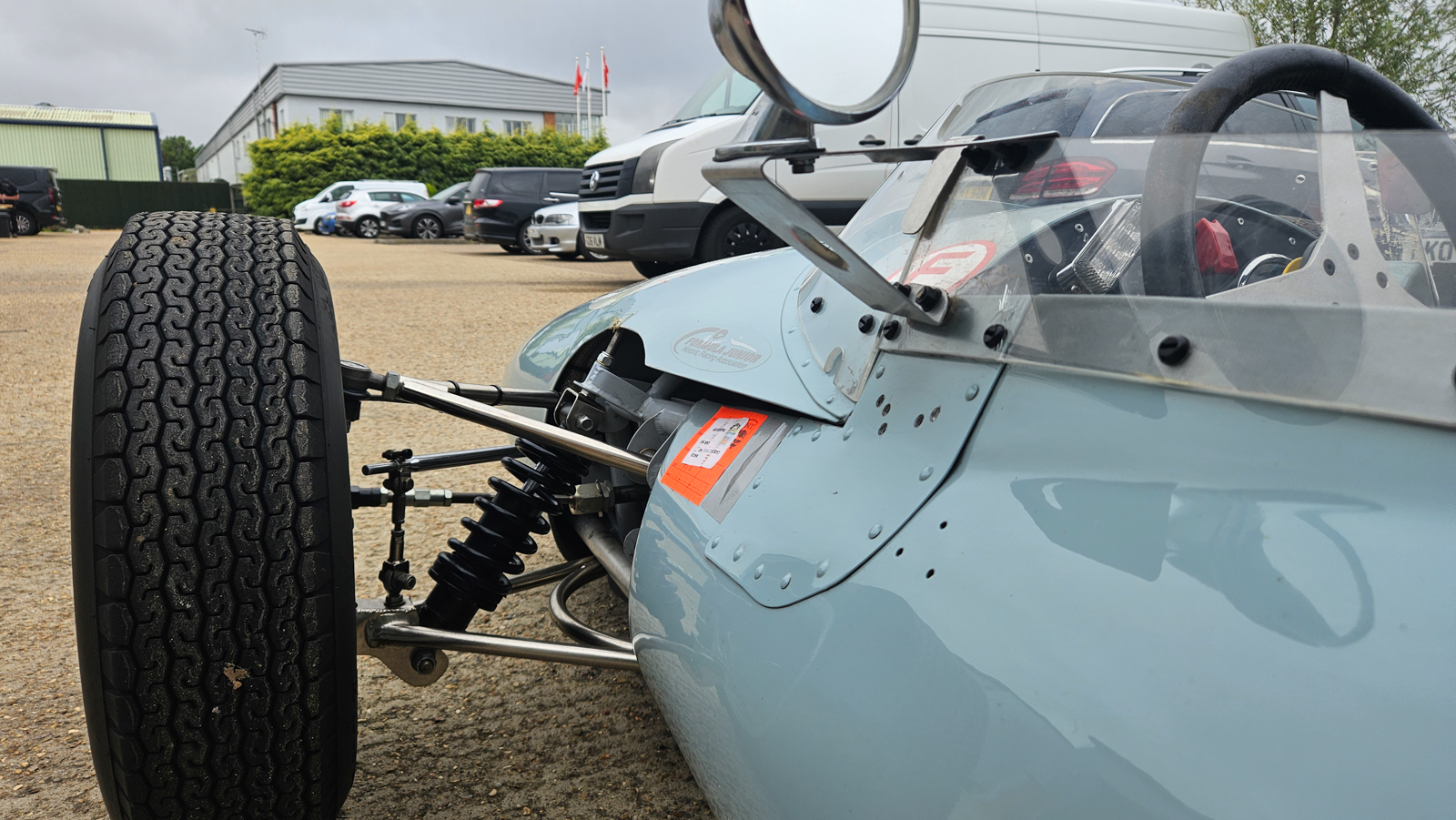
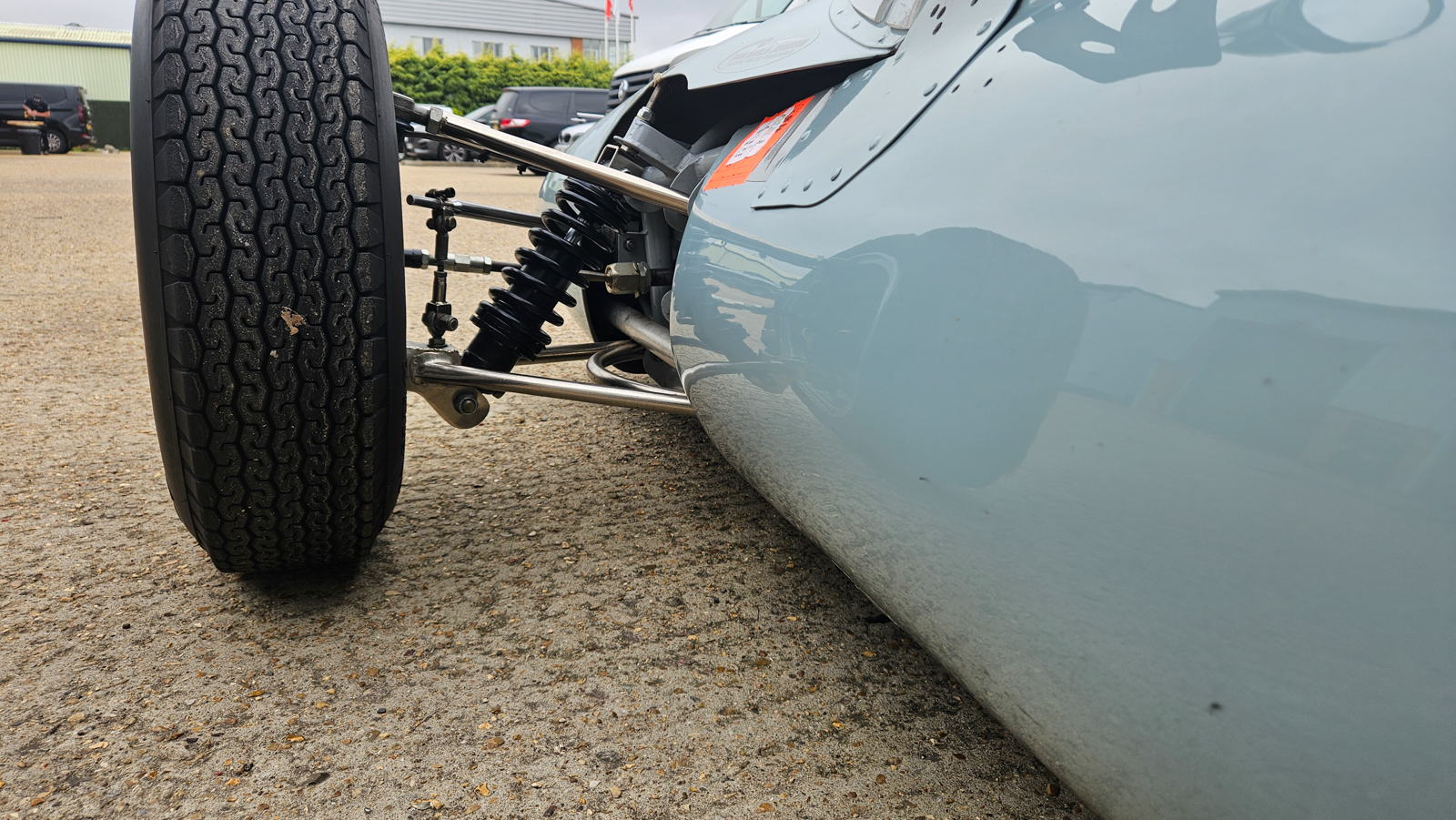
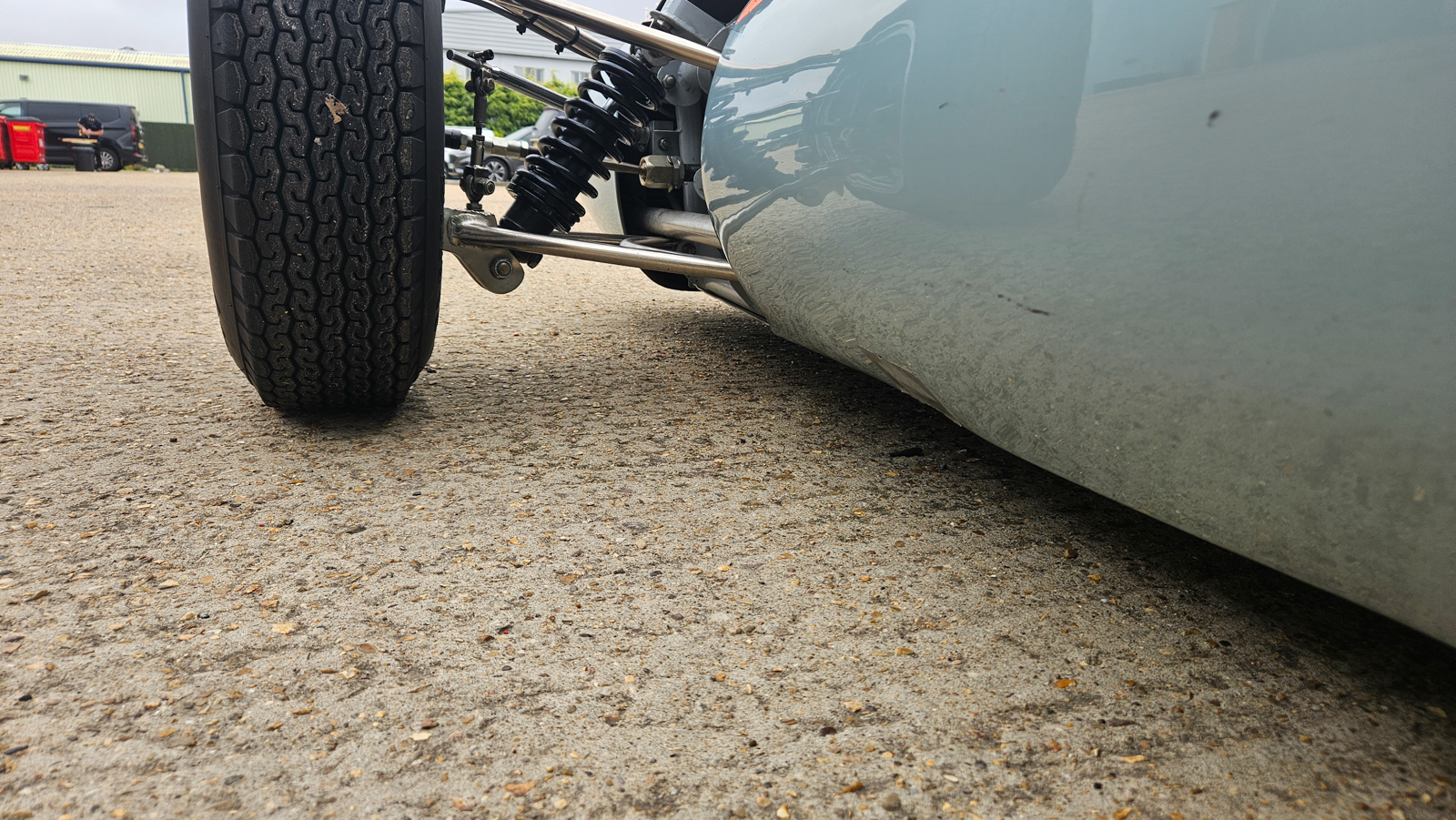
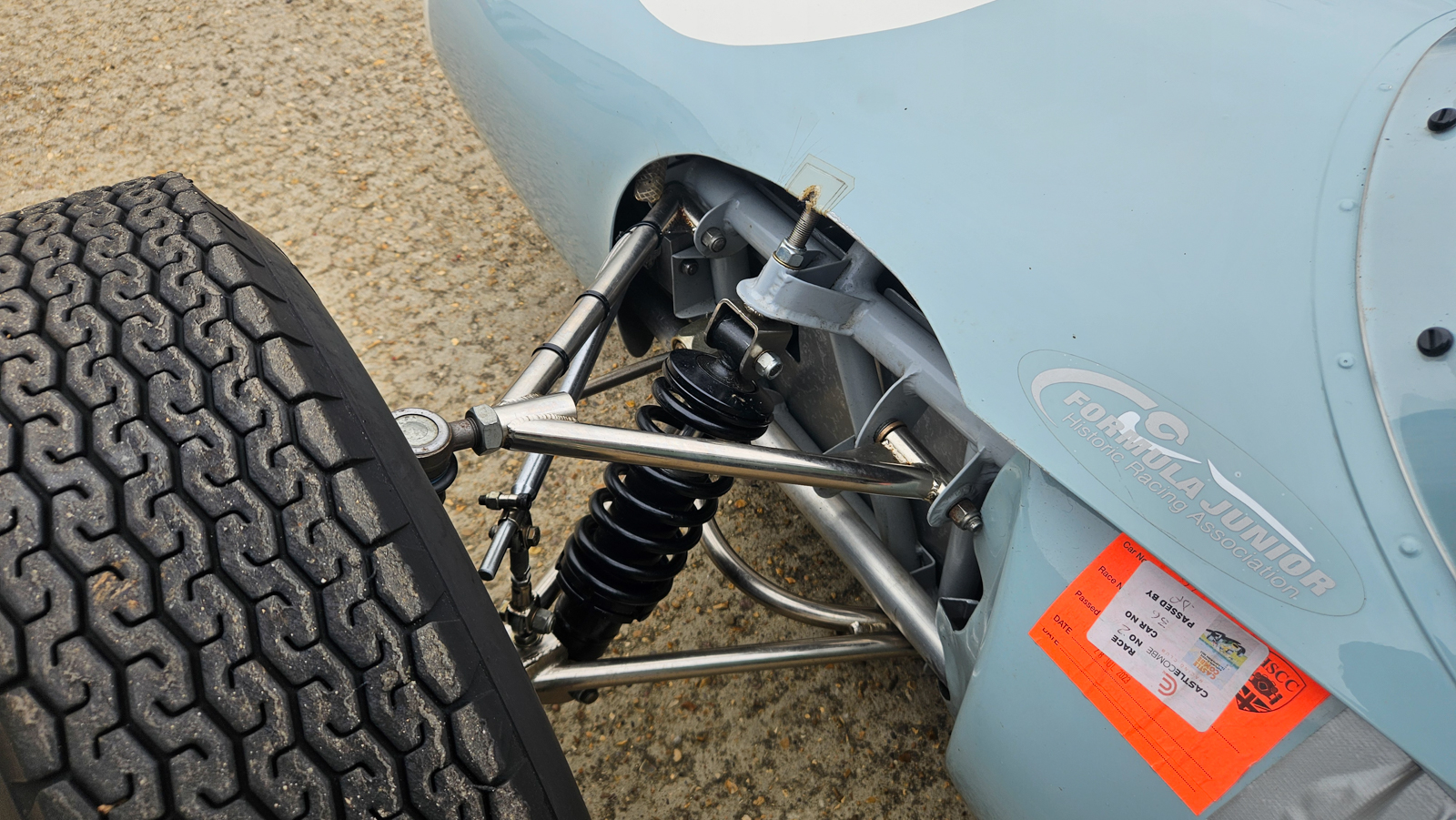
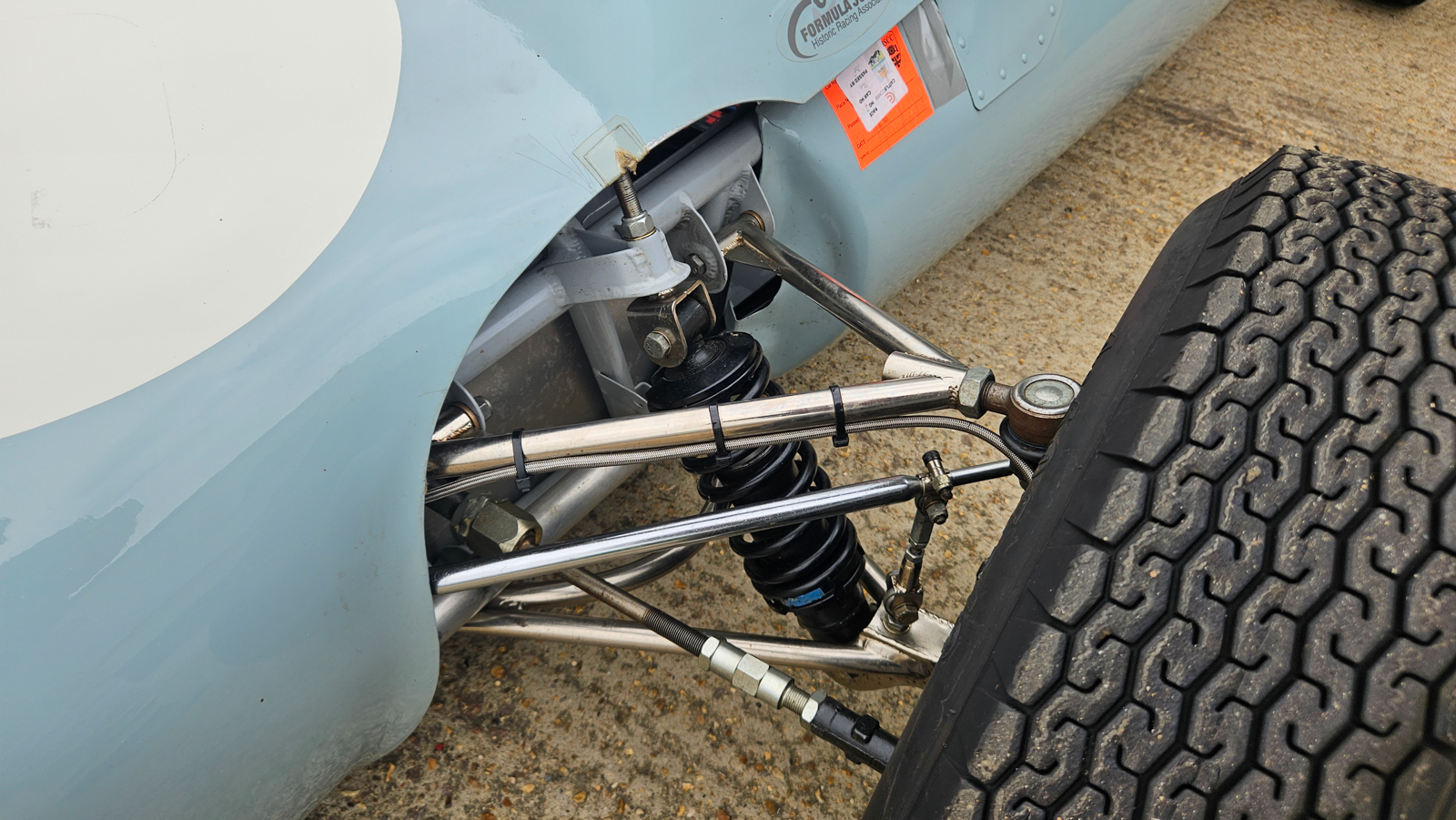
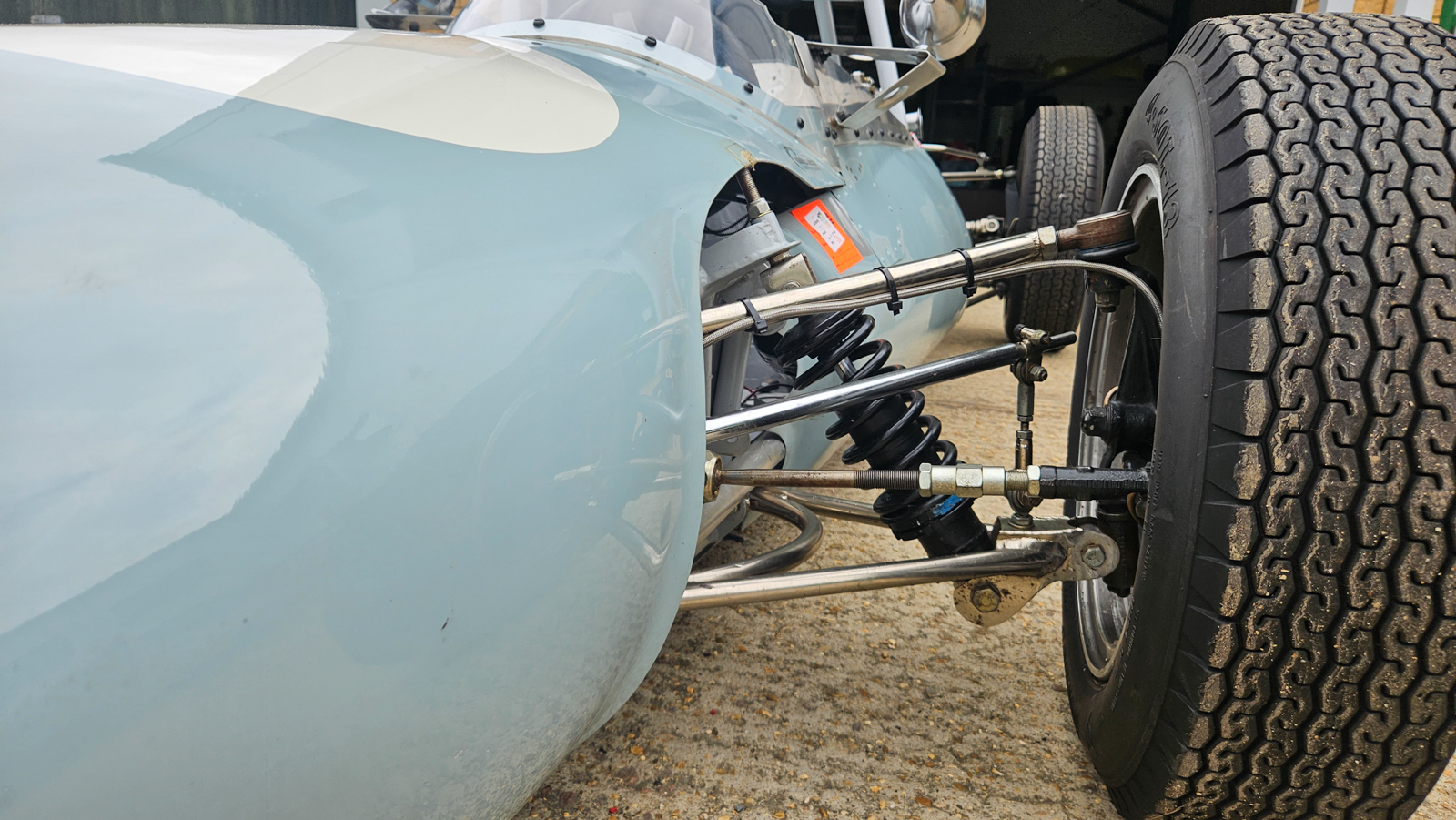
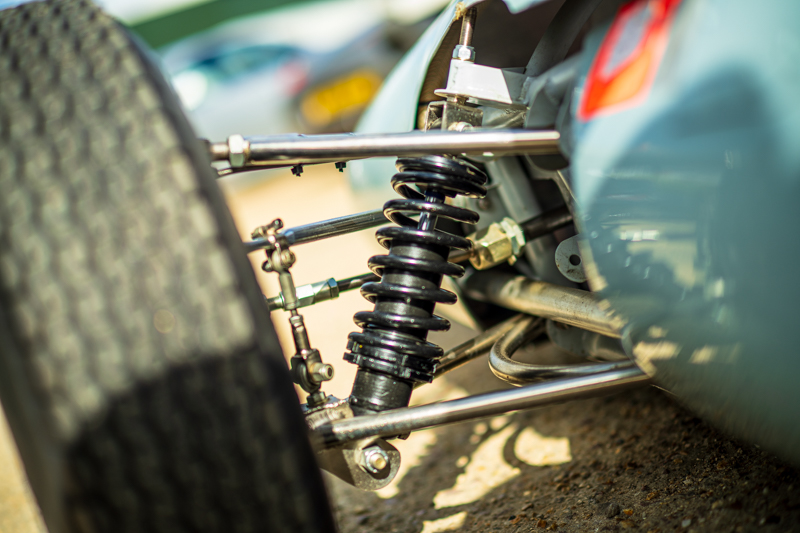
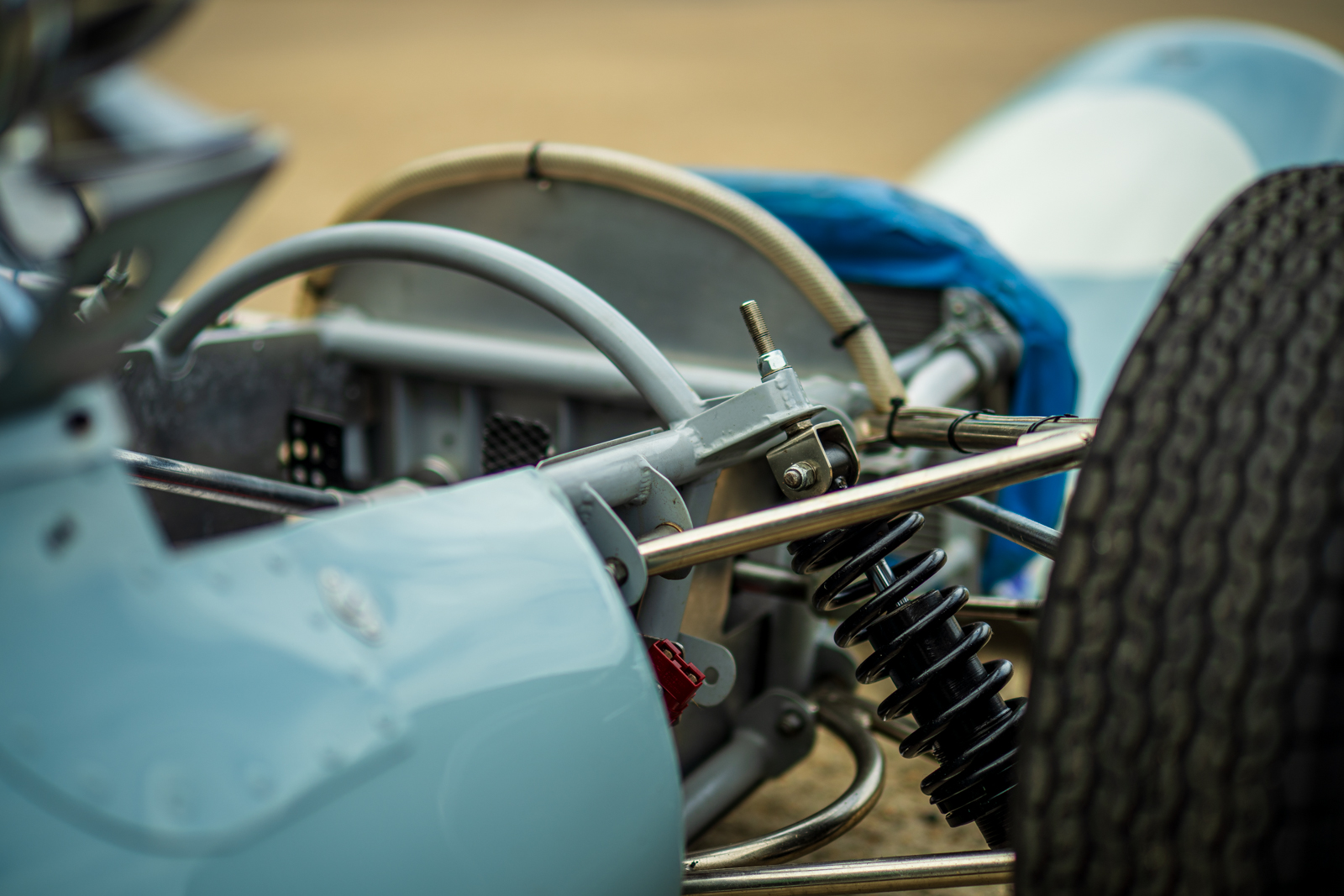
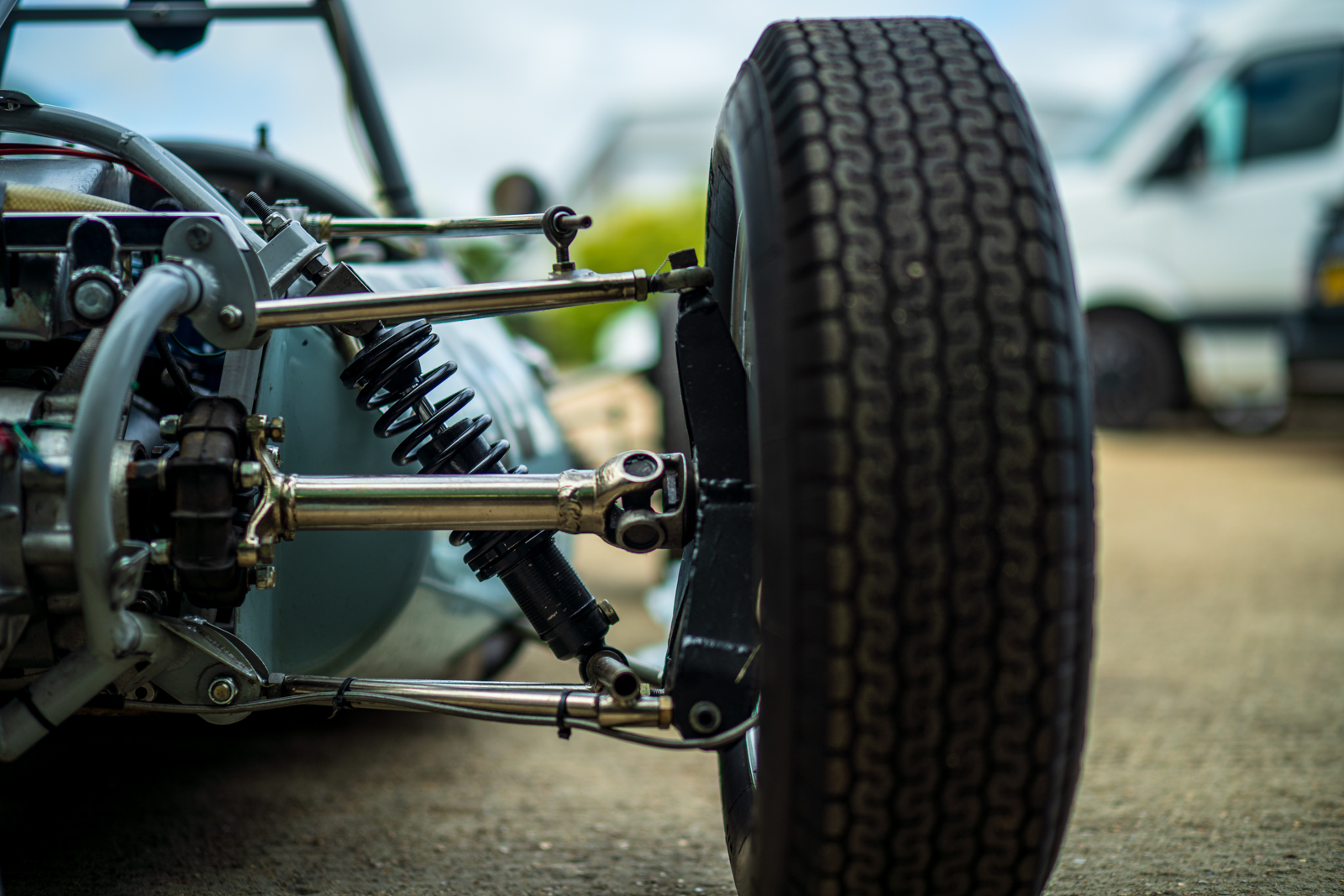
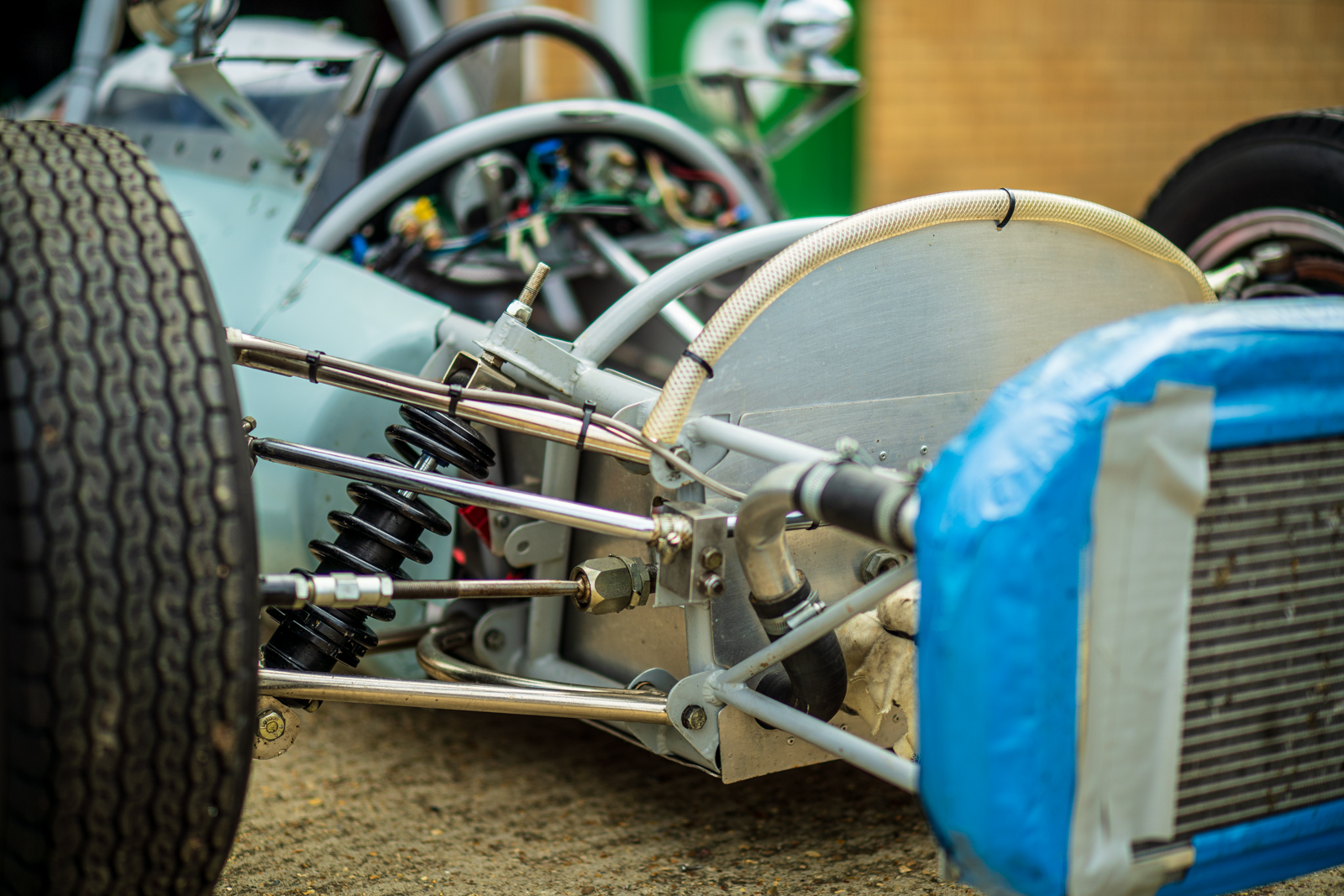
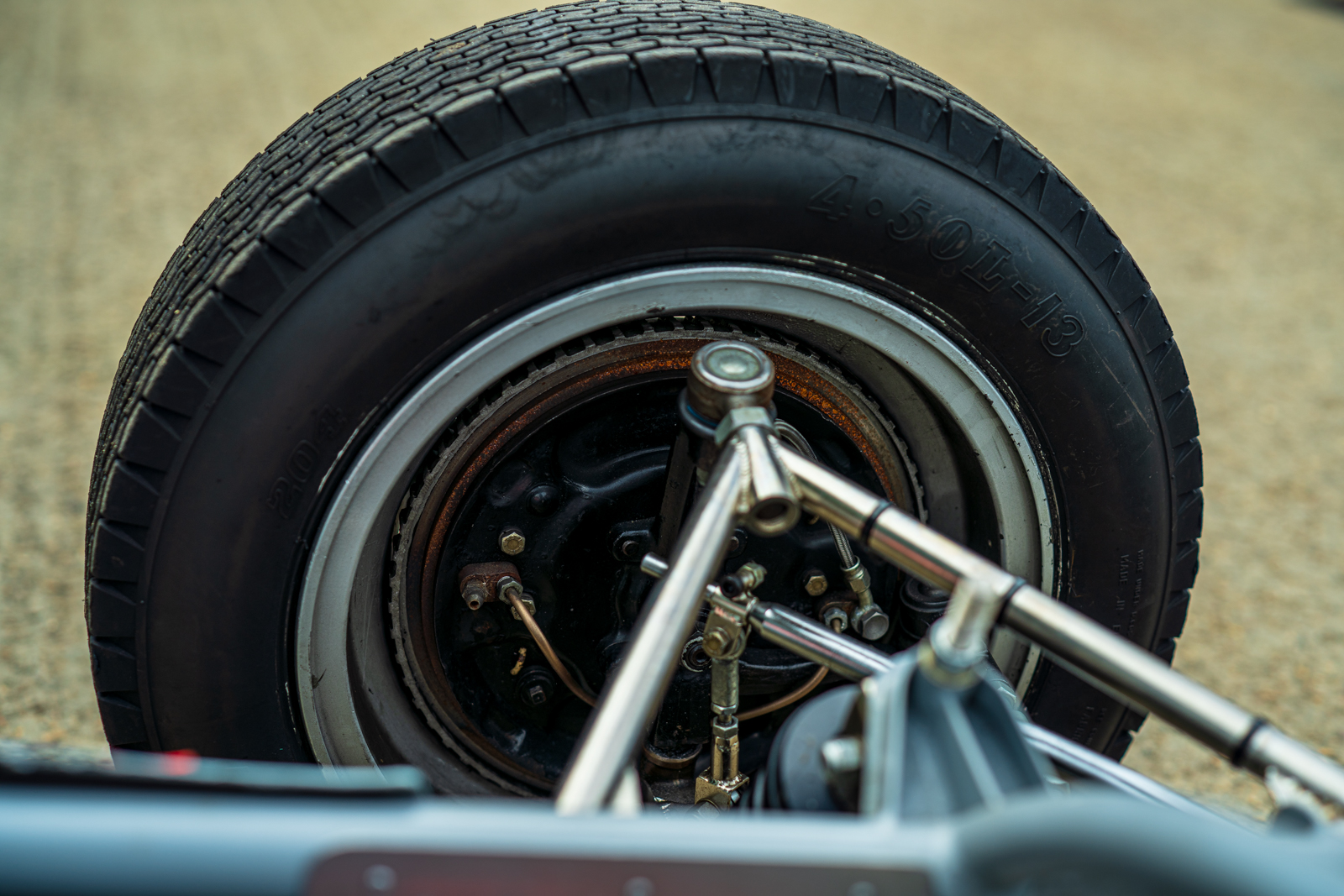
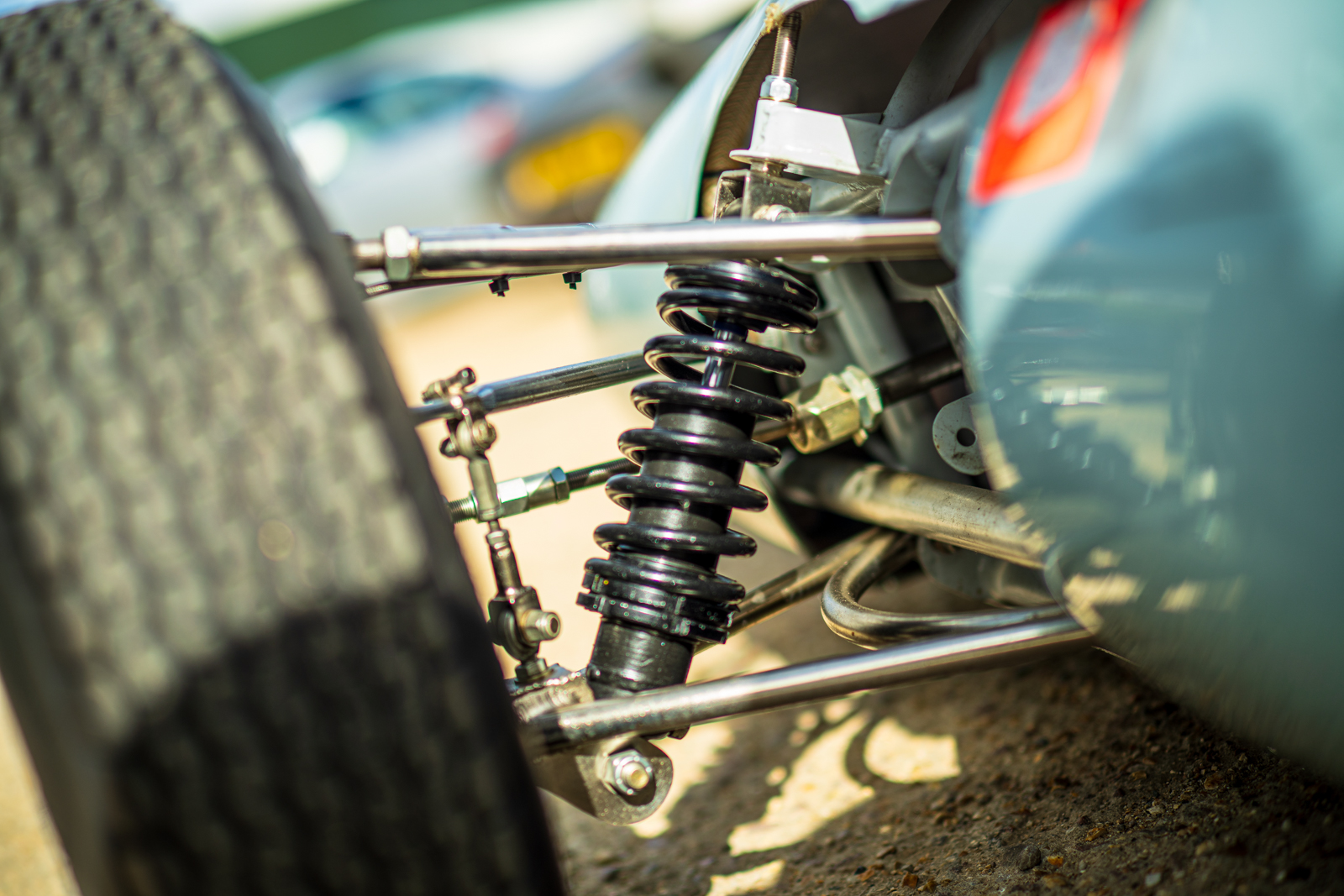
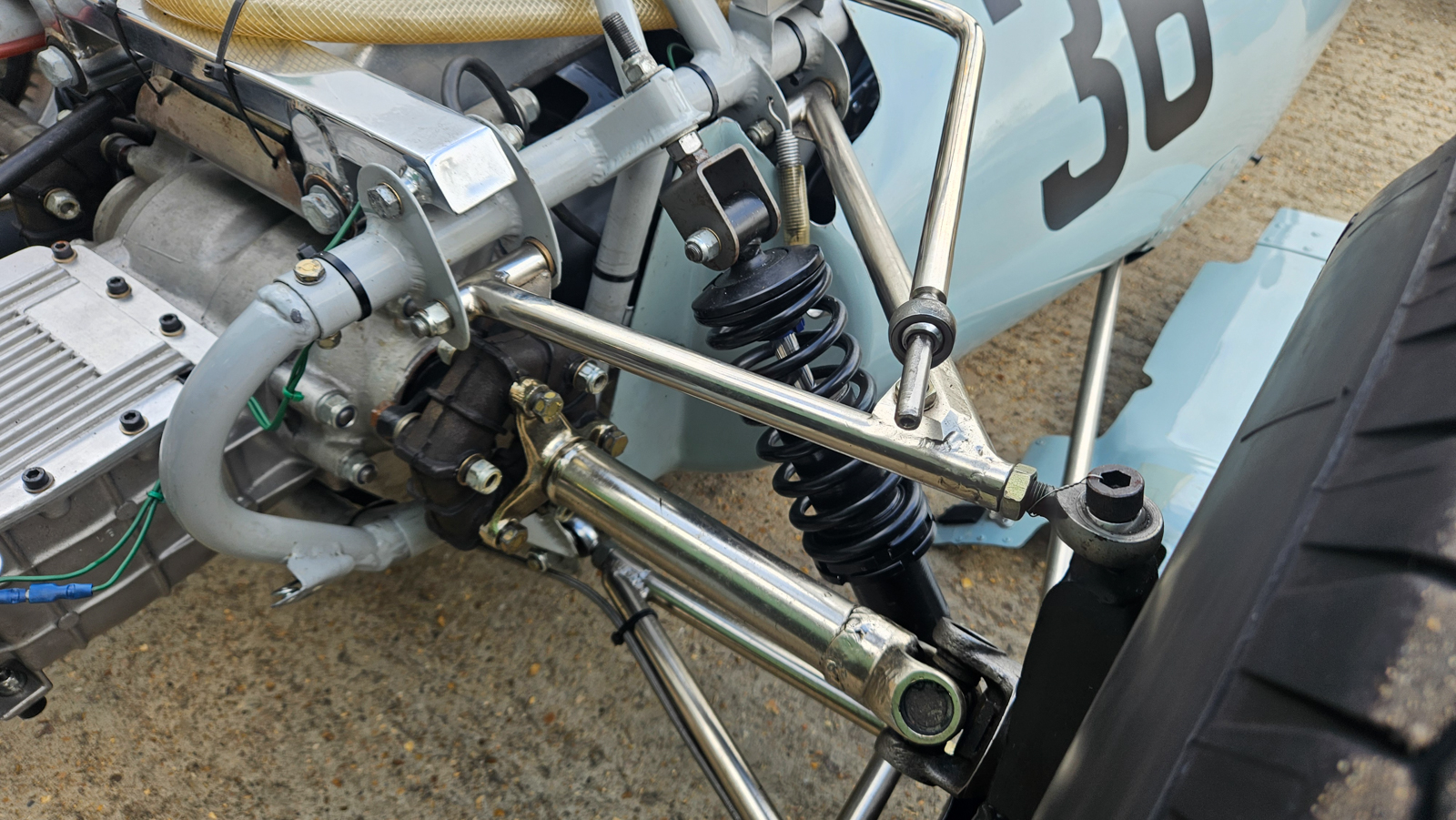
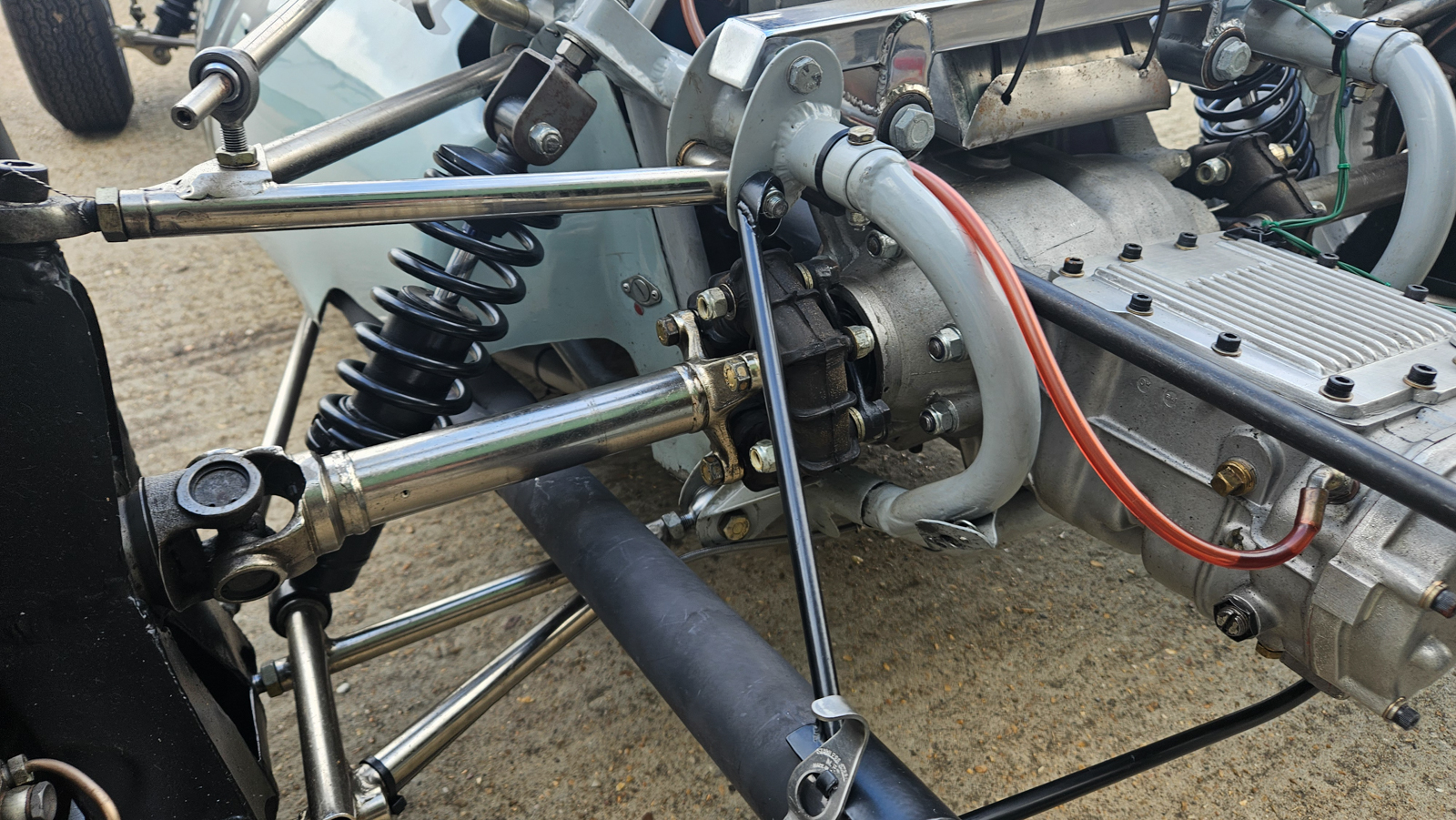
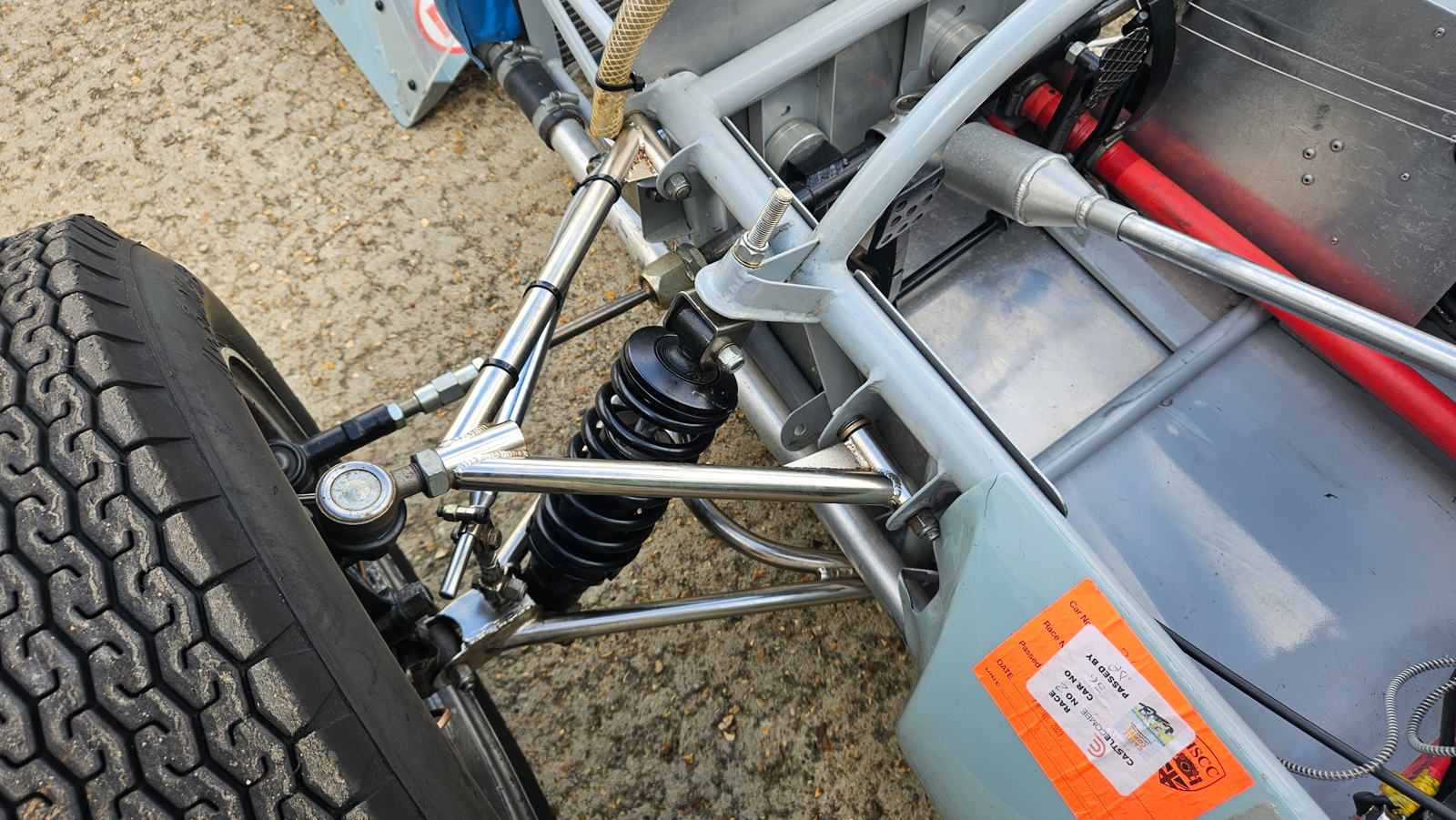
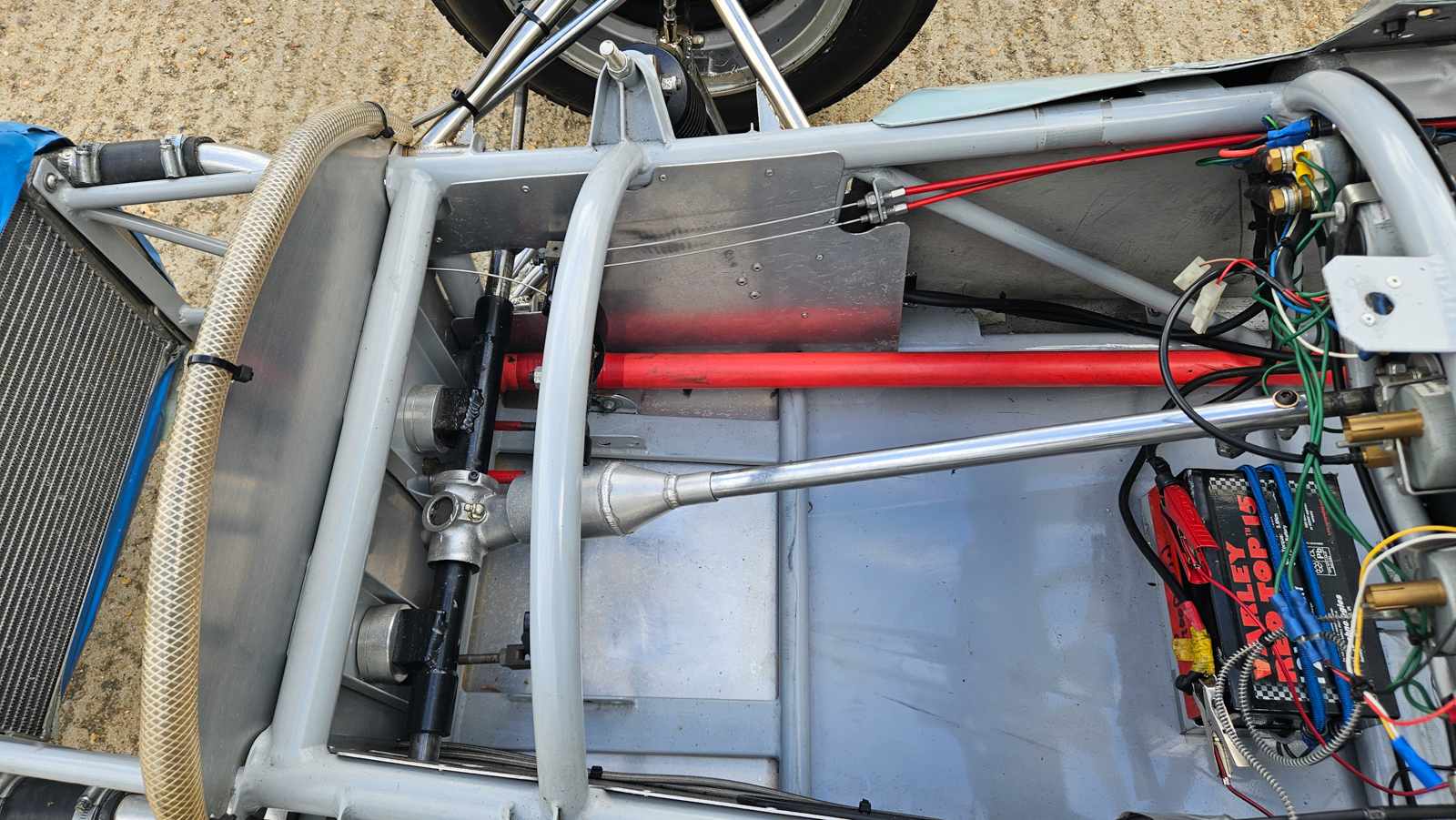
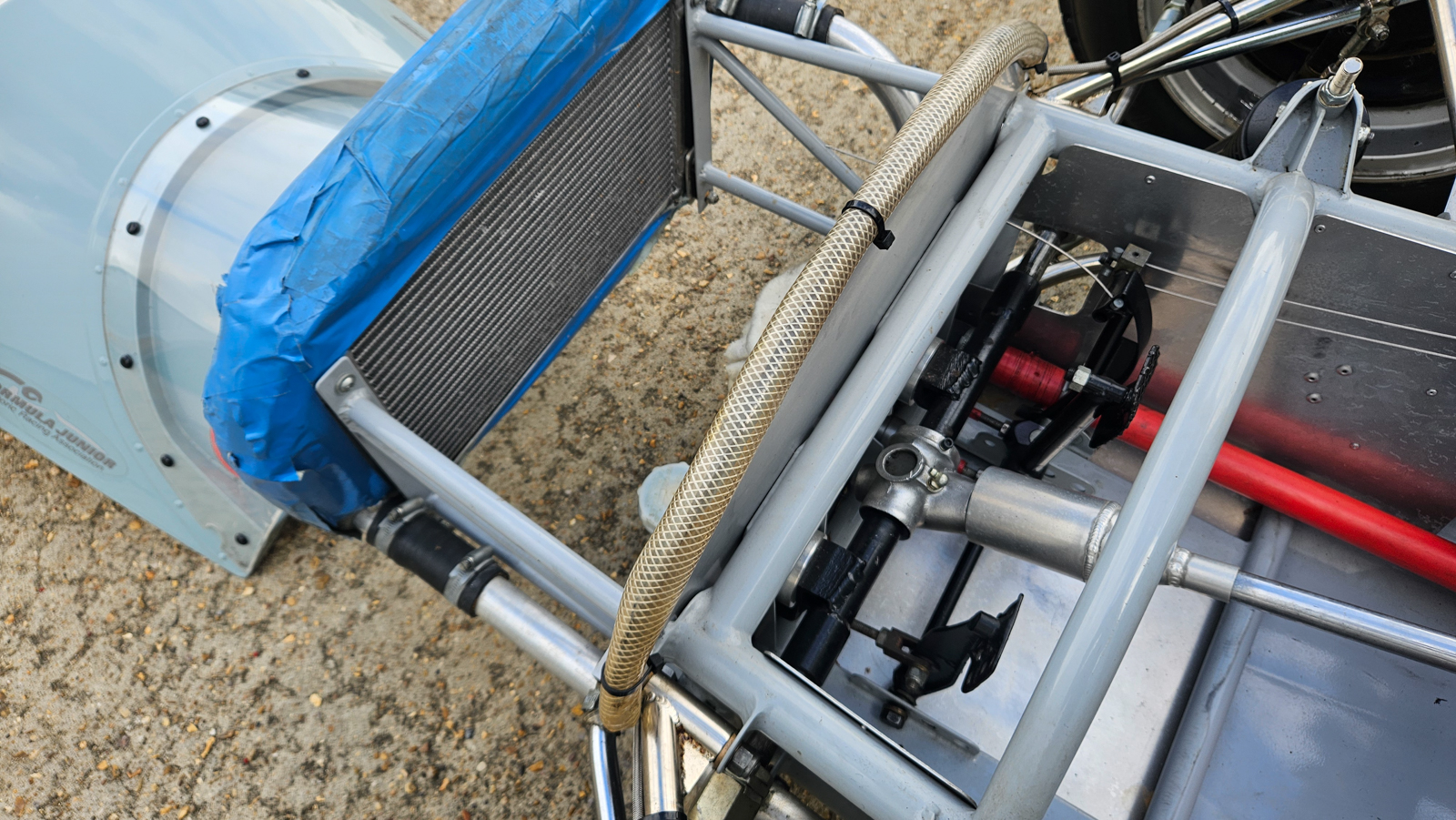
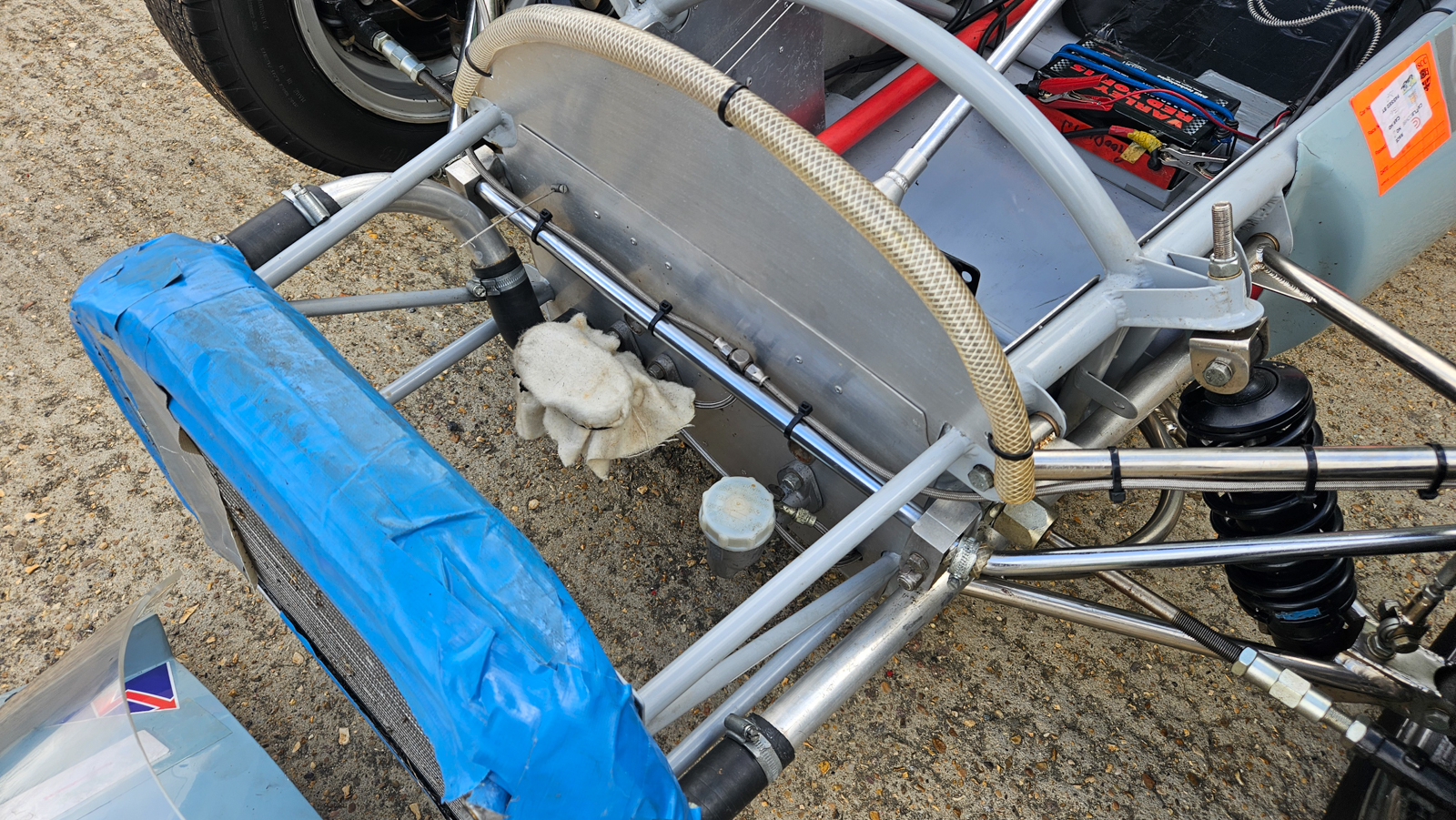
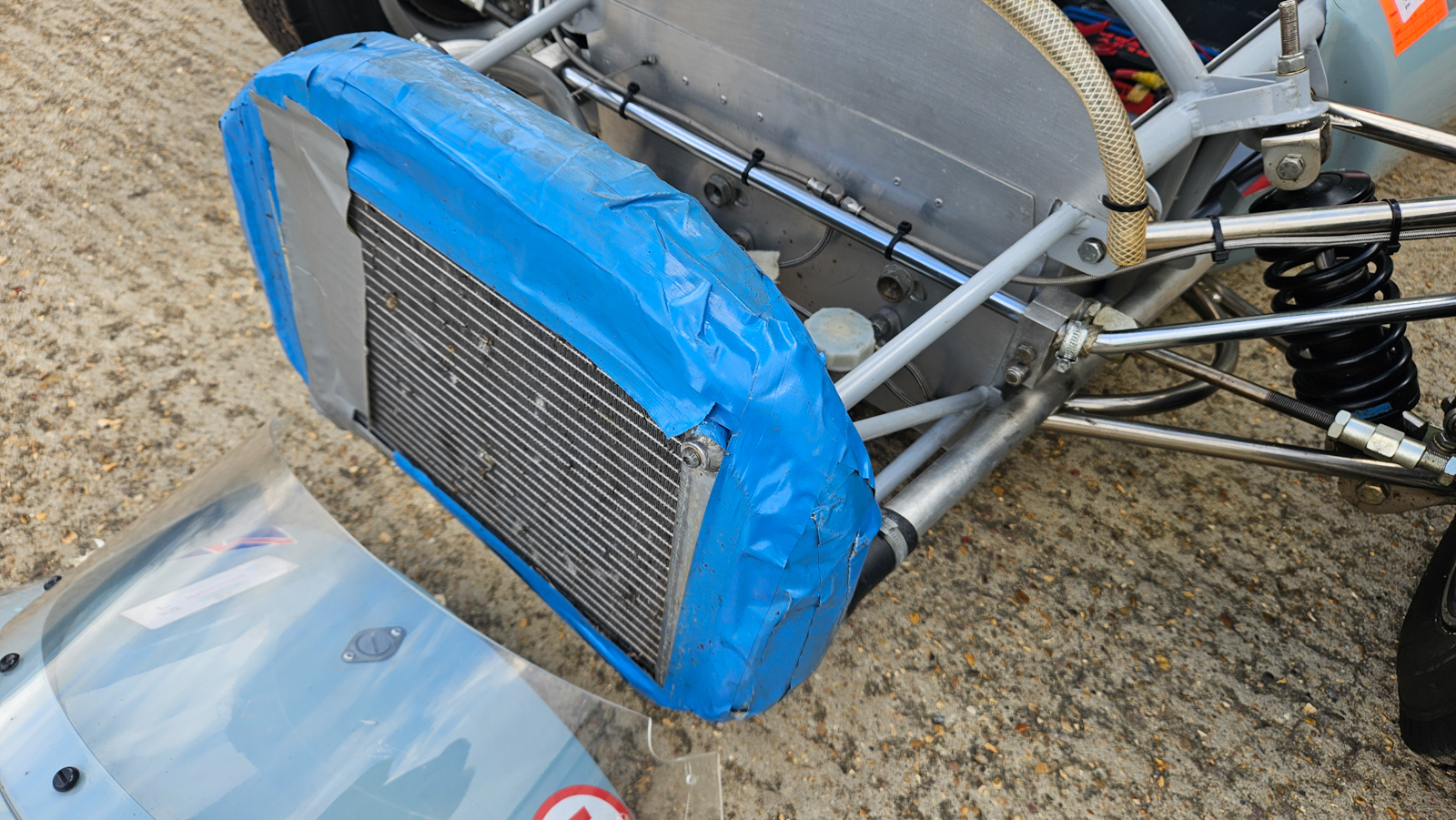
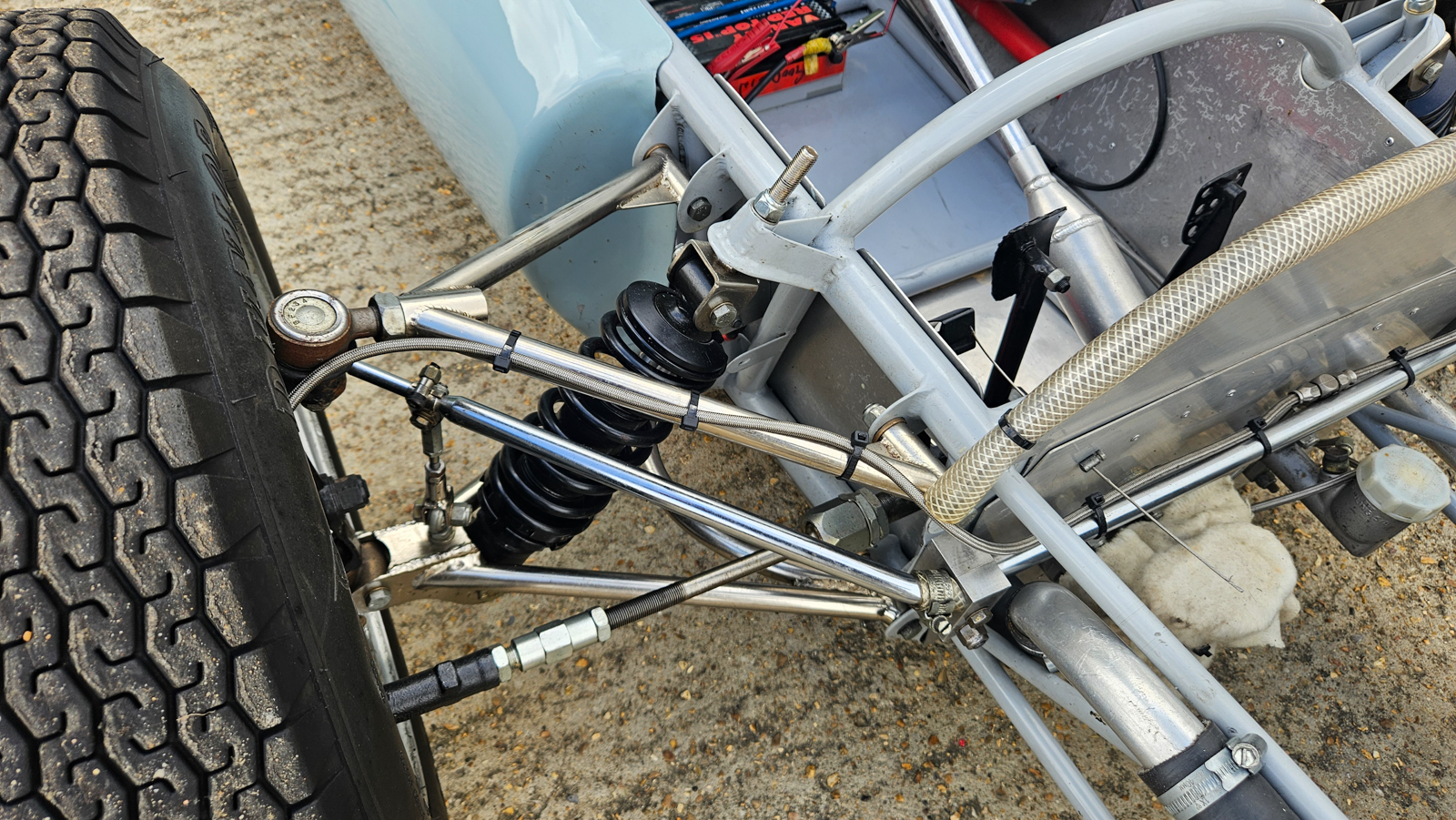
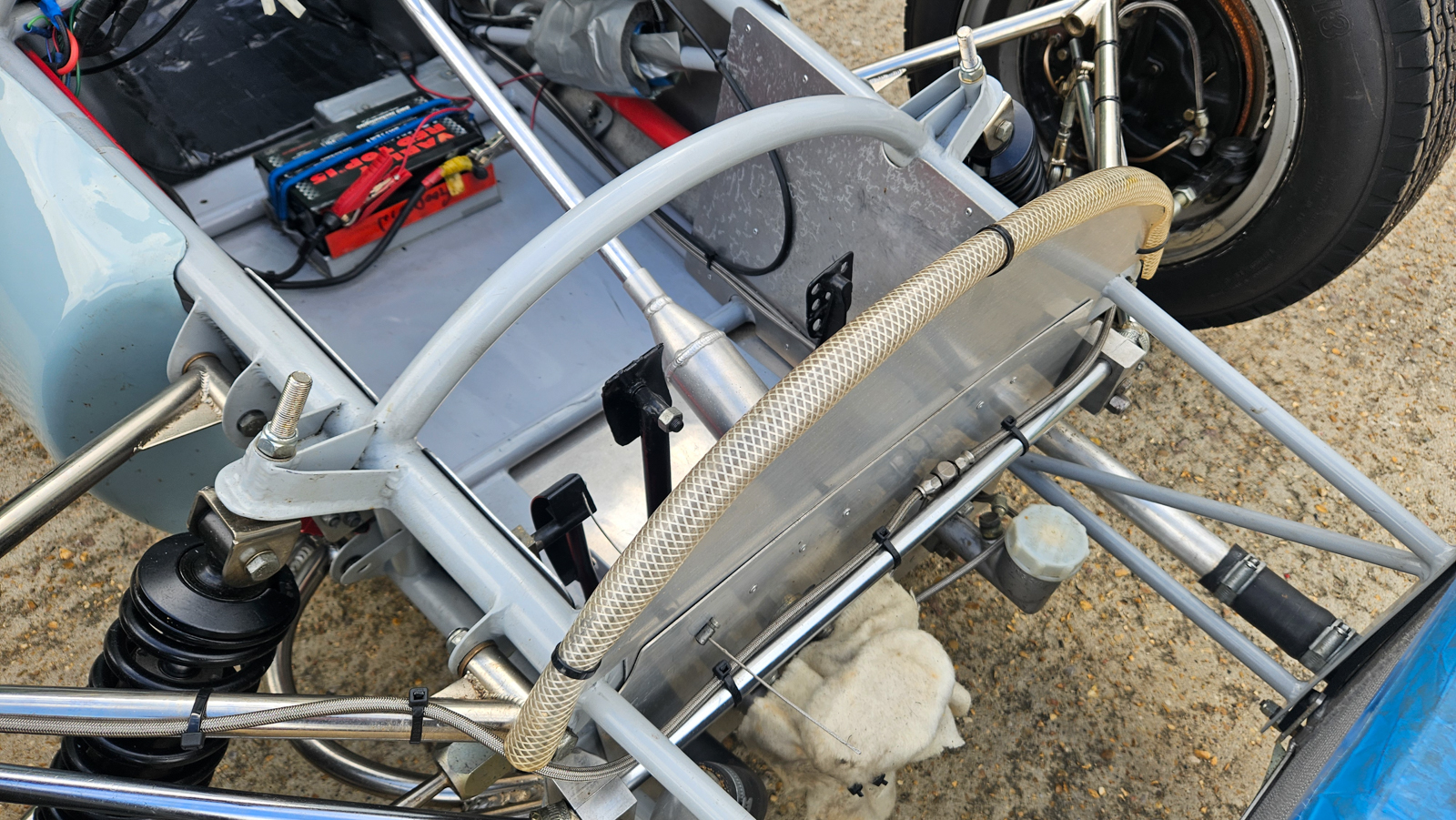
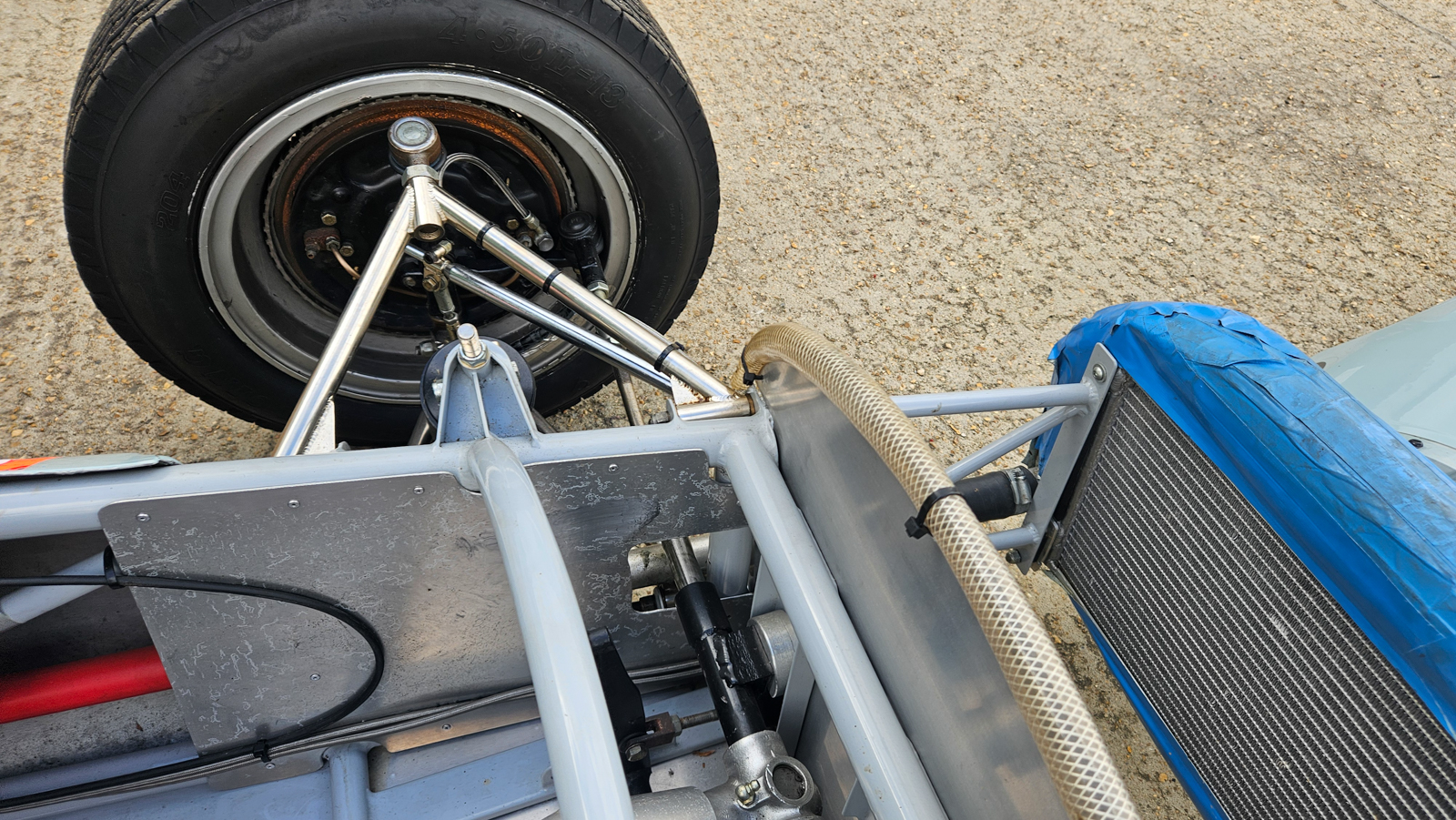
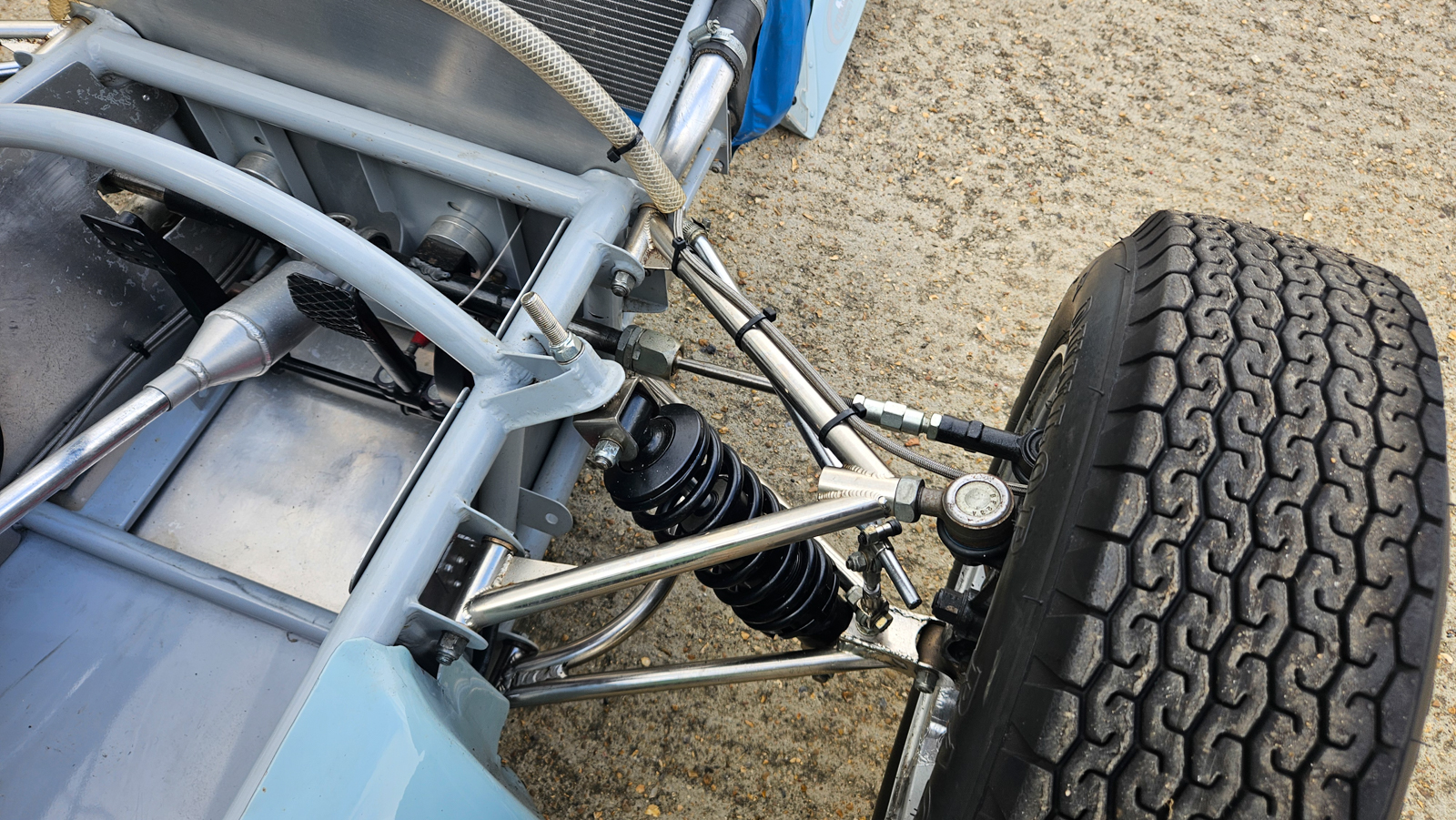
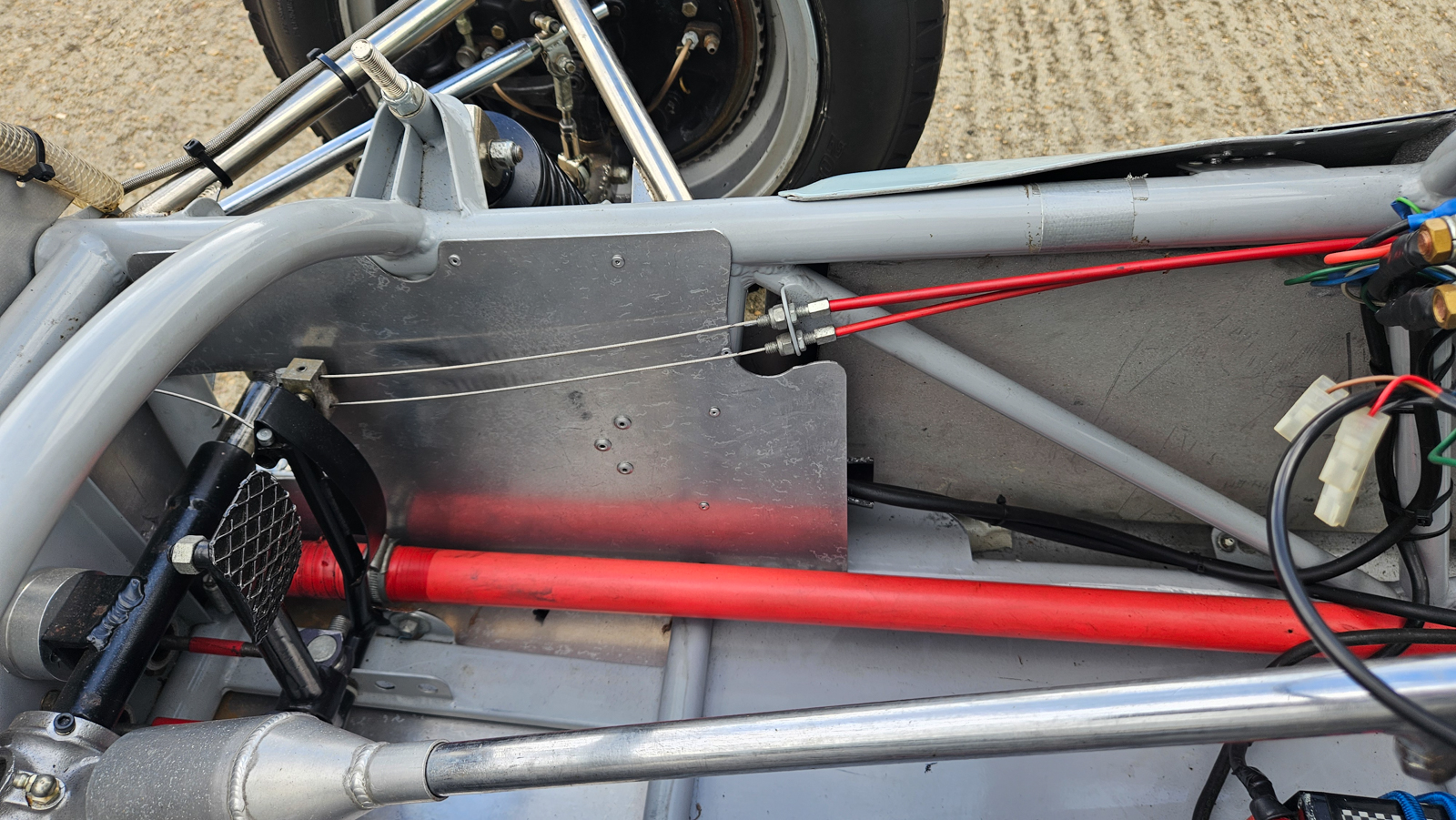
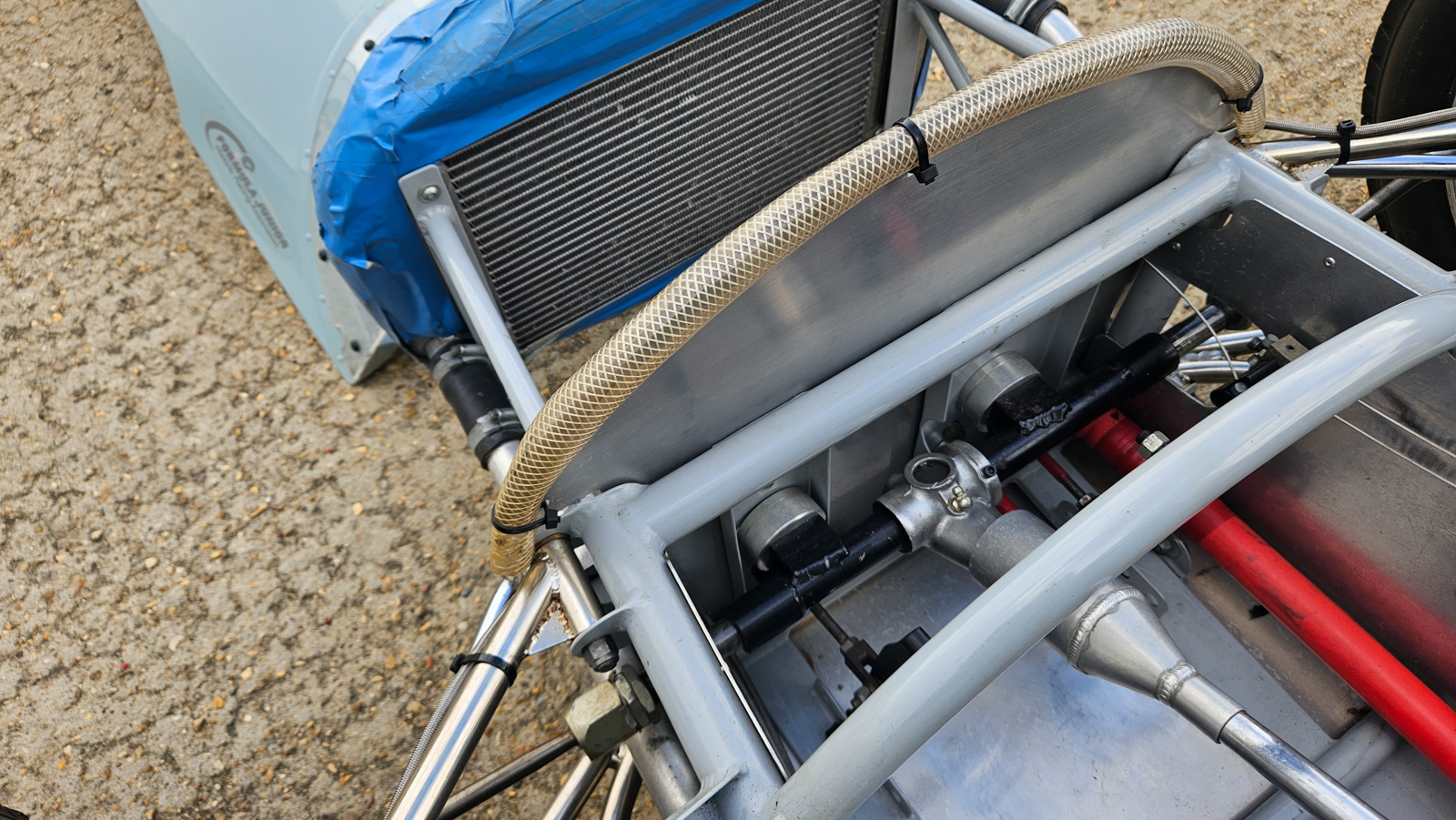
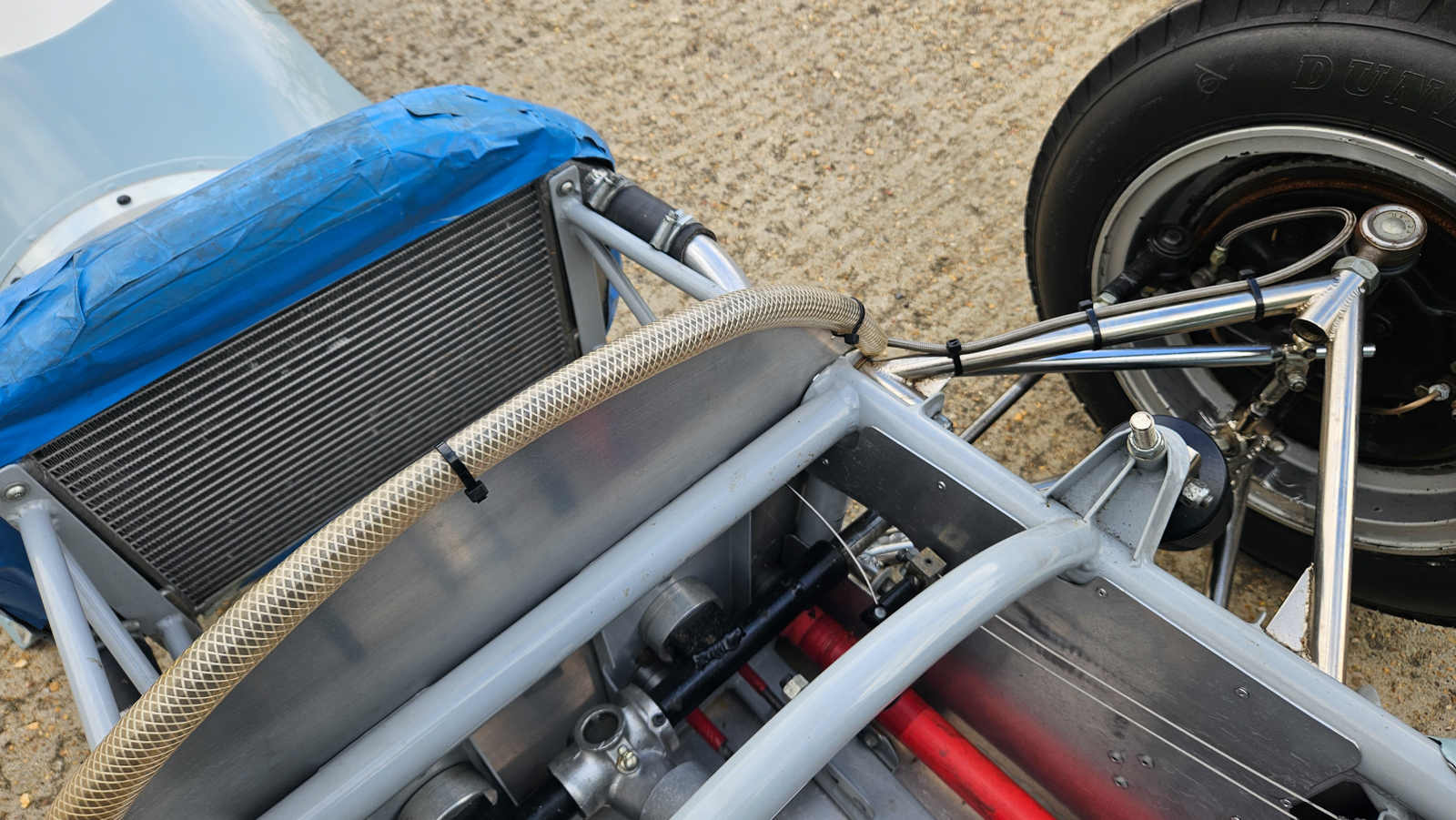
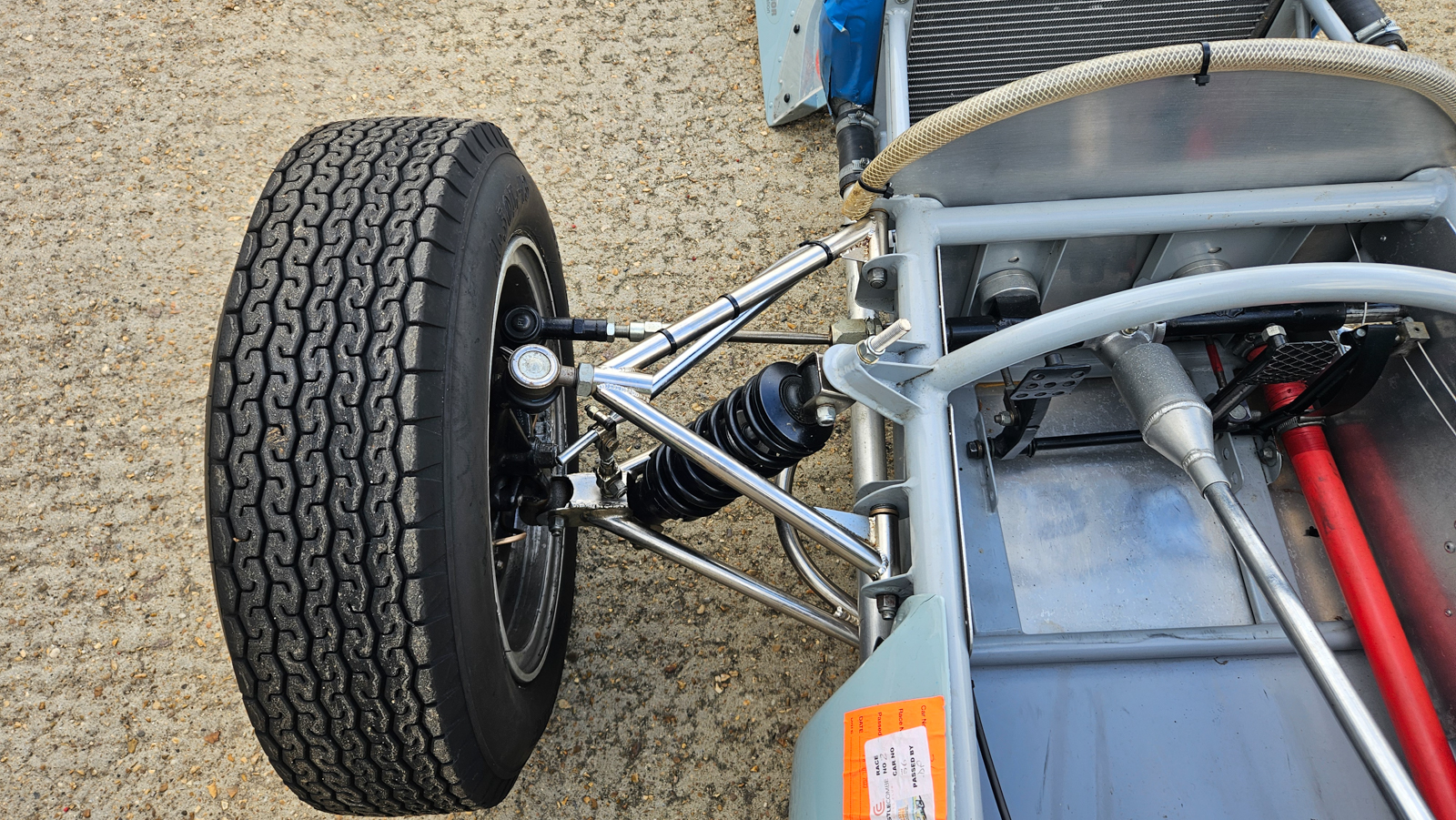
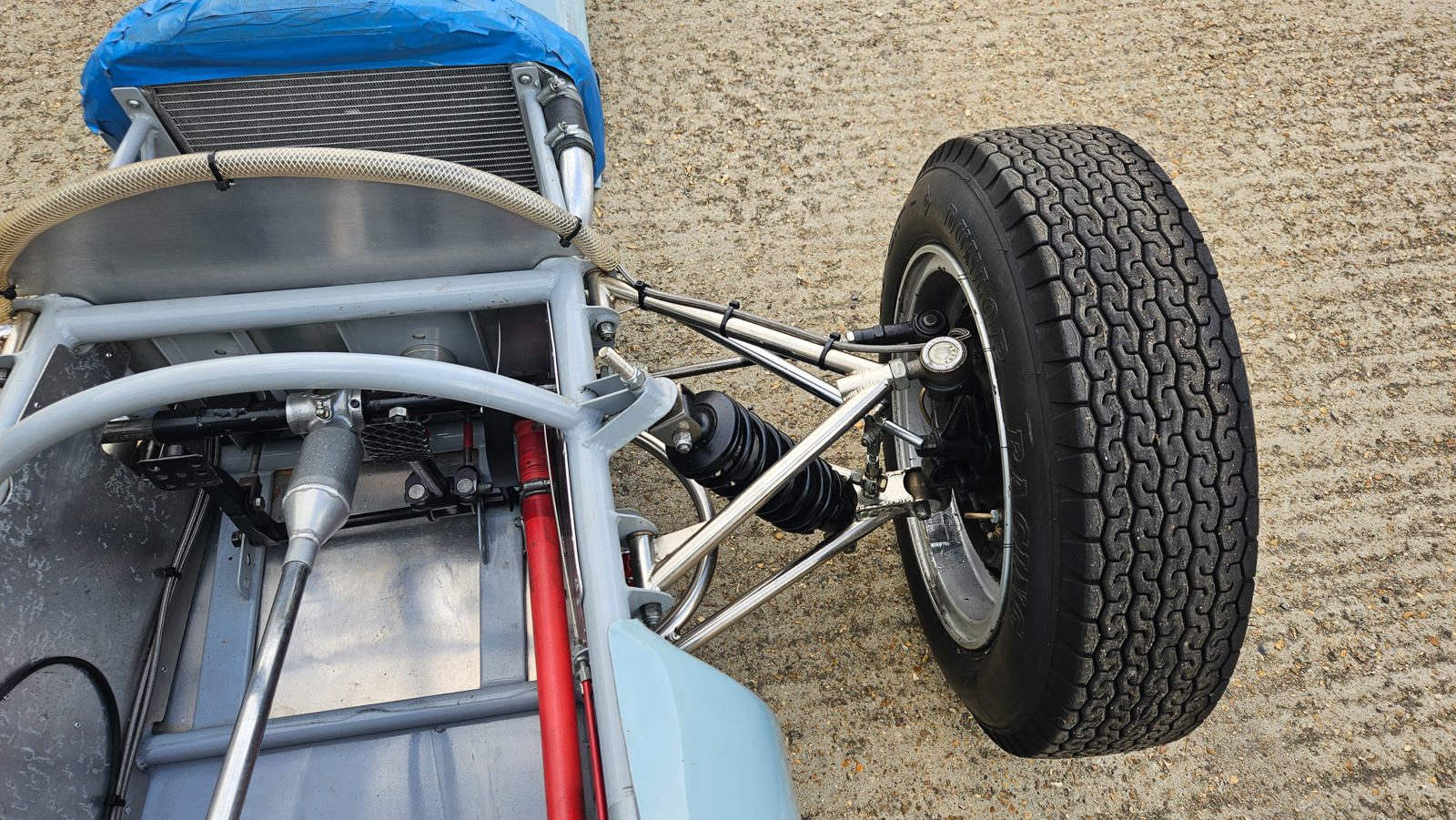
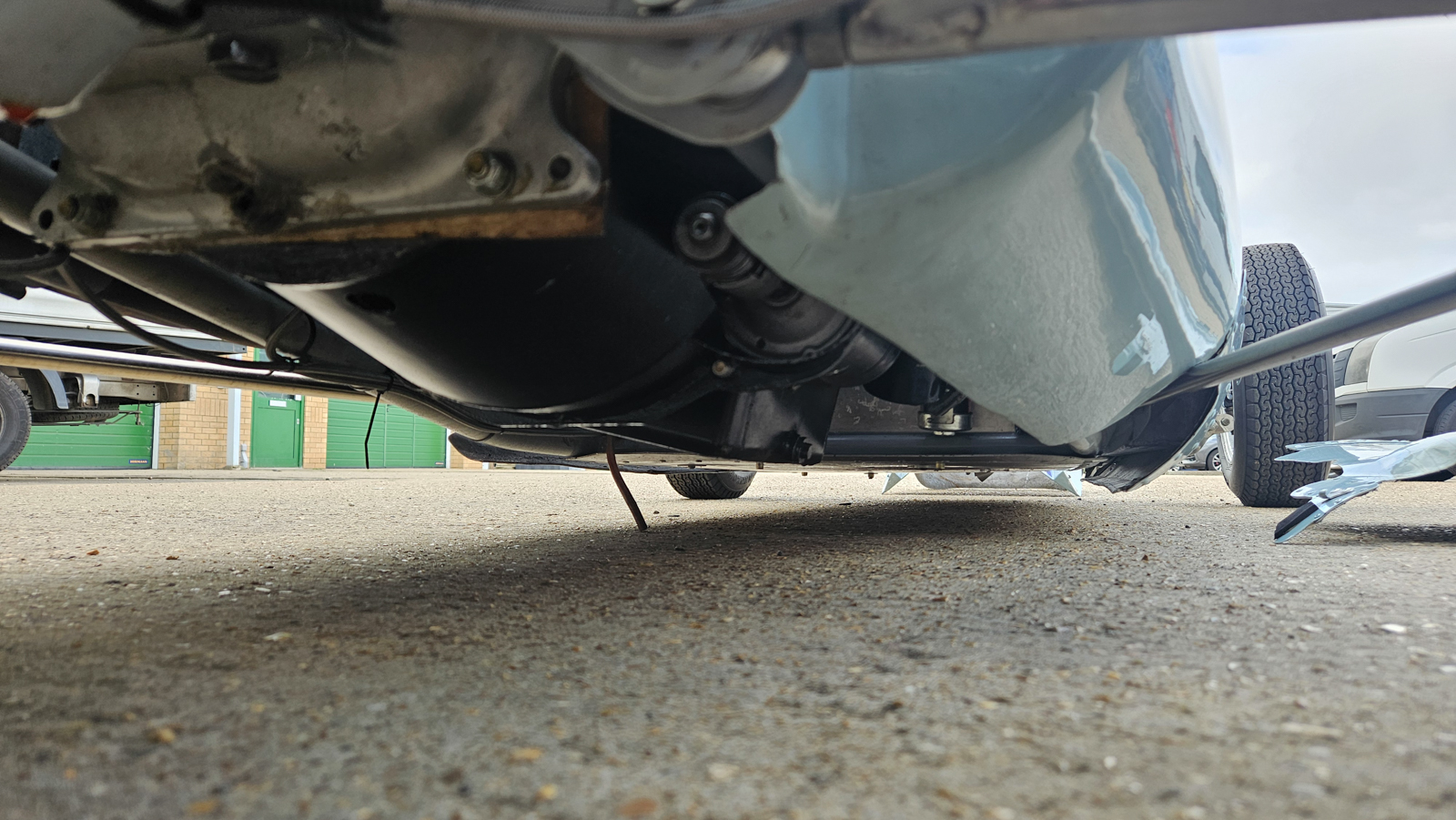
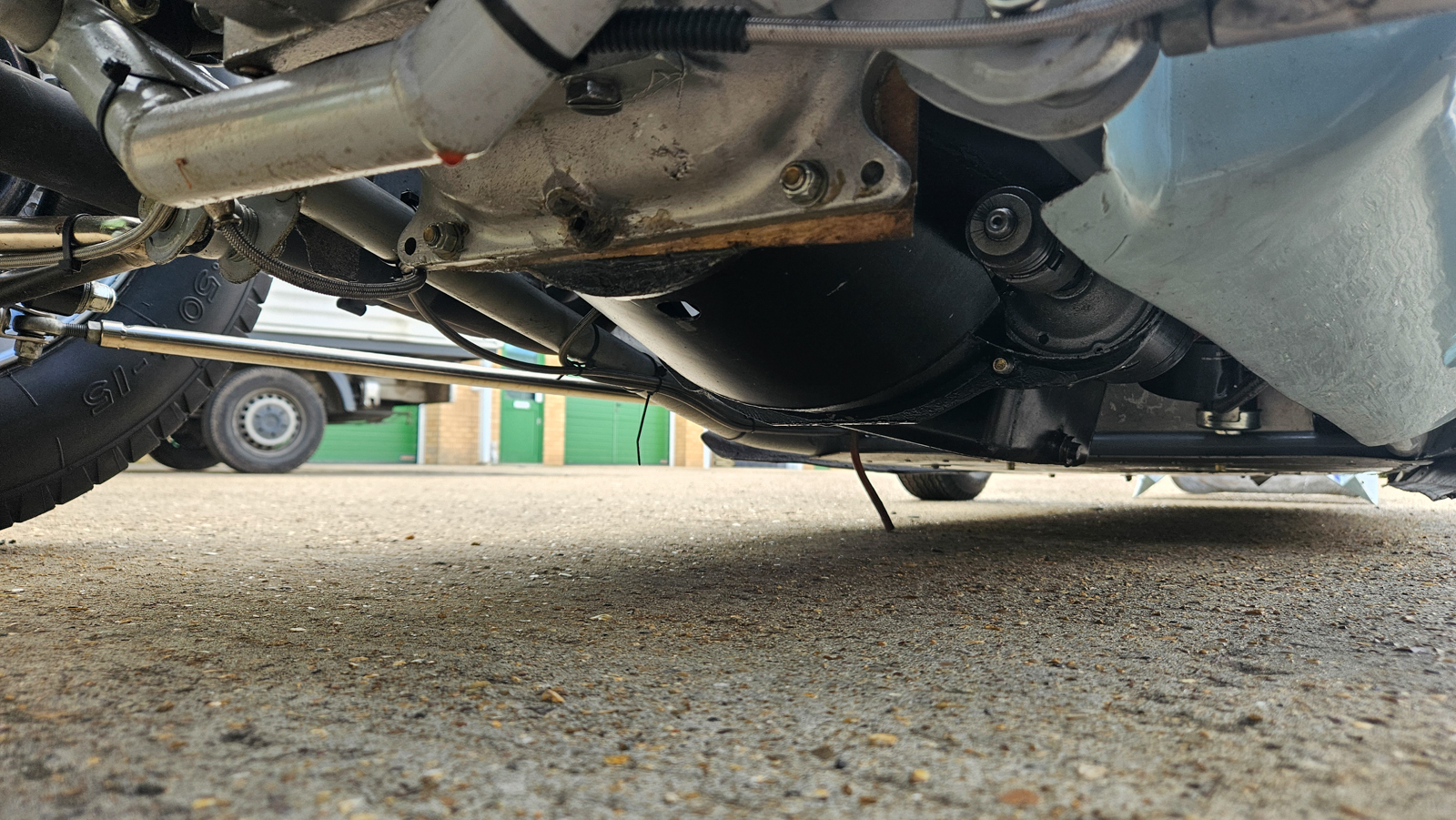
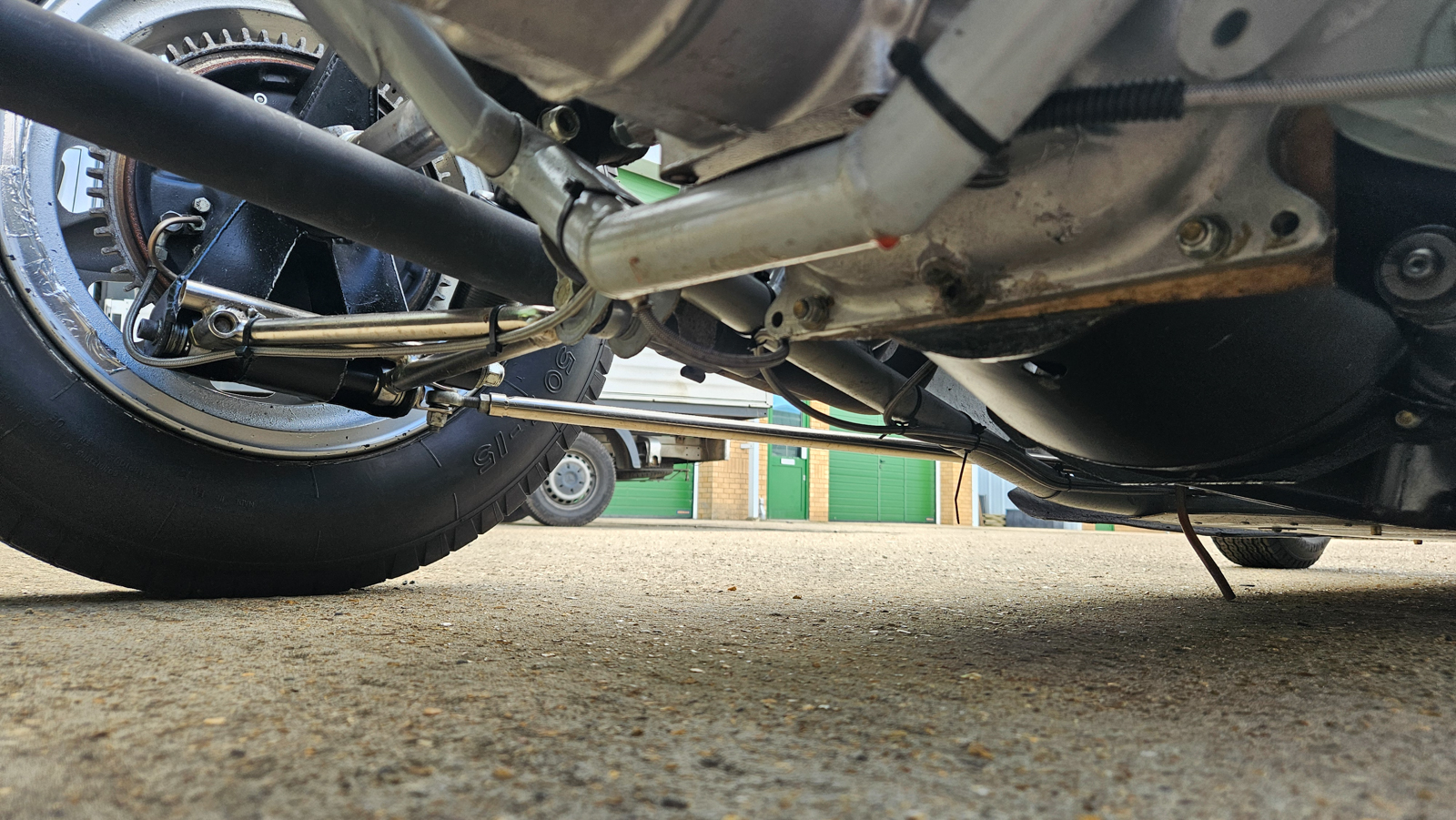
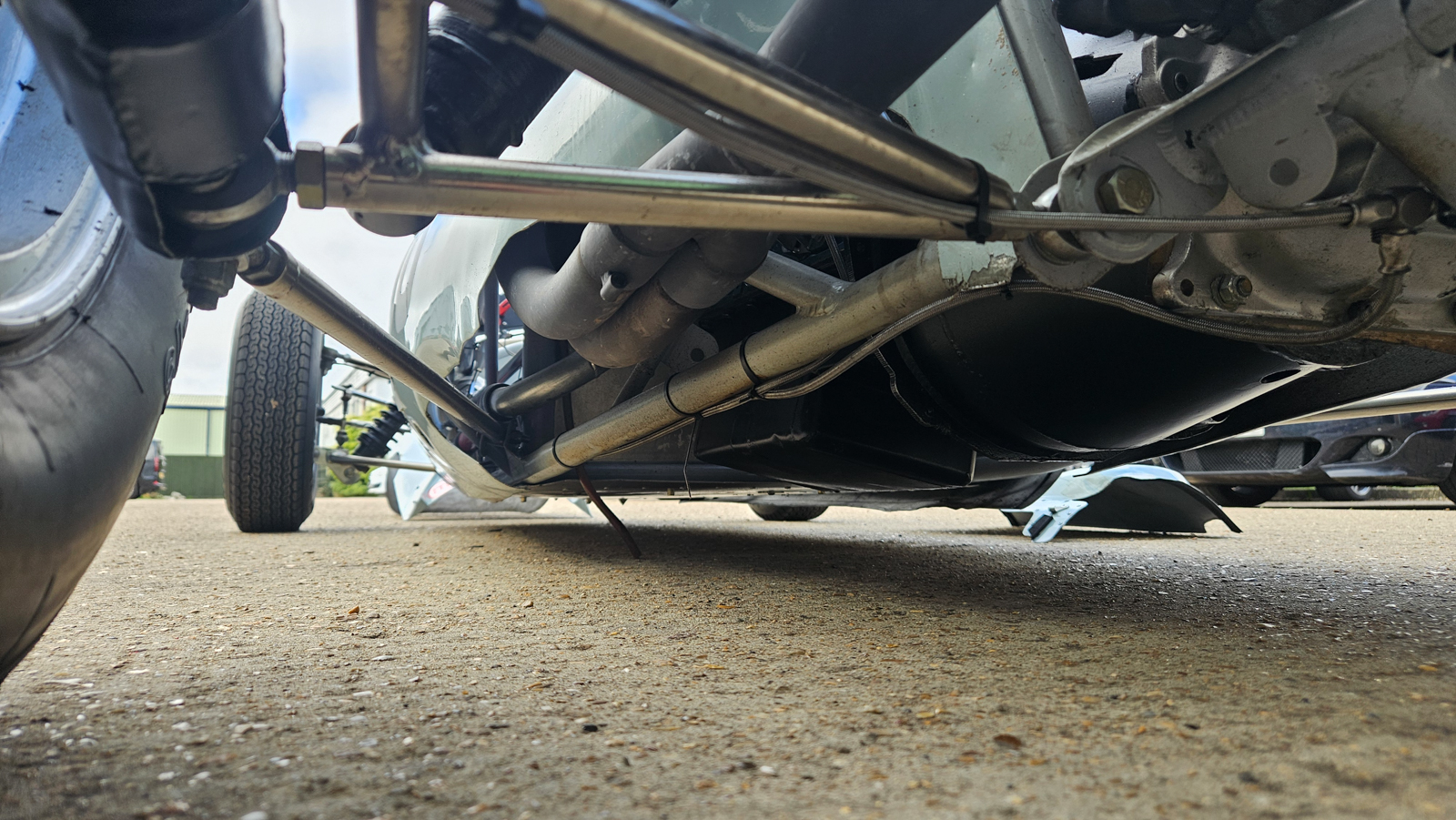
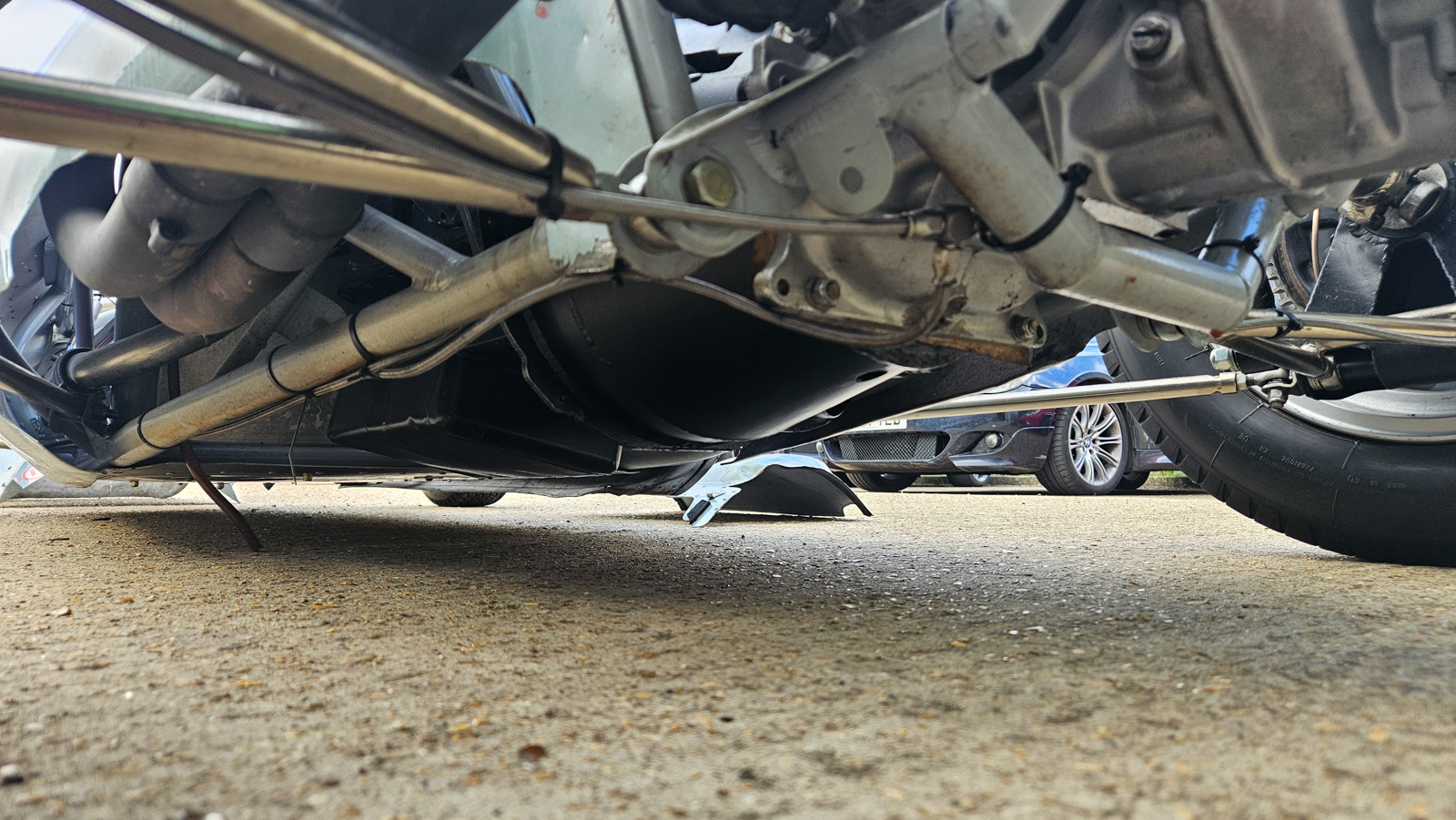
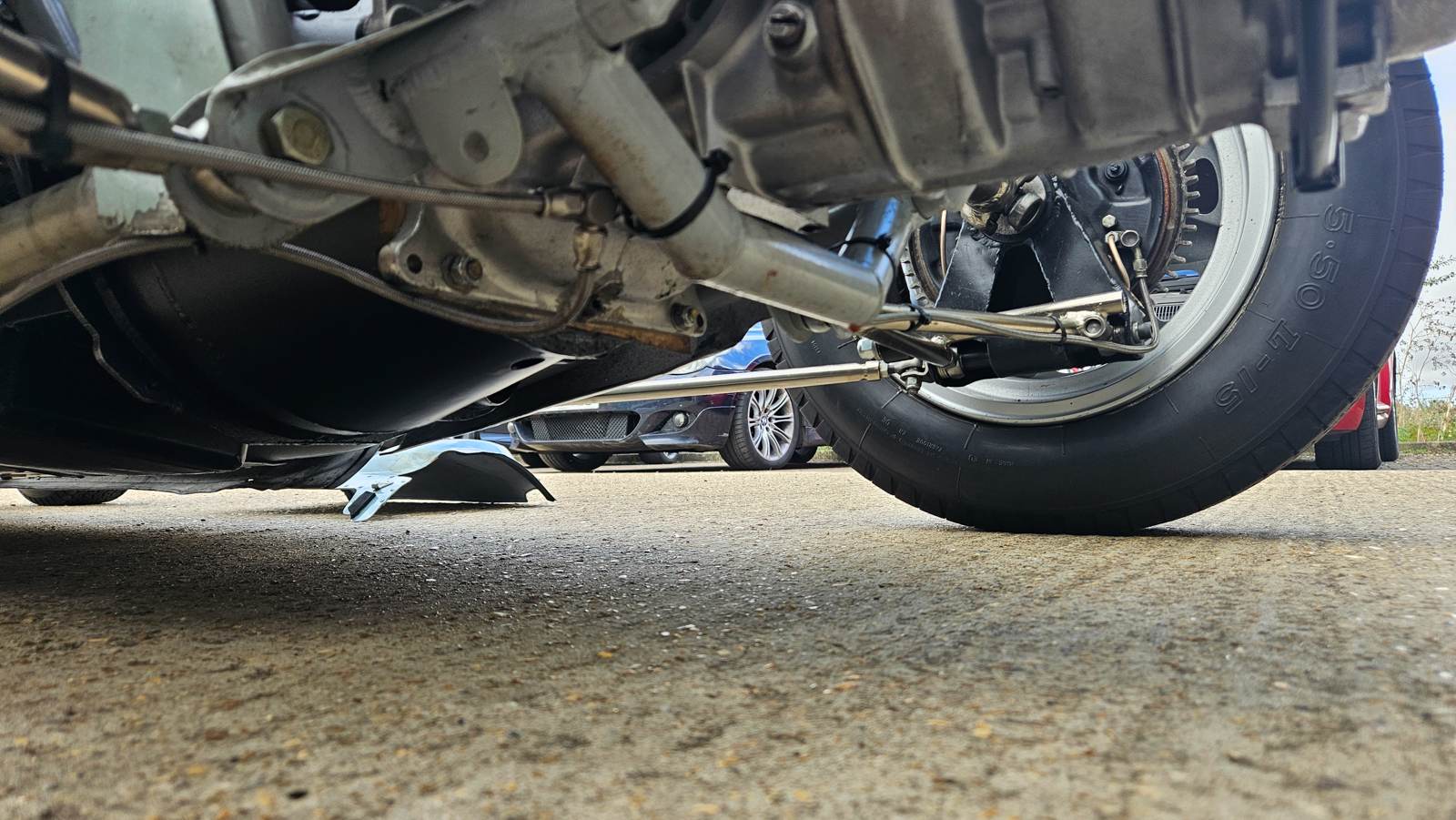
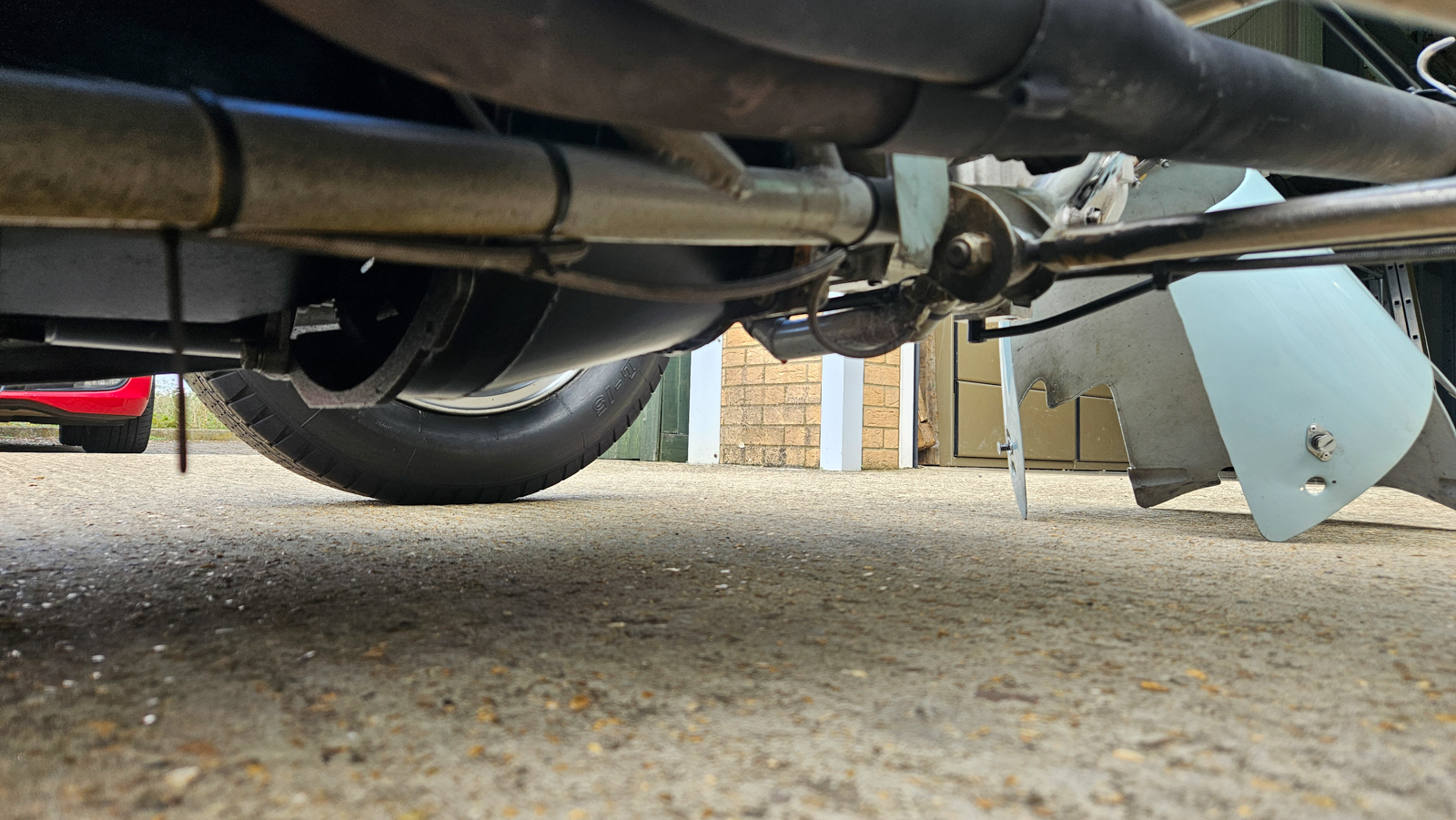
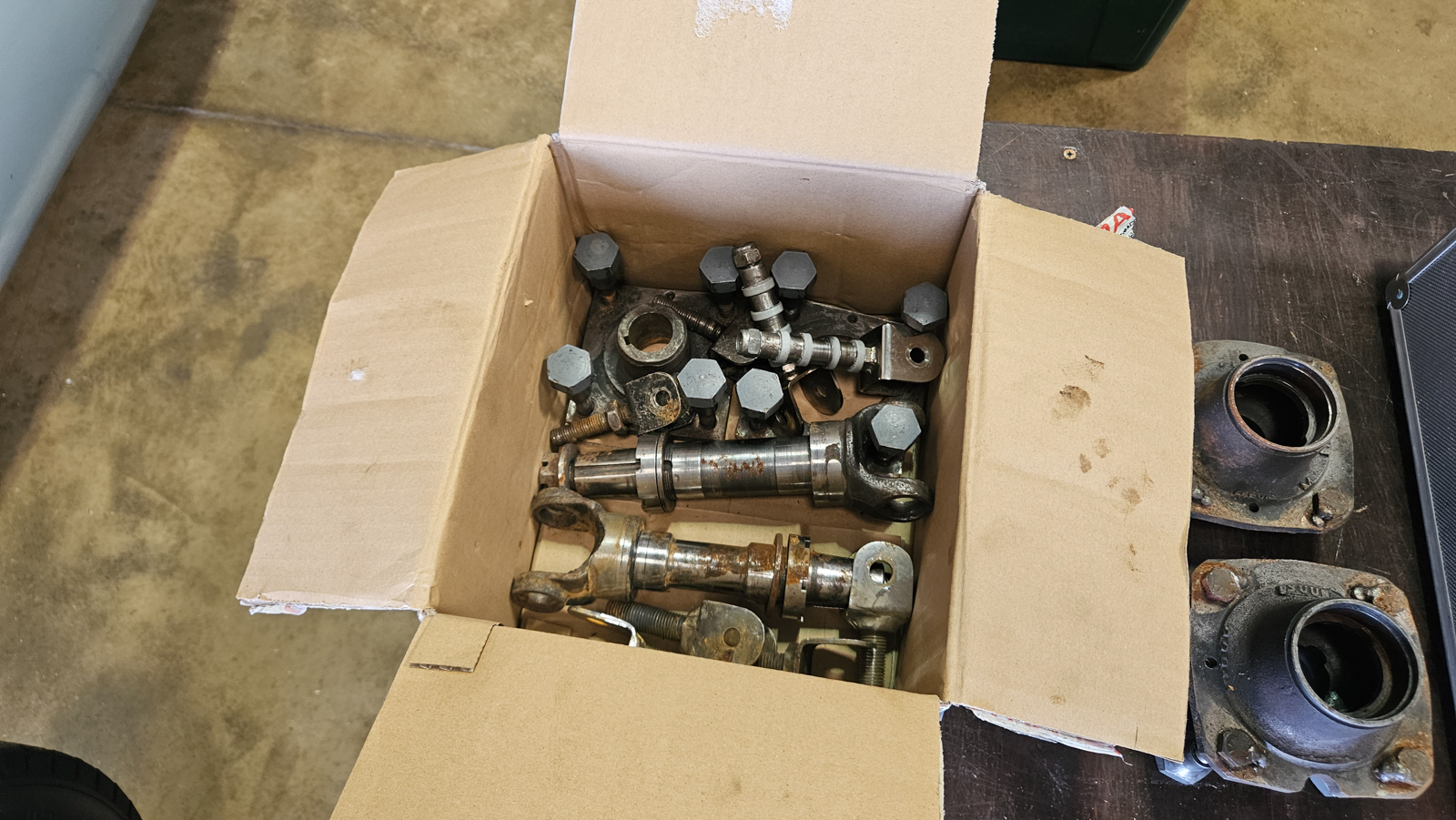
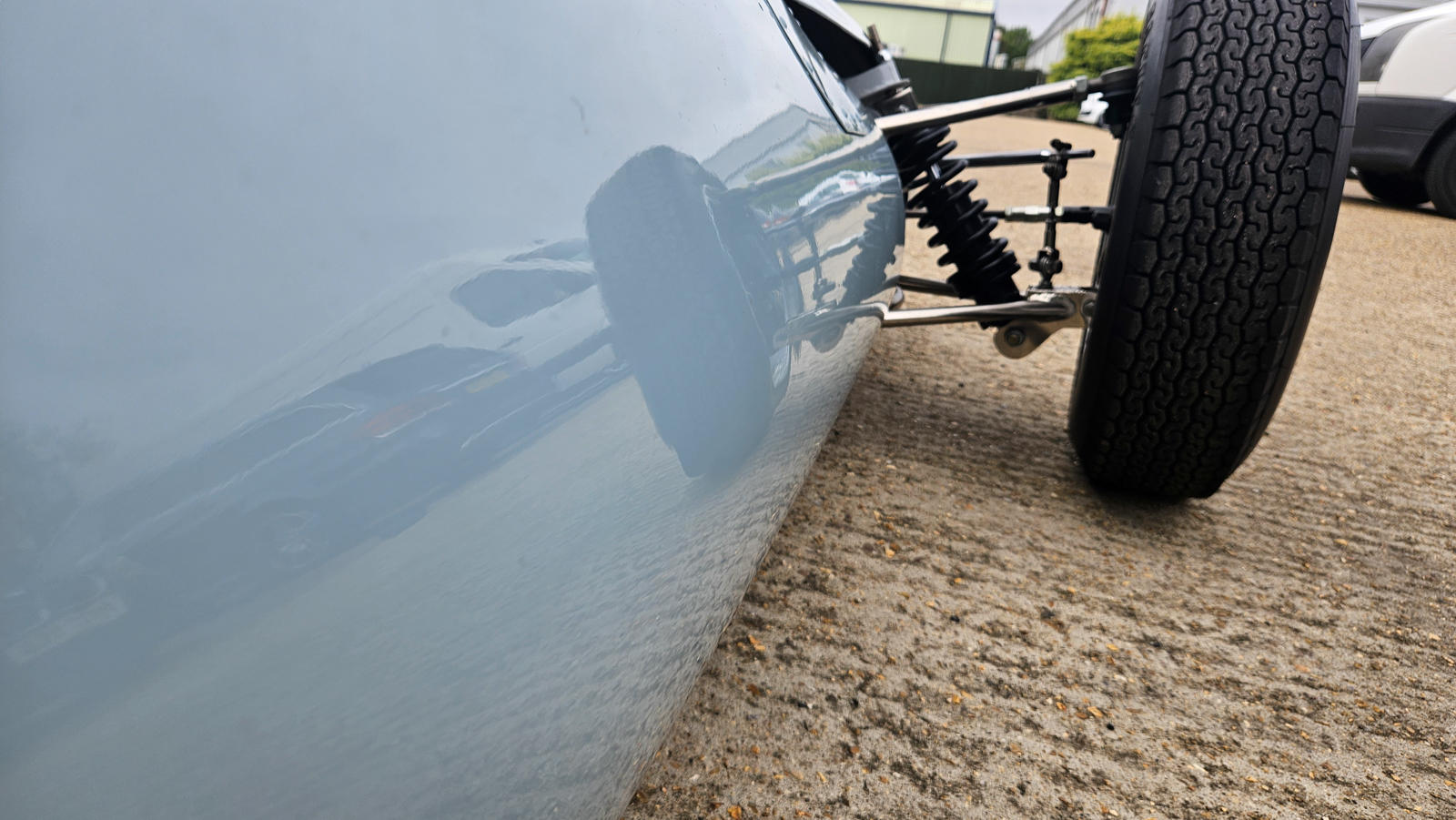
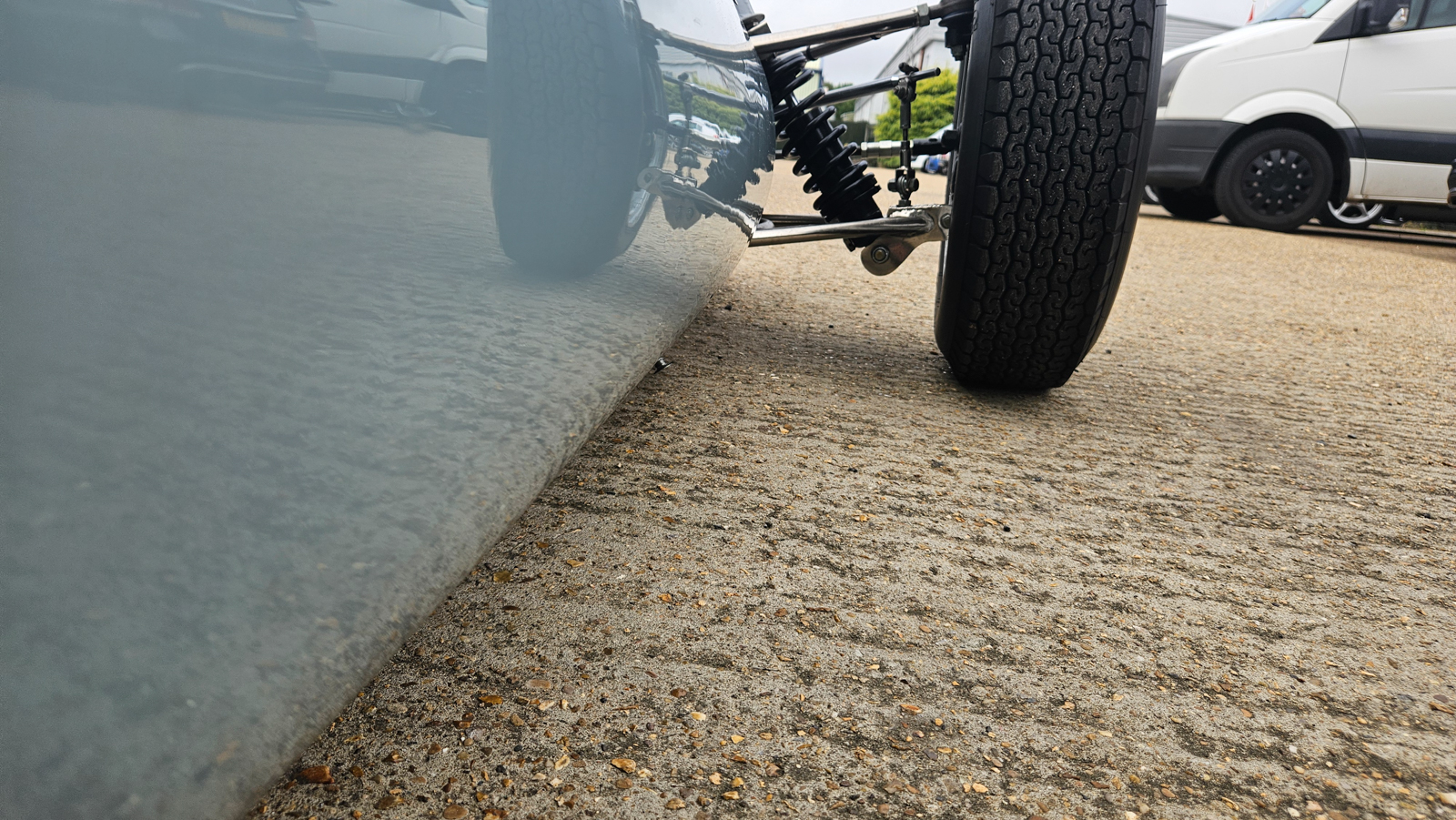
The Kieft uses fully independent suspension with exposed wishbones, links, and coil-over dampers.

The original model employed a conventional double-wishbone arrangement at the front, with reversed lower wishbones and additional location at the rear. Its compact construction and low centre of gravity were intended to deliver the agility required in Formula Junior competition.

The exposed suspension components present well and allow straightforward inspection and adjustment between events.

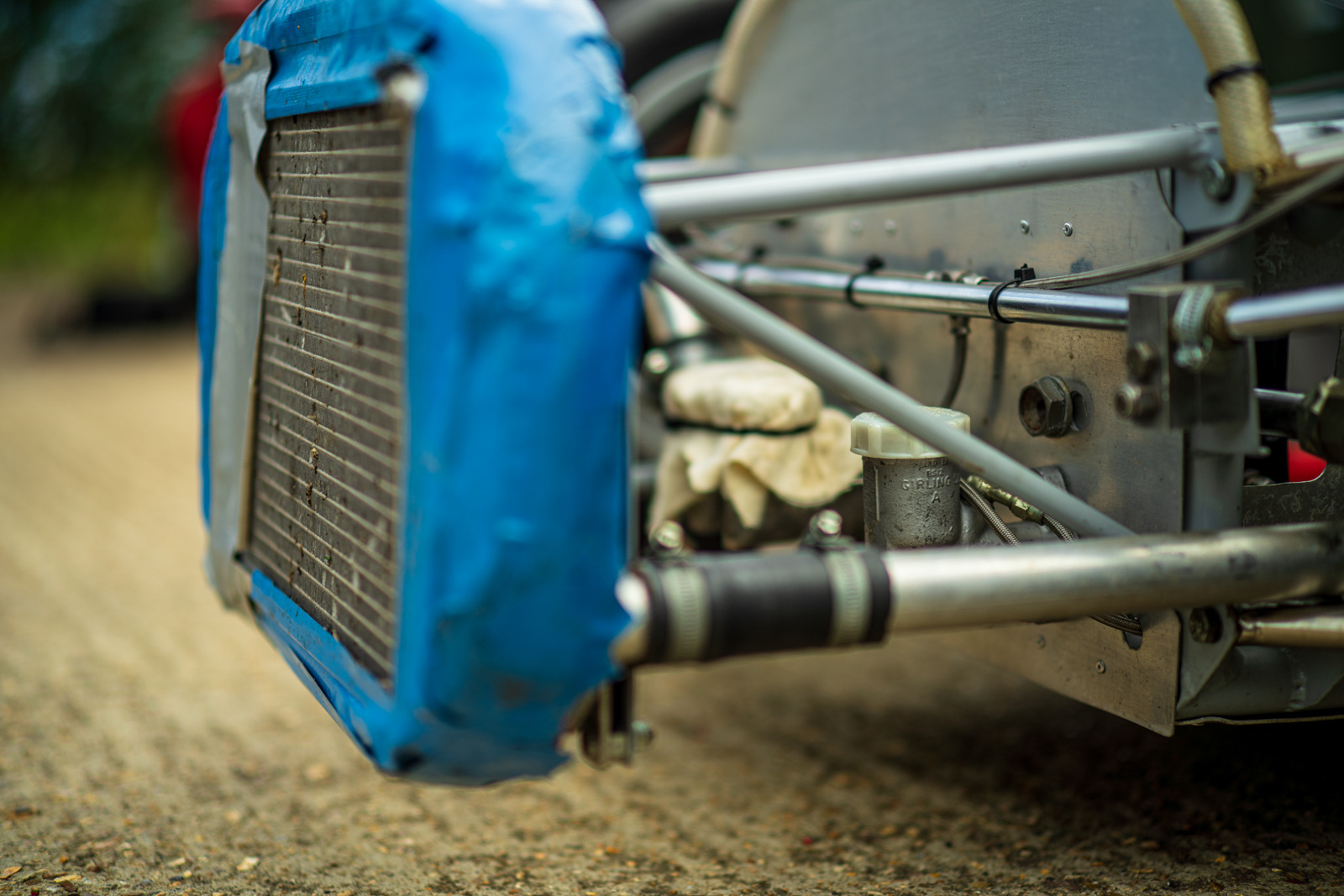
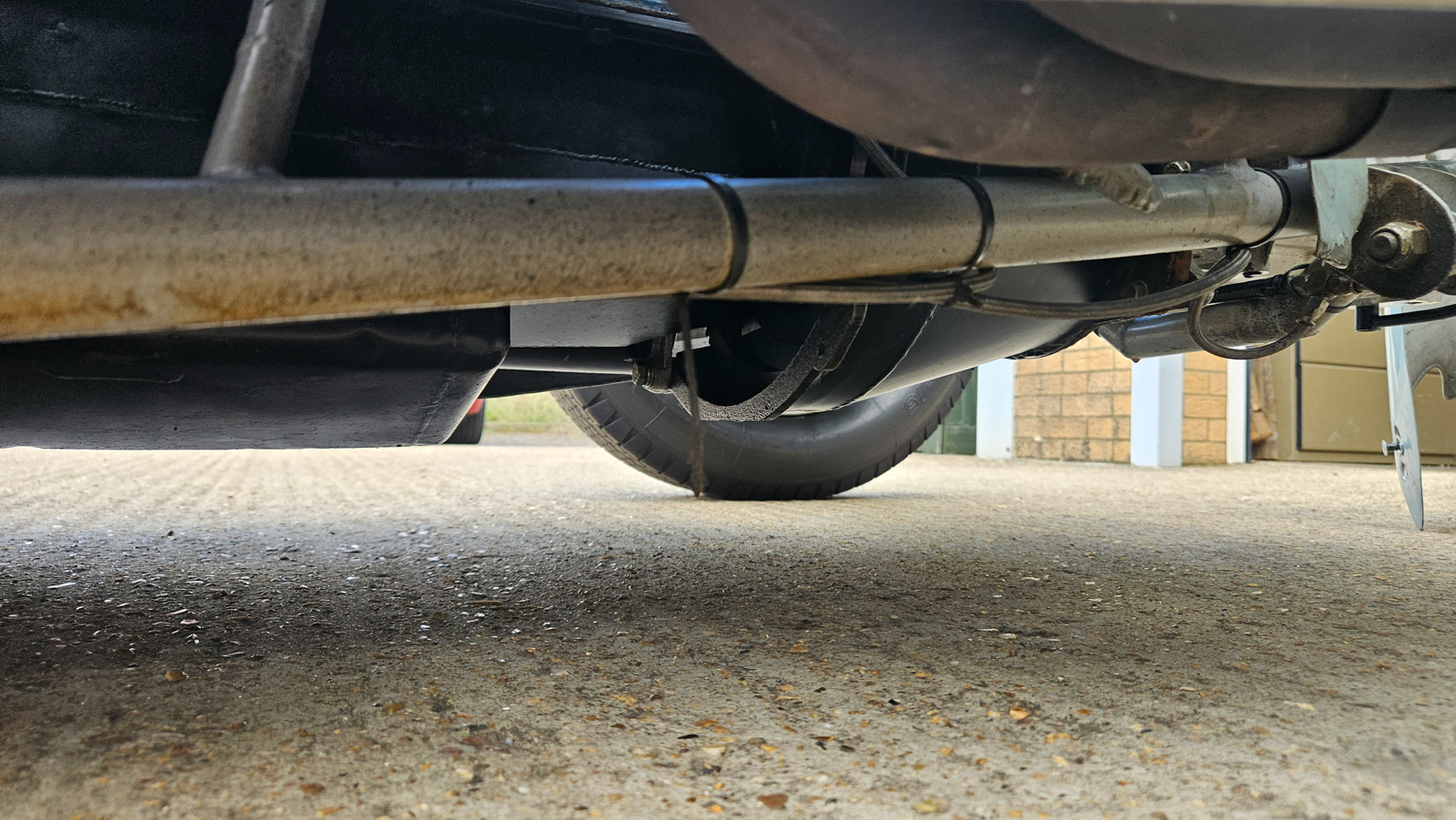
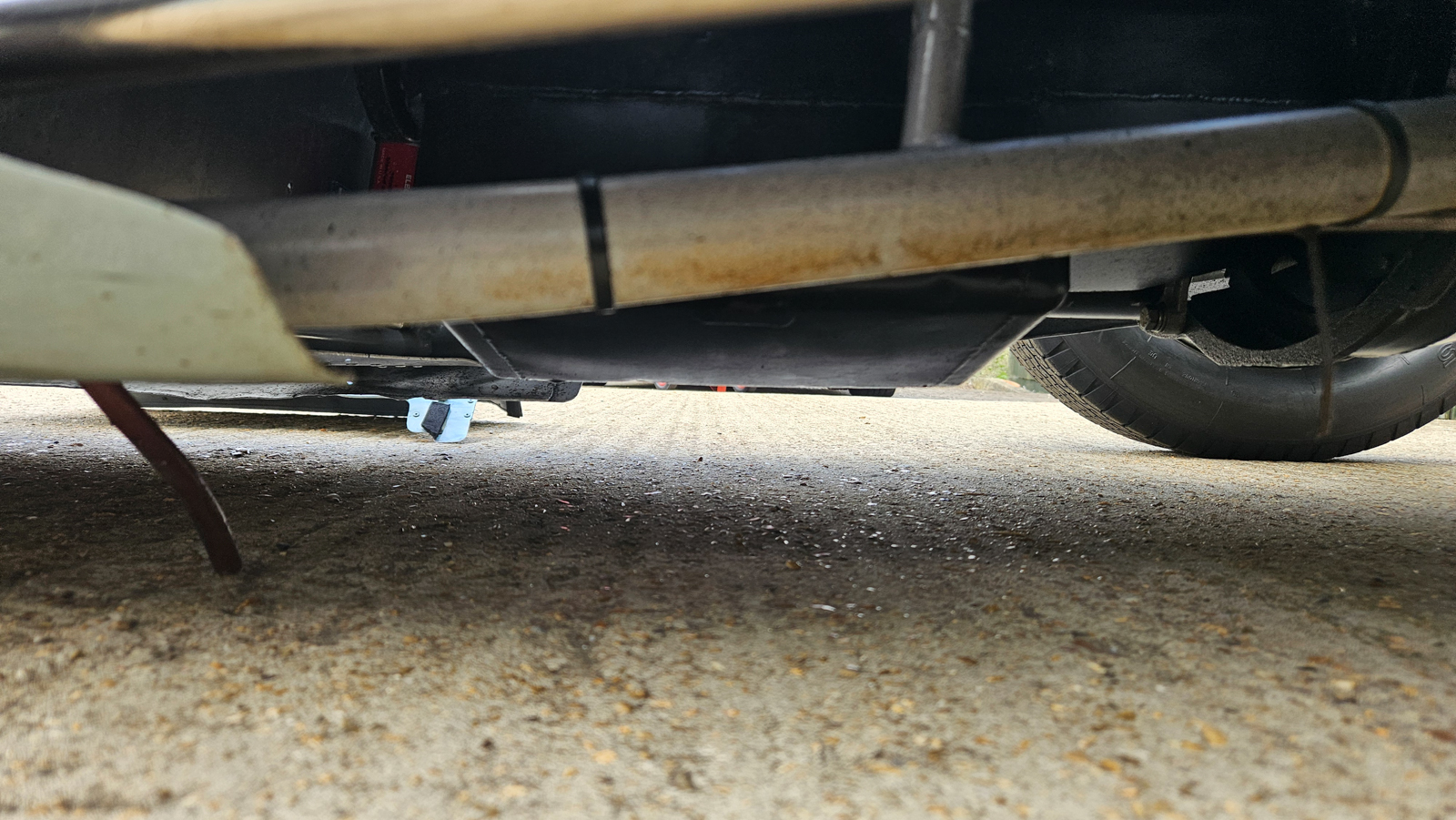
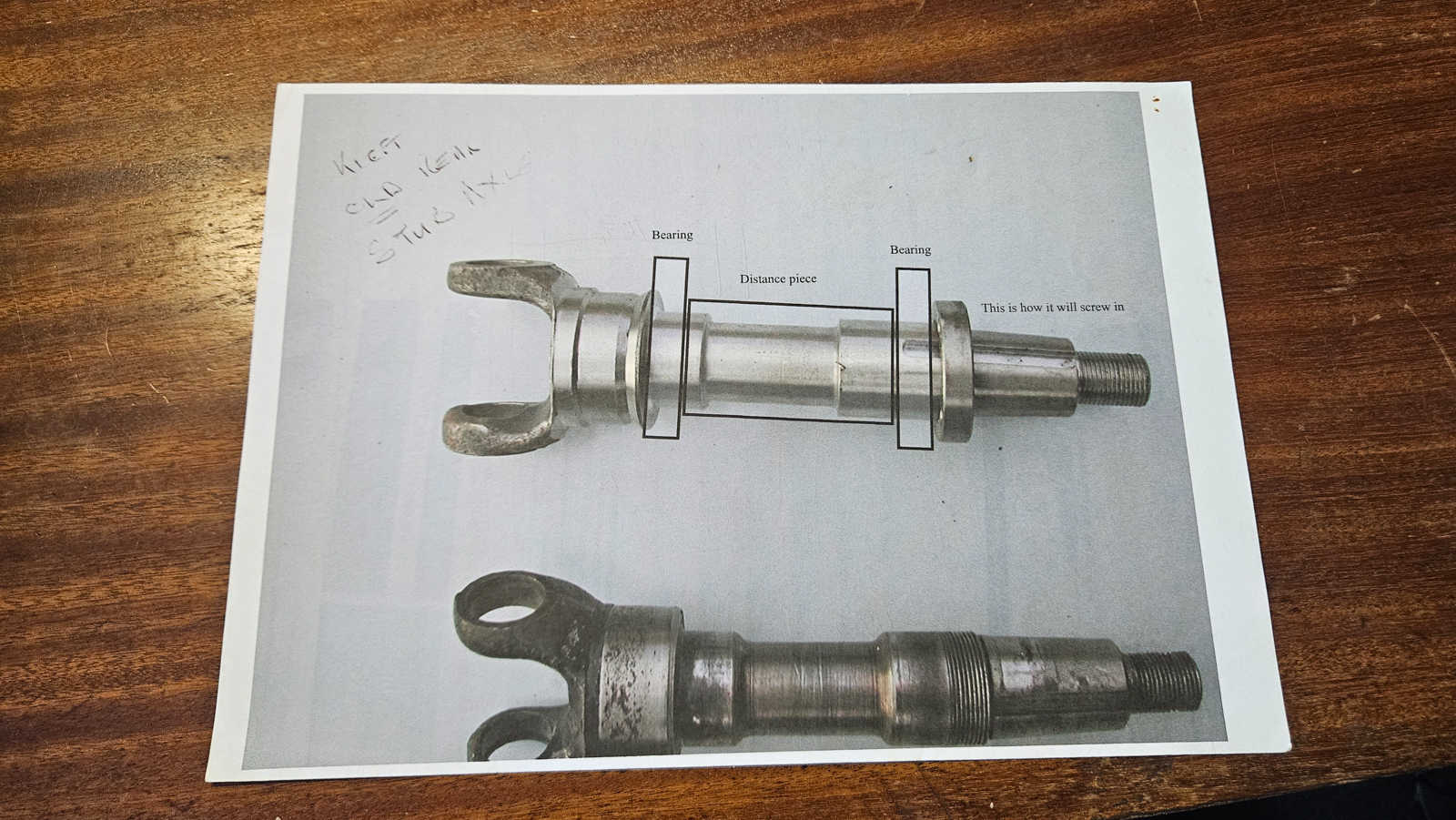
Drum brakes are fitted at all four corners, in keeping with the car’s period Formula Junior configuration. The substantial drums, associated hydraulic lines and operating components can be examined in detail within the photographic gallery.

The steering is unassisted and exceptionally direct, as expected from a lightweight single-seater designed solely for competition.

The Drive

A Kieft Formula Junior offers an exceptionally pure - and very affordable - form of historic motorsport.

Rob has competed successfully with the car since its rebuild, achieving a class victory in it.

The AGRA-prepared Ford engine responds with the urgency expected from a lightweight competition unit, accompanied by the hard-edged induction and exhaust note of a period-style racing four-cylinder.

The upgraded Hewland gearbox internals should prove more reliable than the original Renault internals, which as anyone who races these cars knows, are a weak-point.

Electrics and Other

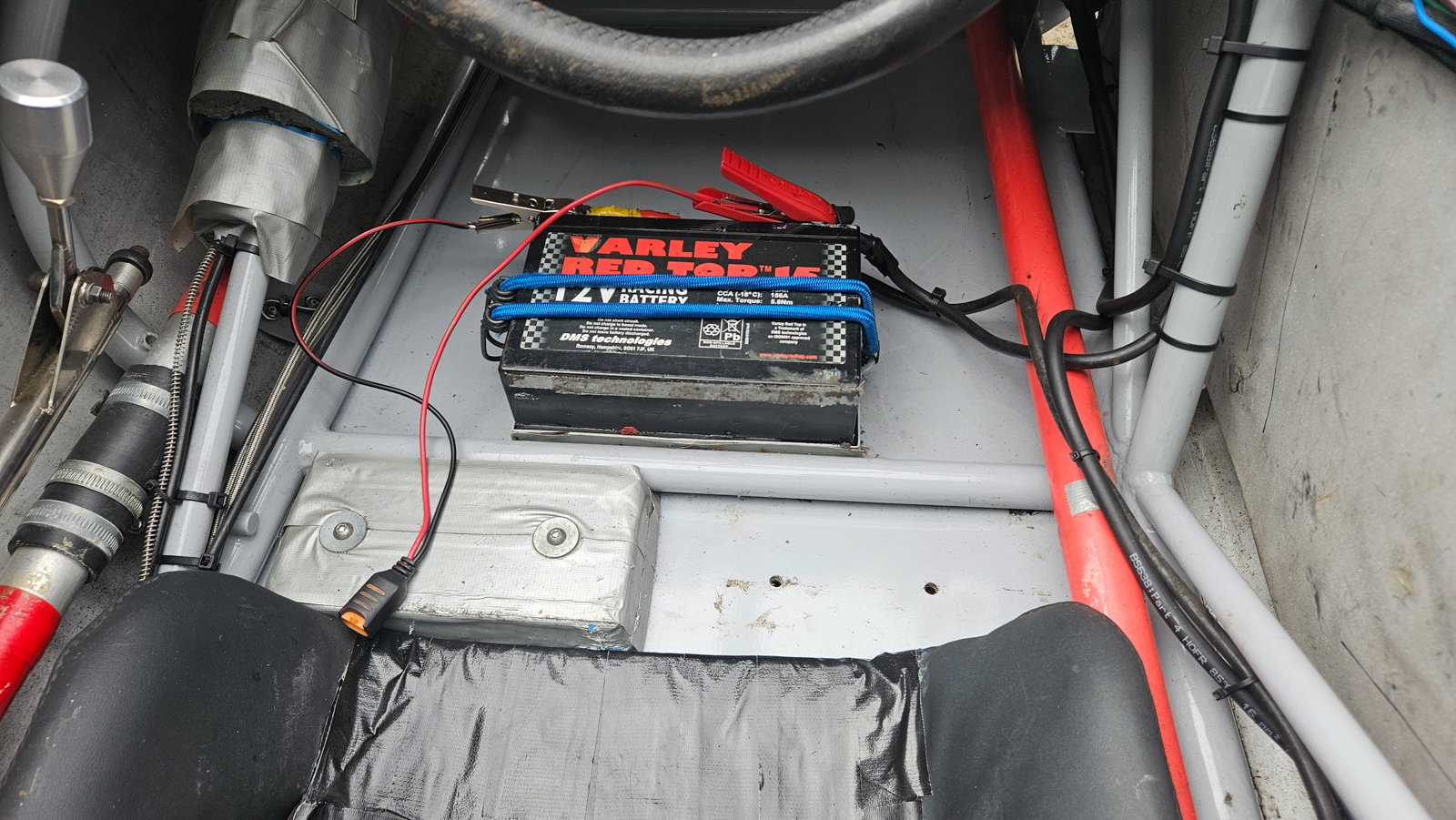
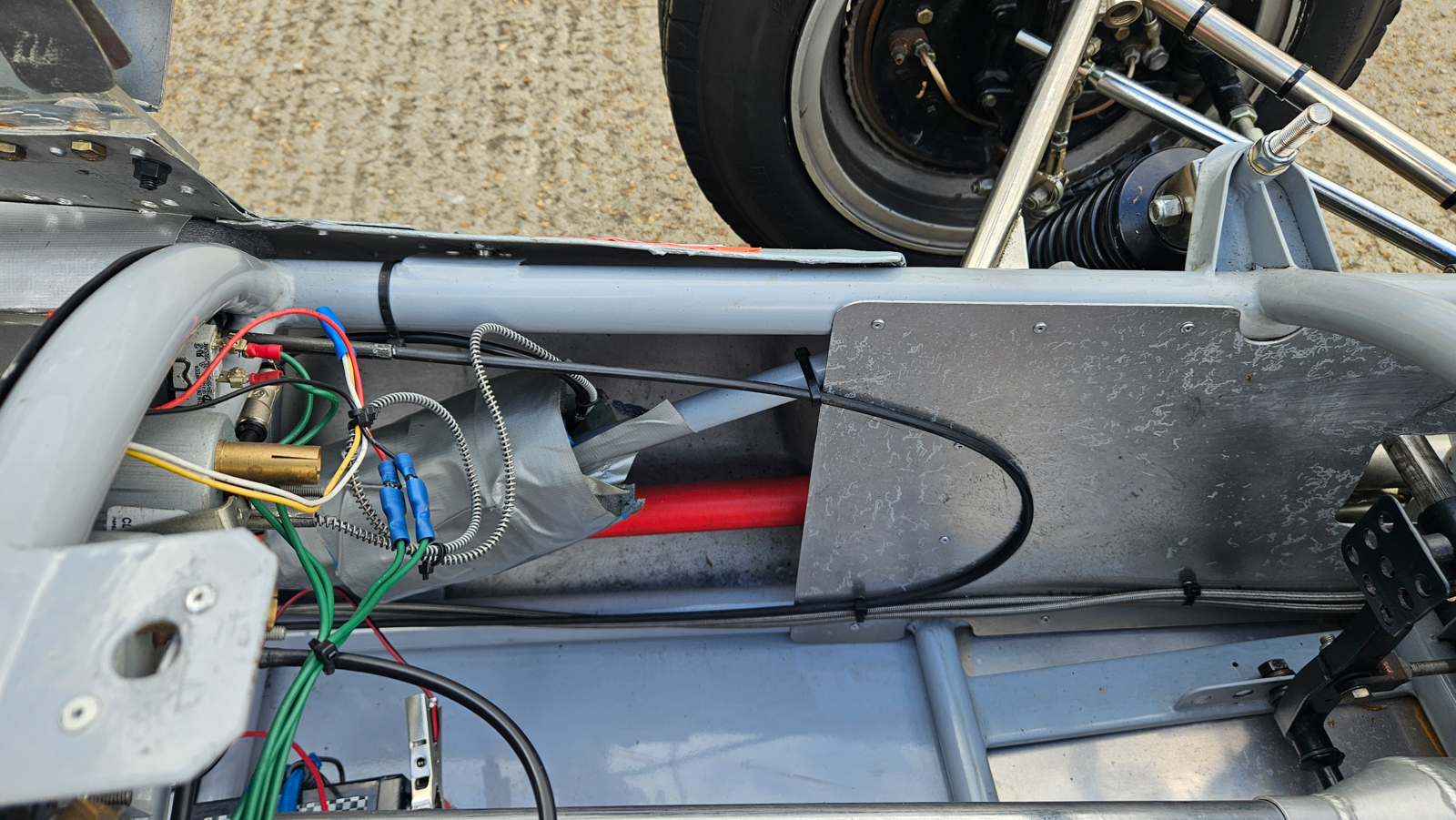
The electrical system is appropriately simple and focused entirely on the requirements of competition.

As mentioned in the interior, the fire suppression system will require a service to be made competition-ready.

The cockpit contains the essential ignition and master controls together with the instruments required to monitor the engine. A rear rain light and externally accessible electrical controls are also incorporated into the race preparation.

History and Paperwork

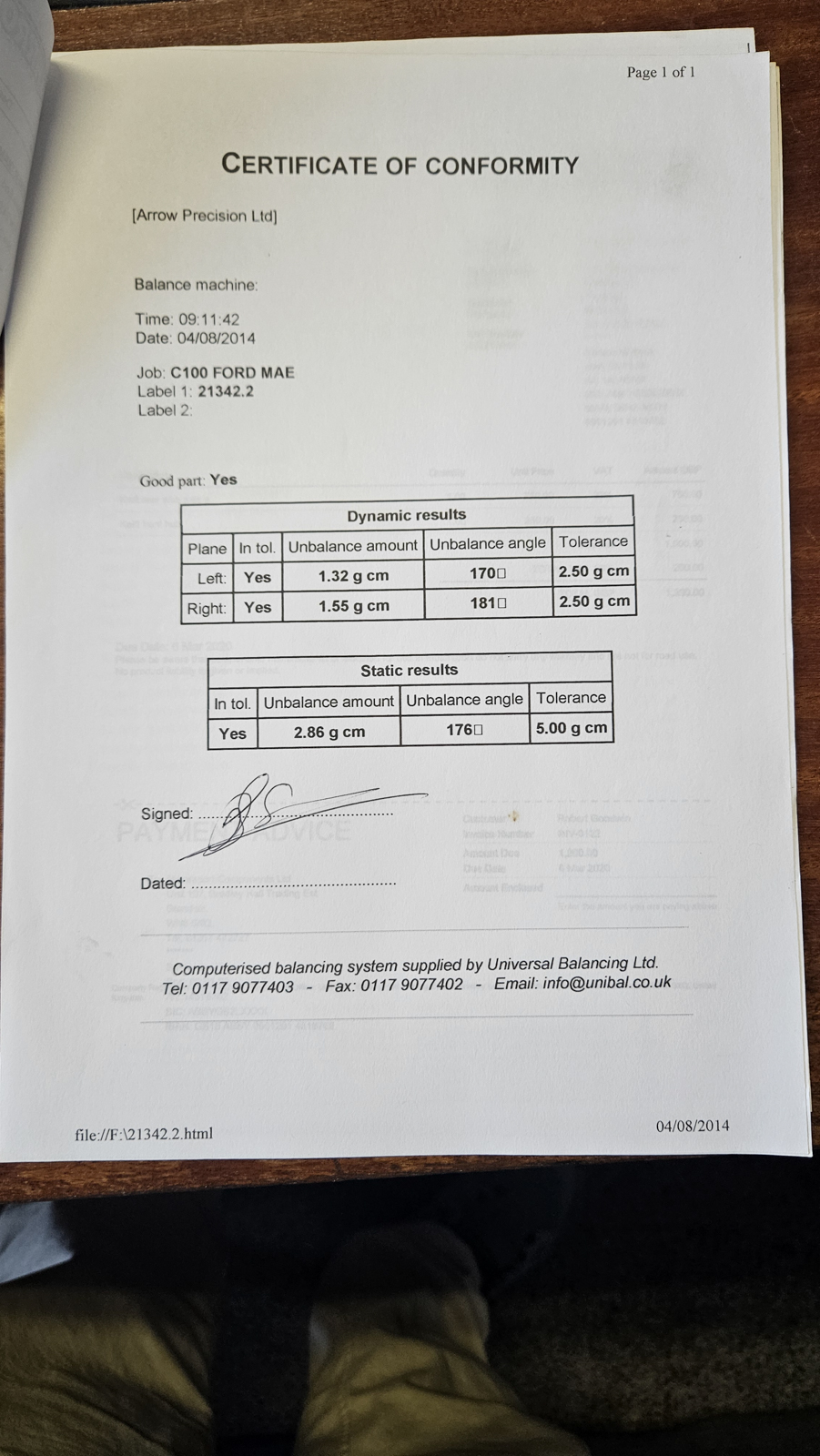
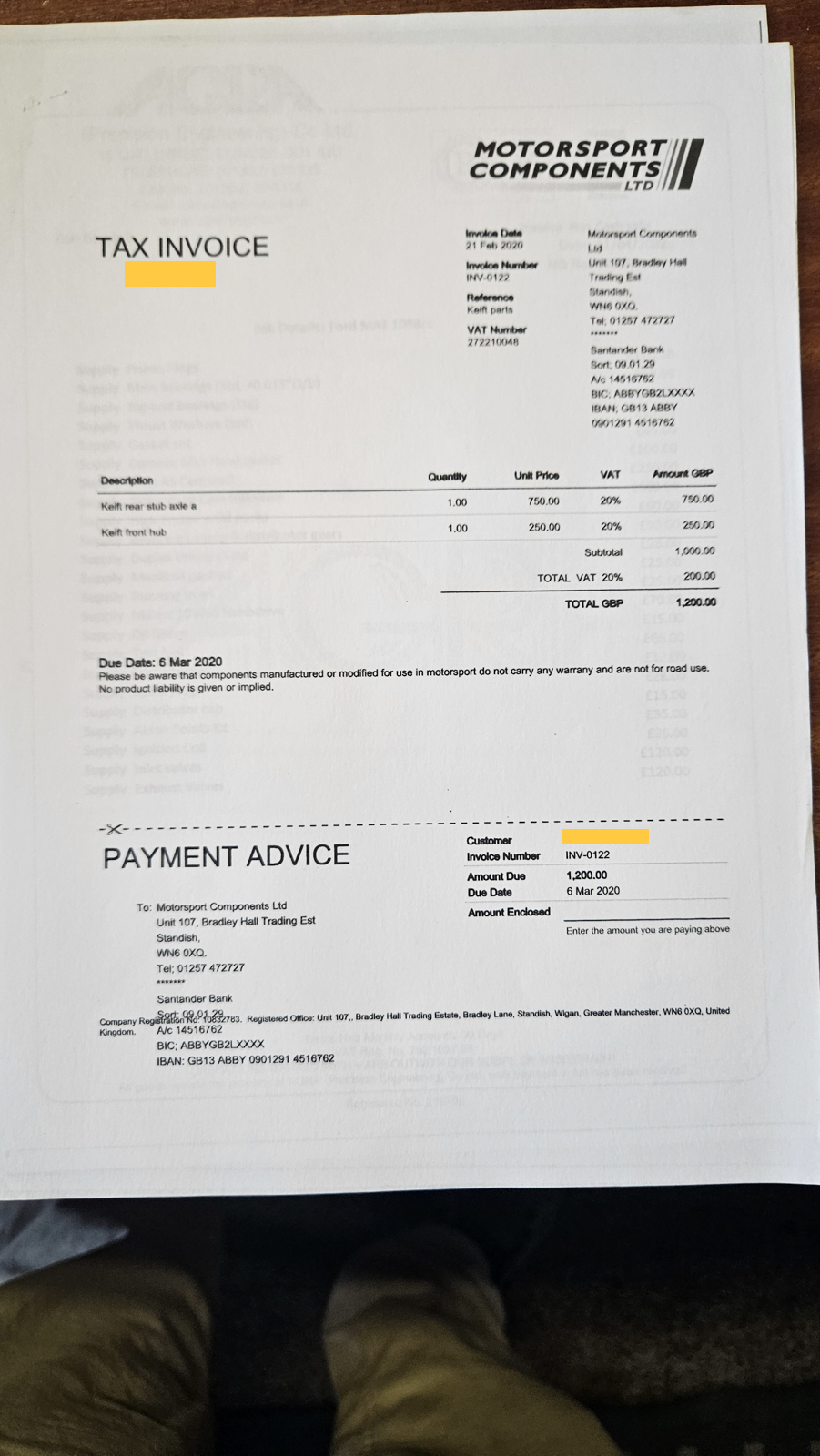
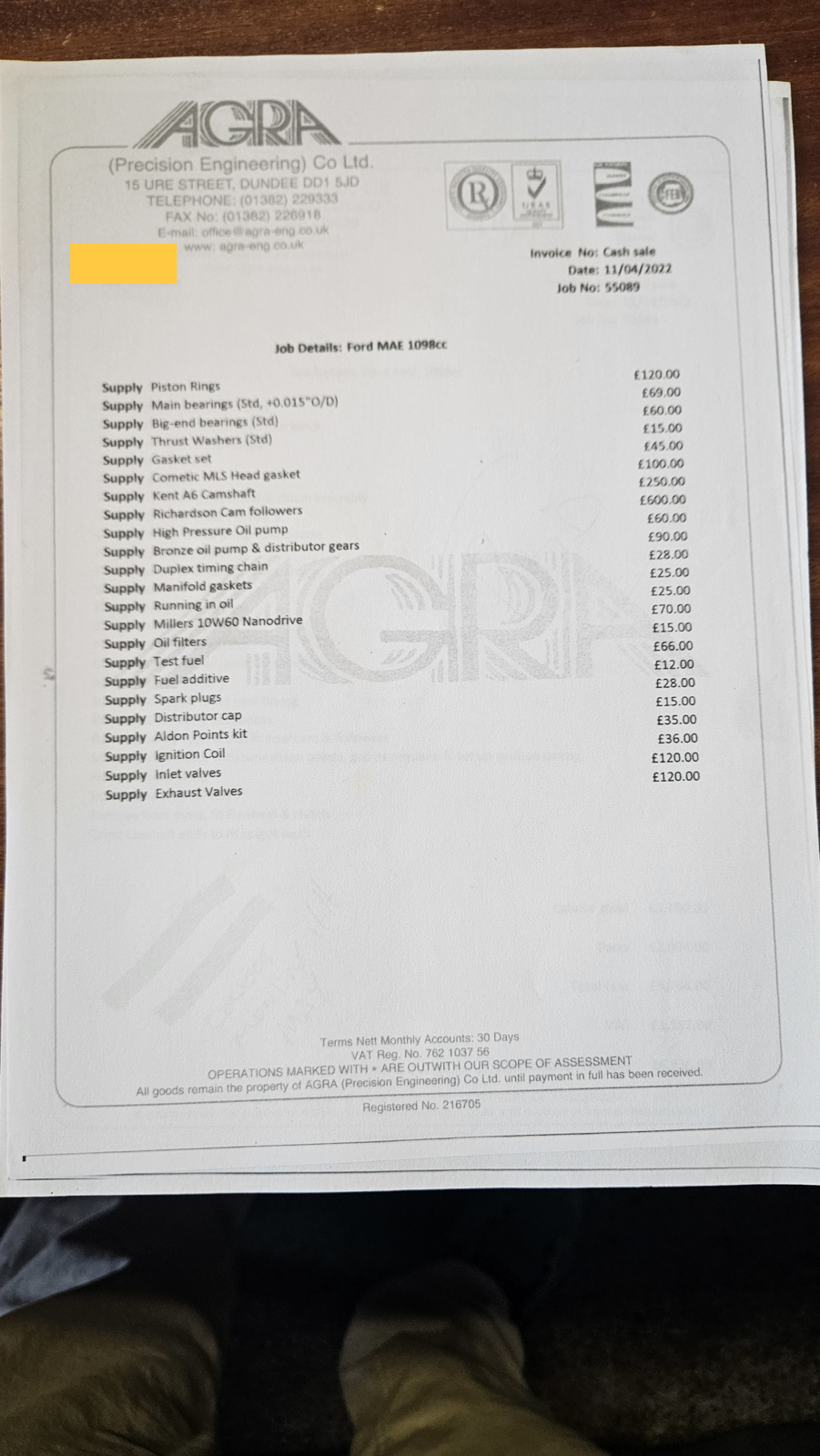
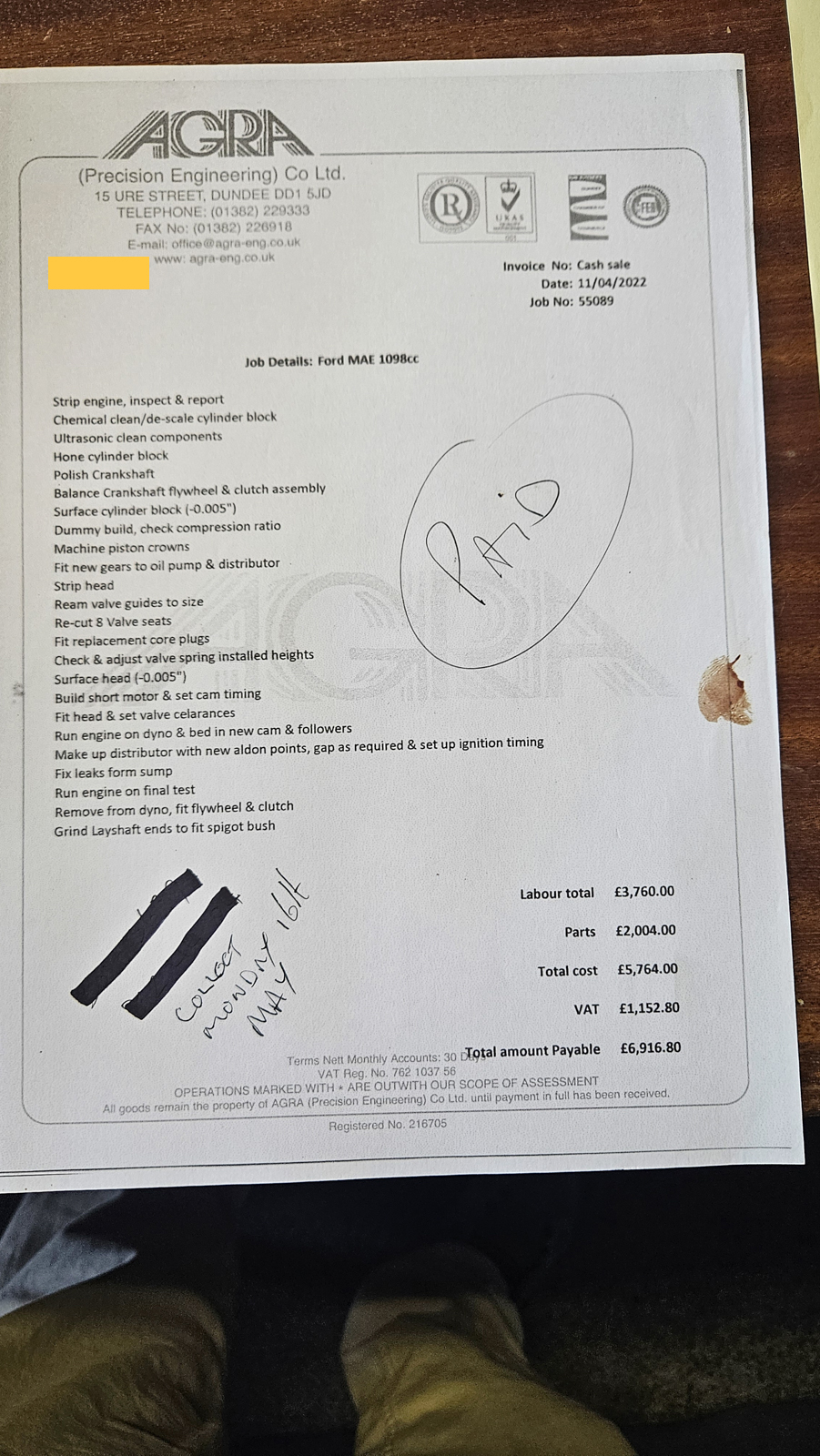
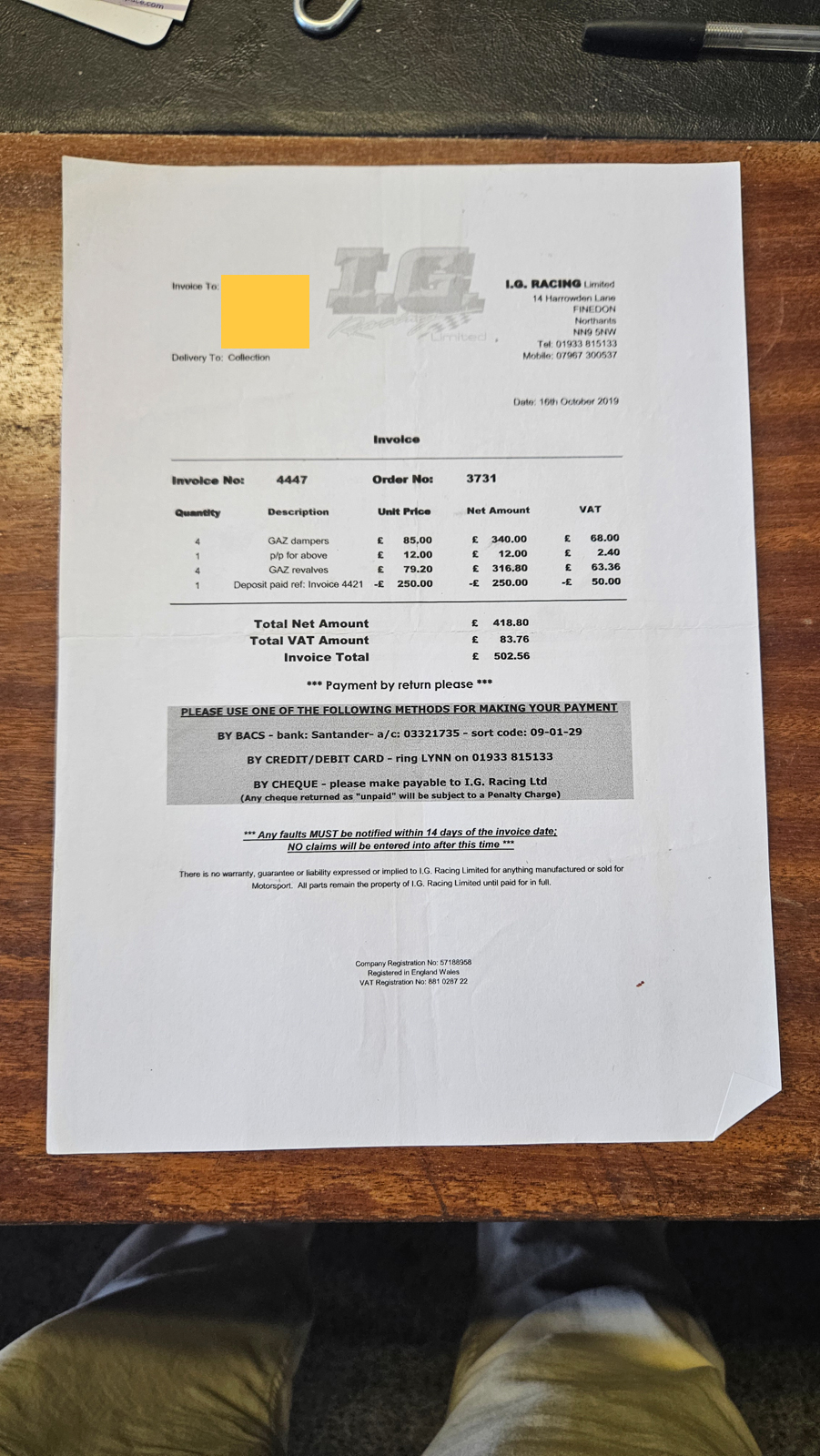
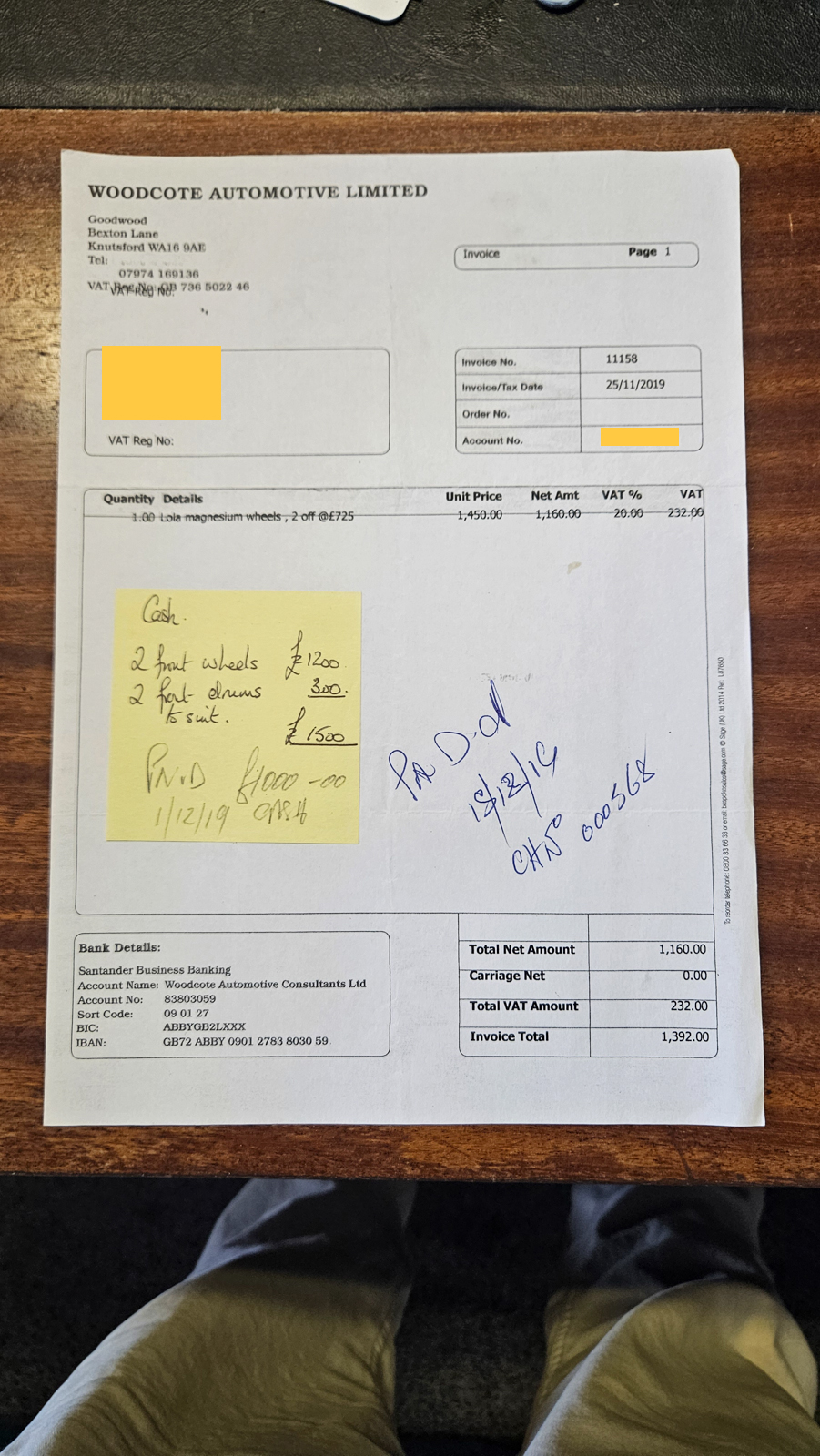
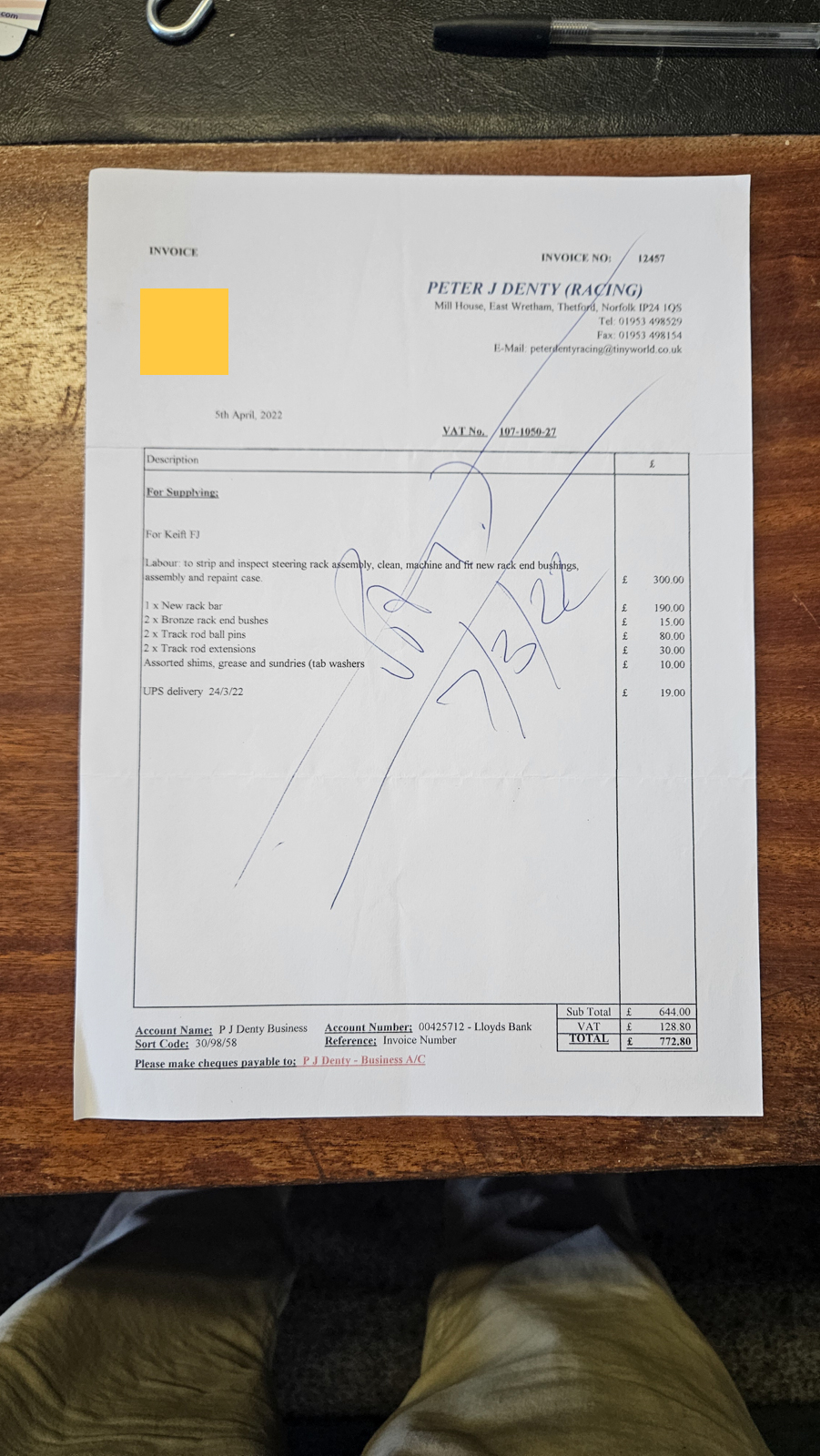
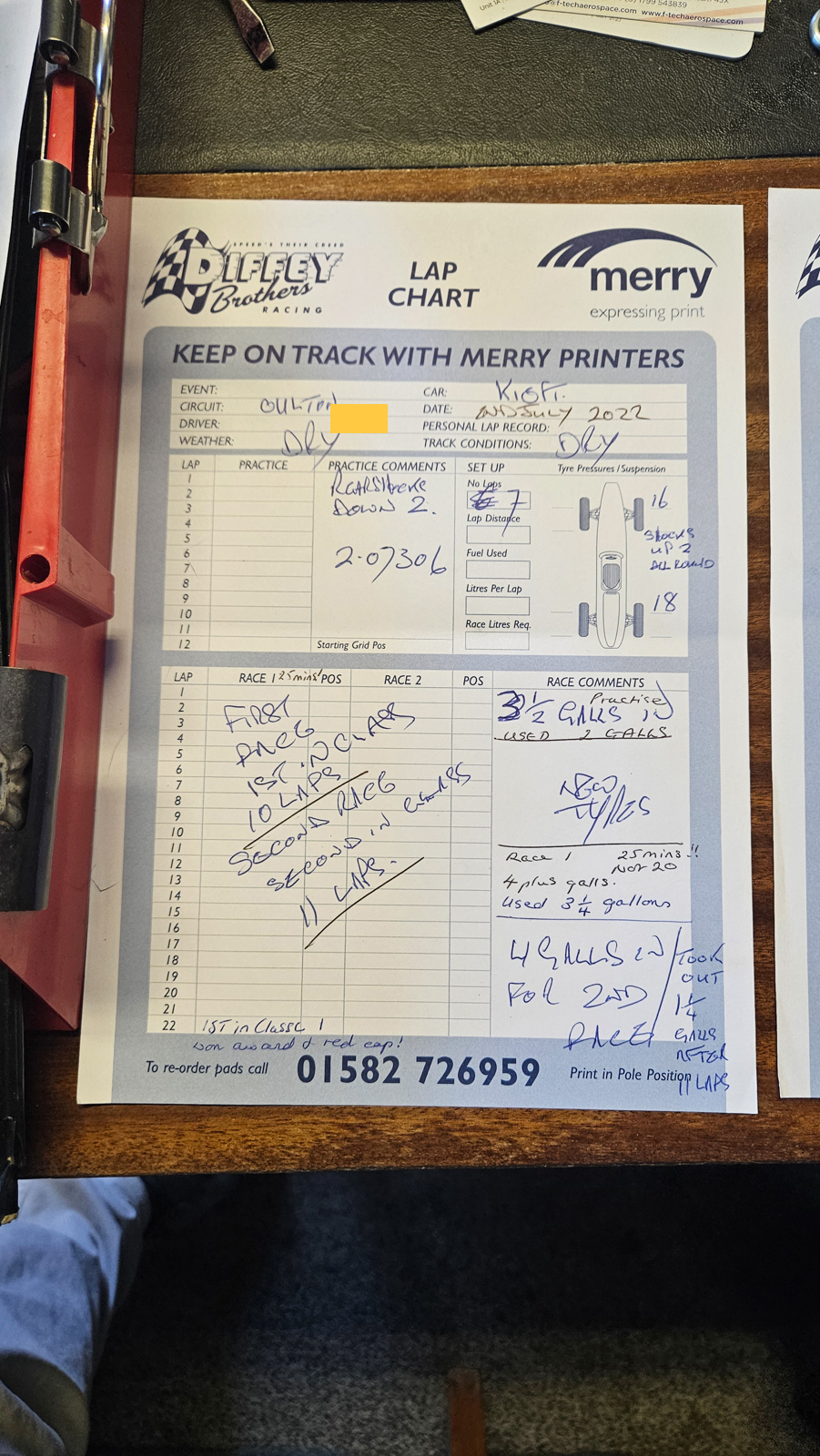
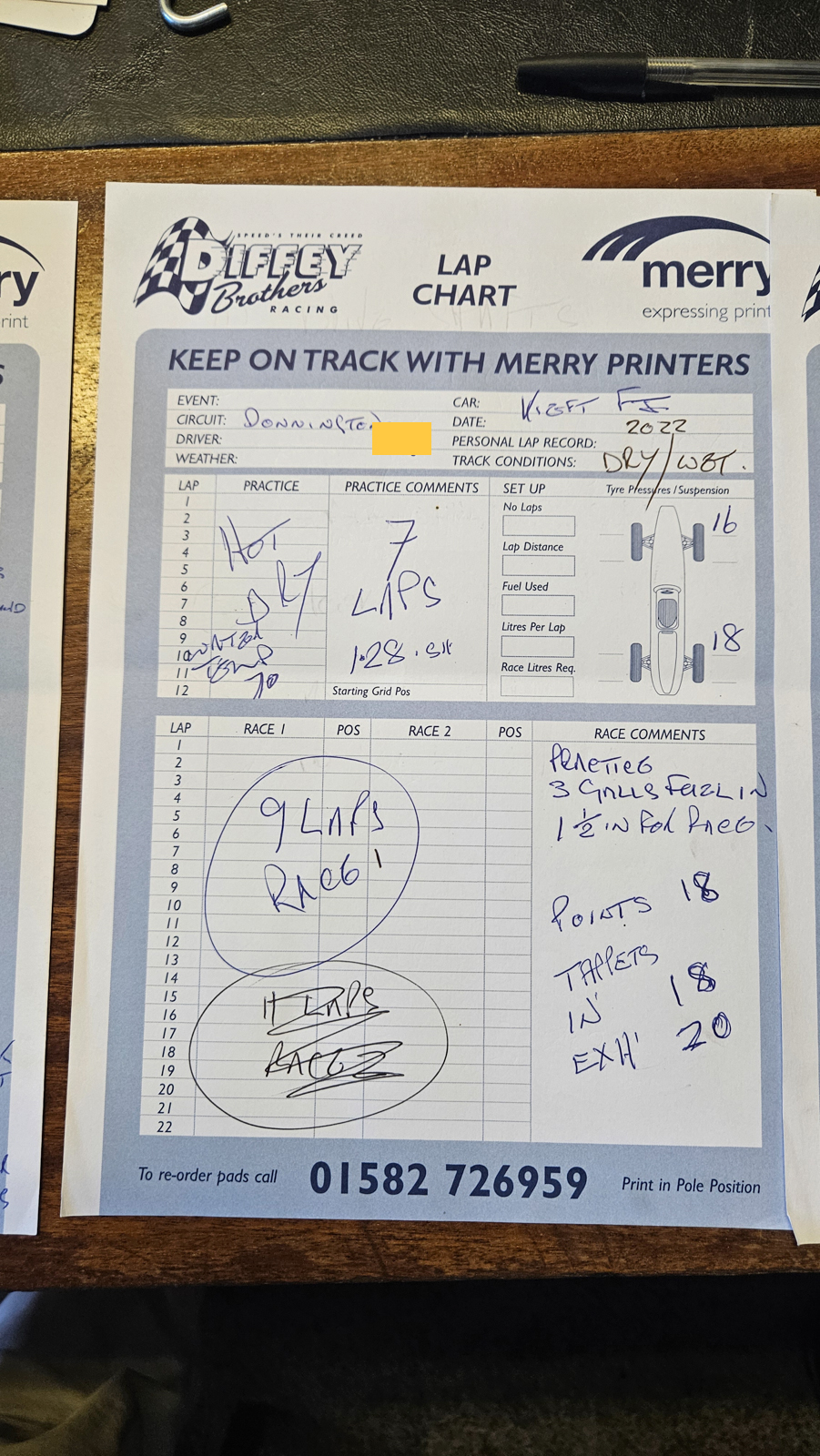
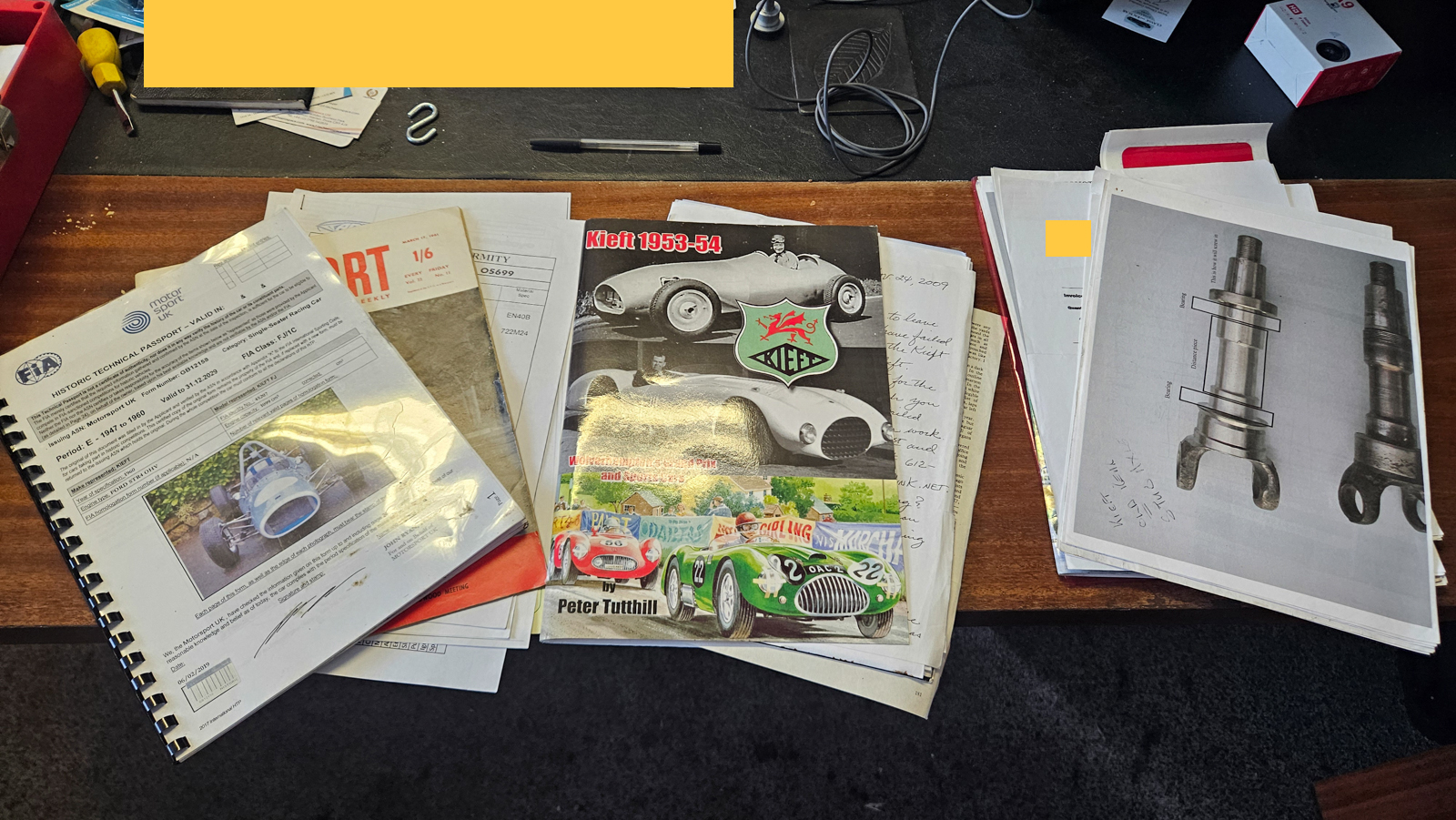
A substantial collection of invoices and competition documentation accompanies the Kieft, recording the work involved in returning it to the circuit.

Rob acquired the car in 2017 and oversaw a comprehensive rebuild. Numerous invoices accompany the vehicle and should provide prospective buyers with valuable information about the parts, specialist services, and expenditure involved.

The engine was prepared for competition by AGRA and is based on the Ford 105E unit, with a recorded capacity of 1,099cc. The Renault gearbox contains upgraded Hewland internals, while the car retains a steel tubular frame, aluminium body panels, fibreglass nose cone and all-round drum brakes.

Following completion of the rebuild, Rob returned the Kieft to historic competition and achieved a class victory with it.

A Motorsport UK-issued FIA Historic Technical Passport accompanies the car. The document records:

Make represented: Kieft
Model represented: Kieft FJ
Year of specification: 1960
Category: Single-Seater Racing Car
Period: E – 1947 to 1960
FIA class: FJ/1C
FIA identity number: 45207
Engine: Ford four-cylinder overhead-valve
Recorded capacity: 1,099cc
Motorsport UK form number: GB12158
Valid until: 31 December 2029

The passport identifies the car’s declared period competition specification and provides the documentation required for relevant historic events. As stated within the document itself, an FIA Historic Technical Passport is not a certificate of authenticity and does not independently verify a car’s complete history.

The brass chassis plate fitted to the dashboard is stamped 1/1. Prospective buyers should examine the car’s history file, HTP, and invoices when forming their own assessment of its identity and competition history.

We’ve done all our usual seller checks including photo ID, and photographed the HTP paperwork and chassis plate.

We've summarised our own view on the car based on information gained from the seller in the listing above, however, and as you can see, we go to great lengths to photograph and video the car in hi-resolution detail - this has been done for you to make your own assessment from the comfort of your sofa. So please sit back, have a cuppa and take your time to review everything on this listing in order to make your own assessment on the vehicle's condition. Viewings are also welcomed with all our listings, so please get in touch with us to arrange a suitable time - we just need to speak to you first and receive a valid photo ID before confirming.

If there's anything you're unsure about, no matter how small, then please first ask the owner in the comments area below before placing your bid/s, as bids can't be retracted and form a binding contract if you win the car - just like a traditional auction house.

Key Details
  • ModelFormula Junior
  • TransmissionManual
  • Reg. Date1960
  • CC1098
  • MileageN/A
  • ColourBlue
  • Interior ColourBlack
  • Chassis #1/1
  • VisitedYes
  • Owned~9 years
  • Vehicle RegistrationN/A
  • Auction ID4018

Insurance Quote


Average annual insurance premium for a Kieft like this is £TBC via our trusted partner ClassicLine.
GET AN INSURANCE QUOTEAnd get 10% off when you mention us.

*Quote is based on a garaged vehicle in CV32 5QY (Leamington Spa), travelling 3,000 miles per year, 1 driver who is 45 years of age and is free on accidents and convictions – valid Autumn 2026.

Vehicle Location

Kimbolton, Huntington

Thank You


Offer Submitted

Your offer has been submitted successfully and we'll be in touch shortly.